
African flowers are some of the most varied on Earth, and there is a reason for that. The continent holds more than 45,000 native plant species, spread across deserts, rainforests, wetlands, and mountain grasslands that share almost nothing in climate. From the fire resistant king protea in the south to the bat pollinated baobab bloom in the west, flowers in Africa have adapted to conditions that would kill most garden plants elsewhere. This guide covers the species that matter most, what they look like, what else they are called, and where they grow.
Table: African Flowers at a Glance
| Flower | Also Called | Color | Region |
|---|---|---|---|
| King Protea | King sugarbush | Silvery pink to crimson | South Africa |
| Flame Lily | Glory lily, fire lily | Red and yellow, flame shaped | Zimbabwe, East Africa |
| Bird of Paradise | Crane flower | Orange and blue | South Africa |
| Impala Lily | Desert rose relative | White with pink or red edges | Southern and East Africa |
| African Daisy | Treasure flower | Orange, yellow, pink, white | Widespread |
| Barberton Daisy | Transvaal daisy, gerbera | Orange, red, pink, yellow | South Africa |
| Red Hot Poker | Torch lily | Red-orange fading to yellow | South Africa |
| African Lily | Lily of the Nile | Blue to purple | South Africa |
| Roselle | Jamaica sorrel, karkade | Pale yellow, red calyx | West Africa |
| African Tulip Tree | Fountain tree, Nandi flame | Reddish orange | West and Central Africa |
| Baobab Flower | None widely used | White | West, East, Southern Africa |
| Japanese Lantern Hibiscus | Spider hibiscus, coral hibiscus | Red or pink | Kenya, Tanzania, Mozambique |
Iconic African Flowers Recognized Across the Continent
1. King Protea

There is no mistaking the king protea once you have seen one. It is South Africa’s national flower, known too as the king sugarbush, and its flower head can stretch up to a foot across, ringed with stiff, spiky petals in shades of silvery pink to deep crimson around a soft, bristled center. Its leaves are dark green, leathery, and oval shaped, tough enough to survive the same wildfires the flower itself is built to outlast. The plant stores its seeds underground in a woody structure, and heat from a passing fire is actually what triggers them to germinate rather than destroying them. It grows almost nowhere outside the fynbos region of South Africa’s Western Cape, but florists worldwide still prize it for how long it lasts once cut, often two to three weeks in a vase.
2. Flame Lily
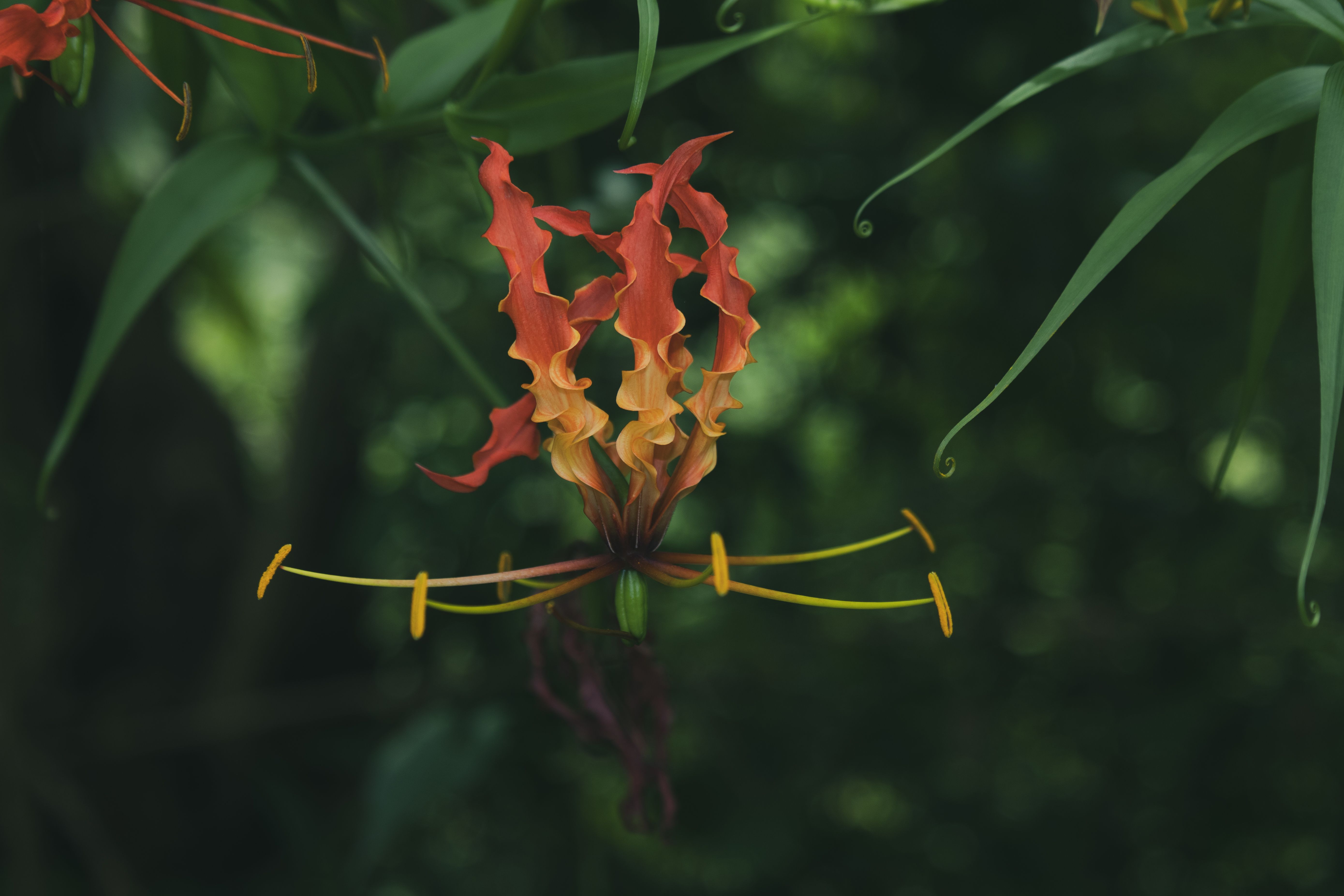
The flame lily is Zimbabwe’s national flower. It is also known as the glory lily or fire lily, and it is instantly recognizable by red and yellow petals that curl sharply backward, wavy edged and pointed, in a shape that genuinely resembles a flame caught mid flicker. It grows as a climbing herb rather than a standing plant, and it uses thin tendrils at the very tips of its glossy green leaves to pull itself up through neighboring bushes. The flower carries real symbolic weight across the region, tied to passion and strength, and it shows up widely across East Africa too, not just in the country that claims it as a national emblem.
3. Bird of Paradise
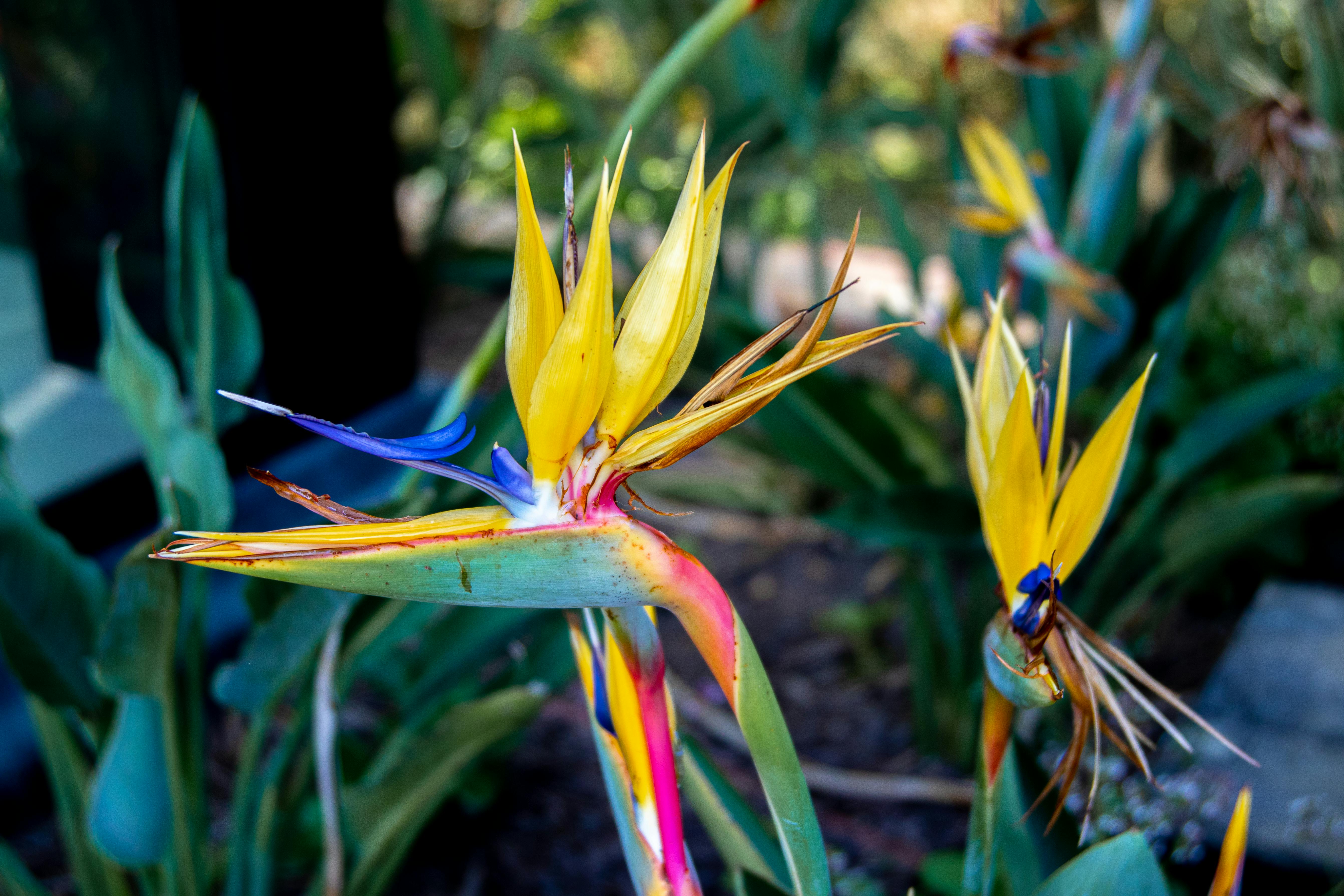
There is a reason people call the bird of paradise the crane flower. Its bright orange and blue petals fan out from a green and purple, beak shaped bract that sits atop a long stiff stalk, and the whole shape is almost identical to its namesake bird mid flight. It is native to South Africa, known botanically as strelitzia, and its leaves are broad, grey green, and paddle shaped, growing in a fan from the base of the plant. It is one of the few african flowers that reads as instantly recognizable even to people with no background in African plants at all, and in South African culture it carries associations with freedom and achievement, making it a common gift for graduations and promotions.
4. Impala Lily

The impala lily is a succulent shrub found across southern and East Africa, with a thick, swollen, grey green base that stores water through long dry stretches between blooms. Its star shaped flowers are white at the center, deepening to pink or red along the outer edge of each petal, and they emerge directly from bare branches rather than from leafy stems. Its bloom window is short, usually peaking in July and occasionally stretching into September, and that brief, fragile flowering period is part of why the flower is traditionally used in sympathy arrangements as a symbol of beauty that does not last.
5. African Daisy
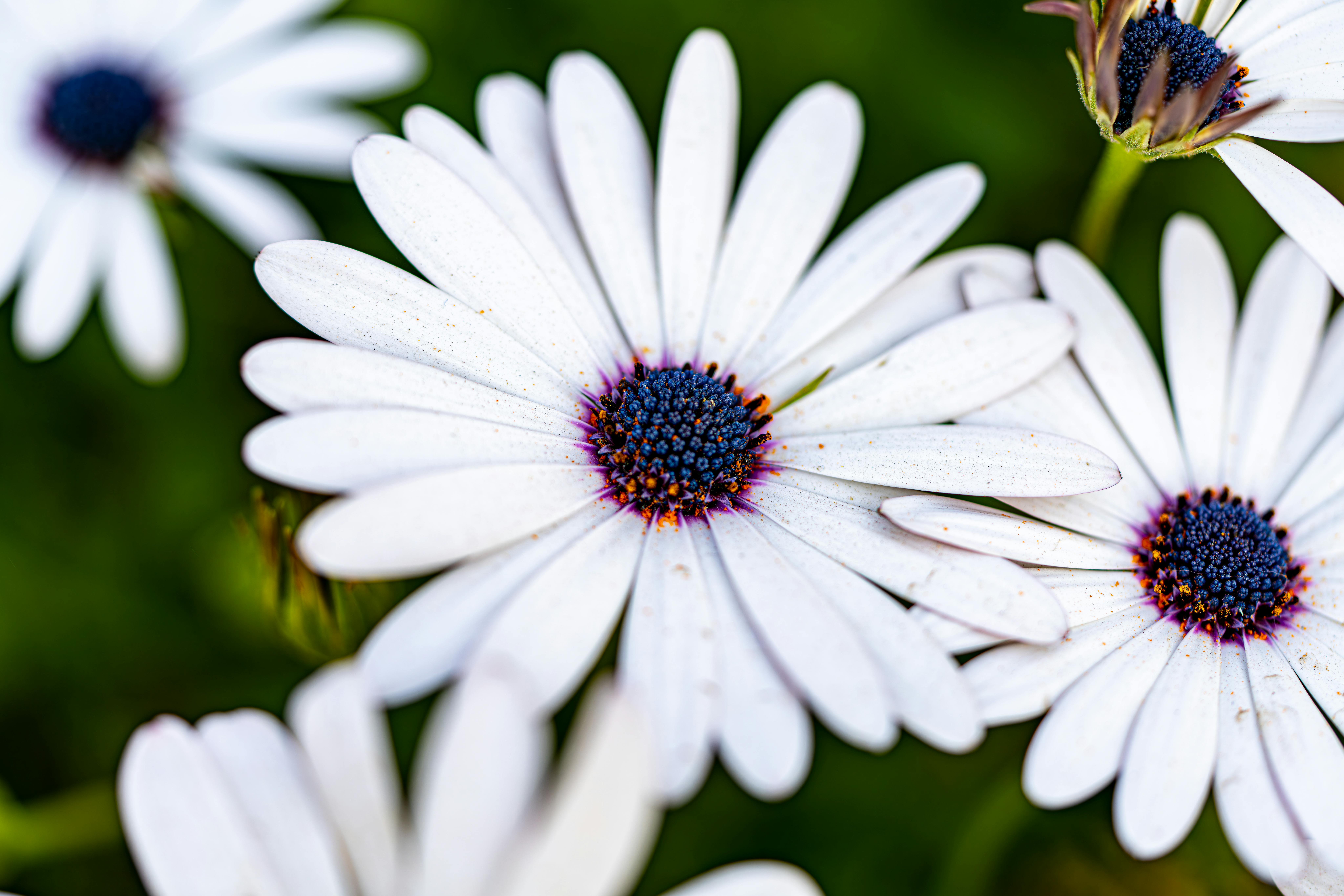
The african daisy grows flat and low, spreading directly across bare sand where no soil is needed at all. It is also called gazania, or the treasure flower, and its petals come in orange, yellow, pink, and white, each one marked near the base with a dark, jewel like spot that gives the flower its nickname. It is found on beaches and dunes as easily as in cultivated gardens, and in some locations it blooms nearly year round, closing its petals at night but reopening with the morning sun.
South African Flowers
South african flowers dominate global conversations about the continent’s plant life for a simple reason, the Cape Floristic Region packs more flowering plant diversity into a small area than almost anywhere else on Earth. Beyond the king protea and bird of paradise already covered above, a handful of other south african flowers round out the picture.
1. Barberton Daisy
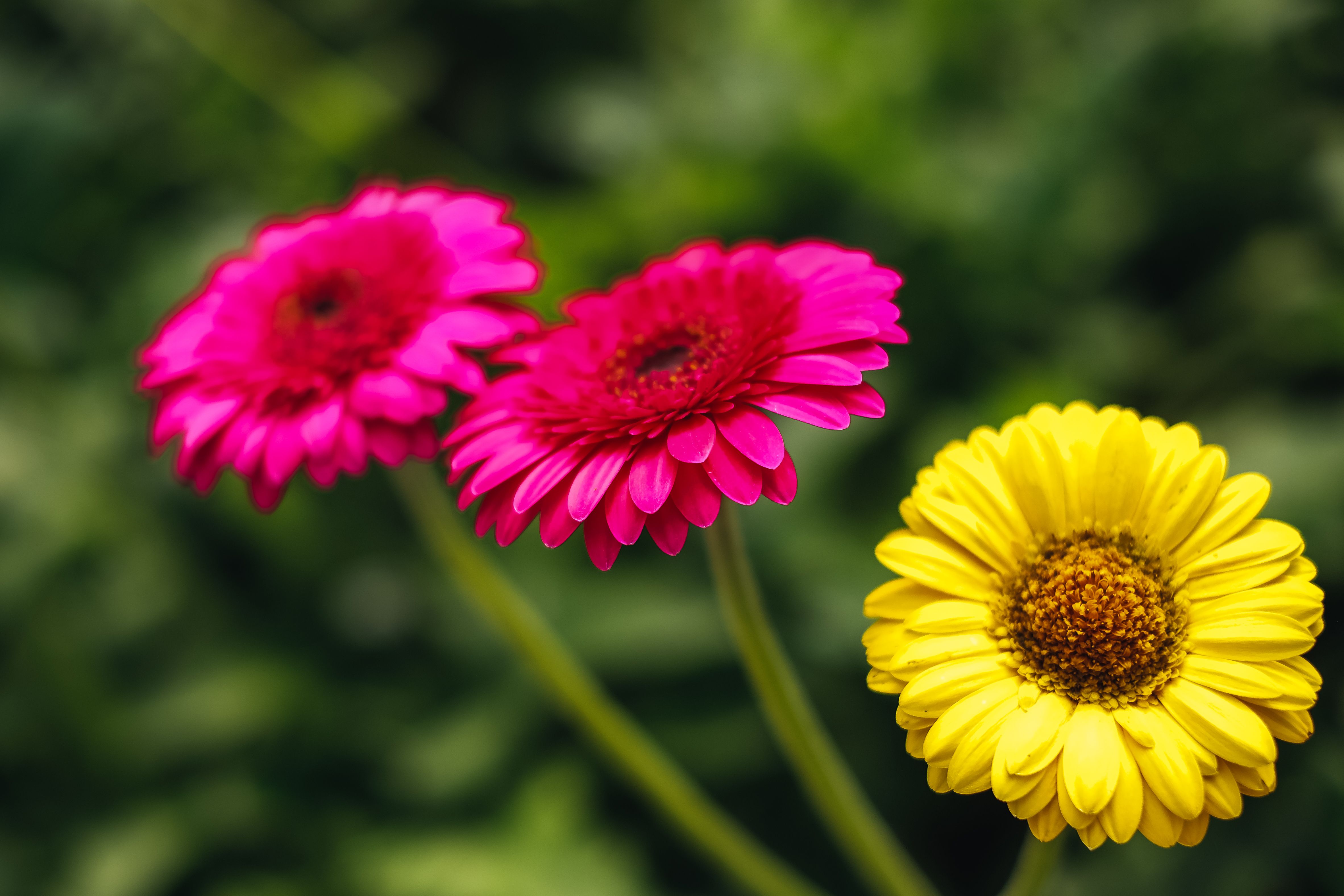
The Barberton daisy was first identified near the town of Barberton in South Africa’s Mpumalanga province, and it is known today under several names, the Transvaal daisy and the gerbera daisy among them. It grows as a rosette of irregularly shaped, often deeply divided leaves, with tall, leafless stems carrying single flower heads in vivid shades of orange, red, pink, and yellow. It has since become one of the most widely cultivated cut flowers in the world, prized for how long it holds its color after cutting, often a full two weeks in the right conditions.
2. Red Hot Poker
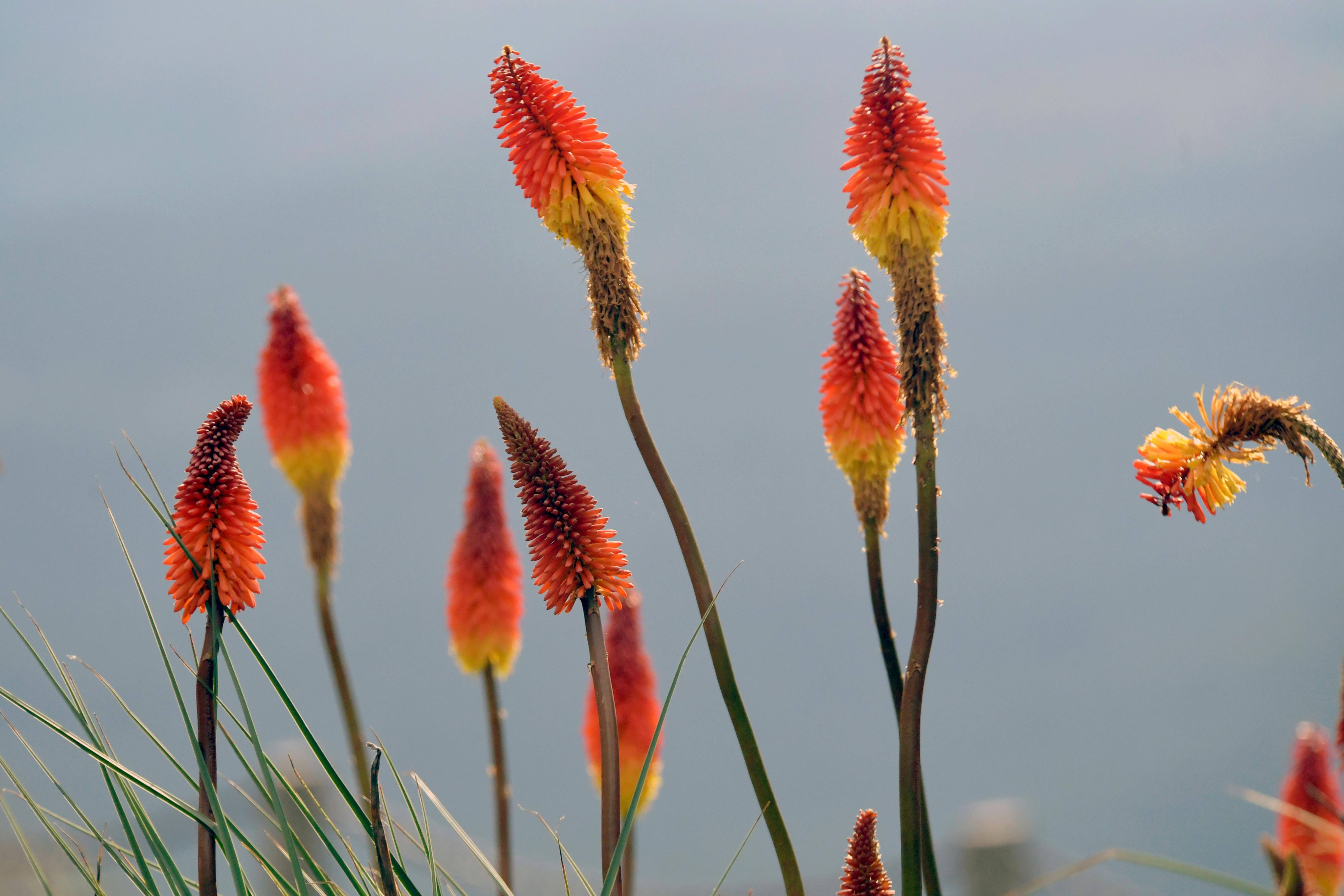
There is nothing subtle about the red hot poker. It earns its name honestly, with tall, dense flowering spikes that shift color from deep red or orange at the tip to pale yellow near the base, resembling a poker pulled straight from a fire. It is also known as the torch lily, and its leaves are long, narrow, and strap shaped, forming a low clump at the base of each flowering stalk. It is native to South Africa but has since spread into gardens worldwide, valued for how reliably it flowers even in poor soil.
3. Watsonia
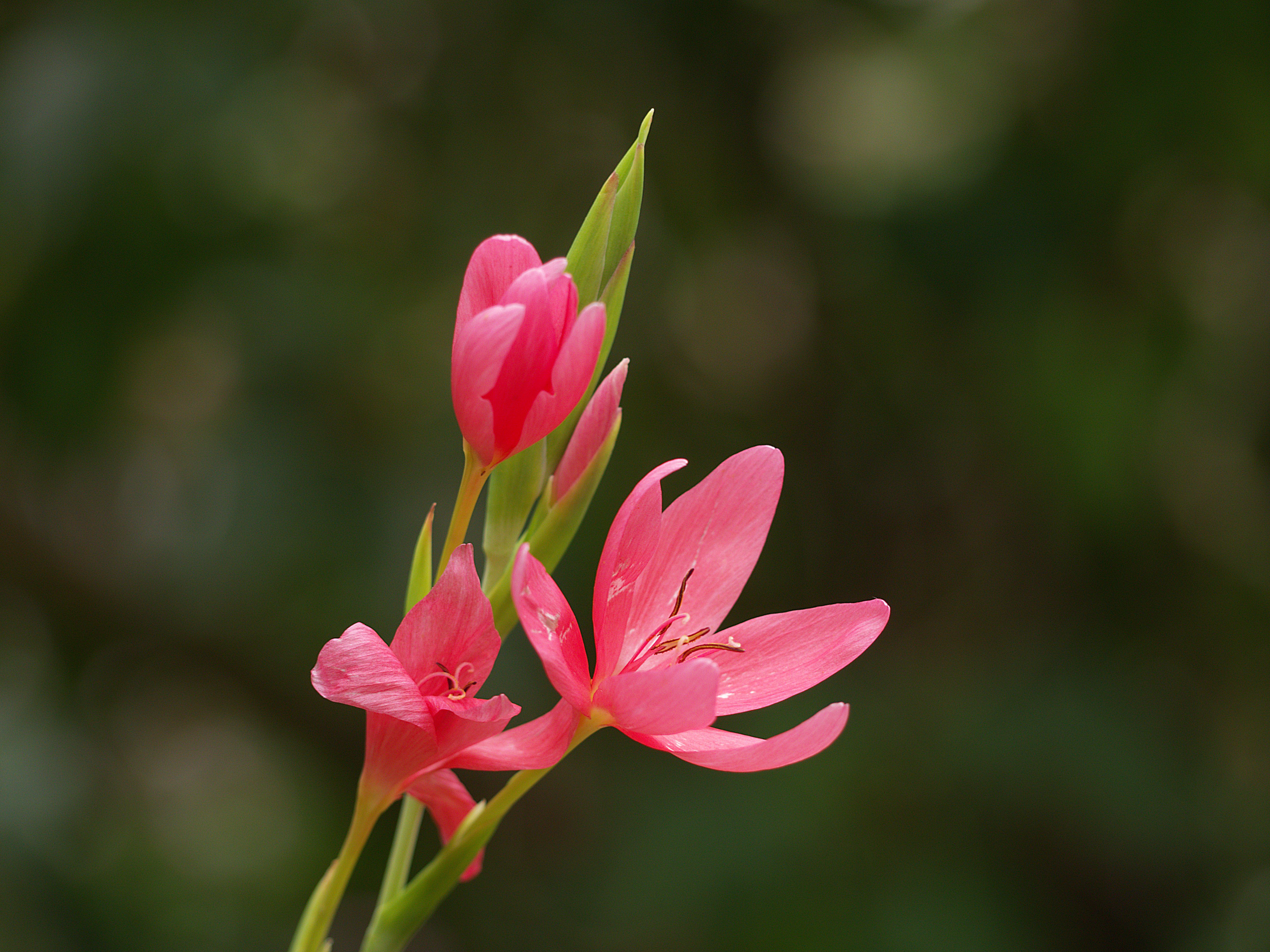
Watsonia grows from a corm, a bulb like underground stem that builds up over several generations before the plant flowers at all. It is also known as the bugle lily, and its tall spikes carry trumpet shaped blooms in shades of pink, red, and orange, held above narrow, sword shaped leaves. It is a fixture of the same fynbos ecosystem that produces the king protea, and it often flowers in the months right after a wildfire has cleared competing vegetation.
4. African Lily

The African lily is one of South Africa’s best known perennial exports. It is also called agapanthus, or somewhat inaccurately, lily of the Nile, and it blooms through summer in tight, globe shaped clusters of blue to purple, trumpet shaped flowers held on tall, bare stalks above strap shaped leaves. It is tough enough to handle both drought and occasional frost, which is part of why it has become such a common garden plant well beyond its native range.
5. Yellow Bush Lily
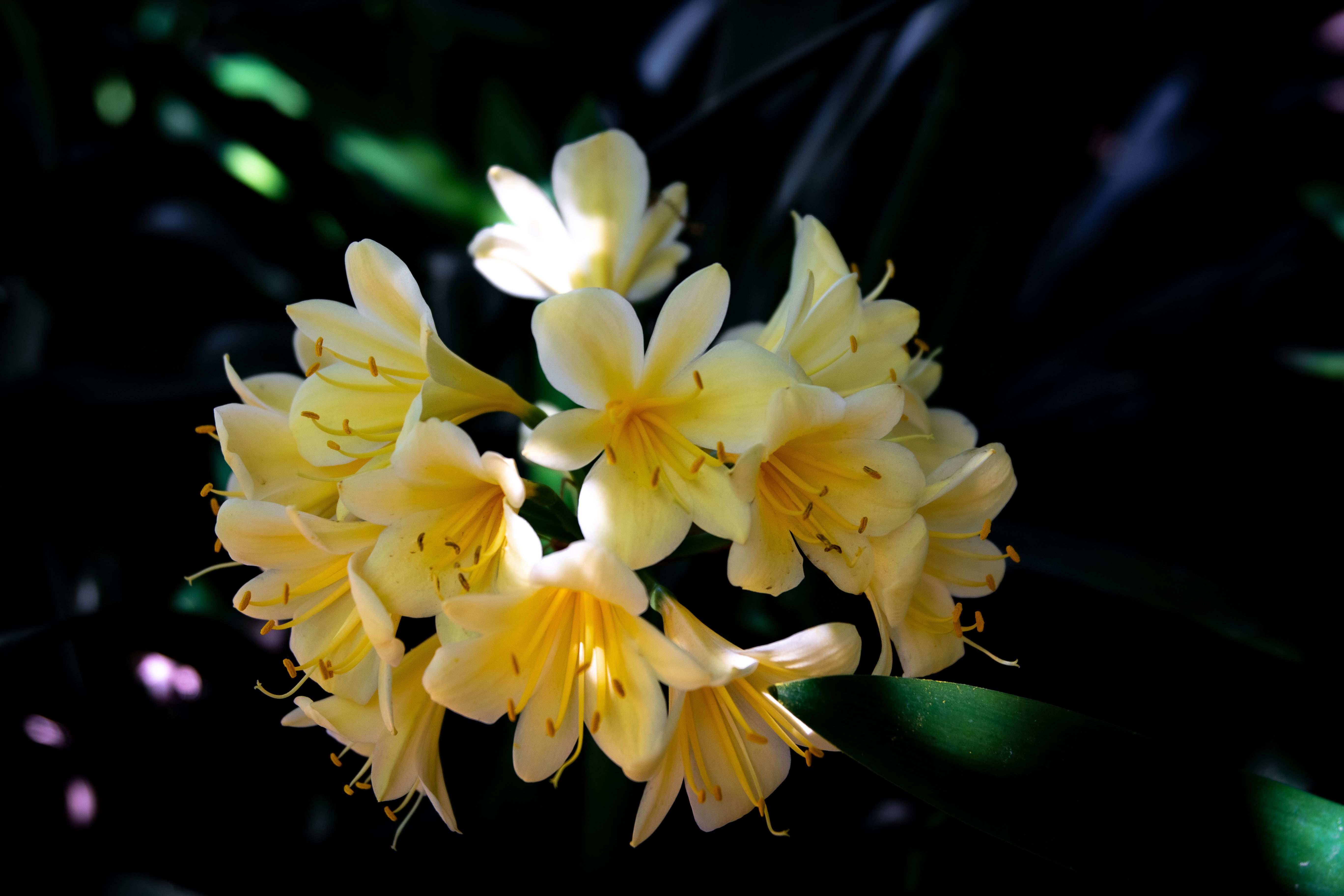
There is a strong case for the yellow bush lily as the best known African houseplant in the world. It is also called clivia, and it produces dense clusters of trumpet shaped blossoms ranging from pale cream to deep orange, set against dark green, strap shaped leaves. It grows naturally in the dappled shade of forest understory rather than open sun, but unlike most bulb plants, it can flower again intermittently through the year rather than sticking to one single season.
Flowers of West Africa
Flowers of west africa tend to get less attention than their southern counterparts, but the region holds species that are just as distinctive, several of which are genuinely native african flowers found nowhere else in this exact form.
1. Roselle
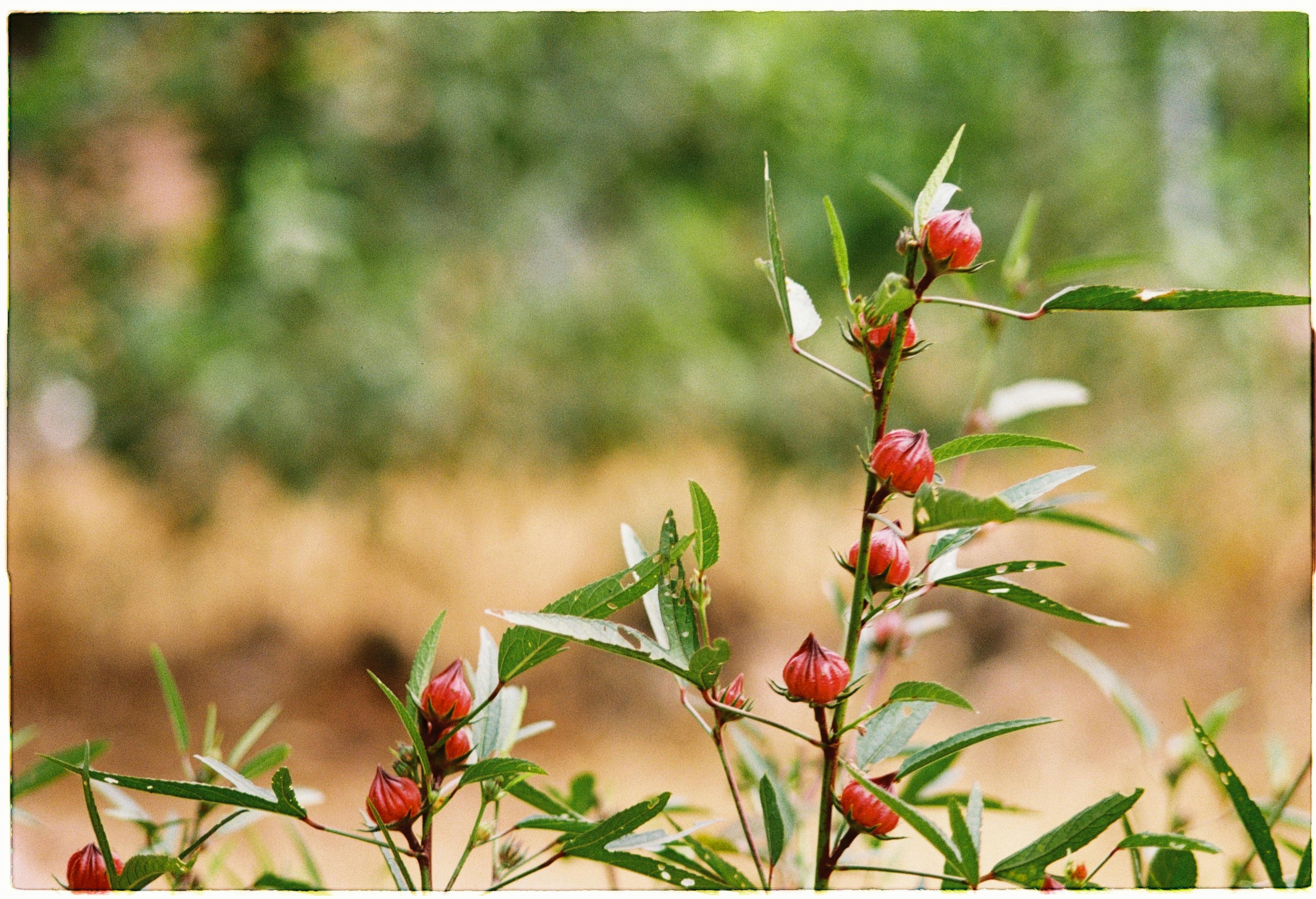
Roselle is native to West Africa, and it produces pale yellow flowers, each one marked near its center by a small patch of deep maroon. It is also known as Jamaica sorrel or karkade, and after the flower fades, its true feature takes over, a bright red, fleshy calyx that swells around the seed pod and is harvested to make hibiscus tea, jams, and sauces across the world. The plant itself grows as an upright shrub reaching up to two meters, with large, deeply lobed leaves that are also eaten as a tangy, spinach like vegetable across much of the region.
2. African Tulip Tree
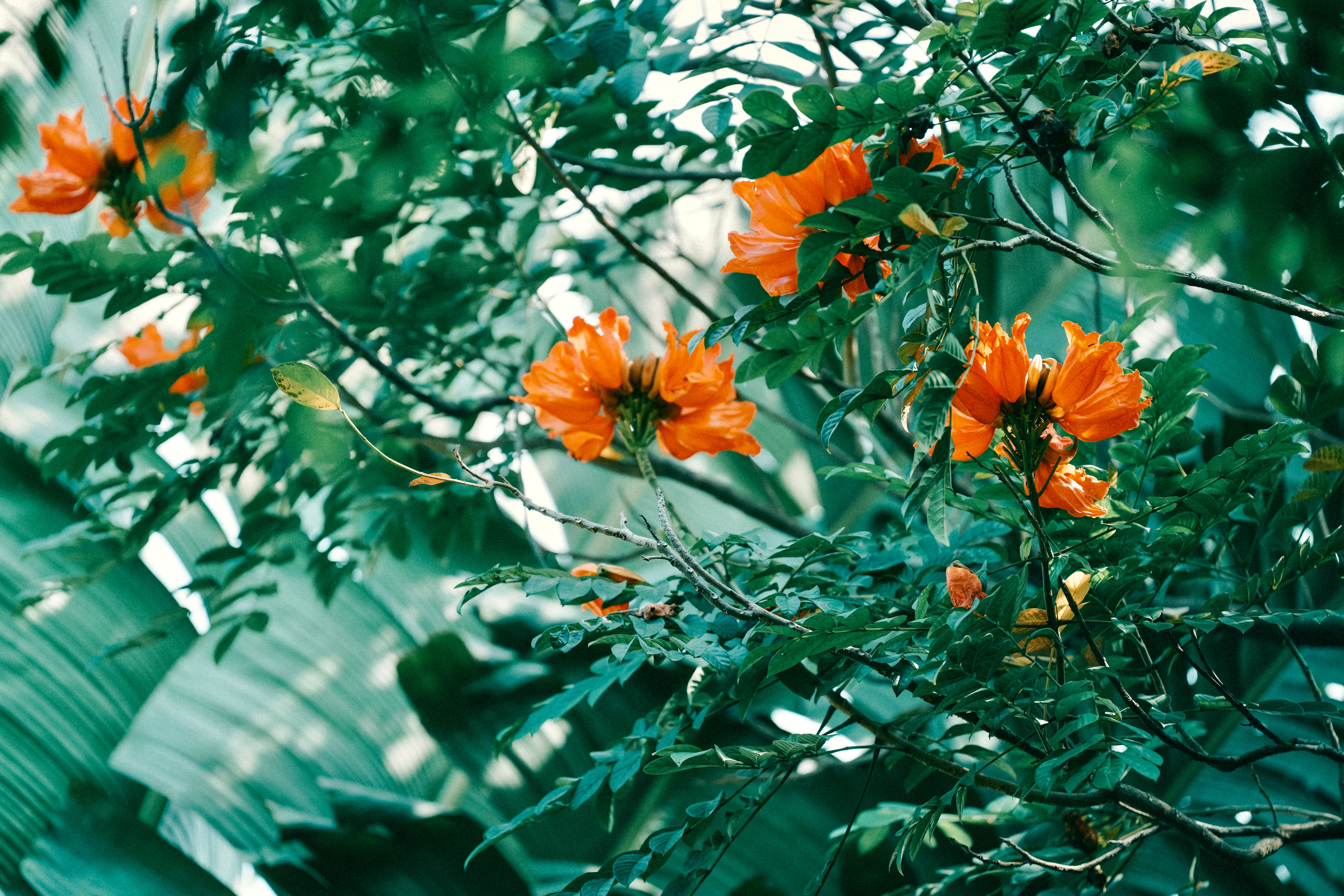
The African tulip tree is native to the tropical dry forests of West Africa, and it is easy to spot from a distance thanks to clusters of large, curved, orange-red blooms shaped like open trumpets, their edges crinkled and rimmed in yellow, bunched at the very tips of its branches. It is also known as the fountain tree or Nandi flame, and its leaves are glossy, dark green, and oval shaped, growing up to two feet long. Its unopened buds hold a sweet nectar that children across parts of Ghana have traditionally squeezed out to drink, giving the flower a local nickname that translates roughly to red tears. The tree was later carried to Hawaii and other Pacific islands as an ornamental, but it has since spread widely enough in some of those regions to threaten native species.
3. Baobab Flower
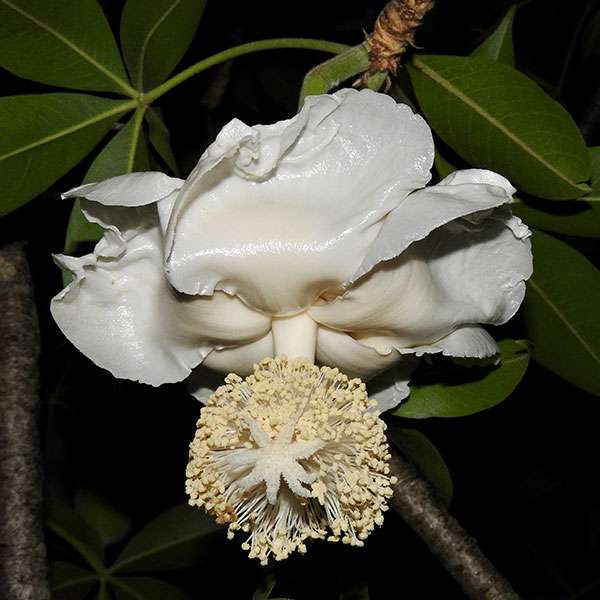
There is a strong case that the baobab flower is the strangest bloom on this entire list. It is heavy, white, and pendulous, with a prominent burst of stamens at its center, hanging downward from a long stalk. It opens at dusk, lasts a single night, and falls by morning, one of the shortest flowering windows of any tree on the continent. In West Africa, the flowers grow larger and produce more nectar than anywhere else, and they are pollinated almost entirely by straw colored fruit bats that land directly on the bloom to feed. The flower gives off a sour, faintly sulfurous scent specifically to attract those bats in the dark, and without them, the tree cannot produce the fruit it is famous for.
East African Flowers
1. Japanese Lantern Hibiscus
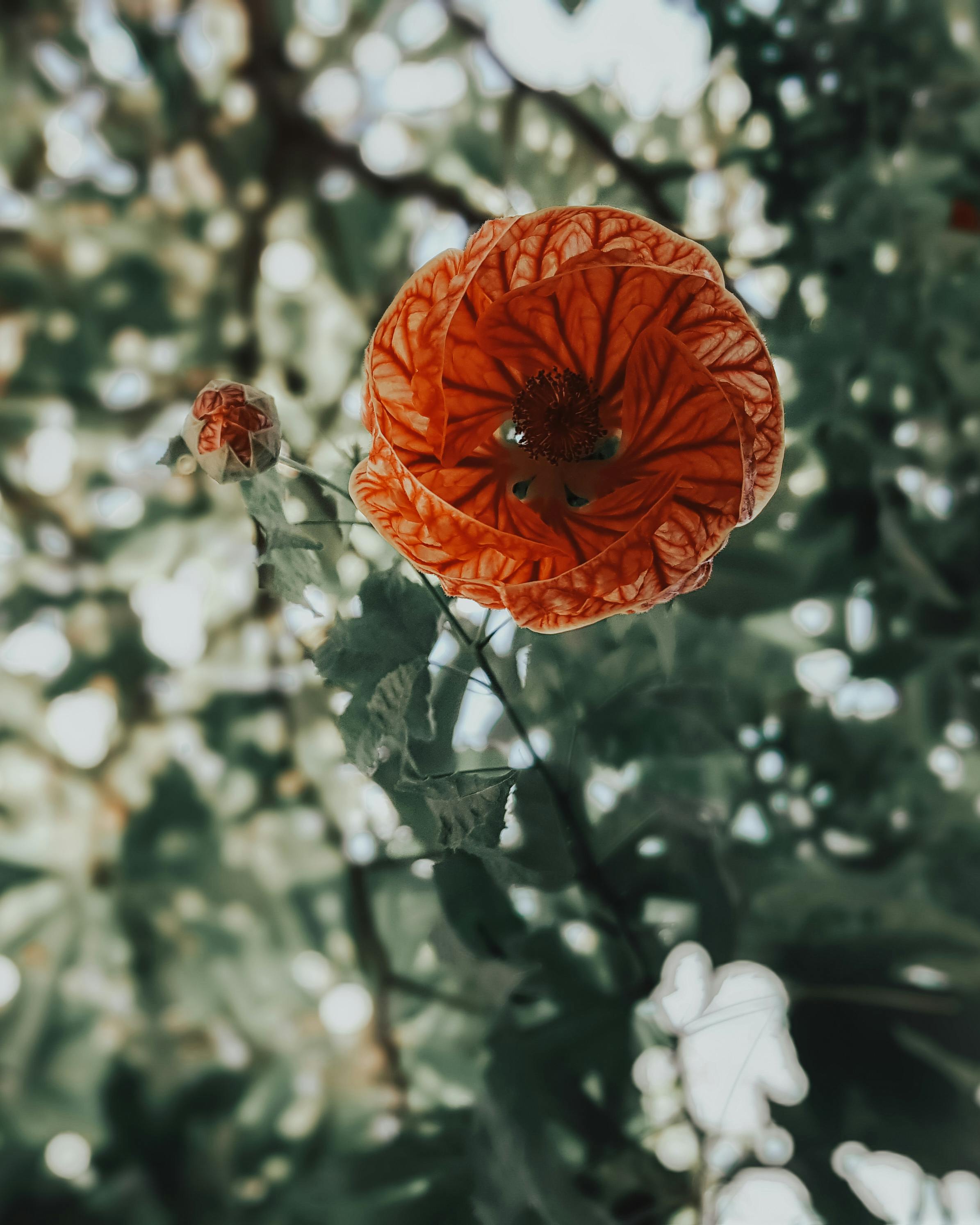
The Japanese lantern hibiscus is native to Kenya, Tanzania, and Mozambique. It is also called the spider hibiscus or coral hibiscus, and its frilly, finely divided red or pink petals curl sharply backward while a long, protruding column of stamens hangs down below, giving the whole flower a spidery, lantern like shape unlike almost any other hibiscus. It grows as a shrub reaching about ten feet tall, and its distinctive form has made it a popular ornamental export despite being native to a fairly narrow stretch of East African coast.
2. Wild Dagga
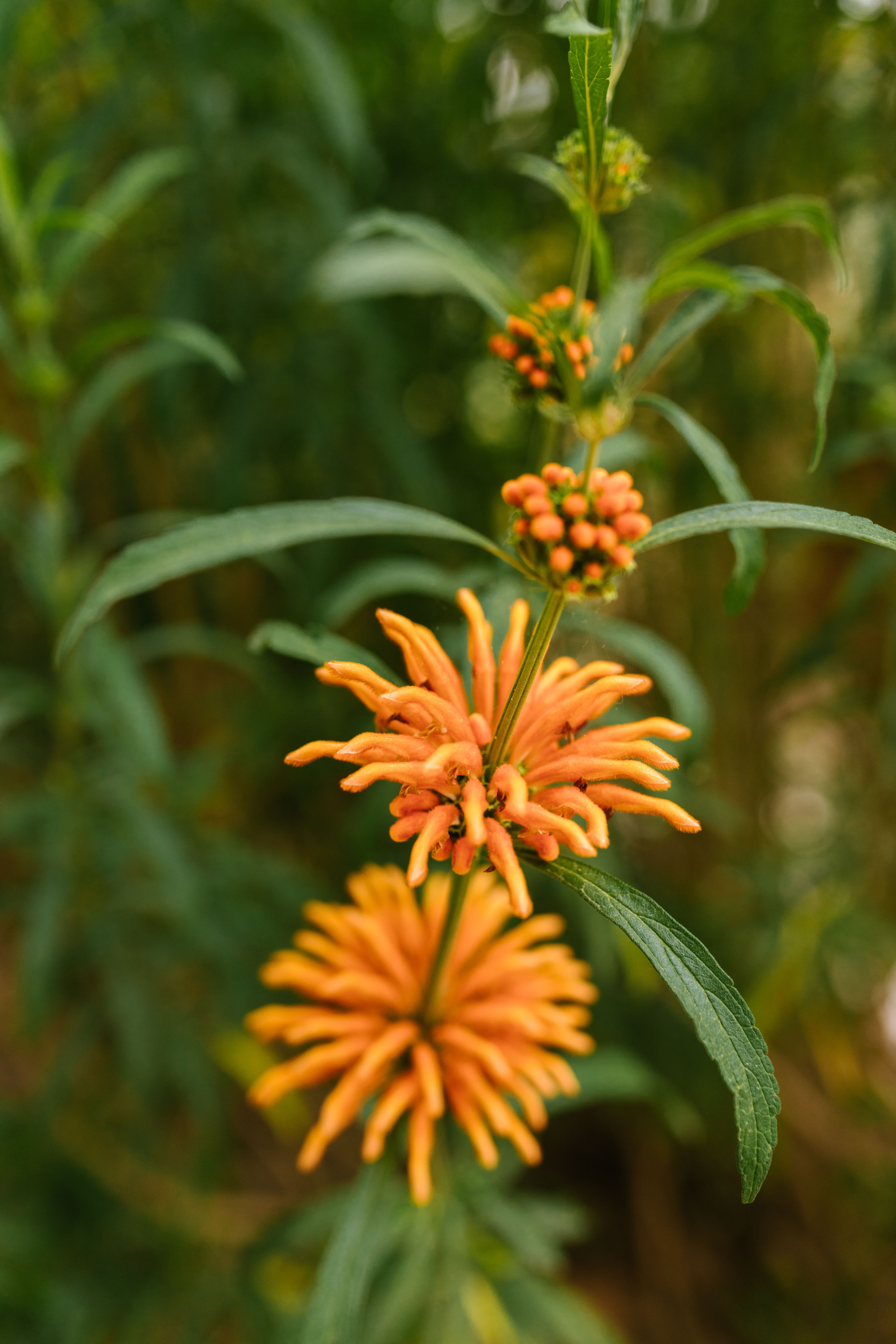
Wild dagga grows across savanna areas and thickets throughout East and Southern Africa, including Kenya and South Africa’s Limpopo province. It is also known as lion’s tail, and its bright orange, tubular flowers stack in tiered whorls up a tall, square stem, set against gray green leaves that belong to the mint family. The leaves have a real history in traditional remedies for headaches, fever, and asthma, and there is documented evidence the plant can survive both drought and frost with equal ease.
Coastal and Wetland Flowers of Africa
Not every one of Africa’s flowers grows in dry savanna or mountain fynbos. A distinct group of african native flowers has adapted instead to salt marshes, estuaries, and dune systems along the coastline, solving an entirely different problem than their inland relatives.
1. Hottentots Fig
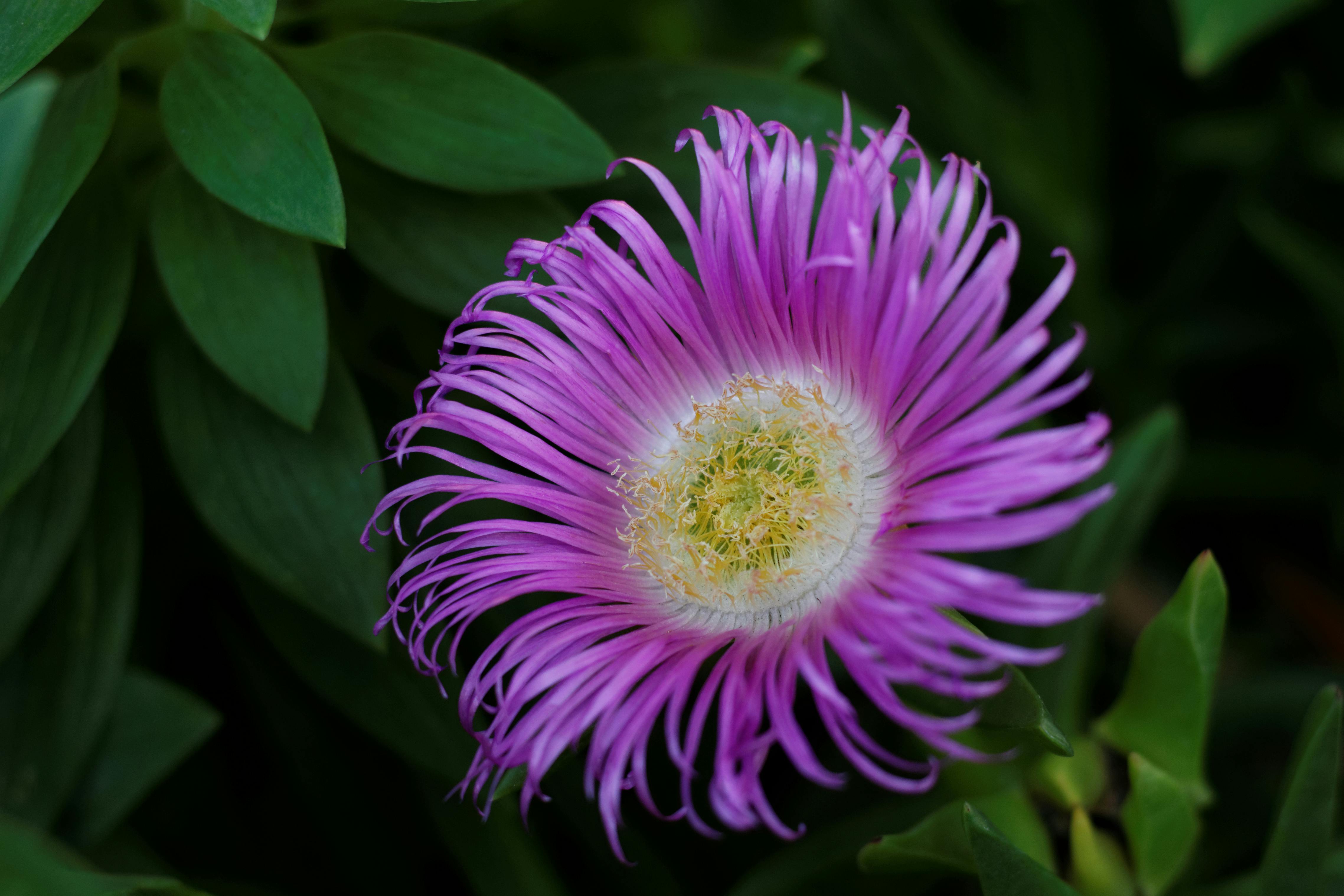
Hottentots fig is a mat forming succulent with thick, triangular, blue green leaves. It is also called the sour fig, and its large, daisy like flowers open bright yellow but often fade to pink or purple as they age. It spreads across rocky outcrops and partly stabilized dunes, and its dense growth habit helps hold loose sand in place against wind and tide.
2. Glasswort Samphire
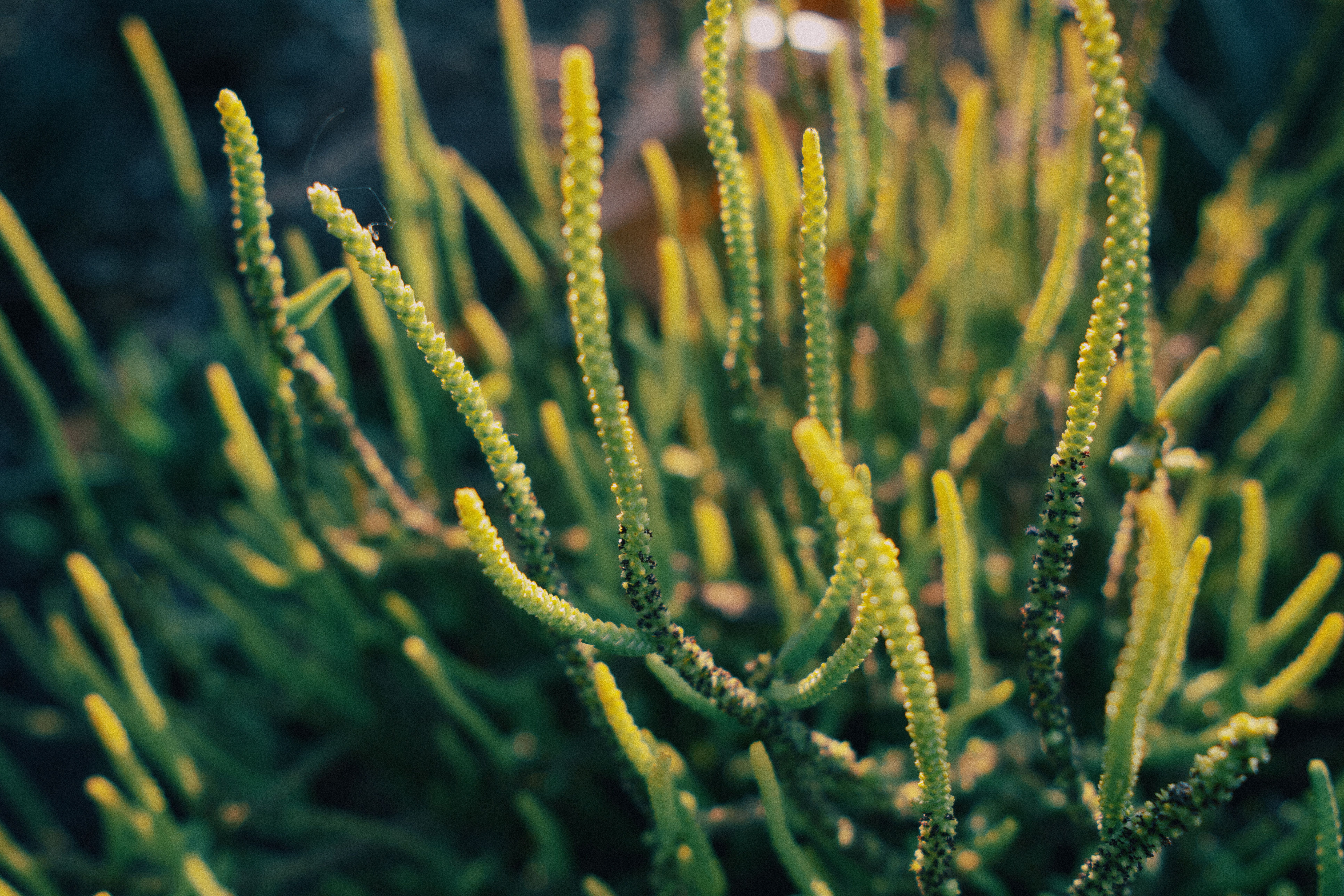
Glasswort samphire has jointed, leafless, fleshy green stems that turn a deep red in autumn, with tiny, inconspicuous flowers tucked into the joints themselves. It is sometimes called sea asparagus, and it forms low mats across estuarine salt marshes and rocky shorelines right at the high tide line, where it can tolerate salt concentrations that would kill most plants outright.
3. Goats Foot
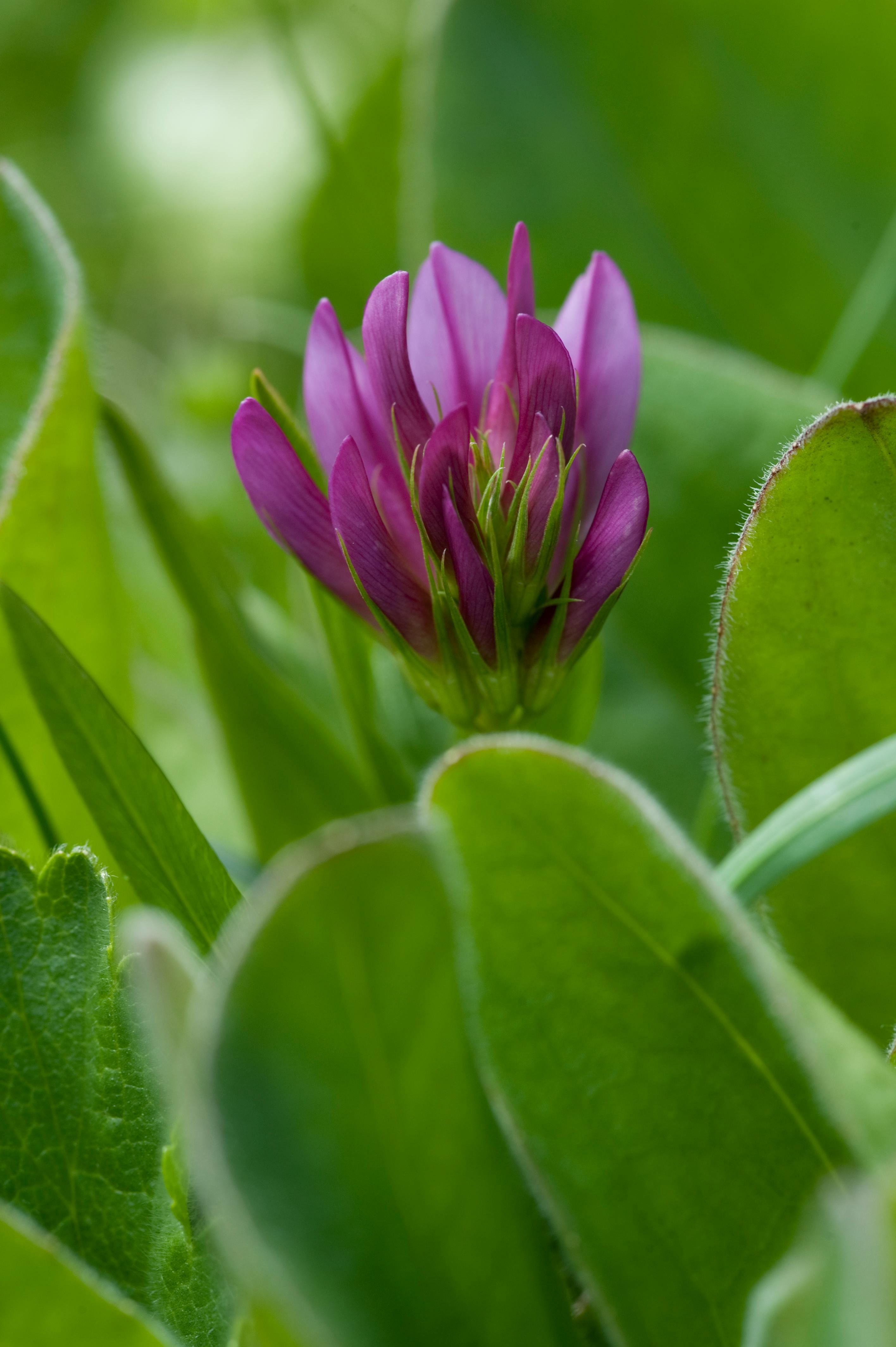
Goats foot is easy to identify by its thick, two lobed leaves shaped almost exactly like a goat’s hoofprint, paired with funnel shaped pink to purple flowers. It is also called beach morning glory, and it is one of the very first plants to colonize a fresh seashore dune. Its wide reach comes down entirely to how well its seeds disperse by floating on ocean currents to new shorelines.
4. Sea Pumpkin
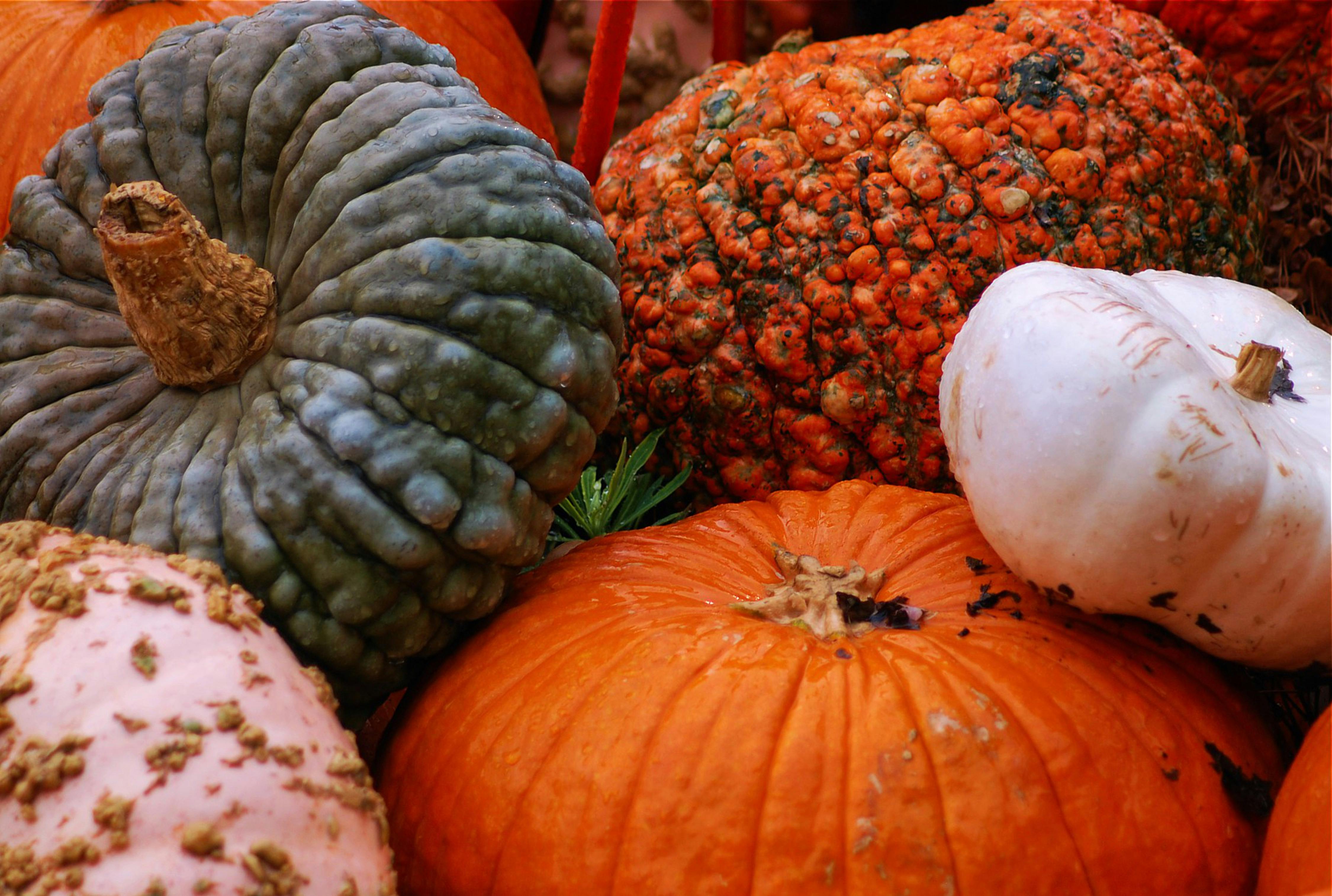
Sea pumpkin has a thick stem and either simple, oval shaped leaves or lobed ones, both coated in fine white hairs that reflect sunlight and cut down on water loss along exposed beaches. It is also called the beach pumpkin, and its small yellow flowers are easy to miss against the silvery foliage.
Flowers Indigenous to Africa Used in Traditional Medicine and Culture
Beyond their color, many flowers indigenous to africa carry real weight in traditional medicine and cultural ceremony, not just decoration.
1. Wild Ginger
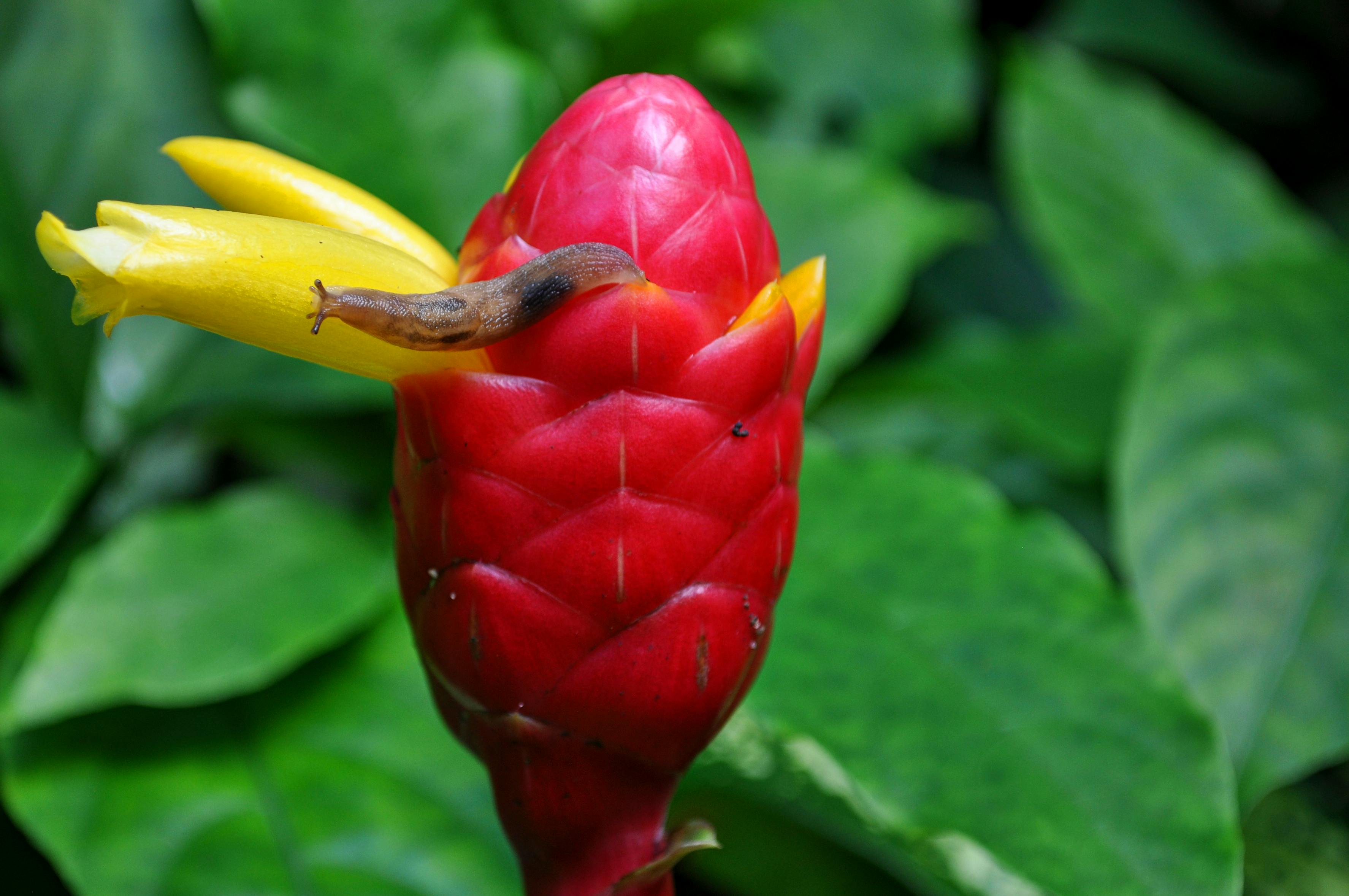
Wild ginger produces purple to mauve flowers that appear at ground level before the leaves even emerge for the season. It is also called African ginger, and its rootstock genuinely smells and tastes like culinary ginger, since it belongs to the same broader ginger family. Communities across its range have used the root both as a flavoring and in traditional remedies for digestive complaints, treating it as a plant with practical value well beyond its ornamental flower.
2. Pineapple Flower
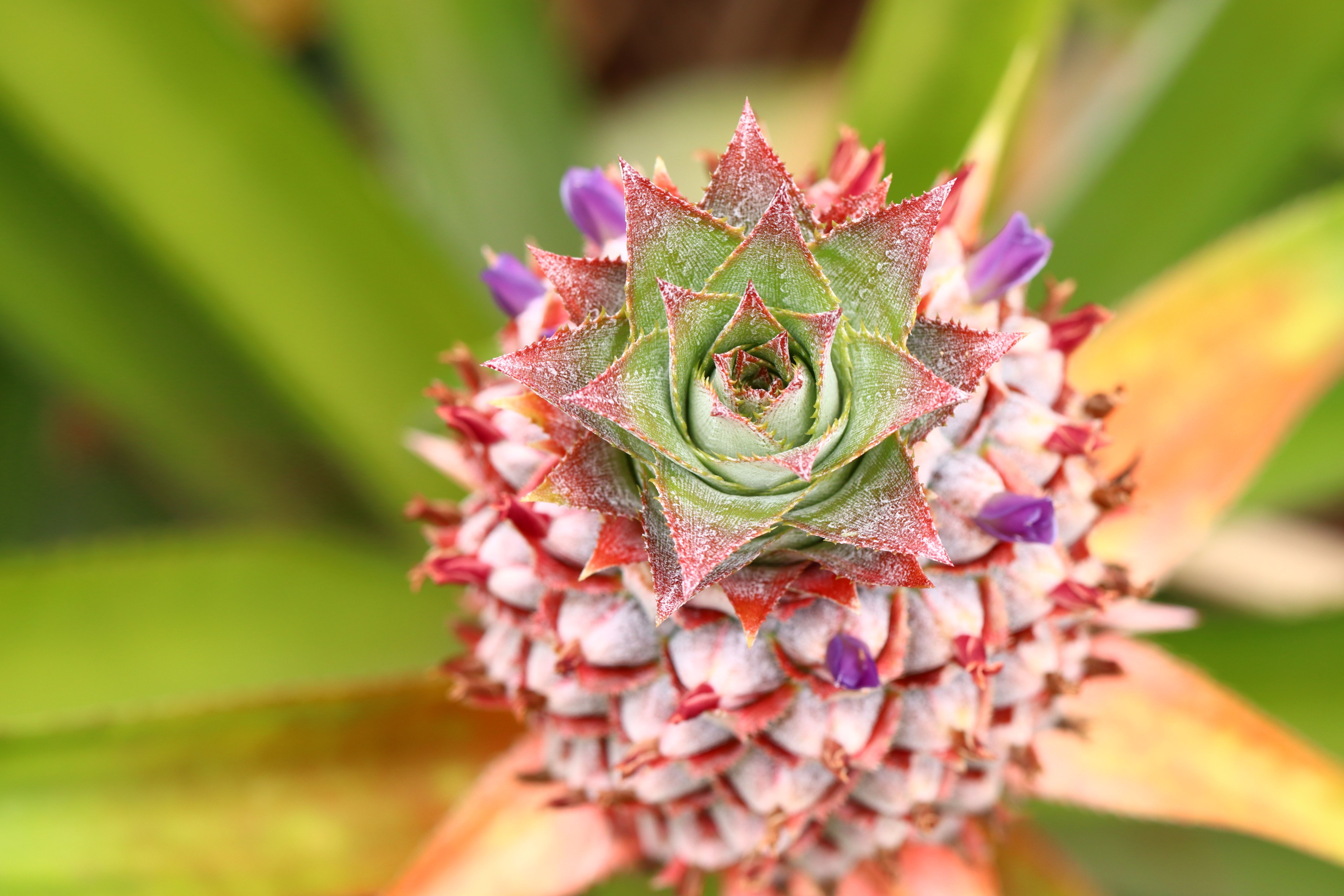
The pineapple flower gets its name honestly. It is also called eucomis, or the pineapple lily, and its greenish white to purple, star shaped flowers pack densely along a central spike, topped with a crown of leafy bracts that genuinely resemble the top of a pineapple. Beyond its ornamental use, it has a documented history in traditional medicine, and its hardiness as a perennial is part of why it is a favorite among growers who want something unusual but low maintenance.
3. Devil’s Thorn
Devil’s thorn is a small, trailing annual herb with pink to mauve, trumpet shaped flowers and opposite, toothed leaves low to the ground. Its name comes from the sharp, spiky seed pods that follow the bloom rather than the flower itself, hard enough to puncture a bare foot or a bicycle tire. It is common across open, disturbed ground throughout much of the continent.
Where African Flowers Are Found
Native African flowers are the one that actually thrive here and all share the same underlying toolkit, tolerance for drought, fire, salt, or all three at once. South Africa’s Cape Floristic Region alone holds an outsized share of the continent’s total flowering plant diversity packed into a relatively small area, while West Africa’s forest and savanna belt produces larger, showier blooms built around night pollinators like bats and moths. East Africa’s mix of coastline, highland, and savanna adds yet another distinct set of species, many of which grow nowhere else in exactly the same form.
Plan Your Safari with TourwithPipi

Reading about african flowers is one thing, but seeing a baobab bloom for a single night or standing in a field of wild gladiolus during the rains is another experience entirely. We build private safaris across the destinations where these flowers actually grow. Start with our Luxury Kenya Safaris for East Africa’s coastal and highland blooms, explore our Luxury Tanzania Safaris for the Serengeti’s wildflower season after the rains, or ask about a Kruger National Park itinerary to see South Africa’s fynbos and savanna flowers together. Message us on WhatsApp and we will build the trip around what you want to see.
Conclusion: What Are the Most Popular African Flowers?
The most popular african flowers are the king protea, the flame lily, the bird of paradise, the impala lily, and the african daisy. These species are widely recognized both across the continent and in gardens worldwide, and each one is tied to a different country or region. South african flowers dominate this list because the Cape region of South Africa holds one of the richest concentrations of flowering plant diversity anywhere on the planet, while flowers native to africa further north tend to be larger, showier, and built around different pollinators entirely.
Blog Summary
- African flowers span more than 45,000 native species, from fynbos in the south to rainforest and savanna in the west.
- The king protea, South Africa’s national flower, survives wildfire by storing its seeds underground until heat triggers germination.
- South african flowers dominate global recognition because the Cape Floristic Region holds an outsized share of the continent’s diversity.
- Flowers of west africa, including roselle and the African tulip tree, tend to be larger and showier, built around night pollinators.
- The baobab flower opens for one night only and depends entirely on fruit bats for pollination in West and East Africa.
- East African flowers like the Japanese lantern hibiscus grow in a narrow coastal range found nowhere else.
- A distinct group of coastal and wetland flowers has adapted to salt, tide, and shifting sand rather than drought alone.
- Many flowers indigenous to africa double as traditional medicine, food, or both, not just ornamental blooms.
- African native flowers and native african flowers all share a handful of core adaptations: tolerance for drought, fire, or salt.


