
Lions are found across a much smaller part of the world than they were in the past. Today, most wild lions live in Africa, while the only remaining wild population of Asiatic lions lives in and around Gujarat, India.
So, which country has the most lions?
The answer is Tanzania. A national wildlife census conducted in Tanzania during 2024/25 estimated about 17,200 lions, making it the country with the largest known lion population. However, lion numbers should be treated as estimates because countries use different counting methods and not every population is surveyed in the same year.
How Many Lions Are Left in the World?
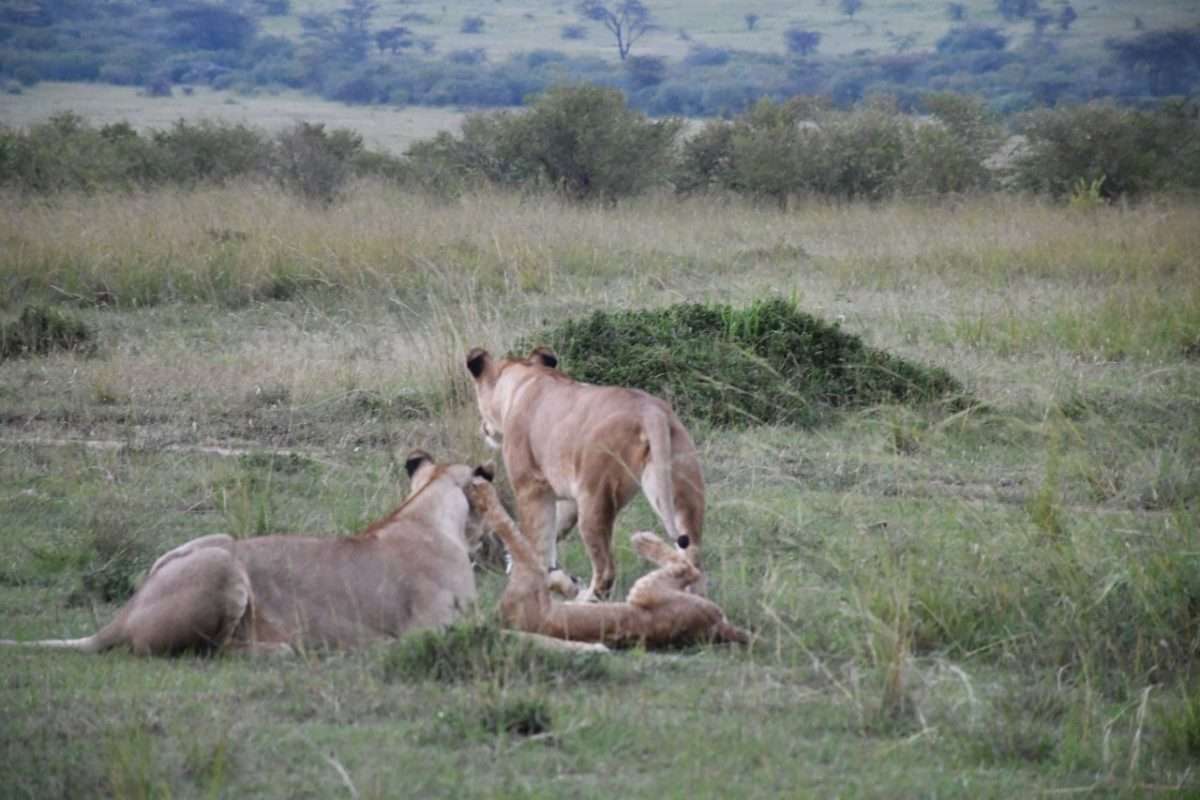
There is no single exact number for every wild lion on Earth.
The IUCN SSC Cat Specialist Group’s African Lion Database estimates that Africa had approximately 20,000 to 25,000 adult and subadult lions in 2025. The database also reports that lions occupy only about 6% of their historical range in Africa.
India has a separate population of Asiatic lions. Its 2025 lion census recorded 891 lions in Gujarat.
This means the safest way to discuss the lion population in the world is to use current national and regional estimates rather than claim one precise global number.
Lion population at a glance
| Region | Latest available estimate |
|---|---|
| Africa | About 20,000–25,000 adult and subadult lions |
| India | 891 Asiatic lions |
| Global wild population | Roughly 21,000–26,000 based on these current estimates |
The global figure above is an approximate combination of the available African and Indian estimates, not the result of a single worldwide census.
Countries With the Most Lions
Tanzania has the largest lion population by a wide margin. Its latest national wildlife census, released by the Tanzania Wildlife Research Institute (TAWIRI) in June 2026, estimated 17,200 lions.
That same 2024/25 census round put South Africa at 3,284, Botswana at 3,064, Kenya at 2,515 and Zambia at 2,349, giving a more current, comparable snapshot than relying on figures compiled from different years. Beyond these five, other widely cited estimates put Zimbabwe and Ethiopia among the countries with the largest remaining lion populations, though those figures come from separate surveys and should not be treated as part of the same comparable dataset.
| Country | Approximate lion population | Important lion areas |
|---|---|---|
| Tanzania | 17,200 | Serengeti, Ngorongoro, Nyerere, Ruaha |
| South Africa | 3,284 | Kruger and surrounding conservation areas |
| Botswana | 3,064 | Okavango, Chobe |
| Kenya | 2,515 | Maasai Mara, Tsavo, Amboseli |
| Zambia | 2,349 | South Luangwa, Kafue, Lower Zambezi |
| Zimbabwe | About 1,300+ in commonly cited estimates | Hwange, Mana Pools |
| Ethiopia | About 1,200+ in commonly cited estimates | Several protected landscapes |
| Namibia | Hundreds | Etosha, Kunene and other northern areas |
| India | 891 Asiatic lions | Gir landscape, Gujarat |
Tanzania, South Africa, Botswana, Kenya and Zambia’s figures above all come from the same 2024/25 TAWIRI census round, released in June 2026. Zimbabwe, Ethiopia and Namibia’s figures come from separate, less recent datasets, so the table is best used to show the countries that hold major populations rather than as a single precise ranking.
1. Tanzania Has the Most Lions in the World
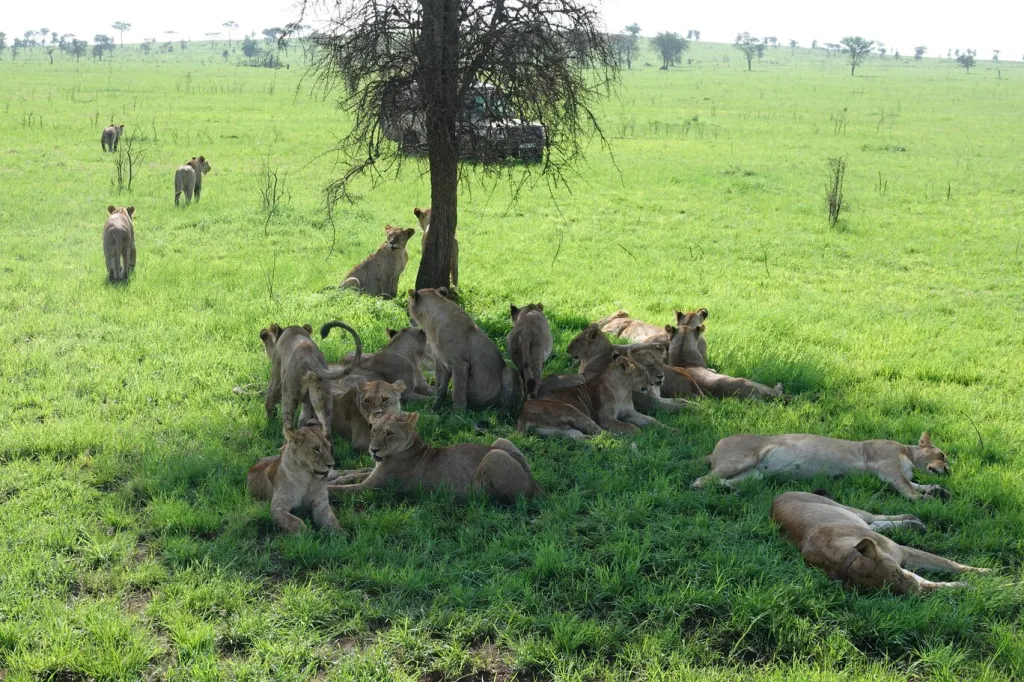
Tanzania is the leading country for wild lions.
Its 2024/25 national wildlife census estimated 17,200 lions across the country. The census was the first comprehensive national wildlife count in a decade and covered Tanzania’s different ecological systems. TAWIRI reported that the northern tourism circuit alone, covering the Serengeti, Ngorongoro Conservation Area, Tarangire and Lake Manyara, holds 5,844 of those lions, about 33.7% of the national population. Tanzania’s total is also estimated to represent roughly half of all lions in sub-Saharan Africa.
Some of Africa’s most important lion landscapes are found here.
Serengeti
The Serengeti is one of Africa’s best-known lion habitats. Large grasslands, abundant prey and protected areas provide conditions for large prides.
Nyerere National Park
The Nyerere ecosystem in southern Tanzania supports another important lion population.
Ruaha
Ruaha is known for its large predator populations and forms part of one of Tanzania’s major lion landscapes.
For safari travelers, Tanzania offers several different places to see lions rather than one single park.
2. South Africa
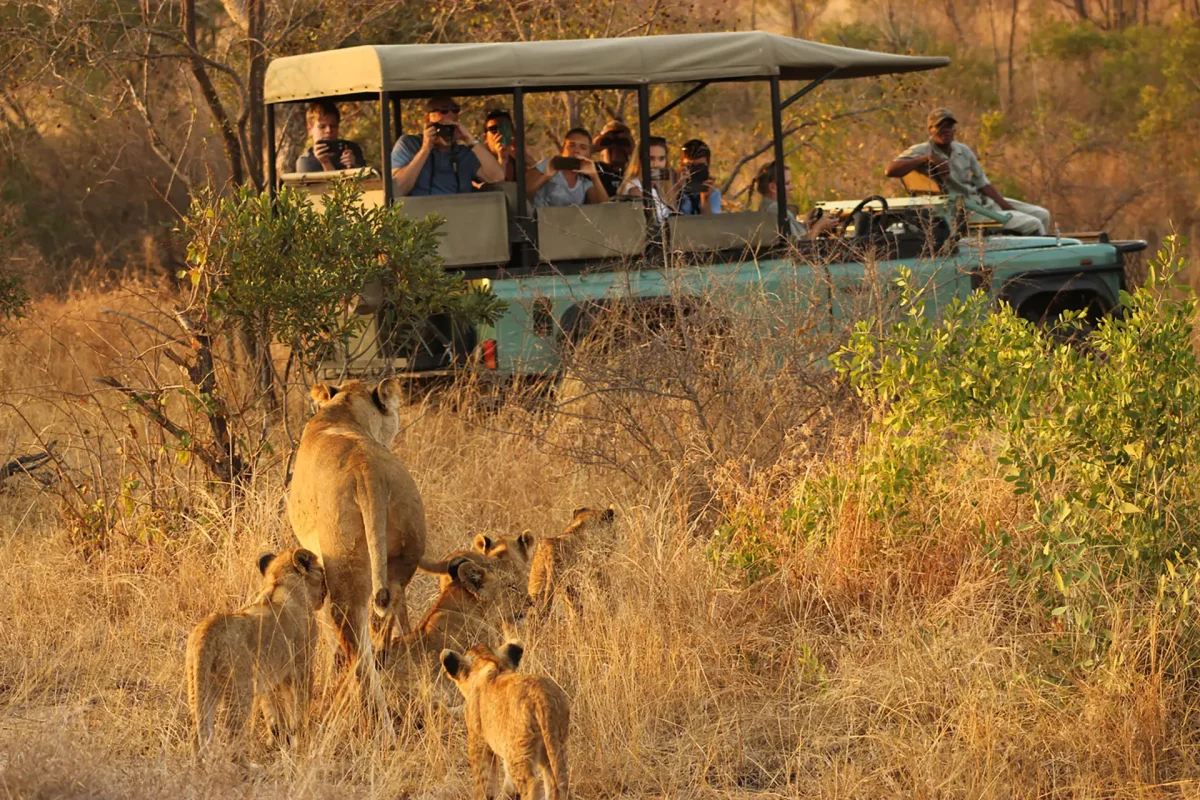
South Africa has one of Africa’s best-known lion populations, particularly around the Greater Kruger landscape.
TAWIRI’s 2024/25 comparative census data puts the country’s wild lion population at 3,284, although South African lion numbers can vary depending on whether particular transfrontier and smaller reserve populations are included.
Where to see lions in South Africa
The main areas include:
- Kruger National Park
- Greater Kruger conservation areas
- Kgalagadi Transfrontier Park
- Several private reserves
South Africa is also unusual because it has both large free-ranging wild populations and a significant captive lion population. These should not be combined when discussing wild lion numbers.
3. Botswana
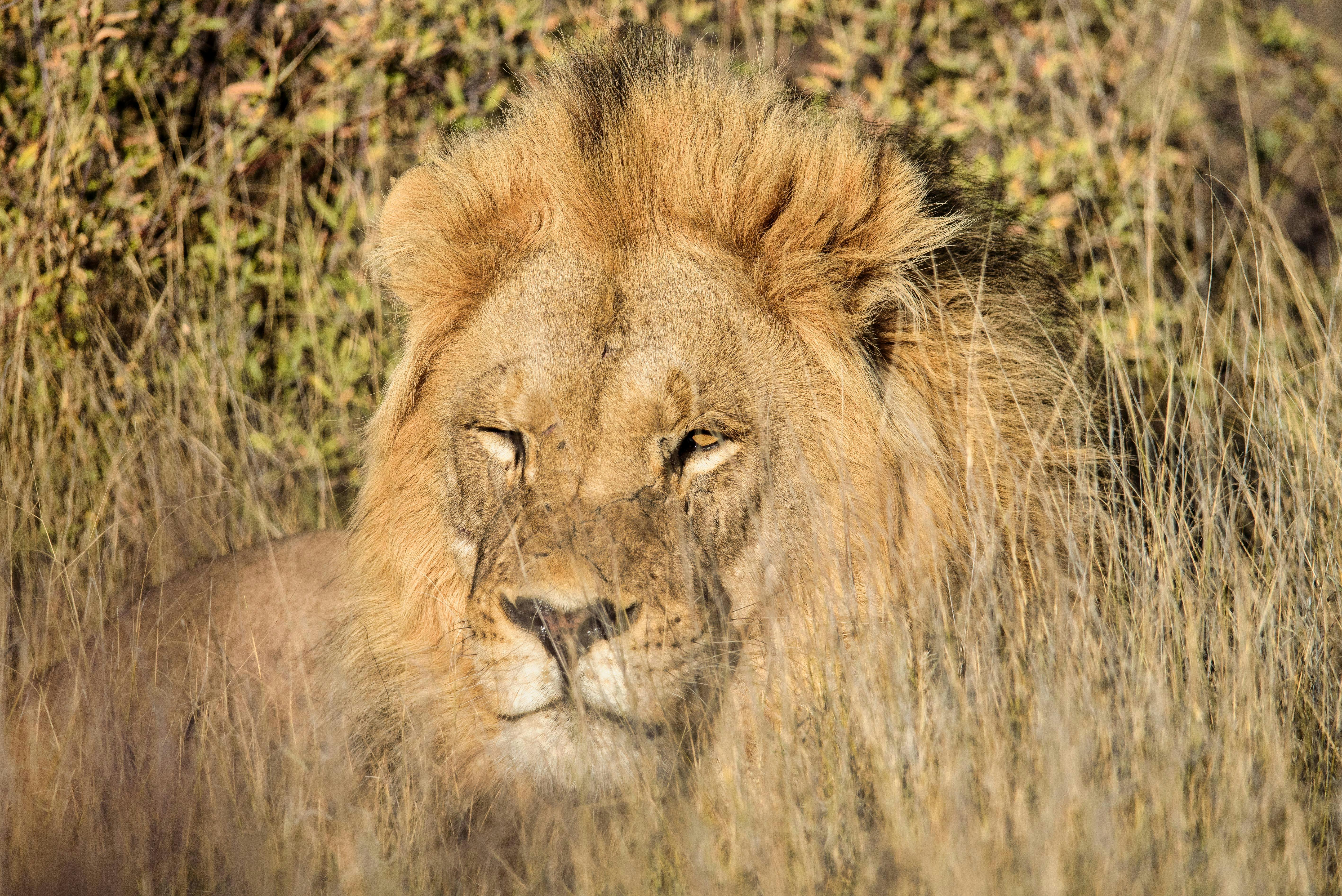
Botswana is another major lion country.
Large lion populations are associated with northern Botswana, especially the Okavango Delta and Chobe region.
TAWIRI’s 2024/25 comparative data puts Botswana’s population at 3,064 lions, while other conservation assessments give somewhat different figures depending on which populations and survey areas are included.
Botswana’s open landscapes and large prey populations make it one of the important remaining lion strongholds in southern Africa.
4. Kenya
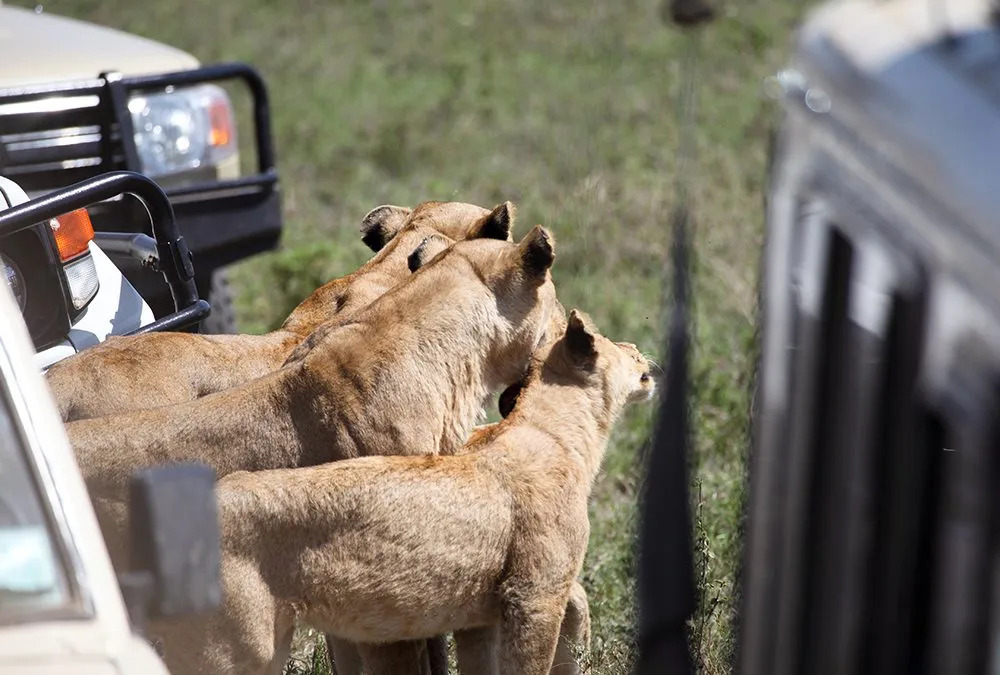
Kenya is home to an important lion population spread across several ecosystems.
TAWIRI’s 2024/25 comparative data puts Kenya’s population at 2,515 lions.
Some of the best-known places to see lions in Kenya include:
- Maasai Mara
- Tsavo
- Amboseli
- Samburu and surrounding landscapes
The Maasai Mara is particularly well known because it forms part of the wider Serengeti-Mara ecosystem, where wildlife moves across the Tanzania-Kenya border.
5. Zambia
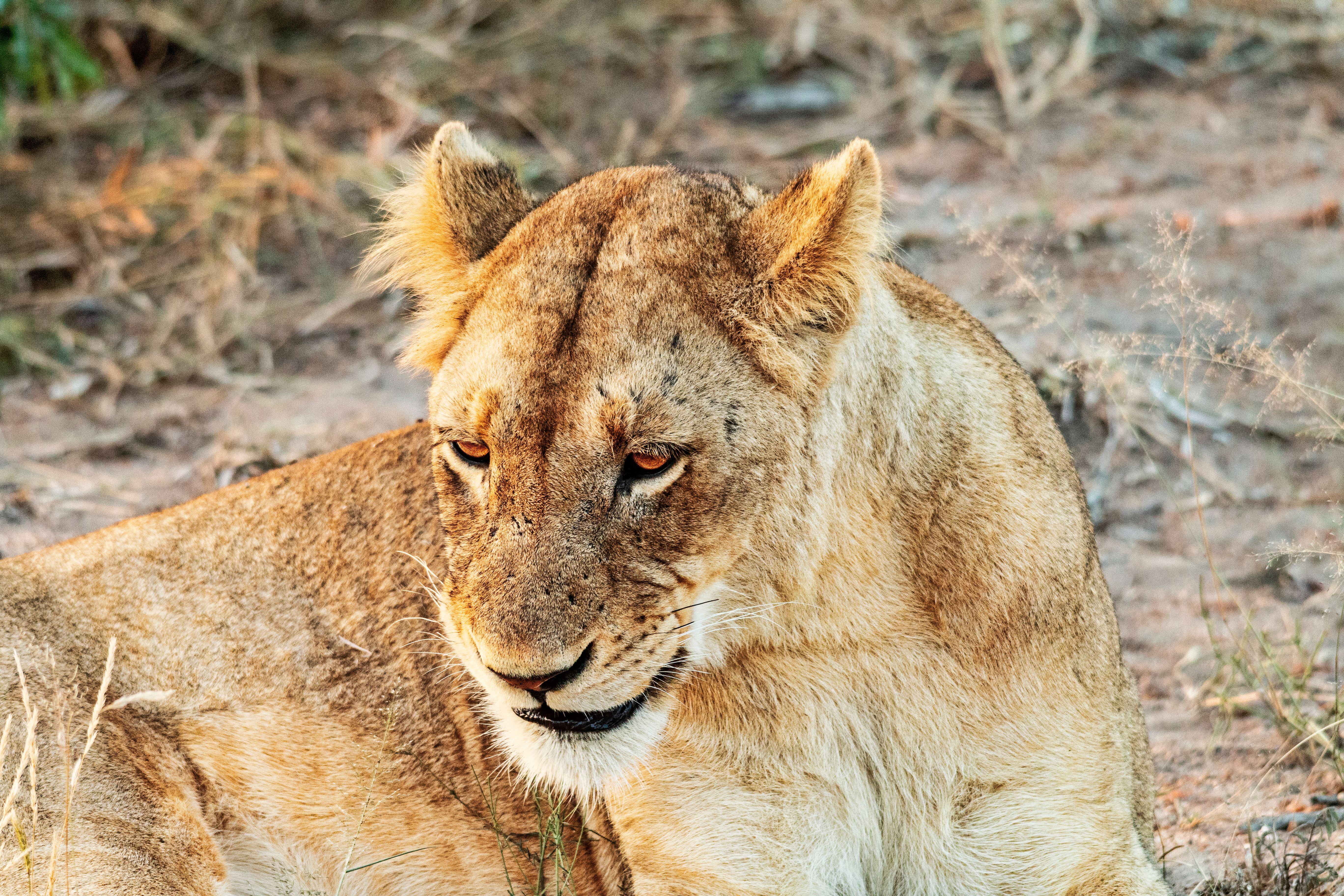
Zambia is another important country for wild lions.
TAWIRI’s 2024/25 comparative data places its population at 2,349 lions.
Important lion landscapes include:
- South Luangwa
- Kafue National Park
- Lower Zambezi
Zambia is especially interesting for travelers looking for a more remote safari experience, with large protected landscapes and relatively low visitor numbers in some areas.
6. Zimbabwe
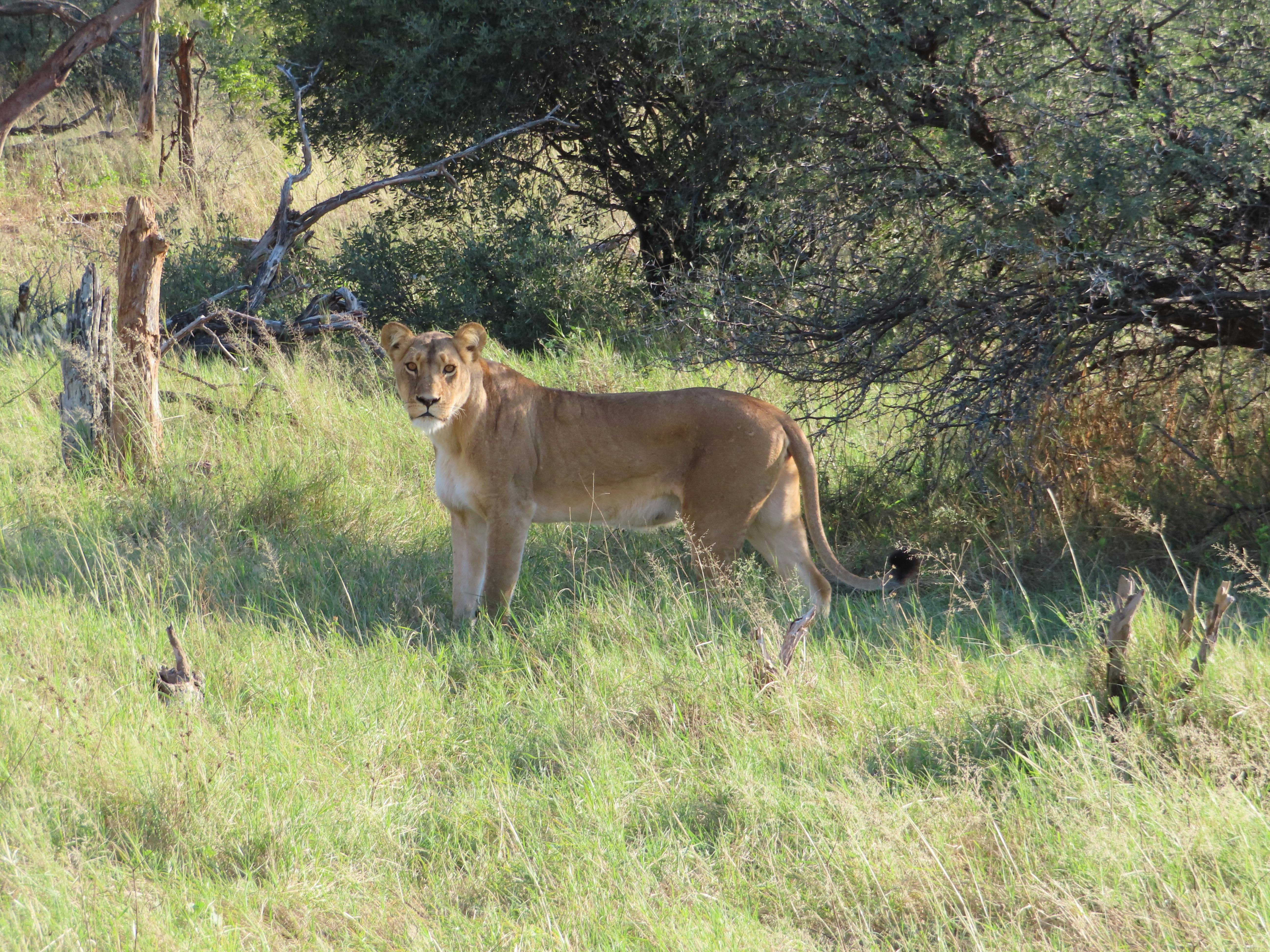
Zimbabwe supports another significant African lion population.
A commonly cited estimate places the population at around 1,300 lions.
Hwange National Park is one of the country’s best-known lion areas. Lions are also found in the wider Zambezi Valley, including Mana Pools.
7. Ethiopia
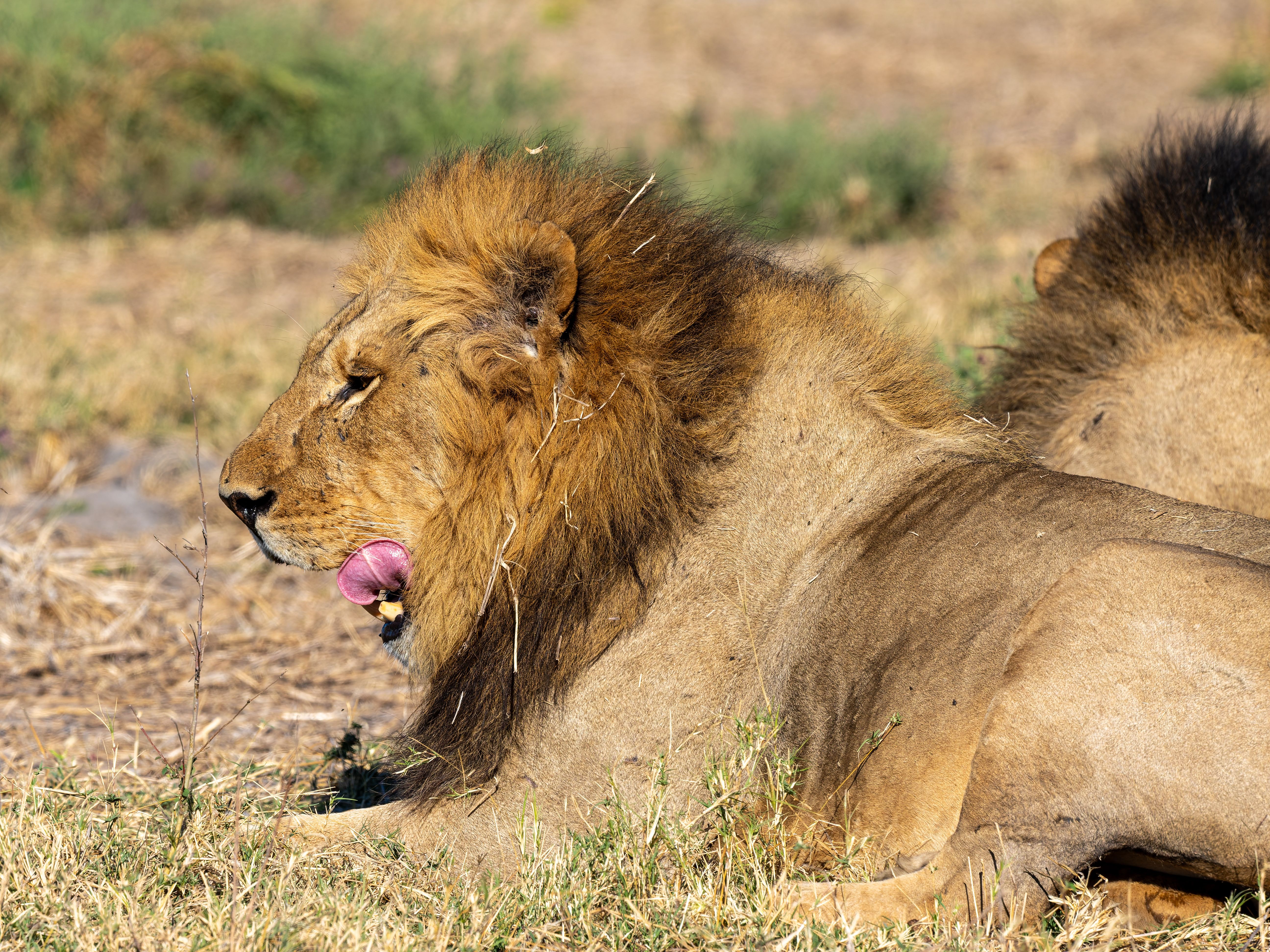
Ethiopia still has wild lions, although its population is much smaller than those of Tanzania, South Africa, Botswana, Kenya and Zambia.
Recent compiled estimates put the population at roughly 1,200 lions, although the available data is less certain than for some of the better-surveyed populations.
This highlights an important point: having lions on a national list does not always mean a country has a large, secure population.
Does India Have Lions?
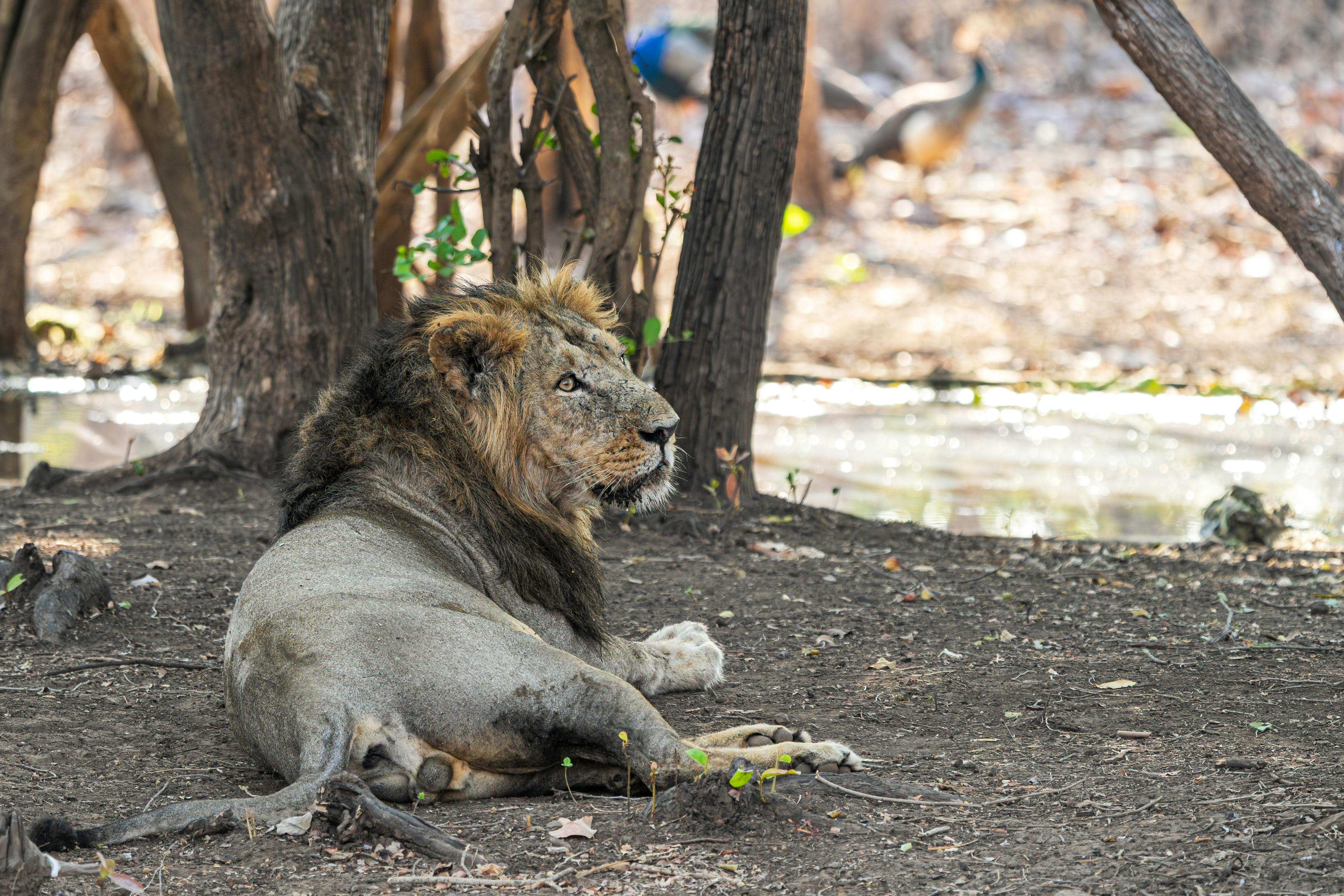
Yes.
India is home to the world’s remaining wild Asiatic lions, a population distinct from the lions found across most of Africa.
The 2025 Gujarat lion census recorded 891 Asiatic lions, up from 674 in 2020. The count included 196 adult males, 330 adult females, 140 sub-adults and 225 cubs.
Almost the entire wild Asiatic lion population is concentrated in the Gir landscape of Gujarat and surrounding areas.
The 2025 census also recorded lions outside the traditional Gir forest core, showing that the population has expanded into new areas of the wider landscape.
Why Are There Fewer Lions Than in the Past?
Lions once occupied a huge area across Africa, Europe, the Middle East and parts of Asia.
Today, their range is much smaller.
The African Lion Database estimates that lions currently occupy about 1.57 million square kilometres, around 6% of their historical range. It also estimates a 34% decline in occupied range since 2004.
The main pressures include:
- Loss and fragmentation of habitat
- Declining wild prey
- Conflict between people and lions
- Retaliatory killing after livestock losses
- Snaring and other forms of illegal killing
- Loss of connected wildlife habitat
Not every lion population is declining. Some populations are stable or recovering, while others remain very small and vulnerable, and Tanzania’s own 2026 census is being cited by conservation groups as evidence that coordinated protection efforts can stabilize and even grow a major population over time.
How Many Countries Still Have Wild Lions?
The exact answer depends on how “current” populations are defined.
The African Lion Database currently lists lions as extant in 18 African range states and possibly extant in another four. Outside Africa, India’s Gir landscape contains the world’s only remaining wild Asiatic lion population.
That is very different from the historical distribution of lions, which once extended across much of Africa and into Europe, the Middle East and Asia.
Which African Country Is Best for Seeing Lions?
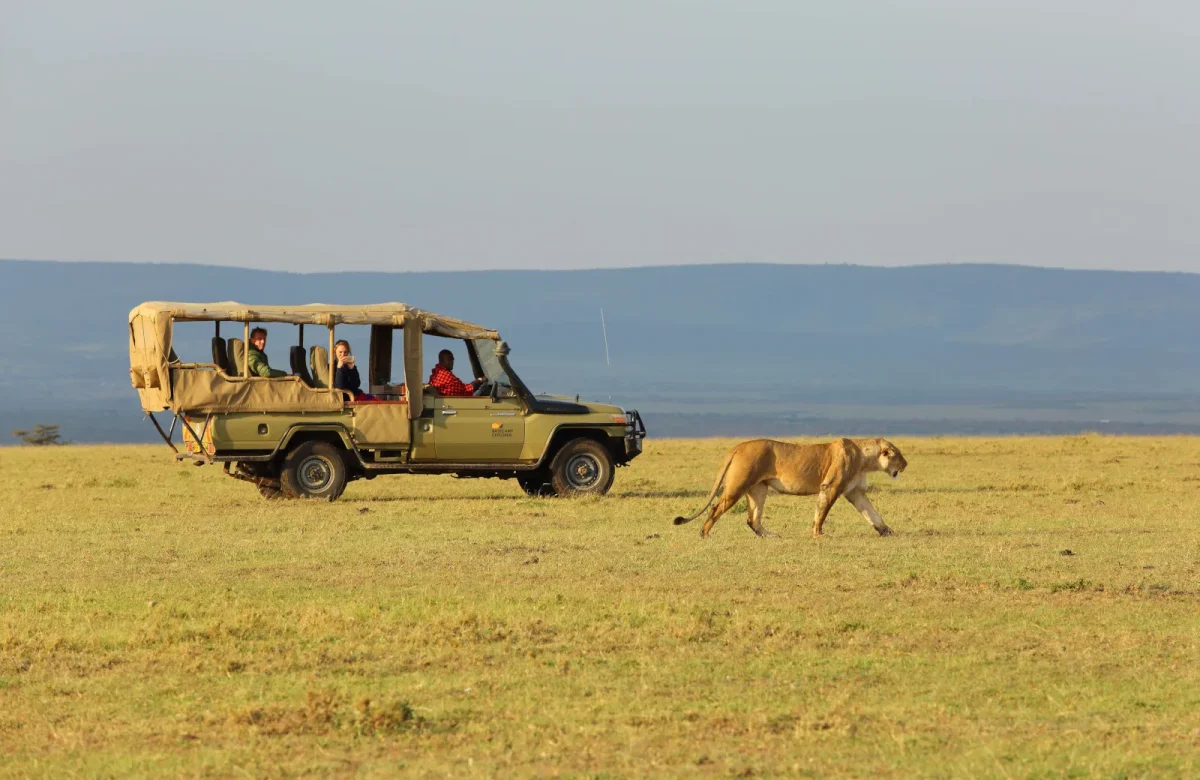
The answer depends on the type of safari you want.
Tanzania has the largest reported national population and several major lion ecosystems. Kenya offers the famous Maasai Mara and its connection with the Serengeti. South Africa provides access to lions in Kruger and private reserves. Botswana is known for large wilderness areas, while Zambia offers remote safari landscapes.
For travelers, the number of lions in a country is only one part of the experience. The location of the population, habitat, season, prey movements, park access and safari style all affect how often lions are seen.
See Lions in the Wild With TourwithPipi
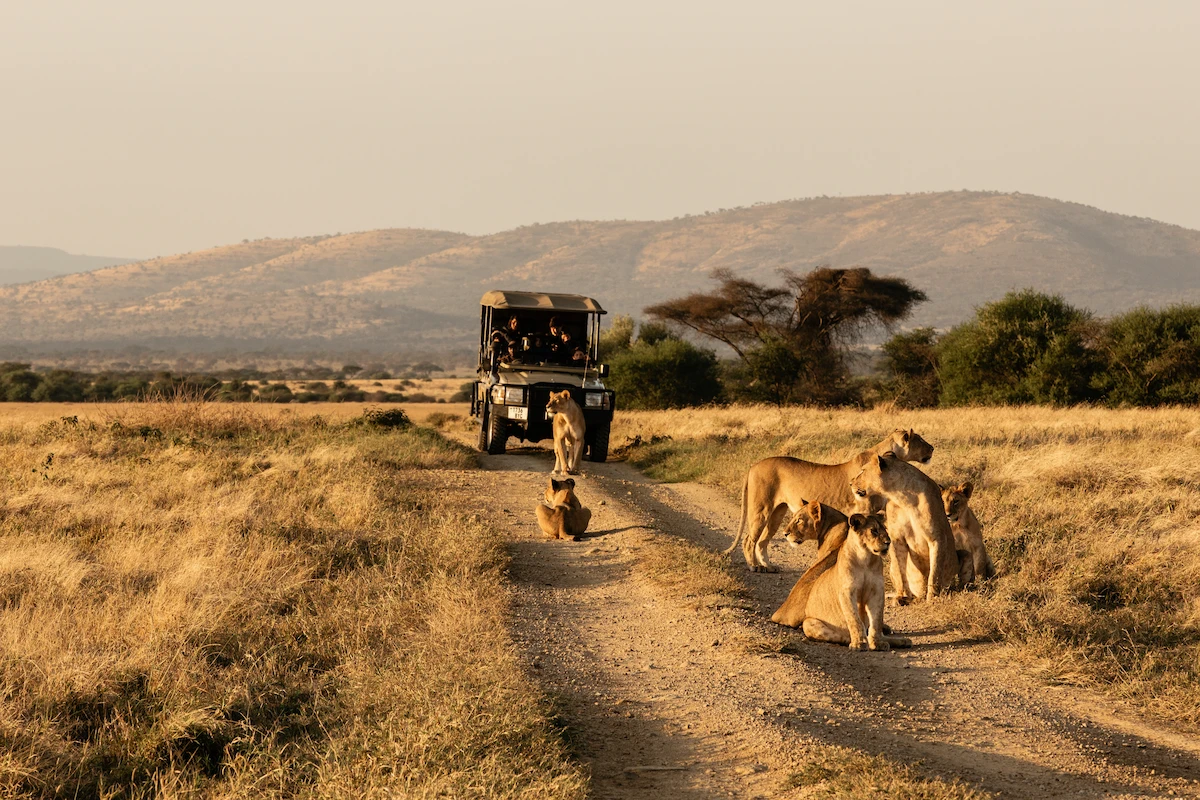
Seeing a lion in its natural habitat is one of the highlights of an African safari.
TourwithPipi can help you plan a safari around the places where lion sightings are strongest, whether you want the Serengeti and Ngorongoro in Tanzania, the Maasai Mara in Kenya, Kruger in South Africa or a more remote safari in Zambia or Botswana.
The right destination depends on your travel dates, budget, wildlife priorities and the type of safari you want.
Planning an African safari? Contact TourwithPipi on WhatsApp and we can help you build a custom itinerary.
Final Takeaway
Tanzania currently stands out as the country with the largest reported wild lion population, with 17,200 lions recorded in its 2024/25 national wildlife census, released in June 2026.
Beyond Tanzania, South Africa, Botswana, Kenya and Zambia hold Africa’s next-largest reported populations from that same current census round, while Zimbabwe and Ethiopia round out the countries with other significant remaining lion populations. India also has a unique place in the story, with 891 Asiatic lions recorded in Gujarat in 2025.
The bigger picture is important. Lions are still found across several African landscapes, but their range is only a small fraction of its historical size. Protecting large connected habitats, wild prey and coexistence between people and lions will be important for keeping these populations in the wild.
Frequently Asked Questions
How many lions are there in the world?
There is no single exact global census. The IUCN African Lion Database estimates approximately 20,000–25,000 adult and subadult lions in Africa in 2025, while India’s 2025 census recorded 891 Asiatic lions.
Which country has the most lions?
Tanzania currently has the largest reported national lion population. Its 2024/25 national wildlife census, released in June 2026, estimated 17,200 lions.
Which country has the second-most lions?
South Africa is among the countries with the largest lion populations, with the same 2024/25 census round putting its wild lion population at 3,284. Exact rankings can still shift depending on the survey year and methodology used elsewhere.
How many lions are left in Africa?
The IUCN SSC Cat Specialist Group’s African Lion Database estimates approximately 20,000–25,000 adult and subadult lions in Africa in 2025.
How many lions are in India?
India’s 2025 Asiatic lion census recorded 891 lions in Gujarat.
Are lions endangered?
The lion is classified as Vulnerable globally on the IUCN Red List. The two recognized regional subspecies have different assessments, with the Northern lion classified as Endangered and the Southern lion as Vulnerable. In 2025, IUCN also released its first-ever Green Status Assessment for lions, a newer framework that measures a species’ recovery potential rather than just its extinction risk.
Where is the best place to see lions in Africa?
Major lion viewing areas include Tanzania’s Serengeti, Kenya’s Maasai Mara, South Africa’s Kruger region, Botswana’s Okavango and Chobe landscapes, Zambia’s South Luangwa and Zimbabwe’s Hwange.
Blog Summary
- Tanzania has the world’s largest wild lion population, with 17,200 lions recorded in its 2024/25 national census, released in June 2026, roughly half of all lions in sub-Saharan Africa.
- South Africa (3,284), Botswana (3,064), Kenya (2,515) and Zambia (2,349) round out Africa’s next-largest reported populations, all from that same current census round.
- The IUCN African Lion Database estimates 20,000–25,000 adult and subadult lions across Africa in 2025, while lions now occupy only about 6% of their historical range.
- India’s 2025 census recorded 891 Asiatic lions in Gujarat, up from 674 in 2020, the world’s only remaining wild population outside Africa.
- Lions are classified as Vulnerable globally on the IUCN Red List, with the Northern lion subpopulation listed as Endangered and the Southern lion as Vulnerable.
- Tanzania’s Serengeti and Ngorongoro, Kenya’s Maasai Mara, South Africa’s Kruger, Botswana’s Okavango and Chobe, and Zambia’s South Luangwa remain the strongest destinations for seeing wild lions on safari.
About the Author
Khadija Tayabali is the founder of TourWithPipi and a Virtuoso-affiliated luxury safari advisor. Born and raised in Africa, she brings deep, firsthand knowledge of the parks, regions, and lodges TourWithPipi covers, built on years of personal travel across the continent. She works directly with vetted lodges, trackers, and guides on the ground to build private, tailor-made safaris across East and Southern Africa, rather than relying on secondhand itineraries.


