
Quick Answer:
When comparing the African lion vs Indian lion, both belong to the same species (Panthera leo) but are different subspecies. African lions are larger, have fuller manes, live in bigger prides across sub-Saharan Africa, and hunt larger prey. Indian (Asiatic) lions are slightly smaller, have a visible belly fold, shorter manes, smaller prides, and survive only in Gujarat’s Gir National Park.
African Lion vs Indian Lion Overview
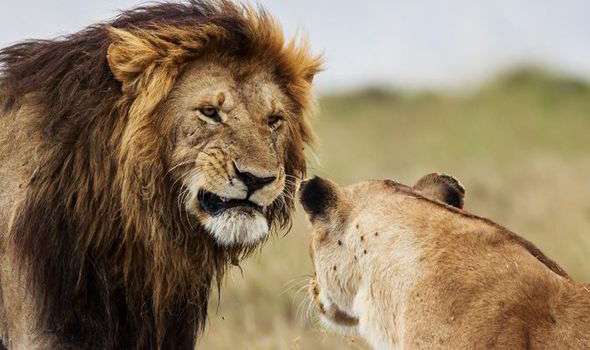
The comparison between African lions vs Asian lions is one of the most fascinating topics in wildlife.
Although they belong to the same species (Panthera leo), scientists classify them as two different subspecies because they have evolved separately for thousands of years.
Today, almost every wild lion seen on safari belongs to the African subspecies, while the remaining Asiatic lion population survives in one protected region of western India.
Understanding these differences helps travelers appreciate how geography, prey availability, and conservation have shaped each population.
African Lion vs Indian Lion Comparison
| Feature | African Lion | Indian (Asiatic) Lion |
|---|---|---|
| Scientific Subspecies | Panthera leo leo | Panthera leo persica |
| Distribution | Sub-Saharan Africa | Gujarat, India |
| Wild Population | More than 95% of the world’s lions | Approximately 600–700 |
| Male Weight | 160–225 kg (330–500 lbs) | 160–190 kg (300–420 lbs) |
| Mane | Thick and full | Shorter and sparser |
| Belly Fold | No | Yes |
| Pride Size | Large prides | Small prides |
| Main Prey | Zebra, wildebeest, buffalo | Chital, sambar, nilgai |
| Roar | Louder | Slightly softer |
| Conservation Focus | Multiple protected reserves | Single wild population |
1. Size and Weight
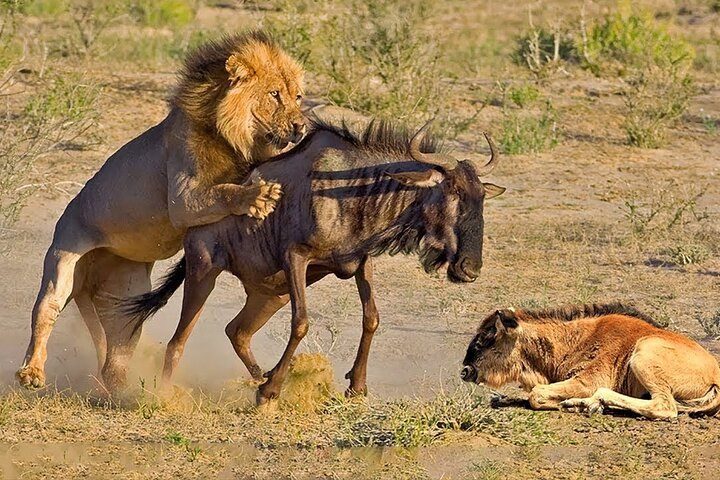
One of the easiest differences to notice when comparing Indian lions vs African lions is body size.
African lions are generally larger and heavier.
Average Male Weight
| Lion | Weight |
| African Lion | 160–225 kg (330–500 lbs) |
| Indian Lion | 160–190 kg (300–420 lbs) |
Female lions are also slightly larger in Africa than their Asiatic relatives.
The larger body size of African lions reflects differences in habitat, prey size, and regional adaptations.
2. Mane Appearance
The mane is one of the most recognizable features separating the two subspecies.
African Lion
- Thick, full mane.
- Covers much of the head, neck, and shoulders.
- Usually hides the ears completely.
- Varies from blond to dark brown or black.
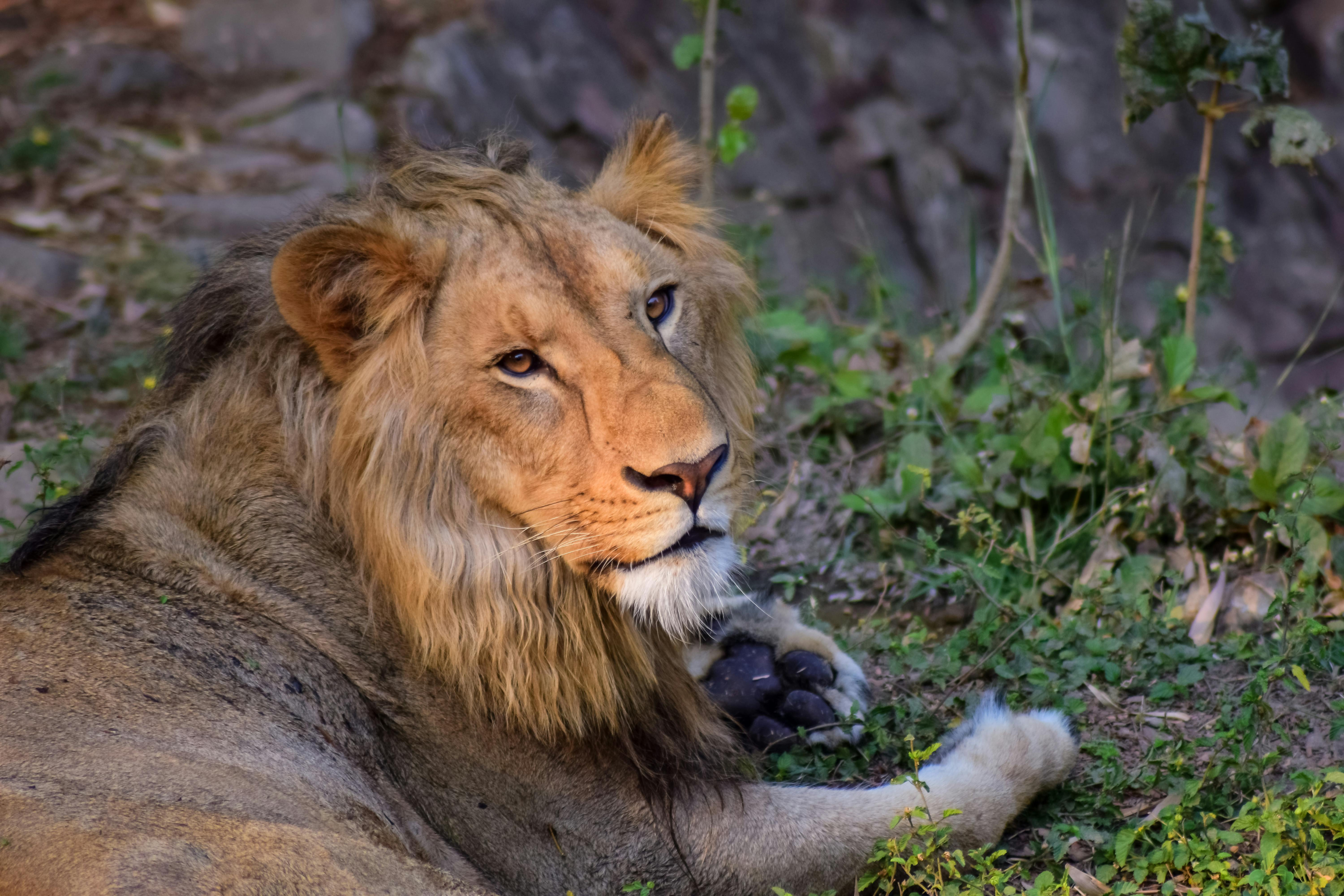
Indian Lion
- Shorter mane.
- Less dense hair.
- Ears remain clearly visible.
- Usually appears darker but less extensive.
The fuller mane gives African males an even more imposing appearance during territorial disputes and courtship.
3. Geographic Distribution
Location is perhaps the biggest difference between the two lions.
African Lions
African lions are found throughout protected areas of sub-Saharan Africa, including countries such as:
- Kenya
- Tanzania
- Botswana
- South Africa
- Namibia
- Zimbabwe
- Zambia
These populations inhabit savannas, open woodlands, and grasslands.
Indian (Asiatic) Lions
Today, wild Asiatic lions survive almost exclusively in and around Gir National Park in Gujarat, India.
Historically, they ranged across:
- India
- Persia
- The Middle East
- Parts of Southwest Asia
Centuries of habitat loss and hunting reduced their range to a single surviving wild population, making them one of the world’s greatest conservation success stories.
4. Belly Skin Fold
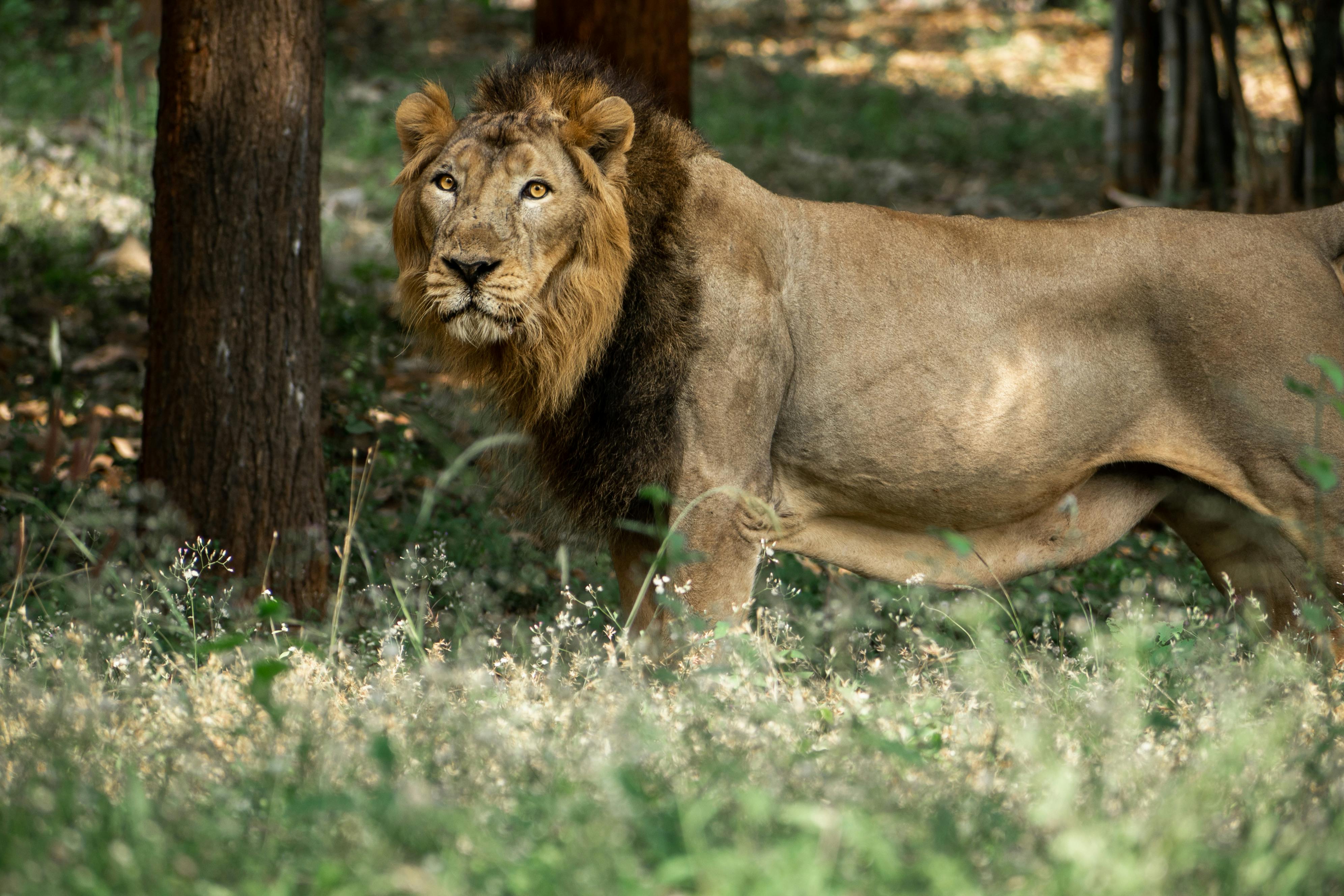
The easiest physical feature used by wildlife experts to identify an Asiatic lion is the belly fold.
Indian lions have:
- A distinct fold of loose skin running along the underside of the abdomen.
- The fold extends from the front legs toward the hind legs.
African lions do not possess this feature.
For safari guides and researchers, this single characteristic is often enough to distinguish the two subspecies immediately.
5. Tail and Elbow Tufts
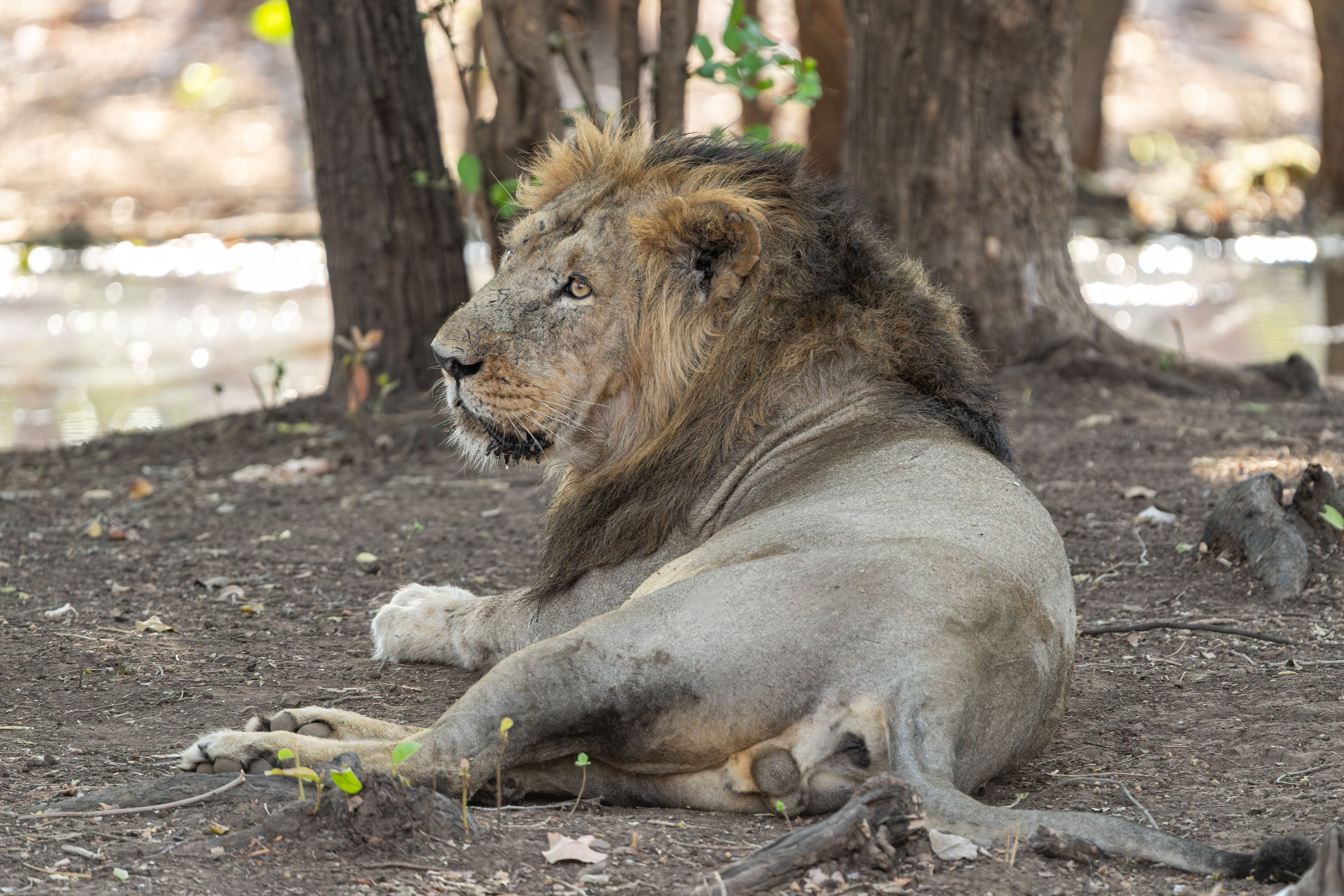
Another subtle but useful identification feature is the amount of hair found around the elbows and tail.
African Lions
- Smaller elbow tufts.
- Smaller tail tuft.
Indian Lions
- More noticeable elbow tufts.
- Larger black tail tuft.
Although these differences are less obvious than the mane or belly fold, they help researchers accurately identify each subspecies during field observations.
6. Skull and Facial Structure
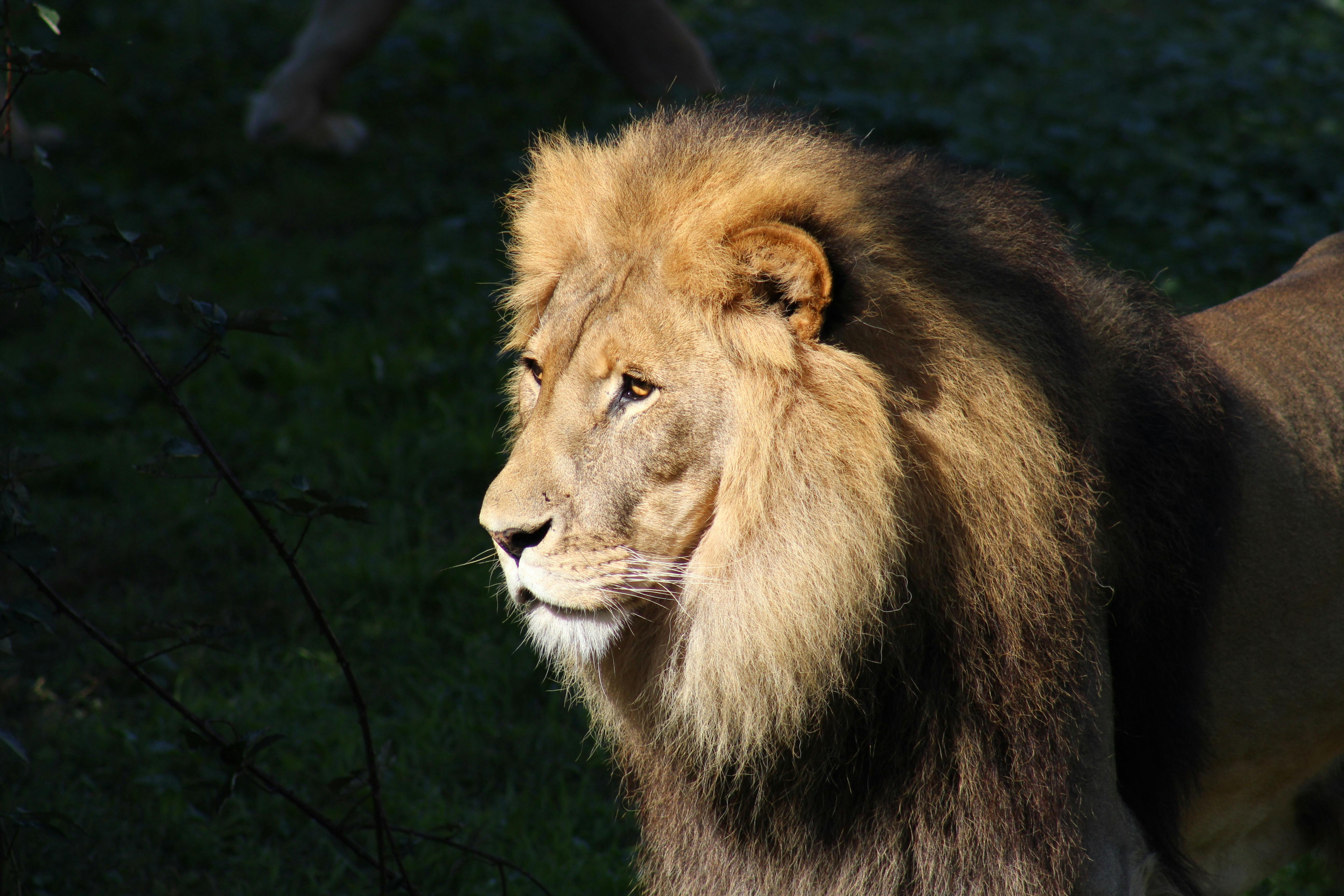
Although both subspecies are unmistakably lions, there are subtle differences in their head shape.
African Lions
- Broader skull.
- Wider facial structure.
- More robust appearance.
Indian (Asiatic) Lions
- Slightly narrower skull.
- More elongated face.
- Slimmer overall head profile.
These differences are minor and usually noticed by wildlife researchers, veterinarians, and experienced safari guides rather than casual observers.
7. Pride Size and Social Structure
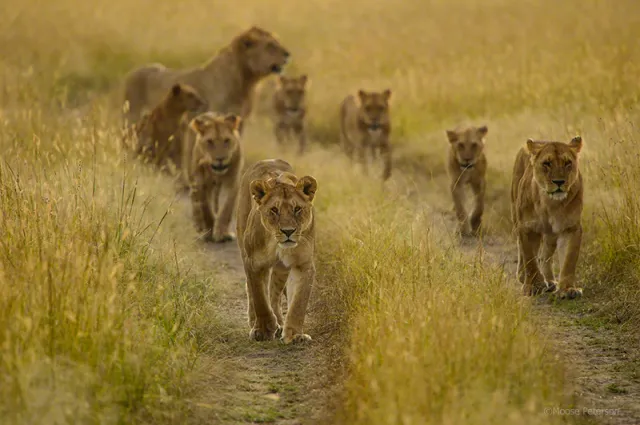
One of the biggest behavioral differences between African lions vs Asian lions is how they organize their social groups.
African Lions
African lions live in some of the largest social groups of any wild cat.
A pride typically consists of:
- 1 to 4 adult males.
- 6 to 15 related lionesses.
- Cubs of different ages.
Some prides can grow to 30–40 lions, especially in prey-rich ecosystems like the Maasai Mara and Serengeti.
Large prides improve hunting success and allow members to defend extensive territories.
Indian (Asiatic) Lions
Asiatic lions have a much looser social system.
Their prides usually include:
- 2 to 5 related females.
- Cubs.
Adult males often live:
- Alone.
- In small coalitions.
- Separate from females except during mating or when sharing a large kill.
This smaller pride structure is believed to reflect differences in habitat and prey availability within Gir National Park.
Pride Comparison
| Feature | African Lion | Indian Lion |
|---|---|---|
| Average Pride Size | 10–15 lions | 2–5 females plus cubs |
| Largest Pride | Up to 40 lions | Much smaller groups |
| Male Association | Permanent pride defenders | Often solitary or temporary companions |
8. Dominance Within the Pride
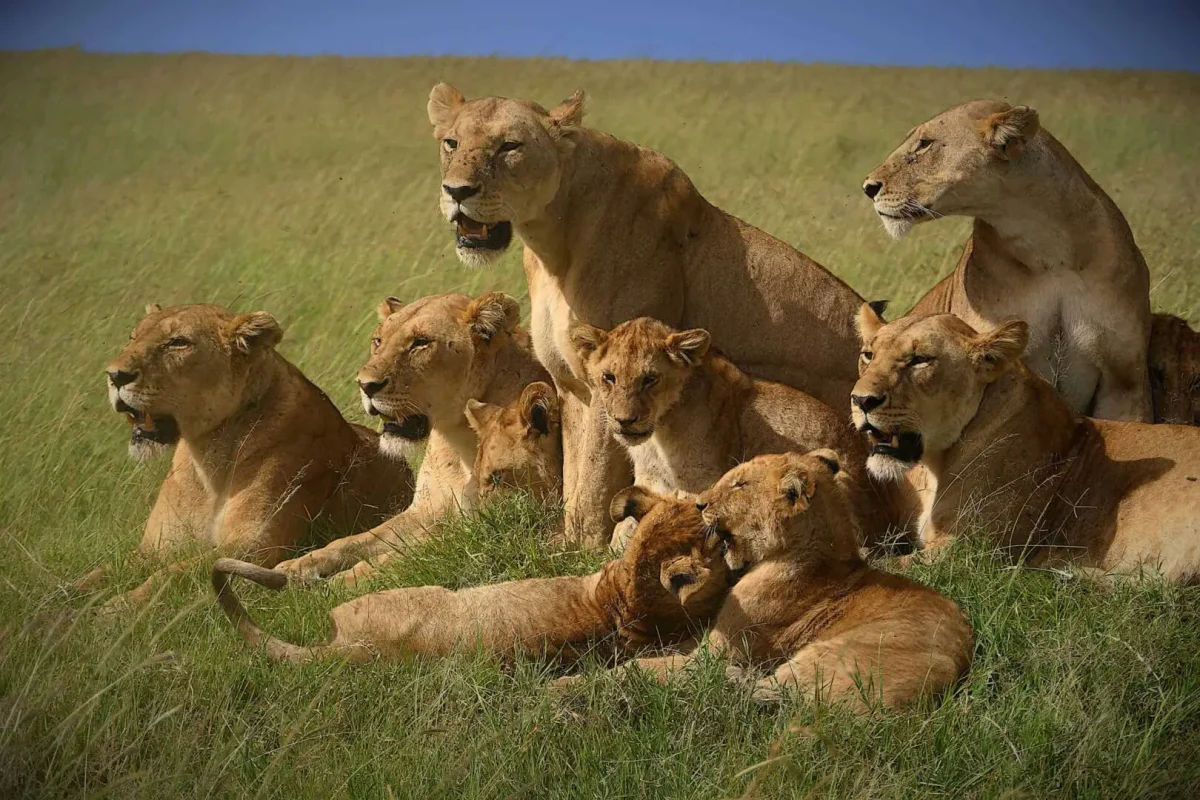
The social hierarchy also differs significantly.
African Lions
Male lions dominate the pride.
Their primary responsibilities include:
- Defending territory.
- Protecting cubs.
- Fighting rival coalitions.
- Guarding females.
When feeding, dominant males usually eat first before lionesses and cubs.
If rival males successfully take over a pride, they frequently kill existing cubs so females become receptive to mating again.
Indian Lions
The social structure is less male-dominated.
Lionesses often:
- Maintain stronger social bonds.
- Feed before males.
- Control much of the pride’s daily activity.
Males generally join females only for breeding or when feeding on large prey.
This makes Asiatic lion society noticeably different from the more hierarchical African pride system.
9. Diet and Preferred Prey
Diet is another important difference when comparing African lion vs Indian lion.
Both are apex predators, but they hunt different animals because they live in different ecosystems.
African Lions
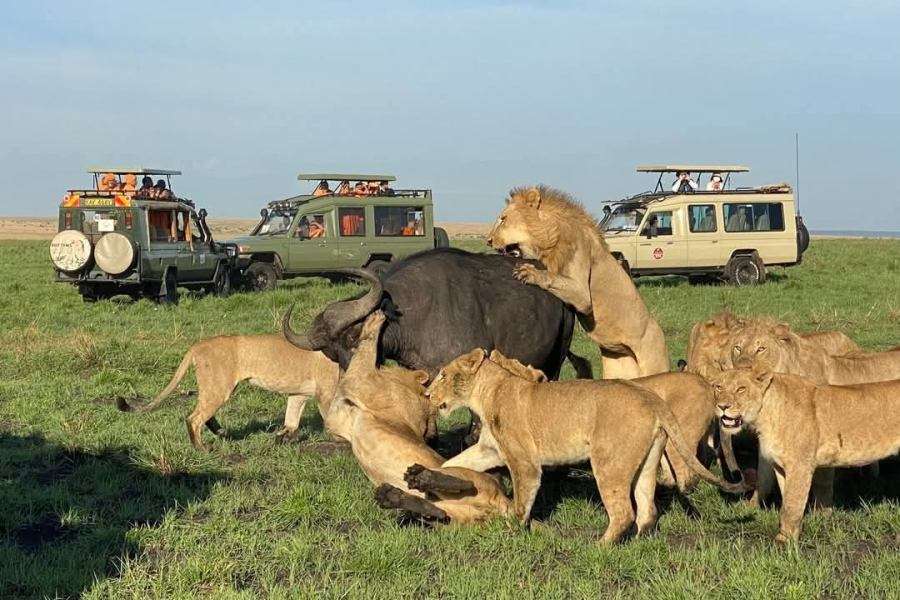
African lions regularly hunt large herbivores, including:
- Wildebeest.
- Plains zebra.
- African buffalo.
- Impala.
- Waterbuck.
- Kudu.
- Giraffe.
- Warthog.
In exceptional circumstances, they have also been recorded hunting young elephants and hippopotamuses.
Indian (Asiatic) Lions
Gir National Park supports different wildlife, so Asiatic lions feed mainly on:
- Chital (spotted deer).
- Sambar deer.
- Nilgai.
- Wild boar.
- Domestic buffalo (occasionally).
- Water buffalo.
Overall, their prey is generally smaller than that hunted by African lions.
Diet Comparison
| African Lion | Indian Lion |
| Wildebeest | Chital deer |
| Zebra | Sambar deer |
| Buffalo | Nilgai |
| Giraffe | Wild boar |
| Antelope | Water buffalo |
10. Roaring and Communication
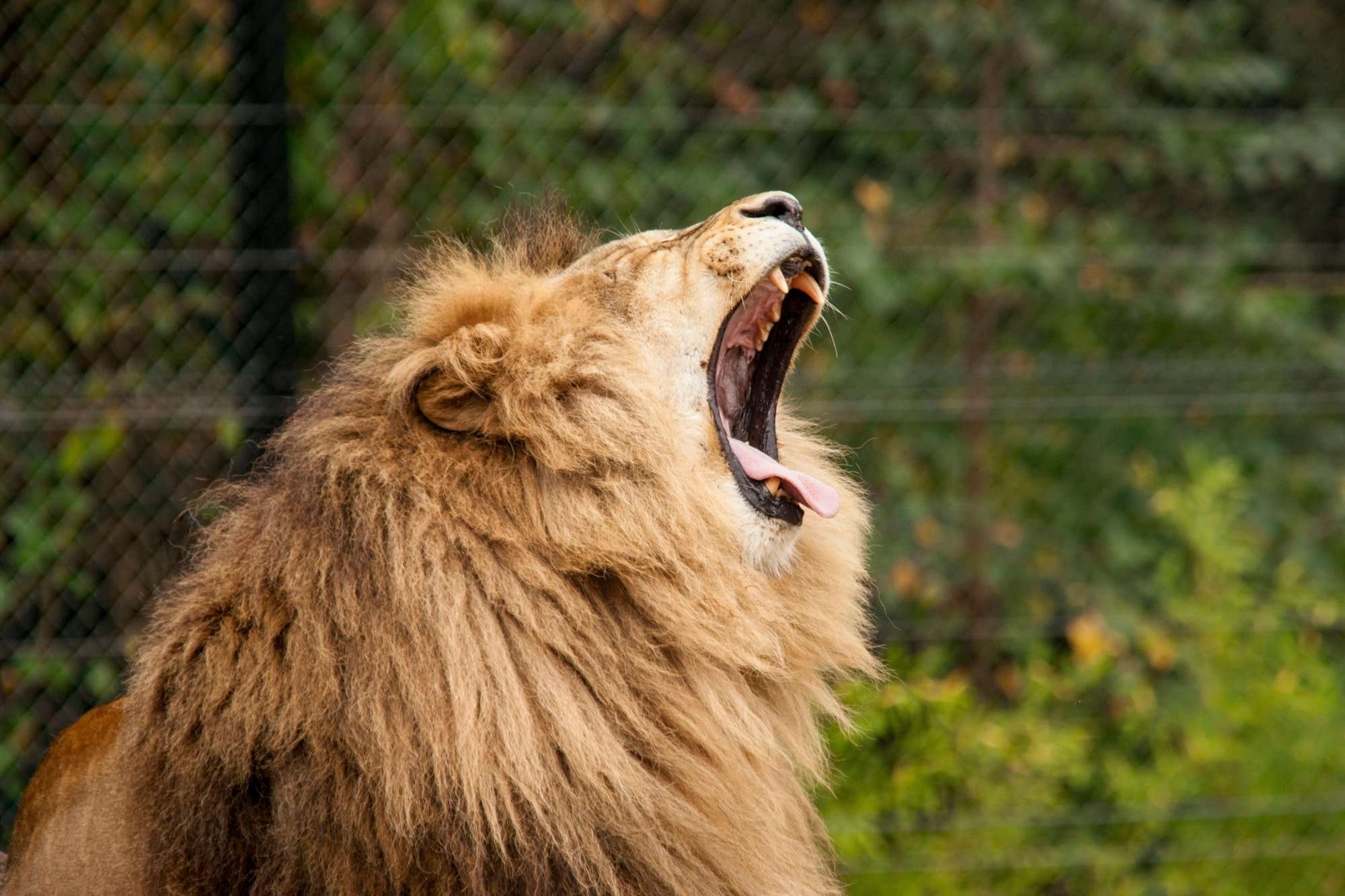
A lion’s roar is one of the most recognizable sounds in the animal kingdom.
However, the two subspecies differ slightly.
African Lions
African lions produce:
- Louder roars.
- Longer calls.
- Roars that can travel up to 5 miles (8 km).
These powerful vocalizations help:
- Defend territory.
- Communicate between pride members.
- Warn rival males.
Indian (Asiatic) Lions
Asiatic lions also roar but generally:
- Less frequently.
- Slightly more softly.
- Across smaller territories.
Their smaller prides and more compact habitat reduce the need for long-distance communication compared with African lions.
Which Lion Is More Endangered?
Although African lions receive significant conservation attention, the Asiatic lion has a much smaller global population.
African Lion
- Population spread across multiple African countries.
- Protected in numerous national parks and reserves.
- Faces threats from habitat loss, poaching, and human-wildlife conflict.
Indian (Asiatic) Lion
- Entire wild population survives in one region of Gujarat, India.
- Estimated wild population of approximately 600–700 lions.
- Vulnerable because disease outbreaks or natural disasters could affect the entire population.
Conservation efforts in Gir National Park have helped Asiatic lion numbers recover significantly over recent decades, making it one of India’s greatest wildlife conservation successes.
Experience African Lions in the Wild with TourwithPipi
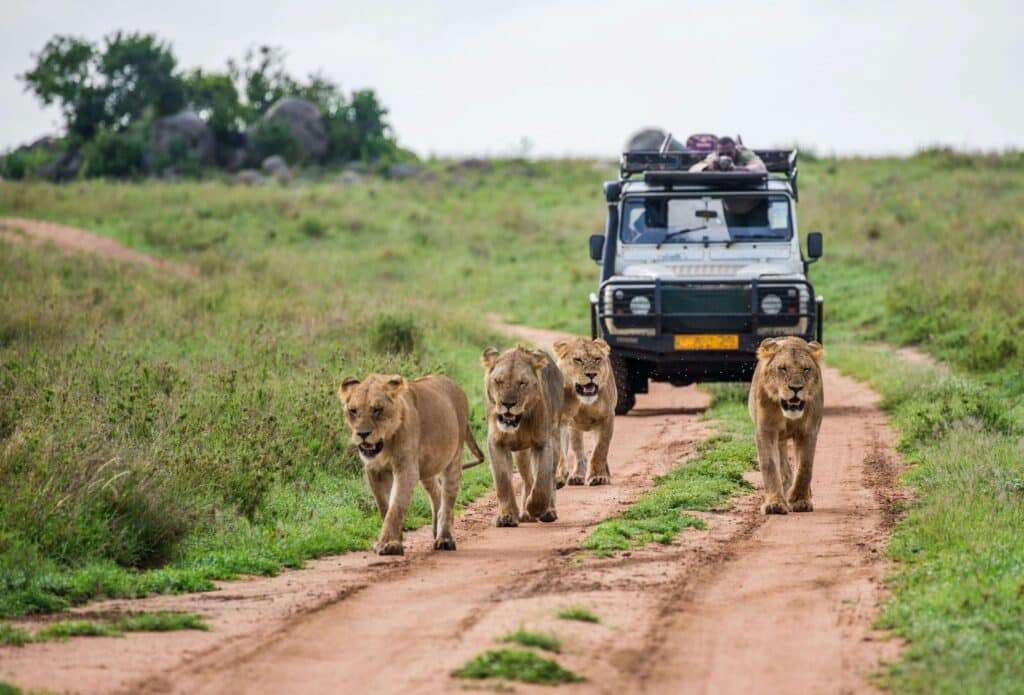
Reading about the differences between African lions vs Asian lions is fascinating, but nothing compares to seeing wild African lions in their natural habitat.
At TourwithPipi, our luxury safaris take you into some of Africa’s most celebrated lion habitats, including the Maasai Mara National Reserve, Serengeti National Park, Ngorongoro Conservation Area, and Tarangire National Park. Guided by experienced local experts, you’ll have the opportunity to observe prides hunting, caring for cubs, defending territory, and interacting exactly as nature intended.
Whether you’re hoping to witness the Great Migration, photograph a majestic male with a dark mane, or simply experience Africa’s iconic wildlife, we create tailor-made safari journeys that combine exceptional game viewing with luxury accommodations and responsible tourism.
Key Takeaways
- African and Asiatic lions are the same species but different subspecies.
- More than 95% of wild lions are African lions.
- Asiatic lions survive only in and around Gir National Park, Gujarat, India.
- African lions are larger and have fuller manes.
- Asiatic lions have a distinctive belly skin fold and visible ears.
- African prides can contain up to 40 lions, while Asiatic prides are much smaller.
- Their diets, social behavior, and conservation status differ significantly.


