
When most people imagine Africa deserts, they picture endless sand dunes stretching beyond the horizon.
In reality, the deserts in Africa are remarkably diverse.
Some consist of towering orange dunes, while others feature white salt pans, black volcanic landscapes, rocky plateaus, gravel plains, ancient fossil beds, coastal fog deserts, and even grass-covered semi-arid ecosystems.
These extraordinary environments support thousands of plant species, highly specialized wildlife, and indigenous communities that have successfully adapted to harsh desert conditions for centuries.
For travelers seeking something beyond the traditional savannah safari, an African desert offers dramatic scenery, peaceful landscapes, exceptional stargazing, and unique wildlife encounters that cannot be experienced anywhere else.
The Major African Deserts
Africa is home to several of the world’s most famous deserts, each offering completely different landscapes and experiences.
| Desert | Country / Region | Famous For |
|---|---|---|
| Sahara Desert | North Africa | World’s largest hot desert, dunes, camel treks |
| Namib Desert | Namibia | World’s oldest desert, red dunes, desert wildlife |
| Kalahari Desert | Botswana, Namibia, South Africa | Black-maned lions, meerkats, semi-arid savannah |
| Danakil Depression | Ethiopia | Extreme heat, volcanoes, colourful geothermal pools |
| White Desert | Egypt | White chalk formations and desert camping |
| Skeleton Coast | Namibia | Shipwrecks, seals, desert coastline |
| Makgadikgadi Pans | Botswana | Ancient salt pans and zebra migration |
| Chalbi Desert | Kenya | Salt flats and remote desert landscapes |
| Black Desert | Egypt | Volcanic hills and black basalt rocks |
| Ténéré Desert | Niger | One of the Sahara’s most isolated regions |
| Fish River Canyon Desert | Namibia | Africa’s largest canyon |
| Richat Structure | Mauritania | The famous Eye of the Sahara |
Each destination showcases a completely different side of Africa’s deserts, making the continent one of the world’s most rewarding desert travel destinations.
Southern Africa: Home to the World’s Best Desert Safaris
For wildlife lovers, photographers, and luxury travelers, Southern Africa offers the most diverse desert safari experiences on the continent.
Unlike many deserts elsewhere, these landscapes combine spectacular scenery with abundant wildlife.
The two most famous African deserts for safari are the Namib Desert and the Kalahari Desert.
Together they provide everything from towering sand dunes and ancient clay pans to desert-adapted elephants, lions, cheetahs, rhinos, and incredible night skies.
The Namib Desert: The World’s Oldest Desert
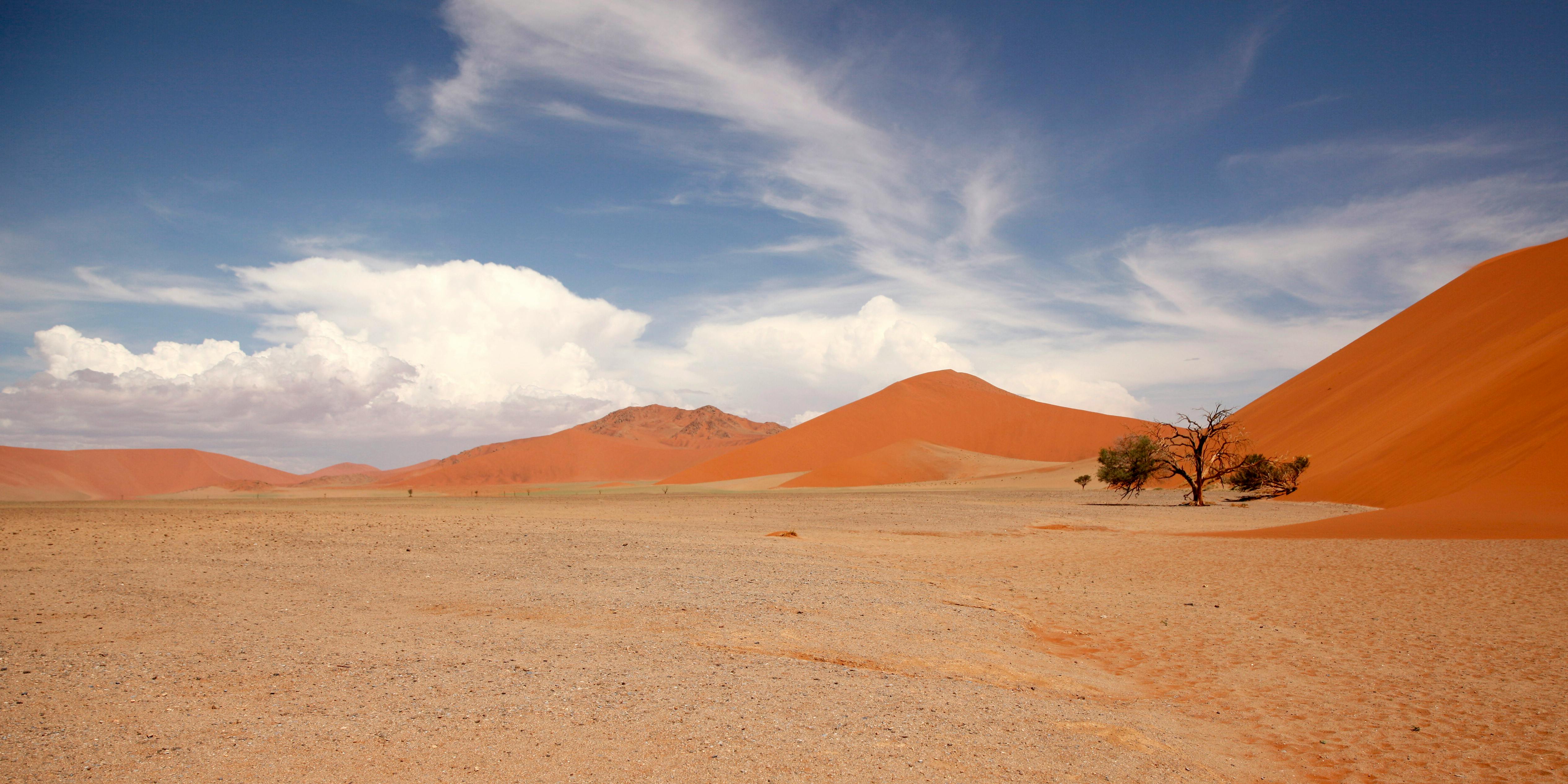
Stretching along Namibia’s Atlantic coastline, the Namib Desert is widely regarded as the oldest desert on Earth, with scientists estimating its age at approximately 55 million years.
The name “Namib” originates from the Nama language and means “vast place,” an appropriate description for its seemingly endless horizons.
Unlike many deserts, the Namib supports an astonishing variety of life.
More than 3,500 plant species survive here alongside remarkable desert-adapted wildlife including elephants, black rhinos, Hartmann’s mountain zebras, spotted hyenas, bat-eared foxes, and even lions that have evolved to survive in extremely arid environments.
Morning coastal fog rolling inland from the Atlantic provides essential moisture, allowing wildlife and plants to flourish where rainfall is almost nonexistent.
The Namib is also famous for some of the most spectacular desert scenery on Earth.
Its towering orange dunes, dramatic mountain backdrops, ancient dry river valleys, and surreal clay pans have made it one of Africa’s most photographed destinations.
Sossusvlei: Namibia’s Most Iconic Desert Landscape
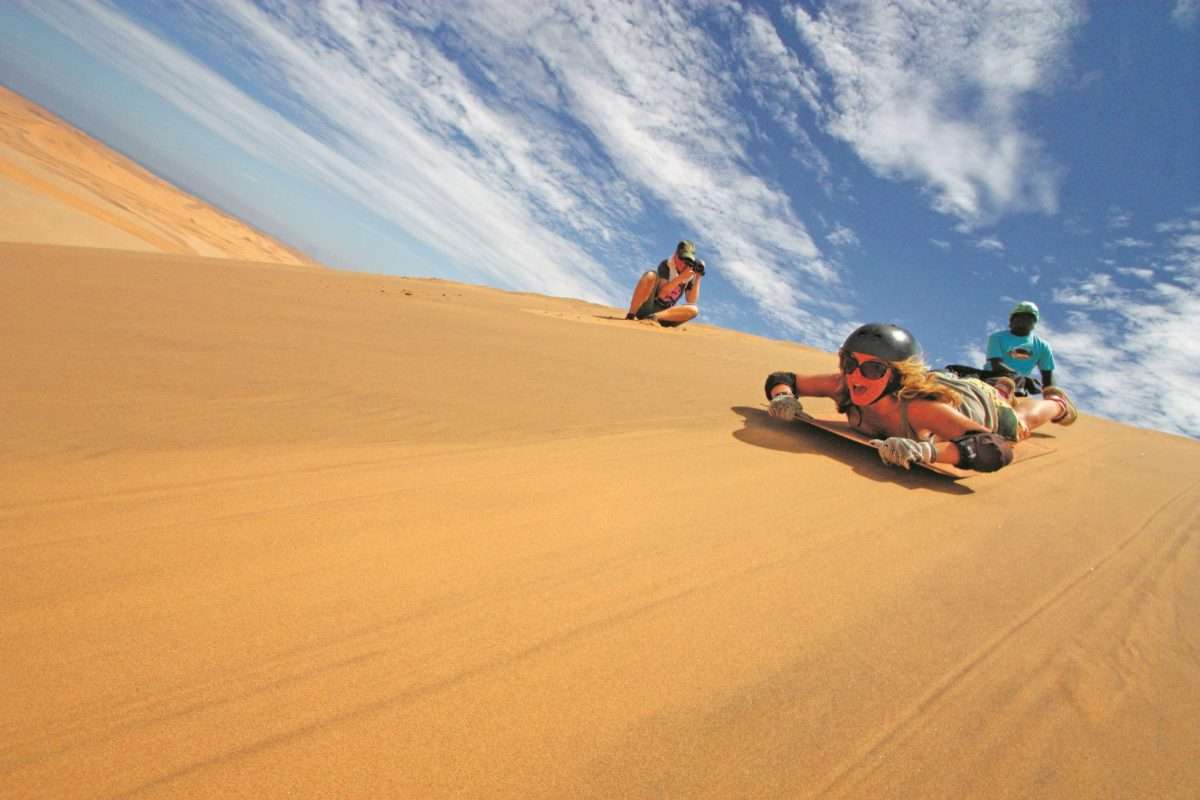
No visit to the deserts of Africa is complete without experiencing Sossusvlei.
This breathtaking area contains some of the tallest sand dunes in the world, with several rising more than 350 metres above the desert floor.
Watching sunrise illuminate these enormous red dunes is one of Namibia’s defining travel experiences.
Many visitors climb famous dunes such as Dune 45, where panoramic views stretch across endless waves of sand.
Camping nearby allows travelers to witness spectacular sunsets, brilliant night skies, and early morning light before temperatures begin to rise.
Deadvlei: One of Africa’s Most Photographed Landscapes
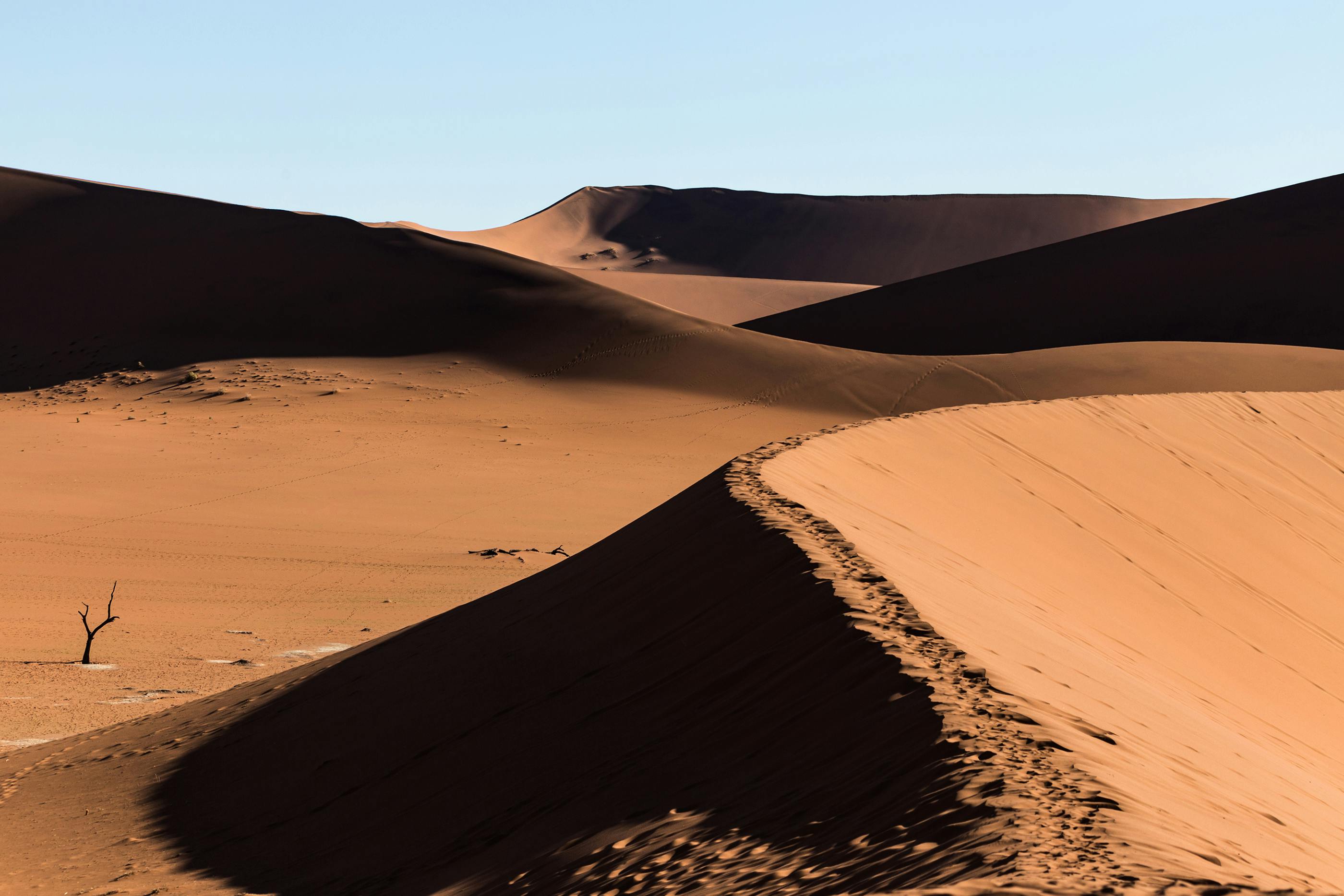
Just beyond Sossusvlei lies Deadvlei, one of the most recognizable landscapes anywhere in Africa.
Here, centuries-old dead camelthorn trees stand frozen in time across brilliant white clay pans surrounded by towering crimson dunes.
The dramatic contrast between white earth, black tree skeletons, and deep orange sand creates a landscape unlike anywhere else on Earth.
For photographers, Deadvlei is considered one of the finest natural locations in Africa.
The Skeleton Coast
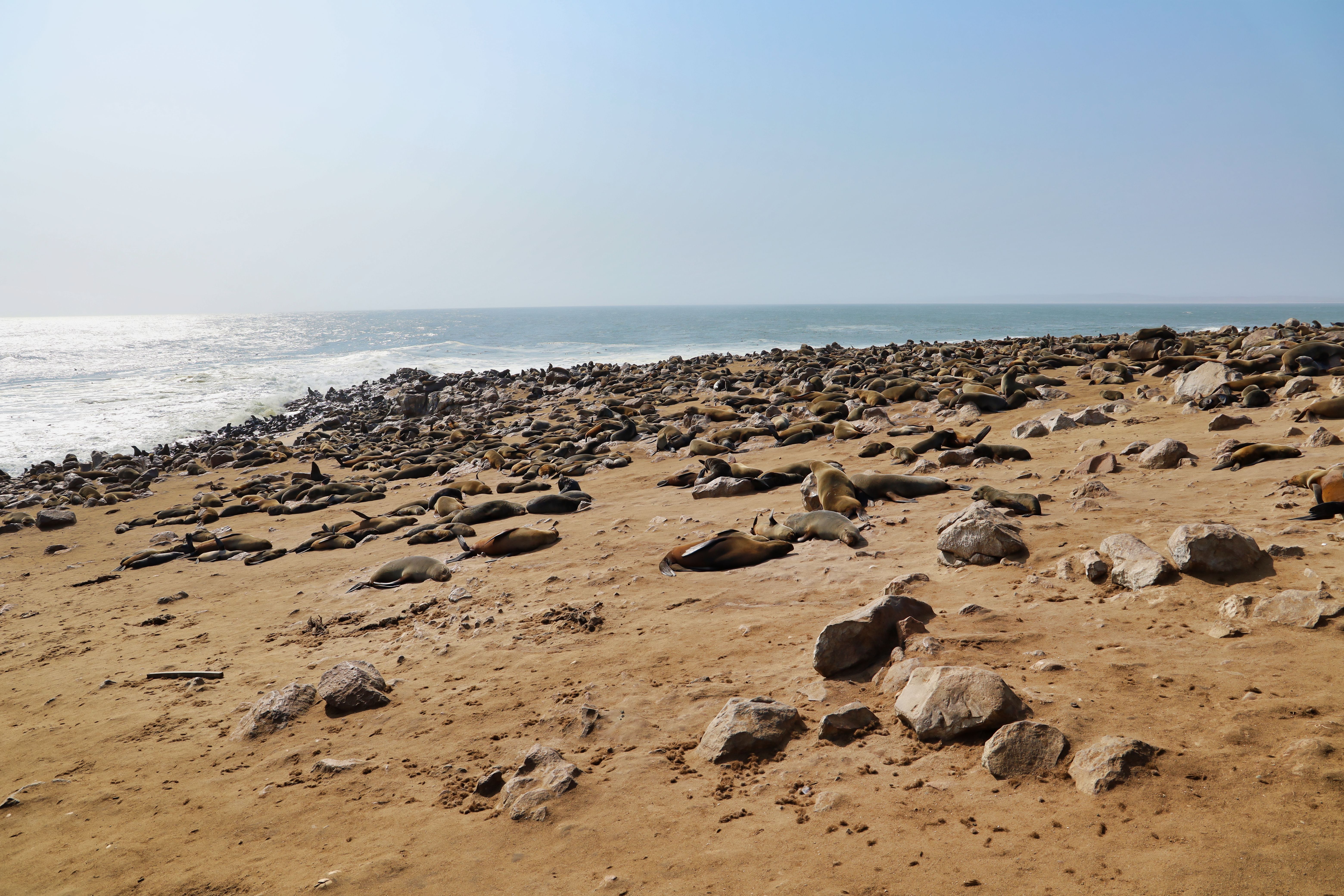
On Namibia’s western edge, the Namib Desert meets the Atlantic Ocean to form the hauntingly beautiful Skeleton Coast.
Dense coastal fog, abandoned shipwrecks, crashing waves, and isolated beaches have earned this coastline its legendary reputation.
Despite its harsh appearance, the region supports thriving Cape fur seal colonies along with brown hyenas, desert-adapted elephants, and numerous seabirds.
The Skeleton Coast perfectly demonstrates how Africa’s deserts are far more than endless sand. They are dynamic ecosystems shaped by both land and sea.
Namib-Naukluft National Park
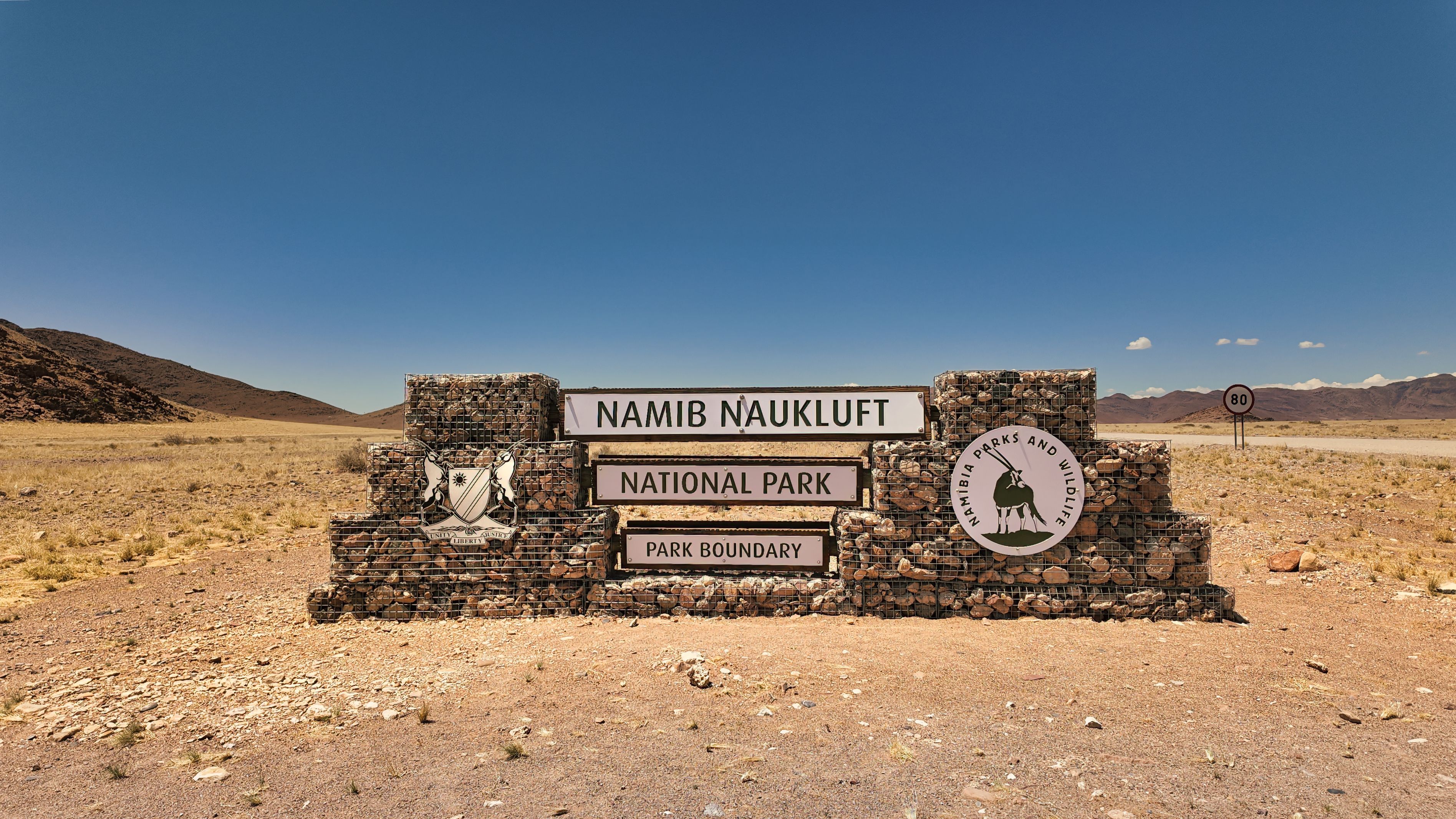
Covering almost 50,000 square kilometres, Namib-Naukluft National Park is the largest protected area in Namibia.
The park combines immense dune systems, rugged mountain ranges, deep canyons, and expansive desert plains into one extraordinary landscape.
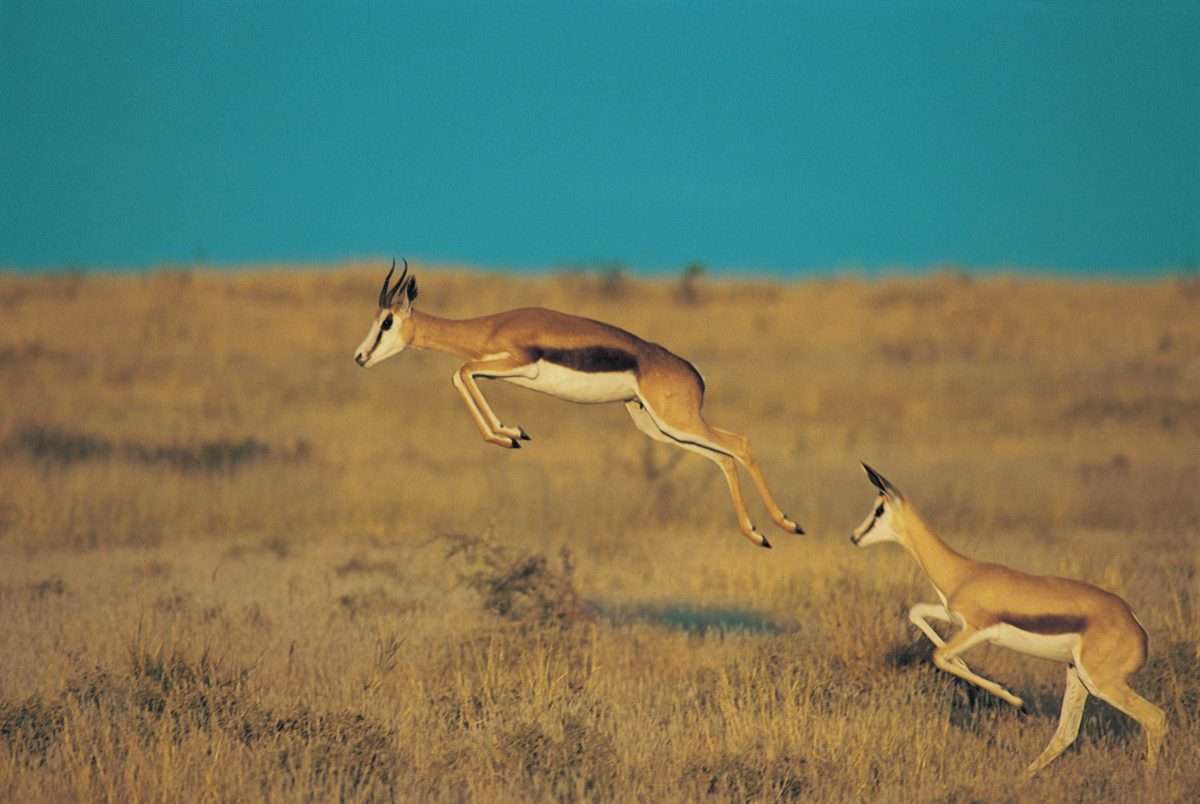
Wildlife commonly encountered includes oryx, springbok, Hartmann’s mountain zebra, ostriches, and numerous reptiles specially adapted to desert survival.
Its sheer scale makes it one of the finest destinations for anyone wanting to experience the true beauty of an African desert.
Etosha National Park: A Desert Safari Unlike Any Other
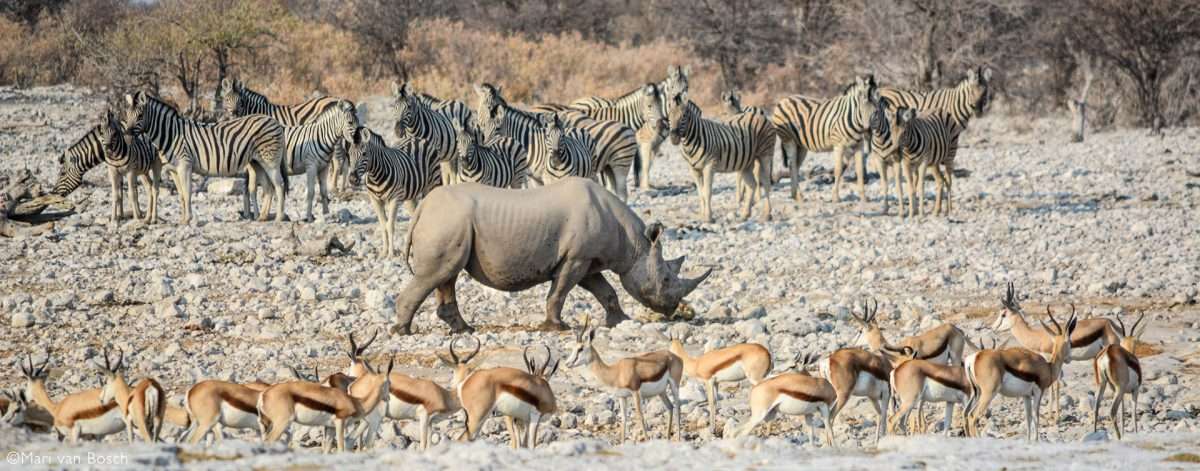
Although technically not a true desert, Etosha National Park deserves mention because its enormous white salt pan dominates one of Africa’s most distinctive semi-arid landscapes.
The dusty plains surrounding the pan attract elephants, lions, black rhinos, giraffes, springbok, and countless other species during the dry season.
Unlike lush savannah parks, Etosha offers exceptional wildlife viewing against brilliant white landscapes that create unforgettable photographic opportunities.
Its combination of desert scenery and classic African wildlife makes it one of Namibia’s premier safari destinations.
The Kalahari Desert: One of the Most Wildlife-Rich African Deserts
Among all Africa’s deserts, the Kalahari Desert offers one of the most rewarding wildlife experiences.
Stretching across Botswana, Namibia, and South Africa, the Kalahari is often described as a desert, although it is technically a semi-arid savannah because it receives more rainfall than a true desert. Even so, its dry climate, red sand dunes, ancient riverbeds, and vast open plains have earned it a place among the world’s most remarkable deserts in Africa.
Unlike barren deserts, the Kalahari supports an extraordinary diversity of life. Travelers exploring this iconic African desert can encounter black-maned Kalahari lions, cheetahs, meerkats, brown hyenas, gemsbok, springbok, zebras, giraffes, elephants, buffalo, jackals, baboons, leopards, and numerous bird species that have adapted to one of Africa’s harshest environments.
The Kalahari also remains home to the indigenous San people, whose traditional tracking skills and deep understanding of desert ecology have been passed down through generations.
Central Kalahari Game Reserve
The Central Kalahari Game Reserve is one of the largest protected wildlife reserves on Earth and one of the finest places to experience authentic African deserts.
This immense wilderness delivers an incredible sense of isolation, where endless horizons stretch across ancient fossil riverbeds, open grasslands, and rolling red dunes.
Despite its remote appearance, wildlife is remarkably abundant.
Visitors regularly encounter lions, elephants, giraffes, kudu, zebras, rhinos, leopards, jackals, wildebeest, and numerous antelope species moving across landscapes that have changed very little for thousands of years.
Unlike many busy safari destinations, the Central Kalahari offers peaceful game drives with very few vehicles, making wildlife encounters feel truly wild and exclusive.
Makgadikgadi Salt Pans
One of the most extraordinary deserts of Africa is found in northeastern Botswana.
The Makgadikgadi Salt Pans are the remains of an ancient super lake that once covered much of southern Africa.
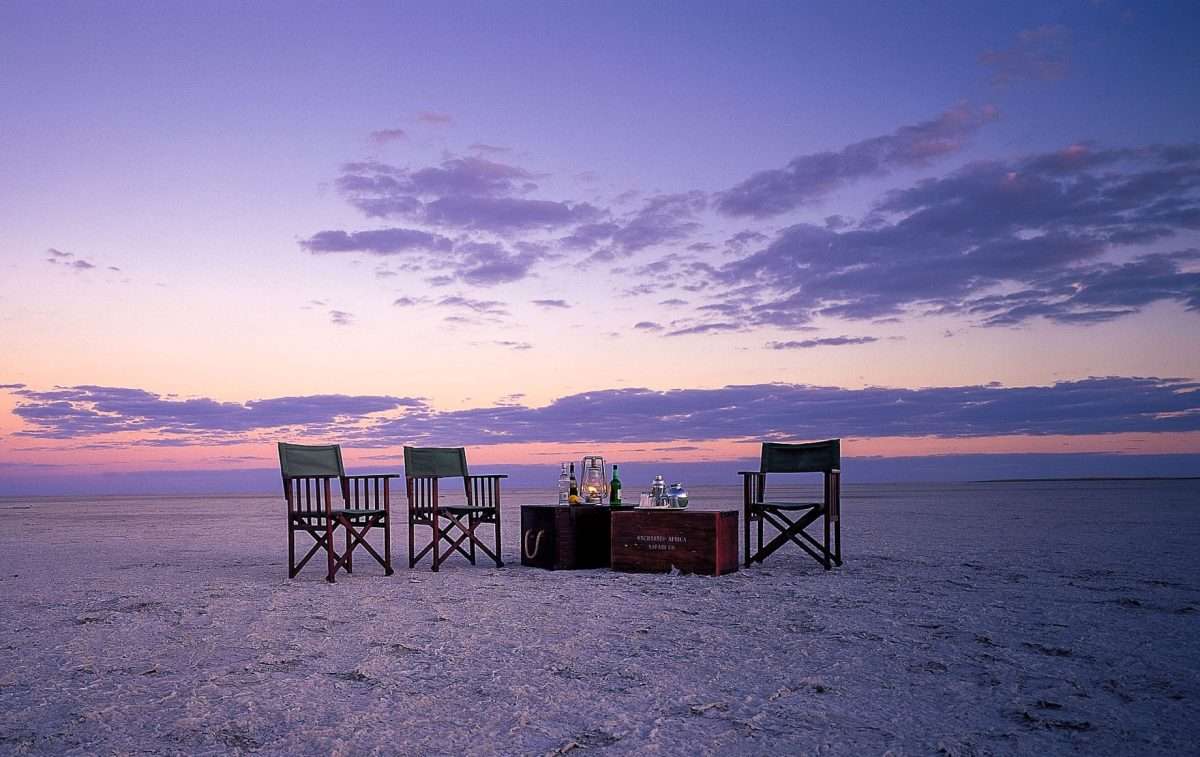
Today, these vast white salt flats stretch to the horizon, creating one of the continent’s most surreal landscapes.
During the dry season, the pans resemble a giant natural mirror of cracked white earth beneath endless blue skies.
When seasonal rains arrive, however, the landscape transforms dramatically.
Fresh water attracts thousands of flamingos and supports one of Africa’s largest zebra migrations, turning what appears to be an empty desert into a thriving wildlife ecosystem.
This remarkable seasonal transformation makes Makgadikgadi one of the most unique Africa deserts to experience.
Nxai Pan National Park
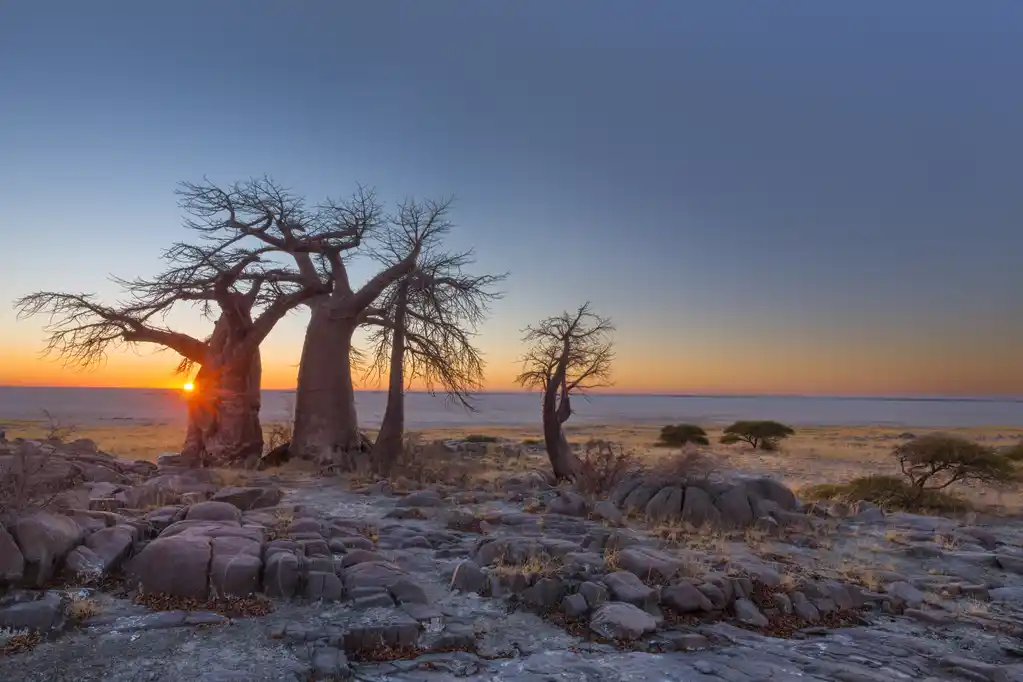
Part of the greater Makgadikgadi ecosystem, Nxai Pan National Park showcases another fascinating side of African deserts.
During the rainy season, lush grasses emerge across the pans, attracting enormous herds of zebras, wildebeest, springbok, elephants, and giraffes.
The park is equally famous for the magnificent Baines’ Baobabs, a small group of ancient trees that have become one of Botswana’s most photographed natural landmarks.
Birdwatchers also consider Nxai Pan one of southern Africa’s hidden gems thanks to its rich seasonal birdlife.
The Sahara Desert: Africa’s Largest Desert

No guide to Africa’s deserts would be complete without the legendary Sahara Desert.
Covering approximately 9.2 million square kilometres across 11 North African countries, the Sahara is the world’s largest hot desert and one of Earth’s greatest natural wonders.
Far from being an endless sea of sand, the Sahara contains towering dunes, rocky mountains, gravel plains, ancient dry valleys, seasonal lakes, fossil beds, and remarkable archaeological sites.
Some of its most famous attractions include the spectacular Erg Chebbi dunes in Morocco, the prehistoric rock art of Tassili n’Ajjer in Algeria, and the mysterious Eye of the Sahara (Richat Structure) in Mauritania, a giant circular geological formation visible from space.
Unlike Southern African desert safaris, Sahara adventures focus less on wildlife and more on dramatic landscapes, ancient trade routes, cultural encounters, and desert exploration.
Visitors can enjoy camel treks across endless dunes, luxury desert camps beneath star-filled skies, exciting 4×4 expeditions, and visits to Amazigh (Berber) communities that have lived in these harsh environments for centuries.
Countries including Morocco, Egypt, Tunisia, and Chad each offer unique ways to experience this legendary African desert, combining breathtaking scenery with rich history and archaeological treasures.
Best Time to Visit Africa’s Deserts
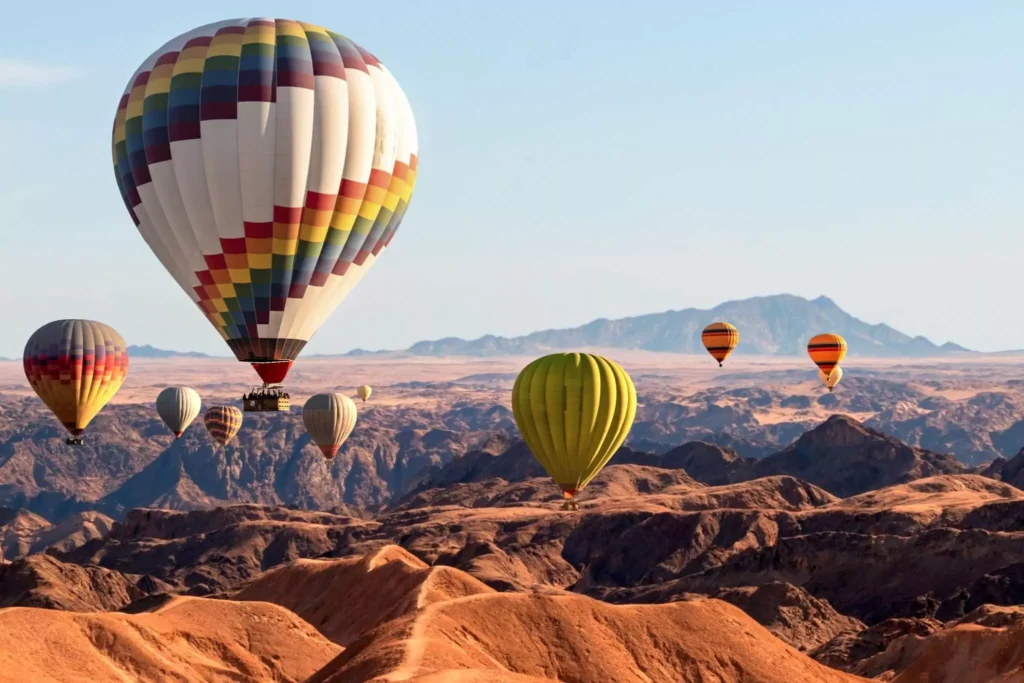
The ideal time to explore Africa deserts depends on which region you plan to visit.
For the Namib Desert, the dry season between May and October offers cooler temperatures, clear skies, and excellent conditions for photography, hiking, and wildlife viewing.
The Kalahari Desert is rewarding throughout the year. Wildlife viewing is often best from May to September, when animals gather around permanent water sources. In contrast, the Makgadikgadi Salt Pans are at their most spectacular between November and April, when seasonal rains attract migrating zebras and thousands of flamingos.
For the Sahara Desert, cooler months from October to April provide the most comfortable conditions for camel trekking, luxury camping, and cultural expeditions while avoiding the extreme summer heat.
Explore Africa’s Greatest Desert Safaris with TourwithPipi

From climbing the towering dunes of Sossusvlei and photographing the ancient trees of Deadvlei to tracking desert-adapted elephants in Namibia or witnessing black-maned lions roaming Botswana’s Kalahari, Africa’s deserts offer some of the continent’s most extraordinary travel experiences.
At TourwithPipi, we create tailor-made luxury safaris across Southern and East Africa, combining iconic wildlife destinations with unforgettable desert adventures. Whether you dream of exploring the Namib Desert, the Kalahari, the Makgadikgadi Salt Pans, or pairing a desert expedition with a classic Big Five safari, our expert team designs every itinerary around your interests while ensuring authentic experiences, exceptional accommodation, and responsible tourism.
Frequently Asked Questions
What is the largest desert in Africa?
The Sahara Desert is the largest African desert and the world’s largest hot desert. It covers approximately 9.2 million square kilometres across eleven countries in North Africa.
What is the oldest desert in Africa?
The Namib Desert is widely considered the world’s oldest desert, having existed for approximately 55 million years. It is famous for its towering red dunes, coastal fog, and unique desert-adapted wildlife.
Which African desert is best for wildlife?
For wildlife viewing, the Namib Desert and the Kalahari Desert are the best deserts in Africa. Both support remarkable populations of lions, elephants, rhinos, cheetahs, zebras, antelope, and numerous bird species specially adapted to arid environments.
Can you go on safari in the Sahara Desert?
Yes. However, Sahara safaris focus less on wildlife and more on desert exploration. Visitors typically enjoy camel trekking, 4×4 expeditions, luxury desert camps, archaeological sites, and cultural experiences with local nomadic communities.
What animals live in African deserts?
Depending on the location, African deserts are home to desert-adapted elephants, black rhinos, lions, cheetahs, brown hyenas, Cape fur seals, Hartmann’s mountain zebras, gemsbok, springbok, meerkats, bat-eared foxes, ostriches, reptiles, rare insects, and hundreds of bird species.
When is the best time to visit Africa’s deserts?
The ideal travel season depends on the destination.
The Namib Desert is best visited between May and October.
The Central Kalahari offers outstanding wildlife viewing from May to September.
The Makgadikgadi Pans are most spectacular during the rainy season from November to April, while the Sahara Desert is most comfortable between October and April.


