
Are giraffes friendly to humans? Giraffes often appear calm and gentle, but you should never approach them in the wild because they are still wild animals. With their long necks and towering height, giraffes are truly unique, and seeing one in person on safari is very different from seeing one in a zoo.
You may see giraffes near your home in a zoo, but the best way to experience them is in their natural habitat in Tanzania or Kenya. Watching a giraffe walk across open plains is something your whole family will remember.
Giraffes are not part of the Big Five, but they are a major reason people go on safari. Many travelers still wonder: are giraffes friendly, aggressive, or dangerous?
At TourwithPipi, we plan safaris every week to giraffe habitats, so in this guide we explain how giraffes behave, how to stay safe, and where to see them in Tanzania and Kenya—so you know exactly what to expect when you meet one on safari.
What Are Giraffes?
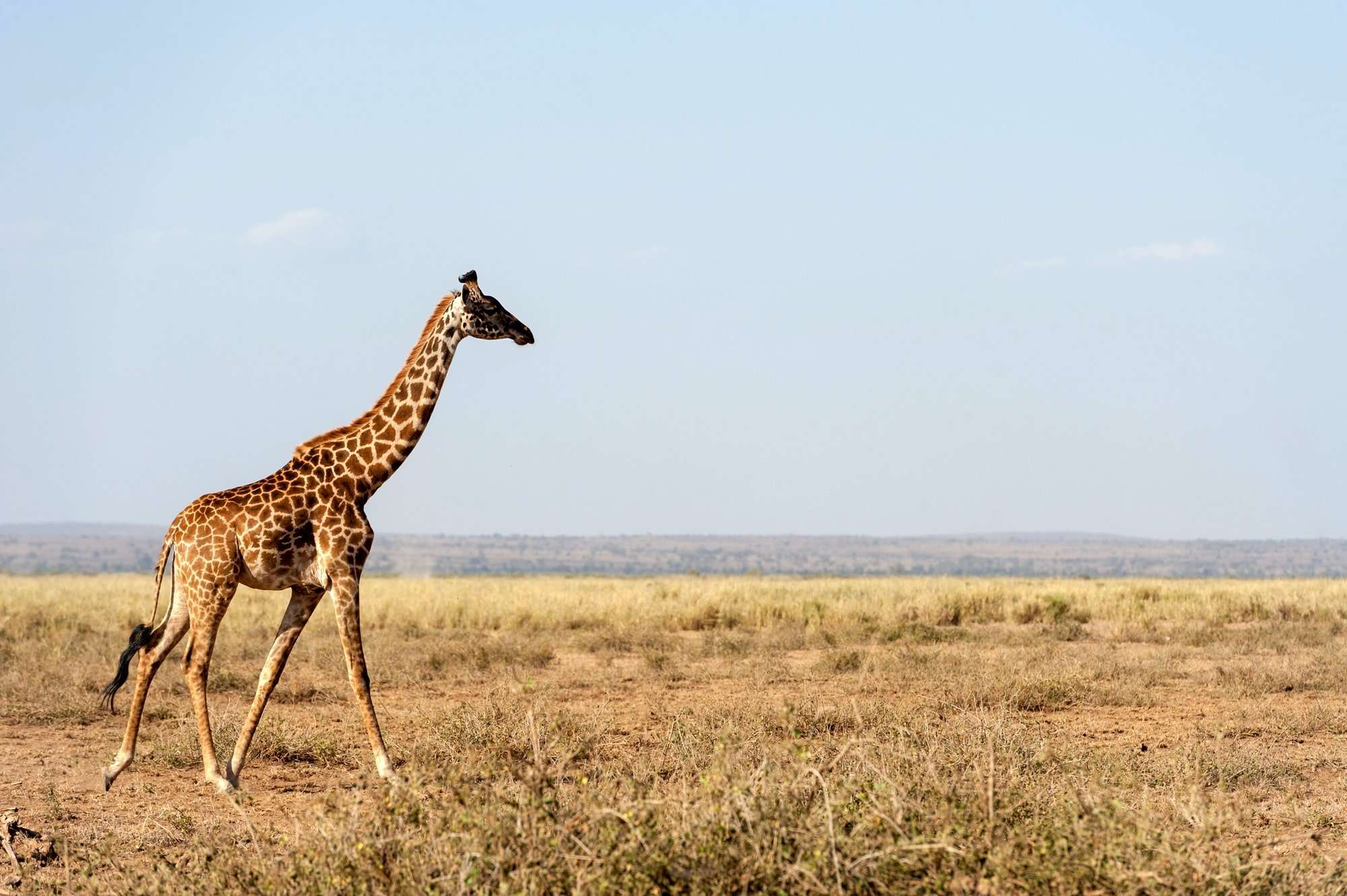
Most people know what giraffes are, but let’s take a closer look.
Giraffes are famous for their incredibly long necks. These long necks help them eat leaves from tall trees that other animals cannot reach. This is what makes them so special and easy to recognize.
Giraffes come from Africa. Their coats have beautiful spotted patterns, and no two giraffes look exactly the same.
There are four different species of giraffe, but they all look quite similar. In simple words, you will always know when you are looking at a giraffe.
By about 4 years old, giraffes reach their full height.
They usually grow between 4.5 and 5.5 meters tall, depending on whether they are male or female.
They can live up to 25 years in the wild.
It is estimated that around 68,000 giraffes live in the wild today, with about 28,850 giraffes in Tanzania alone.
While giraffes are not fully endangered, they are listed as a vulnerable species because they are losing their natural homes and face illegal hunting in some areas.
But the big question remains: Are giraffes friendly? Let’s find out.
Are Giraffes Friendly or Dangerous?
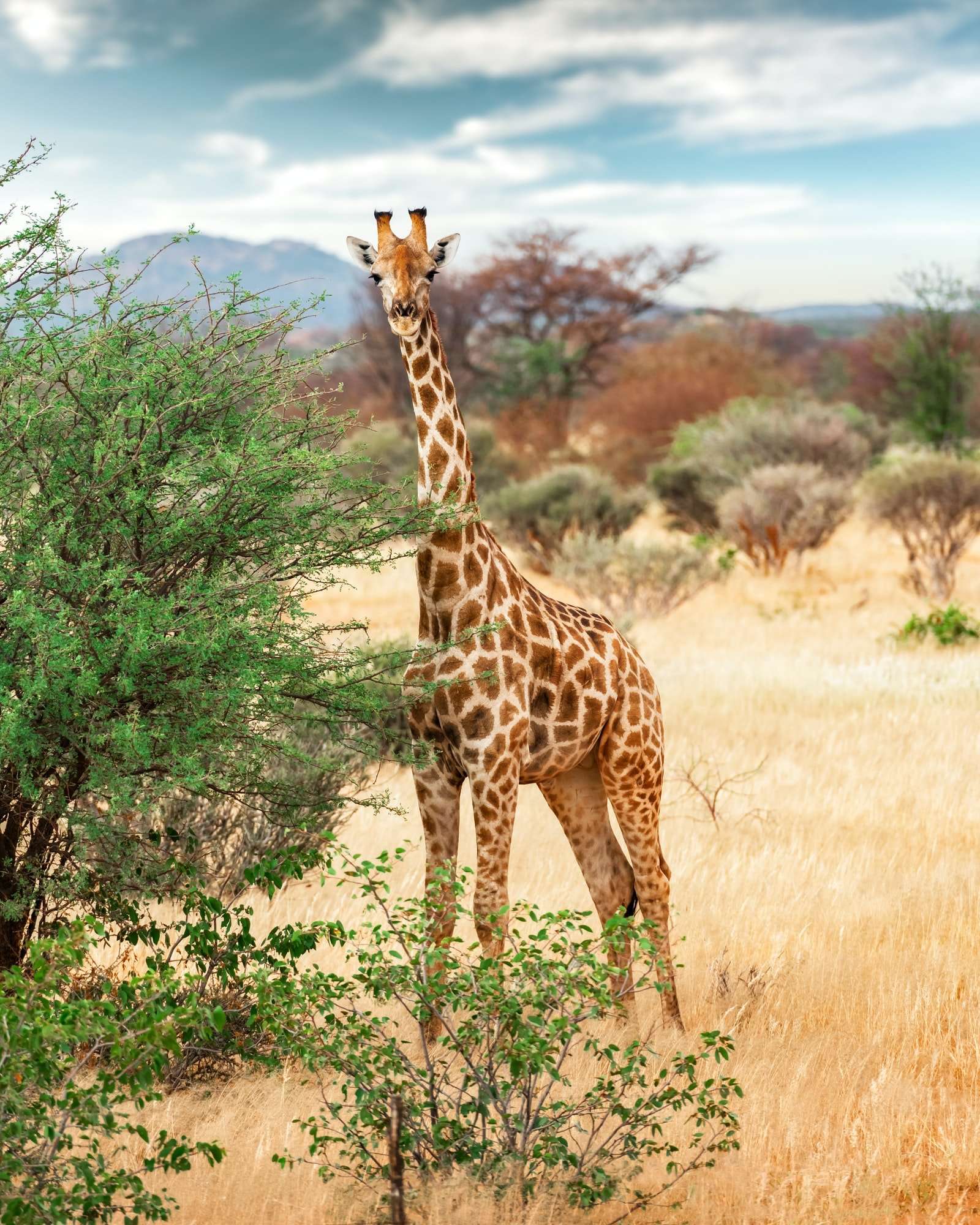
Yes, giraffes are generally calm and gentle animals.
But no, they are not pets.
This means:
Friendly does not mean safe
They are still wild animals
You should never walk up to them
Giraffes do not look for trouble, and they do not hunt people. But because they are very large and strong, they can be dangerous if they feel scared or threatened.
So the simple answer is:
- Are giraffes friendly? Yes, most of the time.
- Are giraffes dangerous? They can be if you do not respect their space.
Are Giraffes Aggressive or Mean by Nature?
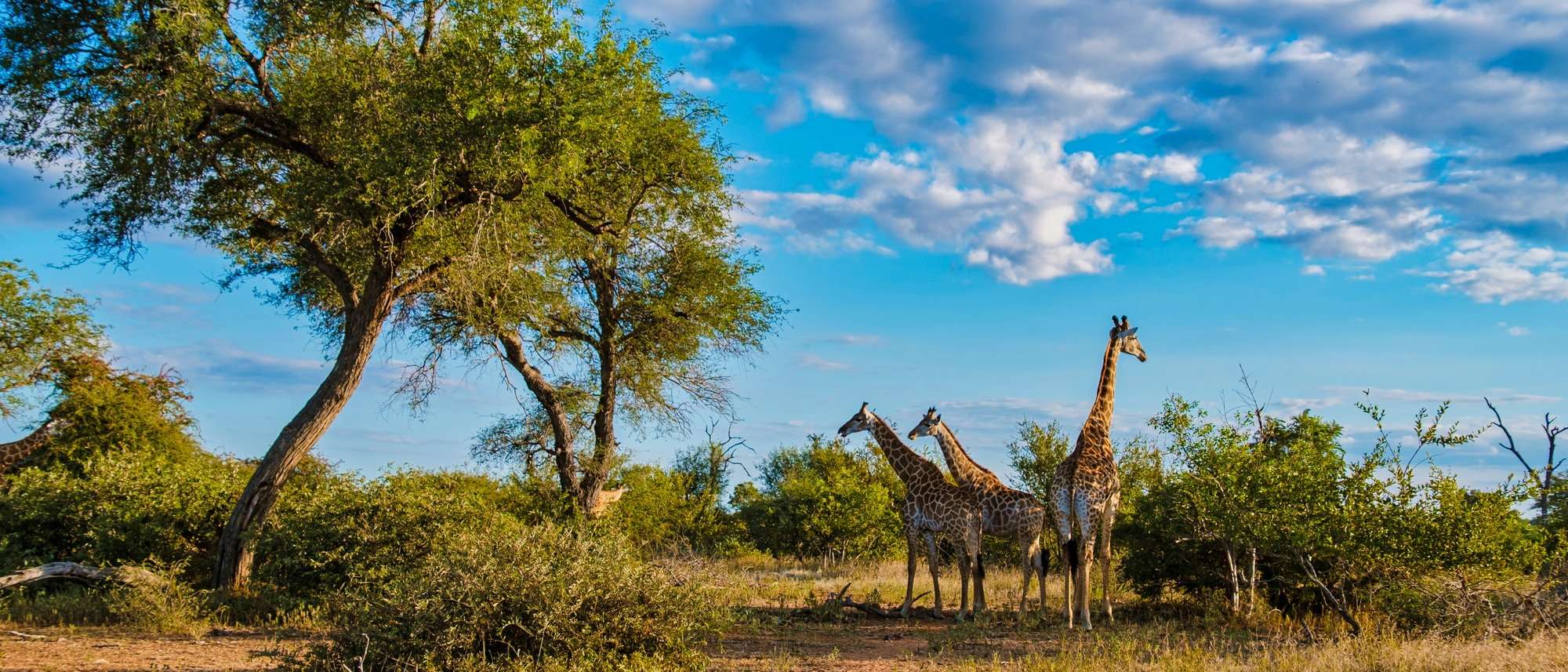
Giraffes are not naturally aggressive animals. They are not “mean” by nature.
Male giraffes can grow up to 18 feet tall and weigh about 3,000 pounds, while females are a bit shorter and lighter. Because of their size alone, they can seriously hurt someone without meaning to.
Giraffes are herbivores, which means they do not hunt other animals. They eat leaves, shoots, and plants, mainly from acacia trees. Because they do not hunt, they do not have the same aggressive behavior as lions or leopards.
They also live in groups. When you see giraffes in the wild, they are often together. This helps them protect each other from predators.
Many predators try to attack giraffes when they bend down to drink water, because their neck becomes an easy target. That is why giraffes usually:
drink quickly
stay in groups
keep watch while others drink
Most of their water actually comes from the leaves they eat, so they do not need to drink often.
Why giraffes avoid conflict
They are peaceful grazers
They do not compete for meat
They rely on height and vision to stay safe
Calm behavior vs defensive behavior
Calm behavior: walking slowly, eating leaves, staying with the group
Defensive behavior: standing stiff, protecting calves, swinging the neck, or kicking
When giraffes can become aggressive
Giraffes may act defensively when:
they feel threatened
they are with their calves
they are surprised
they are under stress
This is why on safari, your guide always tells you to keep distance. Giraffes are gentle by nature, but they will protect themselves and their young if needed.
In simple words for you and your family:
Giraffes are not mean animals, but they are strong wild animals that deserve respect.
Are Giraffes Friendly to Humans in the Wild vs Captivity
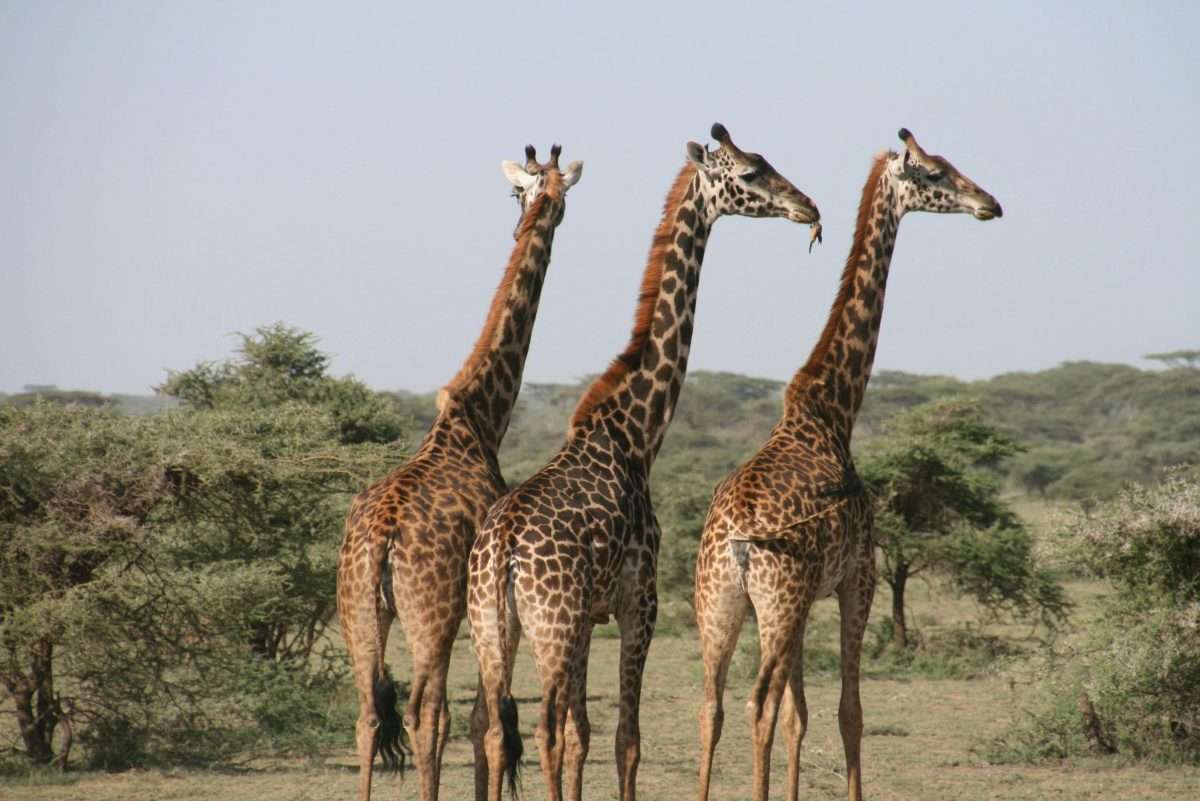
Are giraffes friendly to humans? In the wild, giraffes are cautious and not used to people. They see humans as unknown and can become defensive if approached too closely. This is why wild giraffes usually keep their distance and should never be touched.
In captivity, such as at giraffe centers, giraffes are more used to humans and may eat from hands under supervision. However, they are still animals and can react if frightened. On safari, rules are stricter because giraffes need space and protect their young, so the safest approach is to watch them from a distance.
Do Giraffes Attack Humans? Real Risk Explained

Attacks by giraffes on humans are rare, but they are possible. Giraffes do not look for trouble, but they will defend themselves if they feel scared or trapped.
How giraffes defend themselves
When a giraffe feels threatened, it can use:
powerful kicks with its front legs
strong neck swings to hit or push away danger
A single kick from a giraffe can cause serious injury because of its size and strength.
Why incidents happen
Most giraffe-related injuries happen when:
people get too close
people are on foot near giraffes
someone tries feeding a wild giraffe
a giraffe feels its escape path is blocked
These situations make giraffes feel trapped, and that is when they react.
Safari vs captivity risk difference
On safari, giraffes usually keep their distance from vehicles and stay calm if you remain inside the car.
In captivity, giraffes are more used to people, but they can still react suddenly if startled.
How giraffes react to safari vehicles

Most giraffes in safari parks are used to seeing vehicles. This is called habituation. It means they learn that safari cars are not a threat.
You will usually see them:
calmly walking
eating leaves
looking briefly at the vehicle
They may walk away slowly if they feel crowded or if too many cars arrive.
Warning signs giraffes feel threatened
Your guide watches for small signals that tell them a giraffe is not comfortable:
long staring at the vehicle
very stiff posture
sharp tail movements
standing close together around calves
These are signs that the giraffe is alert and ready to protect itself.
Why guides keep distance
Guides keep space for three main reasons:
to reduce animal stress
to protect you and your kids or family
to follow good photography ethics and not disturb nature
A relaxed giraffe makes better photos and a safer safari for everyone.
Can We Pat a Giraffe or Touch One?
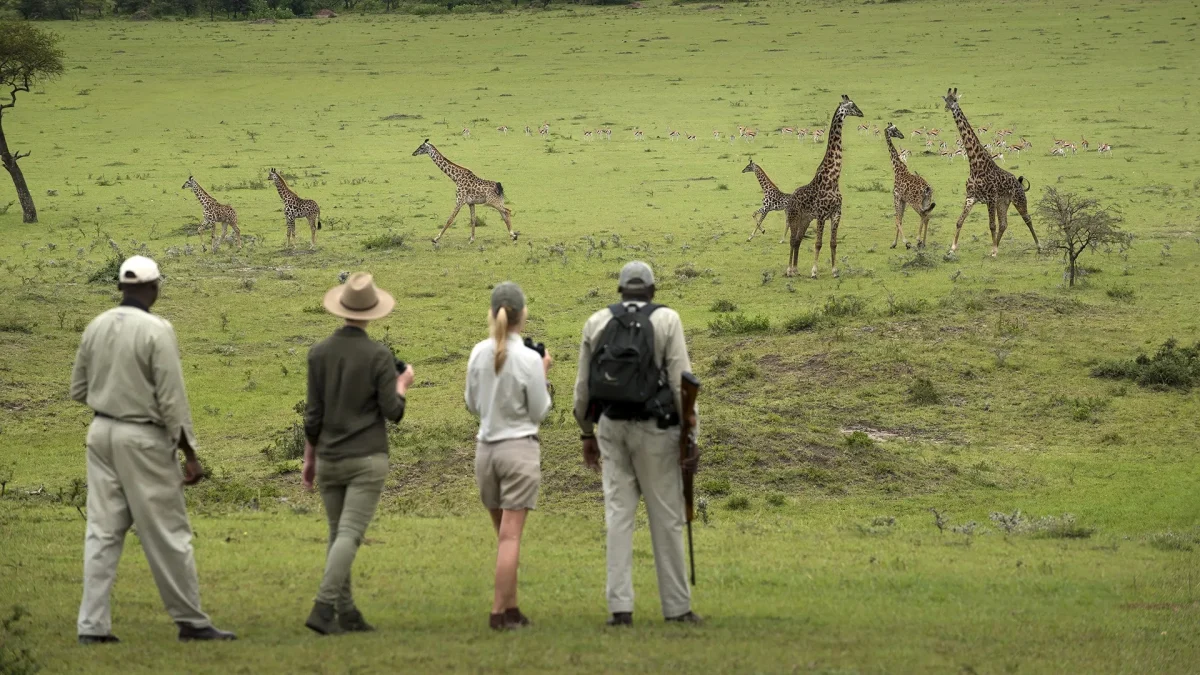
The short and honest answer is no, you should not touch or pat a giraffe in the wild.
Even though giraffes look calm and gentle, they are still wild animals. On safari, you are visiting their home, not the other way around.
Why touching a giraffe is unsafe
There are a few important reasons why touching a giraffe is not a good idea:
Their size:
Giraffes are very tall and heavy. A small movement from them can knock a person over without meaning to.Reflex kicks:
Giraffes have very strong legs. If they feel scared or surprised, they can kick very fast to protect themselves.Stress:
Being touched by humans can stress a wild giraffe. Stress makes animals act in ways you cannot predict.
This is why your guide will always tell you to stay inside the vehicle and enjoy giraffes from a distance. It keeps you, your kids, and the giraffes safe.
Controlled places only (giraffe centers)
In some places, such as giraffe centers or wildlife parks, giraffes are raised around humans and cared for by trained staff.
In these places:
giraffes may eat from your hand
staff control the distance
safety rules are strict
These giraffes are used to people, but even there, you should only touch them if a keeper allows it.
Difference between feeding platforms and the wild bush
At a giraffe center:
the giraffe comes to a raised platform
food is given in a controlled way
staff watch closely
In the wild:
giraffes choose where to walk
they protect their calves
there is no fence or control
That is why can we pat a giraffe has two very different answers:
At a giraffe center with staff: sometimes, yes
On safari in the wild: no, never
For you and your family, the safest and most respectful way is simple:
Watch giraffes, photograph them, and admire them — but do not touch them.
Where to See Giraffes in Tanzania
Tanzania is one of the best countries in Africa to see giraffes in the wild. It is home mainly to the Masai giraffe, and thousands live inside protected parks.
Here are the best places to see them, with estimated populations and simple reasons why they are easy to spot:
Serengeti National Park
Estimated giraffe population: 8,000–10,000
The Serengeti has wide open plains and many acacia trees, which giraffes love. You often see them walking slowly across the grasslands or feeding near trees. Because the park is huge, giraffes spread out, but sightings are still common on most game drives.
Tarangire National Park
Estimated giraffe population: 3,000–4,000
Tarangire is famous for elephants, but it also has one of the highest giraffe densities in northern Tanzania. The Tarangire River attracts giraffes during the dry season, making them easy to see for families and first-time safari travelers.
Lake Manyara National Park
Estimated giraffe population: 1,500–2,000
Lake Manyara has forests and open plains. Giraffes here are often seen near the lake edge and woodland areas. It is a smaller park, so your chances of spotting giraffes are very high in a short time.
Ruaha National Park
Estimated giraffe population: 5,000–6,000
Ruaha is more remote and less crowded. It has one of the largest giraffe populations in southern Tanzania. If you want to see giraffes in a quieter, wilder setting, Ruaha is a great choice.
Nyerere National Park (formerly Selous Game Reserve)
Estimated giraffe population: 4,000–5,000
Nyerere is massive and very natural. Giraffes live across its open woodlands and river areas. It is ideal if you want to combine boat safaris with classic giraffe sightings.
Where to See Giraffes in Kenya
Kenya is also excellent for giraffe sightings, especially the Masai giraffe and reticulated giraffe in different regions.
Masai Mara National Reserve
Estimated giraffe population: 2,500–3,000
The Masai Mara is famous for big cats, but giraffes are easy to see too. They walk through open grasslands and near river areas. Many families see giraffes here on their very first game drive.
Amboseli National Park
Estimated giraffe population: 1,000–1,500
With Mount Kilimanjaro in the background, Amboseli offers beautiful giraffe photos. Giraffes often feed near swamps and woodland areas, making them easy to spot from safari vehicles.
Samburu National Reserve
Estimated giraffe population: 1,200–1,500 (reticulated giraffes)
Samburu is special because it is home to the reticulated giraffe, which has sharper and more defined patterns. This park is perfect if you want to see a different giraffe species from the Masai giraffe.
Lake Naivasha
Estimated giraffe population: 300–500
Around Lake Naivasha, giraffes live in open areas and private conservancies. You can often see them on walking safaris or boat safari days combined with land game viewing.
Nairobi Giraffe Centre (controlled experience)
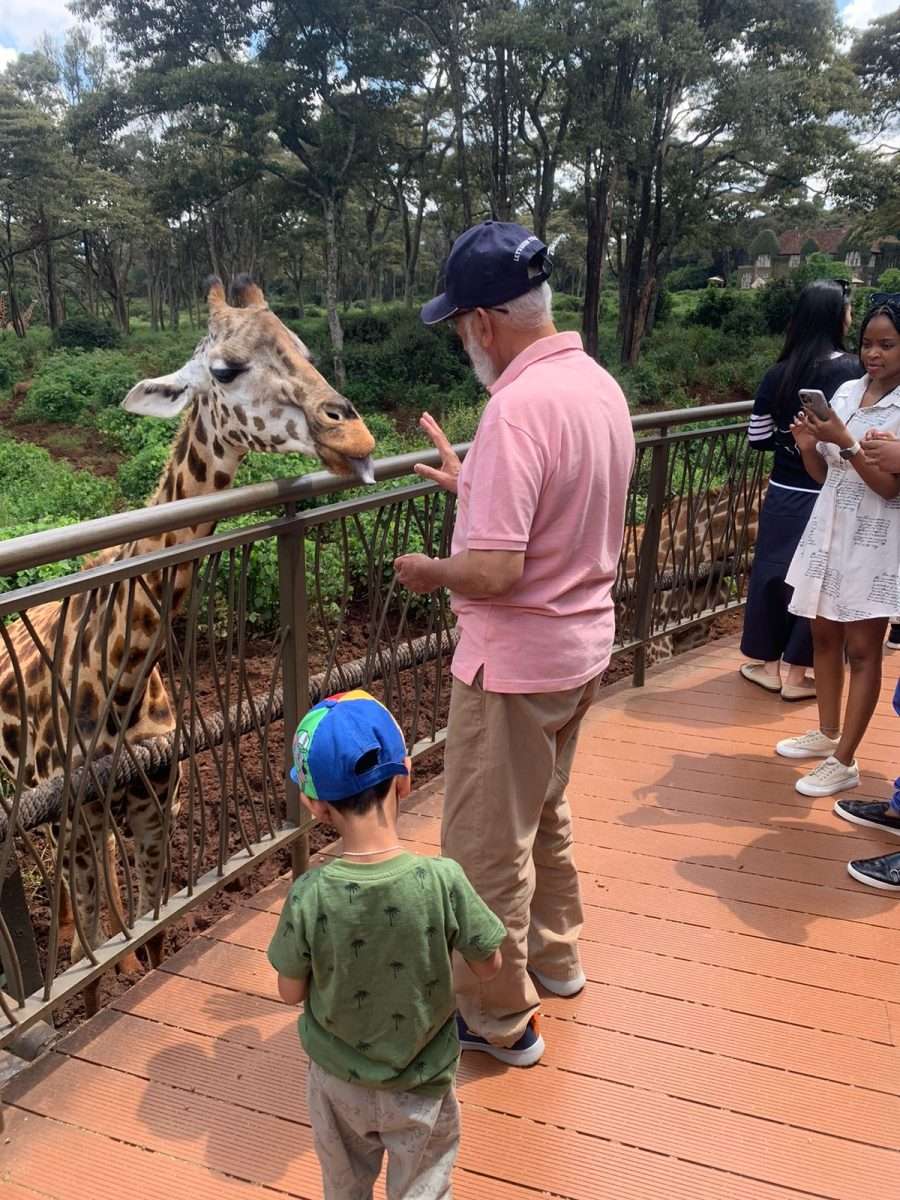
The Nairobi Giraffe Centre is not a safari park but a conservation center created to protect the endangered Rothschild’s giraffe.
History and purpose:
The centre was founded in 1979 to help save the Rothschild’s giraffe from extinction. It started with just two young giraffes and now plays a big role in education and breeding programs.
What you can do there:
Hand-feed giraffes from a raised platform
Learn about giraffe conservation
Walk a 1.5 km nature trail for birdwatching
Visit the teahouse and gift shop
- Location: Duma Road, Lang’ata, about 15 km from Nairobi city center
- Opening hours: Open daily from 9:00 AM to 5:00 PM, including weekends and public holidays
- Feeding experience: When you enter, you receive food pellets made from corn, wheat, grass, and molasses to feed the giraffes safely.
This is the only place where can we pat giraffe may sometimes be allowed under staff supervision. In the wild, touching is never allowed.
Safari Safety Rules Around Giraffes
When you see giraffes on safari, they may look calm and friendly, but they are still wild animals. Following simple safety rules helps keep you, your kids, and the giraffes safe.
What you should do
Stay in the vehicle at all times unless your guide says it is safe.
Follow your guide because they understand giraffe behavior and warning signs.
Stay quiet so the giraffes do not feel stressed or surprised.
These small actions help giraffes stay relaxed and give you better photos and memories.
What you should never do
Never approach a giraffe on foot.
Never try to feed a wild giraffe.
Never block their path when they want to walk away.
Never get between a mother and her calf.
Mothers protect their babies strongly, and this is when giraffes can become defensive.
Are Giraffes Smart?
Giraffes are not just tall and beautiful. They are also quite smart.
They show:
learning ability by remembering safe routes and feeding areas
good memory, especially about danger and water points
clear group behavior, staying together for protection
simple decision making, like choosing when to move or stay
How their intelligence helps them survive
They use their height and vision to avoid danger
They can notice changes in vehicles or people and adjust
They are good at reading humans and other animals
This intelligence is one reason giraffes usually walk away instead of fighting.
Final Verdict – Are Giraffes Friendly or Dangerous?
Giraffes have a friendly nature and are usually peaceful animals.
But they can be dangerous if disrespected or frightened.
The best way to enjoy them is simple:
admire them
photograph them
give them space
They are best admired from a distance, where both you and the giraffe feel safe.
Plan Your Giraffe Safari with TourwithPipi

At TourwithPipi, we plan your safari with giraffes in mind.
We plan routes based on giraffe habitats
We choose parks for the best sightings
We keep animal distance rules for safety
We educate our guests so you understand what you see
We want you and your family to enjoy giraffes the right way, with respect and care for wildlife.
FAQs
Do giraffes run fast if they feel scared?
Yes. Giraffes can run very fast when they feel threatened. This is why your guide keeps a safe distance and never chases them.
Are giraffes more active in the morning or afternoon?
Giraffes are usually easier to see in the early morning and late afternoon when they are feeding and moving between trees.
Are giraffes safe for kids to watch on safari?
Yes, giraffes are safe to watch for kids as long as everyone stays inside the safari vehicle and follows the guide’s instructions.
How close can a safari vehicle go to a giraffe?
Vehicles usually stop at a safe viewing distance so the giraffe does not feel stressed or trapped. Getting too close is avoided on purpose.
Can giraffes recognize safari vehicles?
Yes, over time giraffes learn that safari vehicles are not predators. This is why they often stay calm when cars are nearby.
Do giraffes sleep a lot in the wild?
No. Giraffes sleep very little and often rest standing up. This helps them stay alert for danger.
Why do giraffes sometimes stare at people in vehicles?
They are checking if you are a threat. Long staring is their way of staying alert before deciding to walk away.
Is it better to see giraffes in open parks or forest parks?
Open parks are better because giraffes are easier to spot against wide plains and scattered trees.
Blog Summary
Are giraffes friendly? Yes, giraffes are generally calm and gentle, but they are still wild animals and must be respected.
Are giraffes dangerous or aggressive? They are not naturally aggressive, but they can become dangerous if they feel threatened, stressed, or if their calves are nearby.
Do giraffes attack humans? Attacks are rare, but they can happen when people get too close, try feeding them, or block their path.
Giraffe behavior around humans on safari is usually calm when you stay in the vehicle and follow your guide’s rules.
Can we pat a giraffe? No, you should not touch or pat giraffes in the wild; only controlled places like giraffe centers allow close contact.
Where to see giraffes in Tanzania: Serengeti, Tarangire, Lake Manyara, Ruaha, and Nyerere National Park are the best places.
Where to see giraffes in Kenya: Masai Mara, Amboseli, Samburu, Lake Naivasha, and the Nairobi Giraffe Centre offer great sightings.
Final answer: Giraffes are friendly by nature but can be dangerous if disrespected, so the best way to enjoy them is to watch them safely from a distance on safari.


