
Choosing the best safari luggage matters more than most people expect, and packing for a safari the wrong way is the most common mistake I see guests make. Most safari lodges sit in remote places, and the only way in is a small bush plane with a luggage hold about the size of a car trunk. Hard-shell suitcases with rigid frames often cannot be squeezed into that space at all, and if they are forced in, they can get scuffed, cracked, or damaged on the bumpy loading and the flight itself. This is the single biggest packing mistake I see, and it is completely avoidable.
Why Soft Sided Luggage Is Not Optional for Safari

The best safari luggage is soft sided, has no rigid internal frame, and can be squashed to fit an odd shaped space. This matters because of how you actually travel between camps.
Why Hard-Shell Bags Get Left Behind or Damaged
Bush planes weigh every kilogram carefully, since maximum takeoff weight is a real safety limit, not a suggestion. If your bag will not bend or compress, ground crew sometimes cannot load it at all, and it gets sent on a later flight or by road, which can mean a day or two without your belongings. Even when a hard-shell bag does fit, the tight loading process can scratch, dent, or crack it. A soft sided duffel avoids both problems, since it molds to whatever space is left.
The Extra Seat Option for Bulky Gear
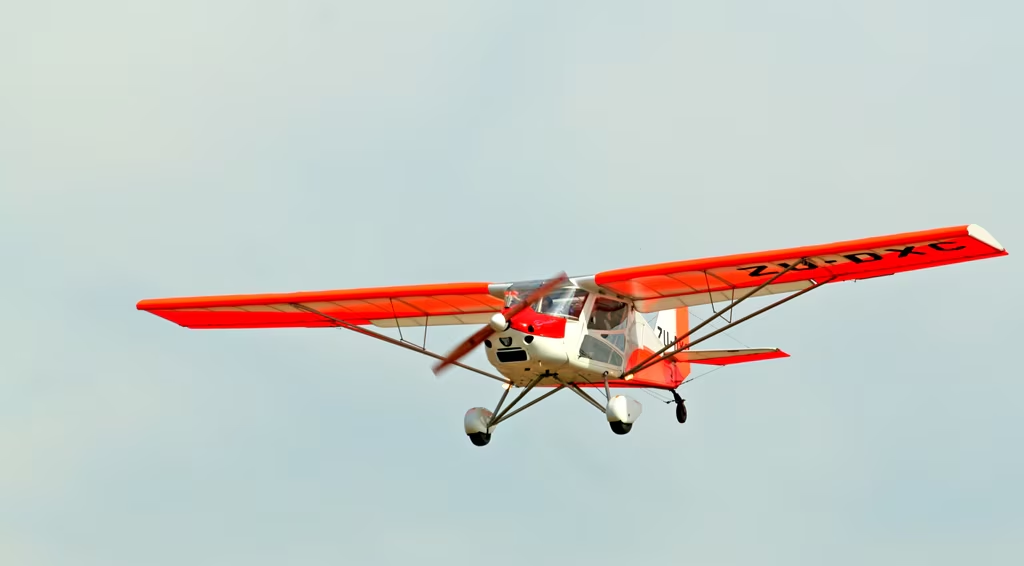
If you genuinely need to bring more than the standard allowance, most operators let you purchase an extra seat on the light aircraft for additional luggage space. This is mainly used by photographers traveling with multiple camera bodies and long lenses. It costs more, but it is the only real workaround if your gear will not fit the standard limit.
Best Safari Duffel Bags: Size and Weight That Actually Work
Recommended Dimensions and Weight
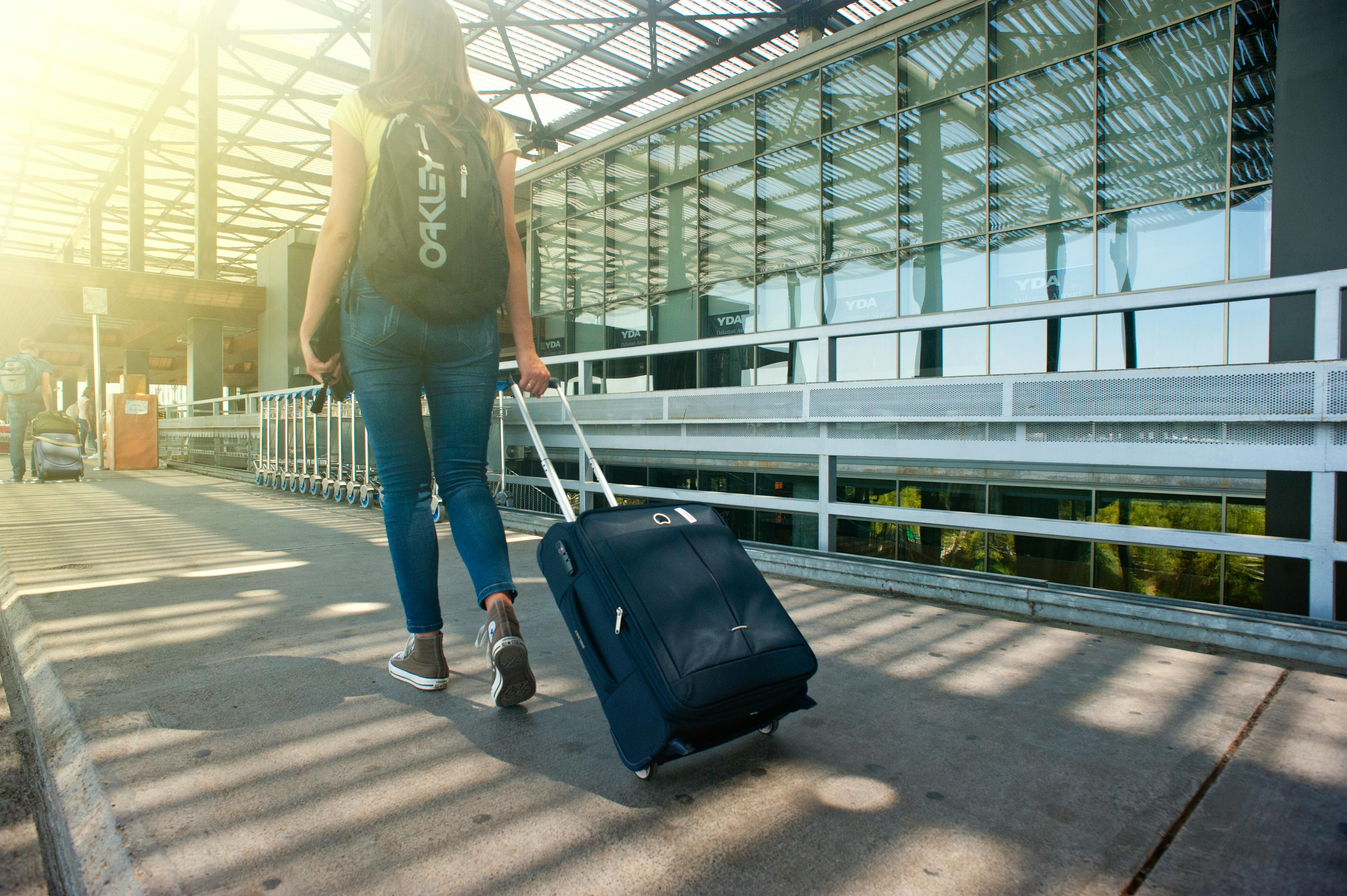
For East African safaris, including Kenya and Tanzania, the standard baggage limit is 15kg, or about 33 pounds. In Southern Africa, including Botswana, Zambia, and Namibia, it is usually closer to 20kg, or 44 pounds. Always confirm the exact number with your operator, since it can vary by aircraft and route.
For dimensions, aim for a soft duffel between 62cm and 70cm long, by 25 to 30cm high, by 25 to 30cm wide, roughly 24 by 12 by 10 inches. Brands like Eagle Creek, Osprey, and Patagonia all make good options in this range, and a simple canvas holdall works just as well as an expensive designer one. The bag only needs to be as full as you pack it, so a half-empty duffel squashes down far more easily than an overstuffed one.
Carry-On Size and Weight Rules
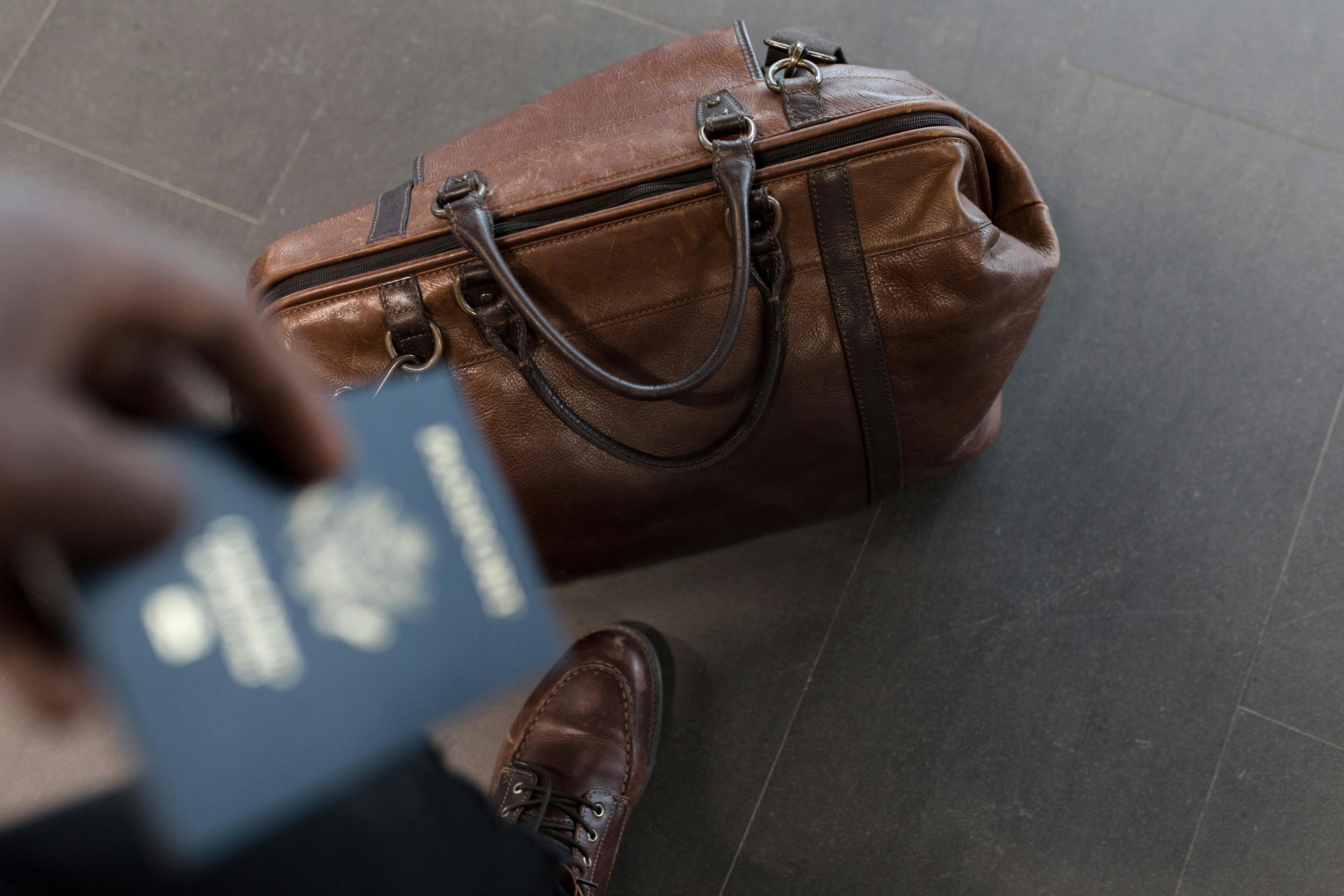
Bring one soft sided carry-on as well, generally capped around 11 to 15 pounds and no more than about 43 inches total when you add length, width, and height together. This bag travels with you in the main cabin of the vehicle or plane, so keep your passport, camera, and any medication in it rather than in your checked duffel.
What Happens If Your Luggage Goes Over the Limit
If your bags are heavier than the limit, some operators will fly the excess separately for an added fee, while others store what you do not need for the flying portion of your trip at a hub location, like Nairobi, and return it to you when your safari ends. Every operator handles this a little differently, so it is worth asking directly before you pack, rather than finding out at the airstrip.
Safari Travel Bags: What Else You Need Besides the Main Duffel
Day Pack Essentials
Alongside your main duffel, bring a small day bag that stays with you in the safari vehicle. This is where your camera, sunscreen, binoculars, and water bottle live during game drives. A small backpack or a cross body sling bag both work well. If your itinerary includes any walking element, choose a bag with straps rather than a tote, since you will want your hands free.
A Money Belt for Cash and Documents
Keep your passport, cards, and cash tucked in a money belt worn under your clothing, especially when you are moving through cities before or after your safari days. It is a small habit that avoids a much bigger problem if a bag gets misplaced.
Packing for a Safari: Your Clothing List, With Quantities
For a 7 to 10 day trip, here is what actually gets used, not a padded list.
Tops and Layers
- 3 to 4 short sleeve shirts or t-shirts
- 2 to 3 long sleeve shirts, for sun and bug protection in the evening
- 1 fleece or light jacket for cold mornings
- 1 warm underlayer or thin puffer, temperatures can drop below 50°F before sunrise even in destinations you think of as hot
- 1 rain jacket or windbreaker that packs down small
- A sports bra is worth packing as a daily layer even outside a workout, since the dirt roads get bumpy and the extra support helps
Bottoms
- 2 pairs of lightweight trousers, zip-off cargo pants work well since they convert to shorts
- 1 to 2 pairs of shorts
- Look for pants with pockets, the more the better, since safari vehicles have limited storage within reach
Sleepwear and Extras
- Sleepwear
- Underwear and socks for each day of your trip
- 1 swimsuit, many lodges have pools
- 1 wide brimmed hat with a strap so wind does not take it
- 1 light cotton scarf or buff for dust protection, it also works as sun cover, a makeshift towel, or a picnic blanket
- Earplugs if you are a light sleeper, since nights in camp are full of real sound, hippos, hyenas, and insects
Footwear
- Closed toe walking shoes, broken in before you travel, for wearing in the vehicle and around camp
- Sandals or flip flops for camp downtime
- If your trip includes a walking safari, pack sturdy trail shoes or light hiking boots with grip
- For gorilla trekking in Rwanda or Uganda, bring waterproof hiking boots, gardening gloves to protect your hands from stinging nettles, and gaiters or long socks to tuck your trousers into against biting fire ants on the forest floor
What Colors to Pack, and What to Leave at Home
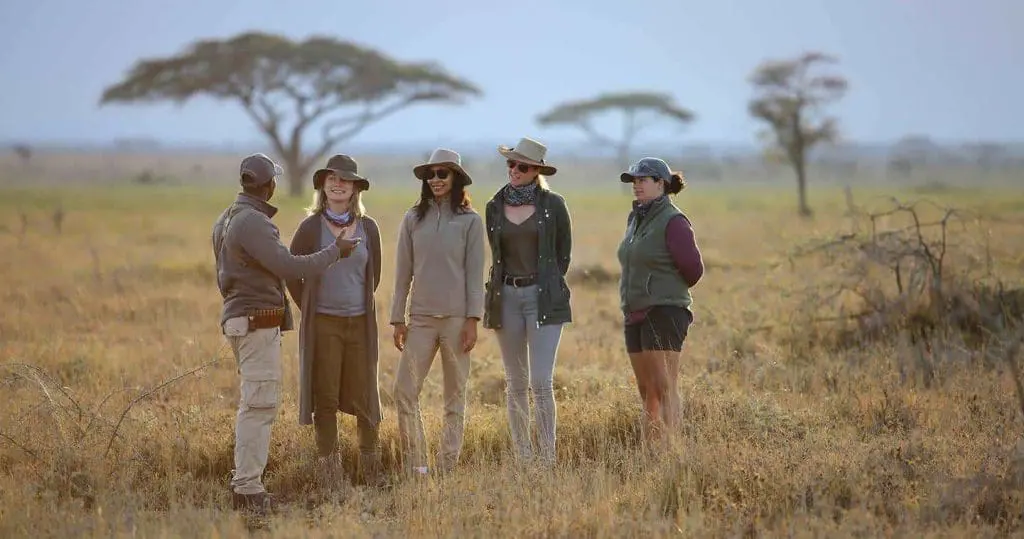
Stick to neutral earth tones: khaki, olive, tan, and cream. These colors help you blend into the bush and hide dust well.
Avoid white, since it stains fast and shows dirt within a day. Avoid black, navy, and bright blue, since these colors attract tsetse flies, which bite. Avoid camouflage print entirely, since it is illegal for civilians to wear in several African countries, including Zimbabwe, Uganda, Zambia, and Ghana, where it is reserved for the military.
Packing for African Safari: Layers for Changing Weather
The biggest packing mistake I see is guests who pack for heat and forget the cold. Mornings on a game drive start before sunrise, often around 5:30am, and it can be genuinely cold in an open vehicle. By midday, the same location might be 85°F or higher.
Pack in layers you can add and remove through the day. A t-shirt under a long sleeve shirt under a fleece works better than one heavy jacket, since you will be shedding layers as the morning warms up. If you are also visiting high-altitude forest for gorilla or chimp trekking, at elevations up to 9,000 feet, pack for sudden rain and damp cold on top of everything else.
What to Take on an African Safari: The Full Essentials List
Health and Hygiene
Sunscreen SPF 30 or higher, lip balm with SPF, insect repellent with at least 25 to 30 percent DEET, hand sanitizer, and a small first aid kit with pain relief, rehydration salts, and something for an upset stomach. Add motion sickness tablets if you get queasy on small planes or bumpy roads, and antihistamine tablets for any allergic reaction to bites. If you wear contact lenses, pack your glasses too, since dust on game drives can aggravate your eyes.
Documents and Money
Your passport with at least six months of validity, a printed or digital copy of your visa approval, and two photocopies of your passport photo page, one kept in the room safe while traveling and one left with someone at home. Bring US dollars in small, newer bills for tipping and incidental costs, since older or torn notes are often refused.
Electronics and Gadgets
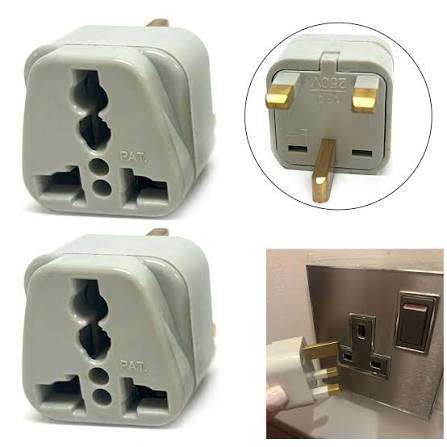
A camera with extra batteries and memory cards, binoculars if you have your own since not every lodge provides a pair, a power bank, and a headlamp or small flashlight for dark paths at night. A microfiber cloth is worth packing too, for wiping dust off your sunglasses, camera lens, and binoculars throughout the day. Bring a plug adapter, Kenya and Tanzania use Type G sockets at 220 to 240 volts, Rwanda uses Type C and J at 230 volts, and South Africa uses Type D, M, or C at 220 to 230 volts. Note that drone cameras are banned in several countries including Kenya, and require permits in others, so check the rules for your specific destinations before you pack one.
Extras for Walking Safaris and Gorilla Trekking
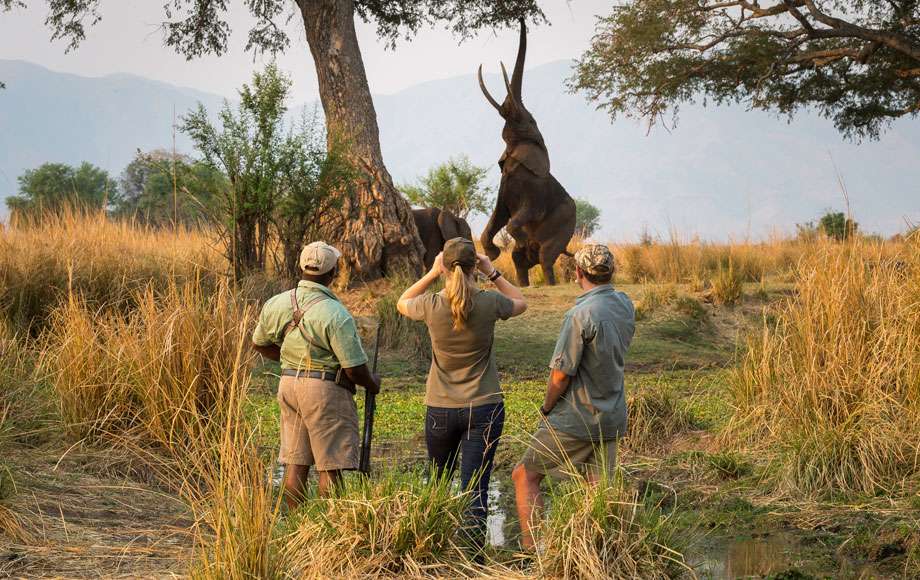
Beyond the gloves and gaiters mentioned above, bring a reusable tote bag for markets and day trips, since single-use plastic bags are banned in Kenya, Tanzania, Rwanda, and Uganda. A collapsible umbrella or light rain poncho is worth having if you are traveling in the rainy season.
What Not to Pack
Leave heels and any formal wear at home, meals on safari are informal even at dinner. Skip perfume and scented lotions, since fragrance attracts insects and takes up space you do not need to spend on it. Most camps provide blankets and hot water bottles for cold nights, so you do not need to bring your own. And leave expensive or sentimental jewelry at home, since losing it would be a real shame on what should be a relaxed trip.
Laundry at Camps
Many camps and lodges offer laundry service, but policies and pricing vary by property, and some will not wash intimate items regardless of the service level. Rather than assume it is included or free, ask your safari operator for a specific quote on laundry at each camp on your itinerary before you finalize your packing list. This one detail can change how many days of clothing you actually need to bring.
A Note on Vaccines and Health Prep
Book a travel medicine appointment with your doctor four to six weeks before departure, so there is time to discuss any medical concerns and confirm you are current on routine vaccinations. The yellow fever vaccine is required for travelers arriving from certain countries designated by the World Health Organization, and it must be given at least 10 days before you arrive in East Africa. Talk to your doctor about malaria prevention as well, since the right medication depends on your health history and travel dates.
A Story From a Recent Trip
I had a guest last year, a photographer from New York, who called me two weeks before his trip worried about fitting his camera gear and his clothes into a 15kg limit. We worked through it together. He packed his camera body and lenses in a padded backpack that stayed with him as his carry-on, and used a soft duffel just for clothing, keeping it well under the line.
He told me afterward it was the best packing decision he made all year. Splitting camera gear from clothing, rather than trying to force everything into one bag, solved a problem I see guests struggle with constantly.
Ready to Start Planning Your Safari?
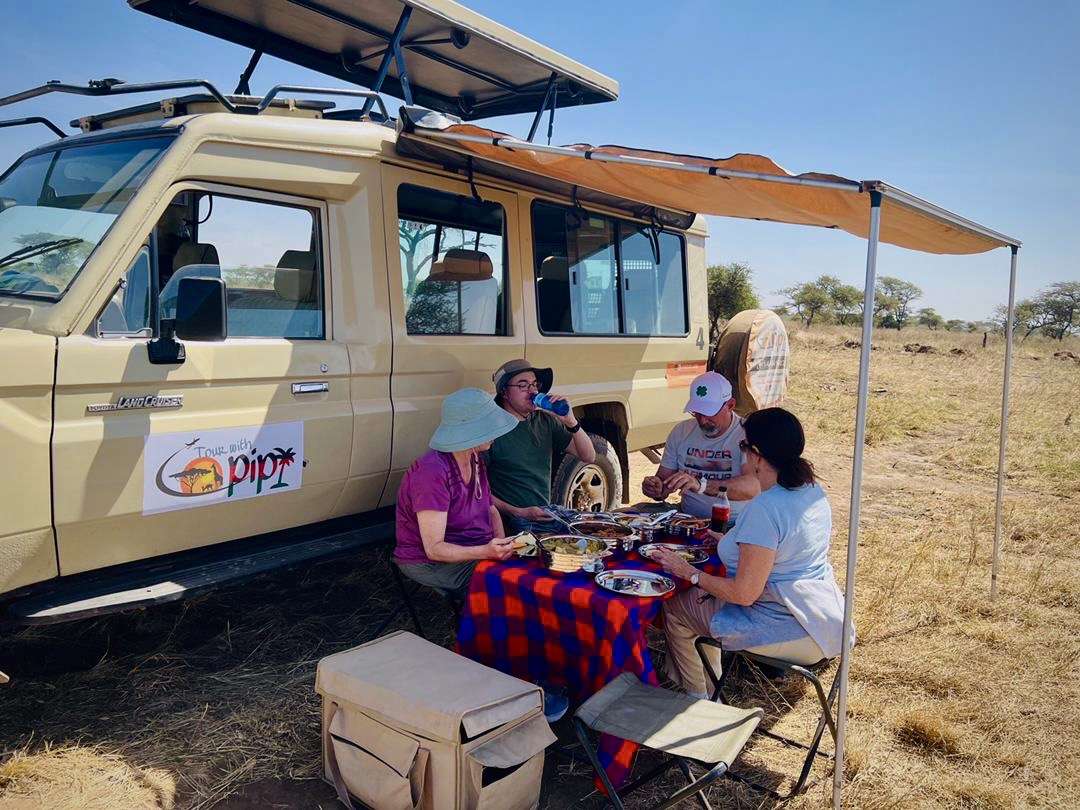
If you have questions about how to pack for a safari, or want help understanding the exact luggage limits for your specific trip, message me directly on WhatsApp. I answer these questions every single day and I am happy to walk through your packing list with you.
A few trips where guests ask me this most often:
- 5-Day Masai Mara Safari
- 6-Day Mara Discovery: Big Five Safari
- 7-Day Kenya Explorer Safari
- 8-Day Extraordinary Kenya Safari
Frequently Asked Questions
What is the best luggage for safari?
Soft sided duffel bags without a rigid frame or wheels, sized around 62 to 70cm long by 25 to 30cm high and wide when packed. This lets your bag squash into the small luggage hold of a bush plane, which hard-shell suitcases often cannot do.
What is the weight limit for safari luggage?
In East Africa, including Kenya and Tanzania, the typical limit is 15kg, or 33 pounds, per person. In Southern Africa, it is usually closer to 20kg, or 44 pounds. Always confirm the exact limit with your operator before you fly.
How many clothes should I pack for a safari?
For a 7 to 10 day trip, 3 to 4 short sleeve shirts, 2 to 3 long sleeve shirts, 2 pairs of trousers, 1 to 2 pairs of shorts, and a fresh set of underwear for each day is plenty.
Is laundry included at safari camps?
It depends on the camp. Laundry service is common but policies and pricing vary by property, and some camps will not wash intimate items. Ask your operator for a specific quote on laundry at each stop on your itinerary.
What colors should I avoid packing for safari?
Avoid white, which stains quickly, and black, navy, or bright blue, which attract tsetse flies. Camouflage print is illegal for civilians in several African countries. Stick to khaki, olive, tan, and cream.
Do I need a separate bag for camera equipment on safari?
Yes, if you carry serious camera gear, pack it in a padded backpack that stays with you as your carry-on, separate from your clothing duffel. This protects your gear and helps you stay within the weight limit.
Can I bring a suitcase with wheels on safari?
It is best to avoid wheeled suitcases with rigid frames, since they may not fit into the luggage hold of a small bush plane and can be damaged during loading. A soft sided, frameless duffel bag is the safer choice for any safari that includes light aircraft transfers.
What vaccines do I need before going on safari?
Requirements vary by country and by where you are traveling from, but the yellow fever vaccine is required for travelers arriving from certain designated countries, given at least 10 days before arrival. Book a travel medicine appointment four to six weeks before you fly to confirm what applies to you.
Blog Summary:
- Choose soft sided luggage safari bags with no frame and no wheels, hard shells risk damage or being left behind.
- Keep your main duffel between 62 and 70cm long, packed under the weight limit.
- East Africa limits are typically 15kg, Southern Africa closer to 20kg, confirm with your operator.
- Pack 3 to 4 short sleeve and 2 to 3 long sleeve shirts for a week long trip.
- Stick to khaki, olive, and tan. Avoid white, black, navy, and camouflage.
- Layer your clothing, mornings are cold even in hot destinations.
- Pack camera gear separately in a padded carry-on backpack.
- Ask your operator for a specific laundry quote per camp rather than assuming it is free.
- Book your travel medicine appointment 4 to 6 weeks ahead and check yellow fever requirements.
- Add gloves and gaiters if gorilla trekking is part of your trip.


