
Quick Answer:
Animals of prey are species that are hunted and eaten by predators for food. Also called prey animals, they include mammals, birds, fish, reptiles, amphibians, and insects. Rabbits, deer, zebras, gazelles, mice, sardines, ducks, frogs, grasshoppers, and caterpillars are all examples of prey animals that help maintain balanced ecosystems by supporting predator populations.
What Are Animals of Prey?
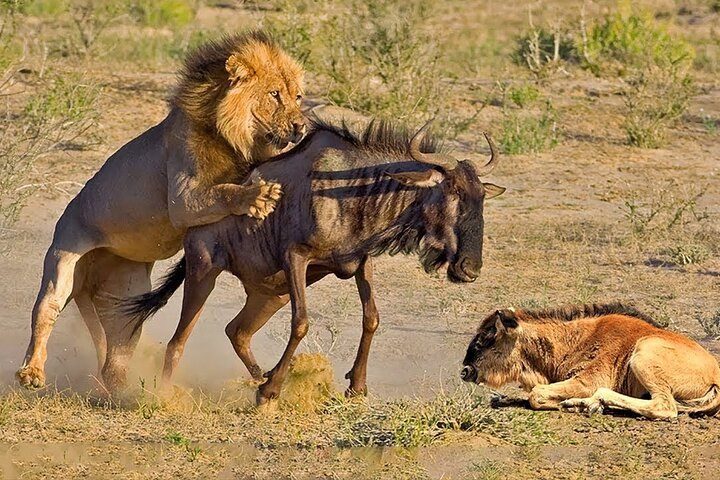
Animals of prey are species that are hunted and eaten by other animals, known as predators. They are an essential part of every food chain because they transfer energy from plants and smaller organisms to larger carnivores and omnivores.
A prey animal is not always weak or defenseless. Many prey species have evolved remarkable survival strategies that allow them to avoid predators and maintain healthy populations.
Examples include:
- Deer escaping wolves through speed.
- Zebras confusing lions by moving as a herd.
- Rabbits hiding in underground burrows.
- Sardines swimming in large schools to reduce the chance of being caught.
Without prey animals, predators would have no reliable food source, and ecosystems would quickly become unbalanced.
Why Are Prey Animals Important?
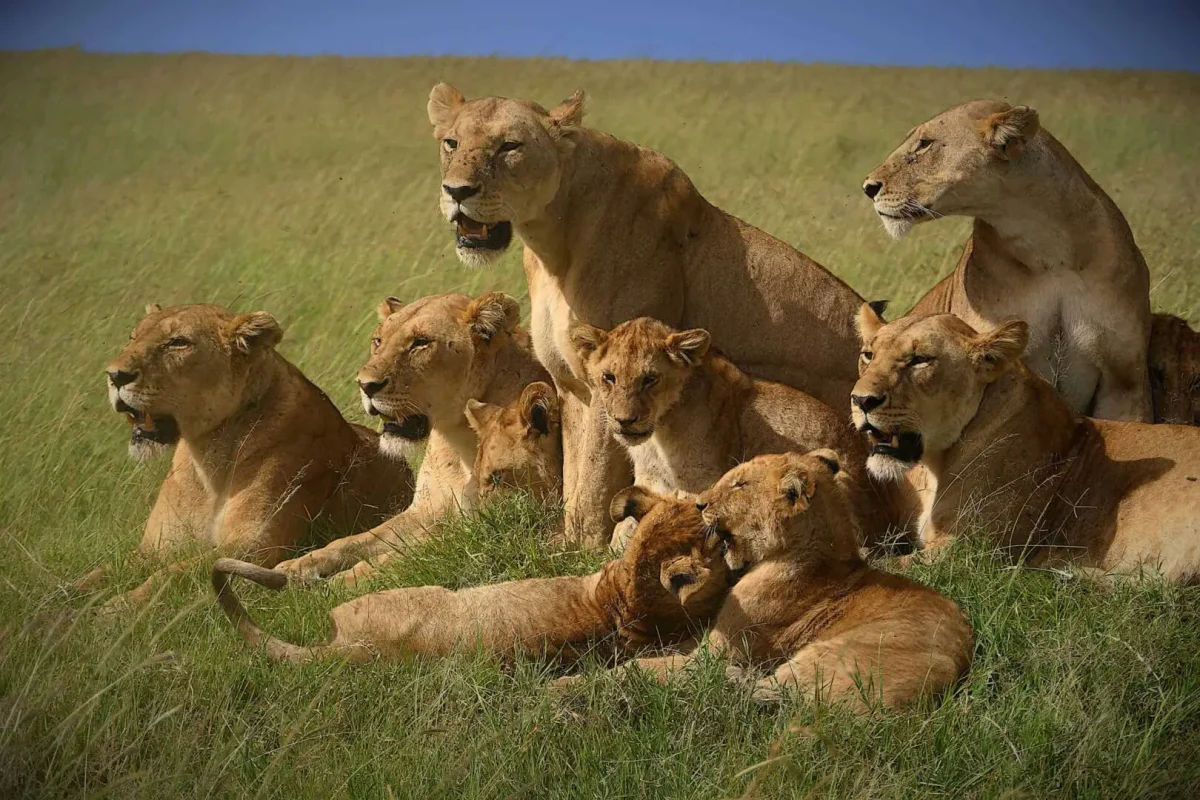
Prey animals are the foundation of healthy ecosystems.
They perform several important ecological roles.
| Importance | Why It Matters |
|---|---|
| Food Source | Provide energy for carnivores and omnivores. |
| Population Balance | Help regulate predator populations naturally. |
| Biodiversity | Support complex food webs across different habitats. |
| Ecosystem Health | Prevent ecological imbalance by sustaining natural predator-prey cycles. |
| Evolution | Drive adaptations such as speed, camouflage, and defensive behaviour. |
Protecting prey species is just as important as protecting predators because both depend on one another for survival.
Characteristics of Prey Animals
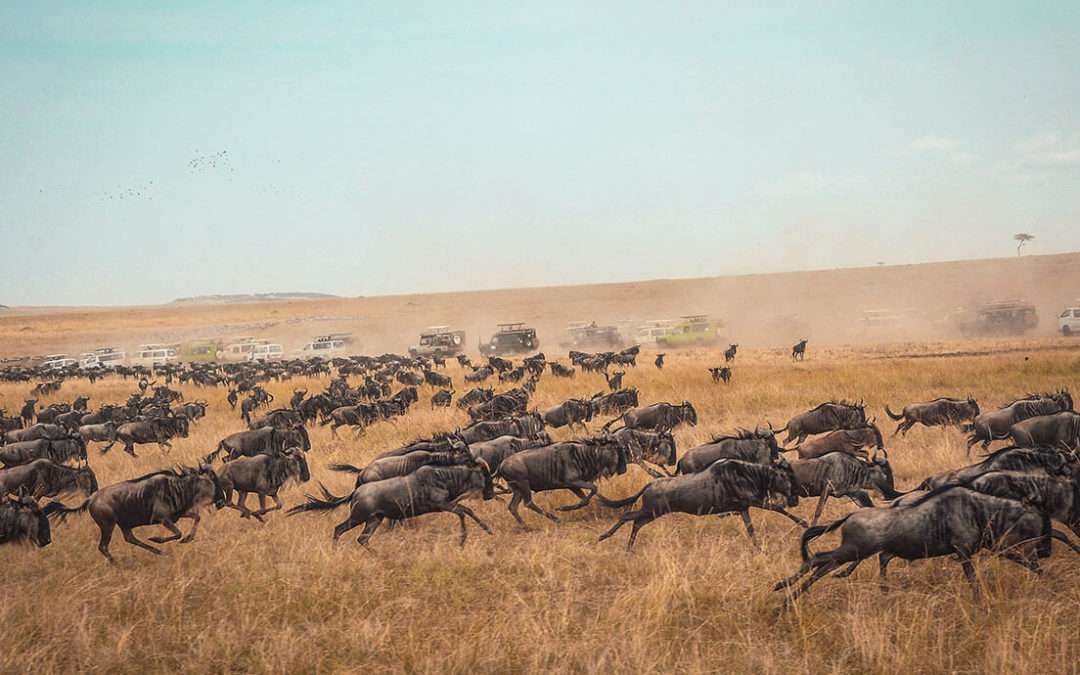
Although prey animals vary greatly in size and habitat, many share similar survival adaptations.
Speed and Agility
Fast-running animals such as gazelles, deer, and hares rely on speed to escape predators.
Camouflage
Many prey species blend into their surroundings to avoid detection.
Examples include:
- Stick insects
- Arctic hares
- Leaf-tailed geckos
Living in Groups
Many prey animals improve their chances of survival by staying together.
Examples include:
- Zebra herds
- Wildebeest herds
- Fish schools
- Bird flocks
Large groups make it more difficult for predators to focus on a single target.
Sharp Senses
Excellent hearing, vision, and smell allow prey animals to detect danger before predators attack.
High Reproduction Rates
Many prey animals reproduce quickly to offset losses from predation.
Examples include rabbits, mice, voles, insects, and many fish species.
Complete Mammal Prey Animals List
Mammals are among the most common prey animals in the world. They provide food for large carnivores, birds of prey, reptiles, and even other mammals.
| Prey Animal | Diet | Common Predators |
| Deer | Grasses, leaves, fruits | Wolves, cougars, bears |
| Rabbit | Grasses, herbs | Foxes, hawks, owls, coyotes |
| Hare | Grasses, herbs, twigs | Foxes, eagles, coyotes |
| Mouse | Seeds, grains, insects | Snakes, owls, hawks |
| Rat | Grains, fruits, invertebrates | Snakes, birds of prey, foxes |
| Vole | Grasses, roots | Owls, foxes, snakes |
| Chipmunk | Seeds, nuts, berries | Hawks, snakes, weasels |
| Squirrel | Nuts, seeds, fruits | Hawks, foxes, snakes |
| Beaver | Bark, aquatic plants | Wolves, bears |
| Groundhog | Grasses, clover | Coyotes, foxes, hawks |
| Opossum | Fruits, insects, carrion | Coyotes, foxes, owls |
| Armadillo | Insects, larvae | Jaguars, coyotes, dogs |
| Porcupine | Bark, leaves, fruits | Large cats, wolves |
| Gazelle | Grasses, shrubs | Lions, cheetahs, hyenas |
| Antelope | Grasses, leaves | Lions, leopards, hyenas |
| Zebra | Grasses | Lions, crocodiles, hyenas |
| Wildebeest | Grasses | Lions, crocodiles, hyenas |
| Giraffe Calves | Leaves | Lions, hyenas, wild dogs |
| Kangaroo | Grasses, shrubs | Dingoes, eagles |
| Capybara | Aquatic plants, grasses | Jaguars, caimans, anacondas |
Predator and Prey Examples
Understanding predator-prey relationships makes it easier to see how ecosystems function.
| Predator | Common Prey |
| Lion | Zebra, wildebeest, buffalo, antelope |
| Wolf | Deer, elk, rabbits |
| Leopard | Antelope, monkeys, hares |
| Cheetah | Gazelles, impalas |
| Eagle | Rabbits, squirrels, snakes |
| Owl | Mice, voles, rats |
| Fox | Rabbits, birds, rodents |
| Crocodile | Zebra, wildebeest, fish |
| Shark | Sardines, mackerel, seals |
| Snake | Mice, frogs, birds |
Every predator depends on healthy prey populations. At the same time, predators help prevent prey numbers from growing beyond what the habitat can support, creating a natural balance that keeps ecosystems healthy.
Prey Birds List
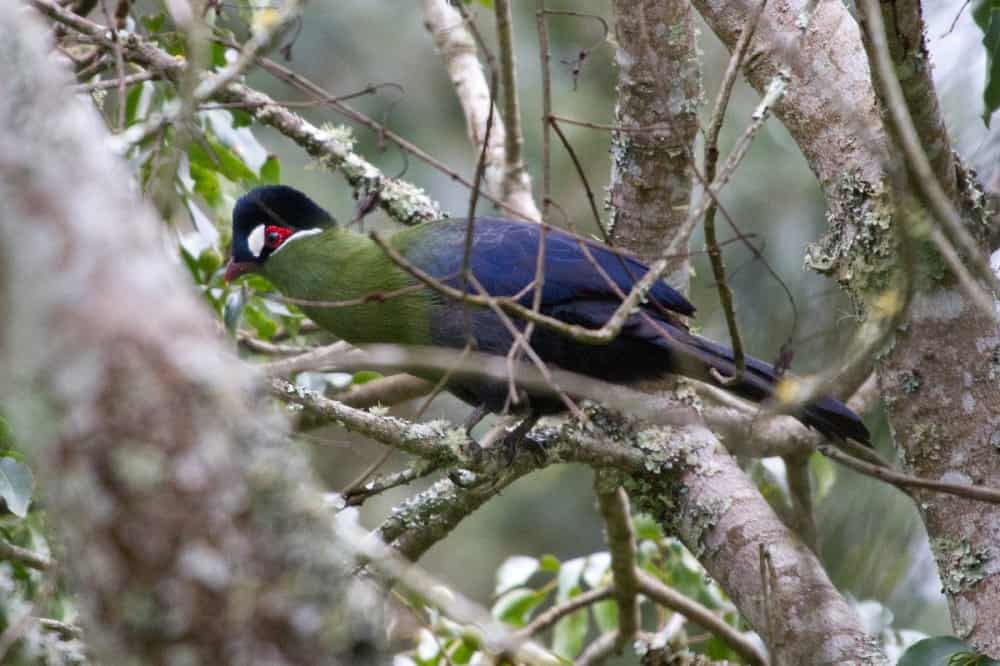
Birds play an important role in food chains. While many birds are predators themselves, thousands of species also serve as prey for mammals, reptiles, birds of prey, and larger birds.
Common Prey Birds
| Prey Bird | Diet | Common Predators |
|---|---|---|
| Sparrow | Seeds, grains, insects | Hawks, snakes, cats |
| Finch | Seeds, insects | Hawks, owls, snakes |
| Robin | Worms, insects, fruits | Hawks, foxes, snakes |
| Wren | Insects | Owls, hawks, snakes |
| Starling | Seeds, insects | Falcons, hawks |
| Pigeon | Seeds, grains | Falcons, hawks, cats |
| Dove | Seeds, fruits | Hawks, foxes |
| Quail | Seeds, grains, insects | Foxes, snakes, hawks |
| Pheasant | Seeds, insects | Foxes, birds of prey |
| Partridge | Seeds, grains | Hawks, foxes |
| Grouse | Berries, seeds | Eagles, foxes |
| Duck | Aquatic plants, insects | Eagles, crocodiles, foxes |
| Goose | Grass, aquatic plants | Coyotes, eagles |
| Swan Cygnets | Aquatic plants | Eagles, foxes |
How Birds Avoid Predators
Most prey birds survive through:
- Fast flight
- Flocking behaviour
- Camouflage
- Nesting in hidden locations
- Alarm calls that warn nearby birds
Ground-nesting birds such as quail, pheasants, and partridges are especially vulnerable because eggs and chicks are easily found by foxes, snakes, and raccoons.
Prey Fish List
Fish are one of the largest prey groups in both freshwater and marine ecosystems. They support larger fish, marine mammals, birds, reptiles, and humans.
Small Prey Fish
| Fish | Common Predators |
| Anchovy | Tuna, seabirds, dolphins |
| Sardine | Sharks, seals, seabirds |
| Herring | Cod, seals, whales |
| Minnow | Trout, herons, kingfishers |
| Smelt | Salmon, birds |
| Killifish | Larger fish, birds |
Many of these fish swim in large schools, making it harder for predators to single out one individual.
Freshwater Prey Fish
| Fish | Common Predators |
| Guppy | Larger fish, kingfishers |
| Mosquitofish | Bass, herons |
| Stickleback | Pike, trout |
| Dace | Pike, otters |
| Juvenile Carp | Pike, birds |
| Juvenile Trout | Eagles, otters, larger fish |
Freshwater prey fish are essential food sources for birds, mammals, reptiles, and larger freshwater fish.
Ocean Prey Fish
Ocean ecosystems depend heavily on small and medium-sized fish.
Common marine prey species include:
- Mackerel
- Capelin
- Sand lance
- Lanternfish
- Flying fish
These fish support predators such as:
- Sharks
- Tuna
- Dolphins
- Seals
- Seabirds
- Whales
Without prey fish, many marine food chains would collapse.
Reptiles and Amphibians as Prey Animals
Many reptiles and amphibians are predators, but they also become prey for larger animals throughout their lives.
| Prey Animal | Common Predators |
| Frog | Snakes, birds, mammals |
| Toad | Snakes, herons |
| Salamander | Birds, fish, snakes |
| Newt | Fish, birds |
| Gecko | Birds, snakes |
| Skink | Hawks, snakes |
| Lizard | Birds of prey, mammals |
| Hatchling Turtle | Birds, fish, mammals |
| Hatchling Tortoise | Foxes, birds |
| Young Snake | Eagles, larger snakes |
Young reptiles are especially vulnerable because they lack the size and defensive abilities of adults.
Insects and Invertebrates as Prey Animals
Insects are the most abundant prey animals on Earth. They provide food for birds, reptiles, amphibians, fish, spiders, bats, and many mammals.
Common Prey Insects
| Insect | Common Predators |
| Grasshopper | Birds, frogs, reptiles |
| Cricket | Birds, lizards |
| Caterpillar | Birds, wasps |
| Butterfly | Birds, spiders |
| Moth | Bats, birds |
| Beetle | Birds, frogs |
| Ant | Anteaters, birds, reptiles |
| Termite | Anteaters, aardvarks |
| Fly | Birds, spiders |
| Mosquito | Fish, dragonflies, bats |
Many insects survive by reproducing rapidly, allowing populations to recover despite constant predation.
Aquatic Insects
Freshwater ecosystems depend heavily on aquatic insects.
Common examples include:
- Mayflies
- Stoneflies
- Caddisflies
- Mosquito larvae
- Water striders
These insects are an important food source for:
- Trout
- Bass
- Frogs
- Salamanders
- Dragonflies
- Water birds
Healthy insect populations often indicate healthy rivers and streams.
Can a Prey Animal Also Be a Predator?
Yes.
Many animals occupy different positions within the food chain depending on their size and life stage.
| Animal | Predator Of | Prey For |
| Frog | Insects | Snakes, birds |
| Spider | Insects | Birds, lizards |
| Snake | Rodents, frogs | Eagles, mongooses |
| Trout | Aquatic insects | Otters, eagles |
| Owl | Mice | Larger eagles (occasionally) |
These relationships create complex food webs rather than simple food chains, allowing ecosystems to remain stable even as predator and prey populations change.
Predator–Prey Relationships in Nature
Every ecosystem depends on predator–prey relationships. Predators control prey populations, while prey animals provide the energy predators need to survive. Together, they create balanced food webs that support biodiversity.
Common Predator–Prey Examples
| Predator | Common Prey Animals |
|---|---|
| Lion | Zebra, wildebeest, buffalo, antelope |
| Leopard | Impala, monkeys, hares |
| Cheetah | Gazelles, impalas |
| Wolf | Deer, elk, rabbits |
| Fox | Rabbits, rodents, birds |
| Owl | Mice, voles, rats |
| Eagle | Rabbits, squirrels, fish, snakes |
| Crocodile | Fish, zebras, wildebeest |
| Shark | Sardines, mackerel, seals |
| Frog | Insects, spiders |
These interactions naturally regulate wildlife populations and prevent any single species from dominating an ecosystem.
How Prey Animals Survive
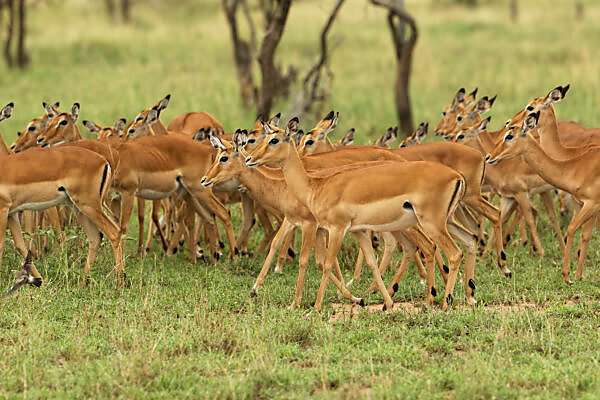
Being prey does not make an animal weak. Many prey species have evolved remarkable adaptations that help them detect, escape, or discourage predators.
| Survival Strategy | Example Prey Animals |
| Camouflage | Stick insects, Arctic hares, leaf-tailed geckos |
| Speed | Gazelles, deer, rabbits |
| Herd or Flock Behaviour | Zebras, wildebeest, fish, starlings |
| Burrowing | Rabbits, prairie dogs, ground squirrels |
| Defensive Structures | Porcupines, armadillos, beetles |
| Warning Colours | Monarch butterflies, poison dart frogs |
| Playing Dead | Opossums |
Most prey animals combine several of these adaptations, increasing their chances of survival.
How Prey Animals Affect Predator Populations
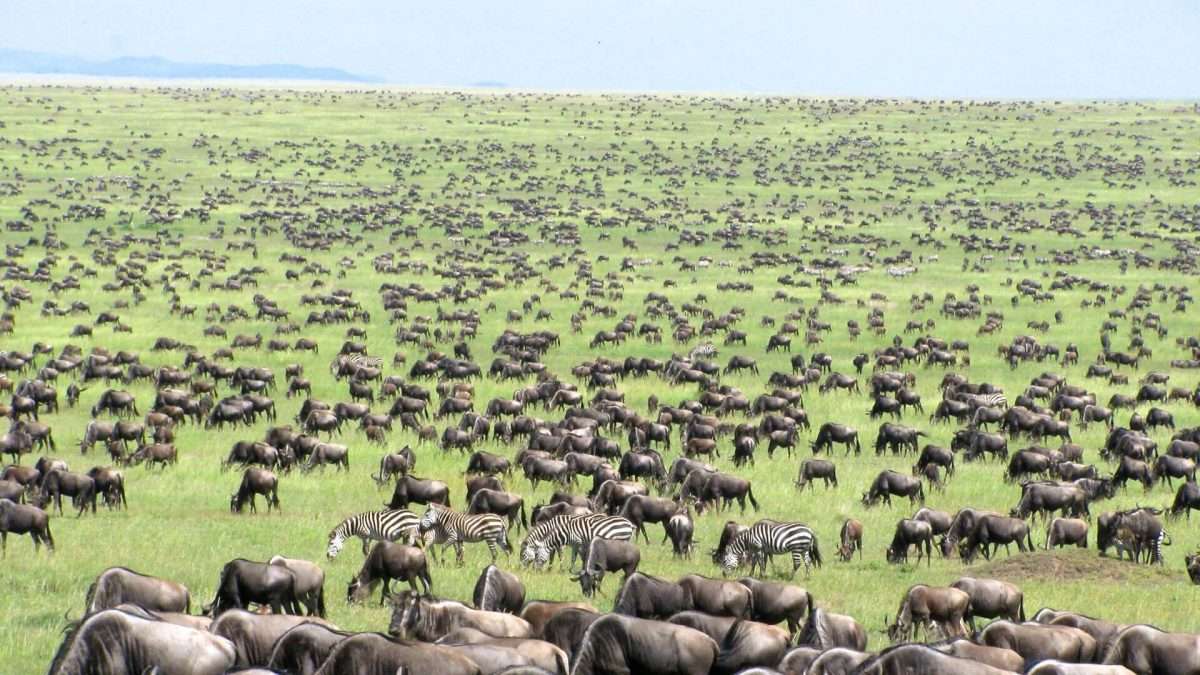
Predator numbers are closely linked to prey availability.
When prey populations decline:
- Predators struggle to find food.
- Predator populations decrease or move to new areas.
- Competition between predators increases.
When prey populations become too large:
- Vegetation becomes overgrazed.
- Habitats deteriorate.
- Disease spreads more easily.
- Ecosystem balance is disrupted.
Healthy ecosystems depend on maintaining the right balance between predators and prey.
Why Prey Animals Matter for Conservation
Conservation is not only about protecting predators. Healthy prey populations are equally important because they support entire ecosystems.
Conservation programs often focus on:
- Protecting natural habitats.
- Restoring native prey populations.
- Creating wildlife corridors for migration.
- Managing sustainable hunting and fishing.
- Reducing habitat fragmentation.
For example, restoring deer populations can help wolves recover, while protecting antelope and wildebeest supports healthy lion populations across Africa.
Experience Predator–Prey Interactions on Safari
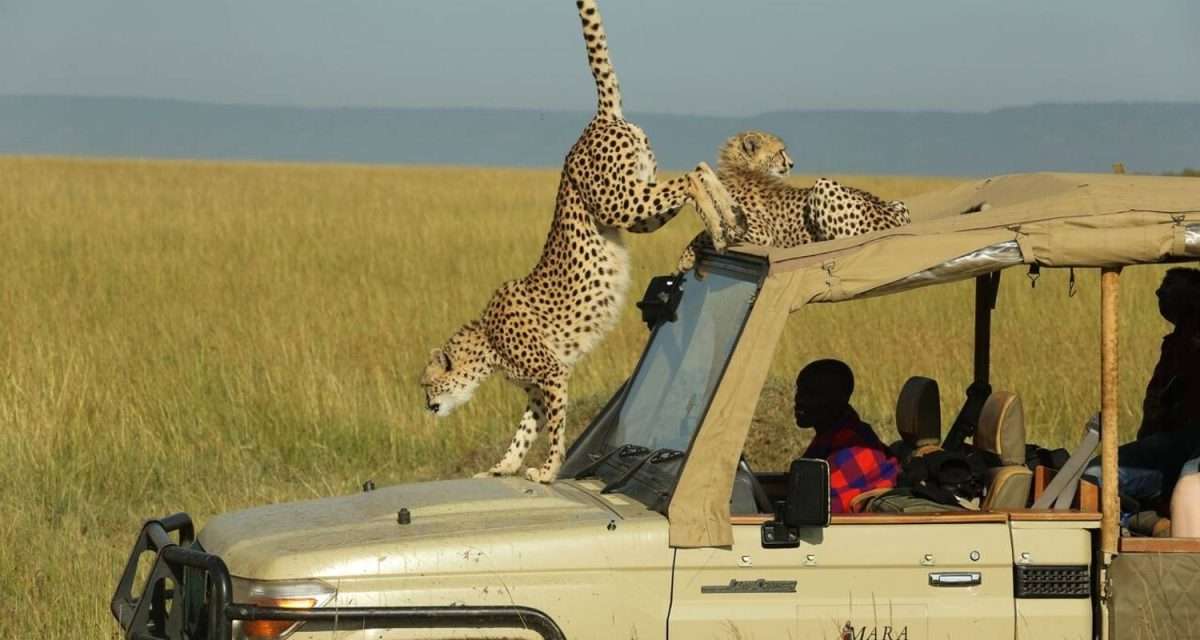
One of the most memorable moments on safari is witnessing the relationship between predators and prey in the wild. Watching a herd of zebra stay alert as lions rest nearby or seeing wildebeest react to the presence of cheetahs offers a deeper understanding of how nature maintains balance.
At TourwithPipi, our tailor-made luxury safaris take you into Africa’s most celebrated wildlife destinations, where experienced guides explain the behaviour of both predators and prey. From the Great Migration in the Serengeti to the open plains of the Maasai Mara, every game drive reveals the remarkable connections that keep these ecosystems thriving. Contact us Now!
Key Takeaways
- Prey animals are hunted by predators for food.
- Mammals, birds, fish, reptiles, amphibians, and insects can all be prey animals.
- Most prey animals survive using speed, camouflage, herds, or defensive adaptations.
- Healthy prey populations support predators and maintain biodiversity.
- Some animals are both predators and prey depending on their place in the food chain.


