
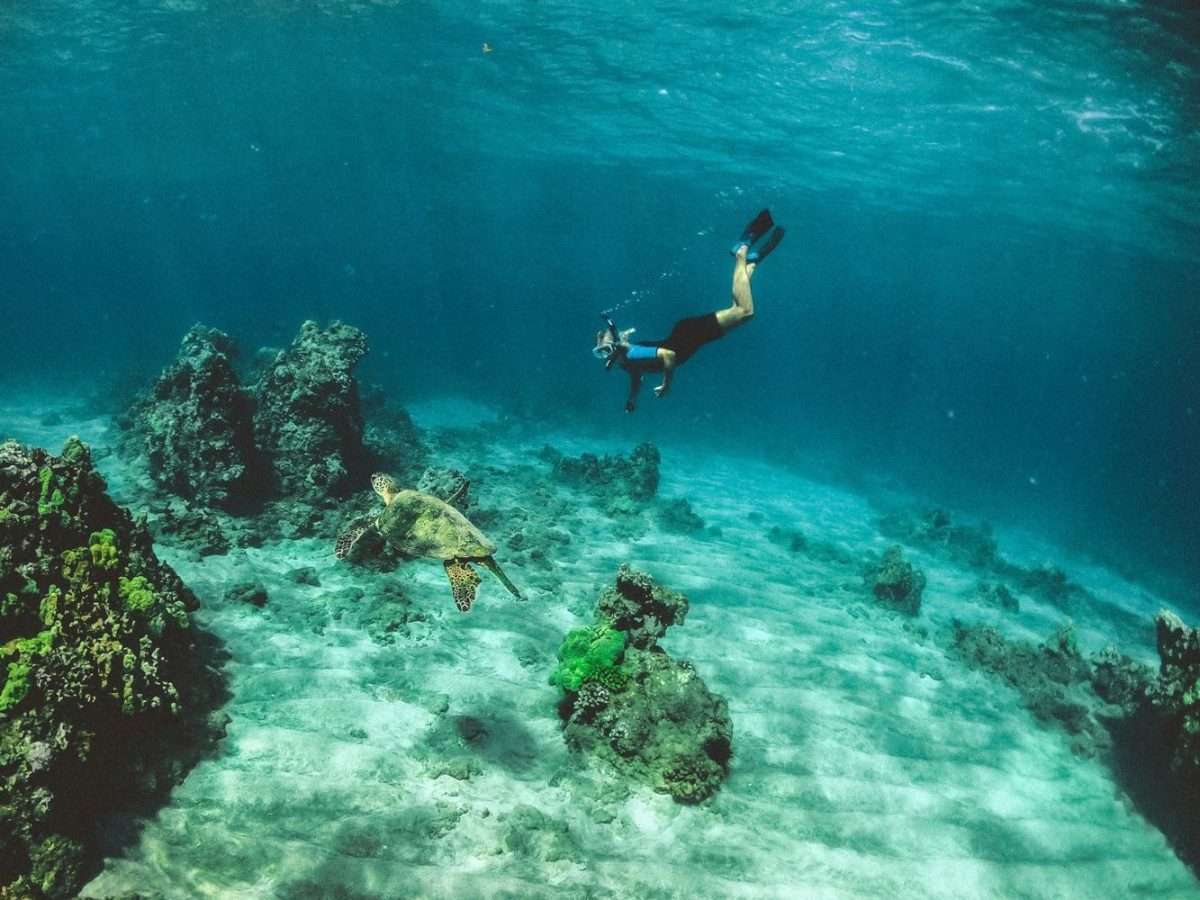
Africa is often known for safaris, wide grasslands, and wild animals on land. But Africa also has a rich and beautiful world under the water. Along its long coastlines and islands, Africa offers coral reefs, clear lagoons, warm seas, and rare marine life. Many travelers do not know that Africa scuba diving and snorkeling can be just as special as game drives on land.
This guide is made for beginners, certified divers, snorkelers, families, honeymoon couples, and adventure travelers. If you want calm water, colorful fish, large ocean animals, and quiet beaches, Africa diving hotspots offer all of this in one place. From the Indian Ocean to island chains and protected marine parks, Africa gives a full ocean safari experience.
Why Africa Is a World Class Diving and Snorkeling Destination
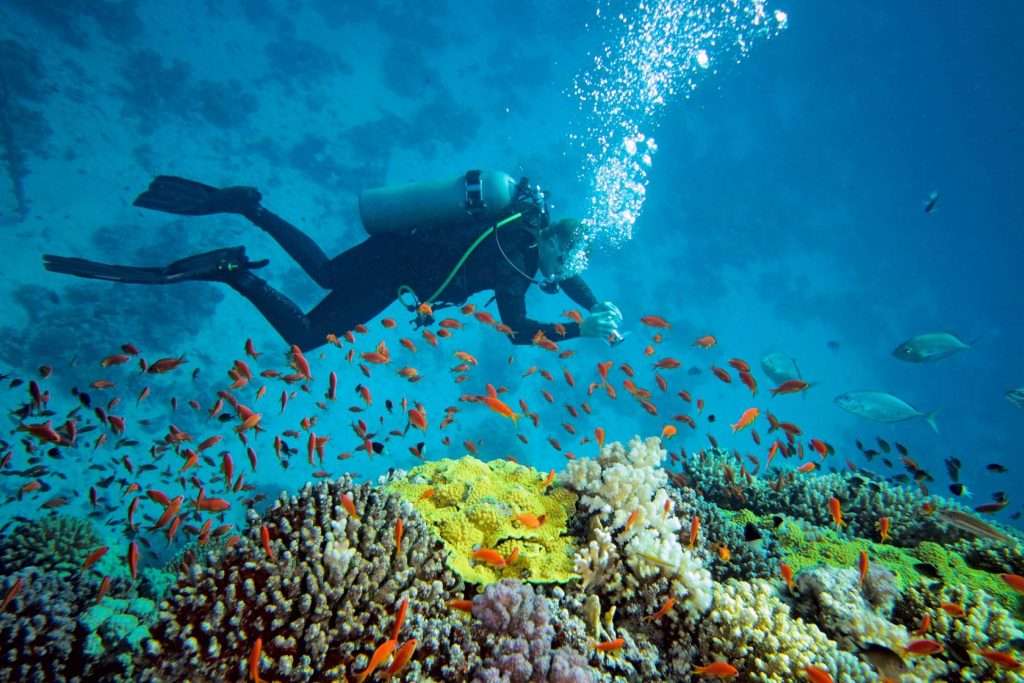
Africa is surrounded by two major oceans. The Indian Ocean runs along East and Southern Africa, while the Atlantic Ocean touches the west. This gives Africa scuba diving a wide range of water types, coral systems, and sea life.
The Indian Ocean is warm and clear for most of the year. It supports coral reefs, lagoons, reef walls, underwater caves, and open blue water. These waters are home to whale sharks, manta rays, dolphins, turtles, reef sharks, and thousands of tropical fish. Many areas are still quiet and uncrowded, which makes snorkeling in Africa peaceful and personal.
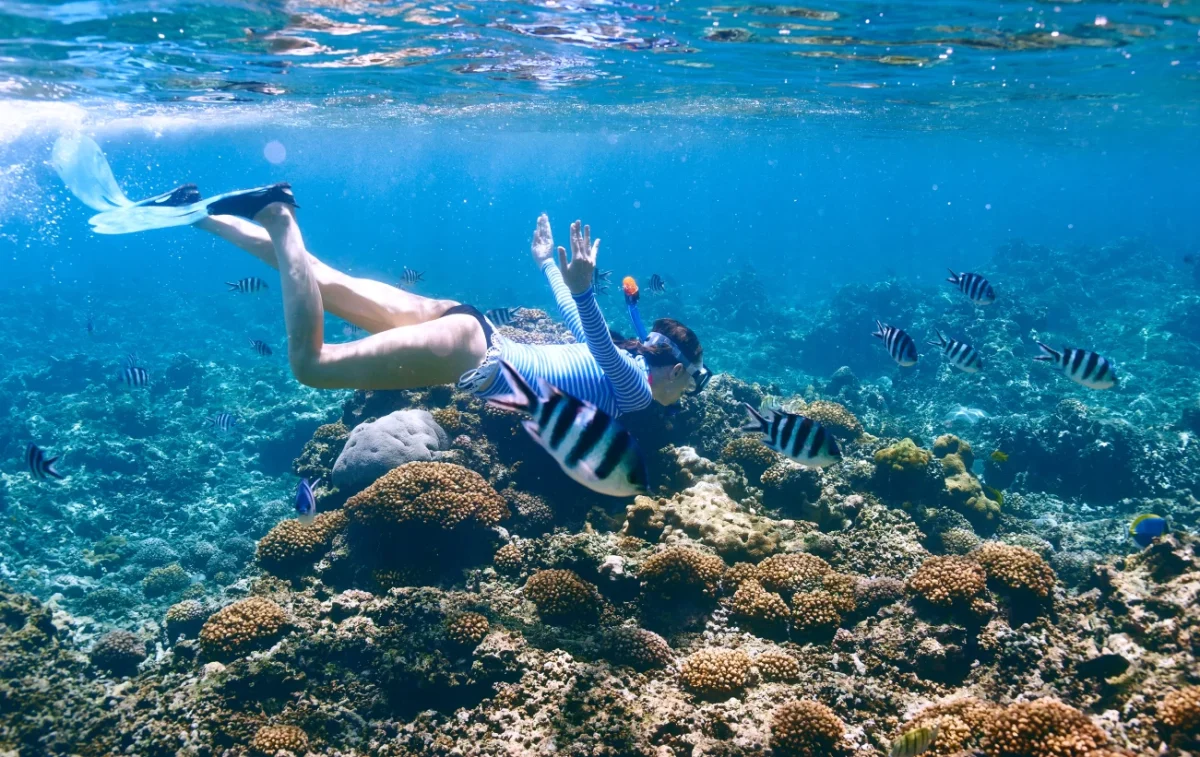
Africa diving hotspots are less busy than places in Asia or the Caribbean. You often share the water with fewer boats and fewer people. The cost of scuba diving in Africa can also be more balanced, especially when combined with beach stays or safari travel. In many places, snorkeling does not need oxygen tanks. Scuba diving uses oxygen tanks, while snorkeling stays near the surface and is easy for most swimmers.
Best Time for Diving and Snorkeling in Africa
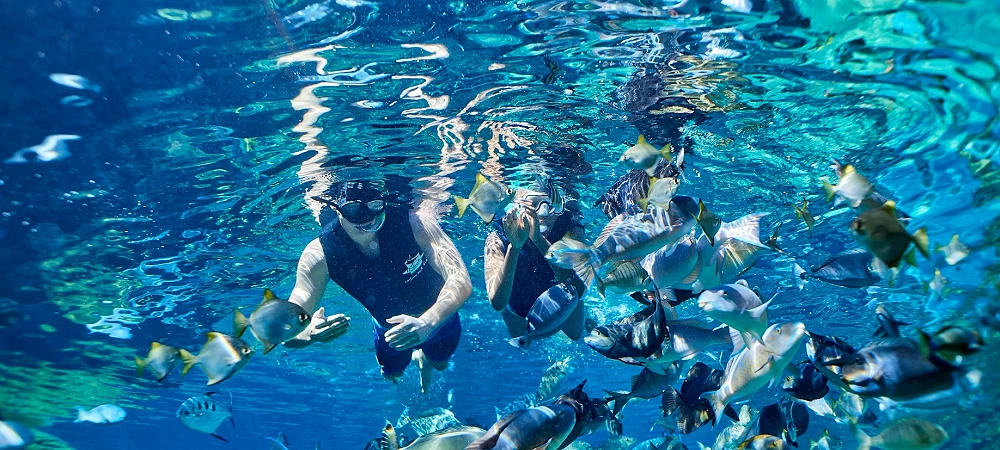
The best diving in Africa depends on the region and the sea season. In East Africa, the best months are usually from June to October and from December to March. These months offer clear water, calm seas, and good visibility.
Water temperatures stay warm throughout the year in most Indian Ocean areas. This makes diving and snorkeling comfortable even for beginners. Whale shark encounters are common in places like Mafia Island and Mozambique from October to March. Humpback whales pass through southern waters from July to October.
Beginners enjoy calm seasons with gentle waves and clear water. Advanced divers may prefer times with stronger currents because they bring more sea life. Wind and monsoon seasons are simple to plan around and local dive centers guide visitors safely.
Marine Life You Can See While Diving and Snorkeling in Africa
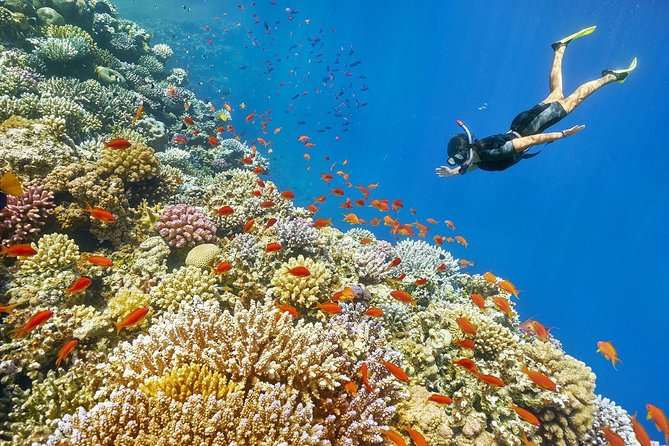
Africa scuba diving offers rich underwater biodiversity. Whale sharks glide slowly through plankton rich waters. Humpback whales sing and travel near the coast. Manta rays fly through the sea with wide wings.
Dolphins swim in groups and often interact with snorkelers. Sea turtles rest near reefs and feed on sea grass. Reef sharks patrol coral edges, while thousands of tropical reef fish add color and movement.
Africa’s coral species range from soft corals to large reef builders that create homes for marine life.
Diving vs Snorkeling in Africa What to Choose
Choosing between diving and snorkeling in Africa depends on how comfortable you are in the water and what kind of ocean experience you want. Both activities offer amazing views of African marine life, and many travelers enjoy doing both on the same trip.
Snorkeling in Africa is simple and easy to start. You stay near the water surface and float above coral reefs while watching fish swim below. It does not need special training and only basic swimming skills are required. This makes snorkeling a great choice for families, children, and first time ocean explorers. Many shallow reefs in East Africa have clear water and calm conditions, which makes snorkeling relaxed and safe.
Snorkeling is ideal for:
- Beginners who want an easy ocean activity
- Families traveling with kids
- Travelers who prefer warm shallow water
- Beach lovers who want marine life close to shore
Scuba diving in Africa offers a deeper and more immersive experience. Divers go below the surface and stay underwater longer, which allows them to explore reef walls, underwater caves, drop offs, and shipwrecks. Scuba diving needs proper training and certified equipment, but it rewards divers with close encounters with large marine animals and rich coral systems.
Scuba diving is best for:
- Certified divers looking for deeper exploration
- Adventure travelers seeking unique dive sites
- Marine life lovers who want to see sharks, manta rays, and whale sharks
- Travelers interested in underwater landscapes and wrecks
Some African destinations are perfect for snorkeling only, such as shallow lagoons and protected marine parks. Other locations are known for strong currents and deep channels, which suit scuba diving better. Many places across Africa offer both snorkeling and scuba diving, so travelers can choose based on comfort and experience level.
Diving Certification and Safety in Africa
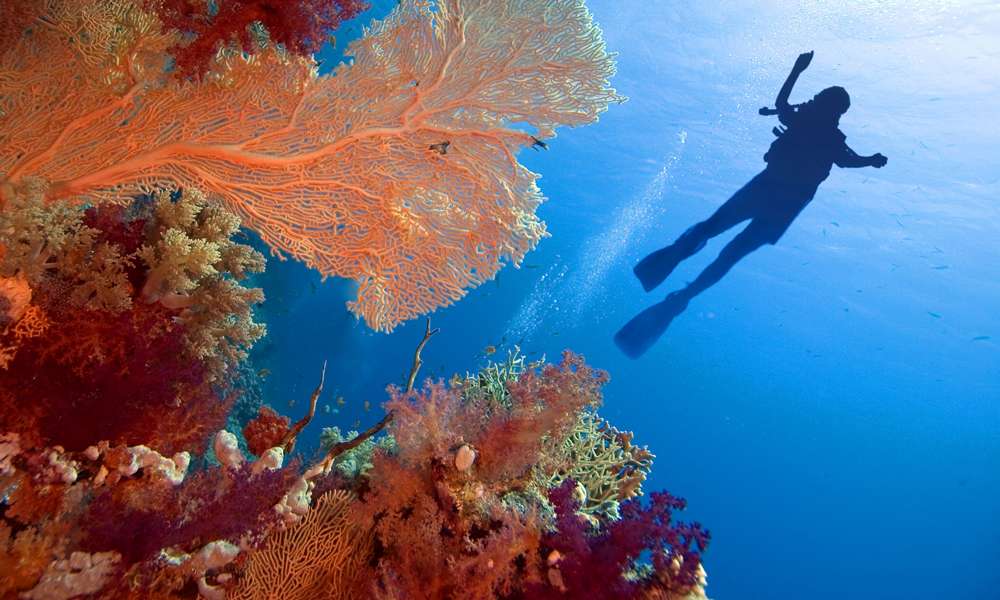
Africa has a strong network of professional dive centers that follow global safety standards. PADI and SSI certification courses are widely available in major Africa diving hotspots. These courses allow beginners to learn diving safely and help certified divers continue their training.
Most licensed dive operators in Africa focus strongly on safety and marine protection. They use well maintained equipment and trained dive guides who understand local ocean conditions and marine behavior. Guided dives are common and highly recommended, especially for first time visitors.
Important safety points to consider before diving:
- Complete a basic health check if you plan to scuba dive
- Buy travel and dive insurance that covers underwater activities
- Always dive with licensed and experienced operators
- Follow guide instructions to protect yourself and marine life
Guided dives are especially helpful for new divers. They reduce risk and also help protect coral reefs by keeping divers aware of fragile underwater areas. Responsible diving ensures that Africa’s marine ecosystems remain healthy for future travelers and local communities.
Bring Your Own Equipment or Rent for Snorkeling or Scuba Diving in Africa
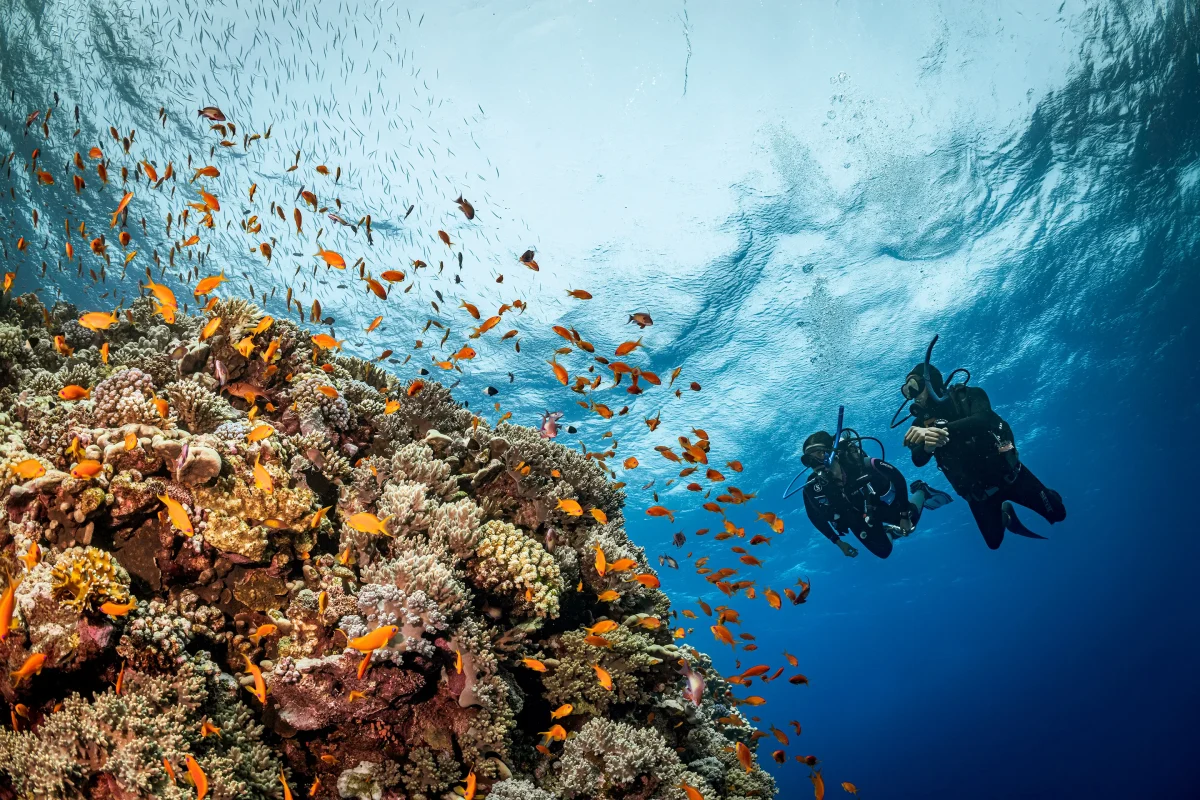
Choosing between bringing your own gear or renting in Africa depends on your travel style, budget, and how often you plan to be in the water.
Buying Your Own Equipment
Buying your own gear gives comfort and a perfect fit, especially if you dive or snorkel often. It is best for experienced travelers planning multiple dives.
Snorkeling gear purchase costs:
- Mask: $40 to $200 or more
- Fins: $100 to $300 or more
- Snorkel: $20 to $70
- Full snorkeling set: $160 to $570 or more
Scuba diving gear purchase costs:
- Basic scuba set including mask, fins, snorkel, BCD,
- regulator, and wetsuit: $700 to $1,500 or more
- Dive computer: $100 to $300 or more
- Wetsuit only: $100 to $300 or more
Buying gear means no rental fees and better comfort, but it adds weight and luggage limits, especially when moving between multiple African destinations.
Renting Equipment in Africa
Renting is easier for most travelers, especially on short trips or multi location safaris. Dive centers across Africa offer reliable and well maintained gear.
Snorkeling rental prices:
- Mask, fins, and snorkel set: $10 to $20 per day
Scuba diving rental prices:
- Full scuba set including BCD, regulator, tank, weights, mask, fins, and computer: $30 to $55 per day, tank fills often cost extra
- Individual items like BCD, regulator, computer, or wetsuit: $10 to $20 per item per day
Rental prices vary by country and location. South Africa often has lower rates compared to East Africa and island destinations.
Examples from South Africa:
- Full gear rental without computer in Plettenberg Bay: about $45 per day
- Single dive with rental gear in Cape Town: starting around $75
- Single dive without gear in Sodwana Bay: around $35, gear rented separately
Cost of Snorkeling and Scuba Diving in Africa
Snorkeling and scuba diving in Africa fit many budgets. Prices change based on location, trip length, gear rental, and whether the experience is basic or luxury.
Snorkeling Costs in Africa
Snorkeling is the most affordable way to explore African waters and works well for beginners and families.
• Short snorkeling trips usually cost between $25 and $70
• Zanzibar, Tanzania: Half day snorkeling trips to Mnemba Island cost about $25 to $65
• South Africa, places like Sodwana Bay: Entry fees may apply, but snorkel gear rental costs around $15 to $20 per day
• Multi day guided snorkeling trips with transport and guides can start around $1,620 for a 5 day experience
Scuba Diving Costs in Africa
Scuba diving costs more due to training, boats, and equipment, but it offers deeper and longer underwater time.
- Introductory scuba dives or single dives usually cost $100 to $150 with gear
- East Africa dive packages cost about $350 to $450 for 8 to 10 dives over 4 to 5 days, gear often extra
- Cape Town, South Africa: Single dives with rental gear start around $100 to $150
Flights and hotels are not included in these prices. Simple coastal towns are cheaper, while island resorts and luxury lodges cost more.
What Most Travelers Choose
Most visitors rent equipment in Africa to avoid heavy luggage and airline weight limits. Rental gear may use metric units instead of imperial, but dive guides explain everything clearly. For short stays and mixed safari trips, renting is usually the most practical and cost effective choice.
Cost Guide: Diving Certification vs. Snorkeling in Africa
Knowing the cost and time involved is key to planning your underwater adventure. Africa offers options for every budget, from getting your official scuba certification to simple snorkel gear rental. Here’s a clear breakdown of what to expect.
Scuba Diving: Getting Certified in Africa
Getting your PADI Open Water Diver certification in Africa is an unforgettable way to start your diving journey. The process is standardized worldwide, but costs vary based on location, instructor expertise, and what’s included.
Cost Breakdown (PADI Open Water Certification)
The average total cost ranges from $450 to $800 USD. This is a complete package fee for the full course.
East Africa (Zanzibar, Kenya): Expect to pay $500 – $600 USD. This higher price often reflects the cost of operating at remote coastal resorts and includes all gear rental for the course duration.
South Africa (Cape Town, Durban): Courses are typically $400 – $550 USD (R7,500 – R10,000 ZAR). Prices in major cities can be slightly lower due to more competition.
Budget Note: Extremely low prices (below $400) may exclude essential items like the official PADI certification manual, logbook, or final certification fee. Always confirm what is included.
What Your Certification Fee Covers:
Your payment is an all-in-one package for a 3-4 day course. It includes:
Knowledge Development: Online e-learning modules or classroom sessions.
Confined Water Dives: 5 practice sessions in a swimming pool or calm, shallow bay.
Open Water Dives: 4 training dives in the ocean under instructor supervision.
Full Equipment Rental: Tank, regulator, buoyancy control device (BCD), wetsuit, and computer for all training dives.
PADI Certification Card: Your permanent “C-card” issued upon completion.
Time Commitment & Requirements:
Duration: The course requires a minimum of 3 full days, but many schools offer flexible schedules over 4-5 days.
Prerequisites: You must be at least 10 years old, be able to swim 200 meters (or snorkel 300 meters), and float/tread water for 10 minutes. A standard medical questionnaire is required.
Snorkeling: Simple, Affordable Access
Snorkeling requires no formal training or certification, making it an instantly accessible and budget-friendly activity for all ages.
Cost Breakdown for Snorkeling
Gear Rental Only: Renting a mask, snorkel, and fins typically costs $5 – $15 USD per day at a local dive shop or hotel.
Guided Snorkel Tour: Most costs come from the boat trip and guide. A half-day group trip to a nearby reef usually ranges from $40 – $80 USD per person. This always includes gear rental and often bottled water.
Resort Package Inclusion: At many beach resorts in Zanzibar or Kenya, snorkeling is a free daily activity. Guests can borrow gear and join a boat shuttle to a house reef at no extra charge.
Learning to Snorkel:
While no certificate is needed, reputable operators provide a mandatory safety briefing. A guide will show you how to clear your mask, use the snorkel, and swim efficiently with fins. This instruction is always included in the tour price.
Important Booking Tip: For scuba certification, book directly with a reputable, established dive center—not a general tour agent. Look for online reviews and ensure they are a PADI 5-Star Dive Center or equivalent. For snorkeling, your safari operator or resort can reliably arrange a high-quality guided trip.
What to Pack for Diving and Snorkeling in Africa
Bring swimwear, light clothing, reef safe sunscreen, and basic snorkeling gear if preferred. Wetsuits are useful in cooler months.
Underwater cameras help capture marine life memories. Always pack gear that fits well and feels comfortable.
Who Africa’s Diving and Snorkeling Is Best For
Africa scuba diving suits beginners and certified divers alike. Luxury travelers enjoy private beaches and island resorts. Adventure seekers enjoy strong currents and big marine life.
Families enjoy calm lagoons, while honeymooners love quiet islands and sunsets.
Why Africa Belongs on Every Diver’s Bucket List
Africa offers unique marine biodiversity, fewer crowds, and richer ocean experiences. It combines coral reefs, warm waters, and wildlife like no other place.
From ocean safaris to beach stays and land adventures, Africa diving hotspots deliver unforgettable underwater journeys.
Ready to Dive Into Your African Beach & Marine Adventure?
You’ve explored the vibrant coral gardens of Zanzibar, the whale shark havens of Mafia, the pristine coastlines of Lamu and Watamu, and the thrilling waters of South Africa. The perfect combination of sun, sand, and spectacular marine life awaits.
At TourwithPipi, we don’t just book holidays—we craft seamless journeys that connect the wild heart of the safari with the serene soul of the coast. With deep local roots and expertise across East and Southern Africa, we handle every detail: from choosing the best boutique lodge on Diani Beach to pairing you with the most knowledgeful dive masters in Zanzibar.
Let’s tailor your perfect coastal escape.
Contact Our Travel Experts to Start Planning
Tanzania & Kenya: Your Premier East Africa Dive & Snorkel Destinations
East Africa’s Indian Ocean coastline is the undisputed heart of African marine adventure. The warm, tropical waters of Tanzania and Kenya offer an unparalleled concentration of healthy coral reefs, accessible marine parks, and guaranteed megafauna encounters. From the legendary islands of Zanzibar to the pristine whale shark havens and vibrant reef systems, this is where your ocean safari truly comes to life.
Zanzibar, Tanzania: The Perfect Island for Snorkelers and Divers
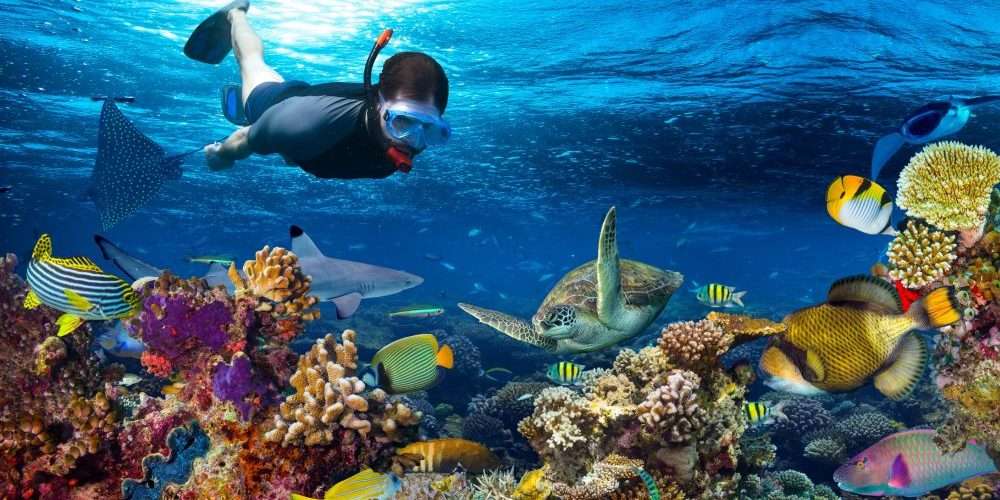
The Zanzibar Archipelago is Tanzania’s flagship marine destination, renowned for its crystal-clear turquoise waters and stunning coral reef systems. It expertly balances laid-back beach culture with world-class underwater exploration, making it ideal for both first-time snorkelers and seasoned divers.
For Snorkelers & Beginners: Accessible Reefs & Calm Lagoons
The northern beaches around Nungwi and Kendwa are perfect for beginners. Here, shallow, protected lagoons with sandy bottoms allow for easy entry. You can wade in from the beach and within minutes be floating over vibrant coral gardens in water often less than 2 meters (6.5 feet) deep. These inshore reefs are teeming with life, offering reliable sightings of blue-spotted stingrays, pufferfish, trumpetfish, and countless colorful reef fish. It’s one of the best places for snorkeling in Africa for families and those new to marine exploration.
For Underwater Enthusiasts: Mnemba Atoll & Beyond
A short boat trip from the northeast coast lies the crown jewel: Mnemba Atoll Marine Conservation Area. This protected, ring-shaped coral reef is a biodiversity hotspot. The atoll’s walls start at around 8 meters (26 feet) and drop to over 30 meters (98 feet), but the most dazzling action is on the top. The coral gardens here boast some of the highest coral coverage in East Africa, with massive brain corals, delicate staghorn formations, and giant sea fans. Regular encounters include green and hawksbill turtles, schools of snapper and batfish, and occasionally playful bottlenose dolphins. Visibility here frequently exceeds 20 meters (65 feet), especially during the dry seasons.
Advanced Diving: Leven Bank & Pemba Island
For certified divers seeking adventure, the offshore Leven Bank—a submerged pinnacle rising from the deep—attracts pelagic action like tuna and reef sharks. Meanwhile, Pemba Island, Zanzibar’s quieter northern sibling, is a world apart. Known as “The Green Island,” its coast features dramatic coral walls that plunge into deep channels. Sites like Misali Island offer drift dives along walls covered in soft corals, with frequent sightings of eagle rays, giant trevally, and at certain times of year, whale sharks. The currents here make it a destination for experienced divers only.
Key Details for Your Trip:
Best Time to Visit: Optimal conditions for diving and snorkeling in Zanzibar are during the dry seasons: June to October and December to February. Calm seas and peak visibility.
Water Conditions: Average water temperature is a warm 26-29°C (79-84°F) year-round.
Typical Visibility: Ranges from 15-30+ meters (50-100+ feet).
Mafia Island, Tanzania: The Whale Shark Sanctuary
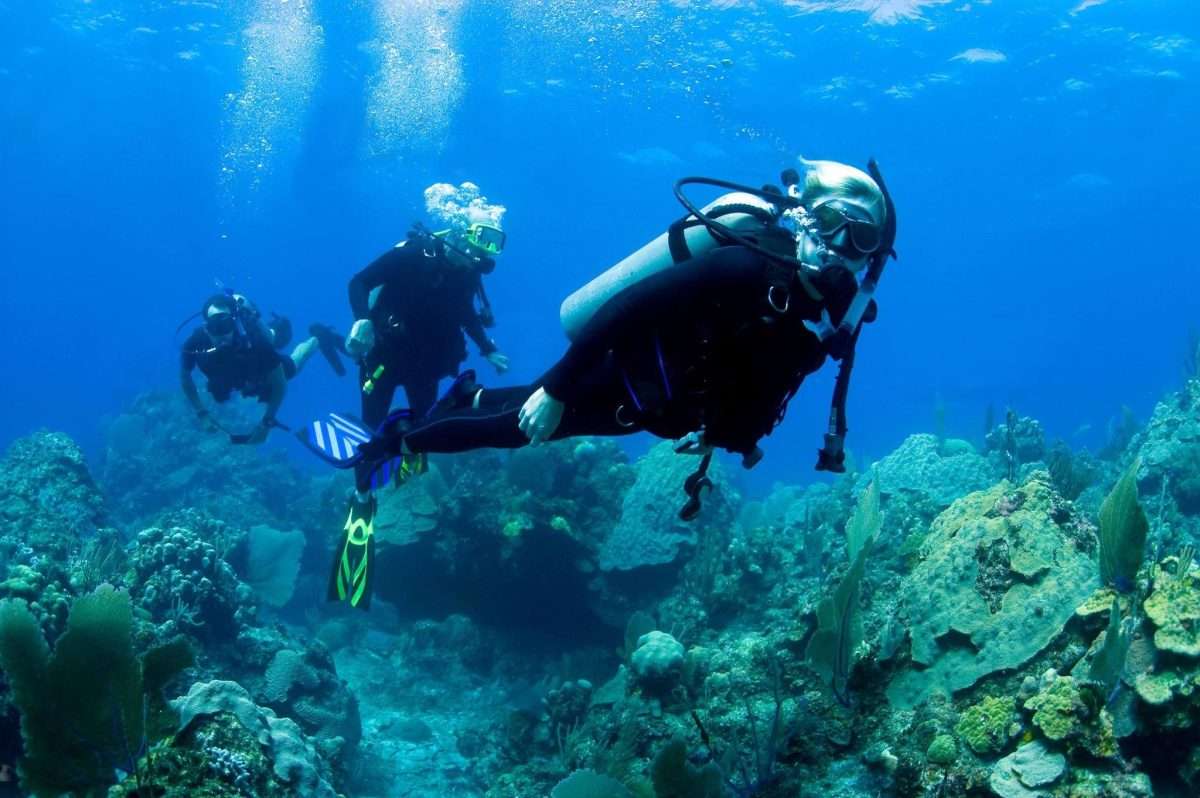
South of Zanzibar, Mafia Island represents a different, more focused marine safari experience. It is arguably the most reliable place in the world to swim with whale sharks.
The Whale Shark Encounter
From October through March, the nutrient-rich waters of the Mafia Channel attract a significant population of juvenile whale sharks. Research by the Marine Megafauna Foundation has identified over 120 individual sharks that frequent this area. Tours are highly regulated within the Mafia Island Marine Park to ensure ethical interactions—boats maintain distance, a limited number of swimmers enter the water at a time, and touching is strictly prohibited. Swimming beside these gentle, filter-feeding giants, which often measure between 4 to 8 meters (13-26 feet), is a truly humbling marine life encounter.
Beyond the Sharks: A Complete Marine Park
Mafia is more than just whale sharks. The marine protected area encompasses a rich ecosystem. Chole Bay offers serene snorkeling over seagrass beds where dugongs are occasionally spotted and around coral bommies bustling with life. For divers, Kinasi Pass and Tutia Reef provide beautiful coral formations and channels where manta rays, moray eels, and large potato groupers are common. The island’s commitment to sustainable tourism means your visit directly supports conservation and local community projects.
Key Details for Your Trip:
Best Time for Whale Sharks: October to March is the guaranteed season.
Water Conditions: Calm, protected waters, especially inside the bay. Temperatures similar to Zanzibar.
Experience Level: Excellent for all levels. Snorkelers can enjoy the whale sharks and reefs; divers have dedicated sites.
Kenya’s Coast: Watamu & Diani Beach (Family-Friendly Marine Parks)
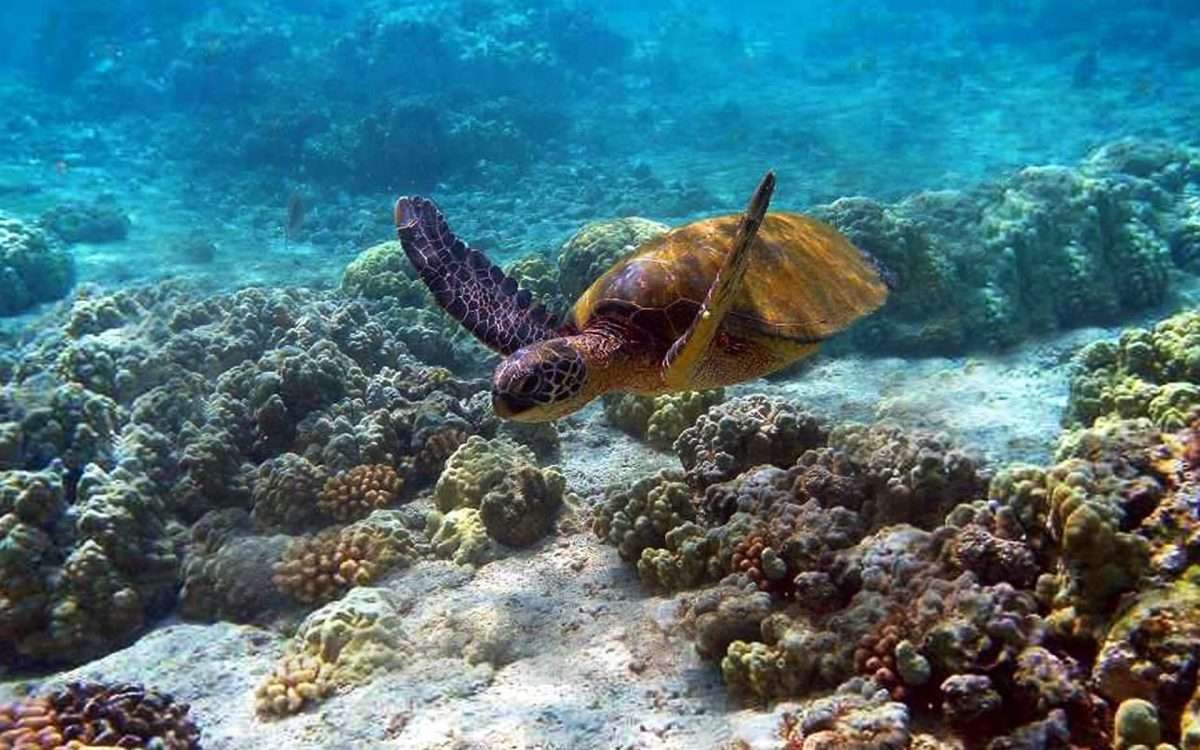
Kenya’s coastline offers some of Africa’s most accessible and family-friendly marine adventures, centered around officially protected marine national parks.
Watamu Marine National Park
This UNESCO Biosphere Reserve is a shallow, sheltered lagoon paradise. The coral reef here begins just meters from the shore, making it exceptional for snorkeling straight from the beach. The gardens are dazzling, with over 150 species of coral creating a maze of color that’s home to an estimated 600 species of reef fish. It’s a macro-lover’s dream; look for nudibranchs, ornate ghost pipefish, and seahorses in the seagrass. The park is also a vital habitat for green and hawksbill turtles, which can often be seen gliding over the reef.
Diani Beach & the Kisite-Mpunguti Marine Park
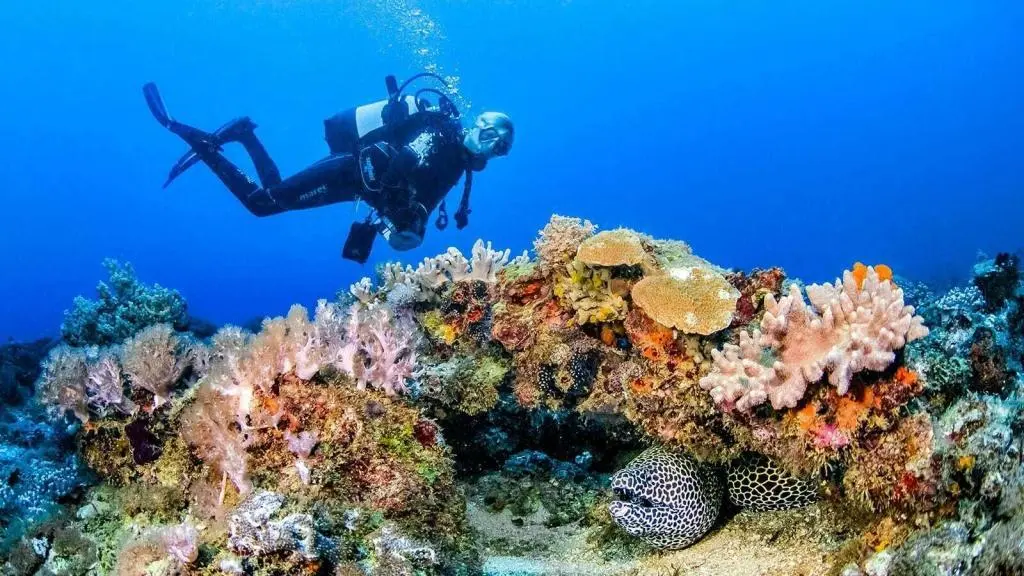
South of Mombasa, Diani Beach is the gateway to the spectacular Kisite-Mpunguti Marine Park. This offshore protected area surrounds a small coral atoll. The water is exceptionally clear, with visibility often reaching 25 meters (82 feet). Boat trips to the park are a full-day adventure, typically including snorkeling sessions at pristine sites where dolphins are frequently spotted. The reef walls are adorned with soft corals and attract larger fish. From August to October, you might even hear the songs of passing humpback whales during your surface intervals.
Why It’s Perfect for Families:
Safe, Calm Conditions: The lagoons and protected parks have minimal currents.
Easy Access: No long boat rides required for great snorkeling.
Educational: Local guides are excellent at pointing out fascinating creatures to kids and adults alike.
Key Details for Your Trip:
Best Time to Visit: October to March offers the calmest seas and warmest water.
Water Conditions: Very calm inside the lagoon parks. Slightly cooler (24-27°C / 75-81°F) than Tanzania but still very comfortable.
Highlights: Beach-access snorkeling, high fish diversity, excellent turtle sightings, and dolphin encounters.
Southern Africa’s Ultimate Dive Destinations: From Majestic Mantas to the Great Sardine Run
Venture south along the African coastline and the underwater experiences become even more dramatic and diverse. This region is defined by phenomenal megafauna events, unique cold-water ecosystems, and pristine, remote reefs that feel worlds away from any crowd.
Mozambique: The Continent’s Premier Marine Sanctuary
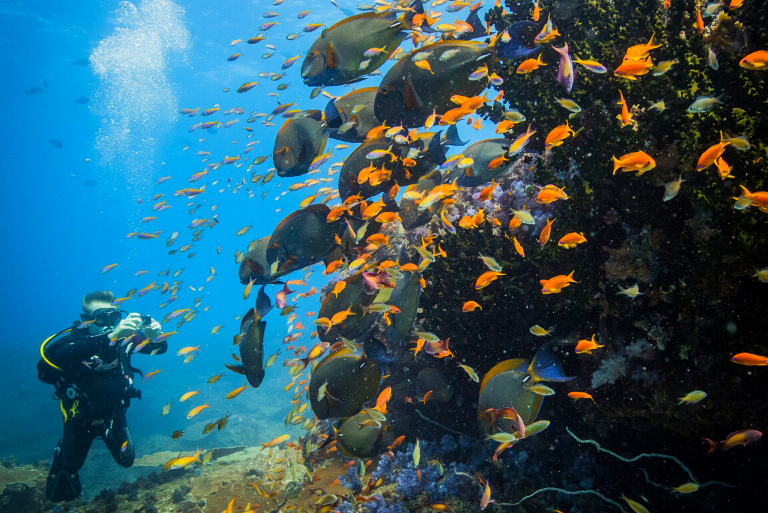
Mozambique’s 2,500-kilometer Indian Ocean coastline is a top-tier global destination for pelagic marine life encounters and boasts some of the healthiest coral reef systems in the Western Indian Ocean. Its combination of warm water, exceptional visibility, and high biodiversity makes it a scuba diving and snorkeling paradise.
Tofo Beach: Year-Round Manta & Whale Shark Alley
The vibrant diving community of Praia do Tofo is world-famous for its reliable sightings of ocean giants. What sets Tofo apart is the year-round presence of both reef manta rays (Mobula alfredi) and whale sharks (Rhincodon typus), a rarity globally.
Manta Ray Cleaning Stations: At sites like Manta Reef and Giants Castle, you can witness structured cleaning rituals. At depths of 18-24 meters (60-80 feet), these stations see multiple mantas—with wingspans reaching 4 meters (13 feet)—hovering while cleaner wrasse service them. Research by the Marine Megafauna Foundation has identified over 800 individual mantas in this population.
Whale Shark Ecology: The whale sharks here are predominantly juvenile males, averaging 5-7 meters (16-23 feet) in length. They are filter feeders, and sightings are most common when plankton blooms occur. The best months for consistent encounters are June through October, when the water clarity is also at its peak, often exceeding 30 meters (100 feet) of visibility.
Seasonal Bonuses: From July to September, the underwater experience is underscored by the haunting songs of migrating humpback whales. While diving, it’s common to hear their vocalizations, and sightings from the boat are frequent.
The Bazaruto Archipelago: A Protected Island Paradise
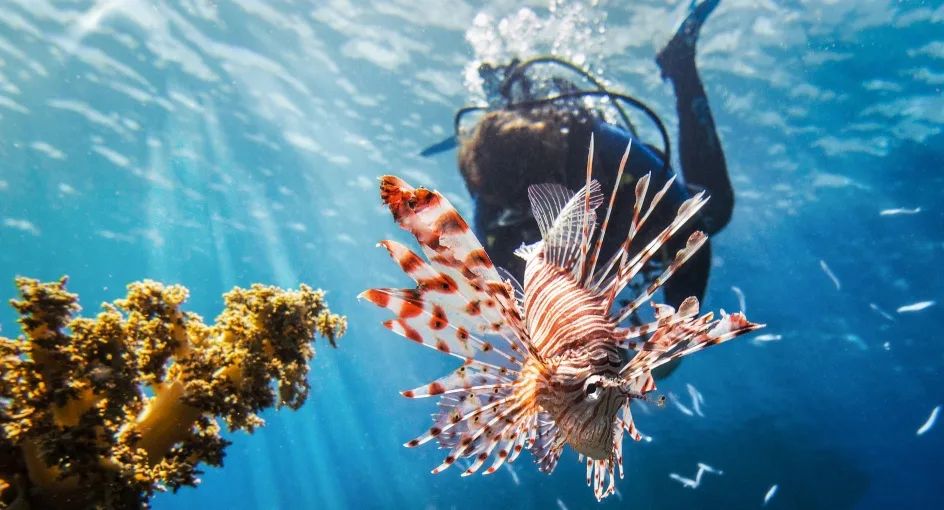
Further north, the Bazaruto Archipelago National Park protects a chain of six sandy islands. This is a premier destination for snorkeling in Africa, known for its calm, shallow lagoons and expansive seagrass beds.
Two-Mile Reef: This is the largest continuous coral reef complex in Mozambique. As a barrier reef, it runs for approximately 3.5 kilometers between islands, with depths ranging from a shallow 5 meters (16 feet) on the crest to dramatic drop-offs at 25+ meters (80+ feet). The reef is a sanctuary for green and hawksbill turtles, over 2,000 species of fish, and the endangered dugong (sea cow), with an estimated resident population of fewer than 300 in these waters.
Unique Conservation Experience: The Seahorse Safari: In the seagrass meadows near Vilankulo, community-led seahorse safaris offer a unique ethical snorkeling encounter. Guided by local experts, you can observe and photograph several species of pygmy seahorses, some as small as 2 centimeters. This initiative directly combats historical poaching by providing sustainable income, turning former hunters into conservation guides.
Technical Dive Details:
Best Seasons: April to December offers the calmest conditions and best visibility.
Water Temperature: A consistent 24-28°C (75-82°F).
Diving Style: Primarily boat diving with frequent drift dives along reef walls. Strong, predictable currents make many sites suitable for advanced divers.
South Africa: The World’s Most Thrilling Marine Encounters
South Africa delivers a completely different, adrenaline-fueled underwater adventure, defined by cold water, powerful predators, and one of nature’s greatest spectacles.
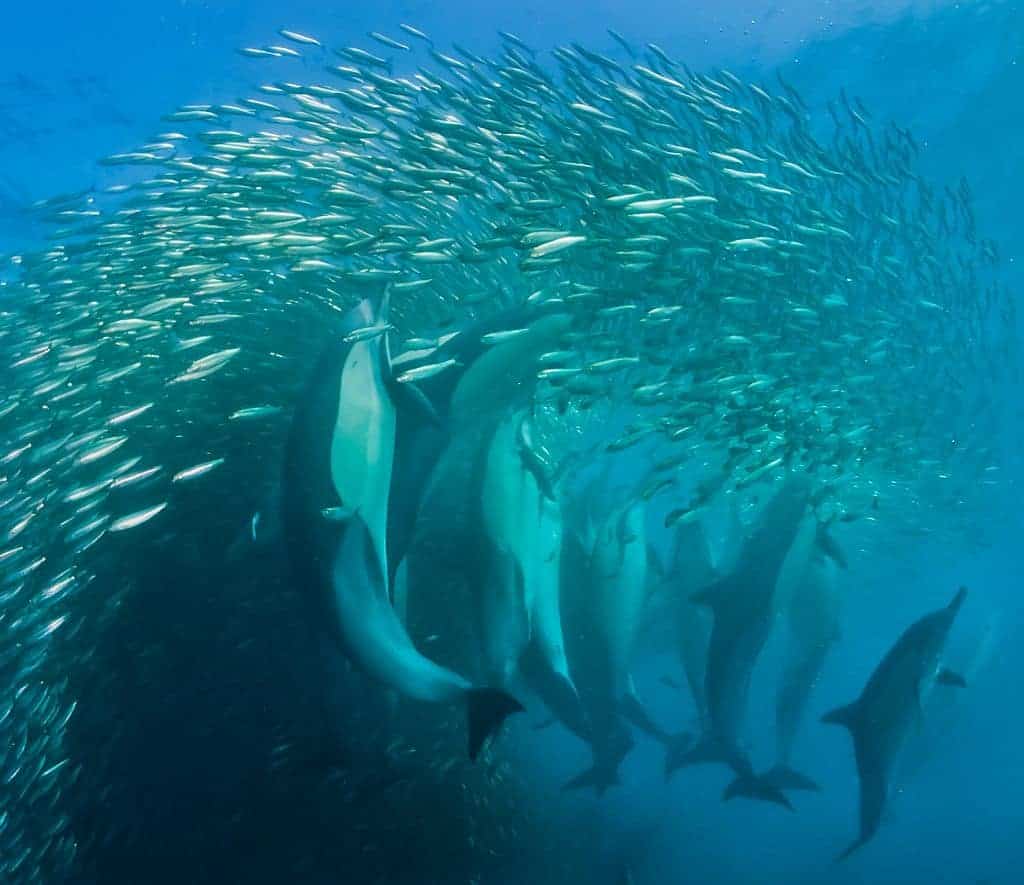
The Great Sardine Run: The Greatest Biomass Migration on Earth
Occurring annually between May and July, the Sardine Run is often called the “Great Underwater Migration” and rivals the terrestrial Wildebeest Migration in sheer scale.
The Phenomenon: Billions of southern African pilchards (sardines) form bait balls that can be over 7 meters (23 feet) in diameter and 30 meters (100 feet) deep. These bait balls trigger a coordinated feeding frenzy of immense proportions: thousands of common dolphins herd the fish, Cape gannets dive-bomb from the air, and copper sharks, dusky sharks, and Bryde’s whales attack from below.
Diving the Run: This is advanced open ocean diving. Participants are deployed via boat near active bait balls. Surface conditions can be rough, water temperatures plummet to 14-18°C (57-64°F), and visibility is variable (5-15 meters / 16-50 feet). It requires a 7mm wetsuit or drysuit and is considered one of the most exhilarating wildlife experiences on the planet.
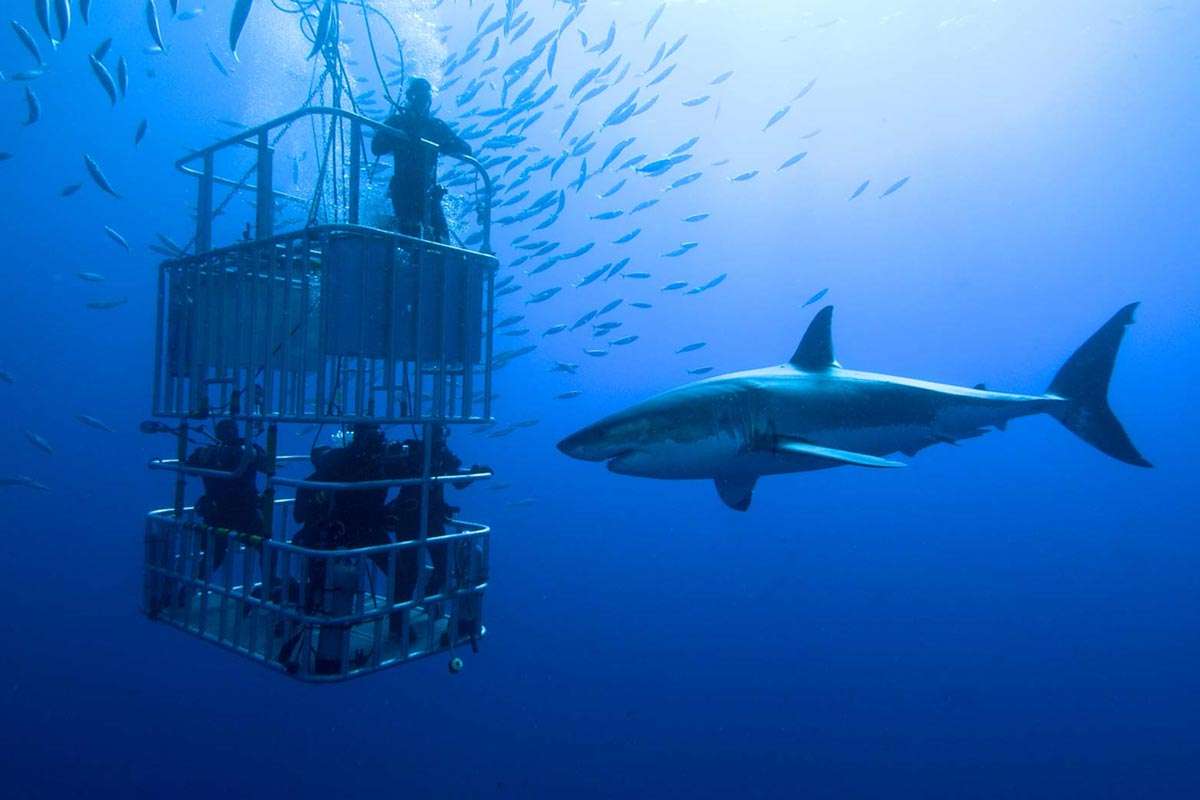
Shark Cage Diving: Face-to-Face with Apex Predators
The rugged Western Cape coastline is the global epicenter for great white shark cage diving.
Gansbaai & Mossel Bay: Operators in these towns offer surface-based cage experiences. You are secured in a steel cage attached to the boat, and chumming (a regulated practice) attracts the sharks. Great whites here average 3-4 meters (10-13 feet). While orca predation has impacted their numbers in recent years, sightings remain reliable, and the area is also home to Bronze Whaler (Copper) sharks.
The Experience: No scuba certification is needed—you simply hold your breath and duck below the surface when a shark approaches. The proximity to these powerful apex predators is unforgettable and conducted under strict safety and permitting protocols.
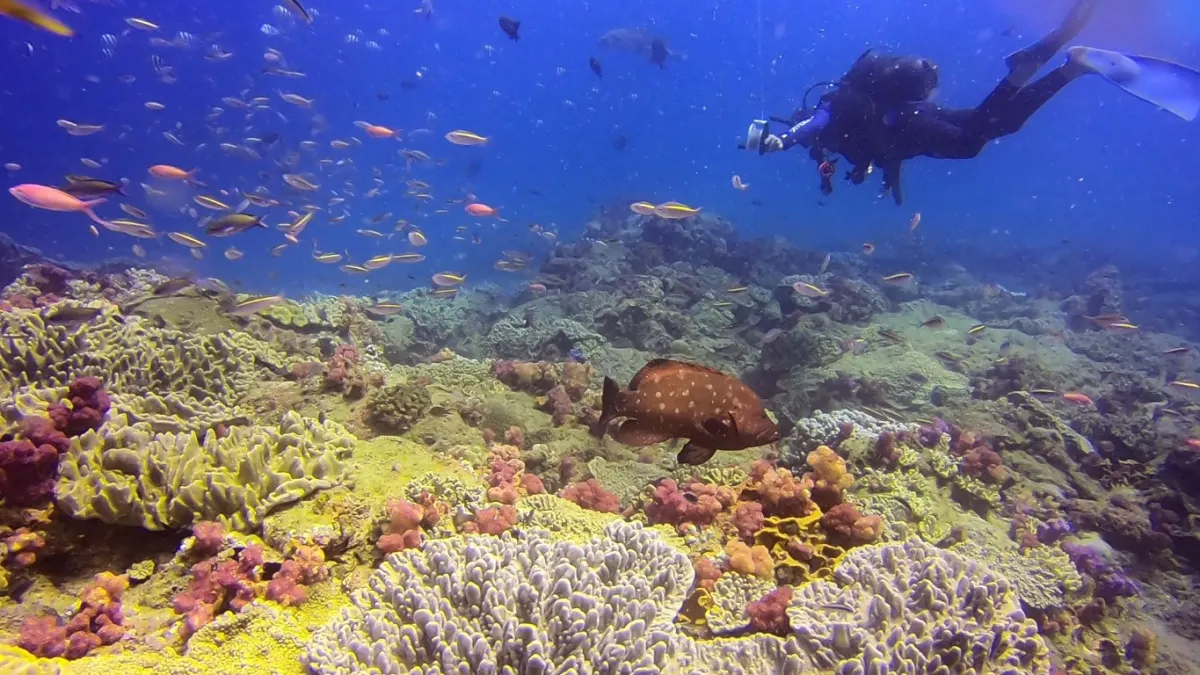
Sodwana Bay & the iSimangaliso Wetland Park
In contrast, Sodwana Bay in subtropical KwaZulu-Natal offers warm-water, reef-based diving. It’s South Africa’s most popular scuba destination, famous for its beautiful coral reefs at the southernmost extent of Africa’s coral distribution. Sites like 2 Mile Reef and Quarter Mile Reef feature canyons, overhangs, and prolific reef fish life. From November to February, the chance of encountering whale sharks and manta rays increases significantly.
Madagascar: The World’s Untouched Island Laboratory
The world’s fourth-largest island is a biodiversity hotspot where marine life has evolved in remarkable isolation, offering a truly off-the-beaten-path diving and snorkeling expedition.
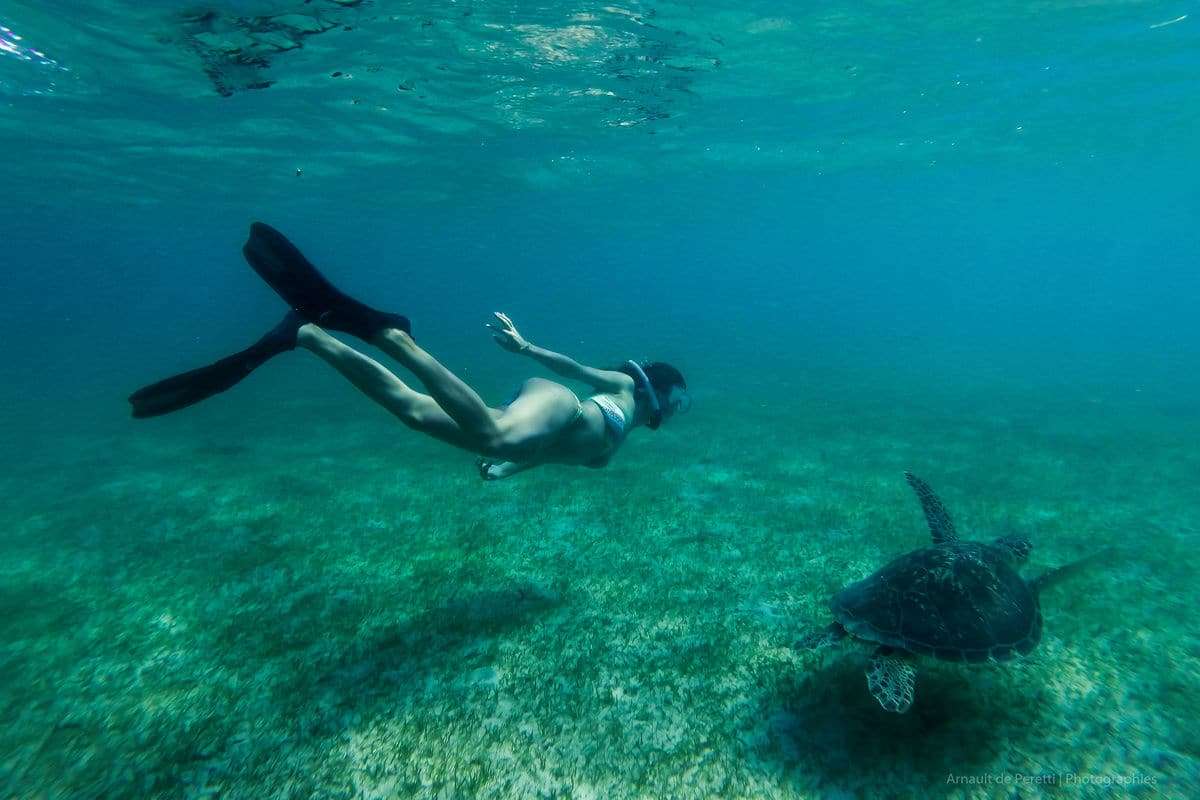
Nosy Be & the Northern Archipelago
The “Perfume Island” of Nosy Be is the main hub for exploring pristine northern reefs.
Protected Marine Areas: Sites like Tanikely Marine Reserve are shallow-water snorkeling havens. Just a short swim from the beach, you’ll find coral gardens with 95% live coral cover in places, teeming with harlequin shrimp, leaf scorpionfish, and myriad anthias.
Seasonal Whale Spectacle: From July to September, the calm seas host migrating humpback whales that come to calve and nurse their young in the island’s sheltered bays. Boat-based whale watching (and respectful in-water encounters with licensed operators) is a major highlight.
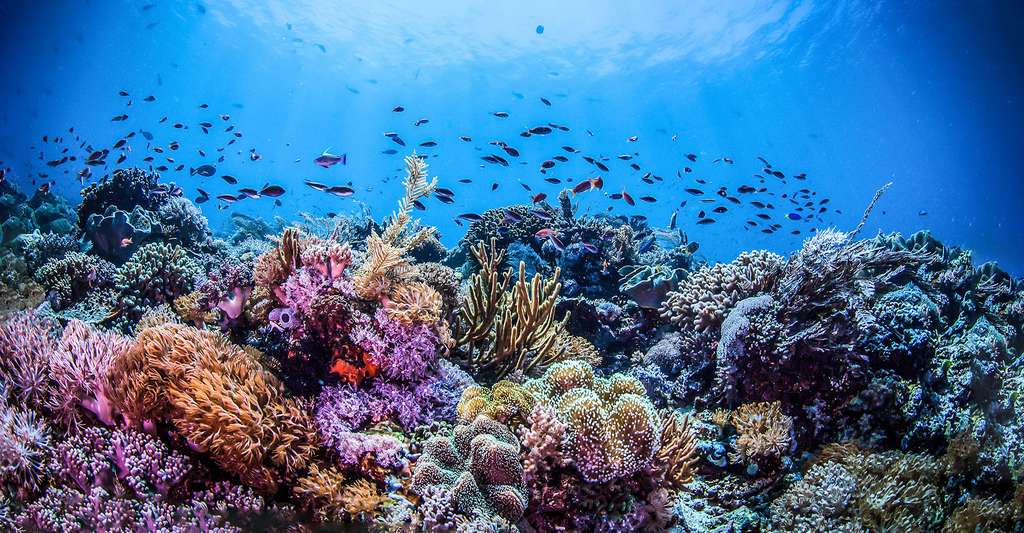
The Southwest: Toliara’s Grand Récif & Coral Spawning
The southwest coast, near Toliara (Tulear), features the Grand Récif de Toliara—a 100km-long barrier reef, one of the largest in the world.
Unique Seasonal Event: For experienced divers, a night dive 5-7 nights after the full moon in November or December offers the chance to witness the synchronous coral spawning, a surreal underwater “snowstorm” of reproductive bundles.
Remote Island Exploration: From the mainland, journeys to islands like Nosy Ve reveal completely untouched reefs with exceptional populations of healthy hard corals, reef sharks, and Napoleon wrasse. The remoteness guarantees an exclusive experience, often with only your group on an entire reef system.
Technical Dive Details for Madagascar:
Best Seasons: April to December (dry season) for calm seas and clear water.
Water Temperature: A warm 26-29°C (79-84°F).
Experience Level: Ranges from easy beach-access snorkeling in the north to advanced, remote liveaboard expeditions in the south.
West Africa’s Emerging Marine Frontiers & The Legendary Red Sea
Beyond the classic East and Southern African circuits lie extraordinary frontiers for the adventurous ocean explorer. These destinations offer raw, undeveloped beauty and, in the case of the Red Sea, some of the most famous dive sites on the planet.
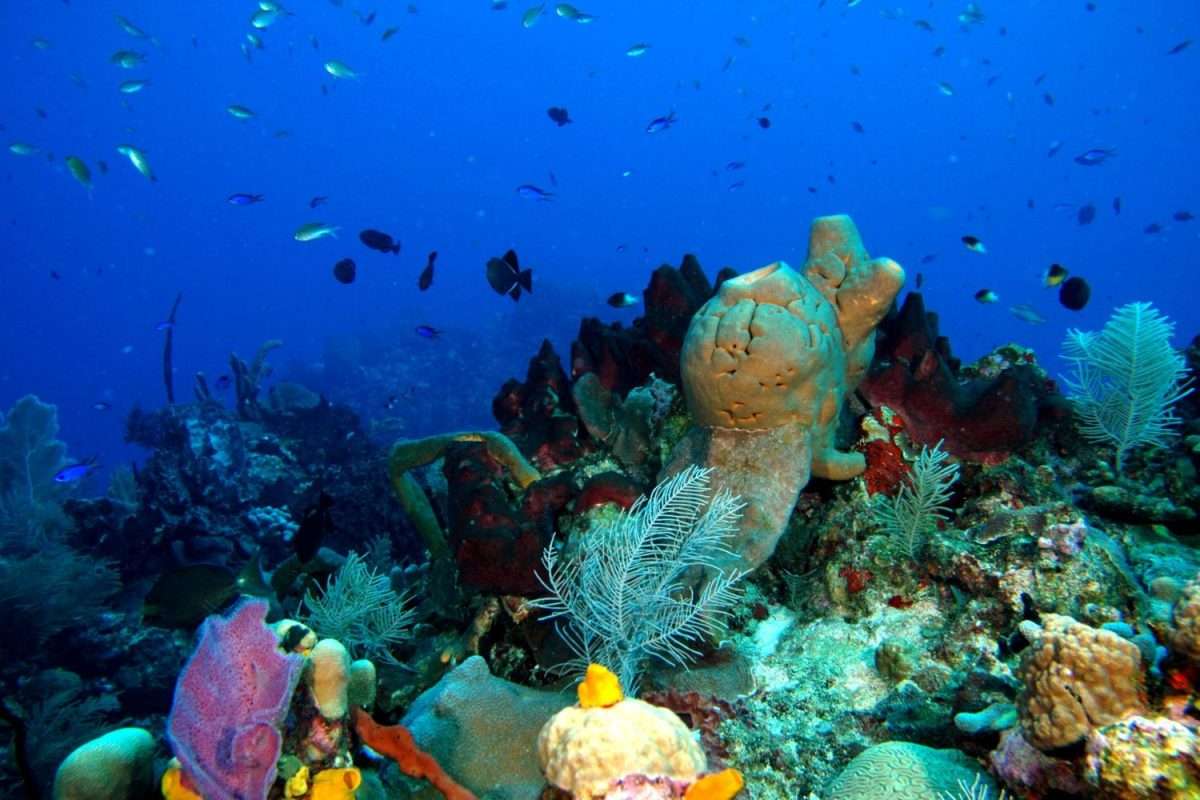
Cape Verde: Atlantic Volcanic Majesty
Rising from the deep Atlantic off the coast of Senegal, the Cape Verde archipelago presents a dramatic volcanic seascape markedly different from the Indian Ocean’s coral gardens. This is a destination for divers seeking geological wonders and reliable pelagic encounters.
Underwater Topography: The dive sites are characterized by submerged volcanic craters, vast lava fields, dramatic drop-offs plunging to over 1,000 meters, and intricate networks of underwater caves and swim-throughs formed by ancient lava tubes. Sites like Sal Rei Bay (Boa Vista) showcase towering pinnacles that attract massive schools of fish.
Marine Megafauna: The nutrient-rich currents funneling between islands make Cape Verde a hotspot for large marine life. It is one of the few places in the world with a resident population of oceanic manta rays (Mobula birostris), which can be seen year-round, especially around Santa Luzia. From March to May, the islands become a critical breeding ground for loggerhead sea turtles, and divers may witness their graceful movements.
Conditions & Experience Level: Strong, consistent Atlantic currents are a defining feature. This makes many sites suitable for advanced divers comfortable with drift diving. Water temperatures range from a cooler 22°C (72°F) in winter to 27°C (81°F) in summer. Visibility is typically very good, averaging 20-30 meters (65-100 feet), but can be affected by plankton blooms that, in turn, attract the mantas.
São Tomé and Príncipe: The Undiscovered Eden
Deep in the Gulf of Guinea, the twin-island nation of São Tomé and Príncipe is perhaps Africa’s most pristine and least-explored marine destination. Dubbed the “African Galapagos,” its isolation has preserved exceptional underwater health.
Pristine Reef Ecosystems: The reefs here are virtually untouched, with coral cover often exceeding 70%—a rarity in the modern era. The islands are surrounded by fringing reefs that drop into abyssal depths just offshore. Lagoa Azul (Príncipe) is a stunning example: a natural aquarium of crystal-clear water teeming with life, perfect for snorkeling.
Unique Biodiversity: Due to its isolation, the islands host a high degree of endemism. Divers can find species unique to these waters, alongside common tropical reef fish, barracuda, and several species of reef sharks. The islands’ rocky outcrops and seamounts serve as cleaning stations for passing pelagics.
The Experience: This is the definition of slow travel and eco-tourism. There are no large dive operations. Instead, small, locally-run centers offer personalized guiding. The emphasis is on low-impact exploration and genuine discovery, often feeling like you’re the first to visit a site.
Egypt’s Red Sea: Africa’s World-Famous Aquatic Arena
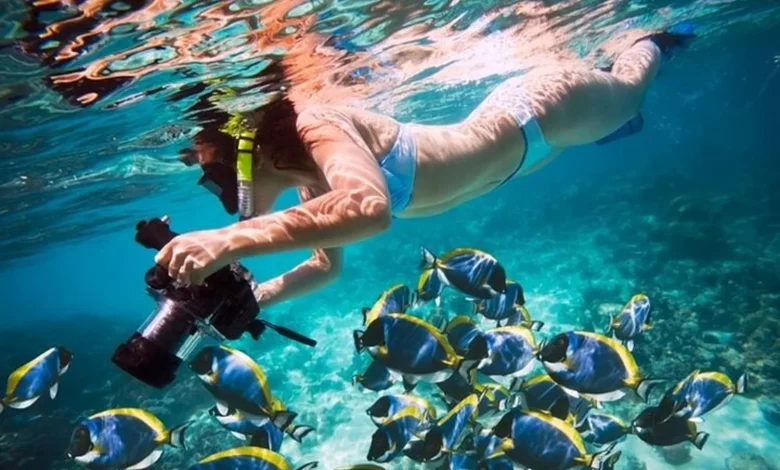
While geographically in Northeast Africa, Egypt’s Red Sea is a cornerstone of any global diving and snorkeling discussion. Its hyper-saline water provides legendary visibility often exceeding 40 meters (130 feet) and fosters some of the most resilient coral reef ecosystems on Earth.
World-Class Wreck Diving: The Red Sea is a shipwreck diving mecca. The most famous is the SS Thistlegorm, a British WWII cargo ship sitting upright at 30 meters (98 feet), its holds still packed with motorcycles, trucks, and artillery. For technical divers, the wreck of the Rosalie Moller lies at over 50 meters (164 feet).
Iconic Reef Systems: The Shark Reef and Yolanda Reef complex at Ras Mohammed National Park is an aquatic amphitheater where strong currents attract dozens of oceanic whitetip sharks, grey reef sharks, and hammerhead schools. The sheltered reefs of the Northern Straits of Tiran offer drifts along sheer walls covered in soft corals.
Accessibility & Conditions: The Red Sea offers year-round diving, with water temperatures from a mild 22°C (72°F) in winter to a bathtub-like 28°C (82°F) in summer. Its proximity to Europe and well-established infrastructure—from liveaboards to shore-based resorts in Sharm El Sheikh and Hurghada—makes it exceptionally accessible for divers of all levels, contributing to its status as a premier scuba diving hotspot.
Not sure which destination is right for you? Our specialists can match you with your ideal beach based on your travel style:
For Ultimate Relaxation & Culture: Zanzibar’s iconic beaches combined with the history of Stone Town.
For Secluded, Slow-Paced Bliss: The timeless, vehicle-free archipelago of Lamu.
For Family-Friendly Marine Parks & Soft Sand: The calm lagoons and reef-protected shores of Watamu and Diani.
For Adventure & Big Thrills: South Africa’s Western Cape for shark encounters and Sodwana Bay for pristine reef diving.
Your journey from the savannah to the sea begins with a single conversation. Contact us Now!
FAQs on Diving and Snorkeling in Africa
1. Is snorkeling cheaper than scuba diving?
Yes, snorkeling is significantly cheaper. Scuba diving, especially getting certified, is a major investment in training and equipment. A one-time PADI Open Water certification costs $450-$800 USD. In contrast, snorkeling may cost nothing at a resort with a house reef, or just $5-$15 USD for gear rental. A full guided snorkel tour typically costs $40-$80 USD.
2. Where is the best snorkeling in Africa?
The best snorkeling in Africa is found in the warm, clear waters of East Africa’s marine parks. Top spots include Mnemba Atoll in Zanzibar for its coral gardens and turtles, the protected lagoons of Watamu Marine Park in Kenya for families, and the seagrass beds of the Bazaruto Archipelago in Mozambique for unique seahorse safaris.
3. How much does snorkeling cost in Zanzibar?
The cost varies by experience. Simple gear rental from a beach shop costs ~$10 USD/day. A half-day group boat trip to a reef like Mnemba Atoll, including gear, guide, and transport, typically ranges from $50 to $80 USD per person. Many upscale beach resorts include complimentary snorkeling trips to nearby reefs for their guests.
4. Which is safer, snorkeling or scuba diving?
Both are very safe when done correctly with professional guides. Snorkeling is statistically safer as it involves breathing at the surface with minimal equipment. Scuba diving has more complex procedures and potential risks (like decompression sickness), which is why rigorous training and certification are required. The key to safety in both activities is using a reputable, licensed operator.
5. Who should not scuba dive?
Individuals with certain medical conditions should not scuba dive. This includes people with serious heart or lung conditions (like asthma under certain forms), a history of pneumothorax (collapsed lung), uncontrolled epilepsy, or severe sinus/ear problems. All students must complete a medical questionnaire, and those answering “yes” to certain questions require a doctor’s clearance before training.
6. Will a guide come with us while snorkeling or diving?
Yes, for both activities in Africa, a professional guide is standard and highly recommended. For snorkeling, a guide leads the group from the surface, points out marine life, and ensures safety. For scuba diving, a certified dive master or instructor will always lead the dive, managing navigation, depth, time, and the group’s safety underwater.
7. Do we need an oxygen tank for snorkeling?
No. Snorkeling does not use an oxygen tank or any breathing apparatus. You use a snorkel—a simple J-shaped tube that allows you to breathe air from the surface while your face is in the water. The activity is defined by staying at the surface to look down. Scuba diving uses a tank of compressed air (not pure oxygen) to breathe underwater.
8. How long can you stay underwater snorkeling vs. diving?
With snorkeling, you are limited by your own comfort and stamina, as you are simply holding your breath to look underwater. Most people dive down for 15-45 seconds at a time before surfacing to breathe. With scuba diving, a standard aluminum tank allows for 30 to 60 minutes of continuous underwater exploration, depending on your depth and breathing rate.
9. Can I try scuba diving if I’m not certified?
Yes, through a Discover Scuba Diving (DSD) program. This one-day, instructor-supervised experience includes a brief lesson in a pool or shallow bay, followed by a guided ocean dive to a maximum depth of 12 meters (40 feet). It’s a perfect way to try diving without the commitment of a full certification course. It costs $80-$150 USD.
10. Is Africa good for beginner divers?
Absolutely. Many African dive destinations are ideal for beginners. Locations like Mafia Island, Tanzania and Sodwana Bay, South Africa are known for their generally calm, protected conditions, shallow reefs, and professional dive schools. The warm water and incredible marine life make for a rewarding first diving experience.
11. What is the difference between diving in Africa vs snorkeling?
The core difference is depth and breathing. Snorkeling is a surface activity where you float using a mask and a breathing tube (snorkel), looking down into the water. You take a breath and can dive down briefly, but must return to the surface to breathe again. It’s simple, requires no formal training, and is perfect for observing shallow coral reefs, turtles, and fish in calm lagoons, like those in Watamu Marine Park or off Diani Beach.
Scuba diving, on the other hand, uses a tank of compressed air and a regulator, allowing you to breathe underwater for extended periods, typically 30 to 60 minutes per tank. This lets you explore deeper reefs, swim-throughs, and wrecks at sites like Pemba Island’s walls or the SS Thistlegorm in the Red Sea, coming face-to-face with larger marine life like sharks, manta rays, and big schools of fish. It requires professional certification (like PADI Open Water), more equipment, and is an immersive, in-depth exploration of the aquatic world.
Final Thought: Your Safari Doesn’t End at the Shore
Africa’s story is told in two magnificent chapters: the golden drama of its savannahs and the silent, vibrant spectacle beneath its turquoise seas. A true journey to this continent is not complete without experiencing both.
From watching a lion pride at dawn in the Serengeti to floating alongside a sea turtle in Zanzibar that same week—this is the unparalleled rhythm of an African adventure. It’s a journey of contrast and connection, where the dust of the bush meets the salt of the ocean spray.
This seamless blend of earth and water is what we at TourwithPipi know best. It’s in our heritage and our expertise. Let us guide you from the inland wonders to the coastal magic, crafting a single, seamless story that you will carry with you long after your footprints in the sand have washed away.
The horizon is calling. Your land and sea safari awaits.
Start Your Journey with TourwithPipi Today
Key Takeaways: Africa’s Diving & Snorkeling Experience
• Africa is one of the world’s most underrated places for scuba diving and snorkeling, offering rich marine life, clear waters, and fewer crowds than Asia or the Caribbean.
• The continent is bordered by the Indian Ocean, Atlantic Ocean, and Red Sea, creating diverse underwater worlds with coral reefs, lagoons, walls, caves, and shipwrecks.
• East Africa is ideal for beginners and snorkelers, especially Zanzibar, Mafia Island, Watamu, and Diani Beach, where waters are warm, calm, and easy to explore.
• Southern Africa offers advanced and unique experiences such as the Sardine Run, shark encounters, kelp forests, and long coral reefs in Mozambique and South Africa.
• West Africa and island nations like Cape Verde and São Tomé and Príncipe provide quiet, untouched dive sites for travelers seeking rare and eco focused marine adventures.
• Africa is home to iconic marine life including whale sharks, humpback whales, manta rays, dolphins, sea turtles, reef sharks, colorful reef fish, and diverse coral species.
• Snorkeling in Africa is low cost and beginner friendly, while scuba diving allows deeper exploration and requires training, certification, and higher budgets.
• Scuba diving certification in Africa typically takes 3 to 5 days and costs between $400 and $600 USD, with professional training and safety standards widely available.
• Marine conservation is central to many African dive destinations, with protected parks, ethical wildlife rules, and strong community based tourism efforts.
• Africa offers rare land and sea combinations, allowing travelers to pair wildlife safaris with ocean experiences in destinations like Tanzania, Kenya, and South Africa.
• Africa’s diving and snorkeling experiences suit all travelers, including families, beginners, certified divers, adventure seekers, honeymooners, and eco conscious travelers.
• With fewer crowds, rich biodiversity, and the chance to explore both ocean and wildlife in one trip, Africa belongs on every underwater traveler’s bucket list.


