
Yes, zebras migrate, and Botswana is home to one of the most remarkable examples anywhere on the planet. Most travelers have heard of the wildebeest crossing the Mara River in Kenya and Tanzania, but far fewer know that plains zebras in Botswana carry out their own great zebra migration every year, one that scientists only rediscovered by accident. If you have been asking why do zebras migrate, or specifically what the zebra migration in Botswana actually looks like, here is the full picture, distance, timing, and all.
Why Do Zebras Migrate?
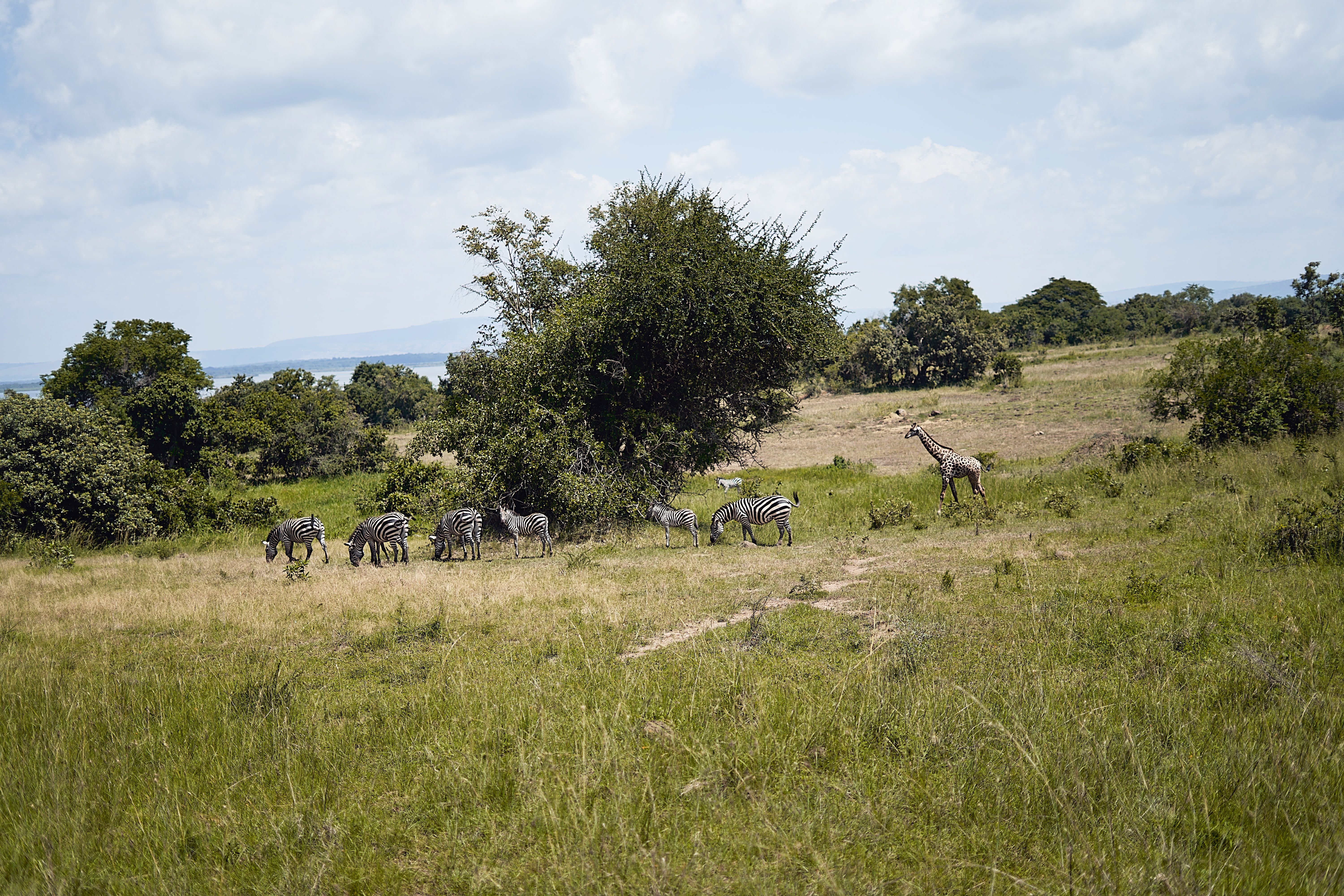
Zebras migrate for the same basic reason most large grazing animals do: food and water run out where they are, so they move to where those resources are more plentiful. In Botswana specifically, there is a real nutritional payoff to making the trip, since the grasses around the Makgadikgadi and Nxai Pans carry noticeably higher protein and mineral content than the grazing back in the Okavango Delta. Zebras that make the journey end up better nourished than the ones that stay behind.
There is also a safety benefit to moving in large herds. Traveling in numbers lowers the odds of any single zebra becoming a predator’s target, and it means more eyes watching for lion, hyena, and crocodile at river crossings. Researchers believe the zebra migration route itself may be hardwired rather than learned, passed down instinctively rather than taught herd to herd, which is part of what makes Botswana’s zebra migration such an unusual case.
Two Different Zebra Migrations in Botswana
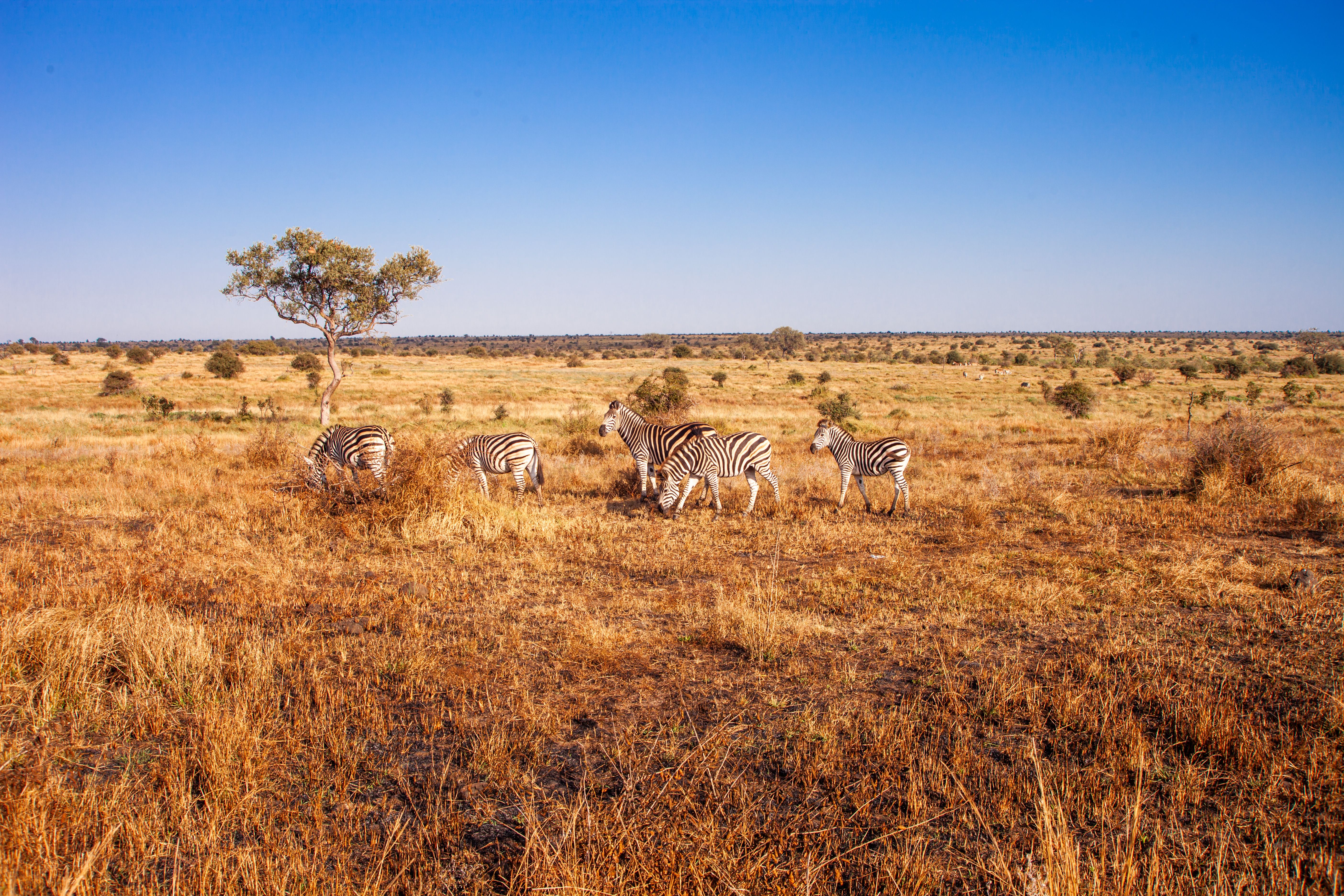
Botswana actually has two zebra migrations, not one. Most articles mix them together as if they are the same event, but they are not, and knowing the difference helps you plan the right trip.
The first is the migration most people mean when they say “zebra migration.” It runs between the Okavango Delta and Makgadikgadi Pans National Park. Scientists from the Royal Veterinary College found it in 2008 using GPS trackers on zebra. They published the discovery in a journal called Oryx. About 55 out of every 100 tracked zebra made this trip. The round trip covers about 580 kilometers, or 360 miles.
The second migration of zebras is less well known. It runs between the Chobe River floodplains in the north and Nxai Pan National Park. A conservation group called Elephants Without Borders found this route in 2012. It covers 155 to 250 miles, depending on the path a herd takes. More zebra take this route too, usually 20,000 to 25,000 animals, compared to about 15,000 on the Okavango-Makgadikgadi route.
Both zebra migrations in Botswana disappeared for the same reason. Fences built in the 1950s and 60s to stop cattle disease blocked the old migration paths for decades. Once those fences came down in the mid-2000s, the zebra started walking the same paths again, even though no living zebra had walked them before. That is part of why scientists think the migration route is instinct, not something zebra learn from each other.
How Far Do Zebras Migrate in Botswana?
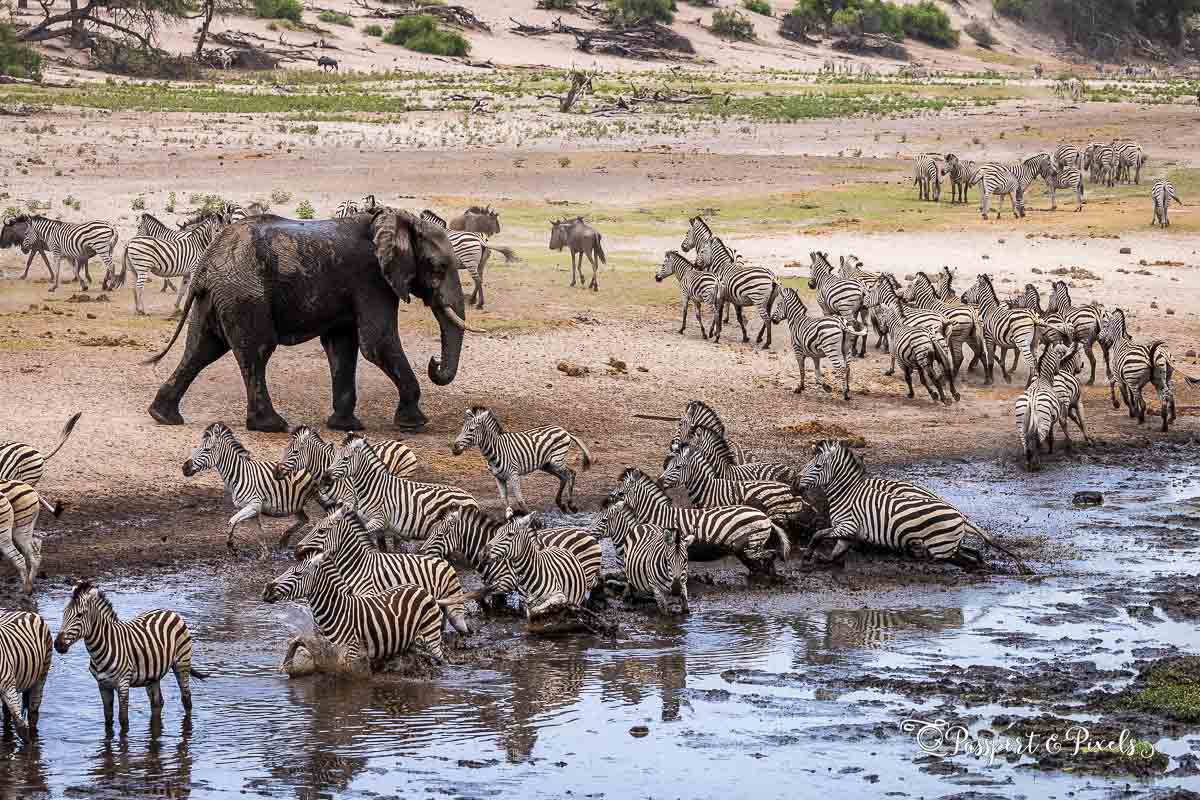
There is real disagreement between sources on exactly how far zebras migrate in Botswana, so it’s worth being precise about where each number actually comes from. The peer-reviewed figure, from the original Royal Veterinary College study published in Oryx, puts the Okavango-Makgadikgadi round trip at 588 kilometers, about 365 miles. NASA has cited the same migration at roughly 360 miles round trip in its own tracking research. Some travel guides round this to “500 kilometers” or describe it as a one-way distance rather than round trip, which is where a lot of the confusion online comes from.
The separate Chobe-Nxai Pan migration covers less ground per zebra, typically 155 to 250 miles depending on the route an individual herd takes, but involves more animals overall. Either way, both routes rank among the longest unbroken land mammal migrations left in Africa.
The Zebra Migration Route, Month by Month
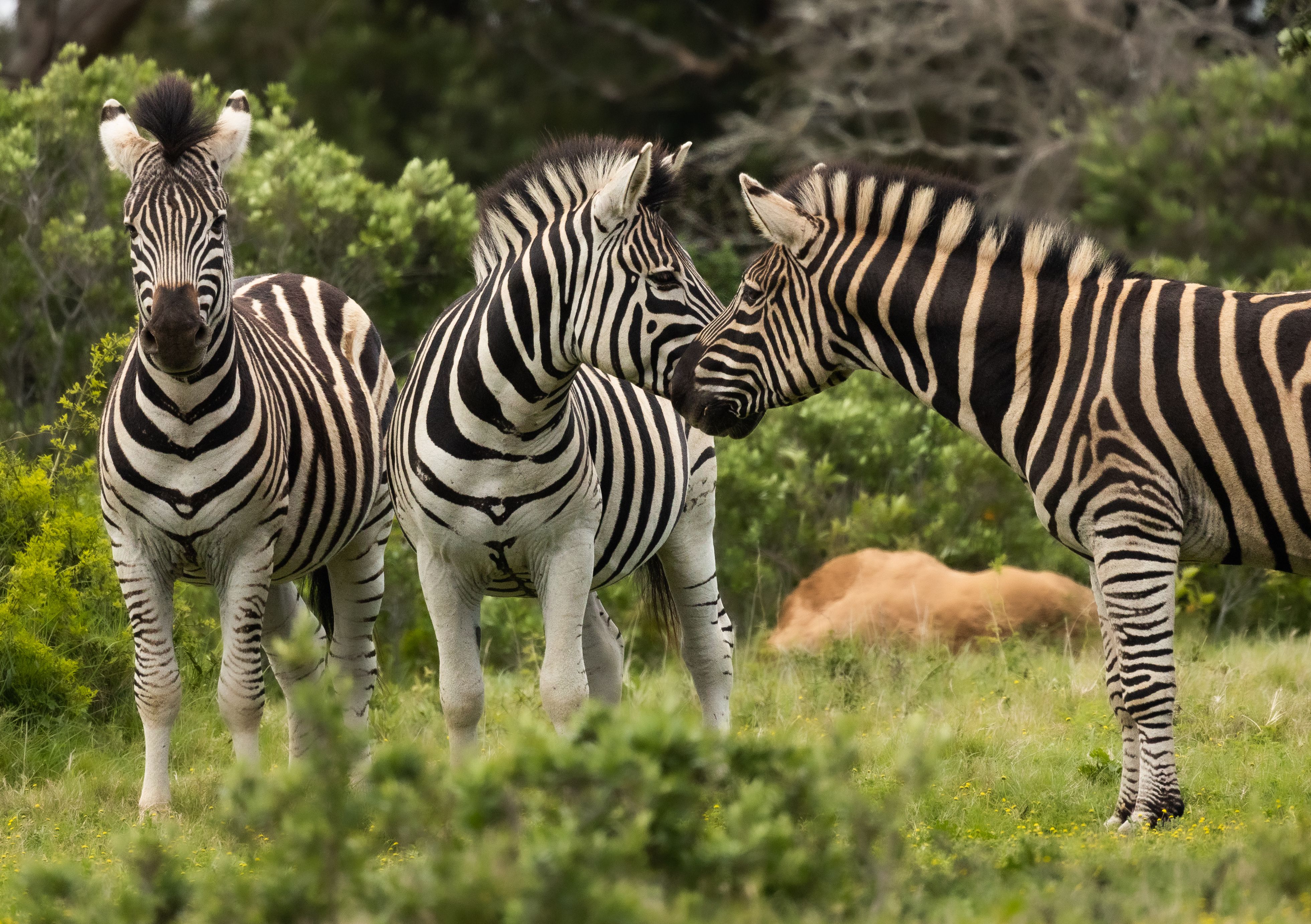
- June to November (dry season): Zebra concentrate around the permanent water of the Okavango Delta and Chobe River floodplains.
- Late November to early December: The first rains fall over the Makgadikgadi and Nxai Pan areas, triggering the start of the migration south.
- December to January: Herds arrive at the Makgadikgadi and Nxai Pans, where the newly green grasslands offer far richer grazing than what they left behind.
- January to February/March: Zebra remain in the pans, feeding on the nutrient-dense grass, and many give birth during this window.
- March to May: As the pans begin to dry out again, the herds start their return journey north, typically a slower, less direct trip than the one south.
Best Time to See the Zebra Migration in Botswana
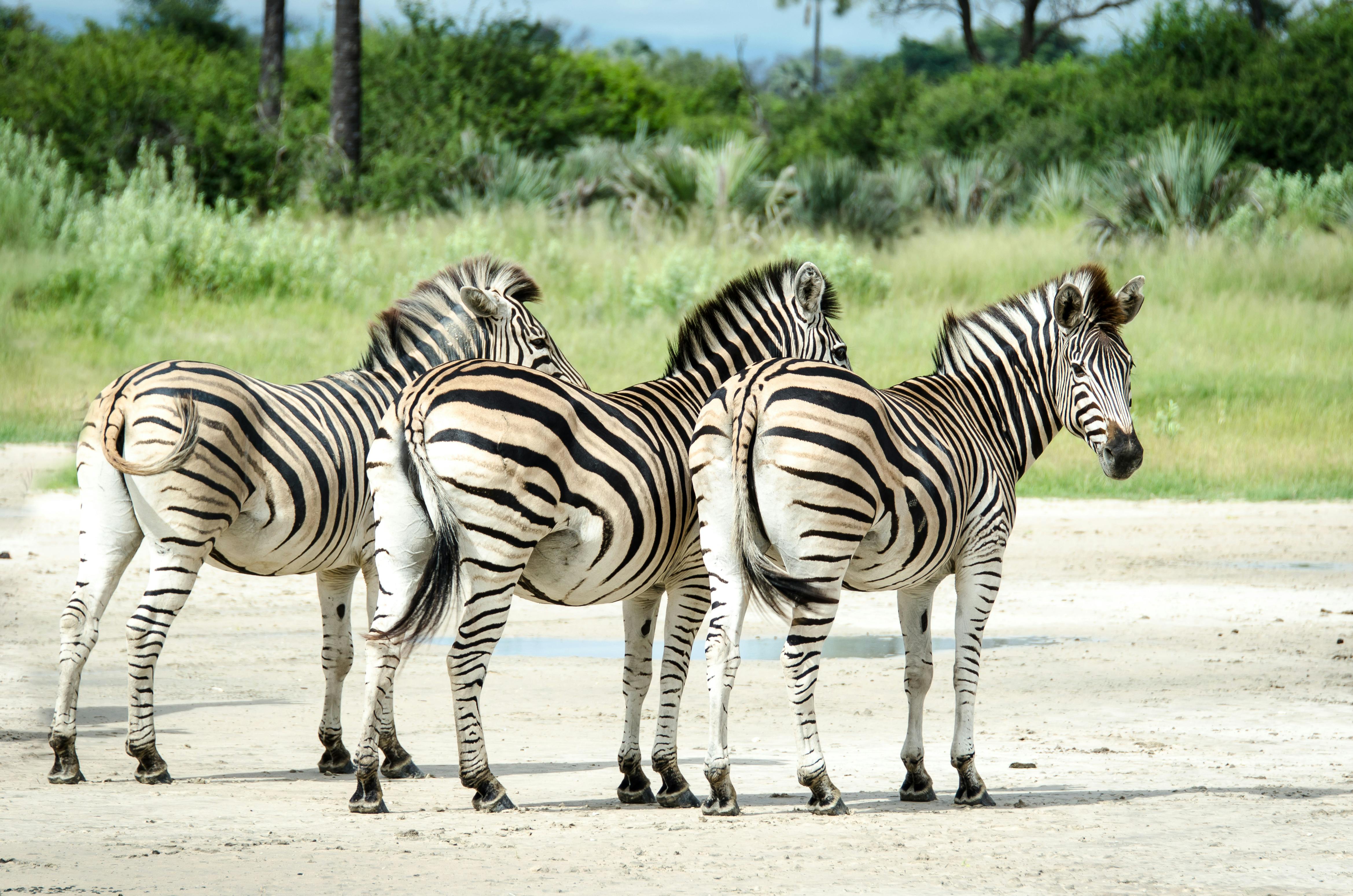
The best time to see the zebra migration in Botswana is December through March, the country’s green season, when herds are actually on the move or gathered in the pans. March in particular is worth targeting, since that’s when the largest concentrations gather at Makgadikgadi before starting the journey back north.
That timing comes with a trade-off. Most travelers visit Botswana during the dry season, roughly May to November, when general game viewing is easier and the roads are more reliable, but the mass migration isn’t happening at that point in the year. If witnessing the zebra migration specifically matters more to you than dry-season convenience, plan around the green season instead, and expect fewer crowds and lower rates as a genuine upside of traveling in Botswana’s off-peak months.
Where to See the Zebra Migration
Makgadikgadi Pans National Park and Nxai Pan National Park are the two parks built specifically around the zebra migration, and the Boteti River, which runs along the western edge of Makgadikgadi, is one of the most reliable viewing points as herds pass through on their way to and from the pans. For the Chobe-Nxai Pan route, Chobe National Park itself and the Savute region are the best anchor points.
Because this migration is driven entirely by rainfall rather than a fixed calendar, no single camp or date can guarantee a sighting. A private, well-timed itinerary built around the current season’s rain patterns gives you the best realistic shot at it.
Zebra Migration vs. the Great Migration in the Serengeti and Masai Mara
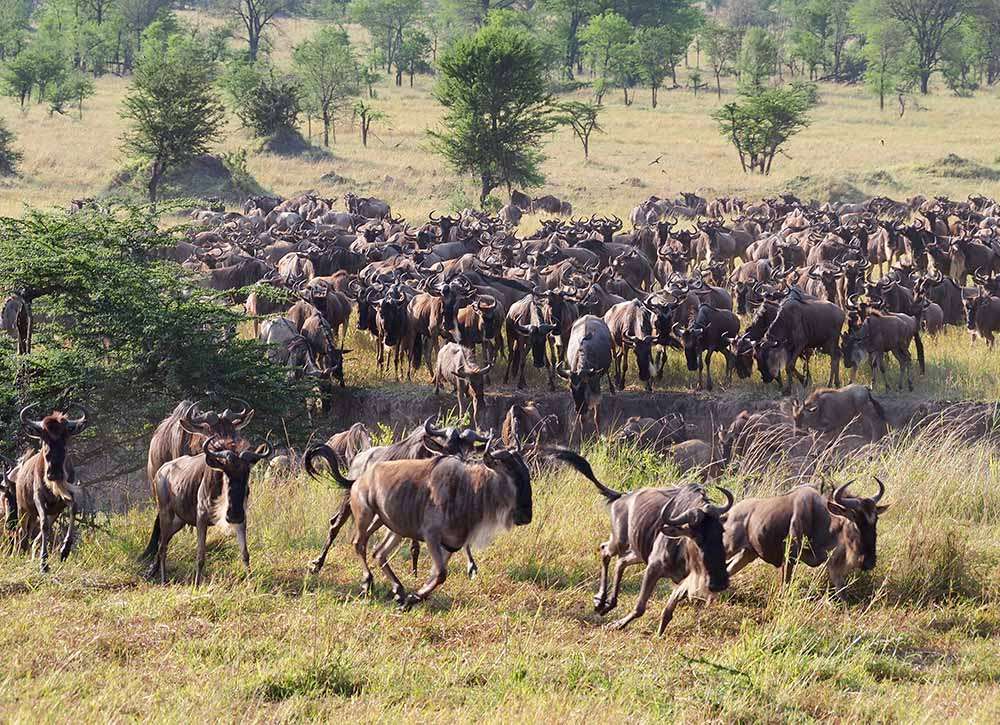
Botswana’s zebra migration is often called the second-largest of its kind in Africa. Here’s how it stacks up against East Africa’s Great Migration.
| Botswana Zebra Migration | Great Migration (Serengeti/Masai Mara) | |
|---|---|---|
| Animals involved | ~15,000–25,000 zebra | Over 1.5 million wildebeest and zebra |
| Round-trip distance | ~360 miles (Okavango-Makgadikgadi) | Varies, year-round circuit |
| Best months to see it | December to March | July to October (river crossings) |
| Crowds | Low, still under the radar | High, especially at river crossings |
| Landscape | Open salt pans and grassland | Open savannah |
Botswana’s numbers are far smaller, but that’s the appeal. You get wide open salt pans with far fewer vehicles and tourists, since most travelers don’t even know this migration exists. If you’ve already done a Great Migration safari and want something that feels genuinely undiscovered, this is one of the closest things Africa still has to an off-the-radar version of that experience.
Plan Your Botswana Safari with TourwithPipi

Timing a trip around Botswana’s zebra migration takes some real planning, since it depends on rainfall rather than a fixed date on a calendar. I build private Botswana itineraries around the current season’s rain patterns and the Makgadikgadi and Nxai Pan areas specifically, so you’re not just hoping to get lucky. Message me on WhatsApp with your travel dates and I’ll help you plan around the best realistic window.
Conclusion
Yes, zebras migrate, and Botswana is home to two distinct zebra migrations, not one. The Okavango Delta to Makgadikgadi Pans route covers roughly 580 kilometers, about 360 miles, round trip, first documented by GPS-tracking research published in the journal Oryx in 2008. A separate migration runs between the Chobe River floodplains and Nxai Pan National Park, discovered in 2012, covering 155 to 250 miles depending on the route. Both are driven by seasonal rainfall, with herds moving south between November and December and returning north between March and May.
Frequently Asked Questions
Do zebras migrate?
Yes, zebras migrate, and Botswana hosts two of the longest unbroken land mammal migrations left in Africa: one between the Okavango Delta and Makgadikgadi Pans, and a separate one between the Chobe River floodplains and Nxai Pan National Park.
Why do zebras migrate?
Zebras migrate to follow seasonal rainfall to areas with better grazing and water. In Botswana, the grass around the Makgadikgadi and Nxai Pans is more nutrient-rich than what’s available in the Okavango Delta during the dry season, which is believed to be the main driver behind the migration.
How far do zebras migrate in Botswana?
The Okavango-Makgadikgadi migration covers a round trip of roughly 580 kilometers, about 360 miles, according to the original peer-reviewed research. The separate Chobe-Nxai Pan migration covers 155 to 250 miles depending on the specific route a herd takes.
When is the best time to see the zebra migration in Botswana?
December through March, Botswana’s green season, is the best time to see the zebra migration, since that’s when herds are on the move or gathered at the Makgadikgadi and Nxai Pans. March is especially strong, when the largest numbers gather before heading back north.
Is the Botswana zebra migration bigger than the Great Migration in the Serengeti?
No, Botswana’s zebra migration involves tens of thousands of animals, while the Great Migration across the Serengeti and Masai Mara involves well over a million wildebeest and zebra. Botswana’s migration is often called the second-largest of its kind in Africa, but it offers a far less crowded experience.
Where can you see the zebra migration in Botswana?
Makgadikgadi Pans National Park, Nxai Pan National Park, and the Boteti River are the main viewing areas for the Okavango-Makgadikgadi migration. Chobe National Park and the Savute region are the best areas for the separate Chobe-Nxai Pan migration.
Quick Summary
- Yes, zebras migrate, and Botswana hosts two separate zebra migrations, not one.
- The Okavango-Makgadikgadi migration covers roughly 580 km (360 miles) round trip, confirmed by peer-reviewed research published in 2008.
- The Chobe-Nxai Pan migration, discovered separately in 2012, covers 155 to 250 miles depending on the route.
- Zebras migrate to follow rainfall toward more nutrient-rich grazing, not simply to find any water at all.
- The migration south typically begins in late November or early December, with herds returning north between March and May.
- Both migration routes were blocked for decades by veterinary fences and only resumed once those fences came down in the mid-2000s.
- December through March is the best window to see the migration itself, though most tourists visit during the drier May to November season instead.
- Makgadikgadi Pans, Nxai Pan, and the Boteti River are the primary places to see this event.
- Botswana’s zebra migration is smaller than East Africa’s Great Migration but far less crowded with tourists.
- Because the migration is rainfall-dependent, no fixed date guarantees a sighting, which is why a flexible, well-timed private itinerary matters.
Written by Khadija Tayabali, Founder and Virtuoso-affiliated safari advisor at TourwithPipi. Message me directly on WhatsApp to plan a Botswana safari timed around the zebra migration.


