
Mount Kilimanjaro is the highest mountain in Africa, and it’s not close. This dormant volcano in Tanzania rises 5,895 meters, or 19,341 feet, above sea level, making it both the tallest and the largest freestanding mountain on the entire planet. It doesn’t sit inside a range. It stands completely alone, rising straight out of the plains, with its iconic snow-capped summit formed by three volcanic cones named Kibo, Mawenzi, and Shira. It’s also a crown jewel of the Seven Summits, the tallest peak on each continent.
Quick Answer: Africa’s Highest Mountain
| Highest mountain in Africa | Mount Kilimanjaro, Tanzania |
| Height | 5,895 meters (19,341 feet) |
| Summit point | Uhuru Peak |
| Type | Dormant freestanding volcano, not part of a range |
| Difficulty | Non-technical trekking peak |
| Second highest | Mount Kenya, 5,199 meters (17,057 feet) |
| Third highest | Mount Stanley (Margherita Peak), Rwenzori Mountains, 5,109 meters (16,763 feet) |
The Top 10 Highest Mountains in Africa
Africa is home to some of the planet’s most stunning and diverse mountain peaks. From legendary volcanic giants to jagged technical climbs, these mountains define skylines and challenge adventurers. Here is a detailed guide to the ten highest mountain peaks in Africa.
1. Mount Kilimanjaro, Tanzania
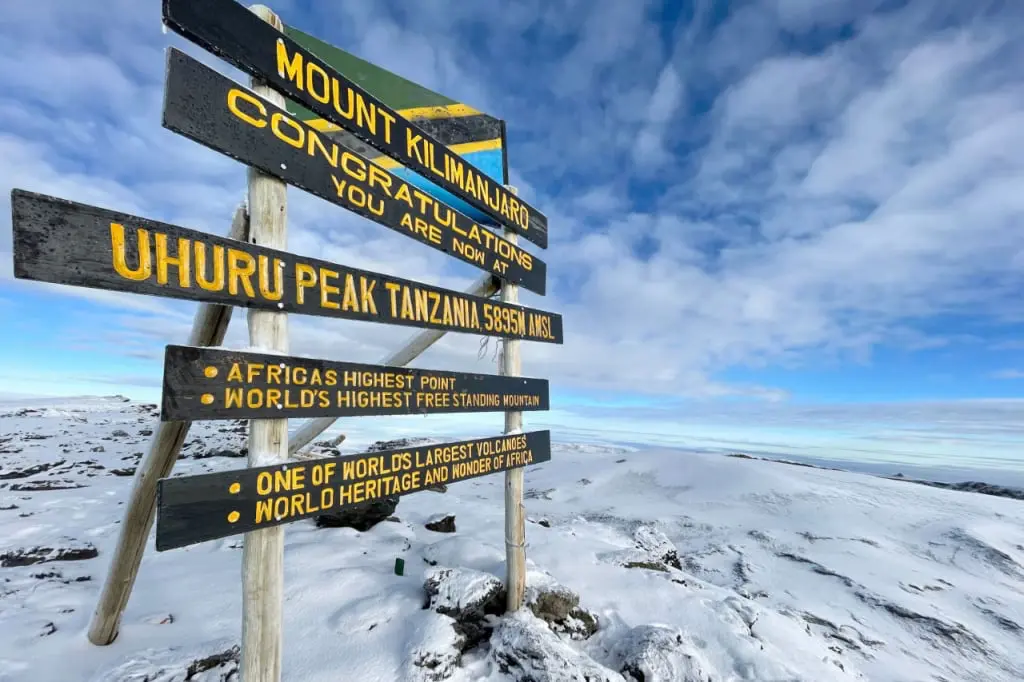
- Height: 5,895 meters (19,341 feet)
- Country: Tanzania
- Difficulty: Walk-Up Trek
Mount Kilimanjaro is not just the highest mountain in Africa, it is the tallest freestanding mountain in the world. Its name is widely thought to mean “Mountain of Greatness,” a fitting title for this colossal dormant volcano. Its last major eruption occurred an estimated 750,000 years ago.
Kilimanjaro has three volcanic cones: Kibo, Mawenzi, and the collapsed Shira crater. The highest point, Uhuru Peak, sits on Kibo’s crater rim. The mountain is massive, stretching about 40 kilometers (25 miles) across and covering nearly 1,300 square kilometers (500 square miles) at its base, making it genuinely the biggest mountain in Africa by footprint as well as height.
What makes this tallest African mountain unique for climbers is its accessibility. Reaching the summit requires endurance and acclimatization but no technical Kilimanjaro climbing skills, making it an achievable trekking peak. You will pass through five distinct ecological zones on your way up: cultivated farmland, rainforest, heath and moorland, alpine desert, and finally the arctic summit zone.
2. Mount Kenya, Kenya
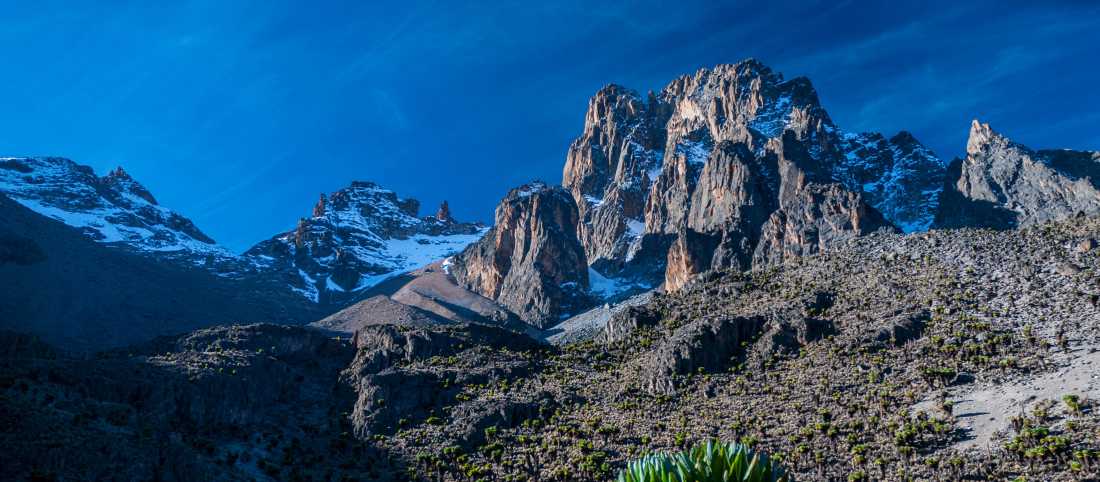
Height: 5,199 meters (17,057 feet) at its highest peak, Batian.
Country: Kenya
Difficulty: Technical Climb (for the highest peaks)
Mount Kenya is the second highest mountain in Africa. This ancient extinct volcano, whose name means “Place of Light,” sits almost directly on the equator in central Kenya. It is a UNESCO World Heritage Site renowned for its dramatic scenery.
The mountain features three main peaks: Batian (5,199m / 17,057ft), Nelion (5,188m / 17,020ft), and Point Lenana (4,985m / 16,354ft). Reaching the true summit of Batian or Nelion demands advanced rock climbing skills and proper technical gear. However, Point Lenana is a popular trekking destination that offers a non-technical route to a spectacular high-altitude view.
Many experienced climbers consider Mount Kenya’s technical routes more physically demanding than Kilimanjaro’s paths. The mountain’s slopes feature rapidly changing zones, from dense equatorial forests at the base to rocky peaks and glaciers at the top, hosting unique wildlife like elephants, buffalo, and hyrax.
3. Mount Stanley (Margherita Peak)
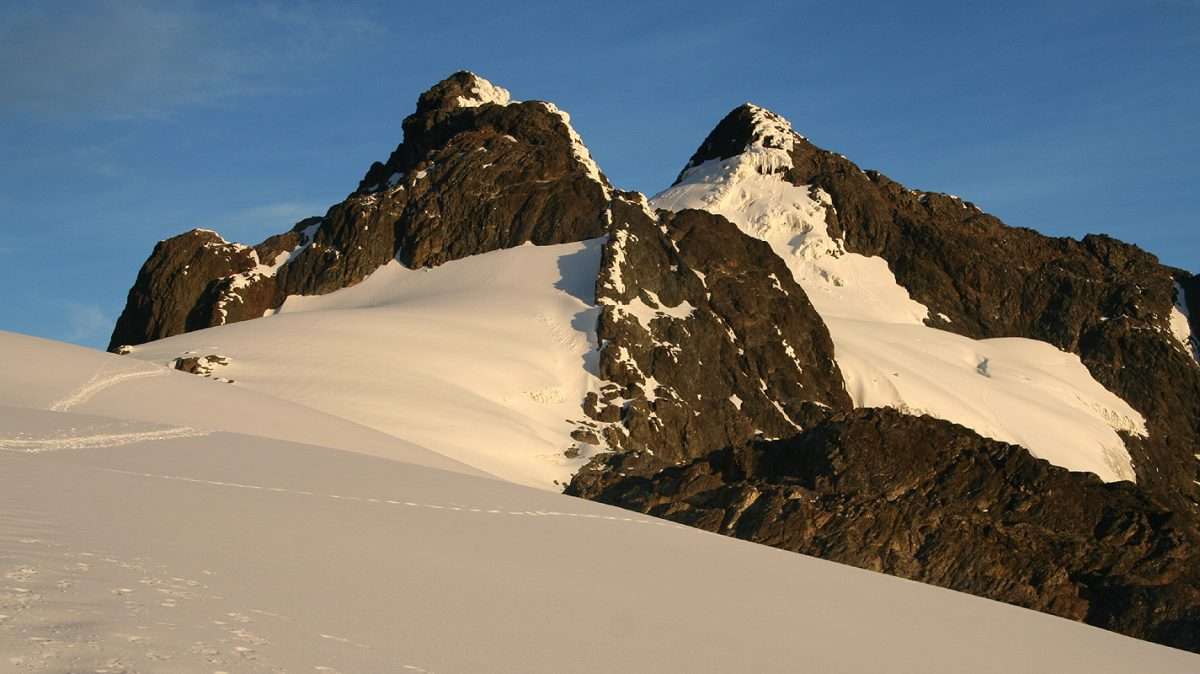
Height: 5,109 meters (16,763 feet)
Location: Border of Uganda & Democratic Republic of Congo
Mountain Range: Rwenzori Mountains
Difficulty: Technical Scramble with Glacier Travel
Mount Stanley is the third highest mountain in Africa and the crown of the legendary Rwenzori Mountains, often called the “Mountains of the Moon.” Unlike the volcanic peaks of Kilimanjaro and Kenya, the Rwenzoris were formed by tectonic uplift, creating a unique alpine wonderland.
Its highest point is Margherita Peak, a famous and challenging summit that involves navigating glacier remnants, steep rock, and the region’s famously wet, boggy terrain. Mount Stanley forms a towering triangle with its neighbors, Mount Speke and Mount Baker, enclosing the deep Bujuku Valley below, a valley carved by ancient glaciers.
The Rwenzoris are genuinely one of the fastest-disappearing glacial landscapes on Earth, and it’s worth knowing the real, current picture before you go. Since measurements began in 1906, the range has lost more than 90 percent of its ice. Mount Baker and Mount Speke have already lost their glaciers entirely. Mount Stanley still holds the range’s last remaining ice, but it’s critically fragmented, a 2024 survey found the Stanley Plateau glacier alone had lost nearly 30 percent of its surface area in just four years. Scientists now expect the Rwenzoris, along with the glaciers on Kilimanjaro and Mount Kenya, to disappear completely within the coming decades if current warming trends hold. A climb here is a genuine chance to witness a vanishing world of glacial remnants and unique flora before it’s gone for good.
4. Mount Speke
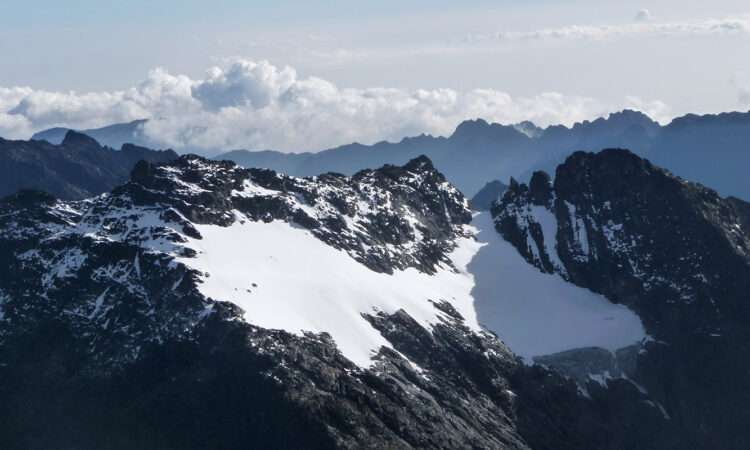
Height: 4,890 meters (16,043 feet)
Location: Uganda (border with DRC)
Mountain Range: Rwenzori Mountains
Difficulty: Technical Rock and Ice Climb
Mount Speke is the second-highest peak in the Rwenzori range and the fourth highest mountain in Africa. Named for explorer John Hanning Speke, it presents a serious mountaineering challenge defined by its jagged profile.
The summit is not a single point but a series of four distinct peaks, Vittorio Emanuele, Ensonga, Johnston, and Trident, connected by razor-thin ridges and separated by deep, steep gorges. Historically, the climb involved extensive snow and ice travel, but Speke’s own glaciers have now fully retreated, exposing far more technical bare rock than climbers faced a generation ago.
The mountain’s greatest challenge, besides its technical difficulty, is its climate. Located directly on the equator, the Rwenzoris are drenched by intense seasonal rains. This creates perpetually slippery, treacherous conditions underfoot and supports the dense, otherworldly vegetation that makes the lower slopes so famous. Climbing here demands respect for both the terrain and the powerful weather.
5. Mount Baker
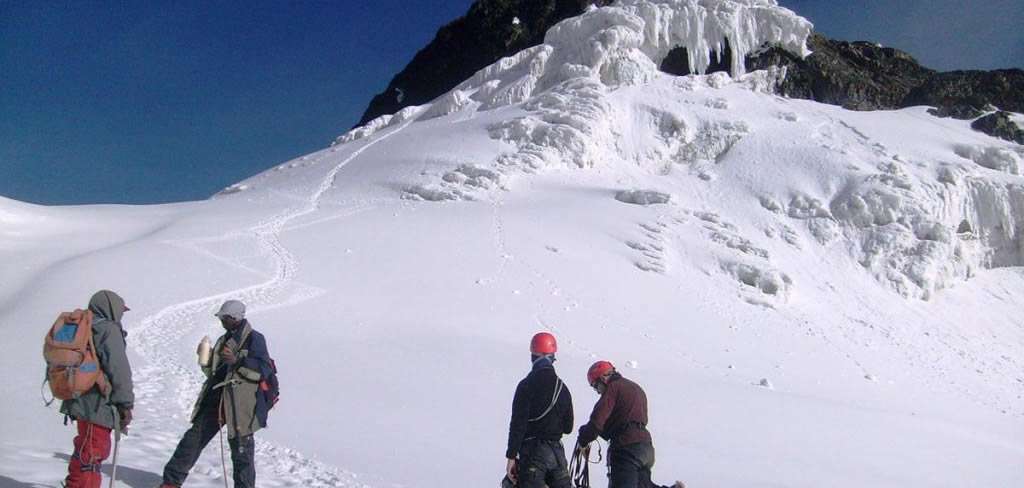
Height: 4,844 meters (15,892 feet)
Location: Uganda
Mountain Range: Rwenzori Mountains
Difficulty: Basic Snow and Ice Climb
We reach the top five with Mount Baker, another giant in the magnificent Rwenzori range. In fact, three of Africa’s five highest mountains are found right here, a fact that amazed even the ancient geographer Ptolemy, who called these peaks the “Mountains of the Moon.”
Mount Baker, named for explorer Sir Samuel Baker, forms the third point of the triangle with Mount Stanley and Mount Speke around the Bujuku Valley. Its local name, Rwenzori, means “Rain Maker,” which perfectly describes the wet, misty conditions that shape this region. Like Mount Speke, Baker’s own glacier has now fully melted away, so the climb today is entirely a rock and scree ascent rather than the ice route it once was.
The climb still involves traversing glacial terrain and rocky outcrops lower down, rewarding adventurers with breathtaking panoramic views of the surrounding valleys and sister peaks. The entire Rwenzori range is a UNESCO World Heritage Site, celebrated for the incredible diversity of rare and endangered flora and wildlife that thrive on its lush slopes below the alpine zone.
6. Mount Emin
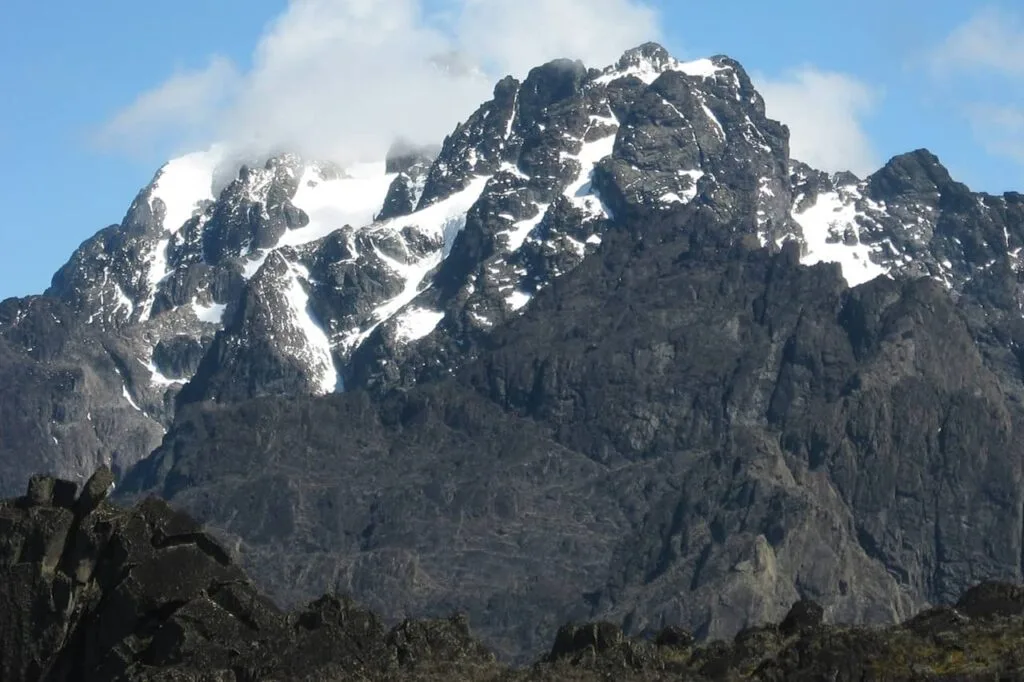
Height: 4,798 meters (15,741 feet)
Location: Democratic Republic of Congo (border with Uganda)
Mountain Range: Rwenzori Mountains
Difficulty: Technical Climb
Mount Emin is the sixth tallest mountain in Africa and the fourth highest in the Rwenzori range. It forms a dramatic pair with its sister peak, Mount Gessi, separated by a deep, narrow valley that marks the border between Uganda and the DRC.
The mountain was named for the famous 19th-century explorer Mehmed Emin Pasha. It features two main peaks of similar height, Umberto and Kraepelin, connected by a famously narrow and rocky ridge. While its ridges are sharp, the mountain is considered more accessible for skilled climbers than some of its neighbors.
The first documented ascent was made by the legendary Italian mountaineer Prince Luigi Amedeo, Duke of Abruzzi, whose explorations are honored by Mount Luigi di Savoia elsewhere in the range. Climbing Mount Emin is a journey into both challenging terrain and the rich history of African exploration.
7. Mount Gessi
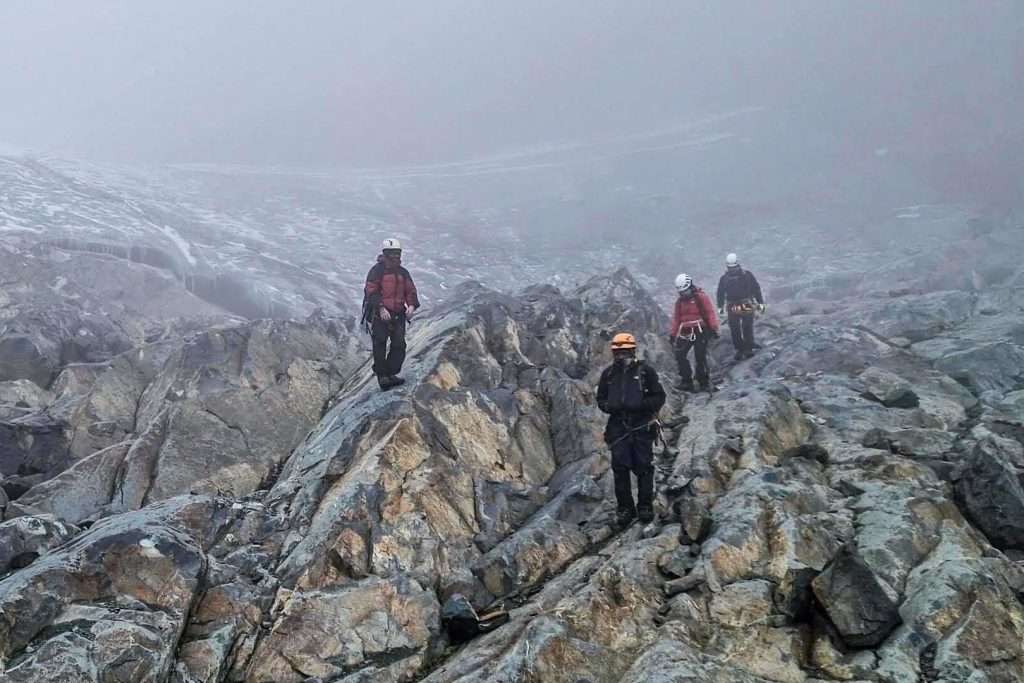
Height: 4,715 meters (15,469 feet)
Location: Uganda (border with DRC)
Mountain Range: Rwenzori Mountains
Difficulty: Scramble
Mount Gessi is the fifth highest peak within the Rwenzori range and another of Africa’s towering mountains. Named for the Italian explorer Romolo Gessi, who is also credited with discovering the Nile’s source, this mountain lies in the northern part of the Rwenzori Mountains National Park.
It features twin summits, Iolanda and Bottego, which were once capped by ice but are now bare rock due to glacial retreat. The climb showcases the dramatic contrast typical of these African peaks: lush, green lower slopes teeming with unique flora and fauna give way to stark, jagged ridges at the summit.
Unlike some more remote peaks, Mount Gessi is relatively accessible for determined trekkers. Well-established trails and available local guides make it a feasible objective, with basic huts and cabins on the mountain providing shelter. The summit can be approached from either the Ugandan or Congolese side of the border.
8. Mount Luigi di Savoia
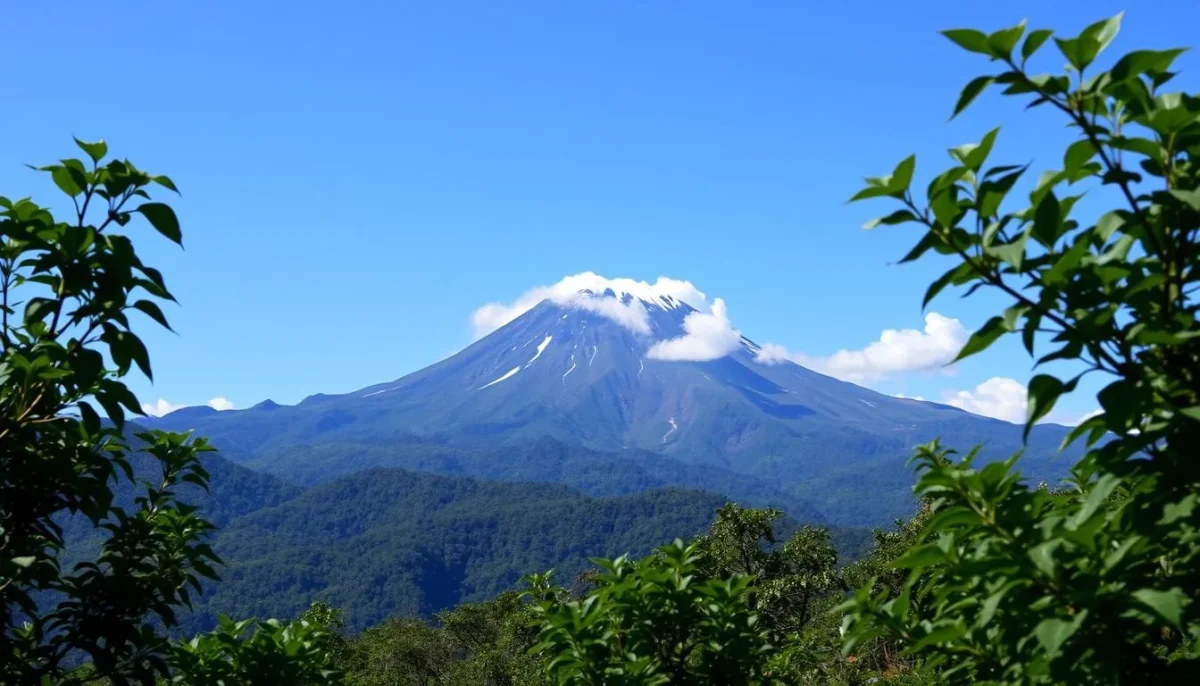
Height: 4,627 meters (15,180 feet) at its highest point, Sella Peak.
Location: Uganda
Mountain Range: Rwenzori Mountains
Difficulty: Rock Climb and Trek
Mount Luigi di Savoia is the final Rwenzori giant on our list of the highest mountains in Africa. It was named in honor of the accomplished Italian mountaineer Prince Luigi Amedeo, Duke of Abruzzi, who successfully climbed all six of the range’s major massifs.
This mountain is not a single peak but a long ridge featuring several notable summits, including Sella Peak, Stairs Peak, and Weismann Peak. An ascent here offers adventurers a rewarding mix of trekking and technical rock climbing, all while providing deep insight into the region’s unique geological formations and its incredible diversity of high-altitude plant life.
9. Mount Meru
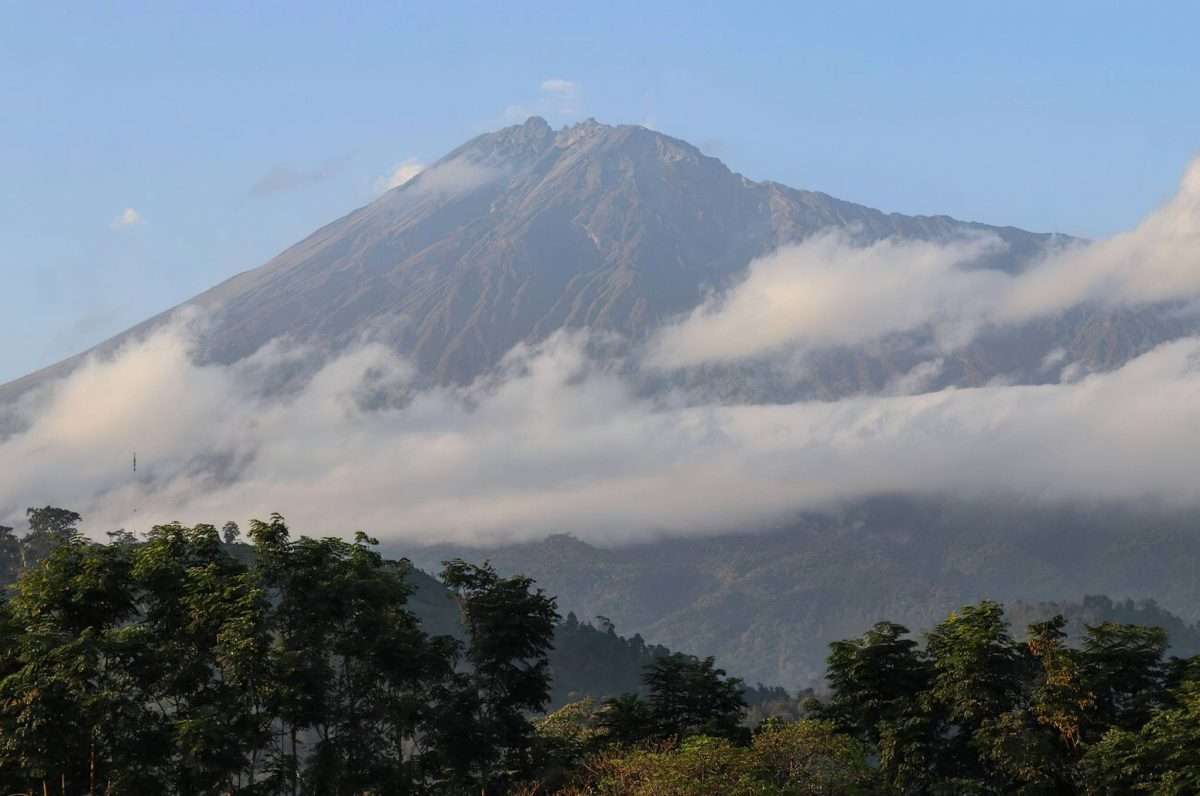
Height: 4,562 meters (14,980 feet)
Country: Tanzania
Difficulty: Trekking Peak
Often overshadowed by its famous neighbor, Mount Meru is the second highest mountain in Tanzania and a magnificent destination in its own right. This active stratovolcano sits within Arusha National Park, approximately 70 kilometers west of Mount Kilimanjaro.
While it reaches a formidable height, Mount Meru can be summited in just 3 to 4 days, making it a popular and highly recommended acclimatization hike for those preparing to tackle Kilimanjaro. The trek takes you through beautiful montane forests and open grasslands, culminating at Socialist Peak. From the summit, climbers are rewarded with one of the world’s most iconic views: a breathtaking, direct panorama of Kilimanjaro rising across the plains. The crater also offers a dramatic look into the active Ash Cone, which last erupted seriously about a century ago.
10. Mount Ras Dashen (Ras Dejen)
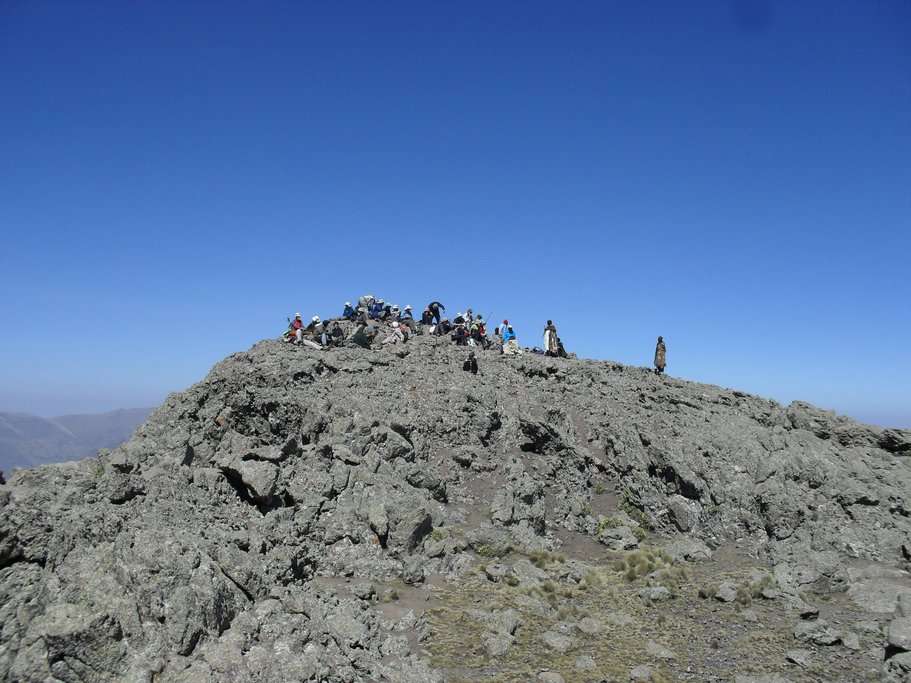
Height: 4,550 meters (14,928 feet)
Country: Ethiopia
Difficulty: Trekking Peak
Completing the list of the highest mountains in Africa is Mount Ras Dashen, also known as Ras Dejen. This peak is the highest point in Ethiopia and the centerpiece of the spectacular Simien Mountains, a UNESCO World Heritage site often called the “African Alps.”
The name translates to “the general who fights in front of the emperor,” a fitting title for this rugged, commanding peak formed by ancient lava flows. The trek to the summit navigates dramatic escarpments, deep gorges, and high plateaus, offering panoramic views of the Ethiopian highlands. The region is a biodiversity hotspot, home to thousands of endemic species. Trekkers have a strong chance of encountering unique wildlife like the charismatic Gelada baboon during their journey. A direct ascent can be completed in as little as two days, but many choose longer itineraries to fully experience this unique and ancient landscape.


