
Many climbers ask how hard is it to climb Kilimanjaro, and the answer is simple. The climb is challenging because of altitude, not because of technical skills. You will not use ropes, ice axes, or mountaineering equipment. You only need steady fitness, preparation, and enough time on the mountain. When climbers choose the right route and a proper acclimatization plan, most people reach the summit successfully.
TourwithPipi helps you understand what to expect and prepares you with the right pace, safety checks, guides, and route recommendations so you can focus on reaching Uhuru Peak with confidence.
👉 Check 2026 TourwithPipi Kilimanjaro Climbing Dates
The Real Challenges of Climbing Kilimanjaro
Altitude Sickness – The Number One Difficulty Factor
Altitude is the main reason the mount Kilimanjaro difficulty feels high for many climbers. The mountain rises to 5,895 meters, and the reduced oxygen affects your body as you move higher. Many climbers feel headaches, nausea, or poor sleep above 3,000 meters. Research shows that 50 to 65 percent of climbers experience altitude symptoms at some point during their ascent.
Guides will monitor your oxygen levels daily and recommend longer itineraries. Routes such as the Lemosho Route or the Northern Circuit over seven to nine days help your body adapt and reduce your risk.
Summit Night – The Toughest Day
Summit night is the hardest part of the Kilimanjaro hike difficulty. You start around midnight and walk for 12 to 14 hours across steep, cold, and windy terrain. Temperatures drop below freezing, and oxygen levels are almost half of what you have at sea level. After reaching Uhuru Peak, you descend more than 2,000 meters in a single day, which adds to the physical strain.
TourwithPipi offers guidance on choosing full moon dates so you enjoy better visibility and a more comfortable final push to the summit.
Physical Demands
Climbing Kilimanjaro requires consistent daily effort. You trek for five to nine days, depending on your route. You carry a daypack of six to ten kilograms with essentials such as water, layers, and snacks. The terrains include rainforest, moorland, alpine desert, and glacier zones, and each zone presents different challenges.
Simple training such as regular hikes, stair climbing, and backpack conditioning prepares your muscles for long walking days and uneven ground.
Mental Toughness
Mental resilience plays a major role in how hard it feels to climb Kilimanjaro. You deal with cold mornings, basic camps, fatigue, and limited comfort. There are no showers on most routes, and daily routines can feel demanding as you gain altitude.
A steady mindset helps you continue even when your body feels tired. Many climbers succeed because they stay focused on their purpose and communicate openly with their guides.
TourwithPipi encourages you to stay connected to your reason for choosing this climb and supports you with a patient pace and experienced teams.
Route Difficulty: Which One Is Right for You?
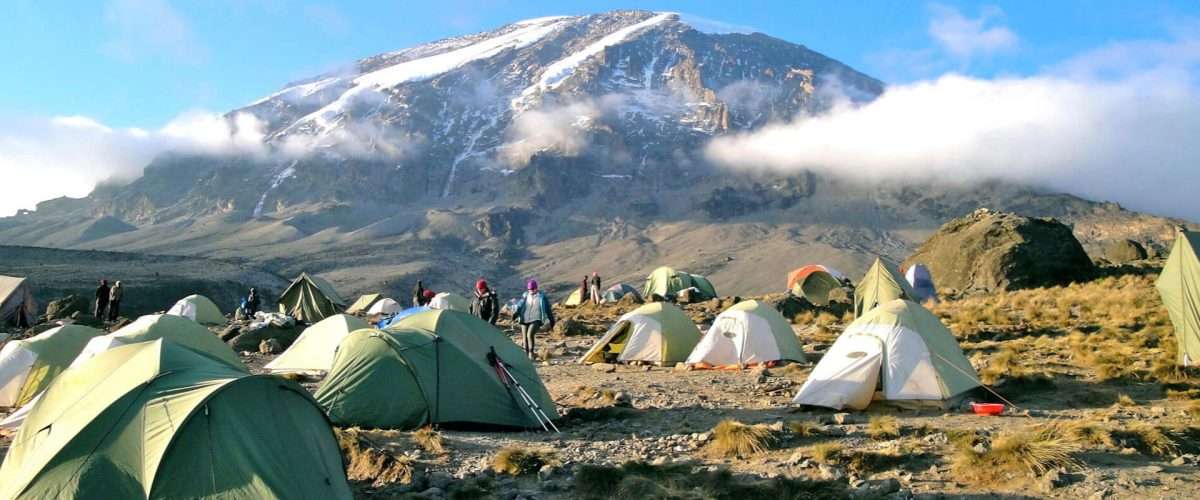
The mount Kilimanjaro difficulty varies by route. Each route offers a different pace, elevation profile, and level of comfort. Understanding these differences helps you choose the safest and most suitable option for your 2026 climb.
Hardest Kilimanjaro Routes
Umbwe Route
The Umbwe Route is one of the most demanding options due to its steep and direct ascent. The rapid elevation gain gives your body very little time to adjust, which increases the Kilimanjaro hike difficulty for most climbers.
Shira Route
The Shira Route starts at a high altitude, which raises the risk of altitude sickness early in the climb. The quick start makes it harder for many first-time trekkers to adapt to low oxygen levels, which adds to the overall mt Kilimanjaro climb difficulty.
Balanced and Scenic Kilimanjaro Routes
Machame Route
The Machame Route combines steep sections with strong acclimatization days. It includes the well-known Barranco Wall, which adds a physical challenge but remains manageable for most hikers. This route delivers good scenery and a steady pace. Check out our Machame Route Package
Lemosho Route
The Lemosho Route offers a gradual climb and wide views. The longer duration improves your acclimatization, which lowers the overall difficulty. Many climbers consider this route one of the best for balancing scenery and comfort. Check out our Lemosho Route Package
Northern Circuit
The Northern Circuit is the longest route on Kilimanjaro. It has the best acclimatization profile and the lowest crowd levels. The slow and steady progression makes it one of the safest choices for climbers who want higher summit success with less pressure.
Easier Kilimanjaro Route
Marangu Route
The Marangu Route is the only route with hut accommodation. It suits climbers who prefer beds instead of tents. The path is straightforward, although the shorter version reduces acclimatization. Choosing the six-day option improves your comfort and safety. Check out Marangu Route package
Technical Difficulty: Do You Need Climbing Skills?
Kilimanjaro is a non-technical mountain. The climb is a walk-up trek, and you do not use ropes, ice axes, or mountaineering equipment at any stage. The mount Kilimanjaro difficulty comes from altitude and endurance, not from technical skills.
Anyone with moderate fitness, basic training, and proper preparation can reach the summit. You only need to follow a steady pace and allow enough time for acclimatization.
Gear Tip: Wear broken-in hiking boots and use proper layering to stay comfortable in changing temperatures.
Acclimatization and Altitude Preparation
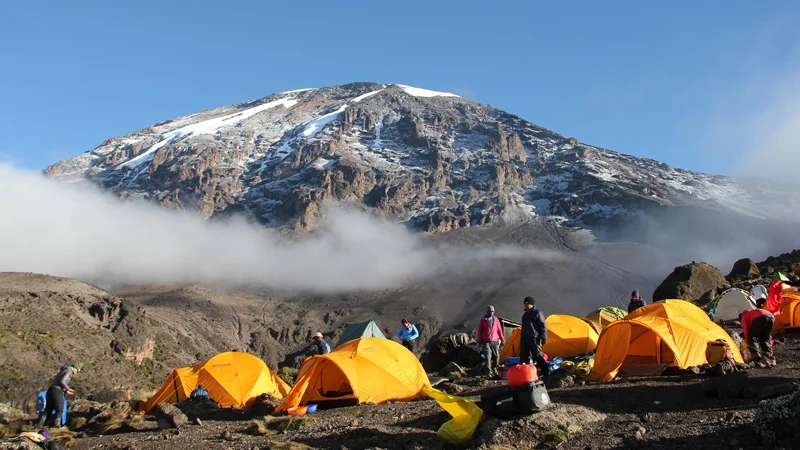
Acclimatization increases your summit success rate. Longer routes allow your body to adapt to lower oxygen levels, which reduces the mount Kilimanjaro difficulty for most climbers. Routes of seven days or more can raise your success rate to nearly 90 percent because the slower ascent gives your body time to adjust.
TourwithPipi recommends the Lemosho Route for 8 days and the Northern Circuit for 9 days because both offer the strongest acclimatization profiles. These routes support your safety, energy levels, and confidence throughout the climb.
Kilimanjaro Weather and Terrain Difficulty
Weather Extremes
Weather has a direct impact on how hard it is to climb Kilimanjaro.
Dry seasons from December to March and June to October offer the best stability, clear views, and safer paths. Rainy months such as April and November create muddy trails and slippery rocks, which increases the Kilimanjaro hike difficulty.
Terrain Zones
Kilimanjaro has five climate zones that appear within a single climb. Each zone brings a new challenge:
Rainforest Zone: Hot, humid conditions with muddy and slippery trails.
Moorland and Alpine Desert: Dry, dusty paths with strong sun exposure.
Arctic Summit Zone: Freezing winds, ice, and snow near 5,895 meters.
Being ready for these shifts helps you manage the full range of mount Kilimanjaro difficulty in a safe and steady way.
Camping and Sleeping Conditions
Most Kilimanjaro routes require tent camping. Nights can be cold, and facilities are basic. Good equipment makes a major difference in how hard the climb feels.
TourwithPipi provides high-quality tents, thick sleeping mats, warm meals, and strict hygiene standards to keep you comfortable at every campsite. The Marangu Route uses huts instead of tents, which suits climbers who prefer structured accommodation.
Food, Water, and Hydration
Hydration plays a key role in acclimatization and affects the overall Kilimanjaro hike difficulty. You should drink three to four liters of water per day to support oxygen adaptation and energy levels. TourwithPipi prepares fresh and nutritious meals three times a day, including warm soups, carbohydrates, proteins, and vegetables that help you recover after each stage of the climb. You should also bring your own snacks and electrolytes to maintain salt balance and steady energy during long trekking hours.
Fitness and Training for Your Climb
Climbing Kilimanjaro requires five to eight hours of hiking daily with steady elevation gain. You should train for three to six months before your climb. Uphill walking, stair sessions, interval training, and strength work build the endurance needed for high altitude. Carrying eight to ten kilograms during training prepares you for your daypack load on the mountain.
TourwithPipi Training Tip: Start early, increase difficulty gradually, and focus on consistency rather than intensity to reduce the mount Kilimanjaro difficulty during the actual climb.
How Long Should You Spend on the Mountain?
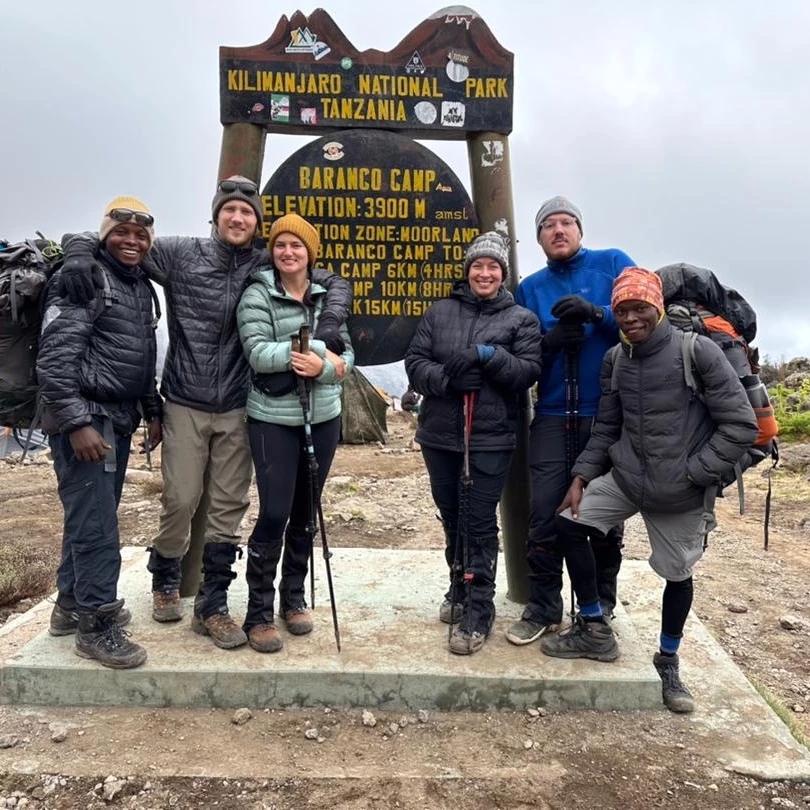
Time on the mountain strongly affects success rates. Routes under six days increase the risk of altitude sickness and early descent. TourwithPipi recommends a minimum of seven to eight days to balance acclimatization, rest, and safe pacing.
Success rate by itinerary length:
Five days: around fifty percent
Six to seven days: around seventy percent
Eight or more days: eighty five to ninety five percent
👉 Book a longer, safer route with TourwithPipi for a higher summit chance.
Is Climbing Kilimanjaro Worth It?
Many climbers say Kilimanjaro is the hardest challenge they have faced. They also describe it as the most rewarding experience of their lives. Reaching Uhuru Peak at 5,895 meters brings a sense of achievement that stays with you long after you leave Tanzania.
Final Tips to Make Kilimanjaro Less Hard
- Go slow and follow “Pole Pole” to conserve energy.
- Choose a route that matches your fitness and altitude experience.
- Prioritize acclimatization over saving money or cutting days.
- Train seriously, break in your boots, and invest in reliable gear.
- Climb with TourwithPipi for trusted guides, strong safety standards, and the best support for a successful summit.
Price of Climbing Kilimanjaro at TourwithPipi
The price of climbing Kilimanjaro with TourwithPipi depends on the route, the number of days, and the level of support included. All packages include high-standard guiding, full mountain logistics, and reliable safety coverage. Each route is priced to support better acclimatization and a safer summit attempt.
Marangu Route Price – 6 Days
USD 1,549 per person
This route uses mountain huts and offers a gradual trail profile. It works well for beginners who want structured accommodation.
Machame Route Price – 7 Days
USD 2,199 per person
This route provides strong acclimatization, scenic trails, and a balanced daily pace. It remains one of the most popular choices for first-time climbers.
Lemosho Route Price – 8 Days
USD 2,539 per person
This is the most balanced long route with excellent acclimatization and quieter forest sections. It also has one of the highest summit success rates.
Request a personalized route and month recommendation from TourwithPipi.
What’s Included in Every TourwithPipi Kilimanjaro Package
TourwithPipi includes a complete climbing setup so every climber receives the same safety and comfort standards across all routes:
Airport transfers and a personal meet and greet
Two nights of four-star hotel stays before and after the climb
All mountain meals and purified drinking water
National Park entry fees, camping fees, rescue fees, and staff permits
High quality sleeping tents with thick mattresses
Dedicated guides certified in Wilderness First Response
Daily health monitoring with pulse oximeter checks
Emergency oxygen and a full medical kit
A strong support ratio of four staff per climber
Professional Tanzanian mountain guides
Summit certificate at completion
Why TourwithPipi Pricing Stands Out
TourwithPipi offers fully supported climbs with reliable safety systems, medically informed guidance, premium accommodation before and after the trek, and personalized planning from the founders’ team. The pricing reflects high service standards, ethical porter treatment, and professional mountain operations.
FAQs – Is Climbing Kilimanjaro Hard?
1. Is Kilimanjaro a technical climb?
No, Kilimanjaro is not a technical climb. You do not use ropes or ice axes. It is a high-altitude trek that feels hard because of thin air, not because of technical mountaineering skills.
2. What makes Kilimanjaro so difficult?
Altitude makes Kilimanjaro difficult. Most climbers feel headaches, poor sleep, low appetite, and fatigue above 10,000 feet. Summit night feels the hardest because of cold, wind, and long hours of climbing.
3. What is the success rate of summiting Kilimanjaro?
The average summit success rate ranges from fifty to seventy percent. Climbers who choose seven to nine day routes have higher success because their bodies acclimatize more slowly.
4. Which is the hardest Kilimanjaro route?
Umbwe is the hardest route because it climbs fast with very little acclimatization time. Shira is also difficult because it starts at high altitude.
5. Which is the easiest Kilimanjaro route?
Marangu is considered easier because it uses huts instead of tents. It still requires strong fitness and acclimatization because the ascent is direct.
6. How do I prepare for the Kilimanjaro hike difficulty?
Train for at least three months. Walk uphill, climb stairs, and carry a backpack. Build leg strength and stamina. Focus on slow pacing and hydration.
7. How hard is the Kilimanjaro summit night?
Summit night is the hardest part of the climb. You walk for ten to fourteen hours in freezing temperatures while fighting altitude and strong winds.
8. Can beginners climb Kilimanjaro?
Yes, beginners can climb Kilimanjaro if they train, choose an eight or nine day route, and follow acclimatization rules. Most success comes from slow pacing and good preparation.
9. Does fitness reduce Kilimanjaro difficulty?
Fitness helps, but altitude is still unpredictable. Even very fit hikers can feel altitude symptoms. Slow pacing and a longer route reduce risk the most.
10. How can TourwithPipi make the climb easier?
TourwithPipi uses longer routes, experienced guides, medical checks, quality tents, and proper pacing. This support lowers stress and improves your summit success.
Conclusion — Is It Hard to Climb Kilimanjaro?
Climbing Kilimanjaro is hard, but it is achievable for most climbers who prepare well. Altitude is the biggest challenge, not the terrain. When you choose the right route, pace, gear, and team, you increase your chance of reaching Uhuru Peak safely. TourwithPipi supports you with expert guides, longer routes, proper acclimatization, and reliable equipment to help you reach the summit confidently in 2026.


