
Quick Answer:
The life expectancy of lions is typically 10 to 14 years in the wild and 20 to 30 years in captivity. Female lions usually live 12 to 16 years, while wild males average 8 to 12 years because they face frequent territorial battles, injuries, starvation, and human conflict.
How Long Do Lions Live?
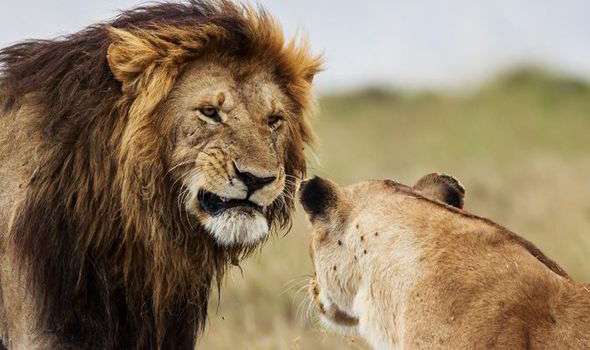
One of the most common questions safari travelers ask is how long do lions live.
The answer depends largely on where they live and whether they survive the many challenges of life in the wild.
A lion’s lifespan is influenced by:
- Gender
- Food availability
- Territory ownership
- Injuries from fighting
- Disease
- Human-wildlife conflict
- Veterinary care (for captive lions)
Although lions are Africa’s apex predators, relatively few reach old age in the wild because survival becomes increasingly difficult as they grow older.
Lion Lifespan in the Wild vs Captivity
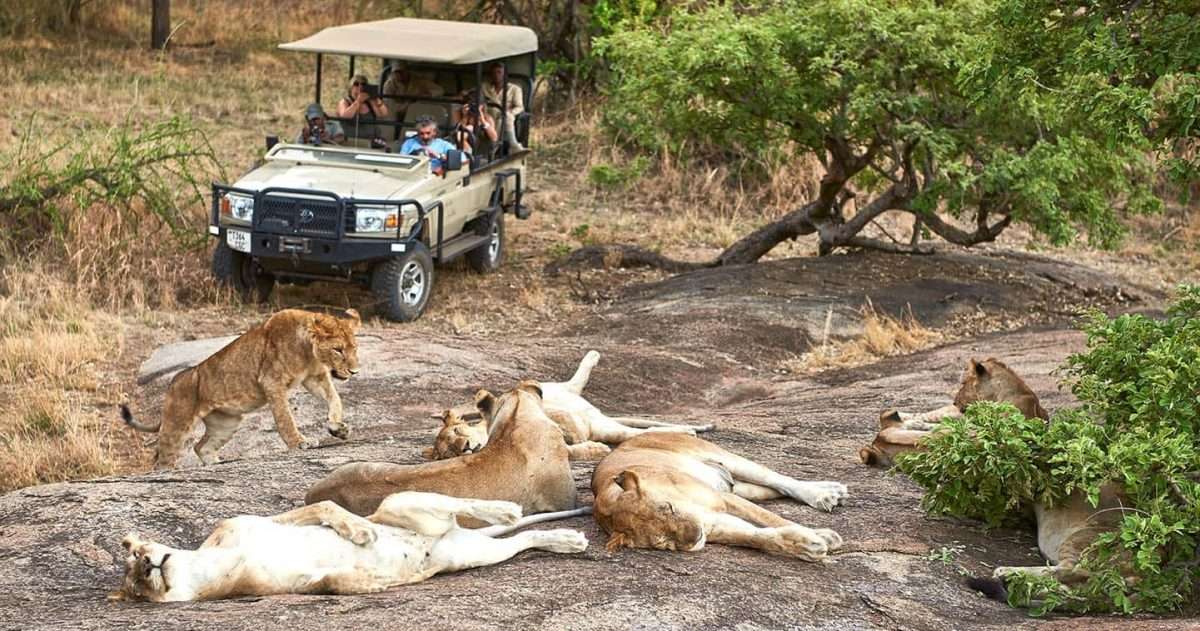
The biggest factor affecting a lion’s lifespan is its environment.
Captive lions benefit from regular veterinary care, reliable food, and protection from territorial battles, while wild lions must hunt, defend territory, compete with rivals, and survive changing environmental conditions.
Lion Lifespan Comparison
| Lion | Average Lifespan |
|---|---|
| Wild Lions | 10–14 years |
| Captive Lions | 20–30 years |
Many zoo and sanctuary lions comfortably reach their late teens or early twenties, while exceptional individuals have lived well into their late twenties.
Life Expectancy of Lions by Gender
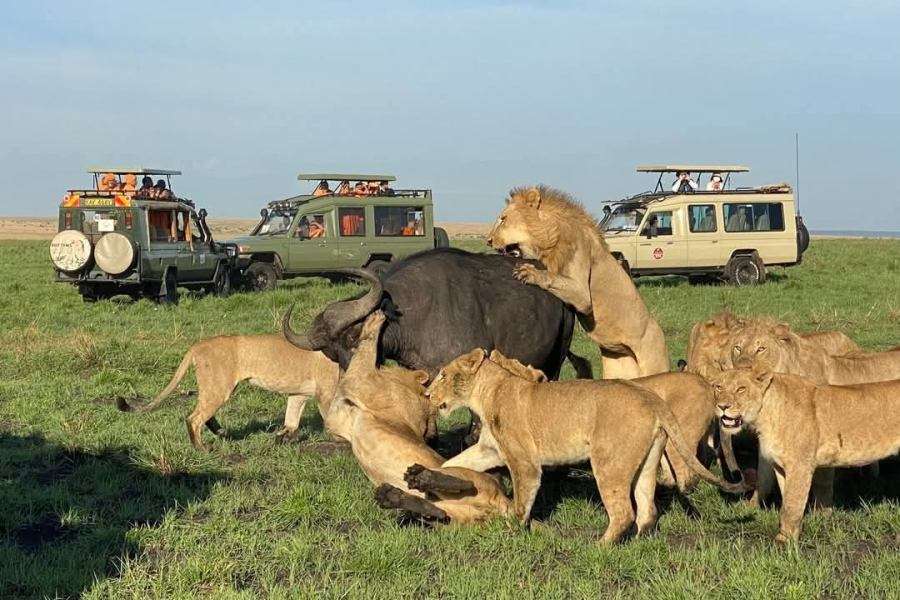
Male and female lions experience very different lives, which explains why their average lifespans are not the same.
Lion Life Expectancy
| Lion | Average Lifespan |
| Wild Male Lion | 8–12 years |
| Wild Lioness | 12–16 years |
| Captive Male Lion | 20+ years |
| Captive Lioness | 20+ years |
This difference is one of the most interesting aspects of lion biology and social behaviour.
Why Do Lionesses Live Longer?
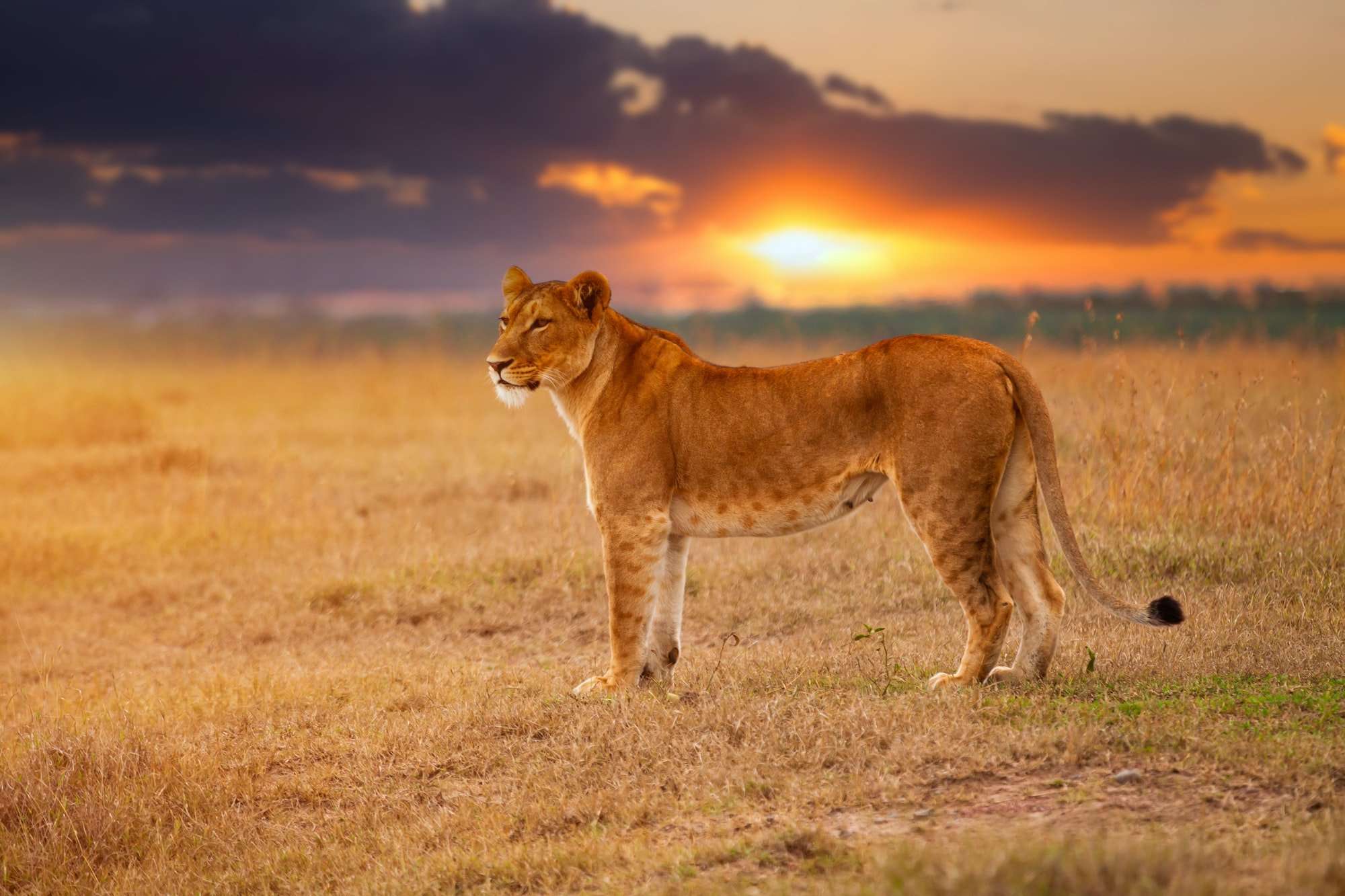
The lioness lifespan is generally several years longer than that of males.
This is mainly because lionesses remain with their birth pride throughout their lives, giving them greater stability and support.
Advantages for lionesses include:
- Hunting cooperatively with related females.
- Sharing cub care.
- Consistent access to food after successful hunts.
- Protection within the pride.
- Fewer dangerous territorial battles.
While lionesses still face risks from hunting injuries, disease, drought, and human conflict, they rarely engage in the violent fights that shorten the lives of many male lions.
Why Do Male Lions Have a Shorter Lifespan?
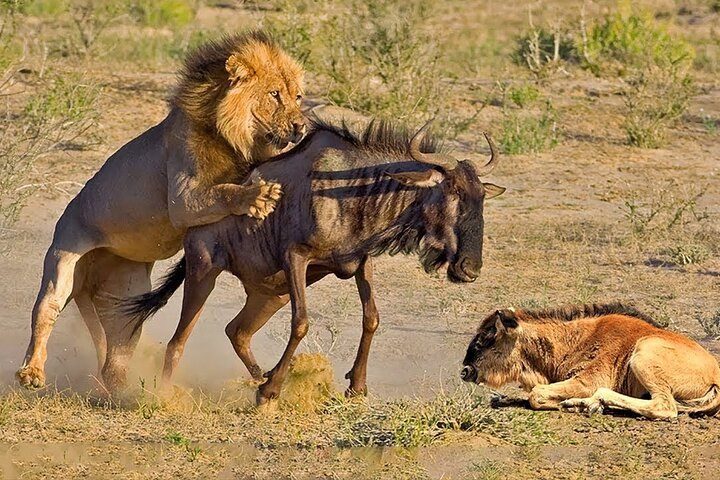
The life expectancy of a lion is much lower for males because adulthood is dominated by competition.
Around two to three years of age, young males leave the pride where they were born.
They may spend several years living as nomads before attempting to take over another pride.
During this period, males face:
- Serious territorial battles.
- Injuries from rival coalitions.
- Starvation after losing territory.
- Competition for mating opportunities.
- Disease and untreated wounds.
Even after successfully taking over a pride, dominant males must continually defend it from younger challengers.
Many fatal injuries occur during these conflicts, making territorial fighting one of the leading causes of death among adult male lions.
Lion Lifespan by Age
A lion’s life passes through several important stages, each with its own challenges.
Lion Life Stages
| Life Stage | Approximate Age | What Happens |
| Newborn Cub | Birth | Born blind and completely dependent on its mother |
| Young Cub | 0–6 months | Begins walking, nursing, and exploring near the den |
| Juvenile | 6 months–2 years | Learns hunting and pride behaviour |
| Subadult | 2–4 years | Males leave the pride; females remain with relatives |
| Adult | 4–10 years | Prime hunting, breeding, and territory defence |
| Senior Lion | 10+ years | Strength gradually declines, making survival increasingly difficult |
Only a small percentage of wild lions survive into their mid to late teens, particularly males.
What Affects the Life Expectancy of Lions?
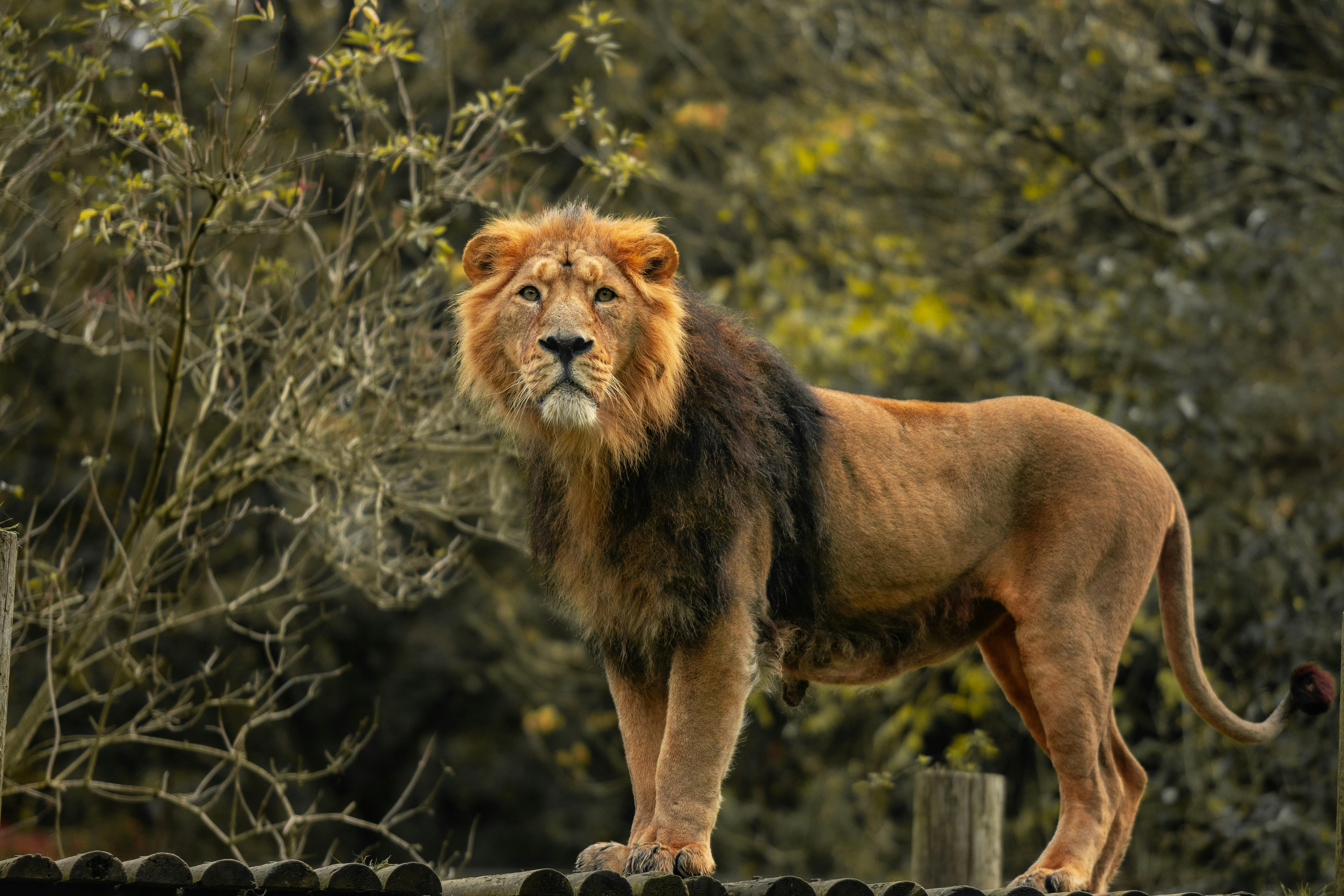
Several factors determine whether a lion reaches old age.
1. Territorial Battles
The greatest threat to adult male lions is conflict with rival males.
Takeovers often involve fierce fights that result in broken bones, deep wounds, infections, or death.
2. Food Availability
Lions depend entirely on successful hunting or scavenging.
During droughts or when prey numbers decline, starvation becomes a major cause of mortality.
Older lions are especially vulnerable because they lose strength and speed, making hunting increasingly difficult.
3. Disease
Wild lions can suffer from diseases including:
- Canine distemper.
- Tuberculosis.
- Tick-borne diseases.
- Parasites.
- Bacterial infections from untreated wounds.
Unlike captive lions, they receive no medical treatment, meaning even relatively minor injuries can become life-threatening.
4. Human-Wildlife Conflict
Today, one of the greatest threats to African lions comes from people rather than other predators.
Major human-related threats include:
- Habitat loss.
- Retaliatory killings after livestock attacks.
- Poaching.
- Road collisions.
- Expanding settlements.
Protected national parks and conservancies play a vital role in improving lion survival by reducing these risks.
What Happens to Lions as They Age?
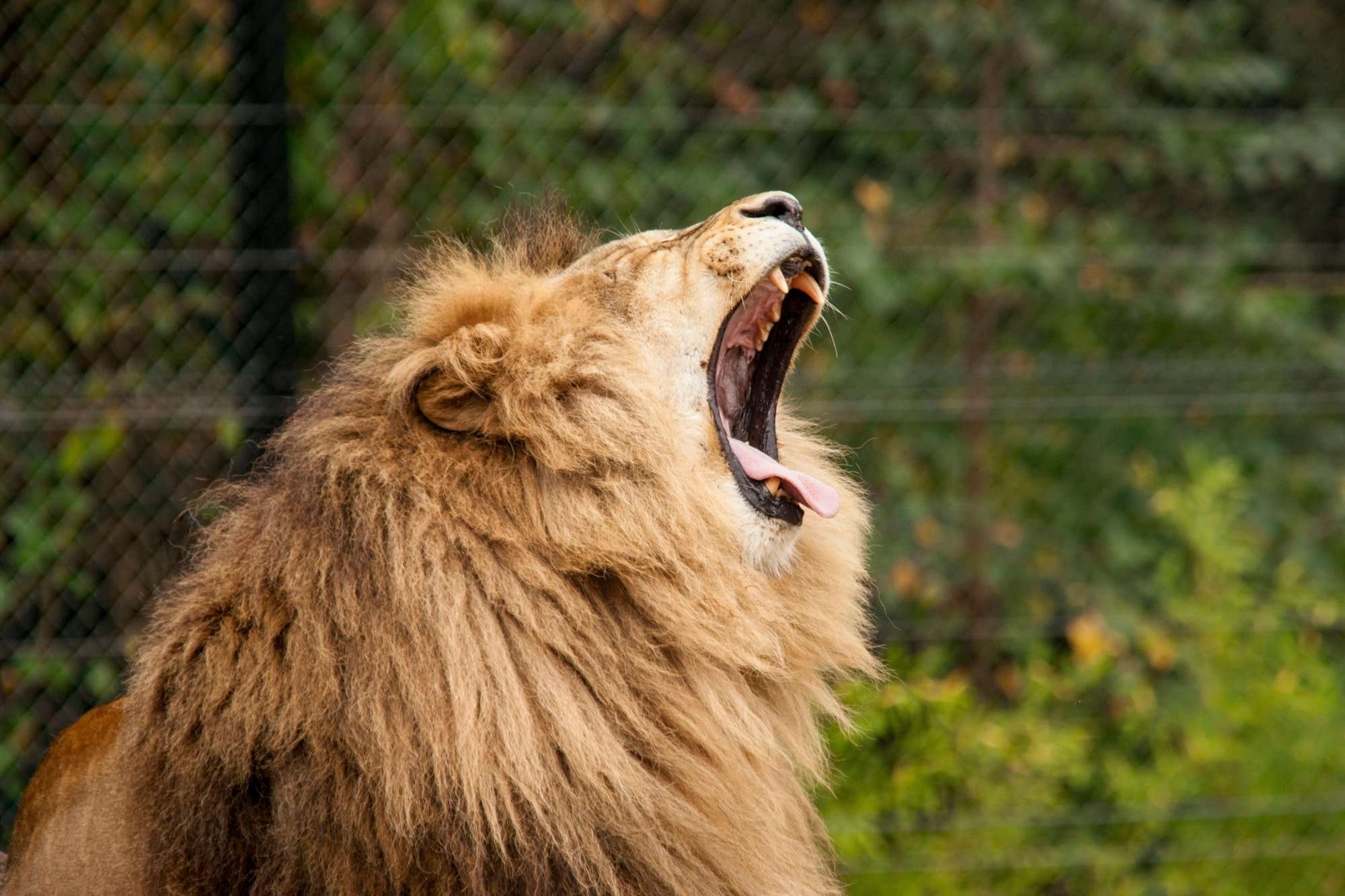
Like all wild animals, lions become less efficient hunters as they grow older.
Aging affects nearly every aspect of their survival.
Older lions commonly experience:
- Reduced muscle strength.
- Worn or broken teeth.
- Slower reflexes.
- Arthritis and joint problems.
- Lower hunting success.
- Increased competition from younger lions.
For lionesses, the support of the pride often helps them survive longer. Older females may hunt less frequently but continue contributing by caring for cubs, defending territory, and using their experience to locate prey.
Male lions rarely enjoy the same stability. Once they lose control of their pride, they usually become solitary nomads with limited access to food and mating opportunities.
Why Do Lions Live Longer in Captivity?
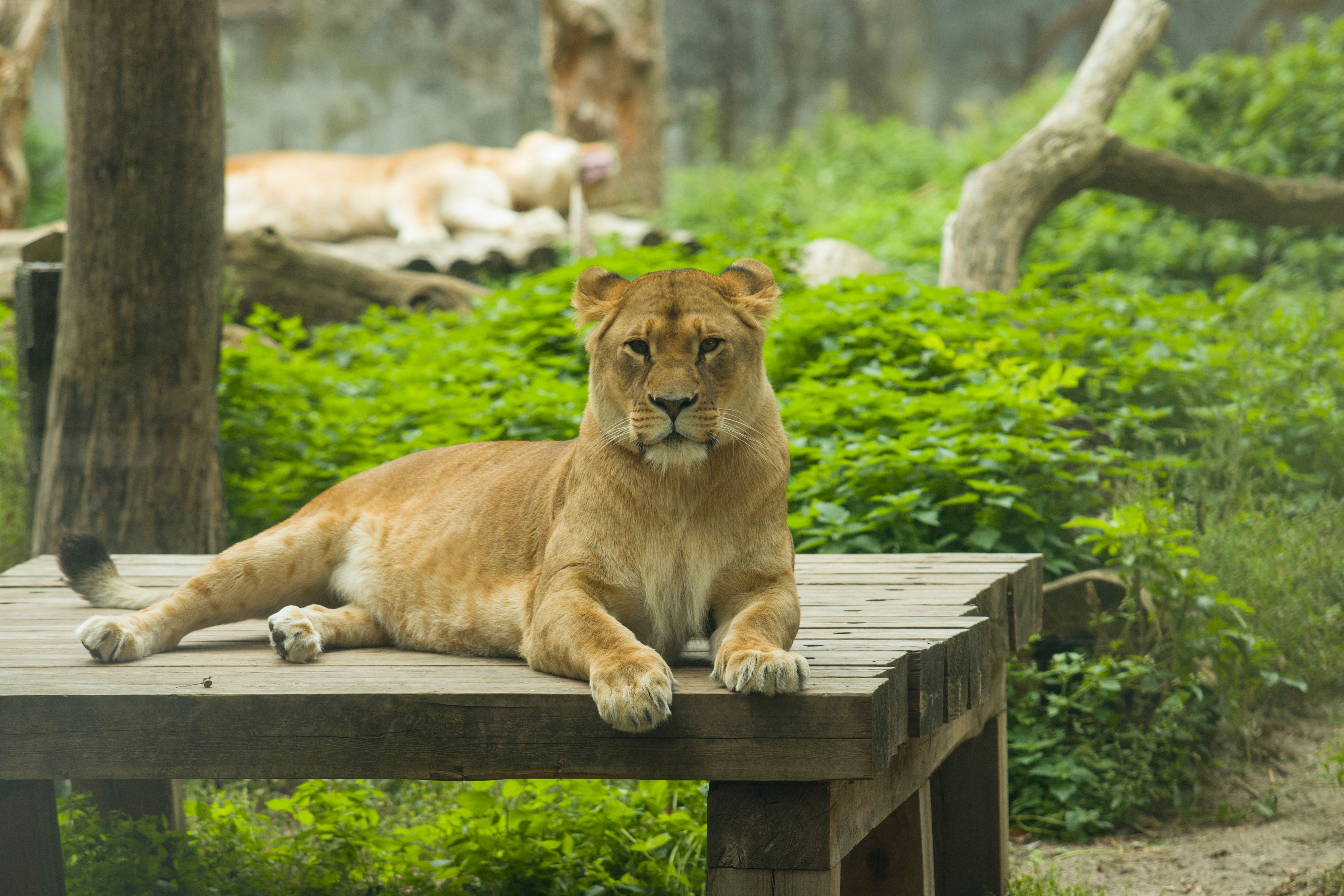
Captive lions typically live twice as long as wild lions because many of the dangers they face in nature are removed.
Wild vs Captive Life
| Challenge | Wild Lions | Captive Lions |
|---|---|---|
| Territorial fights | Frequent | None |
| Hunting for food | Daily | Not required |
| Veterinary care | None | Regular |
| Starvation risk | High during droughts | Very low |
| Human conflict | Possible | Protected |
| Disease treatment | Rare | Immediate |
Without the constant pressure of defending territory or finding food, captive lions conserve energy and avoid many life-threatening injuries.
Many accredited zoos and wildlife sanctuaries also provide:
- Routine health examinations.
- Dental care.
- Balanced nutrition.
- Parasite control.
- Enrichment activities.
- Comfortable environments for aging lions.
These factors significantly increase the life expectancy of lions under professional care.
The Oldest Lions Ever Recorded
Although most lions never reach their late teens in the wild, a few exceptional individuals have become well known for their remarkable longevity.
Oldest Wild Male Lion
Loonkito
- Location: Kenya
- Age: 19 years
- Died: 2023
Loonkito was monitored by conservationists and is believed to have been one of the oldest documented wild male lions in Africa.
Surviving to 19 years was extraordinary because few wild males live beyond 12 years.
Oldest Captive Male Lion
Arjun
- Estimated age: 26–29 years
- Lived in an Indian animal rescue centre.
- Originally rescued after life in a circus.
Arjun is widely regarded as one of the longest-living captive male lions ever recorded.
Oldest Wild Lioness
Mathata
- Age: Approximately 19 years
- Member of the Kwena Pride.
- Northern South Africa near the Botswana border.
Mathata has become an example of how lionesses can significantly outlive males under favourable conditions.
Oldest Captive Lioness
Salteña
- Age: 27 years
- Originally rescued from a travelling circus.
- Later lived at The Wildcat Sanctuary in Minnesota, USA.
Her lifespan demonstrates how proper veterinary care and nutrition can dramatically extend a lion’s life.
Do Lions Ever Live to 30 Years?
Very rarely.
Although captive lions occasionally approach 30 years of age, there are no widely accepted records of a lion living well beyond that milestone.
Natural aging eventually affects:
- Heart function.
- Kidney health.
- Joint mobility.
- Dental condition.
- Muscle strength.
Even under excellent veterinary care, these age-related changes ultimately limit lifespan.
How Many Lions Are Left?
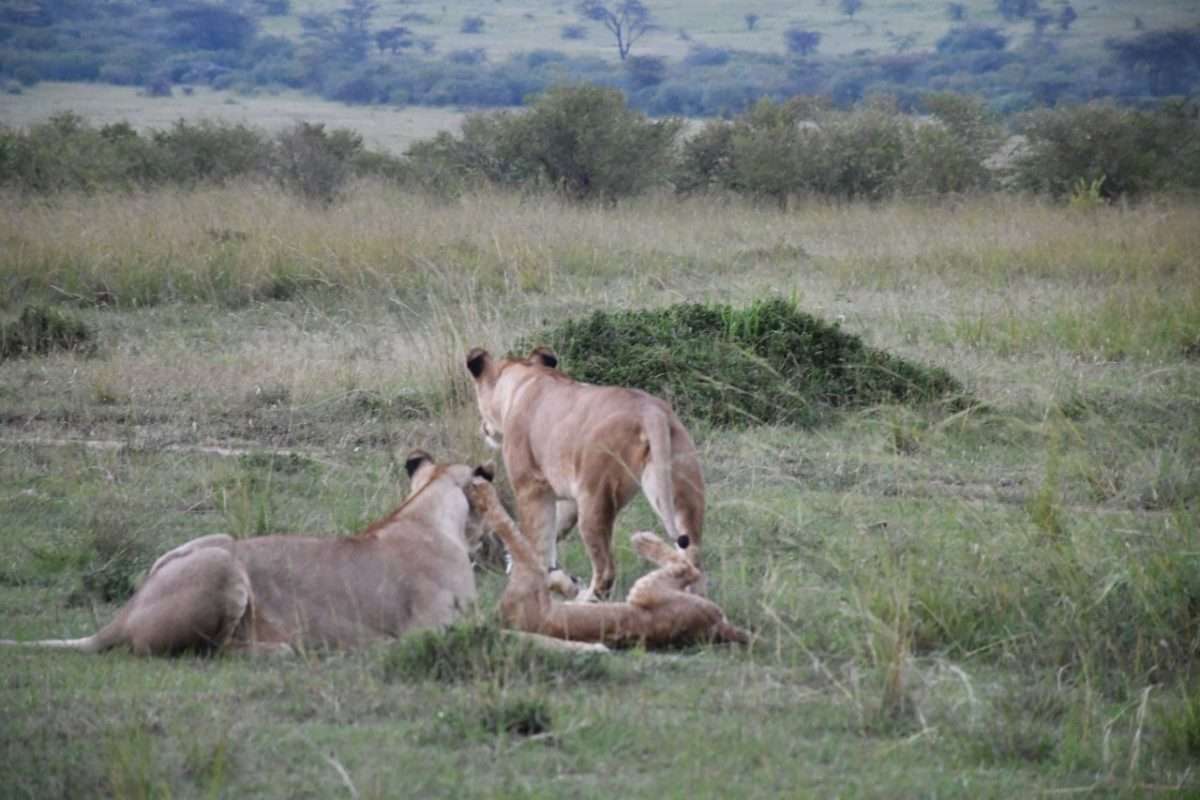
African lion populations have declined dramatically over the past century.
Today, conservation estimates suggest that around 24,000 wild lions remain, making habitat protection more important than ever.
Choosing responsible safari operators, staying in conservation-focused lodges, and supporting protected areas all contribute to the long-term survival of these iconic predators.
See Lions in the Wild with TourwithPipi
Watching wild lions in their natural habitat is one of Africa’s greatest wildlife experiences.
At TourwithPipi, our luxury safaris across Kenya and Tanzania are carefully planned to maximize your chances of observing lions throughout every stage of life—from playful cubs and cooperative lionesses to dominant males defending their territories.
Our experienced local guides understand lion behaviour, pride movements, and seasonal wildlife patterns, helping guests enjoy ethical and unforgettable sightings while respecting conservation guidelines.
Whether you’re visiting the Maasai Mara National Reserve, Serengeti National Park, Ngorongoro Conservation Area, or Tarangire National Park, every safari is designed to connect you with Africa’s incredible wildlife through expert guiding, private game drives, and handpicked luxury lodges.
Key Takeaways
- The average life expectancy of lions is 10 to 14 years in the wild and 20 to 30 years in captivity.
- Lionesses live longer than males, averaging 12–16 years, while wild male lions typically live 8–12 years.
- Territorial battles, injuries, starvation, disease, and human-wildlife conflict are the main reasons wild lions have shorter lifespans.
- Captive lions live much longer because they receive regular veterinary care, consistent nutrition, and protection from predators and rival lions.
- Male lions leave their birth pride at around 2–3 years old, making them more vulnerable to fatal fights and food shortages.
- Aging lions gradually lose strength, speed, and hunting ability, making survival increasingly difficult in the wild.
- Some exceptional lions have lived far beyond the average lifespan, including Loonkito (19 years) in the wild and Arjun (26–29 years) in captivity.
- Supporting responsible safari tourism and wildlife conservation helps protect lion populations and improves their long-term survival across Africa.


