
Many travelers who plan their Kilimanjaro climb ask the same question: how long does it take to climb Kilimanjaro? It is an important part of planning because the number of days you spend on the mountain affects your comfort, your safety, and your summit success.
Most climbs take five to eleven days from start to finish. You reach the summit and then descend to the gate over this time. When you choose more days, your body gets more time to adjust to altitude, and you reduce fatigue. This is why climbers on seven, eight, or nine day itineraries consistently reach the summit at higher rates than those who choose a fast five day schedule.
At TourwithPipi, we guide hundreds of climbers every year, and we see the same pattern. Extra days mean better acclimatization, steadier energy, and a more enjoyable experience overall.
Standard Kilimanjaro Climb Time: 5 to 11 Days
The Kilimanjaro hike length varies because each route has its own distance, elevation gain, and daily walking hours. Longer routes stretch the ascent over more days, which gives your body time to adjust. Shorter routes move too quickly and increase the risk of altitude issues. Your mount kilimanjaro hike distance also changes depending on the route you pick, which affects how long your overall mt kilimanjaro time will be.
Altitude and daily pace are the biggest reasons these timelines differ. The slower you gain elevation, the easier it is for your body to adapt and stay comfortable.
What Affects How Long It Takes to Climb Kilimanjaro?
Several practical factors influence how long it takes to climb Kilimanjaro. The Kilimanjaro hike length, the mount Kilimanjaro hike distance, the altitude profile, weather, and your guide’s pacing approach all shape your total mt kilimanjaro time. Understanding these points helps you choose the right number of days for a safe and steady climb.
1. Acclimatization Needs
The biggest factor that affects your mt kilimanjaro time is acclimatization. As you move higher, the oxygen level in the air drops, and your body needs time to adjust. A slow pace allows your system to adapt to the lower oxygen, which is why longer itineraries work better for most climbers.
Extra acclimatization days help every body type, regardless of age or fitness level. When you give your body more time, you reduce the chances of headaches, nausea, and other altitude symptoms that can interrupt your climb.
Medical guidance, including recommendations from the Wilderness Medical Society, supports gradual ascent. Their research shows that controlling the rate of elevation gain is one of the most effective ways to prevent altitude illness. This is why seven, eight, or nine day climbs have consistently higher success rates compared to five day routes.
2. Your Fitness Level
Fitness does play a role, but not in the way many people expect. Being fit helps with long walking days because it reduces fatigue and improves your comfort on the trail. However, fitness does not improve your ability to acclimatize. Even very athletic people can struggle if they gain altitude too quickly.
Many first time climbers are surprised when they realise that altitude affects everyone differently. A strong runner may feel fine at the start but may still experience altitude symptoms if the pace is too fast. A slow and controlled ascent supports everyone, no matter how experienced they are.
This is why choosing the right number of days matters more than your gym routine. A longer plan protects your body and gives you space to adjust naturally.
3. Weather and Season
Weather conditions also influence how long it takes to climb Kilimanjaro. Dry months offer more stable conditions and easier walking, while rainy months slow the pace because trails become slippery and visibility changes.
In 2026, the recommended climbing periods remain January to March and June to October. These months offer clearer paths, predictable weather, and better overall comfort. If you climb outside these windows, a longer itinerary is better because it allows extra time for weather delays and slower sections.
Temperatures also affect your daily pace. Cooler mornings help you walk faster, while afternoon heat or wind can require more breaks and slower progress.
4. Route Difficulty and Steepness
Each route has its own terrain and elevation profile, which directly affects the mount kilimanjaro hike distance and total climbing time. Some routes climb quickly, while others spread the ascent over more days.
For example, the Umbwe Route moves steeply from the start and requires strong stamina. It has a shorter duration, but the quick altitude gain makes it more challenging. In contrast, the Lemosho Route offers a longer and more gradual climb, which supports better acclimatization and higher summit success.
Because every route has a different profile, the number of days varies even when the total distance looks similar.
5. Your Guide Company and Daily Pace
Your guide’s pacing strategy also impacts how long it takes to climb Kilimanjaro. Experienced guiding teams follow a slow and steady approach because it protects your body from altitude stress and improves your overall comfort.
A professional team monitors your hydration, heart rate, breathing patterns, and walking speed throughout the climb. They plan daily distances based on the route and your condition, which helps you maintain a safe and sustainable rhythm.
A good pace creates a smoother experience and increases your chances of reaching the summit without unnecessary strain.
How long does it take to climb Mount Kilimanjaro on each route?
Each Kilimanjaro route has its own duration, elevation profile, scenery, and acclimatization strength. This is why the Kilimanjaro hike length and the mount Kilimanjaro hike distance vary from route to route. Your choice affects your total mt Kilimanjaro time and your summit success rate.
Northern Circuit – 8 to 9 Days
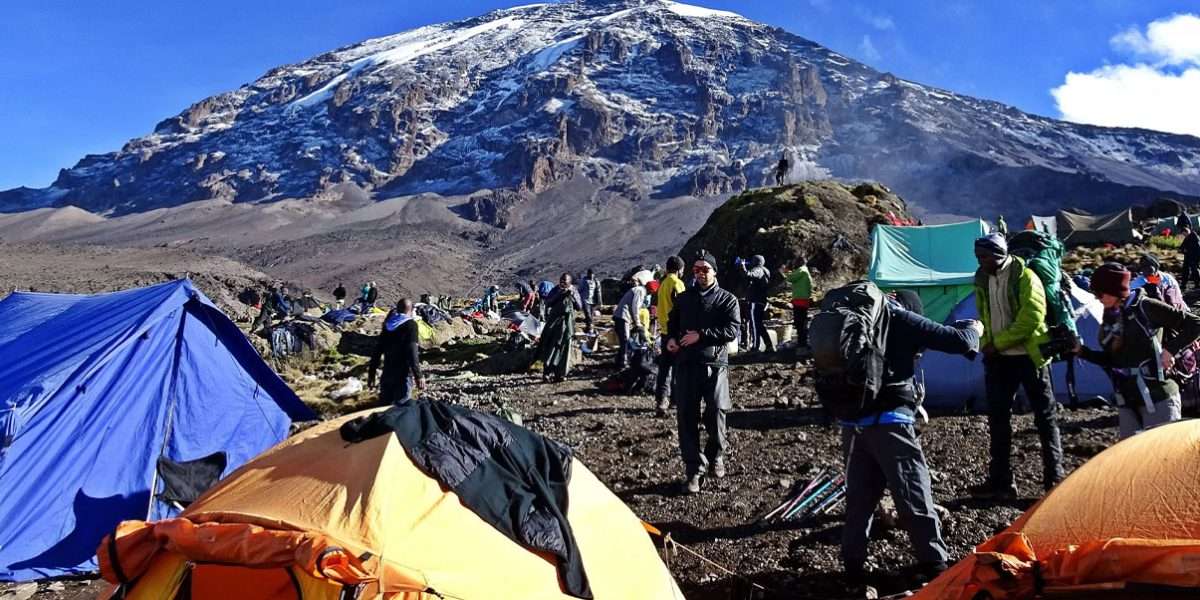
The Northern Circuit offers the slowest and most gradual to climb Mt. Kilimanjaro. It is one of the longest routes on the mountain and provides the highest acclimatization advantage. This route also covers the longest mount kilimanjaro hike distance, which spreads the elevation gain over many days.
It is quiet, scenic, and ideal for first-time climbers who want comfort, steady progress, and a strong chance of reaching the summit.
Lemosho Route – 7 to 9 Days
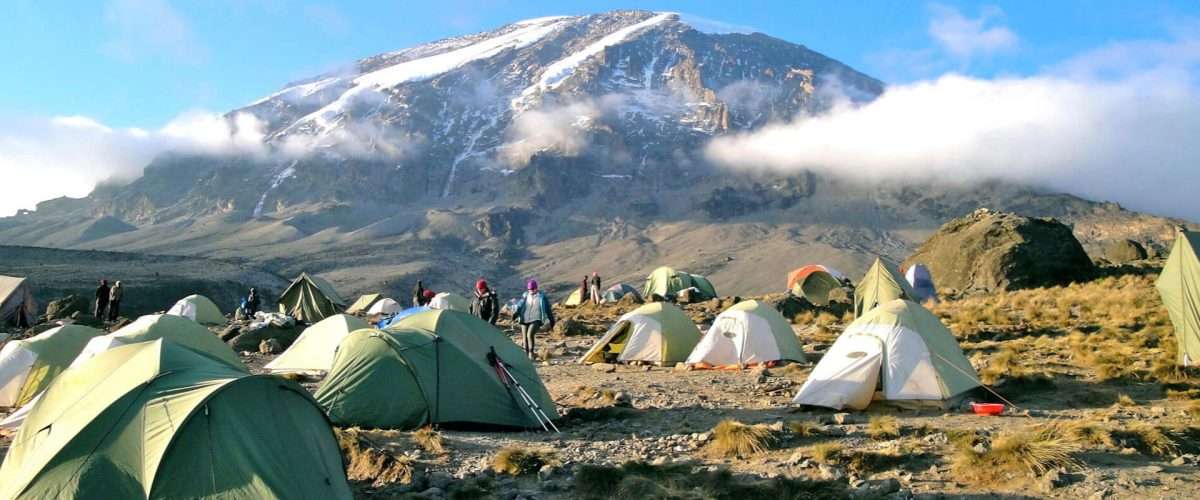
Lemosho is a popular route for Kilimanjaro climbing because it balances distance, scenery, and acclimatization. It begins in a remote area with a smooth elevation gain, which supports safer adaptation to the altitude. Many climbers consider Lemosho the best all-around route, especially photographers who want diverse landscapes.
Its longer duration gives climbers more time to adjust, which results in a high success rate. Check out our Lemosho Route Package
Machame Route – 6 to 7 Days
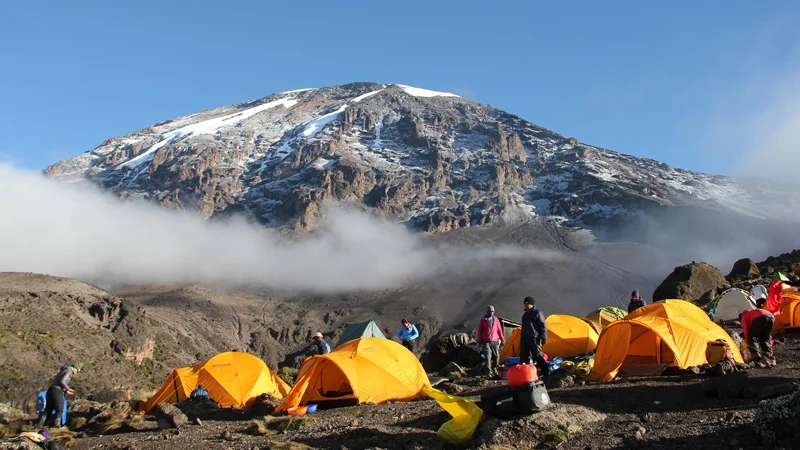
Machame is known as the Whiskey Route to Climb Kilimanjaro and is one of the most scenic climbs. It includes major highlights such as the rainforest section, the Lava Tower acclimatization day, and the Baranco Wall.
Machame offers strong acclimatization over six or seven days and suits hikers with moderate fitness. The Kilimanjaro hike length here provides a good balance between challenge and comfort. Check out our Machame Route Package
Rongai Route – 6 to 7 Days
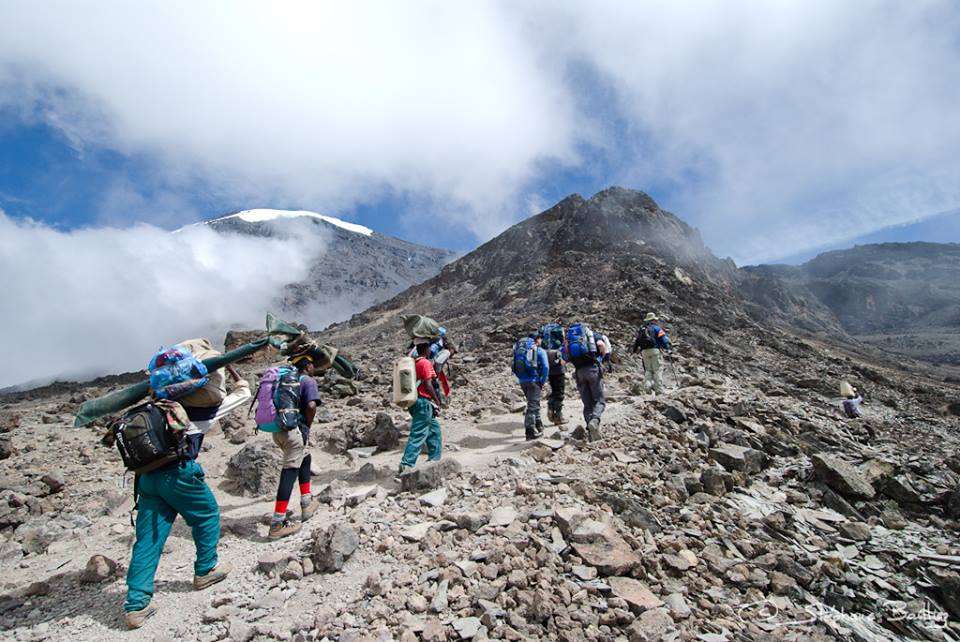
Rongai approaches Kilimanjaro from the northern side. It is drier, quieter, and offers steady elevation gain, which makes it a suitable option during the rainy season.
The route provides gentle slopes and fewer crowds while still giving climbers enough time to acclimatize.
Marangu Route – 5 to 6 Days
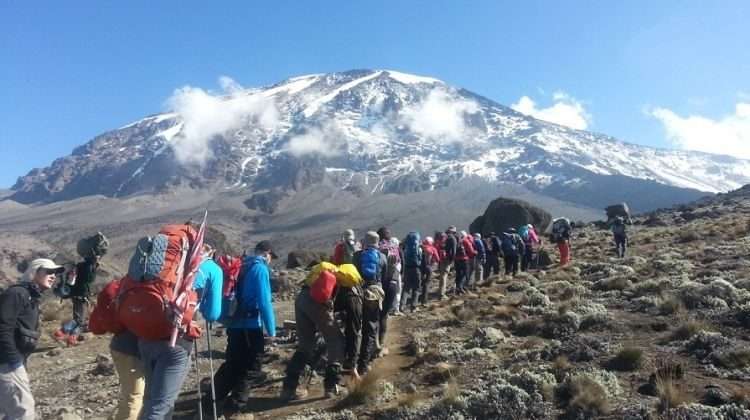
Marangu is the only Kilimanjaro route with hut accommodations. It has the shortest recommended mt Kilimanjaro time and is often chosen by climbers who prefer structured overnight stays.
However, the shorter duration results in lower summit success when completed in five days. Adding an extra day improves comfort and acclimatization. Check out our Marangu Route Package.
Umbwe Route – 6 Days
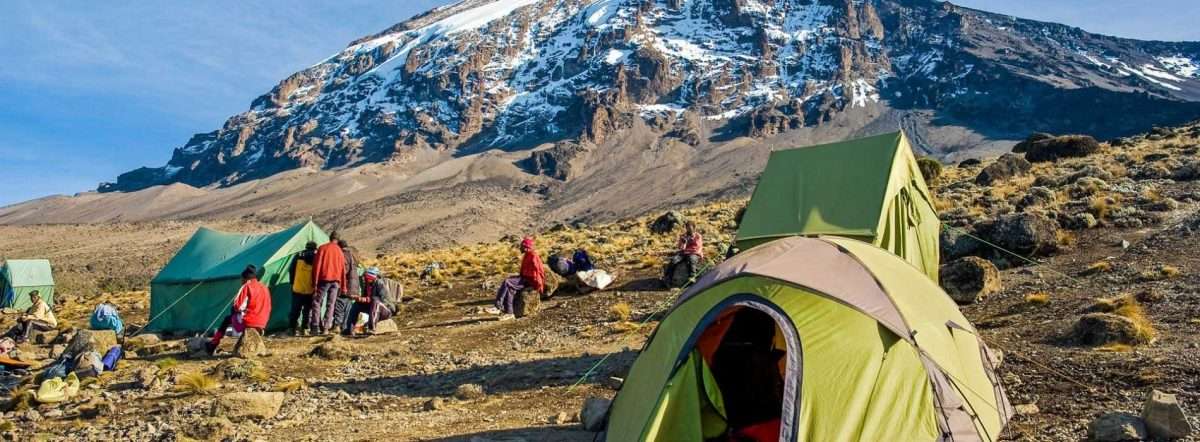
Umbwe is the steepest and most direct route to climb Kilimanjaro. It gains altitude quickly, which makes it the toughest option for acclimatization. Because of its demanding profile, it is not suitable for beginners.
Umbwe is best for experienced hikers who are familiar with fast elevation gain and want a direct ascent.
Kilimanjaro Distance by Route (Updated for 2026)
Mount Kilimanjaro Hike Distance Overview
| Route | Days | Distance (km) | Difficulty | Notes |
|---|---|---|---|---|
| Northern Circuit | 8 to 9 | ~66 km | Moderate | Best acclimatization |
| Lemosho | 7 to 9 | ~66 km | Moderate | Great scenery, high success |
| Machame | 6 to 7 | ~49 km | Moderate to challenging | Popular and scenic |
| Rongai | 6 to 7 | ~65 km | Moderate | Good in rainy season |
| Marangu | 5 to 6 | ~64 km | Moderate | Hut route, lower success in 5 days |
| Umbwe | 6 | ~37 km | Difficult | Steep and direct |
Planning Your Kilimanjaro Climb with TourwithPipi
If you want guidance choosing the right route to climb Kilimanjaro, TourwithPipi helps you match your preferred pace, comfort level, and acclimatization needs with the ideal itinerary. Our team explains route differences clearly so you pick the plan that fits your goals and timeline. Contact us for Consultation!
Why Rushing Kilimanjaro Can Be Dangerous
Rushing the climb increases the risk of altitude problems and reduces your chances of reaching the summit. The mt Kilimanjaro time you choose should give your body enough space to adjust, especially because the mount Kilimanjaro hike distance rises quickly as you gain elevation. Shorter itineraries may look convenient, but the fast pace can affect your safety and overall experience. An eight day climb spreads the same Kilimanjaro hike length over a slower pace. You get more time to hydrate, rest, and adjust to the elevation. Summit night is also noticeably different. On a five day climb, many climbers start summit night already tired. On an eight day climb, climbers usually begin the final push with more energy and better acclimatization.
How Altitude Sickness Develops if You Move Too Fast
When you climb too quickly, your body does not adapt to the lower oxygen levels. This leads to Acute Mountain Sickness, or AMS. In simple words, AMS happens when your body cannot match the speed of your ascent. It often appears within the first two or three days on shorter routes.
Climbers who ascend too fast usually report headaches, nausea, short breath, and difficulty sleeping. Early warning signs also include loss of appetite, dizziness, and reduced energy. These symptoms force many climbers to descend early, even when they feel physically strong.
This is why more days equal higher summit success. A slow and steady ascent allows your body to adjust. Medical guidance, including recommendations from altitude research groups, consistently supports controlled elevation gain. Longer routes follow this principle and reduce the risk of altitude illness.
How Long Does It Take to Descend Kilimanjaro?
Descending Kilimanjaro usually takes about two days. The descent is faster because you are moving toward lower altitude and your oxygen levels improve as you go down. Most climbers reach the base camp by early afternoon on the first day, then finish the last stretch the following morning.
Your knees and legs will feel the downhill impact, especially on loose gravel sections. Expect a steady but controlled pace. Using trekking poles and taking shorter steps helps reduce strain and improves stability.
To stay safe on the descent, drink enough water, adjust your speed to avoid slipping, and follow your guide’s recommendations for breaks and foot placement.
How to Choose the Best Kilimanjaro Route for Your Time and Comfort
Choosing the right route depends on your schedule, acclimatization needs, and comfort level. The mt kilimanjaro time changes on every route, so picking the correct option helps you climb safely and enjoyably.
If You Want the Fastest Climb
Choose only if you have recent high altitude experience.
Five or six day routes reduce acclimatization time.
Faster ascent increases the risk of altitude sickness.
Not recommended for beginners on any Kilimanjaro hike length.
Lower summit success rates compared to longer routes.
If You Want the Highest Chance of Success
Select a seven, eight, or nine day route for the best acclimatization.
Northern Circuit, Lemosho, and Machame offer strong altitude adaptation.
Longer mt kilimanjaro time supports safer elevation gain.
Ideal for first time climbers who want a steady pace.
Higher success rates across all guiding companies.
If You Want the Best Scenery
Lemosho, Machame, and the Northern Circuit deliver the most varied views.
These routes offer open landscapes, forest sections, and high-altitude ridges.
The extended Kilimanjaro hike length gives more time to enjoy the environment.
Balanced daily distances improve comfort and photography opportunities.
If You Prefer Huts Instead of Tents
Choose the Marangu Route, the only hut accommodation option on Kilimanjaro.
Offers simple dormitory-style rooms with beds.
Suitable for climbers who prefer structured overnight stays.
If You’ve Never Been at Altitude Before
Choose seven to nine days on Lemosho, Machame, Rongai, or Northern Circuit.
These routes follow gradual elevation profiles.
Longer itineraries reduce altitude symptoms.
Ideal for first time trekkers who want safer acclimatization.
More time allows steady progress across the mount Kilimanjaro hike distance.
Price of Climbing Kilimanjaro at TourwithPipi
The price of climbing Kilimanjaro with TourwithPipi depends on the route, the number of days, and the level of support included. All packages include high-standard guiding, full mountain logistics, and reliable safety coverage. Each route is priced to support better acclimatization and a safer summit attempt.
Marangu Route Price – 6 Days
USD 1,549 per person
This route uses mountain huts and offers a gradual trail profile. It works well for beginners who want structured accommodation.
Machame Route Price – 7 Days
USD 2,199 per person
This route provides strong acclimatization, scenic trails, and a balanced daily pace. It remains one of the most popular choices for first-time climbers.
Lemosho Route Price – 8 Days
USD 2,539 per person
This is the most balanced long route with excellent acclimatization and quieter forest sections. It also has one of the highest summit success rates.
Request a personalized route and month recommendation from TourwithPipi.
What’s Included in Every TourwithPipi Kilimanjaro Package
TourwithPipi includes a complete climbing setup so every climber receives the same safety and comfort standards across all routes:
Airport transfers and a personal meet and greet
Two nights of four-star hotel stays before and after the climb
All mountain meals and purified drinking water
National Park entry fees, camping fees, rescue fees, and staff permits
High quality sleeping tents with thick mattresses
Dedicated guides certified in Wilderness First Response
Daily health monitoring with pulse oximeter checks
Emergency oxygen and a full medical kit
A strong support ratio of four staff per climber
Professional Tanzanian mountain guides
Summit certificate at completion
Why TourwithPipi Pricing Stands Out
TourwithPipi offers fully supported climbs with reliable safety systems, medically informed guidance, premium accommodation before and after the trek, and personalized planning from the founders’ team. The pricing reflects high service standards, ethical porter treatment, and professional mountain operations.
Tips to Prepare for Your Kilimanjaro Climb
Proper preparation supports your safety and comfort across the full mount Kilimanjaro hike distance. Consistent training and the right habits will make your climb smoother.
Train 8–12 Weeks Before Your Climb
Walk regularly on varied terrain to build endurance.
Add stair training to strengthen legs and improve balance.
Use light strength workouts to support core and lower body stability.
Learn basic altitude awareness to prepare for a slower pace.
Slow Down on the Mountain (The “Pole Pole” Rule)
Walk at a slow, steady pace to support acclimatization.
Maintain even breathing instead of pushing speed.
Follow your guide’s pace to avoid altitude stress.
Slow movement reduces fatigue on longer routes.
Hydration and Nutrition
Drink water throughout the day to maintain energy.
Eat light meals that digest easily at altitude.
Consistent hydration reduces headaches and altitude discomfort.
Include electrolytes to support recovery.
Gear You Should Never Skip
Wear comfortable, broken-in boots.
Pack warm layers for shifting temperatures.
Bring a reliable headlamp for summit night.
Carry high-energy snacks for steady fuel during long sections.
Use trekking poles to ease pressure on knees during descent.
Frequently Asked Questions
What is the average Mt Kilimanjaro time for beginners?
Most beginners plan 7 to 9 days; this mt Kilimanjaro time gives better acclimatization and higher summit success than five or six day itineraries.
How long is the Kilimanjaro hike length in kilometers?
Typical routes range from about 37 km to 66 km depending on the route; total Kilimanjaro hike length varies with the chosen itinerary and side trips.
What is the minimum number of days to climb Kilimanjaro safely?
The practical minimum is 6 days, but TourwithPipi recommends 7 days or more for safer acclimatization and a higher chance to summit.
Does fitness reduce the risk of altitude sickness?
Fitness reduces fatigue and helps recovery, but it does not prevent altitude sickness; acclimatization and pace determine altitude risk more than gym fitness.
Is a 5-day Kilimanjaro climb worth it?
A 5-day option saves time and money but lowers summit success and increases altitude risk; choose 6–9 days to improve comfort and safety.
What’s the hardest day on Kilimanjaro?
Summit day is the hardest because it combines high altitude, long hours, and a late night start; good acclimatization makes this day manageable.
What’s the best month to climb in 2026?
The best months remain January to March and June to October for dry weather, stable conditions, and reliable mt kilimanjaro time windows.
Final Thoughts: How Long Will Your Kilimanjaro Climb Take?
Every body reacts differently to altitude. Pick a route and schedule that match your comfort and schedule. Choosing 6 to 9 days gives you safer acclimatization, steadier energy, and a more satisfying climb. If you want help matching your time frame to a specific route, TourwithPipi can recommend the best itinerary for your goals.


