
Quick Answer:
An adult male African lion weighs between 150 and 258 kg (330–570 lbs), while an adult female weighs 122 to 181 kg (270–400 lbs). Lion weight varies with age, sex, habitat, prey availability, and genetics. Newborn cubs weigh only 1.4 kg (3 lbs), while exceptionally large males can exceed 272 kg (600 lbs).
How Much Do Lions Weigh?
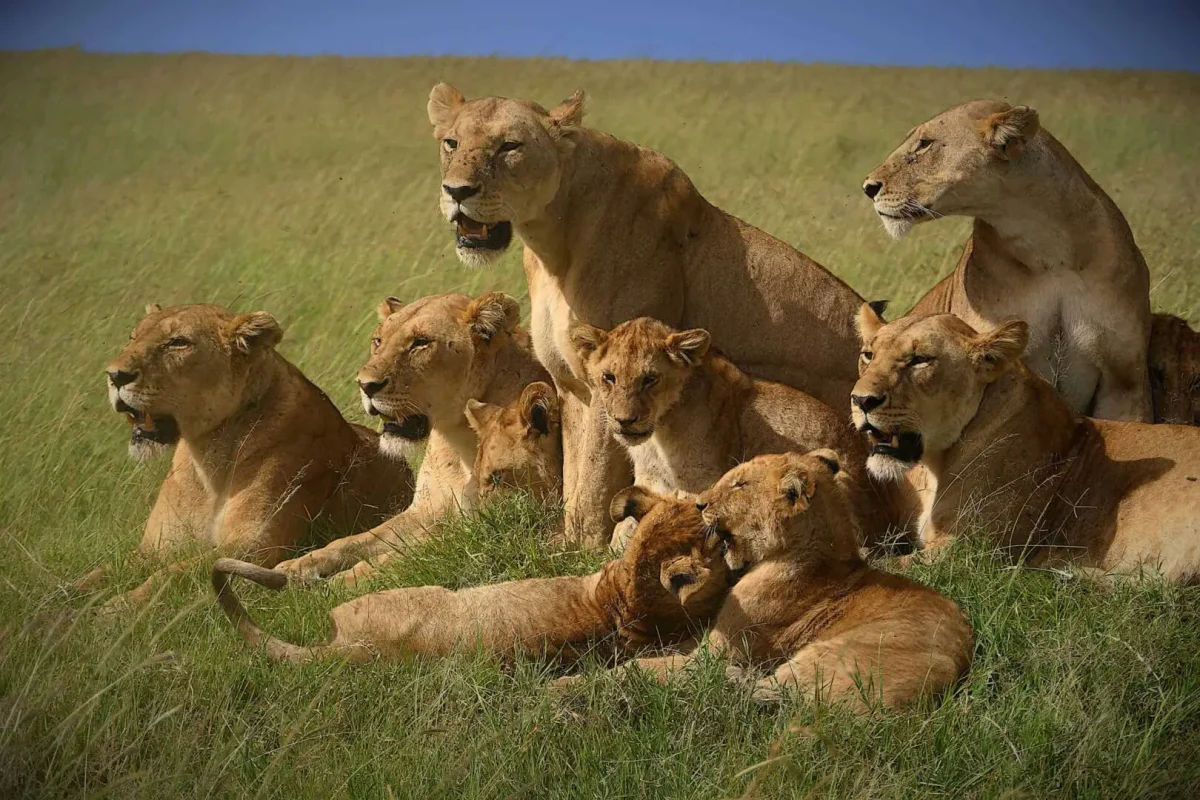
Lions are the largest wild cats in Africa and among the heaviest members of the cat family. Their weight changes dramatically throughout life, from tiny cubs weighing little more than a house cat to powerful adults capable of bringing down prey several times their own size.
Unlike many mammals, lion size is strongly influenced by sex. Adult males are considerably larger than females, a difference known as sexual dimorphism. This size difference helps males defend prides and territories, while lighter lionesses are better adapted for speed, agility, and cooperative hunting.
Several factors influence African lion weight, including:
- Age
- Sex
- Genetics
- Habitat
- Prey availability
- Climate
- Health and nutrition
A lion living in a prey-rich ecosystem may weigh significantly more than one living in an arid region where food is less predictable.
Lion Weight by Age
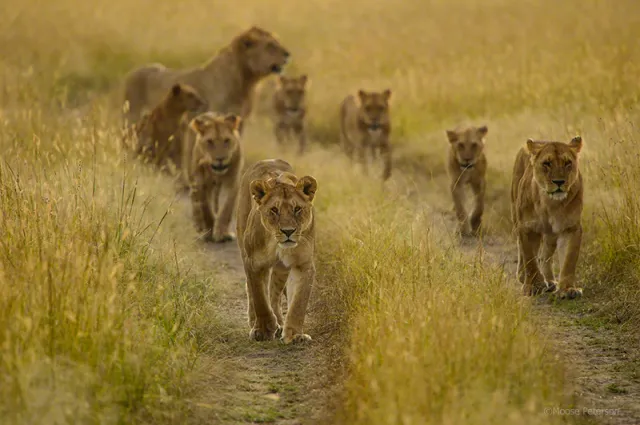
A lion’s body develops rapidly during its first few years. Cubs grow quickly while relying on their mother’s milk before transitioning to meat and eventually becoming skilled hunters.
The table below shows the average weight of lions at different life stages.
| Life Stage | Average Weight | Growth Highlights |
|---|---|---|
| Newborn Cub | 1.4 kg (3 lbs) | Born blind and completely dependent on the mother. |
| Cub (Up to 1 Year) | Rapid growth | Begins eating meat at around 3 months while continuing to nurse. |
| Adolescent (2–3 Years) | 90–102 kg (200–225 lbs) | Males begin developing manes, females become experienced hunters. |
| Adult Female | 122–181 kg (270–400 lbs) | Reaches full size and becomes the pride’s primary hunter. |
| Adult Male | 150–258 kg (330–570 lbs) | Fully developed mane and maximum body mass. |
Although most lions reach adult height by around three years of age, males continue building muscle and gaining weight until they are about five to six years old.
Lion Cubs: Small at Birth, Fast Growing

It is hard to imagine that one of Africa’s most powerful predators begins life weighing only about 1.4 kg (3 lbs).
Newborn cubs are:
- Born blind.
- Unable to walk properly.
- Completely dependent on their mother.
- Hidden away from the pride during their first few weeks.
Early Growth
Lionesses have a gestation period of approximately 110 to 120 days before giving birth to a litter of one to four cubs.
The first weeks of life are critical.
- Eyes usually open after 2 to 3 weeks.
- Cubs are introduced to the pride at around 6 weeks.
- They begin eating meat at roughly 3 months, although they continue nursing for several more months.
During this period, growth is rapid because cubs require enough strength to keep up with the pride and eventually learn hunting skills.
Unfortunately, survival is challenging. In some regions, up to two-thirds of lion cubs do not survive their first year, mainly because of starvation, disease, hyenas, or attacks by rival males.
How Much Does a Male Lion Weigh?
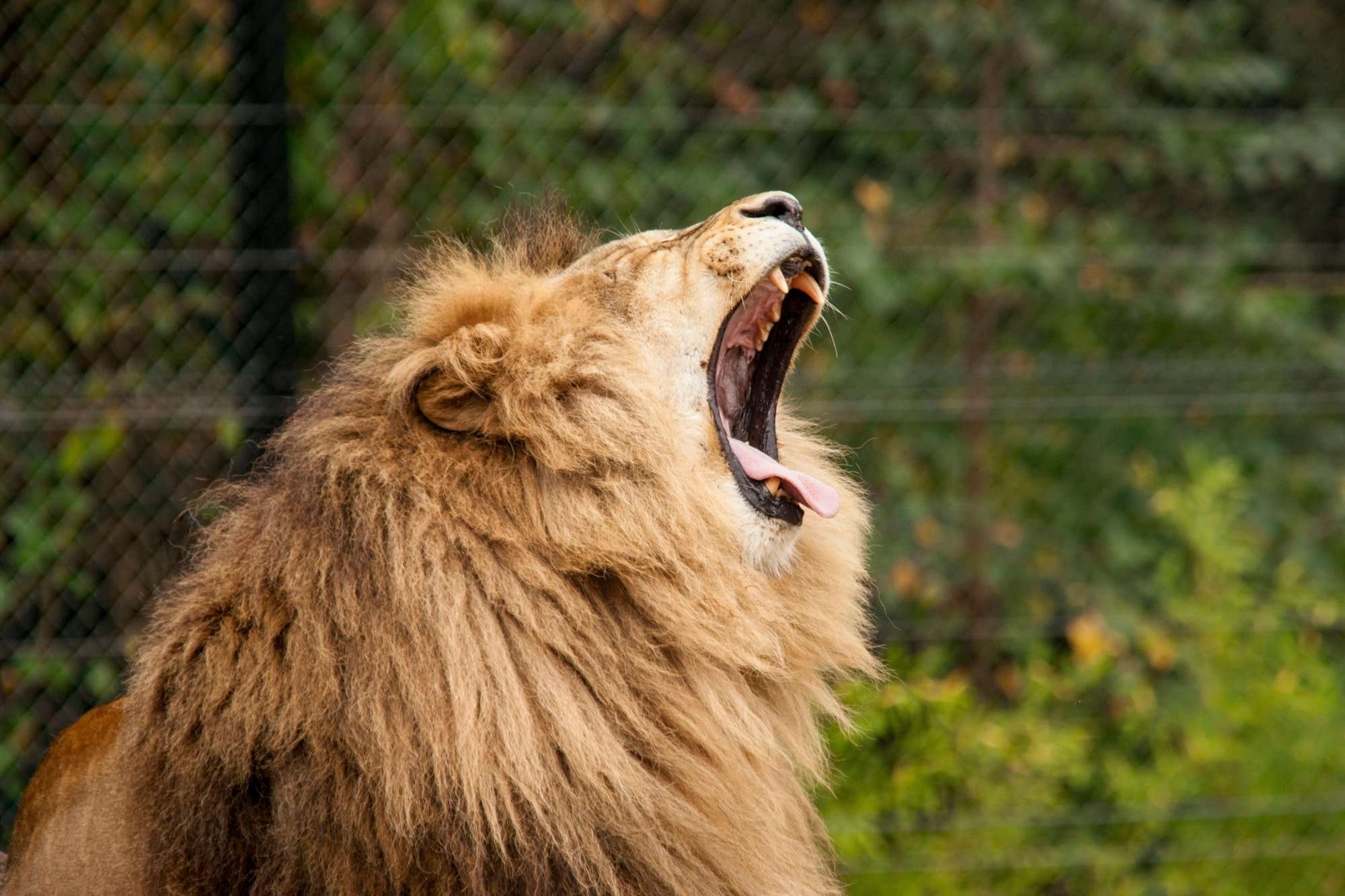
An adult male African lion typically weighs between 150 and 258 kg (330–570 lbs), making him one of the heaviest wild cats in Africa.
While most males fall within this range, exceptional individuals have been recorded weighing more than 272 kg (600 lbs).
Male lions carry considerably more muscle across the:
- Neck
- Shoulders
- Chest
- Forequarters
This additional mass helps them:
- Defend the pride from rival males.
- Protect cubs.
- Patrol large territories.
- Fight during territorial takeovers.
- Hunt dangerous prey such as buffalo when required.
Their famous mane also contributes to their larger appearance, although it adds relatively little actual weight.
How Much Does a Female Lion Weigh?
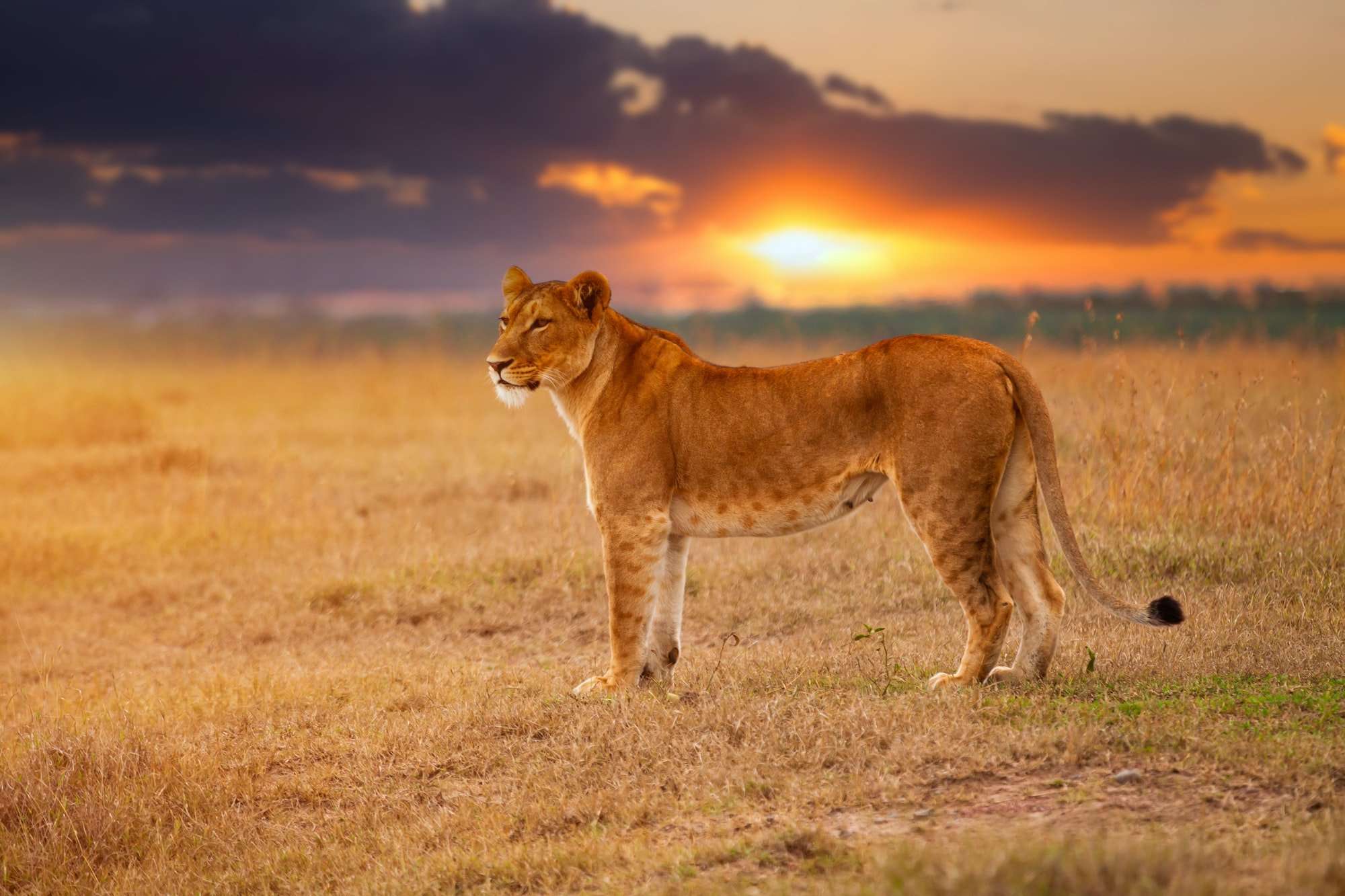
An adult lioness generally weighs between 122 and 181 kg (270–400 lbs).
Although smaller than males, lionesses are exceptionally strong and athletic.
Their lighter build gives them several advantages while hunting:
- Faster acceleration.
- Greater agility.
- Better endurance during short pursuits.
- Easier movement through tall grass.
- Improved coordination during cooperative hunts.
Unlike males, lionesses rarely develop manes. Their streamlined body allows them to stalk prey quietly before launching powerful ambushes.
Across most African ecosystems, lionesses perform the majority of the hunting, while males focus primarily on defending territory and protecting the pride.
Male vs Female Lion Weight
The differences between male and female lions become clear once they reach adulthood.
| Feature | Adult Male Lion | Adult Female Lion |
| Average Weight | 150–258 kg (330–570 lbs) | 122–181 kg (270–400 lbs) |
| Body Length | 1.7–2.5 m (5.6–8.3 ft) | 1.4–1.7 m (4.6–5.7 ft) |
| Tail Length | 69–104 cm (27–41 in) | 69–104 cm (27–41 in) |
| Mane | Present | Absent |
| Primary Role | Territory defence and pride protection | Hunting and raising cubs |
These physical differences allow each sex to perform different but equally important roles within the pride, improving the survival of the entire group.
African Lion Weight by Region
Not all lions weigh the same. African lion weight varies across the continent because of differences in prey abundance, habitat, climate, and competition.
Lions living in areas with abundant large prey such as buffalo, giraffe, and zebra generally grow larger than lions living in drier regions where food is less predictable.
| Region | Average Male Weight | Average Female Weight | Why They Differ |
|---|---|---|---|
| Kruger National Park | 150–227 kg (330–500 lbs) | 122–152 kg (270–335 lbs) | Year-round access to diverse large prey such as buffalo, zebra, giraffe, and wildebeest. |
| Kalahari | 164–214 kg (360–470 lbs) | 127–153 kg (280–340 lbs) | Larger body size helps conserve energy while hunting across vast semi-arid landscapes. |
| East Africa (Serengeti & Maasai Mara) | 145–204 kg (320–450 lbs) | 100–136 kg (220–300 lbs) | Seasonal prey migrations and greater competition often result in slightly lighter lions. |
These are average ranges, and individual lions may weigh more or less depending on age, health, and local conditions.
Why Do Lions Weigh Different Amounts?
There is no single “standard” lion weight. Every lion develops under different environmental conditions, and several factors determine how large it eventually becomes.
Diet and Prey Availability
Food is the biggest factor influencing lion weight.
Lions living where prey is plentiful generally grow larger because they can feed more consistently throughout the year.
Areas with abundant resident prey such as:
- African buffalo
- Zebra
- Wildebeest
- Giraffe
- Antelope
often produce heavier lions than areas affected by drought or seasonal prey shortages.
Habitat
Different habitats support different prey populations.
Open grasslands with healthy herbivore populations allow lions to maintain better body condition than dry regions where prey is scattered over long distances.
Habitats also influence how much energy lions spend hunting, travelling, and defending territory.
Age
Lion weight changes throughout life.
Cubs gain weight rapidly during their first years before reaching adult size.
Male lions continue building muscle until around five to six years of age, while older lions may gradually lose weight because of worn teeth, injuries, and reduced hunting success.
Sex
Male lions naturally weigh more than females.
This difference reflects the different roles they perform within the pride.
Males require greater strength for:
- Territorial defence
- Fighting rival males
- Protecting cubs
- Defending kills
Lionesses remain lighter, allowing them to hunt more efficiently.
Pride Rank
Not every lion has equal access to food.
Dominant males usually feed first after a successful hunt, followed by lionesses and then cubs.
Young males, elderly lions, and nomadic individuals may eat less frequently, which can influence their body condition and overall weight.
Human Impact
Across Africa, habitat loss, shrinking prey populations, and illegal wildlife hunting continue to affect lion populations.
With fewer natural prey animals available in some regions, lions may travel farther between hunts, increasing energy expenditure and reducing overall body condition.
Today, scientists estimate that only around 24,000 wild lions remain, highlighting the importance of conservation efforts that protect both lions and their prey.
The Heaviest Lion Ever Recorded
Most adult male lions weigh well below 272 kg (600 lbs), but exceptional individuals occasionally exceed this range.
The largest lion ever reliably recorded weighed approximately 313 kg (690 lbs). This enormous male was shot in Transvaal, South Africa, in 1936 and was widely reported to have been a man-eater.
Another exceptionally large wild lion recorded in modern times weighed around 272 kg (600 lbs) in Kenya.
These animals are extraordinary exceptions rather than the norm.
Lion Weight Compared With Other Big Cats
African lions are among the world’s largest cats, but they are not the heaviest.
| Big Cat | Average Adult Weight |
| Siberian Tiger | 180–306 kg (397–675 lbs) |
| Bengal Tiger | 180–260 kg (397–573 lbs) |
| African Lion | 122–258 kg (270–570 lbs) |
| Jaguar | 56–120 kg (123–265 lbs) |
| Leopard | 30–90 kg (66–198 lbs) |
| Snow Leopard | 22–55 kg (49–121 lbs) |
| Cheetah | 21–72 kg (46–159 lbs) |
Although the Siberian tiger is generally the largest wild cat by average weight, the African lion remains Africa’s largest feline and one of the continent’s most powerful apex predators.
Fascinating Lion Weight Facts
Lion weight is more than just a number—it influences how lions hunt, defend territory, compete for mates, and survive in different environments.
Here are some of the most interesting facts about African lion weight.
- A newborn lion cub weighs only about 1.4 kg (3 lbs) at birth.
- Male lions can weigh more than twice as much as young adolescent lions.
- Adult males are generally 20–40% heavier than lionesses.
- Lions continue gaining muscle after reaching full height, with males often reaching peak body condition between 5 and 6 years of age.
- A healthy male lion can eat up to 40 kg (88 lbs) of meat in a single meal, causing its weight to increase temporarily after feeding.
- Body weight naturally fluctuates depending on hunting success, drought, injuries, and seasonal prey availability.
Does a Lion’s Mane Affect Its Weight?
A lion’s mane contributes only a small amount to its total body weight, but it has a much greater impact on appearance.
The mane serves several important purposes:
- Protects the neck during fights.
- Makes males appear larger to rivals.
- Signals age, health, and genetic quality.
- Helps attract females during breeding.
The size and colour of a mane are influenced by:
- Genetics.
- Testosterone levels.
- Climate.
- Age.
- Overall health.
Dark, full manes are often associated with mature, dominant males.
Frequently Asked Questions
How much does a male lion weigh?
An adult male African lion typically weighs 150–258 kg (330–570 lbs). Exceptional individuals can exceed 272 kg (600 lbs), although these are extremely rare.
How much do female lions weigh?
Adult lionesses usually weigh between 122 and 181 kg (270–400 lbs). Their lighter bodies help improve speed, agility, and hunting efficiency.
How much does a lion weigh at birth?
Newborn lion cubs weigh approximately 1.4 kg (3 lbs) and are born blind and completely dependent on their mother.
What is the average African lion weight?
The average African lion weight varies by sex:
| Lion | Average Weight |
|---|---|
| Adult Male | 150–258 kg (330–570 lbs) |
| Adult Female | 122–181 kg (270–400 lbs) |
Weight also varies depending on habitat, prey availability, and region.
What is the heaviest lion ever recorded?
The largest lion on record weighed approximately 313 kg (690 lbs). It was reported in Transvaal, South Africa, in 1936.
Which is heavier, a lion or a tiger?
Most tiger subspecies are heavier than African lions.
The Siberian tiger is generally considered the world’s largest wild cat, while the African lion is the largest cat native to Africa.
Do lions keep gaining weight throughout life?
No.
Lions grow rapidly during their first few years and usually reach their maximum body weight between five and six years of age. As they age, older lions often lose weight because of worn teeth, injuries, and reduced hunting success.
Experience Africa’s Largest Cats with TourwithPipi
Few wildlife encounters compare to watching a fully grown male lion walking confidently across the African savannah. Seeing the difference in size between a powerful pride male and the lionesses beside him offers a true appreciation of why lions are known as Africa’s apex predators.
At TourwithPipi, our tailor-made luxury safaris take you into some of Africa’s finest lion habitats, including the Serengeti National Park, Maasai Mara National Reserve, Ngorongoro Crater, Ruaha National Park, and South Luangwa National Park. Accompanied by experienced guides, you’ll learn how lion size, behaviour, and social structure differ from one ecosystem to another while enjoying unforgettable wildlife encounters from the safety of a private safari vehicle.
Key Takeaways
- Adult male lions weigh 150–258 kg (330–570 lbs).
- Adult lionesses weigh 122–181 kg (270–400 lbs).
- Newborn cubs weigh about 1.4 kg (3 lbs).
- Male lions are significantly heavier than females because they defend territories and compete with rivals.
- Lions in Southern Africa are generally heavier than those in East Africa due to differences in habitat and prey availability.
- The heaviest lion ever recorded weighed 313 kg (690 lbs).


