
Kenya has 68 living languages. Just two of them, English and Swahili, are official, and nearly every Kenyan speaks at least one of them alongside their own mother tongue. That single fact says a lot about the country’s language: genuinely multilingual, with a shared national language layered on top of dozens of distinct ethnic ones.
I get asked about Kenya’s country language constantly by guests preparing for a safari, usually somewhere between “what should I pack” and “is it safe to drink the water.” This guide covers what’s official, what’s regional, how Kenyans actually use each language day to day, and a proper phrasebook of Swahili and a few other languages in Kenya, so you land with more than just “hello” and “thank you.”
Kenya Languages: Quick Facts
| Total living languages | 68 |
| Indigenous languages | 61 |
| Official languages | English and Swahili |
| National language | Swahili |
| Main language families | Niger-Congo (Bantu), Nilo-Saharan (Nilotic), Afroasiatic (Cushitic) |
| Most widely spoken indigenous language | Kikuyu |
| Youth slang language | Sheng, a Swahili-English hybrid |
Official Languages of Kenya
Every language Kenya recognizes officially falls into one of two categories, and they play genuinely different roles in daily life rather than simply duplicating each other.
Swahili: The National Language
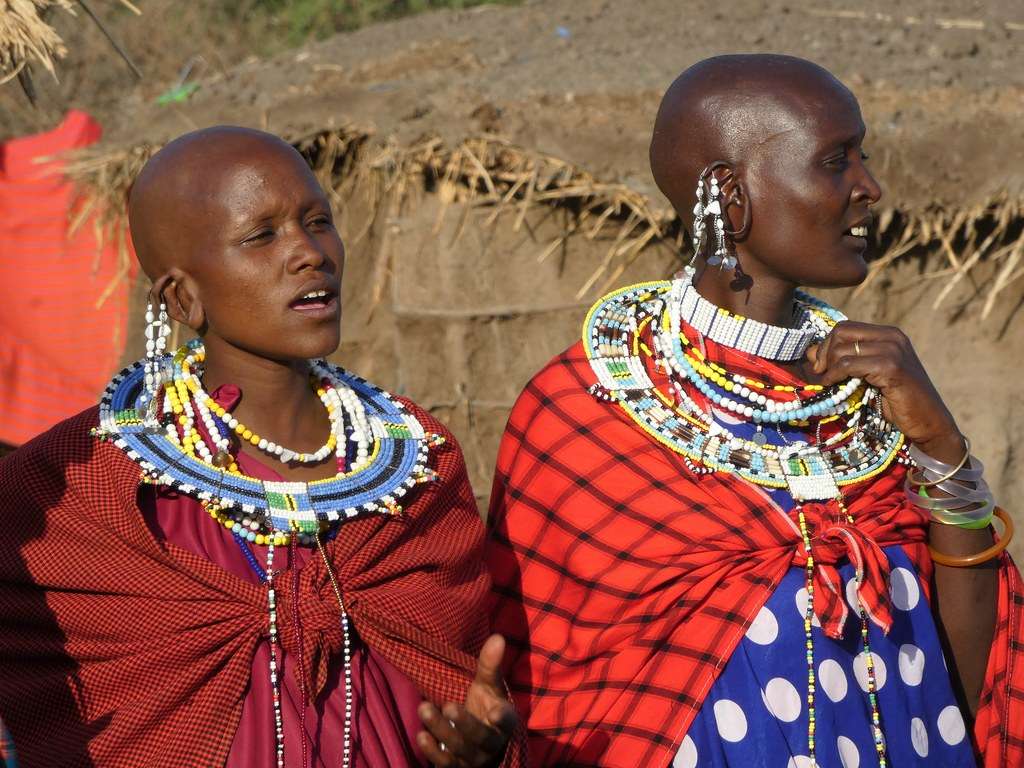
Swahili unites Kenya. It’s the language nearly everyone shares, even when it’s nobody’s first language.
Swahili, or Kiswahili, is Kenya’s national language and the lingua franca of East Africa more broadly. It grew out of centuries of contact between Bantu-speaking communities and Arab traders along the Indian Ocean coast, which is exactly why the language carries such heavy Arabic influence in its vocabulary.
Nearly the entire population of Kenya can speak Swahili to some degree, even though native first-language speakers are a relatively small share of that number, since it’s taught nationwide in school regardless of a family’s home language. Swahili shows up everywhere: in classrooms, on the radio, in parliament, and in the everyday small talk between people from different ethnic backgrounds who might not otherwise share a language.
Regional dialects add further texture, including Kiunguja from Zanzibar and Kimvita from the Mombasa coast. In Nairobi and other cities, Sheng, a genuinely inventive slang blend of Swahili and English, has become the everyday voice of urban youth culture.
English: The Language of Business and Government
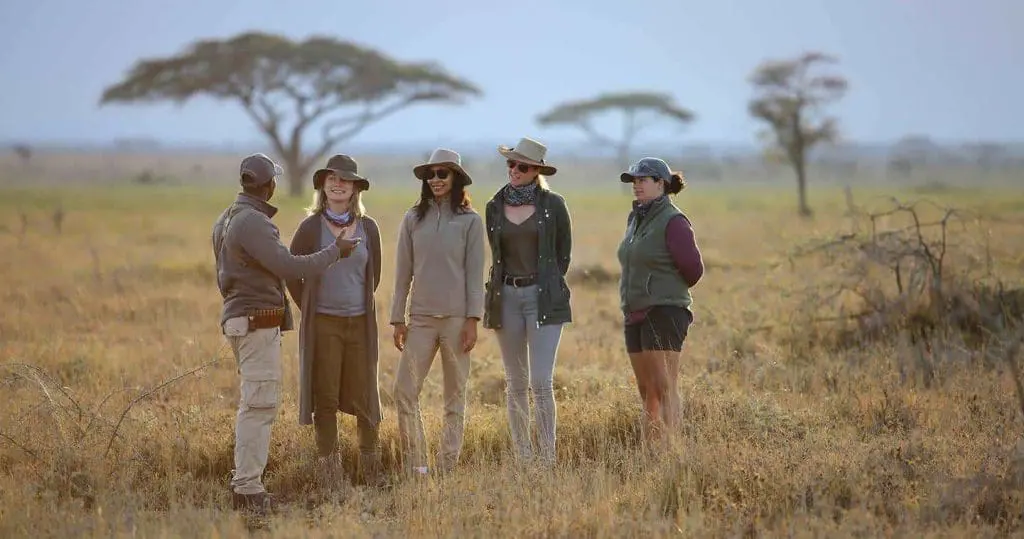
English runs Kenya’s formal world. Government, courts, and classrooms all default to it.
English arrived with British colonial rule and never left the country’s formal institutions. It remains the primary language of government, courts, higher education, and the tourism industry specifically, which is exactly why most safari guides, lodge staff, and city-based businesses operate comfortably in English.
Kenyan English has developed its own genuine character over the decades, picking up rhythm, expressions, and vocabulary from Swahili and local Bantu languages, with a handful of American English touches mixed in from film, music, and business influence too. It’s not simply British English transplanted wholesale, it’s a distinct regional variant in its own right.
One phrase worth knowing before a business meeting or a scheduled activity: “Swahili time.” It’s a good-natured local acknowledgment that a stated start time is often treated as a rough guide rather than a hard deadline, and it’s said with a shrug rather than an apology.
Kenya’s Three Main Language Families
Beyond the two official languages, Kenya’s roughly 60 indigenous languages sort into three broad families, and which family a language belongs to says a lot about where in the country you’ll hear it.
A Maasai guide in the Mara will genuinely light up at “Supa,” the same way a Kikuyu host in the central highlands responds to “Wi mwega.” It signals real effort, not fluency.
Language Etiquette and Greeting Customs in Kenya
How you address people carries real weight in Kenya, beyond just the words themselves.
- Wait for someone to invite you to use their first name; a title or surname is the safer default until then
- When greeting an elder, it’s respectful to hold your right wrist with your left hand during the handshake
- A handshake is the standard greeting; a warm hug is reserved for closer relationships
- Offer and accept gifts or money using your right hand alone, or with both hands at once, and avoid the left hand entirely for this
- “Mzee” is a respectful term for an older man, acknowledging his age and experience
- “Muzungu,” used to describe a foreign visitor, is common and generally used without any negative intent
Why Language Matters on Your Kenya Safari

You don’t need to speak a word of Swahili to have a genuinely great safari. Every guide I work with speaks fluent English, and communication is never actually a barrier. But learning a handful of phrases changes the texture of the trip. It turns a transactional exchange with a driver or camp host into a real, if brief, human connection, and Kenyans consistently notice and appreciate the effort, even when your pronunciation is rough.
If a specific community’s language matters to your trip, whether that’s Maasai culture in the Mara or Swahili on the coast, tell me when we’re planning and I’ll build in genuine opportunities to use it, not just a checklist cultural stop.
Ready to Plan Your Kenya Trip?
Whether you want to practice a few Swahili phrases before you go or just want a trip built around genuine cultural moments, I can help. Message me on WhatsApp to start planning your Kenya safari.
Common Questions About Languages in Kenya
What is the official language of Kenya?
The Kenya country language question has one clear answer: two official languages, English and Swahili. Swahili also holds the status of national language.
How many languages are spoken in Kenya?
68 living languages, according to Ethnologue’s most recent count, 61 of which are indigenous to the country.
Do I need to speak Swahili to visit Kenya?
No. English is widely spoken throughout the tourism industry, government, and education, and every safari guide you’ll work with speaks it fluently. Swahili phrases are a nice addition, not a requirement.
What is the most spoken indigenous language in Kenya?
Kikuyu has the largest number of speakers among Kenya’s indigenous languages, followed closely by Luhya, Luo, and Kalenjin.
What is Sheng?
Sheng is a slang language that blends Swahili and English grammar and vocabulary, spoken mainly by younger people in Nairobi and other Kenyan cities. It’s genuinely its own evolving thing, not simply broken Swahili.
Is there one single Kenya country language?
Not exactly. Kenya doesn’t operate on a single country language the way some nations do. It runs on two official languages, English and Swahili, layered on top of roughly 60 indigenous mother tongues that Kenyans speak within their own communities.
Blog Summary
- Kenya has 68 living languages, 61 of them indigenous, with English and Swahili as the two official languages kenya recognizes nationally.
- Swahili serves as the national lingua franca, while English dominates government, courts, and formal education.
- Kenya’s indigenous languages sort into three families: Niger-Congo (Bantu), Nilo-Saharan (Nilotic), and Afroasiatic (Cushitic).
- Kikuyu, Luhya, Luo, Kalenjin, Kamba, Maa, and Somali are the major regional languages, each tied to a specific ethnic group and region.
- Language use shifts by setting: mother tongue at home, Swahili between communities, and English in formal and tourism contexts.
- A handful of Swahili phrases, and a single greeting in a local language like Maa or Kikuyu, genuinely enhance a Kenya trip.
- Greeting etiquette, including the right-hand rule for gifts and the wrist-hold handshake for elders, matters as much as the words themselves.
- English fluency across Kenya’s tourism industry means language is never actually a barrier to a great safari.


