
Quick Answer:
The lion gestation period lasts approximately 110 days, or about 3.5 to 4 months. Before giving birth, a pregnant lion leaves the pride to find a secluded den where she delivers 1 to 4 cubs, although litters of up to six cubs have been recorded. Cubs are born blind, weigh around 3 pounds (1.4 kg), and remain hidden with their mother for 4 to 8 weeks before joining the pride.
Lion Gestation Period Explained
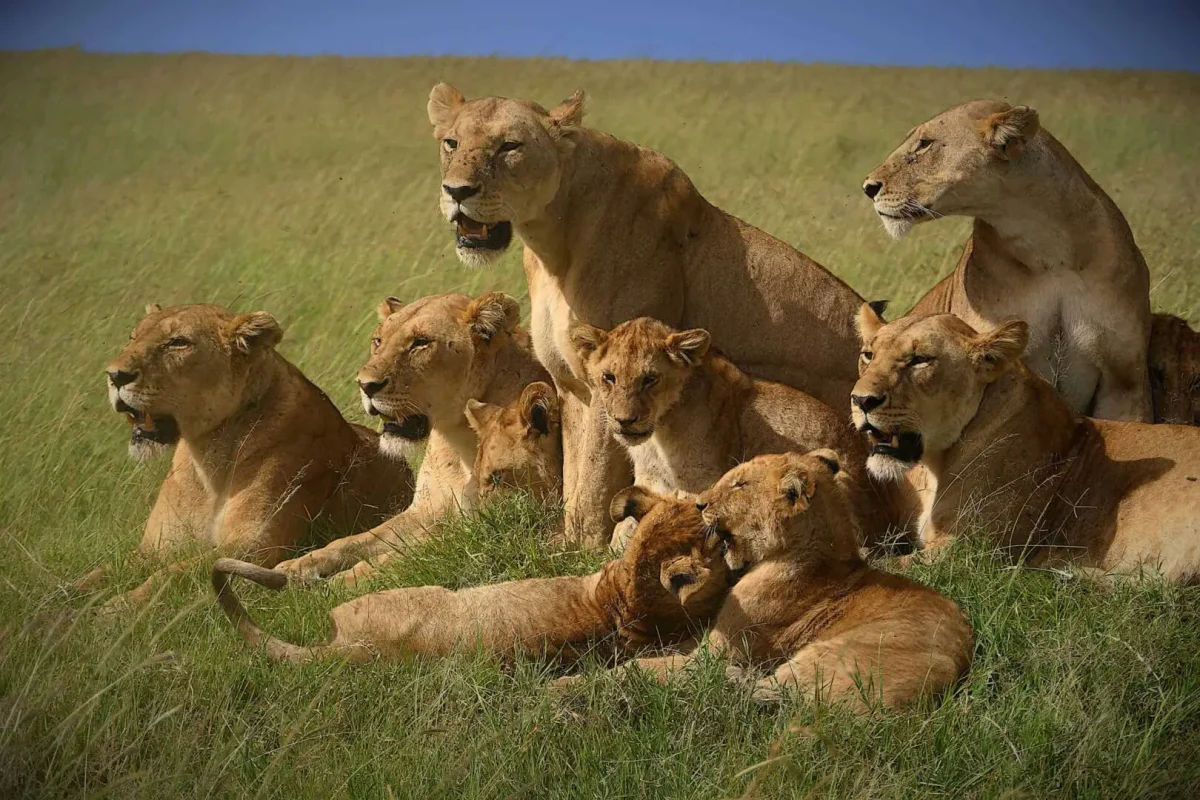
The lion gestation period is relatively short compared to many other large mammals.
A healthy lion pregnancy period lasts approximately 110 days, although pregnancies between 100 and 120 days are considered normal.
This shorter pregnancy allows lionesses to reproduce several times throughout their lives, helping maintain pride populations despite the high mortality rate among cubs in the wild.
Unlike seasonal breeders, lions can mate and reproduce at almost any time of the year. However, births often coincide with periods when prey is abundant, giving mothers a better chance of raising healthy cubs.
Lion Reproduction Overview
Lions are unique among big cats because they live in highly social family groups called prides.
A pride usually consists of:
- Related adult lionesses.
- Their cubs.
- One to several dominant males.
This social structure plays an important role in reproduction and cub survival.
Unlike solitary cats, lionesses often raise cubs together, sharing responsibilities once the young are introduced to the pride.
How Does Lion Mating Lead to Pregnancy?
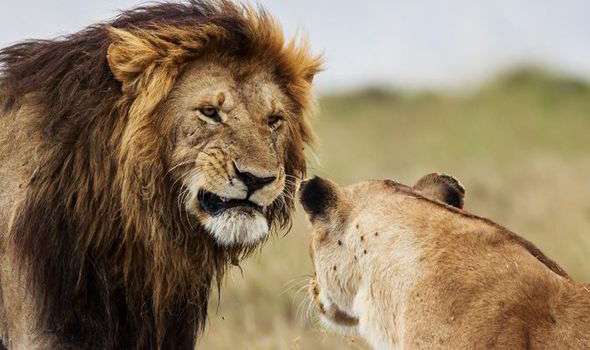
A pregnant lion begins her journey after successful mating.
Lionesses typically produce a litter every two to three years, depending on whether previous cubs survive.
Unlike many mammals, a lioness may mate with multiple males during her breeding cycle.
This behaviour is believed to:
- Increase genetic diversity.
- Strengthen relationships among coalition males.
- Improve cub survival by reducing uncertainty about paternity.
Once conception occurs, embryos begin developing inside the uterus as hormonal changes prepare the lioness for pregnancy.
What Happens During the Lion Gestation Period?
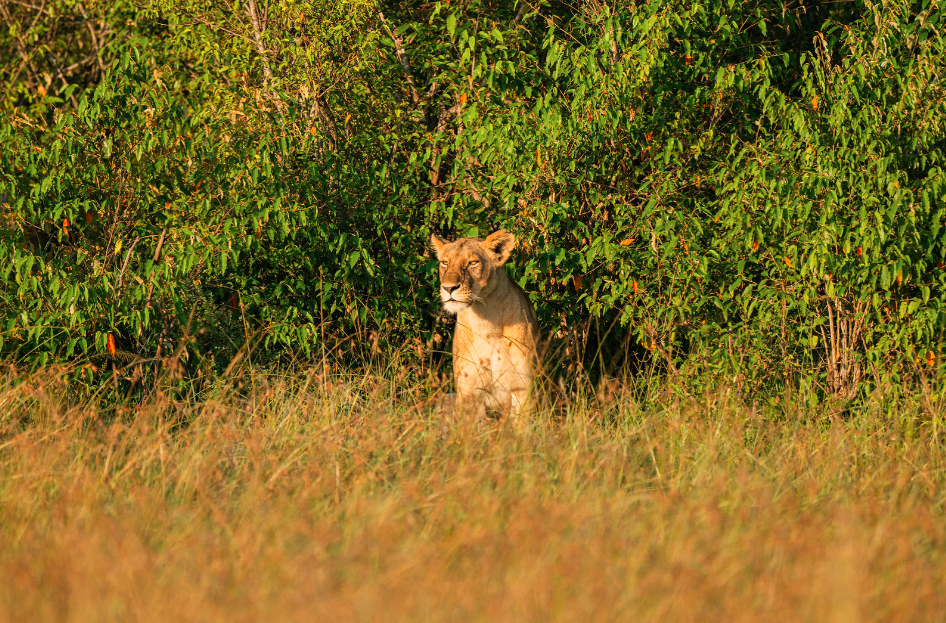
Throughout the gestation period of a lion, the cubs grow rapidly inside the mother’s uterus.
Although pregnancy is not always visually obvious during the early weeks, behavioral changes gradually become noticeable.
As birth approaches, a lion pregnant with cubs often becomes more solitary.
Instead of remaining constantly with the pride, she searches for a secluded and well-protected den hidden among:
- Thick bushes.
- Dense vegetation.
- Rocky shelters.
- Long grass.
This temporary isolation protects newborn cubs from predators and from unfamiliar male lions that may pose a threat.
Choosing a safe birthplace is one of the most important decisions a lioness makes during pregnancy because cub survival depends heavily on remaining hidden during their earliest weeks.
How Many Cubs Does a Lion Have?
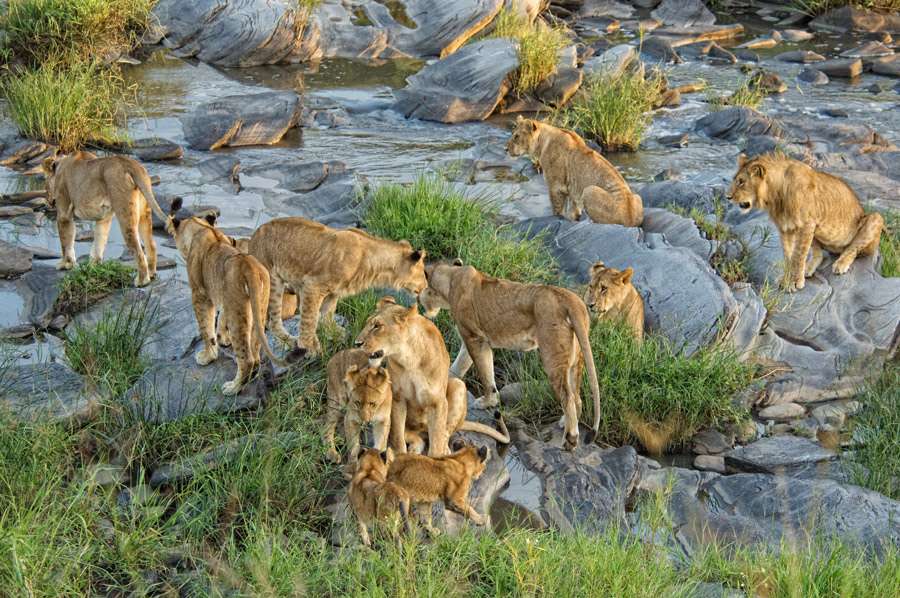
Most lionesses give birth to one to four cubs during each pregnancy.
Occasionally, litters of up to six cubs have been recorded, although larger litters are less common and more difficult for the mother to raise successfully.
Lion Litter Size
| Litter Information | Average |
|---|---|
| Typical litter | 1–4 cubs |
| Maximum recorded | Up to 6 cubs |
| Gestation period | About 110 days |
The number of surviving cubs depends on several factors, including food availability, pride stability, predator pressure, and the mother’s physical condition.
Birth and the First Weeks of Life
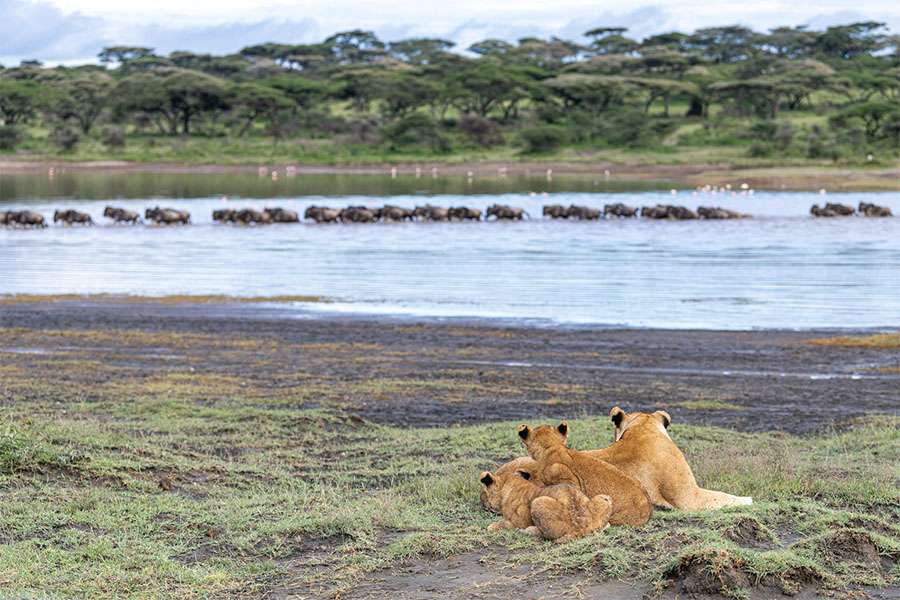
When labor begins, the lioness remains inside her hidden den until every cub is safely delivered.
Birth usually takes several hours because contractions are separated by resting periods.
Immediately after each cub is born, the mother:
- Cleans the cub by licking it.
- Stimulates breathing.
- Removes birth fluids.
- Encourages the cub to nurse.
Newborn cubs are completely helpless.
They are born:
- Blind.
- Unable to walk properly.
- Weighing approximately 3 pounds (1.4 kg).
Their eyes remain closed during the first week before gradually opening.
For the first 4 to 8 weeks, the mother keeps her cubs hidden from both predators and the rest of the pride while nursing them and providing constant protection.
When Do Lion Cubs Join the Pride?

After spending their first few weeks hidden in the den, the cubs gradually become stronger and more mobile.
At around 4 to 8 weeks of age, the lioness introduces them to the rest of the pride.
This is an important milestone in a lion’s life.
Once accepted, the cubs benefit from the pride’s cooperative social structure.
Other lionesses often help by:
- Protecting the cubs.
- Grooming them.
- Nursing them if they have cubs of a similar age.
- Supervising them while mothers hunt.
This communal care greatly improves the cubs’ chances of survival compared to raising them alone.
Challenges During Lion Pregnancy and Early Life
Although the lion gestation period is relatively short, raising cubs successfully is far more challenging.
The first few months of life are the most dangerous stage for any lion.
Predation
Young cubs are vulnerable to several predators.
Potential threats include:
- Spotted hyenas.
- Leopards.
- Jackals.
- Other lions.
This is one of the main reasons a pregnant lion leaves the pride before giving birth and keeps her cubs hidden during their earliest weeks.
Food Availability
The survival of both mother and cubs depends heavily on food.
A nursing lioness requires regular access to prey to produce enough milk for her growing cubs.
During periods of drought or prey shortages:
- Mothers may become malnourished.
- Milk production declines.
- Cubs grow more slowly.
- Survival rates decrease.
Healthy ecosystems with abundant prey are therefore essential for successful lion reproduction.
Pride Dynamics
Another major challenge comes from within the lion population itself.
When a new coalition of males takes over a pride, they frequently kill cubs fathered by previous males.
This behaviour, known as infanticide, may seem harsh but serves an evolutionary purpose.
Once cubs are lost, the females return to breeding condition more quickly, allowing the new dominant males to father their own offspring.
This natural process has a significant influence on cub survival and the reproductive success of the pride.
Why Is the Lion Gestation Period Important?
The relatively short gestation period of a lion helps maintain lion populations despite high cub mortality.
A shorter pregnancy allows lionesses to:
- Recover more quickly.
- Produce multiple litters during their lifetime.
- Respond to favorable environmental conditions.
- Rebuild pride numbers after losses.
Combined with communal cub rearing, this reproductive strategy has helped lions survive for thousands of years across Africa despite many natural challenges.
Who Brings Food to a Pregnant Lioness During the Gestation Period?
Unlike wolves or some other social predators, pregnant lionesses do not rely entirely on other lions to feed them during pregnancy.
For most of the lion gestation period, a pregnant lioness continues to hunt with the pride. Pregnancy lasts only about 110 days, and she remains healthy and active for much of that time, participating in normal pride activities.
Witness Lion Families in the Wild with TourwithPipi
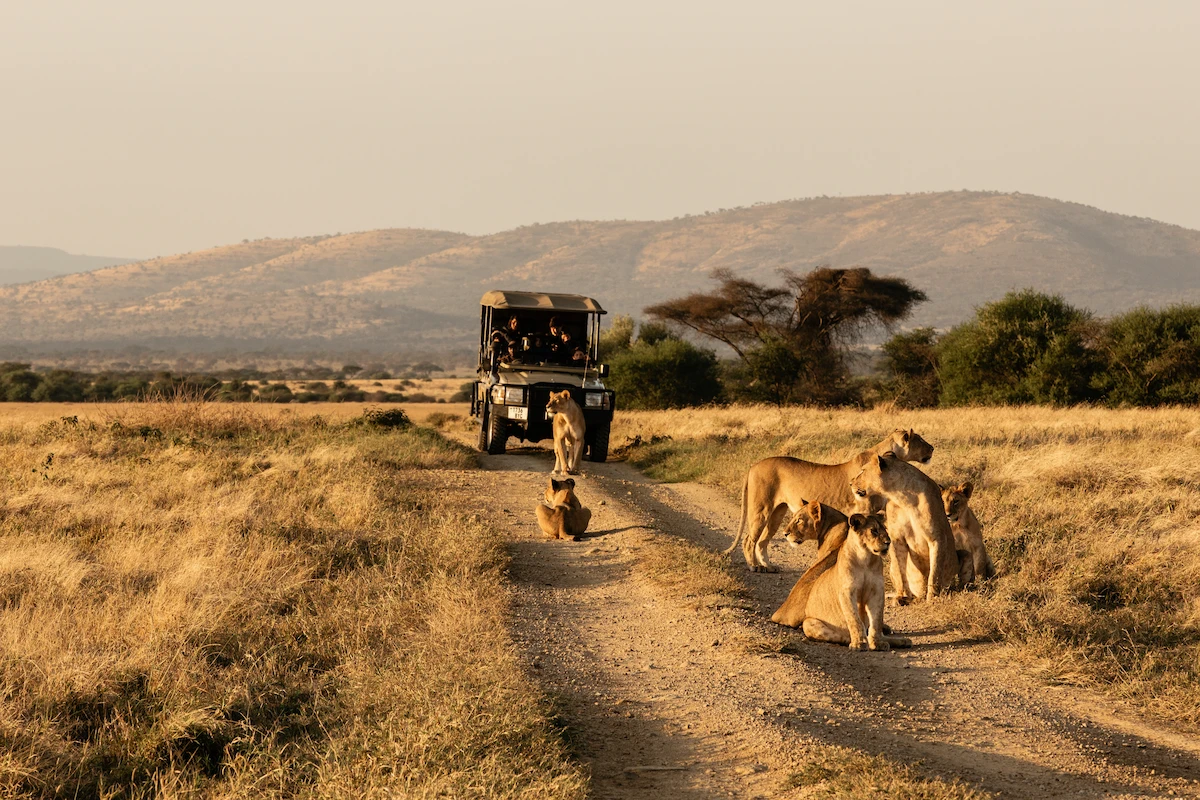
Few safari experiences are as memorable as watching a lioness caring for her cubs in the wild. From protective mothers hidden in the grasslands to playful cubs exploring their surroundings under the watchful eyes of the pride, these moments reveal the remarkable family life of Africa’s most iconic predator.
At TourwithPipi, our luxury safaris through Kenya and Tanzania offer incredible opportunities to observe lions throughout every stage of their life cycle. Guided by experienced local experts, you’ll learn about lion behavior, reproduction, cub development, and conservation while exploring world-renowned destinations such as the Maasai Mara, Serengeti, Tarangire, and Ngorongoro Conservation Area.
Frequently Asked Questions
How long is the lion gestation period?
The lion gestation period lasts approximately 110 days, although pregnancies between 100 and 120 days are considered normal.
How long is a lion pregnant?
A lion pregnancy period lasts about 3.5 to 4 months before the lioness gives birth.
How many cubs does a pregnant lion have?
Most pregnant lions give birth to 1 to 4 cubs, although litters of up to 6 cubs have occasionally been recorded.
Where does a lioness give birth?
Shortly before giving birth, a lioness leaves the pride and finds a secluded den hidden in thick vegetation, bushes, or rocky areas where her cubs are protected from predators and unfamiliar males.
Are lion cubs born blind?
Yes.
Lion cubs are born blind, helpless, and completely dependent on their mother.
They weigh approximately 3 pounds (1.4 kg) at birth, and their eyes usually open during the first week of life.
When do lion cubs join the pride?
Lion cubs generally remain hidden with their mother for 4 to 8 weeks before being introduced to the rest of the pride.
Key Takeaways
- The gestation period of a lion is around 110 days.
- A lion pregnancy period lasts approximately 3.5 to 4 months.
- Most lionesses give birth to 1 to 4 cubs.
- Cubs are born blind and completely dependent on their mother.
- Pregnant lionesses leave the pride before giving birth.
- Cubs remain hidden in a secure den for 4 to 8 weeks.
- Lionesses nurse and protect cubs alone during the early weeks.
- The first few months are the most dangerous stage of a lion’s life.


