
Safari accommodation in Kenya ranges from basic tented camps outside a park gate to genuinely spectacular properties perched on a cliff or tucked beside a river running through the reserve itself. I don’t book everything on that spectrum, and you shouldn’t have to sort through it either. Every one of the luxury lodges in Kenya safaris I actually put you in is somewhere I or someone on my team has stayed, inspected, or vetted directly, not pulled from a catalogue based on a nice website.
This is the real list: where each camp sits, what the rooms and facilities are actually like, and why I keep sending guests back to it on every luxury Kenya safari tour I build. I’ve also included how we choose these properties in the first place, so you know that process matters as much as the lodges themselves.
What Makes a Lodge Worth Booking in Kenya
| Location | Inside the park or conservancy itself, not a 45-minute drive from the gate |
| Standard | Luxury tier only, personally inspected before it goes on any itinerary |
| Wildlife access | Positioned near known predator territory or migration crossing points |
| Vehicle | Private, not shared with other guests during a sighting |
| Views | A genuine reason to look up from your plate, not an afterthought |
How We Choose Our Kenya Safari Lodges
Location comes first, always. A lodge just outside a park gate might be cheaper, but it also means an extra 45 minutes to an hour of driving before your first sighting of the day, twice a day, every day of your trip. Every property on this list sits inside the park boundary or inside a private conservancy bordering it, which is exactly why our guests are watching a lion pride at 6:15am instead of still being on the access road.
Luxury is the baseline, not the upsell. I don’t offer a budget tier and a luxury tier and let guests choose down. Every camp here has been personally inspected, either by me or by someone on my team who has actually slept in the tent, eaten the food, and taken the game drive, not just reviewed a brochure.
Positioning relative to the wildlife itself matters more than a five-star rating. A camp on the Mara River or the Olare Orok River puts you within a short drive of migration crossing points during the season. A camp inside Ol Pejeta puts you close to the last two northern white rhinos on Earth. A camp on an escarpment or a cliff face gives you views you’re not getting from a lodge tucked into flat bushland. I choose the location for what it puts you next to, not just what it looks like in a photo.
Best Luxury Kenya Safari Lodges
1. Bateleur Camp, Masai Mara
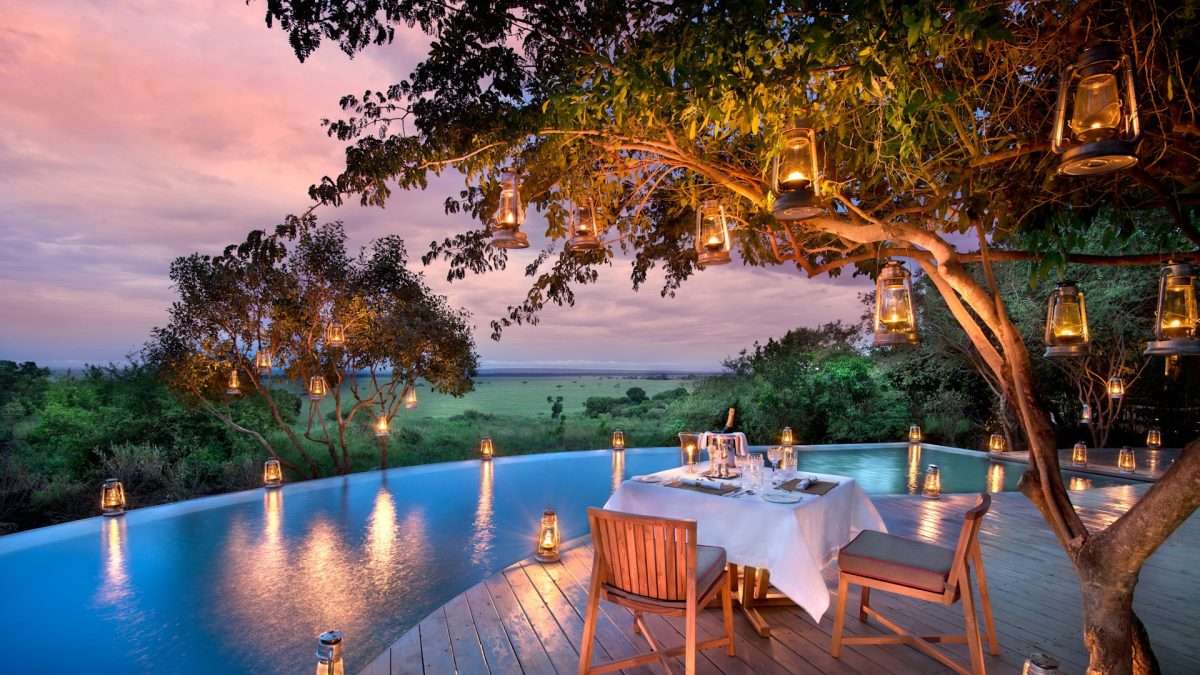
Bateleur is an ultra-luxury tented camp on a private concession beneath the Oloololo Escarpment, tucked into the same stretch of riverine forest where the final scene of Out of Africa was filmed. Because it’s on private land rather than inside the strict reserve boundary, the camp can offer off-road tracking and night drives that the national reserve itself doesn’t permit.
The property splits into two fully independent camps, North and South, nine tents each plus a family tent, so even at full capacity it stays genuinely quiet. The design leans hard into 1920s and 1930s safari-era style: polished hardwood floors, antique furnishings, leather Chesterfield sofas, and pieces crafted by Maasai artisans from the surrounding area filling the open-air lounges. Each tent has an indoor and outdoor stone-walled shower, twin vanity basins, and a striking copper soaking tub set beside floor-to-ceiling glass, plus a private wooden deck with a sunken outdoor lounge where wildlife regularly wanders past. Every tent comes with dedicated butler service, including a butler hatch so morning tea or coffee arrives without disturbing your privacy. Each of the two sides runs its own dining space, library, lounge, and infinity-edge pool, and there’s a shared gym and wellness spa for post-drive massages.
Activities include twice-daily game drives, both day and night, guided bush walks, hot air balloon safaris over the plains, and community village visits.
Why we choose it: the escarpment position gives genuinely dramatic views most Mara camps can’t match, and the private concession status means night drives, which most of the Mara simply doesn’t allow.
2. Soroi Mara Bush Camp, Mara North Conservancy

Set among the trees lining the seasonal Olare Orok River, this camp is one of the genuine eco-luxury picks on this list, close to where the Mara North and Lemek group ranches meet the reserve, near enough to the main reserve plains to reach major river crossing points quickly, about 20 minutes away, with Ol Kiombo Airstrip just 8 minutes from camp. The camp is unfenced, with armed Maasai warriors escorting guests to and from their tents after dark, and it holds a Gold Eco-Rating for running entirely on solar power.
Twelve tents in total: ten river-facing luxury tents on raised wooden decks, each taking two adults and one child, and two family tents that comfortably sleep four. Inside, expect parquet floors, bronze accents, a king-sized bed, a private lounge area, and a bathroom with a proper rainfall shower. Resident hippos frequent the riverbank right outside camp, which is part of why this is one of the properties I recommend most for river-adjacent stays. A dedicated photographer’s lounge and studio supports guests who take their camera gear seriously, and the kitchen team bakes fresh bread each morning and serves candlelit dinners under the stars.
Why we choose it: this is genuinely one of the best-positioned camps we use for combining big cat sightings with migration season access, and it works equally well for a couple wanting quiet river views or a family with kids.
3. Ishara Mara, Masai Mara National Reserve

Ishara is an ultra-luxury, genuinely eco-conscious property that opened in 2022 directly inside the national reserve itself, along the Talek River’s southern bank, and animals genuinely pass through the grounds from time to time. Wooden walkways raised above ground level link the entire property, a design meant to leave the tree roots undisturbed and keep the camp’s physical footprint genuinely small. The aesthetic breaks from the classic vintage safari look most Mara camps lean on, going for a contemporary, minimalist palette of muted terracotta, olive, and cream that echoes the riverine landscape around it.
Accommodation runs to nine River Suites, each around 103 square metres, with a proper indoor lounge, an in-room espresso machine, and a king bed, and a private deck with an open-air shower and a copper soaking tub overlooking the water. Two Family Suites and one elevated Starbed round out the property, with some suites including a private plunge pool. The camp grows much of its own produce in a solar-powered aeroponic farm it calls the Shamba of Goodness. For photographers, the on-site Taswira Photo Studio is the first Canon-affiliated experience centre in the Mara, renting out camera bodies and telephoto lenses, with its own editing studio and a photography professional on staff to join guests on select drives.
Why we choose it: for a photography-focused trip or a genuinely elevated, design-forward stay, Ishara’s in-reserve position is hard to match. It suits guests eight years old and up.
4. Soroi Cheetah Tented Camp, Lumo Conservancy
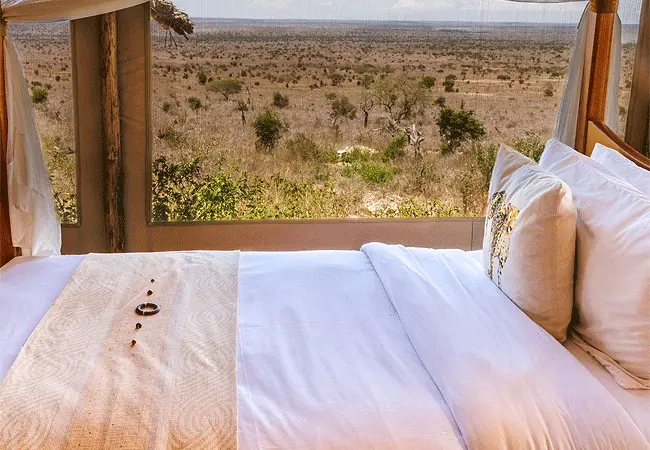
Tucked further down the same hillside as its sister properties, Soroi Lions Bluff Lodge and Soroi Leopards Lair, Soroi Cheetah Tented Camp is the smaller, more eco-luxury-leaning option inside the Lumo Conservancy, a 48,000-acre community-run wilderness bordering Tsavo West National Park and the Taita Hills. Sitting lower on that slope puts the camp directly on the routes elephant, eland, and zebra herds actually follow as they move through, and the wider Lumo Conservancy sees a genuine fraction of the traffic you’d find in the Mara or Amboseli, often no other vehicle in sight at a sighting.
It’s a small, unfenced camp: eight tents total, six twin or double units and two two-bedroom family units, raised on wooden platforms, each with its own veranda that looks out toward Kilimanjaro, a genuinely peaceful spot for morning coffee. Bathrooms are en-suite with traditional safari-style showers and flush toilets, furnished with locally made pieces. The shared guest area angles west specifically to catch the sunset over the hills, and the kitchen leans toward simple, generous home-style cooking, and past guests consistently mention how carefully the staff accommodate specific dietary restrictions, gluten-free included. A partially submerged photographer’s hide at a nearby waterhole is available for overnight stays, giving serious photographers eye-level shots of nocturnal visitors.
Why we choose it: this is the pick for guests who want genuine seclusion away from the busier northern circuit entirely. Game drives, night drives, and walking safaris with armed rangers are all available, and elephant, buffalo, lion, cheetah, and zebra sightings are consistently strong.
5. The Cliff, Lake Nakuru National Park

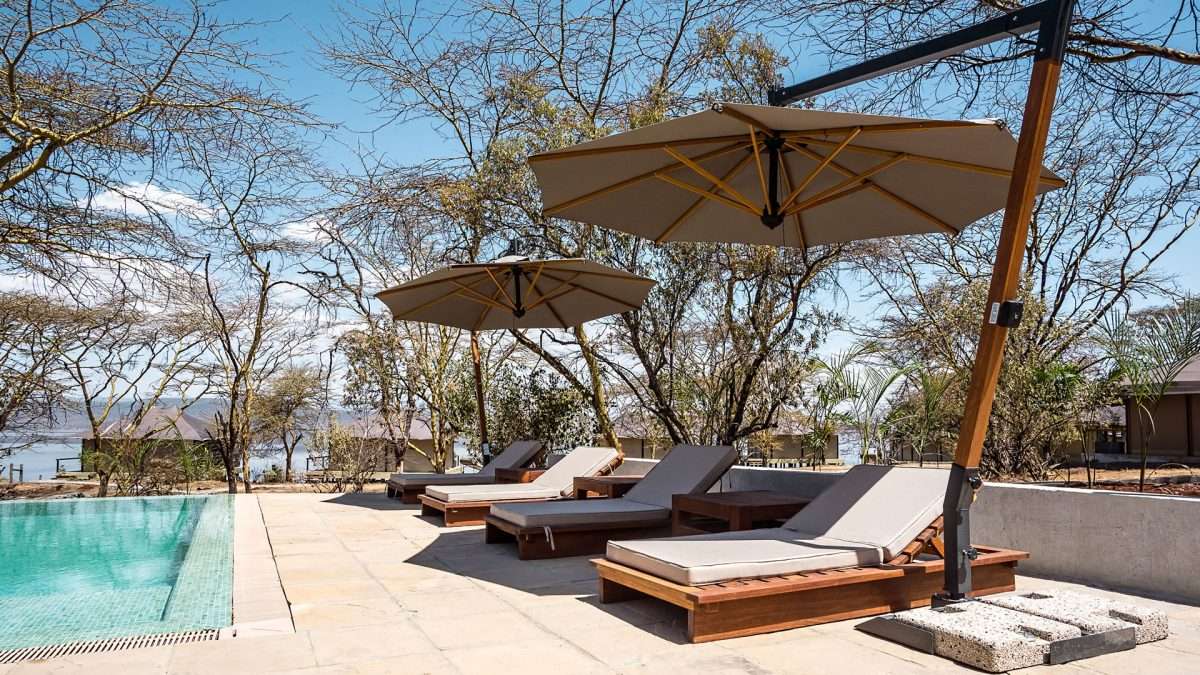
Perched 100 metres above Lake Nakuru on a volcanic rock face, The Cliff sits at the ultra-luxury end of this list, a genuinely boutique property that trades the classic old-world safari look for a chic, minimalist European aesthetic across its open-air stone common areas and floor-to-ceiling glass. It’s genuinely small, just ten suites, which keeps the whole property quiet and private, and makes it one of the strongest picks on this list specifically for couples.
Each tented suite runs to roughly 100 square metres, with a private wooden veranda built for watching the sunrise, and a freestanding bath positioned directly against glass looking out over the lake, alongside double vanities and a proper rainfall shower. Mornings start with a genuinely nice touch: staff draw back your canvas walls at first light, timed with fresh coffee and a hot water bottle to take the chill off the Rift Valley night that just ended. Facilities include a cliffside infinity pool, an outdoor gym, a small shop, and a proper spa, and the kitchen changes its multi-course menu daily.
Why we choose it: Lake Nakuru delivers four of the Big Five, plus Rothschild giraffes and, when conditions are right, flamingos gathering along the shoreline in the thousands, and The Cliff’s elevated position gives you a panorama over all of it that no ground-level lodge can offer. Minimum age here is 12.
6. Elewana Tortilis Camp, Amboseli
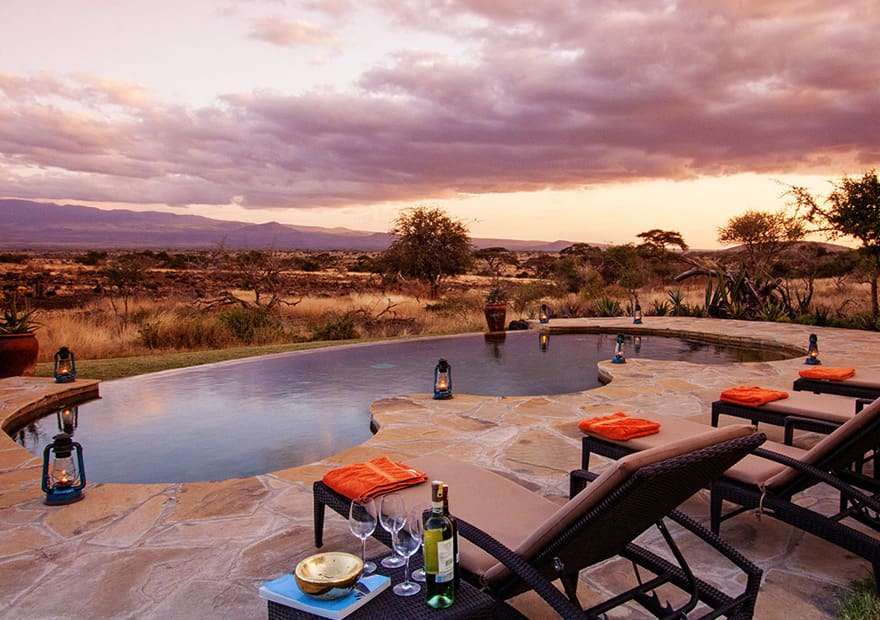
Tortilis sits on a hillside inside the private, 30,000-acre Kitirua Conservancy on Amboseli’s western edge, directly bordering the national park and named for the flat-topped acacia trees scattered across the property. Sitting on private land rather than inside the park boundary means guests here get off-road elephant tracking and bush walks, neither of which the park itself allows. Built in 1993, it was one of Kenya’s first eco-lodges of its scale and still runs entirely on solar power.
The main camp holds sixteen tented rooms on raised wooden platforms, each with a king or twin bed, twin vanity basins in the en-suite bathroom, and a private veranda facing either Kilimanjaro or the camp’s own waterhole. A separate private house and family tent, set apart on the hill for extra privacy, share their own pool. The main guest area sits directly above that same waterhole, and elephant families and plains game gather there often enough that lunch regularly doubles as a genuine sighting. The kitchen is known specifically for its Italian cooking, using produce grown through the surrounding community’s agricultural programs, and the property also has its own pool, a fire pit for stargazing, and a wellness spa.
Why we choose it: the private conservancy location means off-road driving the national park itself doesn’t allow, and the waterhole view from the dining area alone has produced some of our guests’ favorite dinner-time sightings.
7. Ilkeliani Camp, Masai Mara
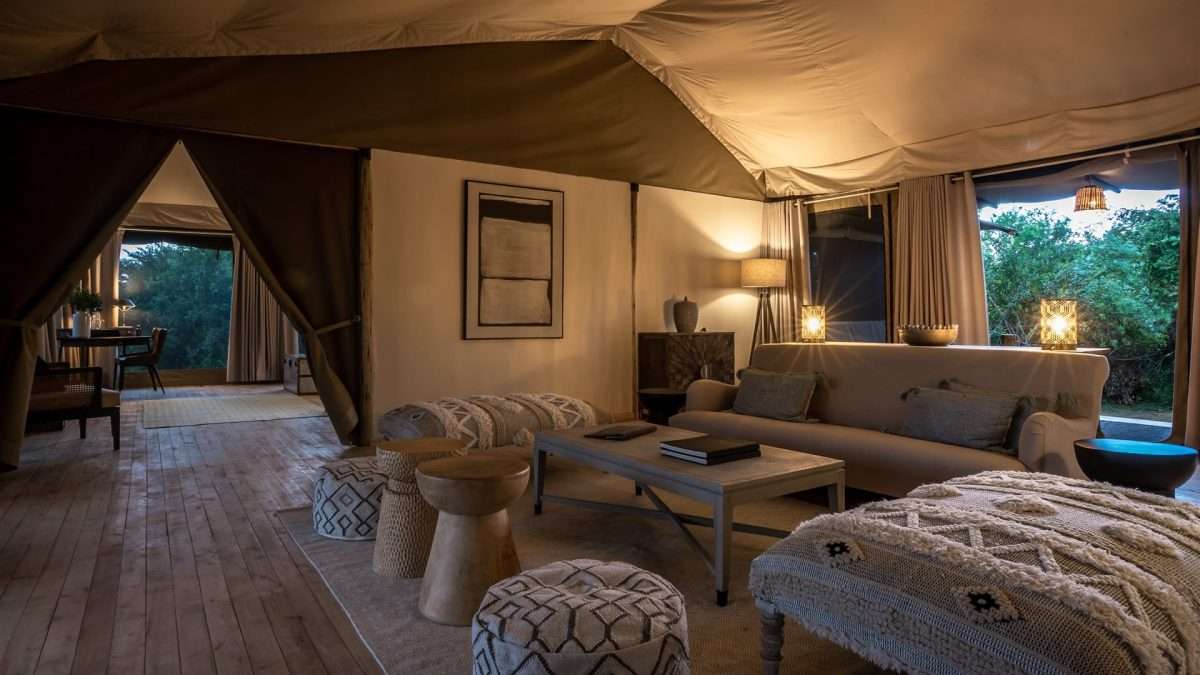
Ilkeliani sits on wooded ground beside the Talek River, on the very edge of the national reserve, with its own private footbridge giving direct access to the game-rich plains beyond, close enough that elephants regularly come down to the river to drink within sight of the camp, alongside hippos and crocodiles visible from the common decks. The property was fully rebuilt and redesigned in recent years, trading a more dated look for a sophisticated palette of earthy tones and natural textures.
Twelve suites split across an East and West wing, Premier and Deluxe Tented options plus dedicated Two-Bedroom Family Suites with their own shared lounge. The canvas panels on each tent detach completely, so the whole bedroom opens straight onto the river and plains beyond, with a king canopy bed, a writing desk, and an en-suite bathroom with a double vanity and a genuine walk-in shower. The kitchen serves meals à la carte on a deck overlooking the river, cooking with vegetables grown in the camp’s own garden, and evenings often end around a campfire with traditional Maasai dance performances. There’s also a dedicated space for savannah-view yoga sessions.
Why we choose it: proximity to the river crossing points during peak migration season, at a level of comfort and design that doesn’t require the premium price tag of some of the more elevated camps on this list.
8. The River Camp, Ol Pejeta Conservancy
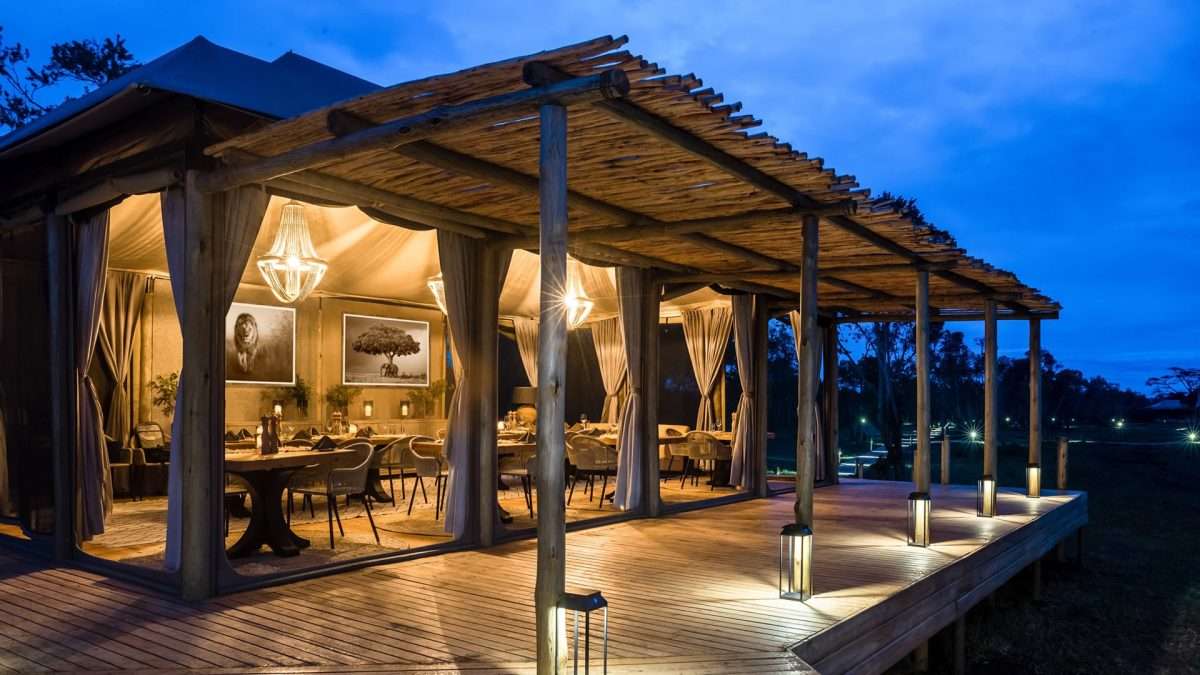
Set along the Ngobit River inside Ol Pejeta, a 90,000-acre conservancy that holds the largest black rhino population in East Africa and Kenya’s only chimpanzee sanctuary, The River Camp gives guests the rare chance to visit Najin and Fatu, the only two northern white rhinos left alive anywhere, watched over continuously by armed ranger patrols. Mount Kenya is visible on the horizon from much of the property, and the camp is unfenced, with buffalo, elephant, and giraffe regularly wandering along the opposite riverbank or straight through the grounds under staff supervision.
The property caps itself at just 20 guests at a time: six en-suite double or twin tents and two family suites, each set on a raised wooden platform strung along the riverbank. Each has its own stone-walled open-air shower positioned toward the water, so bathing comes with an actual view of the bush, plus a private deck with plush seating. There’s a pool, a spa, and dining decks built from stone and timber, arranged to catch Mount Kenya and the Aberdare Range as the light shifts over the course of the day.
Why we choose it: Ol Pejeta’s conservation story, particularly the chance to see the last northern white rhinos in person, is one of the most meaningful stops on any Kenya itinerary, and this camp puts you inside it rather than commuting in each morning.
9. Kibo Safari Camp, Amboseli
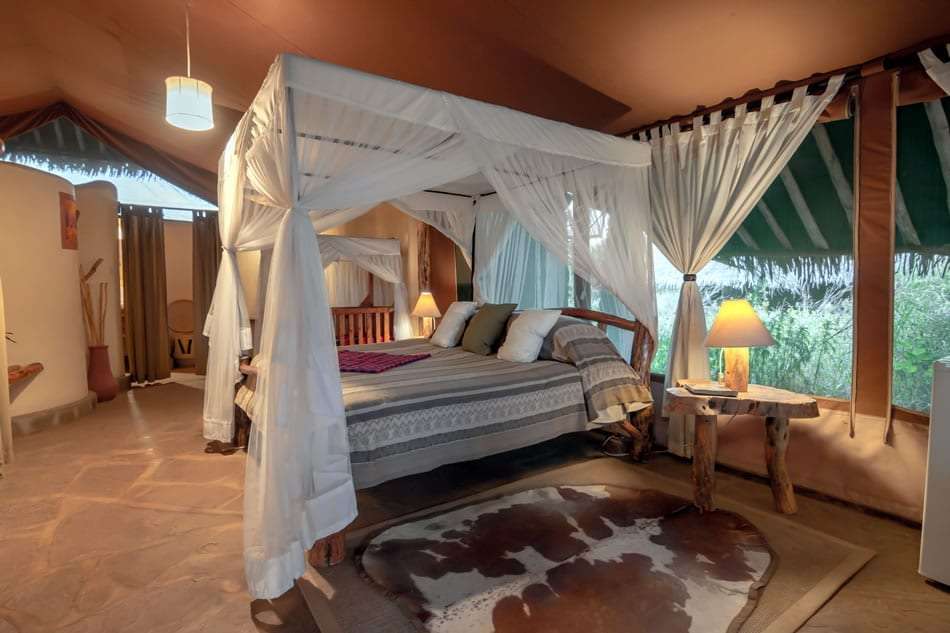
Kibo sits less than two kilometres from Amboseli’s main Kimana Gate, positioned specifically for direct, unobstructed Kilimanjaro views, and for early morning shots of the mountain before the clouds roll in later in the day, which happens more often than most first-time visitors expect. Small plains game, ostriches, and monkeys wander the manicured grounds regularly, since the camp sits along a natural wildlife corridor, and the property works closely with the local Maasai community, with genuine opportunities for guests to interact with Maasai staff.
At 73 tents, Kibo is larger and more accessible than the boutique camps elsewhere on this list, which makes it a strong, comfortable option for solo travelers, couples, and bigger family groups alike, with tents available in single, double, triple, and family configurations. Each bed frame is a canopy style built by local craftspeople out of bush logs, an en-suite bathroom with hot and cold water, and a private furnished patio. The Acacia Restaurant serves buffet-style meals using produce grown in the camp’s own garden, and there’s a sizeable pool with a shallower section built specifically for kids, plus a spa for massages and wellness treatments.
Why we choose it: it’s a strong, comfortable base for shorter Amboseli stops, particularly on itineraries where Amboseli is one stop among several rather than the main event, and the scale here makes it especially easy for larger families to book together.
What Luxury Actually Means at Our Kenya Safari Lodges
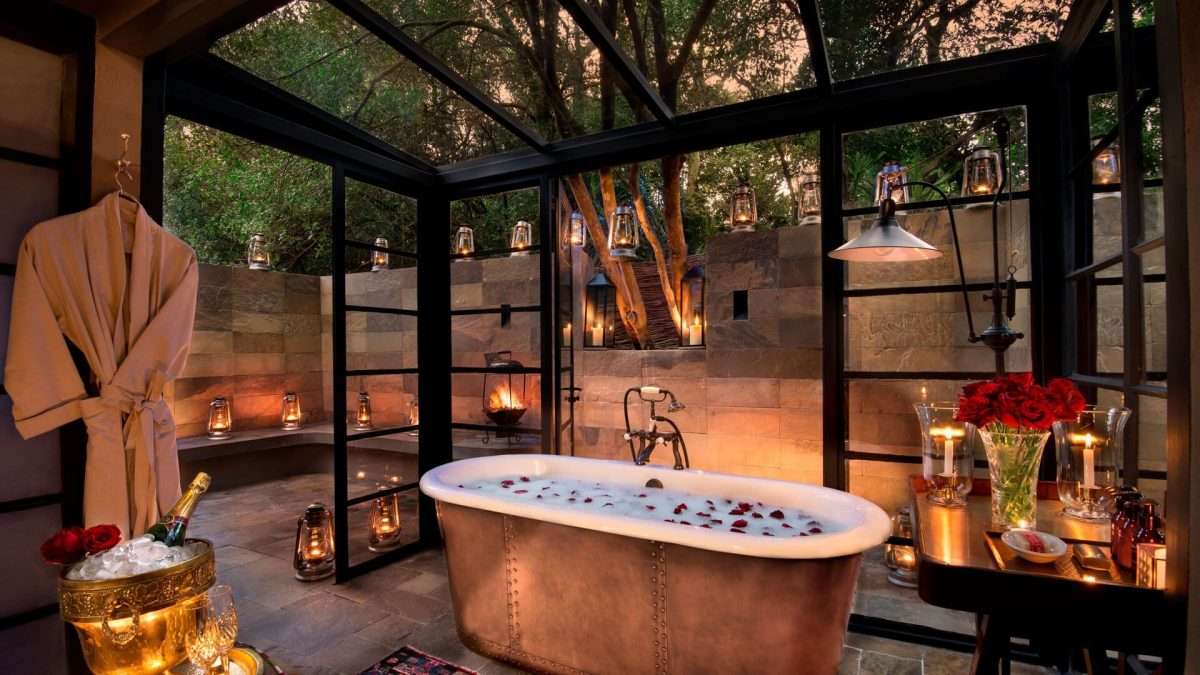
Every property on this list includes a private guide and vehicle, full board accommodation, and en-suite bathrooms with hot water. Beyond that baseline, luxury here means genuine positioning, a camp on the river or inside the park rather than outside it, a view that’s actually worth the price, and staff who know the surrounding wildlife territory well enough to make a real difference in what you see each day.
Best Time to Book These Kenya Safari Lodges
Lead time comes down to season more than anything else, since these are all small, boutique-scale properties with limited tent counts to begin with.
| Season | Months | Recommended Lead Time |
|---|---|---|
| Peak migration season | July to October | 9 to 12 months ahead |
| Christmas and New Year | Mid-December to early January | 8 to 10 months ahead |
| Calving season | January to March | 6 to 9 months ahead |
| Easter | Late March to early April | 6 to 8 months ahead |
| Long rains, low season | April to May | 3 to 4 months ahead |
| Short rains, shoulder season | November | 4 to 6 months ahead |
If your dates fall inside July through October specifically, book as early as you genuinely can. Every property on this list runs a limited number of tents, and that combination of small scale and peak-season demand is what sells these camps out furthest in advance.
Ready to Choose Your Kenya Safari Lodges?

Tell me what matters most to you, migration season access, Kilimanjaro views, a proper pool, or genuine seclusion, and I’ll match you to the right property from this list, not just the first one with availability. Message me on WhatsApp to start planning.
Frequently Asked Questions About Kenya Safari Lodges
Do all the lodges have swimming pools?
You’ll find a pool at most of them, genuinely one of the better ways to spend the hottest hours between morning and afternoon game drives. A few of the smaller, more classic tented camps skip one, so check the specific property if a pool matters to your trip.
Are these lodges suitable for kids?
Yes, at most of them, though minimum ages vary by property. Soroi Mara Bush Camp and Elewana Tortilis Camp both welcome families with connecting or family tents, while The Cliff sets a minimum age of 12 given its cliff-edge design. Tell me your kids’ ages when we’re planning and I’ll match the lodge accordingly.
What’s the food like?
You’re on full board at every property, meaning your breakfast, lunch, and dinner are all included, prepared by an on-site chef using a mix of local and international dishes. Several camps, including Ishara, grow much of their own produce on-site. If you have dietary requests, including halal meals, they’re easy to arrange in advance.
What are the typical daily timings?
Expect the same rhythm at most properties: an early wake-up call, a morning game drive, brunch back at camp, free time through the heat of the day, afternoon tea, a second game drive, and dinner in the evening. Your exact times will shift slightly by property and season.
What should I pack, clothing-wise?
Stick to neutral colors, khaki, olive, tan, and bring a warm layer for early morning drives plus something light for the midday heat. You won’t need formal dress for dinner at any of these camps.
Is it safe to stay somewhere unfenced, like Soroi Mara Bush Camp?
Yes. Unfenced camps use trained staff, often Maasai warriors, who guard the property through the night and escort you between your tent and the common areas after dark. It’s standard practice across the Mara’s private conservancies and genuinely safe when the camp follows proper protocol.
Is the water safe to drink?
You’ll have bottled or filtered water provided at every property, including in your room and on game drives, so tap water isn’t something you need to worry about at any of these lodges.
Is there always hot water?
Yes, you’ll get reliable hot water at every property on this list, whether from solar heating, as at Soroi Cheetah Tented Camp and Elewana Tortilis, or standard systems at the others.
What are the bathrooms actually like?
You’ll have an en-suite bathroom at every camp, generally with a proper shower, and at several properties, including The Cliff and Bateleur, a freestanding bathtub with a view becomes a genuine highlight of your stay.
Is laundry included, or does it cost extra?
You can get laundry done at every property on this list, but it comes at an additional cost, charged per item rather than folded into your nightly rate. Worth budgeting a small amount for this on longer stays, especially given how quickly your clothes pick up dust on a multi-day safari.
Blog Summary
- Every lodge on this list has been personally vetted by our team, not selected from a catalogue.
- Location inside the park or a bordering private conservancy is the first filter, since it directly affects how much of each day you spend driving versus watching wildlife.
- Bateleur Camp, Soroi Mara Bush Camp, and Ishara Mara cover the Masai Mara ecosystem, each with a genuinely different character and position.
- Elewana Tortilis Camp and Kibo Safari Camp cover Amboseli, both offering Kilimanjaro views, while Soroi Cheetah Tented Camp opens up the quieter Lumo Conservancy near Tsavo West.
- The Cliff at Lake Nakuru and The River Camp at Ol Pejeta round out the list for guests wanting rhino conservation or dramatic escarpment views.
- Minimum ages, pool availability, and family suitability vary by property, so tell us your group’s makeup when planning.
- Laundry is available everywhere on this list but comes as an additional cost, not included in the nightly rate.


