
If you’ve ever seen a photo of the Masai Mara, there is a good chance a flash of red caught your eye before the wildlife did. That red and blue checked cloth is Maasai shuka, sometimes written shuka Maasai, and it’s one of the most recognizable pieces of traditional dress anywhere in Africa. This guide covers where shuka cloth actually comes from, what its colors mean, how it’s worn, and how it ended up on runways in Paris.
Quick Answer: What Is Maasai Shuka?
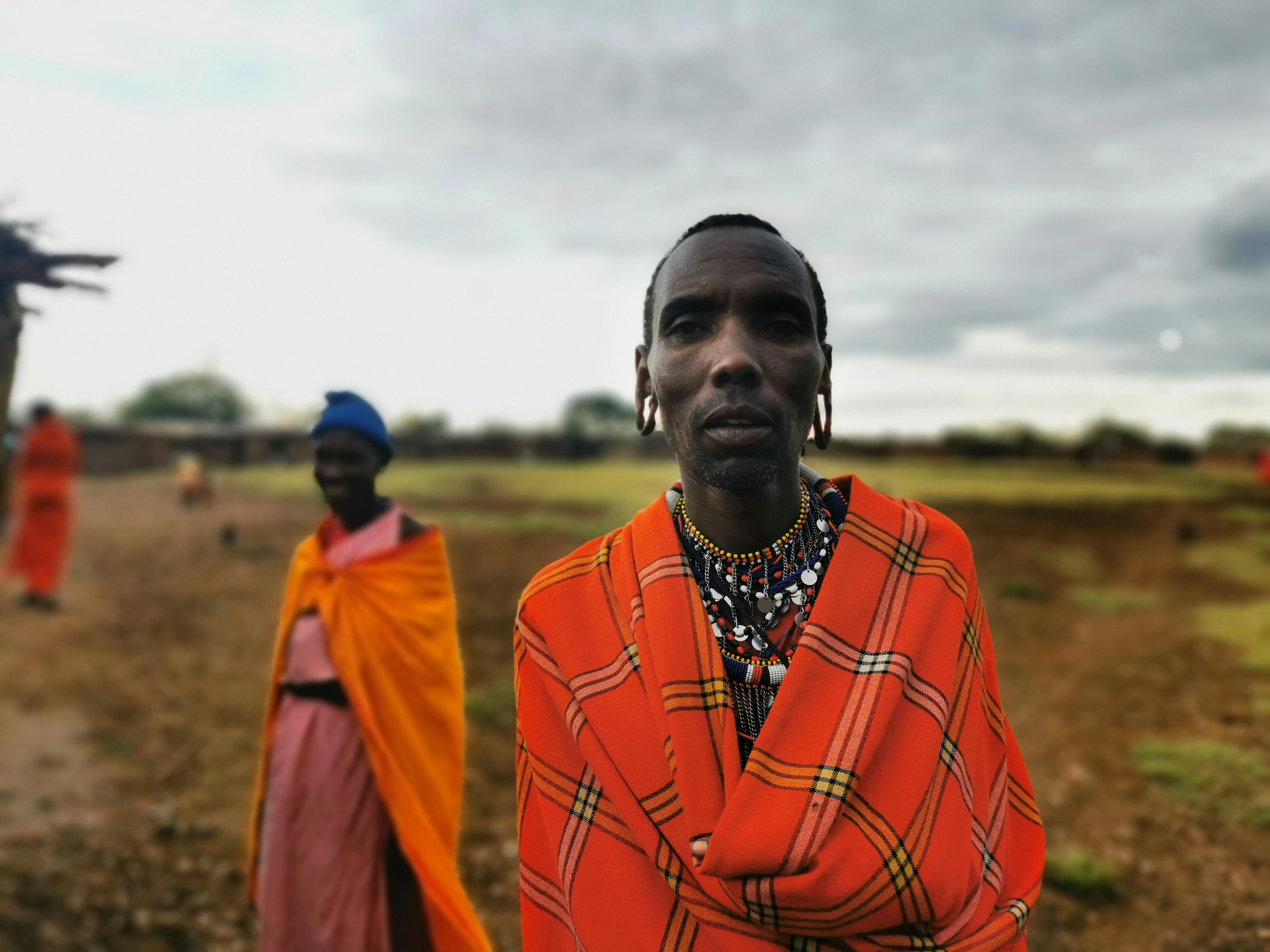
Maasai shuka is a thick cotton cloth, usually red with a black or blue check pattern, worn by the Maasai people of southern Kenya and northern Tanzania. Shuka means “body wrapping” in the Maasai language, and the cloth is draped over one shoulder or wrapped around the body, worn by both men and women as everyday dress. It replaced traditional leather and animal-hide garments only in the 1960s, making it a far more recent addition to Maasai culture than most people assume.
What Is Maasai Shuka Made Of?
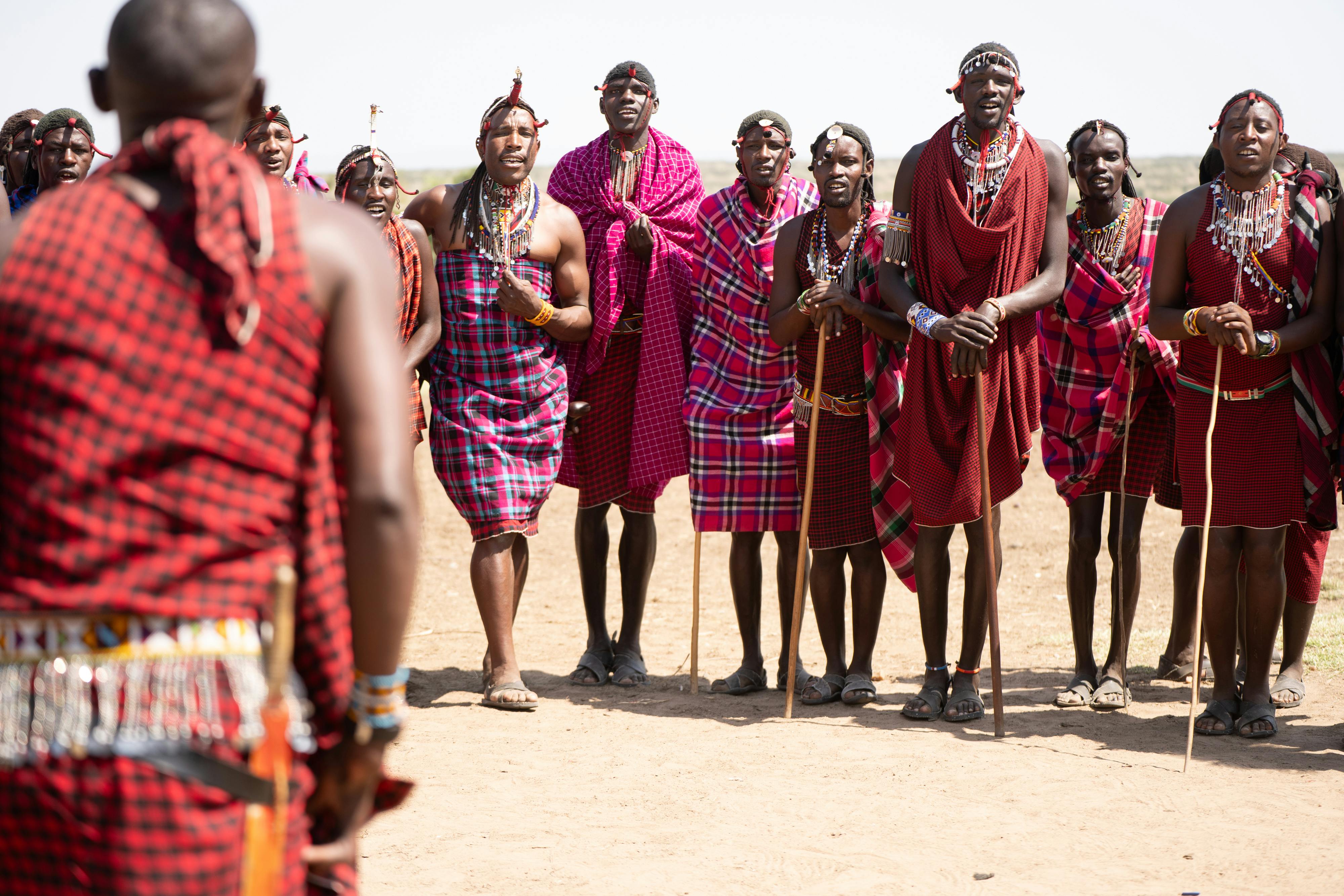
Shuka cloth is a thick, hardy cotton blanket wrap, though older versions were made of wool before cotton became the standard. The switch to cotton happened mainly because wool became more expensive and harder to source reliably, and cotton held up just as well against the heat, dust, and thorny brush of the savanna. Today, most shuka clothing is manufactured commercially, much of it in Dar es Salaam, and a significant amount now comes from China, sold in packaging that says “The Original Maasai Shuka” regardless of where it was actually woven.
Maasai Shuka Colors and What They Mean
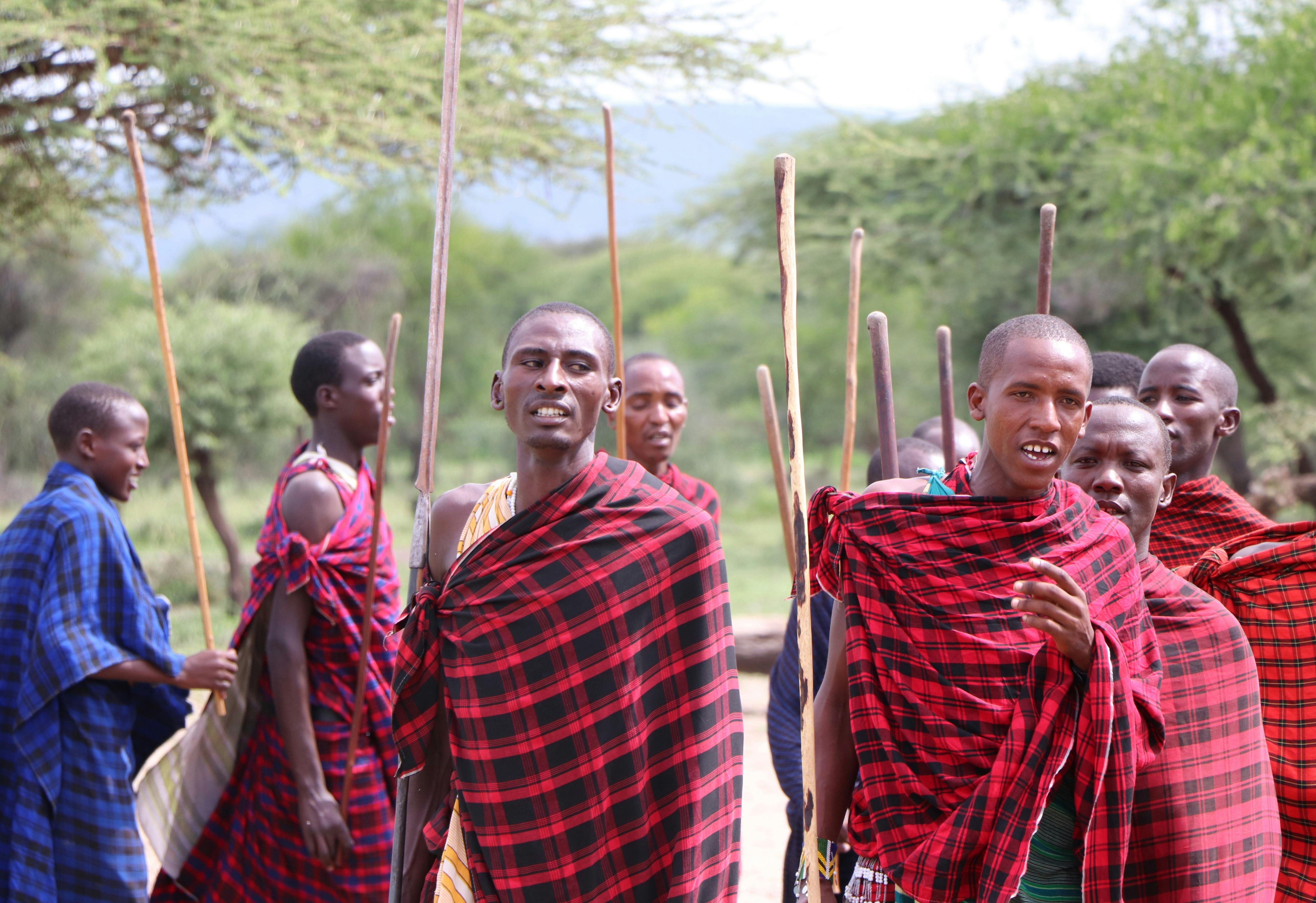
Shuka cloth isn’t randomly colored. Each color carries specific meaning tied to Maasai life and belief, and the pattern itself signals real information about the wearer.
| Color | Meaning |
|---|---|
| Red | Blood, courage, strength, and unity of the tribe |
| Blue | The sky, which brings rain and water |
| Black | Worn after circumcision rituals, tied to hardship and endurance |
| Green | The land that nourishes cattle |
| Yellow | The sun, which sustains life |
| Orange | Hospitality, friendship, and generosity |
| White | Purity, most often associated with milk |
Color also marks social status. Blue shuka is traditionally worn by married individuals, while boys wear black in the months surrounding their circumcision ceremony. Older generations tend to favor red dyed with ochre specifically, since it blends into the region’s red soil and was historically believed to help ward off predators.
How Maasai Shuka Is Worn
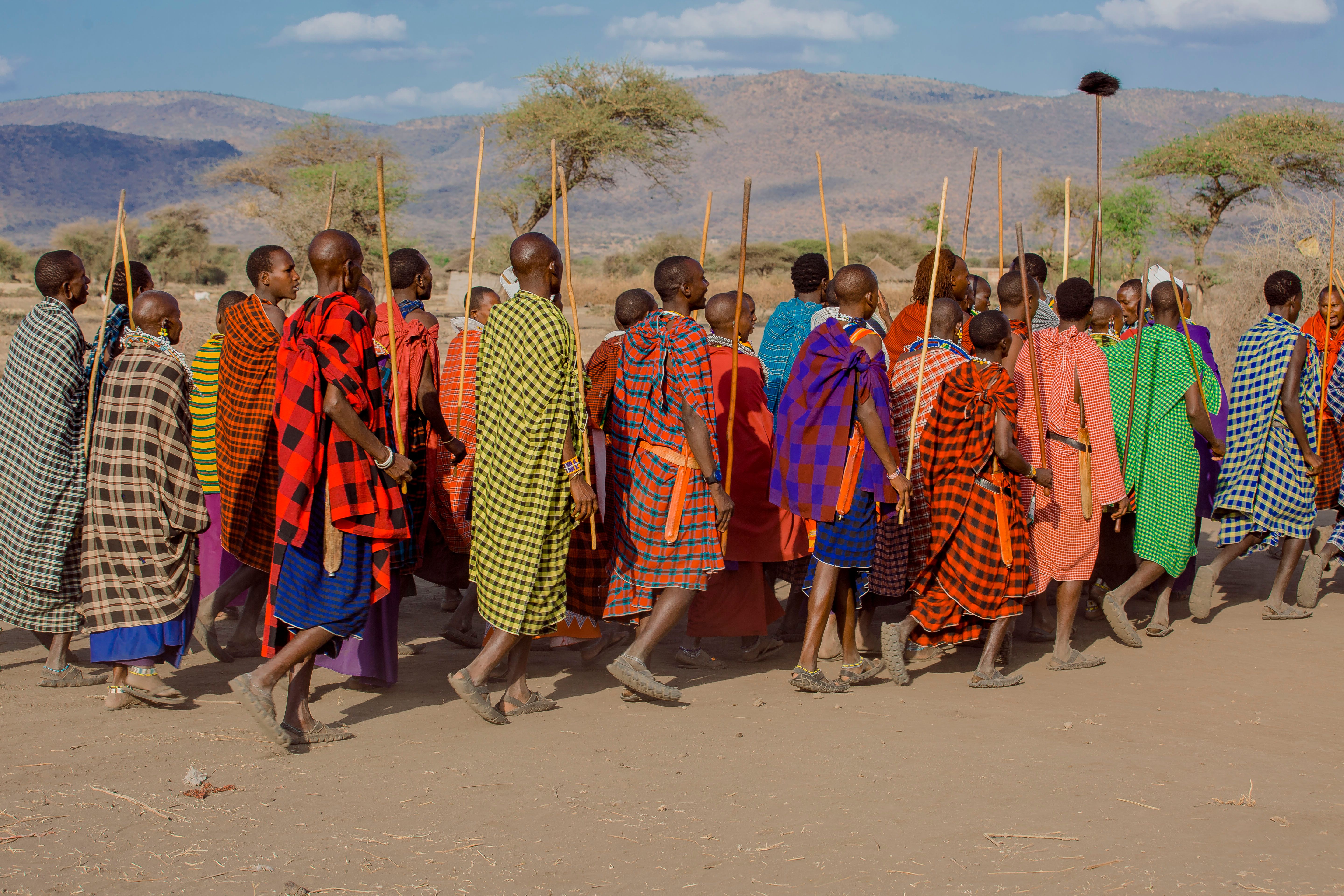
Shuka clothing isn’t a single fixed garment. The same piece of cloth serves several different purposes depending on the occasion:
- As a shawl: Draped over the shoulders and left to hang down the back, worn loosely or secured with a pin.
- As a wrap or skirt: Folded lengthwise and wrapped around the waist, tied or pinned in place.
- As a headscarf: Folded into a triangle and tied under the chin or at the back of the head.
- As a blanket: Wrapped around the shoulders for warmth during cold nights on the plains.
- As an accessory: Used as a belt, bag strap, or simply draped for a splash of color.
Traditional Maasai dress typically pairs the shuka with beaded jewelry, which carries its own layer of status and meaning, along with simple sandals, often made from cured animal hide or, more recently, recycled tires.
Buying a Maasai Shuka in Kenya
If you’re searching for shuka Kenya prices before your trip, or you’re already there and ready to buy, here’s what to expect on cost and quality.
- A basic cotton shuka typically costs between 500 and 1,500 Kenyan Shillings, roughly 5 to 15 US dollars, when bought directly in Kenya.
- More elaborate designs, larger sizes, and heavier wool-blend versions cost more.
- Prices outside Kenya, on sites like Etsy or Amazon, run higher once shipping, import duties, and retailer markup are factored in.
- Buying directly from Maasai-run stalls or community cooperatives, rather than mass-market tourist shops, is the more direct way to make sure your money actually reaches Maasai sellers rather than a middleman importer.
The Cultural Significance of Shuka Beyond Clothing
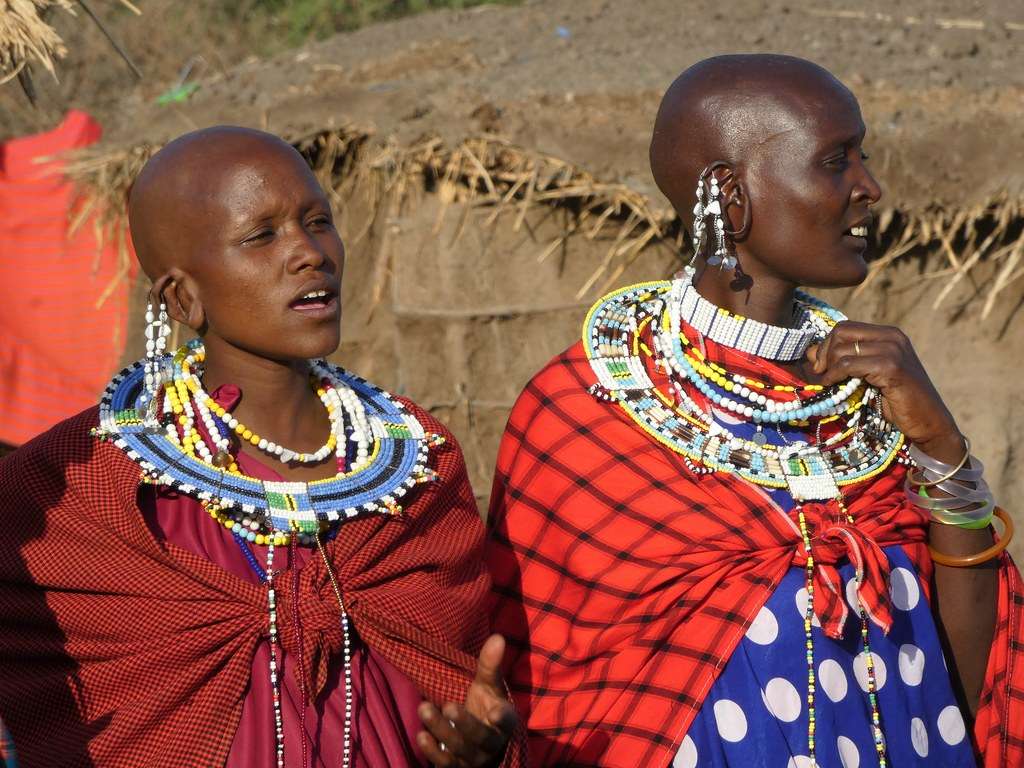
Shuka cloth is tied closely to Maasai identity as semi-nomadic cattle herders who have lived across the Great Rift Valley region of Kenya and Tanzania for generations. Historically, a young Maasai man’s path to warrior status involved a set of rites of passage, and lion hunting was traditionally part of that transition for some communities, with strict rules that protected female lions as the group’s future. That practice has declined sharply in recent decades, and many Maasai communities today are directly involved in lion conservation instead, working alongside organizations focused on protecting the same wildlife their ancestors once hunted. It’s a genuine example of how a culture can adapt its traditions while holding onto the clothing, colors, and symbolism that still define it.
Maasai Shuka in Global Fashion
Shuka cloth has moved well beyond East Africa, and its fashion crossover is a genuinely mixed story worth telling honestly rather than as a simple success story.
In 2012, Louis Vuitton featured red and blue Maasai-inspired checks throughout its Spring/Summer menswear collection, designed by Kim Jones, who grew up partly in Kenya. The collection drew real criticism at the time, and since, for cultural appropriation: the Maasai were not consulted, credited, or compensated, despite the pattern being one of the most immediately recognizable markers of their identity. Louis Vuitton wasn’t alone either. Thakoon used a similar red-checked print in its Fall/Winter 2011 collection, and Maasai-inspired patterns and beadwork have since appeared under labels including Ralph Lauren, Diane von Furstenberg, and Calvin Klein. This pattern of use without compensation led to the creation of the Maasai Intellectual Property Initiative, an effort to help Maasai communities assert rights over their own name and designs in international markets.
Not every use of shuka in fashion has been extractive. Nairobi-based Wan Fam Clothing, founded by Kenyan brothers Jeff and Emmanuel Wanjala, produces contemporary clothing and accessories built directly from shuka patterns, made and sold by Kenyans specifically to honor and modernize Maasai heritage rather than simply borrow from it. That contrast, international luxury brands profiting from the design versus a homegrown label built around it, is worth keeping in mind if you’re shopping for shuka-inspired pieces yourself.
The History and Origins of Shuka Cloth
Nobody knows for certain how shuka cloth became the standard Maasai clothes, but there are two competing theories, and both are worth knowing.
Theory one: the trade route origin. Fabric was used as a form of payment during the East African slave trade, and black, blue, and red dyes were imported from Madagascar around this period. Red and blue checked “guinea cloth” became genuinely popular across West Africa in the 18th century, and some historians believe this pattern traveled along trade routes into East Africa, eventually influencing what became Maasai shuka.
Theory two: the Scottish missionary origin. The Africa Inland Mission was established in 1895 and operated in Kenya until 1909, staffed largely by Scottish missionaries. Shuka cloth closely resembles Scottish tartan and plaid patterns, and the timing lines up with when the Maasai began shifting away from leather. This theory has gained traction in recent years, partly because Kim Jones, the designer behind Louis Vuitton’s controversial 2012 shuka-inspired collection, pointed to this same connection when questioned about the cloth’s origins.
Whichever theory is closer to the truth, the Maasai did not adopt cotton shuka cloth until the 1960s. Before that, leather and animal hide were the standard, reddened with ochre for the same protective and symbolic reasons red remains the dominant shuka color today.
Plan a Cultural Safari with TourwithPipi

Seeing shuka cloth in a photo is one thing. Visiting a Maasai community in Kenya, where you can see it worn, ask questions directly, and understand the meaning behind the colors firsthand, is a completely different experience. Most of my Kenya itineraries include the option to add a Maasai village visit alongside your game drives. My Luxury Kenya Safaris hub covers the full range of trips I build through Maasai Mara and the surrounding conservancies. Message me on WhatsApp if you’d like a cultural visit built into your itinerary.
Frequently Asked Questions
What is a Maasai shuka called?
Maasai shuka is also referred to simply as a shuka or Masai shuka. It’s a brightly colored cotton cloth, most often red with a black or blue checked pattern, that can be worn as a shawl, wrap, headscarf, or blanket.
What is Maasai shuka made of?
Traditional Maasai shuka is made of thick cotton, though older versions were made of wool. Most shuka clothing sold commercially today is manufactured cotton, often produced in Dar es Salaam or China.
How much does a Maasai shuka cost?
A basic shuka cloth typically costs 500 to 1,500 Kenyan Shillings, roughly 5 to 15 US dollars, when purchased directly in Kenya. Prices rise for larger, more elaborate designs, and for purchases made outside the country.
Where did shuka cloth originate?
The exact origin is debated. One theory traces shuka to red and blue “guinea cloth” that spread along West African trade routes in the 18th century. Another credits Scottish missionaries active in Kenya between 1895 and 1909, since shuka closely resembles Scottish tartan patterns.
What do the colors of Maasai shuka mean?
Red represents blood, courage, and unity. Blue represents the sky and rain. Black is worn after circumcision rituals. Green represents the land, yellow represents the sun, and orange represents hospitality and generosity.
Is it disrespectful to wear Maasai shuka?
Wearing shuka respectfully, purchased directly from Maasai sellers and worn with an understanding of its cultural meaning, is different from mass fashion brands copying the pattern without credit or compensation, which is exactly the criticism Louis Vuitton and other labels have faced. Buying directly from Maasai communities supports the people the design actually belongs to.
Quick Summary
- Maasai shuka is a thick cotton cloth, usually red with a black or blue check, worn by the Maasai people of Kenya and Tanzania.
- Shuka only replaced traditional leather clothing in the 1960s, making it more recent than most assume.
- Its origins are debated between a West African trade-route theory and a Scottish missionary theory.
- Each shuka color carries specific meaning: red for courage and unity, blue for the sky, black for circumcision rites, green for land, yellow for sun, and orange for hospitality.
- Shuka can be worn as a shawl, wrap, headscarf, or blanket, depending on the occasion.
- Louis Vuitton’s 2012 collection sparked real cultural appropriation criticism for using Maasai patterns without credit or compensation.
- Nairobi-based Wan Fam Clothing offers a homegrown alternative, built by Kenyans directly from shuka patterns.
- A basic shuka cloth costs 500 to 1,500 Kenyan Shillings when bought directly in Kenya.
- Shuka is tied to Maasai rites of passage, and many Maasai communities today work directly in lion conservation rather than traditional hunting.
- Visiting a Maasai community on safari is the most direct way to understand shuka cloth beyond a photograph.
Written by Khadija Tayabali, Founder and Virtuoso-Affiliated safari advisor at TourwithPipi. Message me directly on WhatsApp to add a Maasai cultural visit to your Kenya safari.


