
The Great Migration reaches Kenya’s Masai Mara from July through October 2026. The dramatic Mara River crossings, the part everyone actually books this trip for, are currently estimated to peak between August 12 and September 25, 2026, weighing how 2025’s rainfall tracked and where the herds currently sit in the Serengeti. No one can predict the exact day a crossing happens. Nature doesn’t book appointments. But that window is the best estimate available right now for when the great migration masai mara 2026 season will peak, and it’s consistent with what several Mara-based guides and ground operators are currently reporting.
I plan Masai Mara migration trips every year, and the question I get more than any other is simply “when is the great migration 2026.” This guide covers the full month-by-month calendar, the current mara river crossing dates 2026 estimate, the actual named crossing points worth knowing before you go, where to stay, how far in advance to book, and real trip options if you want this exact experience.
Quick Answer: 2026 Masai Mara Migration Timing
| Herds arrive in the Masai Mara | Late July 2026 |
| Peak Mara River crossings (estimated) | August 12 to September 25, 2026 |
| Herds still present, thinner crowds | October 2026 |
| Herds begin heading back south | Late October into November 2026 |
| Best single month for crossing frequency | August |
| Best value month | October |
Masai Mara Migration Calendar: Month by Month
The Great Migration is a continuous, year-round cycle across the Serengeti-Mara ecosystem, not a single event. Here’s where the herds are, roughly, throughout the year.
| Month | Herd Location | What to Expect |
|---|---|---|
| January to March | Southern Serengeti, Ndutu area, Tanzania | Calving season, newborn wildebeest, heavy predator activity |
| April to May | Central and Western Serengeti, Tanzania | Herds begin moving north as the long rains ease |
| June | Western Corridor, Serengeti, Tanzania | Grumeti River crossings begin, smaller-scale than the Mara crossings |
| July | Northern Serengeti, entering the Masai Mara via the Sand River | First Mara River crossing attempts begin, concentrated near the Mara Triangle and Talek areas |
| August | Masai Mara, Kenya | Peak migration month; river crossings at their most frequent, sometimes several in a single day |
| September | Masai Mara, Kenya | Back-crossings begin, herds moving north and south across the river multiple times in a week as rain shifts the grazing; crowds thin noticeably |
| October | Masai Mara, Kenya | Herds still present and grazing; crowds thin, rates often drop |
| November to December | Herds move south, back toward the Serengeti | Short rains begin; herds cross the Mara River again heading south before dispersing |
2026 Peak Crossing Window: What the Estimate Is Based On

The August 12 to September 25, 2026 window comes from a combination of long-term migration data, current Serengeti herd positions, and how closely 2025’s rainfall patterns tracked historical norms. In years where the rains fall roughly on schedule, the migration’s timing has stayed within about a two-week margin of the historical average, which is part of why this estimate carries real weight rather than being a guess.
That said, nothing about this is guaranteed. A delayed or uneven start to the rains in the Serengeti can push herds to linger further south, shifting the whole window later by a week or two. The migration has never missed the Mara entirely in living memory, but the exact week of a specific crossing is genuinely impossible to promise months in advance.
Given today’s date, early September 2026 falls squarely inside the currently estimated peak window, which is exactly when demand for Mara camps and guides runs highest.
Best Mara River Crossing Points

Not every stretch of the Mara River sees crossings, and the named points below are where guides actually position vehicles.
| Crossing Point | Location | What Makes It Distinct |
|---|---|---|
| Cul de Sac (Kaburu) | Central Mara | Narrow river channel forces herds together, producing some of the most chaotic, high-drama crossings |
| Paradise Plains | Northern Mara | Steep, 3 to 4 metre banks force a dramatic leap into the water, a favorite for photographers |
| Serena’s Crossing | Central Mara | One of the steadiest, most dependable spots to actually witness a crossing during peak season |
| Mortuary Crossing | Mara Triangle | Named for its high mortality rate; mainly used late season as herds head back south |
| Kichwa Tembo Crossing | Near Mara North Conservancy | Quieter and less crowded, used as herds exit the Mara toward the end of the season |
| Talek River | Eastern Mara | A smaller tributary crossed before the main Mara River; less dramatic, far fewer vehicles |
| Sand River | Southern boundary | The entry point for the season’s earliest arrivals in July; wider and shallower, so crossings here are calmer |
| Lookout Hill | Just north of the Kenya-Tanzania border | Typically the first Mara River crossing point of the season, usually in early August, shortly after herds have forded the Sand River |
| Purungat Bridge (Point 5) | Main reserve | Heavily trafficked but dependable, with lower banks that make crossings less visually dramatic |
If your guide mentions activity at the Sand River, treat it as a signal, not the main event. Herds crossing there are usually a few days out from pushing on to the Mara River itself.
How Many Days Should You Stay for the Migration?
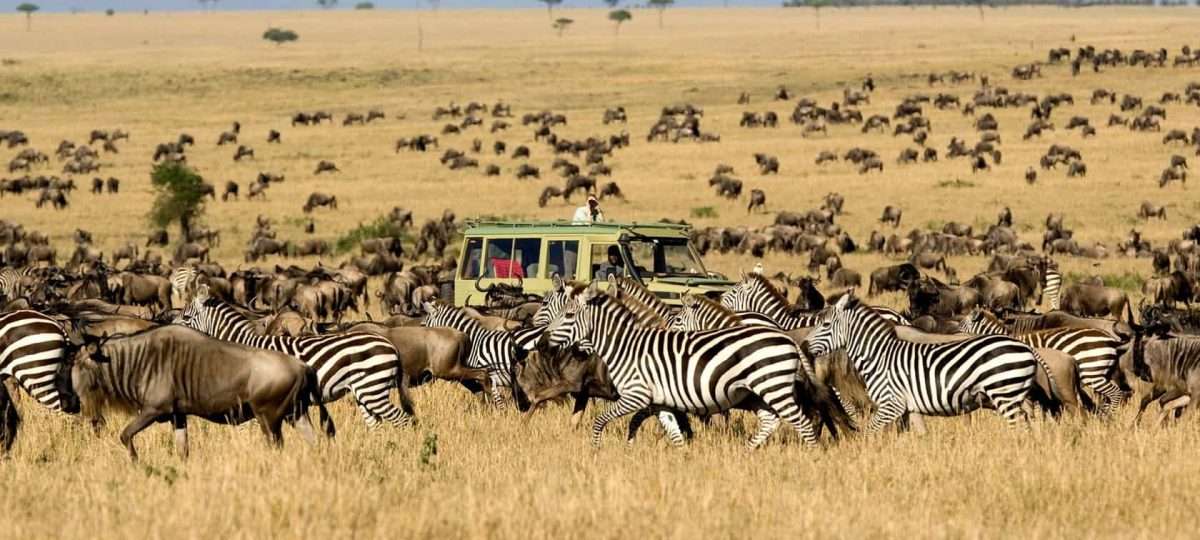
I recommend a minimum of four nights for a migration-focused trip, and honestly, anything shorter is a real gamble. Wildebeest can gather at a riverbank for hours or even days before committing to a crossing, and it’s entirely possible to spend three full days in the Mara during peak August with excellent general game viewing and still not witness one. Four nights gives you enough riverside time to genuinely improve your odds without the trip becoming only about the crossing.
If your schedule allows five to six nights, that additional buffer matters even more in September and October, when the herds engage in what guides call back-crossing, moving north and south across the river multiple times in a single week as localized rain shifts the grazing. More time in the Mara during this stretch generally means more chances, not just a longer wait for the same chance.
Masai Mara vs Serengeti: Where Should You Go?
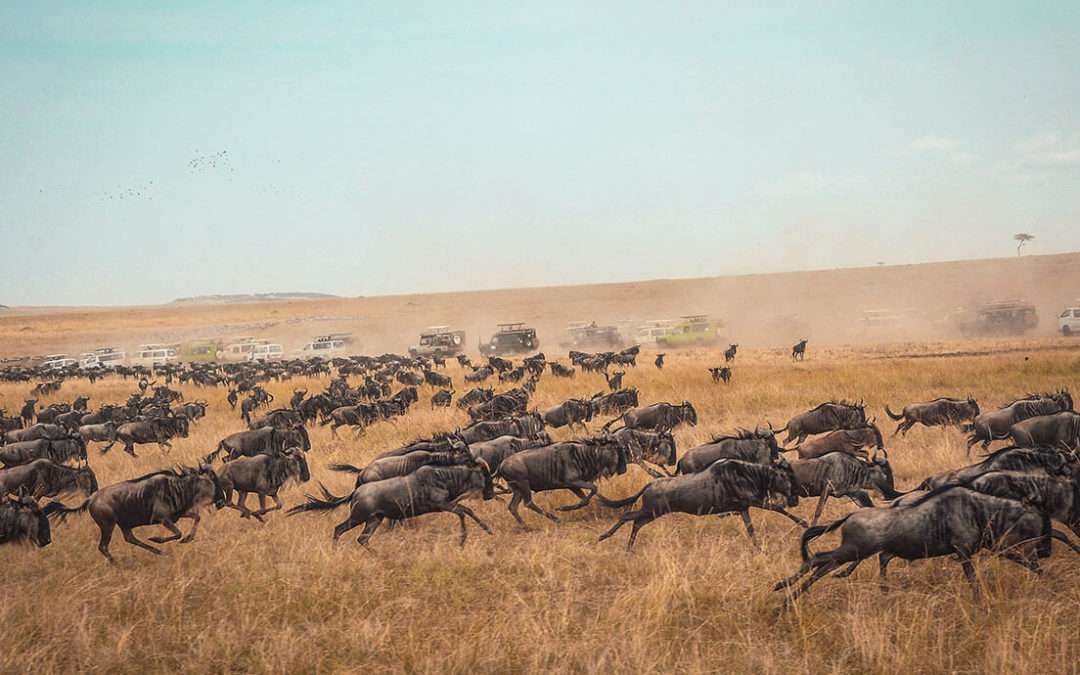
Both sit inside the same ecosystem, so this isn’t really an either-or question, it’s a timing question.
The Masai Mara is the stronger choice specifically for the August through October river crossing window this guide covers, since that’s when the bulk of the herds are physically inside Kenya. The Serengeti, on the Tanzania side, is the better choice for calving season, roughly January through March, when the action shifts to the southern plains around Ndutu, and again for the northern Serengeti’s own crossing points from around June through July, just before the herds push into the Mara.
| Masai Mara (Kenya) | Serengeti (Tanzania) | |
|---|---|---|
| Best months | August to October | January to March (calving), June to July (northern crossings) |
| Signature event | Mara River crossings | Calving season and Grumeti River crossings |
| Park size | 1,510 km² | Roughly 14,750 km², considerably larger |
| Off-road driving | Only in private conservancies | Only in select private concessions |
| Getting there from the US | Nairobi is the main gateway, with a short flight or drive to the Mara | Arusha or Kilimanjaro International, with a flight to the Serengeti |
If your dates fall specifically inside the August to September peak window, Kenya’s Masai Mara is where I send guests. If you’re set on calving season, or you have enough time to genuinely cover both sides, Tanzania’s Serengeti circuit is the better base.
TourwithPipi Camps and Lodges in the Masai Mara
I only put guests into camps I’ve personally vetted for location, guiding quality, and genuine proximity to where the migration actually happens each season.
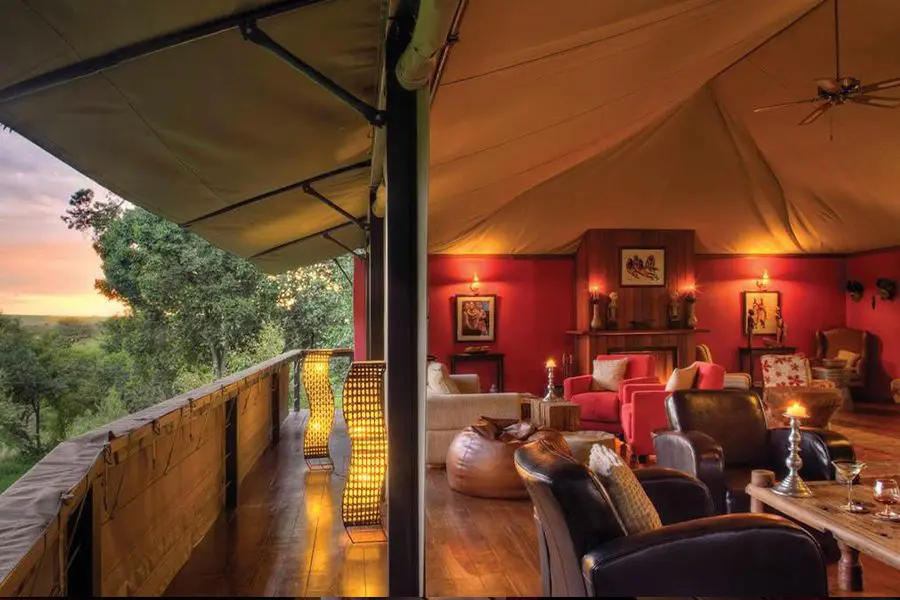
Olare Mara Kempinski, inside the Olare Motorogi Conservancy, is one of the properties I use most for Masai Mara itineraries. Olare Motorogi carries one of the highest lion densities in East Africa, caps camps at a strict tent limit to keep vehicle numbers low, and allows off-road driving and night drives that the main reserve doesn’t.

Soroi Mara Bush Camp, in the Mara North Conservancy, is the pick for fly-in Kenya itineraries specifically. Mara North’s resident prides, including well-known groups like the Acacia and Gorge prides, make this one of the most reliable predator-viewing conservancies in the ecosystem, and vehicle numbers here are strictly controlled.
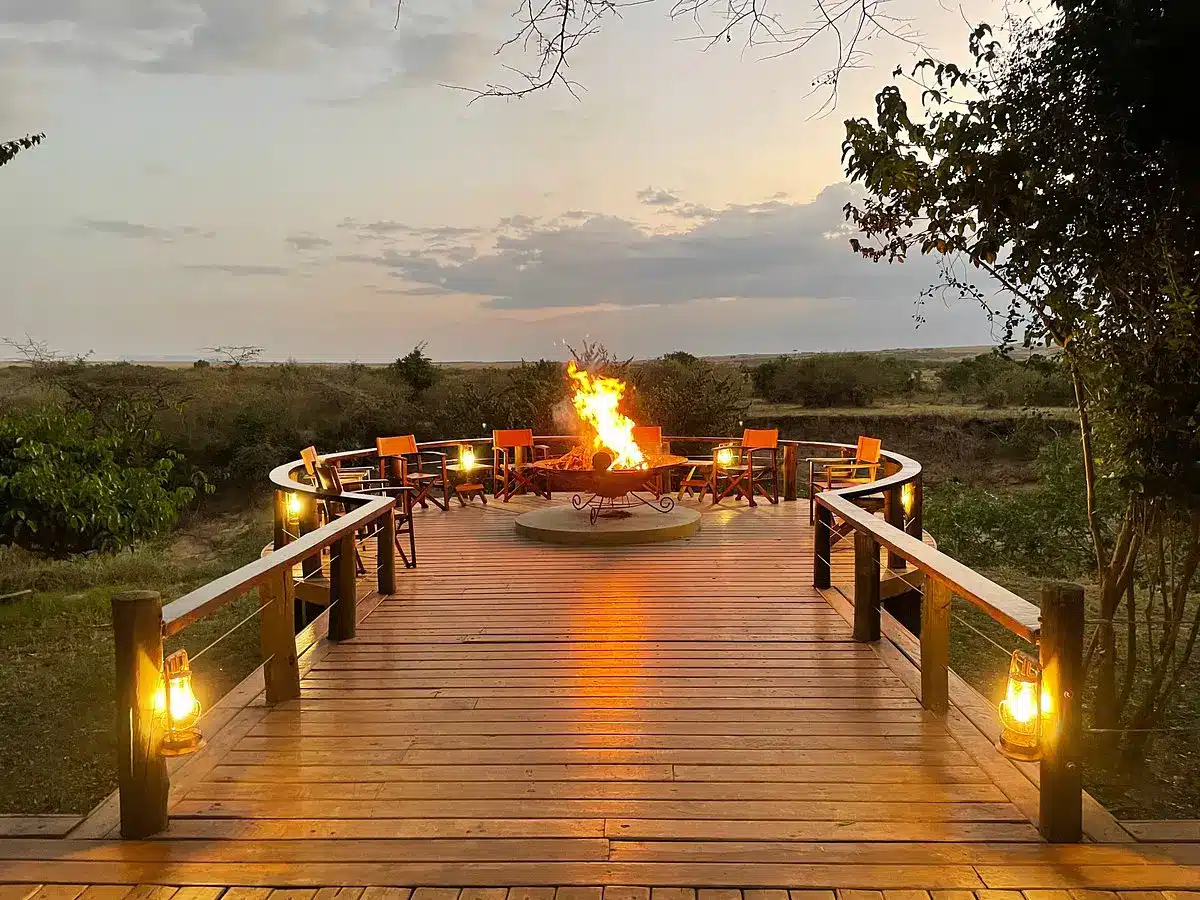
Ilkeliani Camp sits closer to the main reserve itself, a good fit for shorter itineraries that prioritize direct access to the national reserve’s river crossing points over conservancy exclusivity.
Predator Activity During the Migration
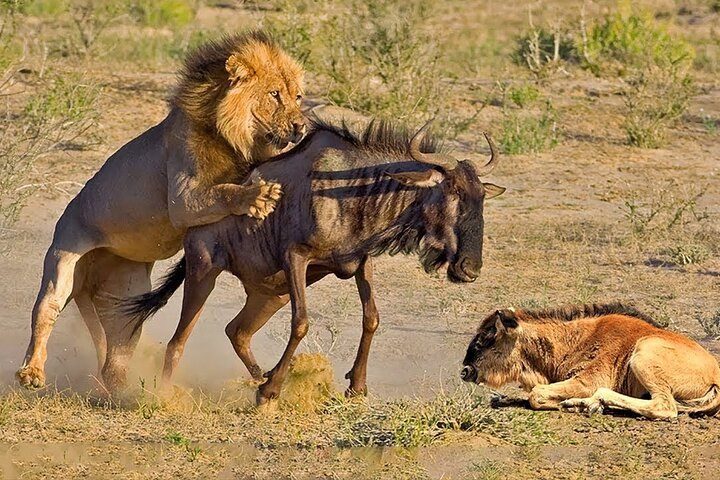
The migration isn’t just wildebeest and zebra. It’s a moving buffet, and predator sightings peak right alongside the herds themselves.
Crocodiles are the obvious threat at the river itself, and the largest, most experienced Mara River crocodiles time their positioning around the crossing points that see the heaviest traffic. Away from the water, lion prides follow the herds closely, and August through October consistently produces some of the best lion sightings anywhere in Kenya simply because prey density is so high. Cheetahs and leopards stay more active too, taking advantage of scattered, distracted animals at the edges of the main herds. If predator sightings matter as much to you as the crossings themselves, a private conservancy genuinely delivers here, since off-road access lets your guide follow a hunt in progress rather than staying fixed to a track.
Photography Tips for the River Crossings
A river crossing happens fast, often over in under a minute of real chaos, so positioning and settings both matter more than expensive gear alone.
- Arrive early and be willing to wait; a genuine crossing can take hours to actually begin once herds gather at the bank
- Ask your guide for a spot with clean sightlines to the water rather than the closest available position, since 50-plus vehicles competing for the same view is common at the well-known points
- Keep your shutter speed fast enough to stop the water splash and a wildebeest mid-leap, generally 1/1000 of a second or quicker; raise ISO on overcast days to hold that speed without underexposing
- Set your aperture around f/5.6 to f/8, enough depth of field to keep both the nearest and furthest animals sharp as they spread across the water
- A zoom lens in the 100 to 400mm range covers both the wide chaos of a crossing and tighter shots of individual animals, since the action can start 200 metres out and end 30 metres from your vehicle
- Shoot in continuous burst mode; the single best frame is usually the launch, the split second the lead animal leaves the bank, not the animals already in the water
- Bring more memory cards and battery capacity than feels necessary, since a strong crossing can produce hundreds of usable frames in minutes
- Pack 10×42 binoculars if you have them; the river is often wide enough that spotting a crocodile on the far bank needs more than 8x magnification
How to Avoid the Crowds
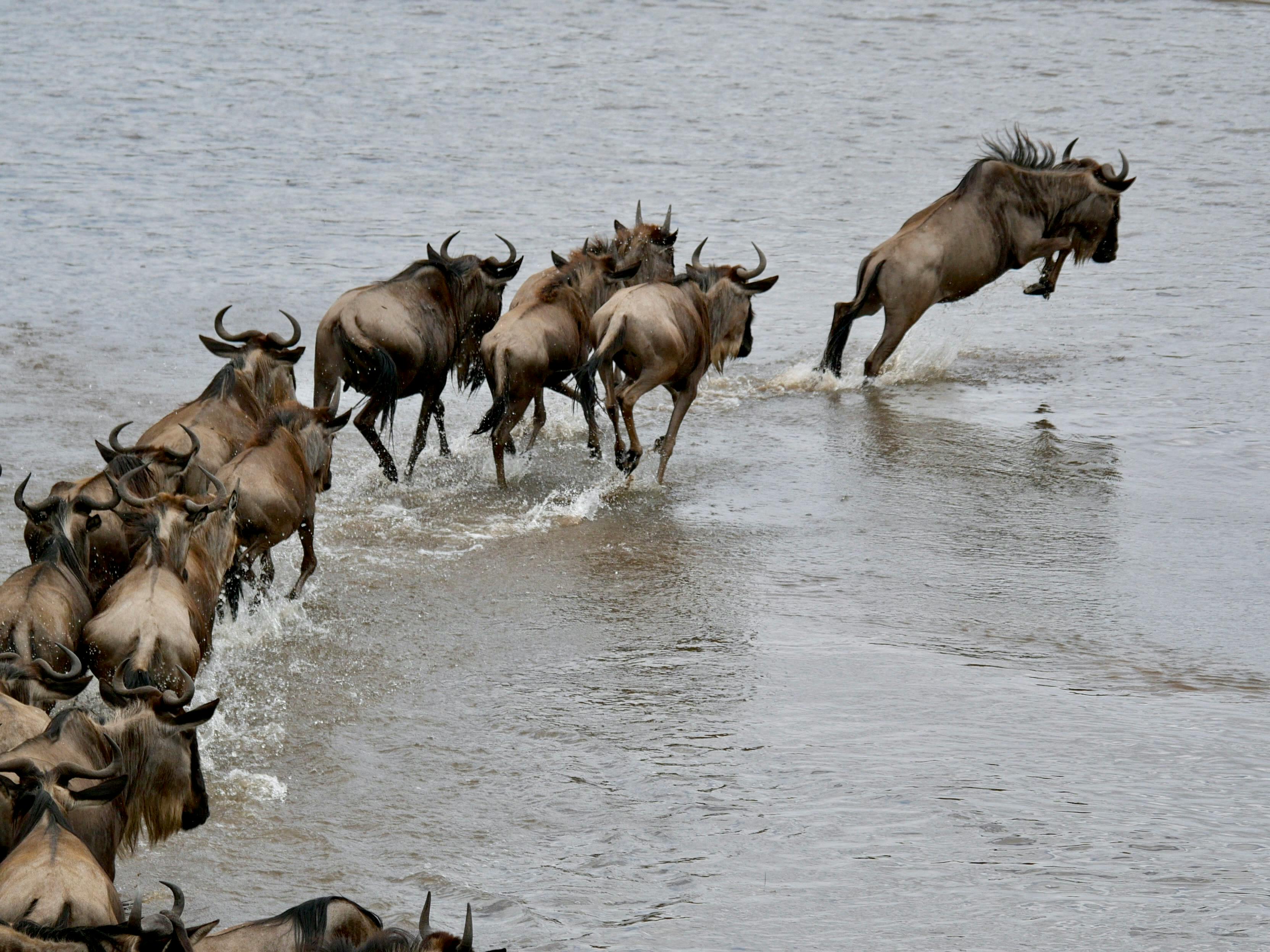
A confirmed crossing on the radio can pull 50 to 100 vehicles to a single riverbank within minutes, especially at the well-known points like Cul de Sac and Paradise Plains. A few things genuinely help:
- Choose a private conservancy over the main reserve if a quieter experience matters more to you than betting on the single biggest crossing
- Ask your guide about the Talek River or Kichwa Tembo Crossing specifically, both of which see real crossings with a fraction of the traffic
- Travel in October rather than August, when herds are still present but the crowd size drops noticeably
- Book a private vehicle rather than a shared one, so your guide can reposition on your schedule rather than a group’s
The Loita Migration: A Different Herd Worth Knowing About
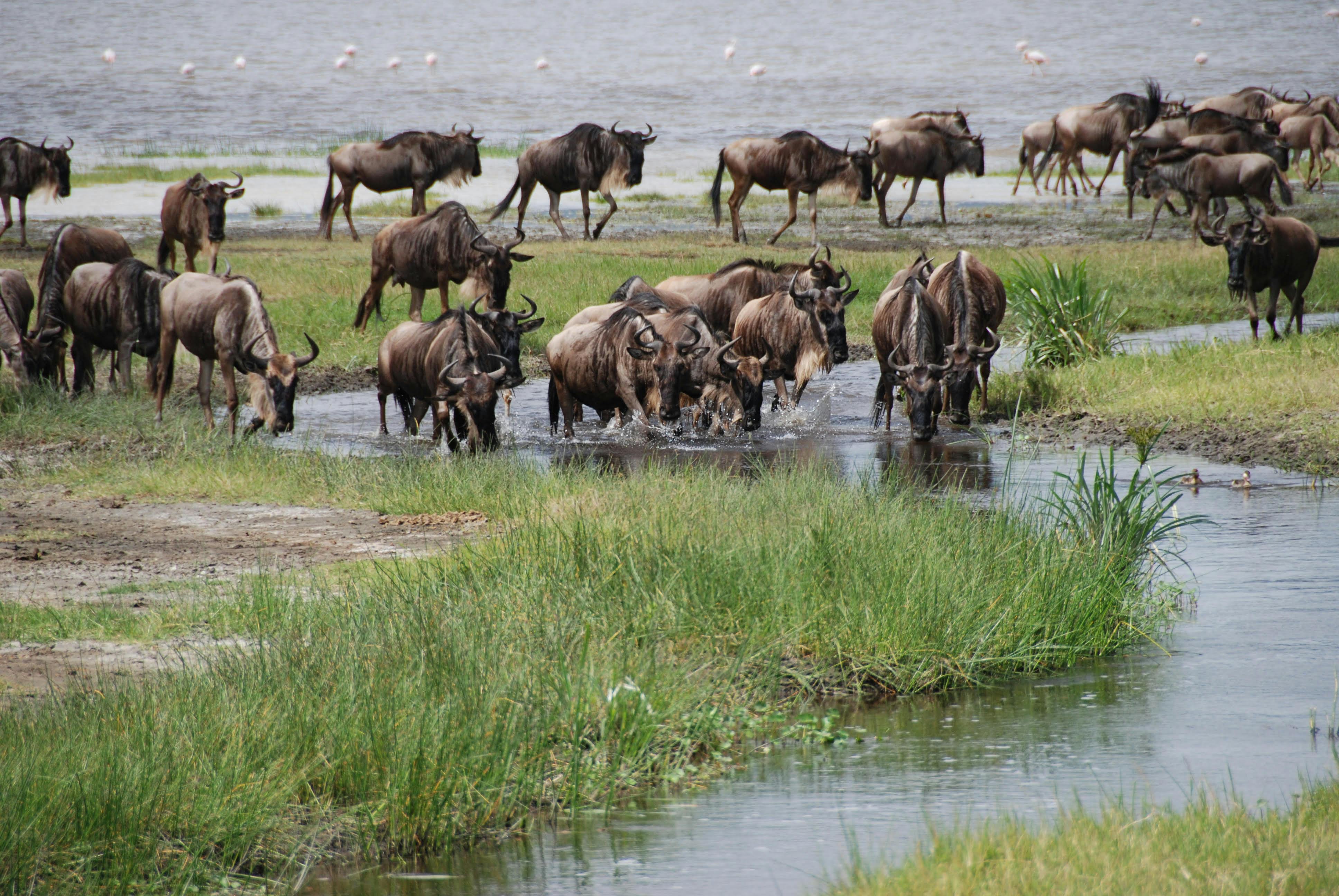
The Serengeti-Mara migration isn’t the only wildebeest movement in this ecosystem. A separate, resident population of around a quarter million wildebeest calls the Loita Hills home year-round, an area northeast of the Masai Mara, and this herd shifts into the bordering conservancy land, including Ol Kinyei, Naboisho, and Olare Motorogi, from around May or June onward, often remaining there through calving season into March.
This Loita herd never produces the dramatic Mara River crossings the main migration is known for, since it doesn’t follow the same route. What it does offer is genuinely excellent predator activity, especially January through February during calving, with a fraction of the vehicle traffic and none of the 12-month advance booking pressure that August demands. If your travel dates simply don’t line up with July through October, or you’d rather have strong wildlife density without competing for a parking spot at the river, this is worth asking me about directly.
What to Do When the Crossing Doesn’t Happen
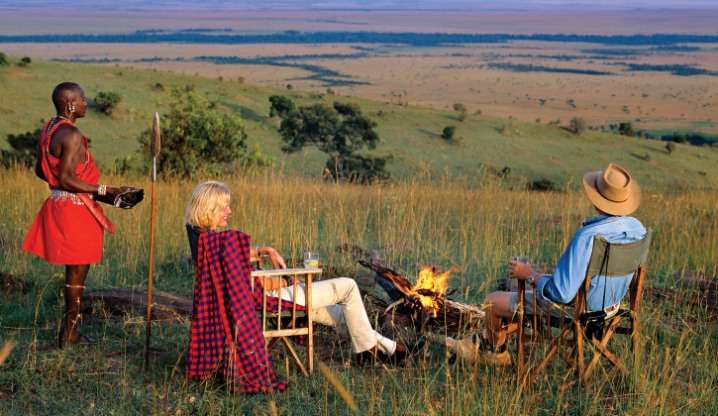
Even during peak season, plenty of guests spend several days in the Mara without witnessing an actual crossing. It happens, and a good guide has a real Plan B rather than just waiting at the same riverbank all day.
Musiara Marsh consistently delivers strong lion and leopard sightings, including some of the most-filmed prides in the Mara ecosystem, and it’s a genuinely excellent full day even without a crossing. A private conservancy night drive, only available outside the main reserve, adds a chance to see hunting behavior you’d never encounter on a standard daytime game drive. The Talek River offers a smaller-scale, far less crowded crossing experience in its own right, with two or three vehicles instead of a hundred. And during peak August, the open plains’ short grass makes cheetah hunts genuinely visible at a distance, often while every other vehicle in the reserve sits parked at the main river waiting for something that isn’t happening yet.
How Far in Advance to Book
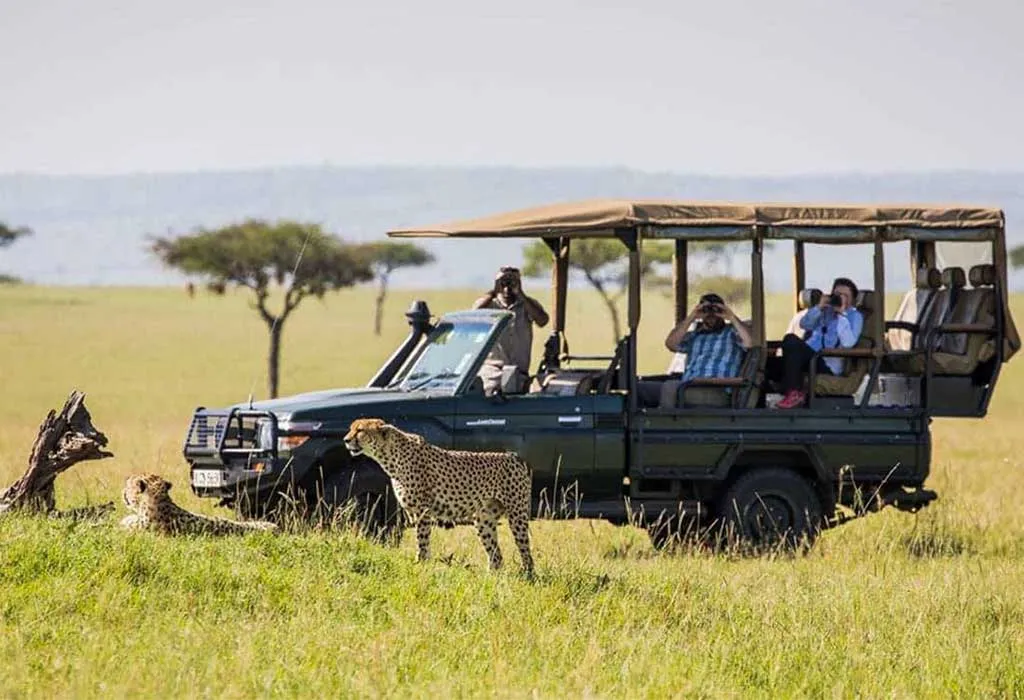
| Travel Window | Recommended Booking Lead Time |
|---|---|
| August (peak month) | 12 to 18 months ahead |
| September to October | 6 to 12 months ahead |
| November onward | 3 to 6 months ahead |
Camps near the Mara River genuinely do sell out this far in advance for August specifically. If your dates are flexible, September offers a real trade-off worth considering: slightly less frantic crossing activity than August, but noticeably easier availability and a shorter lead time.
What a Migration Safari Costs
Expect migration-season rates to run higher than the rest of the year, since this is Kenya’s genuine peak season. A private, guided migration safari typically runs from around $1,500 per person for a shorter, road-based Masai Mara trip up to $7,000 or more per person for a longer, fully guided migration-focused itinerary with dedicated river crossing days.
| Cost Item | Typical Range | Notes |
|---|---|---|
| Masai Mara National Reserve entry fee, January to June | $100 per person, per day for non-residents | Low season rate |
| Masai Mara National Reserve entry fee, July to December | $200 per person, per day for non-residents | Peak season rate; covers the entire migration window |
| Private conservancy fee (Mara North, Olare Motorogi) | $80 to $130 per person, per night | Goes directly to the Maasai landowners who lease the conservancy land |
| Domestic flight, Nairobi to the Mara | $200 to $400 per person, each way | Cuts a 5 to 6 hour road transfer down to about 45 minutes |
| Migration-focused safari, 5 to 6 days | $3,500 to $5,000 per person | Road-based, Masai Mara and one or two additional parks |
| Migration-focused safari, 8 to 10 days | $6,000 to $8,000 per person | Fly-in options, dedicated river crossing days, private conservancy stays |
Park and conservancy fees are usually built into the package price rather than charged separately, but it’s worth confirming exactly what’s included before you book, since these fees genuinely add up on a longer trip.
One rule worth knowing before you go: Masai Mara park tickets are only valid for 12 hours, from 6 am to 6 pm on the day of entry, not a full 24 hours. If you’re staying inside the reserve, you generally need to exit by 10 am the following morning or you’re charged for an extra day. For the full, current fee breakdown, see our Masai Mara park entry fee guide.
Why Choose TourwithPipi for Your Great Migration Safari
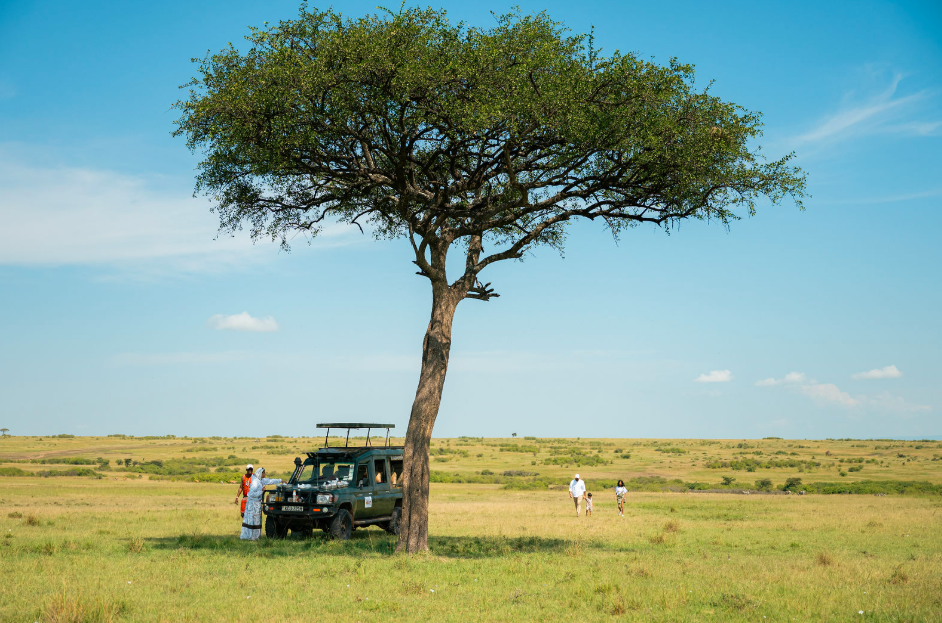
I plan migration safaris on both sides of the border, Kenya’s Masai Mara and Tanzania’s Serengeti, which means the itinerary gets built around whichever side actually fits your dates instead of steering you toward whichever country I happen to sell.
Every safari I run is private and guided from start to finish. There’s no shared vehicle, no fixed group schedule, and no compromise on pace to accommodate strangers on the same truck during a crossing. I only use camps I’ve personally vetted, in the specific conservancies and reserve sectors that actually put you near the migration each season, not wherever happened to have availability. And with a team based in Africa plus North America support, you get real, end-to-end coverage from the moment you land to the moment you fly home, not a handoff to a different company once you touch down.
Real Migration Safaris You Can Book
Every itinerary I build is private and tailor made, but these give a sense of what’s genuinely available for the 2026 migration season.
The Great Run: A 10-Day Great Migration River Crossing Safari is built specifically around this, three nights at Nyikani Migration Camp in the Kogatende region, with dedicated full-day drives timed around the movement of the herds and the Mara River crossings themselves.
For calving season instead, the Circle of Life: A 10-Day Journey Through the Calving Season covers Tarangire, Ngorongoro, and Ndutu during the January to March window, when newborn wildebeest and heavy predator activity define the trip instead.
If you want the Masai Mara specifically without the full migration-focused itinerary, the Big Five Safari: A 5-Day Maasai Mara Road Adventure covers Lake Nakuru and the Mara at a more accessible length and price, and the Must See Kenya: An 8-Day Luxury Safari Journey adds Amboseli and Lake Naivasha alongside the Mara for a fuller Kenya circuit. For a faster-paced trip that still hits the Mara, The Big 5 Completed: An 8-Day Fly-In Safari uses light aircraft between Ol Pejeta, the Mara, and Amboseli to cut down on road transfer time.
You can see every current itinerary on our full trip list.
Ready to Plan Your 2026 Migration Safari?
Tell me your travel dates and whether the river crossings or calving season matters more to you, and I’ll build the itinerary around the actual 2026 migration timing, not a generic template. Message me on WhatsApp to start planning.
Common Questions About the 2026 Masai Mara Migration
When exactly does the migration reach the Masai Mara in 2026?
Herds arrive in the Masai Mara from late July 2026, with the peak Mara River crossing window currently estimated between August 12 and September 25, 2026. Herds remain present through October before heading back south.
What is the best month to see river crossings in 2026?
August is generally the single most reliable month for crossing frequency, sometimes producing multiple crossings in one day. September remains strong, with slightly calmer activity and noticeably easier availability.
How far in advance should I book a Masai Mara migration safari?
12 to 18 months ahead for August specifically, since camps near the Mara River sell out that far in advance. September and October generally need 6 to 12 months of lead time.
Can migration dates actually shift from these estimates?
Yes. The migration follows rainfall, not a calendar, so a delayed or unusually heavy rainy season in the Serengeti can shift the timing by a week or two in either direction. The overall July to October window has stayed reliable for decades, even when specific weeks shift.
Is the Masai Mara or the Serengeti better for the migration in 2026?
It depends on timing. The Masai Mara is the stronger choice specifically for the August through October river crossing window covered in this guide. The southern Serengeti is the better choice for calving season, roughly January through March.
Where can I see predators during the 2026 migration?
Lion, crocodile, and cheetah activity all peak alongside the herds themselves, since the migration is effectively a moving food source. Crocodiles concentrate at the river crossing points, while lions and cheetahs are more active across the wider Mara plains throughout August through October.
Do I need a professional camera to photograph the crossings?
No, though a zoom lens in the 100 to 400mm range helps considerably. Positioning and patience matter more than equipment, since a crossing can take hours to begin and then last only a few dramatic minutes.
How many days should I plan for a migration safari?
A minimum of four nights, since crossings are never guaranteed on any single day. Five to six nights gives you a genuinely better buffer, especially during September and October’s back-crossing period.
Are Masai Mara park fees the same all year?
No. Non-resident park entry runs $100 per person per day from January through June, rising to $200 per person per day from July through December, which covers the entire migration season. Tickets are also only valid for 12 hours, from 6 am to 6 pm.
Blog Summary
- The Great Migration reaches the Masai Mara from late July through October 2026, with peak Mara River crossings currently estimated for August 12 to September 25.
- The migration calendar runs year-round across the Serengeti-Mara ecosystem, from calving season in Tanzania’s south to the Mara River crossings in Kenya’s north.
- Named crossing points like Cul de Sac, Paradise Plains, and Serena’s Crossing each offer a genuinely different kind of crossing experience.
- Private conservancies trade access to the single biggest crossing for a quieter, less crowded experience with off-road driving allowed.
- August needs 12 to 18 months of booking lead time; September and October need 6 to 12 months.
- Migration-season safaris typically run from $1,500 to $7,000 or more per person, depending on trip length and how migration-focused the itinerary is.
- Predator activity, especially lion and crocodile sightings, peaks alongside the herds themselves through August, September, and October.
- Dedicated migration itineraries, calving season trips, and standard Masai Mara circuits are all genuinely available and bookable for the 2026 season.
- The Masai Mara suits the August to October crossing window best, while Tanzania’s Serengeti suits calving season and the June to July northern crossings.
- Olare Mara Kempinski, Soroi Mara Bush Camp, and Ilkeliani Camp are the Masai Mara properties TourwithPipi uses most, each vetted for location and guiding quality.
- Every TourwithPipi safari is private and guided, run across both Kenya and Tanzania, with an Africa-based team and North America support covering the trip end to end.
- Plan for a minimum of four nights, since crossings are never guaranteed, and consider the lesser-known Loita Migration if your dates fall outside July to October.
- Masai Mara park fees run $100 per day January to June and $200 per day July to December, with tickets valid for only 12 hours, from 6 am to 6 pm.

