
The Masai Mara and Serengeti sit right next to each other on a map, and that makes people assume you can just drive across from one to the other. You can’t, not directly. There is an international border between Kenya and Tanzania running straight through the middle of this ecosystem, and getting from the Mara to the Serengeti means leaving both parks, clearing immigration, and often switching vehicles along the way.
That sounds more complicated than it actually is once you know the route. This guide covers exactly how to travel between the Masai Mara and Serengeti, by road, by air, and from Nairobi directly, plus what it costs in time and money either way.
Quick Answer: Getting from Masai Mara to Serengeti
There is no direct crossing between the Masai Mara and Serengeti. You have to exit through an official border post, most commonly Isebania, and switch to a vehicle registered in the country you’re entering, since Kenyan-plated cars can’t operate inside Tanzanian parks and Tanzanian-plated cars can’t operate inside Kenyan parks. Flying is the fastest option: a short flight from the Mara to Migori, a short drive across the border, then a connecting flight from Tarime into the Serengeti, usually under three hours door to door. Driving the same route takes a full day or more once you add the border wait.
Why You Can’t Cross Directly Between the Mara and Serengeti

The Masai Mara National Reserve and Serengeti National Park share the same ecosystem and the same wildlife, but they sit in two different countries, and that border is a real one, not just a line on a map.
- There is no bush gate or continuous park road connecting the two reserves.
- You must exit through an official international border post, most commonly Isebania to the west or Namanga to the east.
- Safari vehicles can’t cross the border themselves. Kenyan-registered cars are barred from Tanzanian parks and Tanzanian-registered cars are barred from Kenyan parks, a rule tied to an ongoing trade dispute between the two countries.
- That means every Masai Mara Serengeti safari that crosses by road involves a vehicle swap, either at the border itself or through a shuttle transfer between cities.
Masai Mara to Serengeti by Road
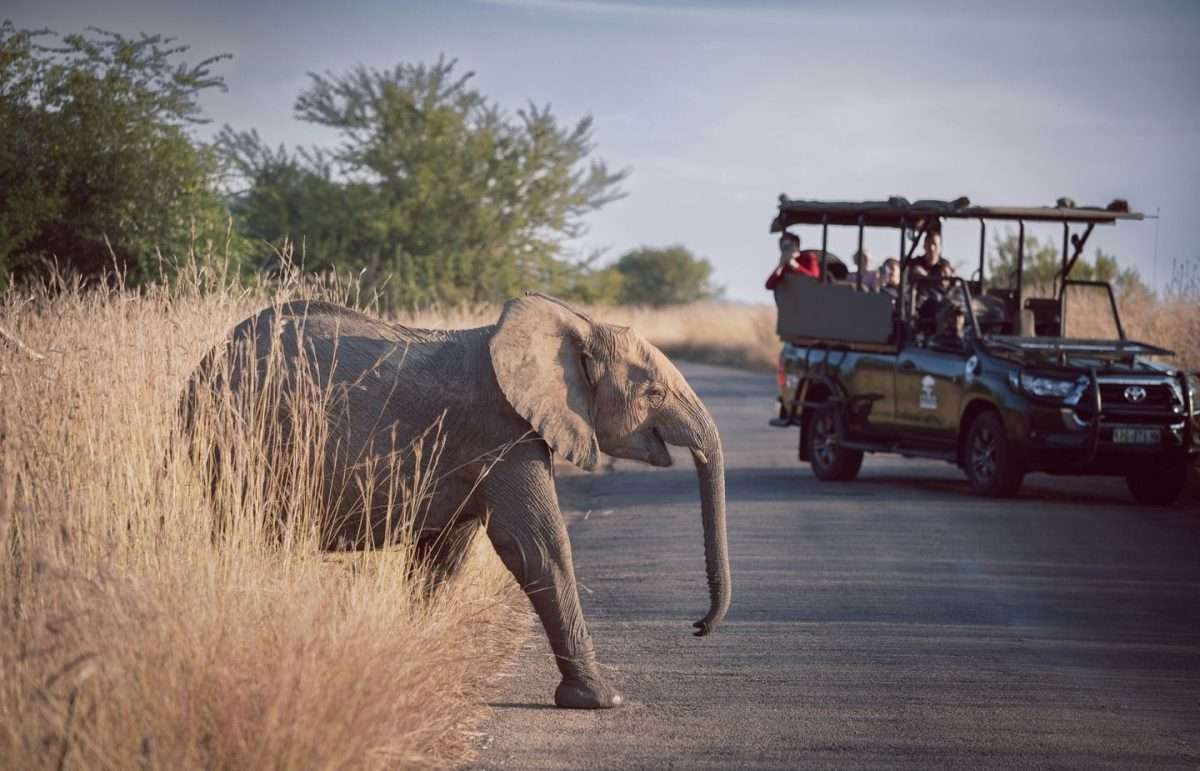
Driving is the cheaper option, but it takes real time and patience.
Via Isebania (Western Route)
- The most direct road route between the Mara and Serengeti
- Roughly 6 to 7 hours of driving from the Mara to the Isebania border
- Another 4 to 5 hours from the border into the Serengeti
- Border clearance can take anywhere from about an hour to several hours depending on traffic
- Most travelers doing this route need an overnight stop along the way
Via Namanga (Eastern Route)
- A smoother road on both sides of the border, but a longer overall distance
- Vehicle permits are required for self-drivers crossing here, which adds cost
- Often used by shuttle services running between Nairobi and Arusha rather than a direct Mara-to-Serengeti transfer
Masai Mara to Serengeti by Air
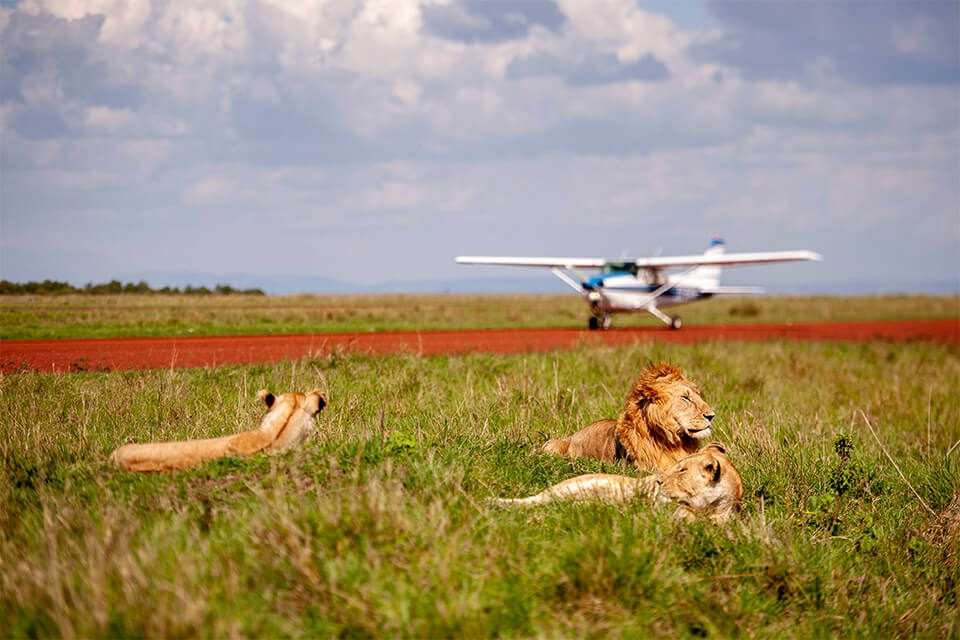
Flying is the route almost every Masai Mara Serengeti safari actually uses, since it turns a full day of driving into a half-day of travel.
The Standard Fly-Drive-Fly Route
- A short light aircraft flight from the Masai Mara to Migori airstrip on the Kenyan side of the border, about 30 to 45 minutes.
- A short drive from Migori to the Isebania border crossing, roughly 30 minutes, where your Kenyan driver hands off to a Tanzanian driver on the other side.
- A further short drive to Tarime airstrip in Tanzania.
- A connecting flight from Tarime into the Serengeti, typically 1 to 2 hours depending on which airstrip inside the park you’re headed to.
This route runs in both directions, so a Serengeti to Masai Mara safari follows the same steps in reverse. Total travel time door to door usually lands under three hours, compared to a full day or more by road.
Via Nairobi

Some itineraries route through Nairobi instead, flying from the Mara to Nairobi Wilson Airport, then catching a connecting flight down into Tanzania toward Kilimanjaro or Arusha, and finally onward to a Serengeti airstrip. This adds time compared to the direct Migori-Tarime route, but it’s a natural fit if your itinerary already has you passing through Nairobi anyway.
Nairobi to Serengeti Directly
If you’re not routing through the Masai Mara at all and just need to get from Nairobi to Serengeti, you have two realistic options.
- By air: Fly from Nairobi to Kilimanjaro International Airport or Arusha, then take a short connecting flight into one of the Serengeti’s airstrips. This is the fastest and most comfortable option, and the one most safari operators build itineraries around.
- By road: Drive from Nairobi to Arusha via the Namanga border, roughly 4 to 5 hours, then continue on to the Serengeti, which adds several more hours depending on which part of the park you’re headed to. This route works if you want to see the Kenya-Tanzania countryside along the way, but it’s a long day.
Visa and Health Requirements

- Visa: You’ll need either separate visas for Kenya and Tanzania or the East Africa Tourist Visa, which covers Kenya, Uganda, and Rwanda but not Tanzania, so check current requirements carefully before you assume one visa covers the whole trip.
- Yellow fever: A yellow fever vaccination certificate is mandatory for this route, since you’re crossing an international border overland or through a small airstrip rather than a major international airport.
- Vehicle paperwork: If you’re self-driving any part of this route, your operator will need to arrange the vehicle swap and any cross-border permits in advance.
How Long Do You Need for a Masai Mara and Serengeti Safari?
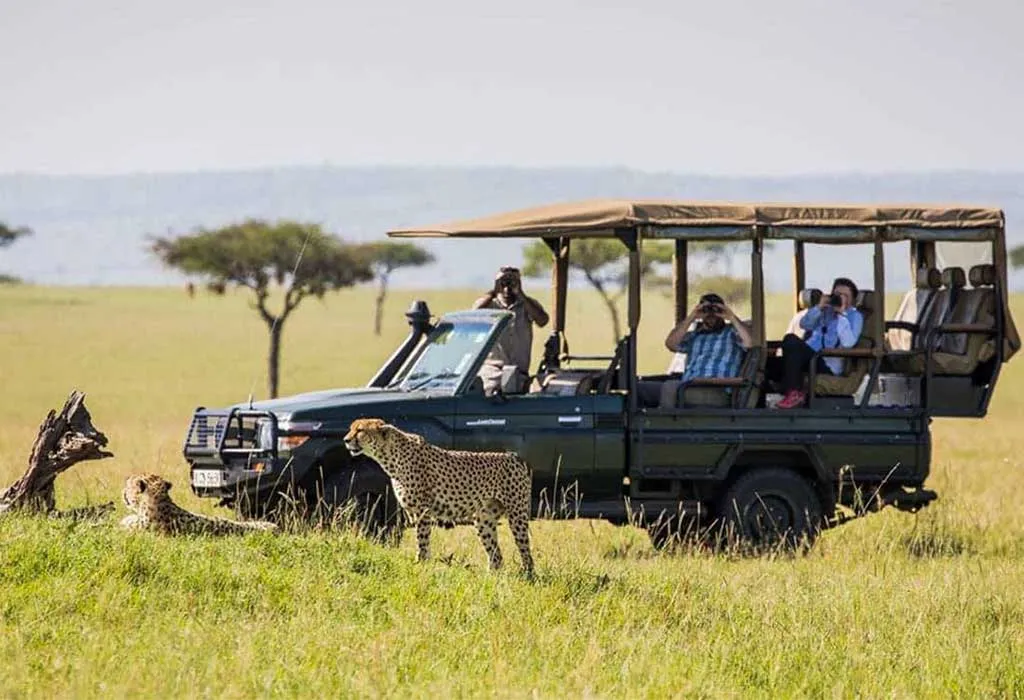
The Masai Mara and Serengeti are part of the same ecosystem, so the wildlife experience is genuinely similar in both. That matters when you’re deciding whether combining them is worth the travel time.
- Under two weeks: Focus on one park rather than splitting your trip. You’ll get more time actually on safari instead of in transit.
- Two to three weeks or more: Combining both parks starts to make real sense, especially if you time it around the Great Migration, since the herds move between the two ecosystems seasonally and you can follow them.
- Minimum recommended stay: At least 8 nights total if you’re combining both parks, enough time to properly experience each side without feeling rushed by the border crossing.
The Best Way to Combine a Mara and Serengeti Safari
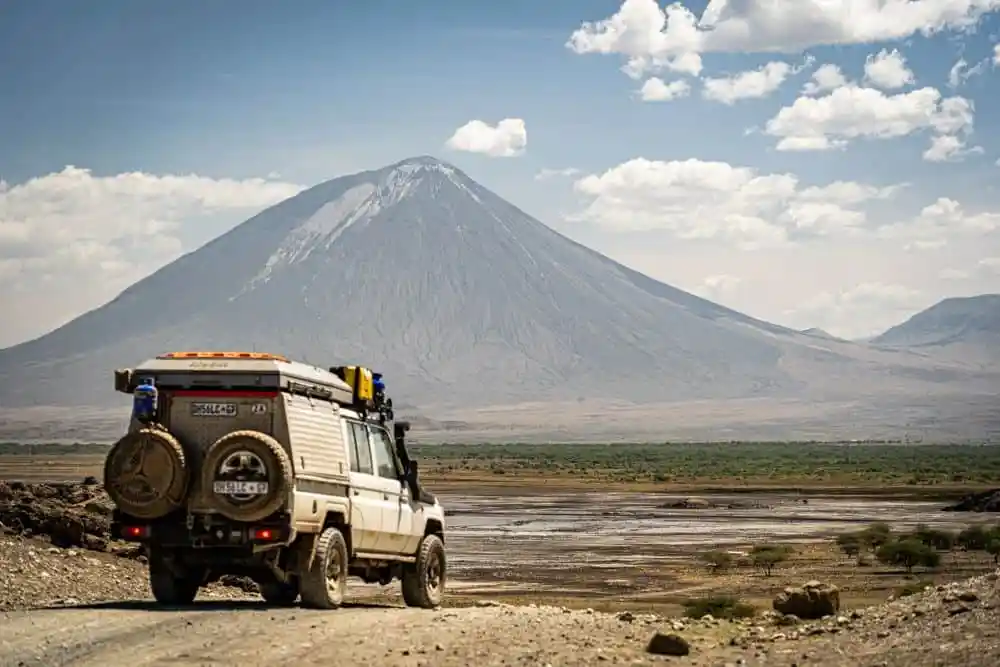
Flying the Migori-Tarime route is worth the extra cost over driving for almost every traveler, since it turns a genuinely exhausting travel day into a smooth half-day transfer, leaving you with more actual safari time on both sides of the border.
A Masai Mara Serengeti safari also pairs naturally with other parks nearby. Many of my clients extend the trip with Amboseli in Kenya for elephant and Kilimanjaro views, or the Ngorongoro Crater and Tarangire in Tanzania for a fuller northern circuit. Either combination works well alongside the Mara-Serengeti crossing without adding much extra travel time.
Plan Your Masai Mara and Serengeti Safari with TourwithPipi
I build private Masai Mara and Serengeti itineraries with the bush flights, airport transfer, private vehicle, luxury lodge handled from the start, not figured out as you go. My Luxury Kenya Safaris and Luxury Tanzania Safaris cover both sides individually, and I can combine them into one seamless trip around your dates. Message me on WhatsApp if you want a custom Mara-to-Serengeti itinerary built around the migration.
Frequently Asked Questions
Can you cross directly from the Masai Mara to the Serengeti?
No, there is no direct crossing. You have to exit through an official border post, most commonly Isebania, clear immigration, and switch to a vehicle registered in the country you’re entering, since safari vehicles can’t cross between Kenya and Tanzania.
How long does it take to get from Masai Mara to Serengeti?
By air via the Migori-Tarime route, the trip usually takes under three hours door to door. By road via Isebania, it takes a full day or more once you include the 6 to 7 hour drive to the border, the crossing itself, and another 4 to 5 hours into the Serengeti.
Is it better to fly or drive between the Masai Mara and Serengeti?
Flying is better for almost everyone. It turns a long, bumpy, unpredictable road day into a smooth half-day transfer, and the cost difference is usually worth it for the time and comfort you get back.
Do I need a visa to travel from Nairobi to Serengeti?
Yes, you’ll need a visa for Tanzania in addition to your Kenya visa, since the East Africa Tourist Visa does not include Tanzania. A yellow fever vaccination certificate is also required.
How many days should I spend combining the Masai Mara and Serengeti?
At least 8 nights total if you want to properly experience both parks without feeling rushed. If your trip is shorter than two weeks, it’s usually better to focus on one park rather than split your time.
Can I do a Masai Mara and Serengeti safari as a road trip?
Yes, but it’s a genuinely long trip. The road route via Isebania takes a full day or more including the border crossing, and Tanzanian and Kenyan safari vehicles are not allowed to cross into each other’s parks, so a vehicle swap is required either way.
Quick Summary
- There is no direct crossing between the Masai Mara and Serengeti; you must exit through an official border post, most commonly Isebania.
- Safari vehicles can’t cross the border themselves, so a vehicle swap is required for any road route.
- Flying via Migori and Tarime airstrips takes under three hours door to door, versus a full day or more by road.
- The road route via Isebania takes 6 to 7 hours to the border, plus 4 to 5 more hours into the Serengeti.
- Nairobi to Serengeti directly is fastest by air through Kilimanjaro or Arusha, or by road via Namanga in around 4 to 5 hours to Arusha alone.
- A separate Tanzania visa is required alongside your Kenya visa, since the East Africa Tourist Visa does not cover Tanzania.
- A yellow fever vaccination certificate is mandatory for this route.
- Trips under two weeks are better spent focused on one park rather than split between both.
- A Masai Mara and Serengeti safari works best with at least 8 nights total.
- Amboseli in Kenya and the Ngorongoro Crater and Tarangire in Tanzania are the most natural add-ons to this route.
Written by Khadija Tayabali, Founder and Virtuoso-Affiliated safari advisor at TourwithPipi. Message me directly on WhatsApp to plan your Masai Mara and Serengeti safari.


