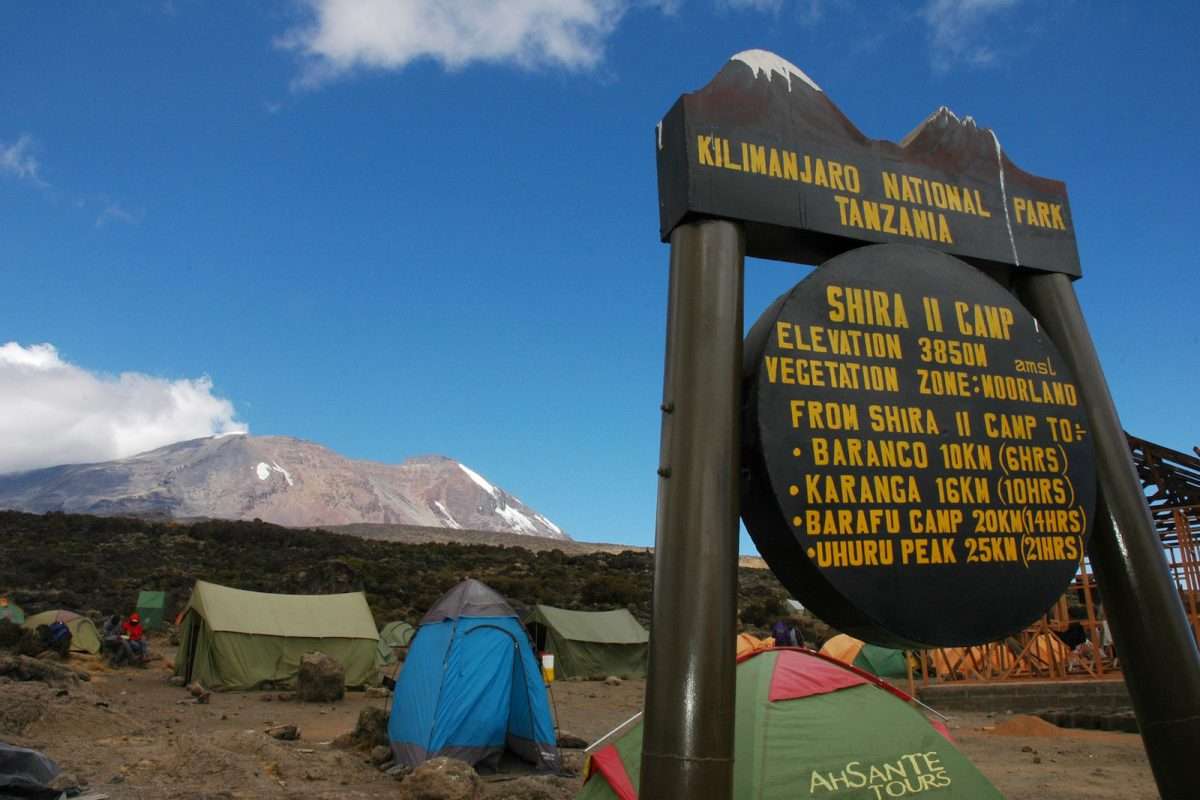
Mount Kilimanjaro is Africa’s highest mountain, rising to 5,895 meters (19,341 feet) above sea level. People love learning Kilimanjaro facts because this single mountain brings together geology, ancient ice, human history, and modern adventure in one place. It is a volcano, a glacier-covered summit near the Equator, and one of the most climbed high mountains on Earth.
At TourwithPipi, we plan safaris and mountain journeys across East Africa, so we see how Kilimanjaro fits naturally into wildlife trips through Tanzania and Kenya. In this guide, you will discover 20 true, science-based and history-based facts about Mount Kilimanjaro, explained in clear and simple words.
Fact 1: Mount Kilimanjaro Is Africa’s Tallest Mountain
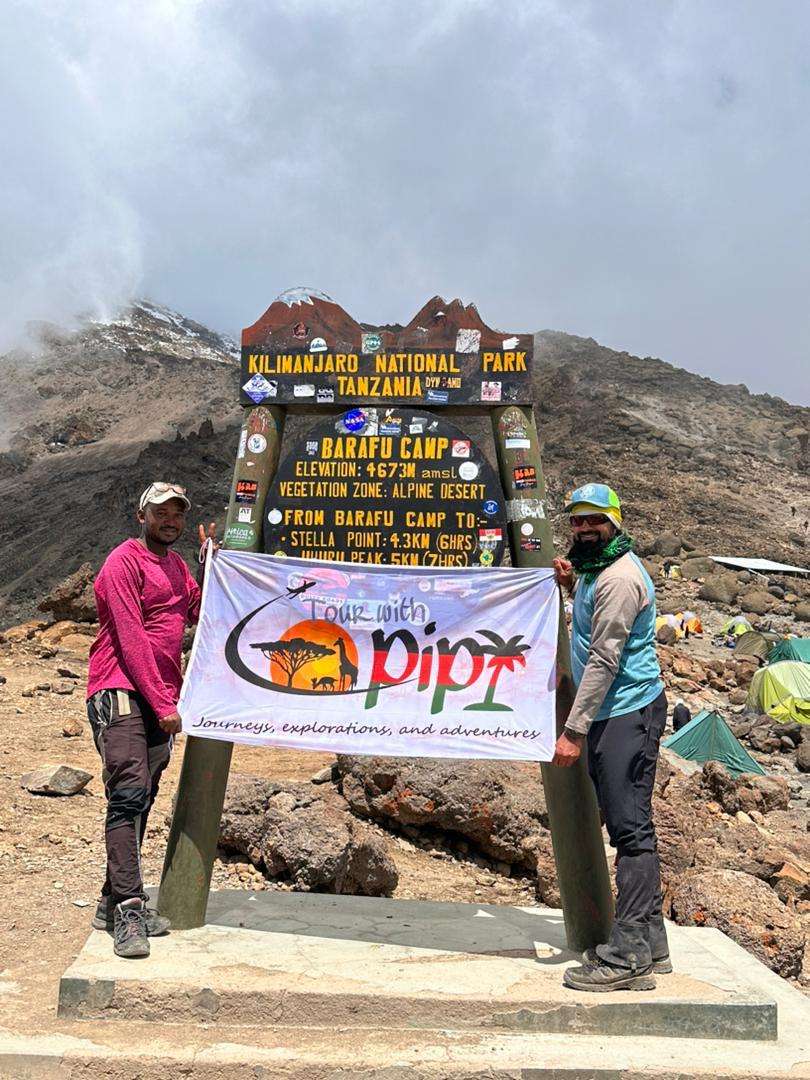
Mount Kilimanjaro stands at 5,895 meters (19,341 feet) above sea level, making it the highest mountain in Africa. It is also the tallest free-standing mountain in the world, which means it does not belong to a long mountain chain like the Himalayas or the Andes. Instead, it rises alone from the surrounding plains of northern Tanzania.
From its base to its summit, Kilimanjaro rises almost 4,900 meters (about 3 miles) straight up, which is why it looks so dramatic from Amboseli in Kenya and from the savannahs of Tanzania. This isolated shape is one of the main reasons Kilimanjaro became famous worldwide.
Fact 2: Kilimanjaro Has Three Volcanic Cones
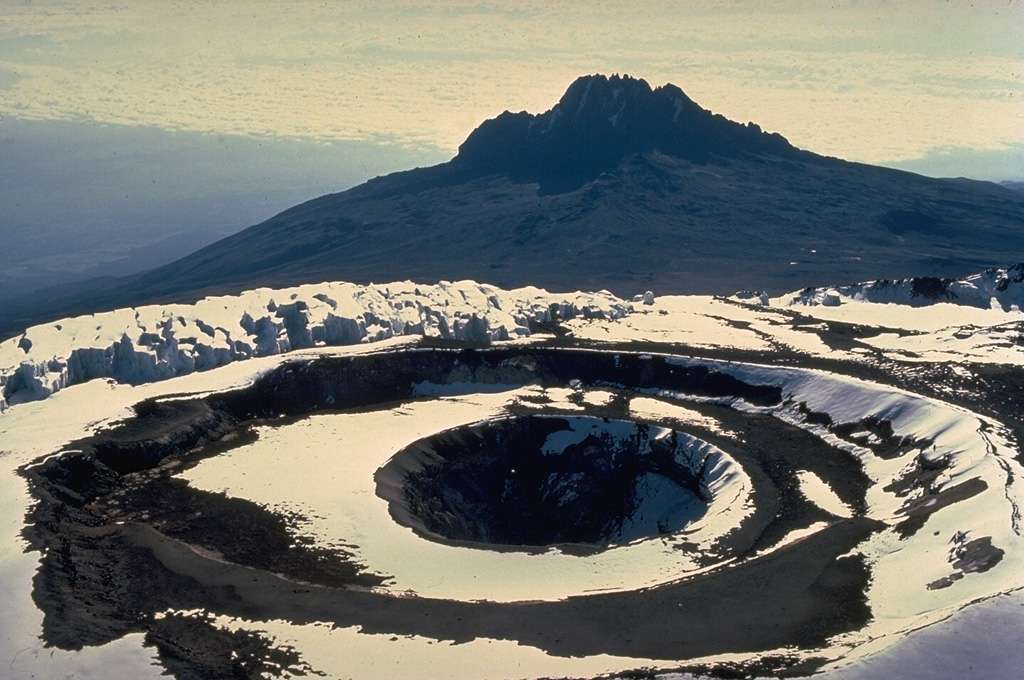
Mount Kilimanjaro is not just one peak. It is made of three volcanic cones formed by ancient eruptions. These are:
• Kibo, the highest cone
• Mawenzi, the second highest
• Shira, the oldest and lowest cone
The summit that climbers aim for, Uhuru Peak, is located on Kibo, the central cone. Mawenzi is sharp and rocky and looks like a true mountain spire, while Shira has mostly collapsed into a wide plateau after its eruptions millions of years ago. Together, these three cones form the massive structure we call Mount Kilimanjaro today.
Fact 3: Kilimanjaro Is a Dormant Volcano
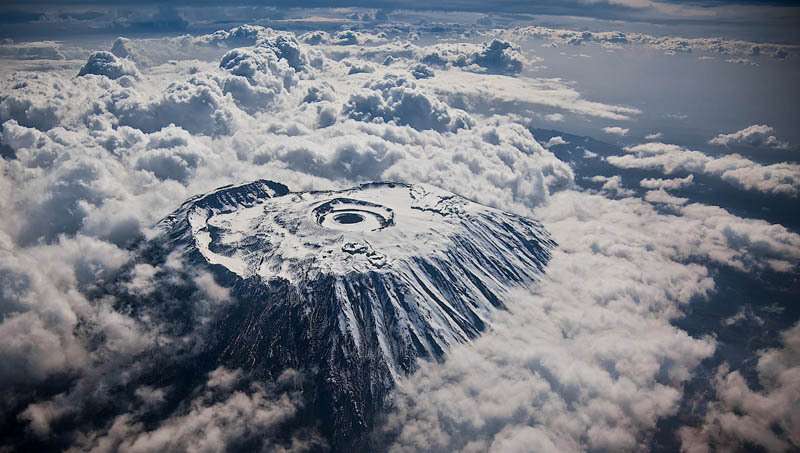
Kilimanjaro is classified as a dormant volcano, not an extinct one. A dormant volcano is not currently erupting but still has the potential to erupt again in the future. Mawenzi and Shira are considered extinct, meaning their volcanic activity has fully stopped, but Kibo is dormant.
Near the summit of Kibo is a feature called the Ash Pit, where climbers can still smell sulfur gases coming from deep inside the Earth. This shows that heat and volcanic activity still exist below the surface. Scientists believe a future eruption is unlikely in the near term, but geologically speaking, Kilimanjaro is still alive.
Fact 4: Kilimanjaro’s Glaciers Are Over 11,000 Years Old
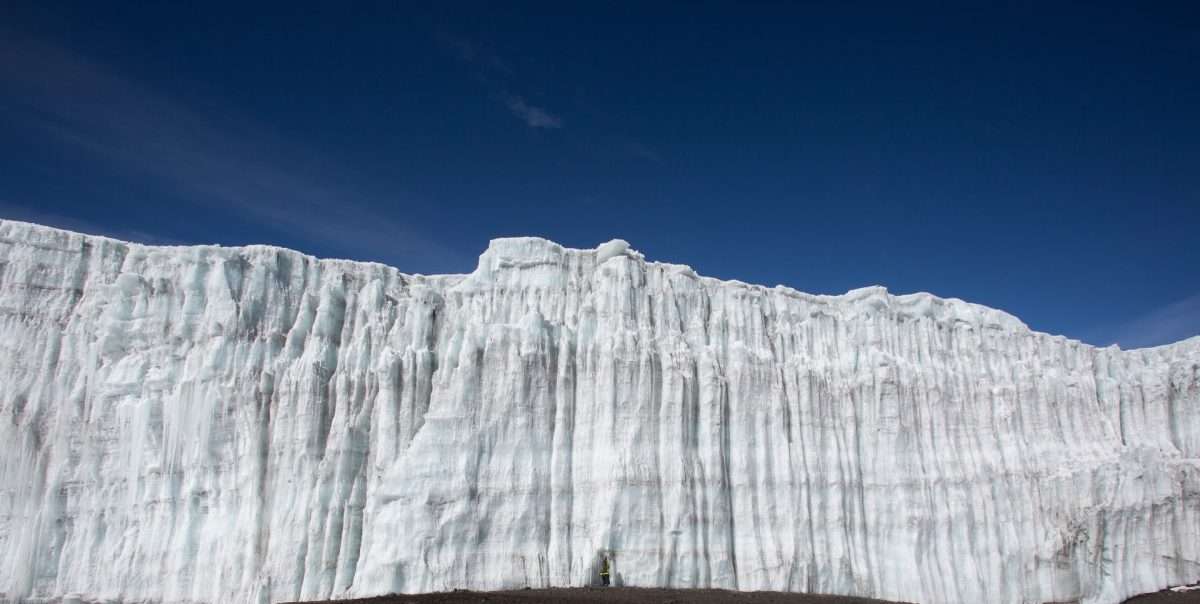
The glaciers on Kilimanjaro formed during the last Ice Age and are estimated to be about 11,700 years old. In the late 1800s, the entire summit of Kibo was covered in thick ice.
Scientific studies, including data from the European Geosciences Union, show that Kilimanjaro’s ice has shrunk dramatically. In 1912, glacier coverage measured about 11.4 square kilometers (4.4 square miles). By 2011, this had dropped to only 1.76 square kilometers (0.68 square miles).
This means more than 85 percent of the ice has disappeared in about one century. If current climate patterns continue, scientists estimate Kilimanjaro could lose its remaining ice cap within the next few decades, making these glaciers one of the most powerful visible signs of climate change in Africa.
Fact 6: Kilimanjaro Is One of the Seven Summits
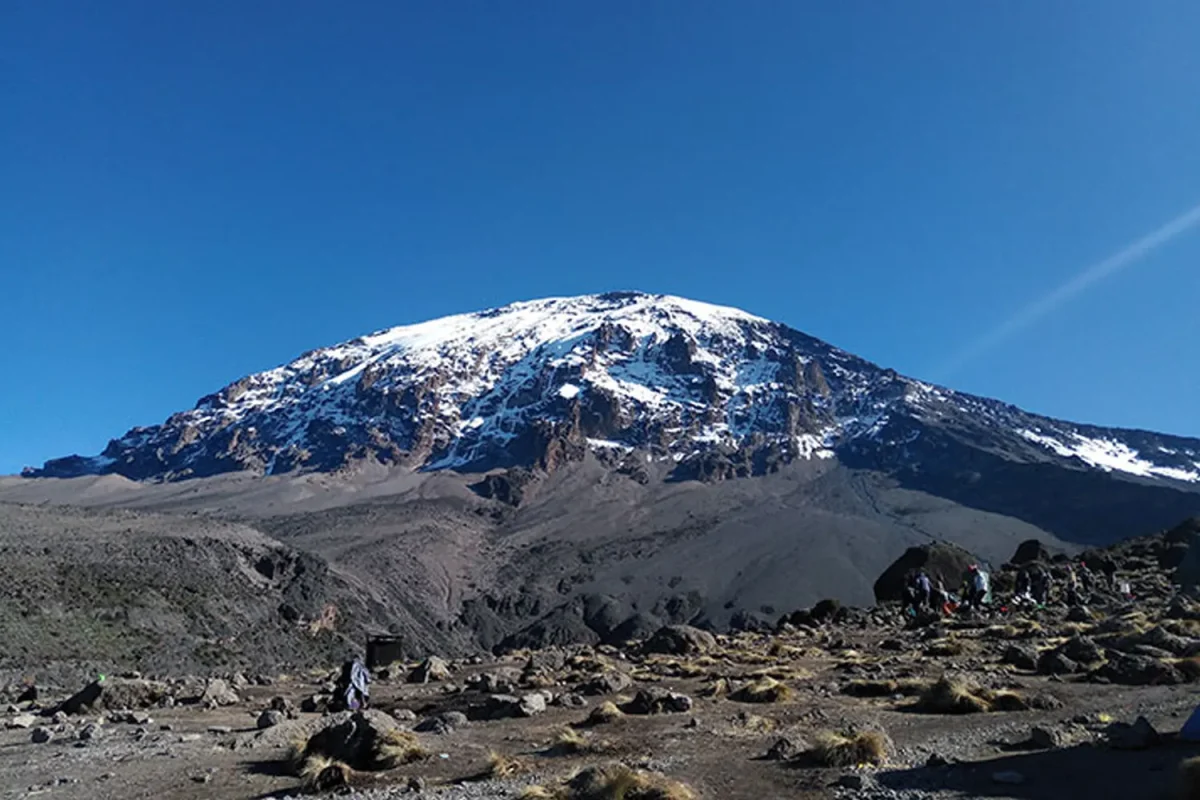
Mount Kilimanjaro is part of the famous Seven Summits, which are the highest mountains on each continent. The full list is:
• Asia: Mount Everest – 8,848 m (29,029 ft)
• South America: Aconcagua – 6,961 m (22,838 ft)
• North America: Denali – 6,190 m (20,310 ft)
• Europe: Mount Elbrus – 5,642 m (18,510 ft)
• Africa: Mount Kilimanjaro – 5,895 m (19,341 ft)
• Antarctica: Mount Vinson – 4,892 m (16,050 ft)
• Australia: Mount Kosciuszko – 2,228 m (7,310 ft)
Kilimanjaro ranks fourth in height among the Seven Summits. What makes it special is accessibility. Unlike Everest or Denali, Kilimanjaro does not require technical climbing skills for its main summit route. You walk to the top, which is why it is often considered the most accessible Seven Summit for regular hikers with good fitness and proper acclimatization.
Fact 7: Ancient Traders Knew About Kilimanjaro
Kilimanjaro was known long before modern explorers arrived. In the 2nd century, the Greek geographer Ptolemy of Alexandria wrote about a “great snow mountain” in eastern Africa.
Centuries later, Arab traders traveling inland from the coast of Zanzibar also reported stories of a tall mountain with snow on its top. For a long time, Europeans believed these stories were myths because they could not imagine snow existing so close to the Equator. This idea of a “snow mountain in Africa” sounded impossible to them until explorers finally confirmed Kilimanjaro’s existence in the 1800s.
Fact 8: The First Successful Summit Was in 1889
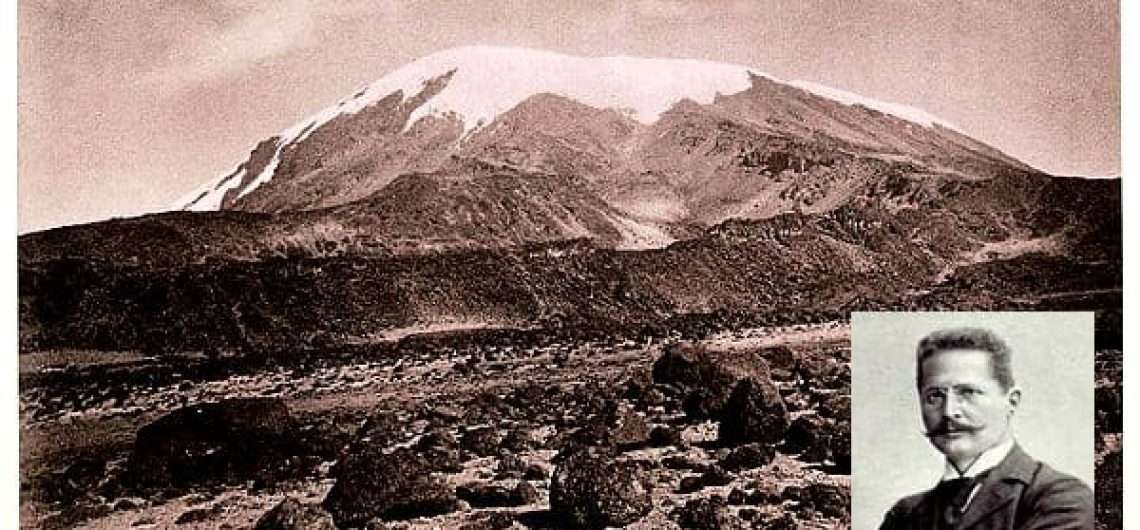
The first recorded successful ascent of Mount Kilimanjaro happened in 1889. The team included:
• Hans Meyer, a German geographer
• Ludwig Purtscheller, an experienced Austrian mountaineer
• Yohani Lauwo, a local guide from the Marangu area
They reached the summit on October 6, 1889, standing on what is now called Uhuru Peak. This climb was a major achievement because they had no modern gear, no weather forecasts, and very limited knowledge of altitude sickness. Yohani Lauwo later became famous for guiding expeditions for decades and is remembered as one of Kilimanjaro’s earliest heroes.
Fact 9: The First Woman Summited in 1927
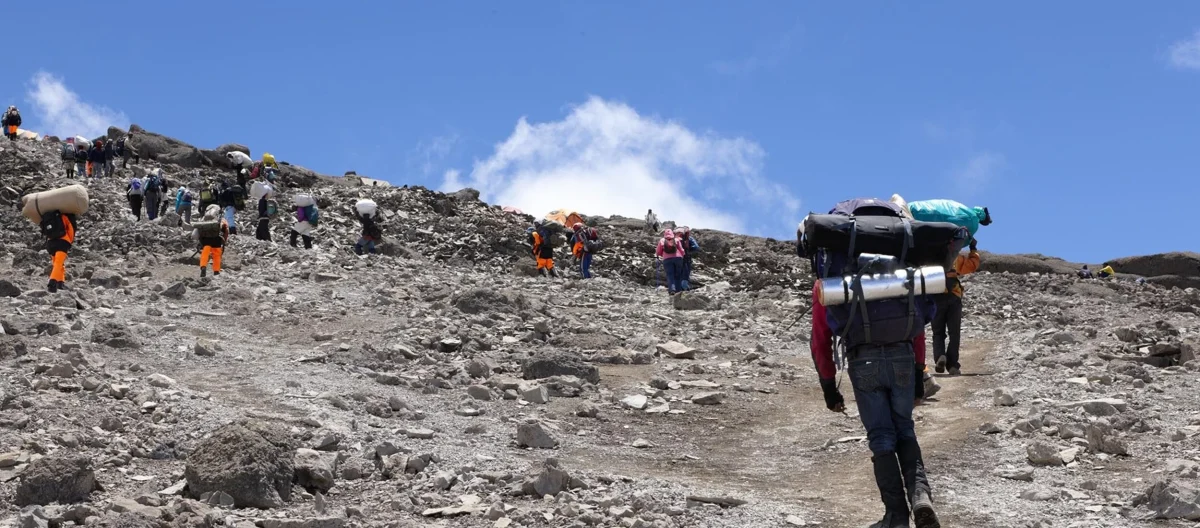
The first woman to reach the summit of Mount Kilimanjaro was Sheila MacDonald, a Scottish climber, in 1927. During her expedition, other members of her group turned back before reaching the top.
She continued on her own and successfully reached the summit, making history. Her climb was important not only because she was the first woman on Kilimanjaro’s summit, but also because it showed that women could complete high-altitude expeditions at a time when this was widely doubted. Her success helped change attitudes toward women in mountaineering.
Fact 10: Kilimanjaro Has Five Climate Zones
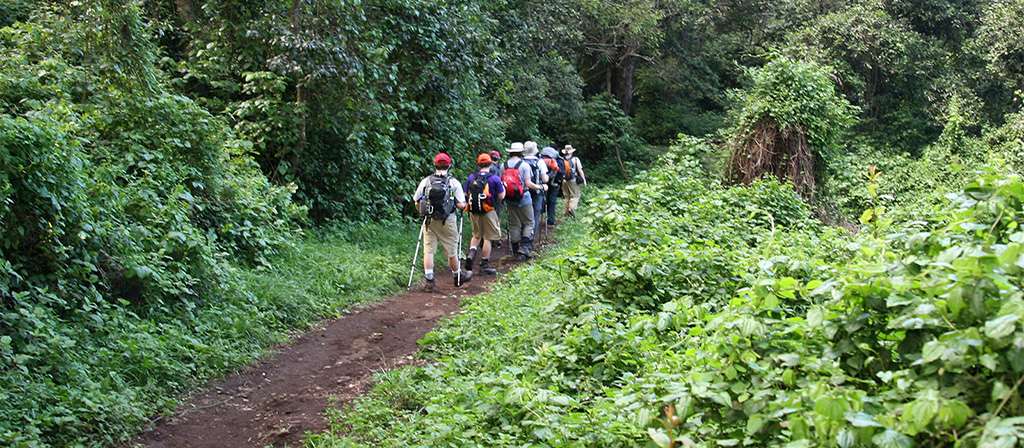
Climbing Mount Kilimanjaro is often described as walking from the Equator to the Arctic in one journey because you pass through five major climate zones:
Cultivation Zone
This is the lowest area, with farms and villages between about 800 and 1,800 meters (2,600 to 5,900 ft). Crops like bananas, maize, and coffee grow here.Rainforest Zone
From about 1,800 to 2,800 meters (5,900 to 9,200 ft), the mountain is covered in dense rainforest. This zone receives the most rain and is home to monkeys, birds, and thick vegetation.Heath and Moorland Zone
Between 2,800 and 4,000 meters (9,200 to 13,000 ft), temperatures drop and plants become shorter. Giant lobelias and groundsels grow here, creating an unusual landscape.Alpine Desert Zone
From about 4,000 to 5,000 meters (13,000 to 16,400 ft), conditions are dry and cold. Very little grows, and daytime heat can quickly turn into freezing nights.Arctic Summit Zone
Above 5,000 meters (16,400 ft), the environment becomes icy and barren. This is where Kilimanjaro’s glaciers and snowfields are found, even though the mountain sits near the Equator.
These dramatic climate changes are one of the main reasons Kilimanjaro is so scientifically important and visually striking.
Fact 11: Walking Kilimanjaro Is Like Walking from the Equator to the Arctic
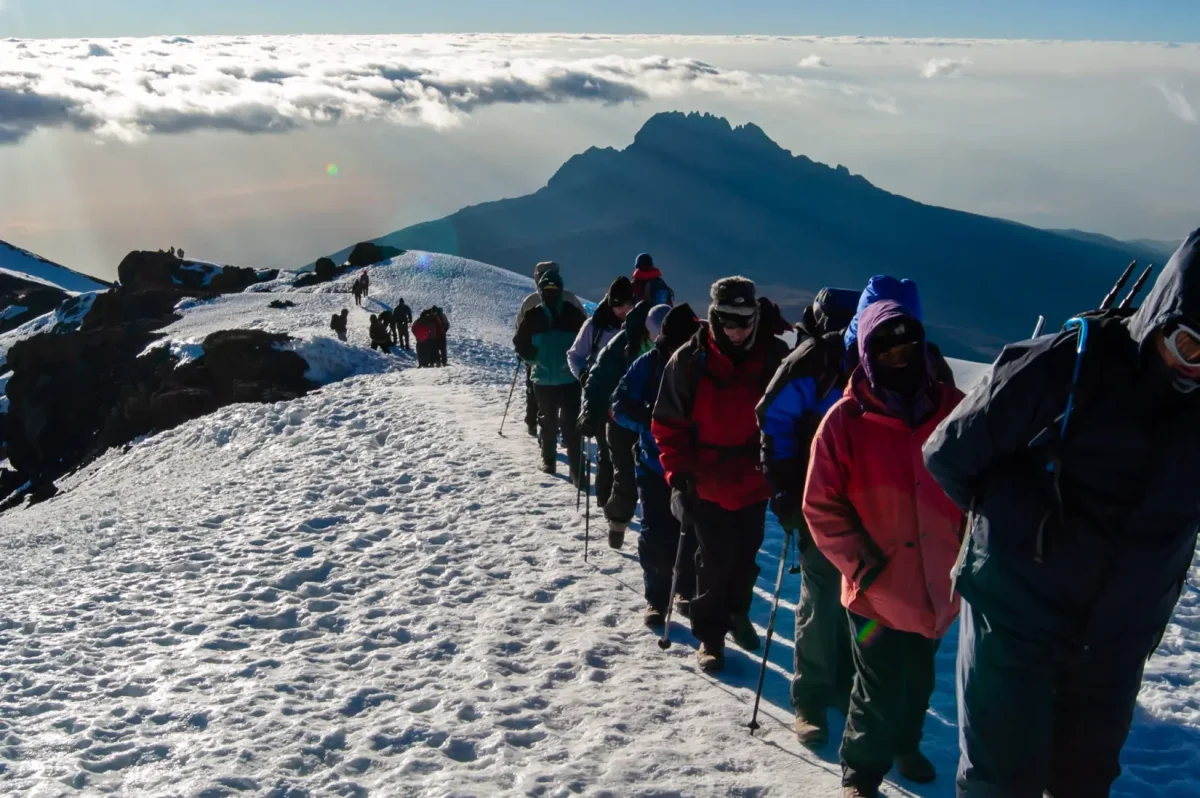
When you climb Mount Kilimanjaro, you move through huge environmental changes in just a few days. At the base, temperatures are often 20 to 30°C (68 to 86°F) with lush green vegetation and farmland. As you climb higher, the air becomes cooler and drier, and plants change from rainforest trees to low shrubs and finally to bare rock and ice.
Oxygen levels also drop as altitude increases. By the time you reach the summit at 5,895 m (19,341 ft), the air pressure is much lower than at sea level, and your body has far less oxygen available. This combination of temperature shift, vegetation change, and oxygen reduction is why people often say climbing Kilimanjaro feels like traveling from the Equator to the Arctic in one journey.
Fact 12: Africa’s Tallest Tree Grows on Kilimanjaro
Africa’s tallest known tree was discovered in a remote valley on Mount Kilimanjaro. The species is called Entandrophragma excelsum, and it measures about 81.5 meters (267 feet) tall. Scientists estimate that this giant tree is around 600 years old.
The tree was measured using laser technology by researchers from the University of Bayreuth in Germany. Its discovery highlighted how biologically rich Kilimanjaro’s forest zones still are, especially in areas far from the main climbing routes. Conservationists are now calling for extra protection of the valleys where these ancient trees grow.
Fact 13: Oxygen Levels Drop by About 50 Percent at the Summit
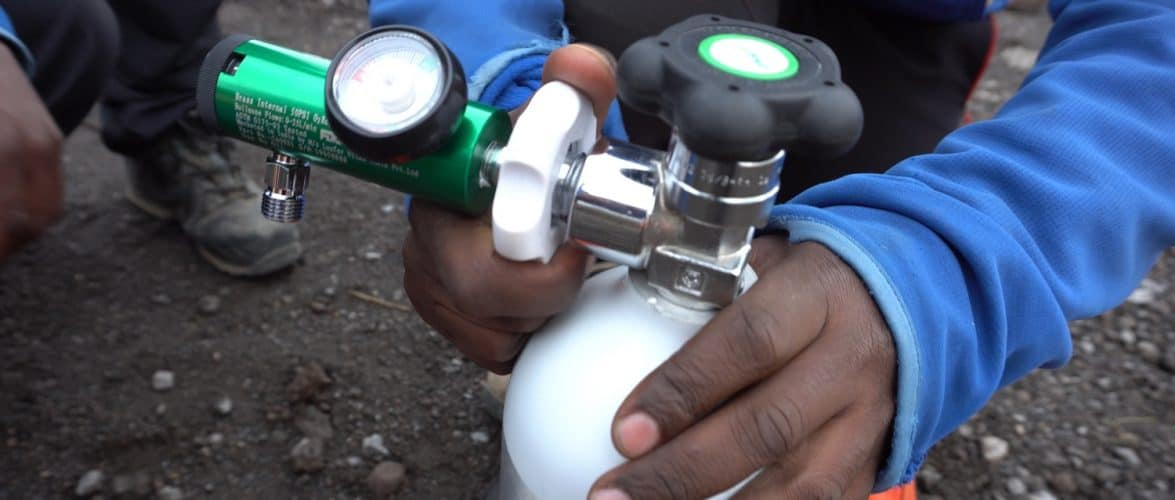
At Uhuru Peak, the top of Mount Kilimanjaro, there is only about half the usable oxygen compared to sea level. This happens because atmospheric pressure decreases as you go higher, even though the percentage of oxygen in the air stays roughly the same at about 20.8 percent.
With less pressure, each breath delivers fewer oxygen molecules to your blood. This is why many climbers feel headaches, nausea, dizziness, or fatigue. These symptoms are known as altitude sickness or Acute Mountain Sickness. Proper acclimatization, which means climbing slowly and allowing your body time to adjust, is the best way to reduce this risk and improve your chance of reaching the summit safely.
Fact 14: About 30,000 to 50,000 People Attempt Kilimanjaro Each Year
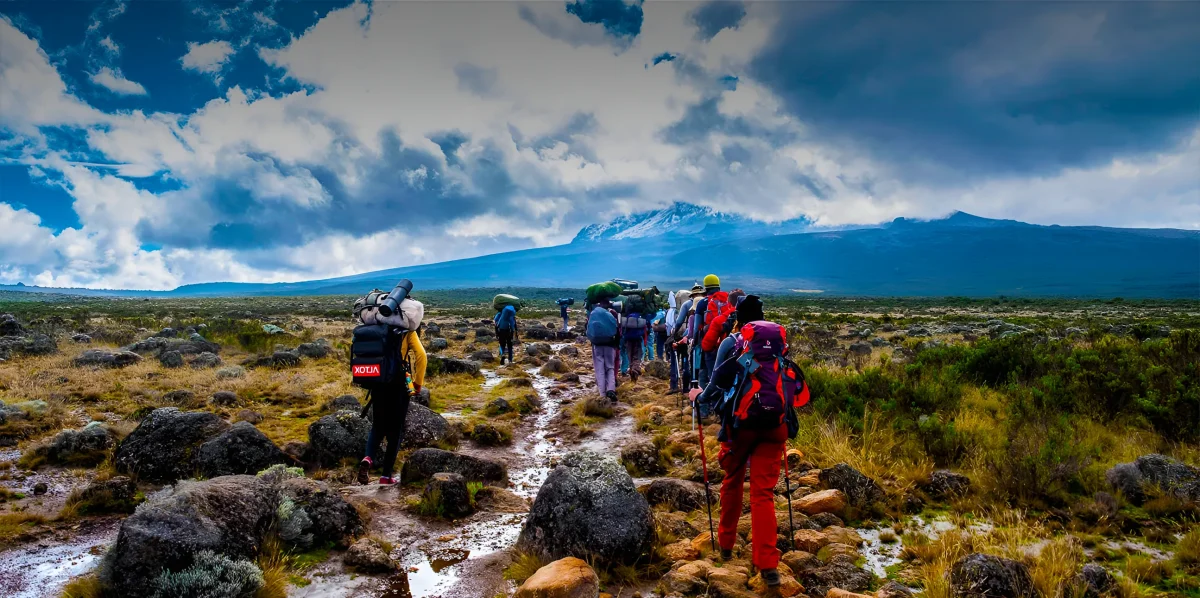
Before the COVID-19 pandemic, it was estimated that around 50,000 people per year attempted to climb Mount Kilimanjaro. During the pandemic, numbers dropped sharply, but by 2023 and 2024, trekking levels had largely returned to normal, with 30,000 to 40,000 climbers annually.
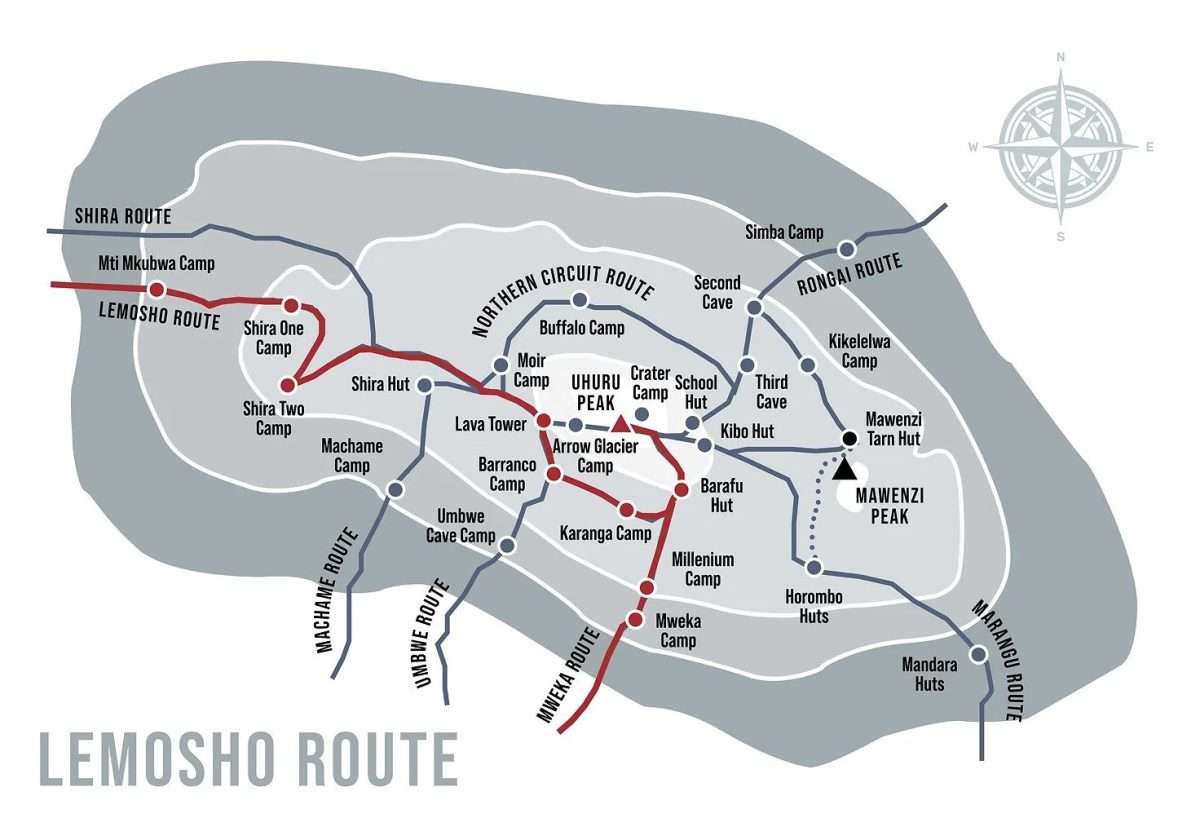
Despite these large numbers, the summit rarely feels overcrowded. This is because climbers are spread out across multiple routes such as Machame, Marangu, Lemosho, Rongai, and the Northern Circuit. Different start days and different itineraries also help distribute people across the mountain rather than putting everyone on one trail at the same time.
Fact 15: Longer Routes Have Higher Summit Success Rates
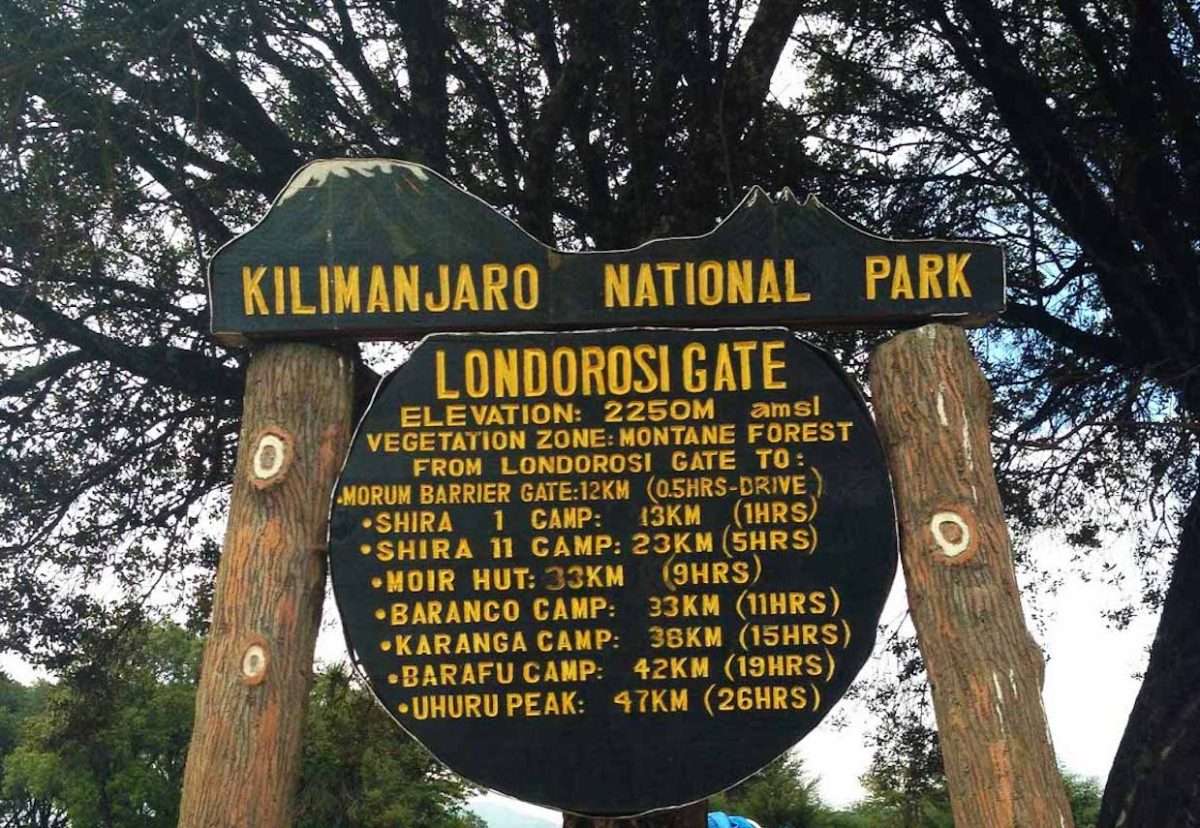
One of the most important factors in reaching the summit of Kilimanjaro is acclimatization. The body needs time to adjust to thinner air. Short itineraries that rush to high altitude increase the risk of altitude sickness and reduce summit success.
Longer routes, usually 6 to 8 days, give your body more time to adapt. This is why they generally have much higher success rates than fast 4 or 5 day climbs. The simple rule is that altitude rewards patience. Walking slowly and spending extra nights on the mountain significantly improves your chance of standing on Uhuru Peak and enjoying the view instead of turning back due to illness.
Fact 16: An Estimated 3 to 6 Deaths Occur Each Year
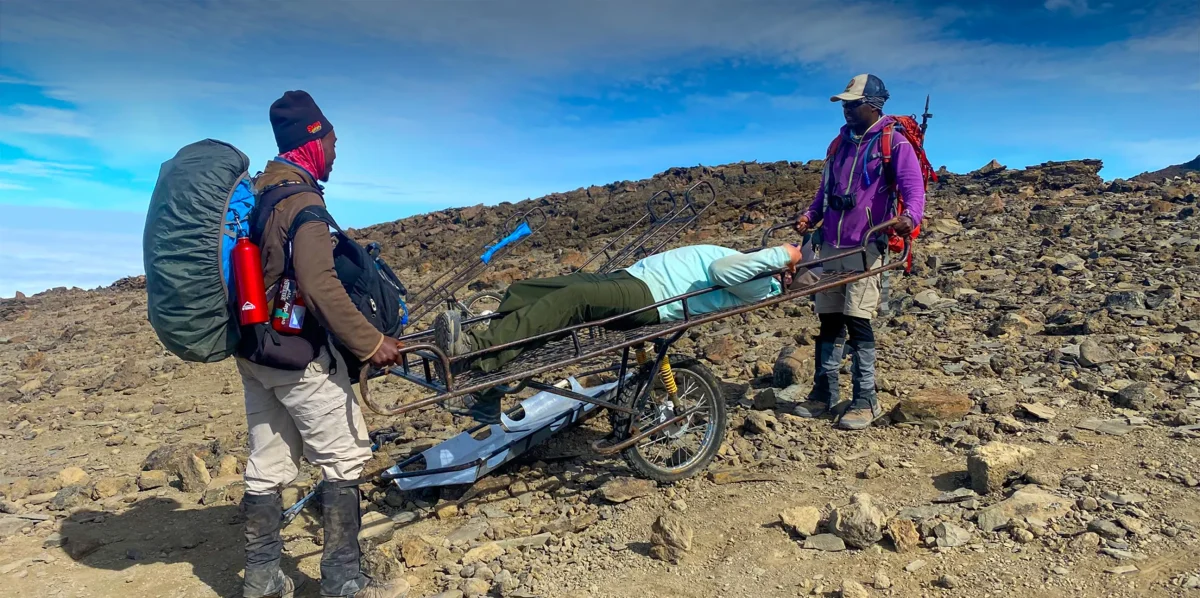
Although Mount Kilimanjaro is considered a trekking mountain and not a technical climb, it is still a serious high altitude environment. It is estimated that around 3 to 6 deaths per year occur on the mountain. The main cause is altitude sickness, especially when climbers ascend too quickly without proper acclimatization.
Other risks include hypothermia, particularly on summit night when temperatures can drop well below freezing, and rockfall, mainly in more exposed areas such as the Western Breach. This is why climbing with a licensed guide is essential. Daily health checks, slow pacing, and having emergency oxygen available greatly reduce risk and help keep climbers safe.
Fact 17: The Oldest Person to Summit Was 89 Years Old
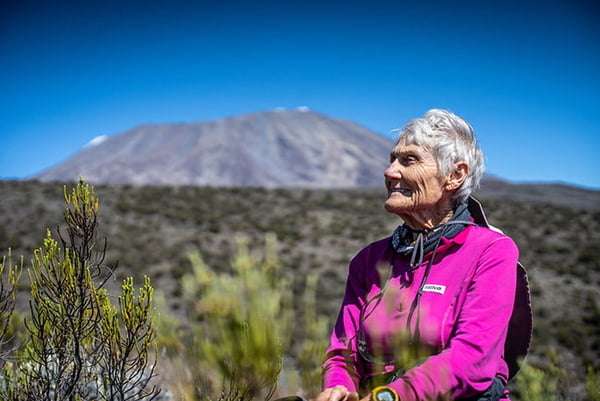
The oldest recorded person to reach Uhuru Peak was Anne Lorimor, an American great grandmother who summited in 2019 at the age of 89 years and 37 days. Before her, the record was held by Angela Vorobeva, who reached the summit at age 86.
For men, the oldest recorded summit was achieved by Fred Distelhorst, who climbed Kilimanjaro at the age of 88 in 2017. These achievements prove that age alone does not decide success on Kilimanjaro. With medical clearance, careful pacing, and the right route choice, older climbers can reach the summit safely.
Fact 18: The Youngest Person Was Just 6 Years Old
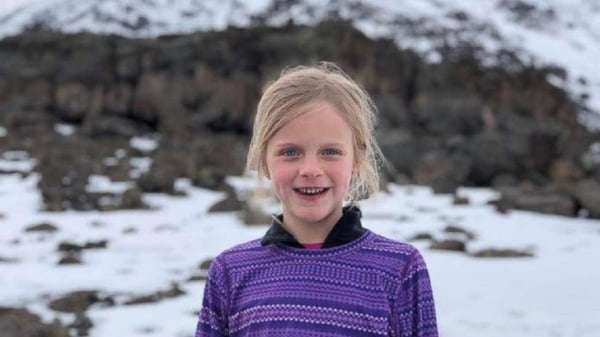
The official minimum age to climb Mount Kilimanjaro, set by the park authority, is 10 years old. However, special permission has been granted in rare cases. The youngest known person to reach the summit was Coaltan Tanner, who climbed with his family at just 6 years old in 2018.
These rare cases are carefully supervised and planned with medical and park approval. Many families choose to climb with teenagers instead, focusing on slower itineraries that allow better acclimatization and less physical strain.
Fact 19: The Fastest Climb Took Under 5 Hours
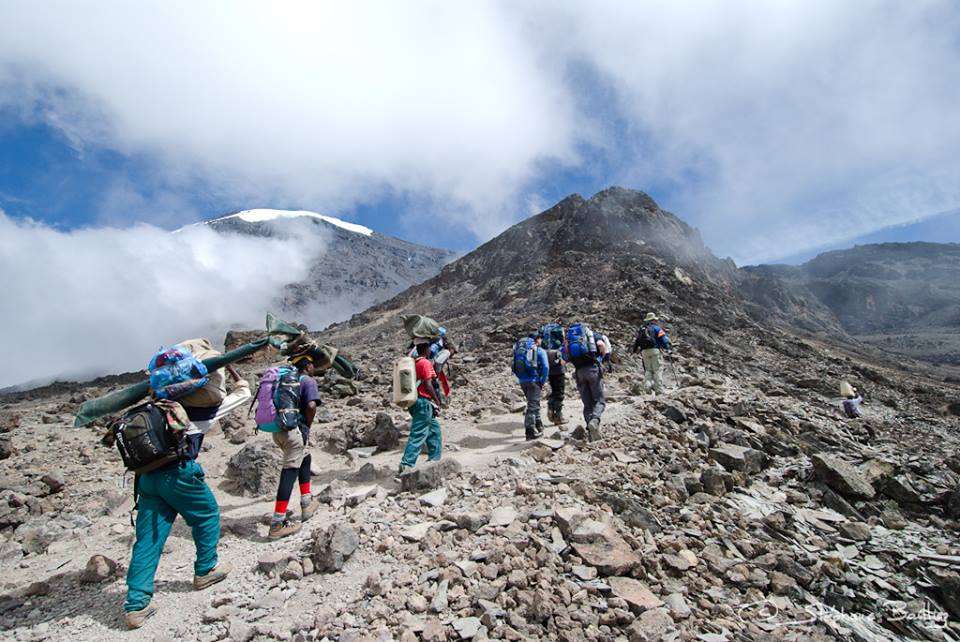
The fastest recorded ascent of Mount Kilimanjaro was achieved by Swiss athlete Karl Egloff, who reached Uhuru Peak in just 4 hours and 56 minutes in 2014 via the Umbwe Route. The fastest female ascent and descent record is held by Kristina Shou Madson, who completed her climb in 6 hours and 52 minutes.
These times are achieved by elite endurance athletes who train specifically for speed and altitude. For normal climbers, attempting to climb this fast is extremely dangerous. Rapid ascents greatly increase the risk of severe altitude sickness and can be life threatening.
Fact 20: Kilimanjaro Can Be Climbed Without Technical Mountaineering
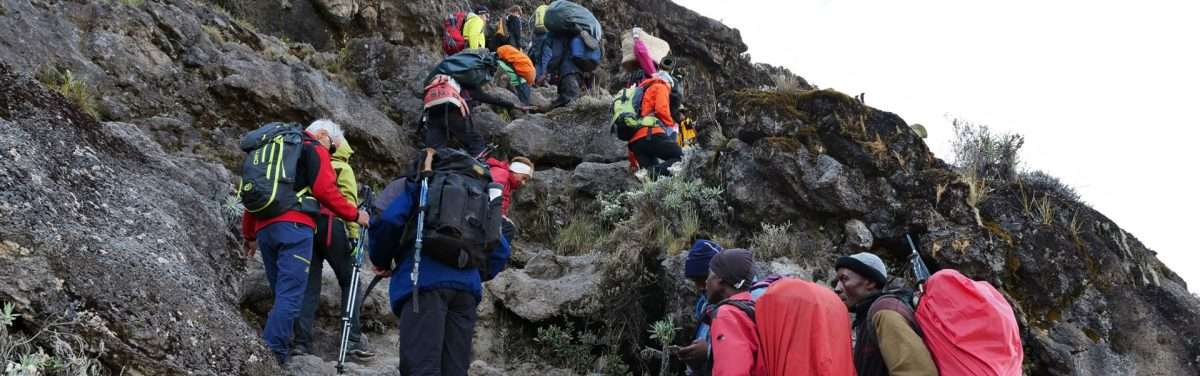
Mount Kilimanjaro is one of the few very high mountains in the world that can be climbed without technical mountaineering skills. The main trekking routes such as Machame, Marangu, Lemosho, and Rongai involve walking, not rope climbing. No ice axes, crampons, or climbing harnesses are required for standard routes.
However, this does not mean the climb is easy. You still need good fitness, mental strength, and proper preparation. Long daily walks, cold temperatures, and thin air make the challenge real. Kilimanjaro is best described as a high altitude endurance trek, not a technical climb, which is why it attracts so many first time high mountain adventurers.
Bonus Kilimanjaro Facts
Mount Kilimanjaro is not only famous for its height and glaciers, but also for some unusual and fun records. In 2014, the highest cricket match in the world was played inside Kilimanjaro’s crater, showing just how extreme the environment is even for simple activities. In 2016, Pizza Hut delivered a pizza to the summit to celebrate opening in their 100th country, proving that even the “Roof of Africa” can be part of modern history.
The meaning of the name “Kilimanjaro” is still debated by scholars. Many believe it comes from Swahili and Chagga roots meaning “Mountain of Whiteness” or “Mountain of Greatness.” Kilimanjaro is also a UNESCO World Heritage Site, recognized for its unique ecosystems and scientific value. Near the summit lies Reusch Crater, a volcanic feature named after early explorer Richard Reusch, which contains the famous Ash Pit where sulfur gas can still be smelled.
Kilimanjaro has also been used for creative charity stunts. One famous climb was done in a rhino suit to raise awareness for wildlife conservation. Another record involved a climber walking backwards all the way to the summit, setting an official endurance record verified by park authorities. Despite these unusual achievements, the mountain remains a serious challenge. Even though no ropes are required, the summit success rate is only about 60 to 70 percent, mainly because of altitude sickness and rushed itineraries.
Why These Kilimanjaro Facts Matter for Your Trip
Knowing these facts helps you understand that Kilimanjaro is not just a tall mountain, but a living system shaped by volcanoes, glaciers, and extreme climate zones. Learning about oxygen levels, success rates, and risks helps you respect the mountain and plan more safely. These facts also make your climb more meaningful because you are walking through history, science, and rare ecosystems, not just hiking uphill. The better you understand Kilimanjaro, the better prepared you are physically and mentally for the journey.
Plan Your Kilimanjaro Experience with TourwithPipi
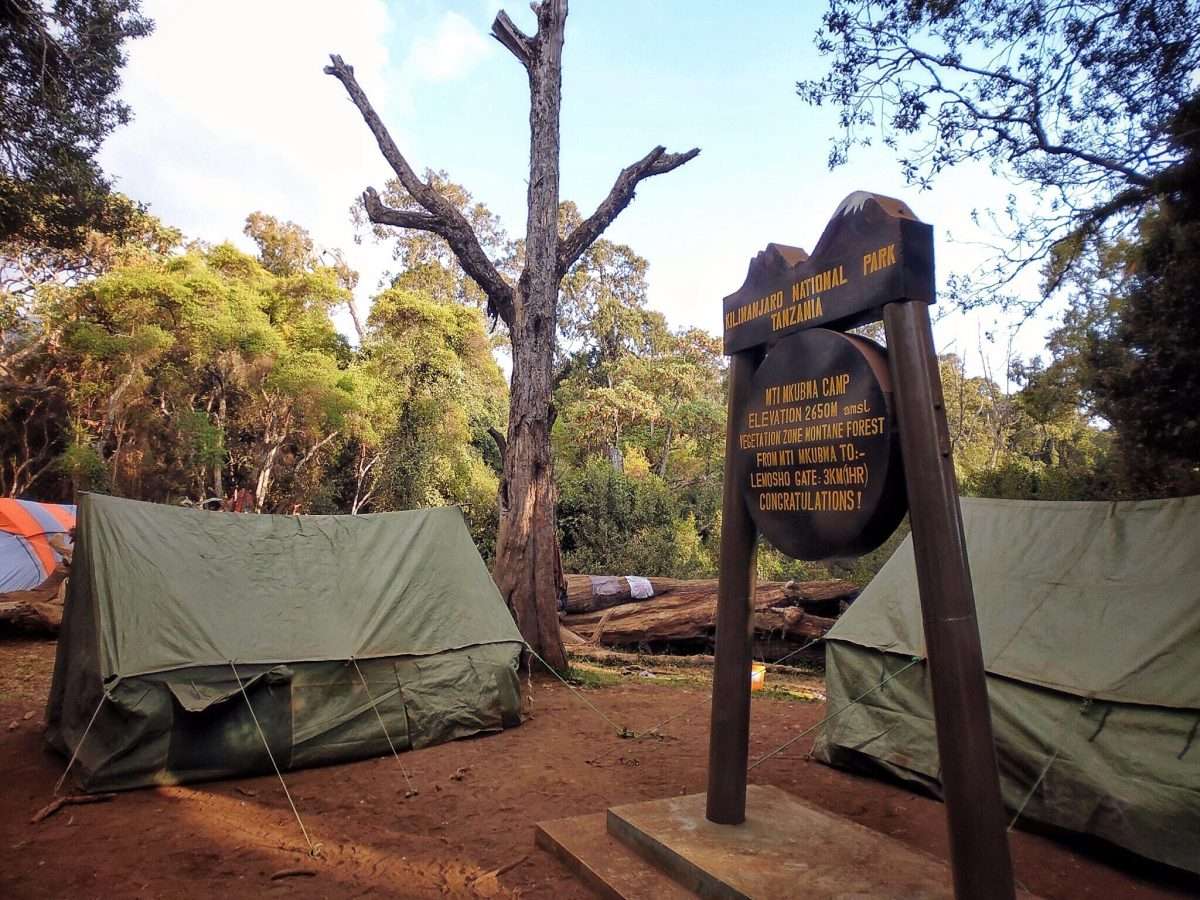
At TourwithPipi, we plan Kilimanjaro trips the smart way by combining safari and mountain travel into one smooth experience. We help you choose the right route and number of days so your body can adjust properly. We also manage timing and logistics, from airport transfers to rest days before and after your climb.
If Kilimanjaro is on your bucket list, let us help you do it safely and meaningfully.
Contact TourwithPipi and we will build your Kilimanjaro plan with the right route, season, and preparation for your goals.