
Most people picture lions, elephants, and zebras when they think of the savanna, but the plants in savannas are what make all of that wildlife possible in the first place. There is no game drive without the grass a zebra grazes on, and there is no shade for a resting lion without a thorn tree that survived the last drought. Every predator, every grazer, and every bird nesting overhead depends on plants that somehow made it through months without rain. This guide covers the types of plants in savanna, why they survive when so much else can’t, and the species you are most likely to spot on safari.
Quick Answer: What Are the Most Common Plants in Savannas?
The most common plants in savannas are drought tolerant grasses such as elephant grass, red oat grass, and Bermuda grass, alongside scattered trees like the acacia and baobab. These plants of savanna share a few traits that let them survive long dry seasons, deep roots, thick bark, small or seasonal leaves, and in some cases spines to keep herbivores away. It’s this shared toolkit, more than any single species, that defines what a savanna plant actually is.
Iconic Savanna Trees
Iconic savanna trees are the ones people picture first, the shapes that show up in a single photograph and instantly say Africa before anything else in the frame does.
1. Acacia
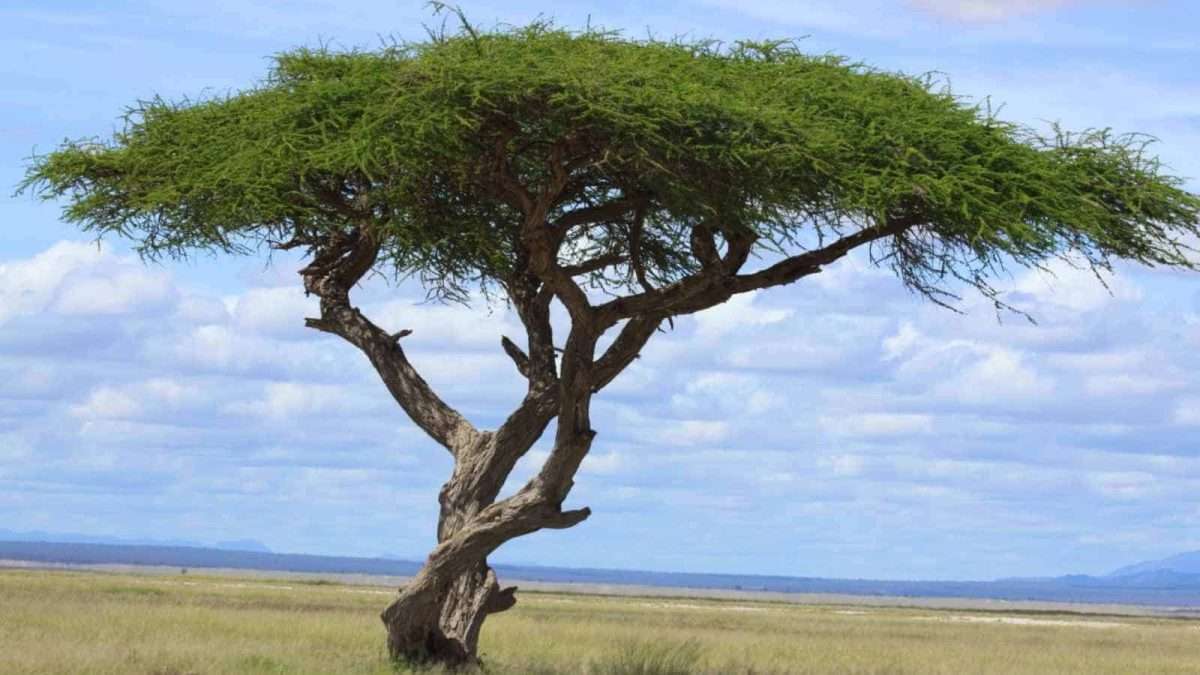
The acacia is probably the single most recognizable tree among plants in the savanna, instantly familiar from its flat, umbrella shaped canopy stretched wide across an otherwise open horizon. It grows across sub-Saharan Africa and into parts of the Middle East and South Asia, and most species live several decades, with some individuals holding on for a century or more in undisturbed ground. Several acacia species carry sharp thorns and bitter tannins in their leaves, a defense built specifically against tall browsers like giraffes, and their seed pods feed everything from rhinos to impala once they fall. People have used acacia gum and bark in traditional medicine for centuries, treating everything from wounds to digestive complaints.
2. Baobab Tree
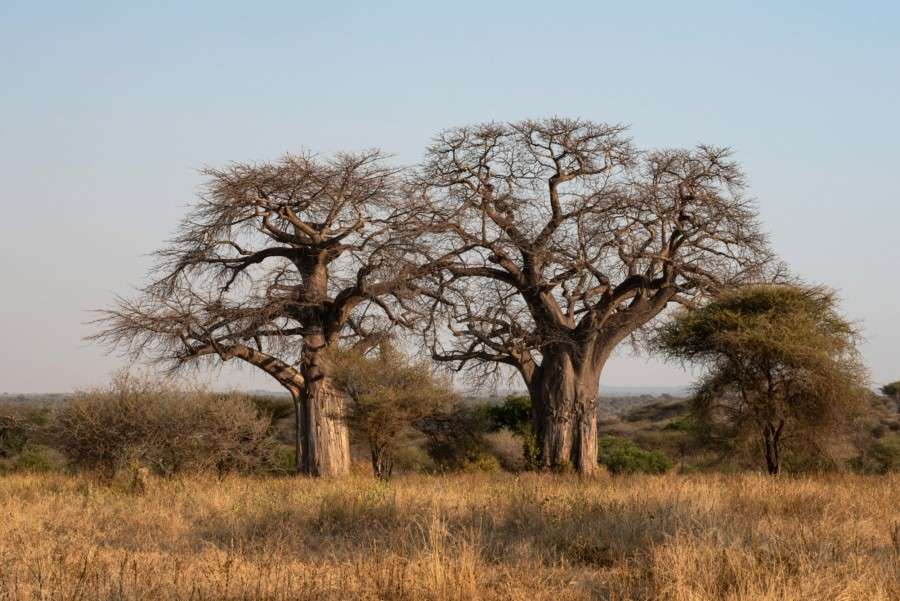
The baobab is the tree most people remember once they have seen one, thanks to a swollen, barrel shaped trunk that can grow more than 100 feet tall and store enormous volumes of water. It grows across the drier regions of sub-Saharan Africa, Madagascar, and parts of Australia, and radiocarbon dating has put some individual trees at well over 2,000 years old, making it one of the longest lived flowering plants on earth. Its fruit, rich in vitamin C and calcium, has long been eaten by both people and wildlife, and the leaves, bark, and seeds all show up in traditional medicine for treating fever, diarrhea, and inflammation. There is something almost humbling about standing beneath one that was already centuries old before anyone thought to name the savanna it grows in.
3. Jackalberry Tree
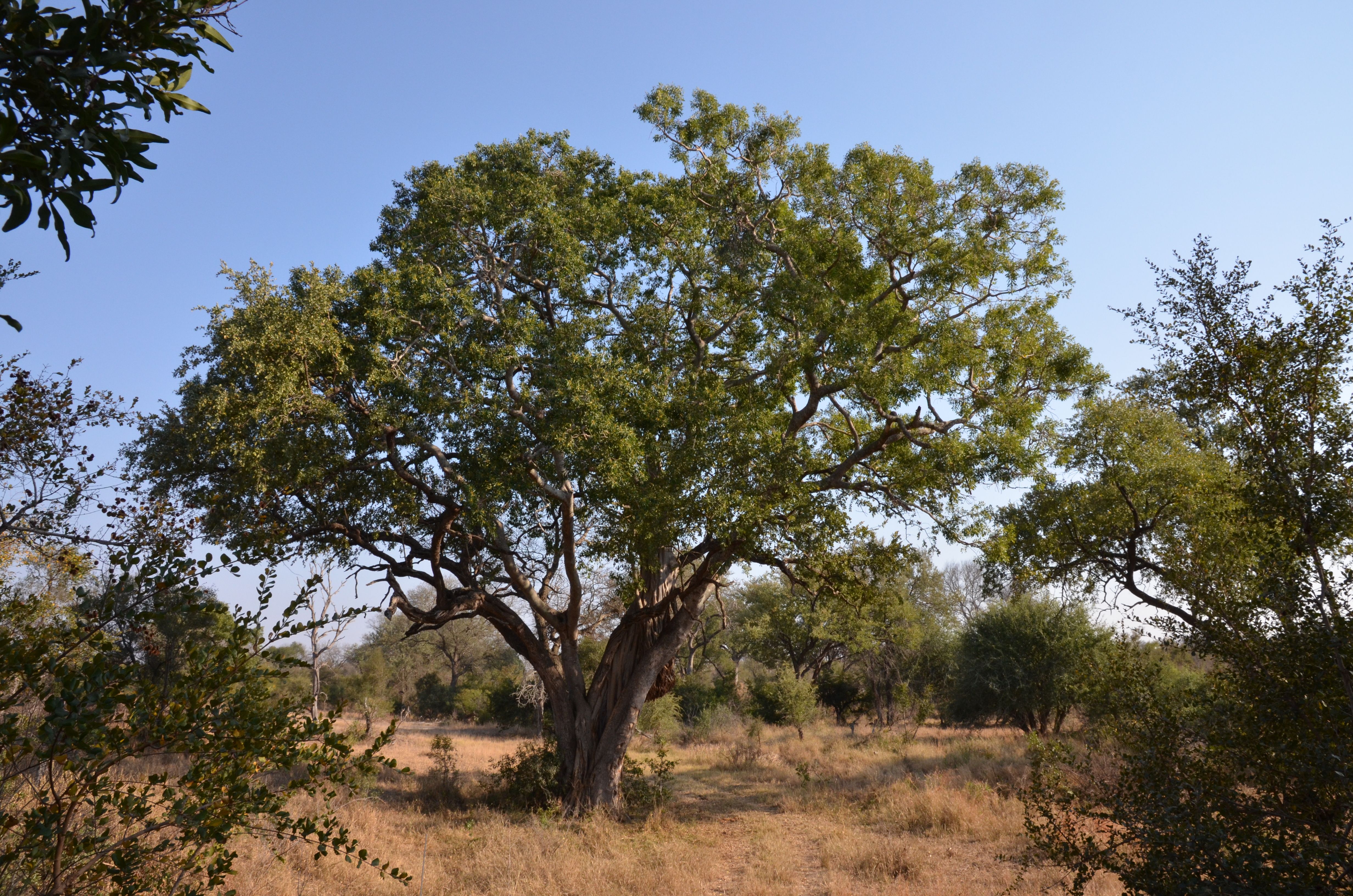
The jackalberry tree grows large enough to form its own shaded microhabitat, and it’s found across a wide stretch of sub-Saharan Africa, from riverbanks to open woodland, where individual trees can live for more than two centuries. It shares an unusual, mutually beneficial relationship with termites, whose colonies aerate its root system in exchange for moisture and shelter. Its fruit draws jackals, baboons, and hornbills, who scatter the seeds far from the parent tree as they feed, and people across the region ferment the fruit into local beer or grind it into flour.
4. Whistling Thorn
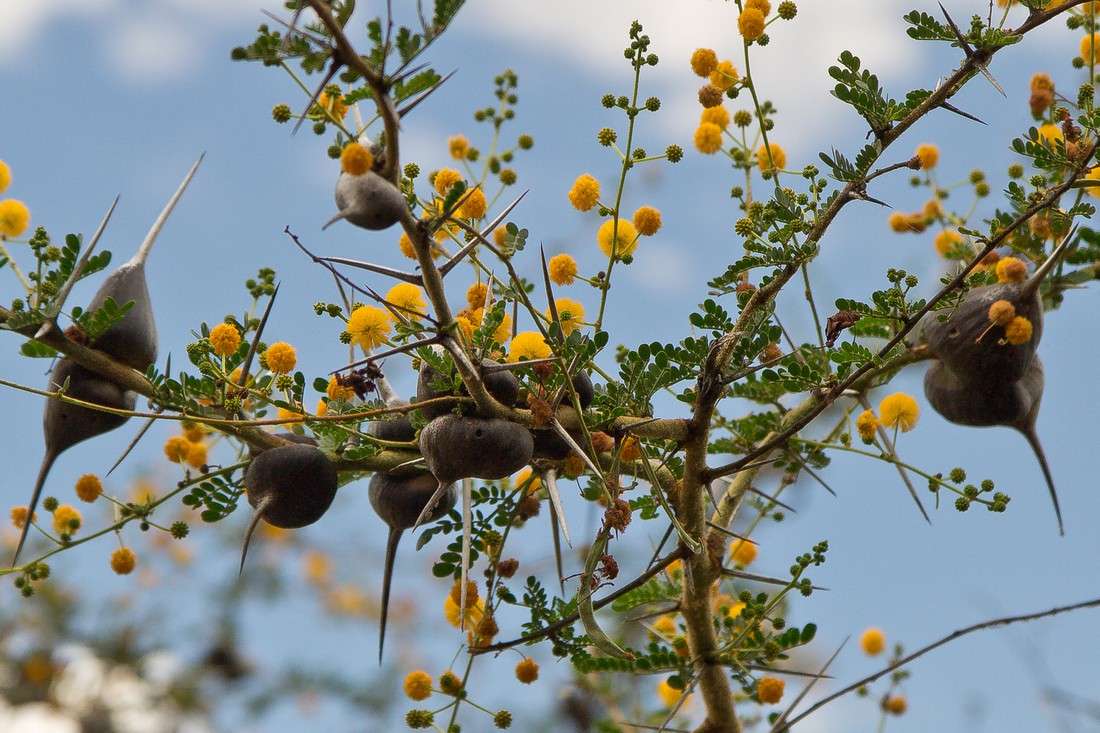
Less famous but just as tough is the whistling thorn, a smaller acacia relative found mainly across East African savanna in Kenya and Tanzania, where it favors the heavy black cotton soils that flood in the rains and crack open in the dry season. It hosts colonies of ants inside hollow, swollen thorns, and the arrangement works both ways, the ants get food and shelter, and in exchange they swarm out to defend the tree whenever a browsing animal gets too close. Elephants and giraffes still eat it despite the ants, but usually in smaller amounts than they would an undefended tree.
5. Candelabra Tree
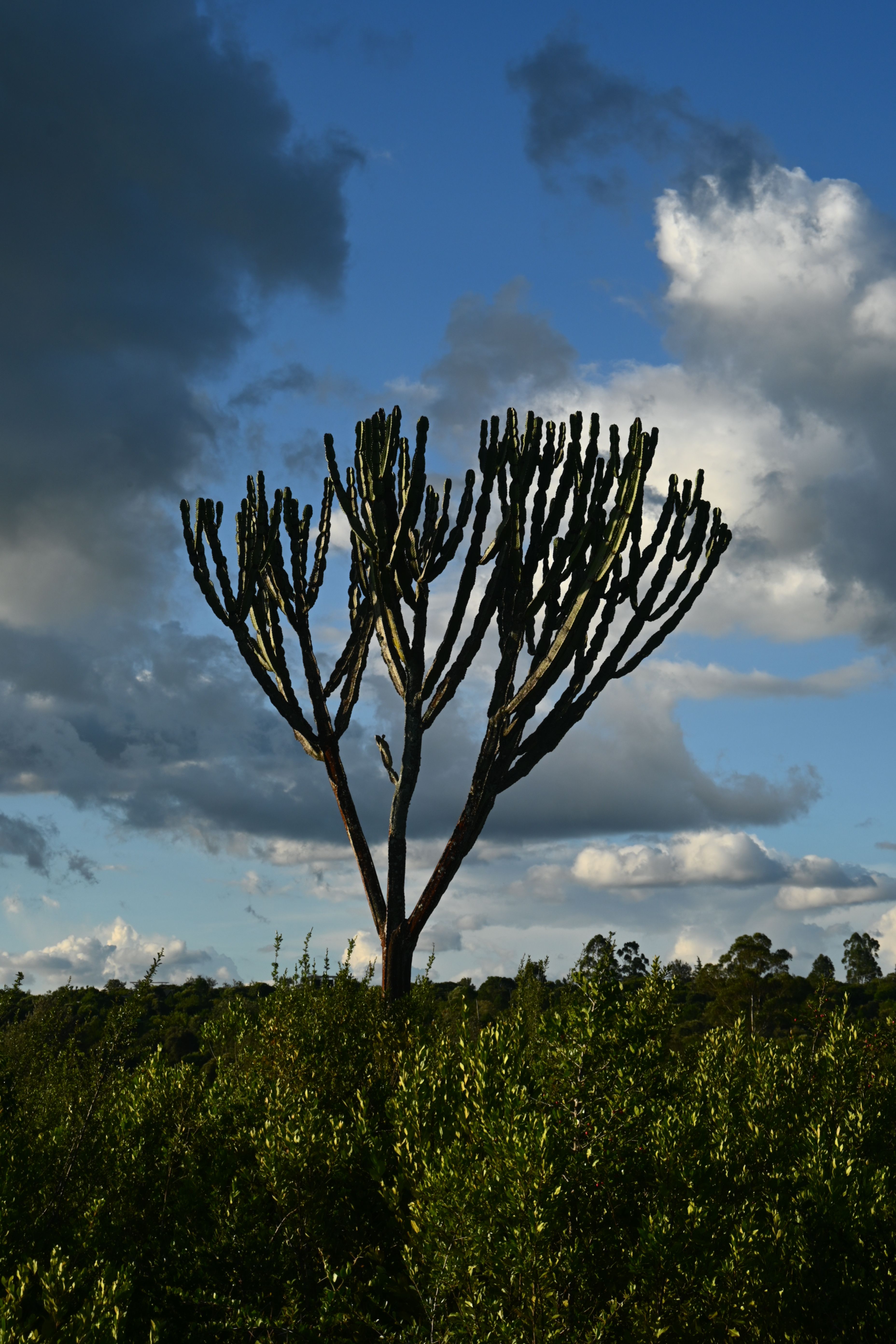
The candelabra tree looks almost like an oversized cactus with its branching, umbrella shaped arms, and it grows across southern and eastern Africa, in countries like South Africa, Zimbabwe, and Mozambique. It belongs to the euphorbia family and produces a milky sap toxic enough to irritate skin and eyes on contact, which is exactly what keeps most browsers away entirely. Despite the toxicity, some communities have used small, carefully prepared doses of the sap in traditional remedies, and hornbills and owls often nest safely in its branches since almost nothing else will climb up to bother them.
6. Gum Arabic Tree
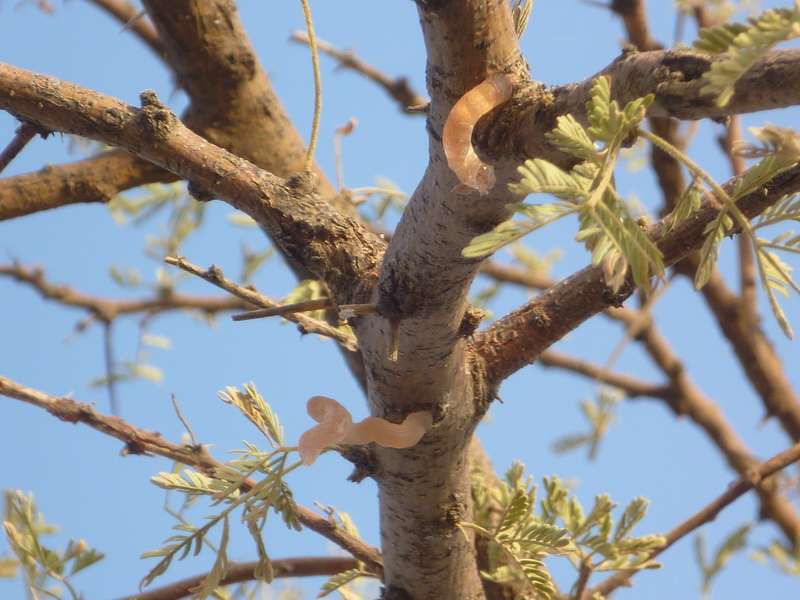
The gum Arabic tree grows across the drier stretches of the Sahel, particularly in Sudan, Chad, Senegal, and Nigeria, and it produces a hardened sap that has been traded for centuries as a thickener and stabilizer in food, pharmaceuticals, and even textile production. Its thin, feathery canopy and deep taproot let it survive in soil far too poor for most other trees, and a single tree typically stays productive for gum harvesting for around fifteen to twenty years. Sudan alone still exports the majority of the world’s gum Arabic supply today.
More Savanna Trees Worth Knowing
1. Red Syringa
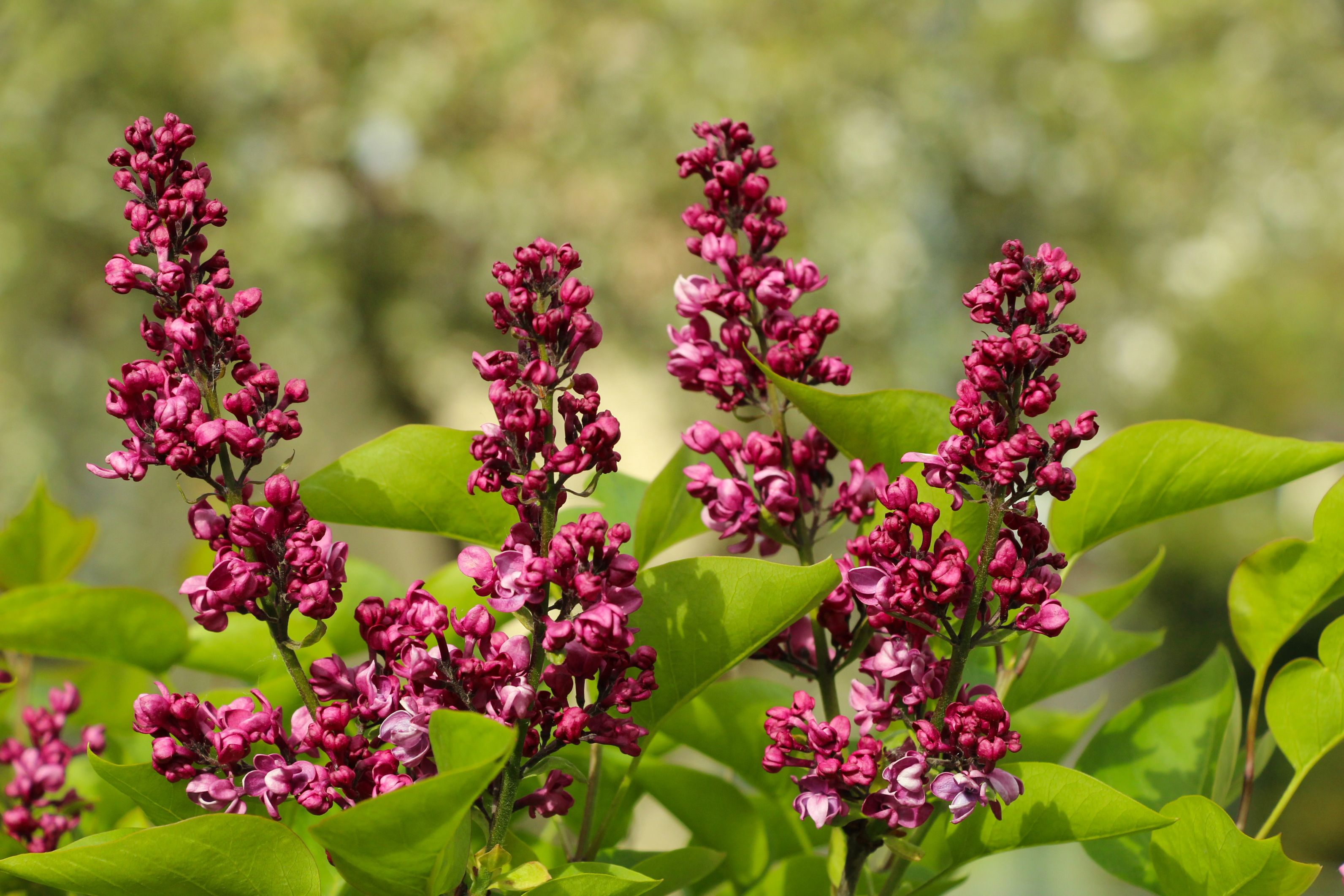
Red syringa carries silvery, feathery leaves and long, fragrant clusters of creamy white flowers that hang down like tassels from its branches. It’s found across parts of southern and eastern Africa’s drier bushveld, and it’s a striking tree even from a distance, with blossoms that draw in insects most other savanna trees can’t attract during the same stretch of the dry season.
2. Bombax Costatum
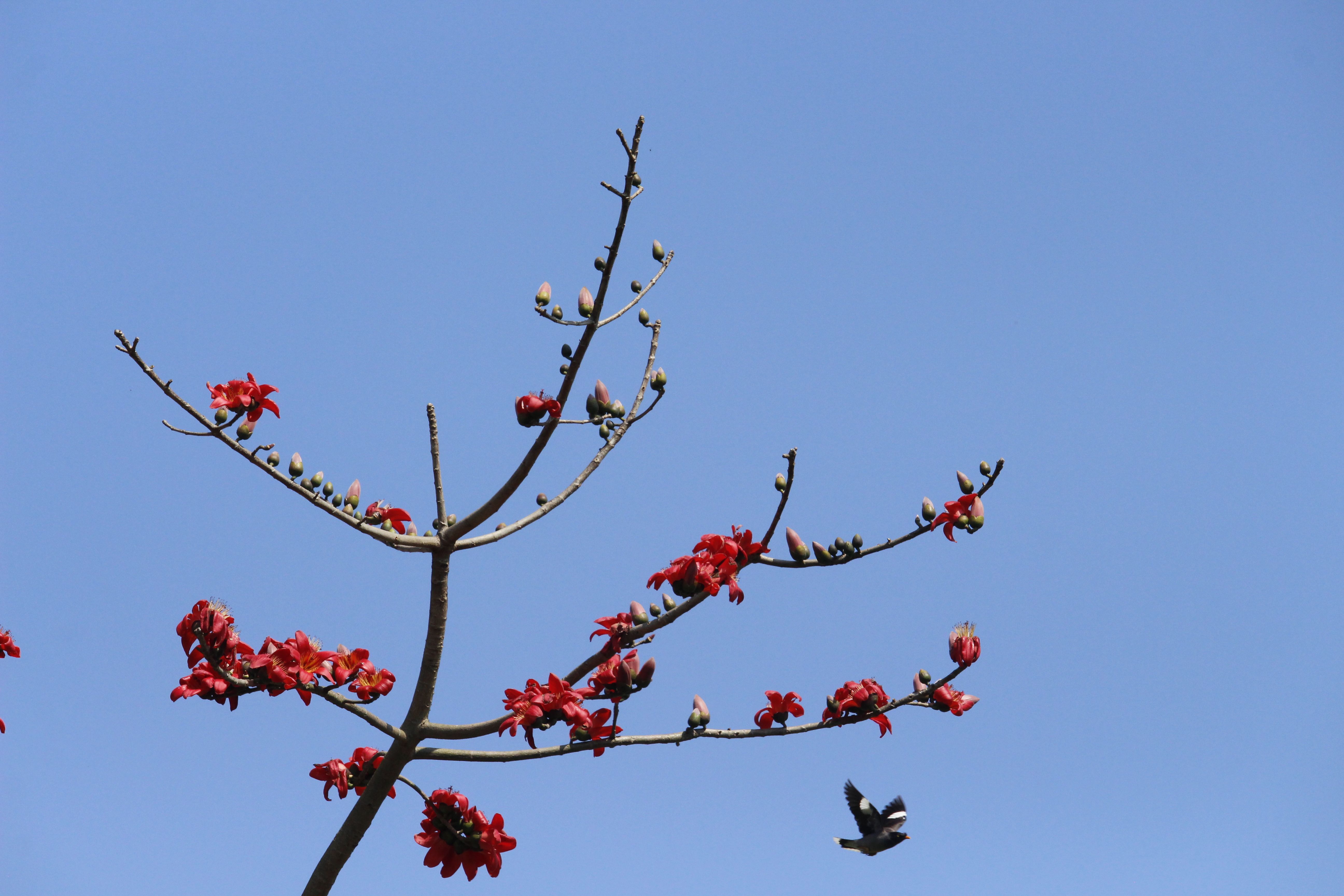
Bombax costatum, also called the red kapok tree, is native to the savanna belt stretching from Senegal across to Sudan, and it stores water in a thick, thorny trunk built for the same harsh terrain that shapes the baobab. Its large, vibrant red flowers and broad, palmate leaves are hard to miss, and local communities eat the cooked flower calyx as a vegetable, press oil from the seeds, and use the bark in traditional medicine as a diuretic and fever remedy. The flowers are also prized by beekeepers, since they produce nectar heavily favored by local bee populations.
3. Bridelia Ferruginea
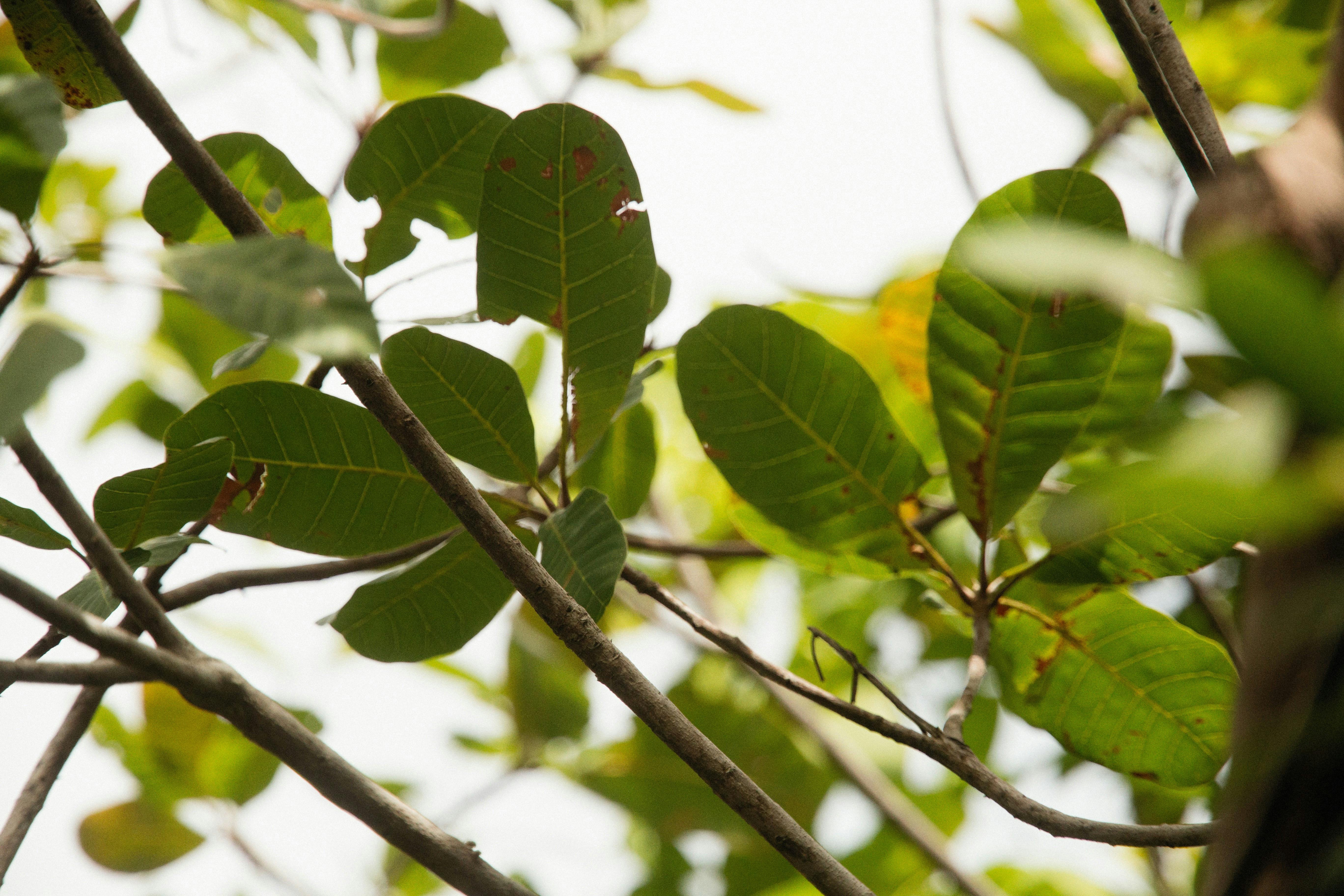
Bridelia ferruginea grows as a medium sized deciduous tree across West Africa, its canopy spreading wide and its bark taking on a rough, rust colored texture that deepens as the tree matures. Traditional healers across the region have long used its bark and leaves to treat arthritis, diabetes, dysentery, and skin conditions, and modern pharmacological studies have since backed up several of those uses. Its tolerance for a wide range of soil types helps explain why it shows up so consistently across different savanna zones.
4. Tree Bean
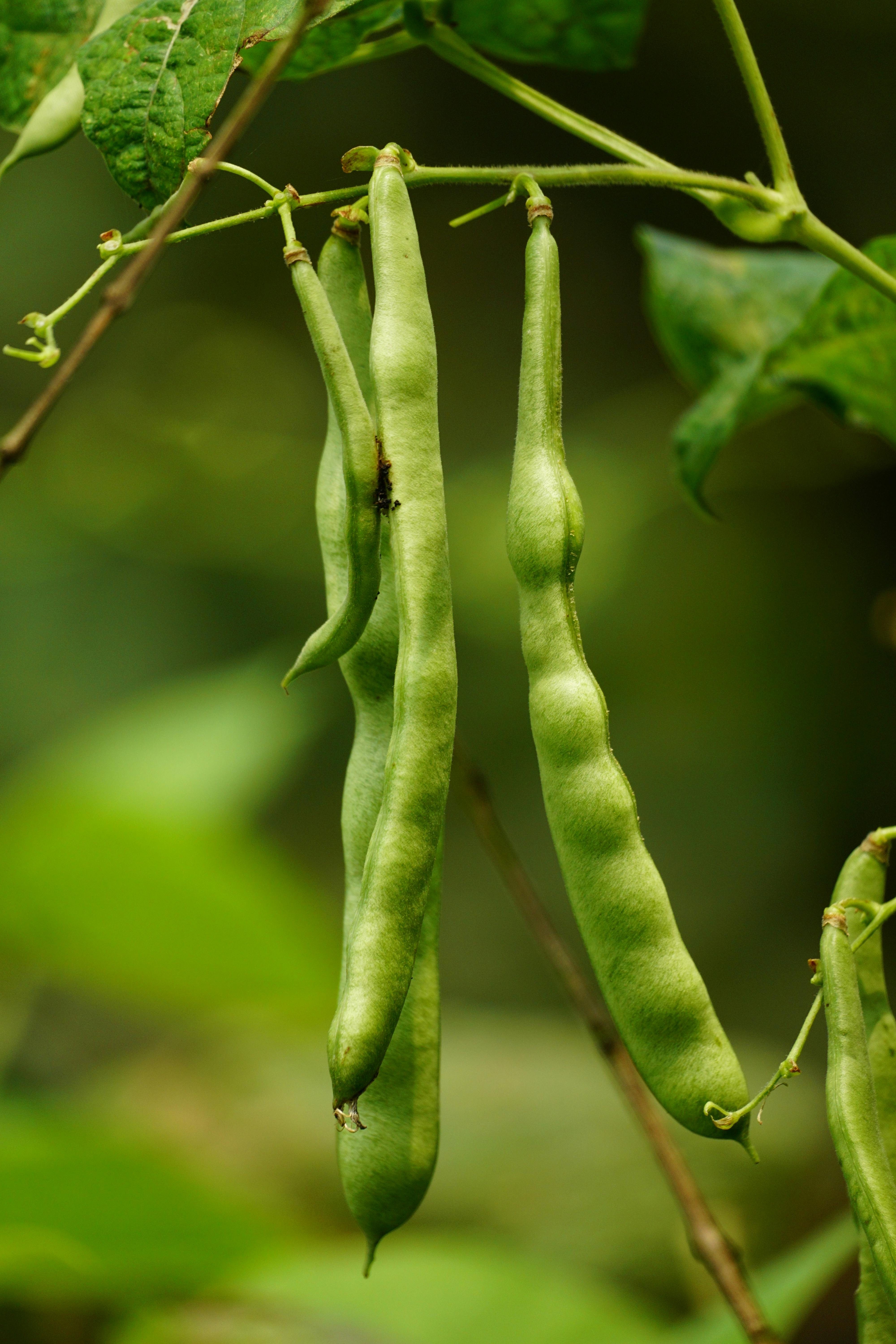
Tree bean most often refers to a Parkia species, a group of savanna trees found across West Africa and into southern Sudan and northern Uganda, valued for fermented seeds used as a traditional seasoning. The tree’s broad, spreading crown provides deep shade, and its long pods hold seeds that are dried, fermented, and sold as a protein rich food source. Bark and leaf preparations also show up in traditional medicine, and in parts of Asia a related species is processed into hair and skin products.
5. Pincushion Tree
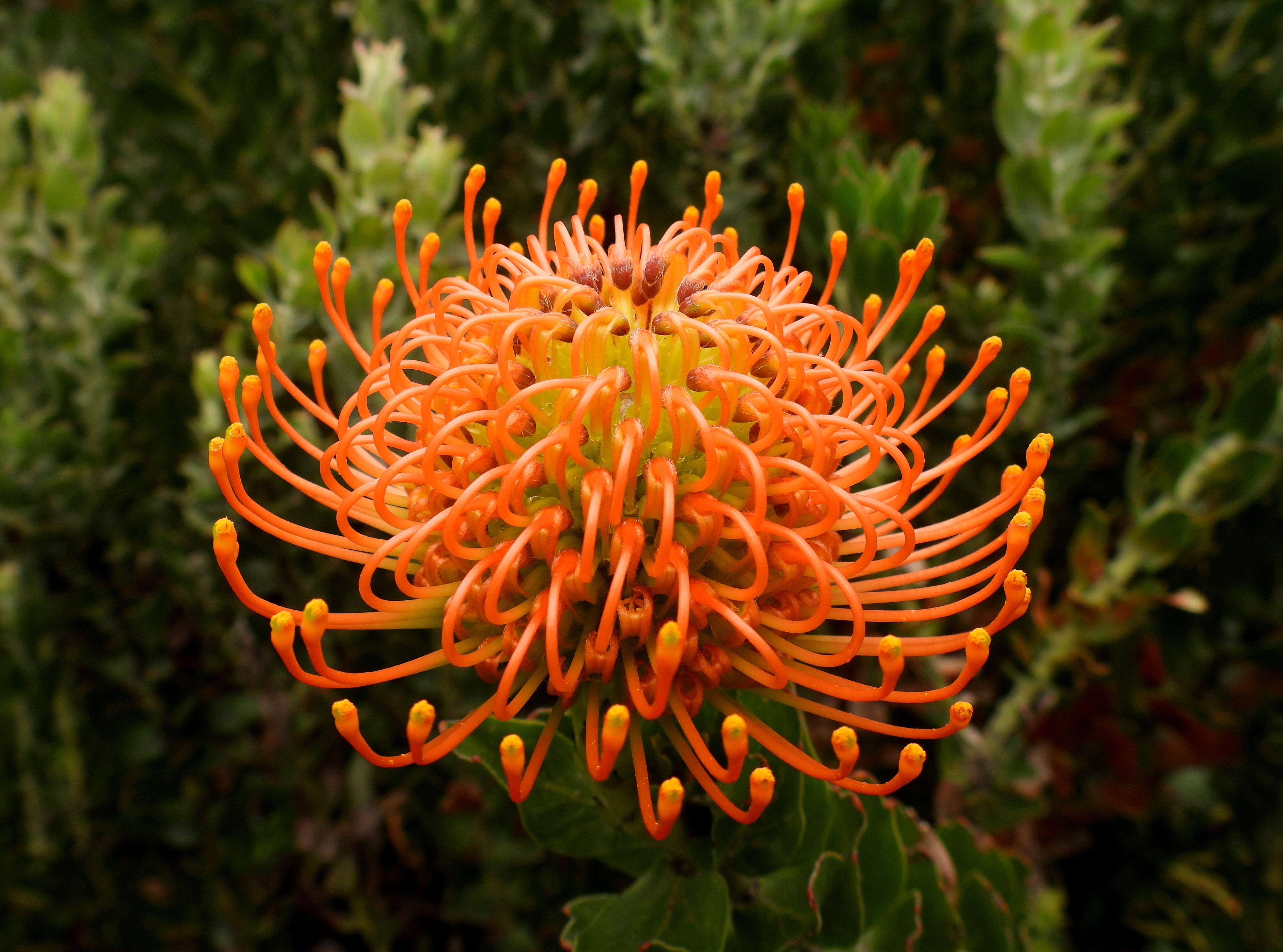
The pincushion tree carries a broad crown and a robust trunk that provides ample shade, with large, leathery leaves and clusters of small, greenish white flowers that attract a wide range of pollinators. It thrives best in rich, moist soil along riverbanks, which sets it apart from the drought specialists that dominate the open plains, and its leaves and bark have a place in local traditional medicine for their reputed anti-inflammatory properties.
6. Sand Crown-Berry
Sand crown-berry stands out with reddish brown bark and elliptical leaves that turn a glossy green as they mature, and it has long been used in traditional medicine for its reputed anti-fever properties. Its firm, upright stance and hearty root system let it hold its ground in some of the harshest, sandiest patches of savanna soil, and its berries provide a food source for birds and small mammals during the leaner months.
Savanna Grasses
Savanna grasses cover more ground than any other plant type in this biome, and they’re the reason so many large herbivores can survive here at all.
1. Elephant Grass
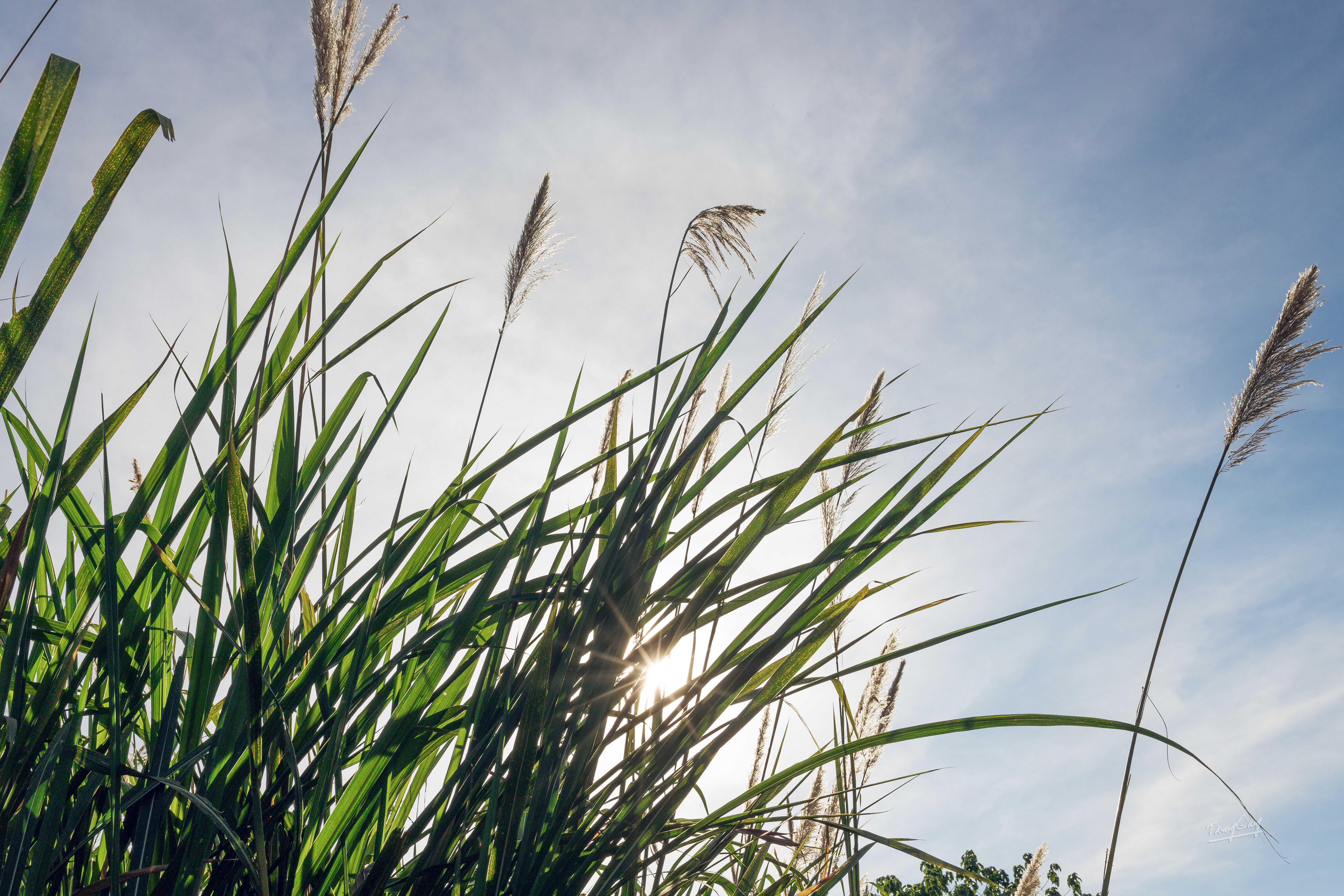
Elephant grass, also called Napier grass, grows tall and coarse across sub-Saharan Africa, with roots that reach nearly twice as deep as the plant is tall above ground, which lets it survive in soil too poor and dry for most crops. It gets its name honestly, since elephants graze on it heavily, and farmers across East Africa also cut it as feed for cattle, making it one of the most economically important grasses in the region. A single stand can regrow after cutting for years, which is part of why it’s so widely planted as livestock fodder.
2. Red Oat Grass
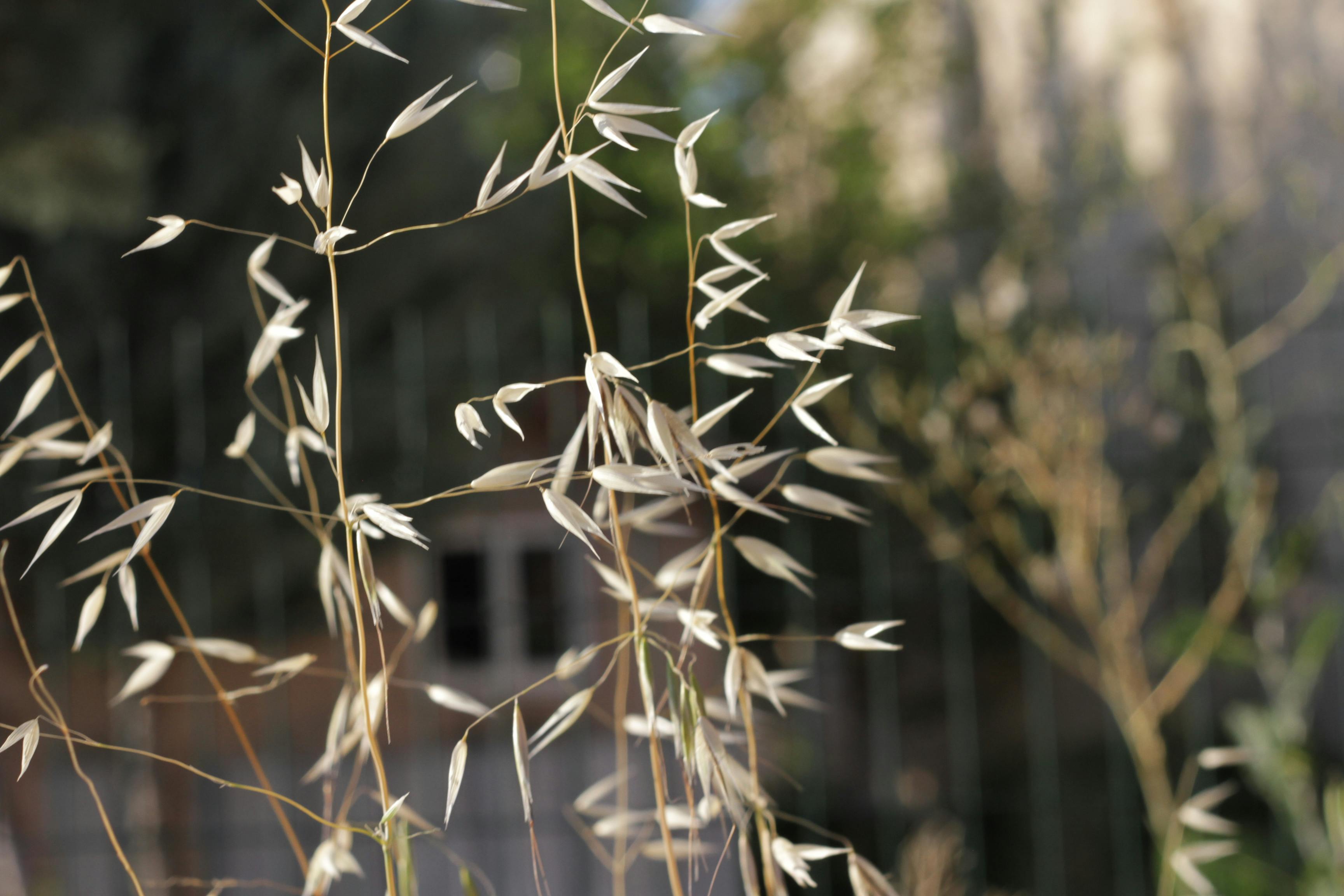
Red oat grass grows in the same uncultivable, sun scorched ground found across the African savanna and into parts of Asia and the Pacific, and it has become a genuine lifeline for grazing wildlife and livestock alike, valued for its high protein content even after the surrounding landscape has turned brown. Its resistance to heat and drought has also made it a favorite in low maintenance gardens far outside the savanna, and herders often rely on it as emergency feed during the worst of the dry season.
3. Bermuda Grass

Bermuda grass behaves almost the opposite way, staying low and dense like a naturally trimmed lawn, and it’s spread from its African origins to warm regions worldwide as both a pasture grass and a lawn species. It can essentially pause its own growth the moment a drought sets in, then resume within days once the rain returns, which is part of why it recovers faster after fire or heavy grazing than most competing grasses.
4. Pearl Millet
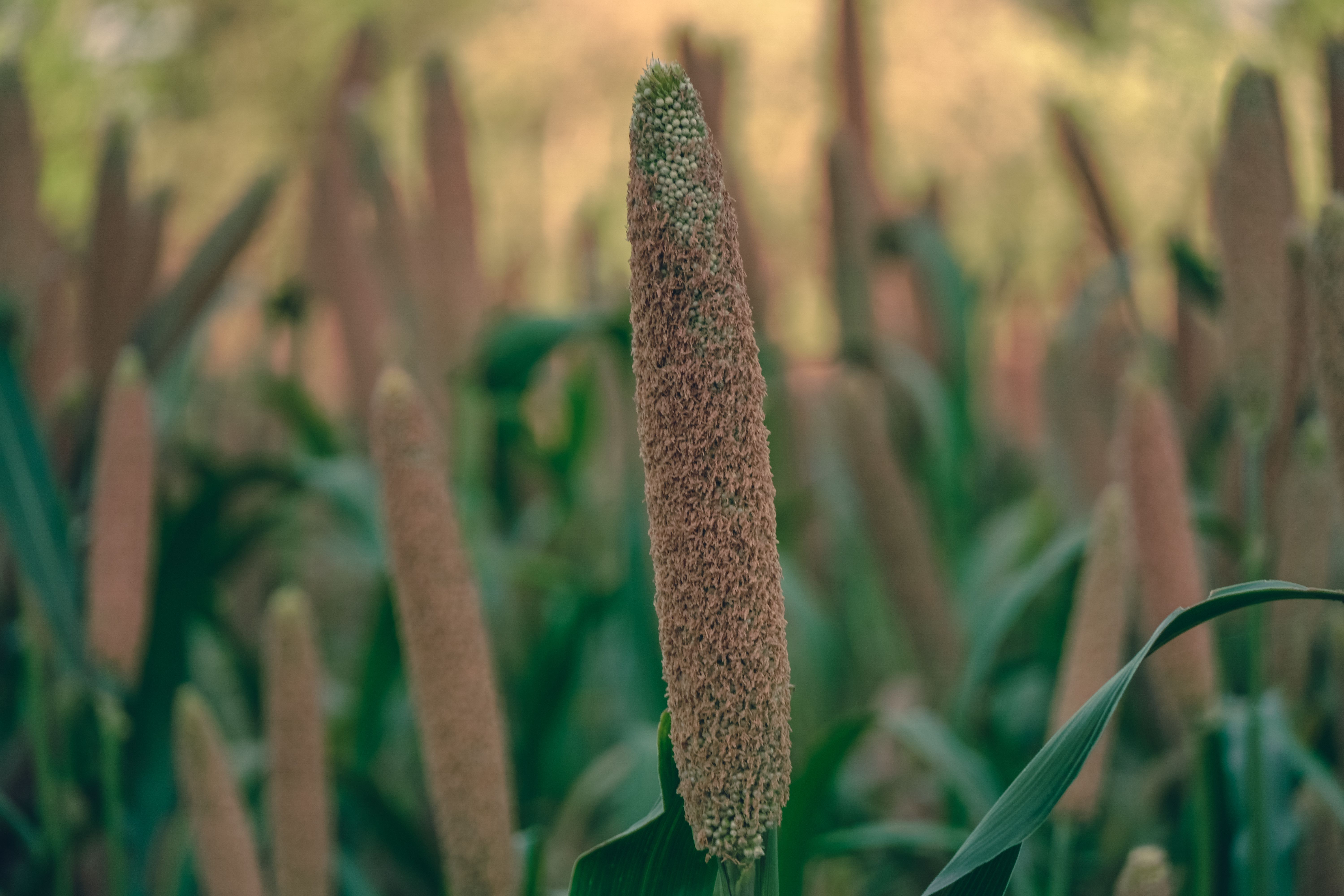
Pearl millet has been cultivated as a drought resistant grain crop for thousands of years, with records of its cultivation stretching back to roughly 2000 BC, and it remains a subsistence staple across the drier parts of the savanna today. It grows well near deserts where rainfall is low, and its grain provides a critical source of carbohydrates and protein for communities where few other crops survive.
5. Mission Grass
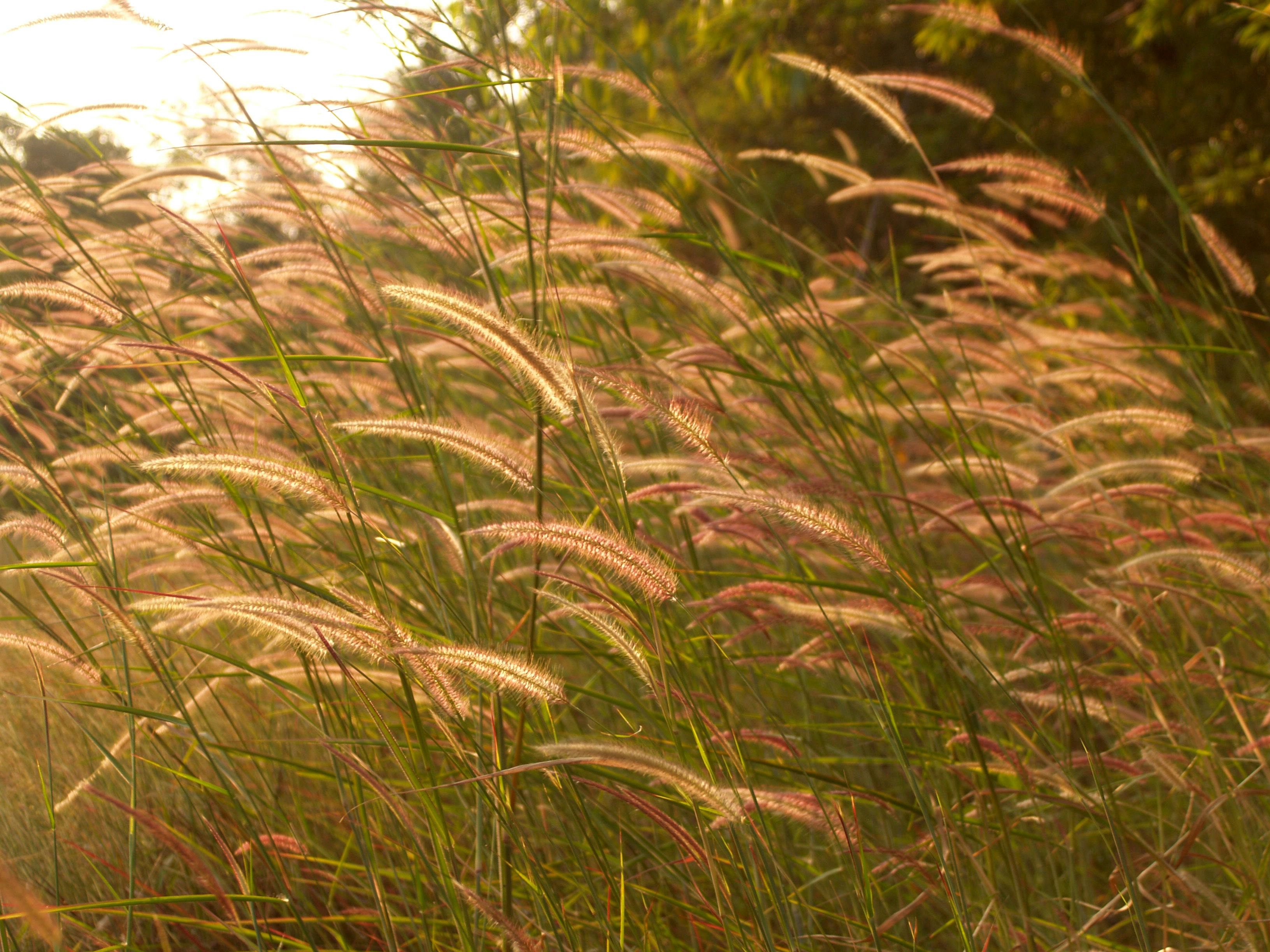
Mission grass spreads fast and holds loose soil in place with a dense root mat, and it’s easy to spot thanks to its dark red flowering seed heads swaying above the surrounding vegetation. Native to parts of Africa and Asia but now established well beyond both, it’s often planted deliberately to stabilize bare or eroded ground, and in some regions it’s harvested as a raw material for paper.
6. Lemon Grass
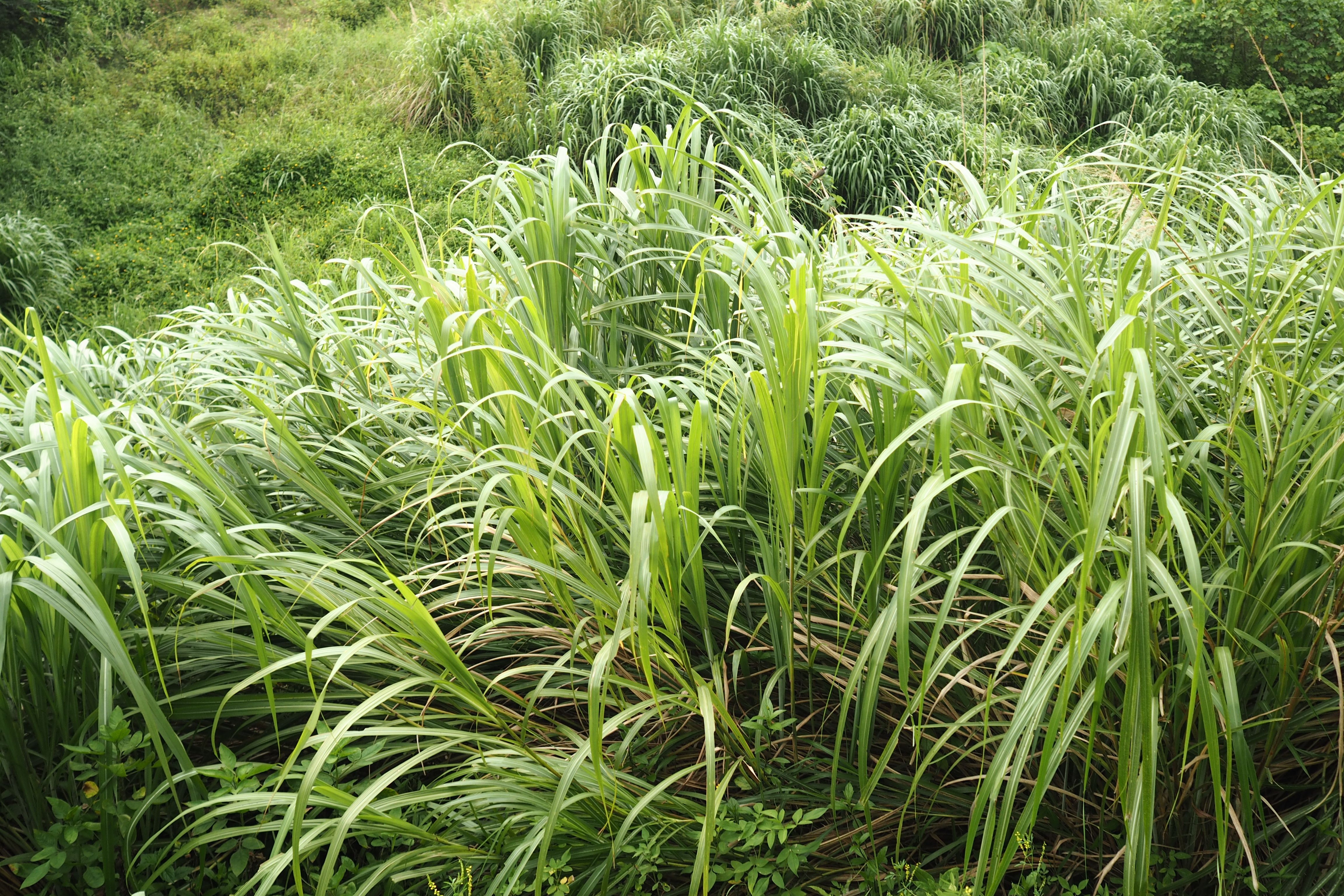
Lemon grass survives in the same tough terrain by leaning on its aromatic leaves, which fend off insect herbivores that would otherwise strip it bare. Its roots anchor deep into the soil, which helps it resist seasonal flooding and keeps the surrounding topsoil from washing away, and beyond its ecological role, its oil is widely harvested for use in traditional medicine, teas, and insect repellents.
7. Grain Sorghum
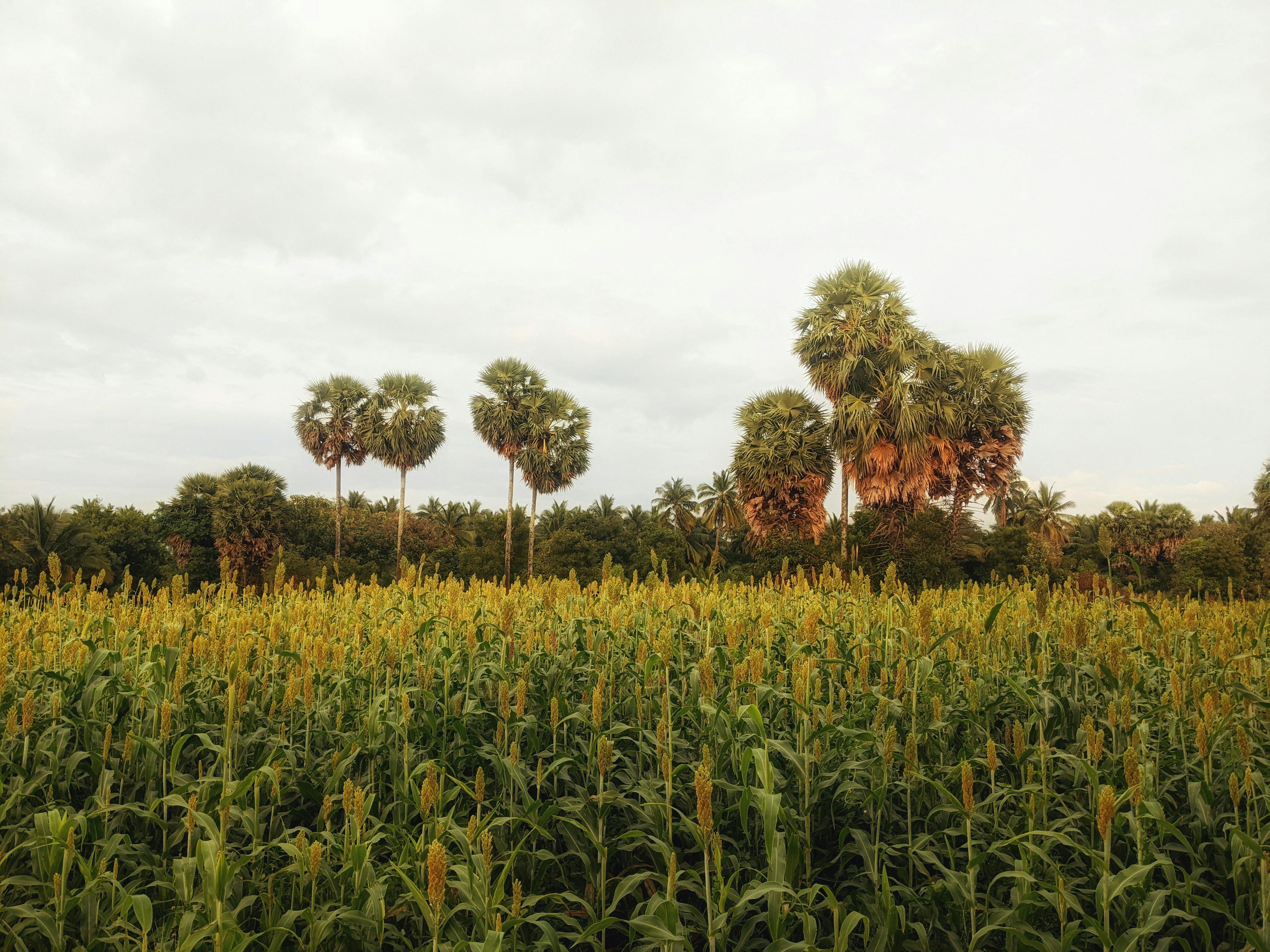
Grain sorghum is grown across tropical and subtropical savanna regions worldwide, its grain pressed into everything from livestock feed to ethanol fuel, and it likely originated in Africa before spreading to warm climates on nearly every continent. Its grain heads sit high above a tough, drought hardy stalk that keeps producing even when rainfall is unreliable, and it remains one of the five most important cereal crops grown on earth today.
Savanna Shrubs
Shrubs fill the space between the open grass and the scattered trees, and most of the plants of the savanna in this category lean on thorns or unusual fruit to get through the dry months.
1. Sickle Bush
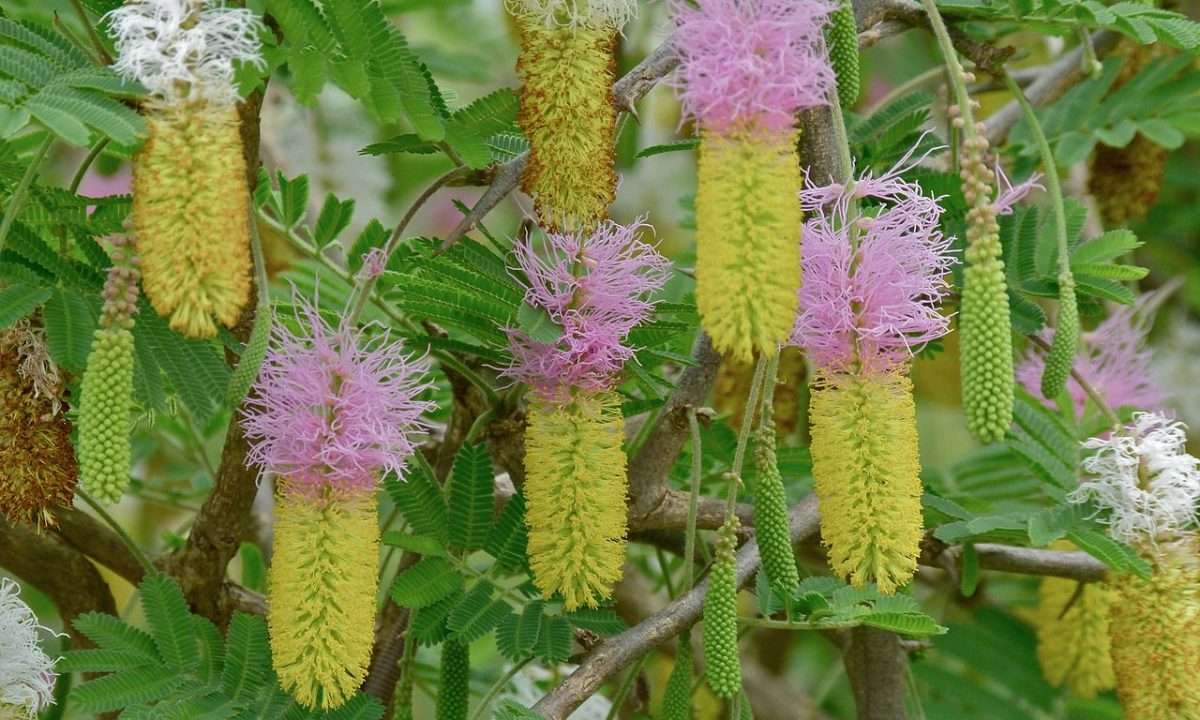
The sickle bush, a relative of the acacia family, grows spiny branches and feathery leaves topped with unusual pink and yellow flowers that draw in bees during the wet season across much of sub-Saharan Africa. It rarely grows taller than about 23 feet, which keeps it in the shrub category rather than the tree canopy above it, and various parts of the plant show up in traditional remedies for stomach complaints and skin conditions.
2. Buffalo Thorn
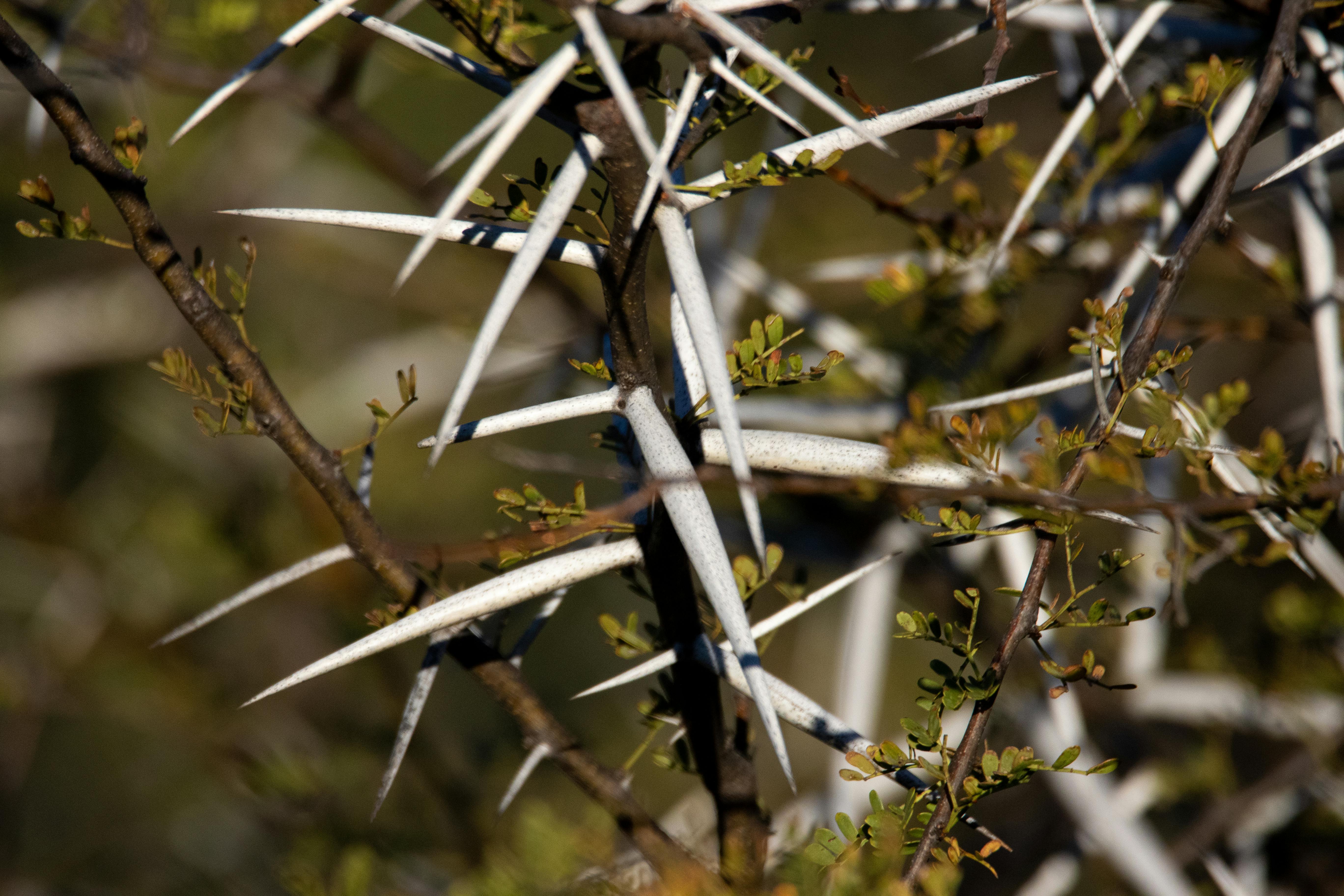
Buffalo thorn grows along seasonal riverbeds where a little extra moisture collects, easy to identify by its zigzagging twigs and paired double thorns at every joint. Its shiny, light green leaves stand out against the duller grasses around it, and its fruit, bark, and roots have long featured in traditional medicine across southern Africa for treating wounds, coughs, and digestive troubles, while its dense, thorny growth also makes it a popular natural livestock enclosure.
3. Raisin Bush
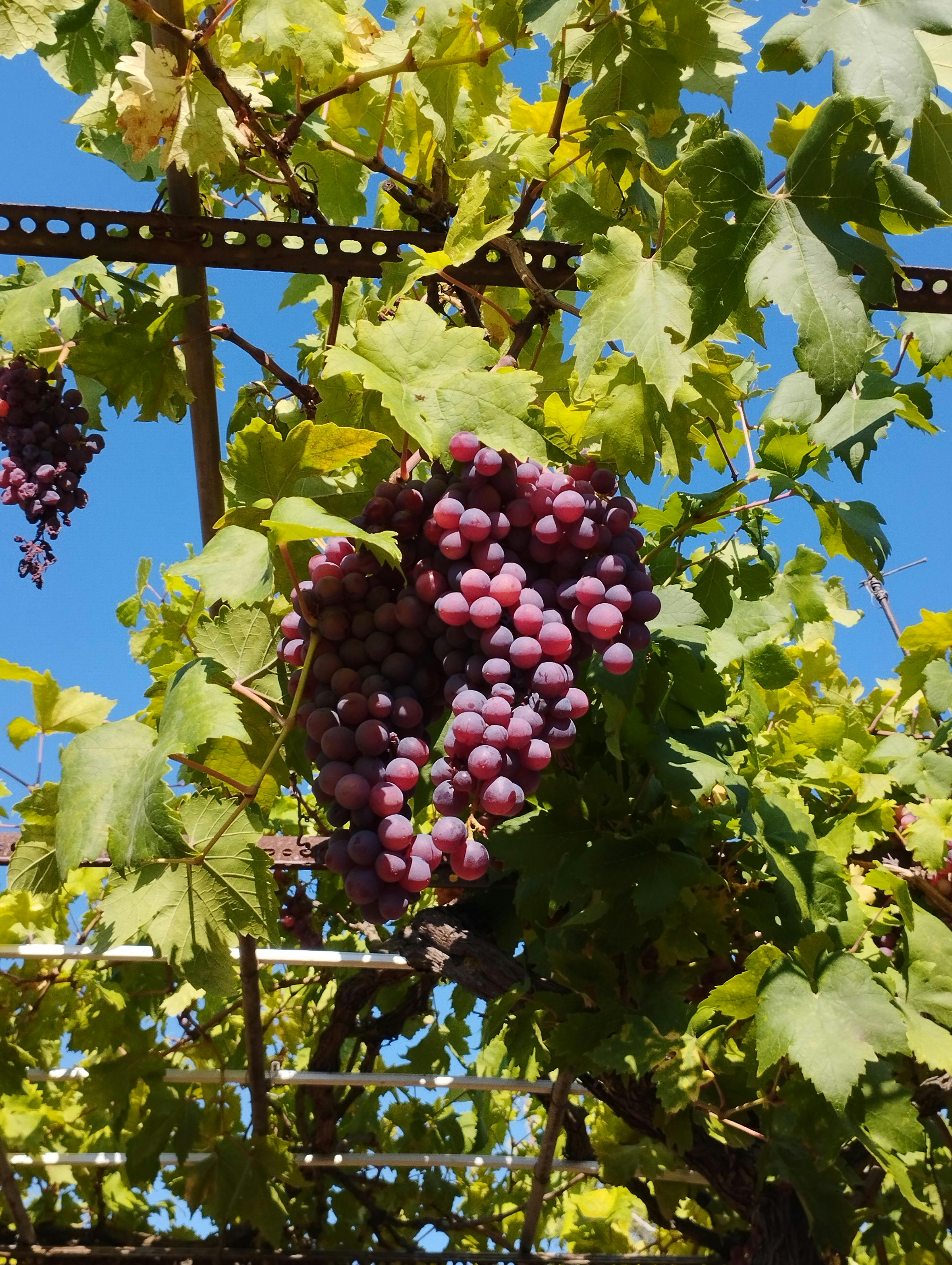
Raisin bush earns its name from small fruits that shrivel and darken as they ripen, closely resembling actual raisins, and its star shaped flowers bloom in clusters once the rains begin. It typically grows near watershed banks across sub-Saharan Africa, taking advantage of whatever moisture collects there, and its fruit is eaten both by wildlife and, in some communities, by people during lean months.
4. Common Bushweed
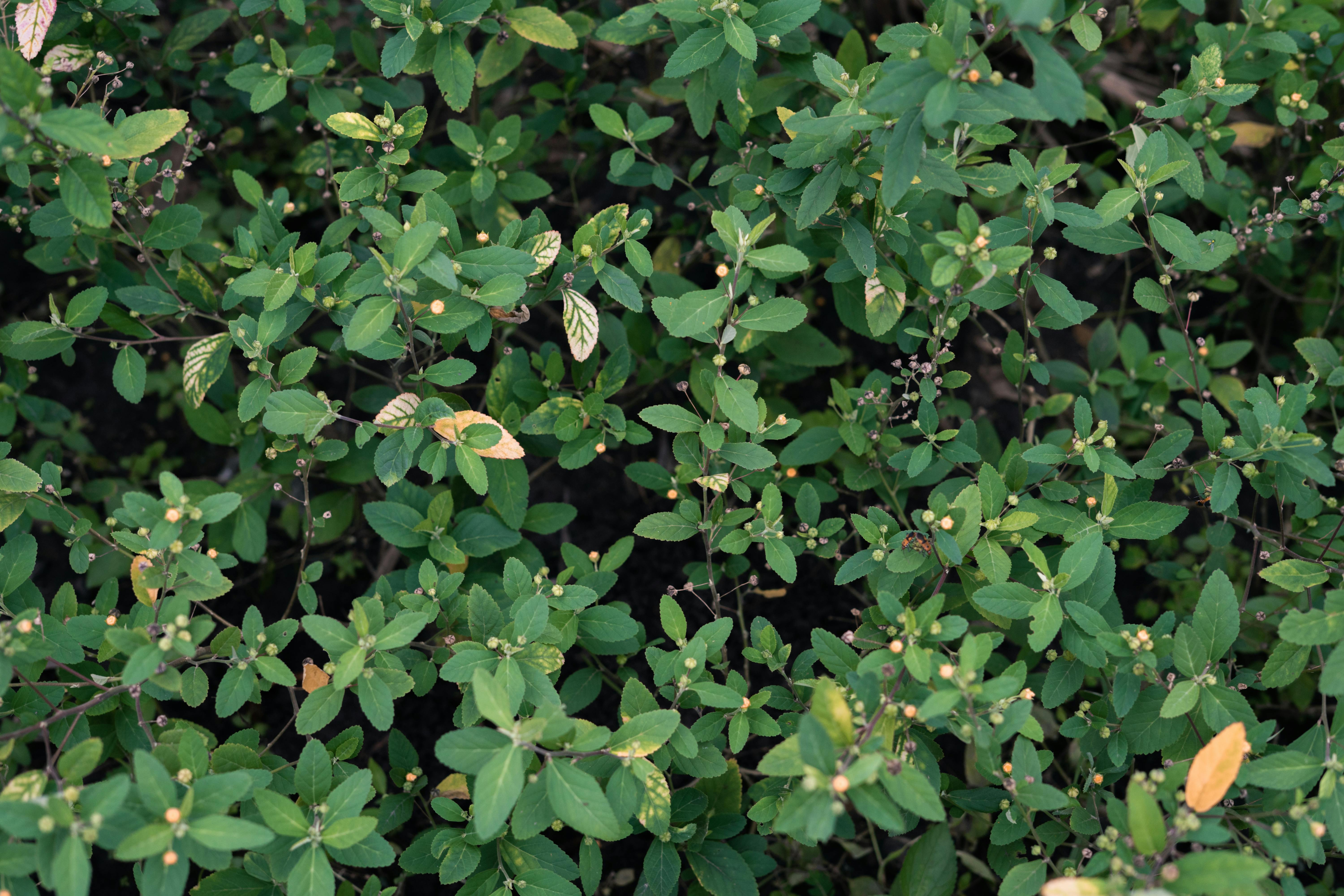
Common bushweed produces small white, waxy fruit that birds and smaller mammals rely on, and it has spread well beyond its native southern African range because it tolerates poor soil so easily, even naturalizing as far away as Hawaii. It grows as a bushy shrub along woodland margins and riverbanks, and various parts of the plant have a documented history in traditional medicine for treating stomach ailments.
5. Variable Combretum
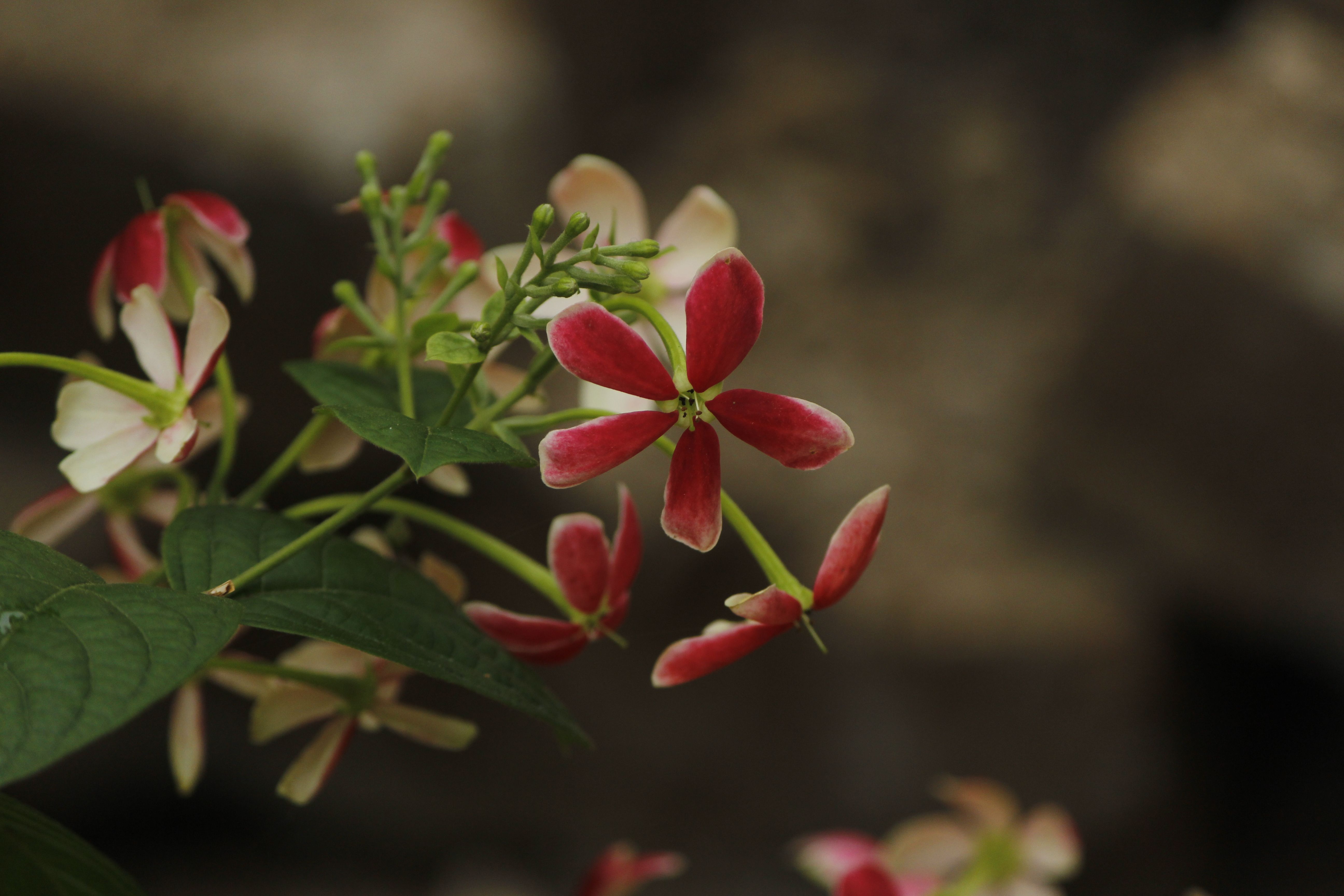
Variable combretum is best known for its oddly shaped, four winged fruit, which turns a dark brown as it ripens but isn’t edible for people, even though the shrub itself is common across West African savanna woodland. Its shape shifting fruit is often the easiest way to identify it, since the leaves alone don’t stand out from its neighbors, and related combretum species are widely used in traditional veterinary medicine to treat parasites in livestock.
Savanna Flowers
Flowers are the least discussed part of savanna plant life, blooming in tight windows tied to the rains and often built to survive the fires that follow.
1. Heath Aster
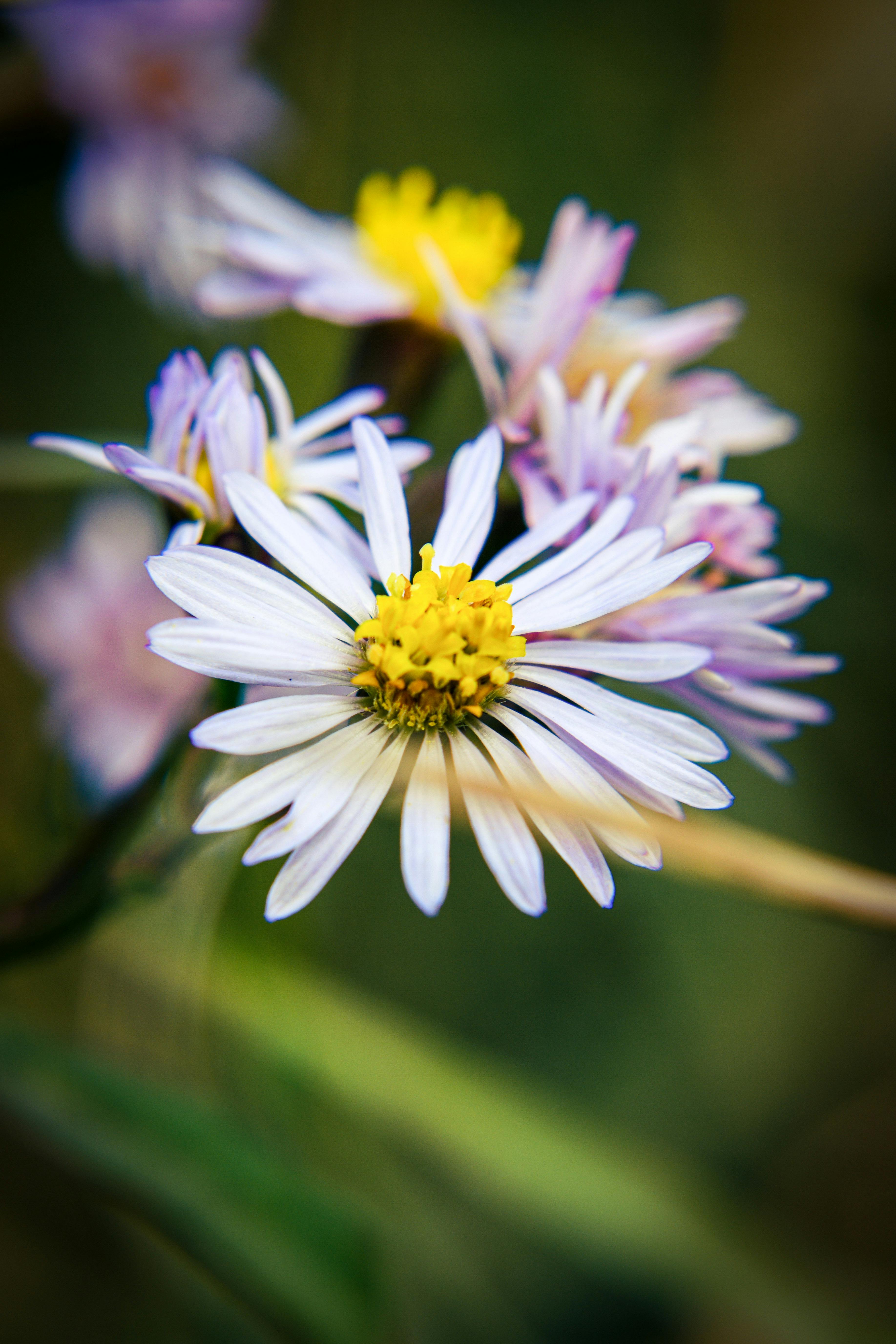
Heath aster produces bright yellow blooms in the fall and tolerates nutrient poor, sandy soil with almost no maintenance, which is why it has become popular in gardens far outside its native North American range. It grows best under full sun, exactly the conditions the open savanna provides, and its blooms are an important late season nectar source for pollinators when few other flowers are still in bloom.
2. Euryops
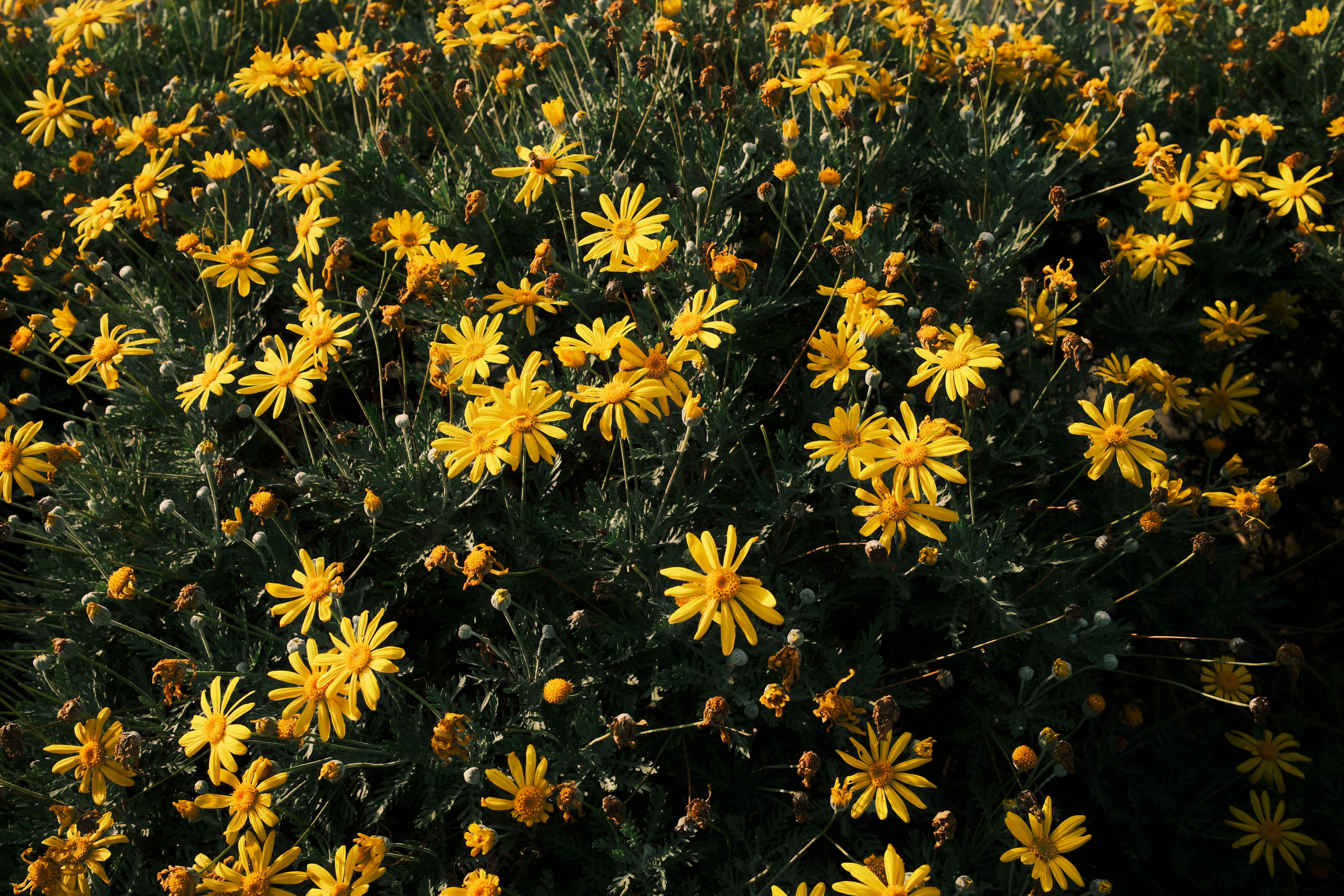
Euryops, a genus with nearly a hundred described species native mainly to southern Africa, flowers from fall through winter and regenerates quickly after fire thanks to the sheer number of seeds each plant produces in a single cycle. Its small, bright blooms are fire resistant almost by design, and several species have been bred into ornamental garden varieties sold well outside their native range.
3. Great Blue Lobelia
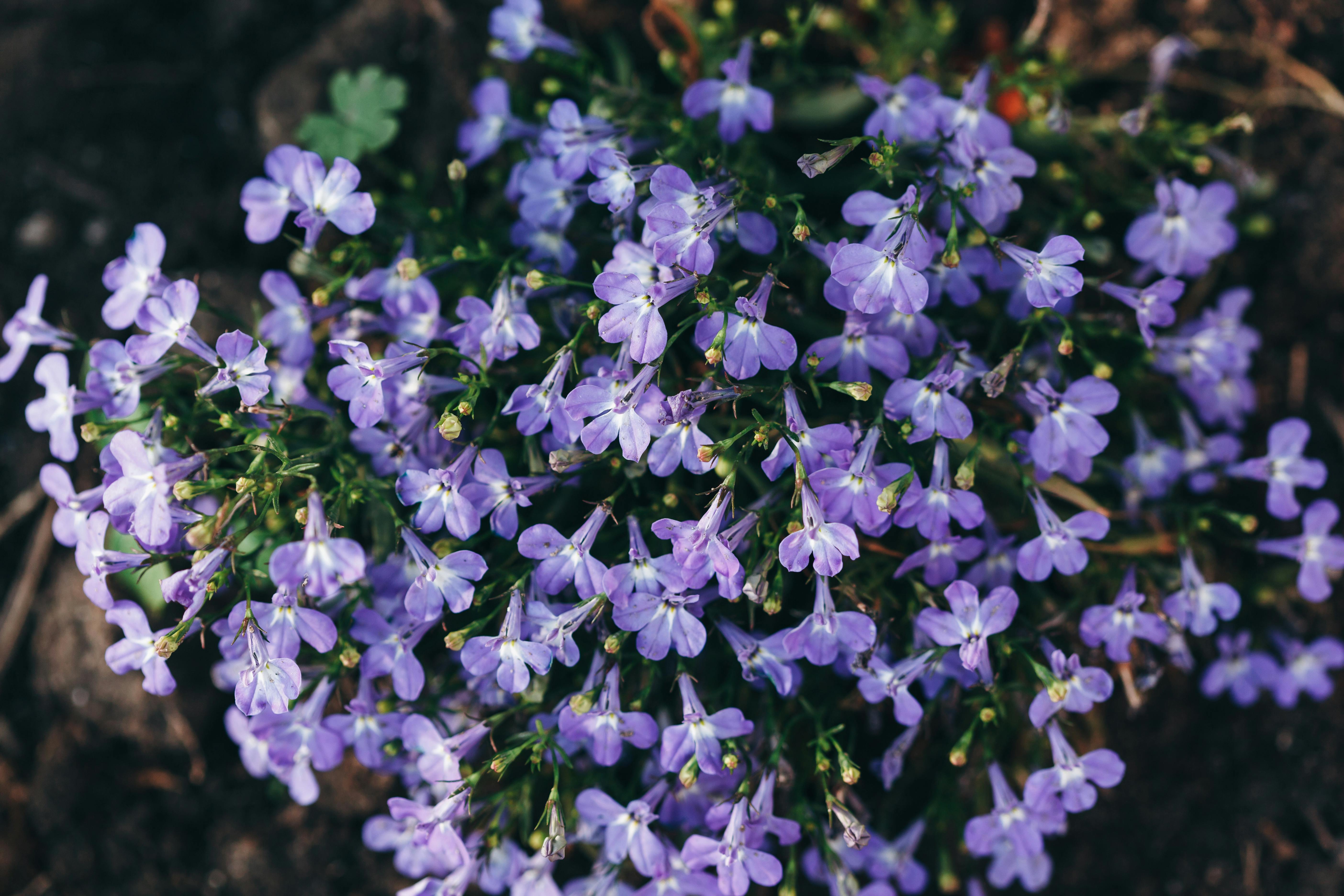
Great blue lobelia stands out for its tubular blue flowers, which bloom in tight whorls through the late summer across the grasslands of eastern and northern North America, and it draws in bumblebees and hummingbirds in large numbers. It grows easily and faces few natural pests, which has made it a favorite well beyond the grasslands it originally came from, and some Indigenous communities historically used related lobelia species in traditional respiratory remedies.
4. Pignut
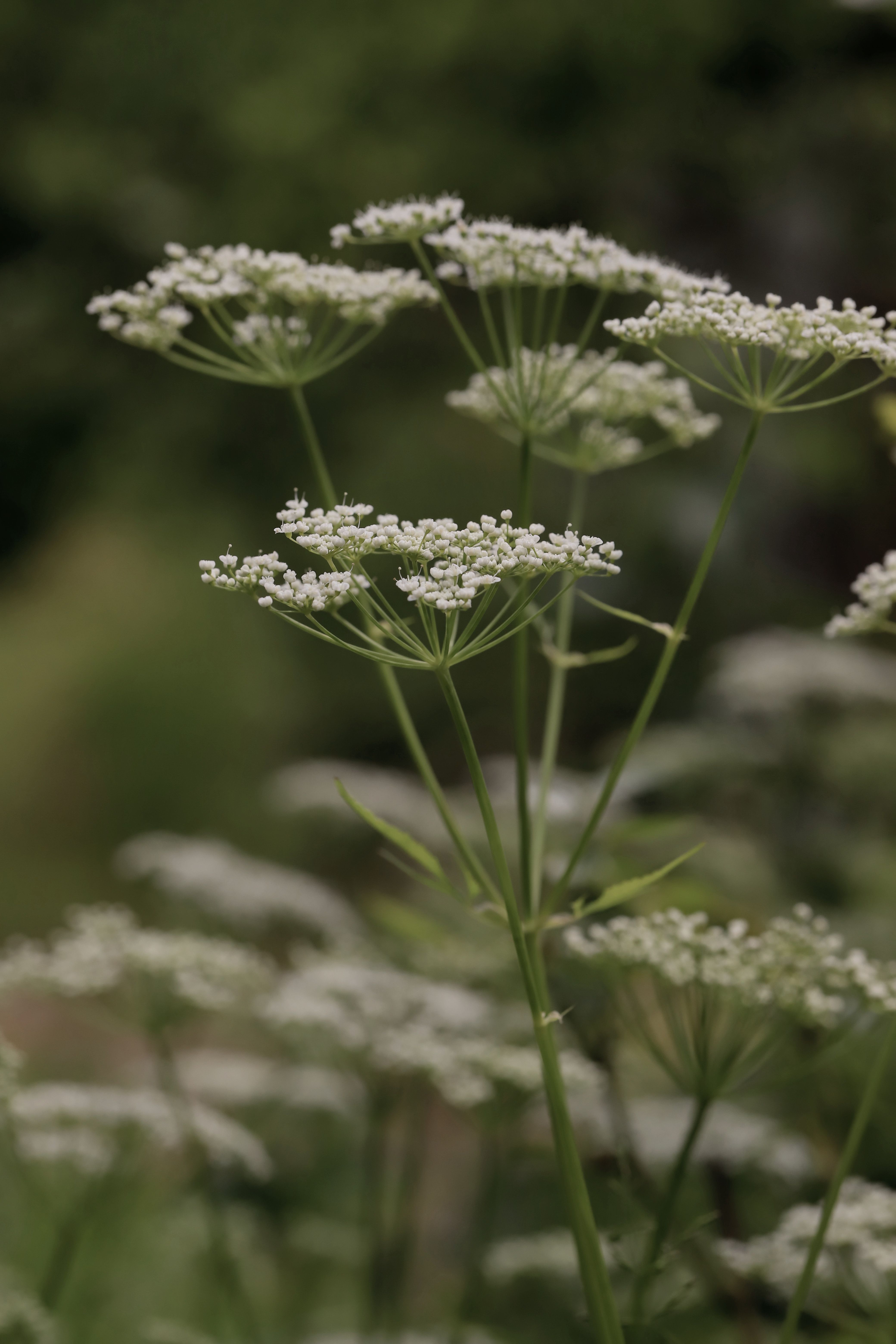
Pignut is a low growing herb with square, hairy stems and pink or purple flowers clustered along the upper leaf joints, and it’s easy to identify by the strong minty smell that comes off crushed leaves. It rarely grows past three feet, but its scent alone makes it one of the more memorable smaller plants in the savanna, and crushed leaves have traditionally been used as a natural insect deterrent in the field.
Other Notable Savanna Plants
A handful of other savanna plants double as food sources or crops, blurring the line between wild vegetation and cultivated staple.
1. Shea Butter Tree
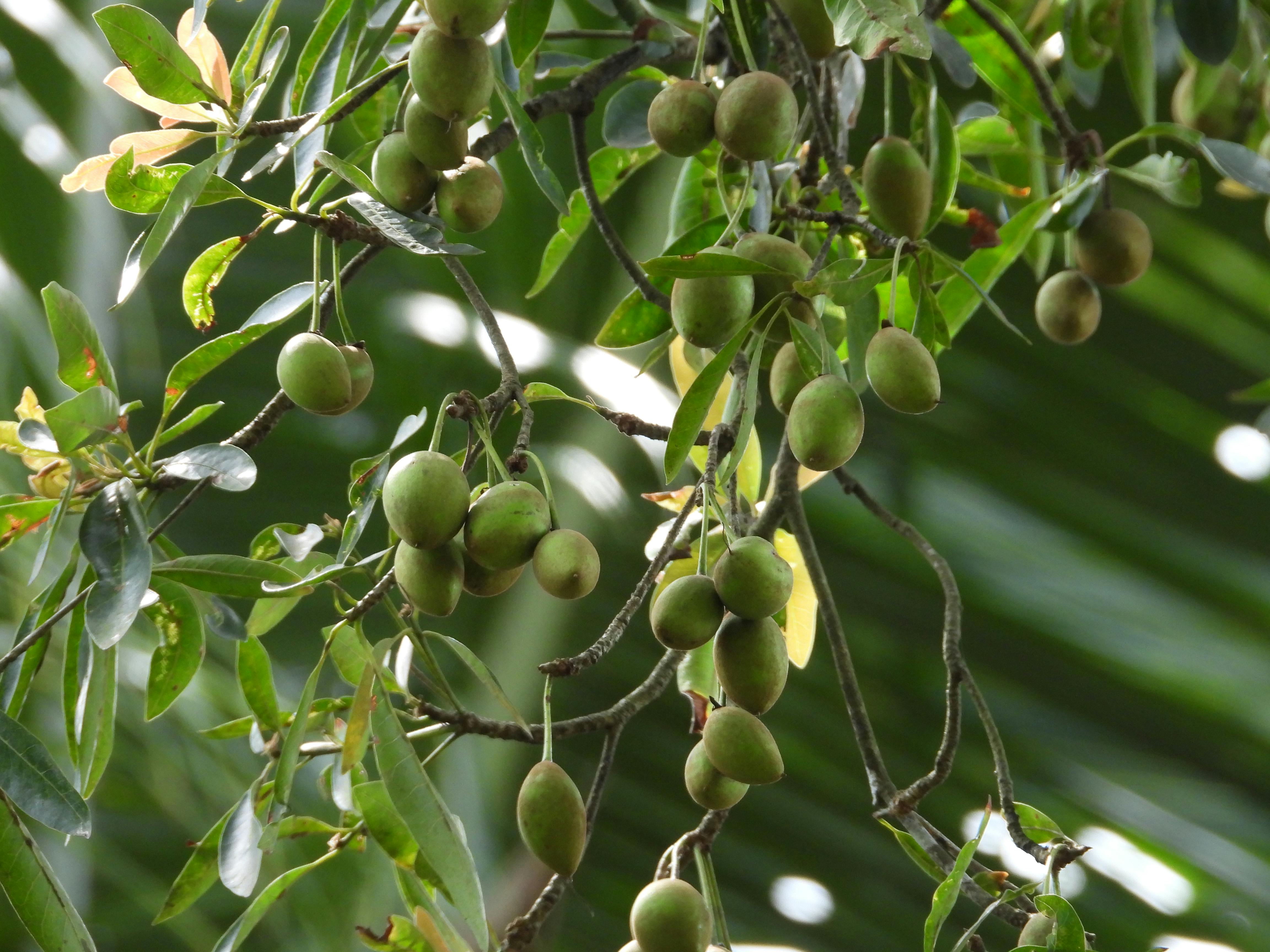
The shea butter tree grows across the savanna belt of West and Central Africa and can live well over a century, producing seeds pressed into the fat used worldwide in cooking, moisturizers, and cosmetics. Its bark yields a latex traditionally used in gum and glue, and both its fruit and flowers are important food sources for people living in savanna habitats, with shea butter production remaining a major source of income for rural women across the region.
2. Sweet Dattock
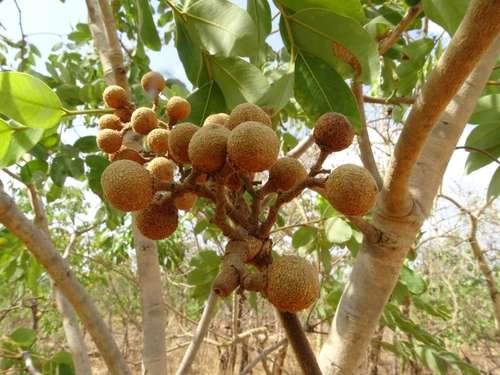
Sweet dattock grows a broad, spreading canopy over dry woodland across West Africa and produces small, sweet fruit still gathered by hand across the region. Its hard, reddish brown wood is also used locally in construction and carpentry, and the fruit has a place in traditional remedies alongside its everyday use as a snack food.
3. African Palmyra Palm
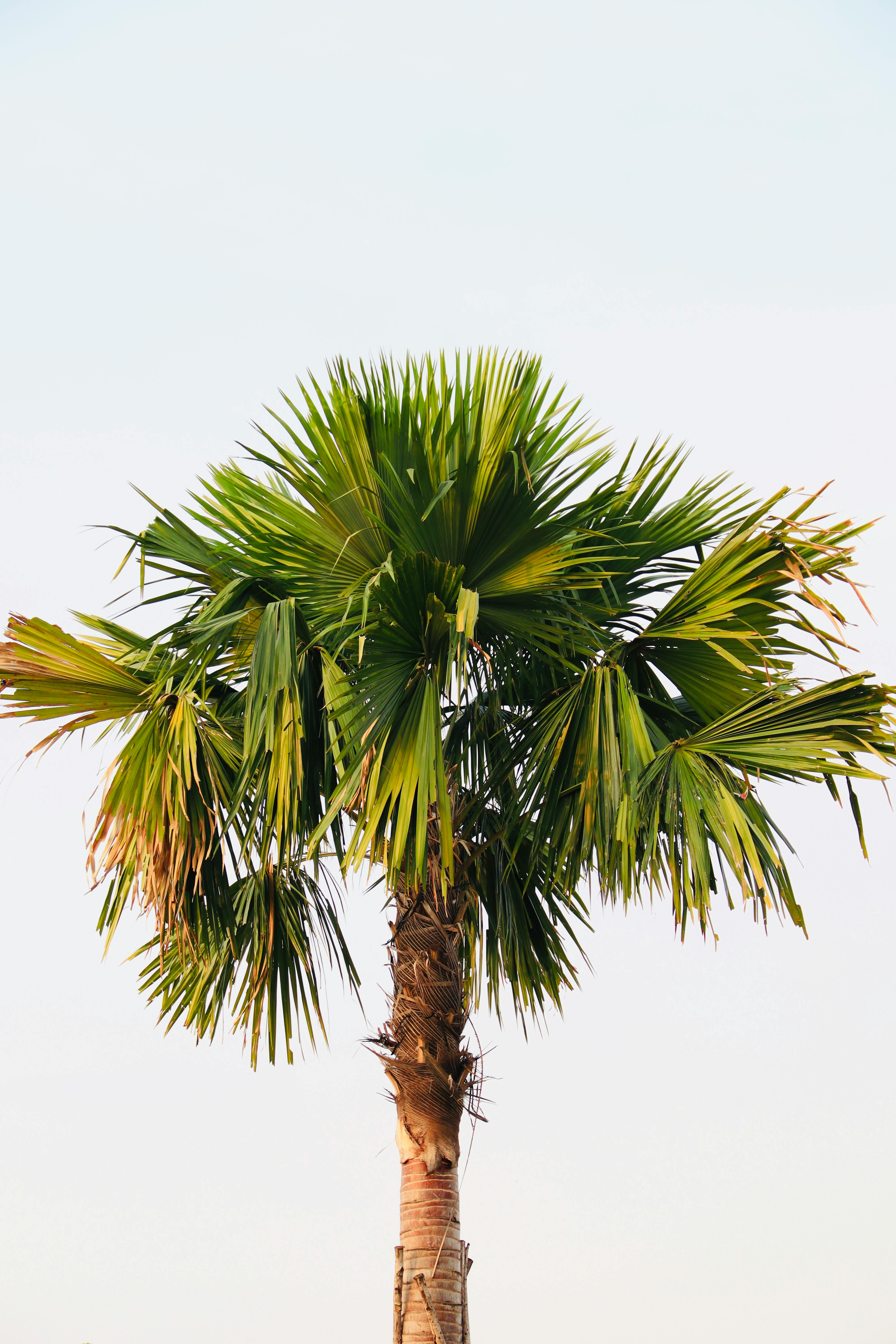
The African palmyra palm is one of the tallest plants from the savanna, sometimes reaching 100 feet, and it grows along river floodplains across East Africa, including the Rufiji in Tanzania and the Tana in Kenya. Its tough, fibrous fruit is built to survive being dropped, trampled, and even partially eaten before its seeds ever get the chance to germinate, and communities across its range tap the sap for palm wine and use the leaves for thatching and weaving.
4. Cowpea
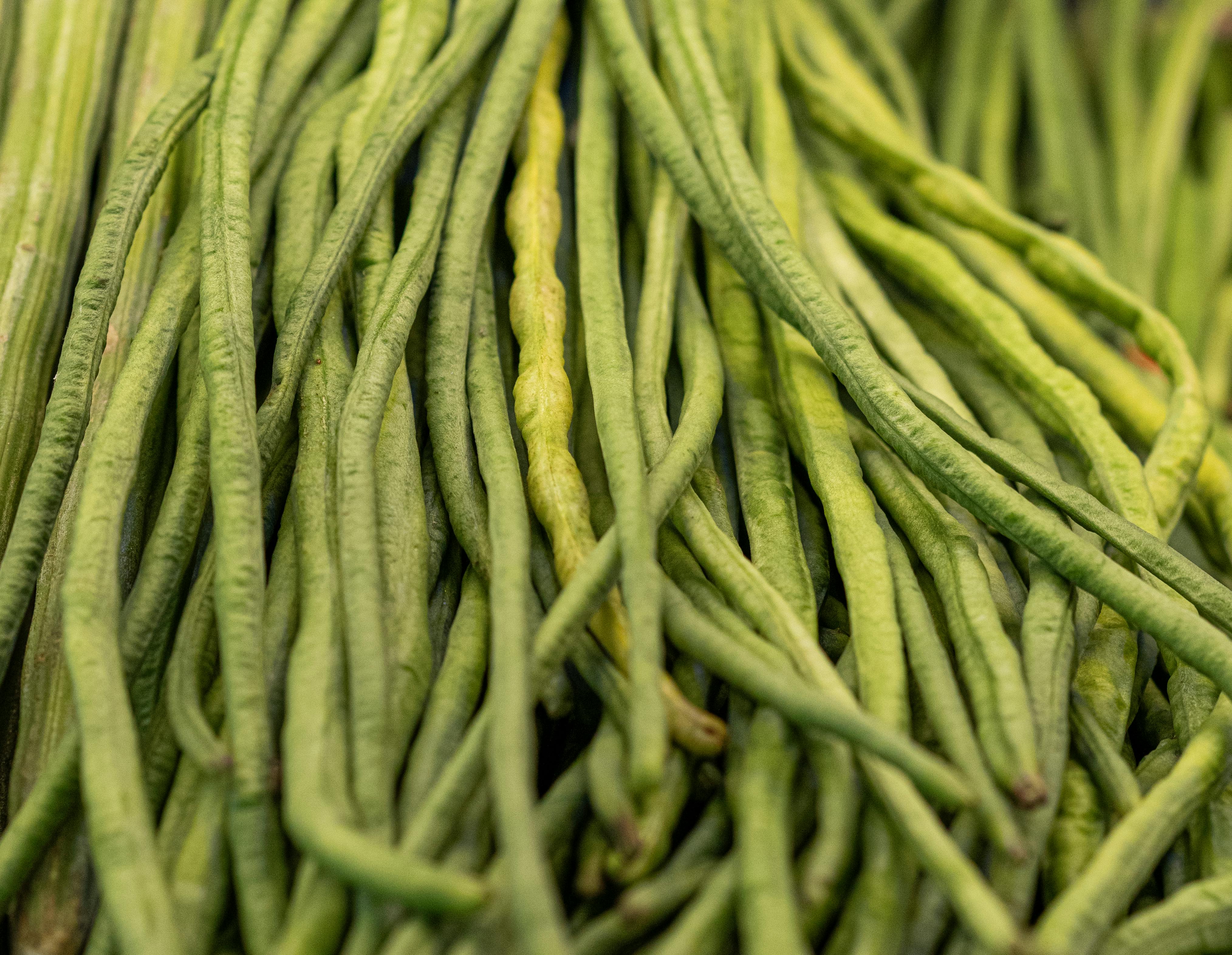
Cowpea, grown as both a vine and a bush form across savanna regions worldwide, has become a staple legume crop precisely because it handles poor soil and irregular rainfall better than most alternatives. Its seeds and pods are small, kidney shaped, and widely used as both human food and livestock forage, and as a nitrogen fixing plant it also helps restore fertility to depleted savanna soil.
5. Wild Custard Apple
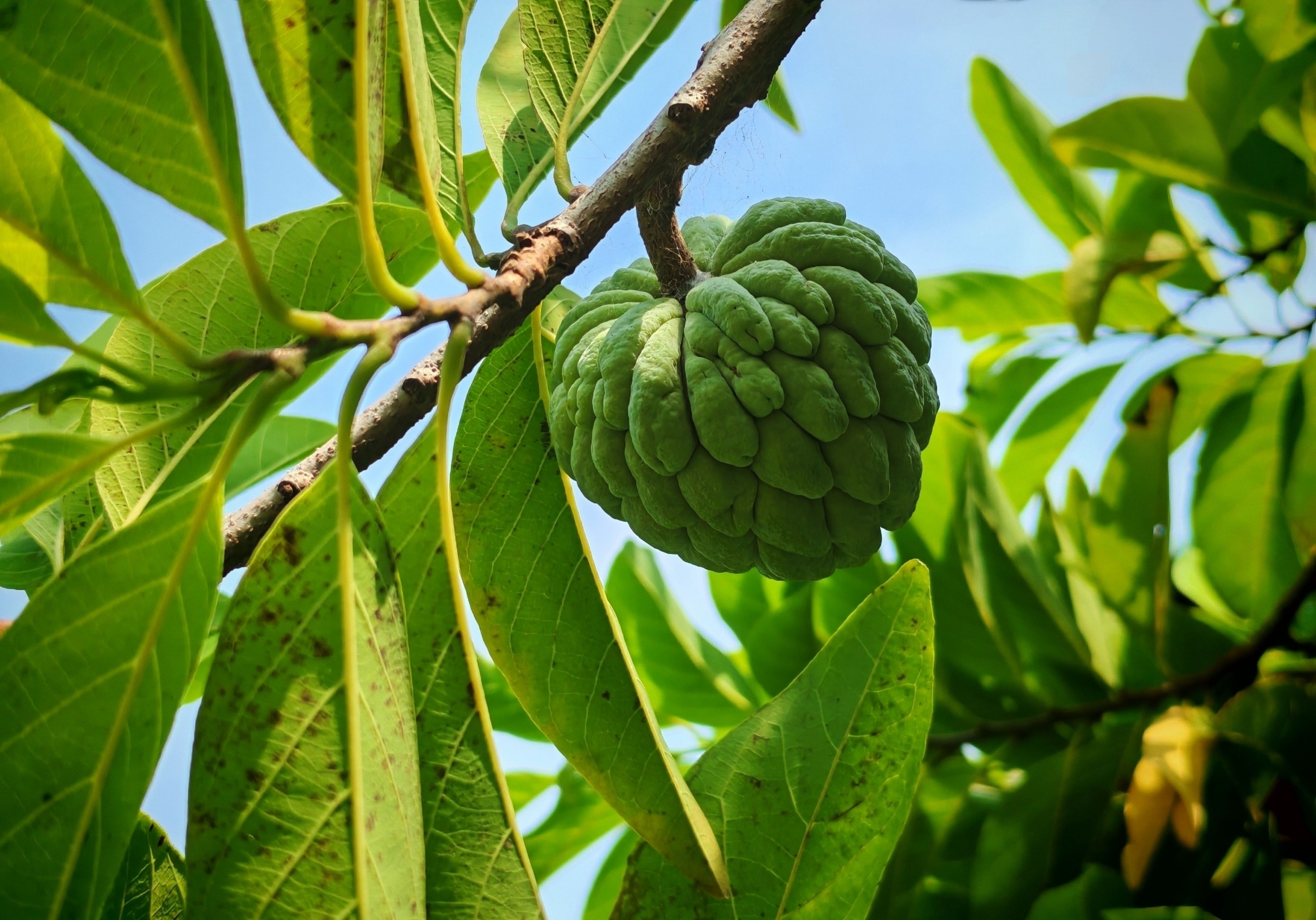
Wild custard apple is a common find in African markets, prized for a pineapple like smell and a sweet taste that makes it a popular flavoring for ice cream and other treats. Livestock graze on it readily, and its bark has traditionally been processed into insecticide, while various parts of the tree also appear in folk remedies for fever and pain relief across its wide range in sub-Saharan Africa.
6. Natal Orange
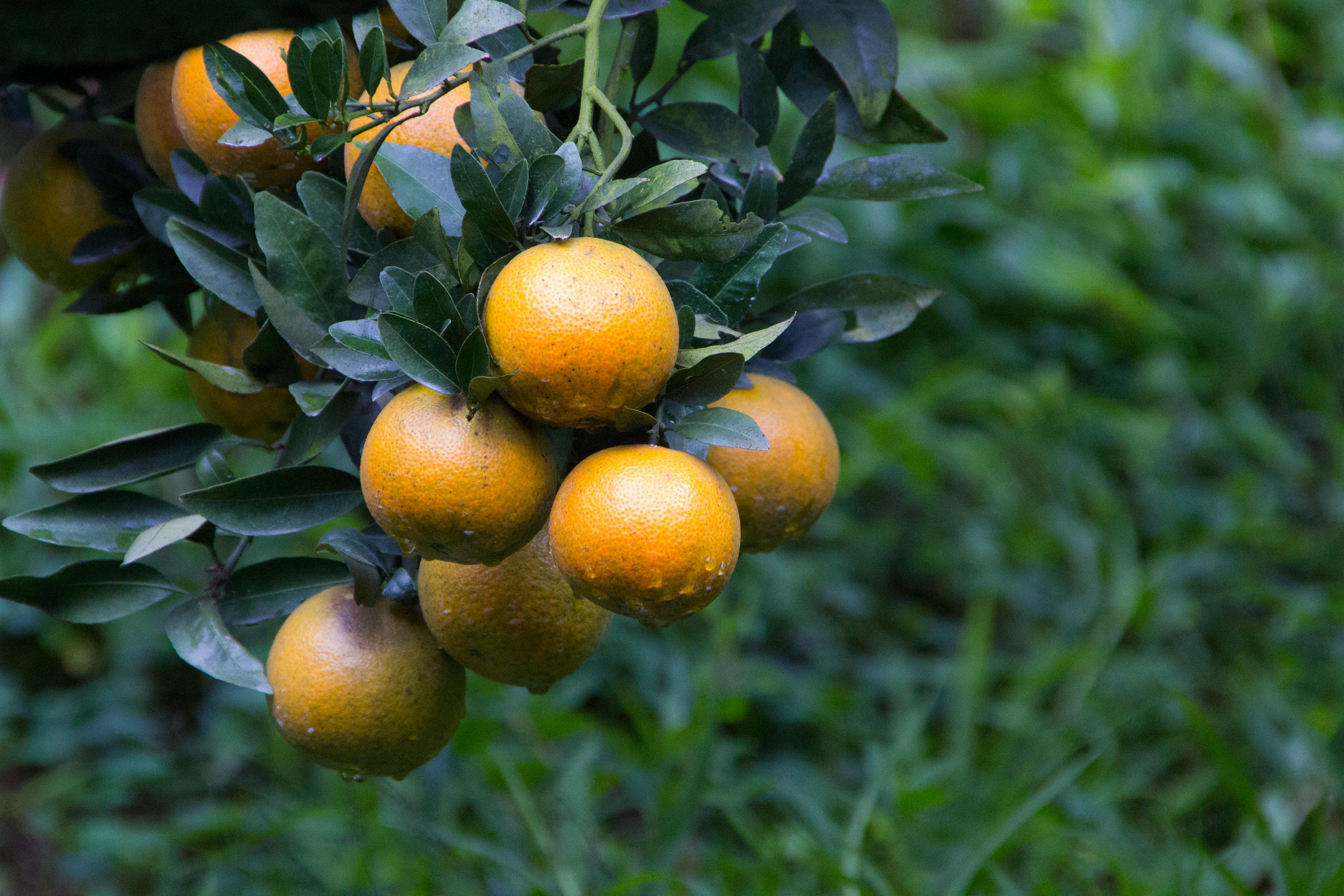
Natal orange, known botanically as Strychnos spinosa, produces sweet sour yellow fruit packed with hard brown seeds, though the fruit only tends to appear after a good rainy season across its range in tropical and subtropical Africa. Baboons, monkeys, bushpig, nyala, and eland all eat the fruit or graze on its leaves, but the seeds themselves carry the same toxic compound found in its more dangerous relative, strychnine producing Strychnos nux-vomica, so the fruit is best left to the animals who know how to handle it.
Where Savanna Plants Are Found
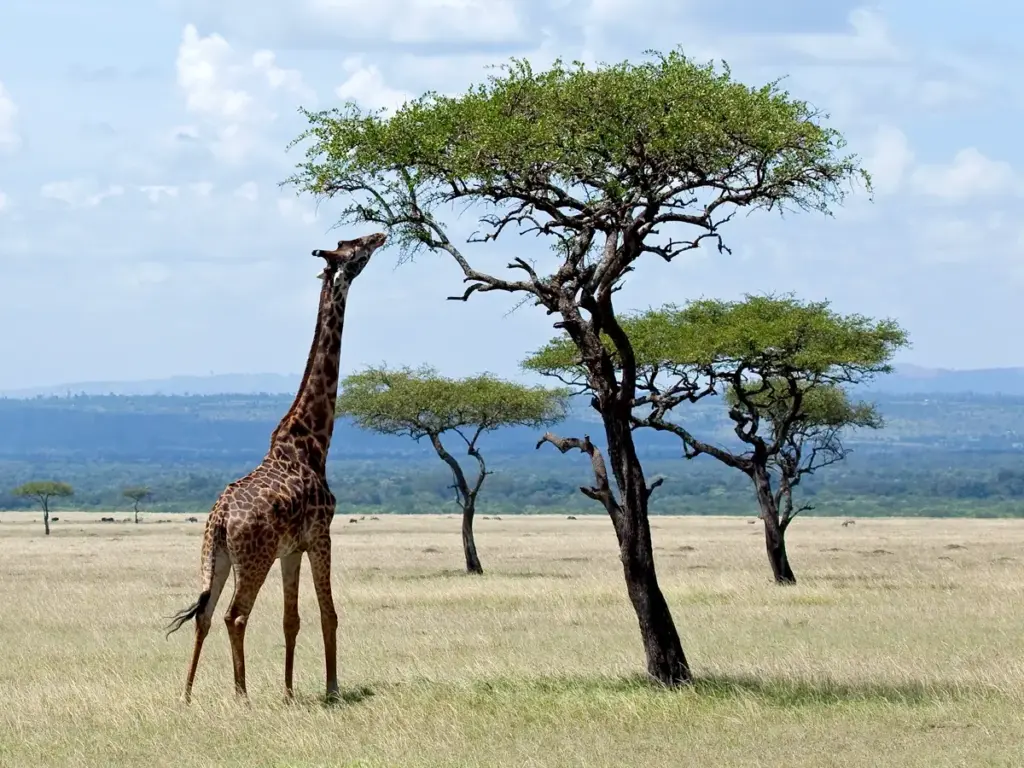
Savanna plants stretch across a wide band of the tropics, generally between 8 and 20 degrees north or south of the equator. Africa holds the largest share by far, but comparable grasslands with their own regional plant communities exist in northern Australia, parts of India, and the Cerrado region of Brazil. Wherever they grow, these ecosystems share the same defining rhythm, a long dry season followed by rain, and that rhythm is what ties such different plant communities on different continents back to the same basic biome.
What Is a Savanna Biome?
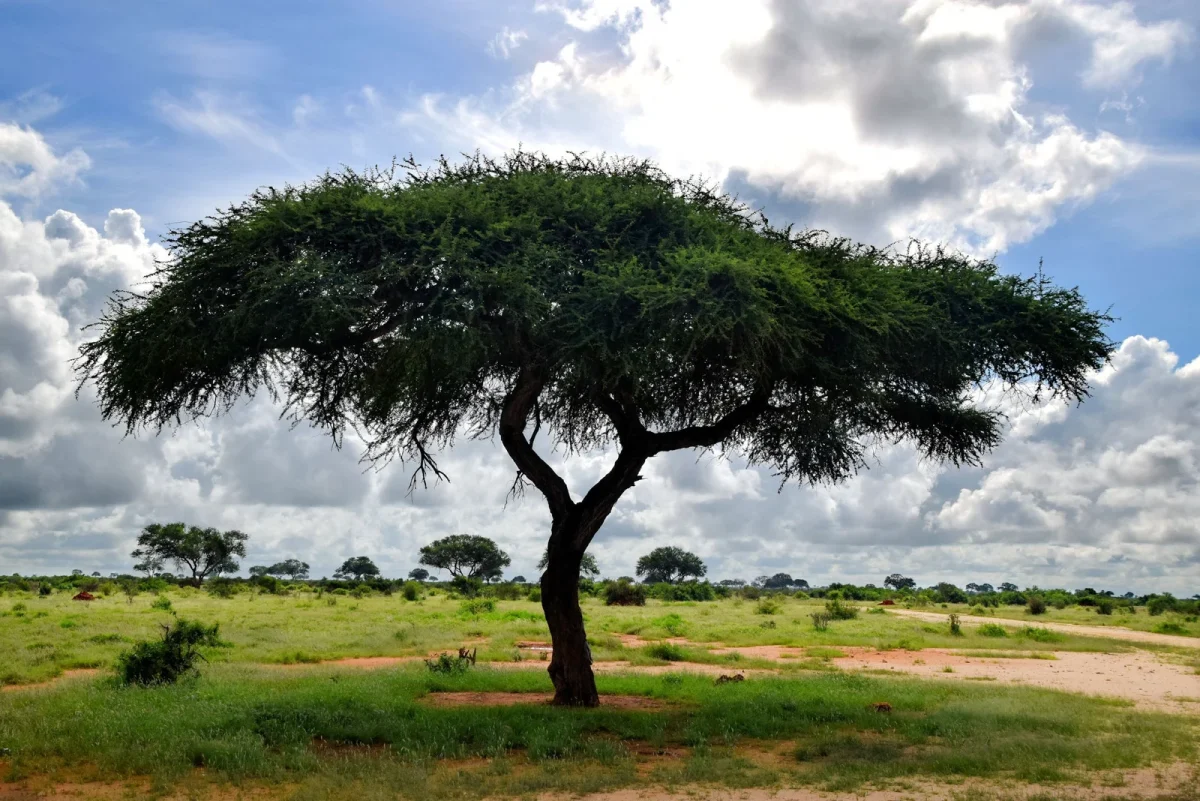
A savanna is a grassland biome marked by two distinct seasons, a long dry period and a shorter, more variable wet season. It sits between desert and forest in terms of rainfall, usually receiving 20 to 50 inches a year, enough to support grass and scattered trees but not enough for closed canopy forest. There is a reason this biome looks the way it does, the seasonal extremes are too harsh for a dense forest canopy but too wet for true desert, so grass wins out almost everywhere.
Savannas cover close to half of the African continent, and similar grasslands exist in Australia, India, and South America, mostly within 8 to 20 degrees of the equator. Wherever they grow, plants of savannas answer to the same rulebook, survive the dry months or disappear, and that pressure is what makes this biome look so similar from one continent to the next.
Table: Plant Adaptations in the Savanna at a Glance
Plant adaptations in the savanna almost always trace back to one problem, finding and holding onto water while everything else around dries out. There is no single blueprint that plants in a savanna all follow, but nearly all of them lean on some version of the same handful of tricks. Here is how the main adaptations work and which plants rely on them most.
| Adaptation | How It Works | Example Plants |
|---|---|---|
| Deep root systems | Roots reach several feet down to find moisture long after the surface has dried out | Elephant grass, red oat grass |
| Thick, corky bark | Insulates living tissue from fast moving grass fires | Baobab, acacia |
| Water storage trunks | Store thousands of liters of water inside a swollen trunk | Baobab, bombax costatum |
| Seasonal leaf loss | Sheds leaves to cut water loss through evaporation during drought | Buffalo thorn, many acacia species |
| Spines and thorns | Keep herbivores from stripping scarce leaves and bark | Whistling thorn, sickle bush, buffalo thorn |
| Aromatic or toxic compounds | Deter insects and browsers from eating the plant | Lemon grass, candelabra tree |
Table: Types of Plants in Savanna at a Glance
Anyone sorting through the types of plants in savanna usually wants a fast overview before going deeper, so here is where each major group fits.
| Plant Type | Examples | Key Trait |
|---|---|---|
| Grasses | Elephant grass, red oat grass, Bermuda grass, mission grass | Fast spreading, deep roots |
| Trees | Acacia, baobab, jackalberry, bombax costatum | Thick bark, water storage |
| Shrubs | Sickle bush, buffalo thorn, raisin bush, variable combretum | Spines, drought tolerant leaves |
| Flowers and herbs | Heath aster, euryops, great blue lobelia, pignut | Fire resistant, fast reseeding |
| Crops and food plants | Shea butter tree, pearl millet, cowpea, grain sorghum | Deep roots, drought resistant grain |
Plan Your Safari with TourwithPipi

Reading about savanna plants only tells half the story, since no photo quite captures what it feels like to stand beside a thousand year old baobab or watch an elephant strip bark from an acacia at sunset. If you want to see these species up close, we build private safaris across all three of the savanna’s biggest wildlife destinations. Start with our Luxury Kenya Safaris for the Maasai Mara’s acacia studded plains, explore our Luxury Tanzania Safaris for the Serengeti’s open grassland, or ask about a Kruger National Park itinerary in South Africa. Message us on WhatsApp and we will build the trip around what you want to see.
Blog Summary
- Plants in savannas survive long dry seasons through deep roots, thick bark, water storage, leaf loss, and spines.
- Savannas sit between desert and forest, receiving 20 to 50 inches of rain a year in a distinct wet and dry pattern.
- The acacia and baobab are the most iconic savanna trees, joined by lesser known species like bombax costatum and bridelia ferruginea.
- Many savanna trees double as medicine cabinets, with bark, leaves, and sap used across Africa to treat everything from fever to arthritis.
- Elephant grass, red oat grass, mission grass, and grain sorghum all show how differently savanna grasses adapt to the same drought.
- Shrubs like sickle bush, buffalo thorn, and variable combretum rely heavily on spines or unusual fruit shapes for survival.
- Flowers and herbs such as euryops, great blue lobelia, and pignut bloom in tight windows tied to the rains.
- Several savanna plants, including pearl millet, cowpea, and grain sorghum, double as drought resistant food crops.
- Fruit bearing species like natal orange and wild custard apple feed both wildlife and local communities across the region.
- Savanna biomes cover close to half of Africa, with similar grasslands in Australia, India, and South America.


