
Africa is home to some of the world’s best-known predators, from lions and leopards to cheetahs, spotted hyenas and African wild dogs. But the predator community is much larger than the animals most visitors immediately recognize.
Across the African savanna, predators use very different ways to find and kill prey. Lions rely heavily on cooperation, cheetahs on speed, leopards on stealth, wild dogs on endurance and coordination, while spotted hyenas combine hunting, scavenging and strong social organization.
What Are the Main Predators of Africa?
Some of the most important predators and carnivores associated with African savannas include:
- Lion
- Leopard
- Cheetah
- Spotted hyena
- African wild dog
- Martial eagle
- Caracal
- Serval
- African wild cat
- Black-backed jackal
- Side-striped jackal
- Bat-eared fox
- African rock python
- Nile crocodile
What Is a Predator?
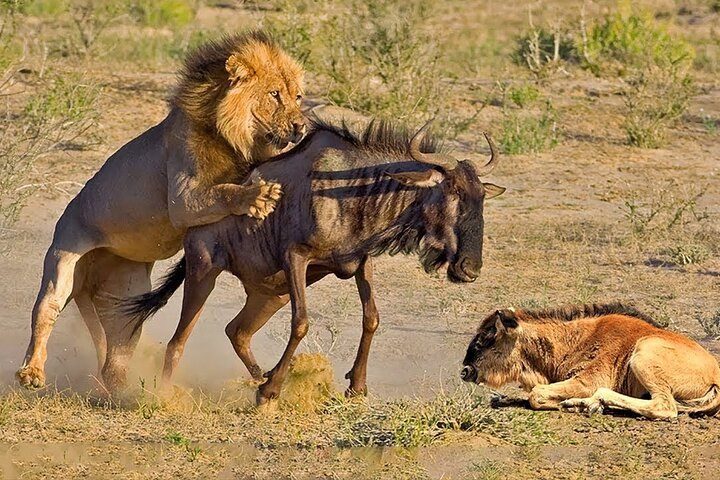
A predator is an animal that hunts and kills other animals for food.
Predation is different from scavenging, although the two can overlap. A predator may kill its own prey but also eat a carcass it did not kill if the opportunity arises.
This distinction is particularly important in Africa. Spotted hyenas, for example, are capable hunters as well as scavengers, while vultures are primarily scavengers rather than predators of living animals.
Predators can be found at many levels of the African food web, from large carnivores such as lions to smaller hunters such as servals, jackals and wild cats.
The Major Savanna Predators
1. Lion
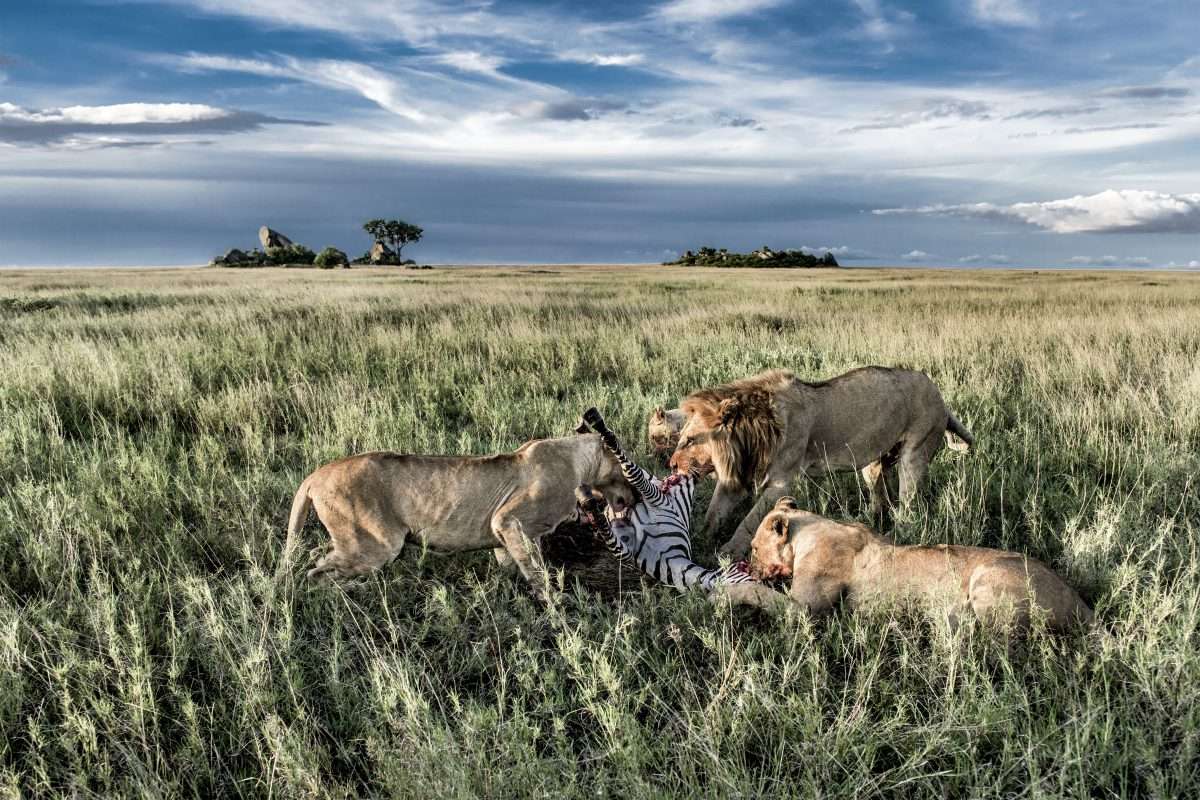
The lion is one of Africa’s most important large predators and one of the few big cats that regularly hunts cooperatively.
Lions live in social groups called prides. Related females usually form the core of the group, while males defend the pride and its territory. Young males eventually leave their birth pride and may form coalitions before attempting to take over a pride elsewhere.
Lionesses are particularly important hunters. Working together allows them to target prey that would be difficult for an individual lion to bring down, including zebra, wildebeest and buffalo.
Lions can also take advantage of kills made by other predators. Competition over carcasses is a regular part of life on the savanna.
- Hunting strategy: Cooperative hunting
- Typical prey: Antelope, zebra, wildebeest, buffalo and other mammals
- Social structure: Prides
- Role: Major apex predator
2. Leopard
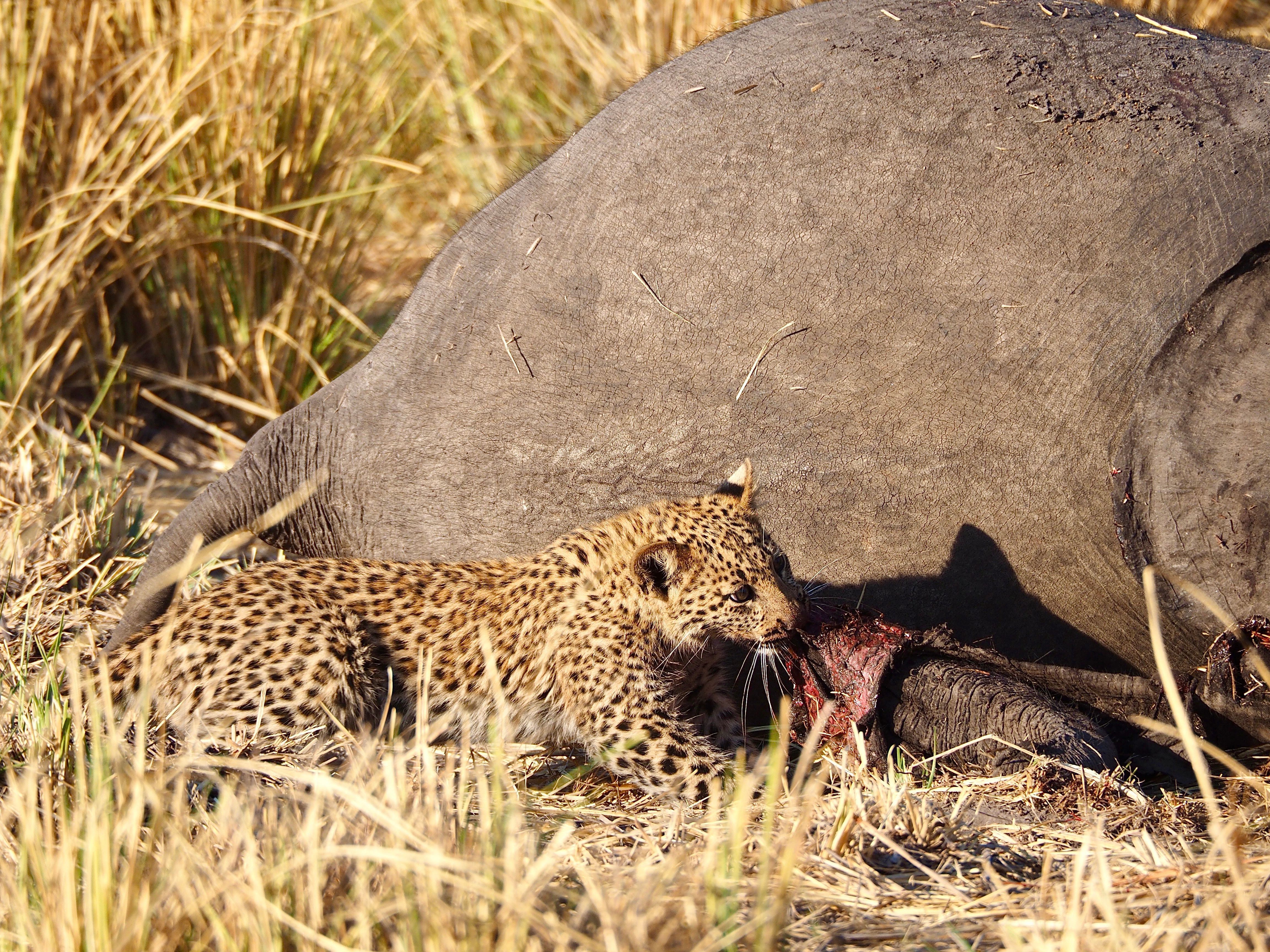
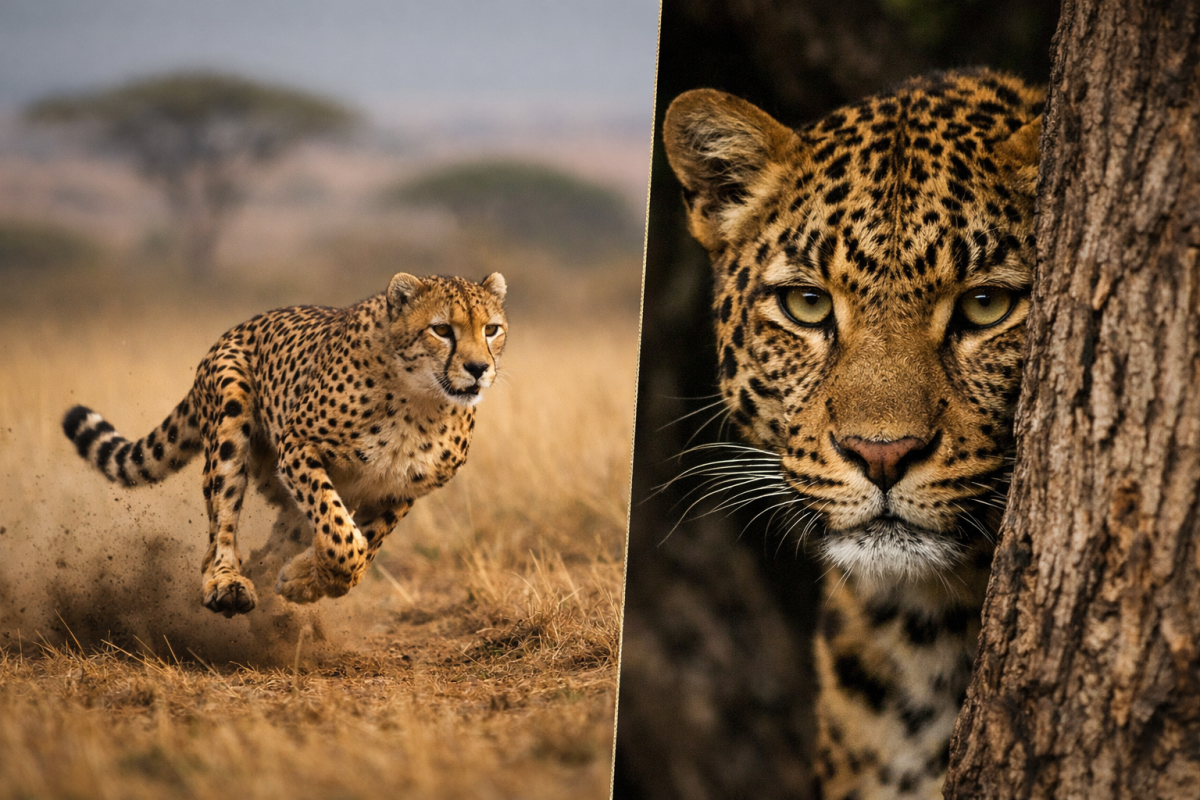
Leopards take a very different approach.
Rather than depending on a large social group, they are primarily solitary and rely on stealth, ambush and adaptability.
A leopard can use vegetation, rocks and terrain to approach prey without being detected. Its ability to climb also gives it an important way to protect a kill from competitors.
Leopards are flexible hunters. Their prey can range from small mammals to medium-sized antelope, depending on what is available.
This flexibility helps them survive in a variety of habitats, including savanna, woodland and areas with dense cover.
- Hunting strategy: Stealth and ambush
- Typical prey: Antelope, warthogs, monkeys and smaller mammals
- Social structure: Mostly solitary
- Role: Apex/large predator
3. Cheetah
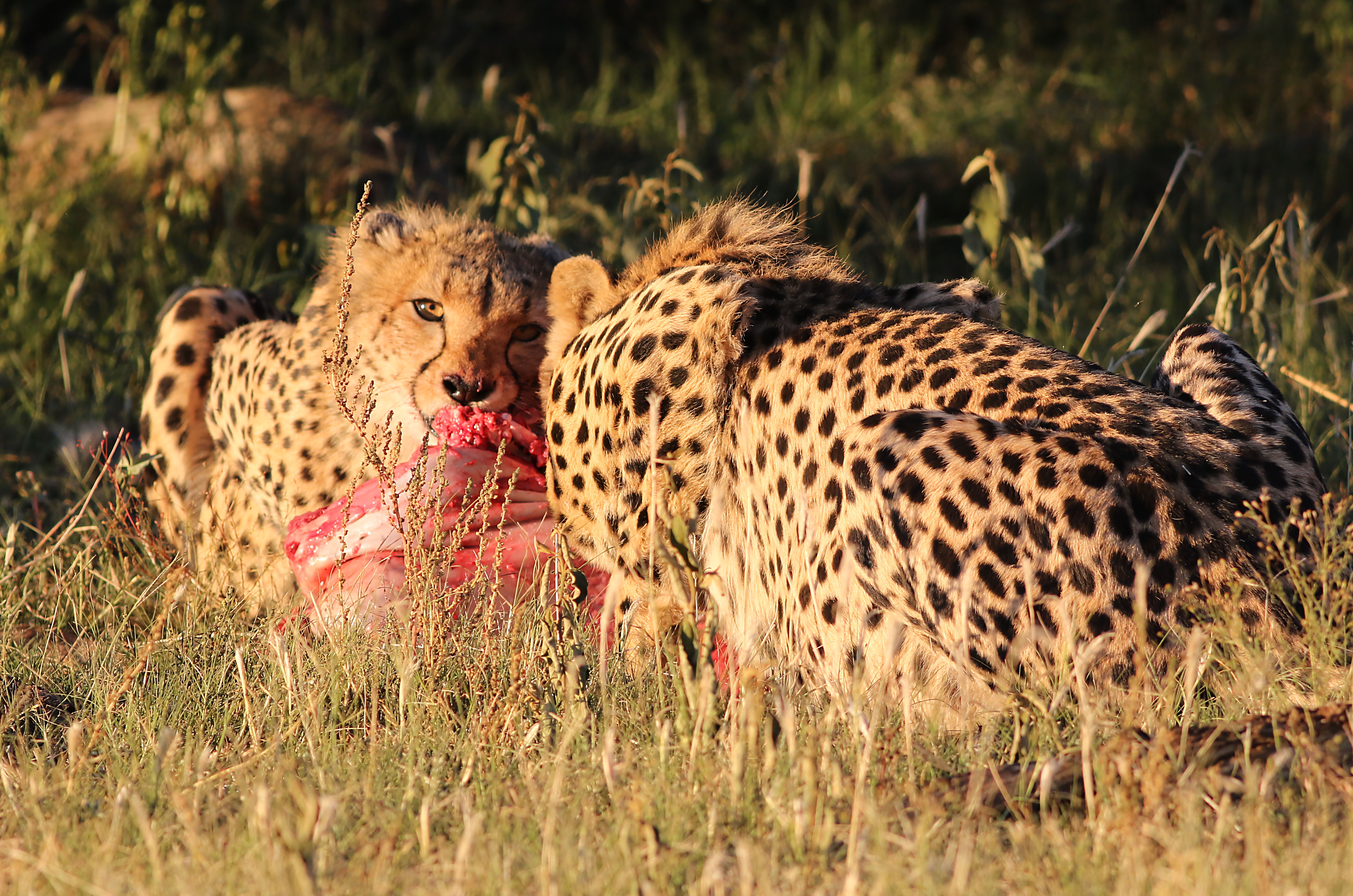
Cheetahs are specialists in pursuit hunting.
Instead of trying to overpower prey through strength or a prolonged struggle, they use acceleration and speed to catch smaller and medium-sized animals.
The chase has to be efficient. Cheetahs cannot maintain their fastest pace for long, so getting close enough before beginning the final pursuit is crucial.
Unlike lions and wild dogs, adult cheetahs generally hunt alone, although females raise cubs and young males may form temporary or longer-lasting coalitions.
Cheetah cubs are particularly vulnerable to larger predators, which makes survival during the early stages of life a major challenge.
- Hunting strategy: High-speed pursuit
- Typical prey: Small and medium-sized antelope
- Social structure: Mostly solitary; males may form coalitions
- Role: Specialist predator
4. Spotted Hyena
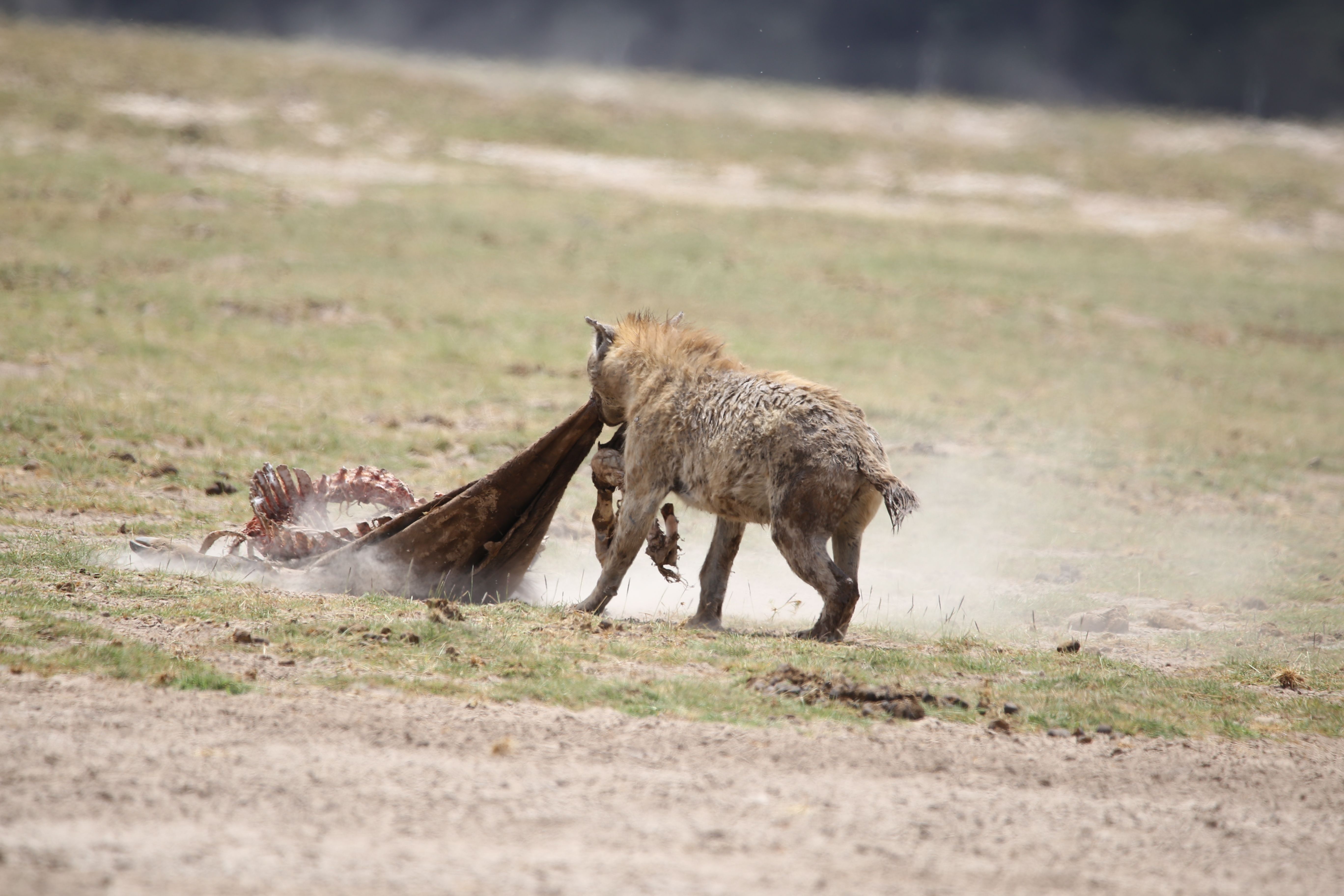
Spotted hyenas are often incorrectly described as simple scavengers.
They are highly capable hunters and can kill prey themselves, while also taking advantage of carrion when available. Their strong jaws allow them to process parts of carcasses that many predators cannot use efficiently.
Their social organisation is another major advantage. Spotted hyenas live in clans with complex hierarchies, and group size can become very large where prey is abundant.
They also compete directly with lions and other predators over food.
- Hunting strategy: Group hunting, opportunistic scavenging
- Typical prey: Antelope and other mammals, with prey choice varying by location
- Social structure: Clans
- Role: Major predator and scavenger
5. African Wild Dog
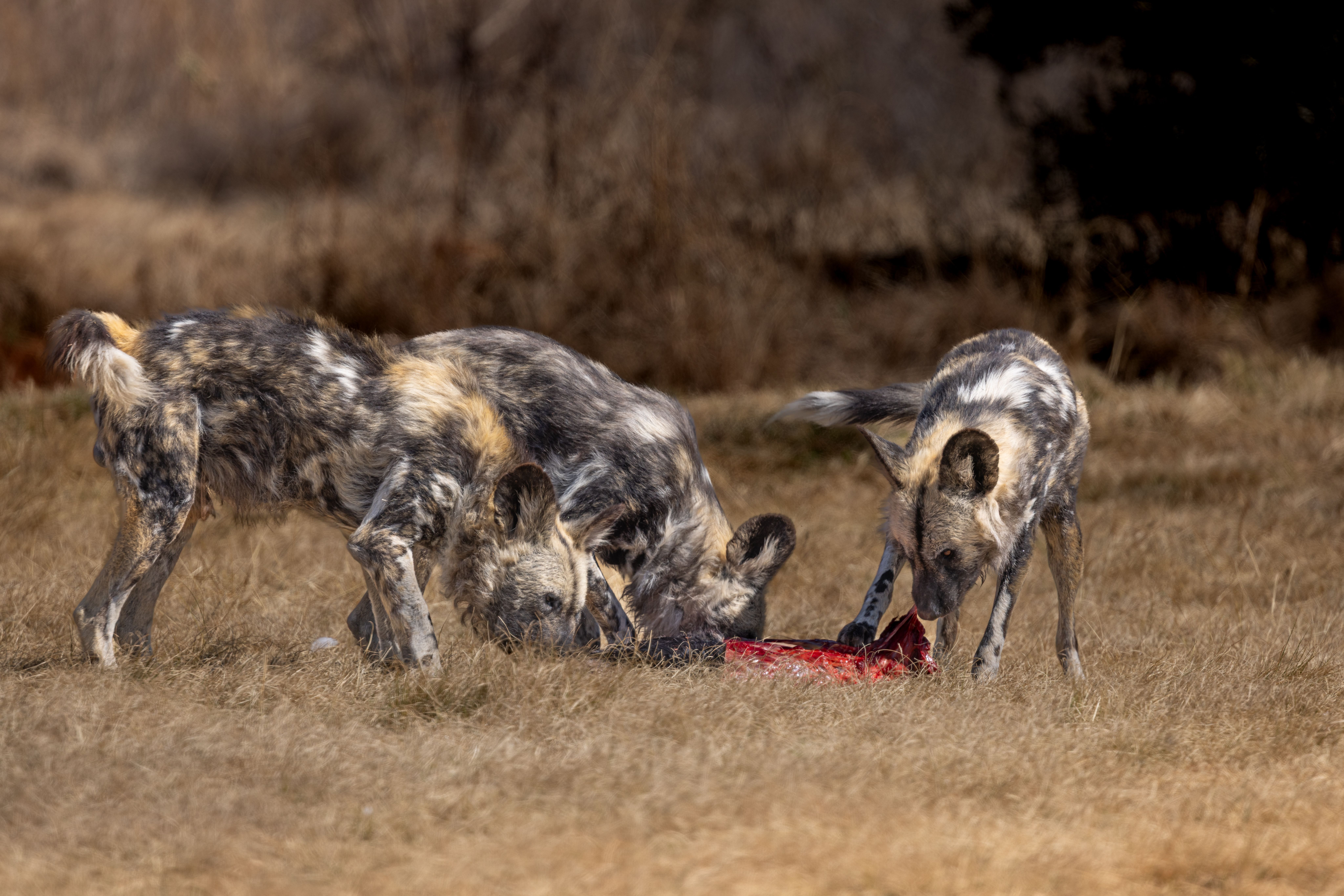
African wild dogs are among Africa’s most specialised cooperative hunters.
They live in packs and use coordination, communication and endurance to pursue prey. Rather than relying on a short explosive attack like a cheetah, they can maintain pressure on prey over longer distances.
Their social system also extends beyond hunting. Pack members cooperate in raising young and caring for other members.
Wild dogs compete with lions and spotted hyenas for prey, and their kills can be taken by larger predators.
- Hunting strategy: Cooperative pursuit
- Typical prey: Medium-sized antelope and other mammals
- Social structure: Packs
- Role: Major social predator
6. Martial Eagle
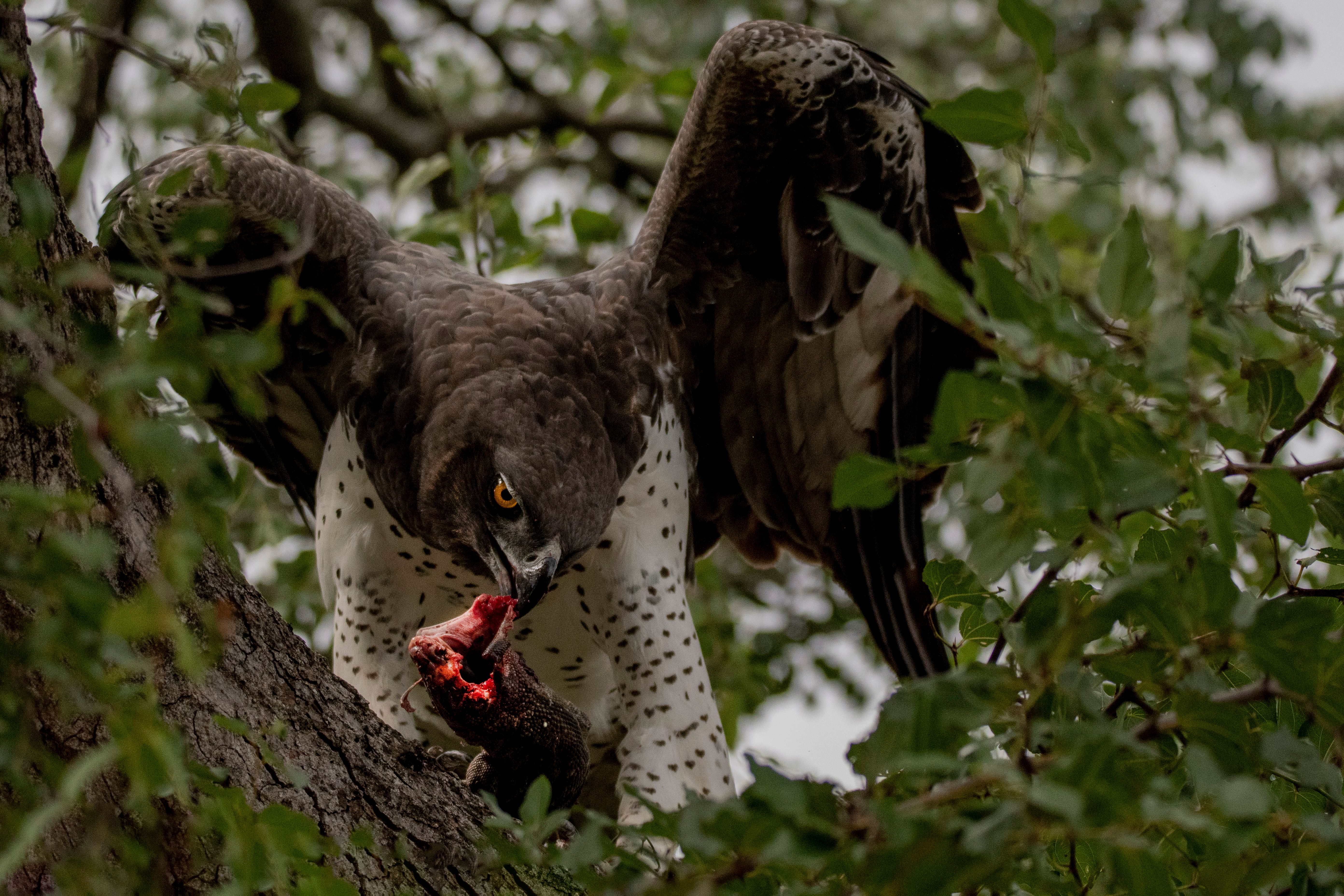
Predation in the African savanna is not limited to mammals.
The martial eagle is one of Africa’s largest birds of prey and hunts from the air. It can take birds, reptiles and mammals, including young antelope.
Its aerial hunting strategy allows it to exploit prey that terrestrial predators cannot reach in the same way.
Martial eagles have also been documented taking young predators such as lion, cheetah and leopard cubs, showing that the predator-prey relationship can exist even between species that humans tend to place at the top of the food chain.
- Hunting strategy: Aerial hunting
- Typical prey: Birds, reptiles and small to medium-sized mammals
- Social structure: Mostly solitary
- Role: Major aerial predator
Smaller Carnivores of the African Savanna
The large predators attract most safari attention, but smaller carnivores play important roles too.
Serval
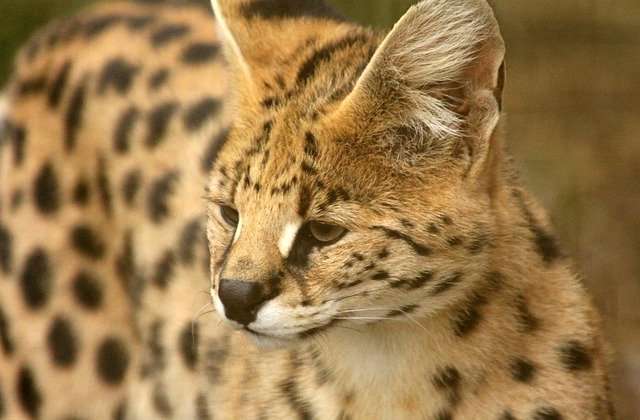
Servals are medium-sized African cats associated with grasslands and areas with sufficient cover.
Their long legs and large ears help them hunt in tall vegetation. They can detect small prey such as rodents and make powerful leaps to capture birds.
Caracal
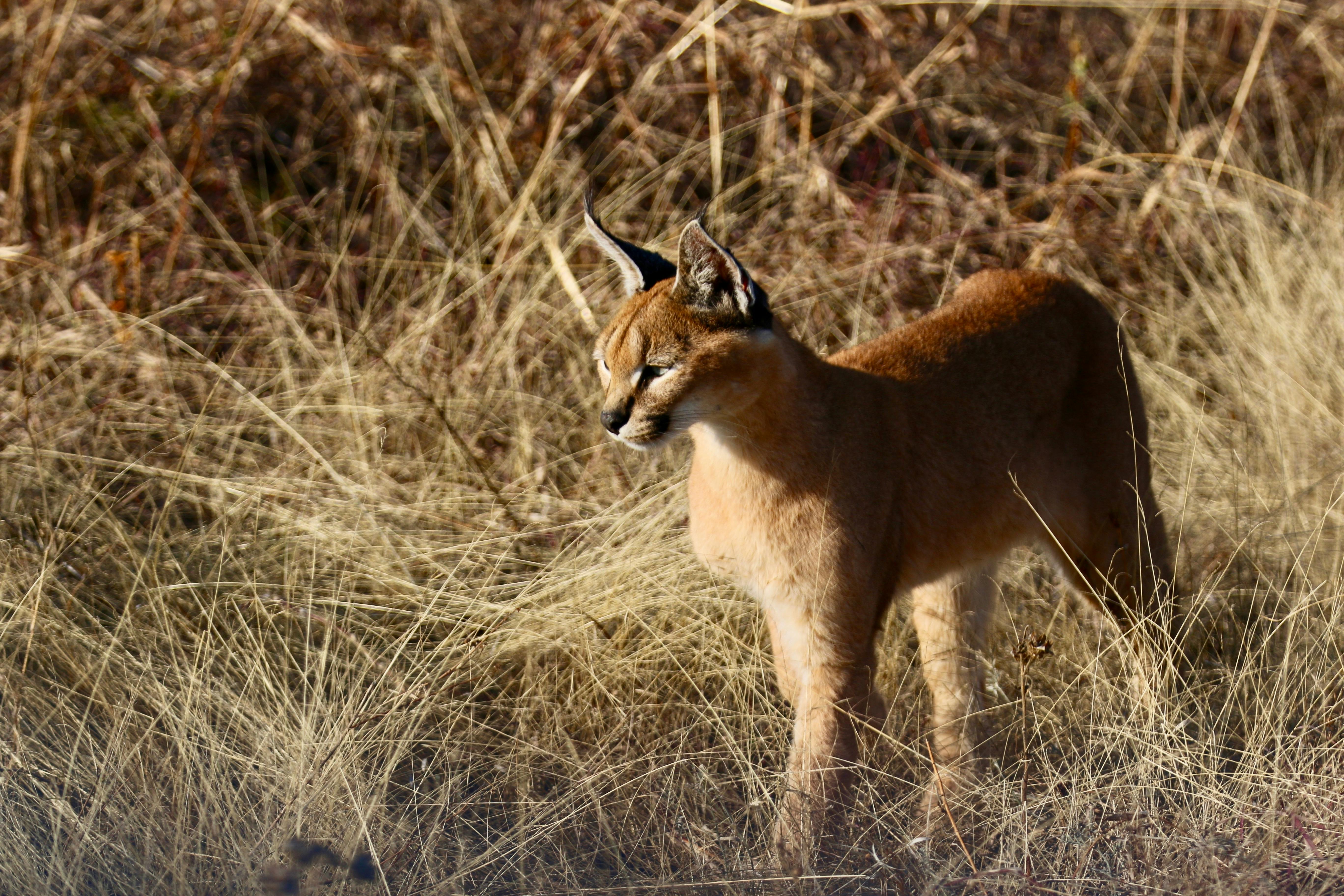
Caracals are adaptable cats found across parts of Africa.
They hunt birds and mammals and are particularly known for their ability to leap when pursuing prey.
Black-Backed Jackal
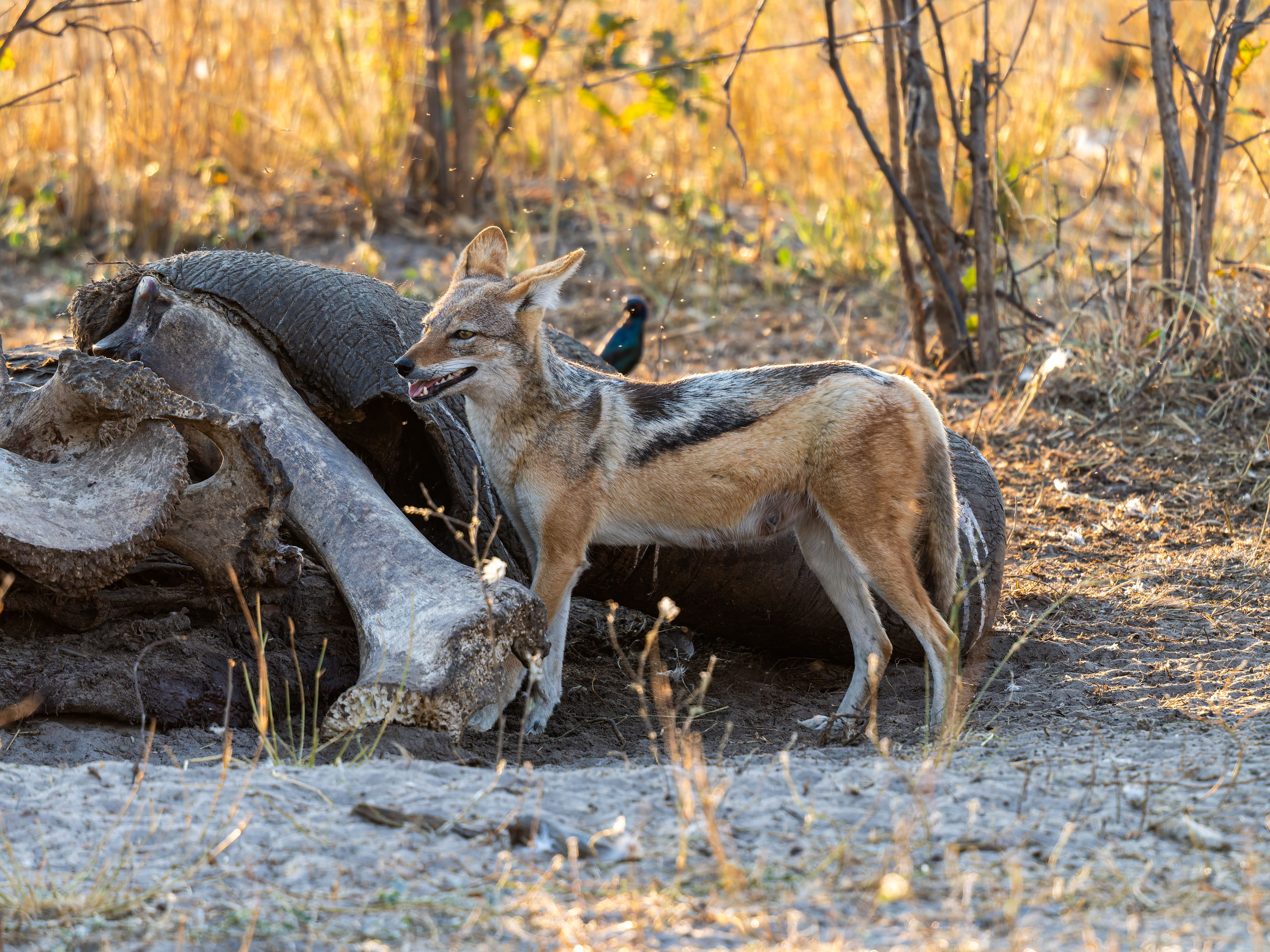
Black-backed jackals are opportunistic predators and scavengers.
They can hunt small mammals, birds and reptiles while also making use of carrion.
Their flexible diet helps them survive in habitats where prey availability changes.
Bat-Eared Fox
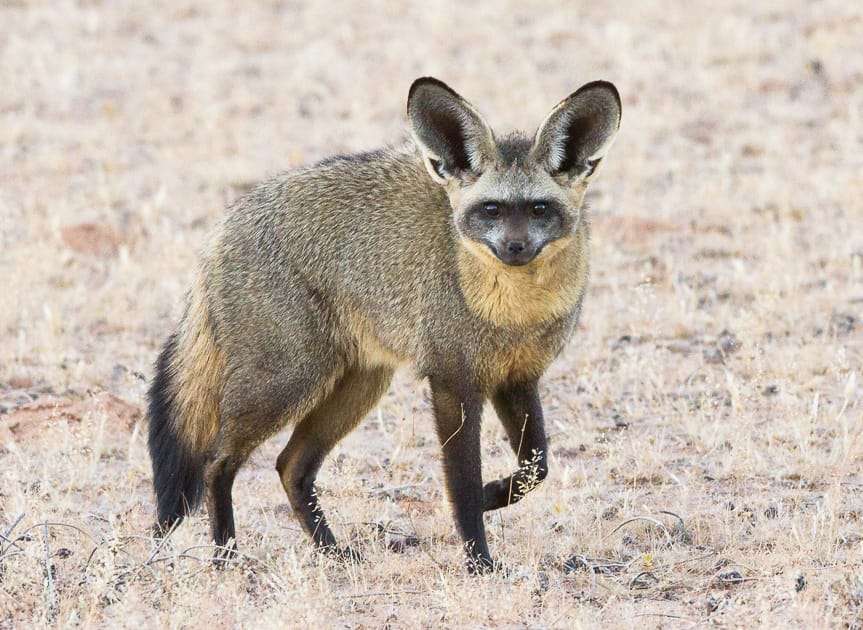
Bat-eared foxes are smaller carnivores that specialise heavily in insects, particularly termites.
Their large ears are useful for locating prey, making them very different from the large mammal hunters that dominate discussions about African predators.
Are Vultures Predators?
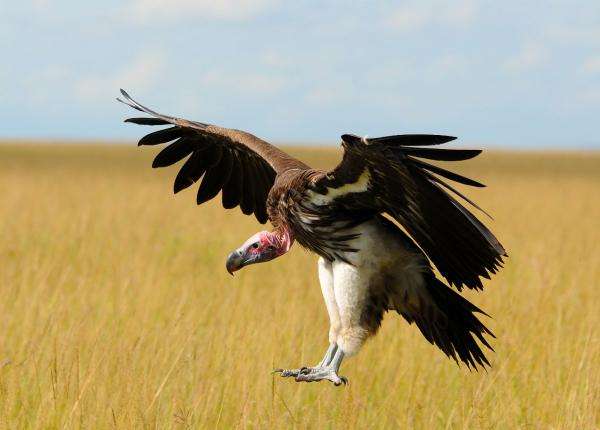
Usually, no.
Vultures are primarily scavengers, meaning they feed on animals that are already dead rather than regularly killing healthy prey.
They are nevertheless an important part of the predator ecosystem because they rapidly consume carcasses.
This reduces the amount of edible material left in the environment and connects predators, scavengers and decomposers within the same food web.
So if you are making a list of African predators, vultures should normally be placed in a separate scavenger category.
How Do Predators Hunt in the African Savanna?
Different predators solve the same basic problem, finding enough food, in very different ways.
| Predator | Main hunting method | Main advantage |
|---|---|---|
| Lion | Cooperative ambush and pursuit | Strength and teamwork |
| Leopard | Stalking and ambush | Stealth and adaptability |
| Cheetah | High-speed pursuit | Acceleration and speed |
| Spotted hyena | Group hunting and opportunism | Endurance, social cooperation and powerful jaws |
| African wild dog | Coordinated pursuit | Endurance and teamwork |
| Martial eagle | Aerial attack | Flight and vision |
| Serval | Ambush | Hearing and jumping ability |
| Caracal | Ambush and pursuit | Agility and powerful leaps |
| Jackal | Opportunistic hunting | Flexible diet and adaptability |
This variety helps reduce direct competition. A leopard hunting in dense cover is not using the same strategy as a cheetah hunting across open plains.
What Is an Apex Predator?
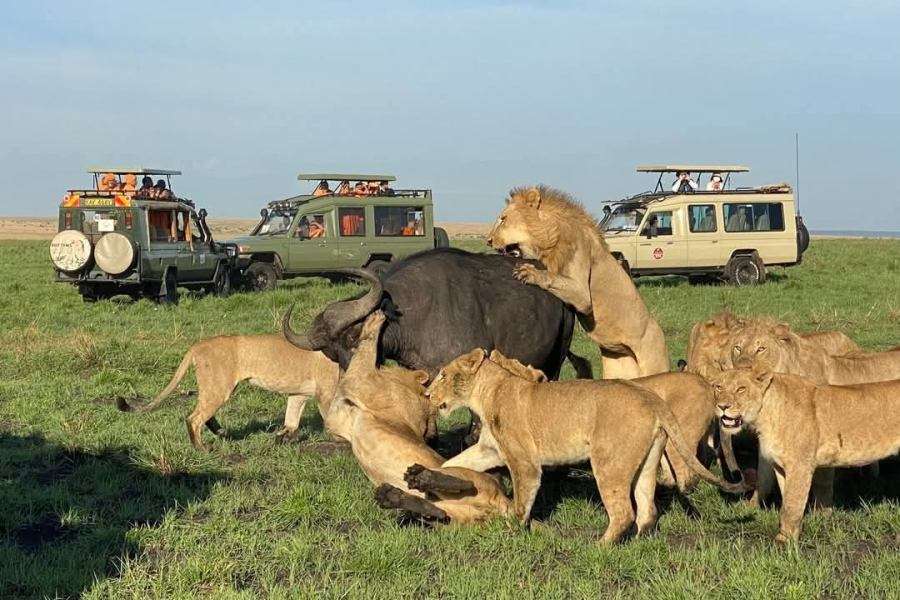
An apex predator is a predator that generally occupies the highest level of a food web within its ecosystem and has few or no regular natural predators as an adult.
In African savannas, lions, spotted hyenas, leopards, African wild dogs and crocodiles can occupy very high positions in food webs, depending on the ecosystem and circumstances.
However, “apex” does not mean an animal is immune from danger.
Adult predators can be killed by competitors, injured during territorial conflicts, or attacked when defending food or young. Cubs and young animals are particularly vulnerable.
Even apex predators therefore exist within a network of competition.
Predator vs Predator: Who Competes With Whom?
Predators do not simply hunt herbivores and ignore one another.
They compete for:
- Prey
- Water
- Territory
- Dens and resting sites
- Carcasses
- Access to vulnerable young animals
Lions and spotted hyenas are particularly important competitors. Wild dogs also face pressure from both species.
A kill can become the centre of a confrontation, especially when several predators are active in the same area.
National Geographic has documented repeated competition between wild dogs and hyenas over kills, while lions can also steal kills from other predators.
How Does Predation Shape the Savanna?
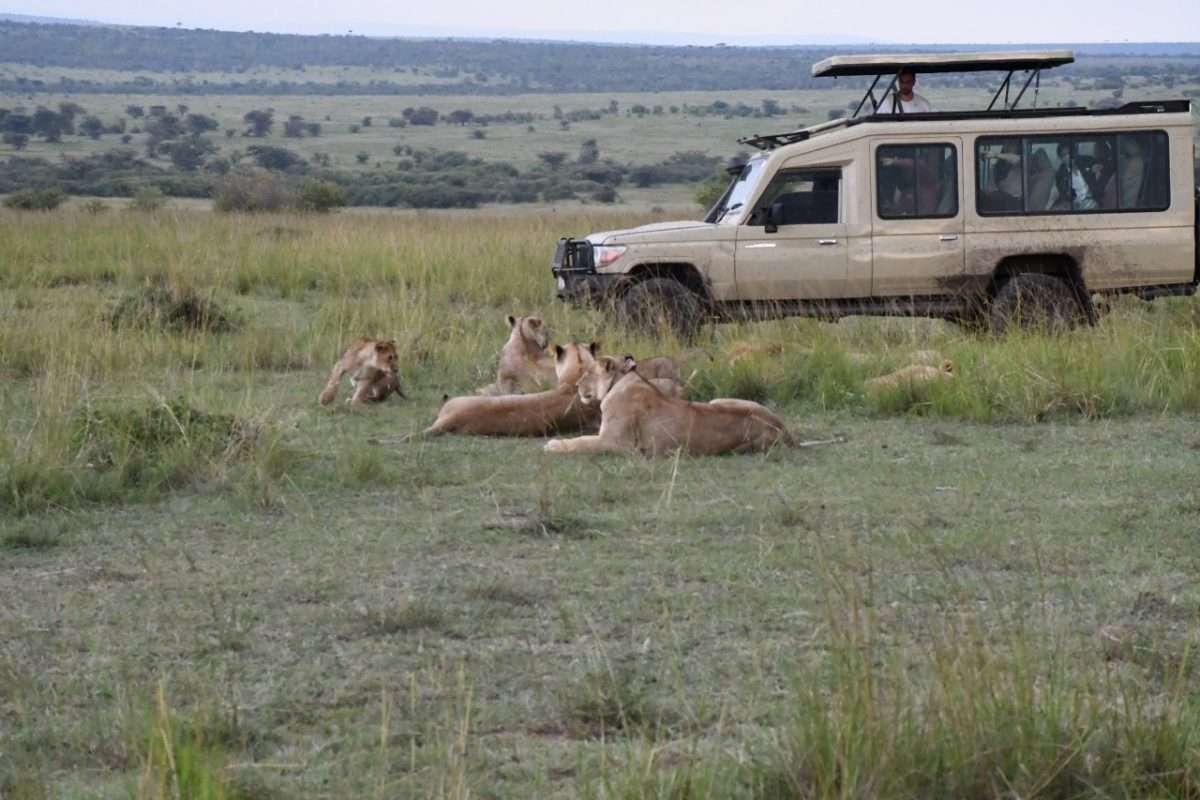
Predators do more than remove individual animals from a herd.
Their presence can influence where prey feed, how long they remain in exposed areas and how they respond to danger.
Predators also affect prey populations and remove vulnerable individuals.
At the same time, carcasses become resources for scavengers, insects and decomposers.
This creates a chain of interactions:
Plants → herbivores → predators → scavengers → decomposers → nutrients
The real savanna food web is far more complicated because each predator can have multiple prey species and each prey species can face several predators.
Where Can You See Predators in Africa?
Kenya
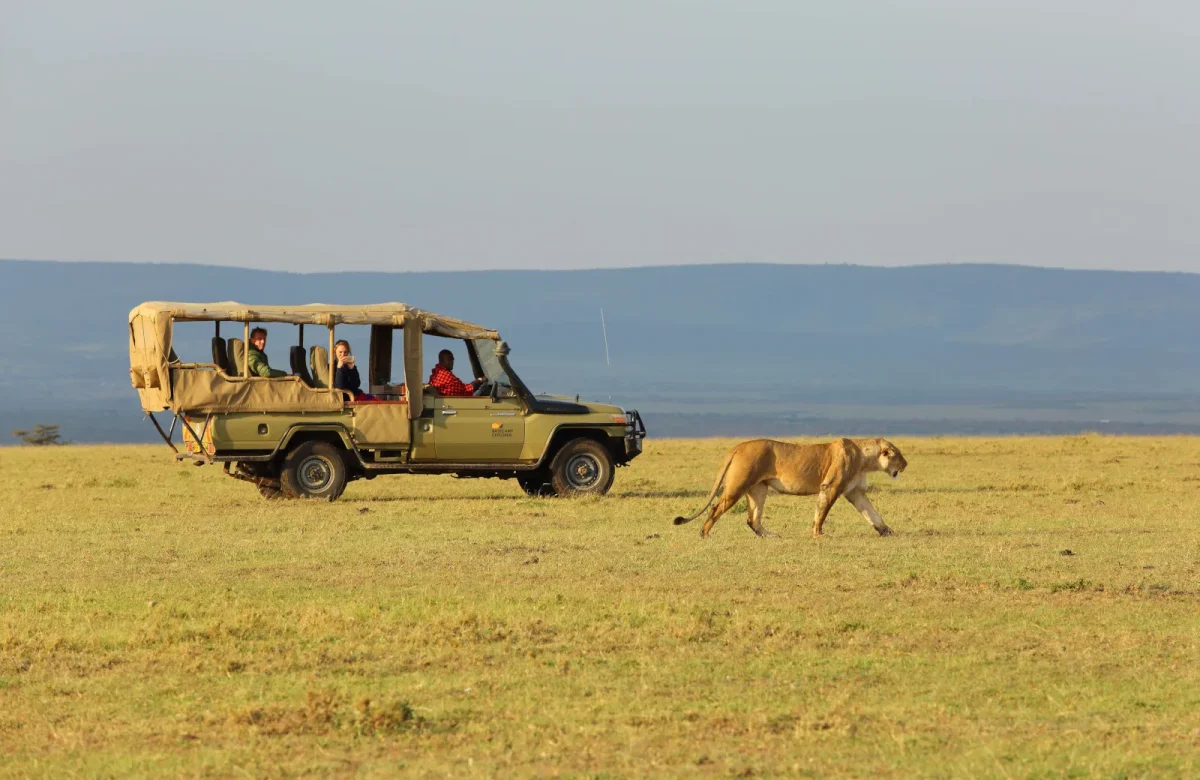
Kenya is one of the strongest destinations for seeing multiple predator species in the same ecosystem.
The Maasai Mara is particularly well known for lions, cheetahs, leopards and spotted hyenas, while wild dogs can be found in selected conservation areas.
Tanzania
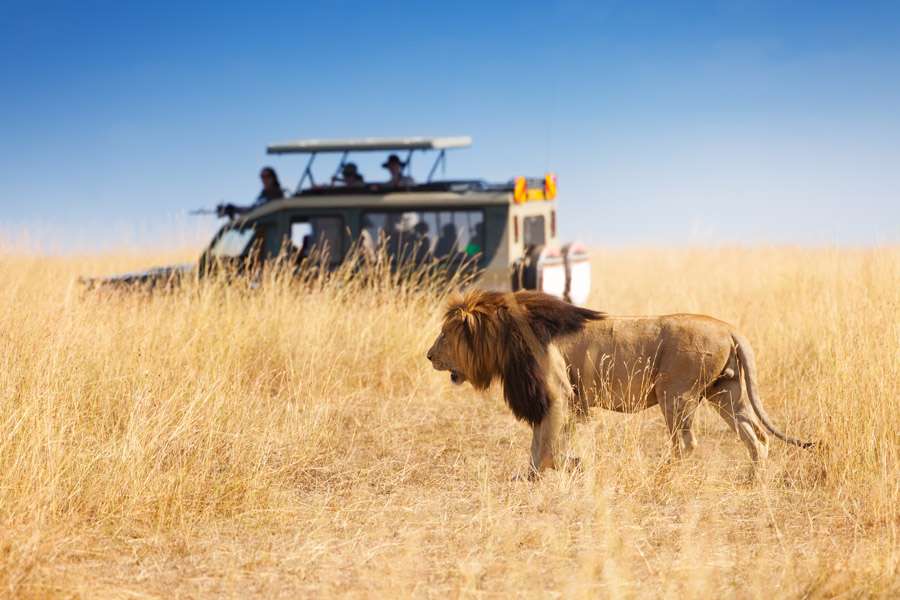
The Serengeti in Tanzania offers excellent opportunities to observe lions, cheetahs, leopards, hyenas and other carnivores alongside enormous concentrations of prey.
The Ngorongoro ecosystem is also notable for its high density of large mammals.
South Africa
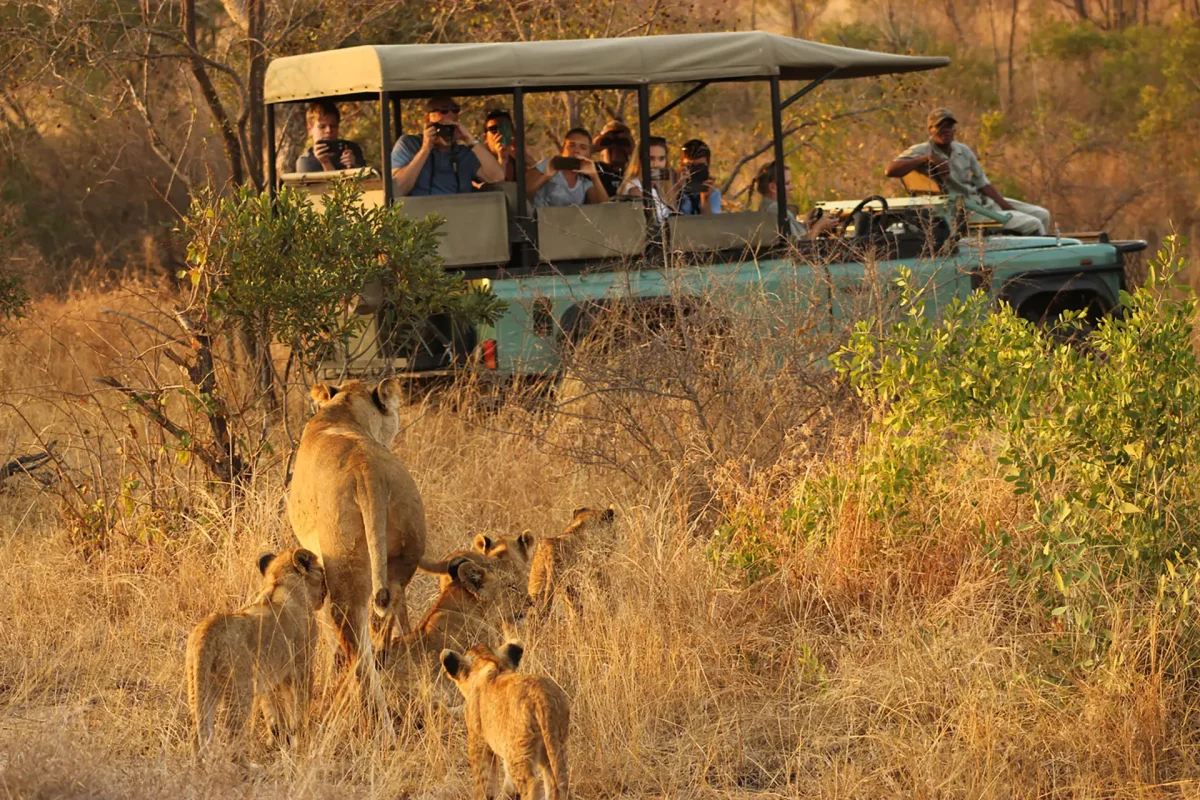
Kruger National Park and nearby private reserves support all five of the major African savanna predators discussed above: lions, leopards, cheetahs, spotted hyenas and African wild dogs.
Kruger’s large size and variety of habitats allow different predators to use different parts of the landscape.
Botswana
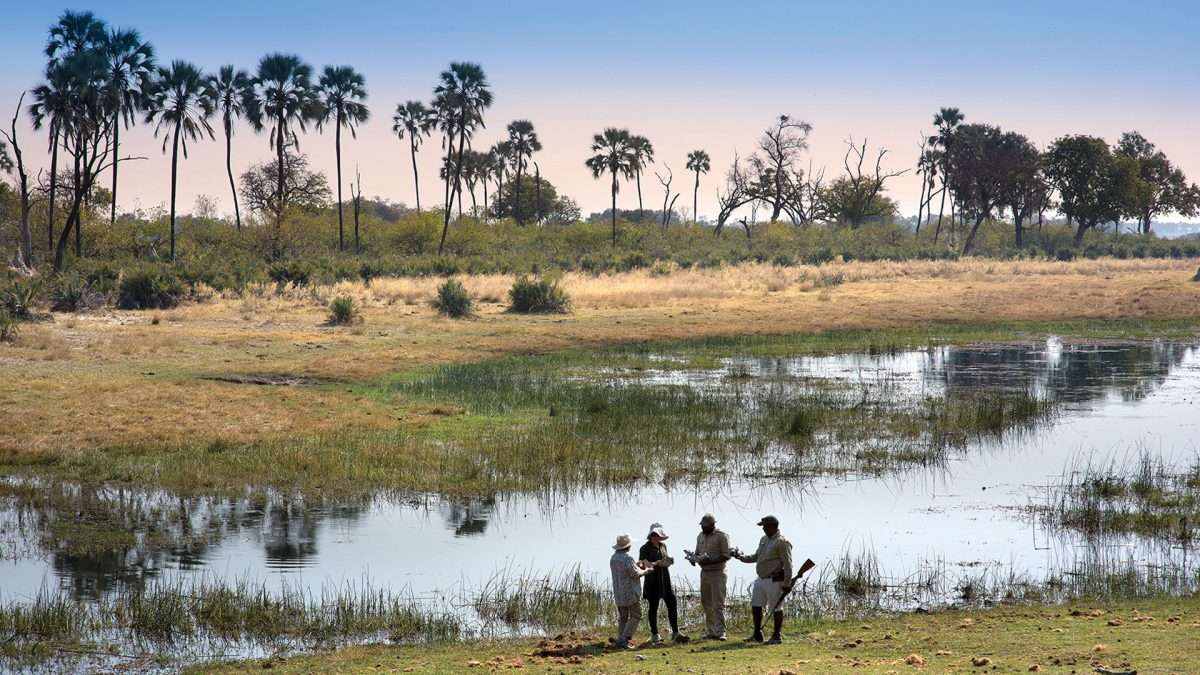
Botswana is particularly strong for predator sightings because of its combination of productive floodplains, woodland and open habitats.
The Okavango Delta and surrounding areas can produce excellent sightings of lions, wild dogs, leopards and hyenas.
Zambia
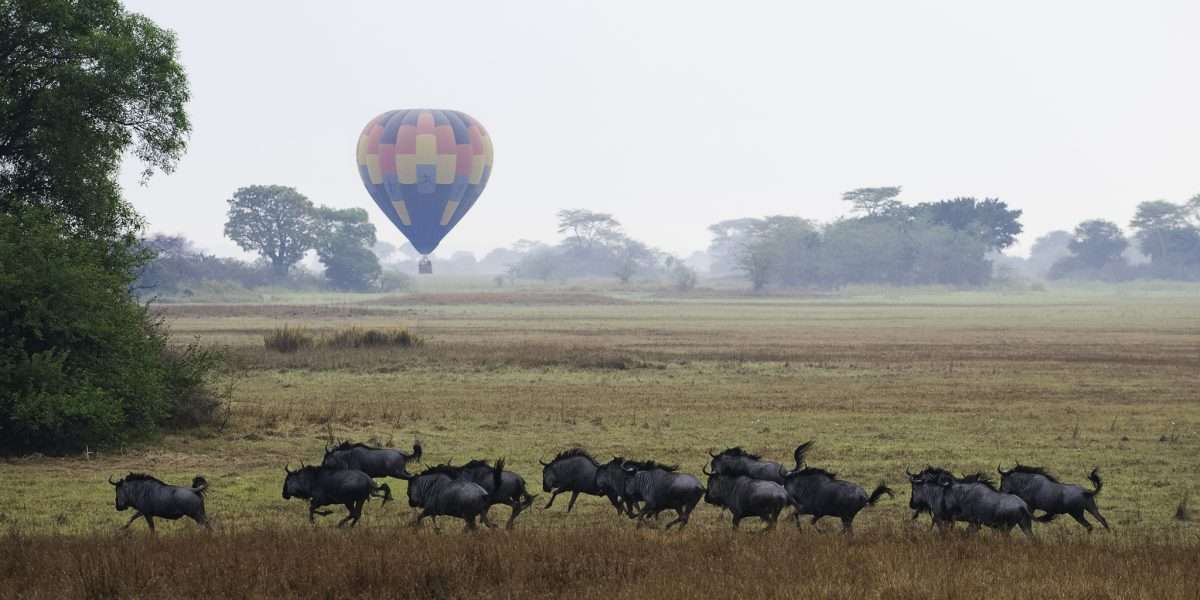
Zambia is another strong destination for predator-focused safaris, especially in areas where walking and vehicle safaris allow visitors to experience different aspects of predator behaviour.
Plan a Predator-Focused African Safari
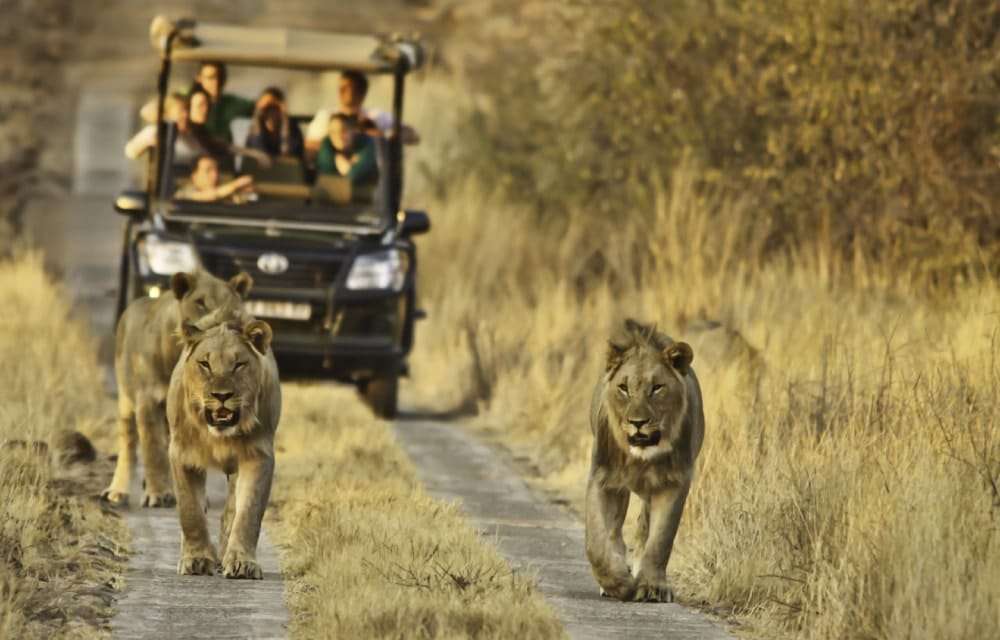
If predators are the main reason you want to visit Africa, your itinerary should be built around more than simply ticking off the Big Five.
The right combination of destination, season, habitat, number of safari days and wildlife areas can make a major difference to your chances of seeing lions hunting, cheetahs pursuing prey, leopards moving through cover or wild dogs working as a pack.
TourwithPipi can build a safari around the wildlife you most want to see, whether that means a predator-focused trip or a broader African wildlife itinerary.
Want to plan an African safari focused on predators and wildlife? Connect with TourwithPipi on WhatsApp to start planning.
What Is the Best Safari for Seeing African Predators?
It depends on which predator you want to prioritise.
| Your priority | Strong destinations |
|---|---|
| Lions | Tanzania, Kenya, South Africa, Botswana |
| Cheetahs | Kenya, Tanzania, Namibia, South Africa |
| Leopards | South Africa, Kenya, Tanzania, Zambia |
| African wild dogs | Botswana, South Africa, Zambia, Zimbabwe |
| Spotted hyenas | Kenya, Tanzania, Botswana, South Africa |
| Martial eagles | Kenya, Tanzania, South Africa, Botswana |
| Multiple predator species | Kenya, Tanzania, South Africa, Botswana |
If your goal is to see several predators on the same trip, choosing an ecosystem with abundant prey is usually more important than simply choosing a country.
Predators in Africa FAQs
What are the main predators in Africa?
The major predators associated with African savannas include lions, leopards, cheetahs, spotted hyenas and African wild dogs. Large raptors, crocodiles and numerous smaller carnivores also play predatory roles.
What is the top predator in the African savanna?
There is no universal single winner. Lions and spotted hyenas can occupy extremely high positions in many savanna food webs, while other predators dominate particular habitats or situations.
What are apex predators in the savanna?
Apex predators are animals near the top of the local food web with few regular natural predators as adults. Lions, spotted hyenas and some other large carnivores can occupy this role depending on the ecosystem.
Are hyenas predators or scavengers?
Both. Spotted hyenas are highly capable hunters and also scavenge carcasses. Describing them only as scavengers gives an incomplete picture of their ecology.
Which African predator is the fastest?
The cheetah is the fastest land animal and uses high-speed pursuit to catch prey.
Which African predator hunts in packs?
African wild dogs are highly cooperative pack hunters. Lions and spotted hyenas also hunt cooperatively, although their social structures and hunting methods are different.
Do leopards hunt in groups?
Usually not. Leopards are primarily solitary hunters.
Do lions steal kills from other predators?
Yes. Lions can take kills from other carnivores, including hyenas and wild dogs, when circumstances allow.
Can predators kill other predators?
Yes. Competition between carnivores can lead to attacks and killings, particularly around territory, food and young animals.
Are vultures predators?
Vultures are primarily scavengers rather than predators. They feed on carcasses and play an important role in processing dead animals.
What is predation in the savanna?
Predation in the savanna is the process through which predators locate, capture and consume other animals. It influences prey behaviour, population dynamics and the flow of energy through the ecosystem.
Where is the best place to see African predators?
Kenya, Tanzania, South Africa and Botswana are among the strongest choices for seeing several large predator species. The best destination depends on the species you want to prioritise and the season of travel.
Final Takeaway
Africa’s predators do not all compete in the same way.
Lions use social cooperation, cheetahs specialise in speed, leopards rely on stealth, wild dogs use coordinated endurance, hyenas combine hunting with scavenging, and raptors such as martial eagles hunt from above.
Together, these predators help shape the behaviour and populations of the animals around them.
That is what makes predation in the savanna more than a simple hunt between two animals. It is an interconnected system involving prey, competitors, scavengers, vegetation, water and the changing seasons.


