
Which Park Should You Choose?
- Best overall, and where we’d send a first-timer: Kruger National Park. It has the biggest road network, the most reliable Big Five sightings, and enough infrastructure that a mistake rarely turns into a real problem.
- Best for a short trip: Pilanesberg. Malaria-free, close to Johannesburg, and doable as a weekend rather than a full expedition.
- Best for the Garden Route: Addo Elephant National Park. Easy driving, huge elephant herds, and a natural add-on if you’re already road-tripping the Eastern Cape.
- Best for rhino: Hluhluwe-iMfolozi. The park that pulled the southern white rhino back from the edge of extinction, and still one of the best places to see them.
- Best for experienced drivers wanting solitude: Kgalagadi Transfrontier Park. Remote, sparse, and better suited to photographers than anyone wanting guaranteed sightings on a tight schedule.
- Best for safari plus coast: iSimangaliso Wetland Park. Hippos and crocodiles on the water, humpback whales from shore between June and November.
How a Self Drive Safari Actually Works in South Africa
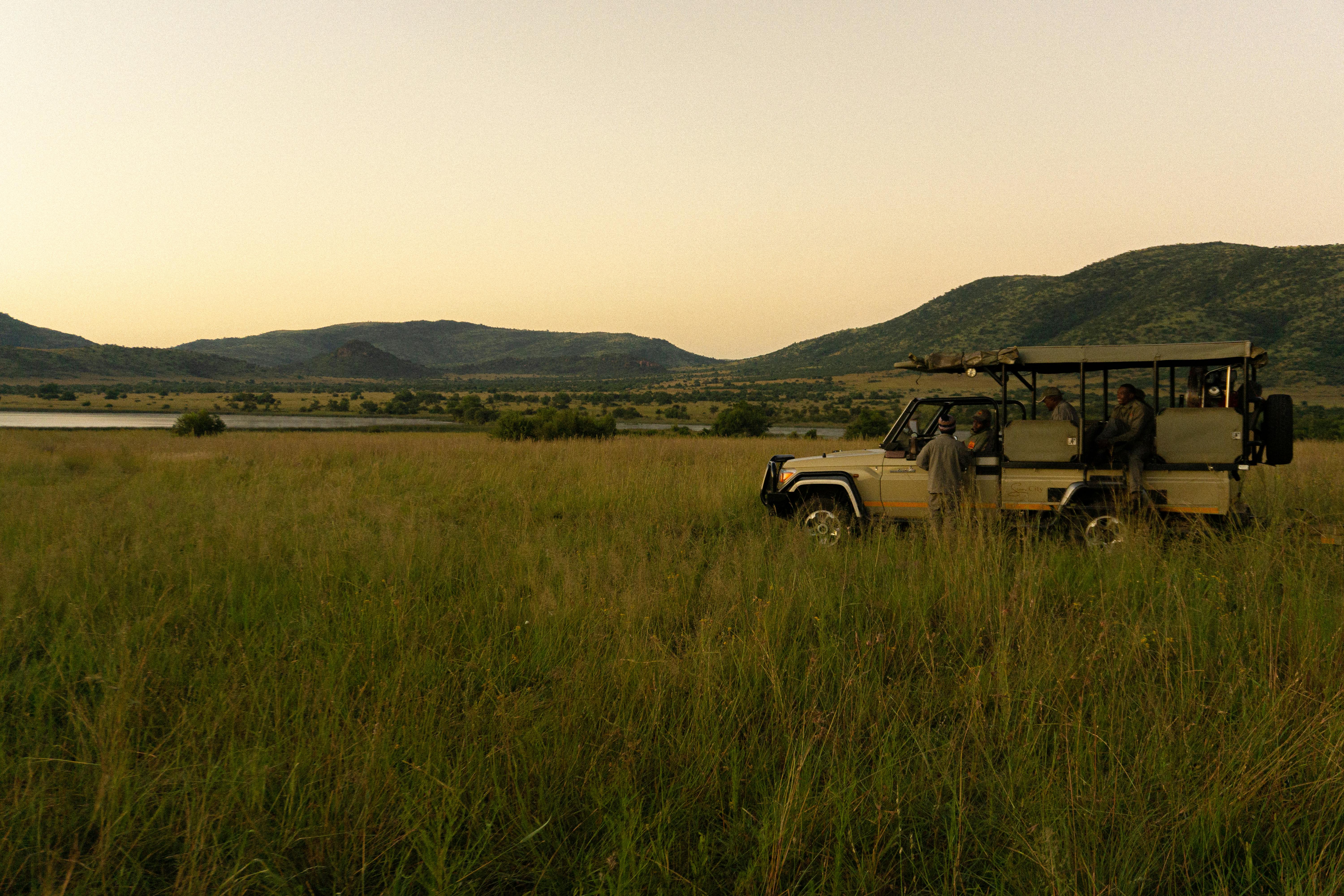
A self drive safari means exactly what it sounds like. You buy or rent a vehicle, pay the park’s daily conservation fee, and drive the marked routes yourself, no guide, no fixed schedule beyond the gate times. Most days start before sunrise, since that’s when animals are most active and gates open early specifically for that reason. You spend the day working your way between waterholes, riverbeds, and picnic sites, then head back to camp before the gates close for the night, where camping, a rondavel, or a self catering chalet is waiting depending on what you booked.
Inside the gate, you’re following a marked network of tar and gravel roads that thread through the park, with rest camps spaced out roughly every hour or two of driving. Most rest camps have a small shop, fuel, and a restaurant, though the food is generally overpriced and mediocre, so many self drivers cook their own meals at the braai area attached to most accommodation. Radios crackle with sighting reports between guides on the guided vehicles, but self drivers rely on word of mouth at rest camps, road signs marking recent sightings, and their own patience.
The appeal is obvious once you look at the price. Kruger’s international conservation fee runs R602 a day, about $33, compared to $70 just to enter the Serengeti in Tanzania before you’ve paid a cent toward accommodation or concession fees. A five day trip inside Kruger, entry fees, a week of car rental, and four nights inside the park plus two outside, can come in under $800 for two people sharing. Split that further with a group and the math gets even better. Self drive safaris in South Africa remain one of the cheapest ways on the entire continent to see the Big Five on your own terms.
How Many Days Do You Need for a Self-Drive Safari?
| Trip Length | Best Option | Who It’s For |
|---|---|---|
| 2 nights | Pilanesberg | A quick, malaria-free taste of safari near Johannesburg |
| 3 nights | Kruger (southern section) | A genuine first taste without a huge time commitment |
| 5 nights | Kruger (southern to central) | The best overall balance of driving and downtime |
| 7 nights | Kruger (southern to northern) | Deeper exploration, fewer camp changes per day |
| 10 to 14 nights | Kruger plus the Panorama Route, or a Garden Route and Addo combination | A full South Africa road trip built around safari |
Self-Drive Safari Itineraries
3-Day Self-Drive Safari: Pilanesberg or Southern Kruger
A short, focused trip. In Pilanesberg, two full days of game drives from a single base camp is enough to see the park properly. In southern Kruger, base yourself at Skukuza or Berg-en-Dal and stay within the Malelane to Lower Sabie corridor, one of the most game-dense stretches in the park, rather than trying to cover more ground than three days allows.
5-Day Kruger Self-Drive Safari: Skukuza, Lower Sabie, Satara
Fly into Nelspruit or Johannesburg, pick up your rental, and enter through Malelane or Phabeni gate depending on where you’re staying. Spend the first two nights around Skukuza, the park’s largest camp, giving yourself time to adjust to the pace before venturing further. Move north to Lower Sabie for a night, one of the most reliably good stretches of road in the entire park for lion and leopard sightings, before continuing toward Satara for a night in the heart of prime cheetah country. Exit through Orpen or Paul Kruger gate depending on your onward plans. That’s five nights, four full driving days inside the park, and it covers a genuinely representative slice of what Kruger offers without the exhaustion of trying to see everything in one trip.
7-Day Kruger Self-Drive Safari: Malelane, Skukuza, Lower Sabie, Satara, Olifants
Extend the five-day route north to Olifants, opening up different terrain and a real chance at different wildlife concentrations than the southern camps offer. The extra two nights also mean less driving pressure each day, more time parked at waterholes rather than rushing to the next camp before gate closing.
10 to 14-Day South Africa Road Trip and Safari
Combine Kruger with the Panorama Route, the scenic drive through Mpumalanga’s escarpment past God’s Window and the Blyde River Canyon, on the way in or out of the park. A 14-day version can extend further into KwaZulu-Natal or down to Durban, turning the safari into one leg of a longer South African road trip rather than the whole trip itself.
Self Drive Safari vs Guided Safari
Neither option is objectively better. They’re built for different priorities, and most seasoned travelers end up doing some of both across a longer trip.
| Factor | Self Drive Safari | Guided Safari |
|---|---|---|
| Cost | Significantly cheaper | Higher, but often includes meals and drives |
| Schedule | Fully flexible, your own pace | Set by the guide around peak wildlife activity |
| Wildlife spotting | Depends entirely on your own eyes | Guides and trackers do the spotting for you |
| Learning | Minimal unless you research beforehand | Constant context on behavior, ecology, tracks |
| Off road access | Not permitted, marked roads only | Guides can often go off road |
| Night drives | Not available to self drivers | Usually included, when nocturnal animals are active |
| Comfort | You drive, you navigate, you’re on your own | Gourmet meals, someone else does the work |
| Best for | Budget travelers, independent types | First timers, wildlife enthusiasts who want depth |
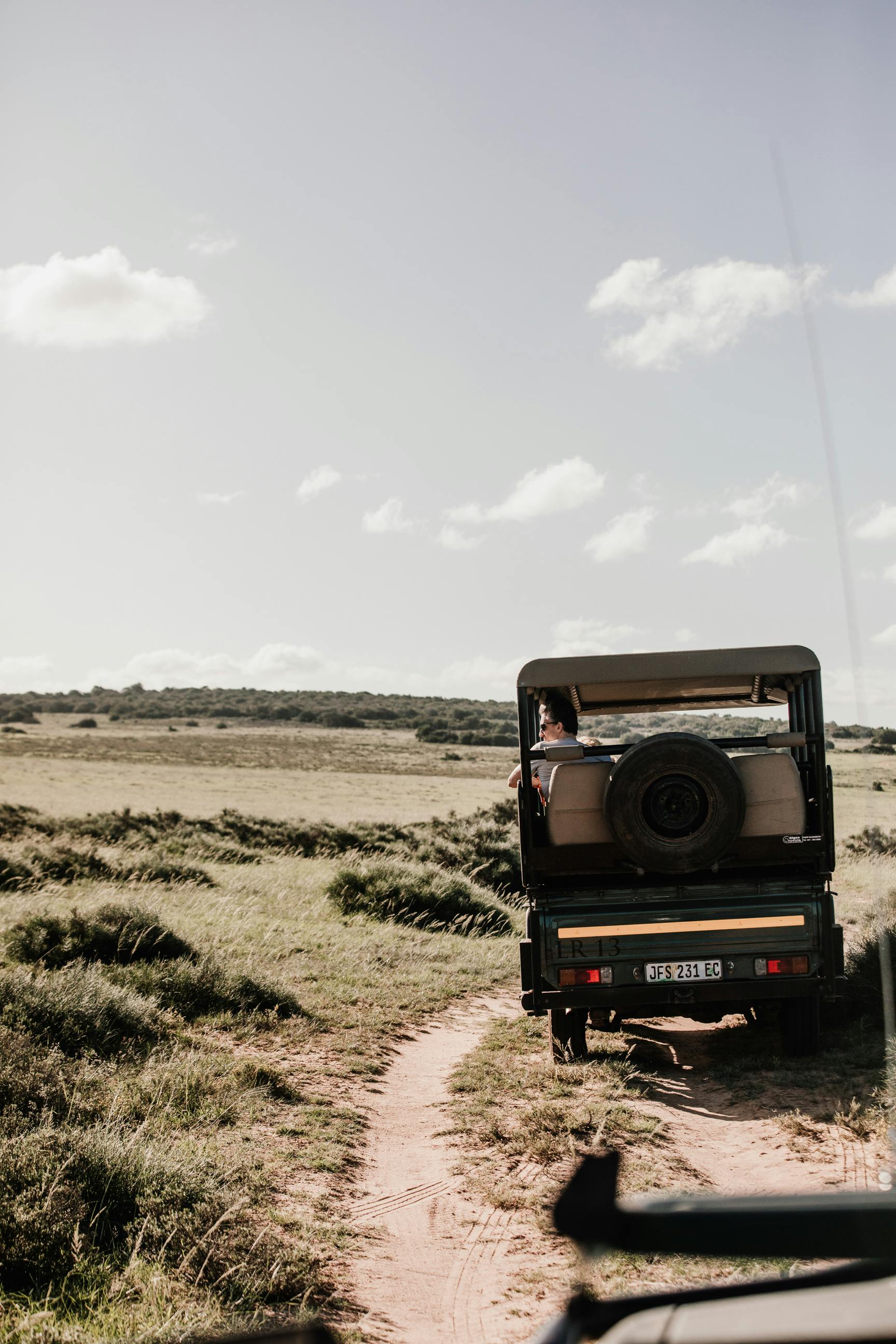
The honest gap is spotting ability. A trained tracker can read a print on a gravel road and know it’s a leopard from twenty meters away. A first time visitor, hands on the wheel, boxed in by pillars and mirrors, is doing well to notice a giraffe standing still in the shade. Self drivers see plenty, but they see what’s directly in front of the car. Guided drives see what the bush is actually doing, which is a genuinely different experience, not just a more comfortable version of the same one.
There’s also the learning gap. Spend a day with a good guide and you’ll come away knowing why a herd of buffalo signals a lion might be nearby, which tree species leopards favor for stashing a kill, and how to read a warning call from a nearby troop of vervet monkeys. Spend that same day self driving and you’re mostly guessing, unless you’ve done serious homework beforehand.
Is a Self Drive Safari in South Africa Safe?
Yes, provided you follow the rules, and the rules exist precisely because the risk is real when people don’t. Hundreds of animals are hit by speeding vehicles inside Kruger every year, and getting out of your car near a predator is exactly as dangerous as it sounds, even if the animal looks half asleep.
| Park | Tar Road Limit | Gravel Road Limit |
|---|---|---|
| Kruger National Park | 50 km/h | 40 km/h |
| Hluhluwe-iMfolozi | 40 km/h | 30 km/h |
| Addo Elephant National Park | 40 km/h | 30 km/h |
| Pilanesberg National Park | 40 km/h | 30 km/h |
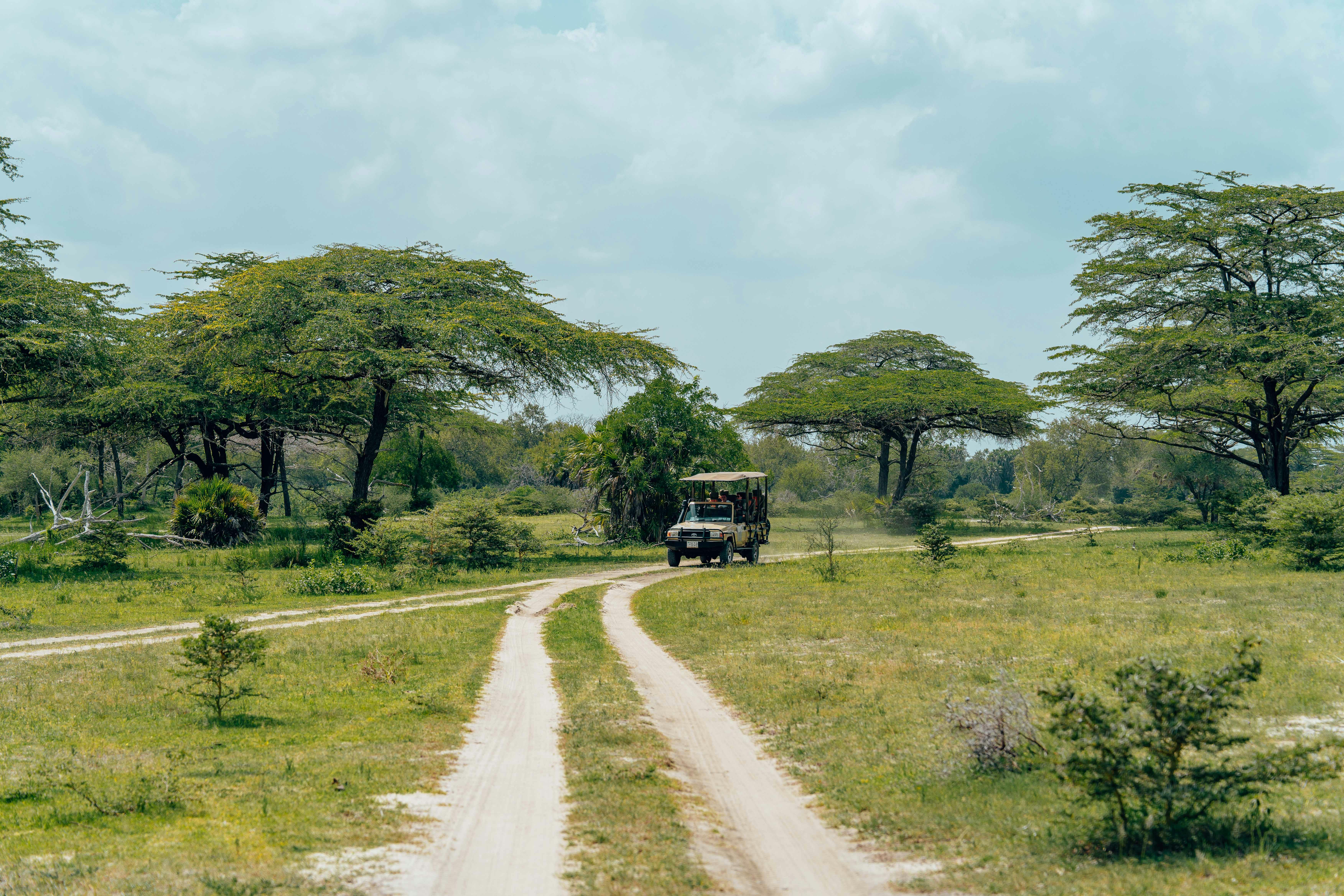
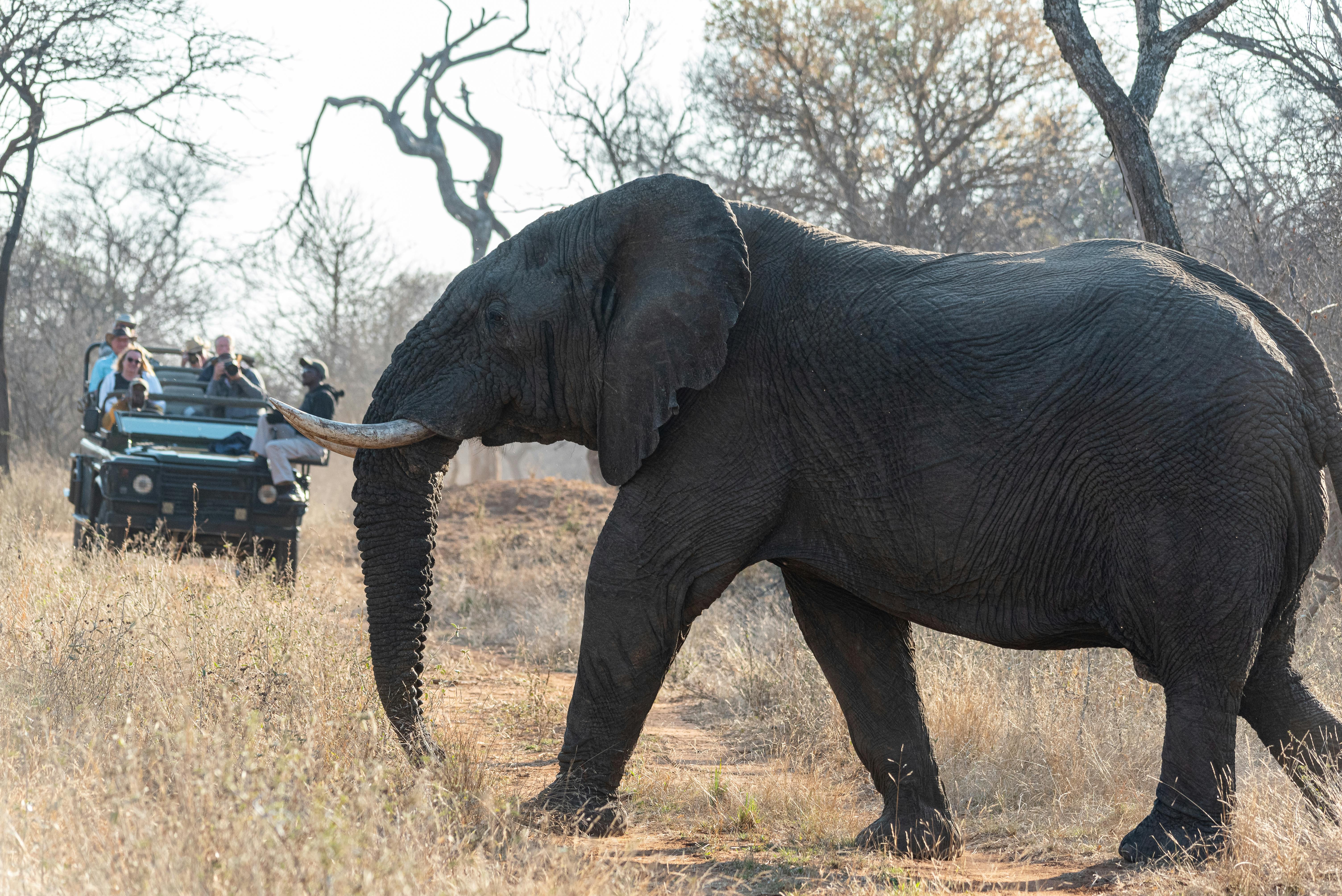
Beyond speed limits, a handful of rules cover most of what keeps a self drive safari genuinely safe. Stay inside the vehicle at all times outside marked picnic and viewing areas, windows can be open but arms and cameras need to stay inside the car. Never feed animals, since it teaches them to associate cars with food and that ends badly for everyone involved. Give elephants a wide, patient berth rather than pushing your luck for a closer photo. Don’t honk your horn or try to attract animals closer than they’re comfortable coming on their own.
Vehicle choice matters more than most first timers expect too. A small sedan can technically manage most of Kruger’s tar roads, which is what many budget self drivers use, but it will struggle on the rougher gravel routes and potholed stretches that lead to some of the best sightings, and a breakdown in a remote section of the park is not where you want to be stranded.
What License Do You Need to Self Drive in South Africa?
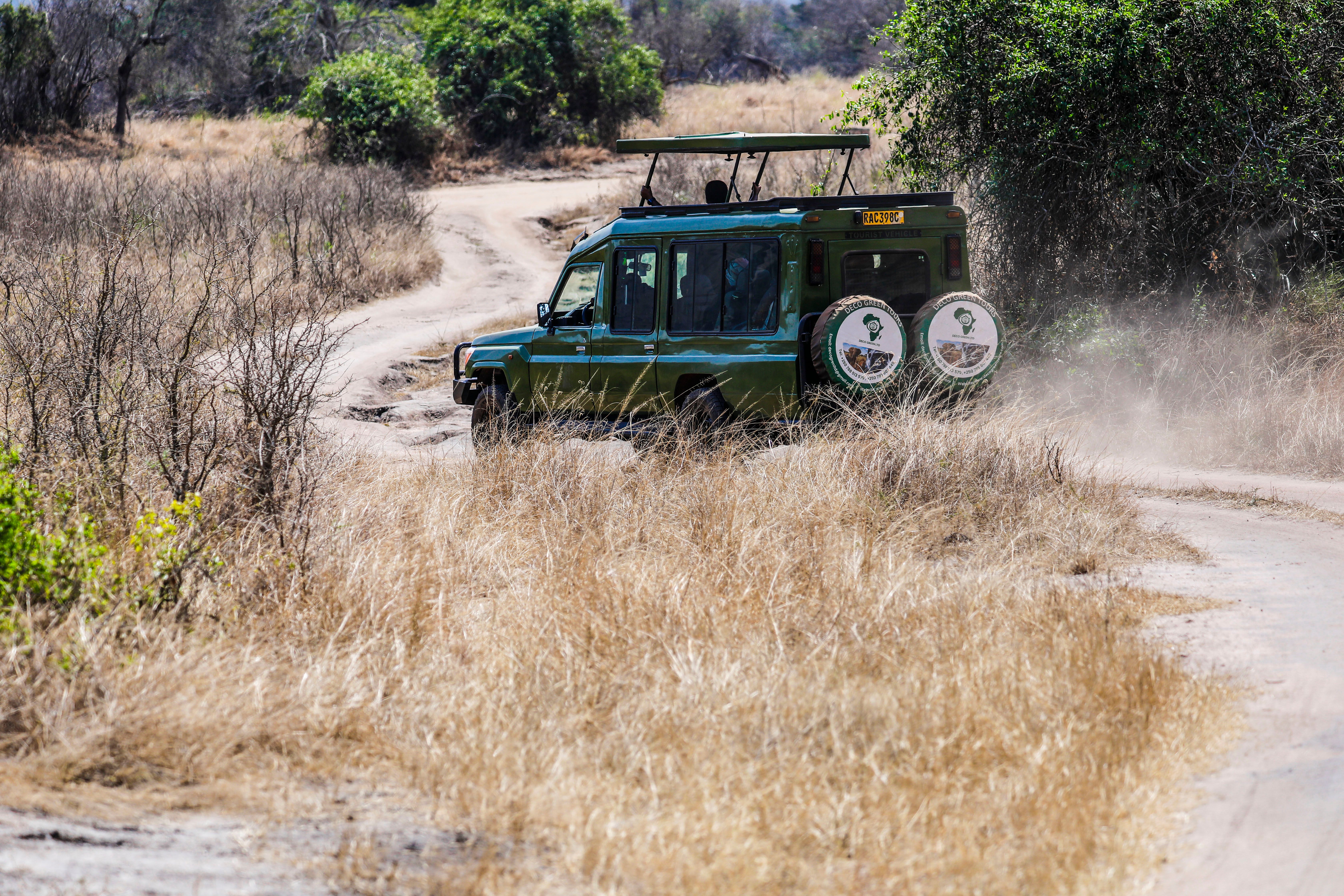
A foreign driver’s license is valid in South Africa for personal driving, including inside national parks, provided it’s in English or carries a photograph and Roman lettering. If your license is written in a script that isn’t English, Arabic numerals aside, or doesn’t include a photo, you’ll need an International Driving Permit alongside it, arranged before you leave home since it can’t be issued once you’ve already arrived. Foreign licenses are generally recognized for up to 90 days, which covers virtually every self drive safari trip, but is worth knowing if you’re staying longer.
Car rental companies layer their own requirements on top of that baseline. Most want drivers at least 21 to 23 years old, with some pushing that to 25 for larger 4x4s or premium vehicles, and a license held for at least one year, sometimes two to five depending on the company. You’ll need a credit card in the driver’s name for the security deposit, since debit cards are rarely accepted outright and often carry an added surcharge when they are. Bring the physical license itself, not a photo of it or a digital version, since South African rental desks and, in some cases, park entry gates won’t accept anything but the original document plus your passport.
What to Do in a Self Drive Emergency
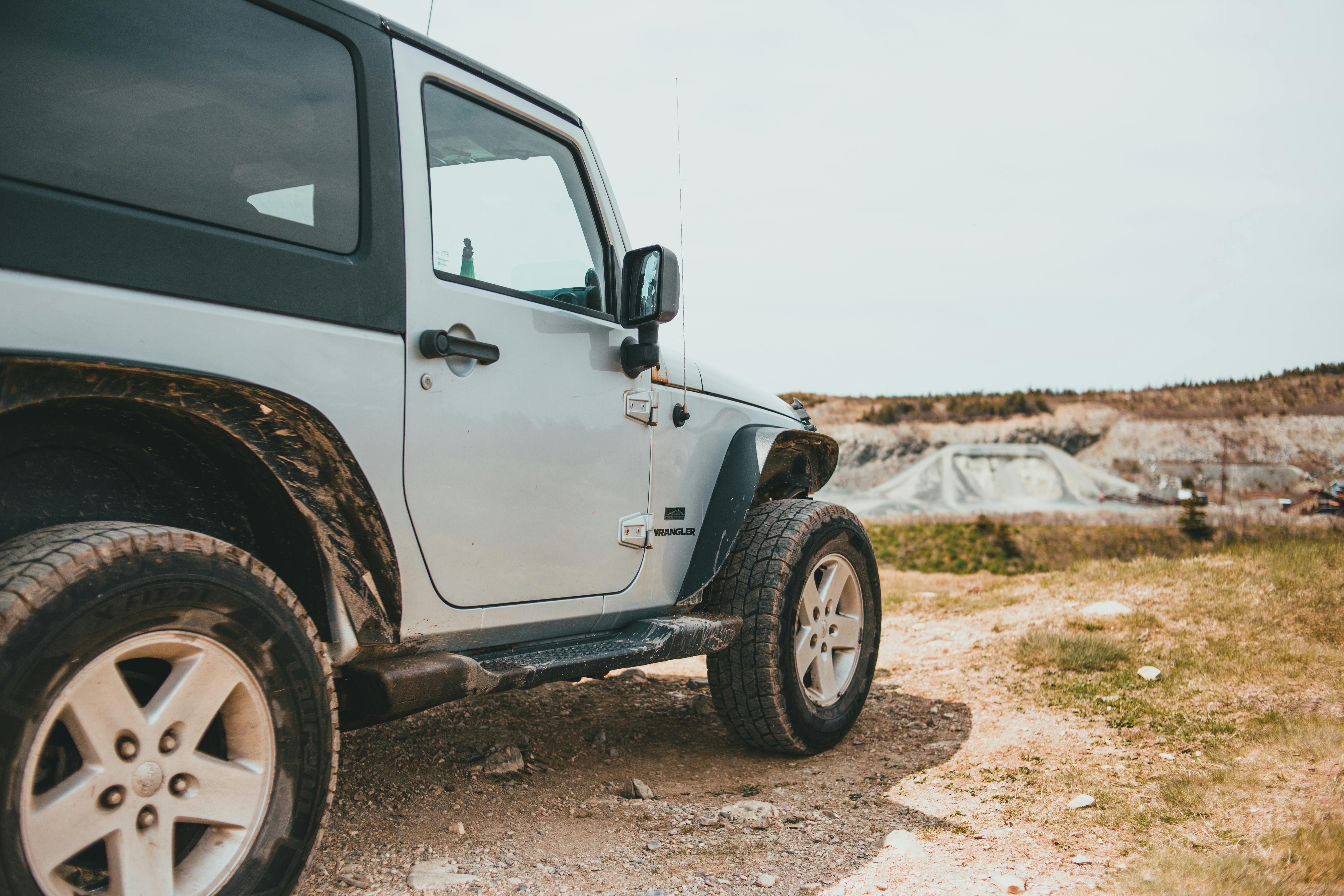
Every self drive guide covers speed limits. Almost none of them cover what actually happens when something goes wrong, and something eventually does for a decent share of visitors: a flat tire, a dead battery, a wrong turn onto an unfamiliar loop road as the light starts fading. None of this needs to ruin a trip if you know the basic protocol going in.
A flat or burst tire.
This is the single most common breakdown inside Kruger, and it usually happens on a gravel road far from the nearest camp. First, assess your surroundings before you do anything else, since getting out of the car near dangerous animals is exactly the risk the rules exist to prevent. If the area looks clear, animals are not visible nearby, and the road has decent sightlines in both directions, you can get out briefly to change the tire yourself, working quickly rather than treating it as a roadside picnic. If you’re not confident doing that, or the surroundings don’t feel safe, stay in the vehicle with the doors locked and call the park’s emergency line instead. Confirm before you leave the rental counter that the spare is a full size tire, not a space saver donut meant only to limp a short distance, and that you actually know how to use the jack, since the middle of a game drive is the wrong time to learn.
A breakdown or running low on fuel.
Stay with the vehicle. It’s a far more visible landmark for rescuers than a person walking on foot, and walking through a park full of predators is never the answer regardless of how close the nearest camp looks on a map. Call the emergency line, give your best estimate of location using the nearest numbered road junction or landmark, and wait. Always leave camp with a full tank, since fuel stations inside the park are not always open or stocked, and budget for the fact that slow game drive speeds and air conditioning both burn more fuel than a normal road trip.
Getting lost or running late for the gate.

If you genuinely lose track of where you are, stop rather than driving further and compounding the problem. Most parks give you a physical map at the gate, and cross referencing the numbered road junctions against it is usually enough to reorient. If you can’t work it out, or it’s getting dark, call the emergency number and describe your last known junction or landmark. Every park closes its gates at a fixed time tied to sunset, and arriving late carries a real fine as well as real risk, so build in a margin rather than cutting it close, and if you realize you won’t make it back in time, call ahead rather than rushing.
A dangerous animal blocking the road or getting too close.
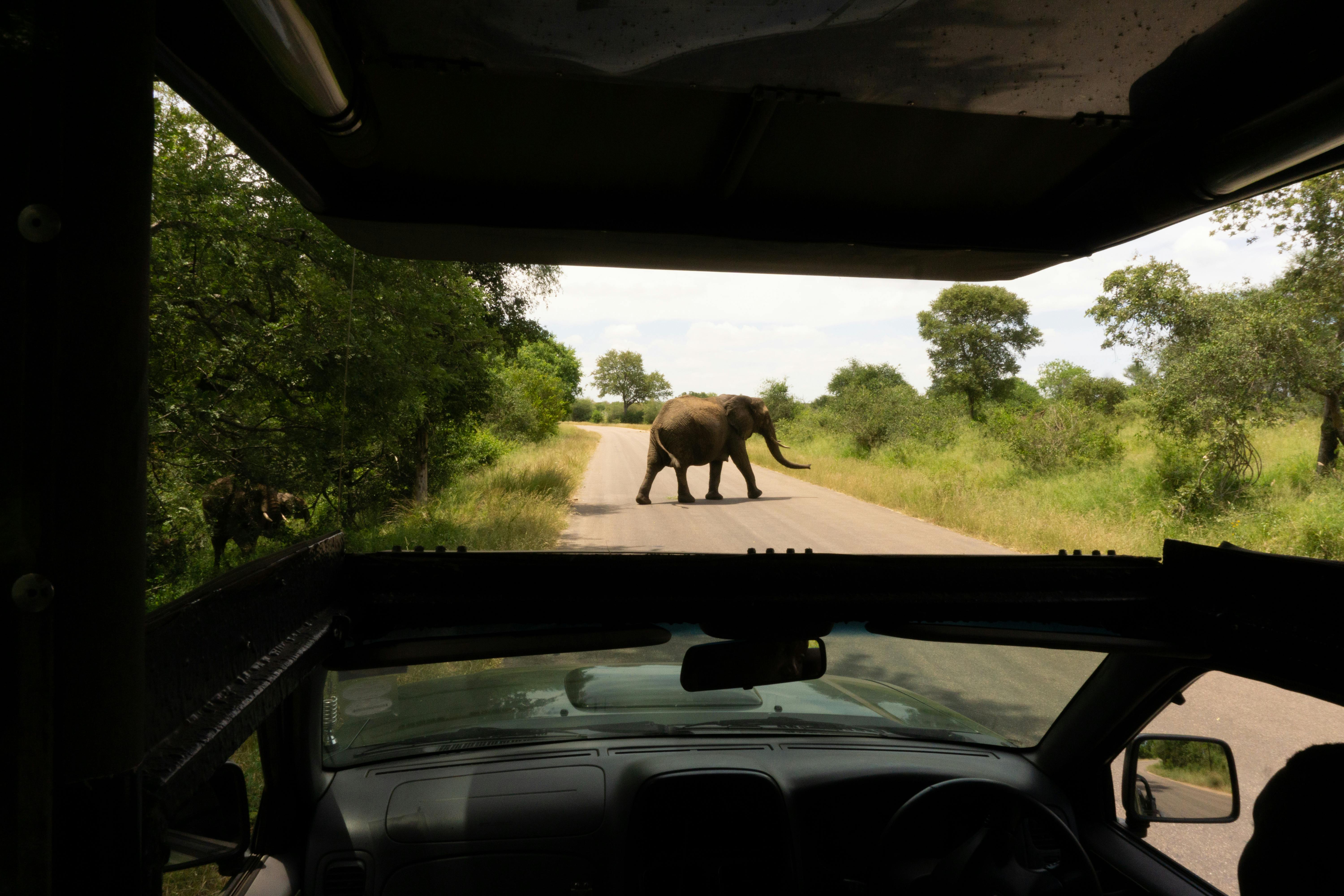
Stay calm and stay in the car. Switch off the engine rather than revving it, and simply wait. Elephants in particular will usually move on within a few minutes if left undisturbed, and most encounters that go wrong involve a driver who tried to inch past or reverse suddenly rather than one who just waited it out.
Who to actually call.
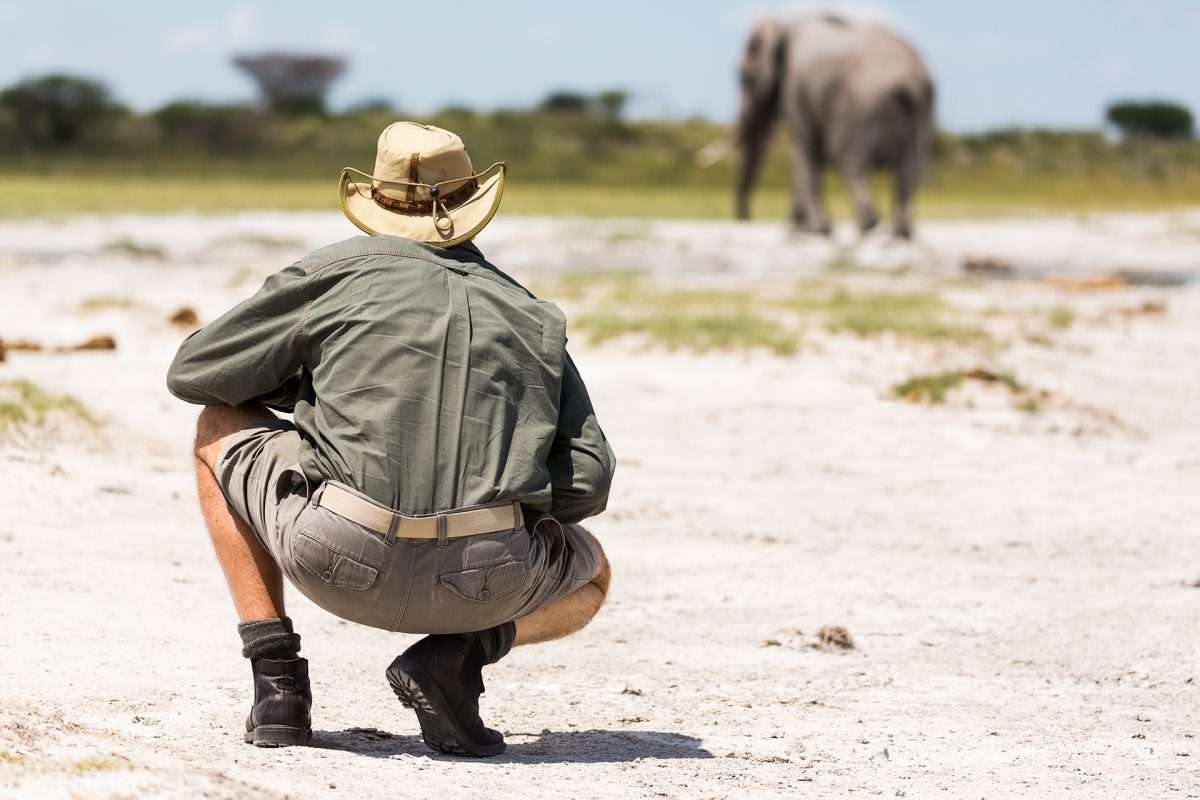
Kruger runs a 24 hour emergency call center based at Skukuza, reachable on 013 735 4325 or via WhatsApp on 076 801 9679, and it handles everything from flat tires to medical emergencies with trained staff who have genuinely seen it all before. For a general South African emergency, including anything outside a national park, the police number is 10111, or 112 from any mobile phone regardless of network or airtime balance. Save these numbers in your phone before you leave for the airport, not after you need them, and let someone outside the park know your planned route and expected return time each morning, the same habit park rangers themselves rely on.
What a Self Drive Safari Costs in 2026
Conservation fees rose across every SANParks reserve in November 2025, so older blog posts quoting prices from a few years back are already out of date. Kruger’s international adult rate now sits at R602 per person per day, roughly $33, up from R535 the year before. SADC nationals pay R275, and South African residents pay R134 with valid ID or a driver’s license. These fees are charged per person, not per vehicle, so a family of four pays four times over, and it’s worth budgeting for that upfront rather than being surprised at the gate.
If you’re planning more than one park, or staying in Kruger for a week or longer, the All Parks Wild Card is worth running the numbers on. It costs R4,680 for an individual, R7,310 for a couple, or R8,745 for a family for a full year of unlimited entry to more than 80 parks and reserves across the region, including Kruger, Addo, Kgalagadi, and Table Mountain National Park. A couple spending a week in Kruger alone would pay roughly R8,400 in daily fees at the door, so the Wild Card pays for itself well before that single trip is over, and it keeps paying off if you’re planning to return within the year or add other parks to the itinerary.
Car rental typically runs $150 to $250 a week for a reliable sedan, more for a proper 4×4 with the ground clearance some of the rougher gravel routes genuinely need. Book well ahead if you’re traveling June through October, since South Africa’s dry winter is peak safari season and both vehicles and camps get booked up fast. Accommodation swings widely: a SANParks rest camp bed runs around $35 a night, a mid range self catering chalet with its own kitchen sits a bit higher, and private lodges just outside the gates start well into three figures a night. Add fuel, groceries if you’re self catering, and the small mandatory community levy tacked onto certain bookings, and a realistic five day self drive kruger trip for two people lands somewhere between $600 and $900 all in, not counting international flights.
The Best Parks for a Self Drive Safari in South Africa
Kruger National Park
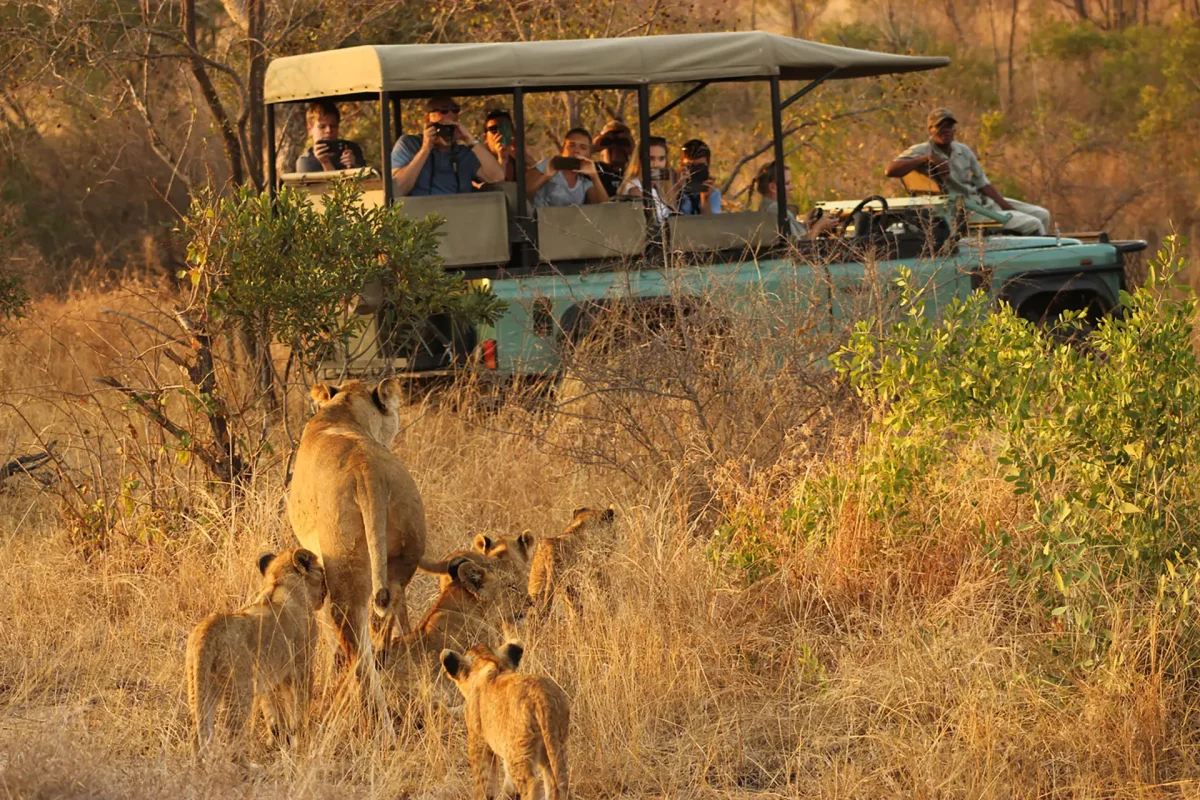
Kruger is the obvious starting point for a self drive safari in Kruger National Park, and for good reason. It’s enormous, 350 kilometers north to south and up to 80 kilometers wide, with eleven gates and enough road network that a week here barely scratches the surface. All of the Big Five turn up regularly, alongside cheetah, wild dog, and more antelope species than most visitors can name on sight. Skukuza to Berg-en-Dal, on to Crocodile Bridge and Lower Sabie before looping back, is a reliable route for maximizing sightings if time is tight, and it’s worth picking up the official Kruger Park Map and Guide before you set off, both for route planning and as a running checklist of everything you spot along the way.
Addo Elephant National Park
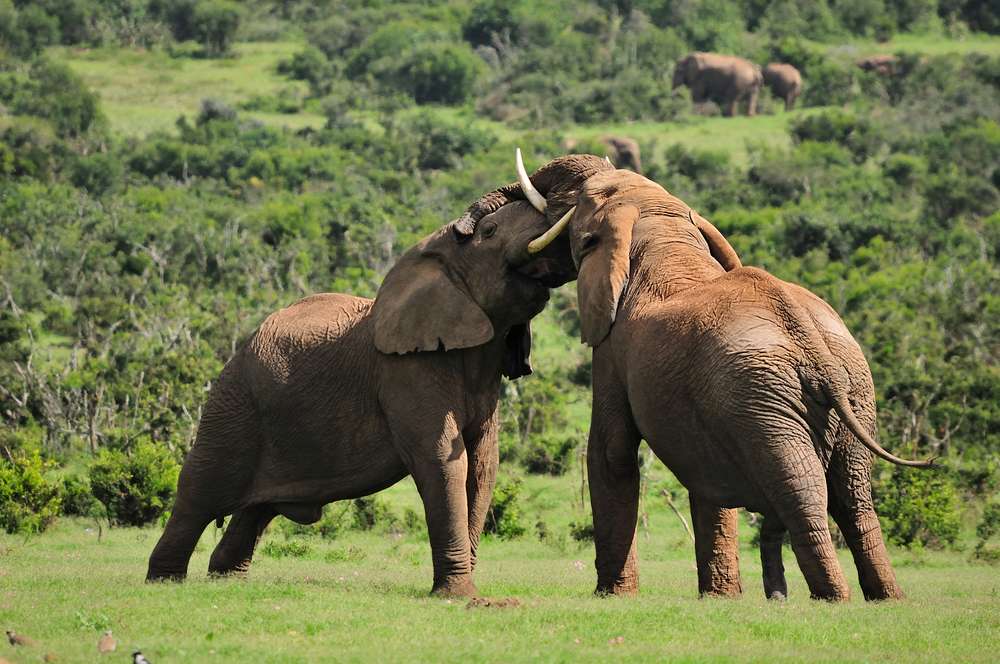
Addo holds the biggest elephant population in the country, and its roads are well maintained enough that it’s one of the friendliest parks in South Africa for a first time self driver. It sits on the Eastern Cape, which makes it a natural add on if you’re already road tripping the Garden Route, and beyond elephants, lion, hyena, and the rare black rhino all turn up here too.
Pilanesberg National Park

Pilanesberg rarely gets mentioned next to Kruger, which is a genuine oversight for anyone based near Johannesburg. It’s malaria free, Big Five present, and close enough to Sun City and Johannesburg for a weekend trip rather than a full expedition. The park sits inside an extinct volcanic crater, which gives the landscape a distinct, layered look you won’t find anywhere else on this list, and its proximity to Johannesburg makes it the easiest kruger self drive alternative for anyone short on time.
iSimangaliso Wetland Park
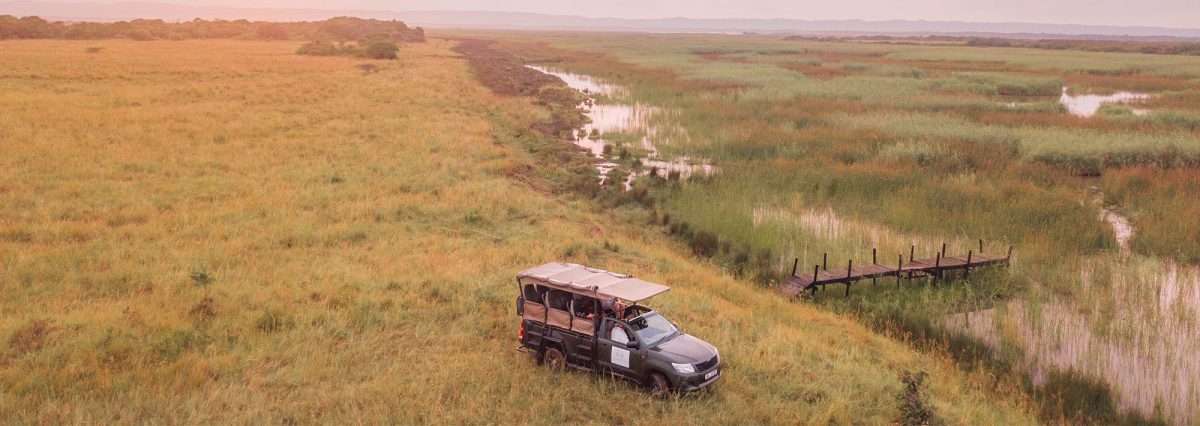
iSimangaliso blends bush, beach, and wetland into one park, which is unusual anywhere in Africa. Hippos and crocodiles are near guaranteed on a river cruise, and between June and November, humpback whales pass close enough to the shore to spot without a boat at all. It’s one of the more underrated self drive safaris in South Africa precisely because most visitors have never heard of it.
Hluhluwe-iMfolozi
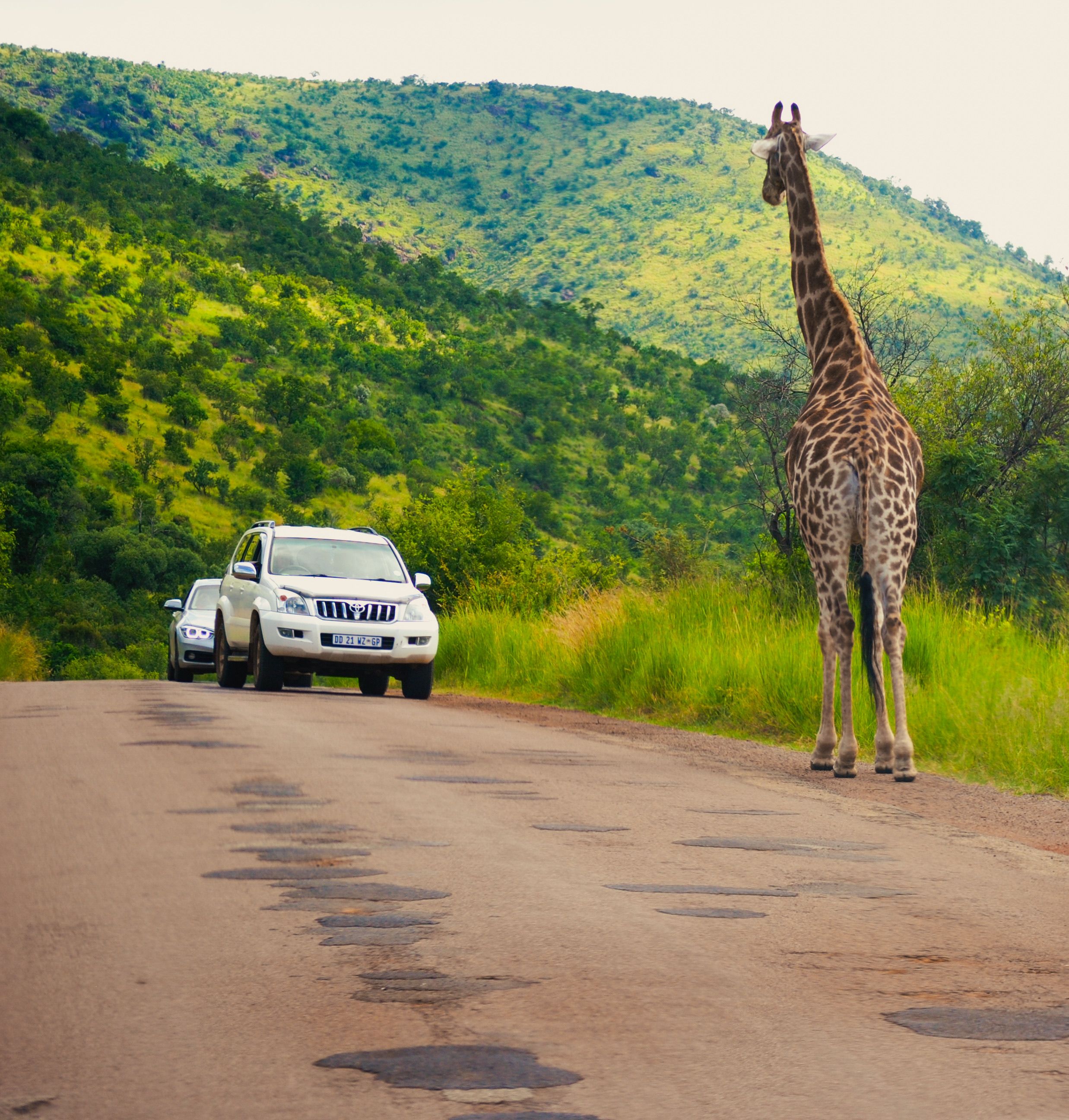
This is the park that pulled the southern white rhino back from the edge of extinction, and it remains one of the best places in the country to see them today, alongside lion, leopard, and the occasional cheetah hunt if you’re patient and lucky. It’s a longstanding favorite among KwaZulu-Natal locals for a reason.
Kgalagadi Transfrontier Park
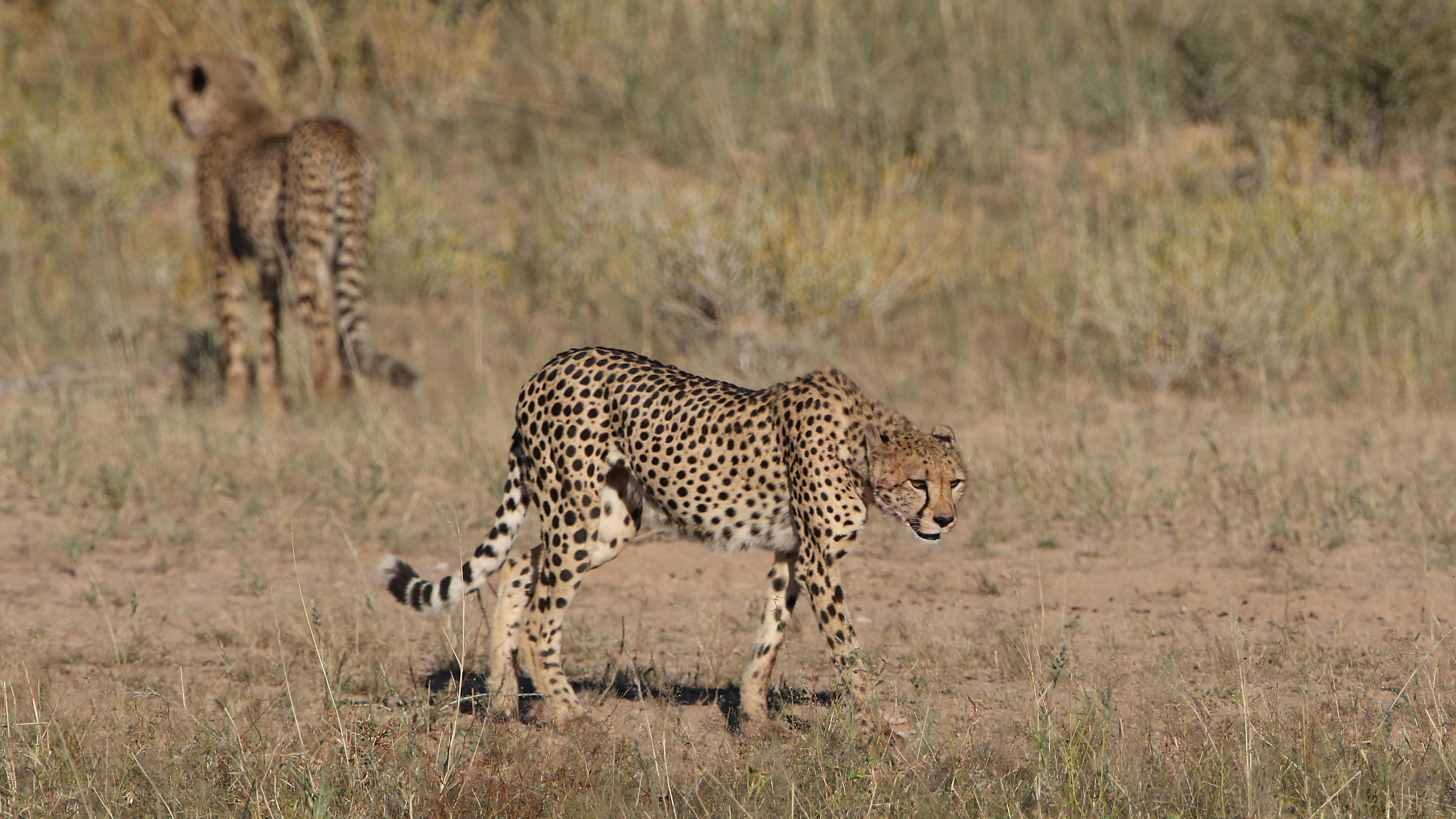
Kgalagadi straddles the border with Botswana, red dunes, black maned lions, cheetah, and a level of remoteness that suits photographers and solitude seekers more than anyone wanting guaranteed sightings on a tight schedule. It’s malaria free, which makes it a solid option for travelers wary of prophylaxis, though the distances between camps are long enough that this isn’t a weekend trip.
Mapungubwe National Park
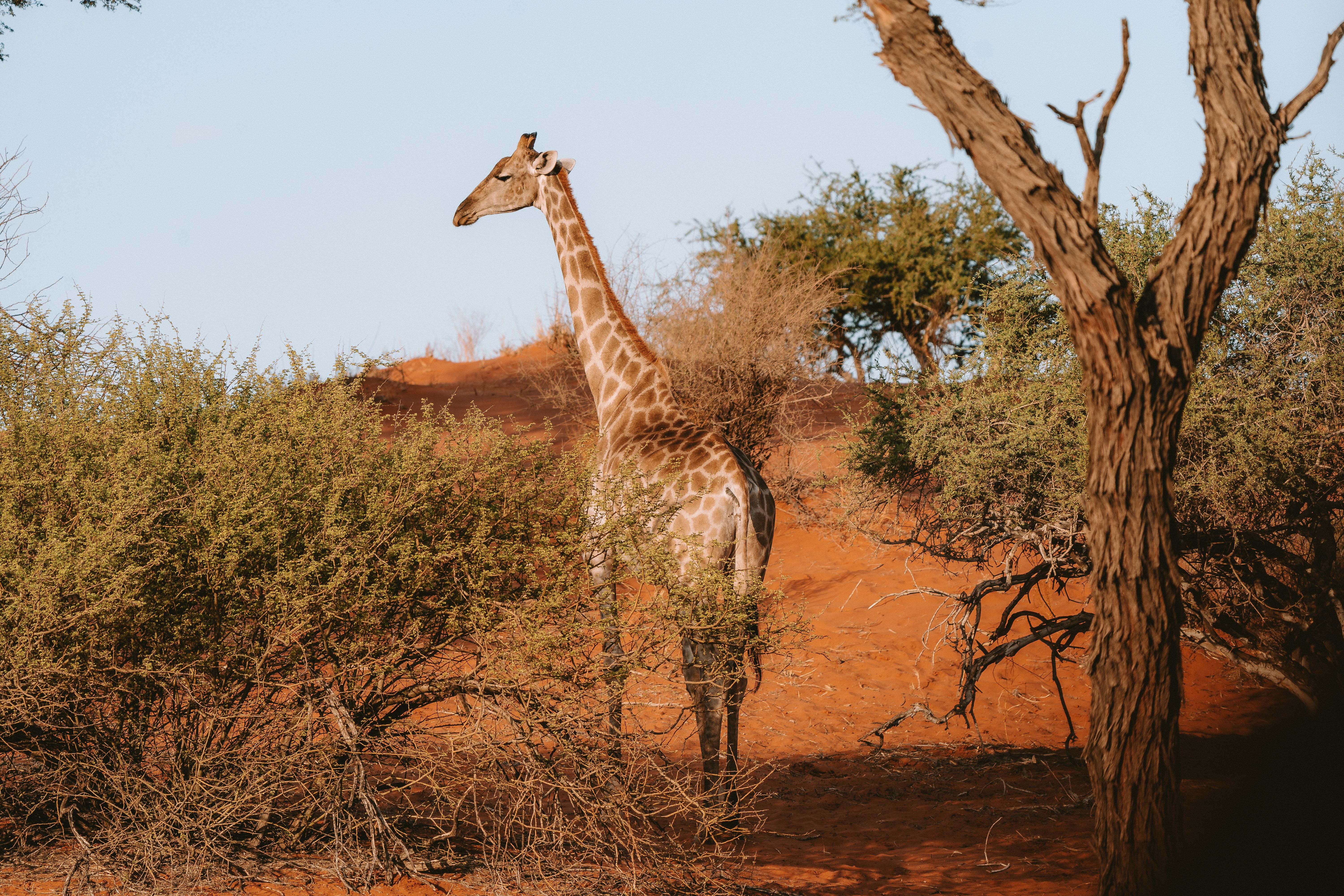
Mapungubwe is the park almost nobody mentions, and that’s exactly its appeal. Ancient baobabs, the confluence of the Limpopo and Shashe rivers, and the ruins of an early African kingdom sit inside a park that sees a fraction of Kruger’s visitor numbers. Malaria risk exists along the river here, so prophylaxis matters, but the payoff is having entire viewpoints to yourself in a country where that’s increasingly rare.
Wildlife You Can Expect to See
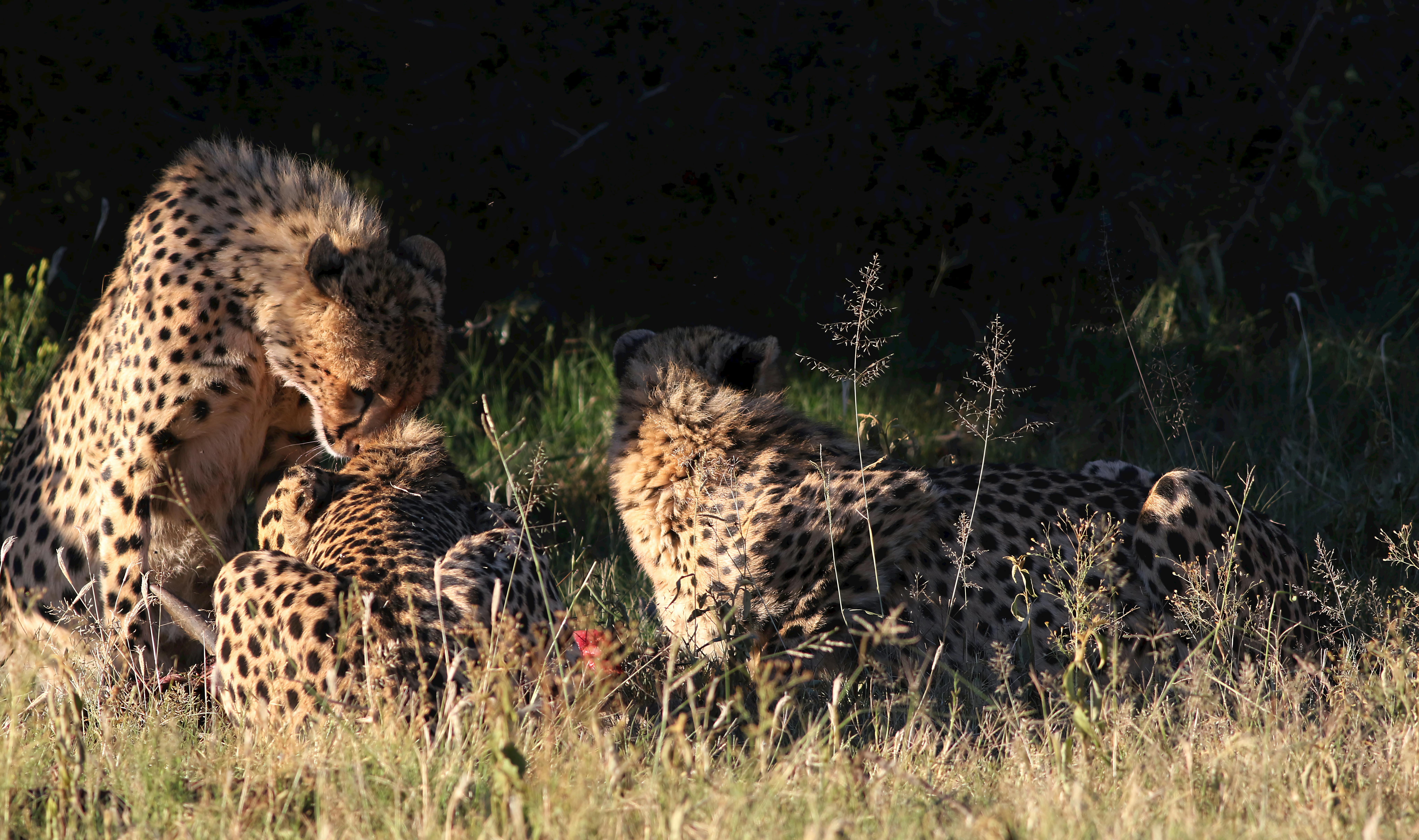
Each park has its own character when it comes to what actually turns up on a game drive. This is the quick reference most self drive guides skip in favor of vague promises about “abundant wildlife.”
| Park | Signature Species | Also Likely |
|---|---|---|
| Kruger National Park | Lion, leopard, elephant, rhino, buffalo | Cheetah, wild dog, hyena, giraffe, zebra, hippo |
| Addo Elephant National Park | Elephant, in large resident herds | Lion, hyena, black rhino, buffalo |
| Pilanesberg National Park | Lion, elephant, rhino | Leopard, hippo, giraffe, zebra, wild dog |
| iSimangaliso Wetland Park | Hippo, crocodile | Humpback whales (June to November), leatherback turtles, flamingos |
| Hluhluwe-iMfolozi | White rhino, black rhino | Lion, leopard, cheetah, elephant, buffalo |
| Kgalagadi Transfrontier Park | Black maned Kalahari lion | Cheetah, leopard, gemsbok, springbok, meerkat |
| Mapungubwe National Park | Baobab associated birdlife | Elephant, leopard, hippo, crocodile along the river |
Bird watchers in particular are underserved by most self drive guides, and every park on this list rewards bringing binoculars for birds as much as mammals, from martial eagles over Kruger’s open plains to the flash of a lilac breasted roller landing on a fence post.
What to Pack for a Self Drive Safari
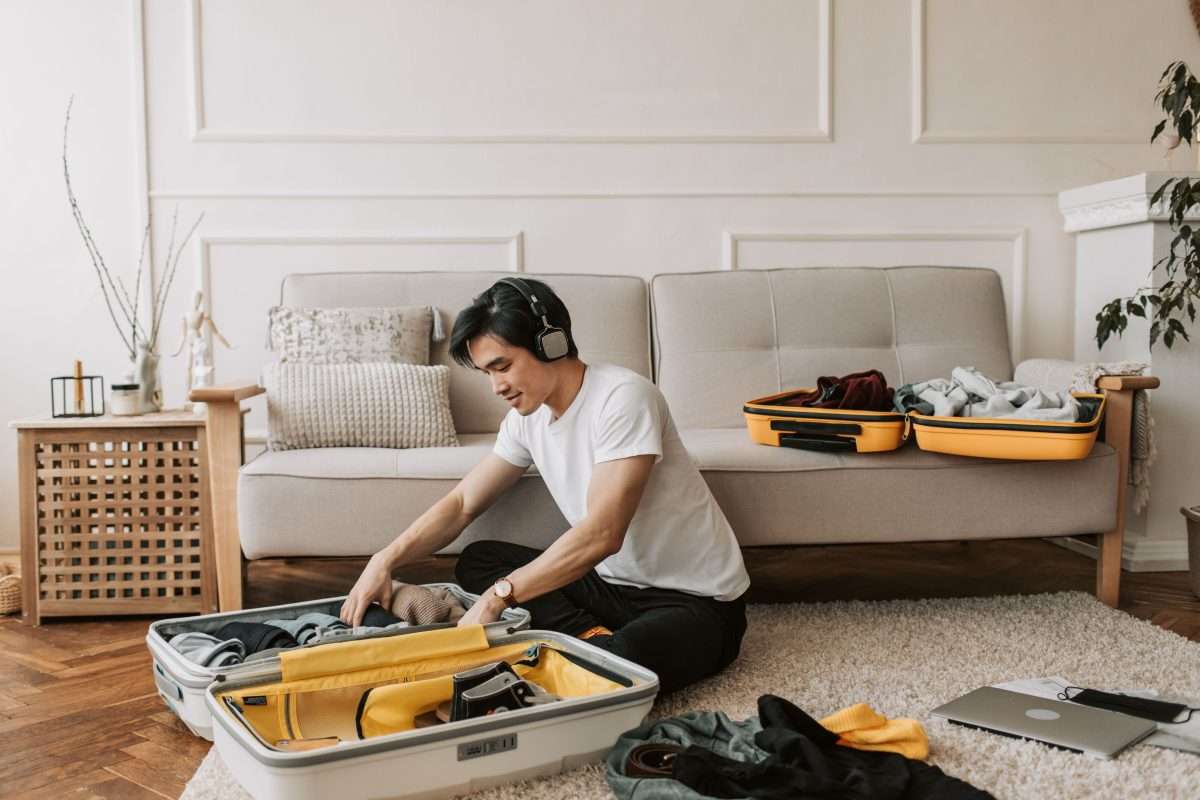
A reliable vehicle comes first, ideally a 4×4 with real ground clearance if your route includes gravel roads in parks like Kgalagadi or Mapungubwe. Beyond that, pack binoculars and a camera with a decent zoom, since spotting wildlife from inside a sedan is harder than it looks and a phone camera won’t cut it at any real distance. Lightweight, neutral colored clothing works better than bright patterns, along with a hat, sunglasses, and proper sunscreen, since South African sun is stronger than most visitors expect. Bring more water than you think you need, a basic first aid kit, and download offline maps before you lose signal, since coverage inside most parks is patchy at best and disappears entirely in places like Kgalagadi. A detailed park map, ideally a physical one as backup to your phone, and a full tank of fuel before you enter round out the essentials. Cash is rarely needed inside the parks themselves now, since most gates and shops run on card only, but keep some on hand for smaller towns along the way.
Malaria and Health Considerations
This is the part most self drive guides skip entirely, and it genuinely matters. Kruger and the parks across the northeast, including Mapungubwe and parts of iSimangaliso, sit inside malaria risk zones year round, with higher risk during the warmer, wetter months from October through May. Pilanesberg, Kgalagadi, and Addo are malaria free, which is worth factoring in if you’re traveling with young children or are otherwise advised against prophylaxis. Talk to a travel clinic or doctor well before departure about antimalarial medication, and pack insect repellent with a strong DEET concentration regardless of which parks are on your route, since mosquitoes don’t respect park boundaries perfectly. Yellow fever and typhoid vaccinations are also commonly recommended depending on your prior travel history, so check current guidance rather than relying on advice that applied a few years ago, since recommendations do shift.
Planning Your Self Drive Safari Route Through the Park
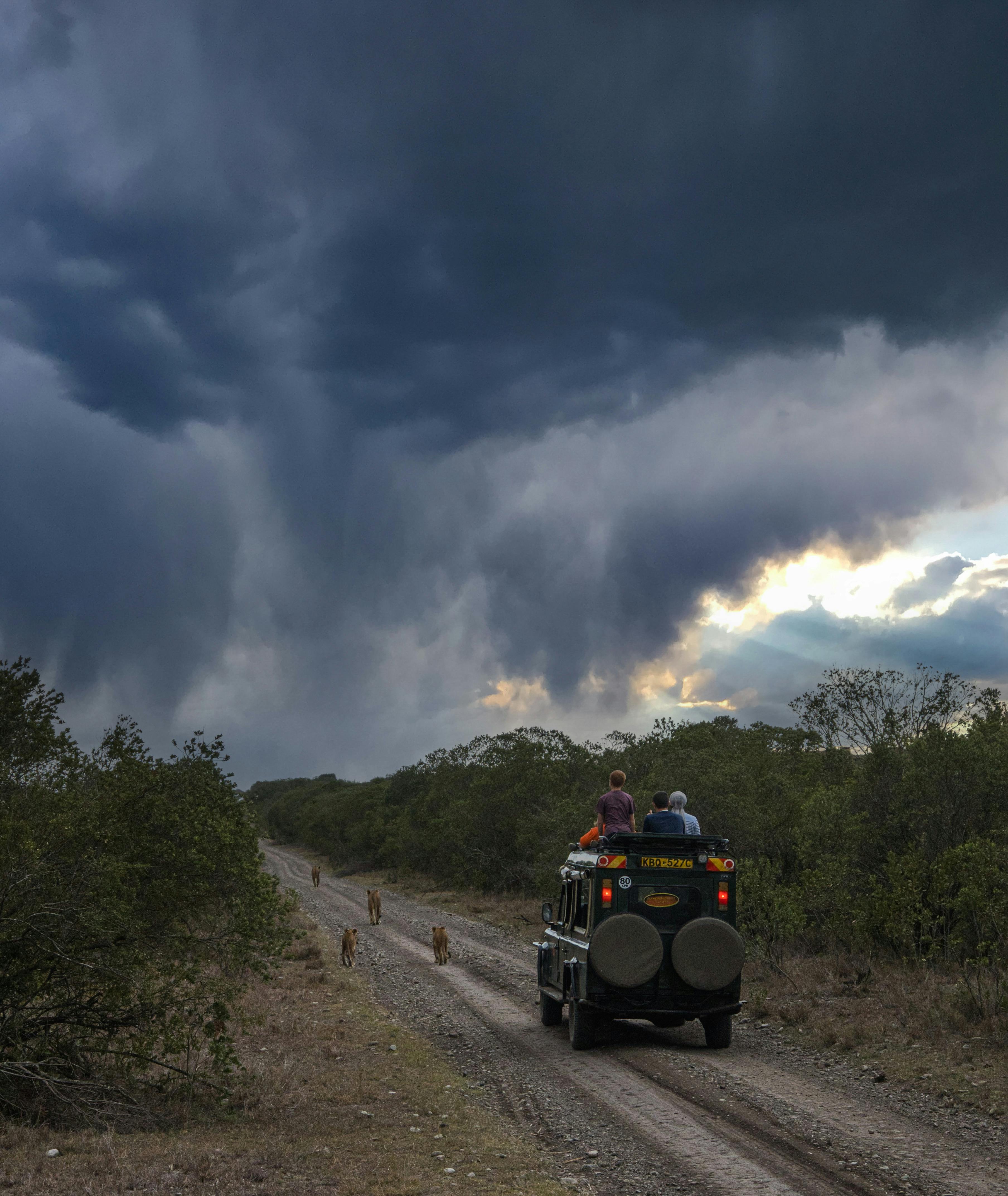
A route you just wing tends to leave you sitting on tarmac in an area with nothing going on while a genuinely good sighting happens twenty minutes away on a road you skipped. A little research pays off disproportionately. Buy a proper park map before you arrive, ideally a physical one as backup to your phone, since it doubles as a running log of everything you’ve spotted along the way. Ask at each rest camp reception what’s been seen recently and where, since staff and other travelers often have same day intel that no app can match. Sighting apps that crowdsource recent reports from other visitors are worth downloading too, though treat them as a rough guide rather than gospel, since a lion seen an hour ago has usually moved on by the time you arrive. If you’d rather not piece it together yourself, a local operator who plans routes daily can point you toward whichever loop road matches what you most want to see, sparing you the trial and error.
A realistic first self drive safari South Africa trip built around Kruger might look something like this. Fly into Nelspruit or Johannesburg, pick up your rental, and enter through Malelane or Phabeni gate depending on which side you’re staying. Spend the first two nights around Skukuza, the park’s largest camp, giving yourself time to adjust to the pace before venturing further. Move north to Lower Sabie for a night, one of the most reliably good stretches of road in the entire park for lion and leopard sightings, before continuing toward Satara for a night in the heart of prime cheetah country. Exit through Orpen or Paul Kruger gate depending on your onward plans. That’s five nights, four full driving days inside the park, and it covers a genuinely representative slice of what Kruger offers without the exhaustion of trying to see everything in one trip.
How to Plan Your Self Drive Safari Day
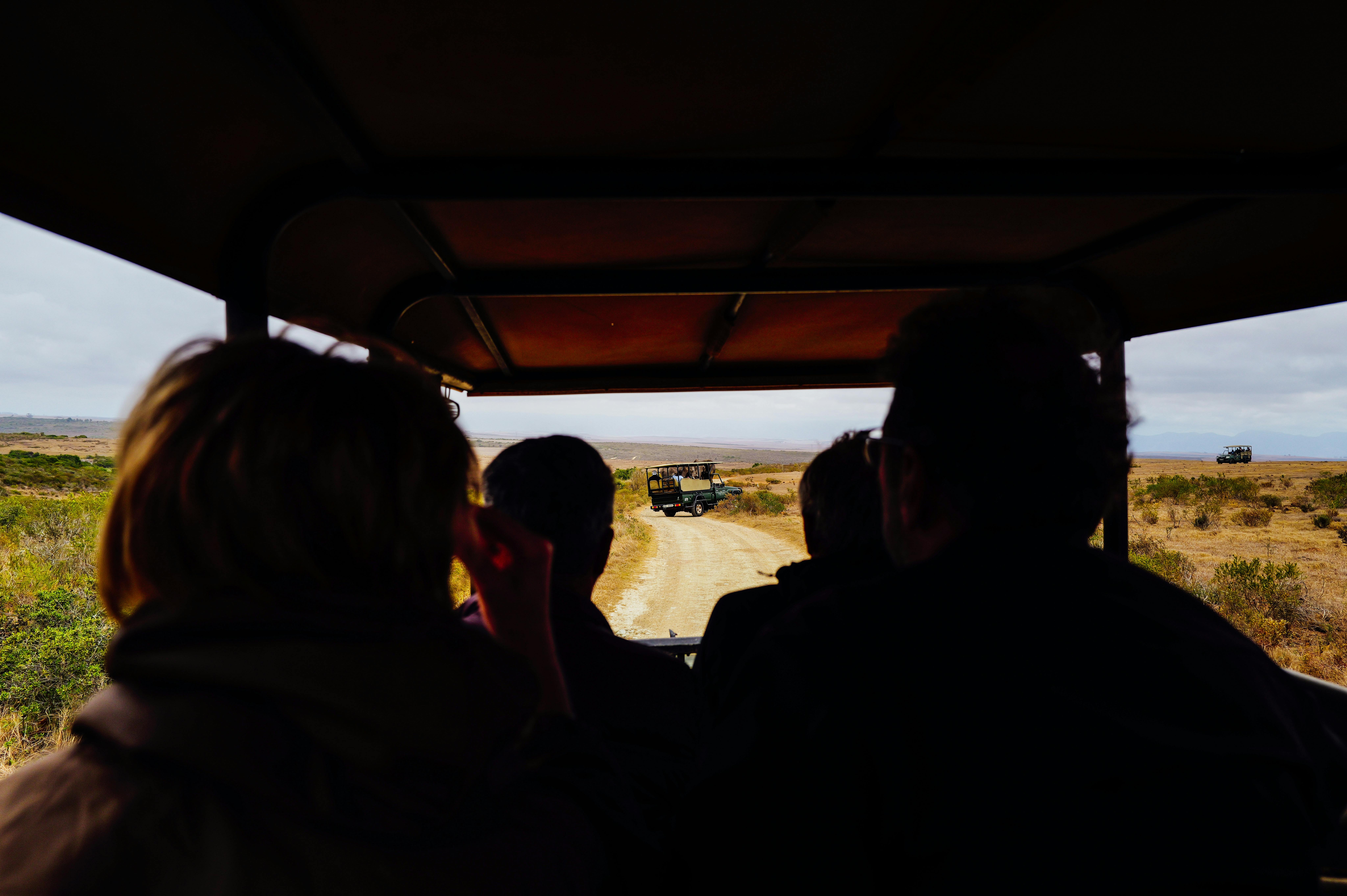
A good self drive day has a shape to it, and most first timers only figure that shape out on day three or four, once half the trip is behind them. Building it in from day one changes what you actually see.
- Get to the gate before it opens. Wildlife moves most in the first and last hours of daylight, and a lie in costs you the best sightings of the day, every single time.
- Drive slower than feels natural. You’re scanning for the flick of an ear or the twitch of a tail, not a whole animal standing in the open where anyone would notice it, and speed is the single biggest reason self drivers miss sightings guided vehicles catch.
- Stop at every marked viewpoint and waterhole. Both exist specifically because sightings cluster there statistically, not by accident.
- Treat river beds as a slow zone. Elephants dig for water in dry river beds, and predators use the tree cover along the banks to wait for prey coming to drink, so a five minute pass rewards patience more than most stretches of road.
- Take a real break every two or three hours. It helps your own concentration, and other travelers at rest camps often have same day intel on what they’ve just seen further up the road.
- Don’t skip the small stuff. Some of the best moments on a self drive safari are a mongoose sunning itself by the road, not another lion sighting, and lowering what counts as a good sighting tends to make for a better day overall.
- Abolish your expectations before you start. Going in fixed on seeing a specific animal by a specific time turns the day into a checklist rather than an experience, and the patient are consistently rewarded more than the rushed.
- Watch ordinary animals for a minute before moving on. An impala with alert body language or a sudden bolt for cover often means something more interesting, hyena working the shadows or a cheetah stalking from the grass, is nearby even when you can’t see it yet.
Is a Self Drive Safari Responsible?
It’s a fair question, and the honest answer is mixed. Self drive access genuinely opens wildlife viewing to people who couldn’t otherwise afford a fully guided trip, which matters, and it’s part of why South Africa’s self drive model is unusual on a continent where most safari countries require a guide by law. But untrained drivers behind the wheel do contribute to real harm, from speeding related wildlife deaths to travelers getting too close and stressing animals without realizing it. The rules exist for a reason, and following them properly, slow speeds, no feeding, respecting distance, closes most of that gap between a self drive safari and a guided one in terms of actual impact on the park.
Litter, Waste, and Park Etiquette Rules For Self Drive Safari
None of this is optional, and SANParks enforces it with real fines, not warnings. Littering, including something as small as a dropped tissue or apple core, carries a fine of around R1,500, and the reasoning goes beyond tidiness: rangers routinely point out that animals see litter as food, and plastic or food waste left on the roadside genuinely ends up in an elephant’s or a baboon’s stomach. Bring a bag for your own rubbish and take it with you to the next camp bin rather than leaving anything behind, even biodegradable scraps like fruit peels.
Fires are only permitted inside designated fireplaces or braai containers at rest camps, never anywhere else in the park, and starting one elsewhere risks a fine or a court summons depending on severity. Playing music or a radio loud enough to disturb wildlife or other visitors carries its own fine, and drones are banned outright across every SANParks reserve, no exceptions for personal or commercial use. Removing any plant, rock, bone, or natural item from the park, even something as small as a feather picked up off the road, is prohibited, and pets are not allowed inside the parks at all, guide dogs for visually impaired visitors being the one narrow exception with prior park approval.
10 Common Self-Drive Safari Mistakes
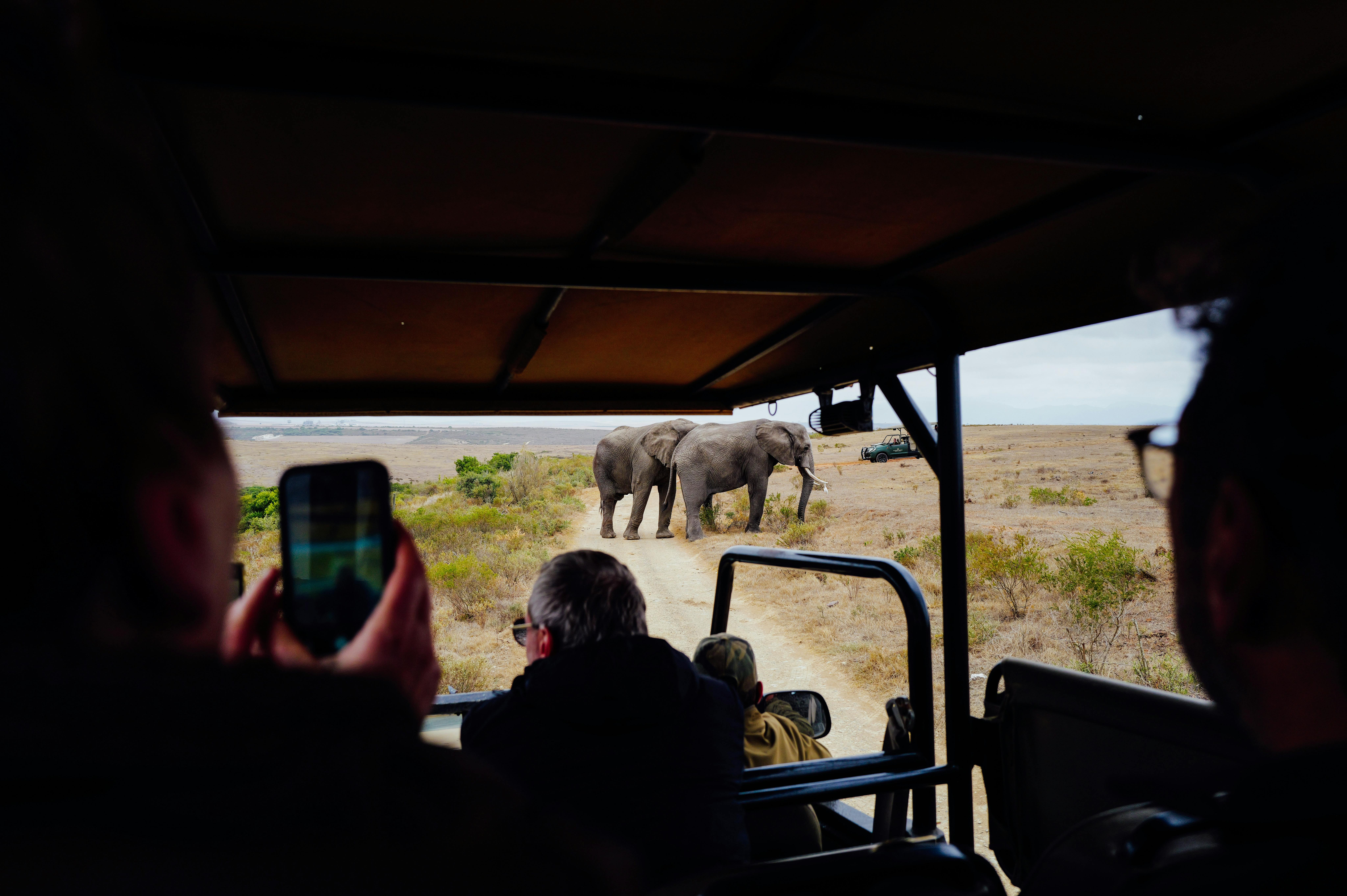
- Trying to see too much in too little time. Kruger alone rewards slowing down more than almost any other park.
- Rushing between camps every single night, which leaves less time actually parked at a waterhole watching something unfold.
- Underestimating drive times. Gravel roads and frequent stops for sightings mean a route that looks like ninety minutes on a map can easily take three hours in practice.
- Skipping travel insurance, a costly mistake if a rental vehicle breaks down in a remote section of a large park or a medical issue comes up far from a hospital.
- Arriving without cash for smaller towns along the route, even though the parks themselves run cashless.
- Showing up without binoculars, assuming a phone camera will do the job, then squinting at distant shapes that could be a rock or could be a rhino.
- Not checking the vehicle, spare tire included, before leaving the rental counter.
- Running low on fuel between camps, since stations inside parks aren’t always open or stocked.
- Getting out of the car outside a marked area, even briefly, for a photo.
- Expecting to see every Big Five animal on a short trip and treating anything less as a disappointment.
What to Book Before a Self-Drive Safari
- Park accommodation, first. Staying inside the park gives self-drivers access from gate opening time, a real advantage over lodging outside and losing the first hour of best wildlife activity. Book well ahead for peak season, June through October.
- Rental car, matched to your route (see the vehicle table above).
- Conservation fees, either daily or via the All Parks Wild Card if you’re combining parks or staying a week or more.
- Travel insurance, given how remote a breakdown or medical issue can get inside a large park.
- Airport transfer, if your route doesn’t start with the rental pickup itself.
- A travel-health consultation, for antimalarial medication if your route includes a risk zone.
- A local SIM or eSIM, for the stretches where signal exists, and offline maps for the stretches where it doesn’t.
Plan Your Kruger Trip with TourwithPipi

If planning your own routes, gate times, and gravel roads sounds like more work than you want on a trip that’s supposed to be relaxing, a fully guided safari solves all of it in one go. Explore our Kruger National Park safaris for a private, guided Big Five experience with trackers who know the park cold, or take a look at Cape Town in Style: A 7-Day Coastal & City Escape, three nights at Arathusa Safari Lodge in the Sabi Sand Game Reserve bordering Kruger, followed by four nights in Cape Town, from $3,709 per person. Message us on WhatsApp and we’ll build a private guided itinerary around your dates.
Blog Summary
- Kruger’s international conservation fee is R602 a day as of the 2025/2026 rate year, with SADC and South African resident discounts.
- Kruger runs a 24 hour emergency call center at 013 735 4325 for flat tires, breakdowns, getting lost, and medical emergencies.
- The All Parks Wild Card costs R4,680 for an individual and can pay for itself within a single week long Kruger trip.
- A realistic five day self drive kruger trip for two people costs between $600 and $900 all in, excluding flights.
- Self drive safaris are significantly cheaper than guided ones but rely entirely on your own spotting ability, not a trained tracker.
- Pilanesberg and Kgalagadi are malaria free, while Kruger, Mapungubwe, and parts of iSimangaliso carry year round or seasonal risk.
- Speed limits sit between 30 and 50 km/h depending on the park and road surface, and speeding remains the leading cause of wildlife deaths inside Kruger.
- A flat tire is the most common breakdown, and whether to change it yourself depends entirely on whether animals are visible nearby.
- Mapungubwe and Pilanesberg are genuine alternatives to Kruger that see far fewer visitors.
- Getting to the gate at opening time and driving slower than feels natural are the two habits that make the biggest difference in what you actually see.
- A sample five night Kruger route through Skukuza, Lower Sabie, and Satara covers a representative slice of the park without overreaching.
Frequently Asked Questions
Can you do a self-drive safari in South Africa?
Yes. South Africa is one of the few countries in Africa where self-driving through a national park is both legal and well set up, with Kruger, Addo, Pilanesberg, and several other parks offering marked road networks, rest camps, and clear rules for independent travelers.
Is South Africa safe for a self-drive safari?
Yes, provided you follow the park’s speed limits and safety rules, including staying inside the vehicle outside marked areas and never feeding or approaching animals. Most incidents involve drivers who ignored these rules rather than random bad luck.
What is the best self-drive safari in South Africa?
Kruger National Park, for its road network, infrastructure, and the most reliable Big Five sightings of any park on this list. Pilanesberg is the best choice for a shorter trip near Johannesburg.
Do I need a 4×4 for a South African safari?
Usually no. A normal rental car handles Kruger, Addo, and Pilanesberg’s tar roads fine. Kgalagadi and some of iSimangaliso’s sand tracks are the exceptions where an SUV or 4×4 genuinely helps.
Is Kruger good for a self-drive safari?
Yes, it’s the best option for most first-time self-drivers, thanks to its size, road network, and the amount of support infrastructure available if something goes wrong.
How many days do you need for a self-drive safari?
A minimum of 3 nights makes a trip worthwhile. 5 to 7 nights in Kruger is the ideal balance for most travelers, giving enough time to cover different sections of the park without rushing.
How much does a self-drive safari in South Africa cost?
A realistic 5-day Kruger self-drive for two people costs $600 to $900 all in, covering park fees, car rental, and accommodation, not including international flights.
What is the best month for a self-drive safari?
May to September, South Africa’s dry winter, when thinning vegetation and animals clustering around water sources make sightings far more reliable.
Can I see the Big Five on a self-drive safari?
Yes, most reliably in Kruger, Addo, and Pilanesberg. Sightings depend more on your own patience and driving pace than on which park you choose, within reason.
Can you self-drive in Kruger National Park?
Yes, Kruger is built for it, with eleven gates, an extensive tar and gravel road network, and rest camps spaced roughly every one to two hours of driving apart.
Is a guided safari better than self-driving?
Neither is objectively better. Guided safaris offer expert tracking, night drives, and off-road access. Self-drive offers lower cost and full schedule control. Many travelers combine both across one trip.
About the Author
Khadija Tayabali is the founder of TourwithPipi and a Virtuoso-affiliated luxury safari advisor. Kenya-born and now based in Houston, she also works as an infectious disease physician, a background that shapes how she thinks about health and safety planning for every trip she designs. She has spent years building private, guided safaris across East and Southern Africa, working directly with vetted lodges, trackers, and guides on the ground rather than relying on secondhand itineraries.


