
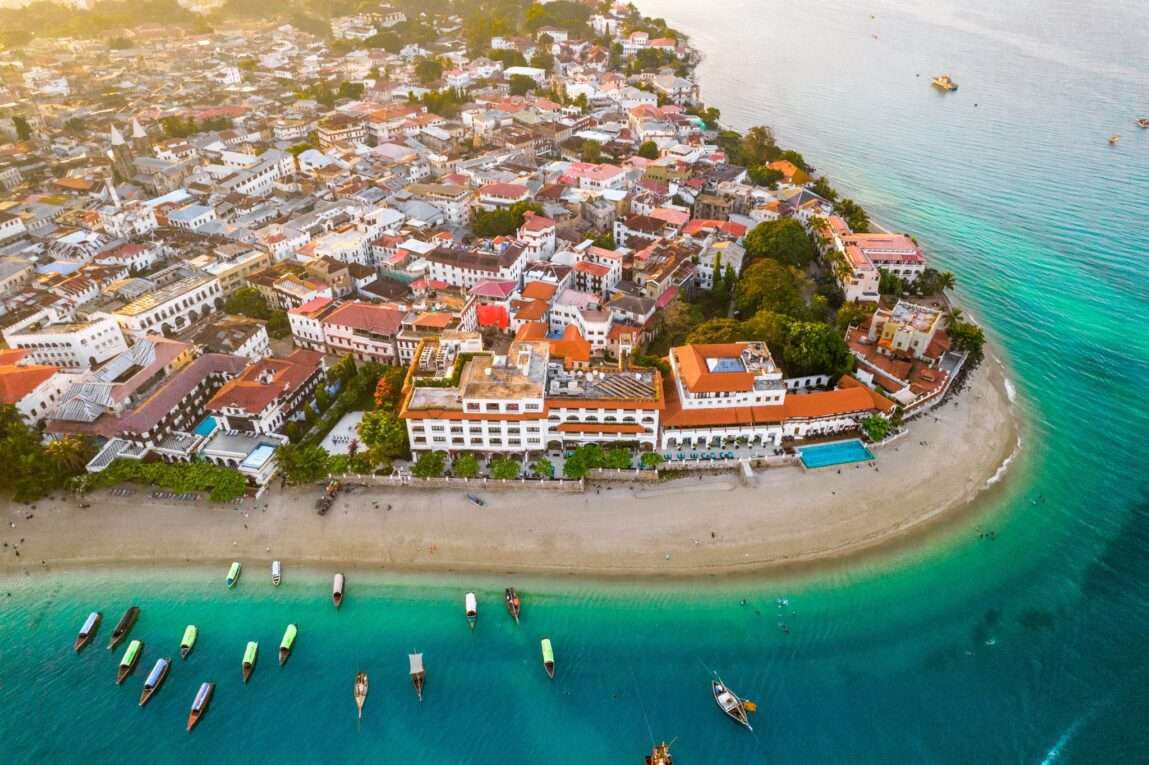
Where Is Stone Town Located?
Stone Town sits within Zanzibar City, on the western coast of Zanzibar Island, itself part of Tanzania, roughly 25 to 35 kilometers off the Tanzanian mainland in the Indian Ocean. If you’re wondering exactly where Stone Town is located relative to the rest of the island, it’s the older, historic core of the city, distinct from the beach resort areas further north and south, like Nungwi or the coastline near Kuza Caves.
Zanzibar’s Abeid Amani Karume International Airport sits close by, meaning most visitors land, then reach Stone Town, Tanzania within 20 to 30 minutes by road. This makes it a genuinely easy first or last stop on a Tanzania itinerary, whether you’re arriving from a mainland safari through the Serengeti and Ngorongoro Crater, or connecting straight from an international flight.
Things to Do in Stone Town
Stone Town rewards slow wandering more than a rigid checklist, but these are the sights and activities worth building your days around.
Admire the Zanzibari Doors
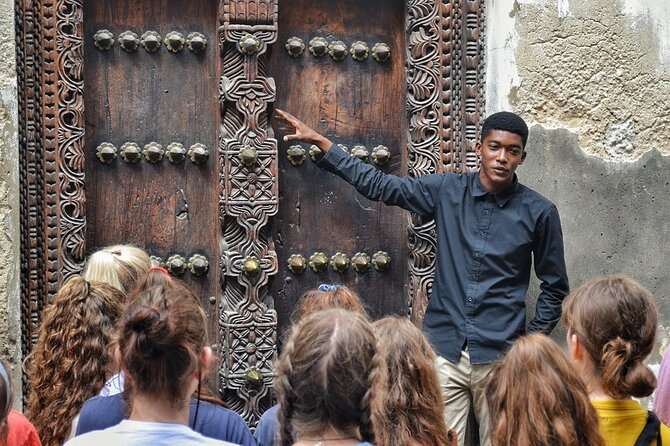
Stone Town’s carved wooden doors are genuine works of art, and each one tells a story about the merchant who commissioned it. Look closely and you’ll spot three distinct styles: Indian-influenced doors with flower motifs and brass studs (originally a defense against charging war elephants), Arab-influenced doors marked by chains, historically symbolizing the island’s difficult relationship with the slave trade, and doors blending both traditions. A guided walking tour is genuinely the best way to understand what you’re looking at rather than just photographing it.
Forodhani Gardens Night Market
Open from around 5pm to 9pm near the waterfront, Forodhani Gardens is one of Stone Town’s liveliest evening activities. Colorful stalls grill fresh seafood, Zanzibar pizza, kebabs, coconut bread, grilled cassava, roasted corn, and sweet potato chapatti, alongside fresh fruit juices, all at genuinely affordable prices. One practical tip worth knowing: stick to stalls with visible menus and prices, seafood vendors without posted prices are the ones most likely to overcharge tourists.
Darajani Market

Stone Town’s main market for spices, fresh meat, fruit, and vegetables, and genuinely the heart of local daily life here. Arrive early morning if you want a quieter experience with fresher produce and fewer crowds, and expect to haggle, that’s simply how this market works.
Prison Island (Changuu Island)
A roughly 20 to 30 minute boat ride from Stone Town brings you to Prison Island, a former quarantine center now home to over a hundred giant tortoises, some more than 190 years old. You can spend as long as you like among them, and most tours pair the visit with time to snorkel off nearby Nakupenda sandbank afterward.
Jozani Forest
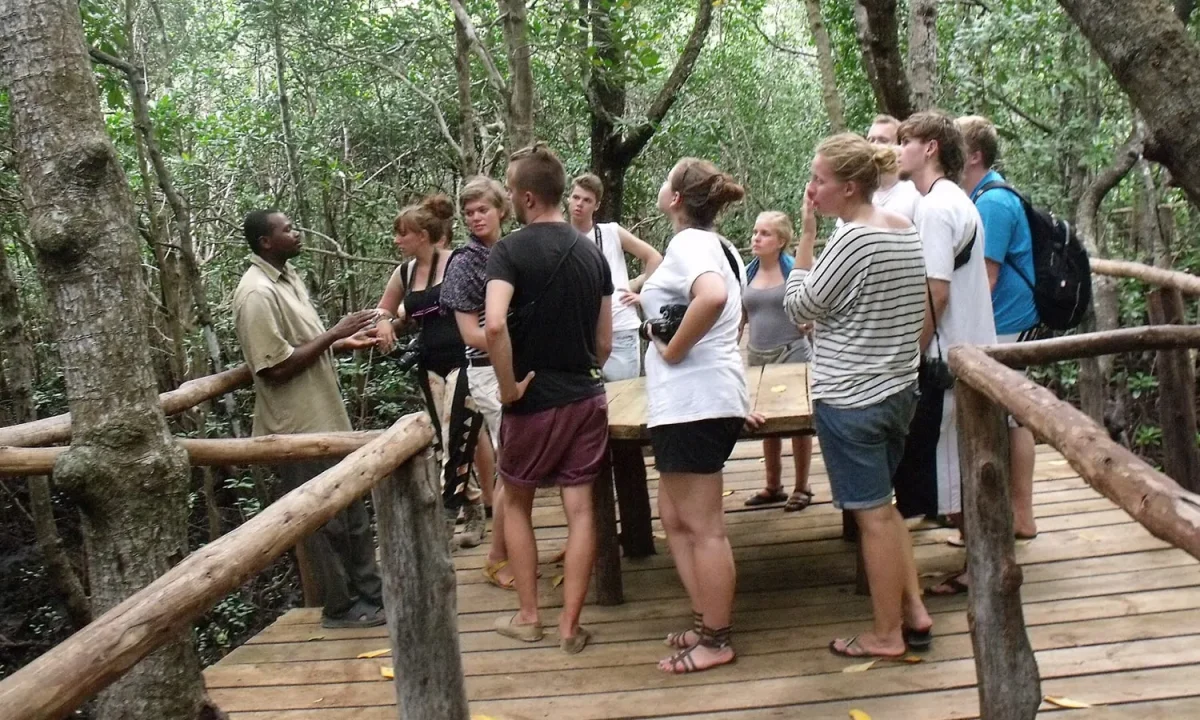
Zanzibar’s only significant remaining indigenous forest, and home to the rare red colobus monkey, found nowhere else on Earth outside this specific patch of Zanzibar. Boardwalks make walking the forest genuinely easy, and a guide at the entrance can point out birdlife, butterflies, and bush babies alongside the monkeys themselves.
Spice Tour
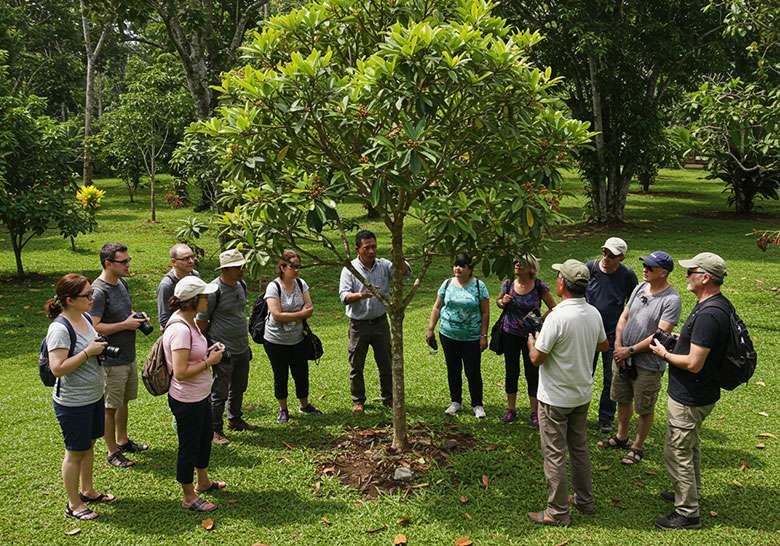
A walk through a working spice farm, typically just 15 kilometers outside Stone Town, introduces cardamom, cloves, cinnamon, turmeric, black pepper, lemongrass, vanilla, and nutmeg, tying directly back into the island’s centuries-old identity as the Spice Islands. Most tours include entrance, a guide, transport, and often a traditional lunch.
The Old Fort (Old Arab Fort)
Built in the late 17th century over a former Portuguese fort, this is now home to an art gallery, a curio market, and an open-air amphitheatre. If your timing lines up, the Sauti za Busara Music Festival held here each February draws musicians from across Africa.
Sultan’s Palace (Beit al-Sahel) and the Palace Museum
One of Stone Town’s central historical buildings, offering an hour-long tour through Zanzibar’s royal history for a genuinely modest entrance fee, typically around $3. Inside, expect furniture, sultan’s robes, and gifts from foreign dignitaries.
The Old Slave Market and Christ Church Cathedral
A genuinely important, if sobering, stop. The Anglican Christ Church Cathedral was built directly over the old whipping post of what was once the island’s largest slave market, deliberately, by a British abolitionist. The site includes the Slave Chambers where captives were held before auction, and it remains one of the clearest windows into the East African slave trade’s history anywhere in the region.
St Joseph’s Catholic Cathedral
Built by French missionaries between 1893 and 1897, its twin spires are a recognizable feature of the Stone Town skyline. The main doors only open during mass, though you can enter through the back at other times.
Hamamni Persian Baths
Zanzibar’s first public baths, built by Shirazi architects from Iran and no longer in active use, though the caretaker will often let you look through the network of hot and cold rooms, the steam room, and the massage areas for a small fee.
Dhow Sunset Cruise
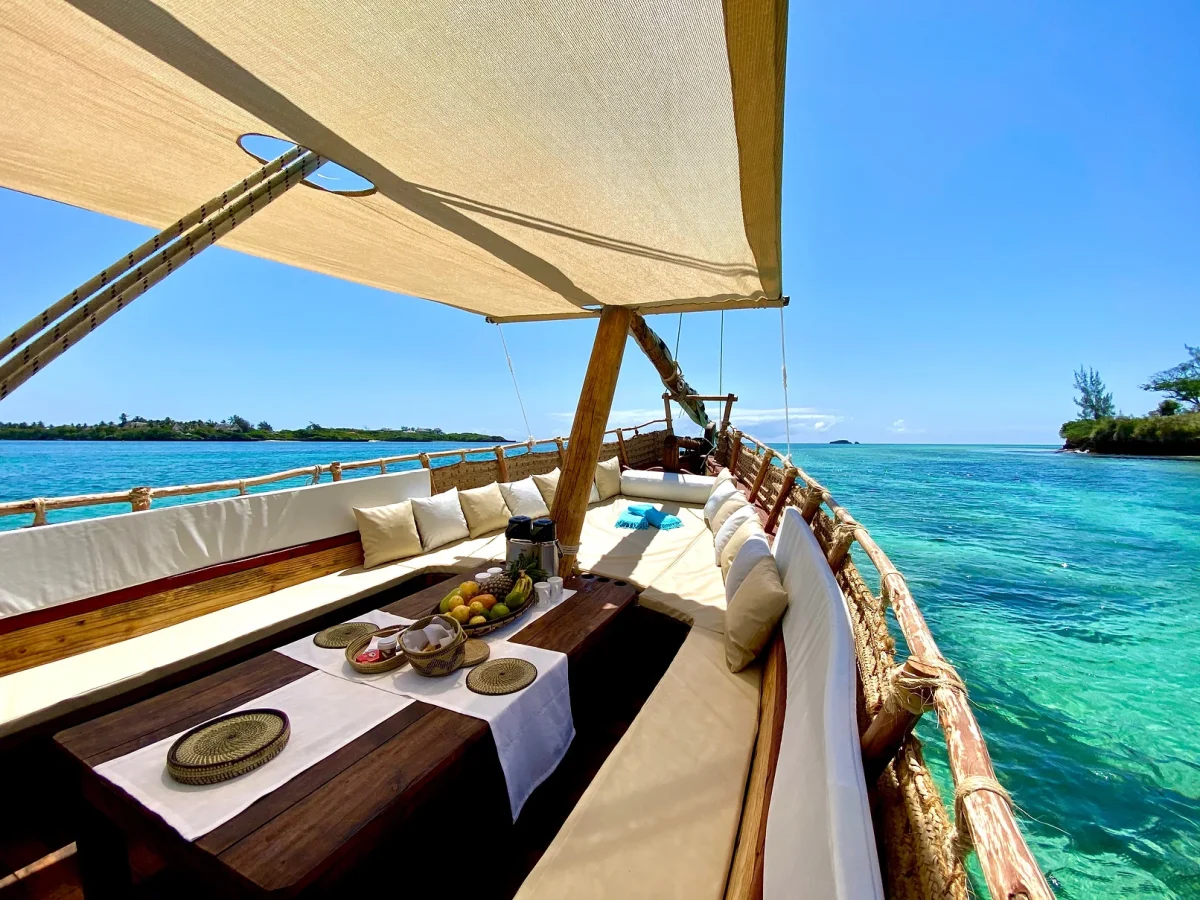
A traditional Arabian sailing boat, once used for Indian Ocean trade, now carries visitors on scenic tours around the island. A sunset cruise specifically is worth prioritizing, the evening sky over Stone Town is genuinely one of the best in the region.
House of Wonders and the Freddie Mercury House
The House of Wonders was once the tallest building in Stone Town and the first in East Africa with an elevator and electricity, though it partially collapsed in 2020 and remains under renovation, viewable from outside only. Music fans will also want to find the childhood home of Freddie Mercury, Queen’s frontman, born in Zanzibar and now preserved as a small museum of his life and career.
Mtoni Palace Ruins
These ruins offer insight into Zanzibar’s former administrative and trade power. Every Tuesday and Friday, a concert with traditional melodies and dance accompanies a guided tour and buffet, or you can attend a traditional Zanzibari coffee ceremony instead.
How Many Days Do You Need in Stone Town?
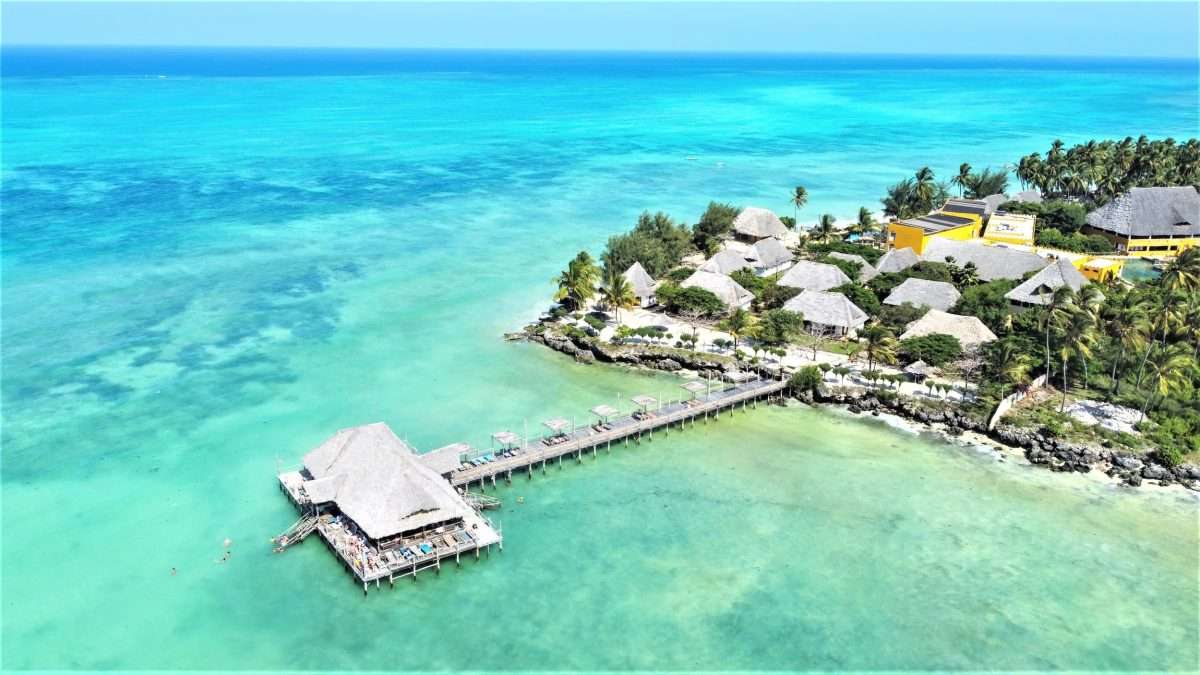
One full day covers stone town Tanzania’s core sights at a comfortable pace: the doors, a couple of the historical buildings, Darajani Market, and an evening at Forodhani Gardens. Two days lets you add Prison Island or Jozani Forest as a proper half-day excursion without rushing, and genuinely most travelers we work with find two days the right balance between depth and moving on to the beach.
TourwithPipi’s own Zanzibar Unveiled itinerary runs 4 days total, which includes Stone Town exploration on arrival, Jozani Forest and the Kuza Caves on day two, an optional spice tour on day three, and a relaxed departure on day four, giving you both the cultural depth of Stone Town and genuine beach time in the same trip.
Where to Stay: Stone Town and Stone Town Beach Zanzibar Options
Stone Town itself holds a handful of genuinely special boutique hotels inside restored merchant houses, properties like Emerson Spice Hotel, set in a 19th-century merchant’s house with a well-known rooftop tea house, or the Zanzibar Serena Hotel, built into a restored historic building overlooking the Indian Ocean. Park Hyatt Zanzibar sits right on the water with a more contemporary take on Swahili architecture and design.
For travelers who want Stone Town’s culture paired with genuine beach time, the better move is usually a Stone Town day trip combined with a stay at a proper beach resort elsewhere on the island, which is exactly how TourwithPipi’s own Zanzibar itinerary is built.
The Resort TourwithPipi Operates: Neptune Pwani Beach Resort & Spa
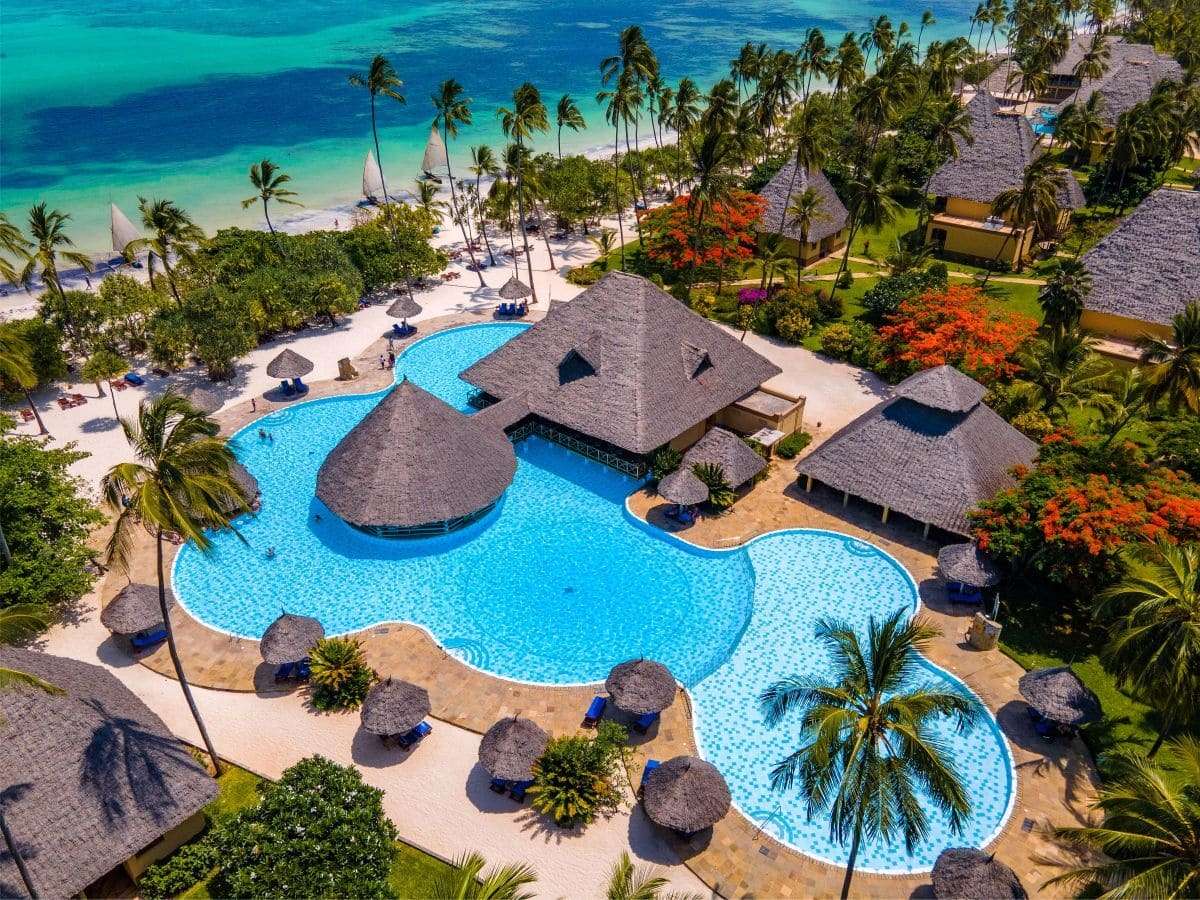
Our Zanzibar Unveiled itinerary is based at Neptune Pwani Beach Resort & Spa, on Zanzibar’s north coast. From here, Stone Town, Jozani Forest, and the Kuza Caves are all easily reached by private, air-conditioned vehicle, while the resort itself gives you a proper beachfront base to actually rest in between excursions, full board meals, a spa, and direct beach access rather than a purely historic-district hotel room.
TourwithPipi’s Zanzibar Unveiled: A 4-Day Luxury Coastal Retreat
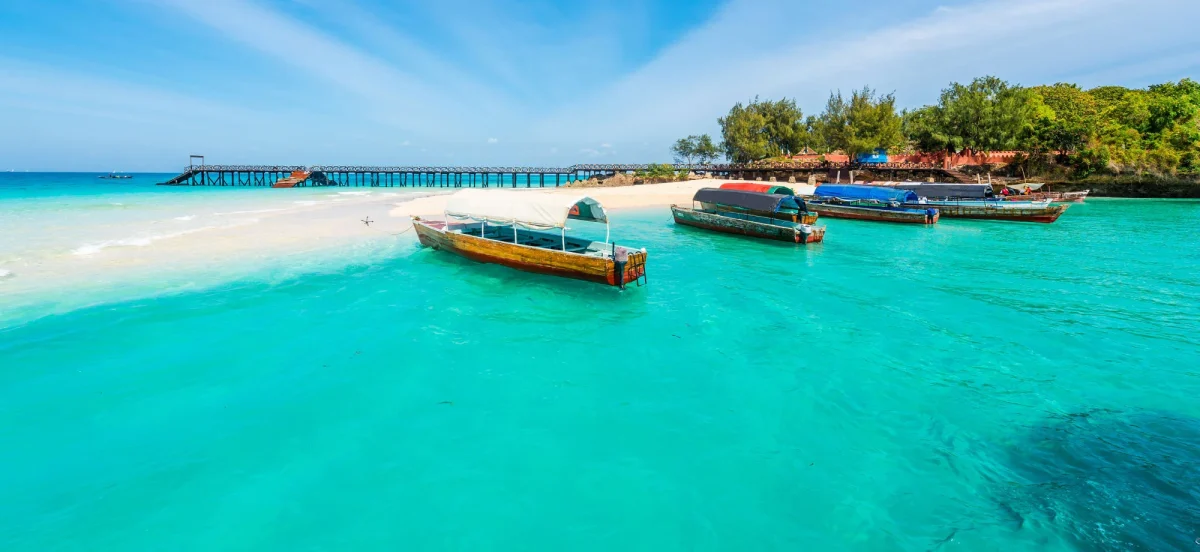
Here’s exactly what this itinerary includes, costs, and covers day by day.
Day 1: Arrival in Zanzibar, Island Welcome You’ll land at Abeid Amani Karume International Airport and transfer straight to Neptune Pwani Beach Resort & Spa. If time allows, the afternoon is free to wander Stone Town’s winding alleys, the House of Wonders, the Old Fort, and Forodhani Gardens’ night market are all within easy reach.
Day 2: Jozani Forest and Kuza Caves After breakfast, you’ll head into Jozani Forest to see the red colobus monkeys up close, then continue to the Kuza Caves in Jambiani, where clear natural pools invite a swim before a local lunch and a genuinely relaxed coastal afternoon.
Day 3: Spice Trail and Local Flavors (Optional) An optional guided spice tour introduces cloves, nutmeg, cinnamon, and vanilla straight from the source, with tastings of exotic fruits and herbal teas along the way. The rest of the day is yours, more of Stone Town, or an optional submarine tour if you’d rather see the coastline from beneath the surface.
Day 4: Farewell Zanzibar A final breakfast overlooking the ocean, then time for a last beach moment or souvenir shopping in Stone Town before your transfer to the airport.
Cost and Pricing
Zanzibar Unveiled runs from $1,199 per person for a group of six, $1,299 per person for four travelers, or $1,399 per person for two, with a deposit of $350 to $400 depending on group size.
What’s Included
Meet and greet on arrival, a welcome care package, full board accommodation and meals, all ground transportation in a private air-conditioned vehicle, a one-way domestic flight from Arusha to Zanzibar, a professional English-speaking guide, all park entry fees, all government taxes, bottled mineral water, and emergency medical evacuation cover.
What’s Not Included
International airfare and visa, any flights beyond the single Arusha-to-Zanzibar leg mentioned above, tips for guides and staff, personal expenses like souvenirs or laundry, and any additional tours or entrance fees not specifically listed.
Taxes and Fees to Budget Separately
Zanzibar requires mandatory visitor insurance at $44 per person, and charges a Zanzibar infrastructure tax of $5 per person, per day, paid directly at check-in. Neither of these is included in the base package price, and both are standard, government-mandated costs applied regardless of which operator you book with.
Add-On Zanzibar Activities
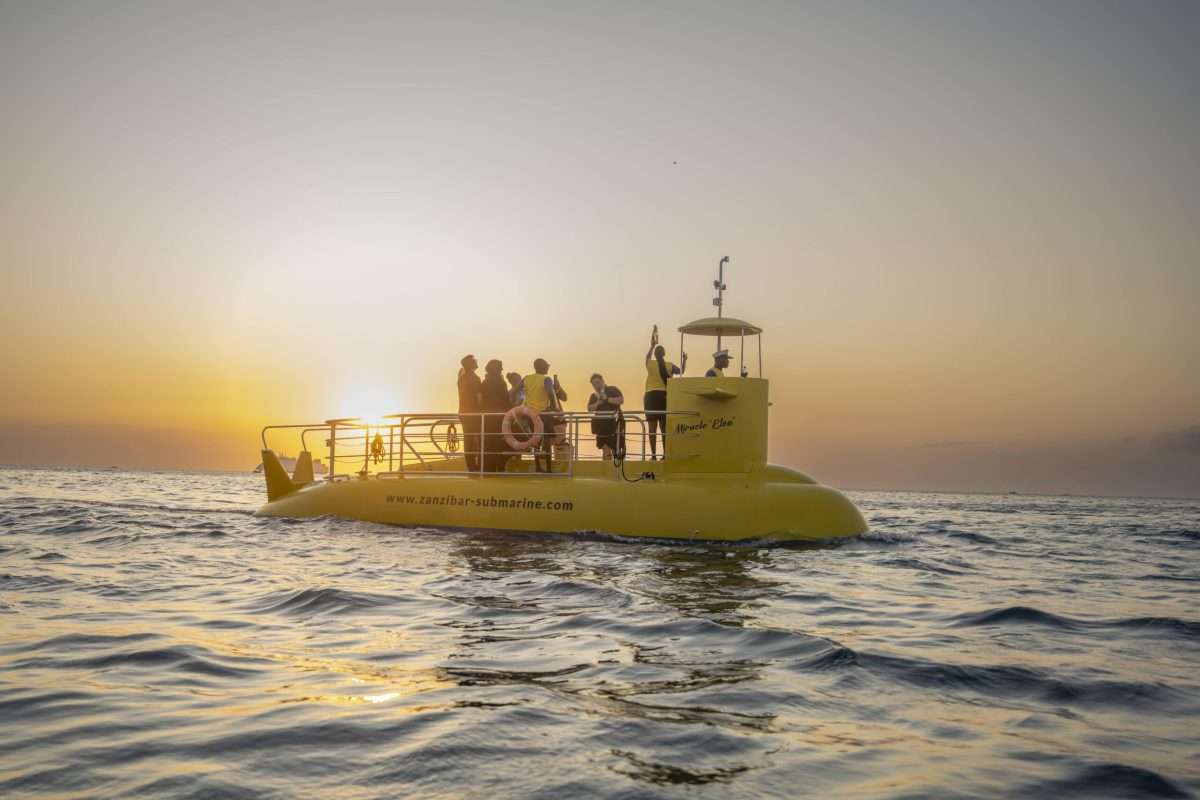
A Zanzibar Spice Farm Tour runs $50 per person, and a Zanzibar Submarine Tour runs $120 per person, both bookable in advance or added once you’re already on the ground.
What to Pack for Stone Town and Zanzibar
- Lightweight, breathable clothing, and something with covered shoulders and knees for visiting mosques, cathedrals, and other religious sites around Stone Town.
- Comfortable, closed walking shoes, Stone Town’s alleyways are cobbled and uneven, sandals get uncomfortable fast over a full day of walking.
- Swimwear for Kuza Caves, Prison Island’s snorkeling stop, and the beach portion of your stay.
- Newer US dollar bills specifically, printed in 2006 or later. Older or worn bills are frequently refused across Zanzibar, this single detail catches a genuine number of travelers off guard.
- A basic dry bag for boat trips to Prison Island or a dhow cruise.
- Reef-safe sunscreen, a hat, and sunglasses, the coastal sun here is genuinely strong.
- A universal power adapter, Tanzania uses UK-style three-pin plugs.
- Cash in small denominations for markets and tipping, card acceptance is inconsistent outside larger hotels and resorts.
Safety Tips for Visiting Stone Town
- Use a guide for your first walk through the alleyways. Stone Town’s narrow, winding streets are genuinely easy to get lost in, and a guide also means far fewer unsolicited approaches from vendors, particularly useful for solo travelers.
- Agree on a price before you commit, and pay in full only once the service is delivered. Informal boat trips and transport can shift their quoted price at the last minute; booking through a reputable operator who handles this for you avoids the issue entirely.
- Book accommodation ahead of arrival, especially in high season. Turning up without a reservation and hoping to find a room works sometimes in low season, but it usually means overpaying.
- Dress modestly away from resort grounds. Zanzibar is a predominantly Muslim island, and covering shoulders and knees in Stone Town itself, not just at religious sites, is genuinely appreciated.
- Carry your mandatory Zanzibar insurance confirmation and any yellow fever documentation if you’re transiting through a risk country, alongside standard travel insurance covering medical evacuation.
- Stick to stalls and vendors with visible pricing at food markets like Forodhani Gardens, and use licensed tour operators for excursions like Prison Island or spice farm visits rather than unaffiliated street vendors.
The History Behind Old Stone Town, Zanzibar

Tanzania Stone Town earned its UNESCO World Heritage inscription in 2000, recognizing more than a millennium of cultural exchange condensed into one remarkably intact old quarter. The town’s buildings, constructed from coral ragstone, limestone, and mangrove timber, physically show the blend of Swahili, Arab, Indian, and European influence that shaped Zanzibar’s role as the beating heart of Indian Ocean commerce.
That history reached its peak after Sultan Seyyid Said moved his capital here in 1840, turning Zanzibar into the world’s largest producer of cloves, sometimes called “black gold,” alongside nutmeg, cinnamon, and cardamom. That spice wealth funded the grand merchant houses whose facades still line Stone Town’s narrow streets today, and it’s exactly why a spice tour remains one of the most requested activities on any visit.
Plan Your Zanzibar and Tanzania Safari With TourwithPipi
Stone Town’s history and Zanzibar’s beaches complete a Tanzania trip in a way a safari alone doesn’t quite reach. Message our team on WhatsApp to start planning your Zanzibar Unveiled itinerary, or combine it with a full Tanzania safari beforehand.
Start Planning Your Zanzibar Trip → View Our 9-Day Tanzania Safari and Zanzibar Itinerary →
Conclusion
Stone Town is located in Zanzibar City, on the western coast of Zanzibar Island, part of Tanzania. This UNESCO World Heritage old quarter of Tanzania’s Stone Town, inscribed in 2000, is known for its carved wooden doors, winding alleyways, spice markets, and centuries of Swahili, Arab, Indian, and European influence. Most travelers spend one to two days here, either at the start or end of a Tanzania safari, and it pairs naturally with a nearby beach stay, TourwithPipi’s own 4-day Zanzibar Unveiled itinerary starts from $1,199 per person and combines Stone Town exploration with Jozani Forest, the Kuza Caves, and time on the beach.
Key Takeaways
- Old Stone Town Zanzibar sits within Zanzibar City on the island’s west coast, roughly a 20 to 30 minute drive from Zanzibar’s main airport.
- The town’s UNESCO status comes from its intact 19th-century urban fabric, a genuine blend of Swahili, Arab, Indian, and European architecture found almost nowhere else in East Africa.
- One to two full days is enough to see Stone Town’s core sights properly, longer if you want to add Prison Island or Jozani Forest as day trips.
- TourwithPipi’s Zanzibar Unveiled itinerary runs 4 days from $1,199 per person, based at Neptune Pwani Beach Resort & Spa, combining Stone Town, Jozani Forest, the Kuza Caves, and genuine beach downtime.
- Bring newer US dollar bills specifically, and confirm your guide and transport in advance rather than assuming you’ll sort logistics on arrival.


