
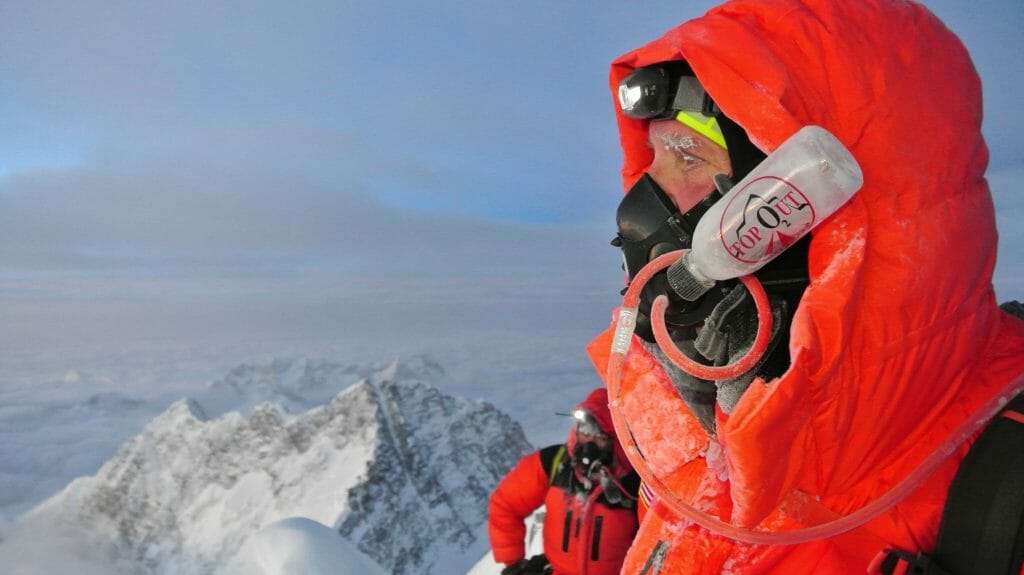
No, you do not need supplemental oxygen to climb Mount Kilimanjaro. Reaching the summit safely relies on one primary method: proper acclimatization. This means your body needs time to adapt to the thinner air.
While the air at the summit still contains about 20% oxygen, the low atmospheric pressure makes it much harder for your body to absorb. The key is to ascend slowly, allowing your body to gradually produce more red blood cells. This natural process is supported by three crucial factors: a slow “pole pole” pace, a longer route itinerary, and constant hydration.
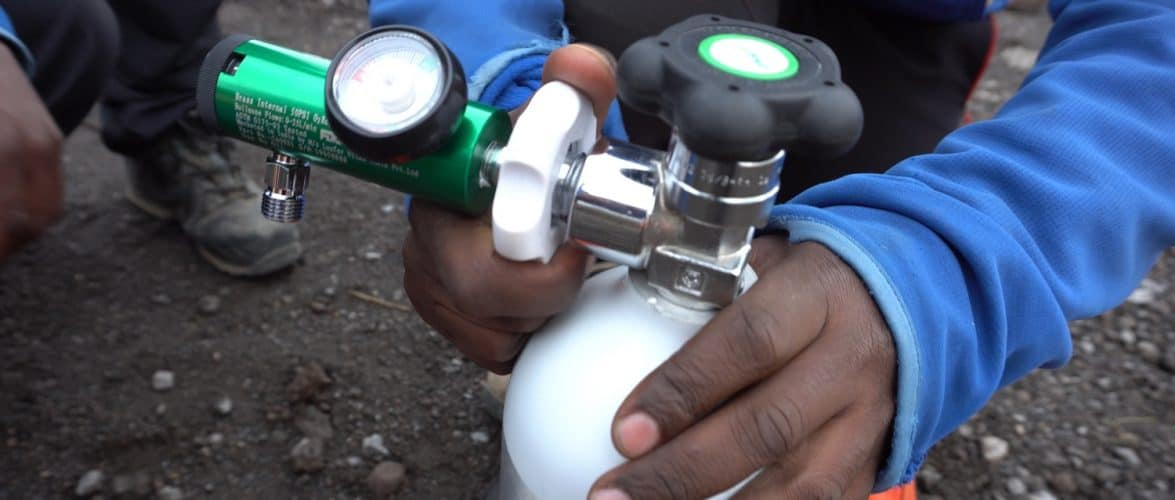
Using bottled oxygen to assist your ascent is generally discouraged. It can hide the warning signs of serious altitude sickness, creating a false sense of security. However, responsible tour operators always carry emergency oxygen for safety.
Why Supplemental Oxygen Isn’t Needed for the Ascent
Kilimanjaro is high, but its summit elevation is similar to Everest Base Camp, where climbers also ascend without oxygen. Your success depends on smart strategy, not extra gear.
Managed Acclimatization: A well-planned route with built-in “climb high, sleep low” days gives your body the time it needs to adjust naturally.
The “Pole Pole” Pace: Walking slowly is the most effective technique. It conserves energy and minimizes the strain on your body as oxygen levels drop.
Route Duration: Choosing a longer 7-9 day trek dramatically increases your summit chances by providing more acclimatization time.
When Emergency Oxygen is Used
All reputable operators carry oxygen strictly for emergencies, not for routine climbing. It is a critical safety tool in two scenarios:
For Severe Altitude Sickness: If a climber develops dangerous symptoms like severe headache, nausea, or confusion, emergency oxygen can stabilize them for a safe and assisted descent—the only real cure for altitude sickness.
During Technical Rescue: On more challenging routes where an immediate descent is difficult, oxygen may be used to aid movement to a safer location.
What You Should Focus on Instead
To climb Kilimanjaro successfully without oxygen, prioritize these four elements:
Choose a Longer Route: Opt for an itinerary of 8 days or more. This is the single biggest factor for successful acclimatization.
Hydrate Constantly: Drink 3-4 liters of water daily. Dehydration mimics and worsens altitude sickness symptoms.
Talk to Your Doctor About Diamox: The medication Acetazolamide (Diamox) can help your body acclimatize faster and is recommended by many physicians for prevention.
Listen to Your Guide and Your Body: Honest communication is vital. If you feel unwell, descending is always the correct and safest decision.
Our Commitment to Your Safety: At TourwithPipi, we carry portable emergency oxygen and comprehensive medical kits on every single climb. Our certified guides are trained to use this equipment to protect your well-being, ensuring it is there if the unlikely need arises. Your safety, achieved through careful acclimatization, is our highest priority.
Should You Use Supplemental Oxygen to Climb Kilimanjaro?
The short answer is no. You do not need supplemental oxygen to reach the summit of Mount Kilimanjaro. In fact, using oxygen to help you climb higher is not advised and can be dangerous.
At TourwithPipi, we have a clear policy: we never administer bottled oxygen to relieve low oxygen levels or help a climber push for the summit. Doing so masks the critical warning signs your body is sending. It can hide the symptoms of serious altitude sickness, leading to severe complications that might only surface when it is too late to descend safely.
Some companies advertise “personal oxygen systems” for climbing. Beyond making you look like a hospital patient, this practice undermines the real challenge and achievement of the climb. If you remove the altitude, Kilimanjaro is a tough hike, not a technical climb. The entire point is to safely acclimatize your body to reach 19,341 feet. Using oxygen to do that misses the essence of the accomplishment—it would be like putting the mountain at sea level.
When Does a Kilimanjaro Climber Need Emergency Oxygen Support?
We carry emergency oxygen on every climb for one reason only: life-saving stabilization.
Our guides are trained to administer oxygen in strict emergency situations, such as when a climber shows severe symptoms of Acute Mountain Sickness (AMS), High Altitude Cerebral Edema (HACE), or High Altitude Pulmonary Edema (HAPE). In these cases, oxygen can provide temporary relief to help stabilize the climber for one vital purpose: a safe and immediate descent to a lower altitude.
For HACE or HAPE, descent is the only cure. Our team will accompany you down, and we carry an emergency stretcher should you be unable to walk. The goal is never to use oxygen to go up, only to help get a climber down safely.
Why the Western Breach May Require Supplemental Oxygen
The Western Breach Exception: The single tactical exception is on the challenging Western Breach route, where a rapid descent is impossible. If symptoms arise there, a guide may use oxygen (or medication) to help a climber ascend to the crater rim so they can then descend quickly via the standard route.
Why Don’t Climbers on Kilimanjaro Use Oxygen Like on Everest?
This is a common point of confusion. The summit of Kilimanjaro (19,341 ft / 5,895 m) is at roughly the same elevation as Everest Base Camp. Climbers on Everest only use supplemental oxygen in the “Death Zone” above 26,000 feet, where the human body cannot acclimatize and begins to deteriorate.
On Kilimanjaro, your body can and must acclimatize. Using oxygen interrupts this natural, slow adaptation process and gives a false sense of security.
The Right Way to Acclimatize: Your Path to the Summit
The safe, proven method to summit Kilimanjaro is natural acclimatization. Your focus should be here:
Climb Slowly (“Pole Pole”): This is the most important rule. A slow, steady pace lets your body adapt.
Choose a Longer Route: Opt for an 8 or 9-day itinerary. More days on the mountain equals better acclimatization and a much higher success rate.
Hydrate Constantly: Drink 3-4 liters of water daily. Dehydration worsens altitude sickness.
Consult Your Doctor About Diamox: The medication Acetazolamide can aid prevention.
Listen to Your Body: Never climb higher with symptoms. The only correct response is to descend.
In summary: Supplemental oxygen for climbing is unnecessary and risky on Kilimanjaro. The true achievement comes from preparing properly, choosing a reputable operator with a strong safety protocol, and letting your body acclimatize the way it is designed to. That is the real challenge and the real reward.


