
Cape Town is hard to sum up in one sentence. Table Mountain rises straight out of the city center. Penguins waddle around a beach an hour south. Vineyards here are older than most countries, and Robben Island still carries the weight of everything that happened there. Ask us what to do in Cape Town South Africa and honestly, we struggle to narrow it down, which is the whole reason this list runs to 60. Type in things to do in Africa Cape Town and this is basically the answer. It covers the obvious tourist attractions in Cape Town and a fair number most visitors never hear about, what things cost, when to go, and what actually earns its spot on a short trip.
Table: Cape Town Activities at a Glance
| Activity | Approx. Cost | Best Time |
|---|---|---|
| Table Mountain cable car | R475 return (~$26) | Morning, before wind closes it |
| Table Mountain hiking trails | Free | April to October, cooler months |
| Boulders Beach penguins | R190 to R215 (~$11) | Year round, early morning |
| Robben Island ferry tour | R600 to R650 (~$35) | Book weeks ahead in summer |
| Shark cage diving, Gansbaai | Around $100 | April to September |
| Waterfront houseboat night stay | From R3,750 (~$210) | Book ahead, especially December |
| Kirstenbosch Botanical Garden | Around R90 (~$5) | September to April for blooms |
| Township tour with Uthando | Around R1,092 (~$75) | Year round |
| Cape of Good Hope entry | Around R400 (~$22) | Year round, windy in summer |
1. Ride the Cable Car Up Table Mountain
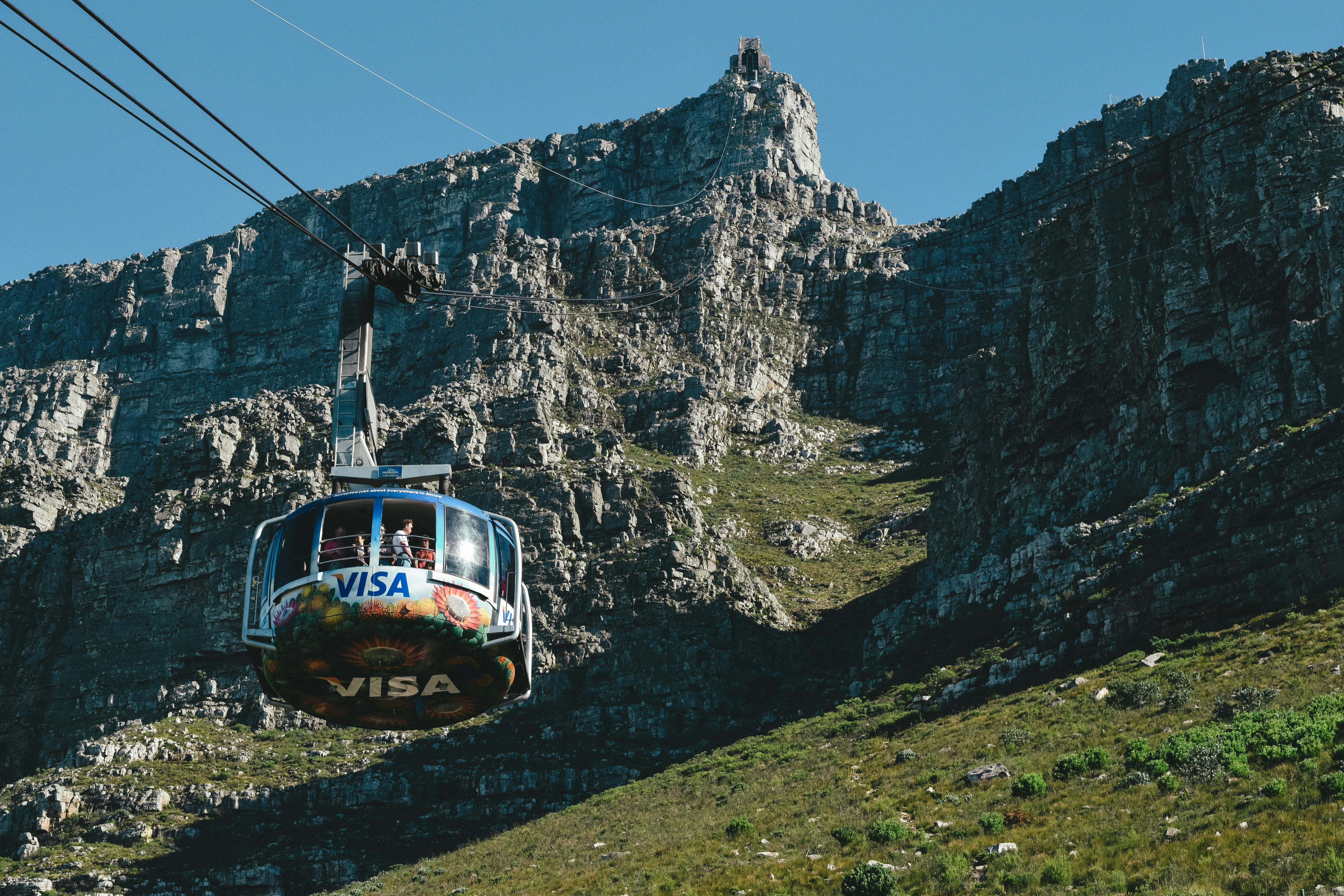
Table Mountain is the thing every photo of this city eventually shows. The cable car up takes about five minutes, the cabin rotating slowly so nobody’s stuck staring at the same view the whole way. A return ticket runs around R475, roughly $26. Book it online and go in the morning. Wind shuts the cableway down most afternoons, sometimes for the rest of the day, and there’s nothing worse than planning around a mountain that won’t cooperate. Once you’re up top, free hourly guided walks cover the plateau, and on a clear day you can see Robben Island and the whole peninsula curling south.
2. Take the India Venster Trail Up Table Mountain
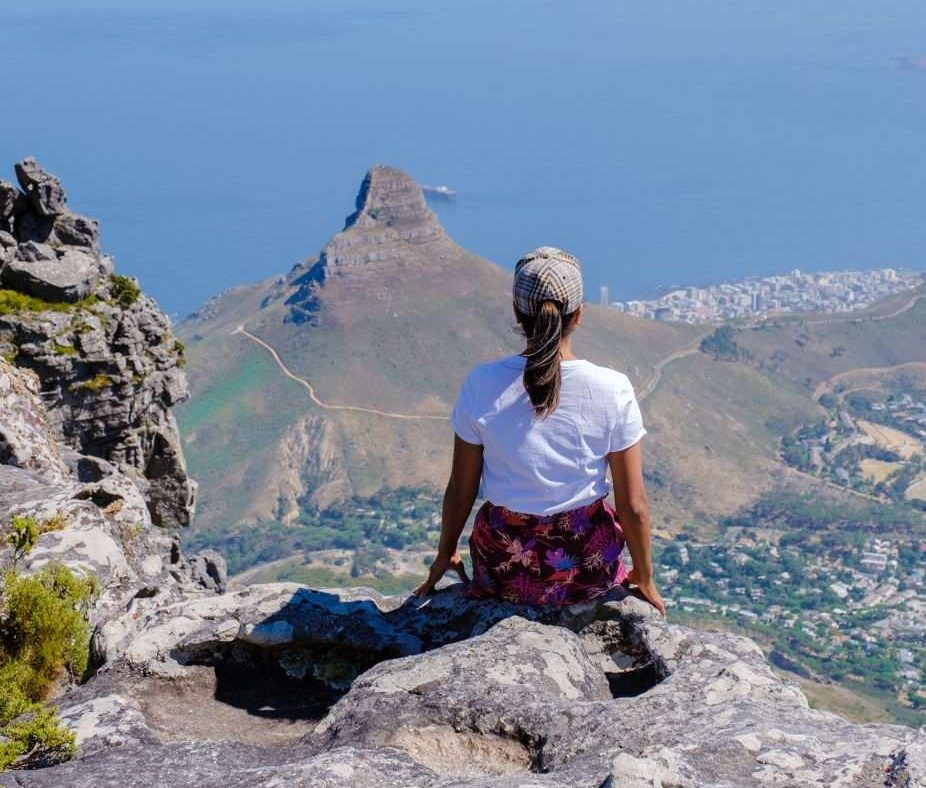
Most people take Platteklip Gorge up. It’s fine, but it’s basically stairs. India Venster is the better route if you don’t mind some exposure and a bit of real scrambling near the top, and it rewards you with the Atlantic, the City Bowl, and Lion’s Head all at once. It’s free, but the path isn’t well marked, and there’s been crime reported along stretches of it, so a guide is worth the money here. Go between April and October if you can. Summer sun on bare rock is brutal by midday. Budget two to three hours, more if you stop for photos, which you will.
3. Hike Skeleton Gorge to Find a Mountain “Beach”
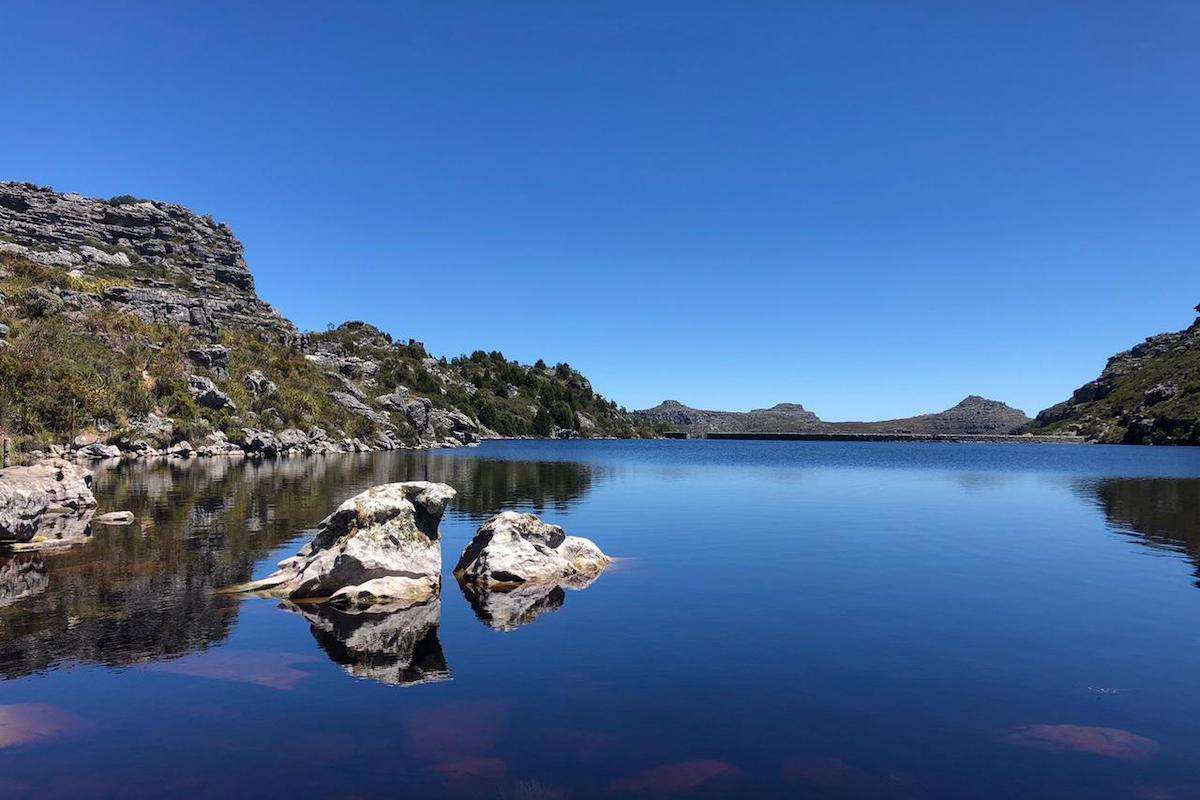
This one still surprises people. Skeleton Gorge starts inside Kirstenbosch, climbs through untouched forest, and eventually opens onto an actual white sand beach beside a mountain reservoir. Five to six hours round trip, moderate fitness required. Most hikers take the cable car down afterward, knees being what they are, and it’s worth paying the Kirstenbosch entry fee at the gate before you set off since the trailhead sits inside the garden.
4. Take the Kasteelspoort Trail Up Table Mountain
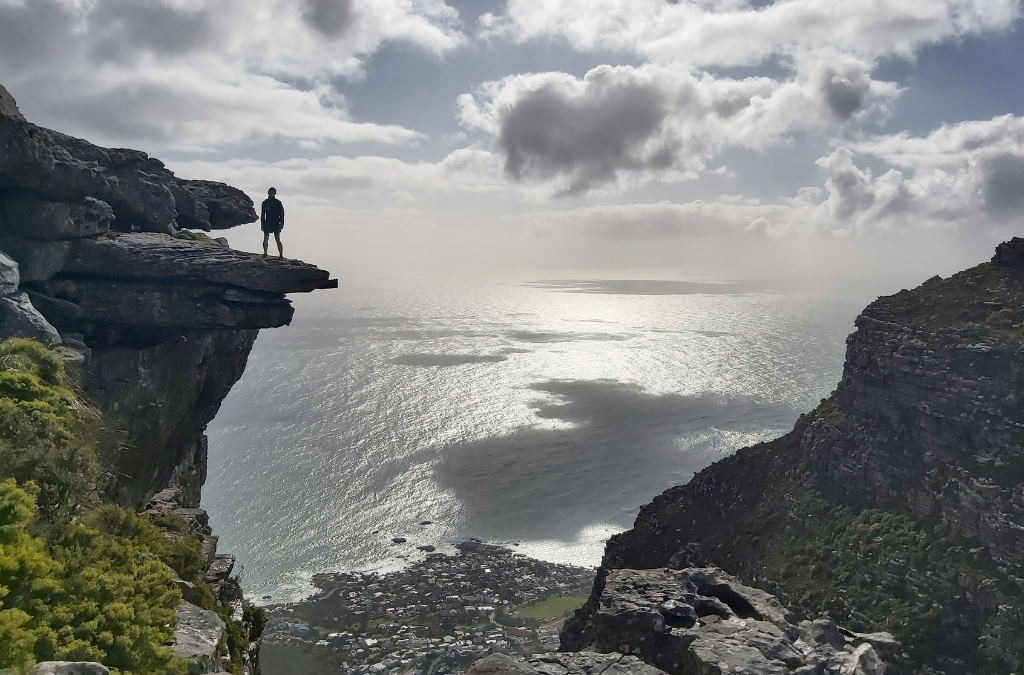
Kasteelspoort is the gentler option, crossing sections of the Twelve Apostles before joining the summit. Low crime, clear markers, and the views along the way arguably beat the harder routes. Most people pair it with the cable car down and call it a half day.
5. Abseil Down Table Mountain

If the cable car feels too tame, hike or ride up and abseil back down the cliff face. Guides check harnesses twice before anyone leans back over the edge, so no experience is needed, just nerve. The descent itself is only a few minutes. The memory sticks around a lot longer.
6. Hike Lion’s Head
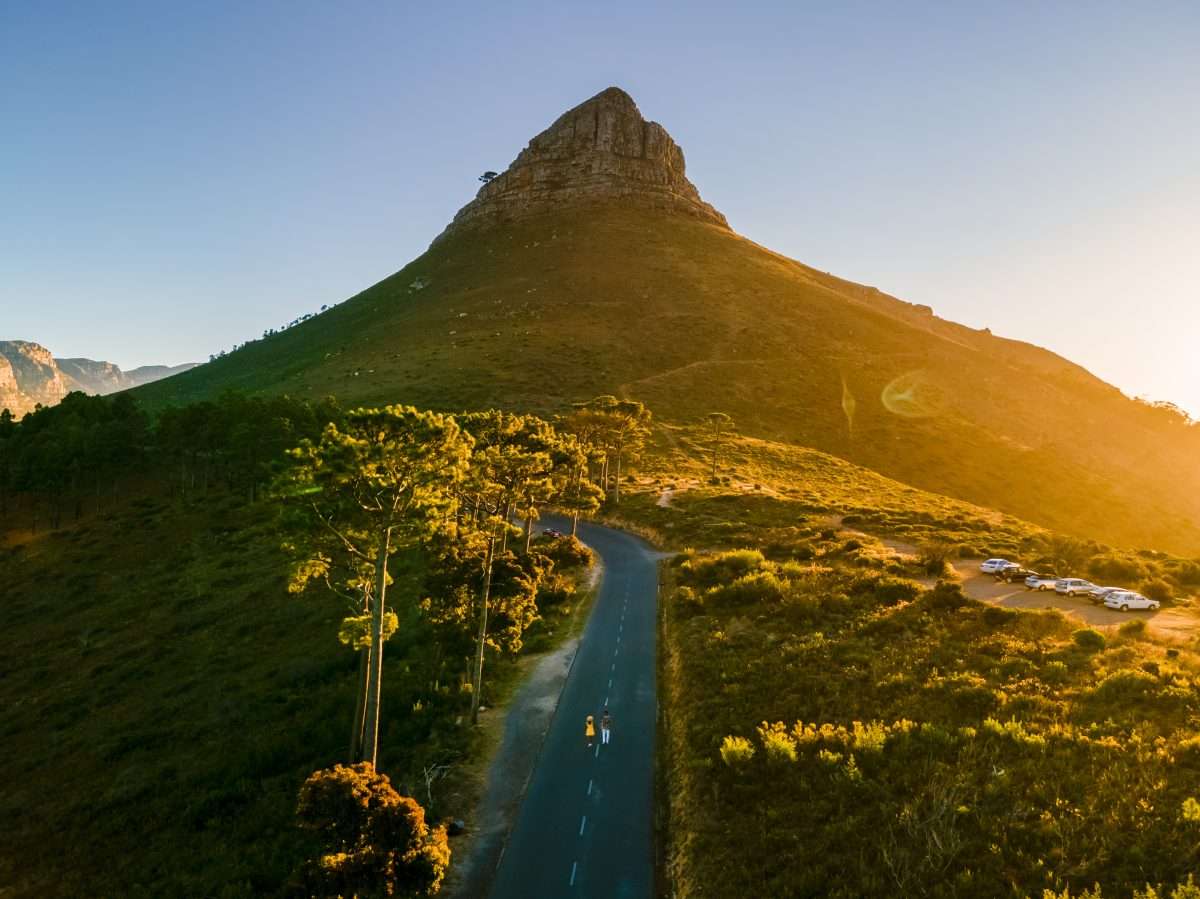
Lion’s Head is one of the best short hikes in the city, chains and ladders bolted into the steeper sections near the top. A full moon night hike happens here monthly, headlamps and everyone climbing specifically to watch the moonrise over the water. Two hours round trip, most fitness levels fine, but don’t do the descent alone after dark. It gets tricky fast once the light goes.
7. Take on Lion’s Head’s Sheer Drop Route
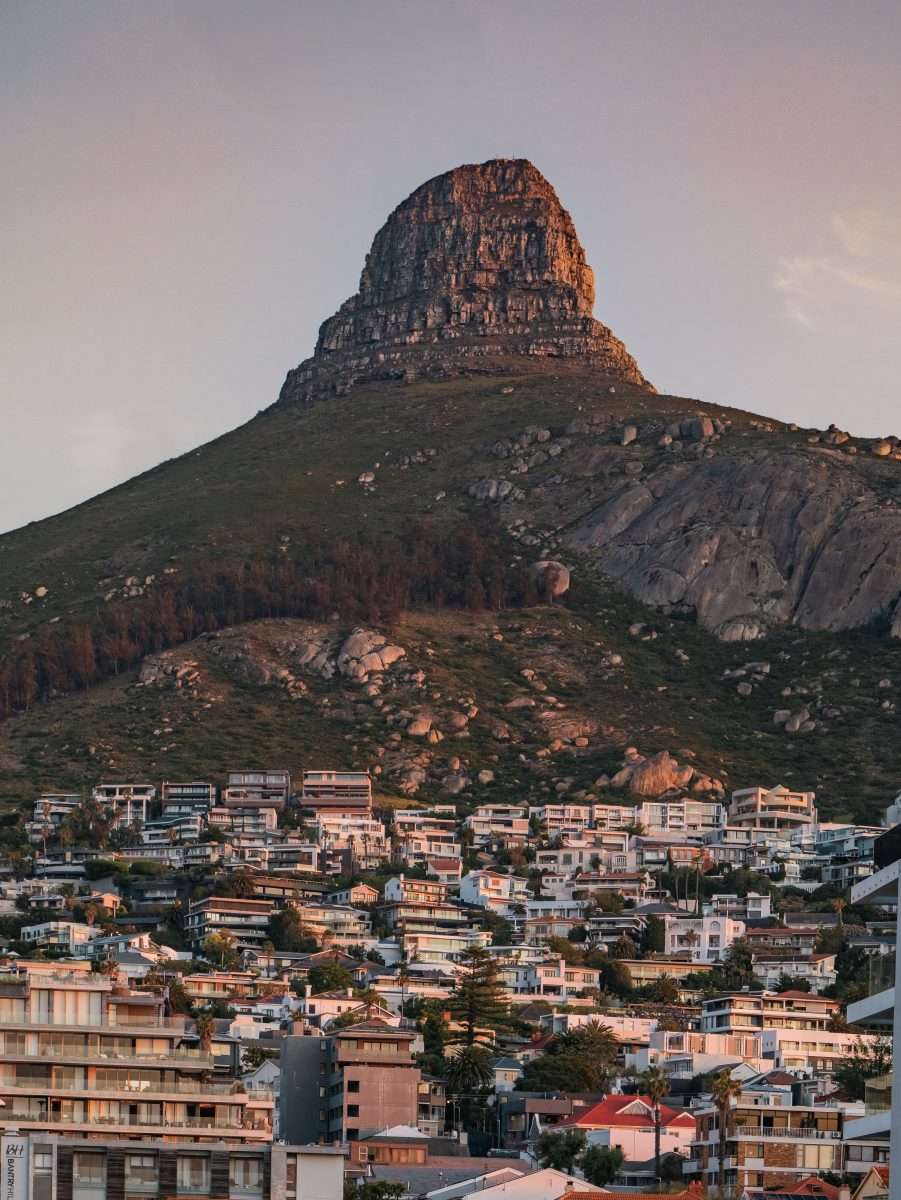
There’s a lesser known route up Lion’s Head, a C grade path with real scrambling and drops on either side that thrill seekers specifically ask for by name, less a tourist spot in Cape Town than a locals’ secret. No trail markers here, so don’t attempt it without a guide who actually knows the route. The payoff is a version of Lion’s Head almost nobody else experiences.
8. Attempt Devil’s Peak on the Mowbray Ridge
Devil’s Peak via the Mowbray Ridge and Knife’s Edge is steep and properly exposed, dropping hikers right along the edge of Newlands Forest at points where a wrong step matters. This is for fit hikers with a guide, not a Sunday stroll. The uphill start is the grind. The scrambling only kicks in once that’s behind you.
9. Hike Up Kloof Nek for an Uncrowded Sunset
Everyone knows Lion’s Head is the sunset hike. Kloof Nek gets you almost the same Atlantic view in 45 minutes with a fraction of the crowd. Crime has been reported here after dark, so time the descent to finish before the light goes, ideally with other hikers around rather than alone.
10. Discover the Fynbos at Silver Mine Reserve
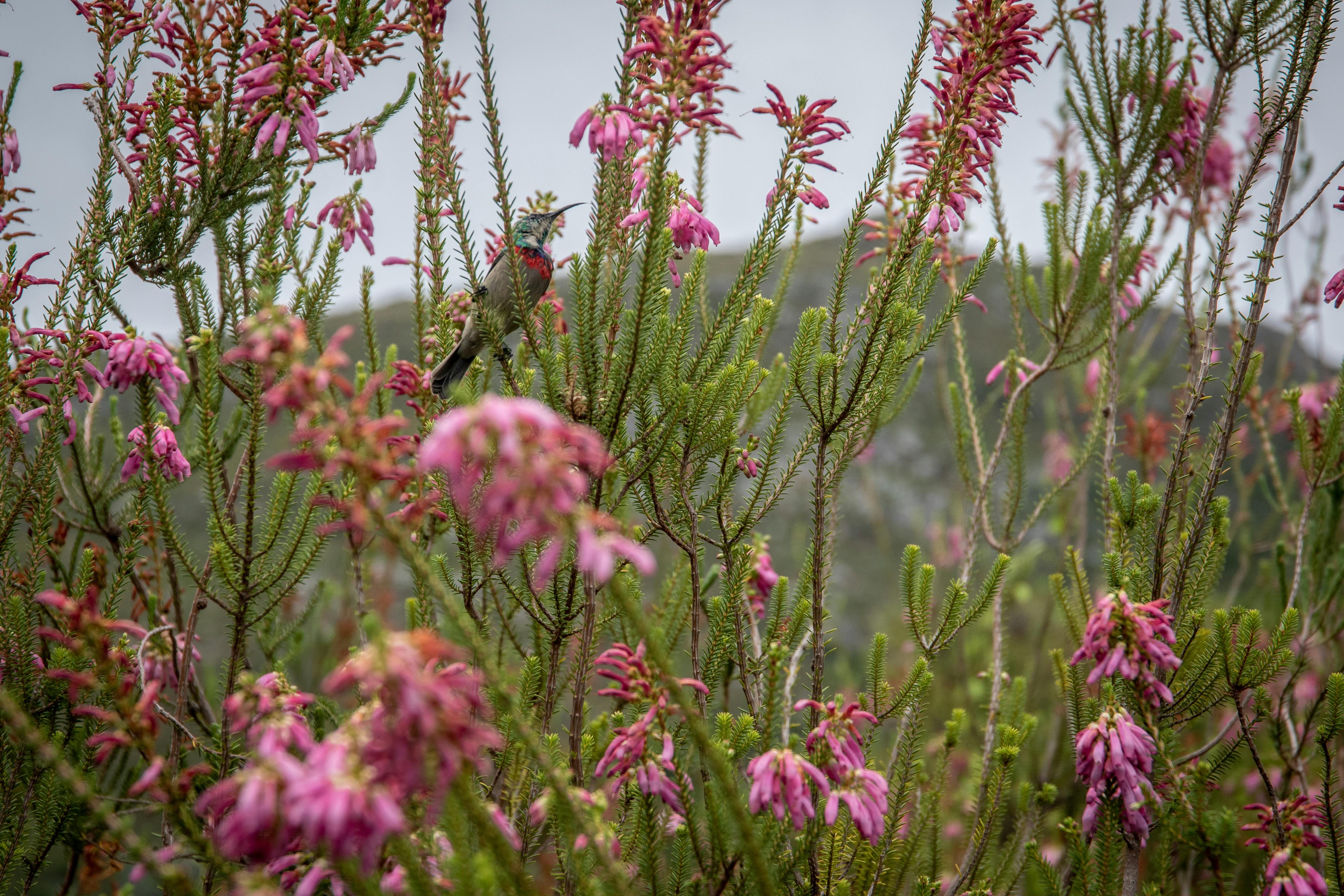
Silver Mine is the gentle version of a mountain hike, loop trails around a small reservoir that rarely take more than an hour or two. This is fynbos country, one of the world’s smallest and richest plant kingdoms, protected as a UNESCO site. A guide who actually knows the plants can turn what looks like scrubby bush into something worth stopping for, in twenty minutes flat. Even with zero view on a cloudy day, that part alone changes how you see the rest of the mountain.
11. Skydive Over the City
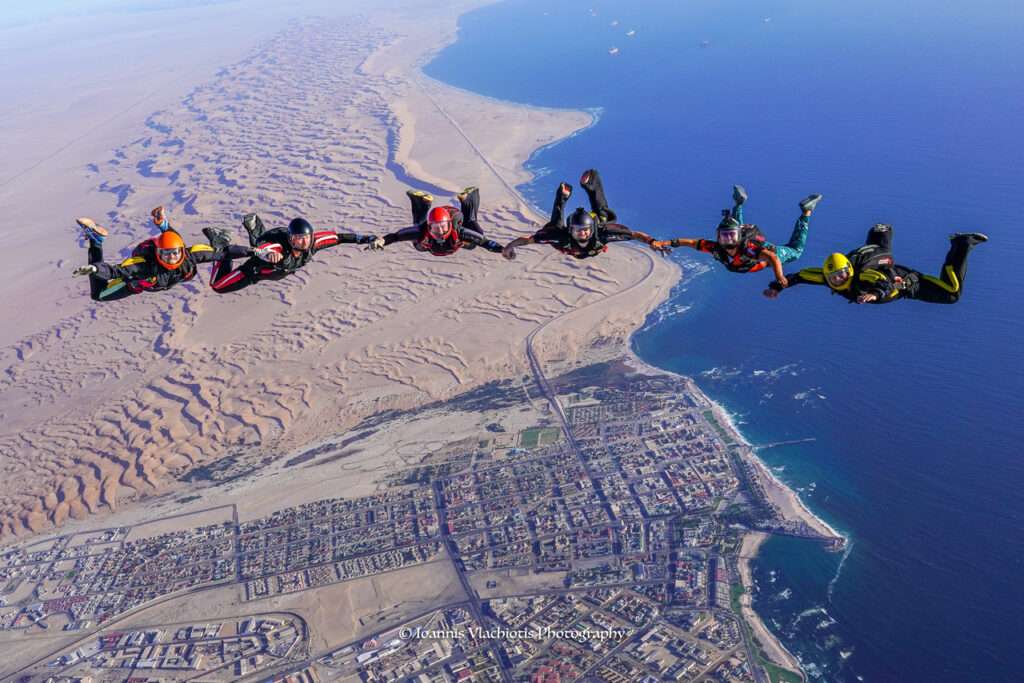
Nothing else here gives you the coastline, the mountain, and the whole city laid out below at once. Jumps launch from a small airfield outside the city and drift back over the coast on the way down. It costs less than skydiving does almost anywhere else. Go with a clear head, not after a night on Long Street, and book a day or two ahead.
12. Paraglide Off Lion’s Head or Signal Hill
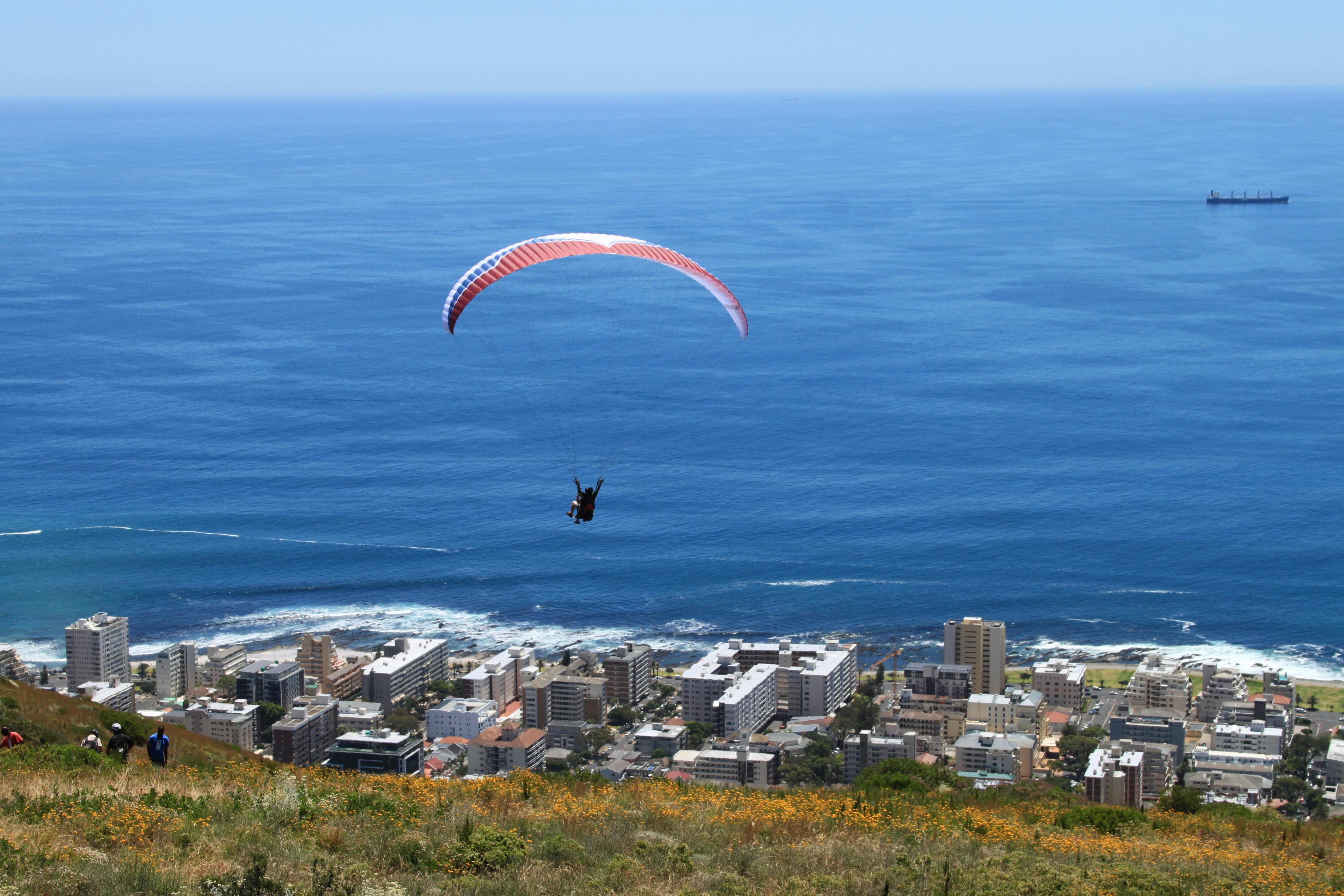
On a warm, windy afternoon you’ll spot paragliders drifting off Lion’s Head or Signal Hill against the Atlantic, tandem flights available for anyone without their own gear. Fifteen to twenty minutes in the air, gentler than skydiving, but the angle on Table Mountain from up there is one most visitors never see.
13. Cycle Chapman’s Peak Drive
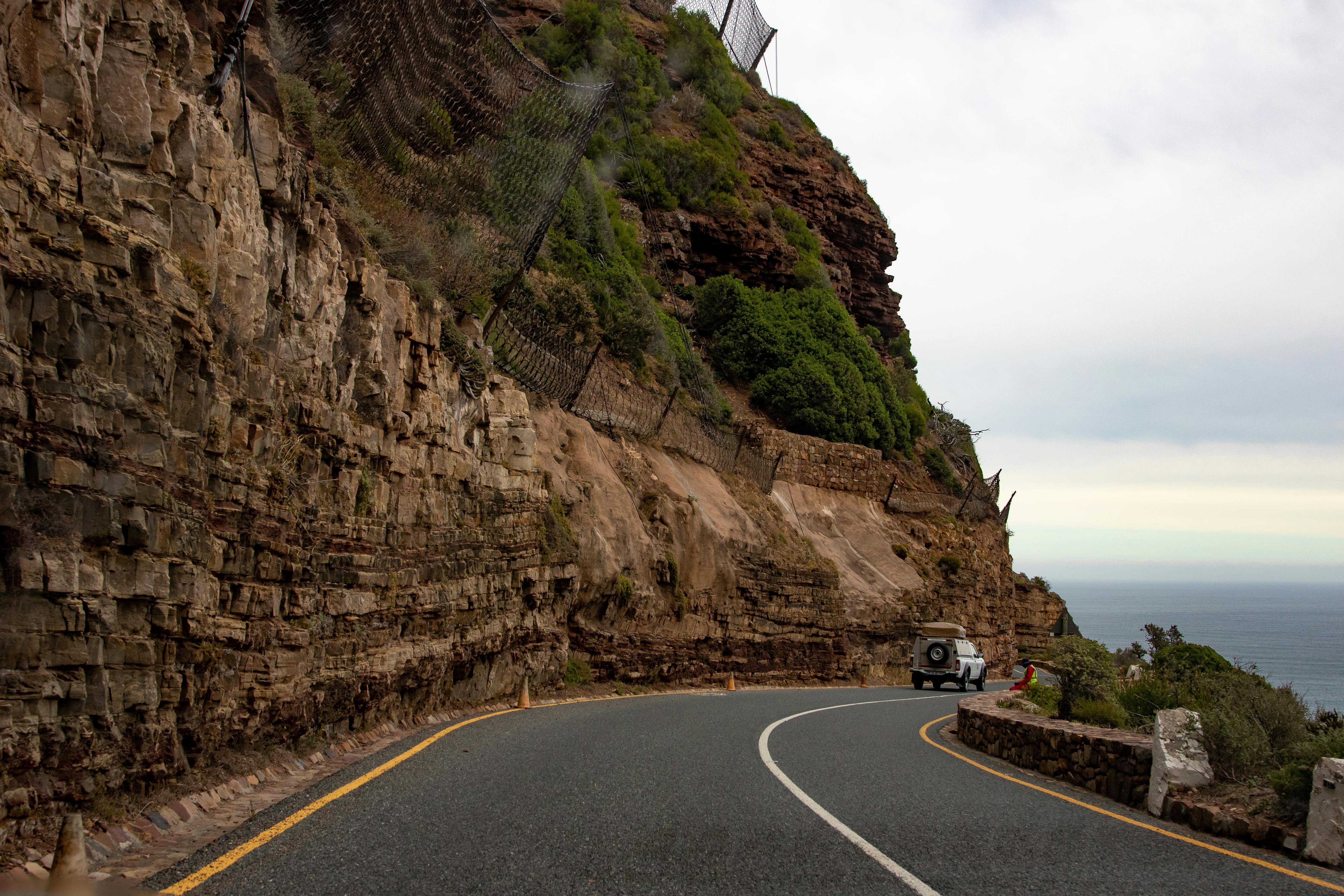
Chapman’s Peak is famous as a scenic drive, but cycling it turns the same road into a real workout, steep and winding with mist over the mountains and the ocean roaring below. E-bikes exist for anyone who wants the views without the burn. Either way it’s one of the more unusual things to do in Cape Town South Africa has to offer, and cyclists need to stick to the hours the road allows bikes.
14. Drive Chapman’s Peak at Golden Hour
By car, time it for just before sunset. The light on the cliffs and water turns a normal drive into something else entirely. Rock wall on one side, open Atlantic on the other, and enough lookout points along the way that stopping is basically mandatory. Thirty minutes end to end, but budget an hour with stops.
15. Go Shark Cage Diving in Gansbaai
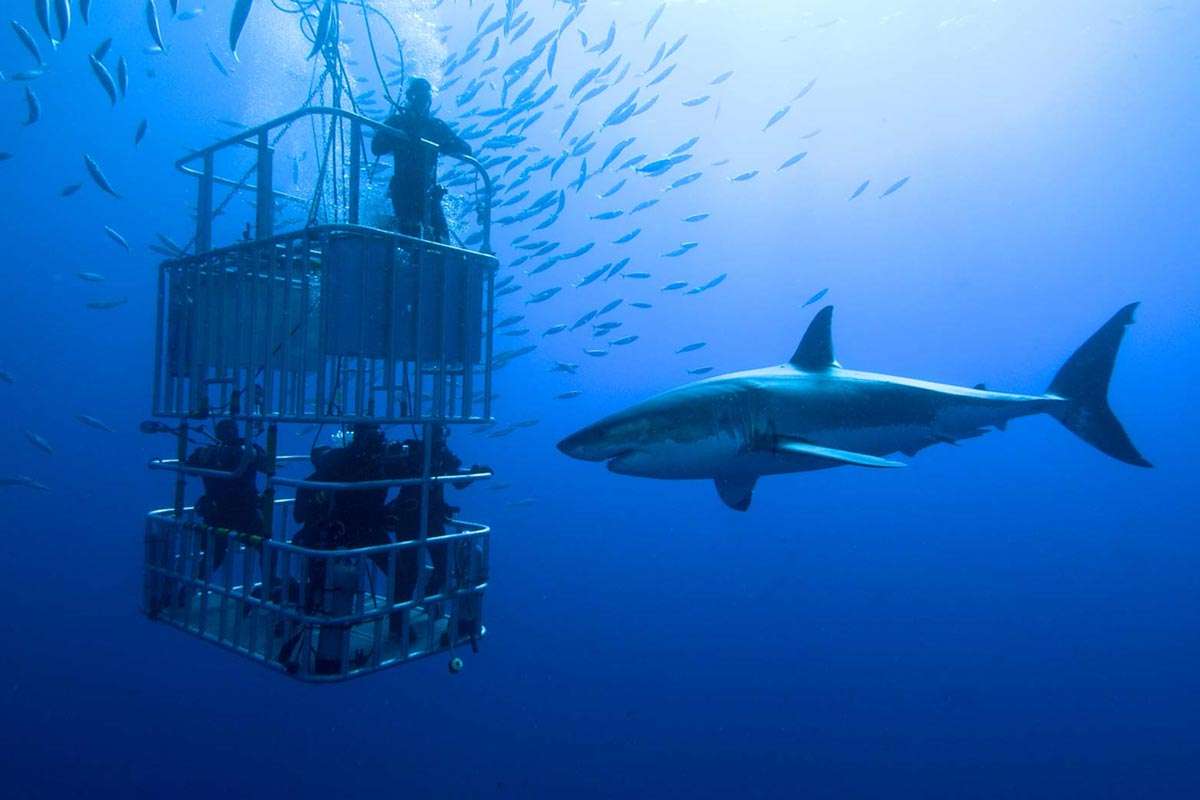
Gansbaai is about two hours from the city, and the shark cage diving there puts you literally face to face with great whites while the crew chums the water. Around $100 per person. April through September is the season, when sharks follow seals closer to shore. Not for the faint hearted, but nearly everyone who does it says the same thing afterward: unforgettable.
16. Watch Whales From Cove de Kelders or Hermanus
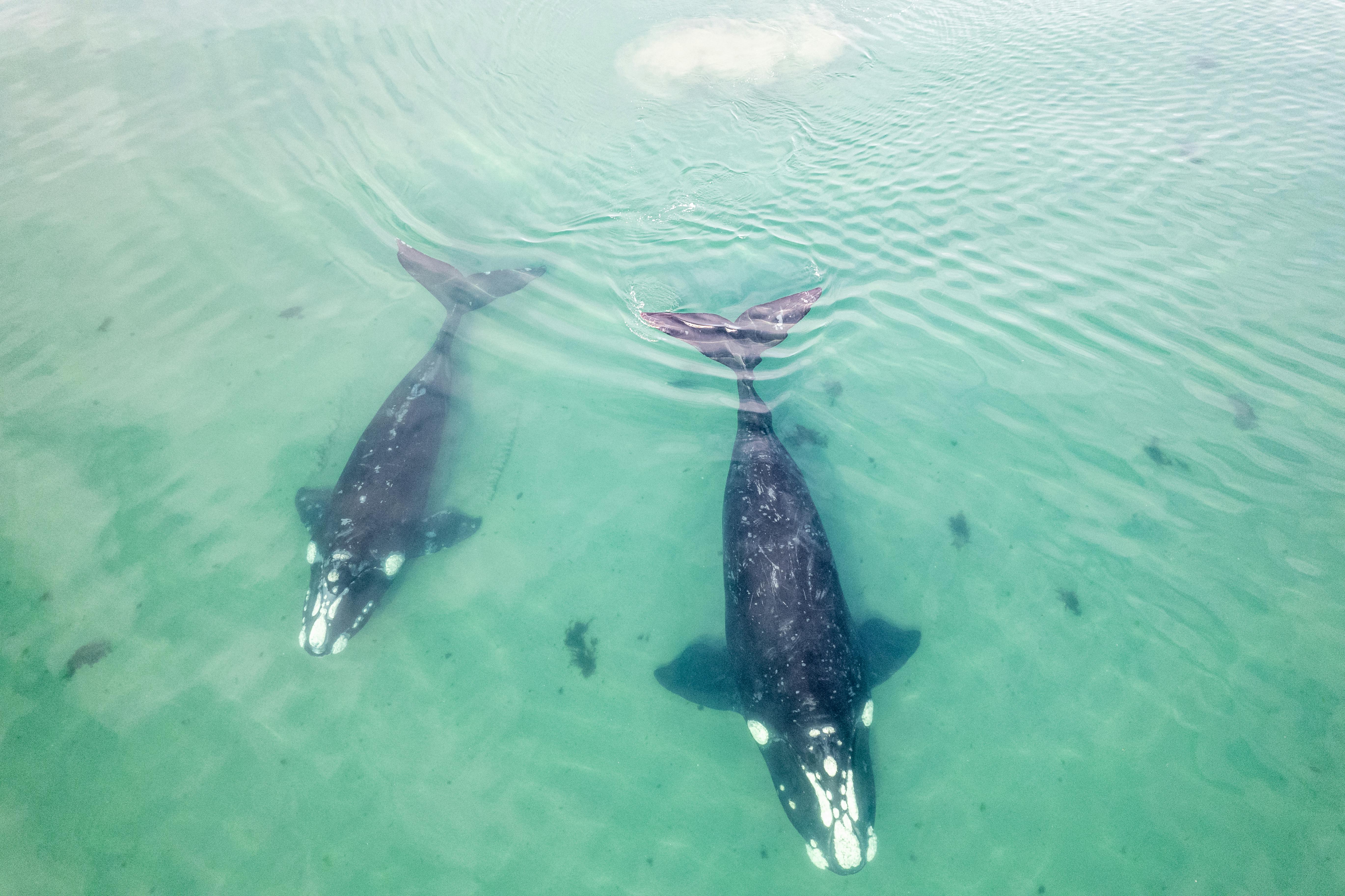
Southern right whales pass close to this coast between June and November, migrating up from Antarctic waters to calve. Cove de Kelders is one of the best spots, and kayaking gets you especially close. Hermanus goes further, land based whale watching good enough that you can sometimes spot whales from the cliff path without a boat at all, one of very few places on earth where that’s actually true. A whale crier still patrols the town in season, blowing a kelp horn to say where the whales have shown up that day.
17. Kayak the Atlantic Coast at Sunset
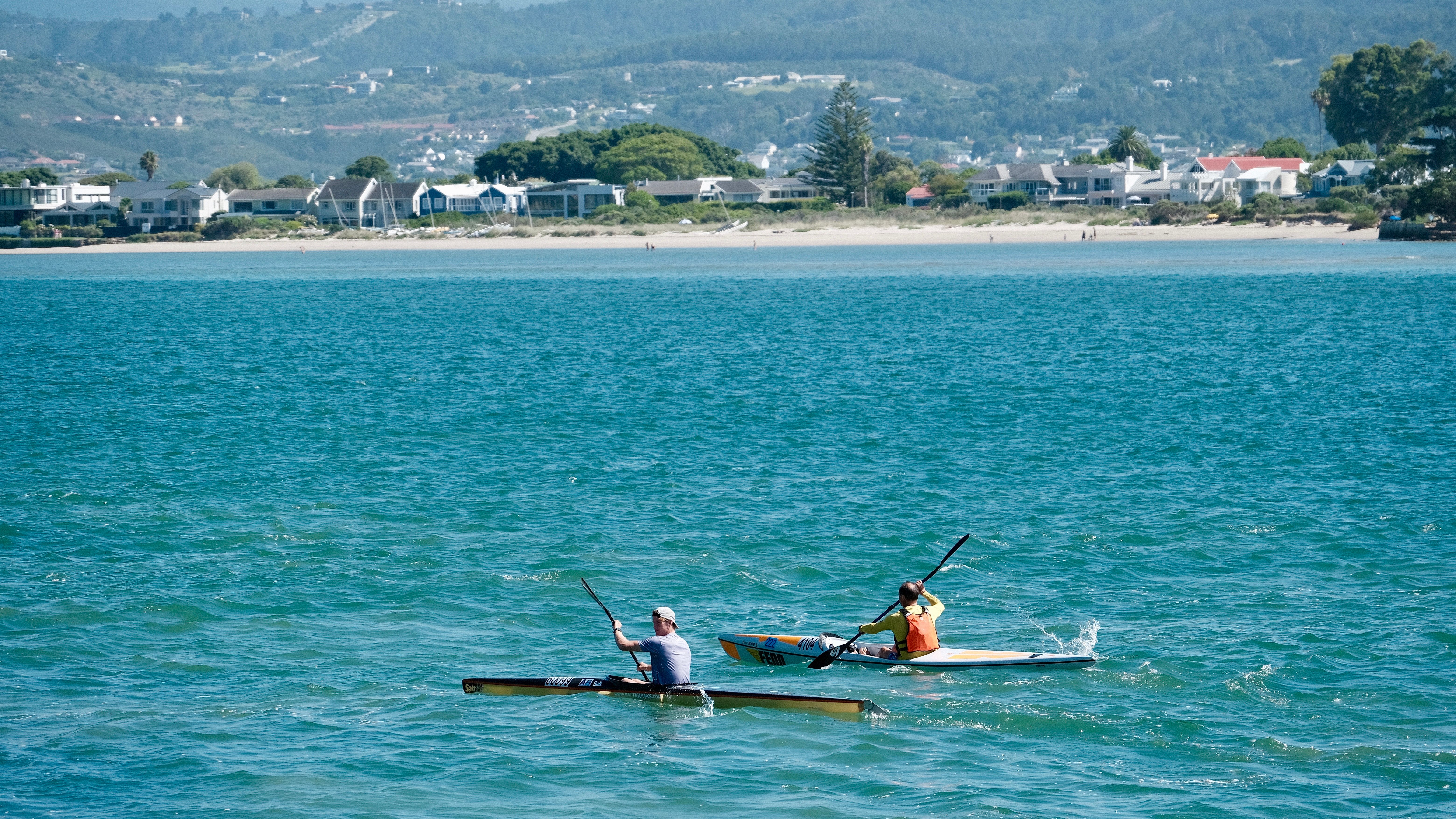
Kayaking from Sea Point or Hout Bay puts you right on the water as the sun drops behind the mountains. The light does most of the work here. It’s calmer than surfing, suits couples and photographers well, and the water tends to flatten out right at dusk. Tours run an hour to ninety minutes, all gear included.
18. Sunbathe at Clifton and Camps Bay

Clifton’s four beaches and neighboring Camps Bay are the most photographed sand in the city, white beaches backed by the Twelve Apostles and lined with rooftop bars. Each of the four Clifton beaches has its own character, reached by steps down from the road rather than flat access. Bring sunscreen. Shade is scarce, and the Atlantic stays cold even in the height of summer, rarely past sixteen degrees.
19. Watch Sunset From a Camps Bay Rooftop
Camps Bay’s rooftop terraces are built for slow evenings, watching the sun drop behind the Twelve Apostles while the beach below packs up for the day, fresh juice or coffee in hand. Works for couples, solo travelers, or a group without needing a reservation weeks out. Weekends do get busy, so show up before sunset if you want a good table.
20. Surf at Muizenberg Beach and Surfer’s Corner
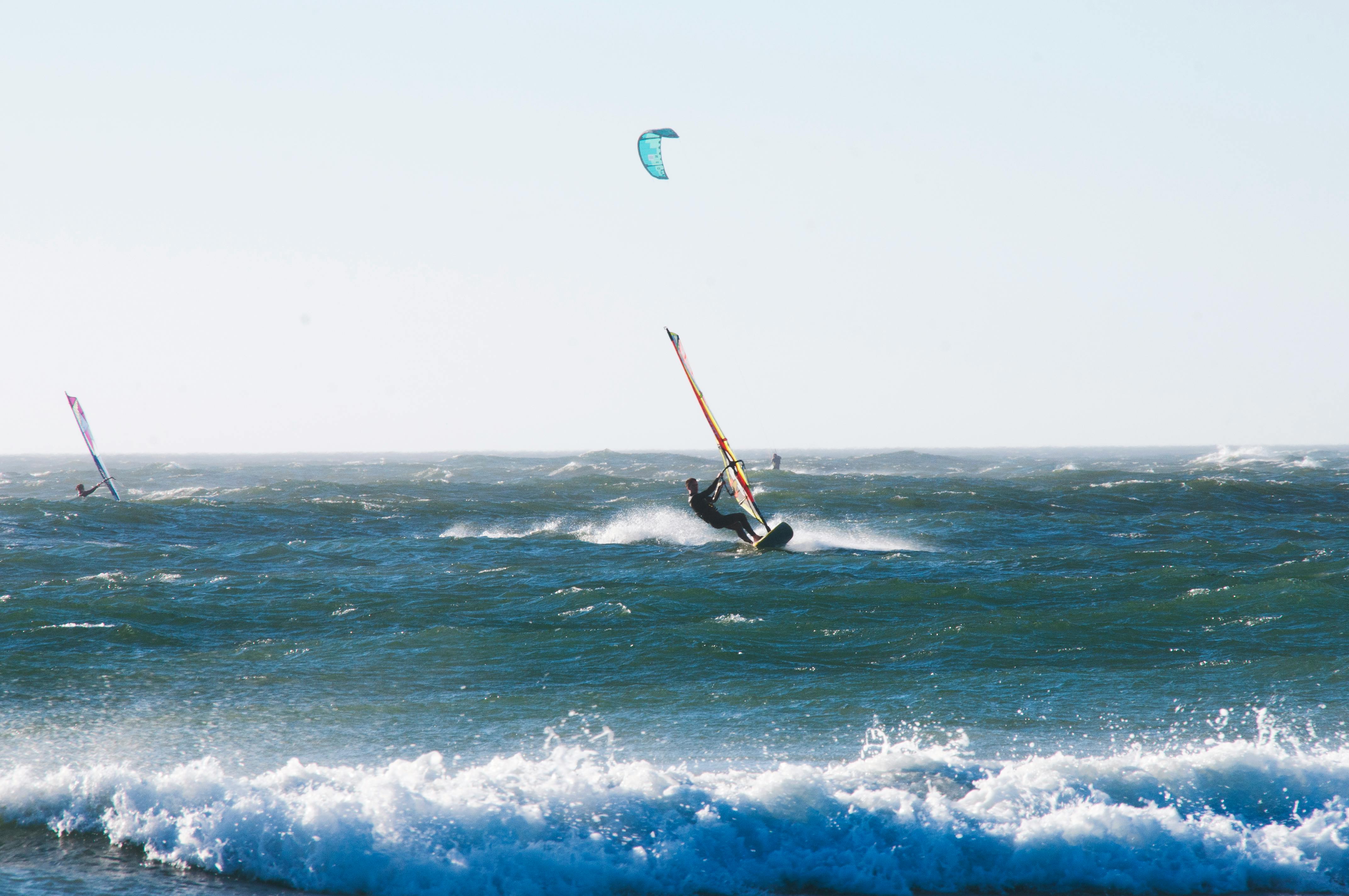
Muizenberg is where most beginners in Cape Town learn to surf. Gentle, consistent waves, and the colorful beach huts at Surfer’s Corner make it one of the more photographed spots on the coast. Board and wetsuit rentals right on the beach, lessons an hour or two. Even a bad first lesson tends to be memorable, and the cafes nearby make for an easy reward afterward.
21. Photograph the Colorful Houses at St. James Beach
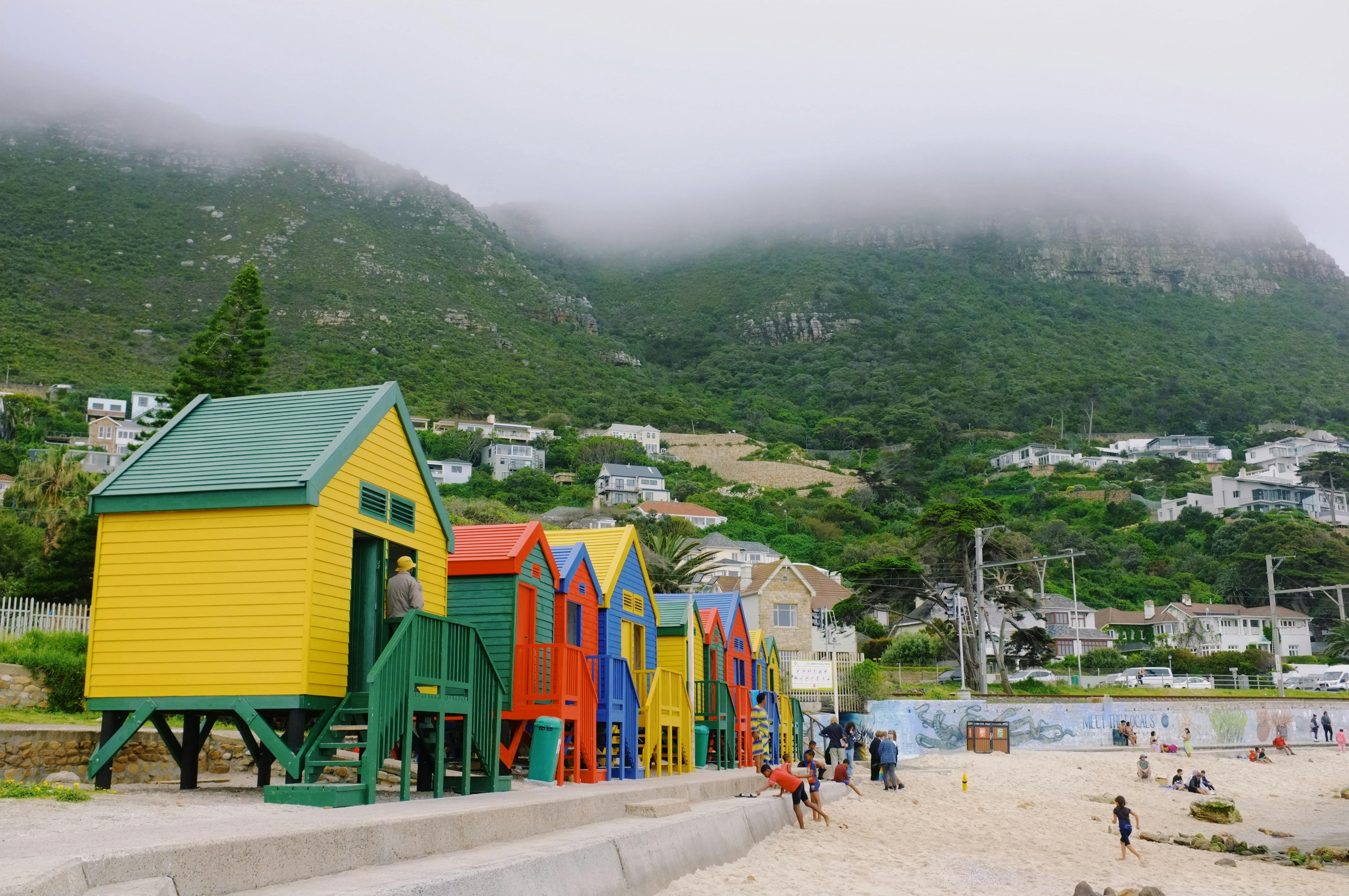
Just past Muizenberg, St. James has its own row of painted beach huts, quieter than Surfer’s Corner and a favorite with photographers working down the coast. A small tidal pool sits right beside the huts, sheltered enough to swim even when the open ocean is rough.
22. Walk the Sea Point Promenade
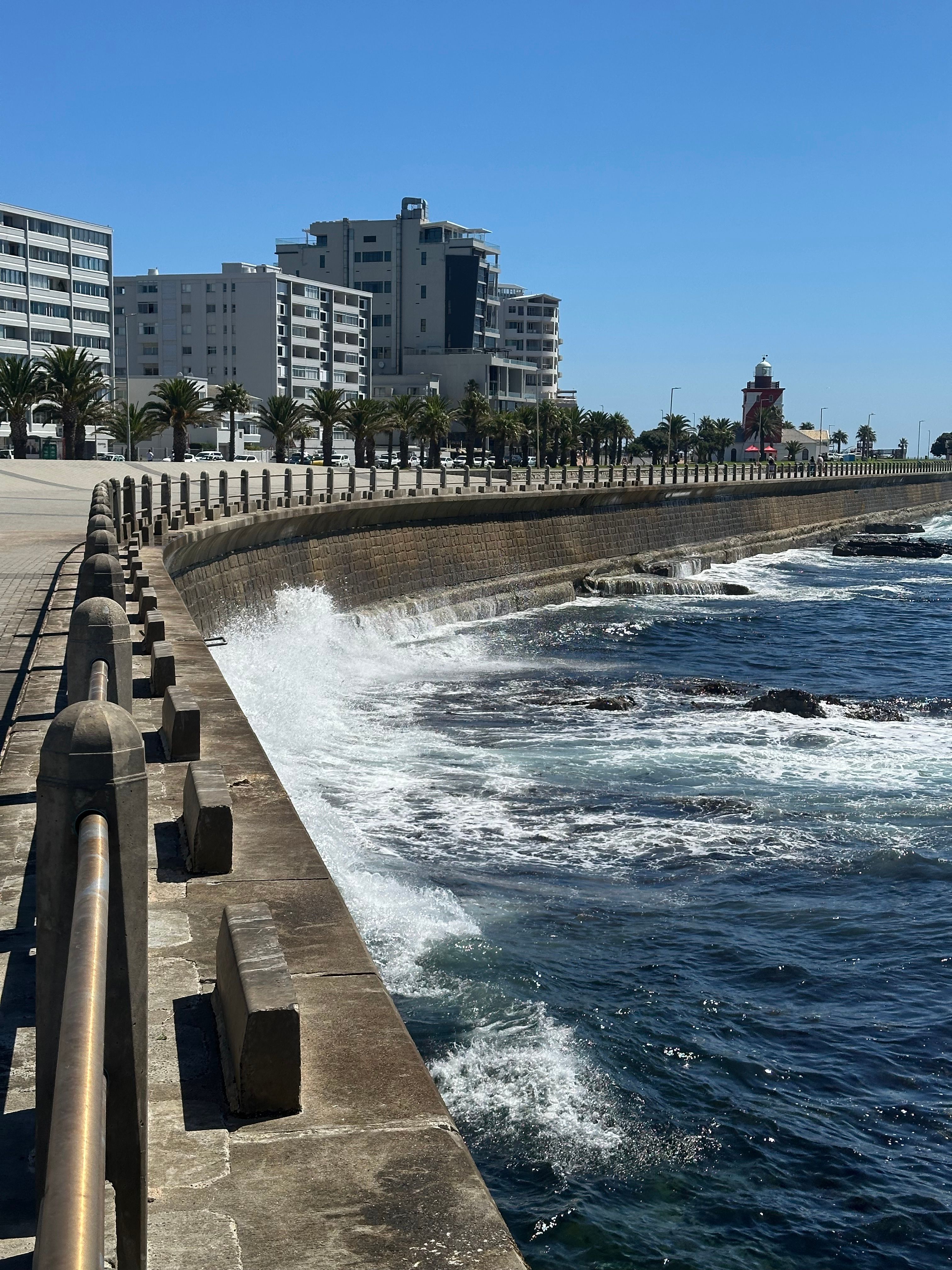
Free, scenic, and one of the simplest things to do in Cape Town south Africa offers without spending a cent. The promenade runs along the coast through Green Point to the V&A Waterfront. Walk it at sunset, jog it at dawn, or just sit on a bench. Sunday mornings bring out most of the city, joggers and cyclists and families sharing the same stretch of path.
23. Relax at Blouberg Beach
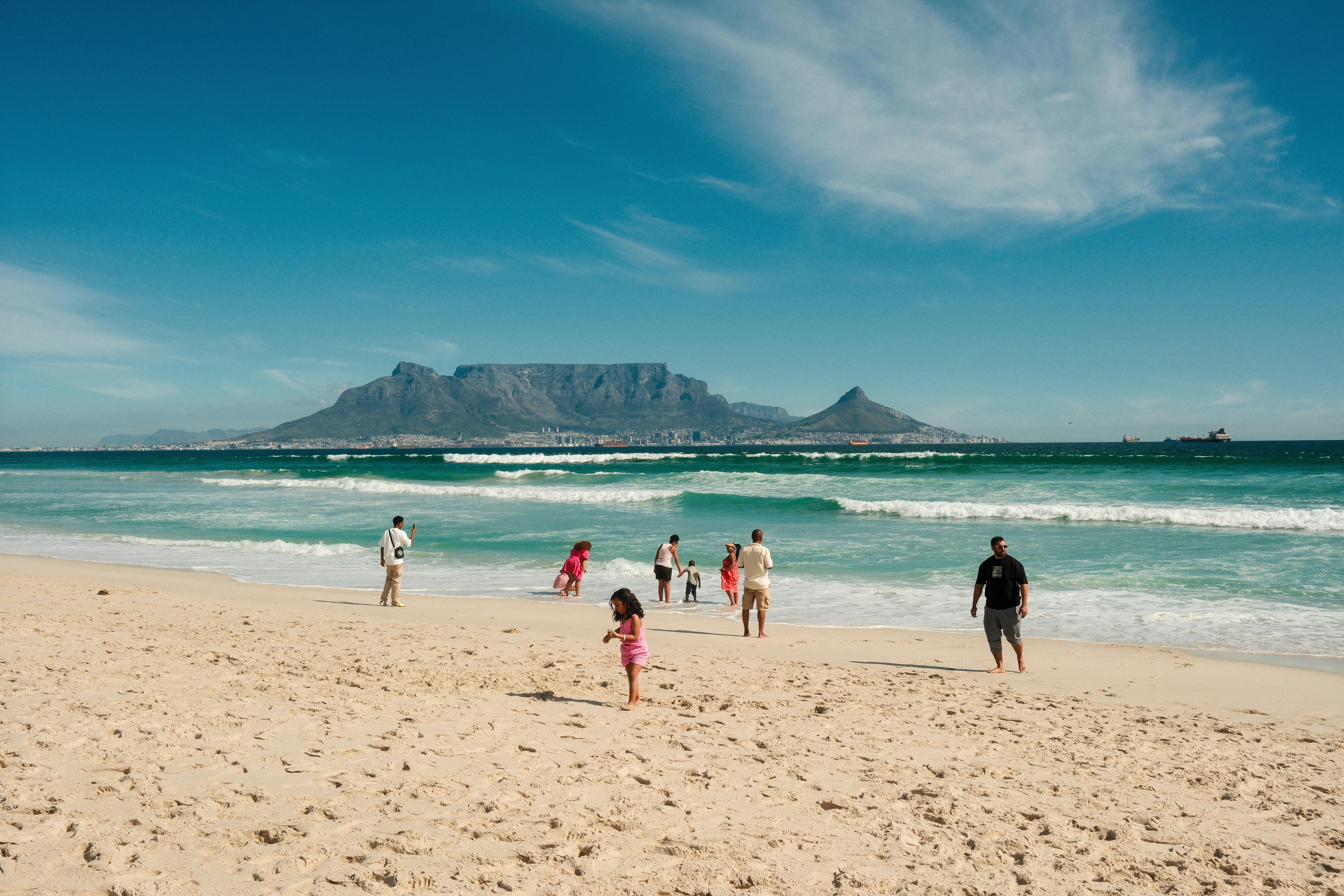
Blouberg sits across the bay, and it’s the spot for that postcard shot of Table Mountain from a distance, flat topped and framed by open water. Swimming, volleyball, kitesurfing on windier days. A good beach day that skips the Camps Bay crowds while still delivering one of the best views around.
24. Catch a Sunset at Lagoon Beach, Milnerton

Lagoon Beach gives you basically the same skyline view as Blouberg, but windier and wilder, and it rarely makes a first timer’s list. Sunset here turns the whole thing gold.
25. Meet the Penguins at Boulders Beach
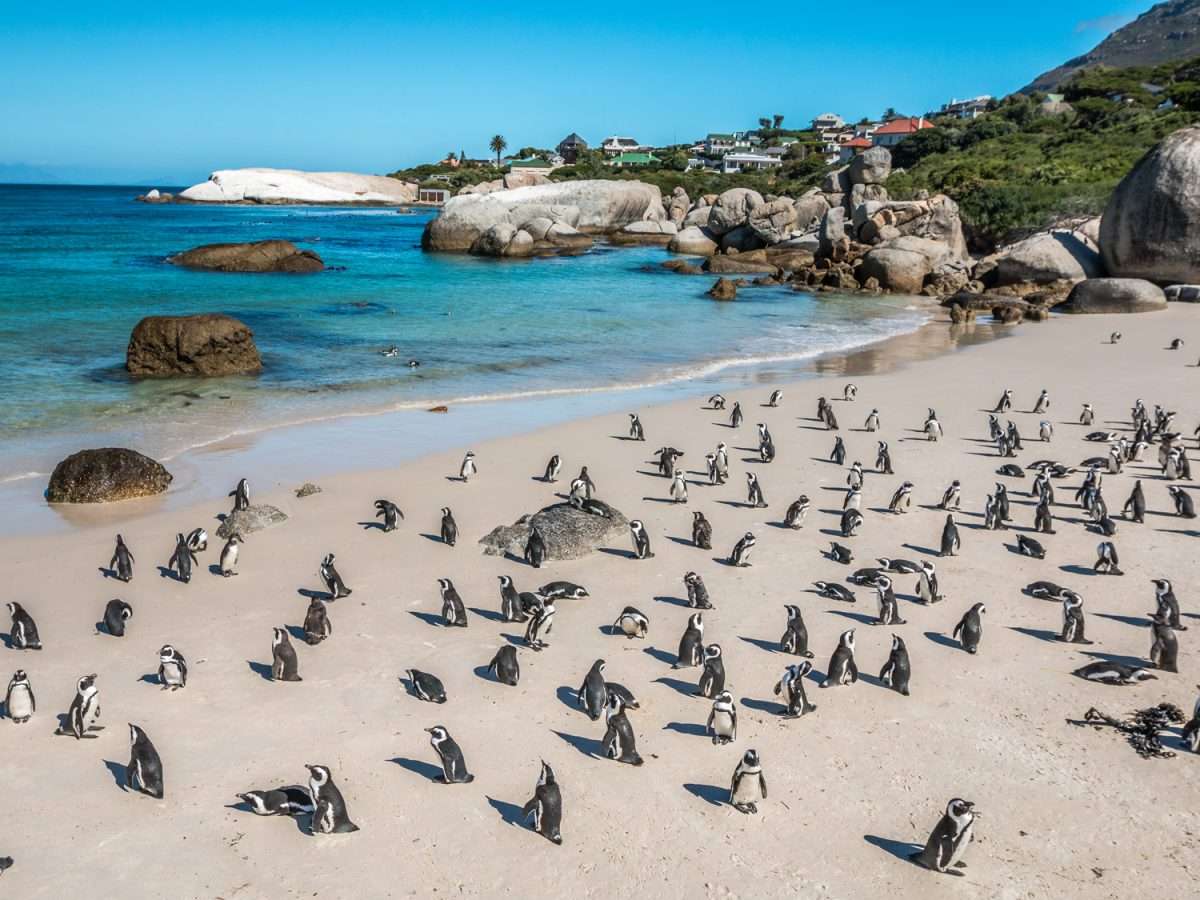
Boulders Beach is one of the only land based African penguin colonies anywhere, and the boardwalks let you get remarkably close, sometimes just a few feet from a nesting pair. Entry runs R190 to R215, about $11. Penguins year round, chicks most visible February through August. It’s one of the top tourist spots in Cape Town for families, and the small gift shop plus beach access make it easy to turn into a half day, especially paired with Simon’s Town nearby.
26. Visit Stony Point Nature Reserve for Fewer Crowds
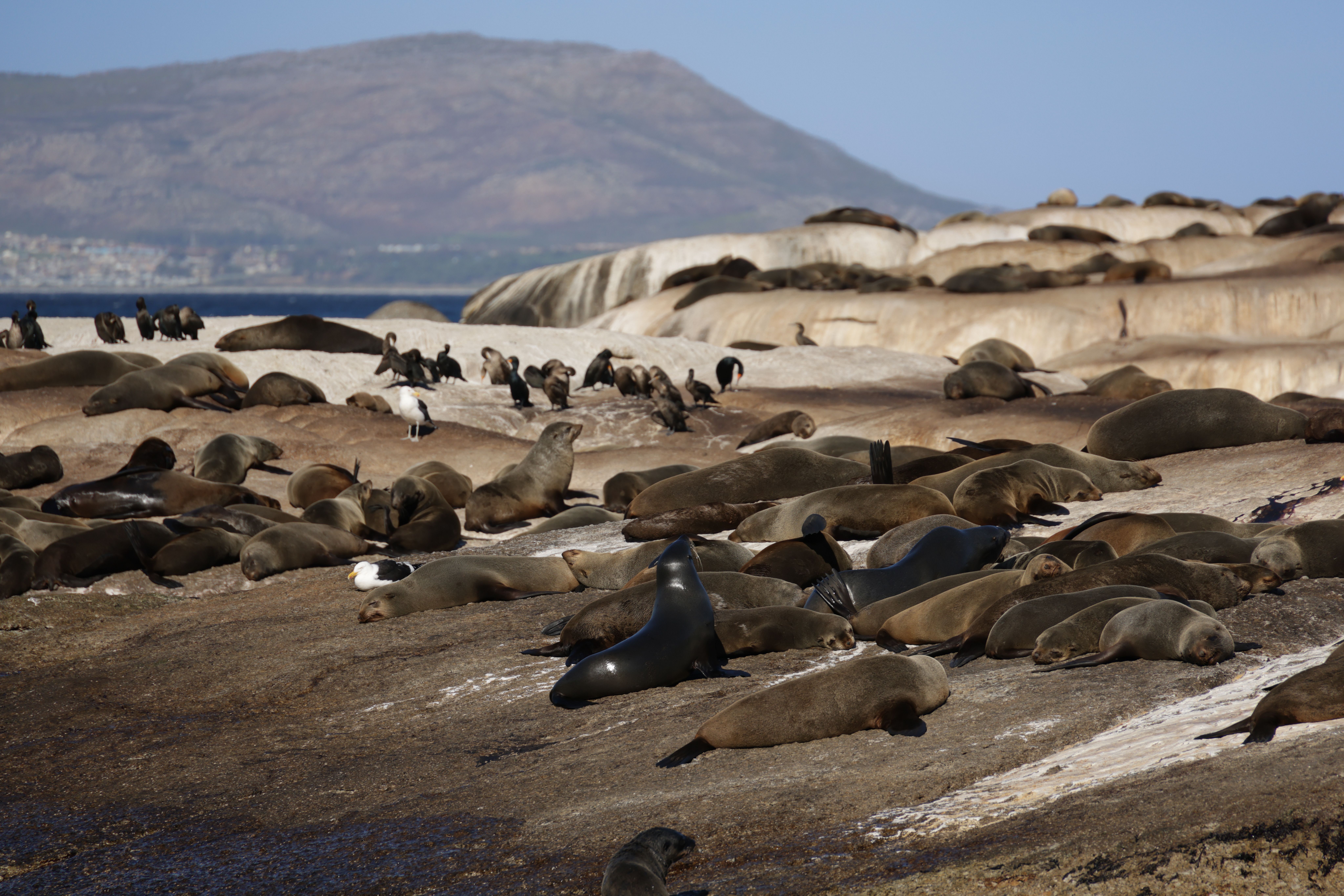
Stony Point, near Betty’s Bay, has another wild penguin colony with a fraction of the visitors Boulders gets. The boardwalks wind through denser vegetation, so the whole thing feels wilder. Pairs well with a stay near Grootbos or a day trip toward Hermanus.
27. Spot Hippos at Rondevlei Nature Reserve
Rondevlei gives you an actual shot at seeing hippos in a real wetland instead of behind a zoo fence. Flamingos and pelicans show up depending on the season too. It’s a genuine tourist attraction in Cape Town for anyone who assumed hippos meant flying north to Kruger, and the boardwalks make it easy going for families with younger kids.
28. Spot Seals at Kalk Bay Harbor
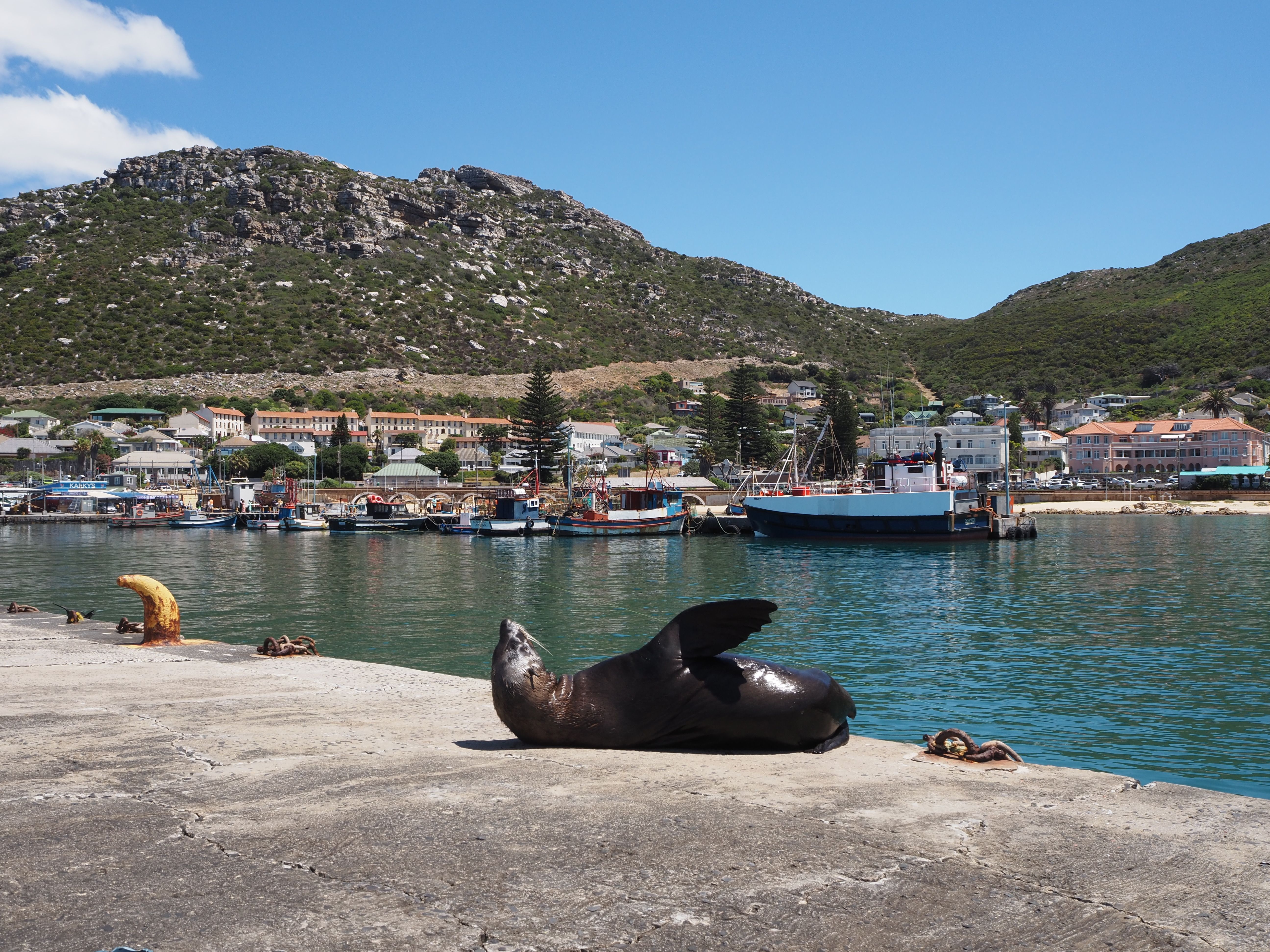
Kalk Bay’s small working harbor draws a colony of wild seals lounging on the jetty, friendly enough to swim right up hoping for scraps off the incoming boats. Pair it with lunch at one of the waterfront restaurants. Kalk Bay has this windswept, slightly bohemian feel people compare to beach towns as far off as Australia, and the antique shops nearby are worth a slow browse.
29. Walk Among Wildlife at Gondwana Game Reserve

About four and a half hours from Cape Town, Gondwana turned old farmland into more than 11,000 hectares of restored bush, now home to the Big Five. Its multi day walking safari lets you cover the reserve on foot instead of only by vehicle, glamping tents included. Good for couples and photographers who want a real safari without a separate trip to Kruger.
30. Explore the Fynbos and Whales at Grootbos Nature Reserve
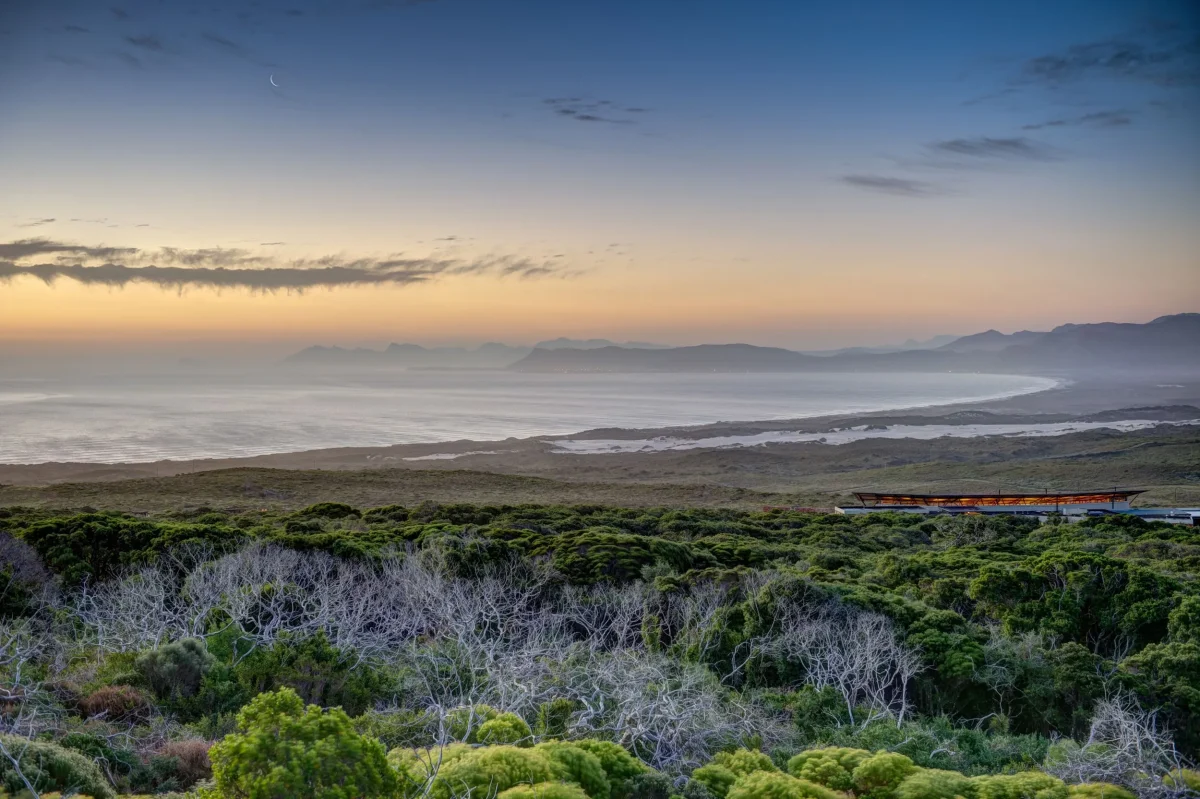
Grootbos protects more than 2,500 hectares of fynbos, including a milkwood forest believed to be the oldest of its kind. However, the whale watching along the coast here, and cave visits once inhabited by the San people thousands of years ago, are just as good a reason to come as the plants are.
31. Consider a Day Trip to Addo Elephant Park
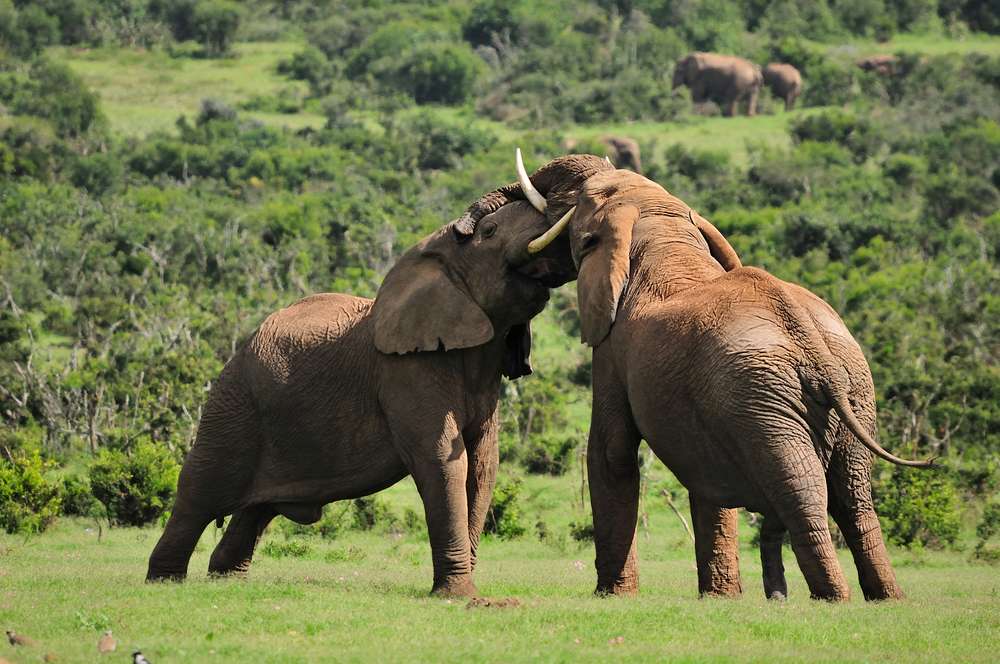
If a full Kruger trip won’t fit your schedule, Addo Elephant Park sits further along the Garden Route and gives you a real Big Five experience without leaving the Cape region. It has one of the densest elephant populations anywhere in Africa. Several tour operators pair it directly with Garden Route stops.
32. Explore Cape Point and the Cape of Good Hope
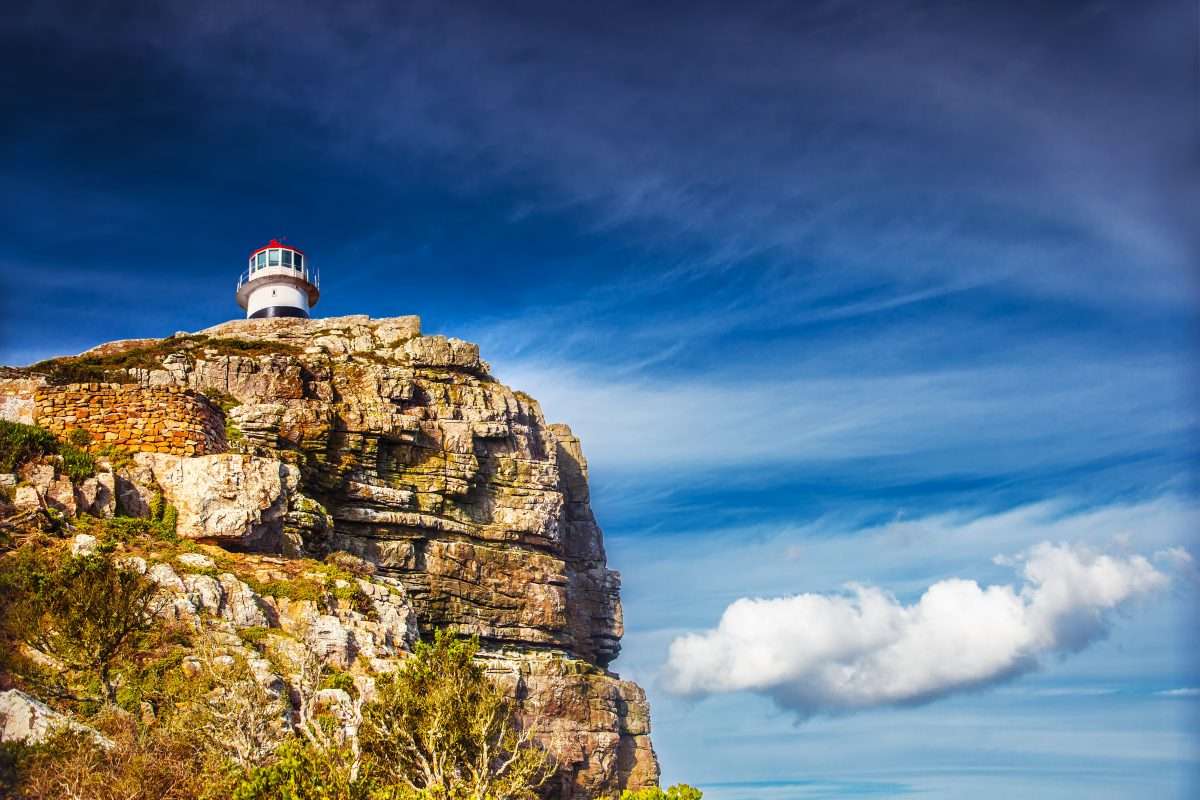
Cape Point and the Cape of Good Hope sit at the literal tip of the African continent. Rocky cliffs, crashing waves, views that stretch toward Antarctica if you squint. It’s one of the most iconic tourist attractions in Cape Town, entry around R400, roughly $22. Ostriches and the occasional baboon wander close to the parking areas, so windows up, food out of sight. A funicular carries visitors up to the old lighthouse for anyone who’d rather skip the walk, and the beaches and trails here easily fill a half day.
33. Hike the Cape of Good Hope Overnight Trail
The real reward here is the overnight trail, roughly 33 kilometers over two days across pristine beaches and hillsides thick with snowbush in bloom. Ostriches, endangered tortoises, occasionally a rock hyrax. You camp overnight in a basic hut with views over the water. Book directly through South Africa’s national parks service, and book early. Spots are limited.
34. Wander the Streets of Bo Kaap
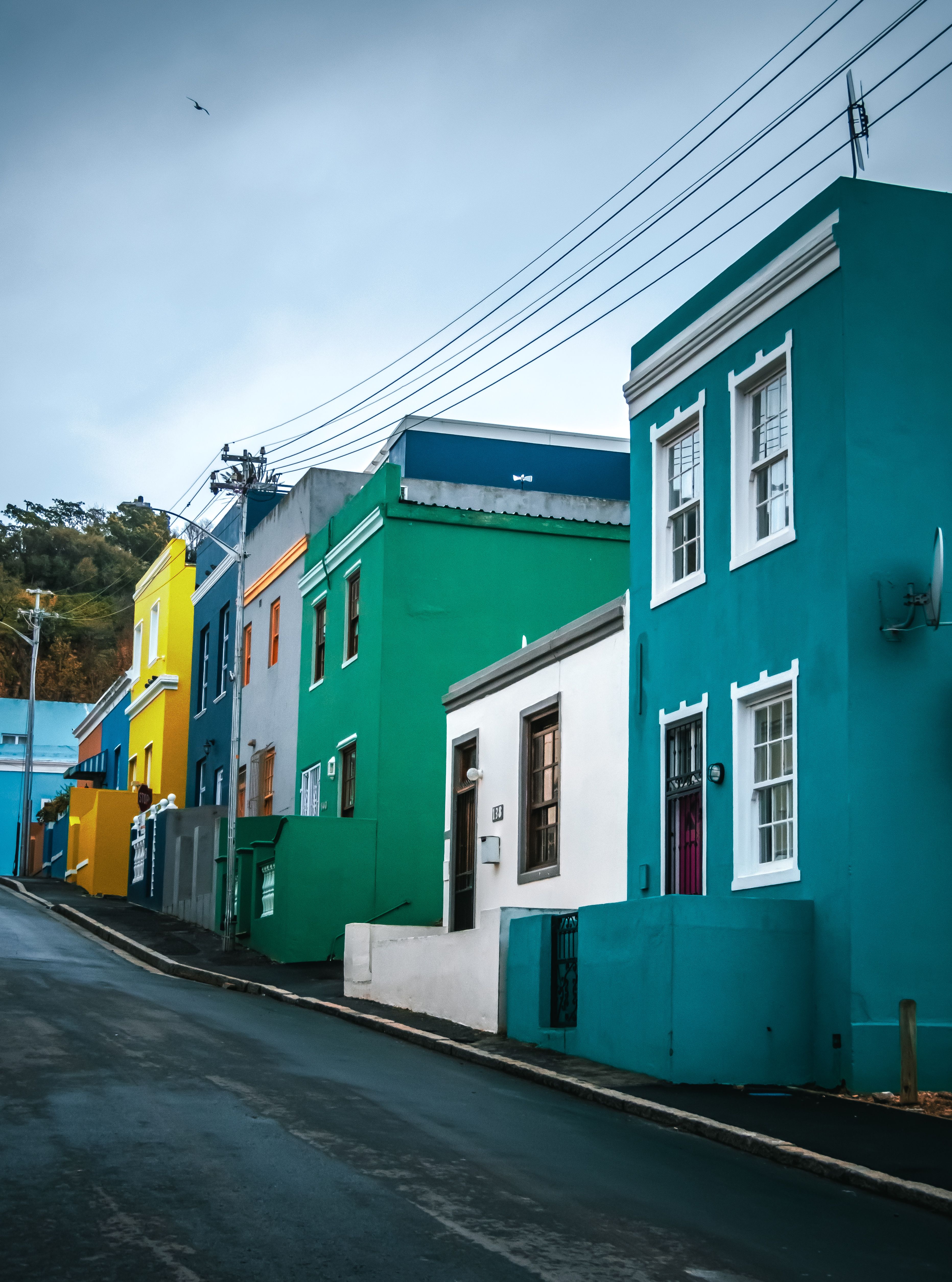
Bo Kaap’s rainbow houses have made it one of the most photographed tourist spots in Cape Town, but there’s more to it than the postcard. It’s a district once known by another name, home to South Africa’s first mosque, painted in bright colors after apartheid ended as a kind of collective statement. Cape Malay restaurants line the streets, and the small Bo Kaap Museum fills in the rest, the community’s roots in Southeast Asia and centuries of presence in the city.
35. Learn to Cook Cape Malay Food in Bo Kaap
Several Bo Kaap residents run hands on cooking classes right in their own kitchens, rooti, dhal, chickpea curry, samoosas. It’s a more personal way into the neighborhood’s food culture than just photographing the houses. Classes run a few hours and end with everyone sitting down to eat what they made, and the cinnamon, cardamom, and cumin in the mix trace straight back to the community’s Southeast Asian roots.
36. Take a Ferry to Robben Island
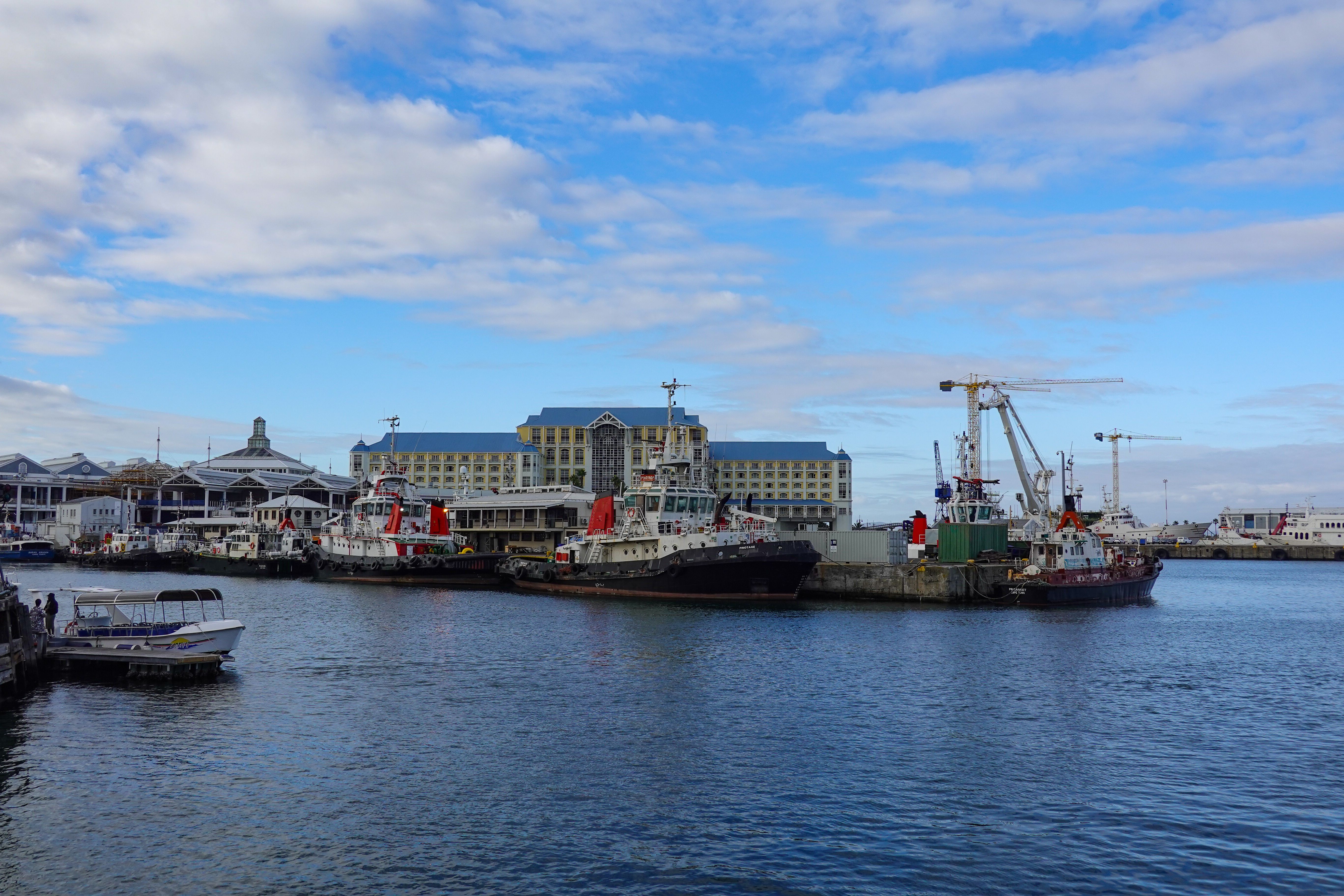
A ferry from the V&A Waterfront’s Nelson Mandela Gateway takes you to Robben Island, used as a prison for over four hundred years, including the cell where Mandela spent 18 of his 27 years locked up. Former political prisoners lead the tours, walking you through the limestone quarry and the maximum security wing themselves. It stays with almost everyone who does it. Tickets run R600 to R650, about $35, and they sell out weeks ahead in the December to March high season. Book early. Don’t assume you can walk up.
37. Learn South Africa’s History at District Six Museum
District Six was declared whites only in 1966, and 60,000 people were forcibly removed, their homes bulldozed afterward. There was almost no warning, and barely any records kept of where families ended up. The museum preserves that history with a floor sized street map covered in handwritten memories from former residents. Guided tours often include a former resident sharing what the neighborhood actually felt like before it was gone.
38. See Street Art in Woodstock and District Six
Woodstock and District Six have turned into something close to an open air gallery, murals covering wall after wall, many commissioned to reflect the community’s history directly. A guided walk pulls out context you’d otherwise miss entirely, and it pairs naturally with a coffee stop at one of Woodstock’s small independent cafes.
39. Take a Responsible Township Tour With Uthando
Uthando in Khayelitsha steers away from walking through people’s homes and instead connects visitors with community run projects, gardens, and performances, most of the cost going straight back into the township. Tours run around R1,092, about $75. Expect a shack theatre performance, an organic community garden, maybe a local choir. Solid, respectful option, especially for solo female travelers who want to see the city beyond its beaches.
40. Catch a Ghetto Sessions Show in Khayelitsha
Once a month, Khayelitsha shuts down a street for Ghetto Sessions. Vendors sell everything from beadwork to home baked treats, and the evening builds toward live music from some of the township’s best, least known musicians, poetry and rap and traditional instruments layered over modern beats. Go with a trusted local driver, not a rideshare. This sits well outside the usual tourist routes.
41. Learn Apartheid History From Someone Who Lived Through It
A handful of local guides, several formerly homeless or personally affected by apartheid, run walking tours through the city center and District Six that go past the textbook version entirely. They talk about the small daily indignities that never make it into a museum display. Heavy, but genuinely valuable, and many of these tours end at a public square once segregated by the color of its benches.
42. Browse Green Market Square
Built in 1696, Green Market Square is one of the oldest tourist spots in Cape Town still doing exactly what it always did, an open air market under canvas awnings that have covered this same stretch of cobblestone for centuries. Bargaining is expected, and half the fun is just browsing, wood carvings and beadwork sitting next to locally made jewelry.
43. See Iconic Contemporary Art at the Zeitz Museum
The Zeitz Museum, the largest contemporary African art museum in the world, sits inside a dramatically reworked old grain silo at the V&A Waterfront. It pairs naturally with a walk through the Waterfront afterward since the two sit right next to each other. Exhibitions rotate, so a repeat visit months later can look nothing like the first.
44. Visit the Iziko Slave Lodge and South African National Gallery
One of the city’s oldest surviving buildings holds the Slave Lodge, a museum on South Africa’s history of slavery told through personal stories and artifacts, the building itself having served as both a place of bondage and, later, a courthouse. It sits close enough to the National Gallery to combine both into one afternoon, though the gallery holds up fine on its own, centuries of painting, sculpture, and photography from the country’s most significant artists.
45. Stroll Through Company’s Garden
Company’s Garden is the city’s oldest green space, planted centuries ago to supply passing ships with fresh produce and now just a shaded spot in the middle of downtown. Good for a quiet picnic or a slow walk under old oak trees. There’s a small cafe if you want a bite, and the squirrels here are bold enough to walk right up and ask for one.
46. Shop and Sightsee at the V&A Waterfront
The V&A Waterfront mixes a shopping mall, a working harbor, an aquarium, and a Ferris wheel into one sprawling stop, Table Mountain visible from nearly every angle of the boardwalk. It’s one of the busiest tourist attractions in Cape Town for good reason. Live music turns up on sunny afternoons, seals surface right beside the docked boats sometimes, and it works as an easy anchor for a day that also includes Robben Island or the Zeitz Museum nearby.
47. Ride a 4D Movie at the V&A Waterfront
The 4D cinema here turns a normal movie into something closer to a ride, water spray, wind effects, seats that jolt with the action. It’s a solid rainy afternoon option, and it genuinely surprises most first timers. Short films are usually chosen specifically to make the most of the effects rather than a standard feature.
48. Explore Kirstenbosch Botanical Garden and the Boomslang Walkway

Kirstenbosch sits on the slopes of Table Mountain, built for exploring on foot, the elevated Boomslang canopy walkway curving through the treetops in a shape modeled on a snake moving through branches. There’s a Fragrance Garden of scented fynbos worth a slow detour, planted originally for visitors with visual impairments but genuinely rewarding for anyone willing to stop and actually smell what’s growing. Entry runs around R90, about $5. Outdoor summer concerts on the lawns make a repeat visit worth it if the timing lines up.
49. Catch an Outdoor Film at Kirstenbosch
On select nights, Kirstenbosch turns its lawns into an open air cinema, reclining chairs, blankets, food vendors, a film playing under the stars with Table Mountain looming behind the screen. One of the more relaxed, genuinely romantic things to do and see in Cape Town for couples who want something other than a sit down dinner reservation. Get there thirty minutes to an hour early for a good spot on the lawn.
50. Stay a Night on a Waterfront Houseboat

The V&A Waterfront has a small fleet of actual houseboats moored at Cape Grace Marina, and spending even one night on one is a genuinely different way to experience the harbor. You fall asleep to water lapping the hull, wake up to seals and seabirds working the marina, and step straight out onto the Waterfront’s shops and restaurants. Rates start around R3,750, roughly $210, for two adults, and it sleeps up to four with a sofa bed for kids. Book well ahead around December, since there are only a handful of boats.
51. Go Diving in Cape Town’s Kelp Forests
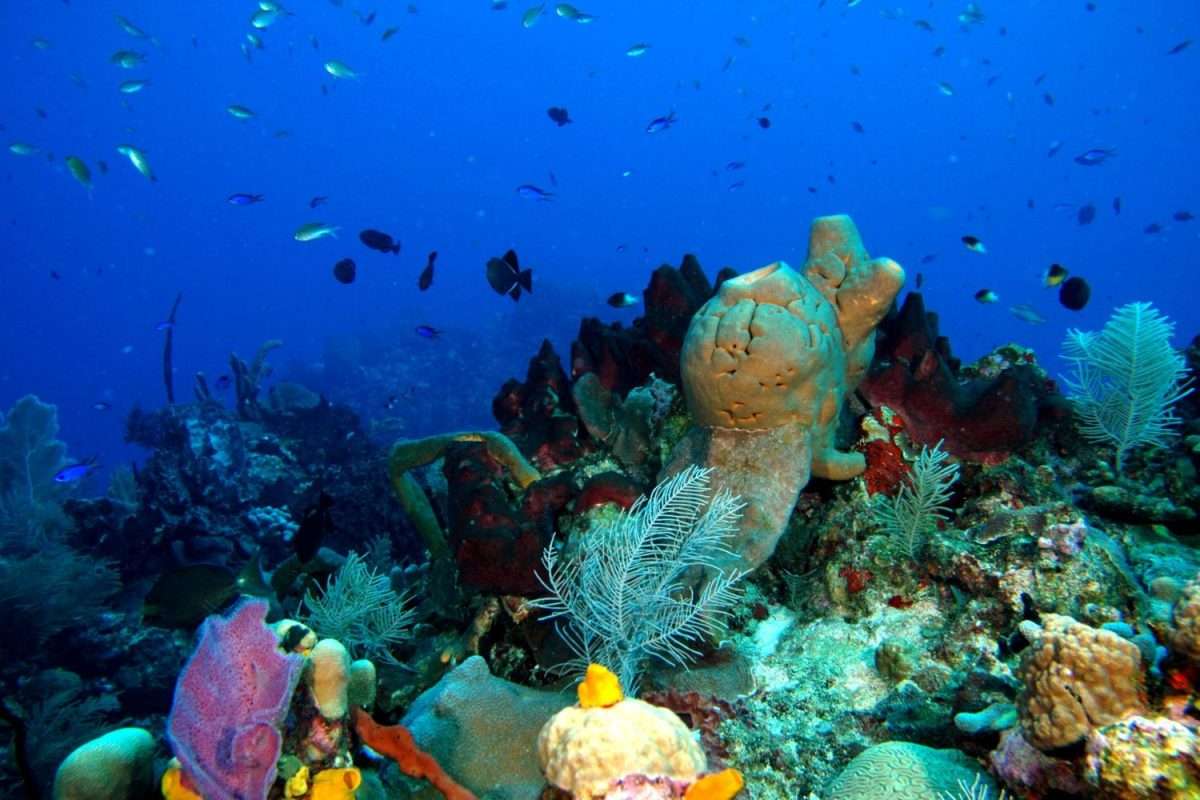
Cape Town’s cold Atlantic water is a genuine diving destination, not just a surfing one. The kelp forests running down the Atlantic side of the peninsula are thick, eerie, and beautiful, home to octopus, pyjama sharks, and the occasional curious seal that swims right up to divers near Partridge Point. Wreck diving is an option too, including the SAS Pietermaritzburg off Simon’s Town. Water temperatures run cold year round, so a proper wetsuit is non negotiable, and most operators run half day trips out of Hout Bay or Simon’s Town with gear included.
52. Watch a Film at Labia Theatre
Labia Theatre is an independent cinema tucked into the Gardens neighborhood, screening everything from festival premieres to old classics. It’s a quiet, low key evening for locals, and a good option for solo travelers who want a night out that isn’t loud or crowded. Worn velvet seats, a small lounge area that doubles as a place to linger before or after.
53. Enjoy a Braai With Locals
A braai is South Africa’s version of a barbecue, though honestly the food matters less than the ritual around it, hours of grilling, friends gathered, halal certified beef and chicken skewers easy to find at most butchers and supermarkets if you’re sourcing your own meat. No braai area at your accommodation? Maiden’s Cove and Oudekraal Beach are popular public alternatives. Township braai gatherings on weekends often welcome respectful visitors too, an easy, direct way into the tradition rather than reading about it secondhand.
54. Eat Your Way Down Bree Street
Bree Street is packed with cafes and restaurants side by side, easy to wander without a plan and still eat well, coffee in the morning, a proper sit down dinner by night. Works for solo travelers and groups alike since you’re rarely more than a block from something that fits your mood.
55. Have High Tea at the Mount Nelson Hotel
Afternoon tea at the Mount Nelson is a proper Cape Town tradition, finger sandwiches, scones, pastries, all served in a grand pink walled room that feels lifted from another era, white tablecloths and usually a live pianist. Good for couples, or anyone who wants one dressed up afternoon on an otherwise casual trip. Book a few days ahead. Sittings fill fast in peak season.
56. Browse the Neighbourgoods Market at the Old Biscuit Mill
Every Saturday in Woodstock, the Neighbourgoods Market pulls together food stalls from across the continent, Tanzanian coconut rice next to Cape Malay classics, plus produce, baked goods, and live music keeping the whole warehouse buzzing from mid morning. Get there early. Popular stalls sell out well before closing.
57. Shop the Markets at Mojo and Oranjezicht Farm
Mojo Market in Sea Point runs daily, international food stalls, fresh juice, occasional karaoke, low pressure and easy for an evening with no real plan. Oranjezicht City Farm Market shows up weekends instead, fresh produce and smoothies sold straight by the growers. Between the two there’s basically always a market worth visiting.
58. Walk Long Street’s Shops and Street Life
Long Street is where the city’s energy concentrates, bookstores, boutiques, and street vendors by day, the whole street shifting character once the sun’s down and restaurants spill onto the sidewalk. Mixed, lively crowd. Easy for solo travelers to meet people, and the street stays walkable and well lit long into the evening.
59. Catch Live Jazz at The Crypt
The Crypt sits in the basement of a stone church, purple lighting, good food, an atmosphere you won’t find anywhere else in the city, the low stone ceiling making every set feel almost secretive. Sunday afternoons at Kloof Street House are the gentler, daytime version. Township jazz nights in Langa and Gugulethu go further still, often held in someone’s actual backyard rather than a formal venue.
60. Ride the Train to Simon’s Town
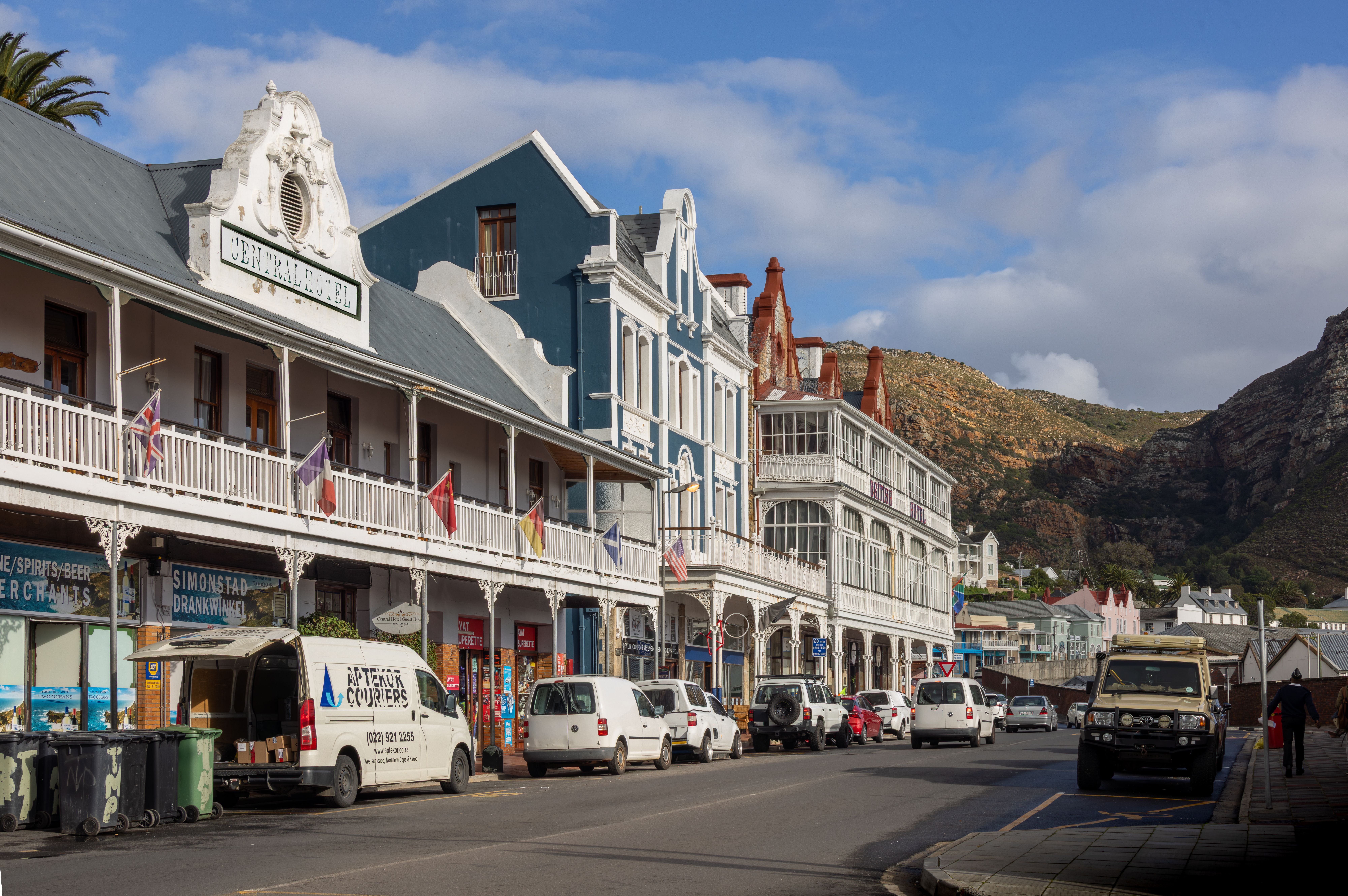
Skip the Uber and take the train down the coast to Simon’s Town instead, tracking the water through Kalk Bay and Muizenberg before ending near Boulders Beach. Cheap, a little rough around the edges, seats worn from decades of use. Among things to see and do in Cape Town, this is one of the better unplanned ways to see the coastline while riding alongside locals who take this route every day, not tourists doing the same trip by car.
Day Trips Beyond the City
If your cape town trip has extra days built in, Constantia and Stellenbosch are worth a scenic drive on their own, historic Cape Dutch manor houses, gabled architecture, and gardens set against vineyards climbing the mountainside, the Garden Route makes a genuine week long road trip through nature reserves and coastal towns, and Cederberg delivers serious rocky hiking and cliff jumping for anyone willing to camp a night under the stars. Its sandstone formations and ancient San rock art add a layer most day trippers never expect. All three extend a cape town travel itinerary well past the city limits without needing a flight anywhere.
Best Time for a Cape Town Trip
Summer, November through March, brings warm dry weather that’s best for beaches, hiking, and Table Mountain, though it’s also the busiest and most expensive stretch, prices climbing sharply around the December holidays. Winter, June through August, brings rain and wind but is peak whale watching season near Hermanus and Gansbaai, and Table Mountain’s cloud cover, locally called the tablecloth, rolls in more often. Shoulder months like April, May, September, and October tend to hit the sweet spot: decent weather, smaller crowds.
Is Cape Town Safe for American Tourists?
Short answer: yes, most visitors have a completely uneventful trip, but Cape Town is not a place to switch your guard off either. The U.S. State Department currently lists South Africa at Level 2, “exercise increased caution,” citing crime, unrest, and kidnapping risk nationwide. In February 2026 the U.S. Embassy also issued a specific warning about violent scams targeting tourists arriving at Cape Town International Airport, usually fake taxi drivers or unofficial “porters” pressuring travelers before they’ve even left the arrivals hall. None of that means the city is off limits. It means the risk is real but manageable, and it’s concentrated in specific situations rather than spread evenly across everywhere you’ll actually go.
A few safety habits go a long way here. Avoid walking alone after dark, even in areas that feel safe during the day. Keep phones, jewelry, and camera gear out of sight rather than swinging from your hand on a busy street. Use official metered taxis, Uber, or a hotel shuttle rather than unmarked cars, especially from the airport, where the recent scam warnings specifically targeted unofficial pickups. If you’re driving, keep doors locked and windows up in traffic, and avoid leaving anything visible on the seats, since smash and grabs at traffic lights are a known local problem. Only visit townships with a guide or reputable tour operator who has local relationships, never on your own, and avoid driving between cities after dark given the added road hazards.
Beyond the obvious, a little planning covers most of the rest. Carry a copy of your passport rather than the original, keep the real one in a hotel safe, and get travel insurance that covers medical evacuation, since healthcare quality varies once you’re outside the main cities. Enroll in the State Department’s STEP program before you go so the embassy can reach you if something changes. None of this is meant to scare you off a cape town trip. It’s the same practical mindset locals themselves use every day, and following it is usually enough to keep your visit exactly as uneventful as it is for the overwhelming majority of tourists who come through.
Plan Your Cape Town Trip with TourwithPipi
However you mix adventure, wildlife, and history into your trip, Cape Town rarely disappoints, and pairing it with a proper safari makes the whole thing better. Explore our Cape Town city holiday options, or extend your cape town travel with a Kruger National Park safari to put South Africa’s wildlife side by side with its cities and coastline. Message us on WhatsApp and we’ll build the itinerary around what you actually want to do.
Blog Summary
- Table Mountain alone offers a cable car and more than half a dozen hiking trails, from easy to genuinely dangerous.
- Boulders Beach and Stony Point both offer close up African penguin colonies, Stony Point being the quieter option.
- Robben Island, District Six Museum, and local apartheid history tours are essential for understanding the city’s past firsthand.
- Cape Point and the Cape of Good Hope sit at the tip of the continent and can be explored by car or on a two day hike.
- A night on a Waterfront houseboat, Kirstenbosch’s outdoor cinema, and Mount Nelson’s high tea round out the city’s more romantic side.
- Markets run nearly every day of the week, from Neighbourgoods on Saturdays to Mojo Market daily.
- Day trips to Stellenbosch, Cederberg, and the Garden Route extend a Cape Town trip well beyond the city itself.
- Summer brings the best weather for beaches and hiking, while winter is peak season for whale watching.
- Costs across the city’s biggest attractions range from free hikes and promenade walks to around $35 for Robben Island.


