
Yes, you need travel insurance for an African safari, and as of 2026, it’s no longer just a strong recommendation for some of the continent’s most popular destinations. Kenya now legally requires it. Zanzibar has required it since 2024. Bush camps sit hours from the nearest hospital, standard US health insurance does not follow you overseas, and a single emergency medical evacuation from a remote camp can run past $100,000 out of pocket. Here is what’s actually required by law right now, what safari travel insurance covers beyond that legal minimum, and what to look for before you buy.
Kenya’s New Mandatory Travel Insurance Rule
This is the single biggest update to safari travel requirements in years, and it directly affects anyone planning a Kenya safari.
On July 30, 2026, Kenya’s Ministry of Health published Gazette Notice No. 11492, making travel health insurance a legal requirement for every non-Kenyan visitor staying less than 12 months. The rule is rooted in the Social Health Insurance Act of 2023, and it sets a cumulative minimum coverage of $50,000, broken down into specific categories:
| Benefit | Minimum Coverage |
|---|---|
| Medical expenses | $20,000 |
| Emergency medical transportation and evacuation | $25,000 |
| Prescribed medicines | $300 |
| Mental illness treatment | $1,000 |
| Repatriation and related benefits | $5,000 |
The requirement applies to essentially every foreign visitor entering Kenya, including travelers who are otherwise exempt from the standard ETA process. Enforcement is being built directly into the Electronic Travel Authorization system, meaning proof of compliant insurance gets uploaded as part of your ETA application before you ever depart. If you already hold a personal travel insurance policy that meets or exceeds these coverage limits, the Ministry of Health has confirmed you do not need to buy a separate Kenyan policy on top of it. If you arrive without compliant coverage, current guidance indicates you’ll be able to purchase an approved policy at the border rather than being automatically denied entry, though this is exactly the kind of detail worth sorting out before you fly, not at immigration.
As with any newly gazetted regulation, some enforcement details, including the exact date proof of insurance becomes mandatory at every entry point, are still being finalized. We’re tracking this directly and will update this page as Kenyan authorities confirm further specifics. If your trip is coming up soon, message me and I’ll confirm the current status for your exact travel dates.
Zanzibar and Mainland Tanzania
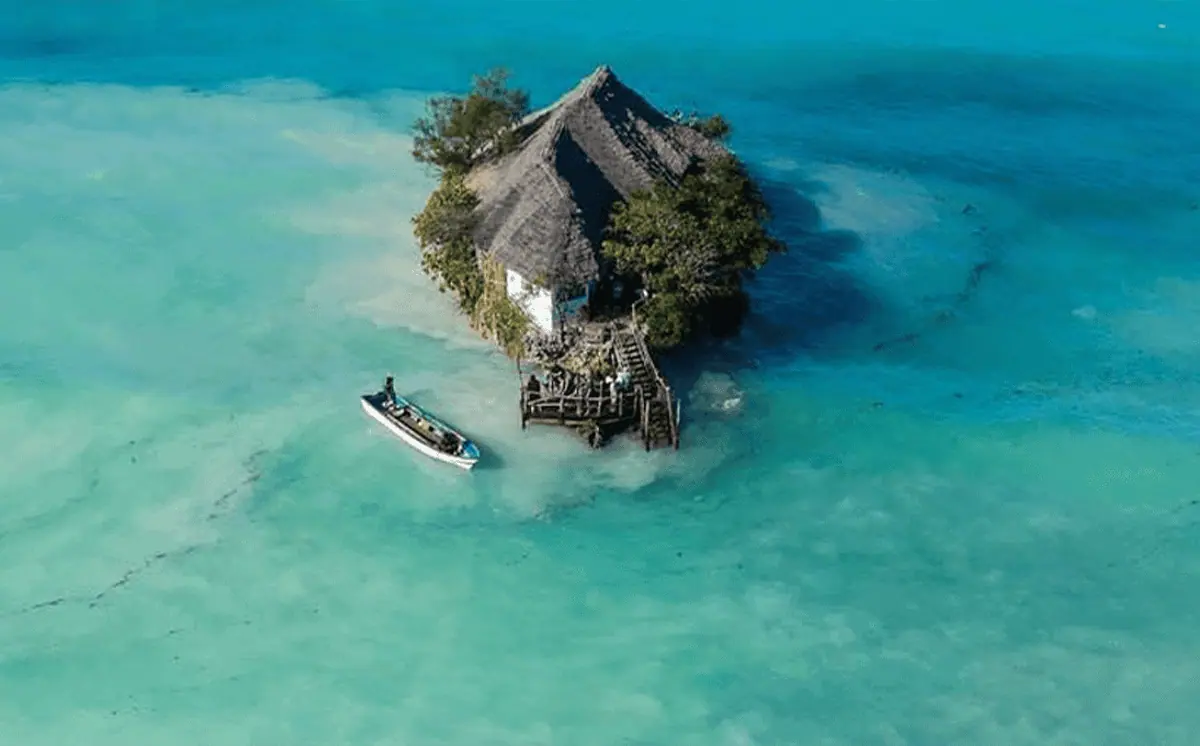
Zanzibar has required mandatory inbound travel insurance since October 1, 2024, a $44 policy covering emergency medical care, lost luggage, rescue services, and repatriation, checked on arrival regardless of nationality.
Mainland Tanzania announced a similar $44 mandatory policy in 2025, intended to roll out in early 2026, though implementation has faced delays and the exact current status is still unsettled at the time of writing. If your itinerary includes mainland Tanzania, it’s worth confirming the current requirement directly before you travel, the same way we’d confirm it for you on any TourwithPipi itinerary.
Why You Need Safari Travel Insurance Beyond the Legal Minimum
Even where a government-mandated minimum exists, it’s rarely enough on its own for a genuine safari itinerary. A few reasons full safari travel insurance still matters:
- Medical evacuation from remote areas. Kenya’s new mandate sets a $25,000 floor for evacuation coverage, but a real air ambulance from a remote bush camp can cost well over $100,000. The legal minimum is a floor, not a safety net sized for an actual emergency.
- Protecting a major financial investment. Safaris involve non-refundable deposits paid months in advance. If illness or an emergency forces a cancellation, the trip cancellation piece of your travel insurance for African safari is what gets that money back, something a government-mandated medical minimum doesn’t cover at all.
- Operator requirements. Many safari companies will not allow you to join certain activities, or the trip at all, without proof of insurance covering medical and evacuation costs on file, independent of what any single country’s government requires.
- Adventure activities that standard policies exclude. Game drives, guided bush walks, hot air ballooning, and gorilla trekking are often specifically excluded from basic travel insurance unless you buy a plan built specifically as safari travel insurance.
Travel Insurance vs. Travel Protection: Know the Difference

These two terms get used interchangeably, but they are not the same product.
| Travel Protection | Travel Insurance for African Safari | |
|---|---|---|
| Core coverage | Trip cancellation and interruption only | Cancellation, medical treatment, evacuation, baggage, adventure activities |
| Typically sold as | A simple add-on at flight or tour booking | A standalone policy purchased separately |
| Cost | Lower | 4 to 10 percent of trip cost |
| Meets Kenya’s mandate | No, on its own | Yes, if it meets the coverage minimums |
| Right for a remote safari? | No | Yes |
If a plan only covers cancellation and nothing else, it’s travel protection, not full safari insurance, and it won’t satisfy Kenya’s new requirement on its own.
What Does Safari Travel Insurance Cover?
A comprehensive safari policy generally includes:
- Trip cancellation and interruption, a core piece of any travel insurance for African safari, covering non-refundable costs if illness, injury, or a family emergency forces you to cancel or cut the trip short.
- Emergency medical treatment, including hospitalization for something like malaria or an injury sustained during a game drive, is standard on any real safari insurance plan.
- Emergency medical evacuation, covering the cost of an airlift from a remote camp to the nearest adequate hospital, and repatriation home if needed. This is the benefit that separates true safari travel insurance from a basic vacation policy, and it’s where Kenya’s $25,000 legal minimum often falls short of real-world costs.
- Travel delay coverage, which matters more on safari than most trips, since a delayed bush flight or a weather-related schedule change between remote camps can mean an unplanned overnight stay.
- Baggage and gear coverage, protecting high-value items like cameras, lenses, and binoculars that travelers tend to bring on safari.
- Adventure activity coverage, specifically naming safari-related activities like game drives, walking safaris, and gorilla trekking, since these are commonly excluded from standard policies but should be built into the best travel insurance for African safari.
What Is Not Covered by Safari Travel Insurance?
Every policy has exclusions, and a few come up often enough on safari trips that they are worth knowing before you buy:
- Pre-existing conditions. Most safari travel insurance policies exclude these within a lookback period before purchase, usually 60 to 180 days, unless you buy within 14 to 21 days of your first trip deposit and qualify for a waiver.
- Cancelling due to unrest or fear, without CFAR. A standard policy will not reimburse you for canceling simply because you feel uneasy about a destination. Cancel For Any Reason coverage is a separate add-on for this, and worth checking for on any travel insurance for African safari.
- Government “Do Not Travel” advisories. Cancellations tied to a Level 4 State Department warning are usually excluded from safari insurance unless you have CFAR.
- Activities not specifically listed. If your policy does not name an activity like gorilla trekking or hot air ballooning, it may not be covered even on the best travel insurance for African safari.
- Unattended baggage or personal items. Gear left unwatched, even briefly at a camp or airport, is typically excluded from loss and theft coverage.
- Traveling against your doctor’s written advice. If a doctor has advised you in writing that you are not medically fit to travel and you go anyway, related claims are usually denied.
- Ongoing treatment once you are home. Safari travel insurance covers emergency treatment and evacuation while you are on the trip, but it does not usually cover follow-up care once you are back home. That falls to your regular health insurance.
Cancel For Any Reason: What It Actually Pays Out
Cancel For Any Reason, or CFAR, in travel insurance is worth understanding on its own, since it is often misunderstood. It lets you cancel for a reason a standard policy would not cover, things like political instability, an airline strike, or simply changing your mind about the destination. But CFAR does not typically refund your full trip cost. Most policies reimburse 50 percent to 75 percent of what you paid, not 100 percent, and you generally have to insure the full nonrefundable value of your trip to qualify. You also need to cancel within a set window before departure, usually 48 to 72 hours, and CFAR is almost always only available if you buy it within 14 to 21 days of your first trip deposit. If a full refund matters to you, budget accordingly rather than assuming CFAR makes you whole.
Make Sure Your Coverage Cap Matches Your Safari’s Real Cost
This is one of the most missed details in safari travel insurance. Many standard policies cap trip cancellation and interruption coverage around $5,000 to $6,500 per person by default. A luxury safari, especially one that includes international flights, easily runs past that number. If your total trip cost is higher than your policy’s standard cap, you need to specifically request additional coverage to insure the full amount, or a claim could only pay out a fraction of what you actually lost. Check this number before you buy, not after you need to file a claim.
Choose a Policy That Pays Providers Directly

Some policies work on a “pay and claim” basis, meaning you pay the hospital or evacuation company out of pocket first and get reimbursed once you are home. This sounds fine until you consider the numbers involved. A medical evacuation can run into the tens of thousands of dollars, and if the emergency is serious enough to be incapacitating, even the act of paying could be difficult. Whenever possible, choose a policy where the insurer pays the hospital or evacuation provider directly on your behalf, rather than one that requires you to front the cost yourself.
Safety Tips That Pair With Your Safari Insurance
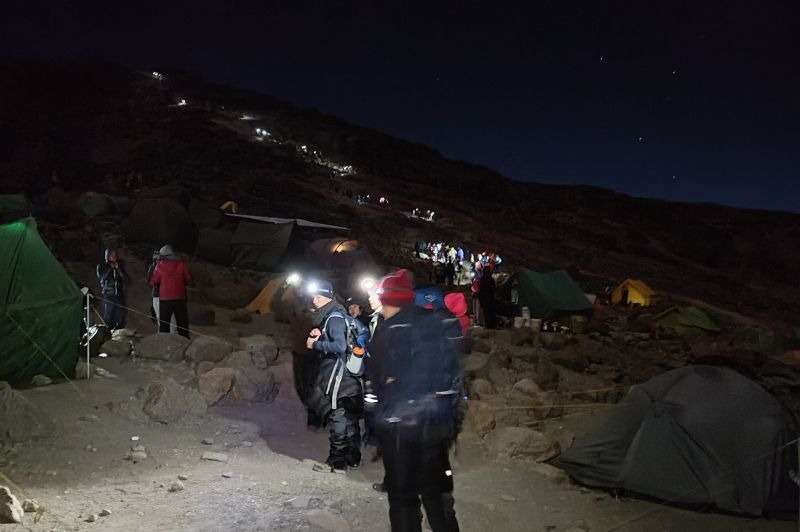
Good insurance covers what goes wrong. A few habits lower the odds it needs to:
- Book with an accredited, reputable operator and confirm your guide carries a first-aid kit, since even the best travel insurance for African safari works best alongside good on-the-ground precautions. It doesn’t hurt to pack a small first-aid kit of your own.
- Follow your guide’s instructions at all times and keep a safe distance from wildlife, even when it looks calm.
- Stay hydrated, and ask before drinking tap water in remote camps.
- Book a pre-departure medical consultation to check whether antimalarial medication or specific vaccinations are recommended for your route, since some need to start before you leave.
- Wear long sleeves, long pants, and closed-toe shoes in the bush to reduce bug bites and scrapes.
- Check the US State Department’s travel advisories for your destination before you go, and enroll in the free Smart Traveler Enrollment Program, known as STEP, so you can be reached in an emergency.
- Never try to handle wildlife yourself, and avoid walking around camp alone after dark.
- Keep a digital and printed copy of your safari travel insurance policy and its emergency contact number with you throughout the trip, not just at home.
How Much Does Safari Travel Insurance Cost?

Safari travel insurance generally runs 4 percent to 10 percent of your total trip cost, though the exact price depends on your age, trip length, destination, and the coverage limits you choose. For a luxury safari in the $4,000 to $8,000 range, that works out to roughly $160 to $800 per person. The best way to know your real number is to get a quote, since coverage limits for medical evacuation and trip cancellation move the price more than almost anything else.
Tips for Choosing the Right Safari Insurance Plan

- Buy early. Purchasing your safari travel insurance within 14 to 21 days of your first trip deposit is often the only way to qualify for a pre-existing condition waiver or add Cancel For Any Reason coverage.
- Prioritize medical evacuation limits. Look for at least $100,000 to $250,000 in coverage on any travel insurance for African safari, and consider $1 million if you are on a longer or more remote luxury itinerary.
- Confirm your specific activities are listed. If your itinerary includes gorilla trekking, hot air ballooning, or guided walking safaris, make sure the policy names them rather than assuming they fall under general safari insurance coverage.
- Compare more than one provider, and read reviews before you buy. Coverage limits, exclusions, and pricing vary enough between insurers that comparing a few quotes for travel insurance for African safari side by side, through a broker or a comparison tool, is worth the extra ten minutes, and past customer reviews often reveal how a company actually handles evacuation claims, not just how they price them.
- Update your policy if your trip cost changes. If you add days, upgrade lodges, or the total cost of your safari goes up after you buy insurance, contact your provider to raise your insured trip amount.
- Know that recommended coverage varies by home country. US-based guidance typically points to at least $100,000 to $250,000 in medical evacuation coverage on the best travel insurance for African safari, but insurers in other markets sometimes recommend higher, occasionally $350,000 to $1 million, since policy structures and repatriation costs differ. Check what is standard for your own nationality rather than assuming a US benchmark applies everywhere.
What TourwithPipi Includes, and What You Still Need

Most of TourwithPipi safari package includes emergency medical evacuation cover as part of the trip itself, arranged directly with our vetted operators and camps. That said, this is not a substitute for your own comprehensive travel insurance. Your personal policy should still cover emergency medical treatment abroad, trip cancellation and interruption, lost or delayed baggage, and travel delays from a bush flight or weather disruption, none of which our built-in evacuation cover is designed to handle. Travel insurance is not included in the cost of any TourwithPipi package, and we strongly recommend buying a policy as soon as you confirm your booking.
Plan Your Safari with TourwithPipi
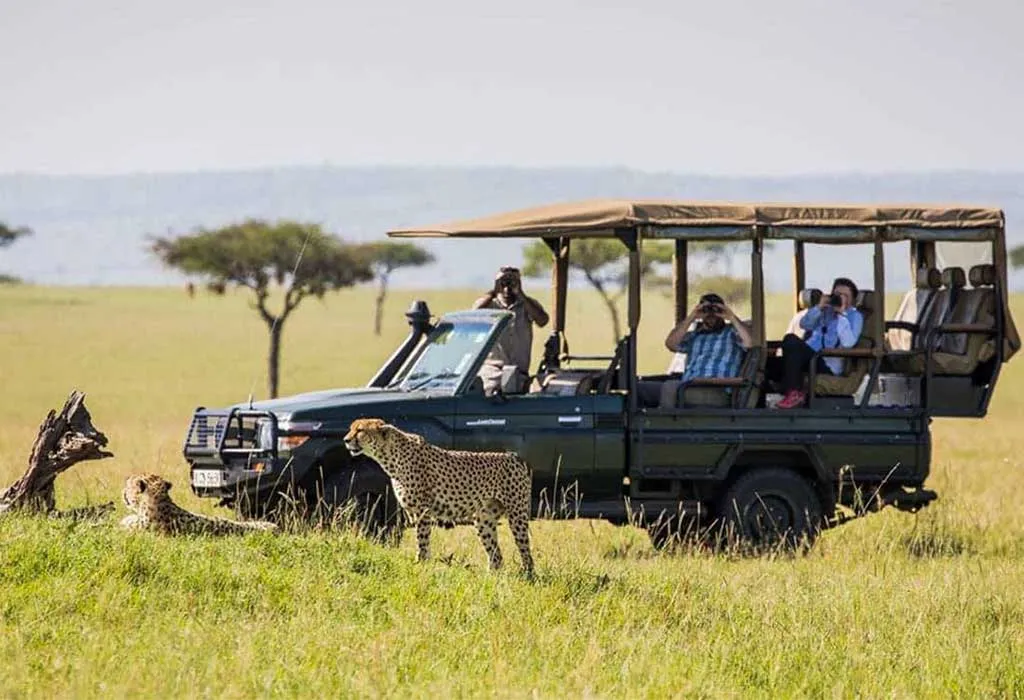
Insurance is one piece of getting safari-ready. If you are still deciding where to go, my Luxury Kenya Safaris and Luxury Tanzania Safaris cover the parks, lodges, and pricing for both countries. Message me on WhatsApp once your trip is booked and I can walk you through what your insurance policy should cover for your specific itinerary.
Final Thought
Yes, travel insurance for an African safari is now a legal requirement for Kenya specifically, not just a strong recommendation, and Zanzibar has required it since 2024. Beyond the legal minimum, the case for comprehensive coverage remains the same: the high cost of emergency medical evacuation from remote bush camps, often exceeding $100,000, and the fact that most safari operators require proof of coverage before you can join a trip. A good safari insurance policy covers trip cancellation, emergency medical treatment, medical evacuation, travel delays, and adventure activities like game drives and gorilla trekking, which standard travel policies often exclude.
Frequently Asked Questions
Do I need travel insurance for an African safari?
Yes. For Kenya specifically, travel insurance became a legal requirement on July 30, 2026, with a minimum $50,000 in coverage. Zanzibar has required it since October 2024. Beyond these legal minimums, it’s strongly recommended everywhere else and often required by the safari operator itself, mainly because of the high cost of emergency medical evacuation from remote areas.
Is travel insurance mandatory for Kenya in 2026?
Yes. As of Gazette Notice No. 11492, published July 30, 2026, all non-Kenyan visitors staying under 12 months must hold travel health insurance with a minimum cumulative coverage of $50,000, verified as part of the Electronic Travel Authorization process.
What is the best travel insurance for an African safari?
The best travel insurance for an African safari is a comprehensive policy that specifically lists safari activities like game drives and gorilla trekking as covered, includes at least $100,000 in emergency medical evacuation coverage, well above Kenya’s new legal minimum, and covers trip cancellation and interruption for the full value of your trip.
Does regular travel insurance cover safaris?
Not always. Standard travel insurance policies often exclude adventure activities like game drives, walking safaris, and gorilla trekking unless the policy specifically names them as covered, so it is worth confirming this before you rely on an existing policy, and before assuming it satisfies Kenya’s new requirement.
How much does safari insurance cost?
Safari insurance generally costs 4 percent to 10 percent of your total trip cost, depending on your age, trip length, and the coverage limits you choose for medical evacuation and trip cancellation.
When should I buy safari travel insurance?
You should buy safari travel insurance as soon as possible after paying your first trip deposit, ideally within 14 to 21 days, since this window is often required to qualify for pre-existing condition waivers or add Cancel For Any Reason coverage.
Does my US health insurance cover me on safari?
Most US health insurance plans do not cover treatment overseas, and even when they do, they rarely cover emergency medical evacuation from a remote location, which is why a dedicated travel insurance policy is necessary for a safari, and why it won’t satisfy Kenya’s new insurance mandate on its own unless it meets the required coverage minimums.
Can I buy travel insurance after my safari has already started?
Some providers allow this for basic medical coverage, but you will miss out on trip cancellation coverage for anything already in motion, and most pre-existing condition waivers and Cancel For Any Reason upgrades are only available if you buy within 14 to 21 days of your first trip deposit, well before departure.
What happens if my bags are delayed on safari?
A comprehensive safari policy typically covers delayed or lost baggage, sometimes with an advance payment so you can replace essentials immediately rather than waiting until you return home to file a claim.
Does Cancel For Any Reason refund 100 percent of my trip cost?
No, this is a common misconception. Most Cancel For Any Reason policies reimburse 50 percent to 75 percent of your trip cost, not the full amount, and you generally need to insure the full nonrefundable value of your trip to qualify.
Quick Summary
- Kenya legally requires travel insurance as of July 30, 2026, with a minimum $50,000 in coverage, verified through the ETA process.
- Zanzibar has required mandatory inbound travel insurance since October 2024; mainland Tanzania’s own requirement is still rolling out and worth confirming before you travel.
- Travel protection only covers cancellation, while full travel insurance also covers medical, evacuation, and gear, and only the latter can meet Kenya’s legal minimum.
- Emergency medical evacuation from a remote bush camp can cost over $100,000, well above Kenya’s $25,000 legal minimum for that benefit.
- A good safari travel insurance policy covers trip cancellation, emergency medical treatment, evacuation, travel delays, and baggage.
- Adventure activities like game drives and gorilla trekking are often excluded from standard policies unless specifically listed, so check this on any safari insurance plan.
- Pre-existing conditions are usually only covered if you buy within 14 to 21 days of your first trip deposit.
- Cancel For Any Reason typically refunds 50 to 75 percent of your trip cost, not the full amount.
- Many standard policies cap cancellation coverage around $5,000 to $6,500 per person, often below what a full safari costs.
- Choose a policy that pays hospitals and evacuation providers directly rather than one that requires you to pay and claim later.
- Safari insurance typically costs 4 percent to 10 percent of your total trip cost.
- Medical evacuation coverage of at least $100,000 to $250,000 is a reasonable minimum for US travelers to look for, well above any single country’s legal floor.
- TourwithPipi includes emergency medical evacuation as part of every package, but this does not replace personal travel insurance or satisfy Kenya’s legal mandate on its own.
- US health insurance rarely covers treatment or evacuation costs incurred overseas.


