
The short answer is 7 living types, plus 4 extinct lions. The 6 African types are the Southern African lion, the Katanga lion, the West African lion, the East African lion, the Ethiopian lion, and the Northeast Congo lion. There is only one Asian type, the Asiatic lion, which is found in India today. The 4 extinct types are the Barbary lion, the Cape lion, the Cave lion, and the American lion.
The 6 African Lion Species
Southern African Lion
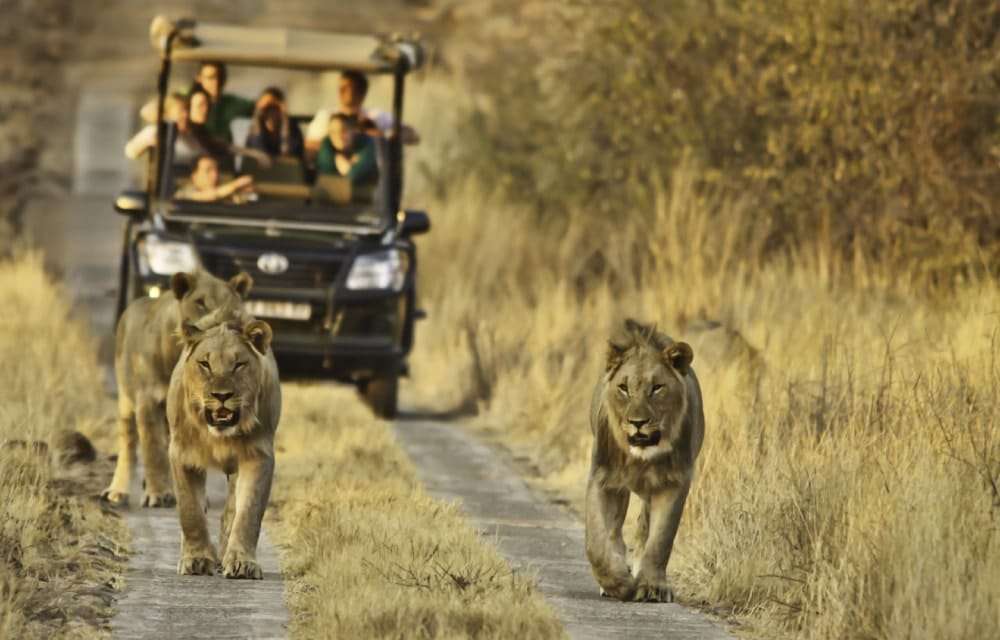
The Southern African lion is also known as the Transvaal lion, and it is common in Kruger National Park in South Africa and in Chobe in northern Botswana. Males can weigh up to 250 kg, or about 550 lbs, and this is one of the most studied lion populations in the wild, mostly because it is so visible across popular safari destinations.
A rare color variation called the white lion shows up occasionally within this population. It is caused by a recessive gene, not a separate species or subspecies. Wild sightings happen mostly in South Africa’s Timbavati region, and breeding programs help keep white lions alive in captivity. Lions were actually wiped out entirely in parts of South Africa at one point, but they have since been reintroduced into Kruger and Kalahari Gemsbok National Parks, and the population there is doing well again.
Katanga Lion
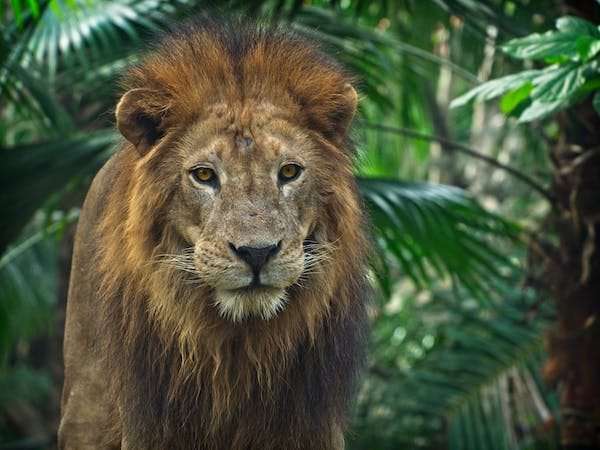
The Katanga lion is found across southwestern Africa, especially in Angola and Namibia, and also in parts of southern and East Africa. It is sometimes called the Transvaal lion or the Cape lion, which points to a real tangle in how scientists classify it. Some sources treat the Katanga lion as its own distinct group, Panthera leo bleyenberghi, separate from the Southern African lion entirely. Other sources group it under the same scientific name as the Southern African lion, Panthera leo melanochaita, and treat “Katanga” as more of a regional nickname than a truly separate type. Either way, this population was nearly wiped out by trophy hunting, and it no longer exists across parts of its former range. The good news is that numbers are slowly recovering now, thanks to managed reserves in Botswana, South Africa, and Zimbabwe.
West African Lion
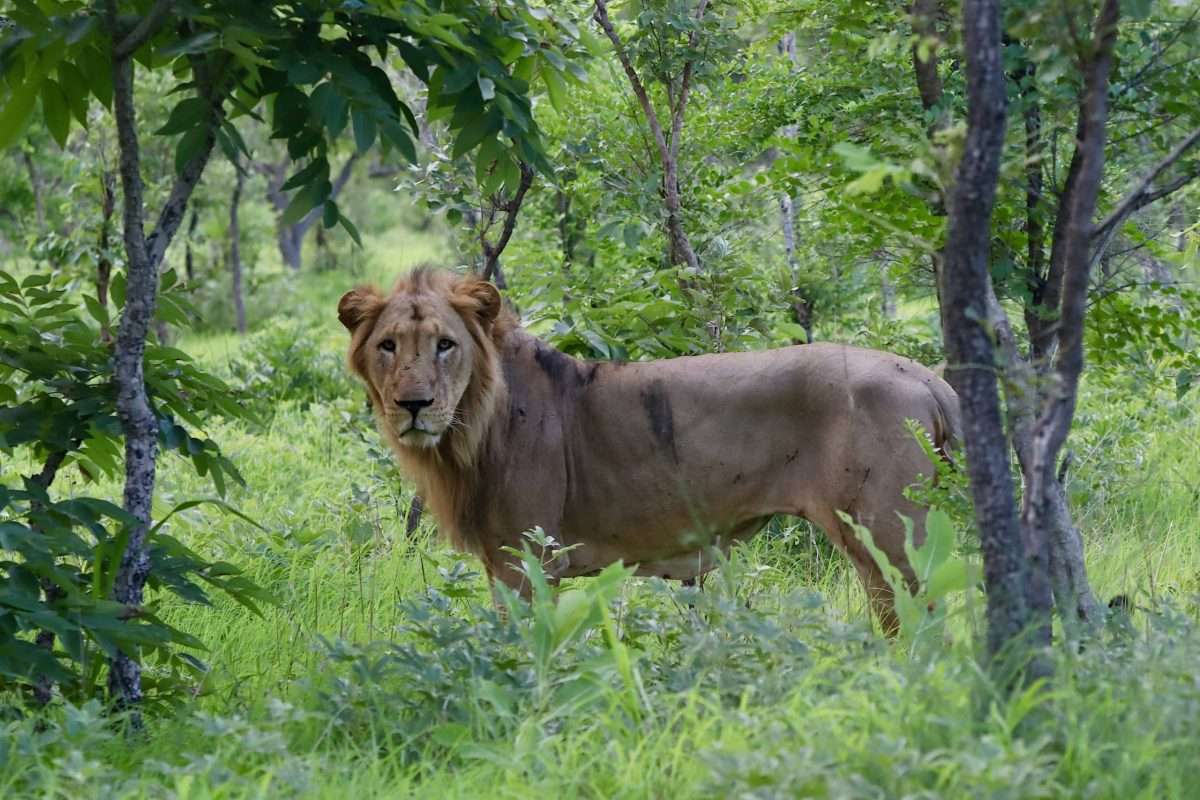
The West African lion is also called the Senegalese lion, and it is the rarest and most critically endangered of all the living African lion types. It is genetically distinct enough from other lions that researchers do treat it as its own clear subspecies. Only about 350 individuals are left, and most of them live within a large UNESCO World Heritage site that sits at the intersection of Burkina Faso, Niger, and Benin. West African lions are smaller and more lightly built than their southern and eastern relatives, and unlike some other lion populations, they do not reliably stay within protected land, which leaves them more exposed to hunting. Conservation groups, including Panthera, are working hard to protect and grow what is left of this population.
East African Lion
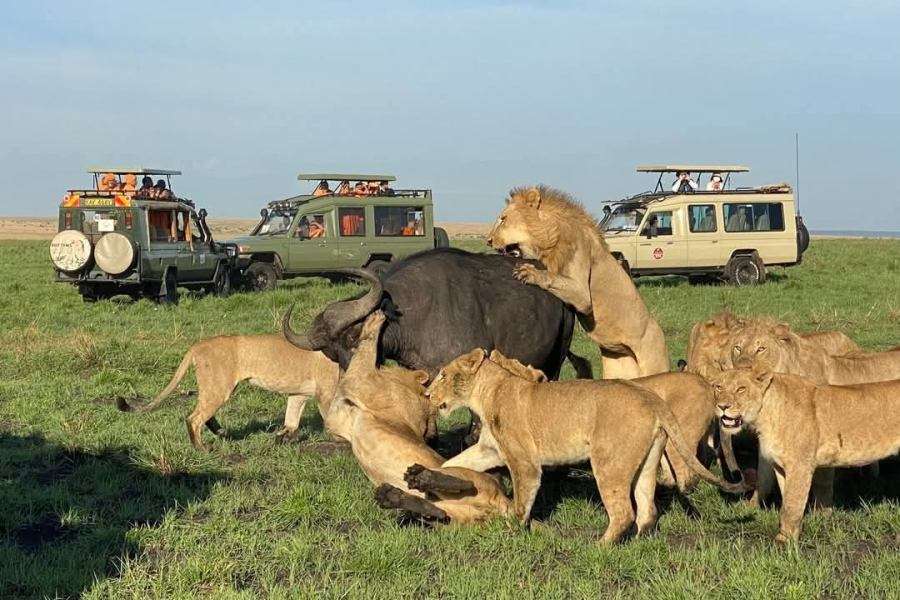
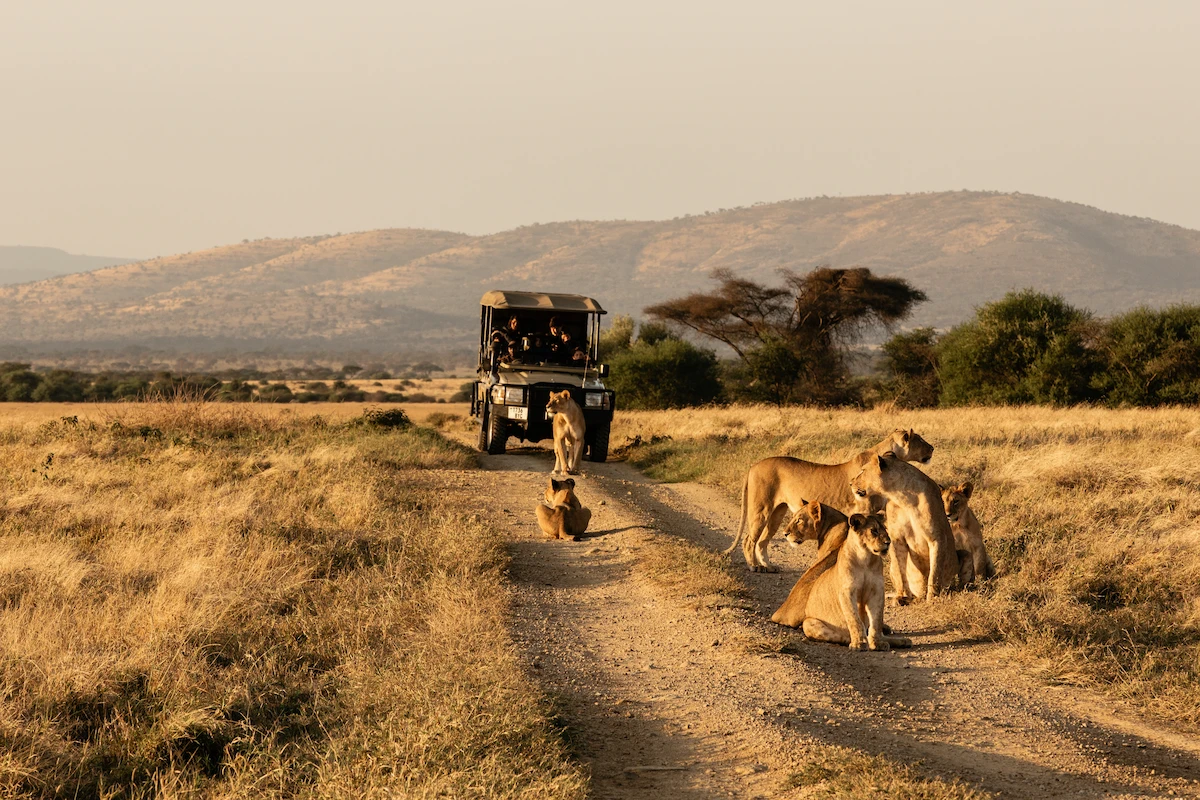
This is the type of lion you will actually see if you go on a Kenya or Tanzania safari. The East African lion is native to the Masai Mara, the Serengeti, and the surrounding regions, and it has an athletic build with a comparatively modest mane. There are enough genetic and physical differences between it and other African populations that many taxonomies still treat it as its own distinct type.
Ethiopian Lion
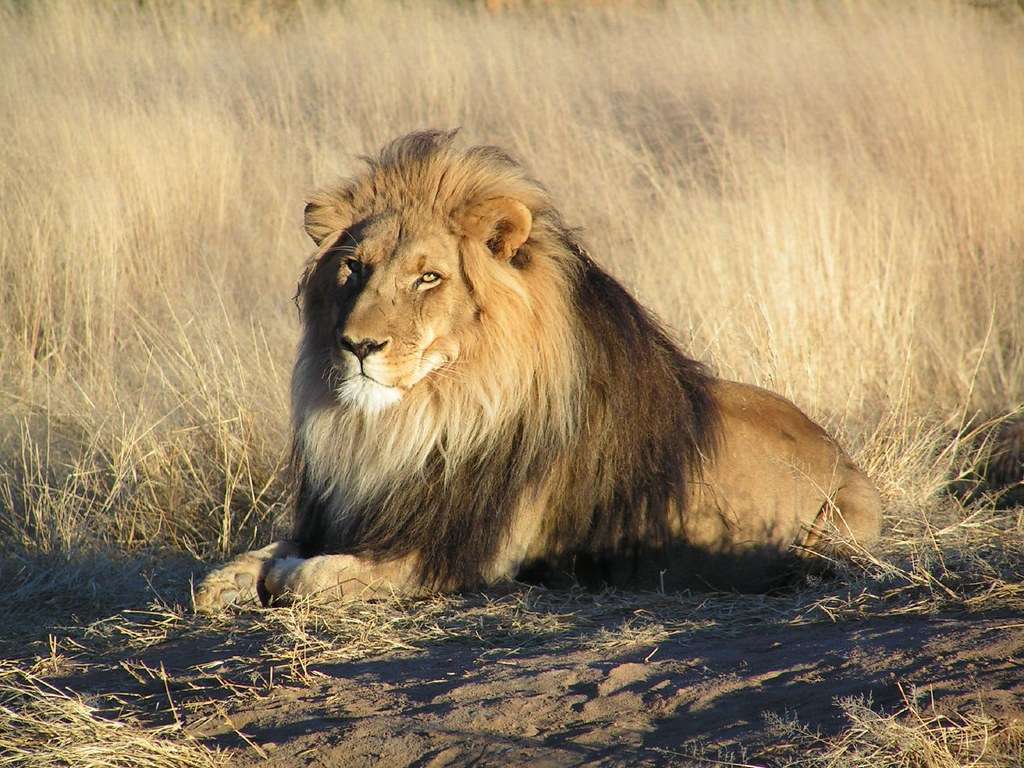
The Ethiopian lion is native to the highlands of Ethiopia, and it is known for a notably dark, full mane. This population is small and considered vulnerable, so conservationists continue to push for more focused breeding and protection efforts.
Northeast Congo Lion
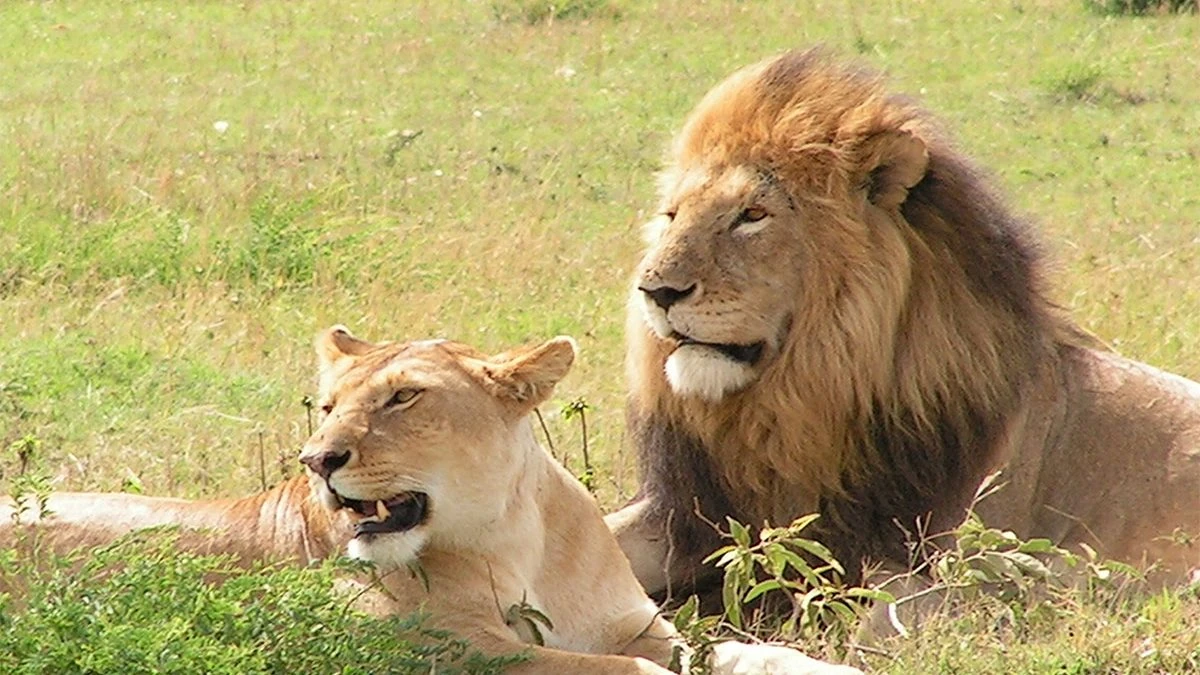
This type is also known as the Congo lion or the Uganda lion, and it is generally found in the Democratic Republic of Congo and in Uganda, though it likely did not originate in either place. Males weigh around 190 kg, or about 420 lbs, and females are somewhat lighter. Males often carry a very dark mane, and some are almost black.
What makes this type genuinely unusual is behavior, not just biology. Northeast Congo lions, males, females, and cubs alike, regularly climb, play, and sleep in trees, which is different from most lion populations that rest on the ground. Researchers in Uganda believe this happens for a few reasons, safety, escaping the heat of the day, avoiding biting insects, and getting a better view of potential prey. You can still see these tree-climbing lions today in Uganda’s Queen Elizabeth National Park, and it is worth knowing this is a genuinely different tree-climbing population from the ones occasionally spotted in Tanzania’s Lake Manyara and Tarangire.
The Only Asian Lion Species
Asiatic Lion
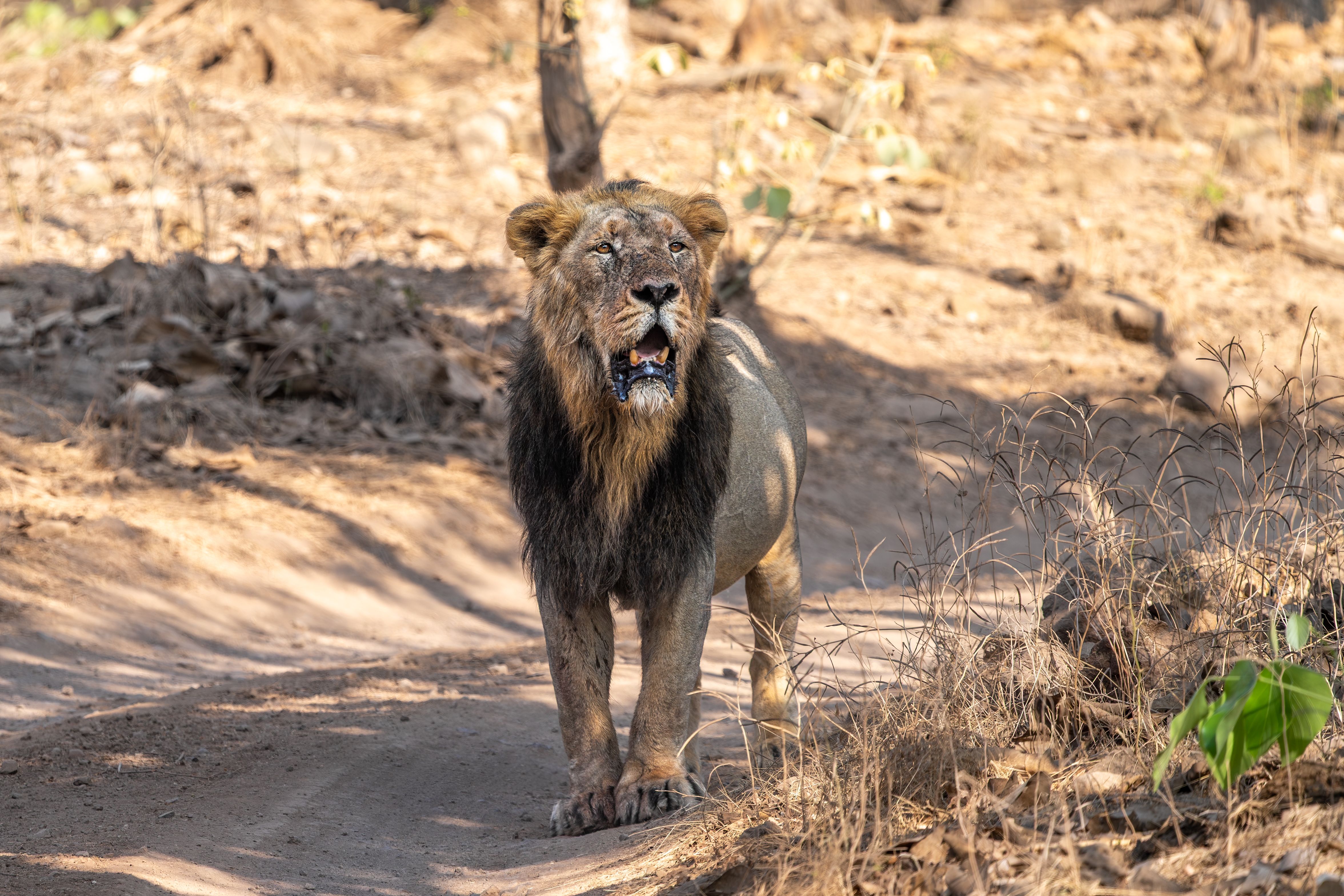
The Asiatic lion is also called the Indian lion, and it survives today only in the Gir Forest of western India. This is a relatively small wildlife reserve, and it is the last wild population left outside Africa. Only a few hundred individuals remain in the wild in total. The Asiatic lion is slightly smaller than African lions, and it has a shorter, darker mane along with a distinct fold of skin running along its belly, a feature African lions do not have. Asiatic lions once ranged across southwest Asia and the Middle East, but today the population is critically endangered and confined to this one protected area.
4 Extinct Lion Species
Barbary Lion

The Barbary lion was native to the Atlas Mountains of North Africa, an area that spans parts of Morocco, Algeria, and the wider Maghreb region. Because it lived in cooler mountain conditions, it developed a thick, dark, long-haired mane that flowed over its shoulders. It was historically nicknamed the “royal lion,” since royal families in Ethiopia and Morocco kept them, and some historians even believe Barbary lions may have been the ones pitted against gladiators in Ancient Rome. The species is considered extinct in the wild today, driven out by overhunting, habitat loss, and a devastating respiratory disease. There has been ongoing discussion in conservation circles about reintroducing the Barbary lion to the wild someday, using descendants that still survive in captivity.
Cape Lion

The Cape lion was once native to the southern tip of Africa, and it is generally considered extinct now. It was historically known for a black mane and a notably massive build. Some conservation groups believe descendants may still persist through interbreeding within captive lion populations, though this remains genuinely debated rather than confirmed.
Cave Lion
The Cave lion, Panthera spelaea, is an extinct species related to modern lions, and it is known mostly from Ice Age cave paintings and fossil remains found across Europe and Asia. Scientists recognize at least two, and possibly three, distinct cave lion subspecies, including the European cave lion and the closely related Beringian cave lion, which lived further east toward what is now the Bering land bridge. Both were larger and more powerful than any lion alive today, and they were likely built to hunt large Ice Age game. Both went extinct around 14,000 years ago. Cave lions are not considered a direct ancestor of today’s lions, but they still offer real insight into how the wider Panthera genus evolved over time.
American Lion
The American lion was one of the largest lion species to ever exist, and it roamed North America during the Pleistocene epoch, with a range that stretched from Alaska all the way down to Peru. Males may have weighed over 350 kg, or about 770 lbs, and the species was closely related to the Cave lion. It is now completely extinct.
Are Lion “Breeds” a Real Thing?
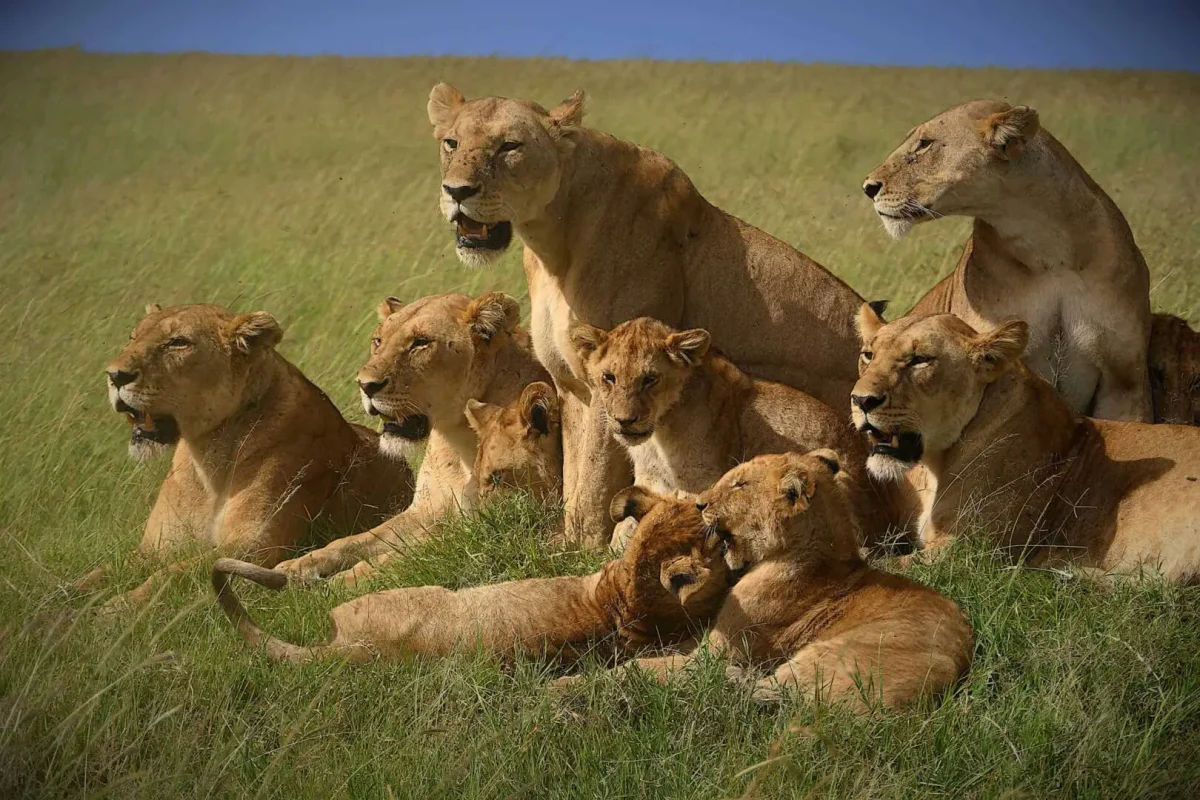
Not technically, no. “Breed” is a term we use for domesticated animals, like dogs and cattle, where humans have selectively bred specific traits over many generations. Wild lion populations are correctly called subspecies or types instead, since they were shaped by geography and natural selection, not by human breeding programs. Still, plenty of people search for different lion breeds when what they really mean is the different types of lions found across Africa and Asia, so it helps to know both terms are pointing at the same real animals.
Ready to See East African Lions for Yourself?
If you want a Kenya or Tanzania safari built around strong lion and pride sightings, message me directly on WhatsApp.
A few trips with strong lion sightings:
- 5-Day Big Five Safari: Maasai Mara Road Adventure
- 8-Day Must See Kenya: Luxury Safari Journey
- 9-Day Ultimate Kenya Honeymoon: Savannah to Sea
Frequently Asked Questions
How many different kinds of lions are there?
There are 7 living types, 6 African and 1 Asian, and there are also 4 extinct types known from history and fossils, which makes for a combined total of 11.
What are the different types of lion species?
The living types are the Southern African, Katanga, West African, East African, Ethiopian, and Northeast Congo lions, along with the Asiatic lion in India. The extinct types are the Barbary, Cape, Cave, and American lions.
What is the rarest type of lion?
The West African lion is the most critically endangered living African type, with roughly 350 individuals left. The Asiatic lion is just as critical, since it survives only in one protected forest in India.
What type of lion lives in Kenya and Tanzania?
That would be the East African lion, or Panthera leo nubica, which is the type you will see across the Masai Mara, the Serengeti, and the surrounding parks.
Which lions climb trees?
Two separate populations are known for this. The Northeast Congo lion climbs trees in Uganda’s Queen Elizabeth National Park, and certain East African lion groups do the same in Tanzania’s Lake Manyara and Tarangire National Parks.
Are white lions a separate species?
No, they are not. White lions are simply a rare color variation of the Southern African lion, caused by a recessive gene, not a distinct species or subspecies.
What is the largest extinct lion species?
That title likely belongs to the American lion, which roamed North America during the Pleistocene epoch. Males may have weighed over 350 kg, which makes it one of the largest lion species ever to exist.
Blog Summary About Different Types of Lions
- There are 7 living types of lions, 6 African and 1 Asian, and 4 extinct types on top of that.
- The East African lion is the type you will actually see on a Kenya or Tanzania safari.
- White lions are a color variation of the Southern African lion, not a separate species.
- The West African lion is the most critically endangered living African type, with only about 350 left.
- The Northeast Congo lion is known for climbing, playing, and sleeping in trees.
- The Asiatic lion survives only in the Gir Forest of India, and just a few hundred are left in the wild.
- Sources disagree on whether the Katanga lion is its own subspecies or part of the Southern African lion group.
- The Barbary lion was once kept by royal families, and it may have fought in Ancient Roman arenas.
- The Cave lion had at least two subspecies, European and Beringian, and both went extinct around 14,000 years ago.
- The American lion may be the largest lion species that ever existed.


