
Quick Answer: What Sound Does a Zebra Make?
A zebra’s main sound is called a bray, sometimes described as a bark. It’s a short, high-pitched, wheezy call that sits somewhere between a horse’s whinny and a donkey’s bray, often written phonetically as “kwa-ha-ha” or “a-ha, a-ha, a-ha.” Beyond the bray, zebras also snort, squeal, nicker, and wail, six distinct sounds in total have been documented by researchers, each tied to a different situation: danger, satisfaction, pain, distress, or territory.
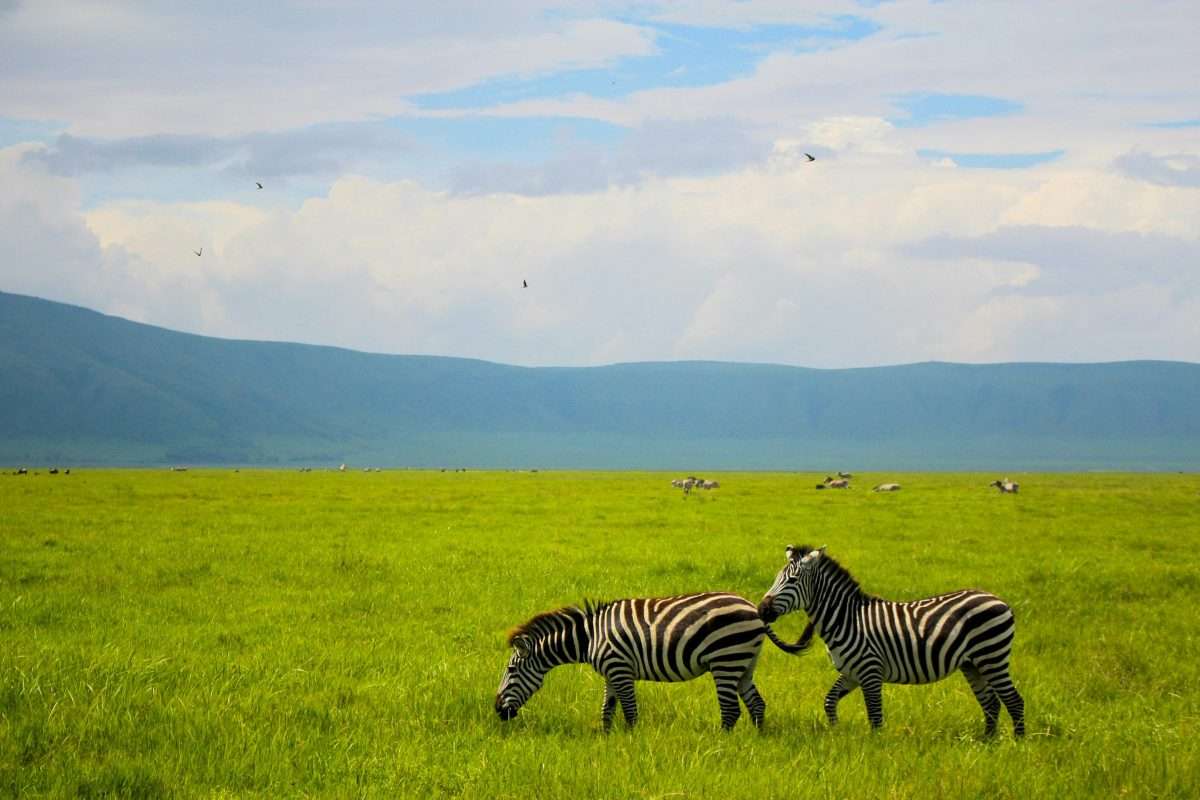
The Six Sounds Zebras Actually Make
The most detailed study of zebra vocalizations came from German zoologist Hans Klingel, who spent years observing plains zebras in Tanzania’s Ngorongoro Crater and documented six distinct calls. Here’s what each one means.
| Sound | What It Sounds Like | When Zebras Make It |
|---|---|---|
| Neigh | A sharp, two-syllable alarm call | Warning the herd about a nearby predator |
| Snort | A loud, forceful snort through the nose | Moving into tall grass or underbrush where a predator could be hiding |
| Nicker (whinny) | A drawn-out, breathy grunt | A sign of contentment or satisfaction |
| Squeal | A short, high-pitched yelp | Usually from a male zebra after being bitten during a fight |
| Wail | A long, distressed cry | Made by a young zebra separated from its mother or in distress |
| Bray (bark) | A rhythmic “a-ha, a-ha, a-ha” or “kwa-haah” | The main contact call, also used to advertise territory and status |
The bray is the sound most people picture as the classic “zebra sound.” It’s produced by forcing air in and then sharply back out, which is exactly what gives it that broken, wheezing quality. Male zebras also bray frequently as part of courtship and dominance displays, so a particularly loud, persistent bray is often less about danger and more about a male making his presence known.
Do All Zebra Species Sound the Same?
Not exactly. There are three living zebra species, and their vocal habits differ more than most people realize.
- Plains zebra: The species Klingel studied, and the one responsible for the full range of six documented calls, including the classic bray.
- Grévy’s zebra: Found in the arid and semi-arid regions of East Africa, Grévy’s zebra has two distinct alarm calls, the same loud snort as the plains zebra, plus a quieter “i-hah” vocalization not seen in other species.
- Mountain zebra: Native to the rocky uplands of southwestern Africa, the mountain zebra is noticeably less vocal overall and tends toward a higher-pitched, more submissive call rather than the assertive bray of its plains cousin.
So the “sound of a zebra” genuinely depends on which zebra you’re asking about, and where in Africa you happen to be standing when you hear it.
Why Do Zebras Make These Sounds?
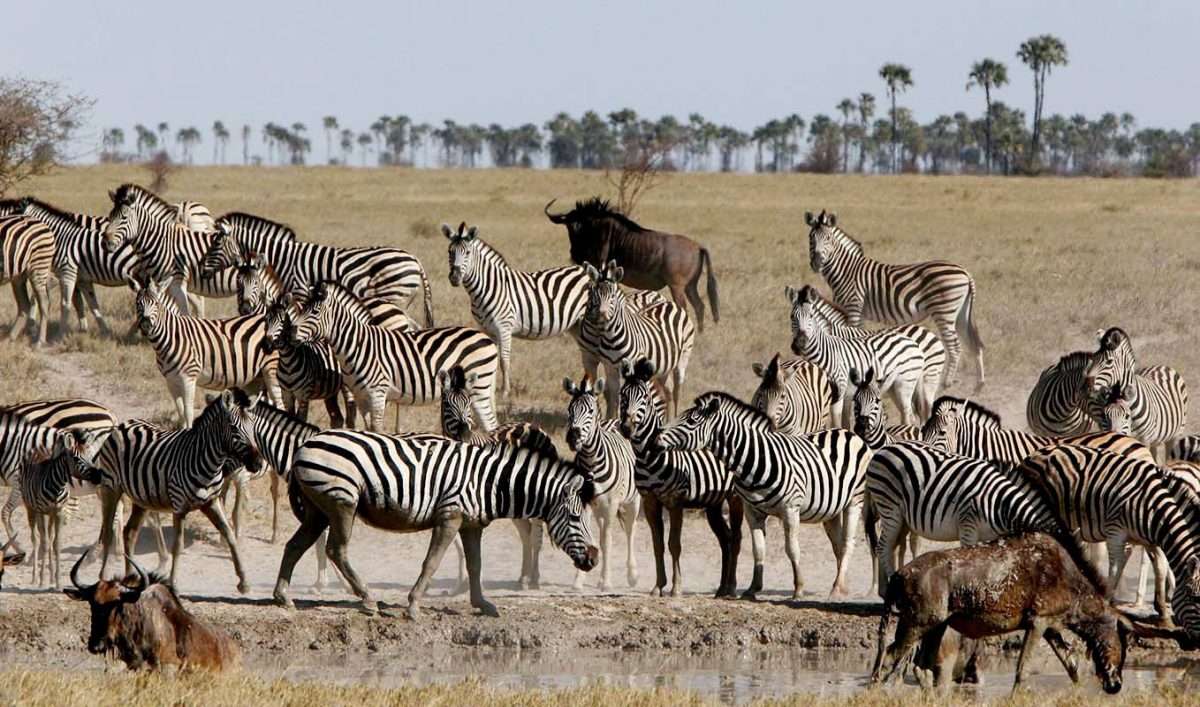
Zebra sounds aren’t random noise, they’re a genuinely functional communication system built for life on the open savanna, where staying together as a herd is a real survival advantage.
- Predator warnings: The sharp neigh and loud snort alert the herd to danger before it’s close enough to see clearly.
- Individual recognition: Since each zebra’s bray is pitched slightly differently, herd members, especially mothers and foals, can find each other by sound alone in a large, moving group.
- Social bonding: The nicker signals contentment and helps maintain calm within a herd.
- Status and courtship: Frequent, loud braying from males is a direct display of territory and dominance, aimed at both rivals and potential mates.
- Distress signaling: A foal’s wail is unmistakable and typically brings an immediate response from its mother.
Where to Hear Zebra Sounds on Safari
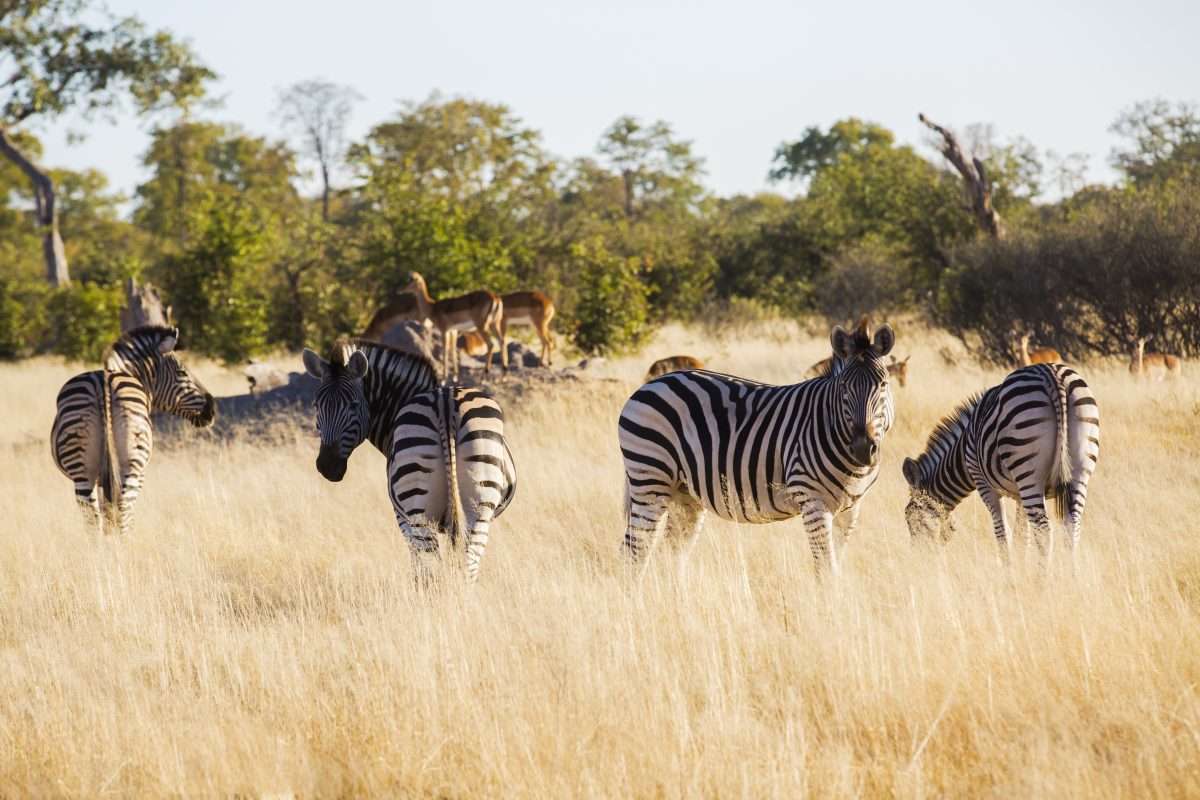
Zebras are herd animals, and that means their sounds are almost never heard in isolation, you’ll usually catch a chorus of neighs, snorts, and brays overlapping as a herd moves, grazes, or reacts to something in the grass. The Masai Mara and Serengeti are two of the best places in Africa to experience this firsthand, especially during the Great Migration, when hundreds of thousands of zebra move alongside the wildebeest herds and the plains genuinely fill with sound.
Plan a Safari to Hear Zebra Sounds Yourself
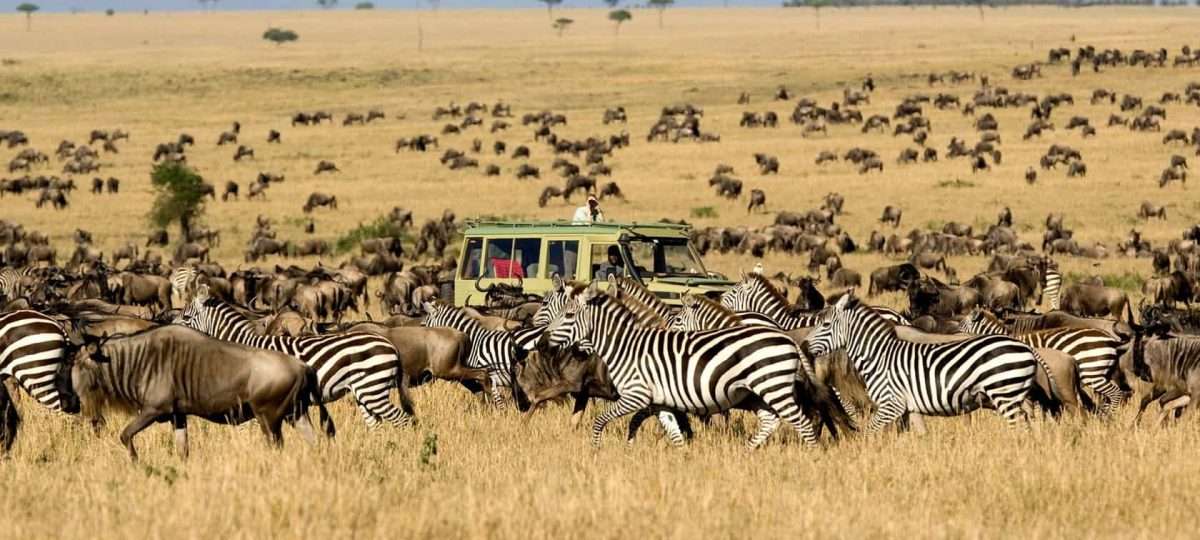
Reading about a zebra’s bray is one thing. Standing in an open vehicle at sunrise while a herd calls to each other across the grass is a completely different experience. My Luxury Kenya Safaris and Luxury Tanzania Safaris both cover prime zebra territory, including the Masai Mara and Serengeti during migration season. Message me on WhatsApp if you want a safari built around the best wildlife viewing, and listening, of the year.
Frequently Asked Questions
What sound does a zebra make?
A zebra’s main sound is a bray, a short, high-pitched, wheezy call often written as “kwa-ha-ha” or “a-ha, a-ha, a-ha.” Zebras also snort, squeal, nicker, and wail, depending on the situation.
Do zebras neigh like horses?
Not quite. Zebras do have a neigh-like alarm call, but it’s sharper and more two-syllable than a horse’s neigh, and it’s just one of six distinct sounds zebras make, rather than their primary vocalization.
Why do zebras bray so loudly?
Zebras bray to stay in contact with their herd, warn against predators, and, in male zebras specifically, to advertise territory and status as part of courtship and dominance displays.
Do all zebra species sound the same?
No. Plains zebra make the widest range of sounds, including the classic bray. Grévy’s zebra has a unique quiet “i-hah” alarm call alongside the standard snort, and mountain zebra are generally quieter, with a higher-pitched, more submissive call.
What is the “kwa-ha-ha” sound associated with zebras?
“Kwa-ha-ha” is the phonetic name given to the now-extinct quagga, a plains zebra subspecies, by the Khoikhoi people of southern Africa, based on the sound of its call. The same sound is still used to describe the modern plains zebra’s bray today.
Quick Summary
- A zebra’s signature sound is called a bray, a sharp, wheezy call often transcribed as “kwa-ha-ha” or “a-ha, a-ha, a-ha.”
- Researcher Hans Klingel documented six distinct zebra sounds while studying plains zebra in Tanzania’s Ngorongoro Crater.
- The six sounds are neigh (alarm), snort (caution), nicker (contentment), squeal (pain), wail (distress), and bray (contact and territory).
- Each zebra’s bray is pitched slightly differently, letting herd members recognize each other by sound alone.
- Male zebras bray frequently as a territorial and courtship display, not just as a warning call.
- Plains zebra make the widest range of documented sounds among the three living zebra species.
- Grévy’s zebra has a unique quiet alarm call in addition to the standard snort.
- Mountain zebra are the least vocal of the three species, with a higher-pitched, more submissive call.
- The extinct quagga, a plains zebra subspecies, was named after its “kwa-ha-ha” call by the Khoikhoi people.
- The Masai Mara and Serengeti, especially during the Great Migration, are among the best places to hear zebra sounds firsthand.
Written by Khadija Tayabali, Founder and Virtuoso-affiliated safari advisor at TourwithPipi. Message me directly on WhatsApp to plan a safari where you can hear zebras for yourself.


