
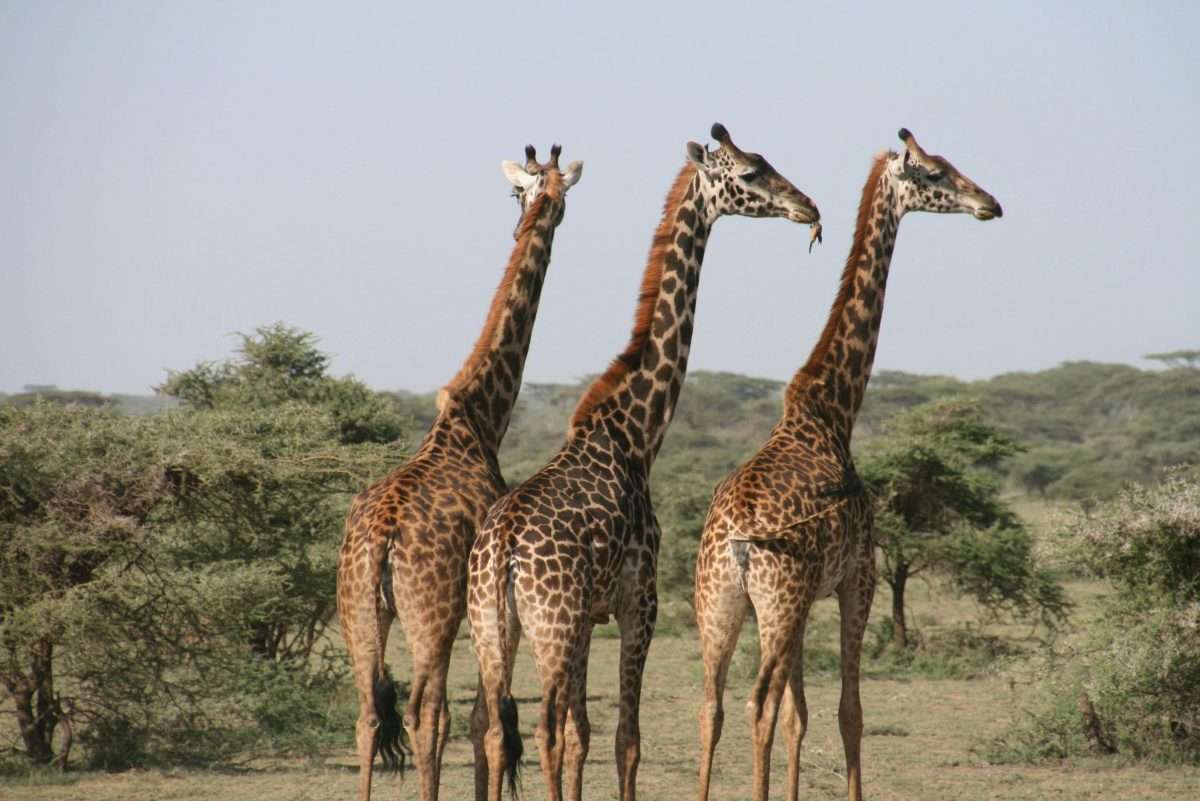
A safari in Africa is not just a journey, it is a dream that lives in the hearts of many travelers who seek the raw beauty of nature and the spirit of adventure.
Tanzania, known as the soul of African safaris, welcomes every visitor with endless plains, golden sunsets, and the distant call of the wild. In 2024, more than 2.14 million international visitors arrived in Tanzania, with most traveling to witness its incredible wildlife and breathtaking landscapes. Together with domestic travelers, the country welcomed over 5.3 million tourists, many drawn by the Serengeti, Ngorongoro Crater, and the chance to see the Big Five roaming freely across the savannah.
Each Tanzania safari tour begins with excitement, awe, and a deep sense of connection to something timeless. The landscapes seem to stretch into infinity, and every sunrise reveals new wonders, from elephants walking in herds to the thunder of wildebeests during the Great Migration.
Many travelers describe their African safari experience as life-changing because Tanzania offers not just wildlife but a feeling of peace, adventure, and belonging that stays long after the journey ends. Whether it is watching lions resting in the Serengeti or the morning mist over Ngorongoro Crater, every sight feels like a scene from a living painting.
Guided by years of expertise in crafting safari in Africa adventures, TourwithPipi ensures every traveler experiences Tanzania in a way that feels effortless, safe, and deeply personal.
Everything you should know before going on a safari in Tanzania is shared here to help you prepare for an unforgettable journey filled with wonder and discovery.
Quick Safari Planning Guide: Tanzania at a glance
Planning the perfect Tanzania safari tour begins with understanding the basics that make this country so remarkable. This simple guide offers all the key facts travelers should know before they book a safari.
| Category | Key Details |
|---|---|
| Best Time to Visit | June to October for the Great Migration, or January to March for the calving season |
| Major Parks | Serengeti National Park, Ngorongoro Crater, Tarangire National Park, Lake Manyara National Park |
| Arrival Airports | Kilimanjaro International (JRO), Arusha, and Dar es Salaam |
| Ideal Safari Duration | 7 to 10 days for a balanced experience |
| Approximate Budget Range | 500 to 1000 USD per person per day depending on comfort level |
| Best Add-On | Zanzibar Beach Extension for relaxation after your African safari adventure |
Each region of Tanzania holds something unique. From the northern plains to the coastal islands, travelers are surrounded by nature, culture, and endless opportunities for exploration.
Need help planning your safari in Africa? Chat with our experts to design a journey that matches your pace, preferences, and travel dreams.
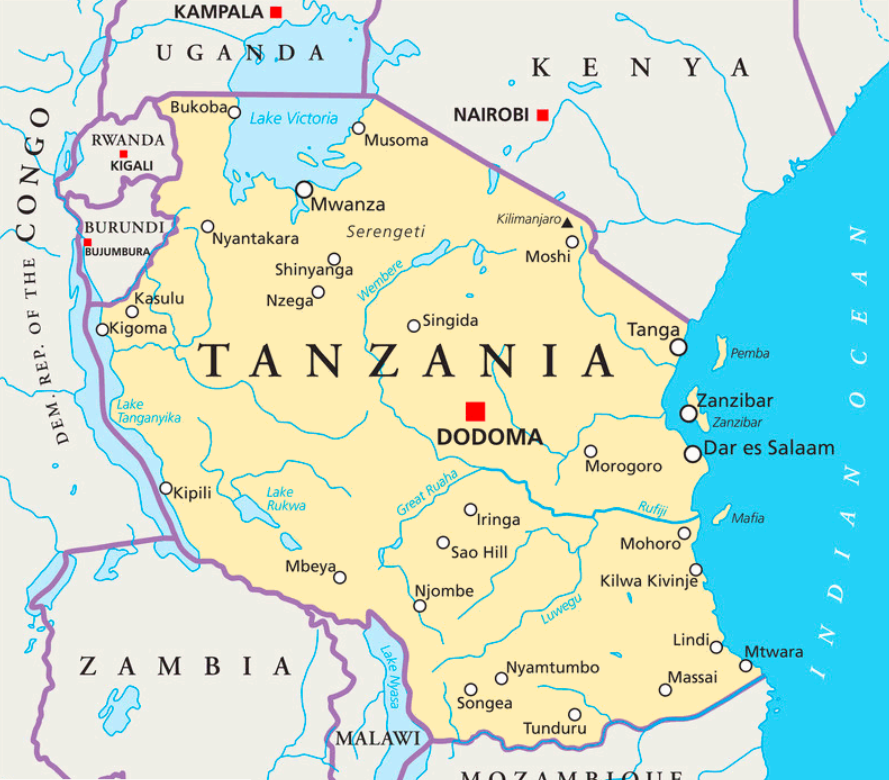
Tanzania is an East African country located along the warm shores of the Indian Ocean, offering both breathtaking coastlines and rich inland landscapes filled with wildlife. It shares borders with Kenya and Uganda to the north, Rwanda, Burundi, and the Democratic Republic of the Congo to the west, and Zambia, Malawi, and Mozambique to the south.
Its geographic diversity makes it one of the most captivating destinations for a safari in Africa, with travelers able to move easily from the golden plains of the Serengeti to the white beaches of Zanzibar.
How to Reach Tanzania
The most common and comfortable way to reach Tanzania is by air travel. The two major international airports are Julius Nyerere International Airport (DAR) near Dar es Salaam and Kilimanjaro International Airport (JRO) near Arusha.
Kilimanjaro International is the most popular choice for visitors booking a Tanzania safari tour, as it provides direct access to Arusha, known as the “Safari Capital of Africa.” From Arusha, travelers connect easily to world-renowned destinations like the Serengeti, Ngorongoro Crater, and Tarangire National Park.
For travelers who wish to combine their African safari adventure with relaxation, Dar es Salaam offers access to the beaches of Zanzibar and the country’s southern parks. Some visitors also arrive through Nairobi, Kenya, before taking a scenic drive or short flight into Tanzania, especially when combining Kenya and Tanzania safaris in one journey.
Entry Requirements and Travel Essentials
Visitors traveling to Tanzania must have a passport valid for at least six months beyond their intended departure date. A yellow fever vaccination certificate may be required if arriving from a country with a risk of yellow fever transmission, such as Kenya or Uganda. It is also advisable to carry travel insurance, proof of a return or onward ticket, and keep copies of travel documents for safety.International visitors are encouraged to notify their banks of travel plans and keep a credit card for emergencies.
Arusha: The Gateway to Safari
Arusha, located near Mount Meru and Kilimanjaro, serves as the heart of the Tanzania safari experience. It is a lively town filled with friendly people, boutique lodges, and a rich cultural blend that reflects the spirit of Tanzania. From Arusha, travelers begin journeys that connect them to the country’s most iconic landscapes and wildlife experiences.
Easy Accessibility from Around the World
With direct and connecting flights from Europe, the Middle East, and North America, Tanzania remains one of the most accessible safari destinations in Africa. Internal flights operated by regional airlines make travel between national parks quick and comfortable, allowing visitors to focus on the beauty of their adventure rather than long transit hours
When Is the Best Time to Visit Tanzania
The best time for your Tanzania safari tour depends on the kind of adventure you seek. Tanzania’s climate changes across the year, and each season brings its own beauty, atmosphere, and wildlife activity.
High Season (June to October)
The dry season is considered the best time to experience a safari in Africa, especially for travelers wanting clear skies and abundant wildlife.
Weather: Days are sunny, dry, and pleasantly cool, perfect for long game drives and outdoor exploration.
Wildlife: This is the peak time to witness the Great Migration in the Serengeti, as herds of wildebeest and zebra gather near rivers and waterholes alongside predators like lions and leopards.
Crowds: The parks are busiest, so bookings for lodges and tours should be made at least 4-6 months in advance.
Price: It is the most expensive season due to high demand, but the exceptional wildlife experiences make it worth every moment.
Low Season (January to March)
For travelers who prefer serenity and vibrant scenery, the green season offers a peaceful and colorful escape.
Weather: Warm with occasional light rain, turning the plains into lush, green landscapes.
Wildlife: Calving season begins in the Serengeti, with newborn animals and excellent predator action. Bird-watching is also at its best, with migratory species filling the skies.
Crowds: Very few tourists visit during this time, allowing for private and quiet safari moments.
Price: Accommodation and flight rates are at their lowest, making this an ideal choice for one to experience an affordable luxury safari adventure.
Shoulder Season (November to Early December)
The shoulder season blends the highlights of both high and low seasons, making it an appealing time for flexible travelers.
Weather: A pleasant mix of light rain and sunny days, refreshing the landscape without affecting game drives.
Wildlife: Game viewing remains rewarding, and the scenery becomes greener and more photogenic.
Crowds: Visitor numbers drop after the high season, giving travelers a more relaxed experience.
Price: Safari costs become more affordable as rates begin to decrease, offering excellent value for quality experiences.
Best Places to Visit on a Tanzania Safari
The best places for a Tanzania safari include Serengeti National Park, famous for the Great Wildebeest Migration; Ngorongoro Crater, a stunning caldera filled with diverse wildlife; and Tarangire National Park, known for its huge elephant herds and ancient baobab trees. Other great spots are Ruaha National Park for a raw, offbeat experience and Selous Game Reserve for its untouched southern charm. After the adventure, Zanzibar Island is perfect for relaxing by the beach.
Northern Tanzania Safari Highlights
1. Serengeti National Park
The Serengeti National Park is one of the most iconic safari destinations in the world and the heart of the African safari experience. It is famous for the Great Wildebeest Migration, where over two million wildebeests and zebras journey across the endless plains in search of fresh grass. The park’s open landscapes and scattered acacia trees create perfect conditions for spotting lions, cheetahs, and elephants. Every moment in the Serengeti feels timeless, filled with awe and wonder.
2. Ngorongoro Crater
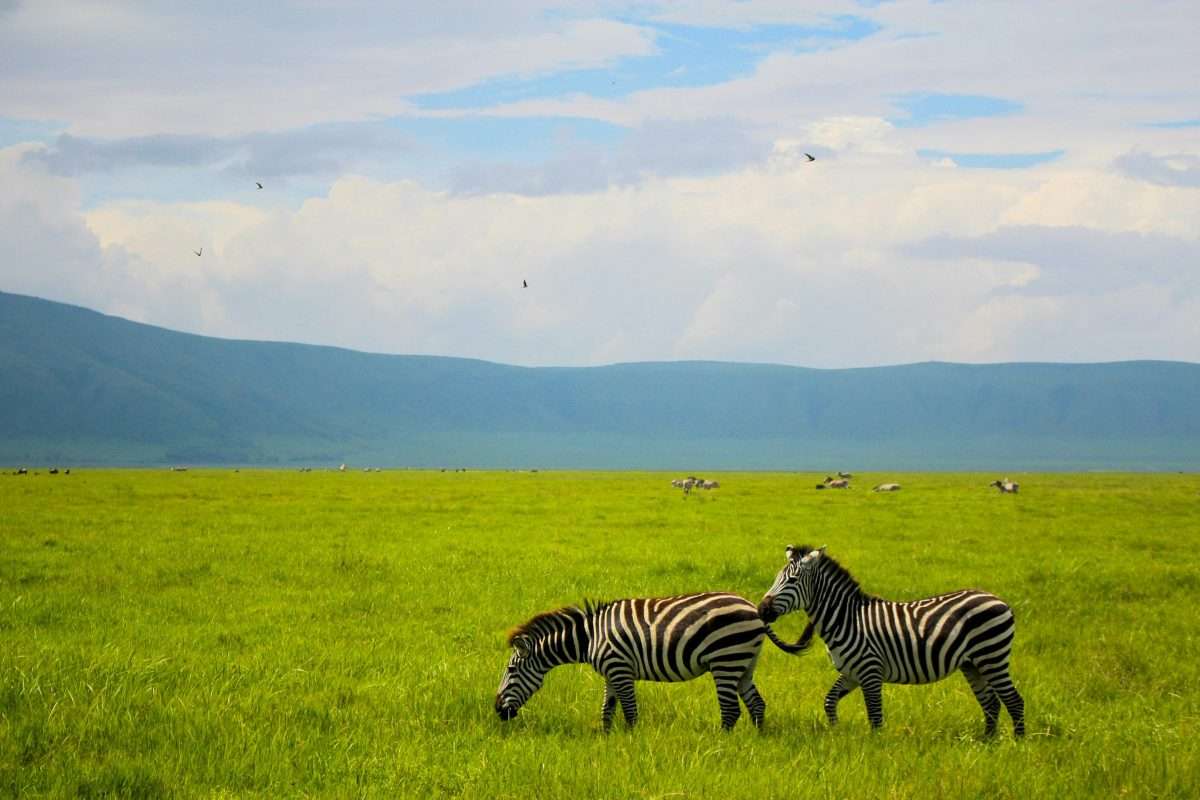
A UNESCO World Heritage Site and often called the eighth wonder of the world, the Ngorongoro Crater is a breathtaking volcanic caldera that shelters a dense population of wildlife. It offers one of the best chances to see the Big Five in a single day. The scenery, from mist-covered crater walls to open grasslands, makes this place one of the most photogenic locations on any Tanzania safari tour.
3. Lake Manyara National Park
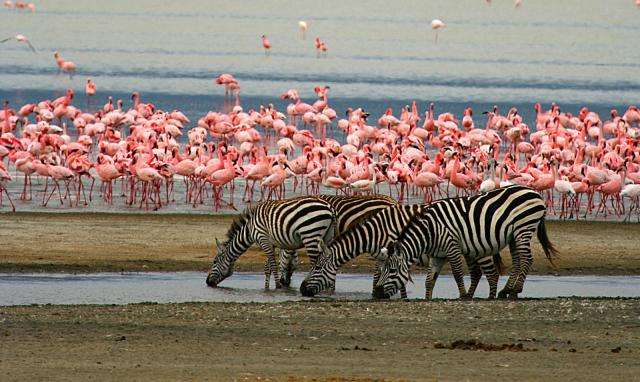
Lake Manyara is a compact yet captivating park known for its tree-climbing lions, pink flamingos, and tranquil atmosphere. It provides a relaxing start to a northern circuit safari and is perfect for travelers who enjoy shorter game drives in a lush, scenic environment surrounded by forests and lakeshores.
4. Tarangire National Park
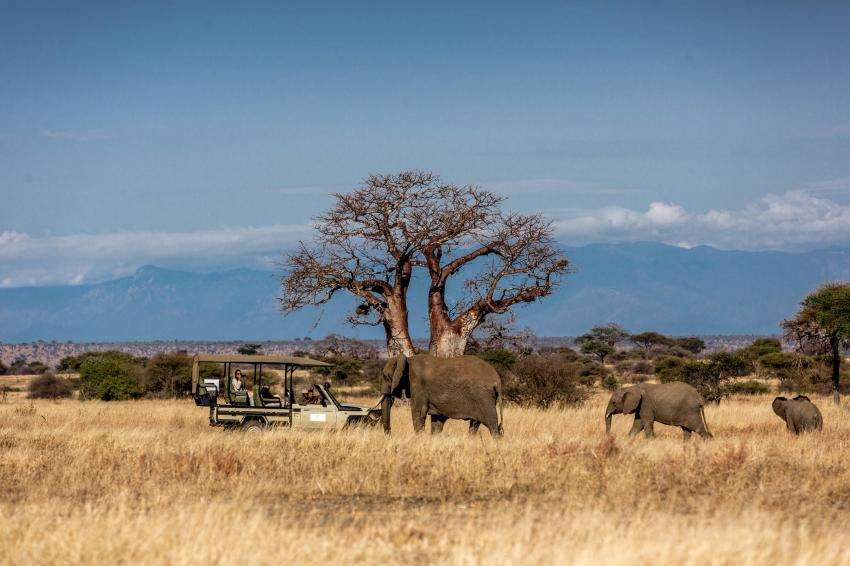
The Tarangire National Park is recognized for its vast herds of elephants and ancient baobab trees that dominate the landscape. It is less crowded than the Serengeti or Ngorongoro, offering a quieter and more personal safari experience. During the dry season, animals gather near the Tarangire River, creating some of the best wildlife viewing opportunities in northern Tanzania.
Southern Tanzania Safari Highlights
1. Ruaha National Park
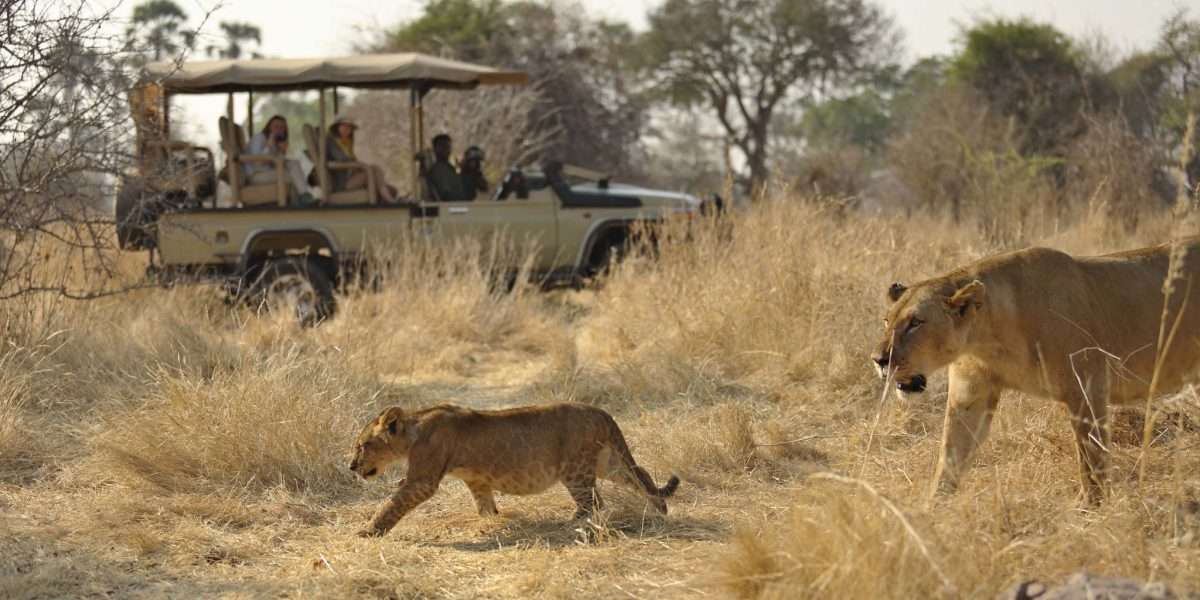
For those seeking a more authentic and off-the-beaten-path safari in Africa, Ruaha National Park offers a perfect retreat into untouched wilderness. It is Tanzania’s largest national park, rich with predators, elephants, and a remarkable diversity of bird species. Its remote setting and low visitor numbers make it ideal for travelers looking for peace, solitude, and raw natural beauty.
2. Nyerere National Park (Selous Game Reserve)
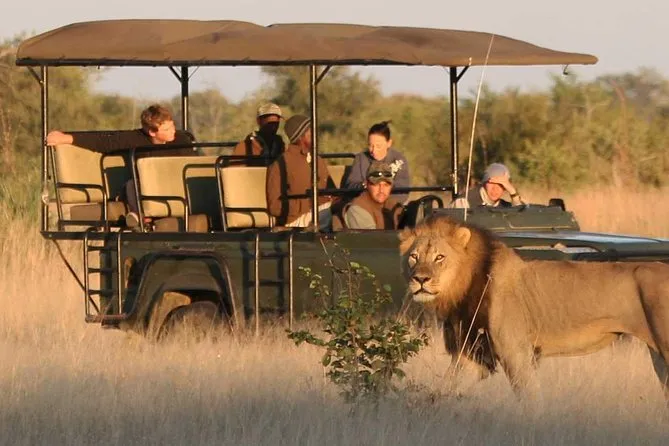
Formerly known as the Selous Game Reserve, Nyerere National Park is one of Africa’s largest protected areas, spanning over 30,000 square kilometers. It is home to thriving populations of hippos, crocodiles, and elephants. The Rufiji River that flows through the park allows visitors to enjoy rare boat safaris, offering a refreshing perspective of Tanzania’s wildlife from the water.
3. Mikumi and Udzungwa Mountains
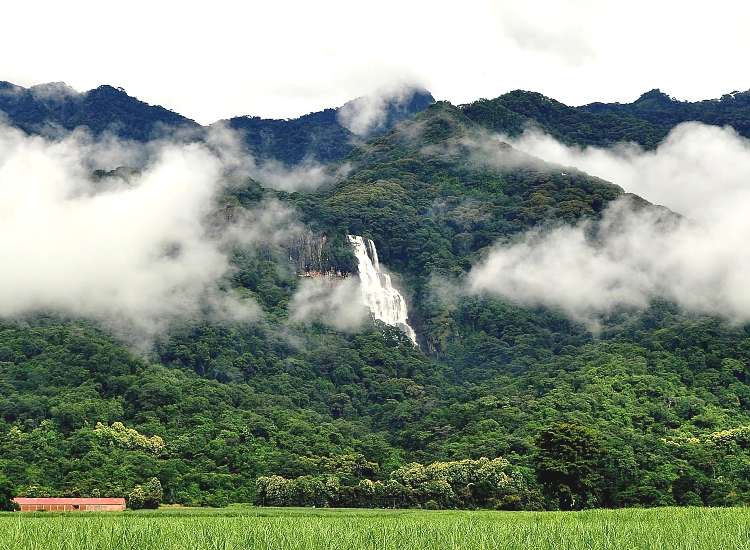
The Mikumi National Park and Udzungwa Mountains form a spectacular combination of savannah plains and rainforest peaks. These destinations provide opportunities for walking safaris, scenic drives, and hikes through waterfalls and forest trails. For nature enthusiasts, this region showcases the incredible ecological diversity that defines Tanzania’s southern circuit.
Other Must-Visit Safari and Adventure Spots
1. Zanzibar Island
After an exciting Tanzania safari tour, many travelers head to Zanzibar for rest and relaxation. The island offers turquoise waters, coral reefs, spice farms, and historic charm, making it a perfect post-safari escape.
2. Mount Kilimanjaro
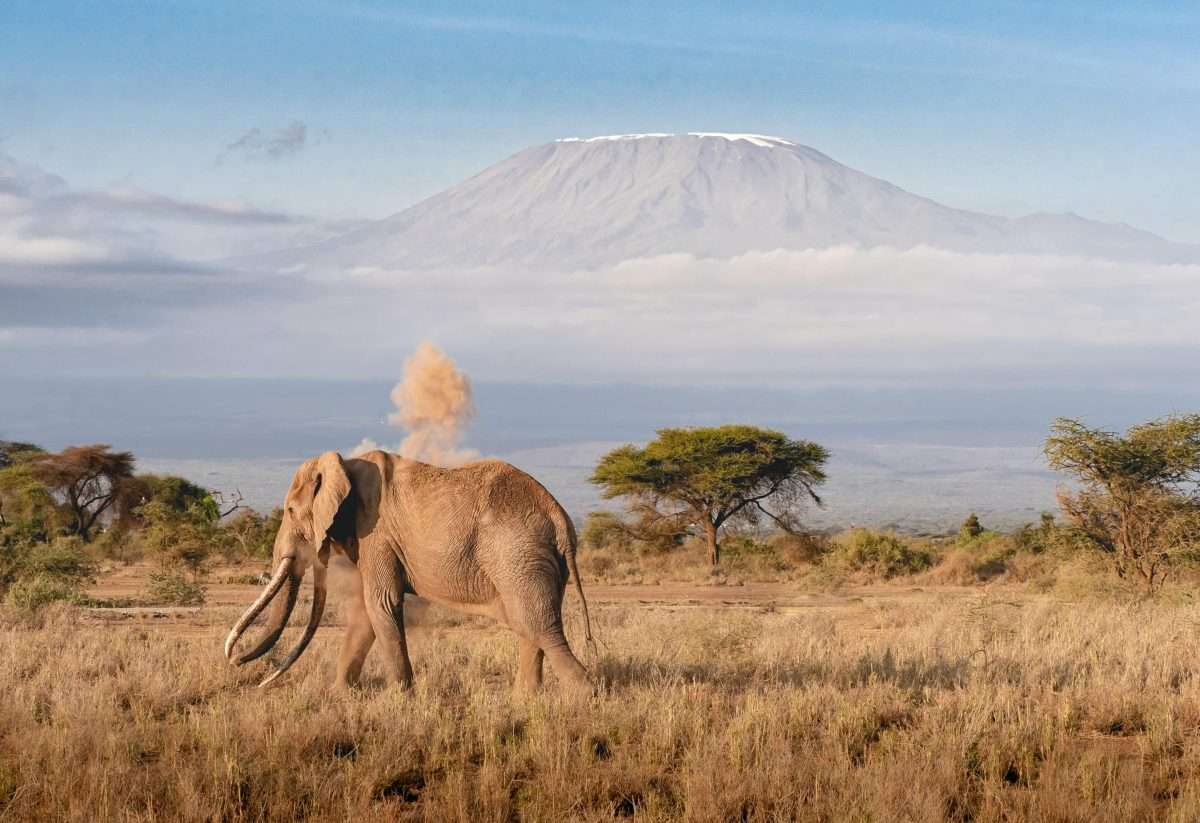
For adventure seekers, climbing Mount Kilimanjaro, Africa’s highest peak, is a once-in-a-lifetime experience that pairs perfectly with a wildlife safari.
Each destination in Tanzania adds its own chapter to the story of your safari adventure. Whether it is the roar of lions in the Serengeti, the serenity of Zanzibar’s shores, or the thrill of standing before Kilimanjaro’s snow-capped peak, TourwithPipi ensures your journey across Tanzania is filled with meaning, discovery, and lasting memories.
Browse all our Tanzania safari itineraries
Types of Tanzania Safaris You Can Book
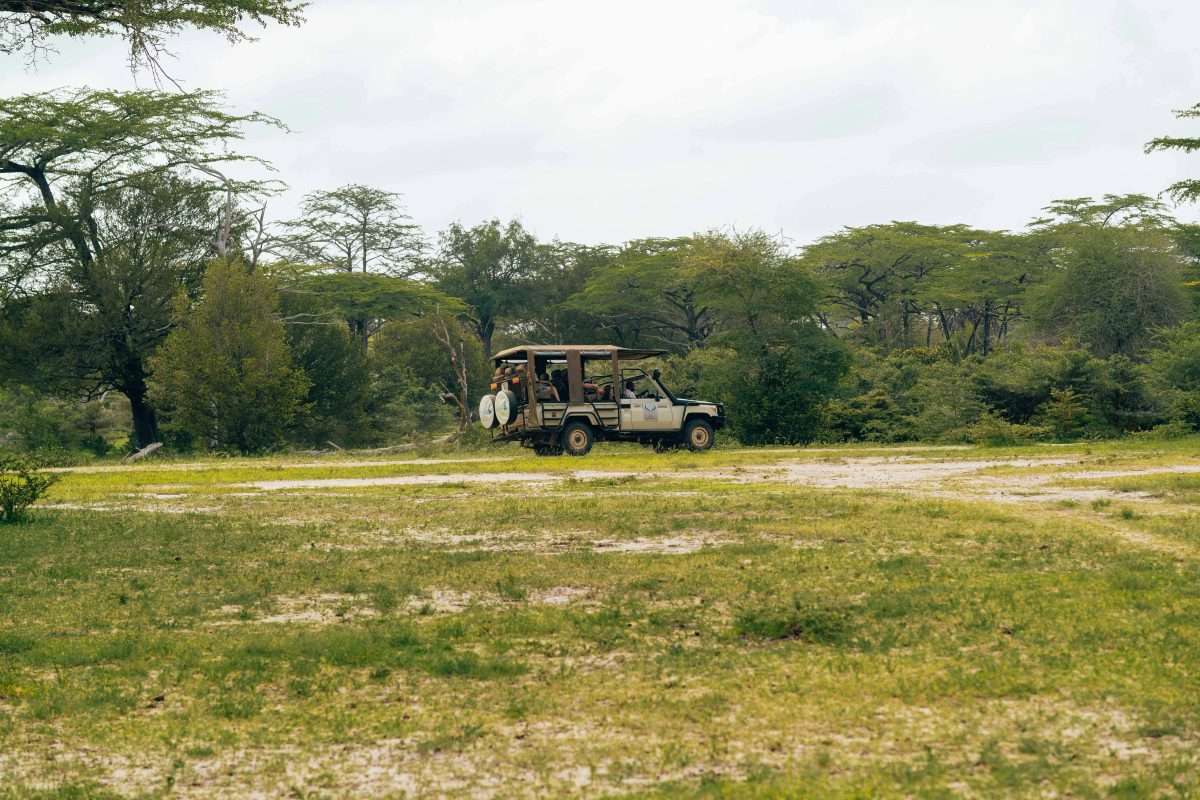
A safari in Africa can be shaped around your travel style, comfort level and sense of adventure. Tanzania offers a wide range of safari types, from luxury escapes to authentic camping journeys, ensuring every traveler finds their perfect match. At TourwithPipi, each safari is handcrafted to suit individual preferences, whether you seek exclusivity, photography, or family-friendly exploration.
1. Private Safaris – The TourwithPipi Signature Experience
Private safaris are ideal for travelers who value privacy, flexibility, and a personalized journey. These experiences are guided by professional local experts and designed entirely around your schedule. Private vehicles, customized routes, and handpicked lodges allow travelers to explore at their own pace while enjoying complete comfort and freedom.
2. Luxury Lodge Safaris – Romantic Escapes and Honeymoon Experiences
For couples and honeymooners, luxury lodge safaris combine the thrill of wildlife with elegance and serenity. Tanzania’s top lodges in the Serengeti and Ngorongoro offer private plunge pools, candlelit dinners, and panoramic views over endless plains. Each moment feels curated for romance, relaxation, and connection.
3. Budget Camping Safaris – Adventure in Its Purest Form
Perfect for adventure seekers, budget camping safaris provide an authentic African safari tour experience close to nature. Travelers camp under starry skies, enjoy shared meals, and explore the wilderness with expert guides. It is an ideal way to feel the rhythm of the wild while keeping costs manageable.
4. Family Safaris – Safe, Educational, and Fun
Families traveling together can enjoy safe, child-friendly safaris with private guides, flexible itineraries, and family-sized lodges. These safaris blend comfort and learning, allowing children to discover Africa’s wildlife, traditions, and landscapes in a fun and inspiring way.
5. Photographic Safaris – Capture Every Moment
Designed for photographers and nature enthusiasts, these safaris provide extended game drives, professional guides, and special vehicle setups for clear, stable shots. From the Great Migration to the morning light over Ngorongoro, every frame tells a powerful story.
6. Walking or Fly-in Safaris – Explore from a New Perspective
Walking safaris bring travelers closer to the heartbeat of nature, guided safely through bush trails and untouched landscapes. Fly-in safaris, on the other hand, offer luxury and convenience, allowing travelers to reach remote regions like Ruaha or Nyerere by air, saving time and offering breathtaking aerial views.
Tell us your travel style — we’ll design your perfect Tanzania safari.
How Much Does a Tanzania Safari Cost in 2025
A Tanzania safari tour in 2025 can cost between $500 and $1,500+ per person per day, depending on your travel style, level of comfort, season, and group size. Every safari organized by TourwithPipi includes transparent pricing with no hidden costs, ensuring travelers know exactly what they are paying for.
| Safari Type | Budget Range (Per Person/Day) | Inclusions |
|---|---|---|
| Budget Camping | $350–$450 | Shared guide, tents, meals, park fees |
| Midrange Lodge Safari | $500–$700 | Comfortable lodges, 4×4 vehicle, meals, guided tours |
| Luxury Private Safari | $800–$1,200+ | Premium lodges, private guide, transfers, all-inclusive meals |
Key Factors That Influence Safari Costs
Travel Style: Accommodation and safari type play the biggest role in pricing.
Season: Prices rise in the dry season from June to October, while off-peak months are more affordable.
Duration and Group Size: Longer safaris or group travel can lower the daily rate per person.
Park Fees: Each park has separate daily and overnight entry fees, especially Serengeti and Ngorongoro.
Tips for Managing Costs
Book at least six months in advance to secure the best rates, consider traveling during quieter months, and plan with local experts who understand Tanzania’s logistics.
Tour With Pipi offers fully customizable pricing
What to Pack for a Tanzania Safari
Packing smartly ensures a comfortable and safe safari in Africa. Tanzania’s landscapes range from cool mornings to warm afternoons, so light, breathable, and neutral-colored clothing is best.
Essential Safari Packing List
Lightweight khaki or olive shirts and trousers for game drives
A wide-brimmed hat and sunglasses for sun protection
Sturdy walking shoes or boots for nature walks
Sunscreen, lip balm, and insect repellent
A high-quality camera with extra batteries and memory cards
Lightweight jacket or fleece for cool mornings and evenings
Personal medications, first-aid essentials, and reusable water bottle
What Not to Pack
Bright or camouflage clothing that may attract attention from wildlife or guards
Drones without prior permits (strictly regulated in Tanzania)
Excessive luggage, as domestic flights have strict weight limits
Non-biodegradable plastic bags, which are banned in Tanzania
Packing light while keeping essentials handy allows travelers to move comfortably across parks and lodges. With the right preparation, your Tanzania safari tour will be smooth, exciting, and unforgettable.
Mistakes I Wish I Knew Before Visiting Tanzania
Tanzania is a land of magic and beauty, yet many travelers unknowingly make small mistakes that can affect their experience. Understanding these details before you book your African safari tour will make your adventure smoother, safer, and far more rewarding.
Underestimating Travel Times
Tanzania is vast, and its parks are spread out across wide landscapes. Traveling between destinations such as Serengeti, Tarangire, and Ngorongoro can take many hours on uneven roads.
Plan realistic transfer times and include rest breaks.
Avoid packing too many destinations into one trip.
Choosing a custom itinerary with Tour With Pipi ensures every route is comfortably planned and well-paced.
Booking the Wrong Type of Safari
Many travelers choose group safaris expecting lower costs, but group tours often have limited flexibility and visit crowded spots.
Private safaris allow you to travel at your own pace, enjoy peaceful experiences, and choose your ideal lodges.
With Tour With Pipi, you can design your dream adventure with personalized routes and exclusive game drives guided by local experts.
Not Budgeting for Park and Guide Fees
Tanzania’s national parks are world-class, and each has separate entry and conservation fees.
Prepare a budget that includes entrance costs, transfers, meals, and gratuities.
Keep cash ready in small denominations for tipping guides, porters, and lodge staff.
Ignoring Local Rules and Etiquette
Tanzania has clear laws and cultural customs that every visitor should respect.
The use of plastic bags is banned. Bring reusable cloth bags for your belongings.
Always ask before taking photos of people or entering villages.
Avoid photographing government buildings or military areas.
Respect for people, wildlife, and the environment is a key part of a genuine safari in Africa experience.
Overpacking and Luggage Restrictions
Safari flights and vehicles have strict luggage limits, usually allowing only soft-sided bags weighing up to 20 kilograms.
Pack light, with neutral-colored clothing suitable for both warm days and cool mornings.
Avoid bringing unnecessary items, as space in safari jeeps is limited.
Not Carrying Enough Local Currency
Tanzania’s economy relies largely on cash.
Always have Tanzanian shillings for small expenses, markets, and tipping.
Credit cards are accepted in some lodges but may not work in rural areas.
Booking with Unverified Operators
Choosing the wrong safari company can lead to poor experiences and even unsafe conditions.
Always book with a licensed operator that provides verified local guides.
TourwithPipi ensures safety, transparency, and expert planning from start to finish.
Forgetting Travel Insurance
Comprehensive travel insurance with medical evacuation coverage is vital for remote safaris.
Emergencies can occur far from hospitals, and evacuation by air can be expensive.
Insurance provides peace of mind and complete protection during your African safari tour.
Traveling in the Wrong Season
The season you travel determines what you see and how you experience your safari.
The dry season from June to October offers the best wildlife viewing.
The Great Migration is at its peak in June and July.
The green season from November to March brings beautiful scenery and lower prices, but also some rain and muddy roads.
Avoiding these mistakes allows travelers to enjoy Tanzania without stress, creating a journey full of wonder, wildlife, and cultural discovery. Every safari designed by Tour With Pipi blends comfort, authenticity, and local knowledge to make every moment count.
Avoid first-time traveler mistakes and let our experts plan your dream safari adventure.
Plan Your Safari in Africa
Typical Hours of the Day to Be Out Driving on Safari
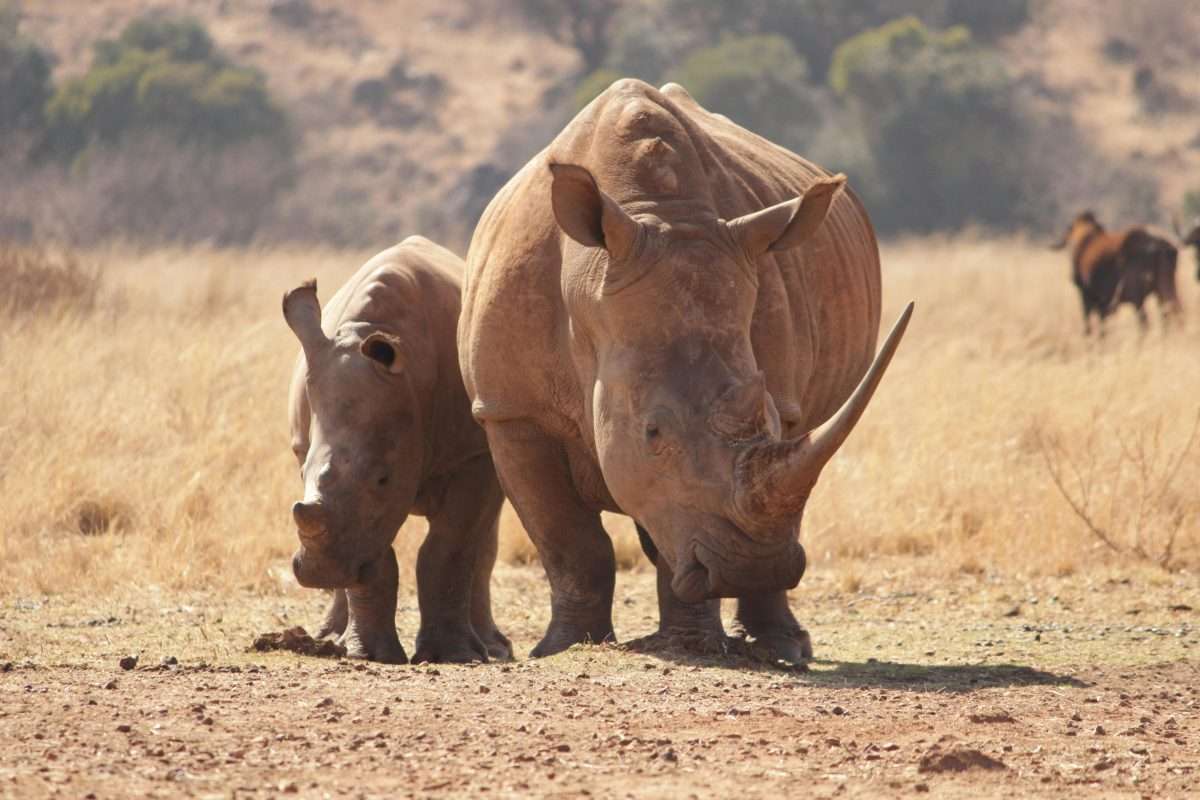
The best times to be out driving in the wild are early morning and late afternoon when animals are most active and the light is soft and golden. These hours create magical experiences for photographers and wildlife lovers alike.
Early Morning Game Drives
Most safari days begin just before sunrise, around 5:30 to 6:00 a.m. This is when the bush awakens and predators like lions and leopards are still on the move after a night of hunting. The cool morning air keeps animals active, offering excellent chances to spot wildlife such as elephants, giraffes, and antelopes grazing freely.
After a few hours of adventure, guests usually return to camp for breakfast and relaxation before the midday heat sets in.
Midday Break
Between 11:00 a.m. and 3:00 p.m., the African sun can be intense, and most animals rest in the shade. This time is perfect for guests to relax, enjoy a leisurely lunch, swim at the lodge, or take a short nap. Many safari lodges call this period “siesta time.”
Afternoon and Sunset Game Drives
The late afternoon drive, starting around 4:00 p.m., is another highlight of the day. The air cools, and the animals become active again. It is common to see elephants heading to waterholes, hippos returning to rivers, and predators preparing for the evening hunt.
Sunset in Tanzania is breathtaking, painting the skies over the Serengeti or Ngorongoro with shades of orange and gold, making it a moment travelers never forget.
Optional Night Drives
Some parks and private reserves allow guided night drives, starting around 7:00 p.m. These offer a chance to see nocturnal animals like hyenas, civets, and even leopards in action. The quiet, starlit atmosphere adds a sense of mystery and wonder to the experience.
Fun Activities to Experience on Your Safari in Tanzania
Every traveler who dreams of a safari in Africa imagines wide golden plains, beautiful sunsets, and close encounters with wildlife. Yet, the true charm of Tanzania lies not only in its famous national parks but also in the many unique and fun activities that make the journey extraordinary. From floating above the Serengeti in a hot air balloon to diving into the turquoise waters of Zanzibar, every experience connects travelers deeply with nature, culture, and adventure.
Fun Activities in the Northern Safari Circuit
The northern safari circuit is home to Tanzania’s most famous parks, including Serengeti, Ngorongoro Crater, Tarangire, and Lake Manyara. Beyond the game drives, this region offers exciting experiences that show a different side of the country.
1. Hot Air Balloon Safari over the Serengeti
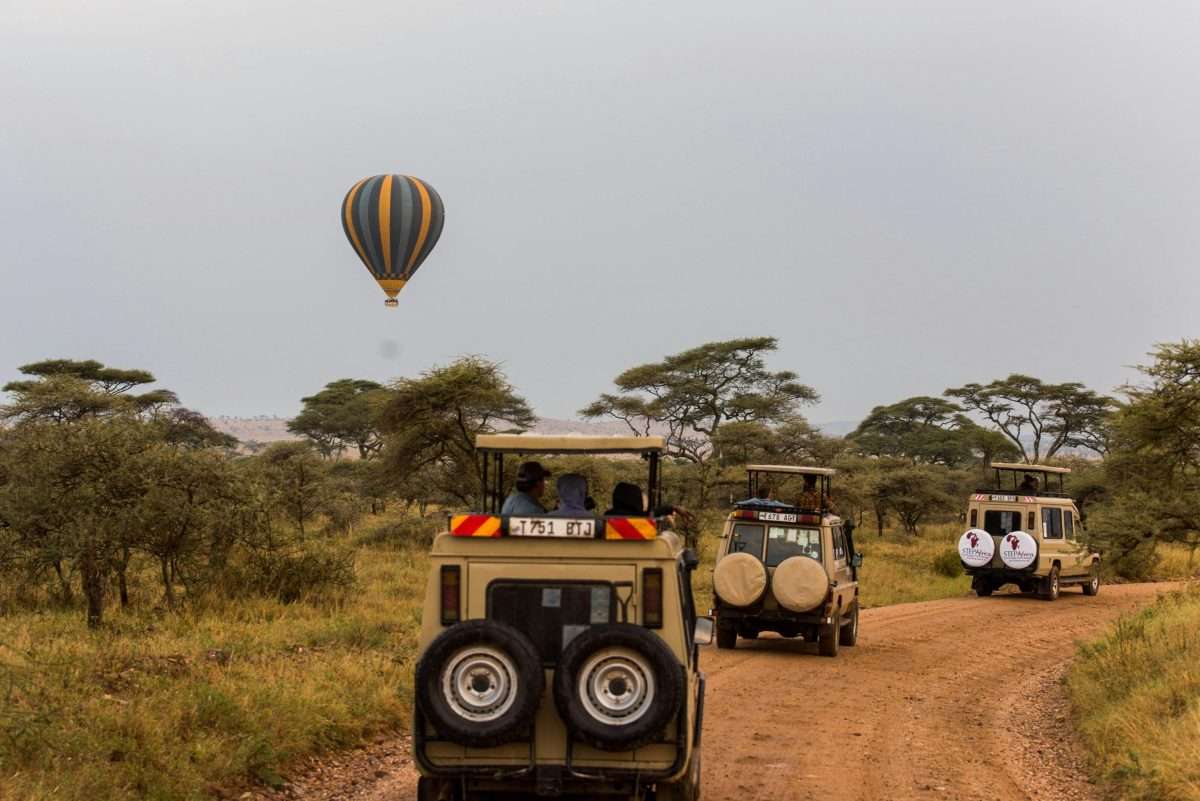
Few experiences can compare to watching the Serengeti come alive at sunrise from above.
Float silently over endless plains filled with wildlife.
Capture breathtaking views of elephants, giraffes, and antelopes from the sky.
End your morning with a traditional bush breakfast in the heart of the savannah.
This adventure is often described as the highlight of any African safari tour, combining peace, thrill, and beauty in a single morning.
2. Hike to Materuni Waterfalls
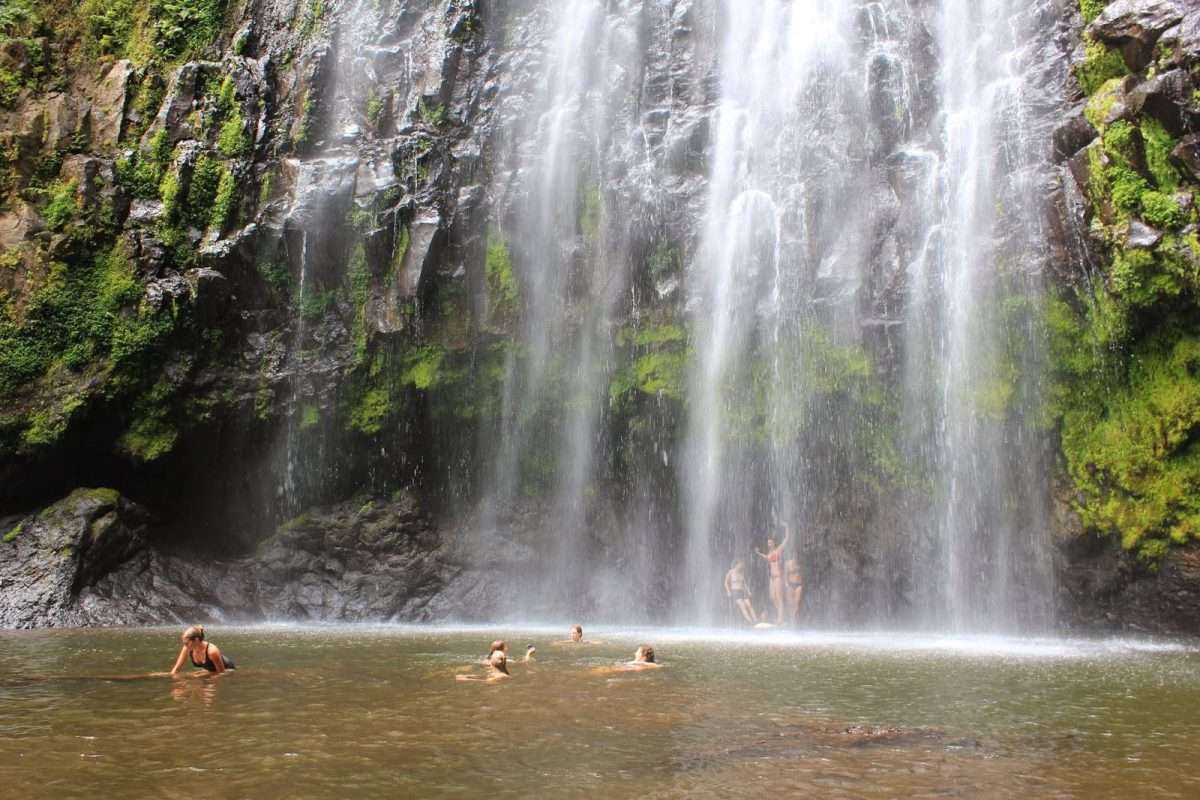
Located near Moshi at the base of Mount Kilimanjaro, Materuni offers a lush and scenic escape.
Hike through green coffee and banana plantations to reach the falls.
Meet local Chagga families and learn traditional coffee-making methods.
Enjoy fresh mountain air and natural beauty far from crowds.
It is an ideal day trip before or after a Kilimanjaro climb.
3. Relax at Chemka Hot Springs
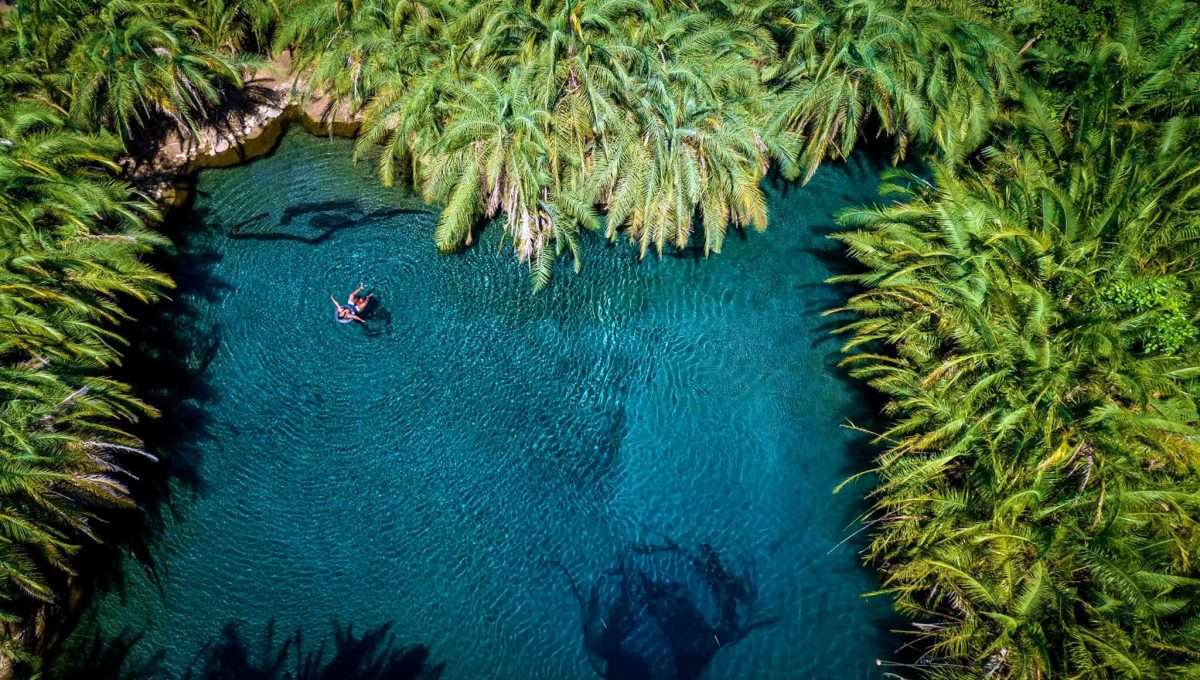
Also known as Kikuletwa Hot Springs, this hidden paradise offers crystal-clear geothermal waters surrounded by fig trees.
Perfect for swimming, floating, or simply relaxing after days on safari.
A refreshing stop between Arusha and Moshi.
4. Explore Mto Wa Mbu Village
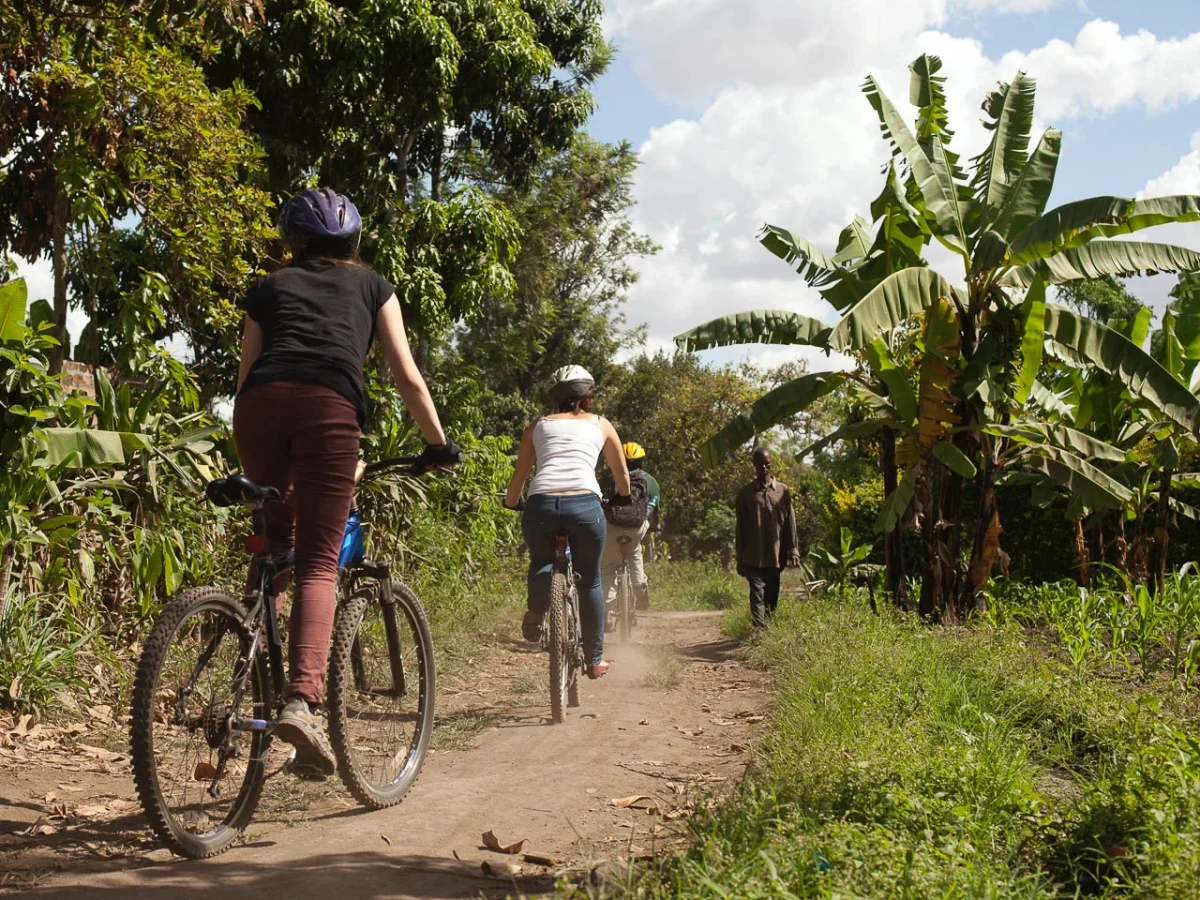
This lively cultural village near Lake Manyara is where travelers can meet Tanzania’s diverse communities.
Join a guided walk or cycling tour through banana farms and craft workshops.
Sample local dishes and traditional banana beer.
Watch artists create handmade carvings and colorful fabrics.
These experiences in northern Tanzania add a touch of culture and adventure to your safari in Africa, turning each day into a blend of discovery and connection.
Cultural and Historical Experiences
Tanzania’s rich heritage is one of its greatest treasures. The country’s history stretches from ancient Swahili cities to vibrant tribal traditions that remain alive today.
1. Explore Zanzibar’s Historic Stone Town
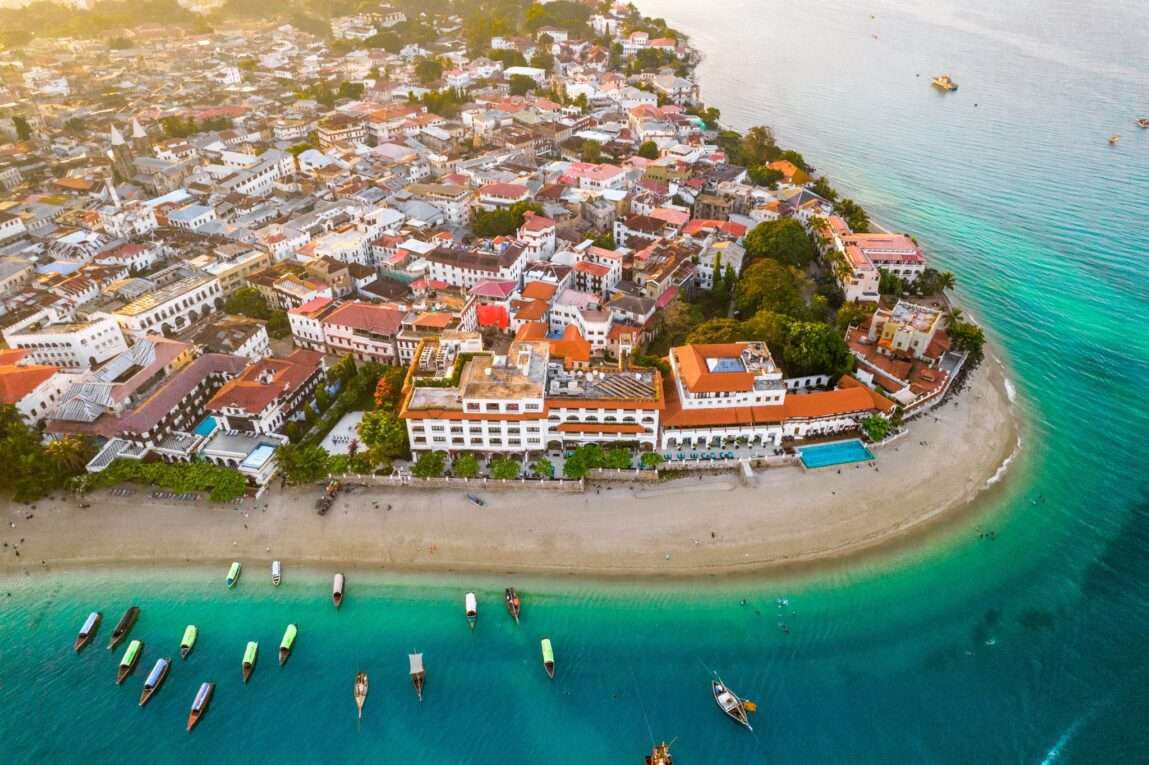
Walk through narrow streets filled with history, color, and life.
Visit the Old Fort, the House of Wonders, and the former slave market.
Discover the mix of Arab, Indian, and African architecture that earned Stone Town its UNESCO World Heritage status.
Stroll through spice-scented markets and enjoy local seafood along the harbor.
2. Visit a Maasai Village
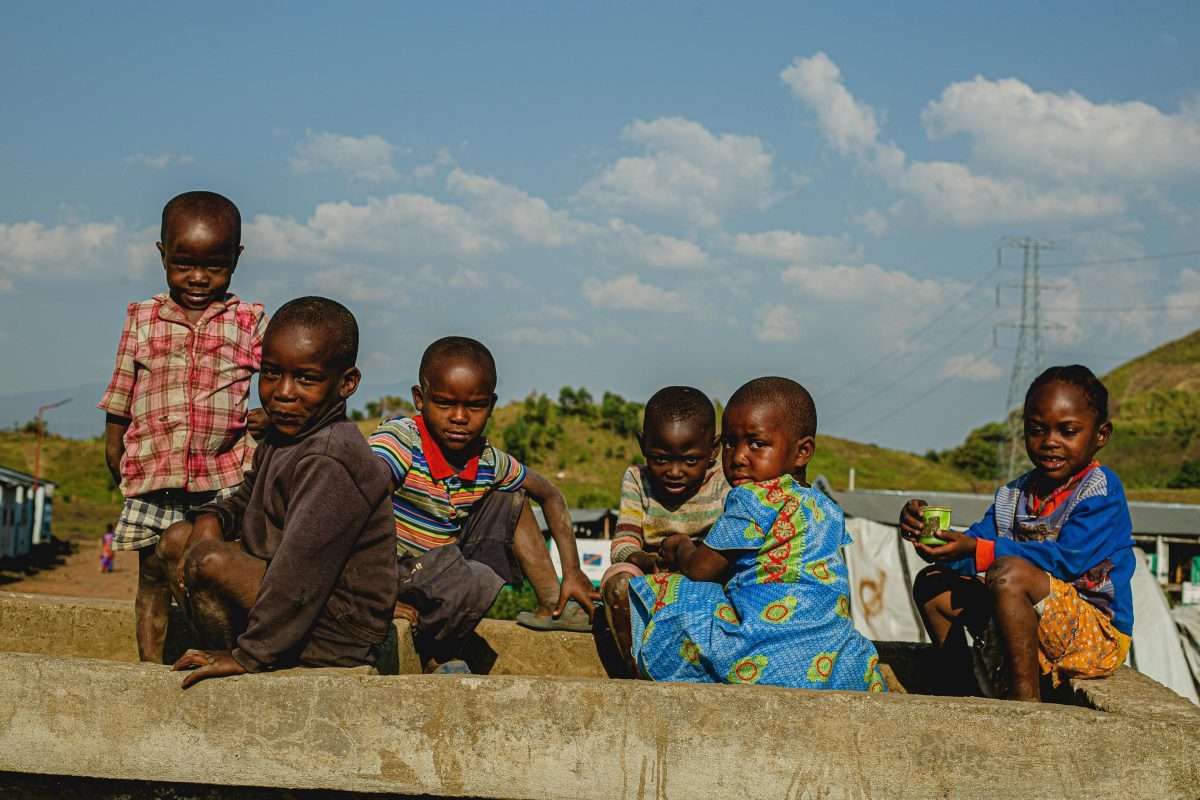
Meeting the Maasai people is one of the most authentic experiences in Tanzania.
Learn about their daily life, customs, and ancient traditions.
Watch traditional dances and understand their deep relationship with nature.
Visit villages near the Serengeti or Ngorongoro Conservation Area for a true cultural encounter
Coastal and Water Adventures in Zanzibar
After thrilling days on safari, the turquoise beaches of Zanzibar offer the perfect ending to your African safari tour.
1. Snorkel or Dive at Mnemba Atoll
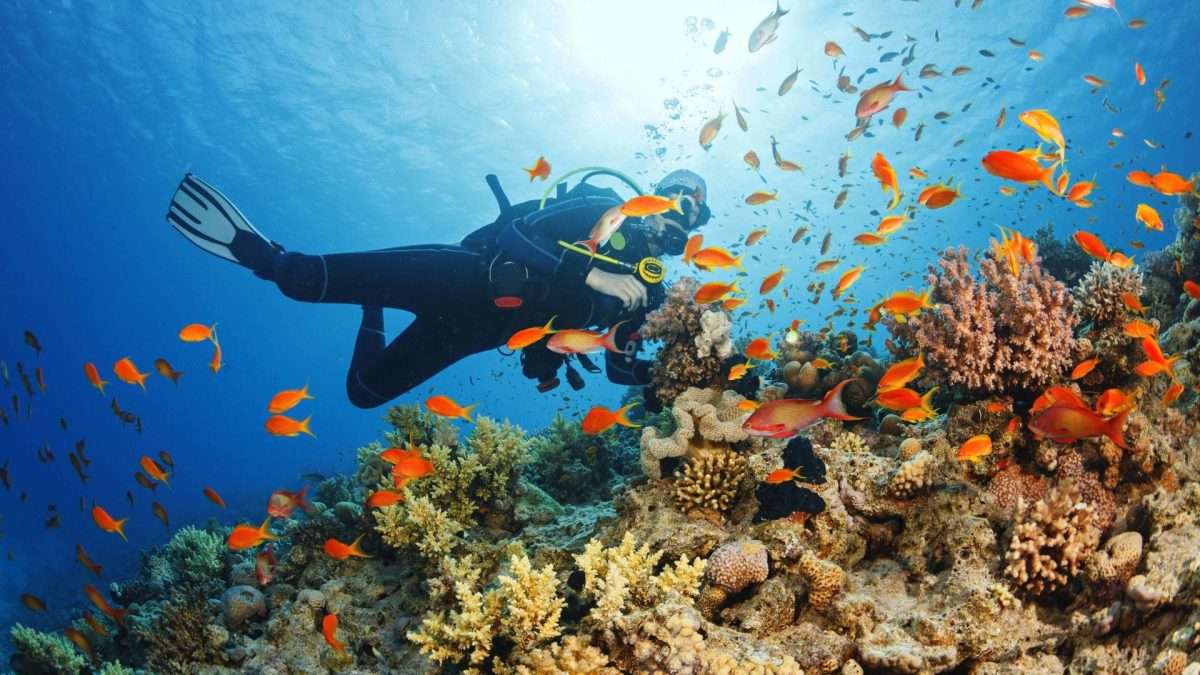
A paradise for divers and snorkelers alike.
Discover colorful coral reefs, tropical fish, sea turtles, and dolphins.
The crystal-clear waters around Mnemba are ideal for underwater photography.
2. Go on a “Safari Blue” Tour
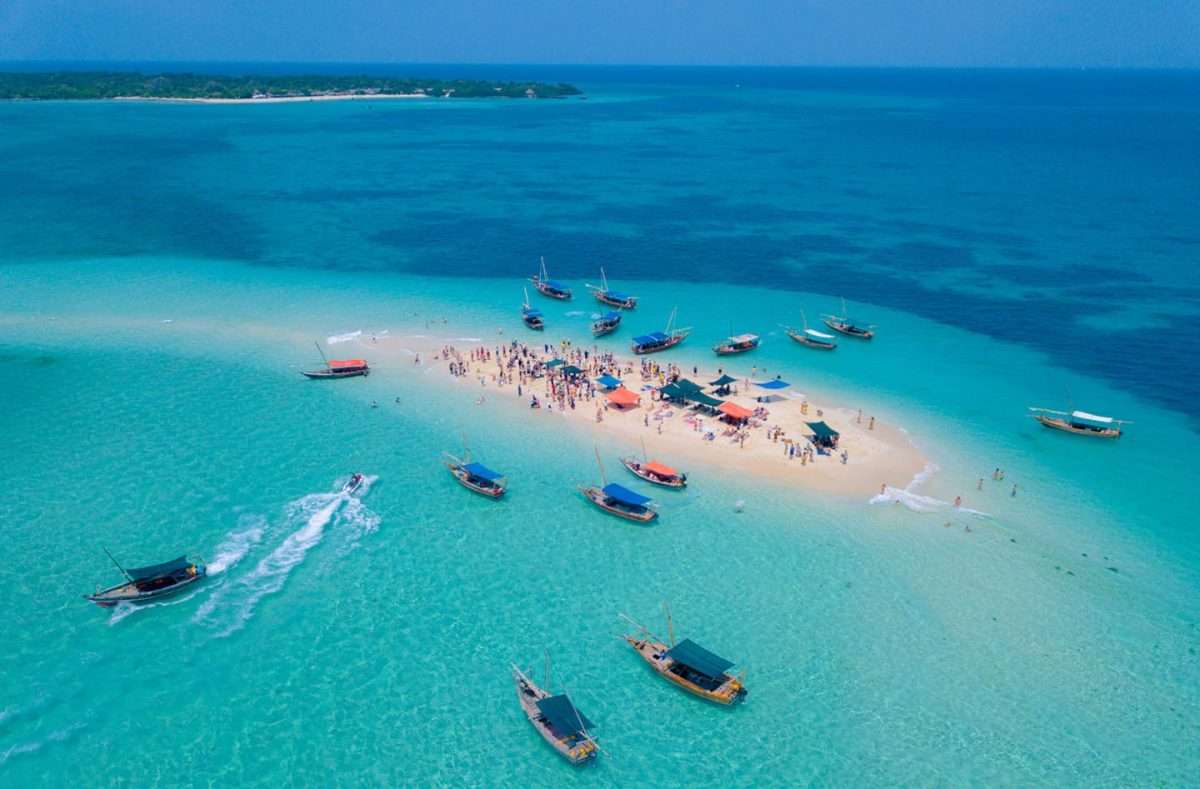
Experience the ocean safari of Zanzibar’s south coast.
Sail in a traditional dhow through Menai Bay.
Snorkel in coral gardens, watch dolphins, and enjoy a seafood barbecue on a private sandbank.
Visit mangrove lagoons and relax in the calm blue waters.
3. Swim with Turtles at Baraka Aquarium
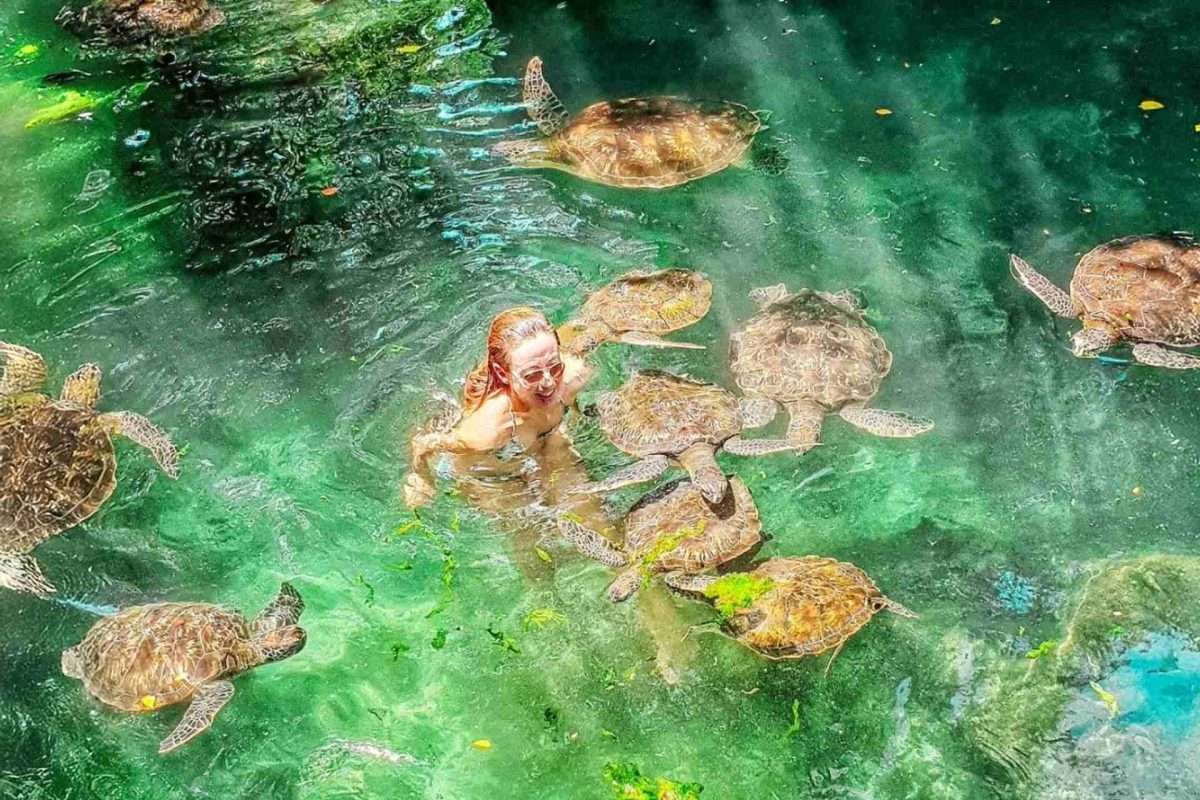
Located in Nungwi, Baraka Aquarium is a natural lagoon where rescued turtles are protected and cared for.
Swim alongside them and learn about marine conservation efforts.
4. Enjoy Water Sports and Ocean Adventures

Zanzibar’s northern beaches are known for adventure.
Try jet skiing, parasailing, paddleboarding, or kiteboarding in Kendwa and Paje.
The warm ocean breeze and turquoise waves make every water sport unforgettable.
5. Experience Deep-Sea Fishing
The waters around Zanzibar are home to marlin, tuna, and sailfish.
Join a private fishing charter for a thrilling day on the open sea.
Adventure Activities for Nature Lovers
For those who crave challenge and discovery, Tanzania offers hiking, trekking, and walking safaris that bring travelers even closer to the wilderness.
1. Climb Mount Kilimanjaro
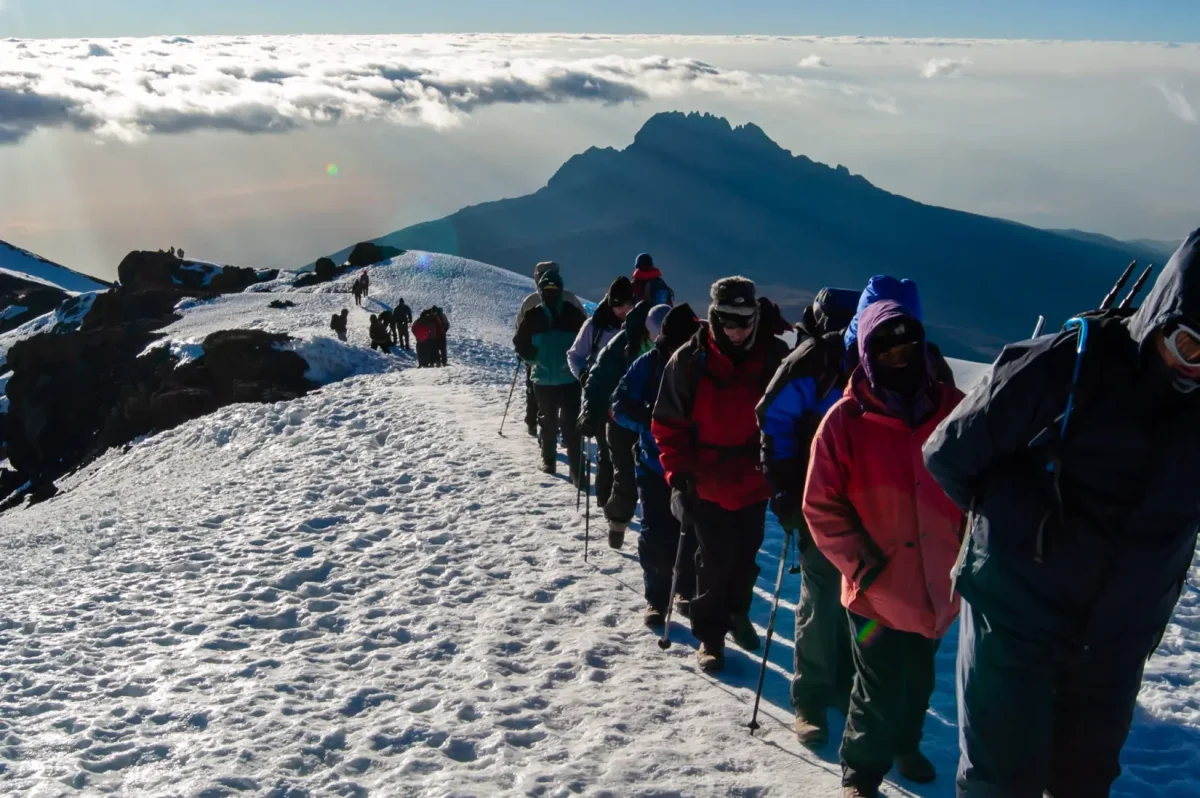
Standing on the roof of Africa is a dream for many adventurers.
Choose from routes like Machame, Lemosho, or Marangu, each with unique landscapes.
Experience ecosystems that change from rainforest to alpine desert.
Reaching Uhuru Peak is a once-in-a-lifetime achievement for any traveler.
2. Climb Mount Meru
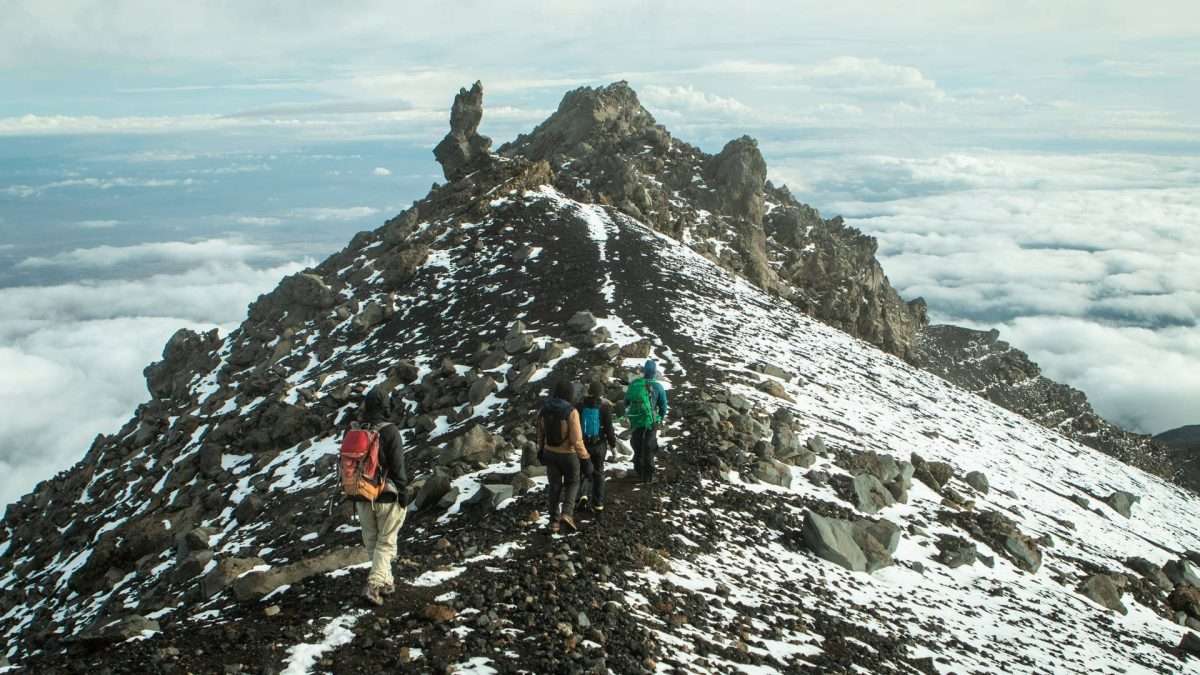
Mount Meru is smaller but equally breathtaking.
Located in Arusha National Park, it offers dramatic views of Kilimanjaro.
The climb is ideal for those seeking a shorter but rewarding trek.
3. Go on a Walking Safari
Step into the wild on foot with a professional ranger.
Learn to track animal footprints and observe the small wonders of nature.
Walking safaris provide an unmatched sense of connection and adventure.
Cultural and Local Experiences
Beyond wildlife and landscapes, Tanzania’s culture is what gives each journey its warmth and soul.
Take a spice tour in Zanzibar: Visit a spice farm to see, touch, and taste cloves, nutmeg, and cinnamon. Learn how these flavors shaped Zanzibar’s history as the “Spice Island.”
Visit local markets: Explore vibrant bazaars filled with crafts, jewelry, and fabrics that showcase the creativity of Tanzanian artisans.
Dine at The Rock Restaurant: Enjoy seafood while watching the tide surround this world-famous restaurant sitting on a rock in the Indian Ocean.
Sail on a traditional dhow: Take a sunset cruise to watch the horizon turn gold as you drift across calm waters.
Hidden and Unique Experiences
Some of Tanzania’s most magical places are still untouched and quiet, waiting to be explored.
Ruaha and Katavi National Parks: Perfect for travelers who want solitude and raw wilderness. These parks are remote and less crowded, offering pure safari experiences.
Rubondo Island (Noah’s Ark): A peaceful island sanctuary for endangered species and home to chimpanzees and rare birds.
Unguja Ukuu Island: A hidden gem in Zanzibar where travelers can experience traditional village life and untouched beaches.
Kuza Cave: A stunning natural limestone cave with clear turquoise water, surrounded by gardens and nature trails.
Mahale Mountains: One of the few places in Africa where you can trek through rainforests to see wild chimpanzees on the shores of Lake Tanganyika.
Shifting Sand Dunes of Ngorongoro: A natural wonder created by magnetized volcanic ash, considered sacred by the Maasai people.
The Spirit of Adventure with TourwithPipi
Every journey through Tanzania is more than sightseeing—it is an emotional connection with nature, culture, and life itself. The country’s beauty lies in its diversity, from the skies of Serengeti to the depths of the Indian Ocean.
At TourwithPipi, every African safari tour is designed to bring travelers closer to these extraordinary moments. Each activity, from hot air balloon rides to village visits, is carefully curated to create memories filled with authenticity, adventure, and heart.
Plan your dream safari in Africa today and experience the wild, the wonder, and the warmth of Tanzania.
Start Your Journey with Tour With Pipi
How Long Should You Stay in Tanzania
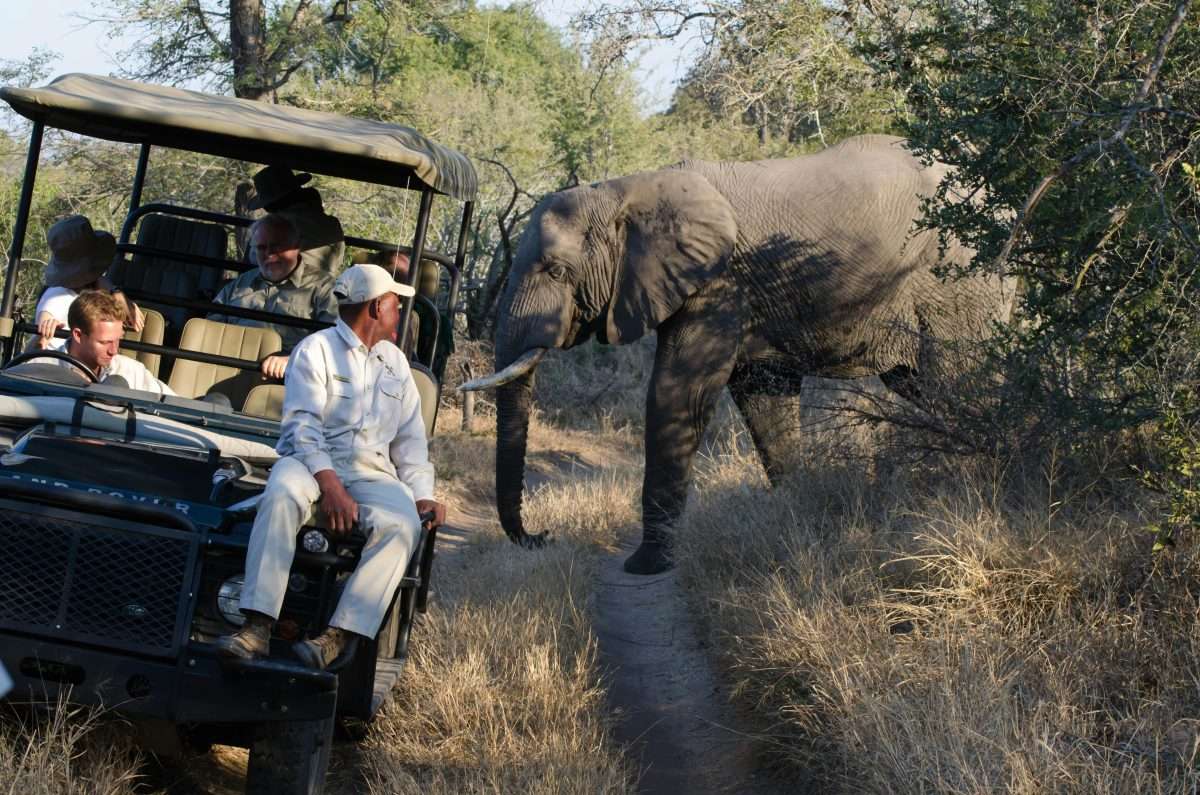
Choosing how long to stay in Tanzania depends on your travel goals, interests, and pace. The country’s vast size and diverse landscapes mean each day brings something entirely new to discover.
7 Days – Classic Northern Safari or Beach Retreat
A week is perfect for travelers short on time yet eager to see Tanzania’s highlights.
Focus on the northern circuit with Serengeti, Ngorongoro Crater, and Tarangire National Park, or enjoy a full Zanzibar beach vacation.
Expect thrilling game drives, Big Five sightings, and scenic beauty that defines every African safari tour.
10 Days – Safari and Zanzibar Combination
Ten days provide an ideal mix of adventure and relaxation.
Begin with game drives through the Serengeti and Ngorongoro Crater.
End your trip in Zanzibar, where you can swim, snorkel, and unwind by the ocean.
This schedule offers a balanced pace, allowing time for both nature and leisure.
14 Days – The Perfect Safari and Cultural Journey
A two-week itinerary offers the best balance for those who want to see Tanzania without rushing.
Experience the northern safaris, add Zanzibar’s beaches, and include cultural visits such as the Maasai villages or spice farms.
This timeline allows you to explore at a relaxed rhythm while still covering Tanzania’s highlights.
3 Weeks or More – Full Immersion in Tanzania
A longer stay allows travelers to see both the famous and hidden sides of the country.
Combine a Kilimanjaro trek with safaris in the north and south.
Visit cultural heritage sites, enjoy mountain hikes, and experience the southern parks like Ruaha and Selous (Nyerere) for more exclusivity.
Factors to Consider Before Planning
Pace: Decide how much travel time you want between parks and destinations.
Interests: Choose whether to focus on wildlife, beaches, trekking, or culture.
Budget: The length of stay can significantly affect total costs, so plan accordingly.
Even shorter safaris near Arusha or Mikumi National Park offer unforgettable wildlife experiences for those on tight schedules. Whether for one week or a full month, Tanzania rewards every traveler with its beauty, warmth, and adventure.
Not sure how many days to plan? Chat with our safari planners today!
Is a Tanzania Safari Tour Expensive to Visit?
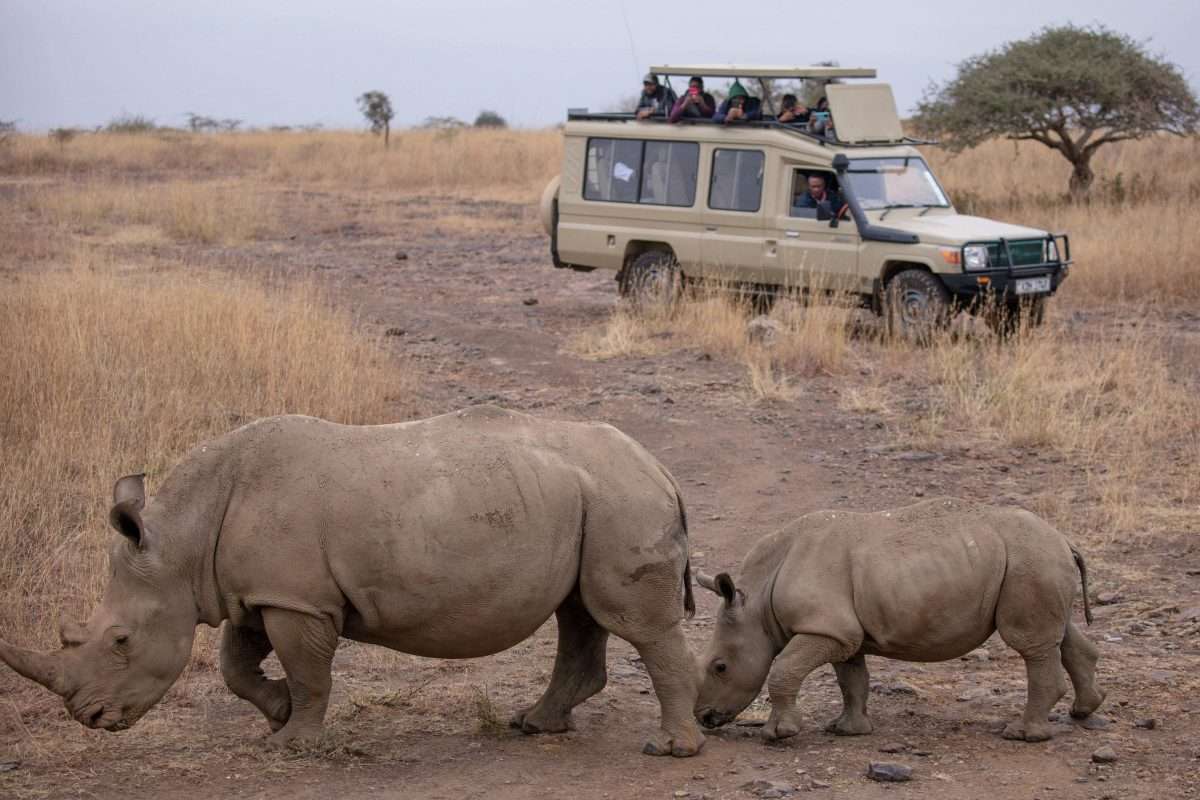
The cost of a Tanzania safari tour depends mainly on your accommodation type, park fees, transportation, and whether you choose a group or private experience. A public group safari is usually the most affordable option, while private safaris offer more comfort, flexibility, and exclusivity at a higher price.
Public vs. Private Safaris
Public safaris are ideal for travelers on a budget. They typically involve shared vehicles and group accommodations, allowing you to meet other travelers and enjoy a guided experience at a lower cost. However, they often move at a fixed pace that suits the group rather than individual preferences.
Private safaris, on the other hand, are personalized and flexible. Travelers can set their own schedule, choose where to visit, and enjoy a dedicated guide and vehicle. This option provides a more intimate experience and is perfect for families, couples, or small groups who want privacy and comfort.
A mid-range private Tanzania safari tour generally starts around $400 per person per day, which includes transportation, meals, guide services, and accommodations. High-end luxury safaris featuring premium lodges, charter flights, and exclusive park access can reach $800 to $1,500 per day.
Factors That Affect Safari Costs
Accommodation: Lodges and tented camps vary widely in price, from budget options to luxury eco-resorts with stunning views and private plunge pools.
Park Entry Fees: Each park in Tanzania charges entry fees, which can add up depending on your itinerary. Parks like Serengeti and Ngorongoro Crater have higher fees due to conservation costs.
Domestic Flights and Transfers: Internal flights between parks or from Arusha to Zanzibar can influence total expenses.
Duration of Stay: The longer your safari, the higher the total cost, though extended trips often reduce the daily rate.
Season: Prices are typically higher during the dry season (June to October), which is the best time for wildlife viewing.
A 7-day safari focusing on the northern circuit can start around $2,800–$3,500 per person for a mid-range trip. For a 10-day safari and Zanzibar combination, prices may range from $3,500–$5,000, depending on hotel class and activities.
Hidden and Additional Costs to Consider
Flights to and from Tanzania: International flights are usually not included in safari package prices and can be a major expense.
Tips for guides and staff: Tipping is customary and an important part of local income, so budget around $10–$20 per person per day for guides and camp staff.
Extra activities: Balloon safaris, cultural tours, or Zanzibar diving trips are optional add-ons that can enrich your experience.
Travel insurance: Comprehensive insurance with medical evacuation coverage is strongly recommended due to the remoteness of most parks (and can be sold to you by one of our agents at additional cost)
Top Wild Animals to See on a Tanzania Safari
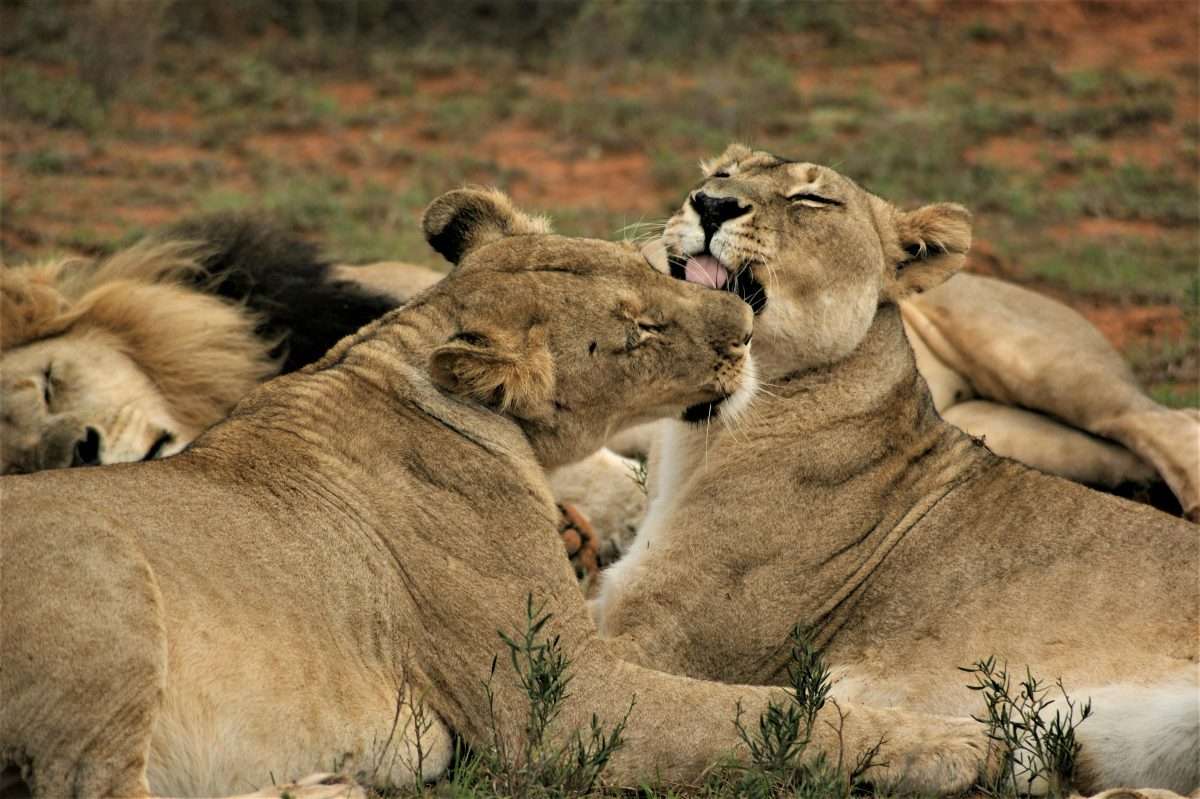
A Tanzania safari tour offers one of the richest wildlife experiences in the world, where every sunrise brings new discoveries across vast savannahs, lakes, and forests. The country’s 22 national parks are home to the Big Five, the world-famous Great Migration, and an extraordinary range of rare species that make every journey unique. Whether you are a first-time traveler or a seasoned explorer, the wildlife encounters in Tanzania feel endlessly magical and deeply personal.
The Big Five of Tanzania
The legendary Big Five like lion, leopard, elephant, rhino, and buffalo are the most sought-after animals to see on a safari in Africa. Each plays a vital role in the ecosystem and symbolizes the untamed spirit of Tanzania’s wilderness.
Lion: Known as the “King of the Savannah,” lions are among the most thrilling sights during a safari. The Serengeti hosts one of Africa’s largest lion populations, often spotted resting under acacia trees or roaming in prides across the plains.
Leopard: Elusive and graceful, leopards are harder to spot but can often be seen draped across tree branches in the Serengeti or the Ngorongoro Crater, particularly in the early morning or at dusk.
Elephant: Majestic herds of elephants roam freely in parks like Tarangire and Serengeti, often gathering near ancient baobab trees or watering holes. Their calm yet powerful presence is unforgettable.
Rhino: The black rhino remains one of Tanzania’s rarest wildlife treasures. Ngorongoro Crater is one of the best places to spot them, protected by strong conservation efforts.
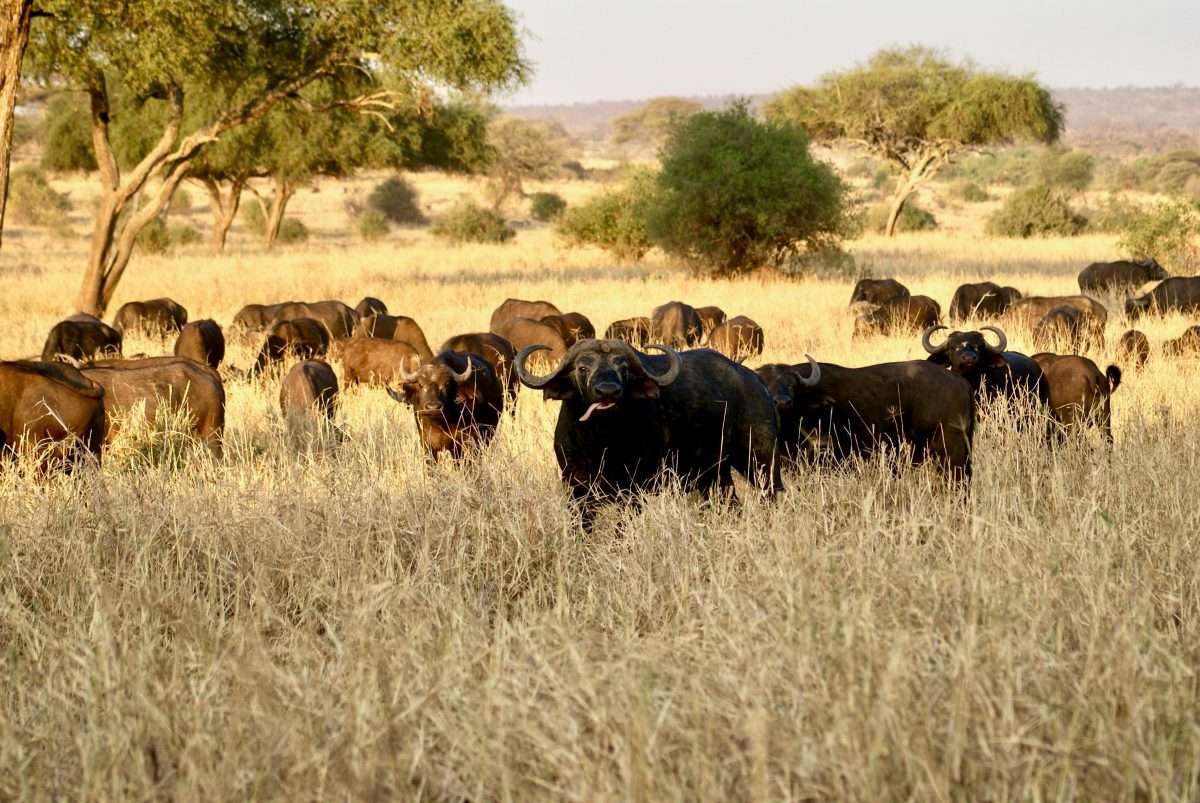
Buffalo: Often seen in large herds, African buffalos are impressive in both strength and temperament. They can be found across most major parks, grazing along rivers and open grasslands.
The Great Migration:
Every year, over 1.5 million wildebeest and 200,000 zebras move across the Serengeti in search of fresh grazing lands. This natural phenomenon, known as the Great Migration, is one of the greatest wildlife spectacles on Earth. Watching herds crossing rivers filled with crocodiles while predators follow closely is a once-in-a-lifetime experience for every traveler.
Other Notable Wildlife Encounters
Giraffe: The Maasai giraffe, Tanzania’s national animal, can be seen gracefully wandering in almost every park, including Tarangire and Lake Manyara.
Hippopotamus: Hippos are commonly found in the Ngorongoro Crater and the Serengeti’s rivers, where they spend their days cooling off in water.
Crocodile: Giant Nile crocodiles inhabit Tanzania’s rivers and can often be seen during the Great Migration’s dramatic crossings.
Chimpanzee: In Mahale Mountains and Gombe Stream National Parks, visitors can trek through lush forests to see chimpanzees in their natural habitat — a deeply emotional and unforgettable experience.
Flamingo: Large flocks of pink flamingos create mesmerizing scenes in Lake Manyara and Lake Natron, painting the waters in shades of rose and coral.
Aardvark: These shy, nocturnal creatures are rare but occasionally spotted in the Serengeti, especially during night drives.
Best Accommodation During a Safari in Tanzania
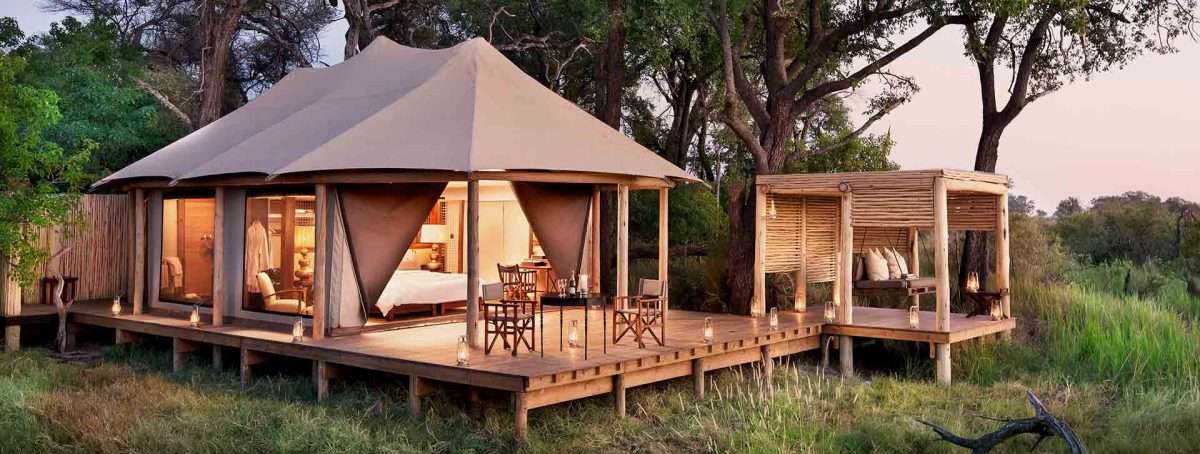
Choosing the right accommodation can turn your safari in Africa into an unforgettable adventure. Tanzania offers a wide variety of stays, from luxury lodges overlooking endless plains to intimate tented camps hidden within pristine wilderness. The best options balance comfort, location, and authentic wildlife encounters. Here’s how to choose the perfect stay for your Tanzania safari tour and make every night as memorable as your game drives.
What to Look For in Safari Accommodation
Location matters:
Staying near major parks like Serengeti National Park or Ngorongoro Crater gives you more time in the wild and less on the road. Many lodges in these regions offer exclusive access to wildlife areas and front-row views of the Great Migration, allowing guests to experience nature right from their balconies.
Style of stay:
Choose between luxury safari lodges with modern comforts like pools, spas, and private decks or classic tented camps that offer a deep connection with nature. Tented camps let you fall asleep to the sounds of the African night while enjoying all essential comforts.
Privacy and service:
Small boutique lodges often provide a more personal experience. With fewer guests, you enjoy private game drives, customized dining, and warm hospitality. Couples, families, and solo travelers all find tailored experiences that suit their pace and style of adventure.
Sustainability and ethics:
Select eco-friendly accommodations that support conservation and empower local communities. Many Tanzania safari lodges use solar power, limit plastic use, and reinvest a portion of earnings into wildlife protection and community projects. Staying in such lodges adds purpose to your travel experience.
Recommended Accommodation Tiers
Luxury flagship lodges:
These properties deliver world-class comfort, fine dining, and panoramic views. Many offer infinity pools, spa treatments, and private guides. Lodges like those in the Grumeti Reserve or central Serengeti are ideal for those who want exclusivity and luxury amid the wilderness.
Mid-range boutique camps:
Perfect for travelers seeking comfort and value, these camps offer beautiful settings, excellent meals, and professional guides. They blend authentic safari style with modern convenience, ensuring great service and wildlife proximity without high-end prices.
Eco or mobile tented camps:
These are designed for travelers who crave raw adventure. Light on infrastructure but rich in atmosphere, they move with the Great Migration or stay in remote regions to offer quiet, crowd-free experiences. Guests enjoy campfire evenings and starry skies that define the essence of safari life.
Essential Safety Tips for Your Tanzania Safari
Tanzania is generally a welcoming and peaceful destination, but like any international travel, it is wise to stay prepared and aware. These essential safety tips help you enjoy your journey with confidence and peace of mind.
Stay Alert in Cities and Public Areas
While crime inside national parks is rare, petty theft can occur in busy areas such as airports, city markets, or transport hubs.
Keep valuables out of sight and use your hotel safe for passports and cash.
Avoid walking alone after dark, and use registered taxis for transport.
Stay aware of your surroundings and avoid carrying large amounts of money.
Choose a Trusted Safari Operator
Booking with a licensed and reputable safari company is the best way to stay safe. Reliable guides are trained in wildlife behavior and local regulations, ensuring that every part of your trip runs smoothly. TourwithPipi has certified local experts on ground who prioritize your safety and comfort throughout the journey.
Follow Your Guide’s Instructions
Safari guides are trained to read animal behavior and know when it is safe to approach wildlife.
Always stay inside the vehicle unless your guide says it is safe.
Avoid sudden movements or loud noises near animals.
Keep a safe distance from wildlife, even when they appear calm.
Protect Your Health During Safari
Health and safety go hand in hand while exploring Tanzania’s wilderness.
Drink bottled or purified water only, and avoid ice or raw foods washed with tap water.
Eat at trusted lodges or camps where hygiene standards are maintained.
Wear sunscreen, a hat, and sunglasses to protect against the strong African sun.
Visit your doctor before traveling to get necessary vaccinations such as Yellow Fever, Typhoid, and Hepatitis A.
Secure Comprehensive Travel Insurance
Choose travel insurance that includes medical coverage and emergency evacuation. Tanzania’s national parks are in remote areas, and reaching a hospital may require air transport. Having proper insurance ensures fast and stress-free medical assistance in case of emergencies.
Be Culturally Respectful
Tanzanians are known for their warmth and hospitality, and respecting their customs adds to your positive experience.
Dress modestly when visiting towns or villages.
Avoid public displays of affection, which are considered inappropriate in many areas.
Ask for permission before taking photos of people or local communities.
Plan your safari with trusted local experts. Contact Tour With Pipi today to start your safe and unforgettable Tanzania experience.
Must-Try Tanzanian Dishes During Your Safari Trip
A Tanzania safari tour is not just about spotting lions and elephants. It is also about tasting the country’s heart through its food. Tanzanian cuisine is warm, flavorful, and deeply connected to the land and people. From smoky grilled meats to coconut-infused stews, every bite tells a story of tradition, family, and culture.
Nyama Choma
Meaning “grilled meat” in Swahili, Nyama Choma is Tanzania’s most beloved dish. It is usually goat or beef, slow-grilled over an open flame until tender and smoky. It is often served with ugali and a spicy tomato salad, making it the perfect taste of local life after a long day on safari.
Ugali
Ugali is Tanzania’s staple food and a symbol of home and comfort. Made from maize flour and water, it has a soft, dough-like texture. Locals eat it with their hands, scooping up stews or sauces. Every visitor should try it at least once, as it is truly the soul of Tanzanian dining.
Chipsi Mayai
A fun and filling street food classic, Chipsi Mayai is a mix of fried potatoes and eggs cooked together like an omelet. It is often served with kachumbari, a fresh tomato and onion salad. You will find it everywhere, from small roadside stalls to busy city cafés.
Pilau
Tanzanian Pilau is a fragrant rice dish cooked with spices such as cinnamon, cardamom, and cloves. Often prepared for celebrations, it is rich, warm, and full of flavor. Many travelers remember this dish as the one that made them fall in love with Swahili cuisine.
Samaki wa Kupaka
This dish is a Zanzibar favorite, made with fresh fish cooked in a creamy coconut sauce flavored with garlic, ginger, and lime. It brings the Indian Ocean’s tropical charm right to your plate.
Wali wa Nazi
Soft, aromatic coconut rice that pairs beautifully with spicy curries or grilled meats. It is simple yet deeply satisfying, showing how Tanzanian food celebrates both flavor and comfort.
Snacks and Sides That Add a Local Touch
Mandazi
Light, fluffy, and slightly sweet, Mandazi are Swahili-style doughnuts that are perfect for breakfast or an afternoon snack with tea.
Kachumbari
A refreshing salad made with chopped tomatoes, onions, and chilies, dressed with lemon juice. It adds a burst of freshness to heavier meals.
Samosas
Crispy, golden pastries stuffed with spiced meat or vegetables, often enjoyed as a snack while traveling between safari destinations.
Chapati
Soft, layered flatbreads that go perfectly with curries, beans, or even by themselves with a drizzle of honey.
Maharage
A hearty bean stew cooked with tomatoes and spices, commonly served with rice or chapati.
Zanzibar Pizza
A fun street food found in Stone Town, this “pizza” is more like a filled crepe made with minced meat, cheese, vegetables, or even chocolate and bananas for dessert. It is a must-try during your visit to Zanzibar.
Mshikaki
Tender cubes of marinated meat grilled on skewers. These are popular at night markets and roadside stalls, offering an authentic local flavor.
Every meal in Tanzania feels like a celebration of culture and hospitality. Whether you are enjoying a hot Pilau under the stars of the Serengeti or tasting Zanzibar pizza by the ocean, each dish adds warmth and meaning to your adventure.
Let Us Design Your Dream Tanzania Safari
Our Tanzania safari tours are fully customized and created around your travel dreams. You imagine it, and we bring it to life.
Our expert safari planners craft journeys that match your style, comfort, and adventure goals. From the endless plains of the Serengeti to the wild charm of Tarangire National Park, every detail is designed for you.
Whether you are traveling solo, with a loved one, as a family, or in a group, our team ensures your journey feels personal, seamless, and unforgettable. Contact us today and start planning your dream safari in Tanzania!
Frequently Asked Questions About Tanzania Safari Tours
1. What makes a Tanzania safari different from other African safaris?
A Tanzania safari stands out for its diversity of landscapes and wildlife. You can witness the Great Migration in the Serengeti, explore the Ngorongoro Crater, and relax on Zanzibar’s beaches, all within one country. The combination of wildlife, culture, and coastline makes Tanzania truly unique.
2. Can I see the Great Migration during my Tanzania safari?
Yes, the Great Migration is one of Tanzania’s most famous events. It usually occurs between June and October, when millions of wildebeest and zebras move across the Serengeti in search of greener pastures.
3. Are safaris in Tanzania suitable for families with children?
Yes, many lodges and camps in Tanzania welcome families and offer kid-friendly safari programs. Private vehicles can be arranged for flexible schedules, and guides often adapt activities to keep children engaged and safe.
4. Do I need any vaccinations before visiting Tanzania?
Yes, travelers are usually advised to get vaccinations for Yellow Fever if arriving from or transiting through a country with a risk of Yellow Fever, Typhoid, and Hepatitis A. It’s also recommended to take malaria prevention medication. Always consult your doctor before travel to confirm updated health requirements.
5. What type of vehicles are used for safaris in Tanzania?
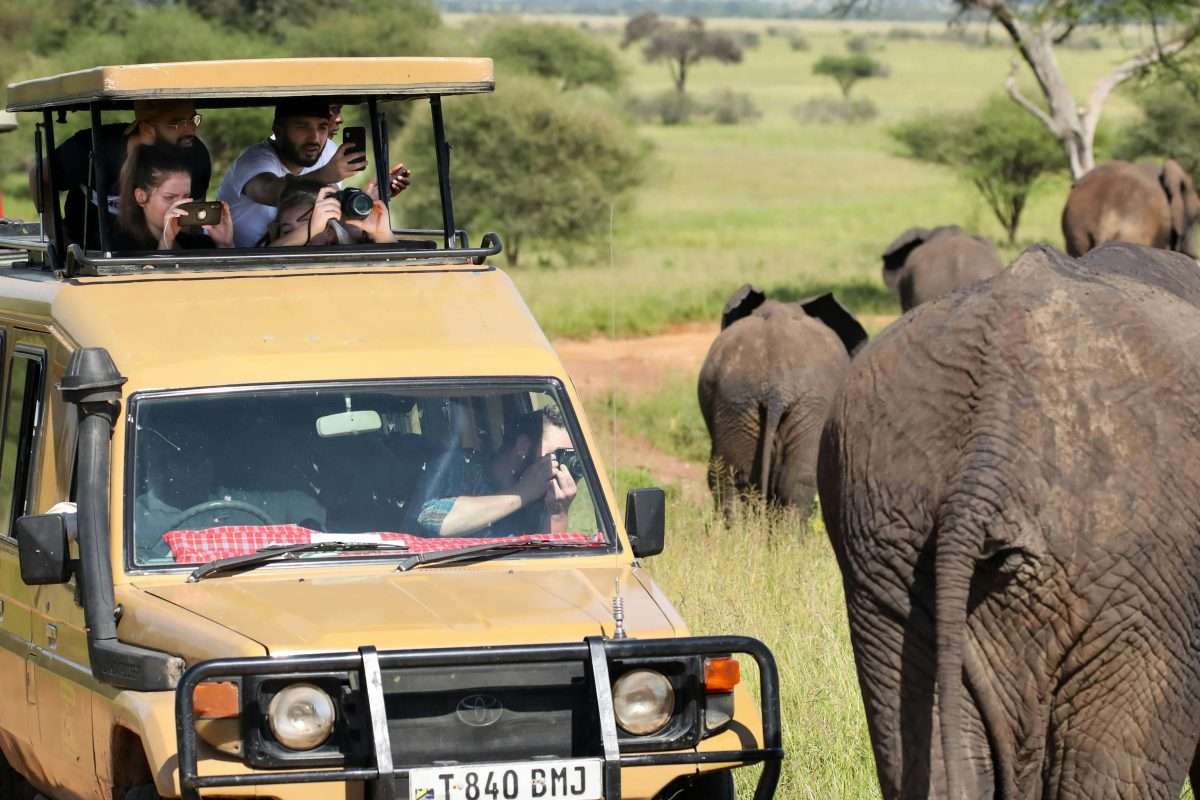
Most safaris use custom 4×4 Land Cruisers with pop-up roofs, providing comfort, safety, and excellent visibility for photography. Private safaris with Tour With Pipi include air-conditioned vehicles with professional local guides.
6. Is Wi-Fi or mobile signal available during safaris?
Many lodges and camps offer Wi-Fi in common areas, but signal strength varies in remote parks. It’s a good idea to enjoy a digital detox and stay offline during game drives to fully embrace the wilderness experience.
7. What should I wear on safari in Tanzania?
Pack lightweight, neutral-colored clothing like beige, olive, or khaki. Avoid bright colors, as they can attract insects or disturb animals. A hat, sunglasses, and comfortable walking shoes are essential for long days outdoors.
8. Can I use drones for photography in Tanzania’s national parks?
No, drones are not allowed in most national parks in Tanzania without a special permit from the authorities. Tourists are encouraged to use cameras or binoculars instead to protect wildlife privacy and safety.
9. How do tipping and gratuities work during safaris?
Tipping is appreciated in Tanzania and forms an important part of local income. Guides, drivers, and lodge staff often receive tips at the end of the trip. A general guideline is around USD 10–20 per person per day for guides.
10. How can I make my Tanzania safari more sustainable?
You can support eco-friendly lodges, avoid single-use plastics, and respect local customs. Choosing responsible operators like TourwithPipi ensures your safari contributes positively to conservation and local communities.


