
Quick Answer:
The lion is called the king of the jungle because of its leadership within prides, powerful roar, majestic mane, dominance as an apex predator, and centuries of cultural symbolism. Although lions do not actually live in jungles, the title has endured because they represent strength, courage, royalty, and authority across many civilizations.
Why Is the Lion Called the King of the Jungle?
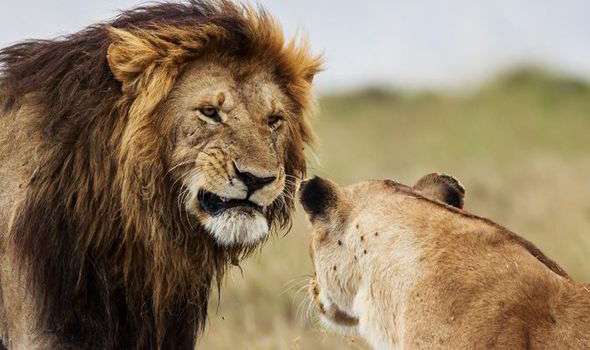
Few animals have earned a title as famous as the lion the king of jungle.
For centuries, people have referred to lions as royalty, yet the nickname often raises an obvious question:
If lions don’t live in jungles, why are they called the king of the jungle?
The answer lies in a combination of biology, behavior, history, and human culture rather than geography.
Unlike many predators, lions display remarkable leadership, protect large family groups, communicate through one of the loudest roars in the animal kingdom, and possess an appearance that naturally commands attention. Together, these qualities earned lions a reputation as rulers of the animal kingdom long before modern wildlife science explained where they actually lived.
Do Lions Actually Live in Jungles?
No.
One of the biggest wildlife misconceptions is that lions live in dense tropical jungles.
In reality, wild African lions are found in:
- Open savannas
- Grasslands
- Woodland habitats
- Semi-arid plains
- Scrubland
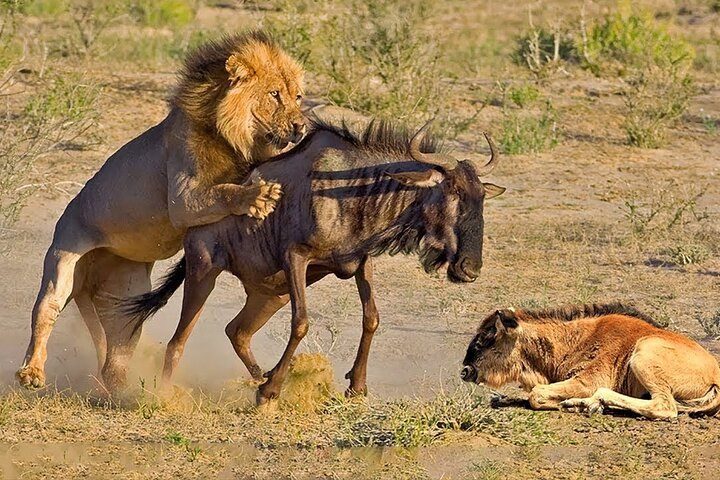
These open landscapes provide the visibility lions need for hunting large herbivores such as zebras, wildebeest, buffalo, and antelope.
Where Do Lions Actually Live?
| Habitat | Do Lions Live There? |
|---|---|
| African Savanna | Yes |
| Grasslands | Yes |
| Open Woodland | Yes |
| Semi-desert | Yes |
| Dense Tropical Jungle | No |
The confusion likely comes from the historical meaning of the word “jungle.”
The word originates from the Hindi word “jangal,” which originally referred to uncultivated land, wilderness, or uninhabited areas-not necessarily dense rainforests. Over time, the English meaning shifted, while the famous nickname remained.
Why the Lion Became the King of Animals
The lion earned its royal reputation through several characteristics that distinguish it from nearly every other predator.
1. Natural Leadership
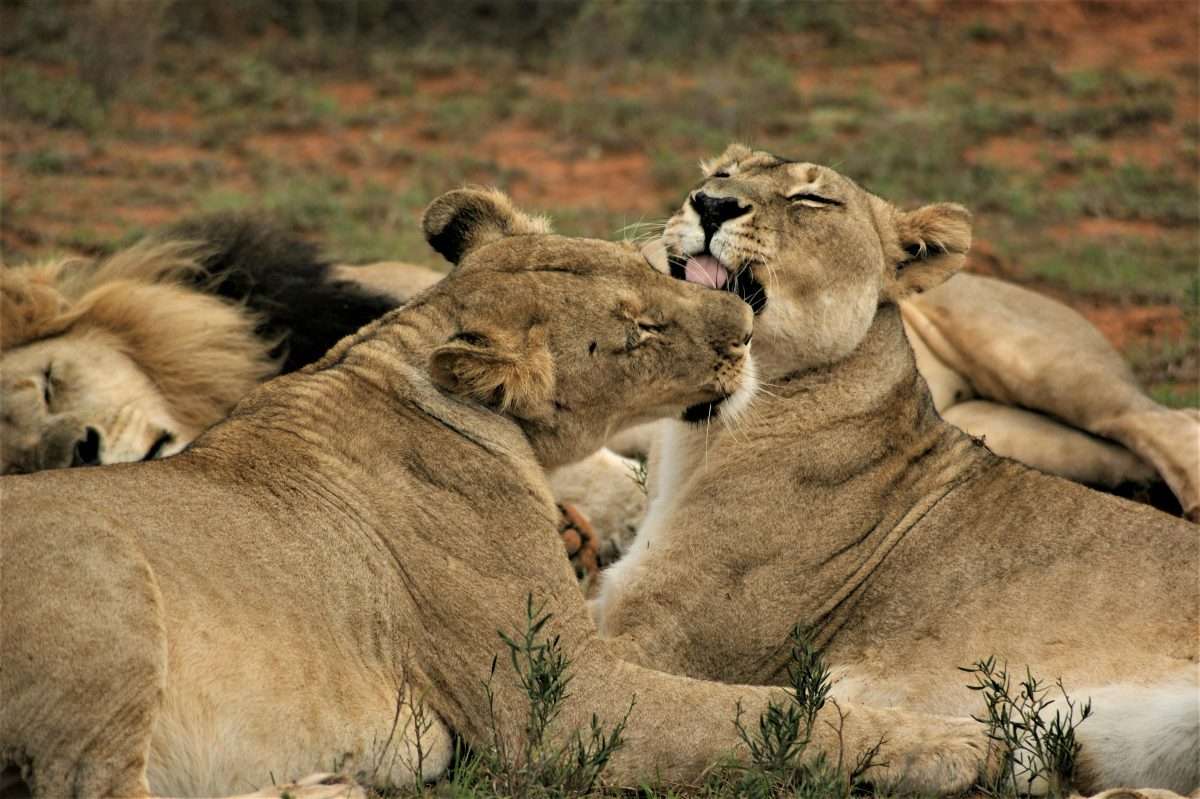
Unlike tigers, leopards, or jaguars, lions live in highly organized social groups called prides.
A pride functions almost like a kingdom.
It usually includes:
- One to four dominant males.
- Several related lionesses.
- Cubs of different ages.
Every member has a role.
Lionesses cooperate to hunt and raise cubs, while dominant males defend the territory from rival coalitions and dangerous intruders.
This structured social system naturally resembles leadership and monarchy, making the lion appear more like a ruler than any other big cat.
2. A Mane That Looks Like a Crown
The most recognizable feature of an adult male lion is its magnificent mane.
No other wild cat has anything similar.
The mane serves several purposes:
- Protects the neck during fights.
- Makes males appear larger.
- Signals maturity.
- Indicates good health and strong genetics.
As lions age, their manes often become darker and fuller, giving them an even more commanding appearance.
It’s easy to understand why people began comparing this impressive mane to a royal crown.
Fun Fact
A darker mane is often associated with older, healthier, and more dominant males, making them more attractive to females and more intimidating to rivals.
3. Lions Are the Only Truly Social Big Cats
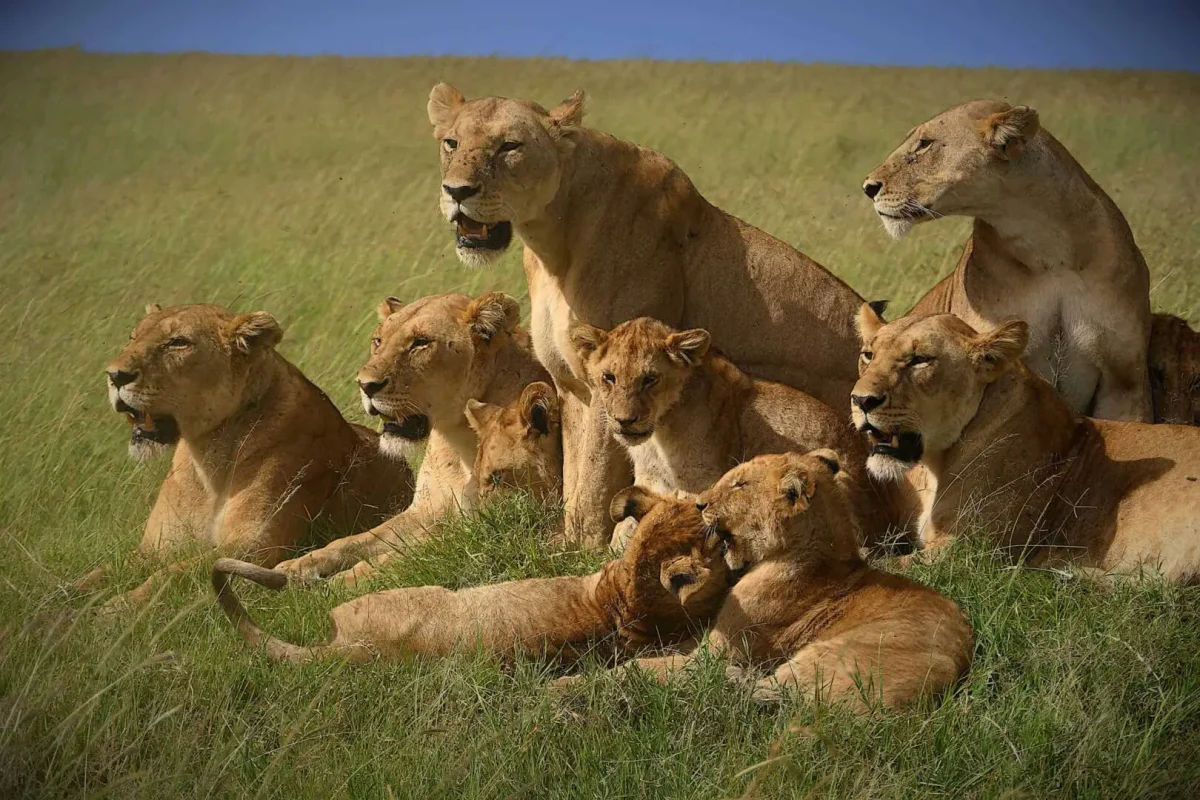
One of the strongest reasons the lion is the king of animals is its unique social structure.
While most big cats-including tigers, leopards, jaguars, and snow leopards-live and hunt alone, lions thrive through cooperation.
A pride is a close-knit family that works together to survive.
Typical Pride Structure
| Pride Member | Primary Role |
|---|---|
| Dominant males | Defend territory, protect cubs, deter rival males |
| Lionesses | Hunt cooperatively, raise cubs, protect the pride |
| Cubs | Learn survival skills and pride behaviour |
| Young males | Leave the pride at 2–3 years to establish or take over new territories |
This teamwork allows lions to hunt larger prey than most solitary cats can manage alone.
The pride also provides:
- Better protection for cubs.
- Higher hunting success.
- Shared responsibility.
- Strong social bonds.
This organized hierarchy resembles a royal family more than any other animal society, reinforcing why many people refer to the lion as the king of the jungle.
4. Their Roar Commands Respect
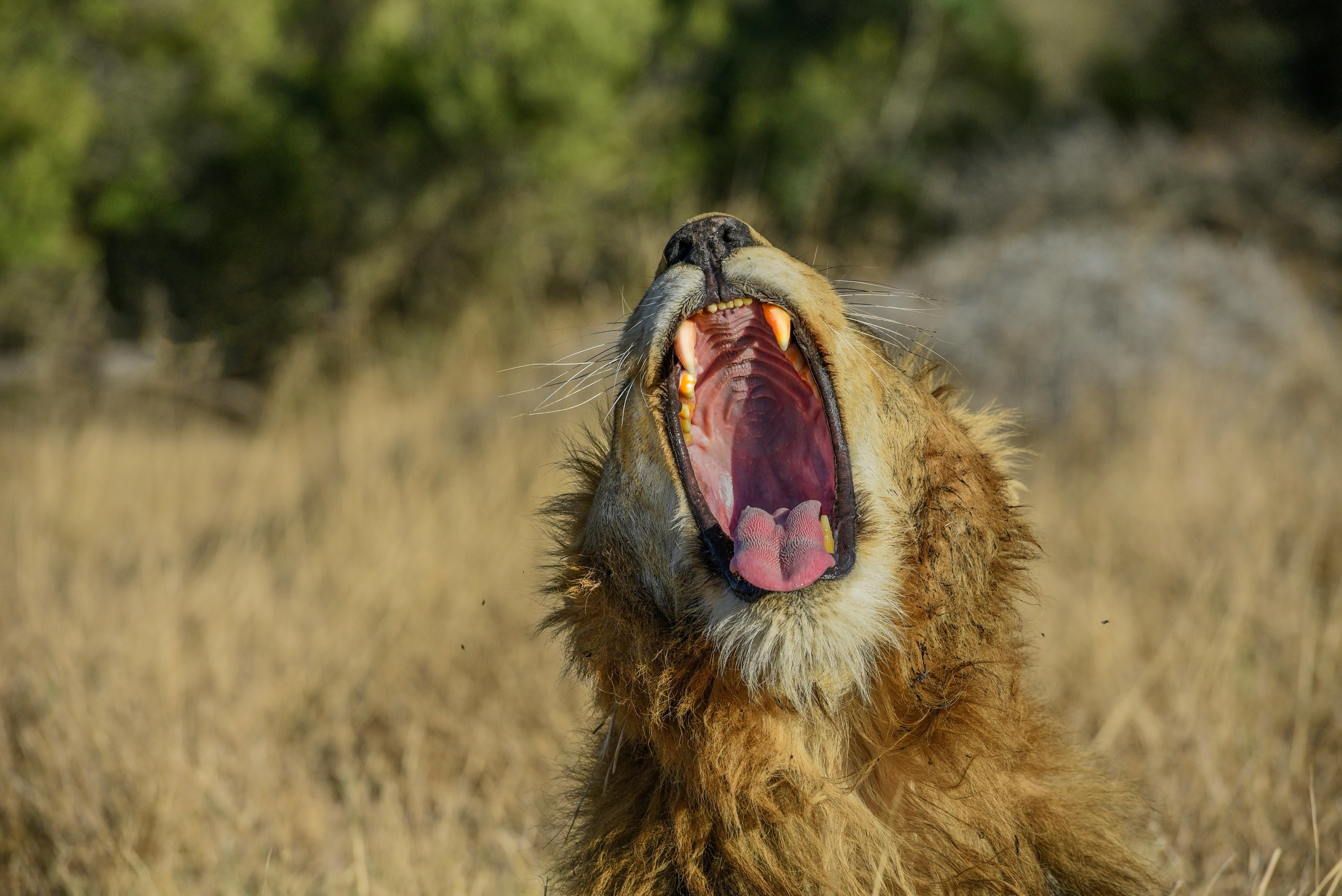
Another reason the king in jungle title has lasted for centuries is the lion’s unmistakable roar.
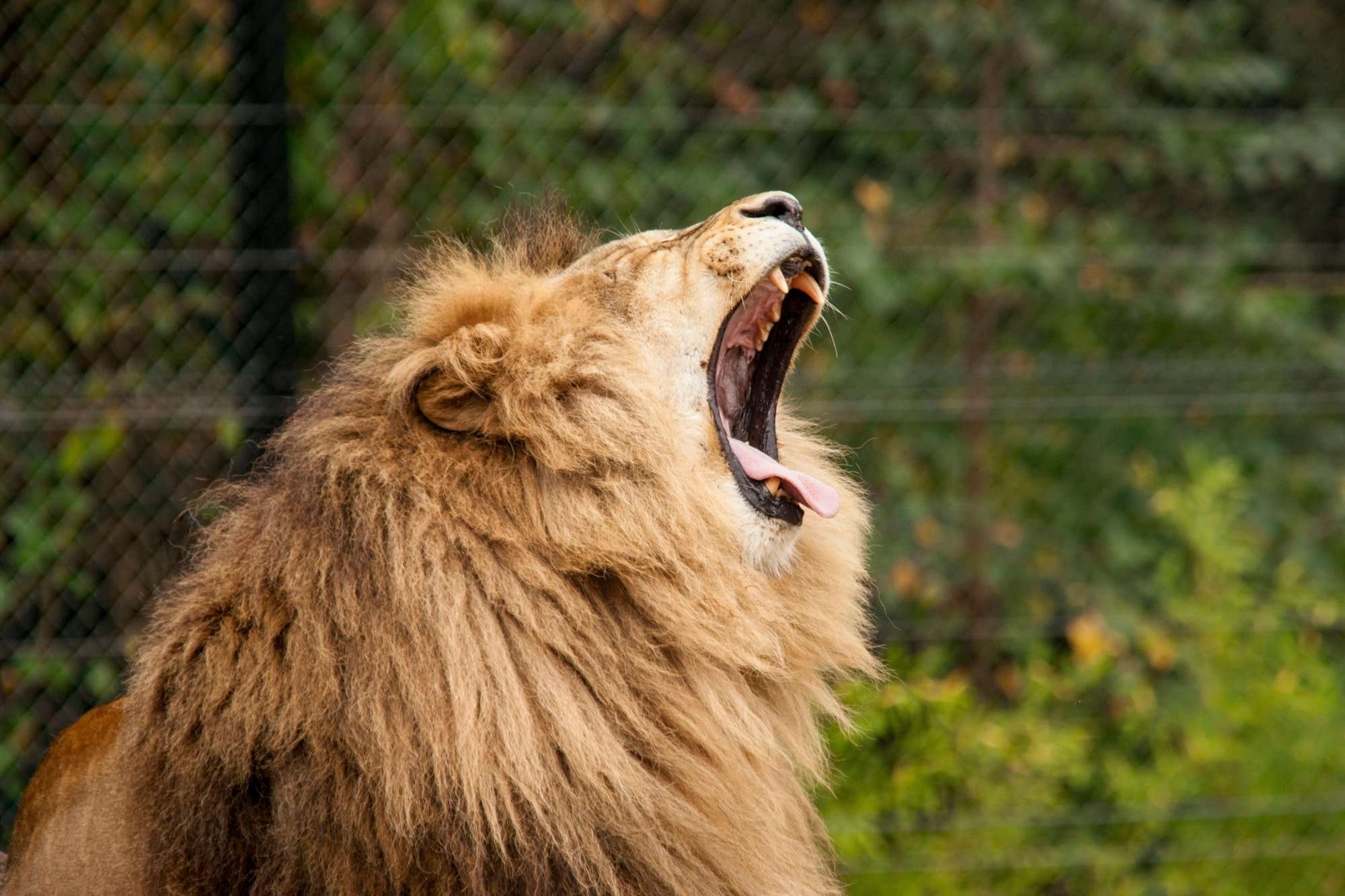
A lion’s roar can travel up to 5 miles (8 kilometers) under the right conditions, making it one of the loudest vocalizations among big cats.
Lions roar to:
- Warn rival prides.
- Defend territory.
- Locate pride members.
- Strengthen social bonds.
- Demonstrate dominance.
Unlike a simple call, a lion’s roar is a powerful declaration that the territory is occupied.
Young cubs cannot produce a full roar. Instead, they make soft squeaks and growls before developing their powerful adult roar at around two years of age.
5. Lions Are Apex Predators
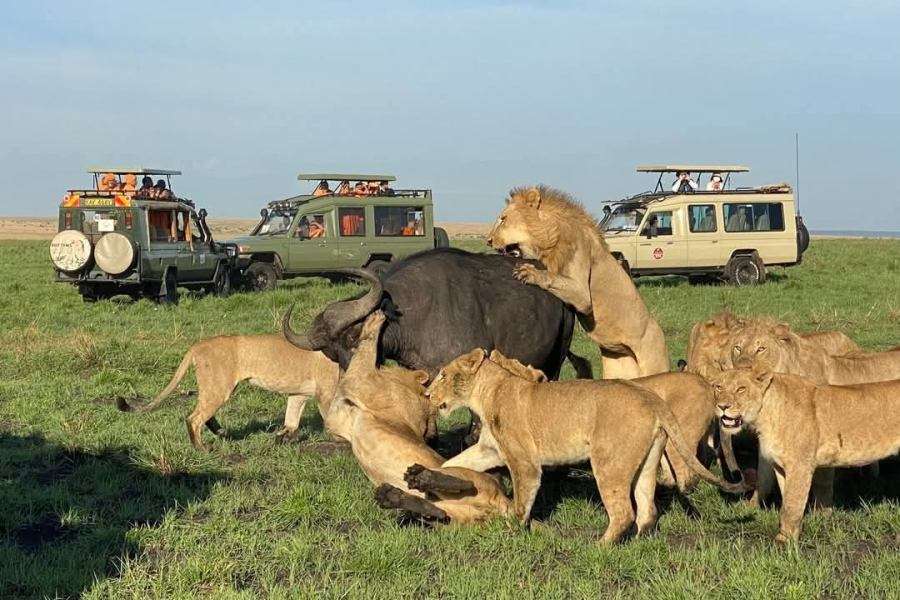
Lions occupy the top of Africa’s food chain.
As apex predators, healthy adult lions have very few natural enemies.
Their prey includes:
- Wildebeest
- Zebra
- African buffalo
- Warthog
- Waterbuck
- Kudu
- Giraffe
- Young hippopotamuses (occasionally)
- Young elephants (rarely)
Their ability to hunt large, powerful herbivores demonstrates exceptional strength, teamwork, and intelligence.
Unlike many predators that target only smaller animals, lions regularly challenge prey much larger than themselves.
This dominance contributes to their reputation as rulers of the African wilderness.
Why Isn’t the Tiger the King?
Many people wonder why lions are considered royalty when tigers are actually larger and heavier.
It’s a fair question.
While tigers are the world’s largest cats, they live very differently from lions.
Lion vs Tiger
| Feature | Lion | Tiger |
| Social lifestyle | Lives in prides | Solitary |
| Mane | Yes | No |
| Leadership role | Pride protector | Solitary hunter |
| Roar | Up to 5 miles (8 km) | Powerful but shorter range |
| Cultural symbolism | Royalty, courage, leadership | Strength, stealth, independence |
| Habitat | Savannas and grasslands | Forests, mangroves, grasslands |
Tigers may be physically larger, but lions became symbols of kingship because of their leadership, family structure, confidence, and commanding appearance rather than sheer size.
The Lion’s Royal Image Throughout History
Long before wildlife documentaries existed, lions were already celebrated across ancient civilizations.
For thousands of years they appeared in:
- Royal thrones.
- National emblems.
- Flags.
- Ancient temples.
- Palaces.
- Coins.
- Religious artwork.
- Family coats of arms.
Ancient cultures associated lions with:
- Courage.
- Justice.
- Leadership.
- Strength.
- Honor.
- Protection.
- Royal authority.
From Ancient Egypt and Persia to medieval Europe, rulers often adopted lion symbols to represent power and legitimacy.
Even today, lions remain one of the world’s most recognizable symbols of leadership and bravery.
Is the Lion Really the King of the Jungle?
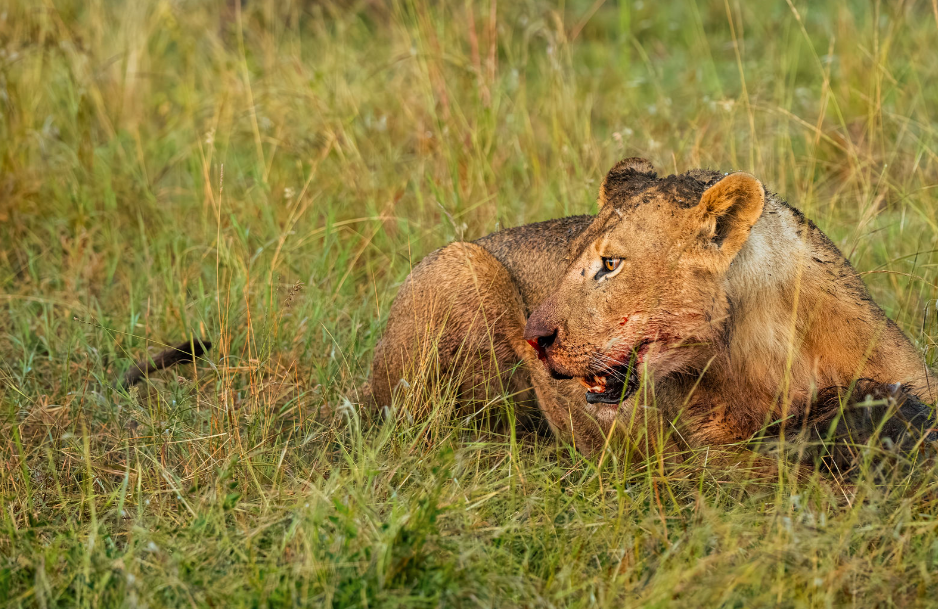
Scientifically, no.
Lions are not kings in the biological sense, and they don’t actually inhabit jungles.
However, culturally, historically, and symbolically, the title has endured because no other animal combines so many royal characteristics:
- A crown-like mane.
- Leadership within a pride.
- Exceptional teamwork.
- A thunderous roar.
- Confidence and dominance.
- Centuries of association with royalty.
The phrase “lion the king of jungle” may not describe where lions live, but it perfectly reflects how humans have viewed them for generations.
Frequently Asked Questions
Why is the lion called the king of the jungle?
The lion is called the king of the jungle because of its leadership within prides, powerful roar, majestic mane, dominance as an apex predator, and centuries of cultural symbolism. Although lions live in savannas rather than jungles, the title reflects their authority and strength rather than their habitat.
Does the lion actually live in the jungle?
No.
Wild African lions primarily inhabit:
- Savannas
- Open grasslands
- Woodland areas
- Semi-arid plains
The phrase “king of the jungle” is symbolic and not geographically accurate.
Why is the lion the king of animals?
The lion the king of animals title comes from a combination of traits rarely found together in another predator:
- Lives in organized family groups.
- Protects and leads its pride.
- Possesses a crown-like mane.
- Has one of the loudest roars in the animal kingdom.
- Represents courage and royalty in cultures around the world.
These qualities have made the lion a universal symbol of leadership for thousands of years.
Is the lion stronger than the tiger?
Not necessarily.
Tigers are generally:
- Larger.
- Heavier.
- More muscular.
However, lions are unique because they:
- Live in prides.
- Defend territories together.
- Display strong leadership behaviour.
- Have evolved to fight rival males regularly.
The title “the king of jungle” is based on symbolism, leadership, and social behaviour-not on which animal is physically stronger.
Why do male lions have manes?
A male lion’s mane serves several important purposes.
It helps:
- Protect the neck during fights.
- Make the lion appear larger.
- Signal maturity.
- Indicate good health.
- Attract females.
- Intimidate rival males.
The mane is one of the main reasons lions have long been associated with kings and royalty.
How far can a lion roar?
A lion’s roar can travel up to 5 miles (8 kilometers) under suitable weather conditions.
The roar helps lions:
- Communicate with pride members.
- Defend territory.
- Warn rival males.
- Locate one another across large distances.
Are lions the only social big cats?
Yes.
Lions are the only truly social members of the big cat family.
Unlike tigers, leopards, jaguars, and snow leopards, lions live in permanent family groups called prides, where members cooperate to hunt, protect territory, and raise cubs.
Experience the True King of the Wild with TourwithPipi
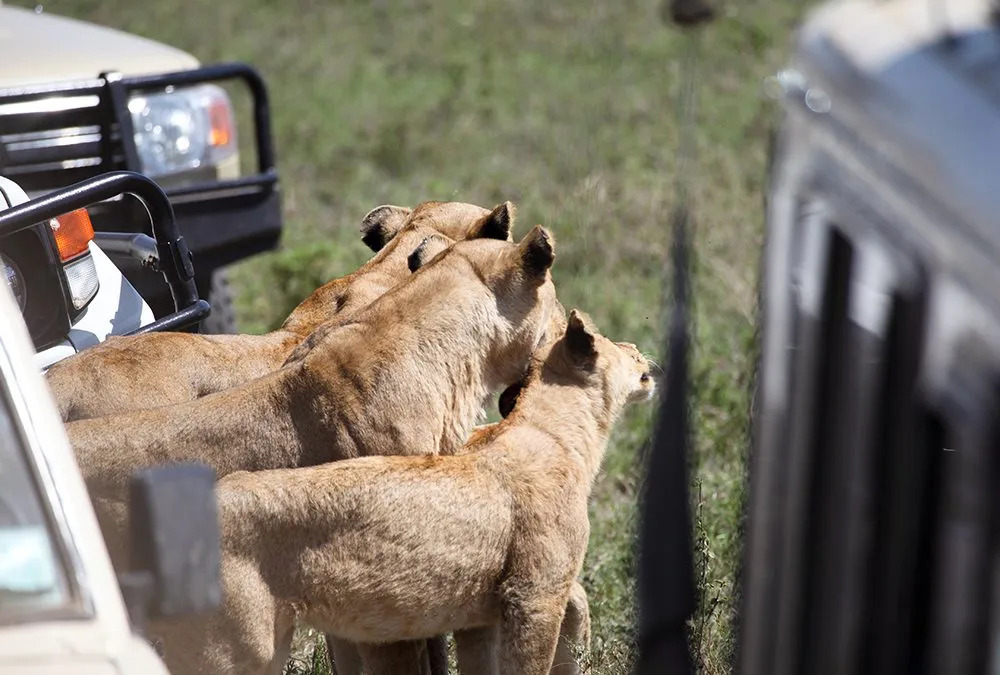
Reading about lions is fascinating, but watching them in their natural habitat is unforgettable.
At TourwithPipi, our luxury safaris across Kenya and Tanzania give travelers the opportunity to observe lions exactly where they belong-patrolling open savannas, resting beneath acacia trees, caring for cubs, and interacting within their prides.
Our experienced local guides understand lion behaviour, pride dynamics, and seasonal wildlife movements, helping you witness authentic moments while respecting conservation and ethical wildlife viewing practices.
Whether you’re exploring the Maasai Mara National Reserve, Serengeti National Park, Ngorongoro Conservation Area, or Tarangire National Park, every safari is carefully designed to bring you closer to Africa’s most iconic predator.
Key Takeaways
- Lions do not live in jungles; they mainly inhabit African savannas, grasslands, and open woodlands.
- The title “lion the king of jungle” comes from symbolism rather than habitat.
- A male lion’s mane resembles a natural crown and makes it appear larger and more intimidating.
- Lions are the only truly social big cats, living in organized family groups called prides.
- Their roar can travel up to 5 miles (8 km), helping defend territory and communicate with the pride.
- Ancient civilizations, including Egypt and Persia, used lions as symbols of kingship, courage, and power.
- The lion remains one of the world’s strongest symbols of leadership despite never living in a true jungle.


