
Africa is my home continent, and I still haven’t run out of new things to do here after building safaris for a living. Ask ten people what to do in Africa and you’ll get ten different answers, because the honest answer is that it depends entirely on which corner of a 54-country continent you’re picturing. Whether you’re chasing a single African tourist attraction or trying to plan an entire trip around one thing to do in Africa, there are tourist attractions in Africa and famous places in Africa in nearly every direction, so this guide sorts through it: 60 real activities to do in Africa, grouped by what you’re actually after, safari, adventure, culture, history, coastline, or something genuinely off the radar.
Top Safari Activities to Do in Africa
1. Take a Mokoro Canoe Safari in the Okavango Delta, Botswana
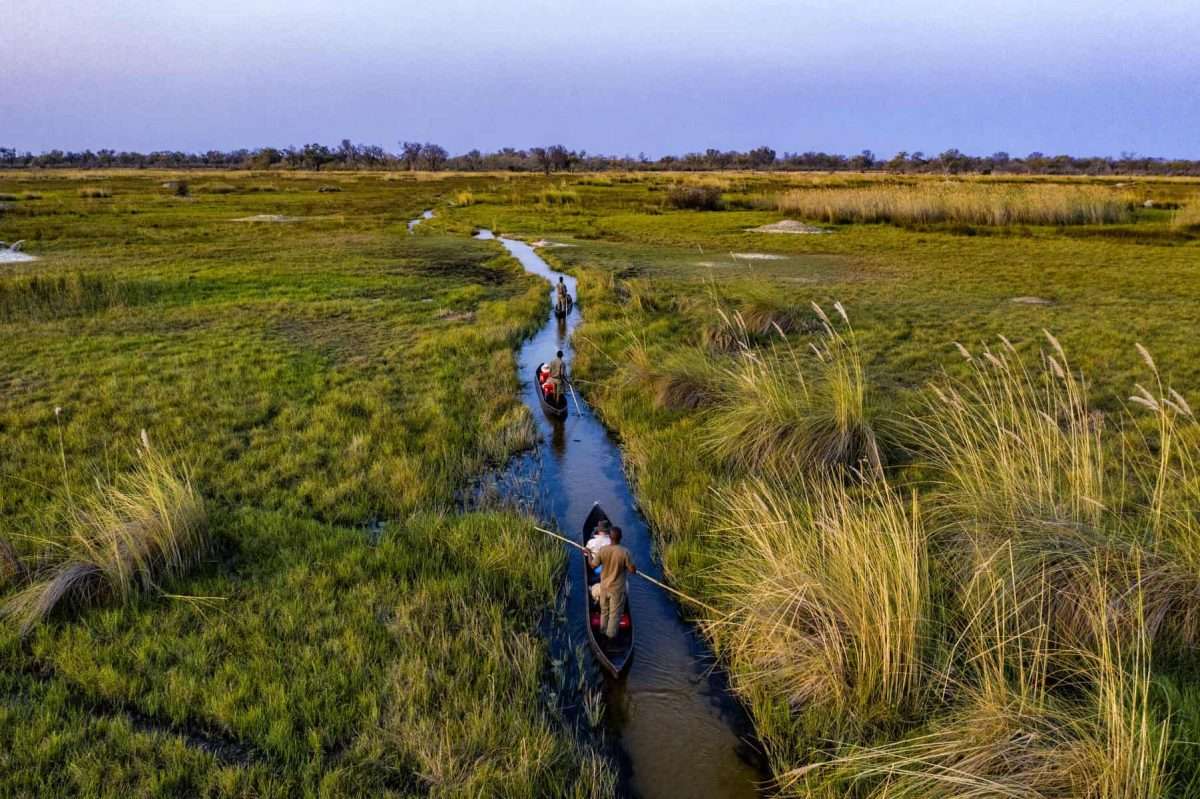
The Okavango Delta is one of the calmest, most serene tourist attractions in Africa, and there’s something almost meditative about gliding through its reed channels in a mokoro, a traditional dugout canoe poled quietly along by a local guide. No engine noise, just water sounds and the occasional fish eagle call overhead as elephants graze on nearby islands. Go between June and October, the dry season, when wildlife concentrates on the Delta’s islands and sightings come easy.
Without a motor pushing you along, you drift past hippos, red lechwe, and sometimes lion tracks right at the waterline. It’s a slower, more intimate way into Botswana’s wilderness than a standard game drive, and it’s the activity clients mention most when they talk about what surprised them on a Botswana trip.
2. Watch Elephants on the Chobe River Cruise, Botswana
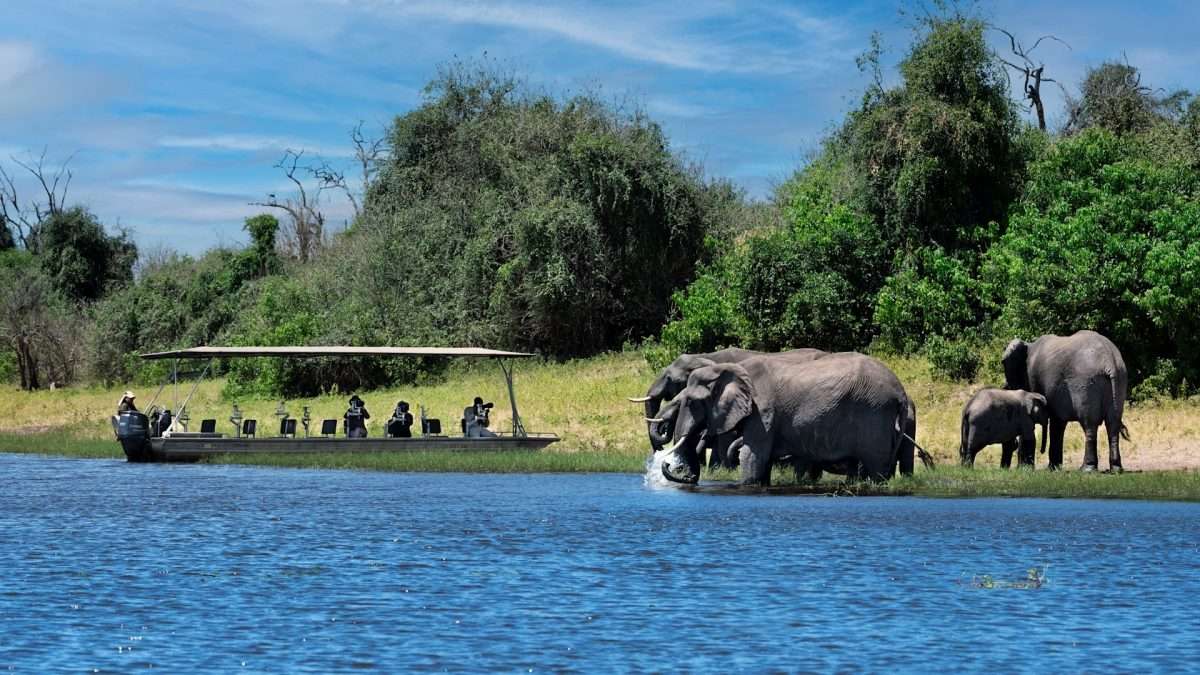
Chobe National Park is one of the most famous places in Africa for elephants, and it holds one of the largest elephant populations on the continent. A sunset cruise on the Chobe River puts you at water level with all of it: herds crossing in front of the boat, buffalo lining the banks, crocodiles sunning a few meters away. May through October is when the river’s dry-season concentration of animals makes for the most dramatic viewing, and there are tourist attractions in Africa that offer wildlife this close only from a boat like this one.
Pair this with a standard game drive and you get two completely different reads on the same wildlife. Watching a herd of elephants swim, ears flapping, trunks up like snorkels, is a different kind of memory than spotting them from a vehicle, and the birdlife along the banks adds a layer most first-time visitors don’t expect.
3. Big Five Game Drives in Kruger National Park, South Africa
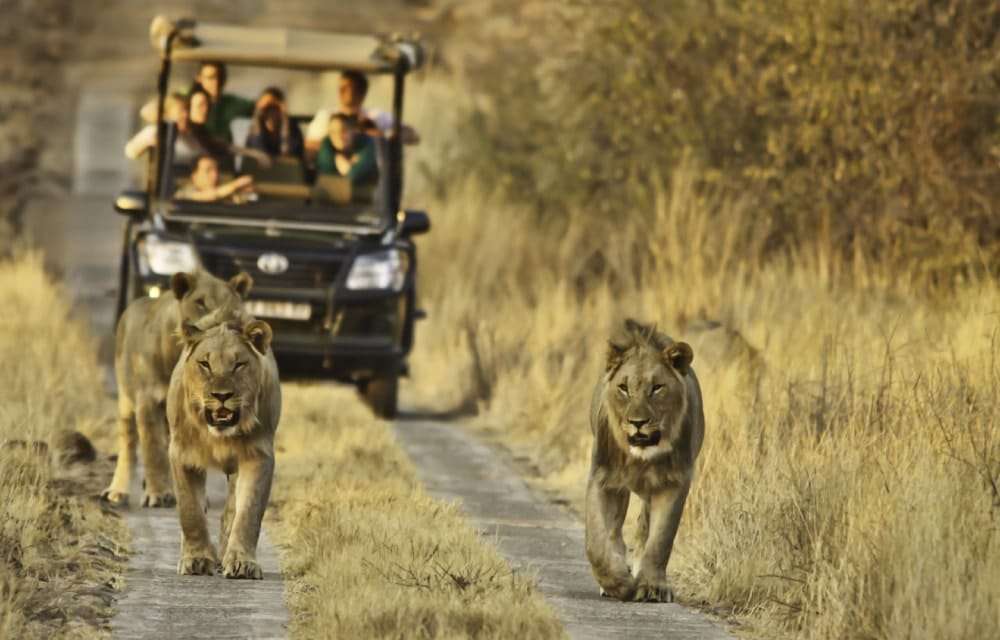
Kruger is one of the most visited tourist attractions in South Africa and one of the largest national parks in Africa, spanning close to 20,000 square kilometers, and its size is exactly why it delivers such consistent Big Five sightings alongside genuinely good road infrastructure. Visit May through September, when thinning vegetation makes predators far easier to track, for the strongest game viewing of the year.
A lot of travelers pair Kruger with a few days in Cape Town afterward, which rounds out a South Africa trip with both wildlife and coastline in one itinerary. Whether you go the self-drive route or stay at a guided private lodge, Kruger delivers the classic safari experience without asking you to rough it.
4. See the Great Migration in the Serengeti, Tanzania
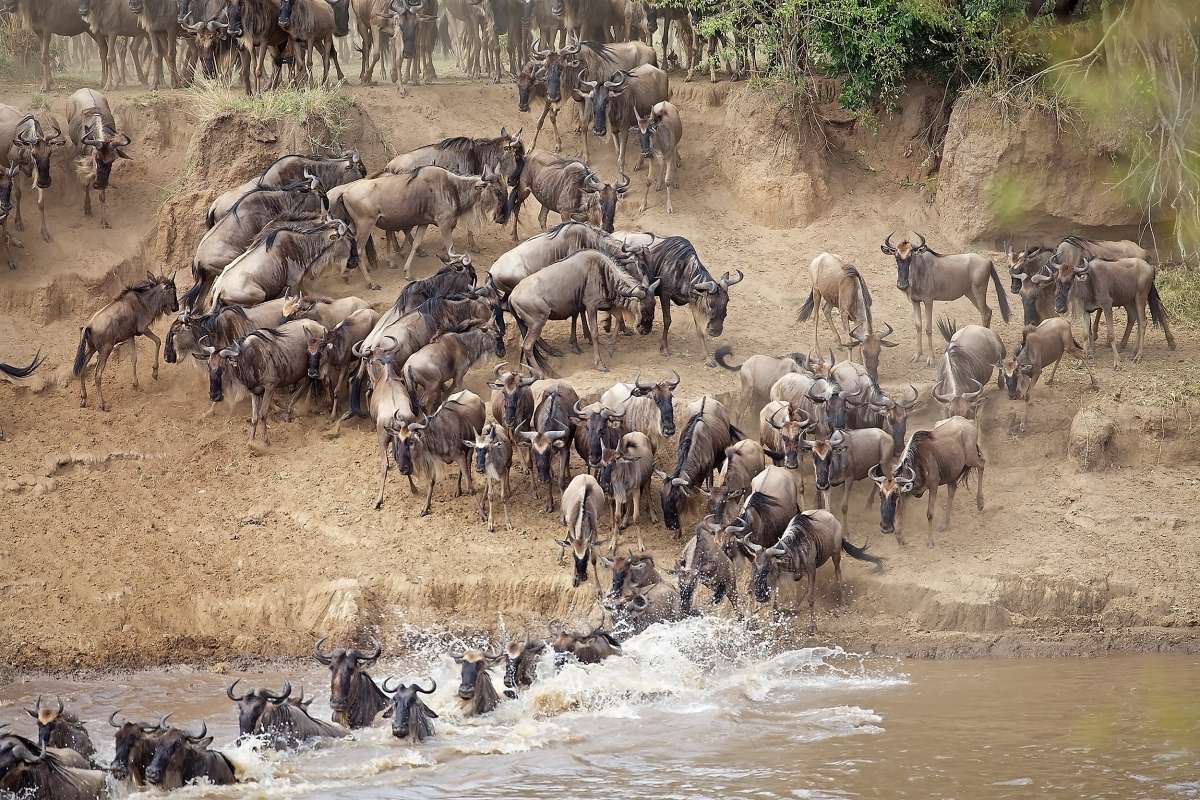
The Serengeti is one of the most famous places in Africa and easily one of the most demanding things to do in Africa to plan around, since over two million wildebeest and zebra move across its plains each year chasing fresh grazing, and the predators that follow them turn this into one of the genuinely great wildlife spectacles on Earth. The river crossings between July and October are the most dramatic chapter, and the reason this window is the most heavily booked time to visit this famous tourist attraction.
Even outside those months, the Serengeti’s open landscapes and reliable game viewing hold up on their own. Most itineraries pair it with the Ngorongoro Crater, or stretch further into Kenya’s Masai Mara or a few days on Zanzibar for a full East Africa circuit.
5. Ngorongoro Crater Game Drive Day, Tanzania
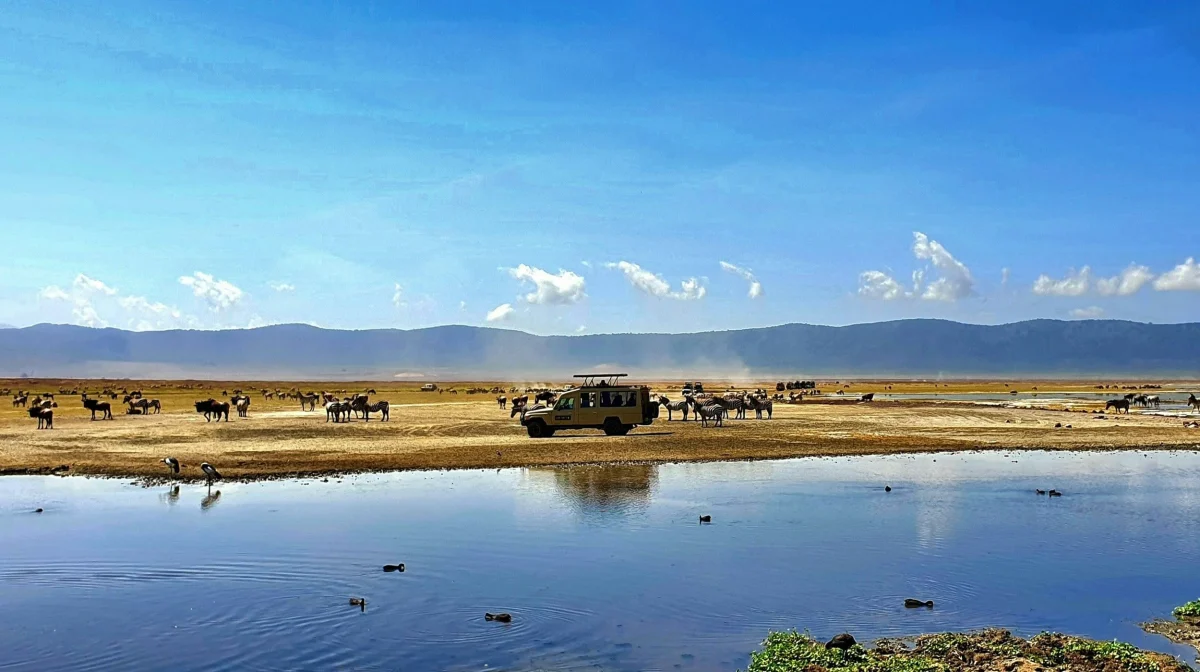
Dropping into the Ngorongoro Crater for a full day is a mesmerizing experience, and it feels like entering a self-contained ecosystem. This UNESCO-listed volcanic caldera is one of the most stunning tourist attractions in Africa and holds one of the densest wildlife concentrations anywhere on the continent, black rhino, lion, buffalo, and flamingo flocks along the soda lake, all within a single, walled-in bowl. Because the animals stay inside the crater year-round, sightings hold up in almost any season.
It pairs naturally with a Serengeti safari or a Kilimanjaro climb before or after. For a single day, Ngorongoro packs in a concentration of wildlife that few other places on the continent can match.
6. Gorilla Trekking in Bwindi, Uganda
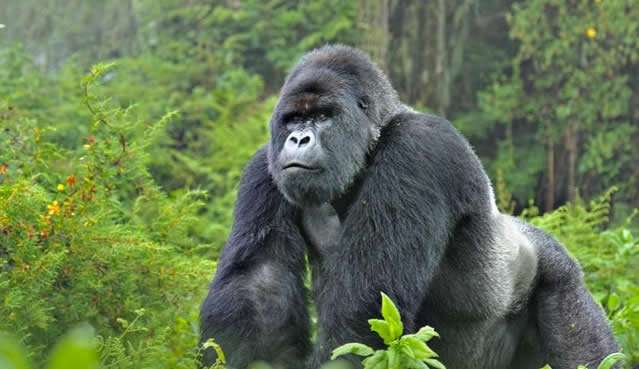
Bwindi is one of the most famous tourist attractions in Africa for a very specific reason, and hiking through its steep, dense terrain to reach a habituated mountain gorilla family is genuinely unlike anything else on this list. Permits are capped daily to keep group sizes small, and the driest conditions run June to September and December to February.
The hour you spend with the gorillas, watching juveniles wrestle, a silverback keep half an eye on the group, a mother cradle her infant, is the payoff for the climb. It’s physically demanding and emotionally disproportionate to the effort, in the best way.
7. Track Rhinos on Foot in Eswatini

For travelers seeking off the beaten path Africa adventures, tracking rhinos on foot in Eswatini offers a rare and responsible wildlife experience. Guided by trained rangers in reserves such as Hlane Royal National Park, you walk slowly across open bushveld terrain while learning about conservation efforts protecting both black and white rhinos. The dry winter months from May to September provide clearer tracks and better visibility.
Unlike traditional vehicle safaris, this wildlife experience feels immersive and educational. Standing quietly within safe distance of a grazing rhino changes how you understand conservation in southern Africa. Eswatini may be small, but visiting here delivers one of the most meaningful and lesser known safari moments in the region.
8. Etosha Waterhole Safari, Namibia
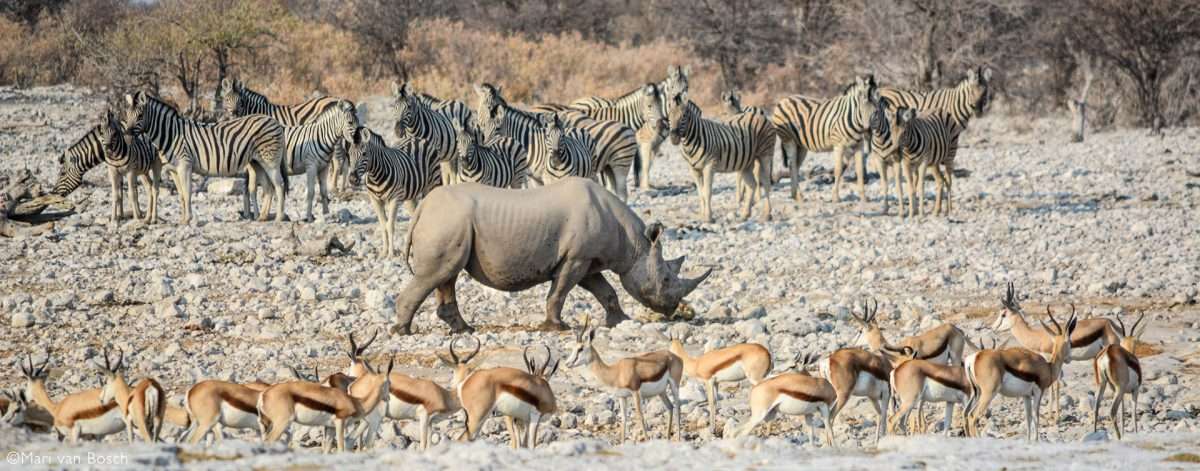
Etosha is one of the most stunning tourist attractions in Africa precisely because it trades dense bush for open salt pans, which strips away most of the guesswork from game viewing. During the dry season, June through October, wildlife concentrates hard around the park’s permanent waterholes, so parking yourself at one at dusk is often more productive than driving around looking.
Elephant, lion, springbok, even endangered black rhino, arrive in sequence to drink as the light fades. The stark white-and-animal contrast against the salt flats is one of Namibia’s most visually distinct safari settings, and it doesn’t take much effort to see it.
9. Visit Amboseli for Elephant Herds and Kilimanjaro Views, Kenya
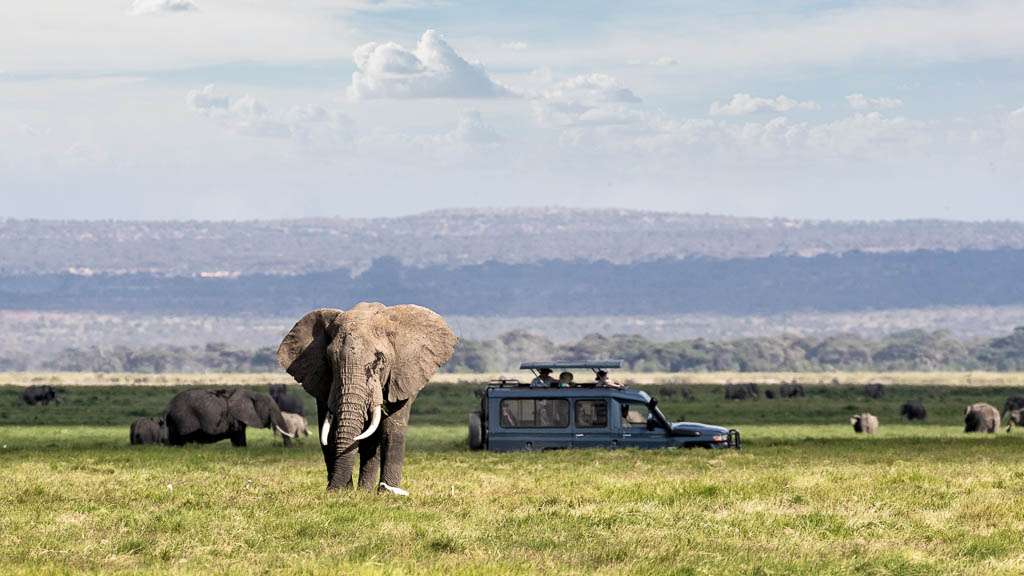
Amboseli is one of the most photographed tourist attractions in Africa, and its flat plains make for some of the easiest wildlife viewing in Kenya. Its real signature is watching elephant herds move across that open ground with Mount Kilimanjaro rising behind them. Mornings, especially June through October and January into February, give you the clearest mountain views before afternoon clouds roll in.
Buffalo, lion, giraffe, and heavy birdlife round out the sightings. A lot of travelers tack on a few days at the coast, Diani or Watamu, afterward, which balances the wildlife-heavy pace of Amboseli with something slower.
10. Madagascar Lemur Encounters in Andasibe or Ranomafana
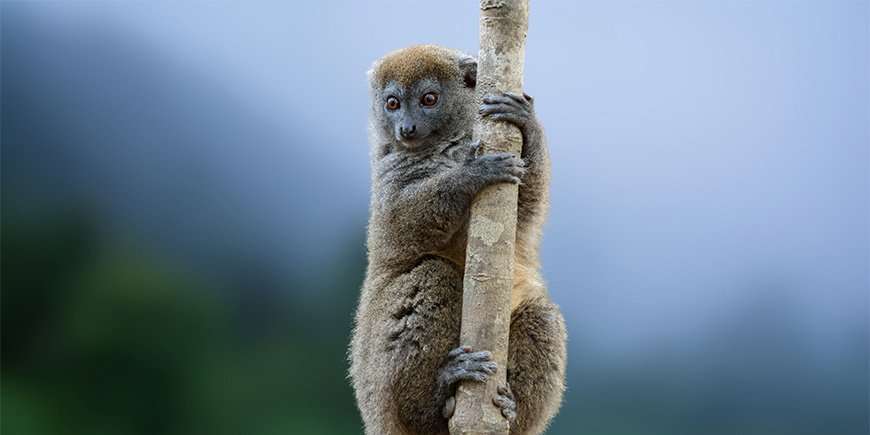
Madagascar split off from the rest of the continent millions of years ago, and its wildlife shows it. Andasibe-Mantadia and Ranomafana National Parks are among the most unique tourist attractions in Africa, home to indri lemurs, sifakas, and chameleons found absolutely nowhere else on the planet. April through November keeps the rainforest trails more manageable.
Hearing an indri’s call at dawn, an eerie, almost whale-like sound carrying through the canopy, or watching a sifaka bound sideways between trunks, feels closer to science fiction than a typical safari. For travelers who’ve done a classic Big Five trip already, Madagascar is a genuinely different kind of wildlife encounter.
11. Climb Mount Kilimanjaro, Tanzania
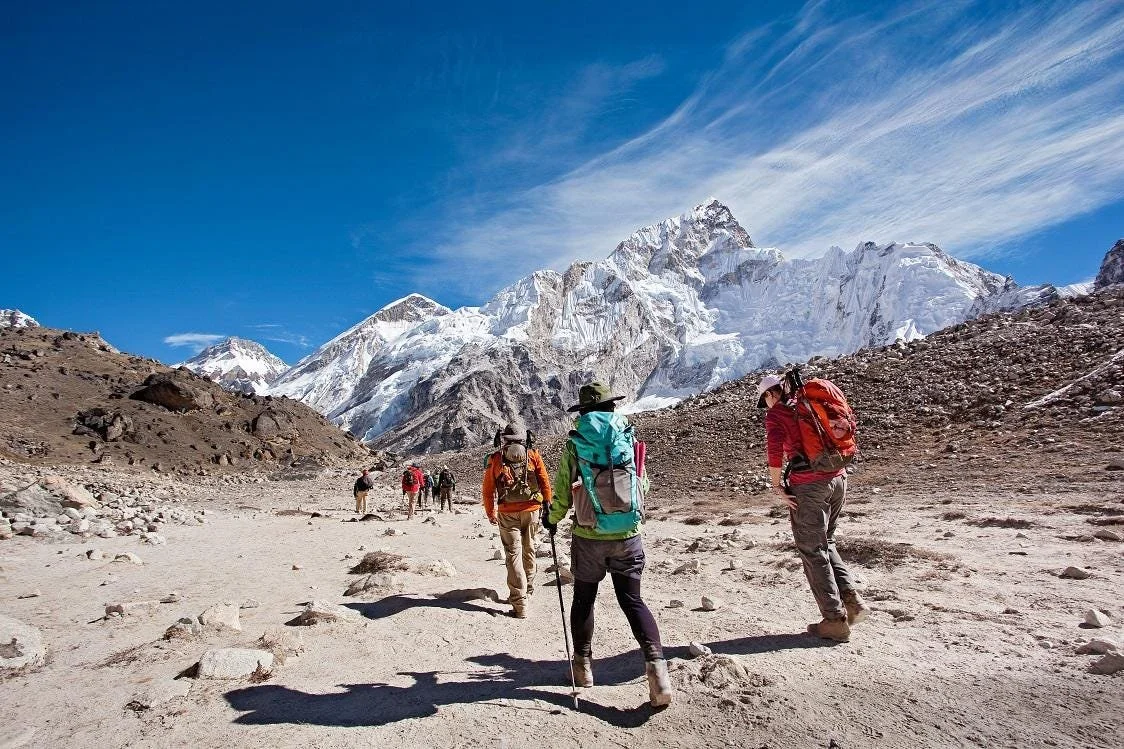
Kilimanjaro is one of the most demanding things to do in Africa and also one of the most famous tourist attractions on the continent. At 5,895 meters, it’s the tallest freestanding mountain on Earth, and the good news is it doesn’t require technical climbing gear, just real preparation and patience with altitude. The Machame Route is the most scenic of the standard options, Lemosho tends to run quieter with better summit success rates, and Marangu, the so-called Coca-Cola route, is the one with hut accommodation instead of tents.
January to March and June to October bring the clearest skies and least rainfall. Watching the sunrise from Uhuru Peak, glaciers lit up in early light after days of climbing, is the kind of moment that reorders your sense of what a vacation can be.
12. Hike Table Mountain, Cape Town, South Africa
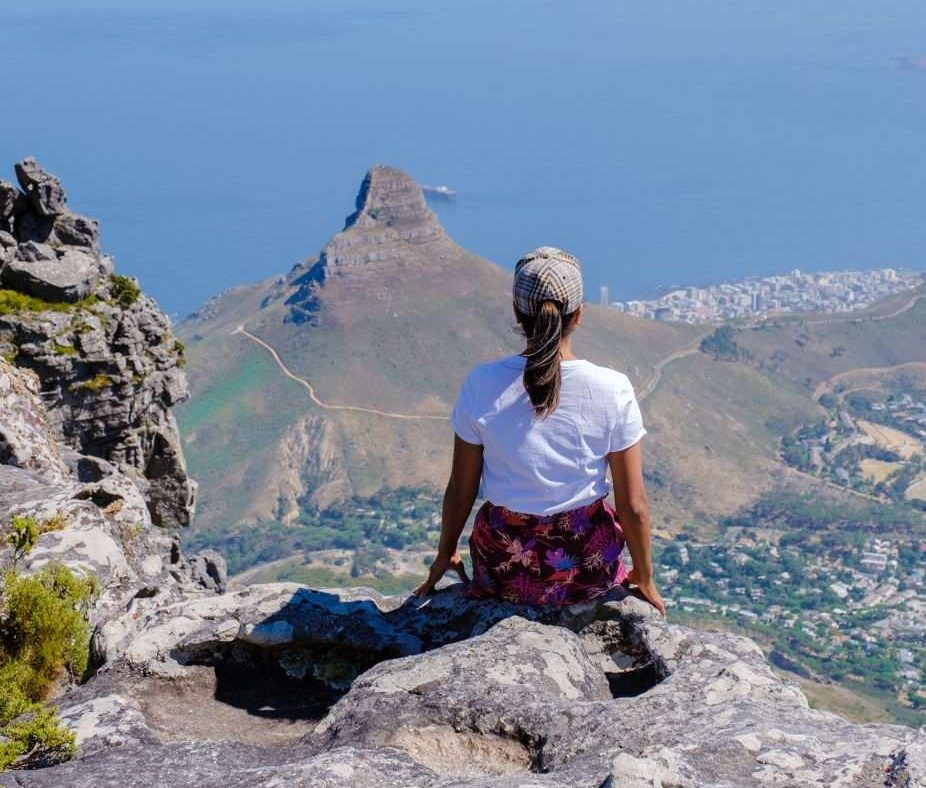
Table Mountain is one of the most visited tourist attractions in Africa, and its flat summit gives you sweeping, stunning views over the Atlantic, Robben Island, and the whole Cape Peninsula in one sweep. Platteklip Gorge is the direct, steeper route up; Skeleton Gorge, starting from Kirstenbosch Gardens, is greener and more shaded if you’d rather take your time.
Go during Cape Town’s summer, November through March, for the most stable conditions, but start early regardless, since wind and heat both build through the day. No Cape Town trip really feels complete without getting up here at least once.
13. Sandboard and Sunrise Dunes in Sossusvlei, Namibia
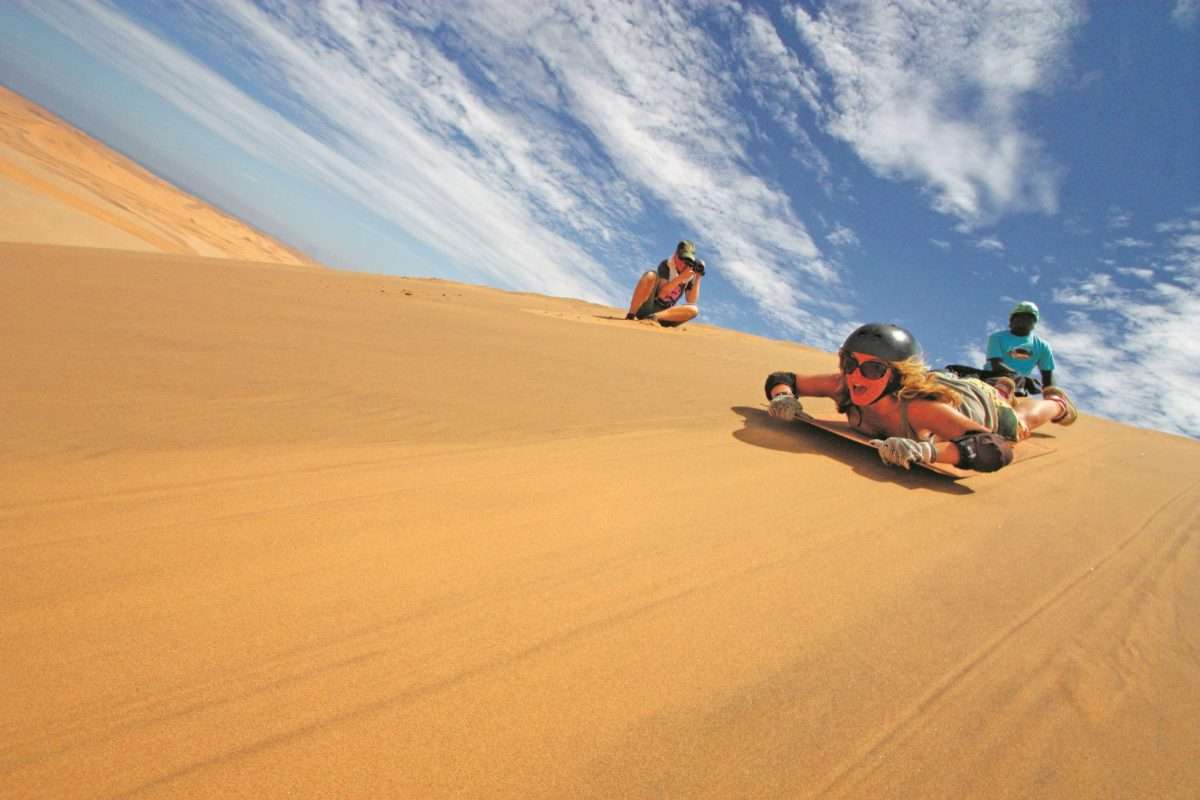
Sossusvlei is one of the most mesmerizing tourist attractions in Africa, its dunes, Dune 45 and Big Daddy among the most climbed, rising in burnt red against the stark white salt pan of Deadvlei below. Climbing one before sunrise, watching the light shift across the Namib, the oldest desert on Earth, is a stunning, serene way to start the day and worth the early alarm on its own.
If you want more adrenaline than a slow climb offers, sandboarding down the steeper faces near Sossusvlei or Swakopmund adds real speed to the experience. May through September brings cooler, more comfortable temperatures for either.
14. White Water Rafting on the Nile in Jinja, Uganda
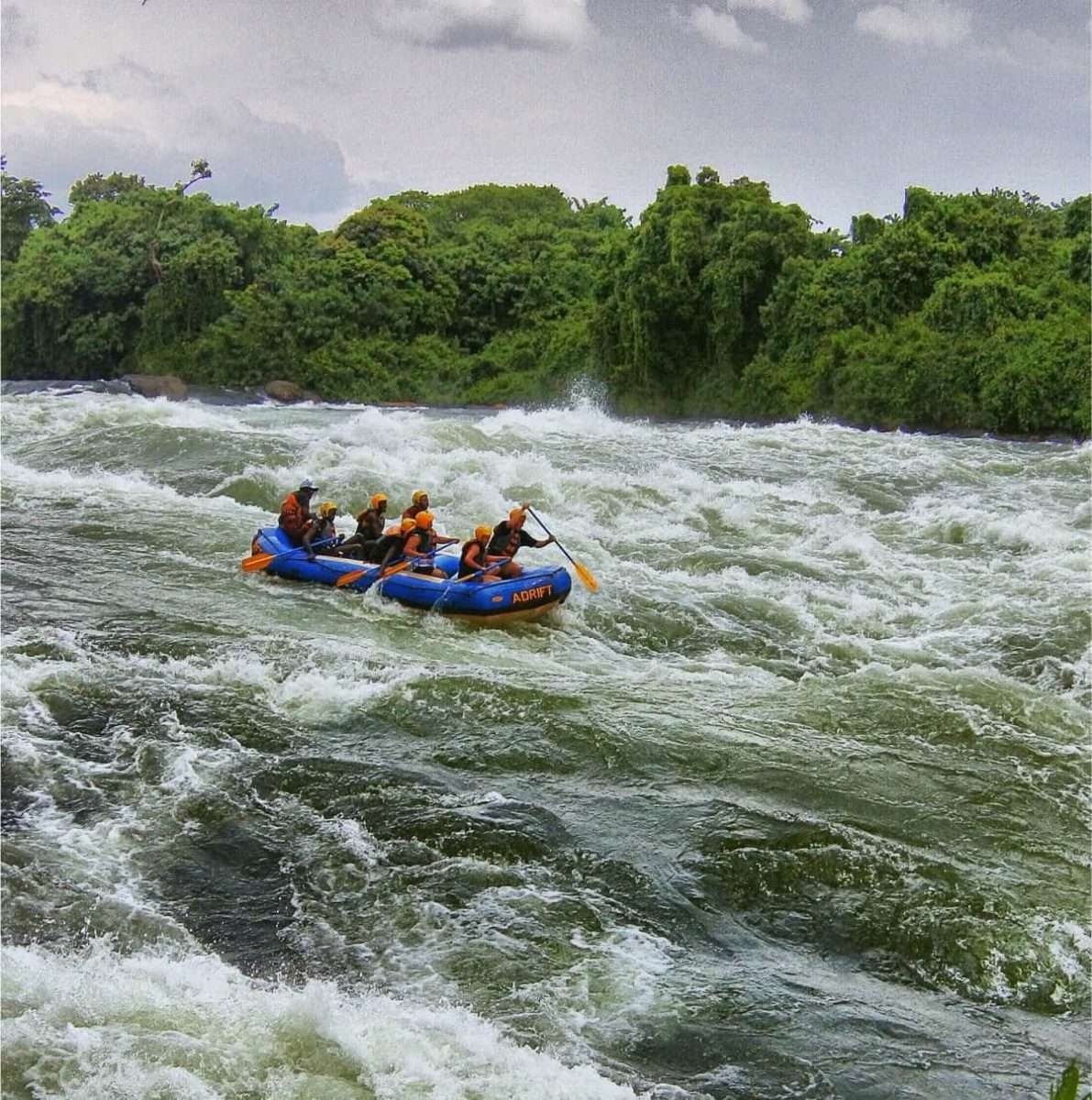
Jinja is one of the most adventurous things to do in Africa if you’re chasing adrenaline, and it earns its reputation as East Africa’s adventure hub largely through its rafting, Grade IV and V rapids on the White Nile near its actual source, running through warm water in conditions good enough to raft nearly year-round.
Beyond the river itself, Jinja adds kayaking, bungee jumping, and quad biking to the mix, so it’s a solid multi-day stop rather than a single activity. Powering through major rapids on the world’s longest river is a specific kind of bragging right.
15. Dive Lake Malawi for Cichlid Fish, Malawi
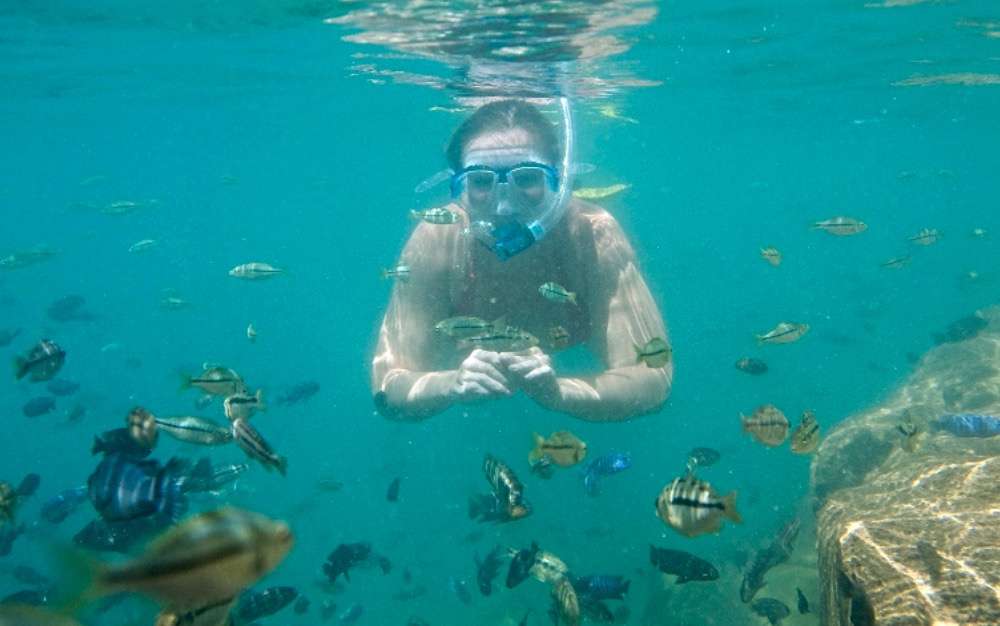
Lake Malawi is a calm, serene tourist attraction and a genuinely strange and wonderful detour from ocean diving: a freshwater lake home to hundreds of colorful cichlid species that exist nowhere else on the planet. Cape Maclear and Nkhata Bay both offer clear water and rocky shoreline ideal for exploring it, best from May through October.
No tides, no salt, just calm, warm freshwater and reef-bright fish in a setting most divers never think to add to an Africa trip. It’s a quieter, different kind of underwater experience than anything the coast offers.
16. Trek the Drakensberg Mountains, South Africa
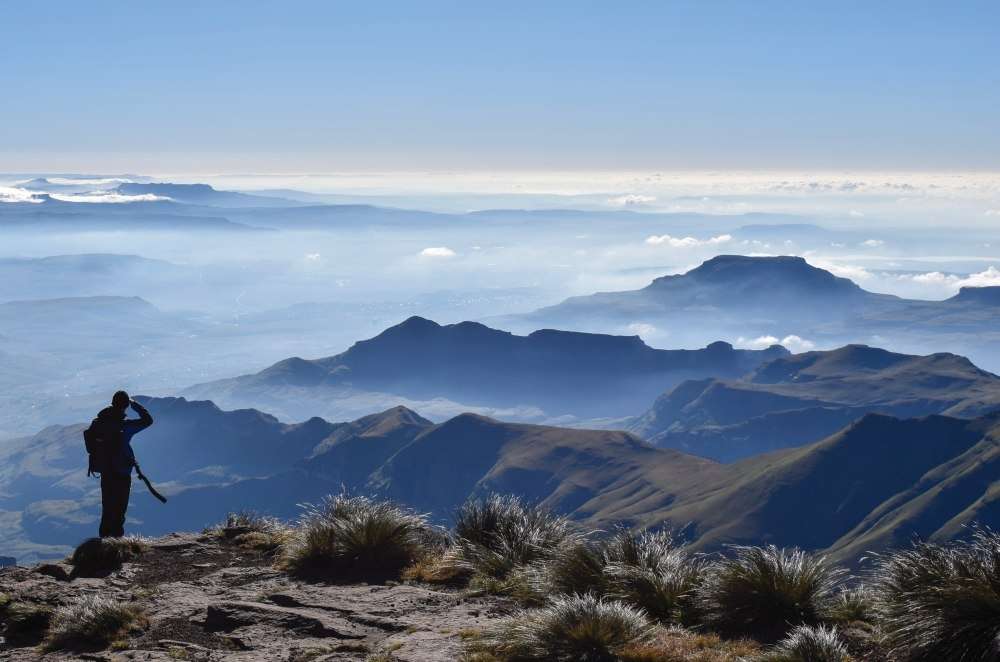
The Drakensberg is one of the most stunning tourist sites in Africa, stretching over 200 kilometers along the South Africa-Lesotho border, all basalt cliffs, deep valleys, and dramatic peaks, and it’s a UNESCO World Heritage site for good reason. The Amphitheatre and Chain Ladders route suits a moderate day hike, Cathedral Peak is a genuine challenge, and the multi-day Giant’s Cup Trail is for serious trekkers with time to spare.
April to May and September to October bring the most stable, dry conditions, with clear views over the escarpment and San rock art visible along several trails. Combine it with Kruger or Cape Town for a mountains-safari-coastline circuit through Southern Africa.
17. Scramble to the Tigray Rock Churches, Ethiopia
The rock-hewn churches of Tigray are among the lesser-known attractions in Africa, carved directly into sandstone cliffs in the Gheralta region between the 4th and 15th centuries, and reaching some of them is a real scramble. Abuna Yemata Guh sits atop an 800-foot cliff, and the final approach demands careful footing and a guide who knows exactly where to put your hands.
These are still active places of worship, not museum pieces, which adds real weight to the physical effort of getting there. The jagged, dry landscape surrounding them only sharpens the sense that you’ve gone somewhere few travelers bother to reach.
18. Climb an Active Volcano at Erta Ale, Ethiopia

Erta Ale is one of the most demanding things to do in Africa, and it holds one of the few continuously active lava lakes on the planet. The 10 to 15 kilometer hike is usually done at night specifically to dodge the extreme daytime heat, crossing hardened lava fields for 3 to 4 hours before reaching the glowing crater rim.
Most visitors camp near the summit and watch the lava shift and bubble under open sky, an experience that’s about as far from a typical safari as this continent gets. Guided expeditions with local security are required given how remote and genuinely hostile the surrounding terrain is, and the Danakil ranks among the hottest places on Earth, so timing this one carefully matters.
19. Victoria Falls: Gorge Swing, Rafting, or Helicopter Flight, Zambia and Zimbabwe
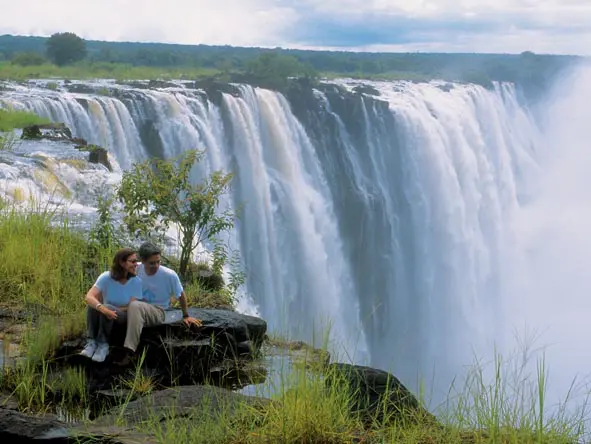 Victoria Falls is one of the most famous tourist attractions in Africa and one of the most visited tourist attractions on the entire continent, and it’s a genuine draw for couples and honeymooners as much as adrenaline seekers. Mosi-oa-Tunya, the smoke that thunders, in the local name, throws off enough energy and spray to fuel a full menu of adventure activities on both sides of the border. The Gorge Swing drops you 120 meters into Batoka Gorge in a matter of seconds, while the Zambezi’s white water below the falls delivers genuine Grade 5 rapids.
If adrenaline isn’t the point, a 12 to 30 minute helicopter flight, known locally as the Flight of Angels, shows you the full width of the falls from above instead, and it’s one of the more romantic add-ons for a honeymoon itinerary. Devil’s Pool, on the Zambian side, lets you swim right at the edge of the falls during low water season, while a guided cheetah walk on the Zimbabwean side gives couples a calmer, still genuinely memorable activity away from the water. Both the Zambian and Zimbabwean sides run these activities with strong, established safety standards, so you can dial the day up or down depending on your mood.
20. Skydive Over Desert or Coastlines, Namibia and South Africa
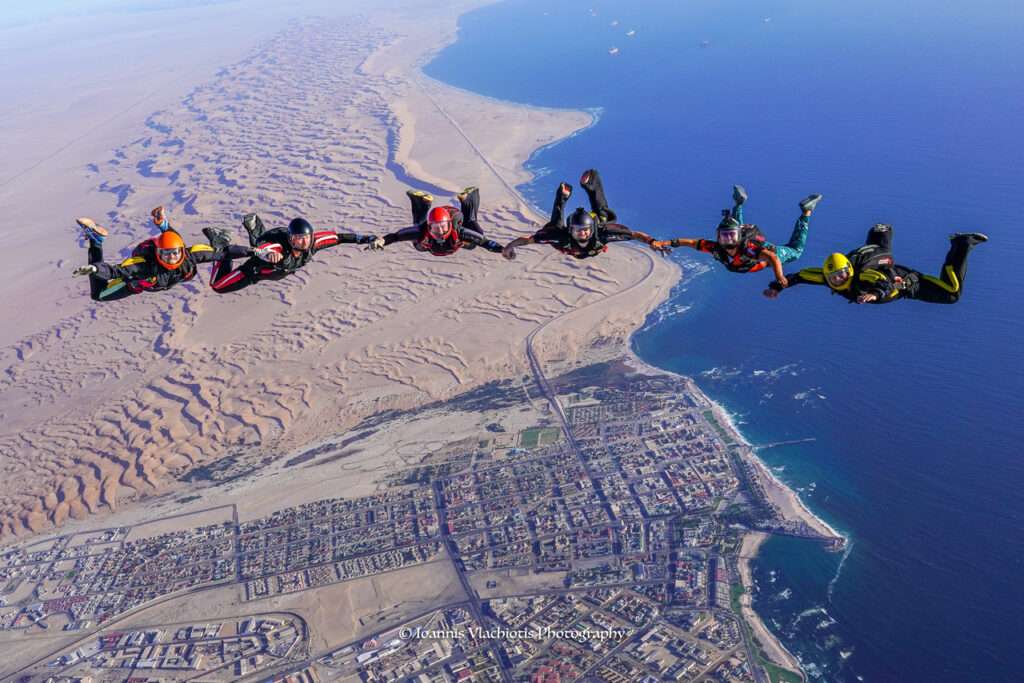
Jumping from roughly 10,000 feet above Swakopmund, one of the most stunning tourist spots in Africa, gives you 30 to 40 seconds of freefall at close to 200 kilometers an hour, with the Namib Desert’s red dunes meeting the Atlantic directly below you. It’s one of the most visually dramatic tandem jumps you’ll find anywhere in the world.
South Africa’s coastal jumps near Cape Town offer a different backdrop, mountains and ocean instead of desert, but the same level of experienced instruction and safety record. If you’re a thrill lover or a genuinely adventurous traveler looking for the biggest adrenaline hit on this whole list, this is the one built for you.
21. Explore Morocco’s Medinas in Fez or Marrakech
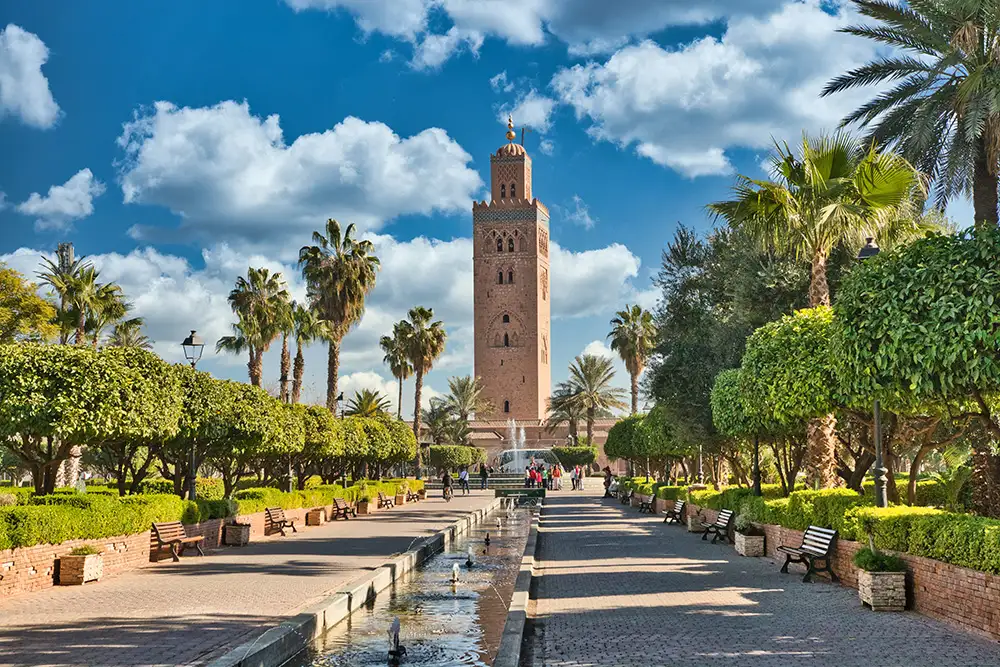
Fez and Marrakech are two of the most famous tourist attractions in Africa, and Fez El Bali is one of the largest car-free urban areas left in the world. Walking its alleys means passing centuries-old artisan workshops, leather tanneries, and Al Quaraouiyine, widely considered the oldest continuously operating university on Earth. Craftsmen still work brass, wood, and textiles by hand here, which gives the whole medina a layered, working-city feel rather than a preserved-for-tourists one.
Marrakech runs at a different, more theatrical pace, especially once evening hits Jemaa el Fnaa square: storytellers, food stalls, musicians, all of it at once. Between the souks, the riad courtyards, and rooftop terraces, Marrakech and Fez give you two genuinely different sides of Moroccan city life in one trip.
22. Visit Chefchaouen Blue City, Morocco
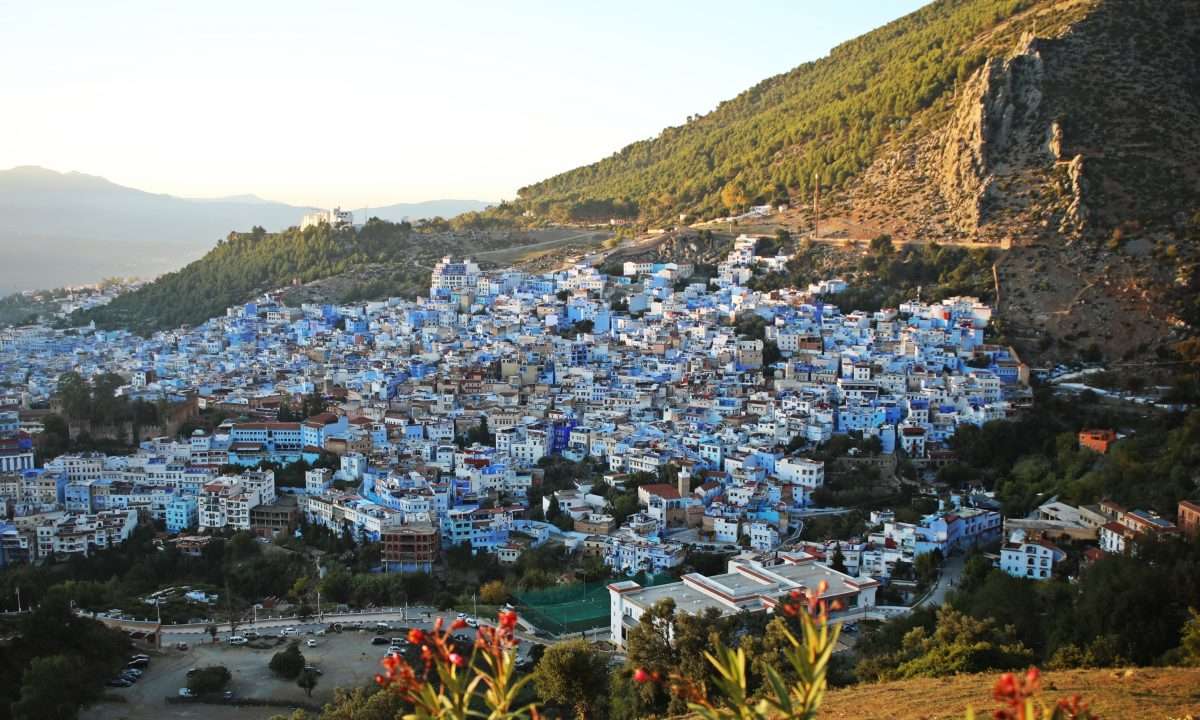
Chefchaouen is one of the calmest, most serene tourist spots in Africa, tucked into the Rif Mountains and founded in 1471, painted almost entirely in shades of blue. Walking its alleyways feels noticeably calmer than the bigger Moroccan cities, and wandering the medina here means handwoven textiles and quiet courtyards rather than the intensity of Marrakech’s souks.
Climb up to the 15th-century Kasbah or hike to the Spanish Mosque viewpoint for a full view over the blue rooftops. Staying overnight is worth it specifically because the town settles into something even quieter once the day visitors clear out.
23. Meet Maasai Communities in Kenya or Tanzania
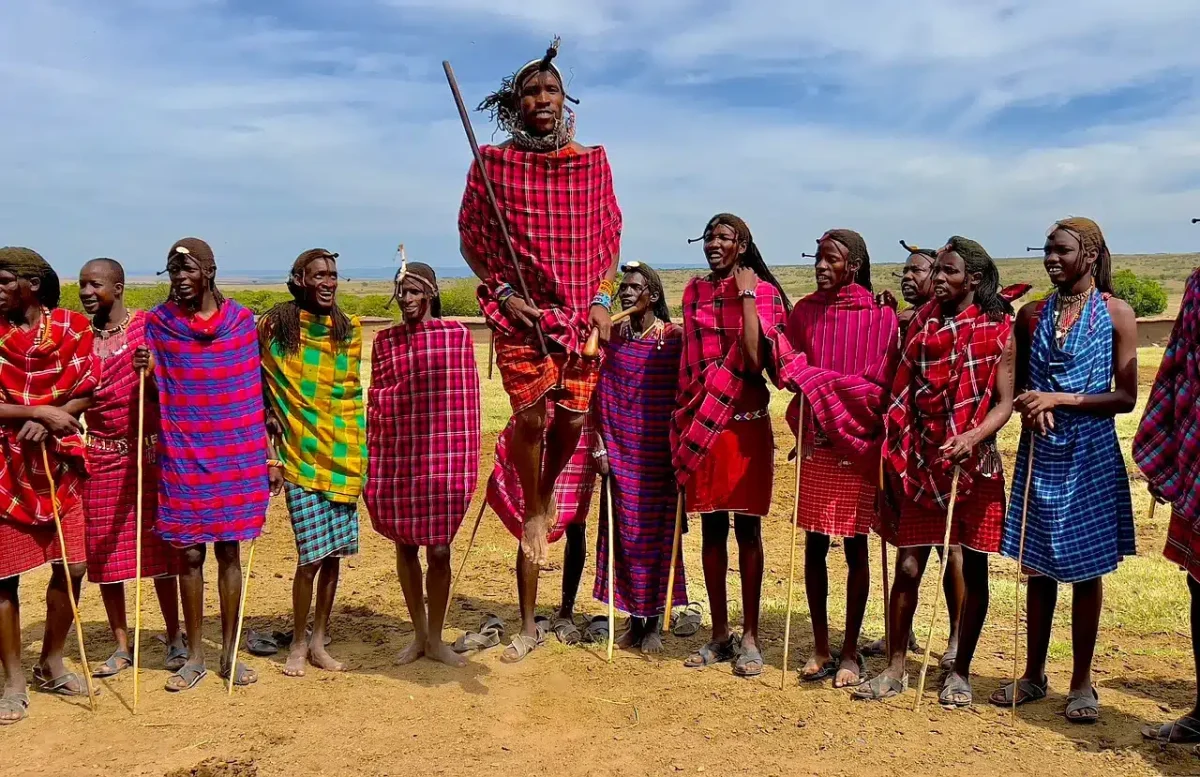
A Maasai village visit is one of the most meaningful cultural attractions in Africa. The Maasai are a semi-nomadic Nilotic people who have kept their pastoralist traditions alive across the land bordering the Masai Mara and Serengeti, and a village visit adds real human connection to a wildlife-heavy itinerary. Recognizable by their red shukas and intricate beadwork, cattle, community, and ceremonial rites all sit at the center of Maasai life.
A visit typically covers a manyatta, the traditional homestead structure, herding practices, and coming-of-age traditions. Done through the right local guides, this becomes a genuine window into how a centuries-old culture navigates change rather than a staged photo opportunity.
24. Omo Valley Indigenous Cultures, Ethiopia
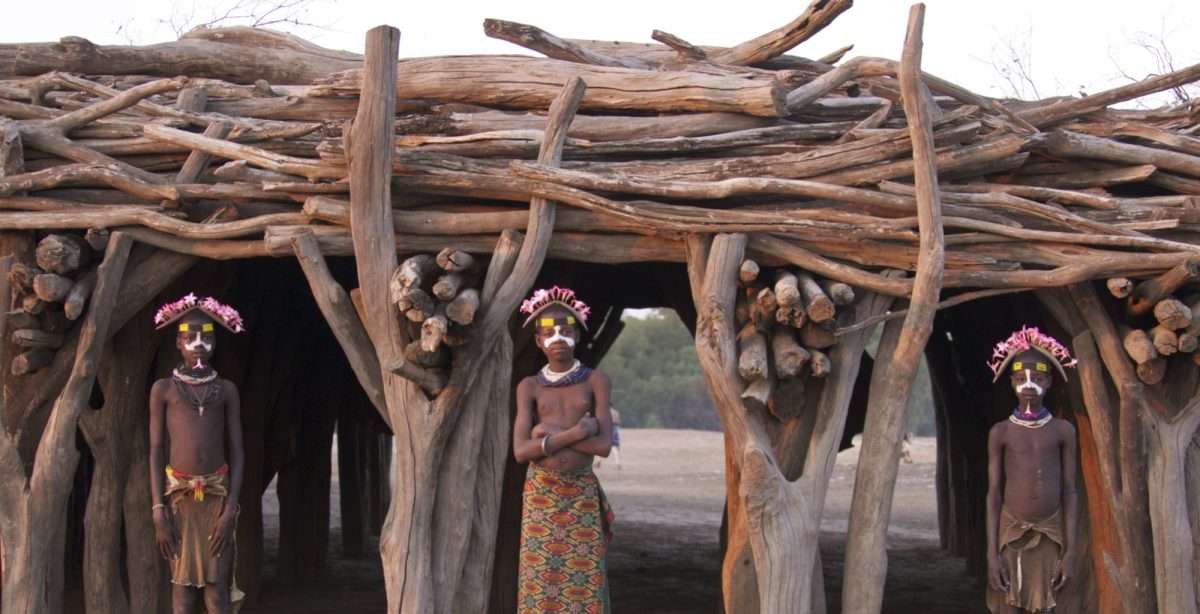
The Lower Omo Valley is one of the most distinctive tourist sites in Africa and home to more than sixteen ethnic groups, including the Mursi, Hamer, and Karo, all with generations of history along the Omo River. Elaborate body art, ceremonial scarification, and distinctive adornment traditions reflect a deep, ongoing connection to land and livestock here.
This is remote, culturally sensitive territory, and it requires a knowledgeable local guide to visit respectfully. For travelers looking for something genuinely off the standard route, the Omo Valley offers a rare look at living traditions still shaped by both history and a changing environment.
25. Stilt Village of Ganvie, Benin
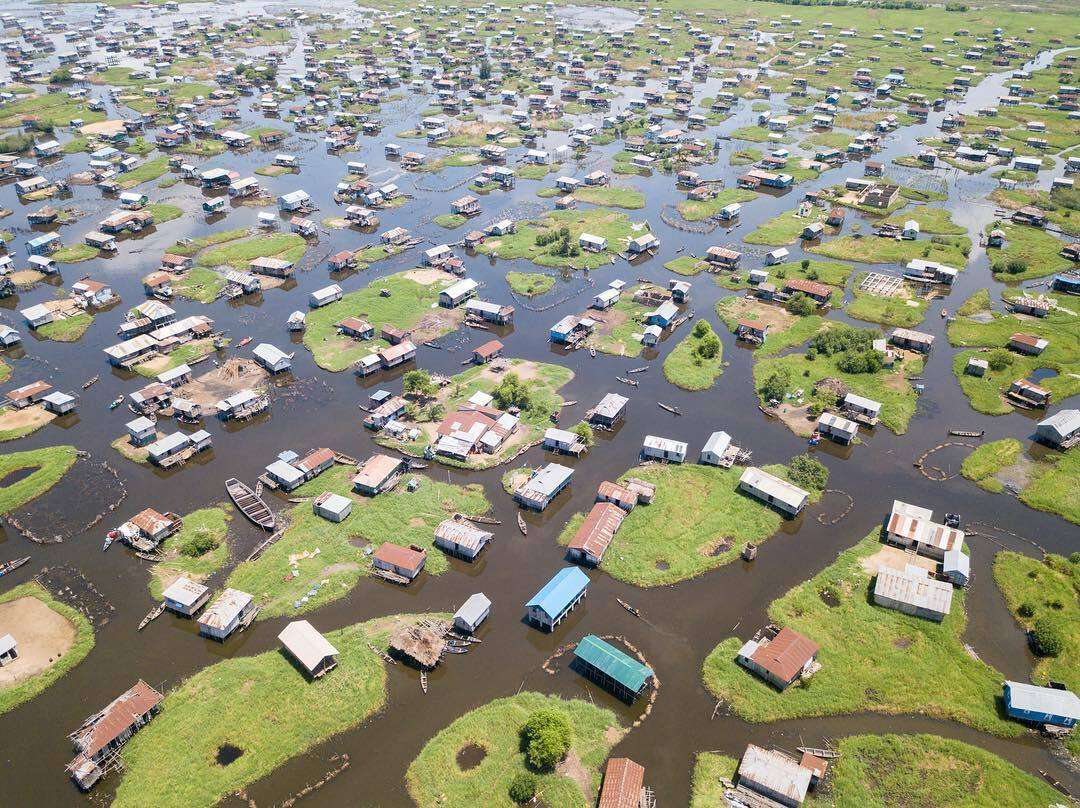
Ganvié is one of the most remarkable tourist attractions in Africa, rising entirely on stilts above Lake Nokoué. It was built in the 17th century by the Tofinu people specifically as refuge from slave raiders who wouldn’t follow them onto water. Tens of thousands of people still live here today, in homes, schools, and markets built above the lake, moving between them by wooden canoe.
An early morning boat ride catches the floating markets and fishermen casting nets at first light. Often called the Venice of Africa, Ganvié stands out among West Africa’s historic settlements for pure ingenuity and staying power.
26. Lamu Island Swahili Heritage, Kenya
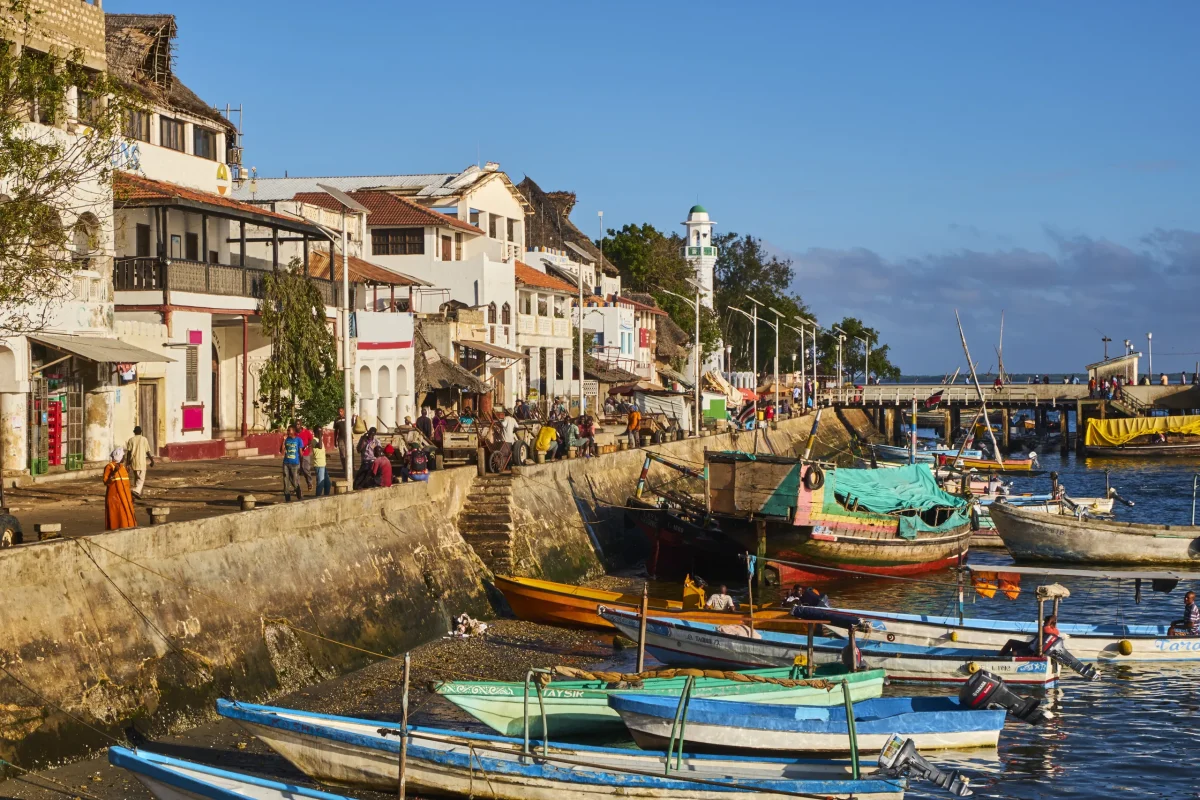
Lamu is one of my own favorite places on this entire list, and I’ve gone there more than once with my sisters. It’s one of the most beautiful places to go in Africa if you want serenity over sightseeing, a UNESCO World Heritage site and the oldest, best-preserved Swahili settlement in East Africa, over 700 years of history built into coral stone buildings, carved wooden doors, and alleyways narrow enough that donkeys, not cars, still do all the moving.
Centuries of Indian Ocean trade shaped Lamu into a genuine blend of African, Arab, Indian, and European influence. Watching a dhow sail out at sunset, wandering the museums run by the National Museums of Kenya, or just letting the island’s pace slow you down, this is one of the destinations on this whole list I’d send almost anyone.
27. Stone Town Walking and Night Markets, Zanzibar
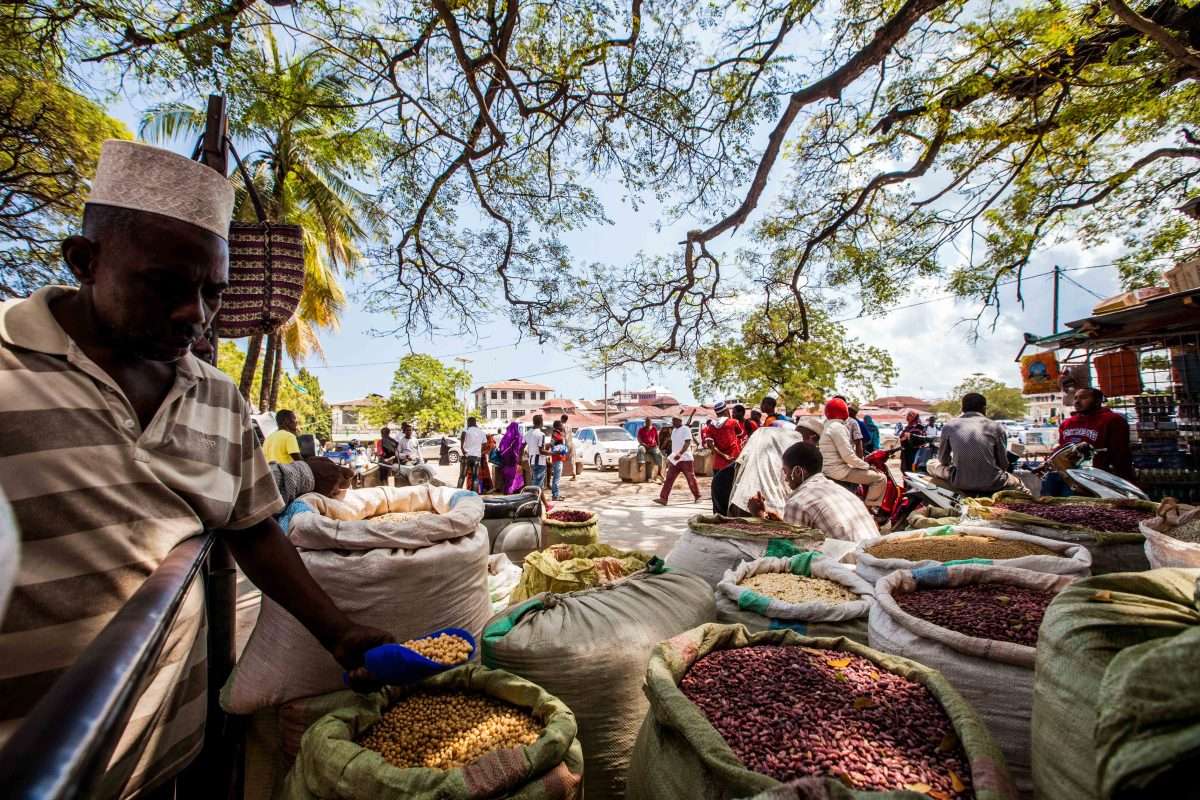
Stone Town is one of the most famous tourist attractions in Zanzibar, and its maze of streets carries African, Arab, Persian, and Indian influence in equal measure. A guided walk through it takes in the Old Fort, the House of Wonders, and merchant houses that trace centuries of trade and migration. It’s dense with history in a way that rewards a slower pace.
Come evening, Forodhani Gardens turns into a proper night market, grilled seafood, Zanzibar pizza, fresh sugarcane juice, right along the waterfront. Pairing history by day with the market by night makes Stone Town one of the better combinations of heritage and island life on the continent.
28. Township Tour in Cape Town, South Africa
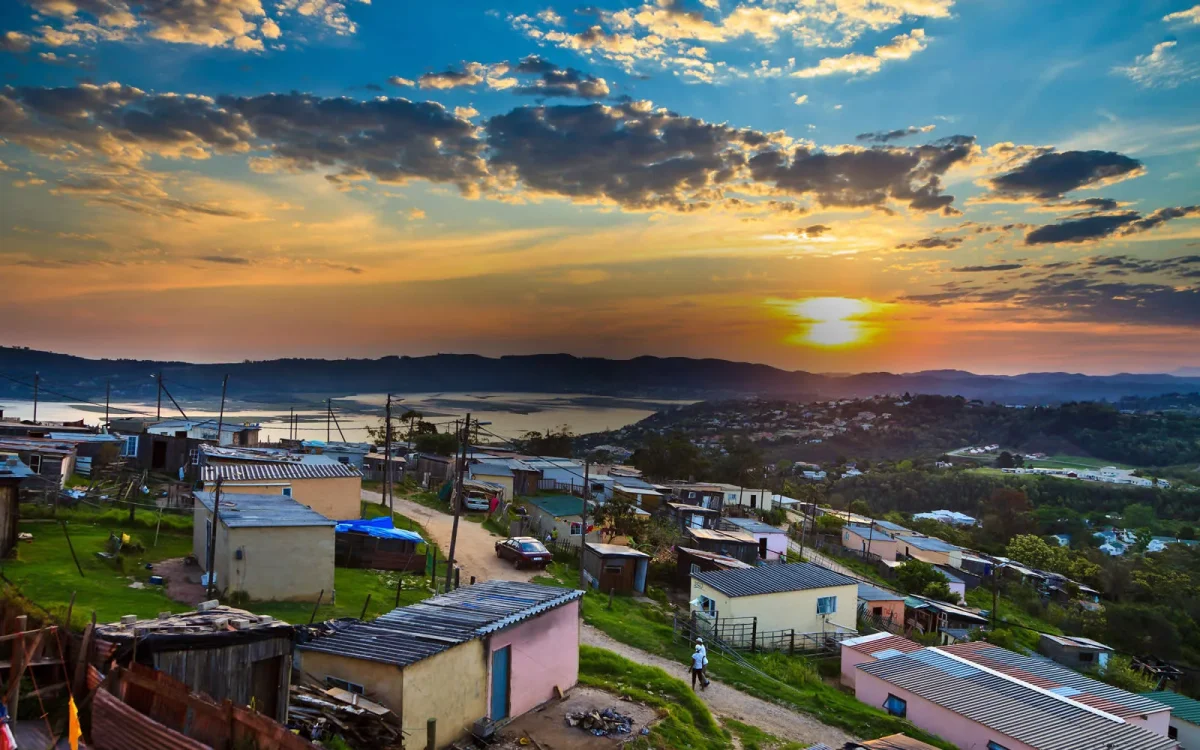
A township tour is one of the most meaningful attractions in Africa for understanding modern South Africa. A guided tour through Langa, Khayelitsha, or Gugulethu gives real insight into the legacy of apartheid and the resilience built into these communities since. Most run three to four hours, led by residents sharing their own, direct perspective rather than a rehearsed script.
These tours go well beyond sightseeing, into the idea of Ubuntu and the ongoing work of community-led development. Done responsibly, a township tour supports the local economy directly and adds genuine depth to a Cape Town itinerary that would otherwise stay purely scenic.
29. Saint Louis Colonial History, Senegal
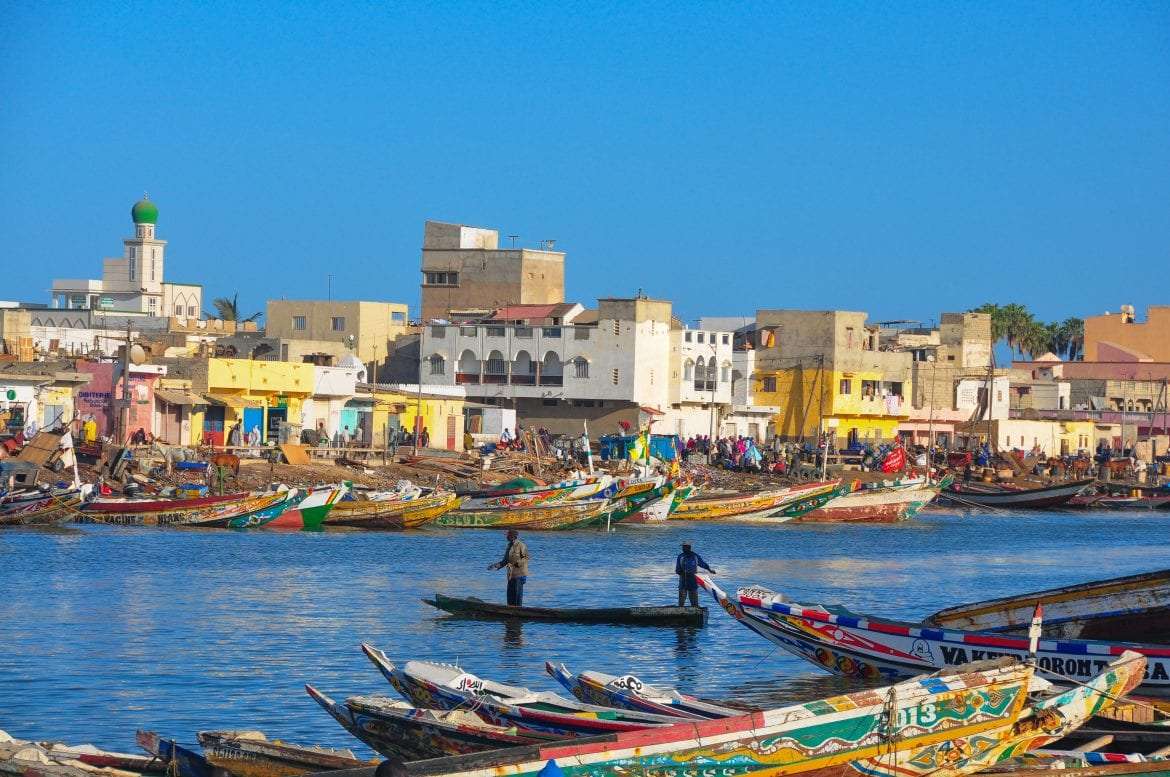
Saint Louis is one of the most historic tourist sites in Africa. Founded in 1659, it was the first French settlement in West Africa and later the capital of both Senegal and French West Africa, until 1902. Set on an island in the Senegal River, it grew into a major trading hub, gold, gum arabic, and, devastatingly, people, and its pastel colonial facades and wrought-iron balconies still show that history plainly.
Walking through Saint Louis means walking through layers of Franco-African history, with the Faidherbe Bridge linking the island to the mainland as a literal symbol of its old strategic weight. For anyone chasing West African history specifically, Saint Louis carries a depth few other cities in the region match.
30. Great Zimbabwe Ruins Culture Walk, Zimbabwe
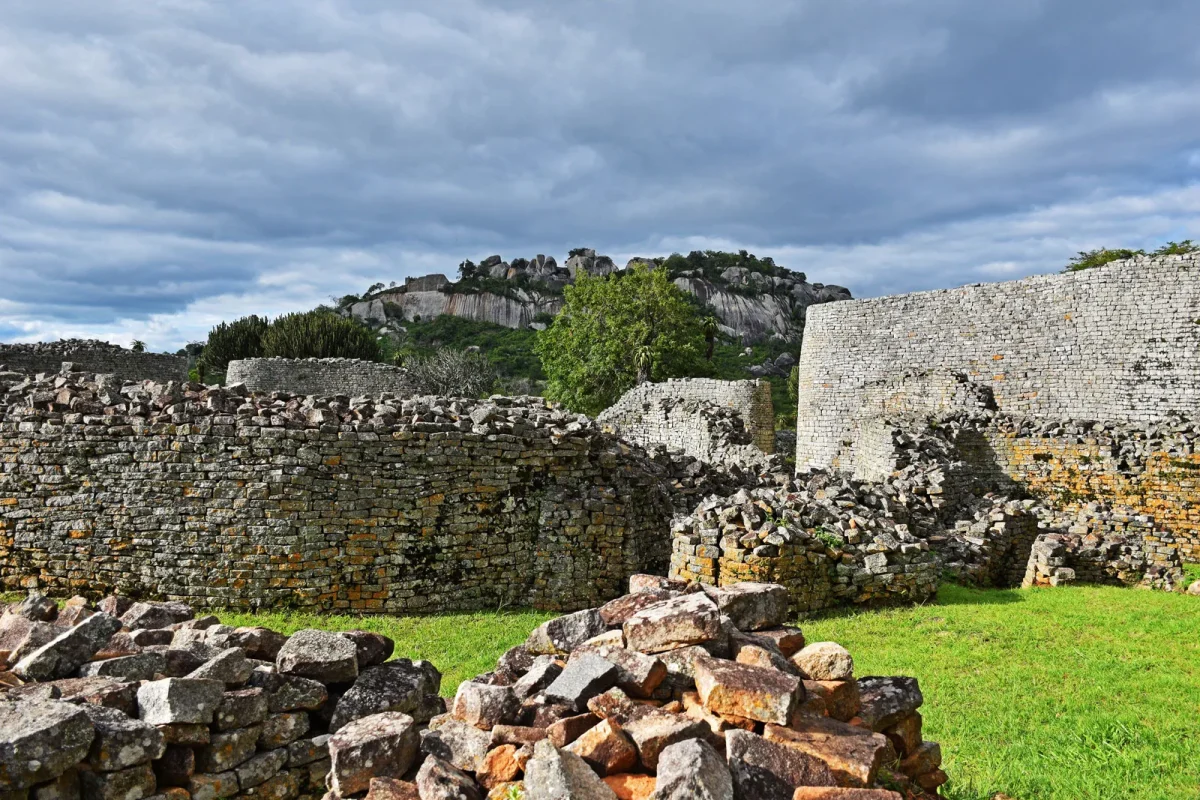
The Great Zimbabwe Ruins are one of the most significant historical tourist attractions in Africa. Dating from the 13th to 15th centuries near Masvingo, they were the capital of the ancient Shona civilization, and the scale of the stonework still surprises people who assume they know what to expect. The Hill Complex, the Great Enclosure, and the Valley Ruins were all built from stacked stone, without mortar, and they’ve held for over 600 years.
A guided walk through the site explains how this trading empire connected to regions far beyond its borders. It’s hard to leave Great Zimbabwe without a sharper sense of just how sophisticated pre-colonial Southern African societies actually were.
31. Luxor Temples at Night, Egypt
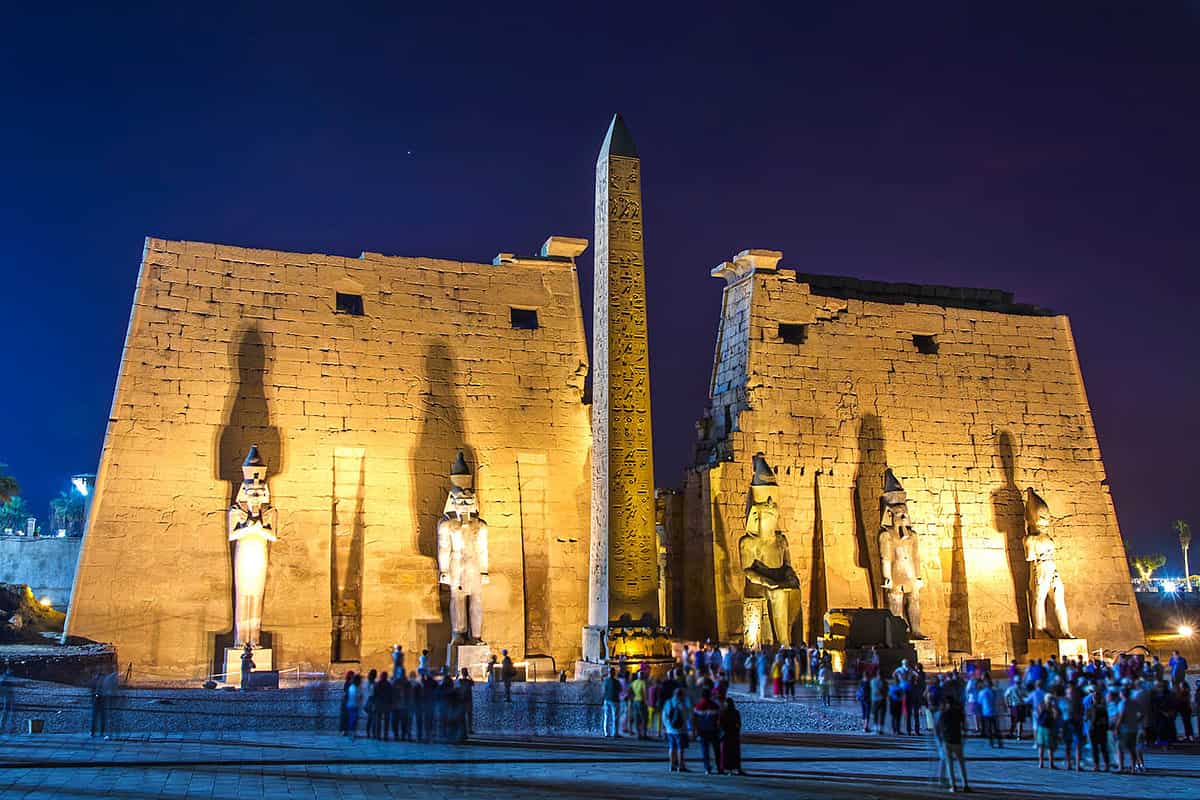
Luxor Temple is one of the most famous tourist attractions in Africa, and seeing it after dark is a completely different experience from the daytime version. Strategic lighting picks out colossal statues, towering columns, and hieroglyph-covered walls along the Nile’s east bank, and the crowds thin out enough that you can actually take in the scale of the place.
Luxor sits within the ancient city of Thebes, once one of the most important centers of Egyptian civilization, and pairing it with nearby Karnak in the same visit rounds out a real understanding of pharaonic architecture and religious life along the river.
32. Valley of the Kings, Egypt
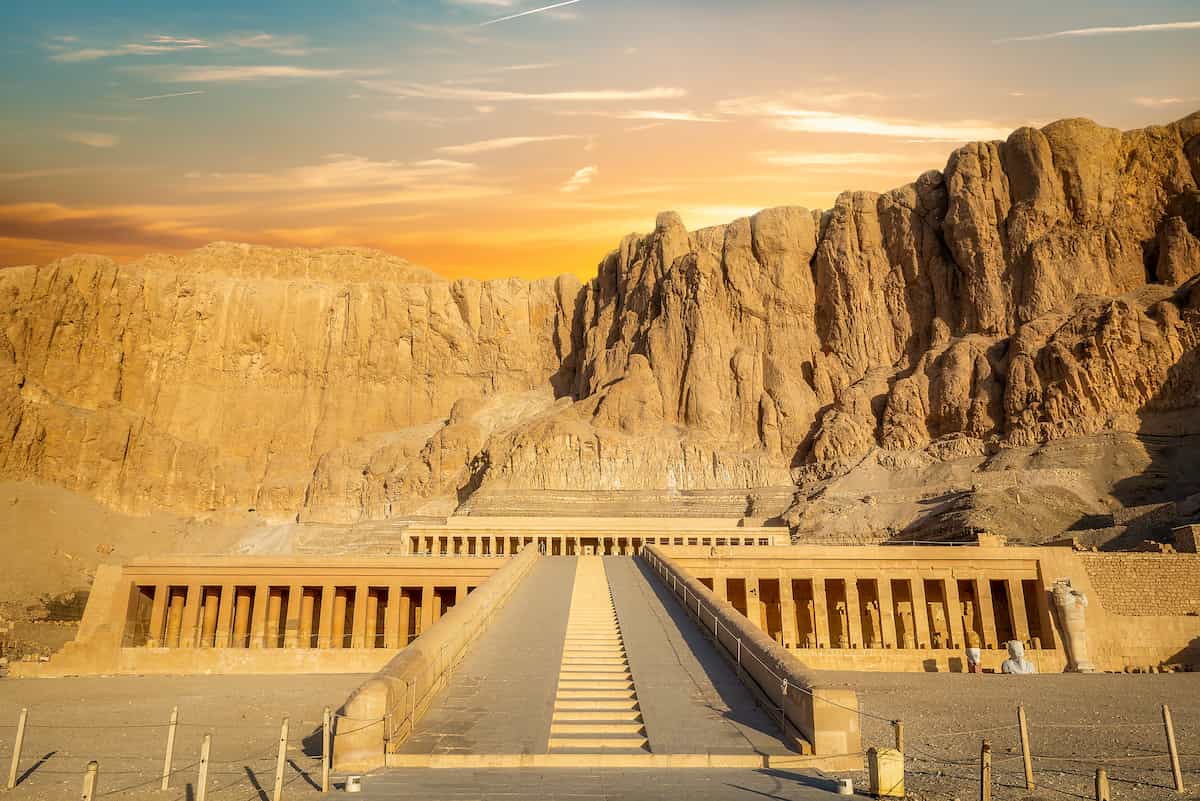
The Valley of the Kings is one of the most visited tourist attractions in Africa, hidden inside limestone cliffs near Luxor. It holds more than 60 tombs, Tutankhamun’s among them, with wall paintings inside still vividly colored after thousands of years in the dry desert air. That preservation is exactly why this site remains such a draw for anyone interested in ancient Egypt specifically.
Go early in the morning to beat both the heat and the crowds. For travelers with a genuine pull toward archaeology, this is one of the harder-to-overstate historical sites on the entire continent.
33. Abu Simbel, Egypt
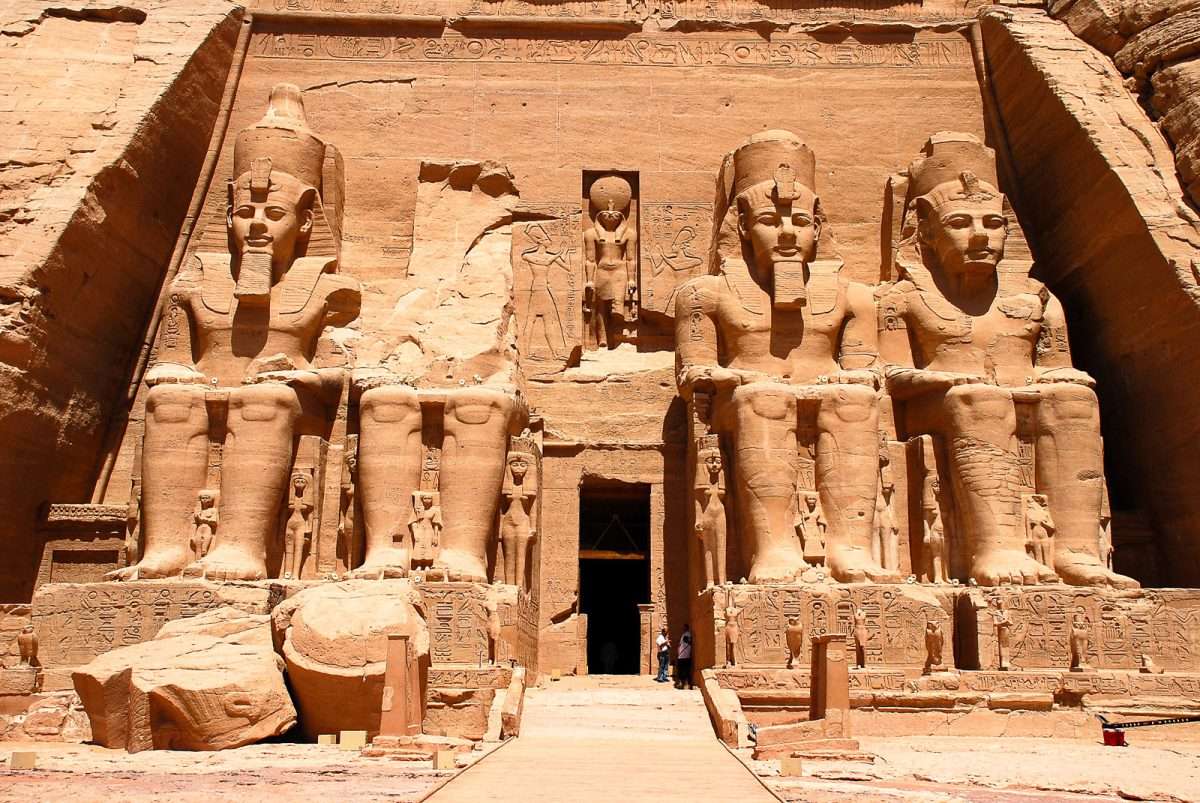
Abu Simbel is one of the most stunning tourist attractions in Africa. Its massive temples, built under Ramses II in the 13th century BCE, were physically relocated in the 1960s to save them from the rising waters behind the new Aswan High Dam, an engineering feat almost as remarkable as the temples themselves. The precision of that relocation still ranks among the great preservation projects of the modern era.
Set near Lake Nasser in southern Egypt, it’s best seen at sunrise, when the light hits the colossal seated statues directly. Between the scale, the history, and the remote setting, Abu Simbel earns its place among Africa’s most significant sites.
34. Giza Pyramids and the Sphinx, Egypt
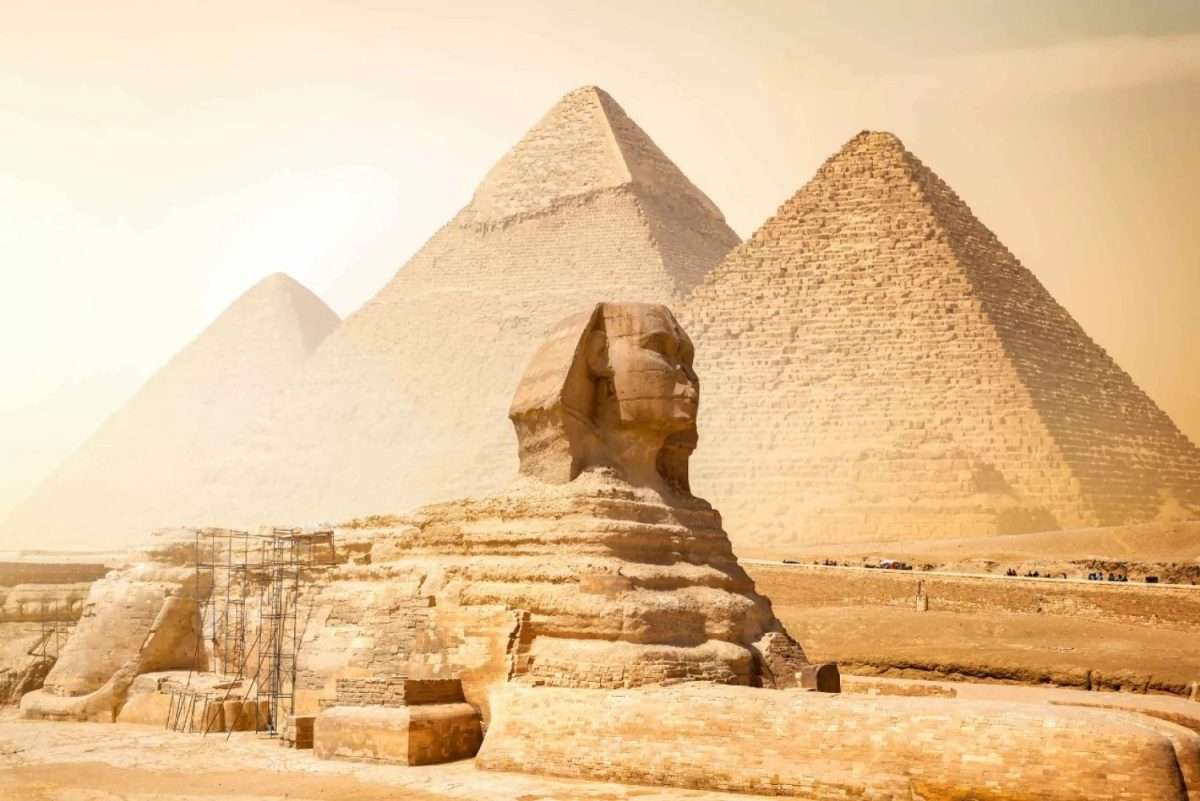
The Giza Pyramids and the Great Sphinx are the most famous tourist attraction in Africa and among the most visited tourist attractions on Earth, just outside Cairo. The Great Pyramid of Khufu is the last surviving Wonder of the Ancient World still standing, and over 4,500 years after construction, they still pull in millions of visitors every year, with a lot of people traveling here every day just to see them. Walking the plateau gives you sweeping desert views alongside a close look at engineering that still isn’t fully understood.
Pairing Giza with a visit to the Grand Egyptian Museum nearby adds real context to what you’re looking at. Few sites anywhere on Earth carry this much weight, and it’s genuinely hard to overstate what standing in front of them actually feels like.
35. Meroë Pyramids, Sudan
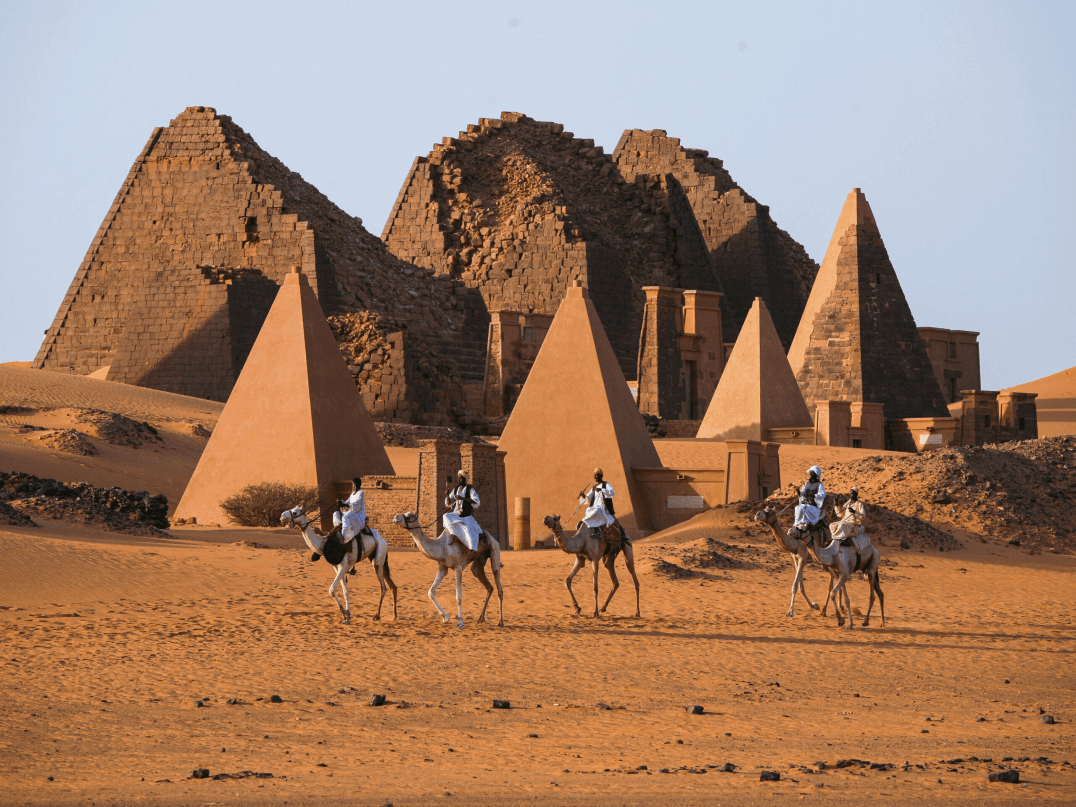
Sudan’s Meroë Pyramids are one of the lesser-known tourist attractions in Africa, built between the 8th century BCE and the 4th century CE by the Kingdom of Kush. They’re steeper and narrower than their Egyptian counterparts, and set out in the Nubian Desert, they draw a fraction of the visitors. That relative solitude is exactly what makes them worth the trip.
Standing among them, with almost nobody else around, gives a sense of authenticity that’s genuinely rare at a site this significant. For travelers chasing history away from the usual crowds, Meroë delivers depth and scale without the lines.
36. Lalibela Rock Hewn Churches, Ethiopia
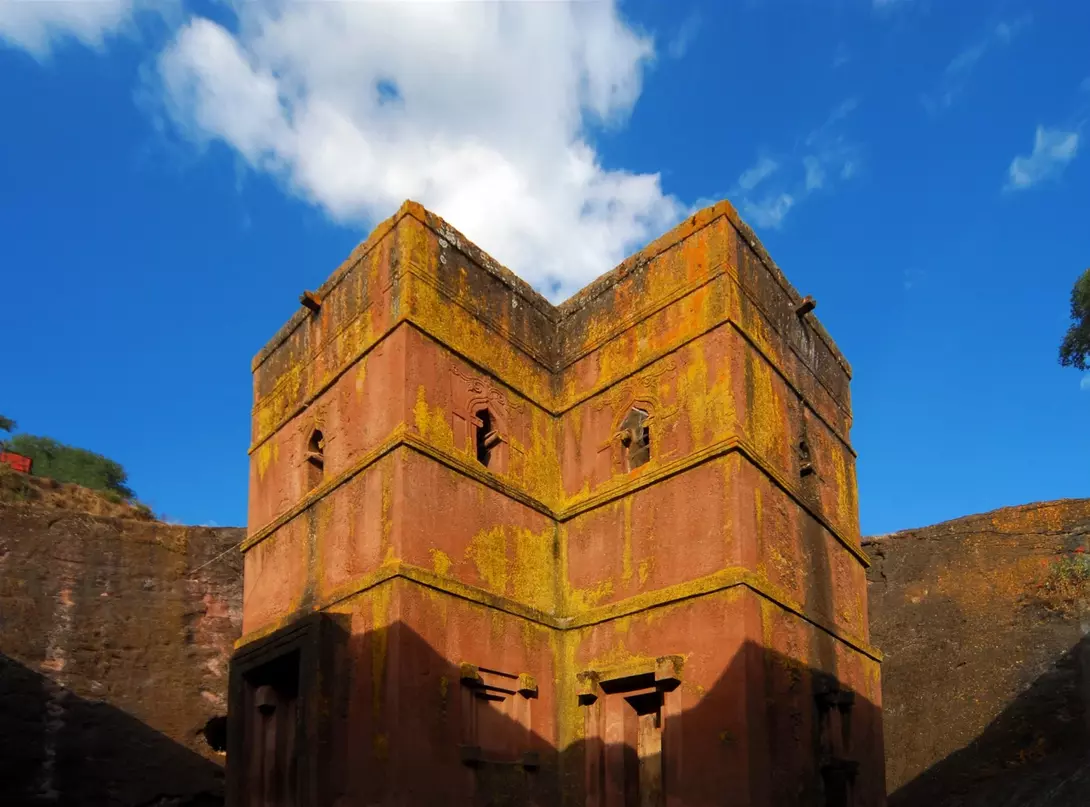
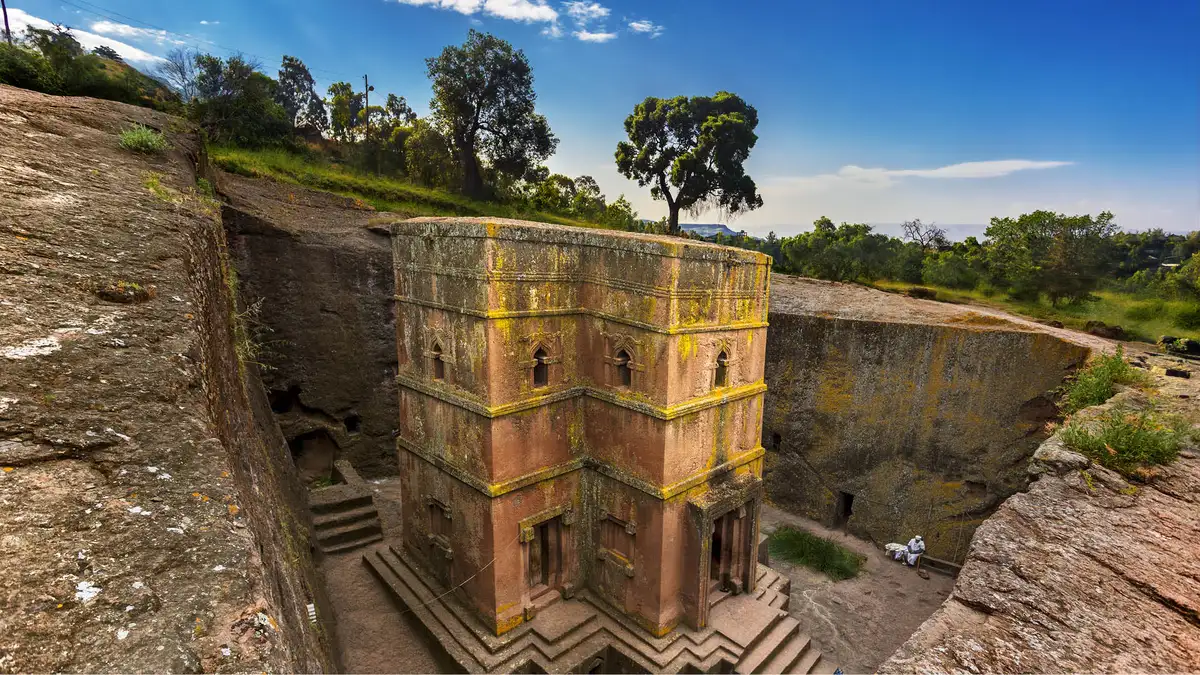
Lalibela is one of the most oldest tourist attractions in Africa. Its eleven monolithic churches were carved directly downward into volcanic rock in the 12th and 13th centuries, designed as a New Jerusalem for Ethiopian Orthodox Christians. Rather than built up from the ground, they were cut into the earth itself, with hidden courtyards and passageways that still function as active places of worship today, not museum relics.
Arriving at dawn, when priests chant and white-robed worshippers gather, adds a spiritual weight to the visit that few historical sites anywhere can match. Between the architecture, the faith still practiced there, and the sheer engineering of it, Lalibela stands apart even on a continent full of remarkable sites.
37. El Djem Amphitheatre, Tunisia
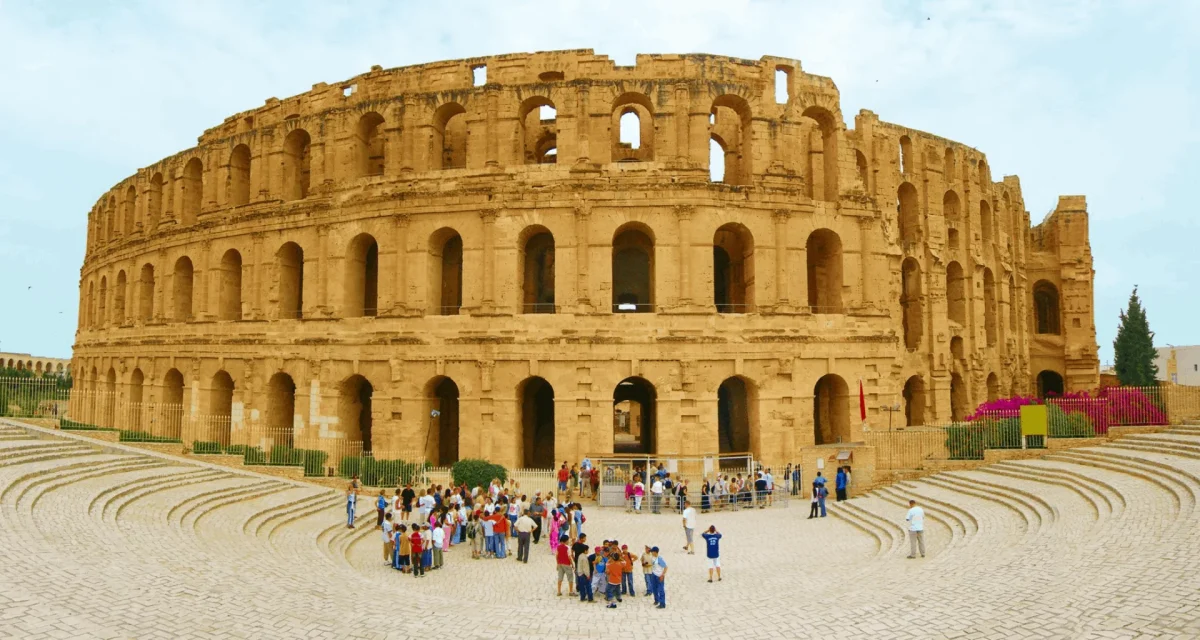
El Djem is one of the most impressive tourist sites in Africa and one of the best-preserved Roman structures anywhere outside Italy. This 3rd-century arena once held up to 35,000 spectators for gladiator contests, and its scale genuinely rivals the Colosseum in Rome. Walking through the underground corridors and up to the top tiers gives you a real feel for what the spectacle here must have been.
For anyone with an interest in North Africa’s Roman-era history, El Djem is one of the strongest classical sites on the continent, and one of the least crowded relative to its significance.
38. Kasbah of Algiers, Algeria
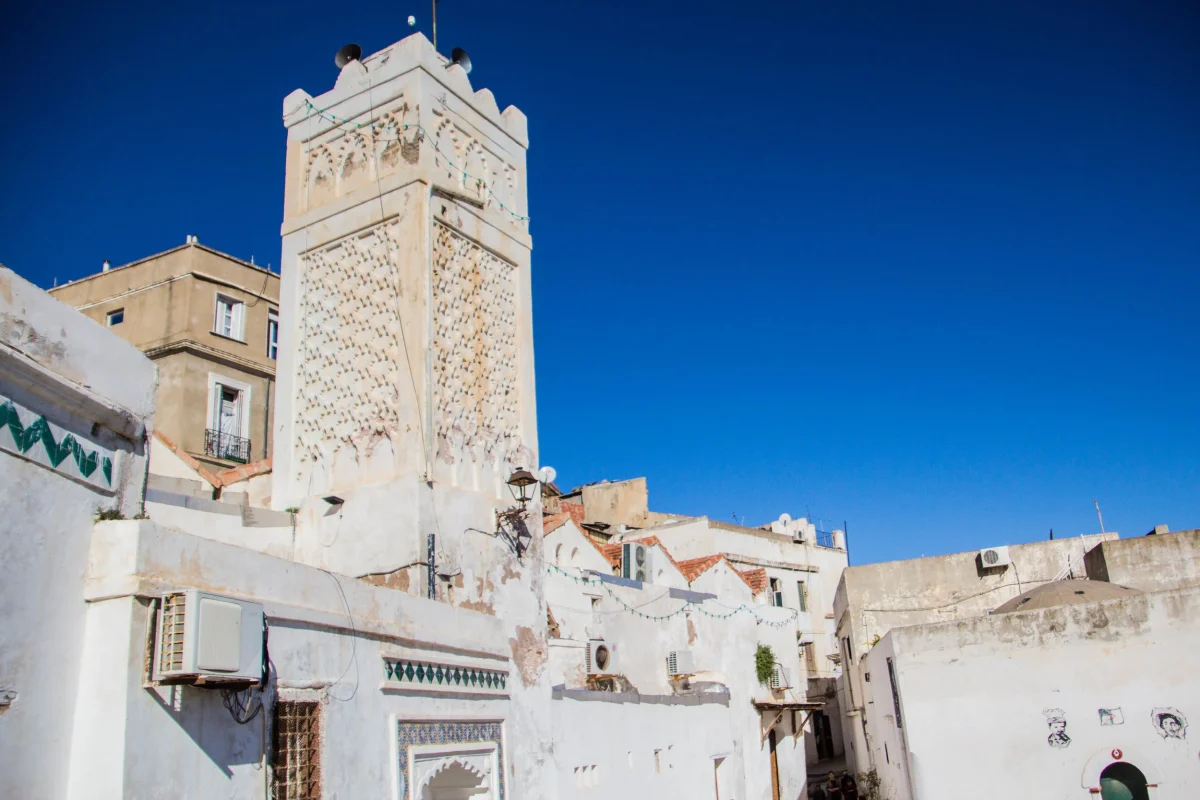
The Kasbah of Algiers is one of the most atmospheric tourist attractions in Africa, built over the remains of an old Roman settlement, layering Ottoman, Arab, and Mediterranean influence into one hilltop quarter overlooking the Mediterranean. Narrow alleys, whitewashed houses, mosques, and working craft studios fill the district, all with real history behind the architecture.
Exploring it means engaging with a complicated cultural and political history, resistance movements included, and while some parts of the district face genuine preservation challenges, it remains one of the most atmospheric historical quarters in North Africa.
39. Robben Island, South Africa
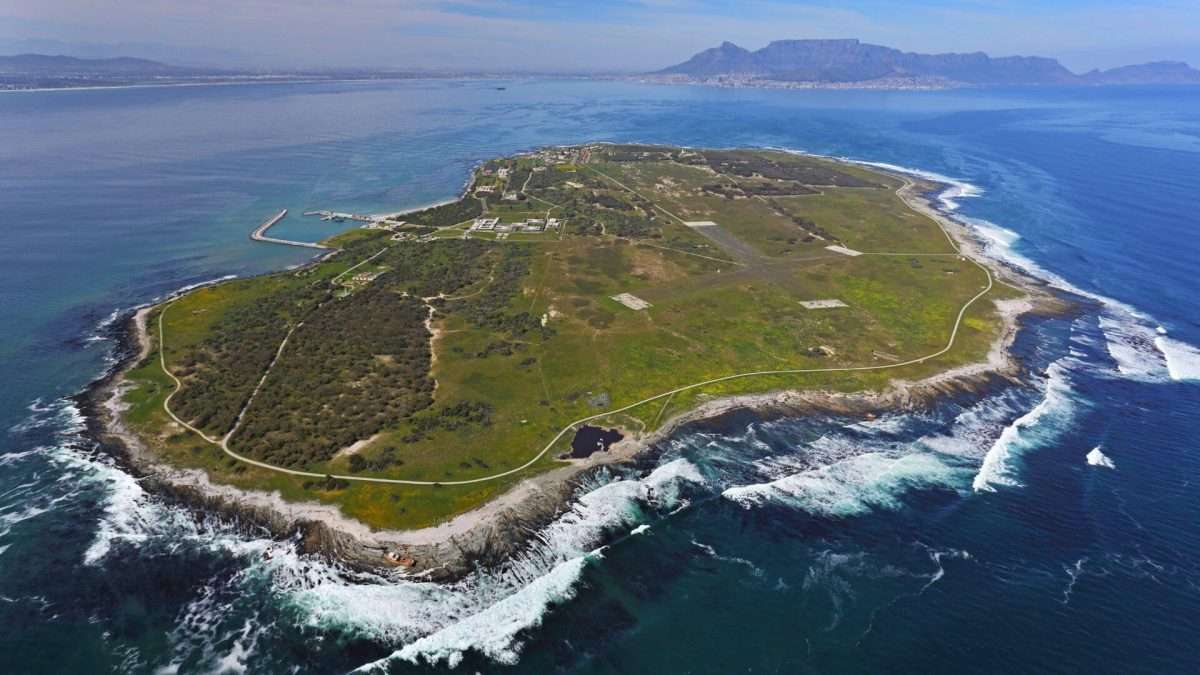
Robben Island is one of the most visited tourist attractions in South Africa, and its weight comes from what happened there, not just its setting. This former prison held Nelson Mandela and other political prisoners for decades under apartheid, and guided tours, often led by former inmates, give a direct, personal account of that period rather than a secondhand summary.
The ferry ride out across Table Bay adds a physical sense of the isolation prisoners lived with. Visiting Robben Island isn’t sightseeing in the usual sense, it’s a genuinely important piece of understanding how modern South Africa got to where it is.
40. Rwanda Genocide Memorial, Kigali
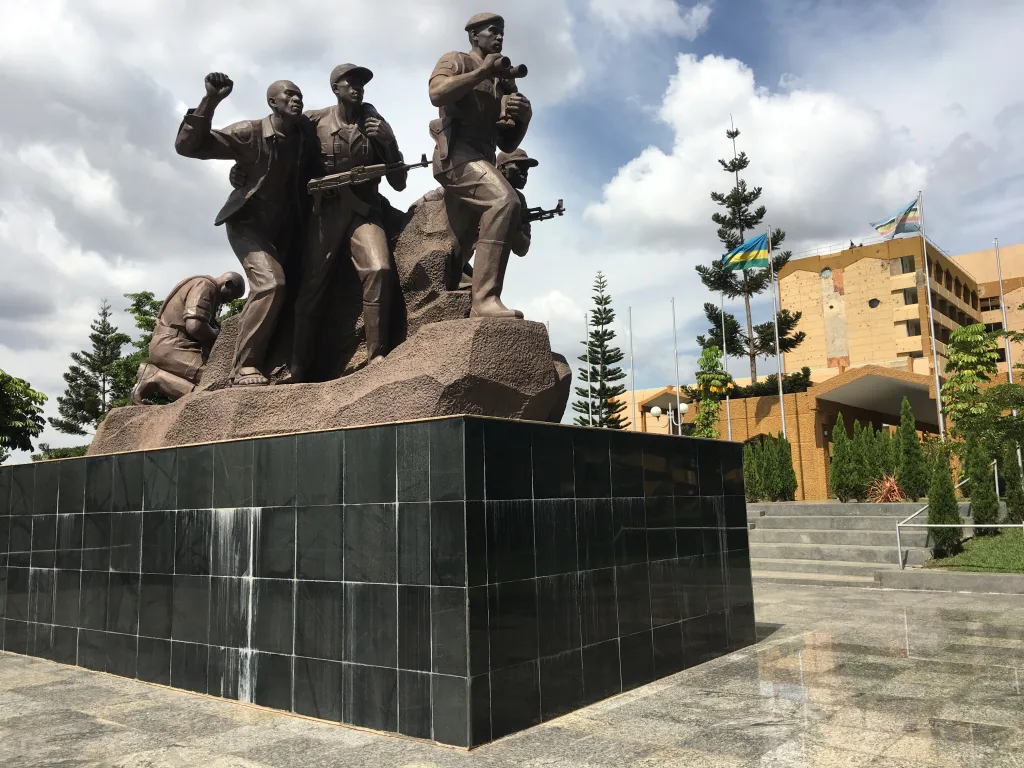
The Kigali Genocide Memorial is one of the most important tourist sites in Africa for understanding the country’s modern history. It documents the 1994 genocide against the Tutsi with clarity and real restraint, serving as both a burial site and an educational center covering the causes, events, and aftermath. It’s not an easy visit, and it isn’t meant to be.
Understanding Rwanda’s remarkable recovery since 1994 is difficult without this context first. For travelers exploring the continent’s modern history alongside its ancient sites, this memorial offers something few other places can, direct insight into resilience built out of genuine tragedy.
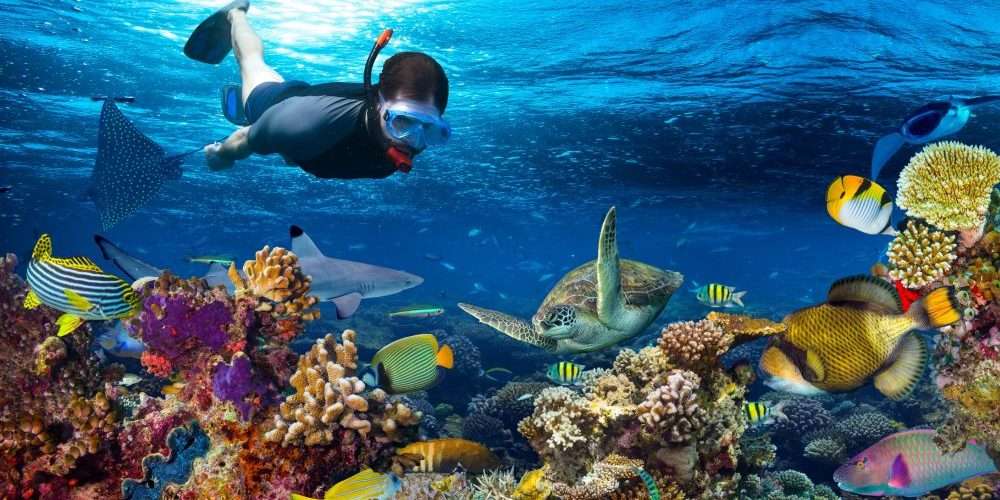
Zanzibar is one of the most beautiful places to go in Africa and one of the most visited tourist attractions on the continent for beach lovers specifically. Paje, on the east coast, draws kitesurfers for its steady winds and shallow turquoise water, while Nungwi and Kendwa up north offer calmer swimming and softer white sand. The water shifts between brilliant blue and emerald depending on the light and depth.
June through October, or January into February, brings the lowest humidity and best weather. Most travelers pair Zanzibar with a Serengeti or Ngorongoro safari beforehand, which makes it one of the most natural wildlife-to-beach combinations anywhere on the continent.
42. Bazaruto Archipelago, Mozambique
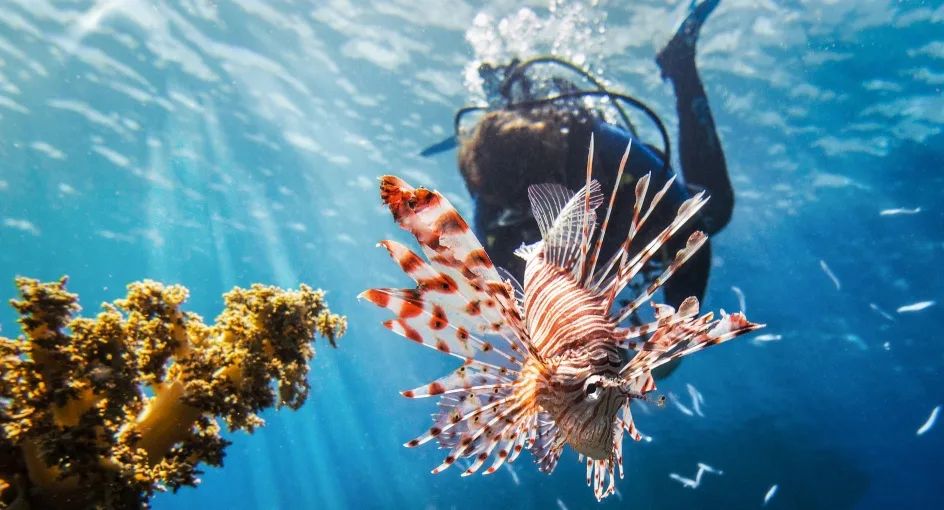
The Bazaruto Archipelago is one of the calmest, most serene tourist attractions in Africa, a protected marine park off Mozambique’s coast with sand dunes, coral reefs, and clear water built for snorkeling and diving. It’s reachable by boat from Vilanculos but feels remote the moment you arrive.
Dolphins, dugongs, and colorful reef fish are all part of the marine life here, making it one of the stronger underwater destinations on this whole list. May through October brings calmer seas and better visibility, and the lack of heavy resort development keeps it feeling like an actual escape rather than a crowded beach town.
43. Tofo: Swim with Whale Sharks, Mozambique
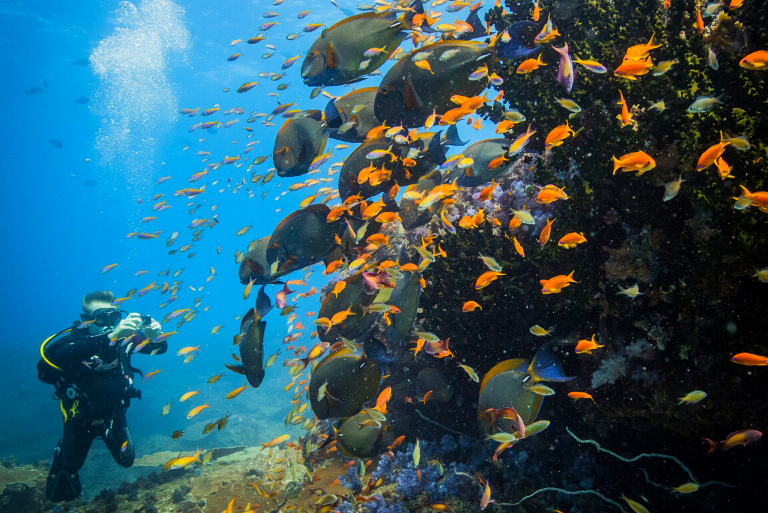
Tofo Beach is one of the most demanding things to do in Africa if you want a real wildlife encounter in the water, and it draws divers specifically for its year-round whale shark sightings, a genuinely rare chance to swim alongside the largest fish on the planet. The warm Indian Ocean water and comparatively low tourist numbers make this one of the more distinctive ocean experiences in Southern Africa.
Manta rays and dense coral reefs round out the underwater scene. October through March gives the best odds of a whale shark sighting specifically, making Tofo a strong pick for anyone building a trip around marine wildlife rather than beach lounging alone.
44. Sierra Leone Beaches: Tokeh and No.2 Beach
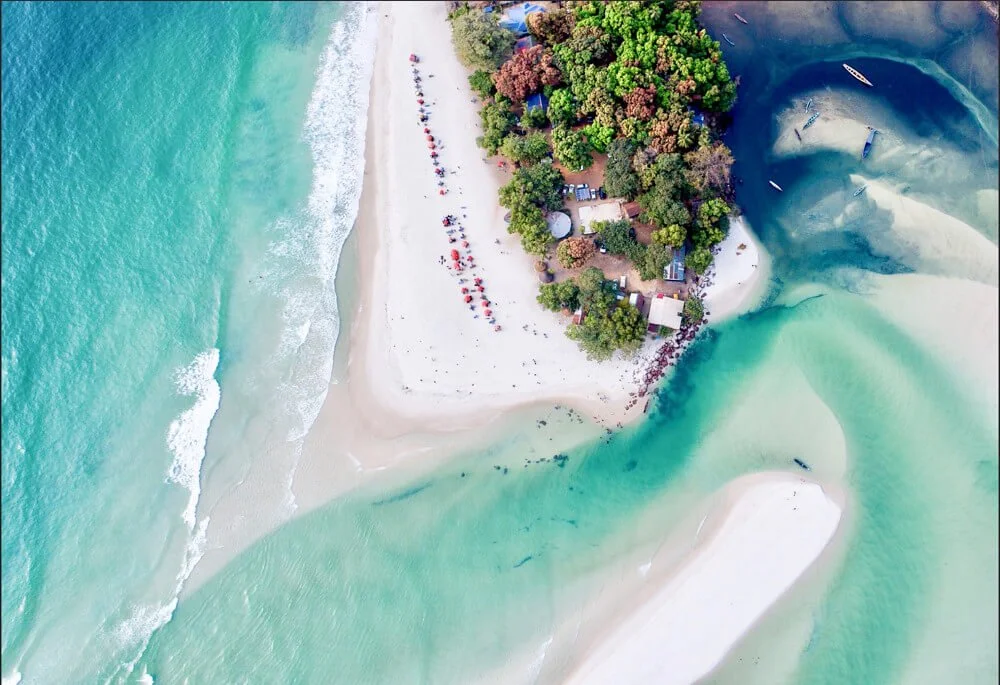
West Africa doesn’t get nearly enough credit for its coastline, and Sierra Leone’s Tokeh Beach and No.2 Beach are some of the most beautiful places to go in Africa that most travelers overlook. Wide, palm-lined, golden sand, real Atlantic waves, and a fraction of the visitors you’d find at more established beach destinations elsewhere on the continent.
Tokeh leans toward relaxed beachfront stays, while No.2 Beach is known for its scenic crescent shape and community-led management. November through April, the dry season, brings clearer skies and calmer conditions, and this remains one of the genuinely underrated coastal stretches in West Africa.
45. Diani Beach, Kenya
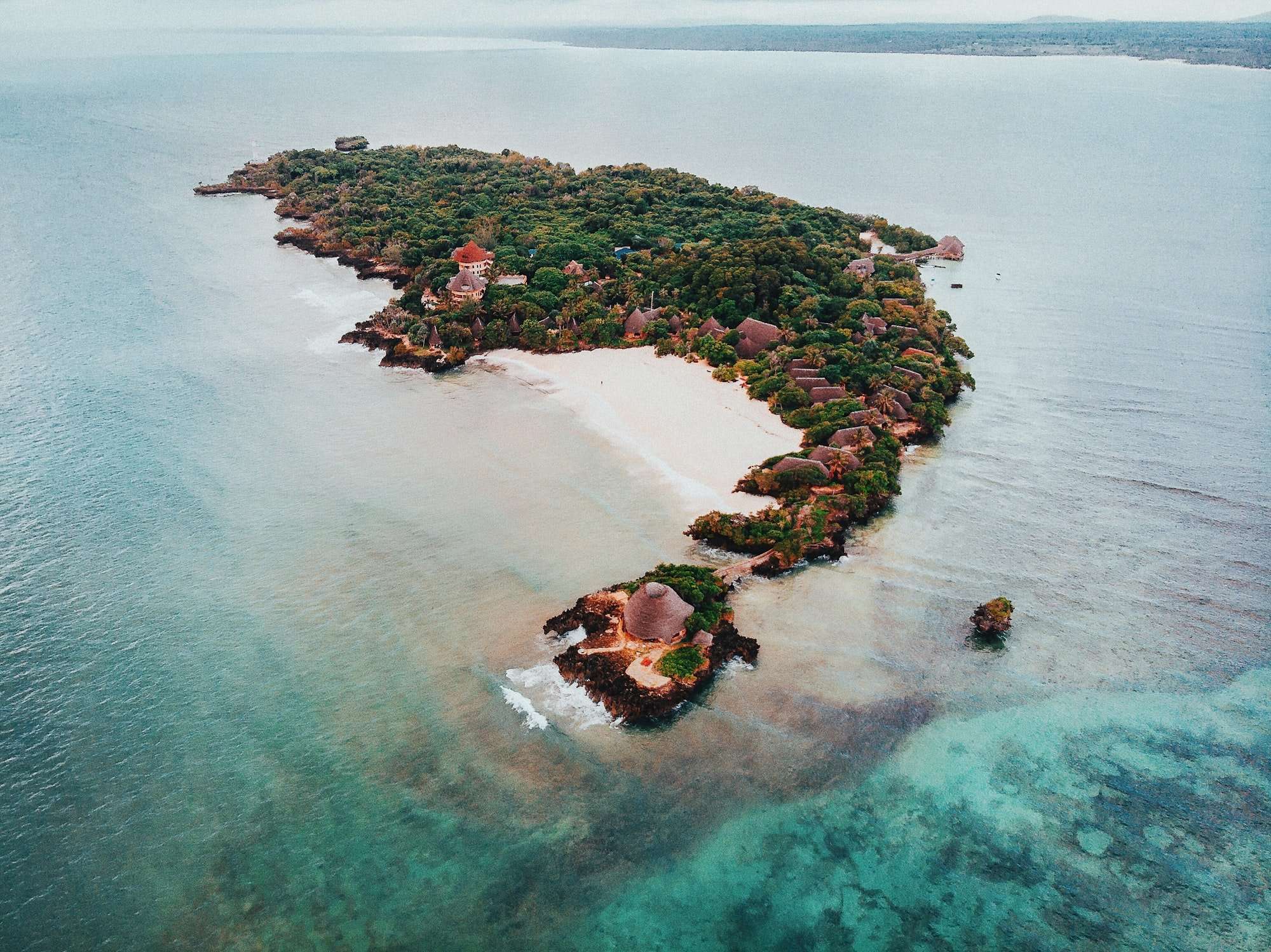
Diani is one of the most visited tourist attractions on Kenya’s southern coast and a genuine tourist spot in Africa worth building a whole beach stay around, pairing white sand and coral reefs with real tourism infrastructure, snorkeling, diving, dhow excursions, all easily arranged. It sits just south of Mombasa, close enough to reach easily but still scenic and relaxed once you’re there.
A lot of travelers add Diani after Amboseli or the Masai Mara, turning a safari trip into a full Kenya itinerary that covers both wildlife and coast. July through October and January through March bring the best combination of sunshine and manageable humidity.
46. Mauritius Lagoon and Coral Snorkeling
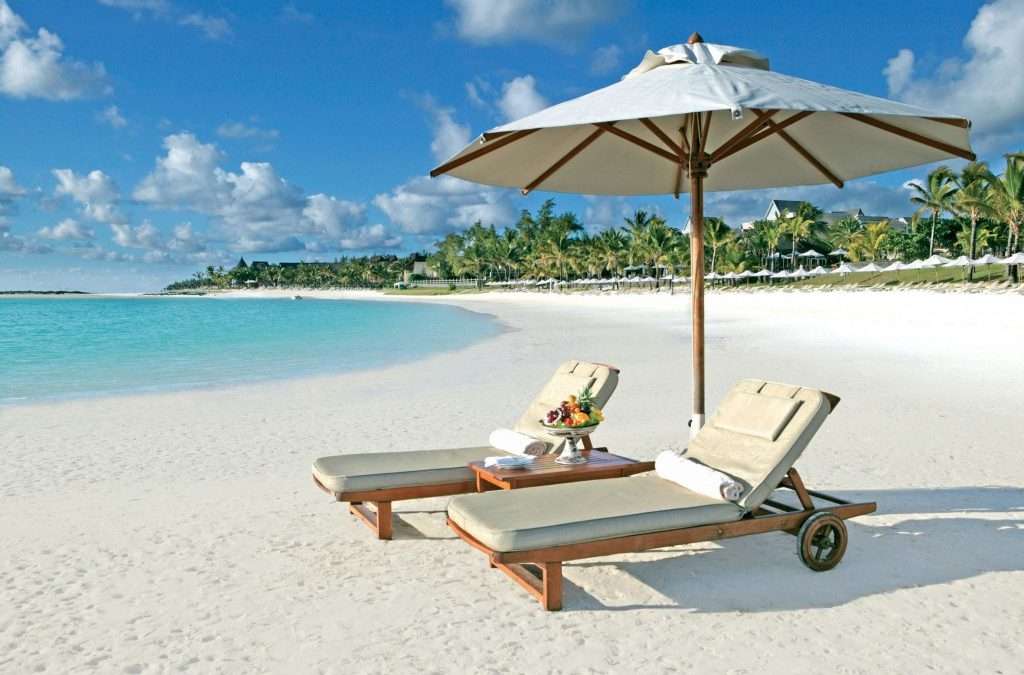
Mauritius is one of the most beautiful places to go in Africa and stands out among the continent’s islands for its protected lagoons, calm turquoise water ideal even for beginner snorkelers, particularly along the west and north coasts. Beyond the water itself, the island’s blend of Indian, African, and French influence shows up clearly in its food and culture.
May through November brings cooler, drier conditions and generally reliable weather. For travelers who want a refined, comfortable ocean escape rather than a rugged one, Mauritius delivers exactly that.
47. Seychelles Island Hopping
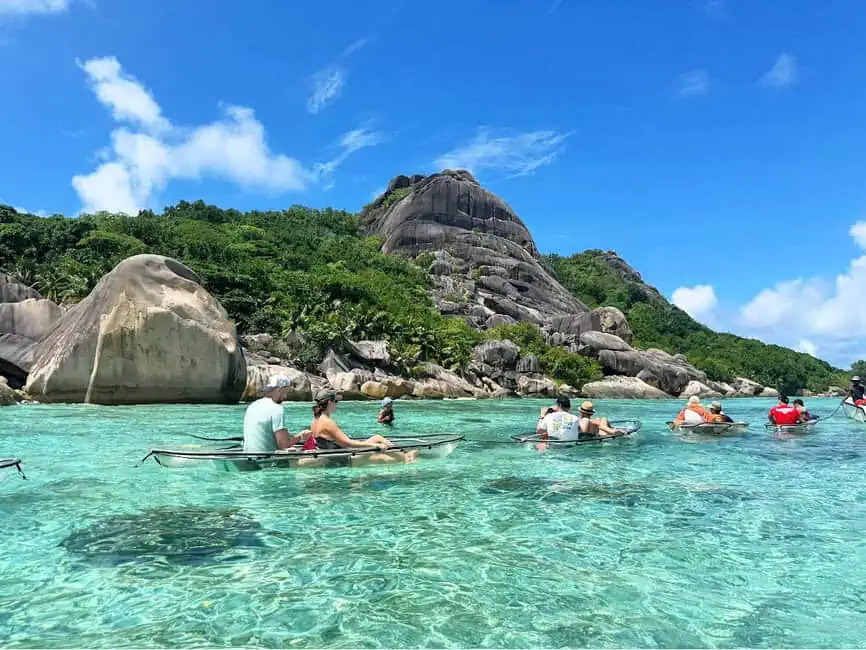
Seychelles is one of the most stunning places to go in Africa, a famous place in Africa for a reason, the version of a tropical island most people picture without realizing it: granite boulders, powder-soft sand, and water clear enough to see the bottom from well offshore, at beaches like Anse Source d’Argent and Anse Lazio. Hopping between Mahé, Praslin, and La Digue lets you experience several distinct ecosystems inside one trip.
May through October brings calmer seas and strong snorkeling conditions. For anyone building a genuinely luxury-focused Africa trip, Seychelles is one of the most visually striking coastal stops on the continent.
48. Cape Verde Beach and Music Culture
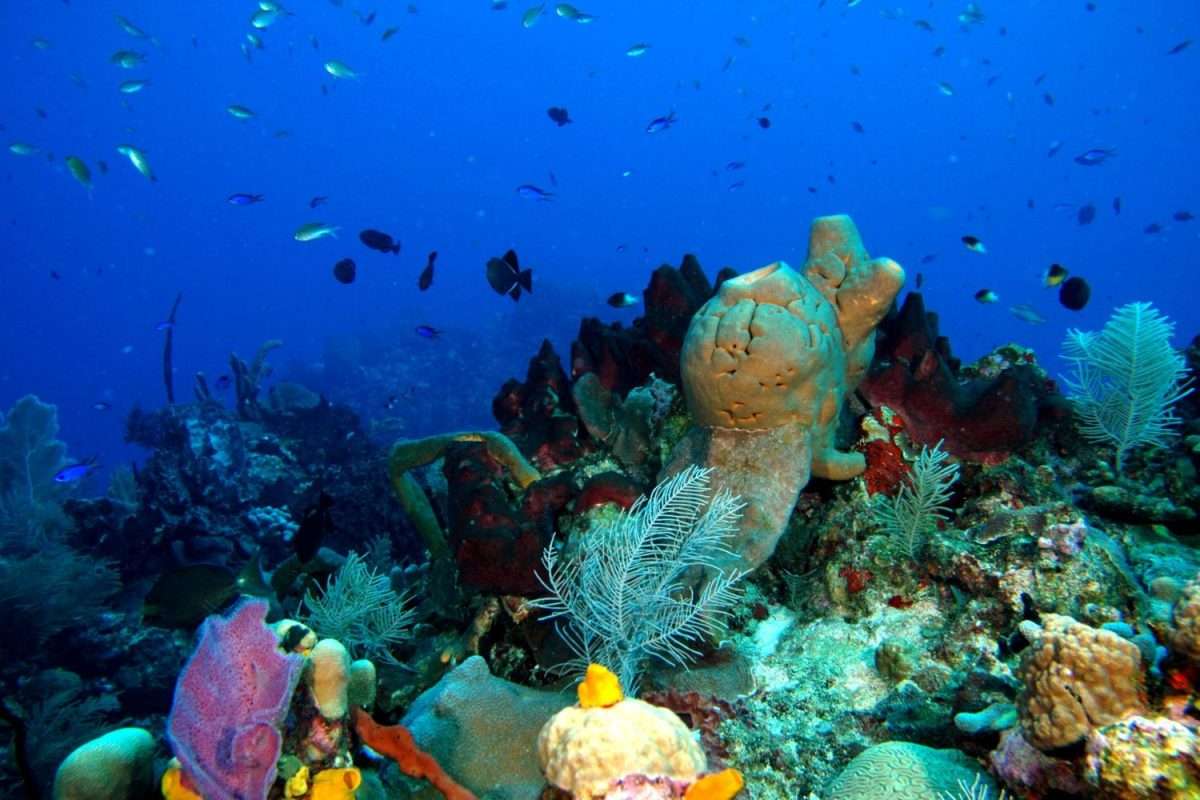
Cape Verde is one of the more distinctive tourist attractions in Africa, off the continent’s northwest coast, pairing volcanic scenery with long sandy beaches. Sal and Boa Vista draw windsurfers and sun-seekers specifically, while São Vicente carries the country’s real music heritage and a genuinely lively cultural scene.
The climate stays warm nearly year-round, making Cape Verde accessible across most of the calendar. Between the beaches, the morna music, and the Portuguese-influenced architecture, it’s one of the more distinctive island stops on this list.
49. Watamu Marine Park, Kenya
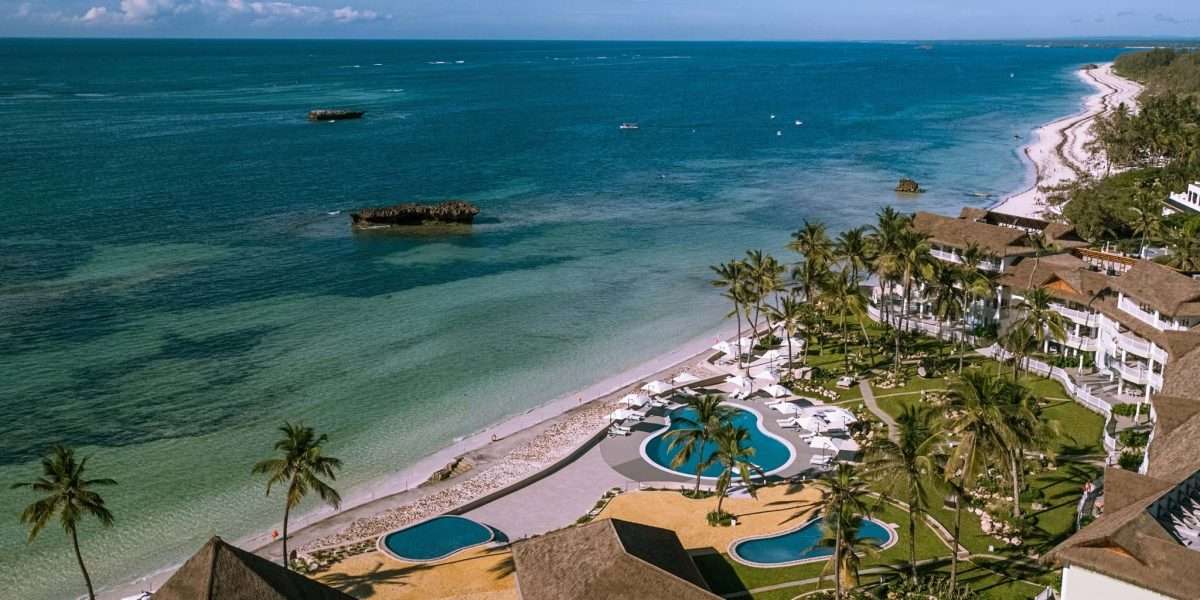
Watamu is one of the lesser-known tourist attractions in Africa, north of Mombasa, protecting one of Kenya’s oldest marine reserves, coral gardens thick with parrotfish, angelfish, and sea turtles, all inside calm lagoons that work well for beginners and experienced divers alike.
It pairs naturally with a coastal stay or a safari extension from Tsavo or Amboseli. Dry season visits bring clearer water and stronger reef visibility, which makes a real difference for snorkeling specifically.
50. Nosy Be, Madagascar
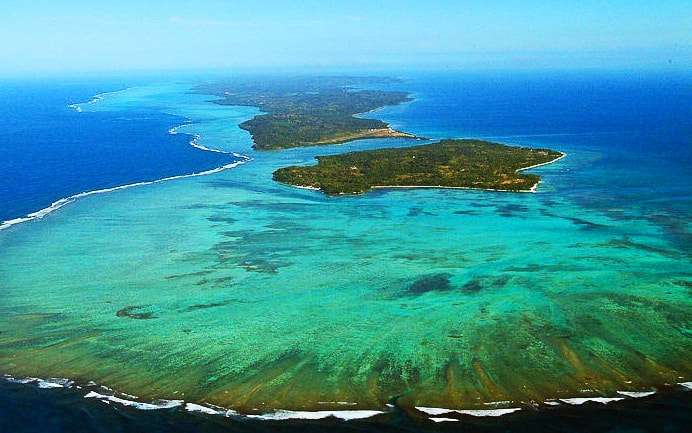
Nosy Be is one of the most beautiful places to go in Africa if you want beach time and rare wildlife in the same trip, off Madagascar’s northwest coast, blending tropical beach time with the island nation’s singular biodiversity, clear water for snorkeling, ylang ylang plantations, and easy access to marine reserves where sea turtles and reef sharks are common sightings.
May through November brings lower rainfall and less humidity. As part of Madagascar’s broader wildlife appeal, Nosy Be stands out for combining actual relaxation with the kind of ecological diversity you won’t find almost anywhere else in Africa.
51. Cycle Safari in Hell’s Gate National Park, Kenya
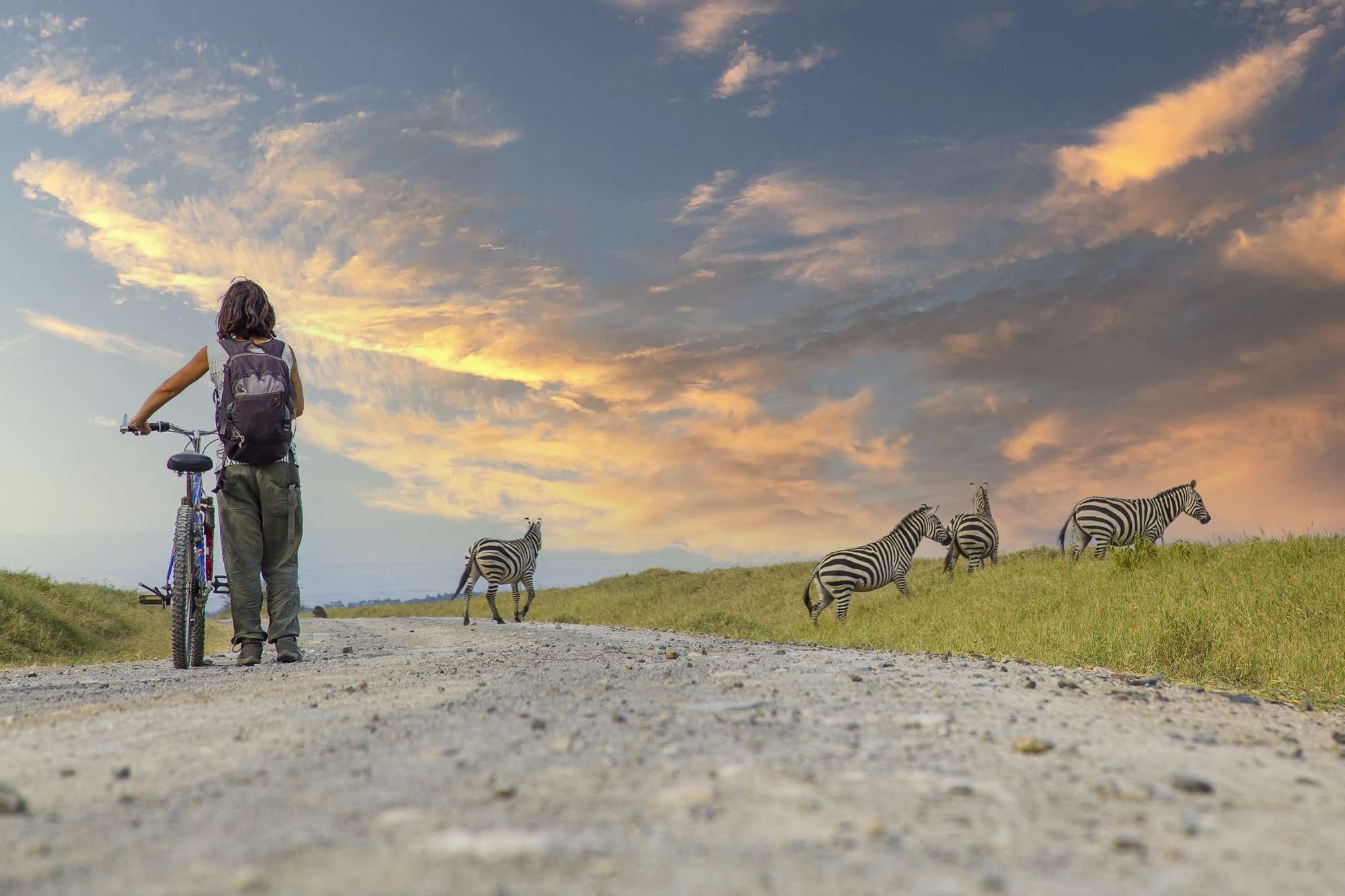
Hell’s Gate is one of the most unique tourist attractions in Africa and one of the only parks on the continent where you can cycle alongside zebra, giraffe, and warthog without a vehicle between you and them, and it genuinely surprises even travelers who’ve done several safaris already. The park’s dramatic cliffs and geothermal features add a landscape that feels active rather than purely observational.
Near Lake Naivasha, it fits easily into a broader Kenya itinerary. Early mornings bring cooler temperatures and clearer sightings, and this remains one of the more refreshing, hands-on wildlife experiences on the whole list.
52. Sunset Cruise on Lake Naivasha, Kenya
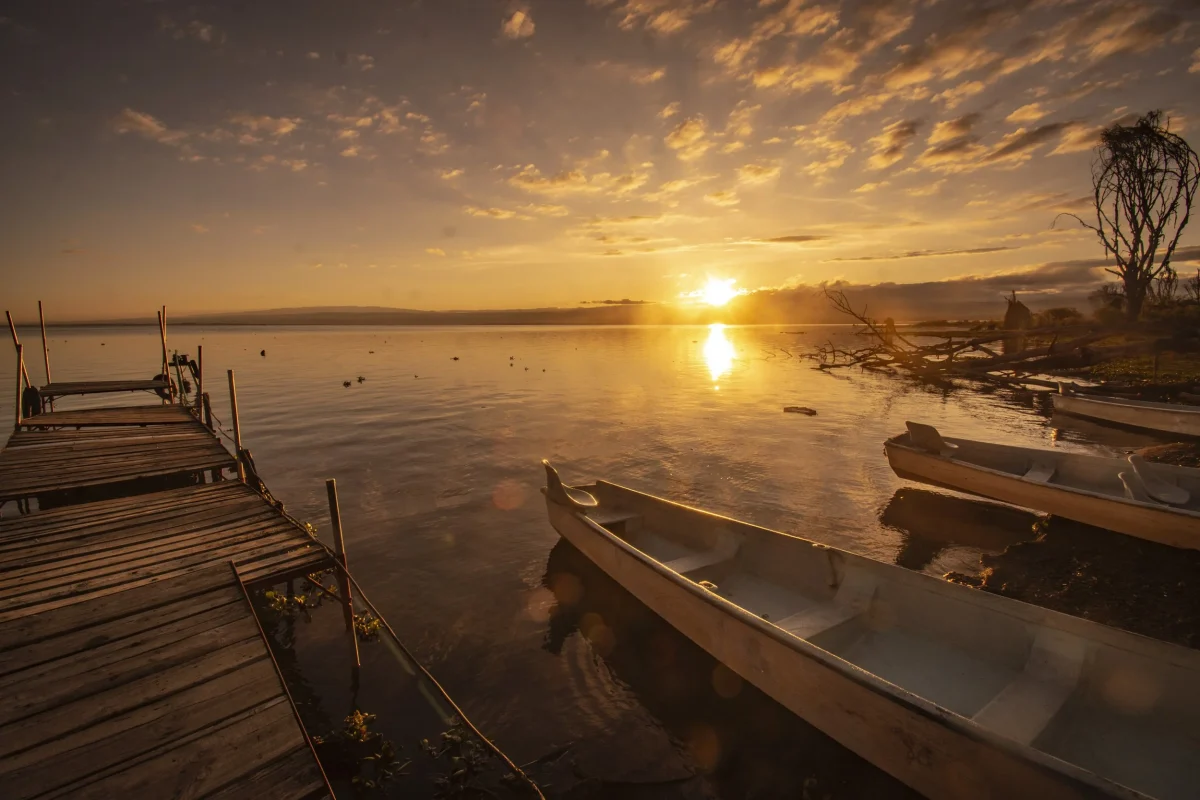
A sunset cruise on Lake Naivasha is one of the calmest, most serene things to do in Africa, running at a noticeably slower pace than a standard game drive. Hippos surface quietly as the light softens, fish eagles call from the acacias along the shore, and the lake’s calm surface reflects the Rift Valley escarpment behind it.
It pairs well with a Masai Mara or Amboseli safari as a lower-key add-on. The close birdlife and unhurried rhythm make it a good fit for travelers who want something intimate rather than another full day of driving.
53. Seal Colony at Cape Cross, Namibia

Cape Cross is one of the more unusual tourist attractions in Africa, holding one of the largest Cape fur seal colonies on Earth, thousands of them along Namibia’s Atlantic coastline, and it’s a completely different kind of wildlife encounter from anything a standard safari offers. The raw coastline and desert backdrop give it a character all its own.
Temperatures along the Skeleton Coast swing more than people expect, so cooler months make for a more comfortable visit. For anyone exploring Namibia’s desert and coastal routes, Cape Cross adds a genuinely unusual stop to the itinerary.
54. Sindou Peaks Sunrise, Burkina Faso
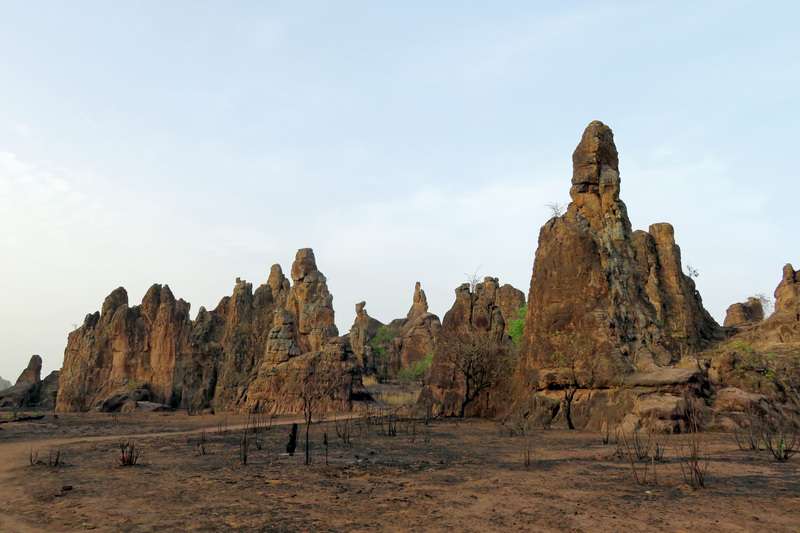
The Sindou Peaks are one of the most stunning, least visited tourist attractions in Africa, jagged sandstone rock formations in southwestern Burkina Faso that catch spectacular golden light at sunrise, and this is about as far off the beaten path as West Africa gets. Almost no tourism infrastructure exists around them, which is exactly the point.
The surrounding rural landscape adds to the sense of quiet authenticity. For travelers who’ve already covered West Africa’s more established stops, Sindou rewards the extra effort to get there.
55. Grand Bassam Art Walk, Ivory Coast
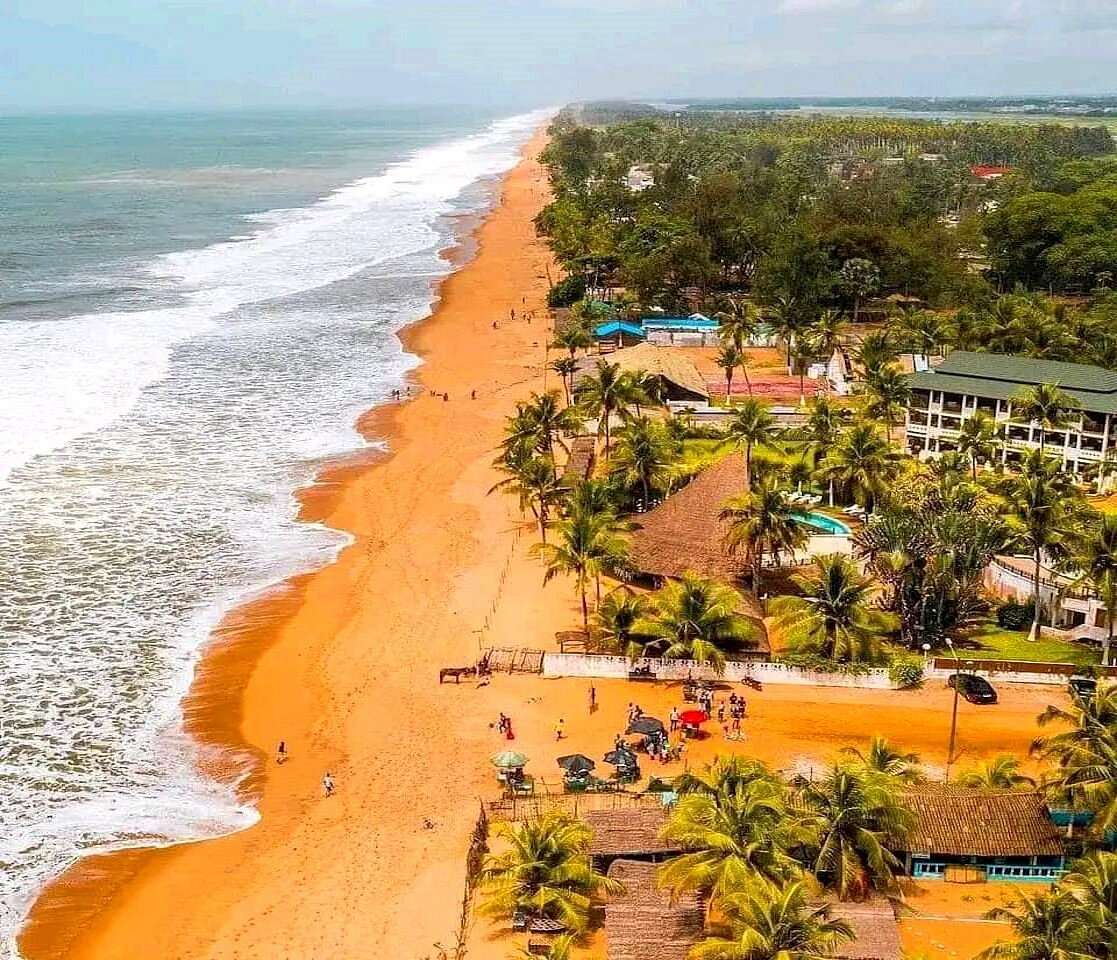
Grand Bassam is one of the more distinctive tourist sites in Africa, mixing colonial-era architecture with a genuinely thriving creative scene, pastel facades, working artisan studios, and street art that speaks directly to contemporary West African identity. It’s a short drive from Abidjan, making it an easy day trip rather than a major detour.
Walking through the historic quarter is one of the more distinctive cultural stops on this whole list, and the nearby beaches add a coastal element that rounds the visit out nicely.
56. Simien Mountains and Gelada Baboons, Ethiopia
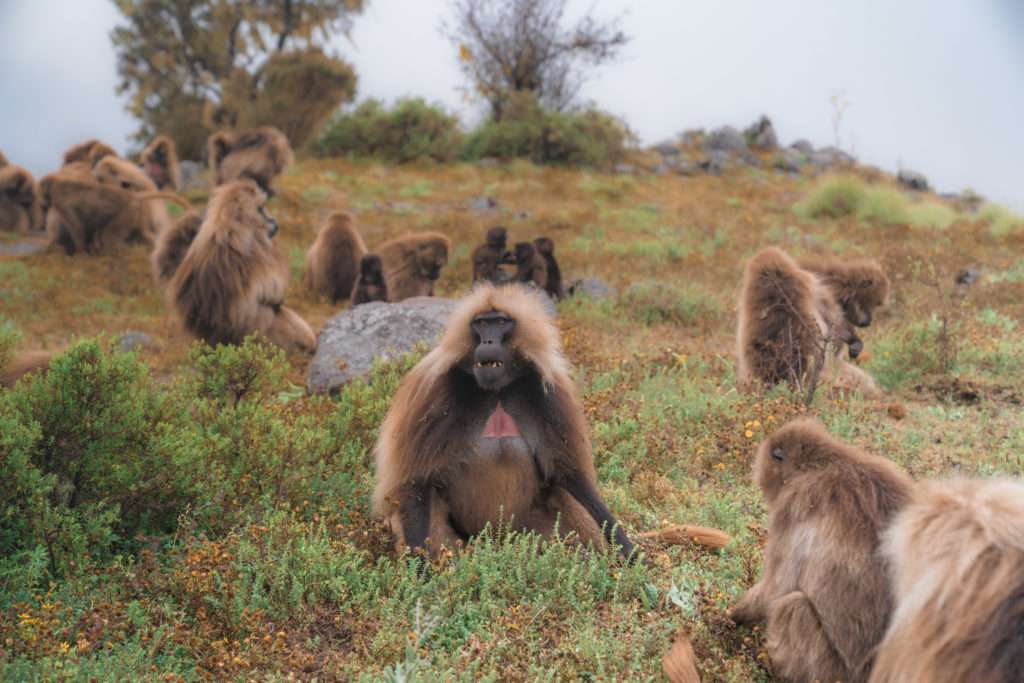
The Simien Mountains are one of the most stunning tourist attractions in Africa, combining high-altitude trekking with sweeping escarpment views and close encounters with gelada baboons, sometimes called bleeding heart monkeys for the distinctive red patch on their chests. Large troops gather across open plateaus here, giving genuinely rare wildlife-watching access on foot.
October through March brings clearer skies and more comfortable trekking temperatures. Between the terrain and the low visitor numbers, the Simien Mountains stand out as one of the more rewarding hiking destinations on the continent.
57. South Luangwa Night Sounds Camping, Zambia
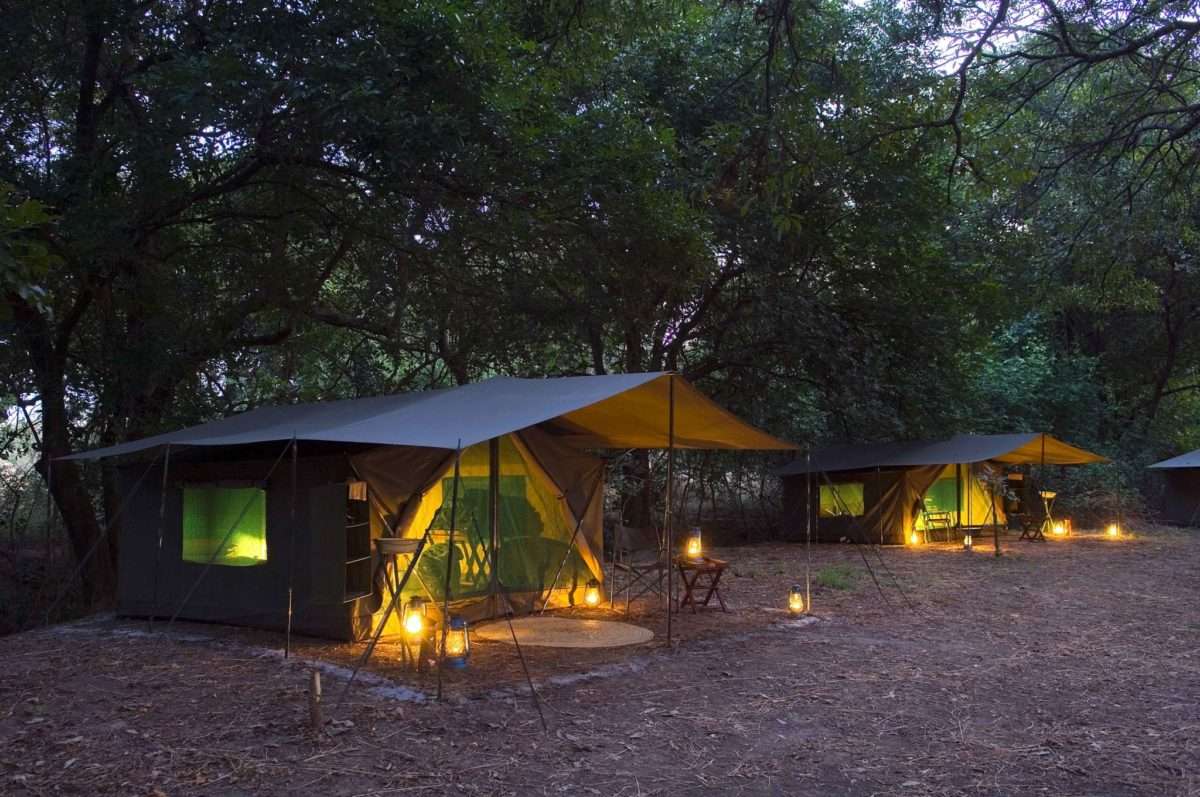
South Luangwa is one of the most authentic tourist attractions in Africa, known for pioneering the walking safari, and camping right at the park’s edge adds a different layer entirely. As darkness falls, you hear hippos grazing nearby and lions calling somewhere in the distance, an immersive kind of wilderness that a lodge room doesn’t quite replicate.
May through October, the dry season, brings peak wildlife density along the Luangwa River. For travelers chasing a genuinely authentic bush setting without heavy crowds, South Luangwa delivers exactly that.
58. Houseboat Stay on Lake Kariba, Zimbabwe
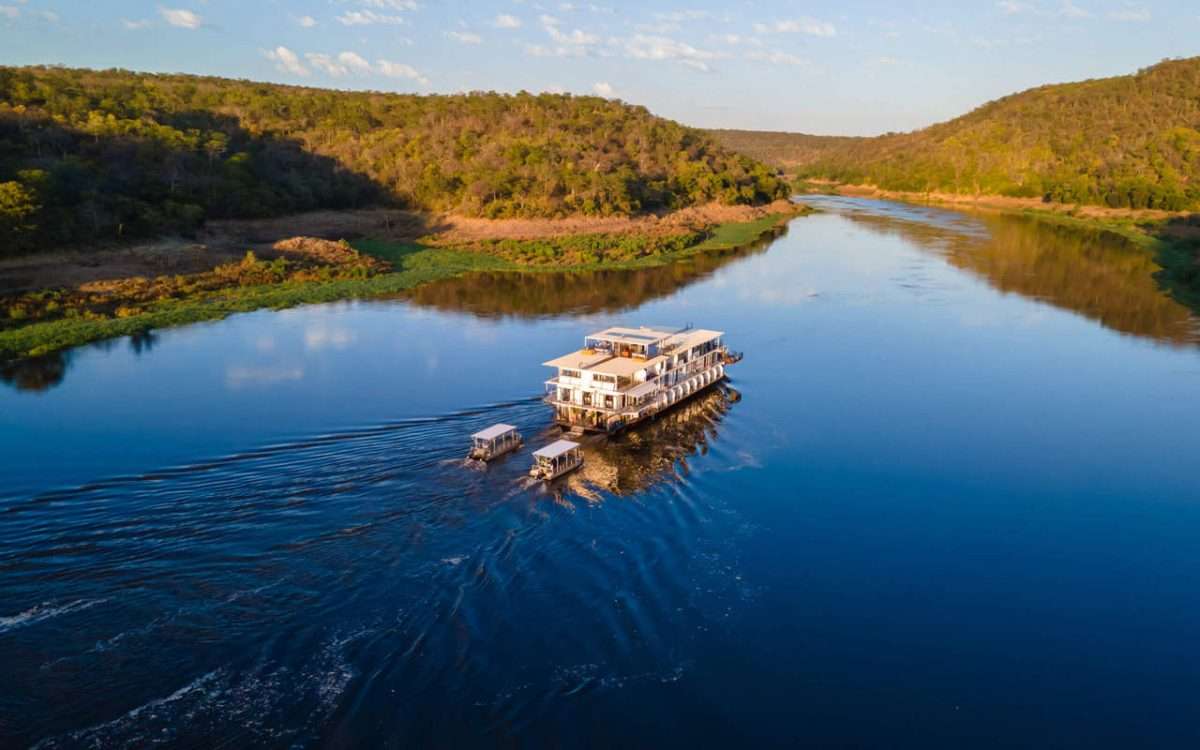
A houseboat stay on Lake Kariba is one of the calmest, most serene things to do in Africa. Lake Kariba, one of the largest man-made lakes in the world, offers a genuinely relaxed alternative to land-based safaris. You drift slowly along the shoreline, spotting elephants, crocodiles, and birdlife without ever leaving the deck.
Fishing, swimming, and watching the sunset from the boat make for a tranquil few days that still feel distinctly Southern African. It’s a good way to slow the pace down partway through a longer trip.
59. Gambia River Sanctuaries and Chimp Rehab, Gambia
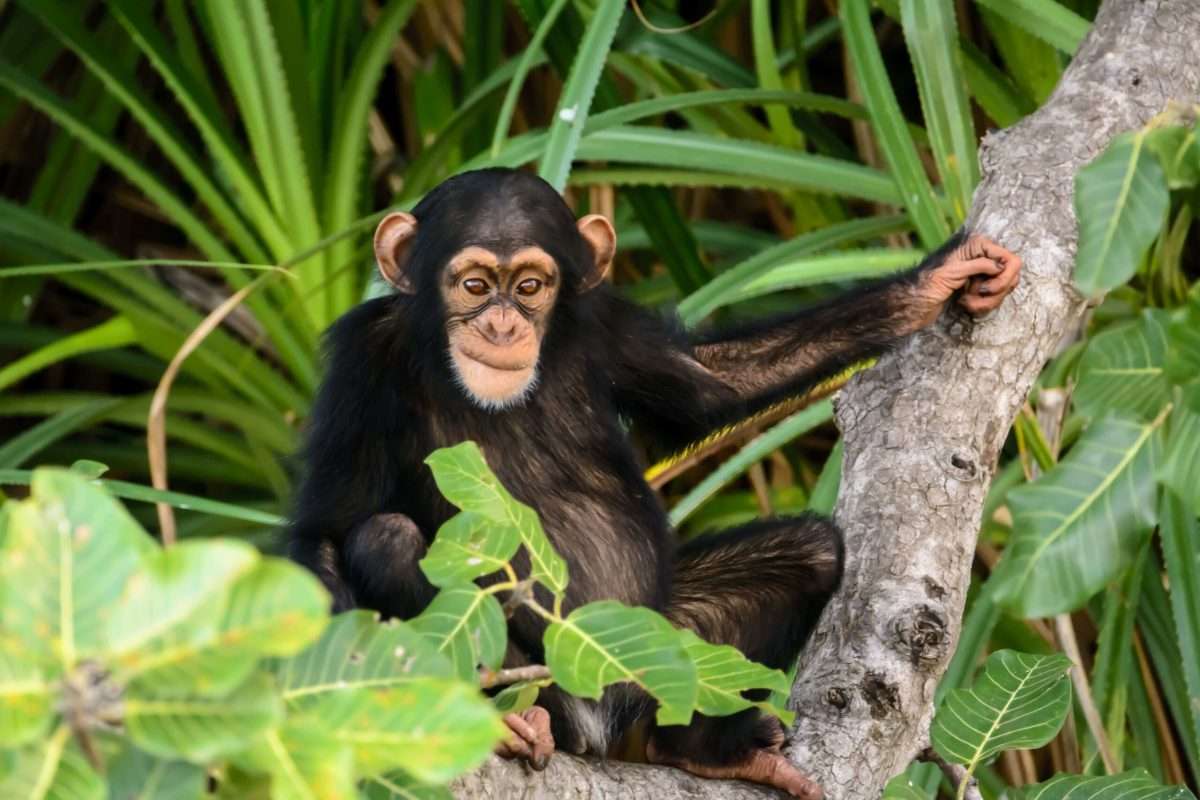
The Gambia River National Park is one of the more meaningful tourist sites in Africa, supporting genuine chimpanzee rehabilitation work alongside river-based wildlife viewing, boat trips that reveal hippos, monkeys, and a wide range of birdlife within protected forest along the water.
Visiting these sanctuaries directly supports conservation while giving real insight into West African river ecosystems. For travelers looking past the usual beach-and-safari circuit, this region offers something genuinely meaningful.
60. Dhow Sailing and Car Free Streets in Lamu, Kenya
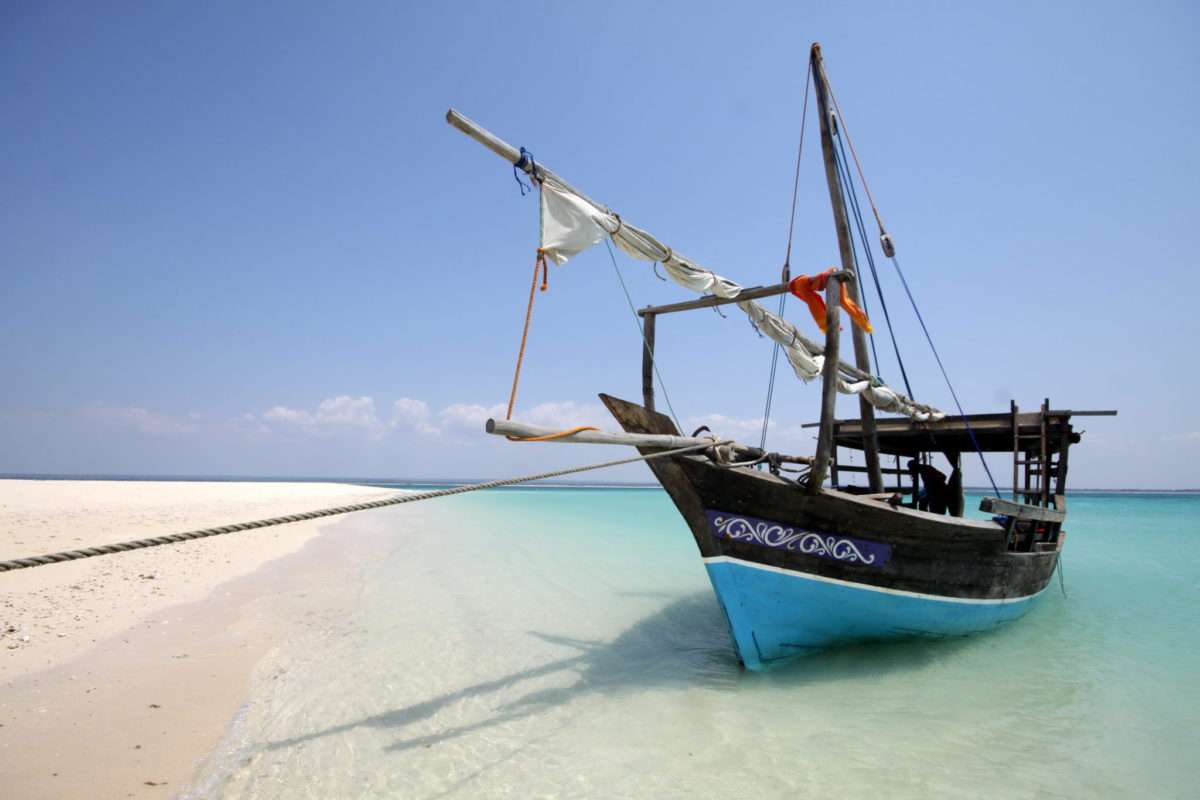
Coming back to Lamu for a dhow sailing trip adds a completely different dimension to Kenya’s coast, and it’s one of the calmest, most serene tourist attractions in Africa. Traditional wooden dhows glide across calm water at sunset, carrying on trade traditions that go back centuries, while the absence of cars keeps the island’s rhythm unlike anywhere else in the country.
Exploring Lamu on foot and by water, no engines, no traffic, just alleyways and sailboats, remains one of the most atmospheric island experiences you’ll find anywhere on this list.
Best Time to Visit Africa’s Top Tourist Attractions by Region
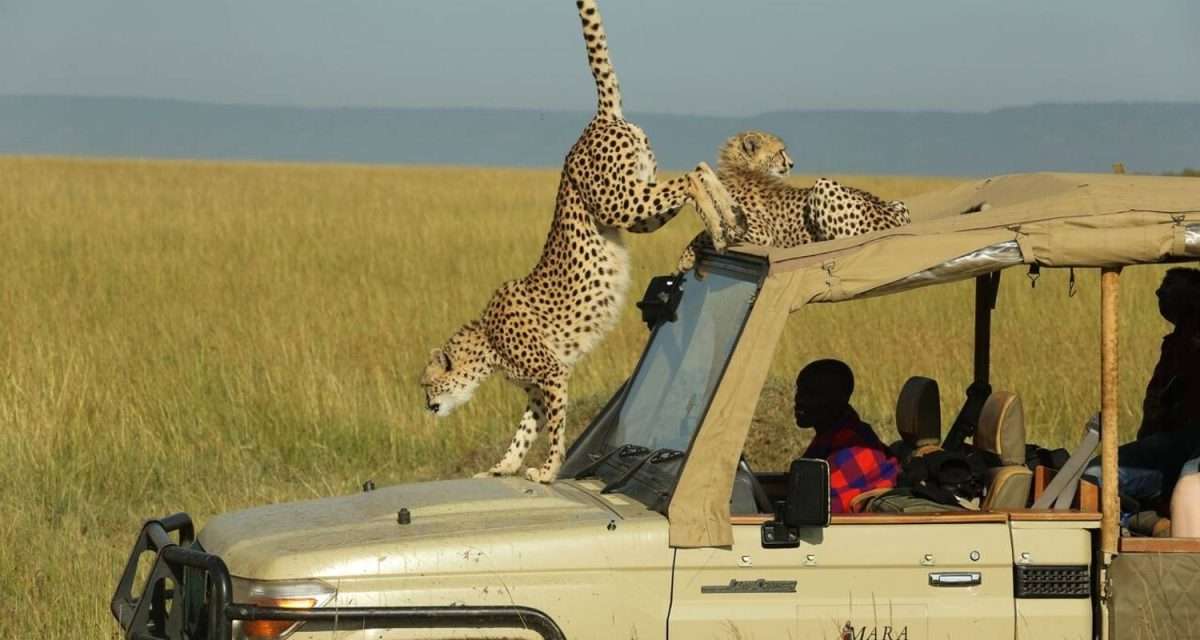
Timing shapes everything about what to do in Africa, since the continent is enormous and seasons vary sharply by region. Getting this right is the difference between a smooth trip and a frustrating one, whether you’re heading to a famous tourist attraction or a quiet, calm place most visitors never hear about.
North Africa (Morocco, Egypt, Tunisia): April to May and September to October. These shoulder months keep temperatures manageable for medina walking and sightseeing without summer’s extreme heat.
West Africa (Senegal, Ghana, Sierra Leone): December to February. Lower humidity and minimal rainfall make this the most comfortable window for both culture and coastline.
East Africa (Kenya, Tanzania, Rwanda, Uganda): July to September for peak dry-season wildlife viewing and the Great Migration. January and February also deliver clear skies and strong photography conditions.
Southern Africa (South Africa, Namibia, Botswana, Zambia, Zimbabwe): May to October for safari, when thinning vegetation concentrates animals at water sources. November to February suits Cape Town and coastal travel instead, with full summer sunshine.
Plan Your Africa Trip with TourwithPipi
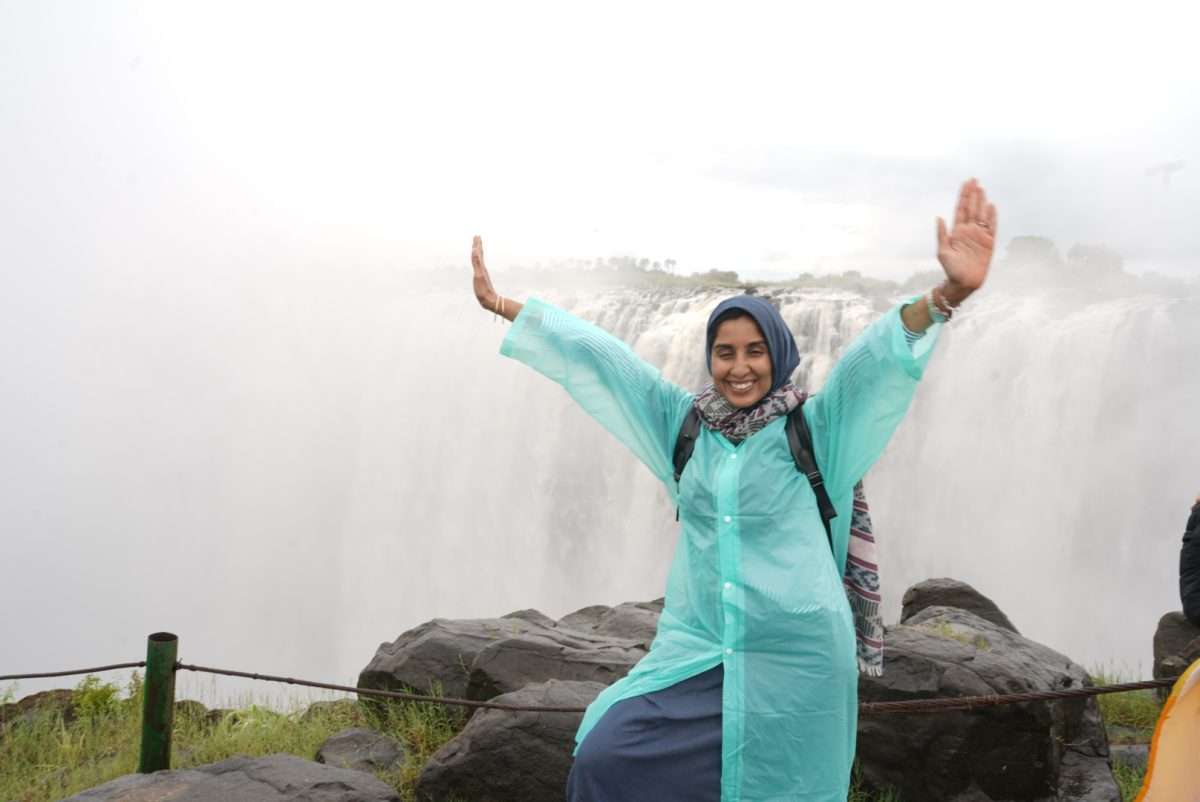
I’ve built this list from a mix of personal experience and years of sending travelers to these exact places, and if any of the 60 activities above caught your eye, I can help turn it into a real itinerary. MyLuxury Kenya Safaris andLuxury Tanzania Safaris hubs cover the destinations I know best and build most often. Message me directly on WhatsApp with what caught your attention on this list, and I’ll help you figure out how to fit it into a real trip.
Frequently Asked Questions
What are the best things to do in Africa?
The best things to do in Africa depend on what you’re after: safari for wildlife (Serengeti, Kruger, Okavango Delta), adventure for adrenaline (Kilimanjaro, Nile rafting, Table Mountain), culture and history for depth (Moroccan medinas, the pyramids, Lalibela), or beaches for relaxation (Zanzibar, Seychelles, Mauritius). Most strong Africa itineraries combine at least two of these categories.
What activities can you do in Africa?
Activities to do in Africa range from guided game drives and walking safaris to mountain climbing, white water rafting, gorilla trekking, scuba diving, and cultural village visits. The activity list changes significantly by country and region, so it’s worth matching your interests to the right destination rather than picking a country first.
What is the best time of year to visit Africa?
It depends on the region. East Africa peaks July to September for safari and the Great Migration. Southern Africa’s dry season runs May to October. North Africa is best in the spring and autumn shoulder months, and West Africa is most comfortable December through February.
What should I do in Africa for a first trip?
For a first trip, a classic safari circuit in Kenya or Tanzania, the Masai Mara or Serengeti, paired with a few days on a beach like Zanzibar or Diani, gives a strong, well-supported introduction to the continent without the logistics of a more remote or adventurous itinerary.


