
Visiting Tanzania stayed with me long after I came home. It felt like a place that slows you down and pulls you into the moment. Tanzania carries a reputation as one of the greatest safari destinations in the world for a reason. The Big Five are here. Over five hundred bird species fill the trees. The landscape shifts from the endless plains of the Serengeti to the steep green walls of Ngorongoro Crater.
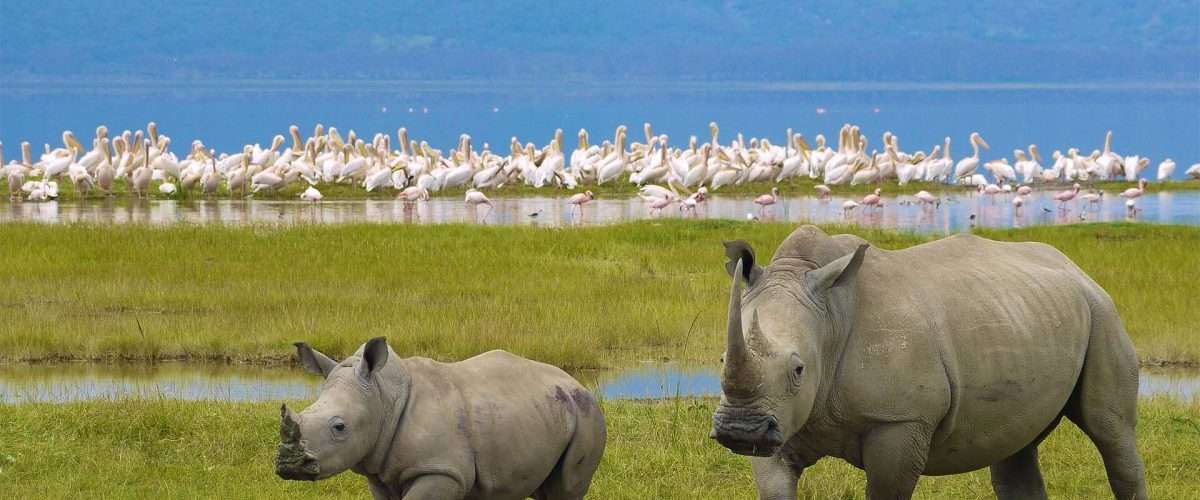
In the Serengeti, I watched a leopard resting lazily in the branches like it owned the world. In Ngorongoro, I saw my first black rhino, and the guide’s quiet excitement made the moment feel even more rare. Those memories stay with you. They are simple but they matter. If you can, stay at least seven days to settle in and experience the wildlife without rushing. Even three to five days can work if time or budget is tighter, thanks to the airstrips inside the parks that make shorter trips possible.
After returning many times, I shaped this 7 to 11 day Tanzania safari itinerary to balance cost, comfort, and meaningful moments. I learned when to fly and when to drive, when to stretch the budget and when not to, and that silence can be just as memorable as a sighting. I also learned to avoid late night transfers after one tense taxi ride was more than enough. This guide shares what actually matters, so you can plan with clarity instead of guessing.
Summary
Planning a Tanzania safari itinerary means choosing between 7 to 11 days across Serengeti, Ngorongoro Crater, and Tarangire. The average safari cost in Tanzania ranges from $3,749 to $6,549 per person depending on season, lodge style, and whether you drive or fly between parks. The best month to visit Tanzania for a safari is June to October for the Great Migration and January to March for the calving season in Ndutu. Most travelers book 8–12 months in advance to secure lodges near peak wildlife areas, and a group size of 2–5 people offers the best value by sharing vehicle and guide costs. If you want to plan a trip to Africa that balances price, comfort, and big wildlife moments, a Tanzania safari itinerary focused on the Northern Circuit delivers the strongest experience for first-timers and couples, especially when paired with a post-safari beach break in Zanzibar.
Why Tanzania Is One of the Best Places in the World for Safari
Tanzania feels like one of those places that changes the way you see travel. It is stable, welcoming, and easy to navigate, and you notice quickly that English is widely spoken. The country has built a reputation as one of the best safari destinations in the world for good reason. Wildlife is not something you look for here. It is something you meet as soon as you arrive.
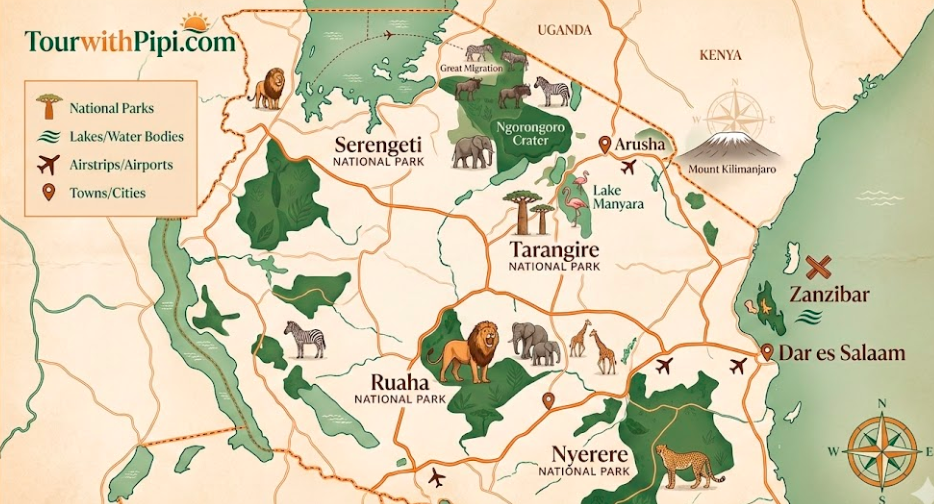
If you look at a safari map of Tanzania, you will see how the country’s key parks create a loop across the north. This “Northern Circuit” connects the most famous parks in Africa, including the Serengeti, Ngorongoro Crater, and Tarangire. Each one offers a different part of Tanzania’s identity. The Serengeti is the open horizon. Ngorongoro is the ancient world. Tarangire is the movement of elephants through quiet forests.
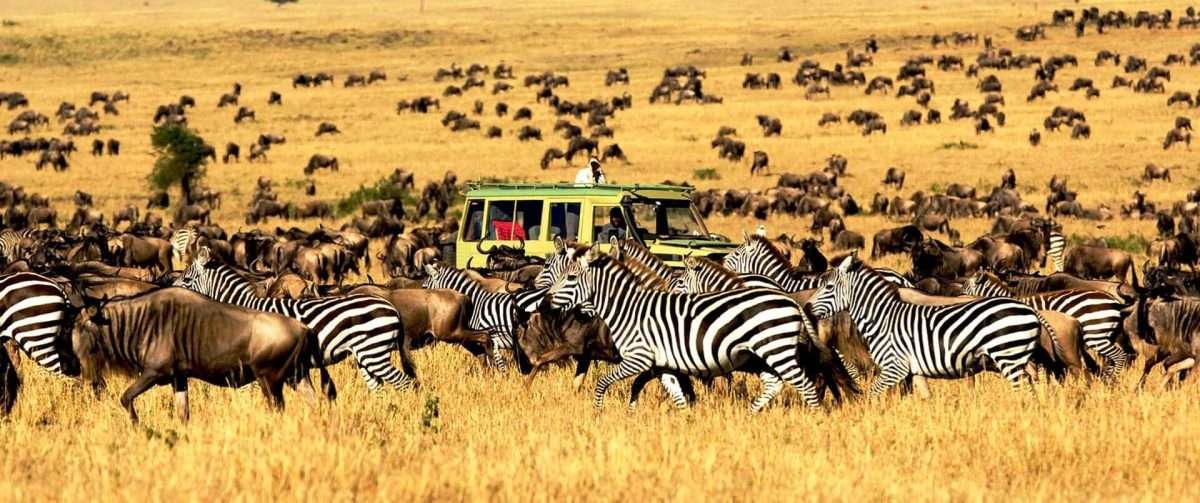
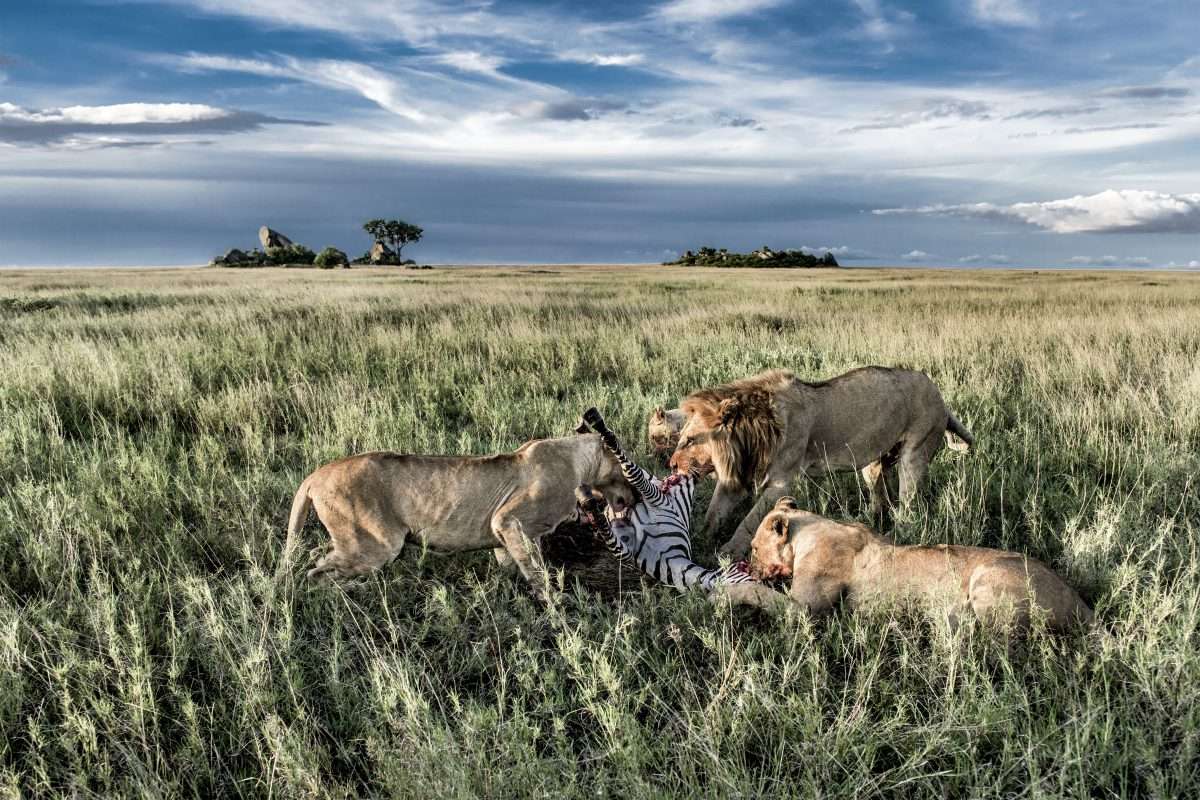
The Serengeti National Park is enormous, much larger than most people expect, and it is here that the predator density is at its highest. Tree-climbing lions, lazy leopards stretched over branches, and cheetahs using the short grass plains as hunting ground are common sights. This is also the stage for the Great Wildebeest Migration, one of the most famous wildlife movements on Earth. It happens all year, shifting with the seasons, and creates different highlights depending on when you visit. Calving season in January and February brings thousands of newborns onto the Ndutu plains. From late July to mid-October, the herds push toward the Mara River, where the crossings take place.
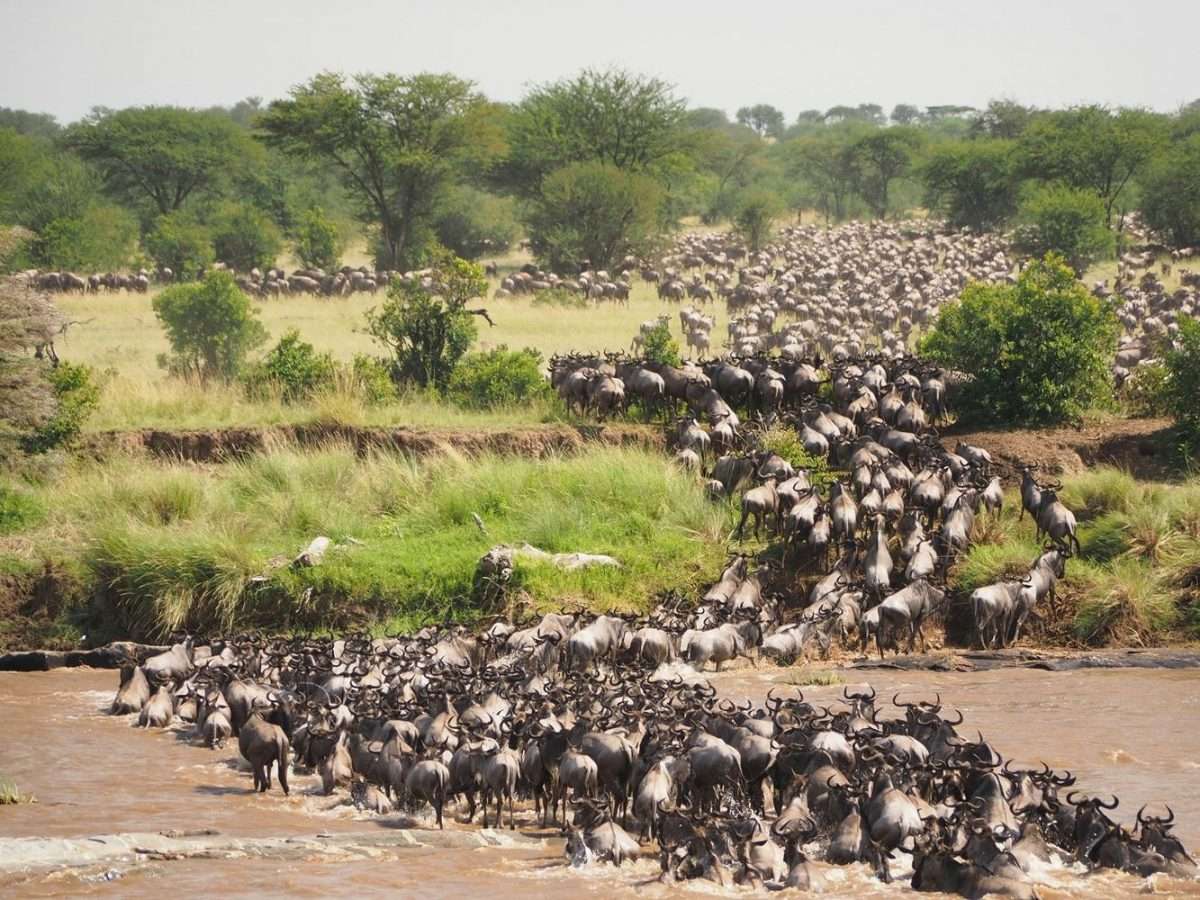
The moment you see the first animals step forward to cross, the noise of the river and the tension around them tells the story for you.
Farther south, Tarangire National Park feels slower, quieter, and incredibly beautiful. It is known for massive elephant herds moving among ancient baobabs. You can sit for an hour and watch one scene change just by the way the animals shift through the landscape. It feels like a wildlife documentary unfolding at its own pace.
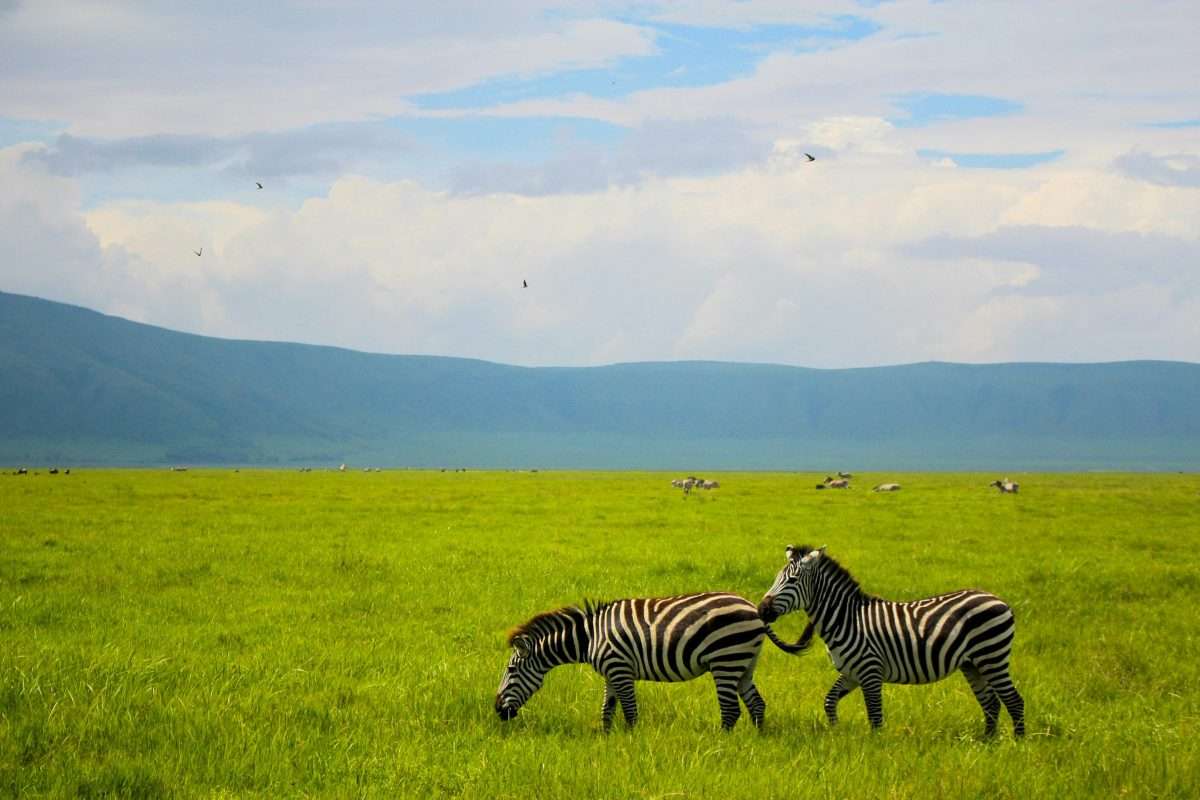
Ngorongoro Crater has a different kind of atmosphere. Driving down into the caldera feels like entering a protected world. The crater walls rise around you and create a natural boundary that holds an entire ecosystem. This is one of the best places to see black rhinos, and the landscape alone is worth the visit.
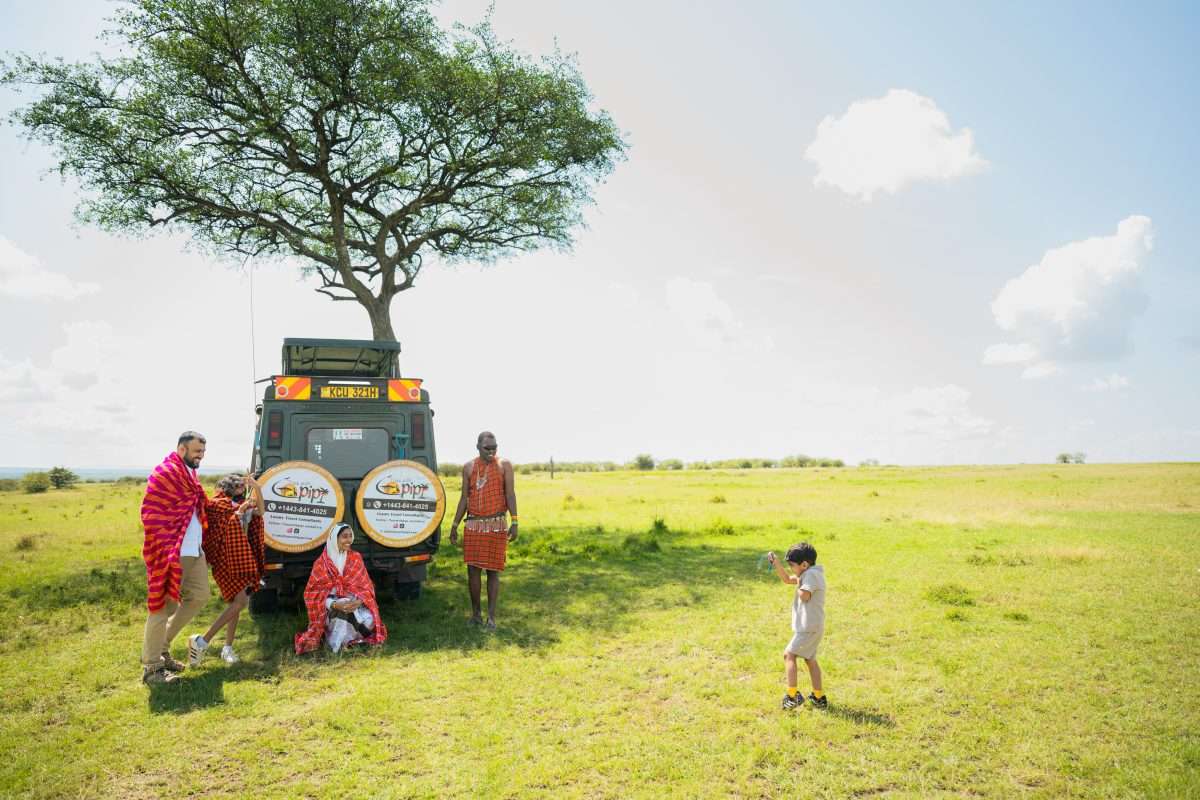
Culture is part of the experience too. Tanzania is home to more than 120 tribes, including the Maasai, whose identity and connection to land are immediately visible. In Lake Eyasi, the Hadzabe live in a way that feels closer to the land than almost anywhere else. Their clicking language, their skill, and their way of welcoming visitors make you pause and listen.
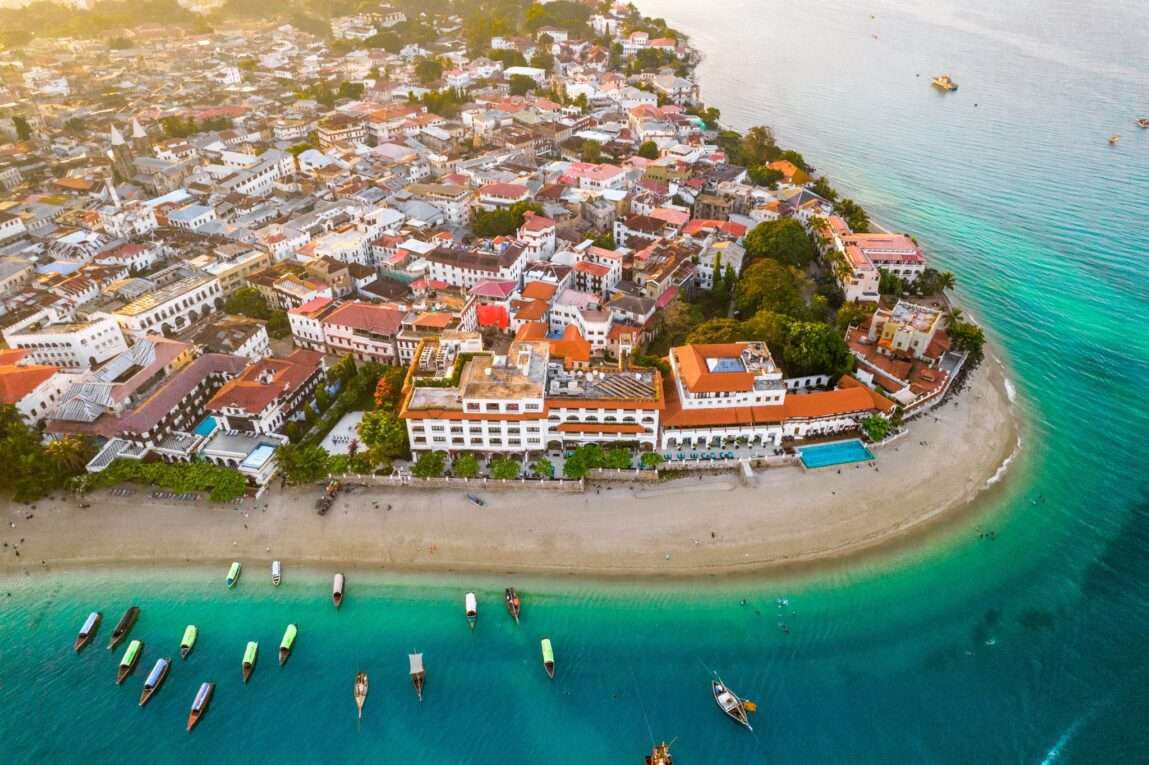
And if you want to end with quiet, you can fly to Zanzibar. The island gives travelers a soft landing after the safari. Warm beaches, spice air, blue water, and time to rest before heading home.
Tanzania brings together wildlife, culture, and landscapes in a way that does not compete for attention. It simply exists, and you get to be part of it for a while.
How to Book Your Tanzania Safari Itinerary
There are four main ways to arrange a Tanzania safari itinerary: a self-drive setup, booking activities through lodges, working with a local safari company, or using an international tour operator based in places like the US or UK. Each option comes with a different price range, support system, and level of comfort. If you want the quick answer, most travelers get the best value and smoother experience by booking with a trusted local safari company. They know the parks, the permits, and the actual conditions on the ground, which matters more than anything when planning a safari itinerary Tanzania offers.
Option 1: Self-Drive Safari in Tanzania
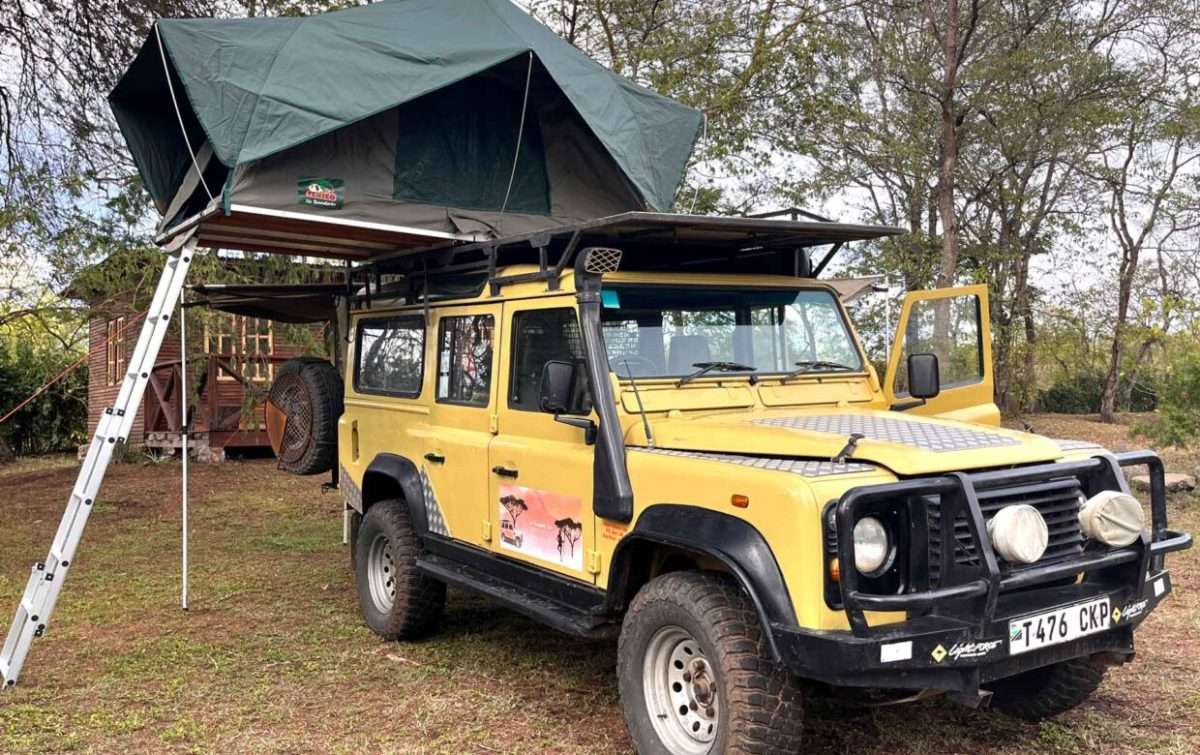
A self-drive safari in Tanzania costs roughly $1,000 – $1,750 per person for a week, including vehicle rental, park fees (around $70/day/person + vehicle fees), fuel, camping, and food, but this varies greatly by season and luxury level. Budget camping can be as low as $250/day for a group, while lodges push costs to $400-$1000+ per day, with peak season (July-Sept) being most expensive. Expect to budget around $100-$150/day for a reliable 4×4 plus camping gear rental.
A self-drive sounds tempting if you like independence or want to control the budget, but Tanzania isn’t the easiest place for it. In countries like South Africa or Namibia, self-drive safaris work well because the road systems and park rules make it simple. Tanzania is different. Most major national parks in Tanzania only allow certified safari trucks inside the protected areas, which means a regular rented 4×4 often isn’t enough.
Some people learns this the hard way. They rent a car, drives all the way out, and only when they reached the gate did they find out their vehicle wouldn’t be allowed into the park then they have to book a safari truck and guide at the last minute and ended up paying for both options. It defeated the purpose of trying to save money in the first place.
There is also the practical side. Tanzania’s dirt roads can be rough, especially heading into Serengeti and Tarangire. Flat tires and cracked windscreens are common. And swapping a tire on the roadside while hyenas stare from the grass is not exactly the dream version of a safari. That alone is enough reason why many travelers skip the self-drive idea.
More importantly, you miss out on what a professional guide brings. A good guide knows how to read tracks, spot wildlife at distances you wouldn’t believe, and navigate weather changes or rough terrain. After paying for flights, park fees, and accommodation, most travelers would rather not gamble the wildlife experience on guesswork.
If your goal is to build a meaningful Tanzania safari itinerary and get the most out of every day, a self-drive option rarely adds the value you hope for.
Option 2: Local Safari Tour Company
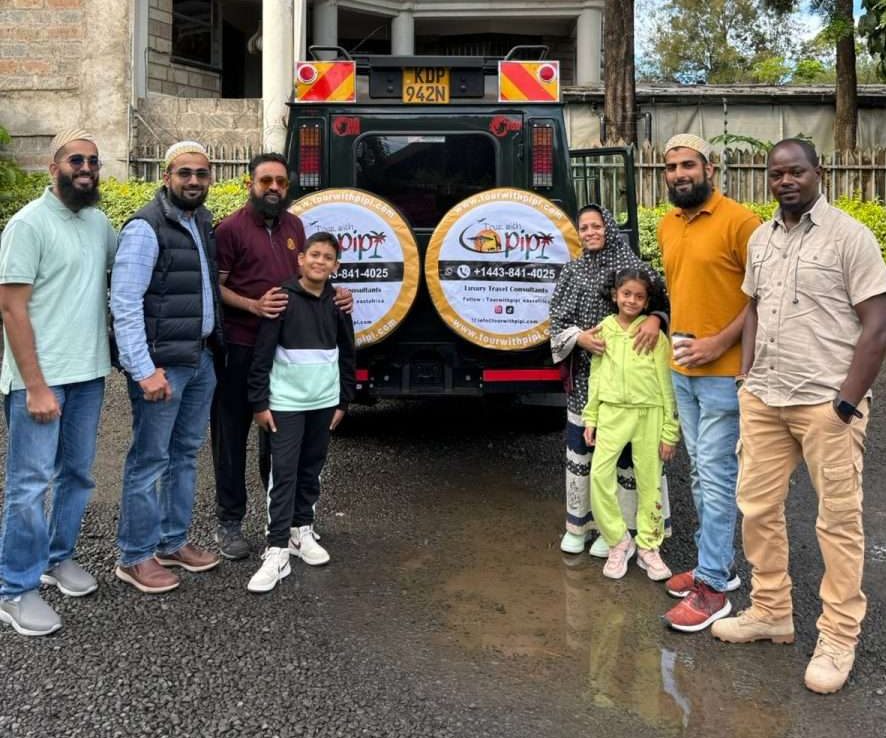
For most travelers, working with a local safari tour company is the best balance of value, comfort, and reliability when building a Tanzania safari itinerary. The key is choosing the right operator rather than the first one that appears online.
Before my first safari itinerary Tanzania trip, I spent weeks comparing companies, emailing back and forth, and checking reviews across multiple platforms. Five-star reviews can look impressive, but they do not always reflect the full picture. I noticed the same company could have glowing feedback on one site and mixed reviews on another, which made it clear that research matters more than star ratings alone.
On the ground, I saw why choosing carefully makes a difference. Some well-known companies had grown so fast that they were renting extra vehicles just to keep up with demand, and those additional trucks were not always in great condition. A few even broke down inside the parks. It became obvious that popularity doesn’t always guarantee quality.
The smaller, well-managed operators stood out for the right reasons. Their guides had real field experience, their vehicles were properly maintained, and their itineraries felt more personal. Most small companies keep a low overhead, which allows them to operate on a fair margin—often around ten to fifteen percent—without inflating the client’s price. Instead of adding extra fees, they usually take their margin from the accommodation or partnerships they already have, which helps keep the final cost reasonable for travelers.
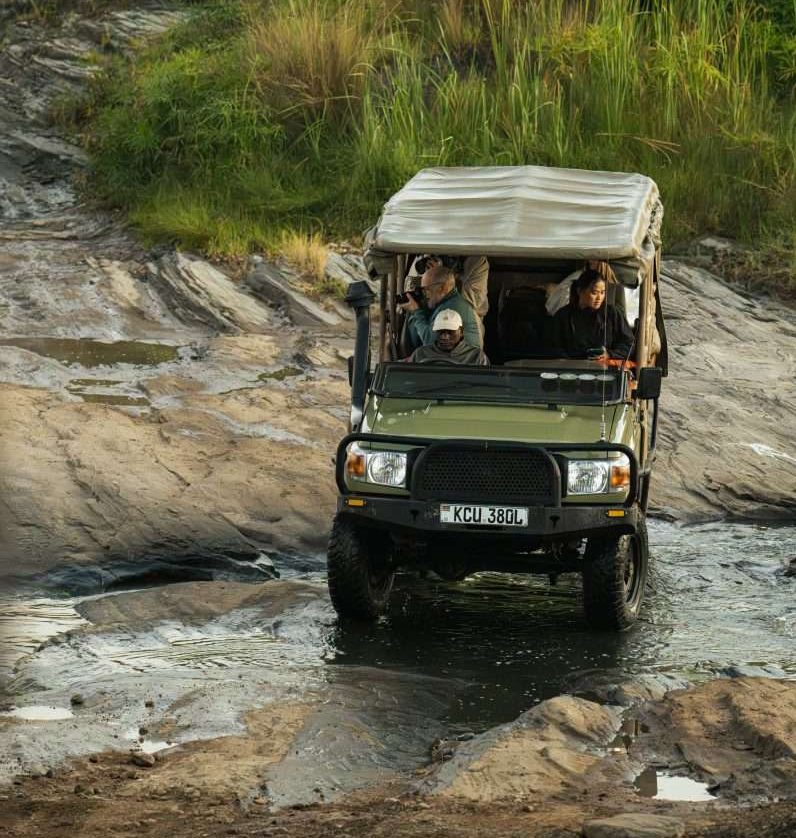
It’s also worth noting that many international safari companies based in the US or UK subcontract their trips to these same local providers, just with an extra markup added. By going direct, you often get the exact same trucks, the same guides, and the same accommodations without the added international commission.
A practical reminder: travel feels smoother when you prepare for unexpected delays. I now keep insurance that covers interruption or schedule changes. It costs a little extra per year, but it protects the investment you make into your safari.
For most people, a local safari operator is where value, guidance, and peace of mind meet. It is usually the best starting point when planning a Tanzania safari itinerary.
Option 3: Hotel-Provided Safari Drives
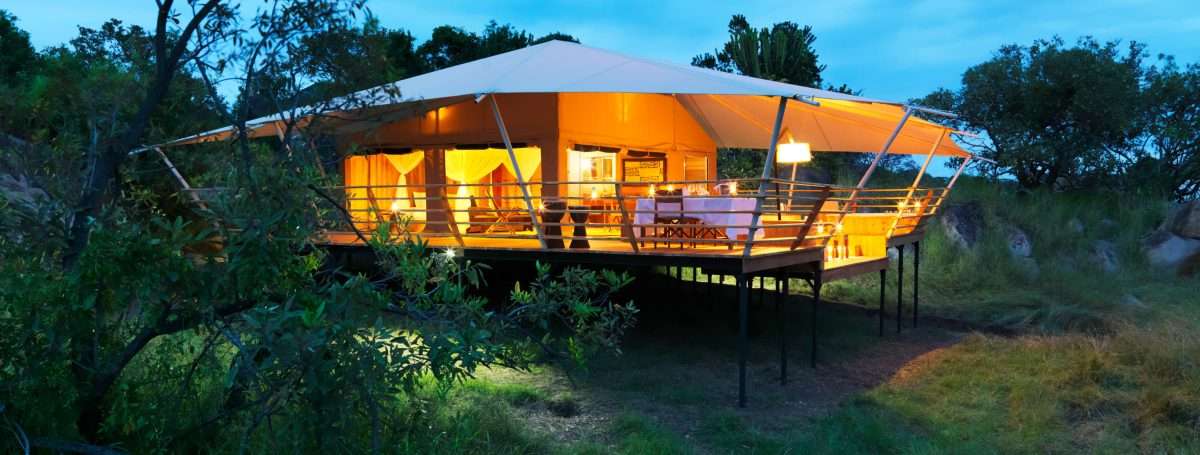
Some lodges and higher-end camps inside Tanzania’s national parks offer their own safari drives. These are typically shared vehicles with other guests staying at the lodge, and the experience works best for travelers who want convenience over customization. It’s simple: you wake up, walk to the vehicle, and head out with the lodge guide.
From a planning point of view, this setup can suit people who are not focused on a full tanzania safari itinerary, but want a relaxed stay with occasional game drives. However, the cost per day is usually higher than booking directly with a local operator, and you lose the flexibility of choosing your own guide, pace, or route. If wildlife viewing is your priority or you want structured days, a hotel-provided safari may feel limiting.
It’s comfortable, convenient, and easy to arrange, but it is not the most cost-efficient option for a full safari itinerary Tanzania travelers usually expect.
Hotel-provided Tanzania safari drives typically cost from $250 to over $1,500+ per person, per day, varying widely by comfort level: Budget ($200-400/day for basic lodges/camps), Mid-Range ($350-600/day for comfortable lodges), and Luxury ($800-$2,000+/day for exclusive camps, flights, top service). Costs cover lodging, meals, park fees, and game drives, but peak season (Migration) and private vehicles increase prices significantly.
Option 4: Safari Companies and Travel Agents in the US / UK
Booking through a safari company or travel agent based in the US or UK is another option, especially if you prefer everything handled from your home country. These companies often subcontract to local operators in Tanzania, which means you get the same trucks and guides but at a higher price due to overseas overheads, offices, and commissions.
This route offers familiarity and sometimes package protections, but it usually costs more than booking directly. The pricing difference can range significantly, depending on the agency and trip level. For travelers focused on comfort and reassurance, it can be a good match. For those watching their budget or trying to maximize value, it may not be the most strategic approach.
Communication can also slow down when messages pass through multiple people. A request goes to the sales rep, then to the local operator, and then to the guide on the ground. When planning a detailed tanzania safari itinerary, that delay can affect adjustments or personalization.
Still, this option makes sense for travelers seeking full-service handling, flight bookings, or very high-end arrangements. Some agencies also handle private aviation or premium lodge access that smaller companies might not organize.
For most travelers, direct communication with a trusted local operator offers better pricing, flexibility, and clarity. But there is nothing wrong with choosing an overseas agent if it aligns with your comfort level and travel style.
How Much Does a Tanzania Safari Cost?
Before looking at numbers, it helps to understand what actually shapes the price of a Tanzania safari itinerary. The cost changes based on where you stay, how you move between parks, the time of year you travel, and what level of comfort you want. Once you know those pieces, planning a safari itinerary Tanzania becomes much clearer.
Accommodation Costs
Accommodation is the largest factor and the price range is wide. Basic hostels outside the parks can start around $20 per person per night, while premium lodges inside the Serengeti can easily reach $2,000+ per person per night, and exclusive villas can go beyond $10,000 per night. Most travelers fall somewhere in the middle.
Average accommodation ranges (per person, per night, excluding park fees):
Budget (tents & hostels): $10 – $100
Mid-Range lodges: $100 – $250
Luxury tented camps: $250 – $500
Luxury+ / Premium: $500 – $1,000+
Daily Safari Cost Breakdown
Most travellers spend between $250 to $1,000+ per person, per day, depending on comfort level:
| Safari Style | Average Cost Per Day | What It Includes |
|---|---|---|
| Budget Camping | $200 – $300 | Basic tents, shared facilities, group vehicle |
| Mid-Range Lodges | $350 – $600 | Comfortable camps, private guide & 4×4 |
| Luxury Lodges | $500 – $1,500+ | Premium camps, private vehicle, top guides |
| High-End Fly-In Safaris | $1,100 – $2,750+ | Internal flights + high-end lodges |
What Affects the Cost?
Season: Peak season (June–October) is the most expensive; April–May is the best value.
Accommodation Style: Lodge quality and park location change the price quickly.
Group Size: More people sharing a vehicle lowers the per-person cost.
Park Fees: $50–$70 per day depending on the park.
Add-Ons: Hot-air balloons, cultural visits, and crater fees increase the total.
Typical Total Cost for a Tanzania Safari (7–10 Days)
| Trip Style | Average Cost Per Person |
|---|---|
| Mid-Range Safari | $3,000 – $6,000+ |
| Luxury Experience | $10,000 – $20,000+ |
| Ultra-Luxury or Private Planes | $25,000 – $50,000+ |
How You Get Around: Driving Costs Less, Flying Costs More
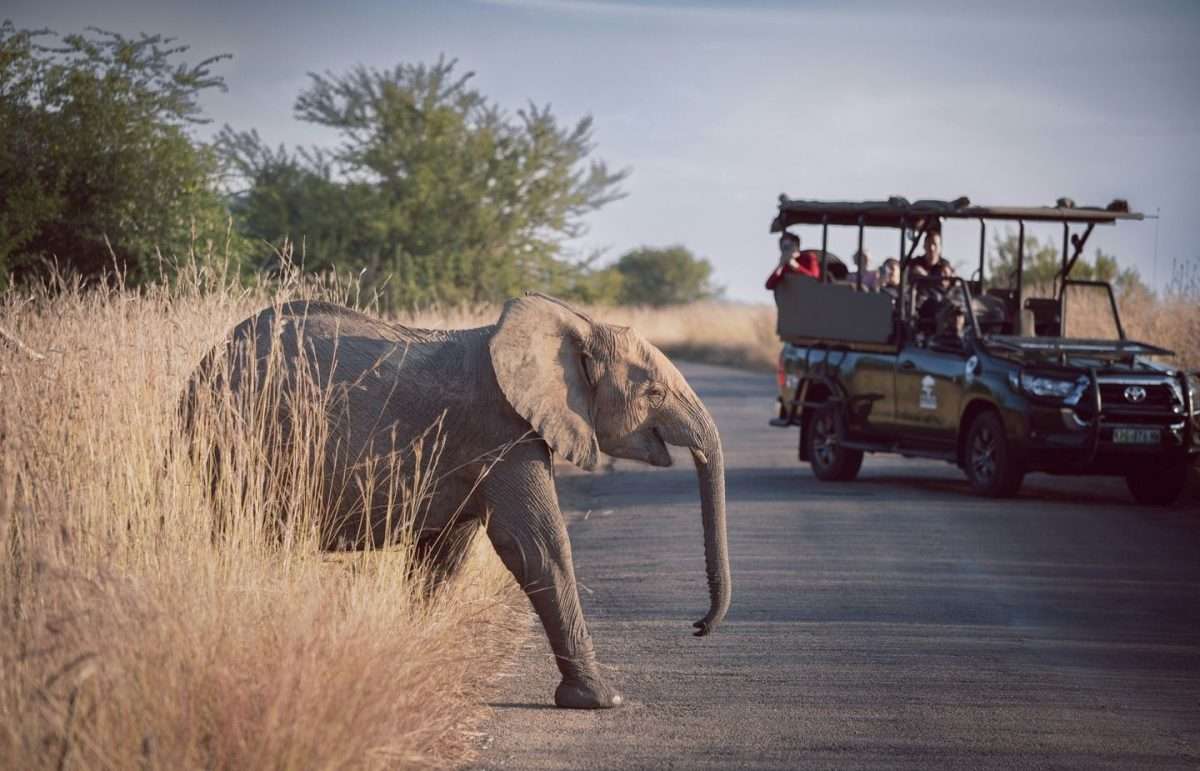
Transport choices play a big role in the cost of a Tanzania safari itinerary. When you plan a safari itinerary Tanzania, the first decision is simple: drive or fly. Both work, but they change your budget and your experience.
For most travelers, driving in a private 4×4 Land Cruiser is the standard. It is safer than minibuses, it’s built for the national parks, and it gives you time to settle into the landscape. Safari companies usually calculate around $250 to $350 per day for the vehicle and guide on average, which becomes cheaper when shared between two to six people. With road travel, you can cover the entire Northern Circuit—Arusha, Tarangire, Ngorongoro, Serengeti—without needing a single flight.
Flying comes in when time is tight. A short-hop bush flight between places like Arusha and Serengeti or North to Central Serengeti can cost $200 to $500 per person one way, depending on season. It saves hours on the road and works well for older travelers or anyone with a limited schedule. The trade-off is luggage limits and higher cost per person.
Chartering private aircraft is in a different category entirely. Charter flights can run $2,000 to $11,000 per billable hour, and full private jet arrangements can exceed $100,000+ depending on routing. It saves time, but the cost and environmental impact are worth considering.
When Driving Makes More Sense
Driving is usually the best option when:
You are a group of 4+ people and want to split costs
You are covering the Northern Circuit parks in one route
You want cultural and scenic stops along the way
You want no luggage limits and a slower, immersive pace
Driving keeps the experience grounded. Villages, roadside wildlife sightings, and conversations with your guide become part of the memory.
When Flying Makes More Sense
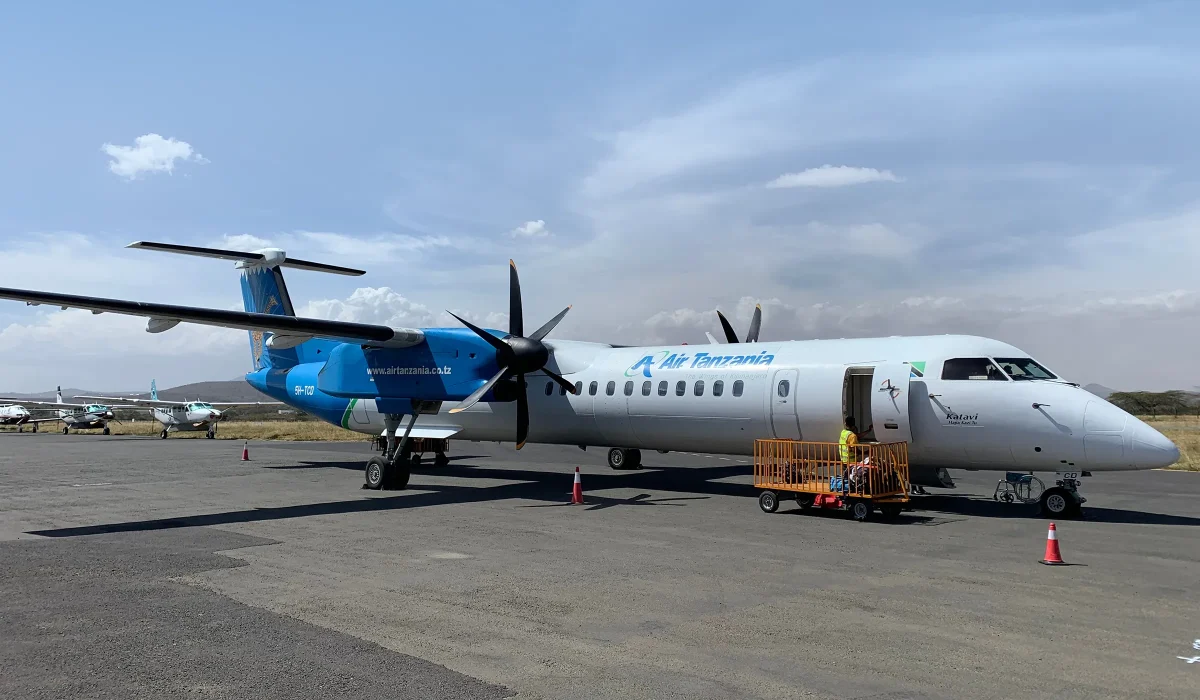
Flying works better when:
Your trip is short and every hour matters
You are heading to remote areas that aren’t easily reachable by road
You prefer comfort over long travel days
You want a time-efficient luxury style safari
Flight segments are often added to itineraries with limited days—like 7–8 day trips—where time saved on the road becomes more value than cost.
Bottom Line
Driving = Better value + deeper experience + ideal for most travelers
Flying = Saves time + ideal for short trips or remote destinations
How Group Size Impacts the Cost of a Tanzania Safari
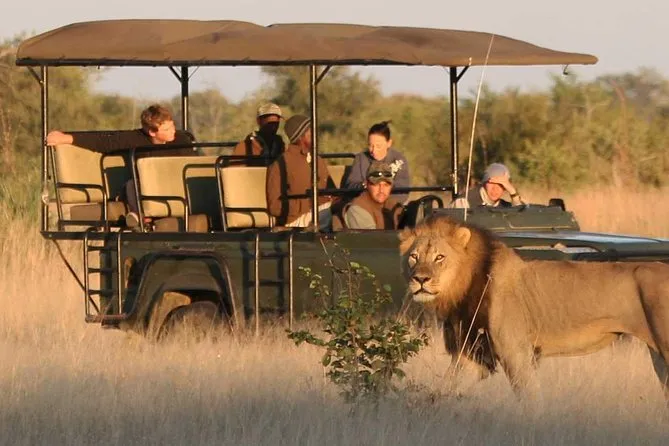
A group size of 2 to 5 people is often the ideal sweet spot for a Tanzania safari. This range lowers the cost per person without losing comfort or the personalized feel of a private trip. When two or more travelers share fixed costs like the safari vehicle, guide, and park fees, the price drops noticeably. Adding a second traveler usually makes the biggest difference, because you’re dividing the vehicle and guide cost between two instead of one, which can reduce the rate by roughly 15–20%. By the time you reach 4 or 5 people, the savings continue but at a smaller margin.
Safari vehicles typically seat 6–7 guests, but a group of four or five feels more comfortable, especially when standing to view wildlife through the open roof. Everyone has space, there’s no pushing for window views, and game drives move smoothly without feeling crowded. It also makes it easier to tailor the day for photography, slower pacing, or specific sightings.
Costs don’t continue to drop significantly beyond five travelers. A seventh person might only save a couple of percent each because the biggest fixed expenses have already been shared. Accommodation is still billed per person in Tanzania because meals, staff, and services are included, so adding more travelers doesn’t change lodge pricing the same way it affects road transport.
For most travellers planning a Tanzania safari itinerary, a group of 2–5 offers the strongest balance: real savings, plenty of space in the Land Cruiser, and a more focused, personal experience than large group safaris.
Tanzania Safari Park Fees: What to Expect in 2026
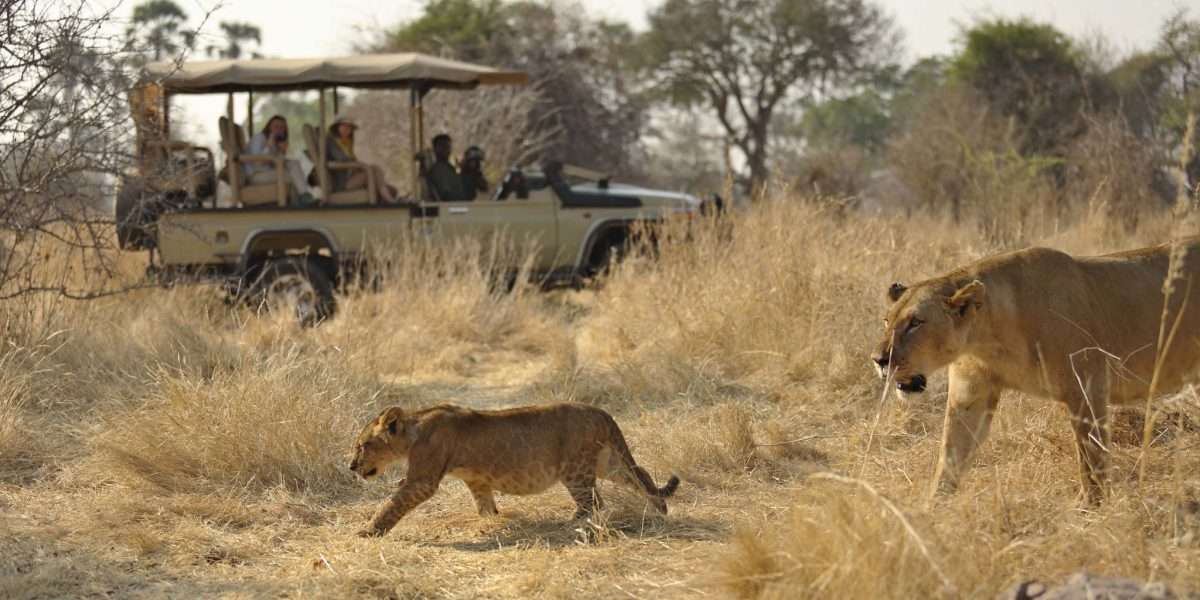
Tanzania safari park fees change by park, season, and age, and they form a major part of your daily safari budget. For most travellers, the cost ranges from $50 to $84 per adult, per day, with higher fees in headline parks like the Serengeti and Ngorongoro, and lower fees in parks like Tarangire or Lake Manyara. These conservation fees are separate from the vehicle, guide, fuel, and accommodation costs, which is why a realistic safari budget often starts around $250–$500 per person per day, rising higher for luxury camps or fly-in safaris.
Typical Park Entry Fees (Per Person, Per Day)
Serengeti, Nyerere, Kilimanjaro: ~$70–$84 for adults
Ngorongoro Conservation Area: ~$70 for adults, plus a $295 crater vehicle fee for descent into the caldera
Tarangire, Lake Manyara, Arusha: ~$50–$59 for adults
Children aged 5–15 pay reduced fees, and low season months (April–May) often offer slightly lower rates. Tanzanian residents also pay different local rates in TSH.
Key Factors That Influence What You Pay
Age: Children’s rates are lower; under 5 are often free
Season: High season costs more; low season can offer softer pricing
Park Choice: Serengeti and Ngorongoro are the most expensive; Tarangire and Manyara are cheaper
Add-Ons: Night drives, special campsites, crater descent fees, and private areas raise the total
What Park Fees Do Not Include
Your 4×4 safari vehicle, guide, and fuel
Accommodation (lodges, tented camps, campsites)
Meals, transfers, internal flights, and gear
Overnight stays inside parks also trigger concession fees on top of entry fees. In the Serengeti, these are difficult to avoid due to distance between gates. In Tarangire, Manyara, or Arusha, sleeping just outside the gate can reduce costs for travellers on a tighter budget.
How Much Do Local Tanzania Safari Prices Cost Per Day?
Local Tanzania safari prices usually range from $200 to $650+ per person, per day, depending on your comfort level, accommodation type, and whether you choose to drive or fly between parks. Budget camping sits near the lower end, while premium lodges and private vehicles push costs higher, especially during the Great Migration peak season. Local operators generally provide better value than international agents because there are fewer middlemen and lower overhead costs.
Most travelers fall into the mid-range category, paying for a reliable 4×4, an experienced guide, park fees, and full-board lodging. Luxury options, especially fly-in safaris, can start around $1,000+ per day and rise quickly with upgrades like private charters, exclusive camps, and premium experiences.
Typical Safari Pricing Per Person (Per Day)
| Safari Style | Per Person / Per Day | What to Expect |
|---|---|---|
| Budget / Camping | $200 – $350 | Basic tents, shared facilities, group vehicles, value-driven experience |
| Mid-Range Lodges | $350 – $600 | Comfortable lodges, tented camps, private guide, classic northern circuit safaris |
| Luxury / High-End | $1,000 – $2,750+ | Fly-in routes, premium lodges, private guide & vehicle, peak migration or remote reserves |
Key Factors That Influence Safari Price
Accommodation Type: Camping vs. lodges vs. premium tented camps
Transport Choice: Driving is cheaper; flying saves time but raises costs
Season: Migration peak (July–Oct) and holiday months cost more than low season
Route & Duration: Longer routes lower cost per day, short routes raise it
Private Vehicle vs. Shared: Private vehicles increase cost but improve flexibility
Inclusions: Park fees, crater fees, meals, guide experience, evacuation cover
Local companies usually provide the best balance of value, reliability, and flexibility, especially for couples or small groups planning a 7–10 day northern circuit safari.
Tanzania Safari Prices from UK/US Agents
Tanzania safari prices from UK and US travel agents vary significantly. Budget camping trips start around $250–$350 per person, per day, while mid-range lodge safaris usually sit between $450–$800+ per person, per day. Luxury or high-end itineraries with fly-in connections commonly range from $1,000–$2,000+ per person, per day, with a typical 10-day trip costing anywhere from $4,800 to $17,500+ depending on comfort level, season, and what is included.
International safari companies often add 30%–300% markup compared to booking directly with a local Tanzanian operator. This markup comes from overseas overhead costs like offices, marketing, commission systems, and subcontracting to local ground operators. Because of that, booking through UK/US firms usually means paying more for the same lodges, vehicles, and guides that a local company would provide at lower cost.
Typical Price Ranges With UK/US Safari Agents (Per Person, Per Day)
| Safari Style | Per Person / Per Day | Notes |
|---|---|---|
| Budget / Camping | $250 – $450 | Group departures keep the cost low |
| Mid-Range Lodges | $450 – $800+ | Most common choice for 7–10 day itineraries |
| Luxury / Fly-In | $1,000 – $2,000+ | High-end lodges, flights between parks, premium vehicles |
Example Trip Costs with UK/US Companies (7–10 Days)
| Trip Type | Estimated Total | Notes |
|---|---|---|
| Budget / Mid-Range | $3,000 – $7,000 | Depends on season and group size |
| Luxury | $7,000 – $15,000+ | Often recommended first by big-name agents |
| Premium / Bespoke | $15,000 – $25,000+ | Charter flights, exclusive camps, private guiding |
Why UK/US Prices Run Higher
International agents typically:
Subcontract to local operators and apply additional markups
Recommend pricier lodges that pay higher commission
Package flights, insurance, and fees into bundled pricing
Have higher operating costs than in-country companies
Because of these layers, it’s normal for a $4,000 local safari to be quoted at $7,000–$12,000+ overseas, especially through brands like OAT, Audley, Micato, Wilderness Travel, or similar premium providers.
Tipping on a Tanzania Safari: What to Budget in 2026
Tipping on a Tanzania safari is standard practice and an important way to support the people who make your trip run smoothly. While not mandatory, it is expected, especially for guides, lodge staff, and porters who rely on tips as part of their income. On average, plan $10–$20 per person, per day for your main driver-guide, with smaller tips for supporting staff. Tipping in USD or Tanzanian Shillings is acceptable, and most lodges will confirm their preferred method on arrival.
Tipping Guidelines (Per Person, Per Day)
| Role | Suggested Tip | Notes |
|---|---|---|
| Safari Guide / Driver-Guide | $10 – $20 | Primary contact throughout the trip; tip at the end of safari |
| Tracker / Spotter | $5 – $10 | Helps locate wildlife, common on certain reserves |
| Lodge & Camp Staff (Communal Box) | $5 – $10 | Covers housekeepers, cooks, service teams |
| Porters | $1 – $2 per bag | For luggage handling at lodges and camps |
| Transfer Drivers | ~$5 per person | For airport or lodge transfers |
| Kilimanjaro Trek Guides (If trekking pre/post safari) | Around $20/day | Higher because the work is specialist and physical |
How Tipping Works
Communal tip boxes are common; money is shared fairly among staff.
Cash is best; USD is widely accepted, Shillings are appreciated.
Tip at the end of stay for guides; staff tips may be daily or on departure.
Adjust to service quality—these are guidelines, not rules.
Cultural Visits & Souvenirs
Tipping is not required when visiting tribes or cultural communities, but it is common to support them by purchasing handmade crafts or beaded jewelry. Most items start around $30, and polite negotiation is normal.
Best Time to Visit Tanzania
Tanzania is a year-round destination, but the best time to visit for wildlife and clear viewing conditions is during the dry season from June to October. This is when the Great Migration is at its peak in the Serengeti, water sources shrink, and animals gather in large numbers around rivers and watering holes. It is also the most popular and expensive period.
For a more balanced mix of price and experience, January, February, and November work well. These months still offer excellent wildlife viewing, especially around the calving season in the southern Serengeti, but with fewer crowds and better availability.
Early March, June, and December sit in the middle. They’re reasonable months with decent sightings and more flexibility in pricing.
Late March, April, and May fall into the rainy season. Game drives are still possible, but heavier rain can affect road conditions and visibility. However, prices can drop by as much as 40%–50%, which makes these months worth considering if you’re planning a Tanzania safari itinerary on a budget.
Northern vs Southern Tanzania Circuit
Tanzania has two main safari routes: the Northern Circuit and the Southern Circuit. You can combine them into a longer 3–4 week journey, but for most travelers, choosing one circuit at a time makes the most sense. It keeps travel time manageable, helps control costs, and creates a clearer focus for your Tanzania safari itinerary.
For this safari itinerary Tanzania focus, the Northern Circuit is the stronger choice for most visitors. It includes the Serengeti and Ngorongoro Crater, delivers the highest wildlife density, and offers the best value for both short and mid-length trips.
Northern Tanzania Circuit
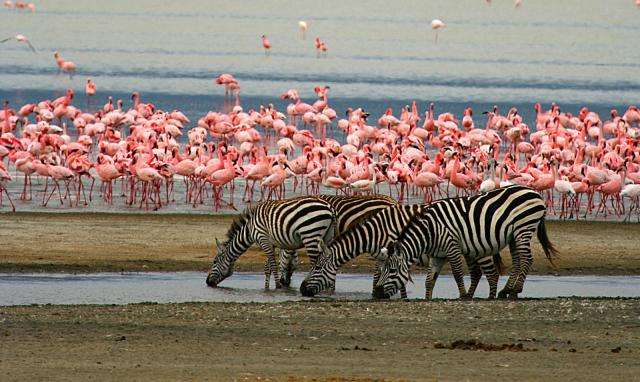
2–3 hours from Arusha to the nearest parks (Tarangire & Manyara)
Includes Serengeti, Ngorongoro Crater, Tarangire, Lake Manyara
Classic Tanzania safari experience with predictable wildlife sightings
Home to the Great Migration and the Mara River crossing
Big Five sightings are realistic, especially in Ngorongoro
Easier logistics, better flight access, shorter drives between parks
Tribes and cultural visits: Maasai, Hadzabe, Datoga
Best for 7–11 day Tanzania safari itineraries
Why choose it:
If it’s your first safari, or you want the greatest return for your budget, the Northern Circuit is the clear winner.
Southern Tanzania Circuit
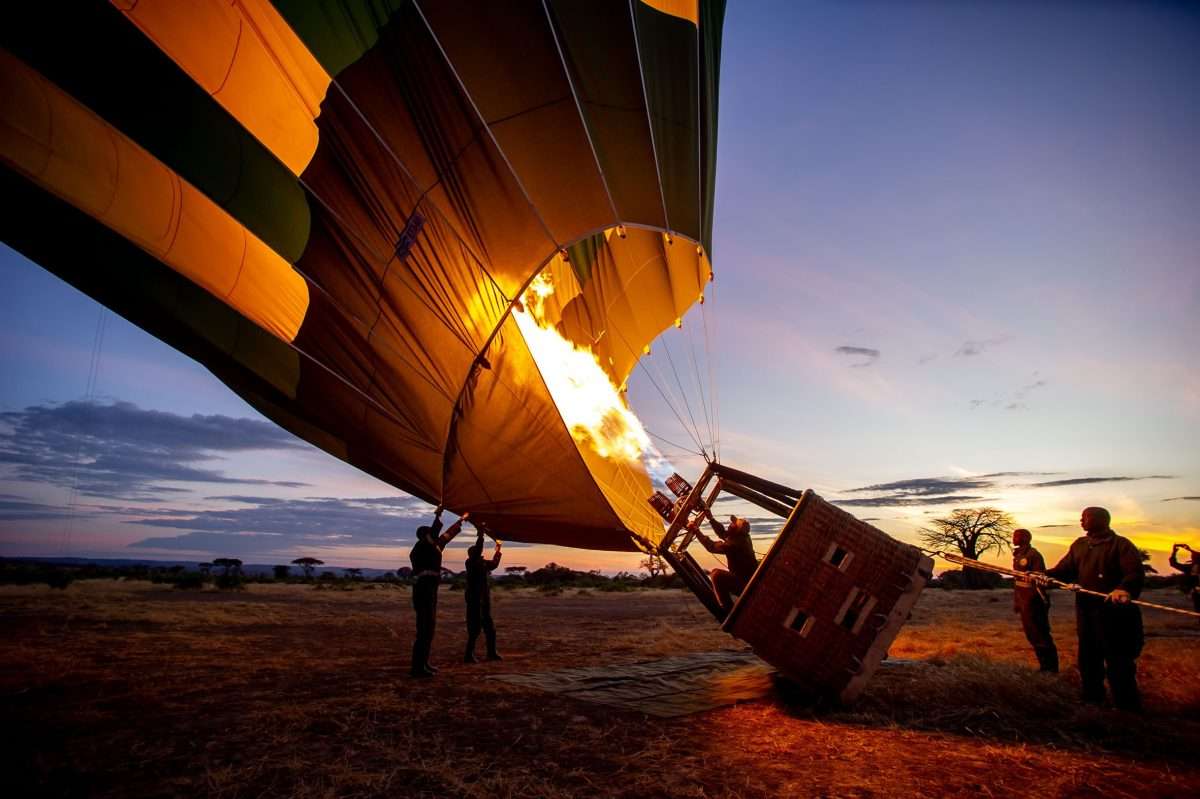
Longer journey: requires small aircraft flights or very long drives
Includes Ruaha, Nyerere (Selous), Katavi, Mahale Mountains
More remote, quieter, and suited to travelers avoiding crowds
Excellent for elephants, buffalo, wild dogs, and river ecosystems
No rhinos and fewer cheetah sightings compared to the north
Higher costs due to logistics and fly-in camps
Best for 12–14 days or longer
Why choose it:
For experienced safari-goers or travelers who value wilderness over convenience, the Southern Circuit delivers a raw, off-the-grid atmosphere.
Our Personally Curated 7-11 Days Tanzania Safari Itinerary
1. 7 Days Tanzania Safari Itinerary
The Two Person cost of this 7 day Northern Tanzania Safari is $3,749 per person, and it is one of the most reliable choices for travelers planning a trip to Africa who want a complete experience without going into luxury pricing. This Tanzania safari itinerary covers three of the country’s most iconic parks: Tarangire National Park, Ngorongoro Crater, and Serengeti National Park. It offers a steady pace, comfortable travel days, professional guiding, and full board stays so the focus stays on wildlife, landscapes, and meaningful moments rather than logistics or rushed transport.
This route delivers classic highlights such as the Serengeti plains filled with big cats, the Ngorongoro Crater where the Big Five exist in a contained ecosystem, and Tarangire’s elephant herds and baobab valleys. It is a safari itinerary Tanzania travelers choose when they want reliability, strong wildlife viewing, and a trip that feels organized but still personal. There is time to stop, observe, photograph, and breathe. It is intentionally built to feel immersive rather than hurried.
Day 1 Arrival in Arusha
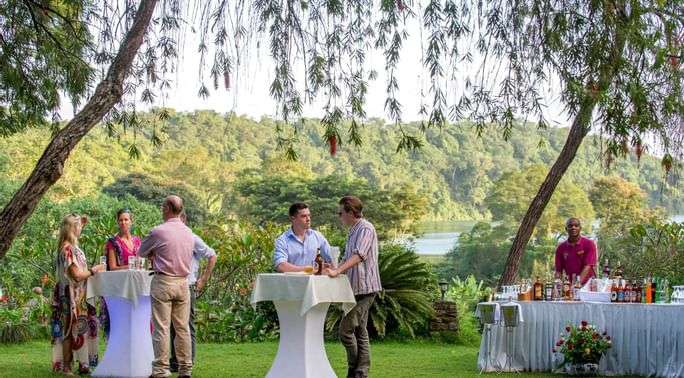
You arrive at Kilimanjaro International Airport and step into the light mountain air that moves in from Mount Meru. A representative is waiting with your name board at arrivals. They offer assistance with luggage, a cool towel for refreshment, and a welcome drink before guiding you to the vehicle. The drive to Arusha takes about forty five minutes and passes coffee plantations, open fields, and glimpses of village life while the mountain stays in view.
At your hotel, check in and settle into your room. If your flight arrives early, you can stroll around the grounds, visit a nearby craft market, or enjoy a quiet afternoon by the pool. Arusha is a gentle introduction to Tanzania. It is the transition between home and the savannah. Dinner often features familiar and local flavors such as grilled fish, roasted vegetables, pilau rice, tropical fruit, and simple Swahili spices.
Overnight: Serena Hotels Arusha, set among gardens with views toward Mount Meru, comfortable rooms, soft lighting, and a calm environment for recovery after travel.
Meal Plan: Half Board, including dinner.
Day 2 Arusha to Lake Manyara National Park
After breakfast, you begin the journey to Lake Manyara National Park. The morning begins with seasonal fruit, fresh breads, eggs, and coffee. The road to Manyara is about two hours, passing through small towns, banana groves, green farmland, and market stalls with mangoes and woven baskets.
Lake Manyara is smaller than the Serengeti but rich in character. It is known for tree climbing lions, pink flamingos lining the lake edge, troops of baboons moving like families through the forest, and hippos who spend their daylight hours in the shallows. Your first full game drive begins here. Giraffes move through acacia trees, elephants wander the shoreline, and buffalo graze near the marsh. The sounds shift between birdsong, wind, and the soft movement of animals.
In the late afternoon, the vehicle continues to the highlands near Karatu where temperatures cool and views open toward farm valleys and distant ridges. The evening is relaxed, and dinner is served before resting for the journey ahead.
Overnight: Ngorongoro Oldeani Lodge, a rustic luxury highland property overlooking Karatu with fireplaces, wooden interiors, and panoramic views.
Meal Plan: Full Board including breakfast, lunch, and dinner.
Day 3 Lake Manyara to Serengeti National Park
Breakfast begins early. The road leads into the Ngorongoro Conservation Area where the altitude rises and mist sometimes settles like a veil over the hills. Maasai herders appear along the roadside with cattle, dressed in red and blue checked shukas. This marks the transition between farmland and wilderness.
The drive continues into the Serengeti which stretches so far that the horizon becomes a line of grass and sky. Entering the park feels like stepping into a natural world that has continued unchanged for generations. This is the land of the Great Migration, where wildebeest move in herds so large they appear like rivers, and predators follow the rhythm of movement and survival.
Your afternoon game drive focuses on the central Serengeti, specifically the Seronera region where granite outcrops known as kopjes attract lions for shade and vantage points. Leopards may be seen draped in branches. Cheetahs search for open ground. Hyenas circle silently at a distance. This area holds one of the highest concentrations of wildlife in East Africa and every moment contains potential.
Sunset is slow. The sky turns gold and deep orange. The savannah becomes silhouettes of acacia trees and distant shapes. You return to camp as the light fades.
Overnight: Kubu Kubu Tented Lodge, featuring private verandas overlooking the plains, open-air dining, canvas rooms with wooden flooring, and the quiet of the Serengeti at night.
Meal Plan: Full Board including breakfast, lunch, and dinner.
Day 4 Full Day in Serengeti
The day begins before sunrise. There is a soft knock on the canvas, a gentle wake-up with fresh coffee or tea and the cool morning air. The Serengeti is quiet at this hour, except for distant calls and the first movement of wildlife. Morning drives are often when predators return from the hunt or lions stretch and yawn along the riverbeds. Watching the plains wake up while holding a warm cup feels like a moment that stays with you.
This is a full day of wildlife exploration. The guide follows tracks for leopards resting in sausage trees and watches for elephant families crossing the grasslands, calves shielding themselves between adults. During the migration months, wildebeest appear in long lines that move with the wind, and at certain crossings the sound becomes a rumble that feels like the earth is shifting. Every day is different here, and that is the beauty of the Serengeti. The guide adjusts the route based on movement, season, and sightings.
Lunch is served picnic style beneath an acacia tree. Fresh salads, sandwiches, fruit, and juice are arranged on a foldout table with the landscape as the backdrop. There is time to rest, listen, and simply watch. For guests who want to add a premium experience, a hot air balloon flight at sunrise is available at additional cost. It lifts from the plains before dawn, drifting above herds with a soft landing followed by a champagne breakfast.
Returned to camp in the late afternoon, showers are heated and lit by lanterns. Dinner is served under the stars, and the night closes with the sounds of the savannah surrounding the tents.
Overnight: Kubu Kubu Tented Lodge
Meal Plan: Full Board including breakfast, lunch, and dinner.
Day 5 Serengeti to Ngorongoro Crater
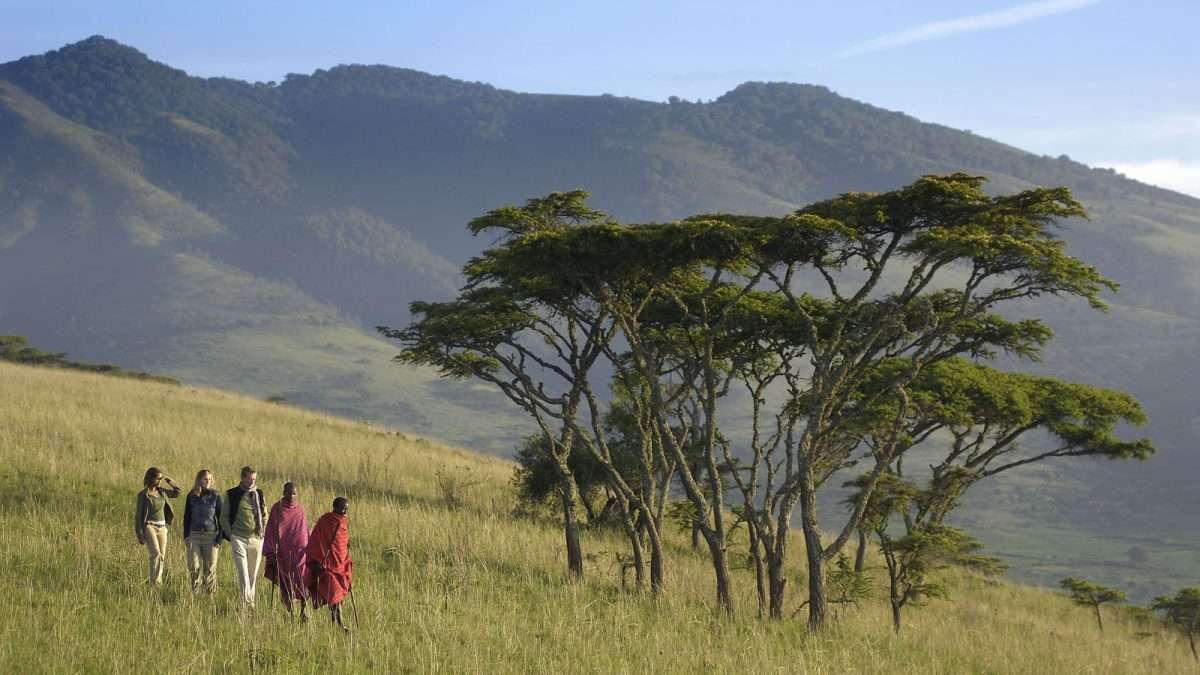
The day begins with a final Serengeti morning drive, while the light is still low and golden. This may bring one last scene of lions near rocky outcrops or hyenas cutting through the grass. After breakfast at camp, the journey continues toward Ngorongoro. The drive is around three hours, climbing in altitude as the landscape transitions from open plains to volcanic highlands.
Ngorongoro Crater is a UNESCO World Heritage Site and the largest intact volcanic caldera on earth. From the rim, the view drops six hundred meters to a basin that holds wetlands, forests, open savannah, and a soda lake. It is a natural sanctuary where wildlife remains protected by the crater walls. The descent road curves into the interior, and once inside, the density of wildlife becomes clear. Black rhinos move close to reed beds. Lions sleep in the grasslands. Hippos rest in muddy pools. Flamingos create a rim of color around the water.
A full game drive continues through the day, stopping at lookouts and along marsh edges where elephants graze in silence. The experience feels enclosed and contained, like a world inside a world.
Return to Karatu by late afternoon. The air cools, the sun sets behind the highlands, and the day ends quietly.
Overnight: Ngorongoro Oldeani Lodge
Meal Plan: Full Board including breakfast, lunch, and dinner.
Day 6 Karatu to Tarangire National Park
Breakfast is served early. The drive to Tarangire National Park takes around two hours and leads into a different ecosystem where giant baobab trees dominate the skyline. Tarangire is known for its elephants. It is one of the places where herds can reach into the hundreds, moving toward the river that feeds the park. The pace here is slower, and the atmosphere feels peaceful.
Wildlife differs from previous days. Oryx can appear near the grasslands. Gerenuks and impalas stay close to bushes. Pythons occasionally rest in branches that overlook the road. The guide follows the river line to look for lions and sometimes leopards resting in shade. It is a setting where the landscape feels as important as the animals.
As the evening approaches, there is time at the lodge to sit by the pool, walk the pathways, or rest before dinner. The final night in the bush is meant to feel unhurried and reflective.
Overnight: Conserve Safari Lodge, an eco-lodge integrated into the Tarangire environment with canvas rooms, natural materials, and open-air spaces.
Meal Plan: Full Board including breakfast, lunch, and dinner.
Day 7 Tarangire to Arusha
The last game drive takes place in the early morning. It is a calm exit from the bush. Elephants graze before the heat rises. Lions sometimes patrol the river. Birds call in the trees. It is a reminder that nature does not perform; it simply continues.
The drive back to Arusha takes around two and a half hours. There is time for last-minute shopping or a coffee stop before the airport transfer. At Kilimanjaro International Airport, assistance is provided with bags and check-in. The farewell is simple: travel safely and welcome back any time.
This is the end of the itinerary, but not the end of the experience. Tanzania stays with people long after they leave.
Meal Plan: Breakfast included.
8 Days Great Migration Tanzania Safari Itinerary
The two person cost of this 8 day Tanzania Calving Season safari is $5,429 per person, which makes it a practical choice for travelers planning a trip to Africa in February. This is when the Great Migration gathers in the southern Serengeti and Ndutu region, creating one of the most dramatic wildlife seasons of the year. Calving brings thousands of newborn wildebeest onto the plains, predators follow, and the landscape feels alive in every direction. It is an excellent time for close encounters, photography, and strong game viewing without the peak season prices of July to October. For couples planning a trip to Africa with a balance of value and experience, this itinerary delivers that middle ground.
Calving Season is quieter, more personal, and filled with moments that feel close to the earth. Instead of crowds lined at viewing points, the sightings happen in open space. It is one of the few times the Serengeti feels both vast and surprisingly intimate.
Day 1 Arrival in Arusha
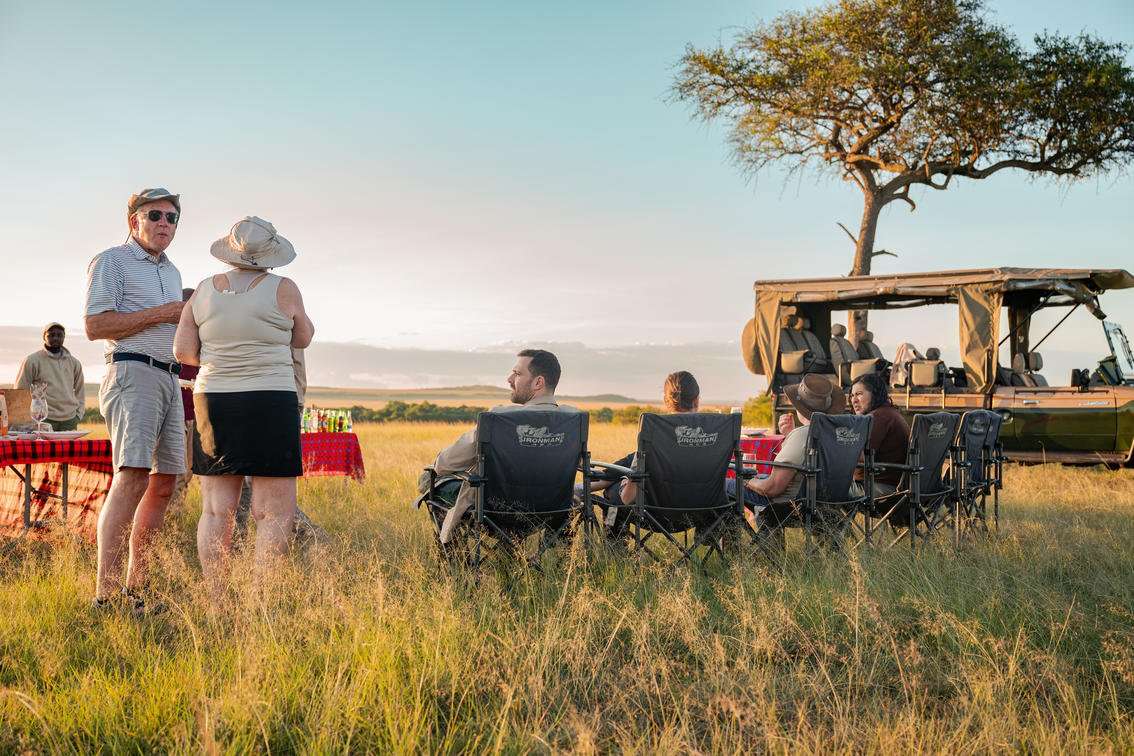
Arrival takes place at Kilimanjaro International Airport or Arusha Airport. A warm welcome begins the journey, with a guide waiting at the arrivals hall and a name sign in hand. Guests are offered a refreshing juice and helped with bags before driving to the lodge. The road passes coffee plantations and quiet residential areas, giving the first look at northern Tanzania’s landscape. Once at the lodge, the atmosphere is peaceful. There is time to rest, walk the gardens, or sit on the terrace with a view of Mount Meru.
Rooms are comfortable and set up for recovery after the flight. Dinner is served with fresh ingredients and local produce. The evening ends quietly, and sleep comes easily.
Overnight: Kahawa House, Arusha
Meal Plan: Half Board, dinner included.
Day 2 Arusha to Ngorongoro Crater
Breakfast is served early. The drive toward Ngorongoro passes through villages and rolling highlands as the altitude begins to rise. The entrance gate marks the boundary of the conservation area. The rim of the crater is cooler and often covered by cloud in the morning. Looking down into the basin for the first time feels like stepping into a different world.
The descent road takes guests into the crater floor where wildlife lives in a concentrated space. Lions rest near the tracks. Elephants can be seen grazing in the marsh. Black rhinos are sometimes spotted near the edges of the lake. Hippos crowd into pools while flamingos create pale pink lines on the shoreline. The game drive continues until the light begins to soften in the afternoon. The ascent to the lodge is slow and steady, with views of the forest and the outer slopes.
Overnight: Kitela Lodge, Ngorongoro Highlands
Meal Plan: Full Board with three meals included.
Day 3 Ngorongoro to Central or Western Serengeti
Morning comes early, with mist on the crater edge. After breakfast, the route follows the highlands before leveling into the flat expanse of the Serengeti. The change is immediate. Forest becomes grassland and the space opens in every direction. Along the way, Maasai herders may be seen moving cattle, silhouetted against the horizon.
Once inside the Serengeti, the journey becomes a moving game drive. Wildlife appears before arrival at camp. Depending on the season and herd movement, the area may include Central Serengeti or Western Serengeti, both of which are fed by migration routes at this time of year. A picnic lunch is taken in the bush. Arrival at camp is usually mid to late afternoon. Rooms are prepared, showers warmed, and a quiet dinner offers a restful end to the travel day.
Overnight: Kubu Kubu Tented Lodge, Serengeti
Meal Plan: Full Board.
Day 4 Full Day in Serengeti
This is a full day dedicated to movement and wildlife. Guests may choose a pre-breakfast game drive to catch predators returning from the hunt or start after sunrise for a slower pace. The focus is on tracking migration herds and staying close to the action. February is calving season, so newborn wildebeest are seen learning to stand, mothers form protective circles, and predators test their chances at the edges. Cheetahs often scan the open plains, and hyenas follow the herds.
Lunch is taken as a picnic in a quiet clearing. In the early afternoon, drives may continue or guests can return to camp for rest before going back out in the cooler hours. Optional hot-air balloon flights are available for sunrise, with an additional fee, and are arranged with advance notice.
Evening returns to camp with warm lighting, dinner served in the main dining space, and the sounds of the plains continuing into the night.
Overnight: Kubu Kubu Tented Lodge
Meal Plan: Full Board.
Day 5 Serengeti to Ndutu
The morning begins with one last game drive through Central Serengeti before turning south toward Ndutu. This region is the heart of the calving season from January to March and the landscape shifts from wide plains to open woodlands and shallow soda lakes. Ndutu is where thousands of wildebeest give birth every day. Newborn calves take their first steps within minutes and predators stay close to the herds. Cheetahs scan the horizon, hyenas test their chances, and lions wait near the tree lines. It is one of the most dramatic wildlife stages in Africa and sightings feel close and unfiltered.
The afternoon may include time near the woodland edge, where zebra foals gather, or open pans where migration herds stretch to the horizon. Arrival at camp in the late afternoon brings warm water for washing, soft lighting, and a quiet meal. The atmosphere feels remote and timeless, with the night sounds of the savannah settling in after dark.
Overnight: Ndutu Under Canvas, seasonal camp with traditional canvas suites and bush dining
Meal Plan: Full Board
Day 6 Full Day in Ndutu
This day is dedicated entirely to Ndutu. The morning begins early to take advantage of the soft light and calm air. The pace is unhurried and guided by wildlife activity. Calving season is unpredictable in the best way; some hours move gently with grazing herds while others unfold suddenly as predators appear. Throughout the day, sightings may include lion prides moving through golden grass, hyenas following the herds, or cheetahs teaching young cubs to stalk.
Bush breakfasts and picnic lunches allow the day to unfold naturally without returning to camp. Optional walking safaris are available with an armed ranger for a closer look at tracks, scat, and the smaller details often missed from the vehicle. Evenings at camp include simple comforts like a warm meal, firelight, and open skies that fill slowly with stars.
Overnight: Ndutu Under Canvas
Meal Plan: Full Board
Day 7 Ndutu to Tarangire
After breakfast, the route continues east toward Tarangire National Park. The landscape changes as the road moves into baobab country. These ancient trees stand like carved sculptures and mark the beginning of a new ecosystem. Tarangire is known for large elephant herds that gather near the riverbeds. Game drives reveal grazing families, oryx along the ridges, giraffes moving between acacia stands, and birdlife concentrated around the wetlands.
There is also time for a cultural stop at a Maasai boma. Guests who wish to can watch beadwork demonstrations, music, and dance. Participation is optional and guided respectfully to maintain privacy and cultural boundaries.
Arrival at the lodge brings a quieter pace. Some guests swim before dinner while others watch elephants pass below the escarpment in the last of the evening light.
Overnight: Elephant Springs Luxury Lodge, Tarangire
Meal Plan: Full Board
Day 8 Tarangire to Departure
The final morning begins with a short game drive inside the park. It is a last chance to see elephants near the river or lions resting in the shade of baobabs. The drive back to Arusha is relaxed and allows time for reflection or souvenir stops if needed. Upon arrival, guests are transferred either to Kilimanjaro Airport or to a connecting hotel. The team provides assistance with bags and check-in before saying farewell.
This marks the end of services, with clear onward directions and contact details for any future support. The journey concludes without rush, keeping the focus on the experience rather than the schedule.
Meal Plan: Breakfast included
End of services
10-Day Great Migration Tanzania Safari Itinerary
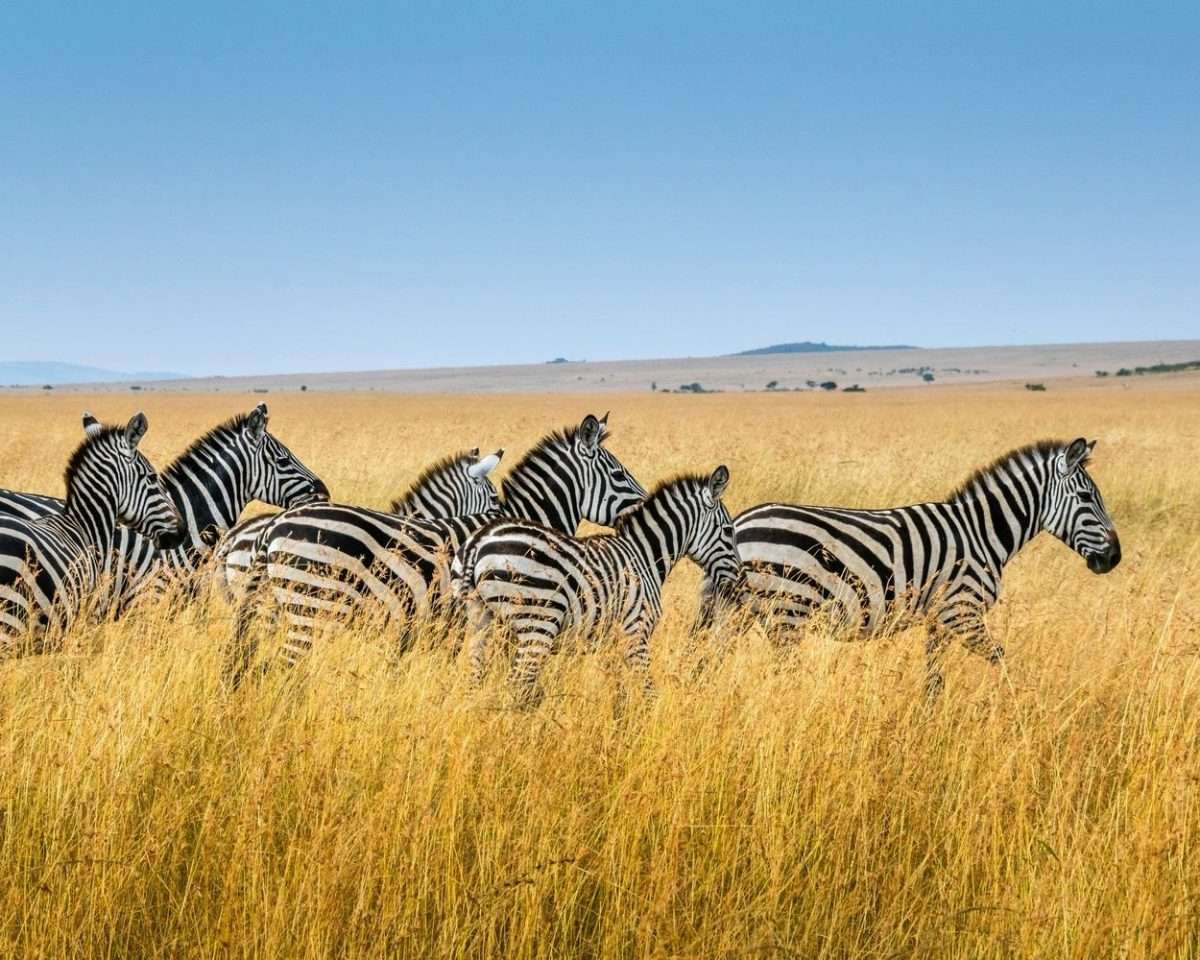
The Two Person cost of this 10 day Great Migration safari is $6,549 per person, giving a realistic idea of the trip to Africa cost for travelers who want a premium experience without confusion or hidden charges. Often called the Great Run River Crossing Safari, this itinerary follows the movement of wildebeest and zebras as they gather in the northern Serengeti and face the Mara River crossings that define the Great Migration.
The journey begins in Tarangire National Park, a landscape shaped by elephant herds and towering baobabs. It continues through the Maasai Highlands and the archaeological history of Olduvai Gorge. Central Serengeti delivers predator hotspots and open savannahs, while northern Serengeti holds the most dramatic moments of the migration where the river becomes both a gateway and a threat.
Day 1 Arrival in Tanzania
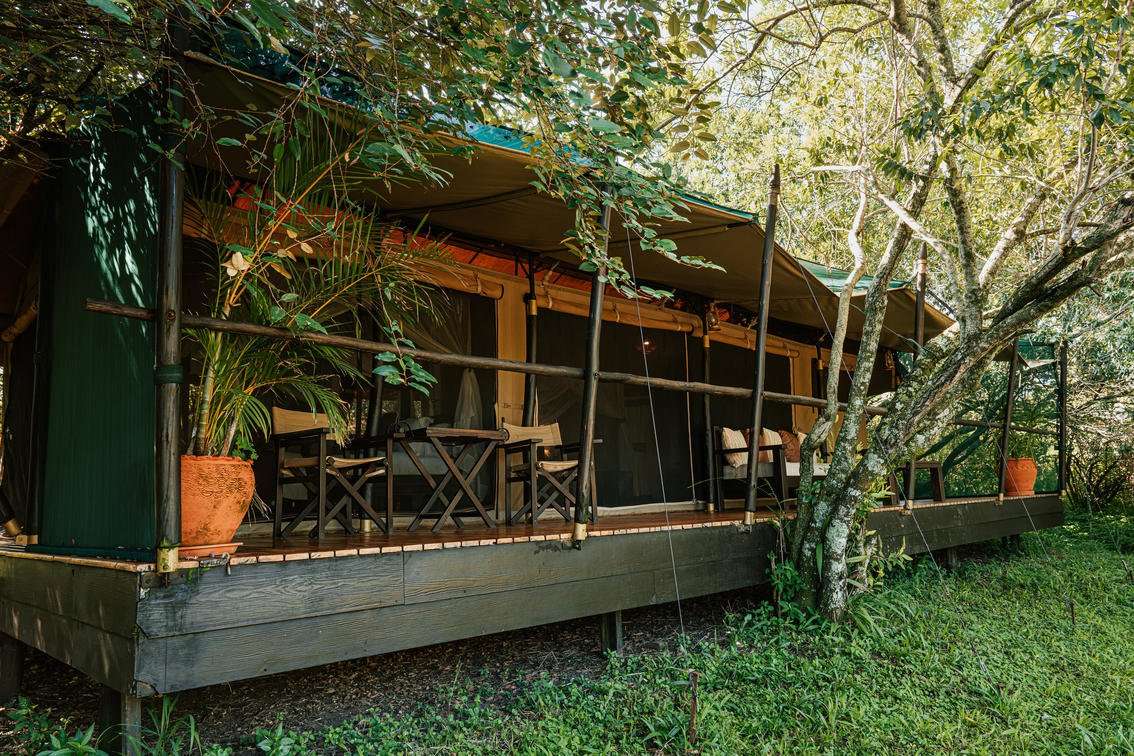
Arrive at Kilimanjaro International Airport for a warm welcome and private transfer to Arusha. Your guide greets you with a Swahili “Karibu” before a short drive toward the foothills of Mount Meru. Depending on arrival time, you can stroll the surrounding coffee plantations, rest in the gardens, or sit beside the pool and ease into the pace of Tanzania. A full safari briefing prepares you for the journey ahead.
Daily Highlights
• Personalized welcome and introduction to your guide
• Relaxation on the plantation grounds with optional short walk
Meals Included: None
Accommodation: Serena Hotels Arusha with plantation views and Mount Meru scenery
Day 2 Tarangire National Park
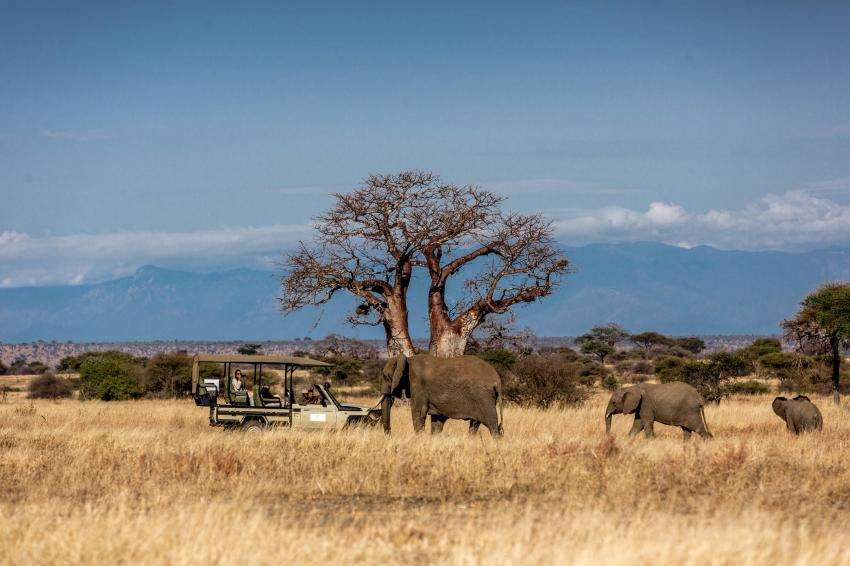
After breakfast, depart Arusha for Tarangire National Park. The drive brings a clear shift in landscape as baobabs rise above the horizon and elephants gather near riverbeds. An afternoon game drive reveals lions resting in the grass, giraffes browsing woodlands, and early birdlife around the wetlands. Enjoy a picnic lunch in the bush before reaching camp near sunset.
Daily Highlights
• Scenic road transfer into Tarangire’s elephant territory
• Afternoon game drive with first sightings of herds and predators
Meals Included: Breakfast, Lunch, Dinner
Accommodation: Nyikani Camp Tarangire with canvas suites and open savannah views
Day 3 Tarangire Wilderness Exploration
A sunrise departure increases the chance of spotting predators before the heat of the day. Breakfast is served in the bush before exploring the Silale Swamp where elephants gather in large numbers. Midday is spent resting at camp before a second game drive, ending with a quiet sundowner near the river.
Daily Highlights
• Sunrise and sunset drives for optimal wildlife activity
• Bush picnic and wetland exploration at Silale Swamp
Meals Included: Breakfast, Lunch, Dinner
Accommodation: Nyikani Camp Tarangire
Day 4 Ngorongoro Highlands
After breakfast, the route climbs toward Ngorongoro. A cultural visit to a Maasai Boma introduces traditional music, beadwork, and daily life in the highlands. The journey continues to the crater rim where the lodge overlooks the volcanic walls and the enclosed ecosystem below. Evening light across the crater floor sets the tone for tomorrow’s descent.
Daily Highlights
• Maasai cultural visit with guided interaction
• Crater rim sunset and lodge arrival with panoramic views
Meals Included: Breakfast, Lunch, Dinner
Accommodation: Serena Hotels Ngorongoro overlooking the crater rim
Day 5 Ngorongoro Crater to Central Serengeti
Descend 600 meters into the crater for a full-day wildlife circuit. The crater offers a rare chance to see black rhinos, buffalo herds, big cats, and hippos within a compact ecosystem. Lunch is served beside the hippo pool. Continue toward Olduvai Gorge for a short stop at the museum. Arrival in Central Serengeti lands you in the heart of big cat territory before evening settles across the plains.
Daily Highlights
• Full crater game drive with varied wildlife densities
• Stop at Olduvai Gorge to connect archaeology with landscape
Meals Included: Breakfast, Lunch, Dinner
Accommodation: Nyikani Camp Central Serengeti at the center of migration corridors
Day 6 Central Serengeti
Wake up in Seronera, the center of the Serengeti where grasslands, acacia valleys, and hidden river systems create reliable wildlife viewing all year. Morning and afternoon game drives focus on big cats. Leopards rest in riverbank trees, lion prides hold territory on kopjes, and cheetahs scan the plains for a sprint. Travelers interested in a different perspective can add a hot air balloon flight at sunrise for an aerial view of the migration paths and open savannah.
Daily Highlights
Prime big cat tracking in Seronera
Optional hot air balloon safari at sunrise
Meals Included: Breakfast, Lunch, Dinner
Accommodation: Nyikani Camp Central Serengeti
Day 7 Journey to the Northern Serengeti
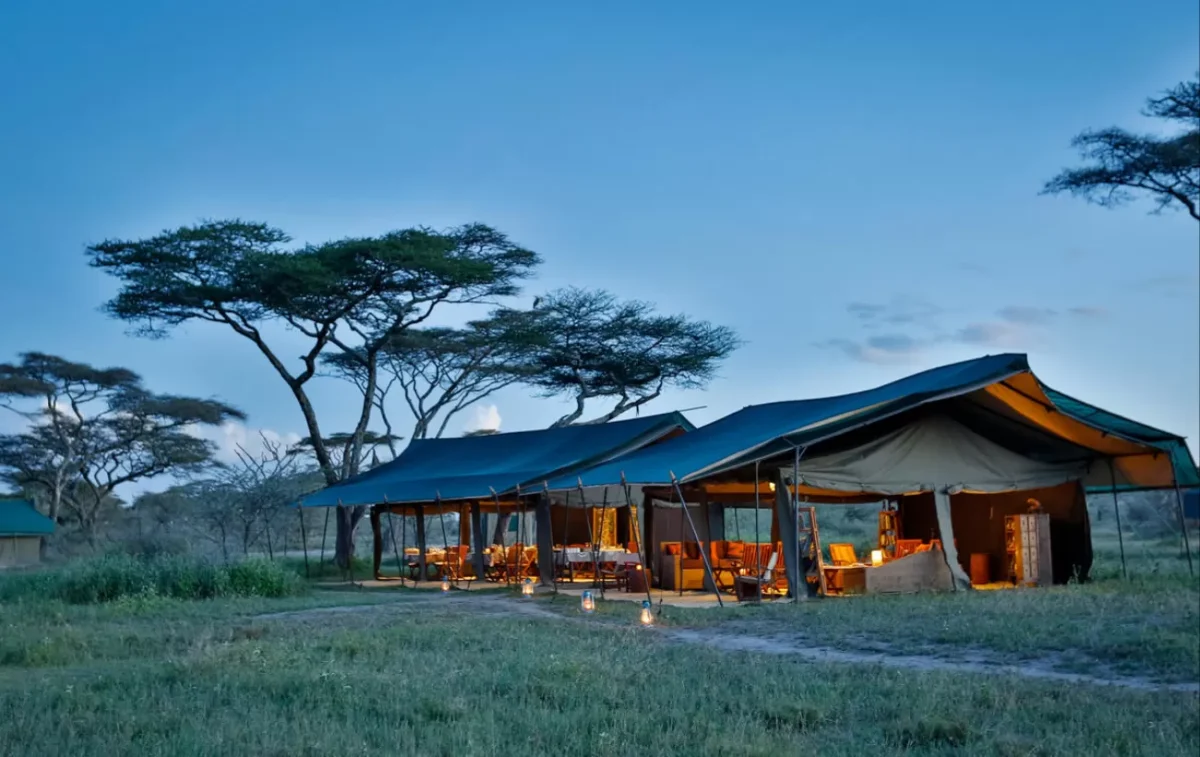
After breakfast, continue toward the remote northern reaches of the park. The route follows known migration corridors toward Kogatende. Wildlife increases as the plains narrow near the river systems. Afternoon arrival at camp leaves time for a quiet moment around the fire as the landscape shifts from open plains to rock ridges. This area is less crowded and known for its untouched views.
Daily Highlights
Scenic drive through migration routes toward Kogatende
Campfire sundowner in the northern wilderness
Meals Included: Breakfast, Lunch, Dinner
Accommodation: Nyikani Migrations Serengeti Kogatende
Day 8 and Day 9 The Mara River Crossings
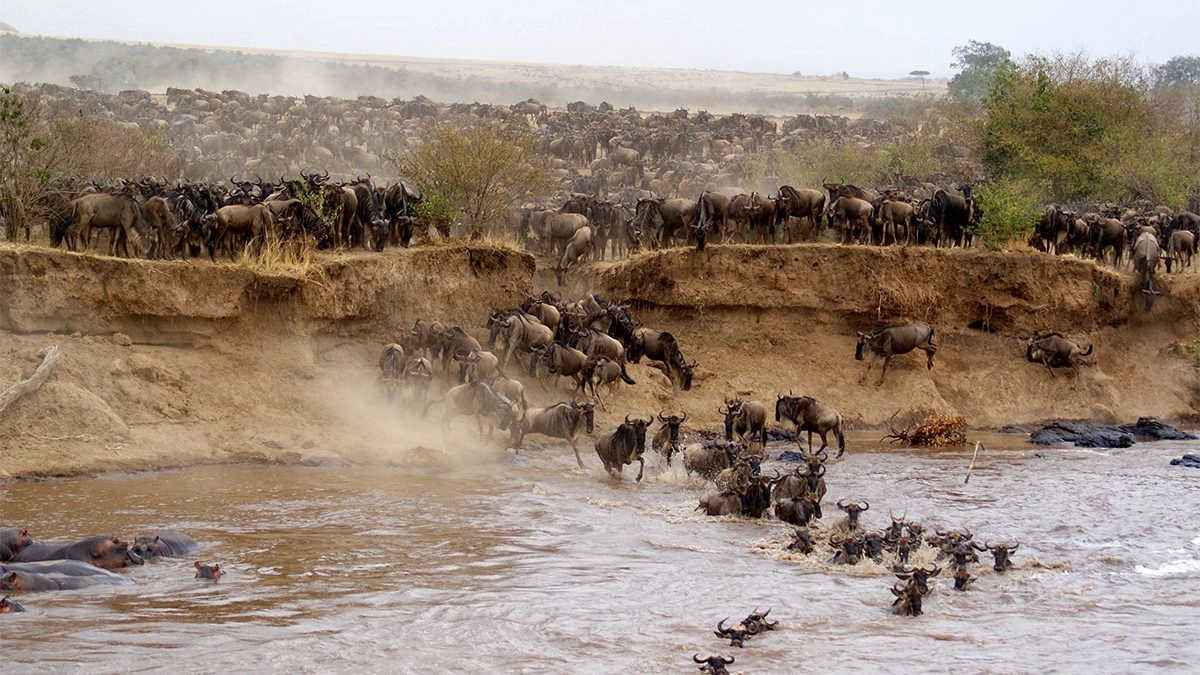
These two days are centered on the Mara River region where the migration reaches its most dramatic moment. Game drives focus on riverbanks where herds gather and wait for the right moment to cross. With patience, it is possible to witness the full drama of stampeding hooves, splashing water, and crocodiles holding position along the edges. Between drives, bush lunches, sundowners, and quiet hours at camp balance the pace. Photography opportunities are exceptional throughout this area.
Daily Highlights
Mara River crossing viewpoints and wildlife corridors
Bush lunches and evening leisure at camp
Meals Included: Breakfast, Lunch, Dinner on both days
Accommodation: Nyikani Migrations Serengeti Kogatende
Day 10 Fly to Arusha and Depart
Breakfast at camp before boarding a bush flight from Kogatende to Arusha. The flight offers a last aerial view of the Serengeti. On arrival, enjoy a farewell lunch and free time for shopping or packing before your transfer to Kilimanjaro International Airport. A day room is provided for freshening up before your evening flight.
Daily Highlights
Bush flight with final views of the Serengeti
Lunch in Arusha and airport transfer
Meals Included: Breakfast, Lunch
Accommodation: Day Room at Serena Hotels Arusha (use until departure)
The 11-Day Tanzania Calving Season Safari Itinerary
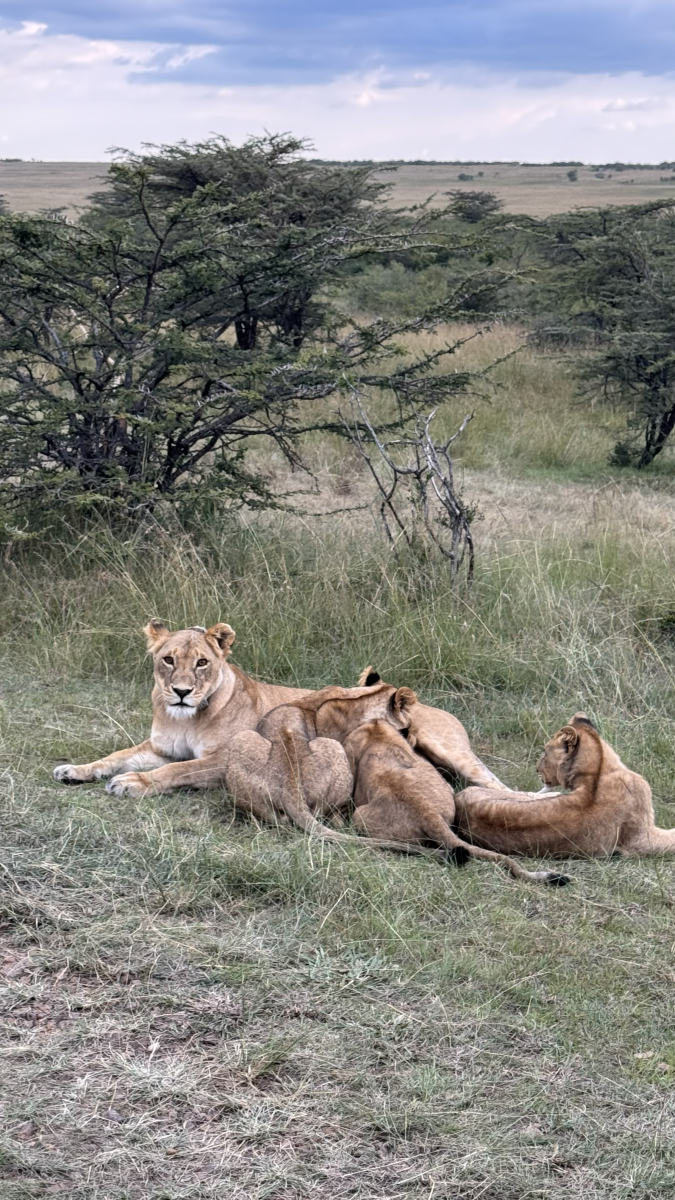
When you plan a trip to Africa, aligning your dates with a major wildlife event can define the journey. For travelers focused on value and authentic experiences, the cost to travel Africa during the calving season is one of the strongest options of the year. Our two person cost of this 11-day Circle of Life Tanzania safari is $5,889 per person, and it is designed around the peak moment when thousands of wildebeest calves are born across the southern Serengeti and Ndutu plains.
This Tanzania safari itinerary takes travelers through Tarangire, the Ngorongoro Highlands, and onward to the Serengeti and Ndutu calving grounds. The route balances wildlife, culture, and scenery, creating a safari itinerary Tanzania travelers can use as a reliable plan when deciding how to plan a trip to Africa. The journey begins in Tarangire among ancient baobabs and elephant herds before moving toward Maasai culture and the rim of Ngorongoro Crater.
Day 1 Arrival in Tanzania
Arrive at Kilimanjaro International Airport, where your private guide welcomes you with a warm Karibu, meaning welcome in Swahili. The one hour transfer brings you to Arusha for rest and a soft introduction to Tanzania. The property sits among coffee plantations with garden paths, mountain air, and optional walks for those arriving early.
Daily Highlights
Warm welcome and safari briefing
Coffee estate surroundings and gentle transition into the itinerary
Meals Included: Dinner
Accommodation: Arusha Serena Hotel
Day 2 Tarangire National Park
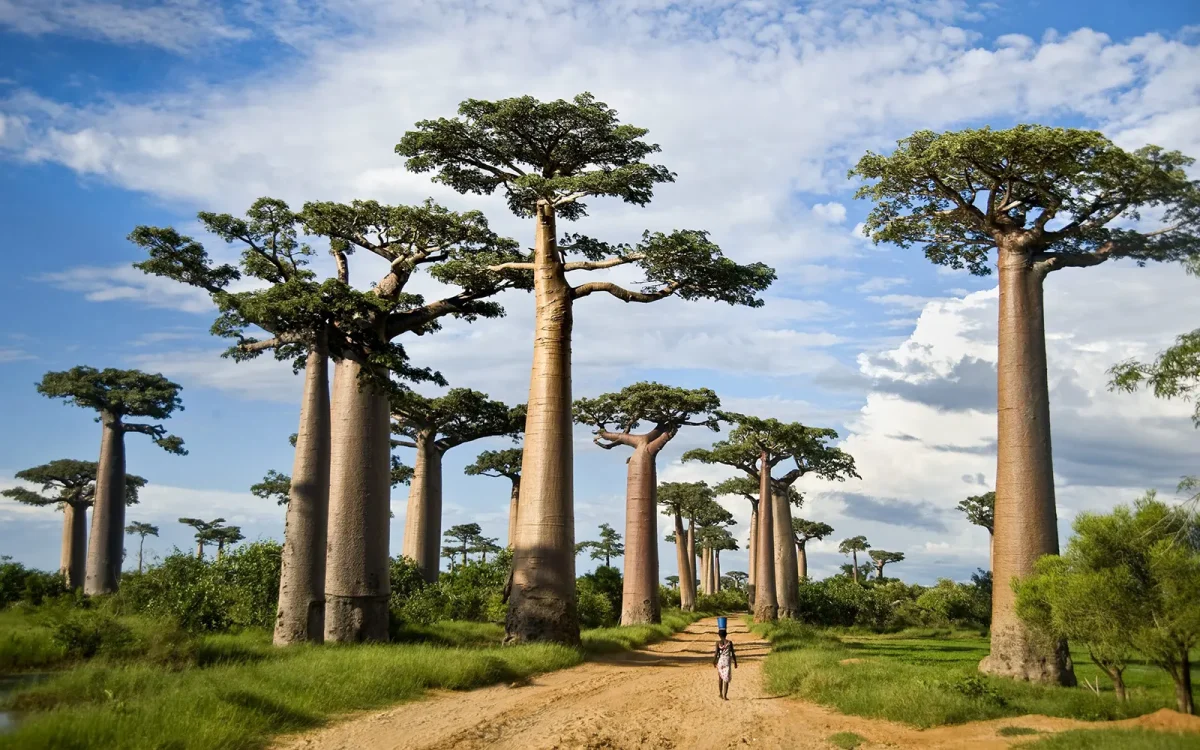
After breakfast, drive from Arusha to Tarangire National Park, where baobab forests and large elephant herds define the landscape. An afternoon game drive covers woodlands, grasslands, and river systems that attract lions, giraffes, and birdlife. Picnic lunch is served in the bush before continuing toward sunset and lodge check-in.
Daily Highlights
Scenic entry into Tarangire and afternoon game viewing
Picnic lunch in wildlife areas and golden hour photography
Meals Included: Breakfast, Lunch, Dinner
Accommodation: Nyikani Camp Tarangire
Day 3 Tarangire Wilderness Exploration
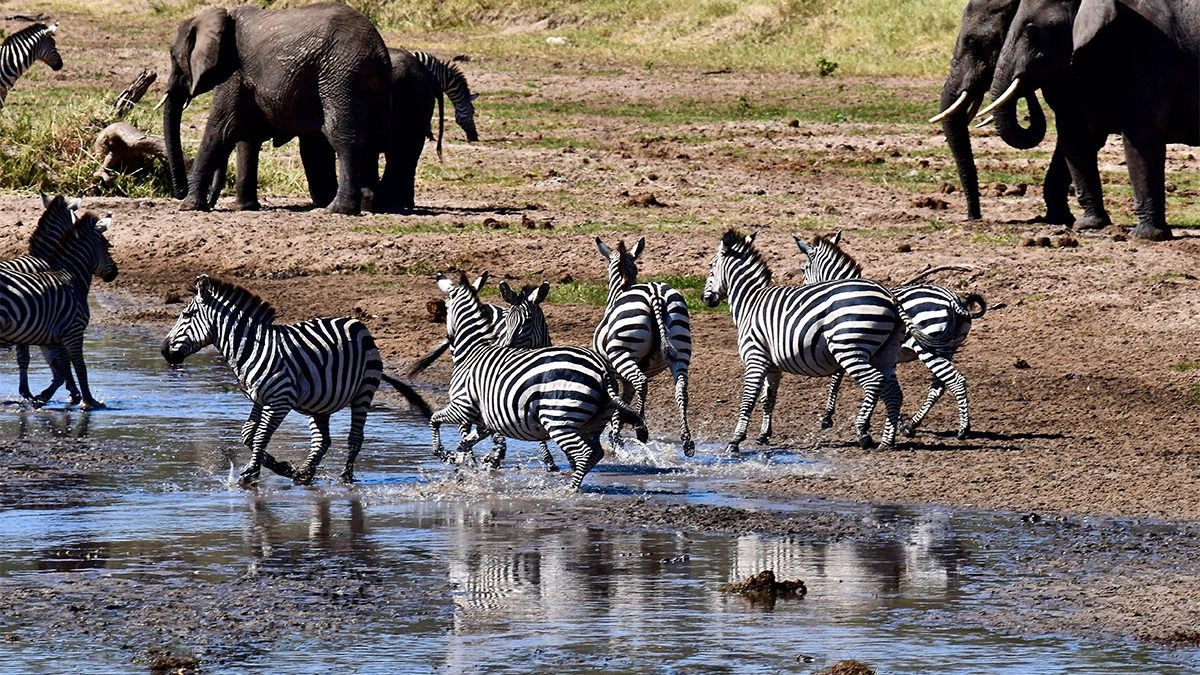
A sunrise drive starts the day, when predators are most active and the park is quietest. Bush breakfast follows before exploring the Silale Swamp region, a reliable location for elephant viewing and bird photography. Lunch at camp offers rest before an evening drive and riverside sundowner.
Daily Highlights
Sunrise and sunset wildlife viewing
Silale Swamp exploration and birdlife
Meals Included: Breakfast, Lunch, Dinner
Accommodation: Nyikani Camp Tarangire
Day 4 Ngorongoro Highlands
After breakfast, travel toward the Ngorongoro Highlands with a cultural stop at a Maasai Boma for songs, dances, beadwork, and conversation with the community. A picnic lunch is served en route. Arrival at the crater rim offers one of the most dramatic sunset views in East Africa, looking down into the caldera.
Daily Highlights
Cultural visit with the Maasai community
Arrival to crater rim for sunset viewing
Meals Included: Breakfast, Lunch, Dinner
Accommodation: Ngorongoro Serena Safari Lodge
Day 5 Ngorongoro Crater
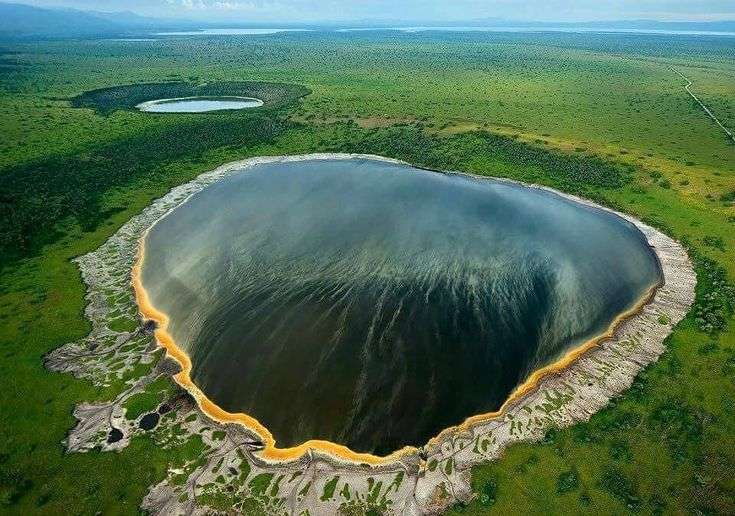
After an early breakfast, descend 600 metres into the crater for a full-day game drive. This caldera is known for lions, rhinos, buffalo, hippos, and concentrated wildlife viewing in a single protected area. A picnic lunch is taken beside the hippo pool. After the ascent, continue to Olduvai Gorge for a short interpretive visit at the museum before driving two hours to Ndutu.
Daily Highlights
Full-day crater wildlife viewing
Olduvai Gorge historical stop and onward drive to Ndutu
Meals Included: Breakfast, Lunch, Dinner
Accommodation: Nyikani Migration Camp Ndutu
Day 6 and Day 7 Ndutu Plains
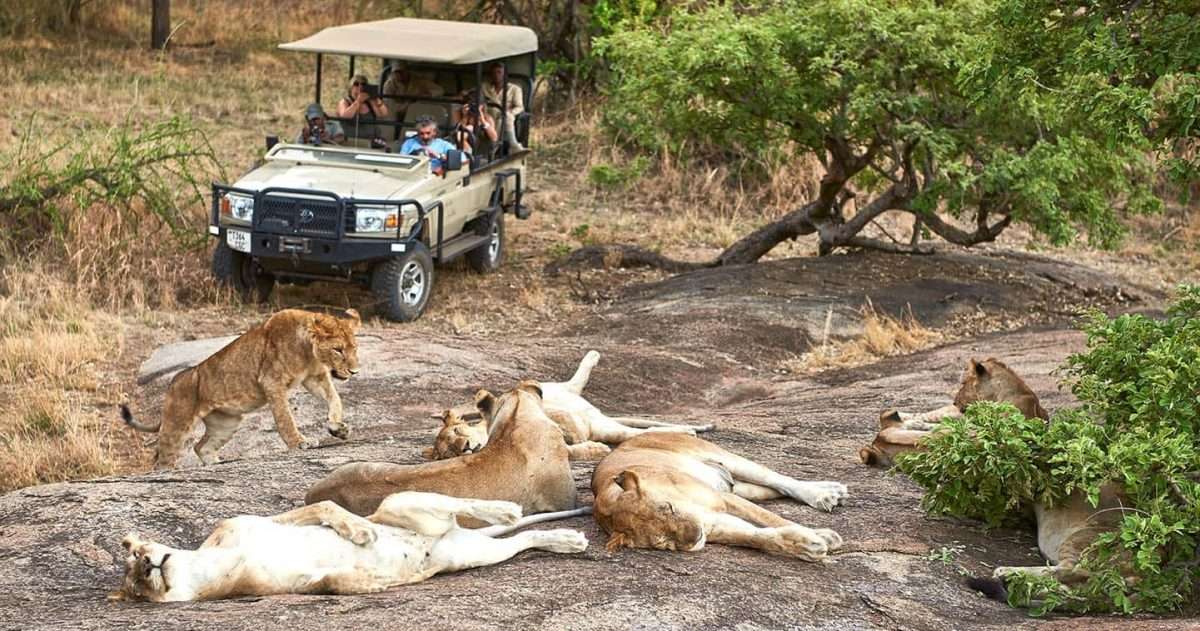
Spend two full days on the short grass plains of Ndutu, the heart of the calving season. These mornings often bring the most intense sightings, with thousands of newborn wildebeest wobbling to their feet as predators watch from the edges of the herds. Lions patrol the plains, cheetahs hunt in open light, and hyenas wait for their chance. Your drives move at a pace set by the wildlife, following the rhythm of the ecosystem rather than a fixed route.
Bush breakfasts are served in quiet corners of the savannah before continuing into predator territories. Afternoons can include an optional walking safari with a ranger for those who want a ground-level perspective. Evenings settle around the fire, where the sky opens to stars and the sounds of the plains replace the noise of the everyday world.
Daily Highlights
Calving season wildlife encounters
Predator tracking and big cat observation
Bush breakfasts and starlit camp evenings
Meals Included: Breakfast, Lunch, Dinner (both days)
Accommodation: Nyikani Migration Camp Ndutu
Day 8 and Day 9 Central Serengeti
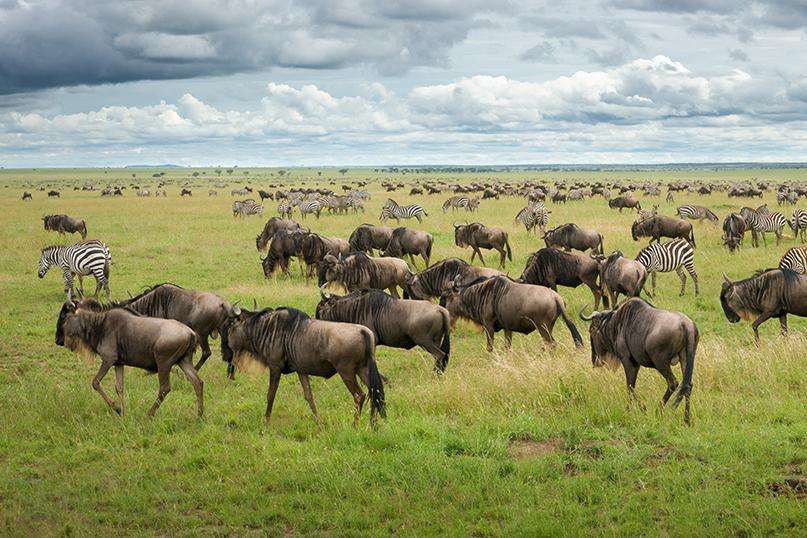
Travel two and a half hours from Ndutu into Central Serengeti. The journey itself is a game drive, crossing woodlands and open plains as herds shift northward. Central Serengeti, known as Seronera, holds river systems, rocky kopjes, and shaded forests that offer some of the best leopard viewing in East Africa. Lions rest along the rocks and cheetahs work the open corridors.
Morning and afternoon drives focus on classic Serengeti habitats, with the option to upgrade to a sunrise hot air balloon flight for aerial views of the plains. Evenings at camp are quiet and unhurried, with time to unwind and reflect before another day in the field.
Daily Highlights
Serengeti big cat routes and kopje ecosystems
Optional sunrise hot air balloon flight
Morning and afternoon game drives
Meals Included: Breakfast, Lunch, Dinner (both days)
Accommodation: Nyikani Camp Central Serengeti
Day 10 Fly to Arusha and Departure
After breakfast, board a scheduled bush flight from the Seronera Airstrip to Arusha Airport, taking in the Serengeti from the air one last time. Lunch is arranged upon arrival, followed by time to browse craft markets for Kitenge textiles, beadwork, or simple souvenirs. A day room provides space to refresh before the evening transfer to Kilimanjaro International Airport.
Daily Highlights
Aerial Serengeti flight
Arusha markets and farewell lunch
Relaxation in a day room before departure
Meals Included: Breakfast, Lunch
Accommodation: Day room at Arusha Serena Hotel
About Arusha
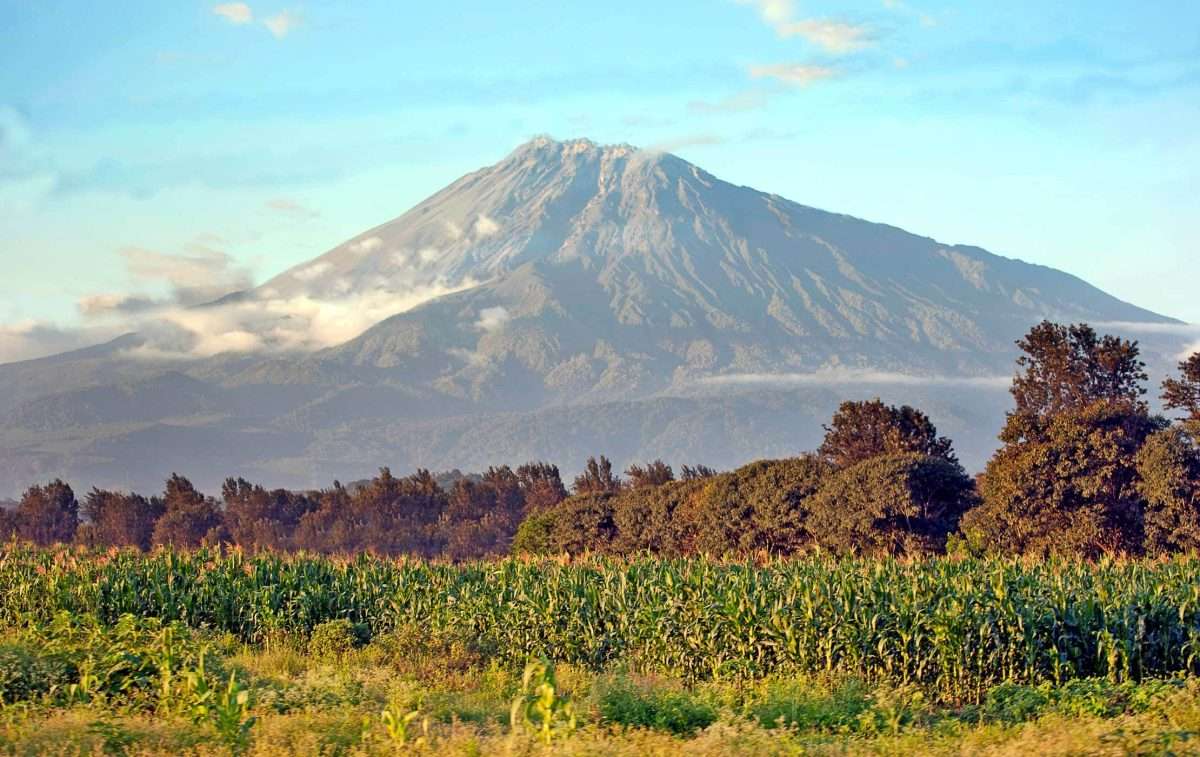
Arusha is the main gateway to the northern Tanzania safari circuit and the starting point for most Tanzania safari itineraries. Nearly every safari through Serengeti, Ngorongoro, Tarangire, or Lake Manyara begins or ends here, so most travelers spend a night to rest before heading into the parks. The city has a lively rhythm, an easy mix of local culture and tourism, and a backdrop of Mount Meru that sets the tone for the journey ahead.
Moshi, the nearby town toward Kilimanjaro, attracts volunteers, backpackers, and climbers preparing for their summit. Both places have a social atmosphere, good cafés, and a small nightlife scene, which makes them popular for a short stay before or after safari.
Many travelers choose a comfortable hotel for their first night in Tanzania. Properties like the Gran Meliá Arusha offer gardens, pools, and quiet rooms to recover from flights before heading out on the road.
Things to Do in Arusha
Chemka Hot Springs
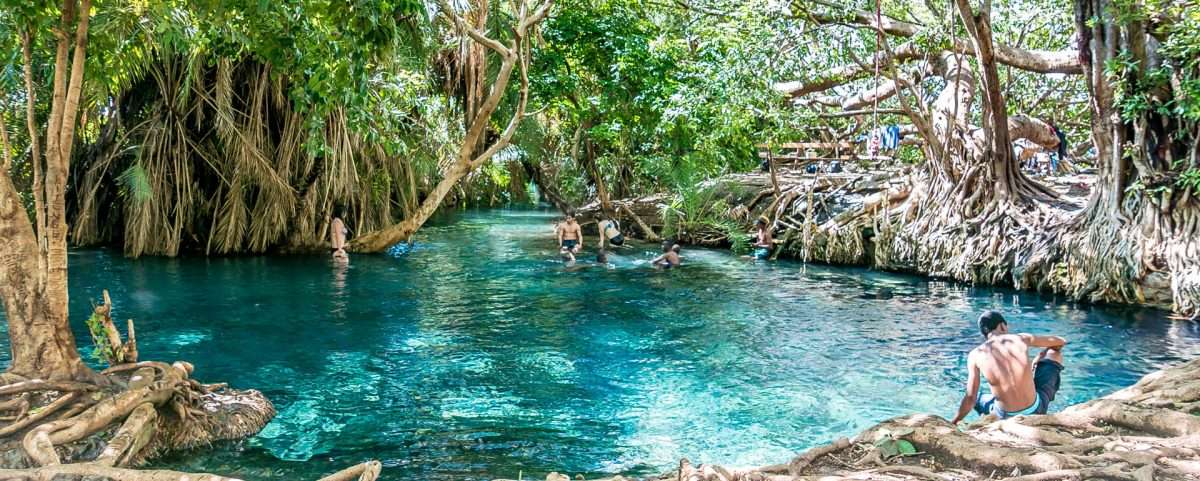
Chemka Hot Springs sit between Arusha and Moshi, about an hour’s drive from town. The water is clear, bright, and warm with natural springs feeding the pools. Visitors can float in rented rings, swim beneath the trees, or try the rope swing for a jump into the water. It is an easy half-day trip and one of the most relaxing places near the city.
Visit the Local Markets
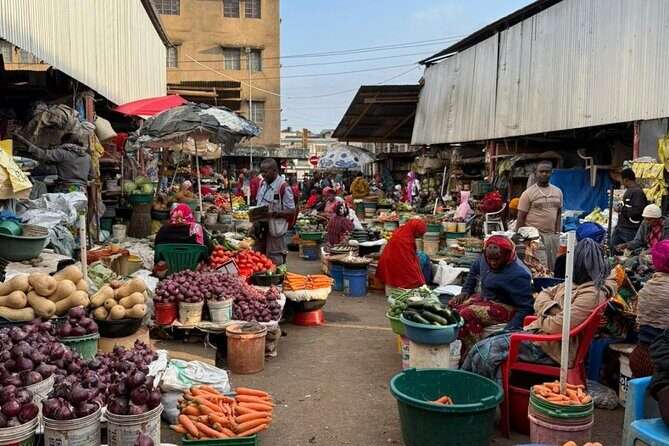
Arusha has two busy markets worth browsing.
Soko Kuu (Central Market) and Kilombero Market are filled with spices, carved wooden souvenirs, beadwork, and fabric stalls. It is a good place for small keepsakes, but like any active marketplace, keep valuables secure and be mindful of pickpockets.
Arusha National Park
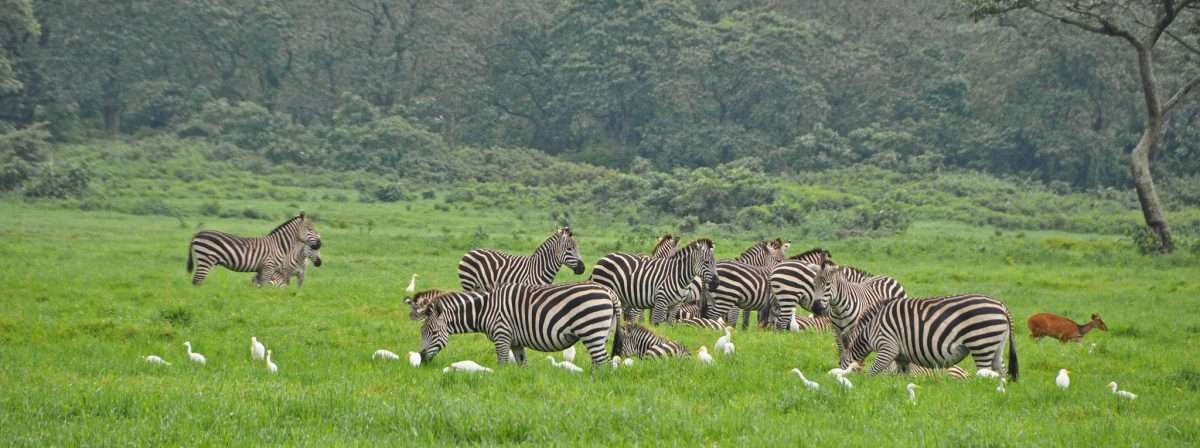
This park is smaller than the Serengeti and Ngorongoro but works well if you want a warm-up day before the main safari. You can choose a walking safari with a ranger, a canoe trip on Lake Momella, or a game drive past forests and open plains. The park is known for large giraffe populations, buffalo, zebra, and the occasional hyena or leopard. It is not as dramatic as the main reserves, but it is peaceful and close to town.
Tips for Moving Around Arusha
Keep valuables close and be aware in crowded spaces.
Carry photocopies of your passport and visa when exploring. Leave the original in your hotel safe.
If approached by someone offering guiding services you did not request, decline politely. Most are friendly and earning a living, but stick to pre-arranged plans.
Walk with purpose; it reduces attention and helps you blend in.
Dress respectfully, as Tanzania has a modest culture in many areas.
Ask before taking photos of people. A small gesture of raising the camera and waiting for approval goes a long way.
Tarangire National Park
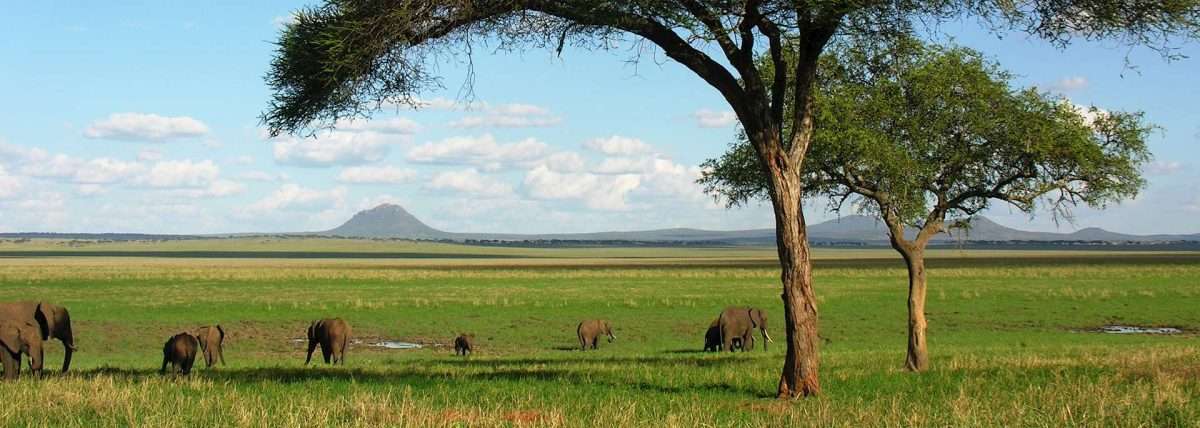
Tarangire National Park is one of the most defining stops in a Tanzania safari itinerary, especially for travelers planning a safari route through the Northern Circuit. It covers roughly 2,850 square kilometers, making it the sixth-largest national park in Tanzania, and it is named after the Tarangire River, which runs through the center of the park and becomes the lifeline for wildlife during the dry season. The landscape is a blend of open plains, woodlands, giant baobab forests, seasonal swamps, and granite ridges that create dramatic backdrops for game drives.
What makes Tarangire stand out on a safari itinerary Tanzania is how alive the park becomes from June to October. The dry season pushes wildlife toward the Tarangire River, creating one of the highest seasonal concentrations of animals in northern Tanzania outside the Serengeti. This is often referred to as Tarangire’s “secret migration,” where thousands of animals move in to find water.
Wildlife in Tarangire National Park
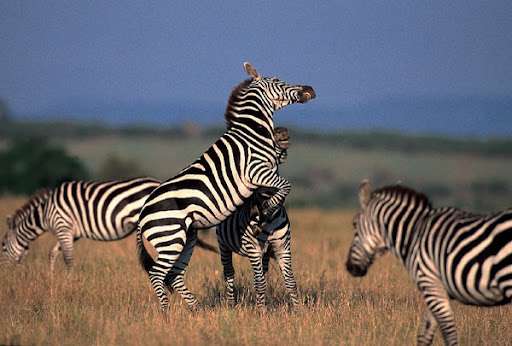
If there is one animal that defines Tarangire, it’s the African elephant. The park is known for having the largest elephant population in northern Tanzania, and during peak months it’s common to see herds of 200 to 300 at a time, with estimates reaching 5,000+ elephants in the ecosystem at the height of the dry season. Newborn calves, matriarch-led herds, and bulls in musth are frequently seen along the riverbanks.
Tarangire is also a migration corridor. During peak season, wildebeest and zebra migrate in from the Serengeti and Lake Manyara regions to drink from the Tarangire River, attracting predators that follow their movements.
Other animals regularly seen include:
Giraffes browsing acacia treetops
Buffalo herds near the swamps
Oryx and fringe-eared oryx (a rare sighting found mostly in Tarangire)
Lesser kudu and eland in the woodlands
Troops of baboons and vervet monkeys near riverbeds
Mongoose colonies and shy dik-diks
Impala, gazelles, and reedbuck across the plains
This is also one of the best parks for big cats in the region. Around 700 lions move through the Tarangire ecosystem, and sightings are consistent, especially near Silale Swamp. Cheetahs and leopards are harder to spot but common enough to appear on longer game drives. Rare predators like African wild dogs, caracals, and honey badgers exist here, though sightings are unpredictable.
Tarangire is also considered one of the best birding locations in Tanzania, with over 550 recorded species, from kori bustards and secretary birds to lilac-breasted rollers and noisy flocks of hornbills.
Tarangire Safari Tips and Best Time to Visit
The best time to include Tarangire in a Tanzania safari itinerary is during the dry months from June to October, when grasses are short and wildlife crowds toward the river. Animal numbers peak around September and October, when elephant herds are at their largest.
Dry Season (June–October): Best wildlife sightings and elephant herds
Wet Season (November–May): Excellent birding, green landscapes, lower lodge pricing
Overnight Stays: Accommodation inside the park offers the best early-morning game drives, but park-concession fees make it more expensive than staying outside
For birders: November through May is prime, with migratory species returning
If you prefer slower travel, staying two nights allows for sunrise drives, swamp visits, and time in less crowded corners like Silale and Matete. Road conditions are manageable year-round with a proper 4×4.
Overview of Tanzania’s Tribes
Tanzania is one of the most culturally diverse countries in Africa, with over 120 tribes and distinct ethnic groups, each with its own heritage, language, traditions, and way of life. This cultural mosaic adds depth to any Tanzania safari itinerary, offering travelers more than wildlife alone—there is human history, identity, and ancient tradition woven into every region.
According to local demographic studies, the Sukuma are the largest ethnic group, making up roughly 17.5% of the population. Most other tribes represent smaller percentages, with no single group dominating the country’s identity. Across Tanzania, communities range from pastoralists and blacksmiths to hunter-gatherers, coastal traders, and agricultural farmers. For travelers planning a safari itinerary Tanzania, meeting these tribes provides meaningful insight into daily life beyond game drives and national parks.
Below are seven tribes travelers are most likely to encounter.
1. Sukuma
The Sukuma live mainly near Mwanza and around the southern shores of Lake Victoria. As a Bantu-speaking community, their economy revolves around farming (maize, millet, cassava) and raising livestock. The culture is generally polygynous, with extended households led by elders. Many Sukuma practice Christianity, though traditional healing, herbal medicine, and spiritual ceremonies are still part of community life. They are also known for energetic dance traditions and musical storytelling.
2. Chagga
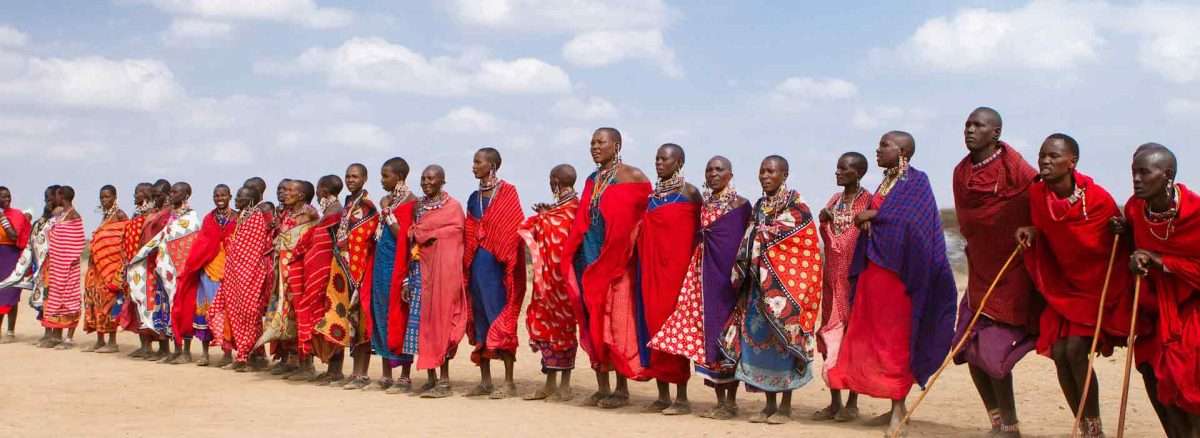
The Chagga live along the lush slopes of Mount Kilimanjaro, where fertile volcanic soils support coffee, banana, and millet farming. Their reputation for work ethic and business stewardship is well known throughout Tanzania. Many Kilimanjaro trekking porters and guides are Chagga, and their hospitality shapes much of the region’s tourism. Christianity is common here, with some Islamic and traditional practices integrated into family structures.
3. Maasai
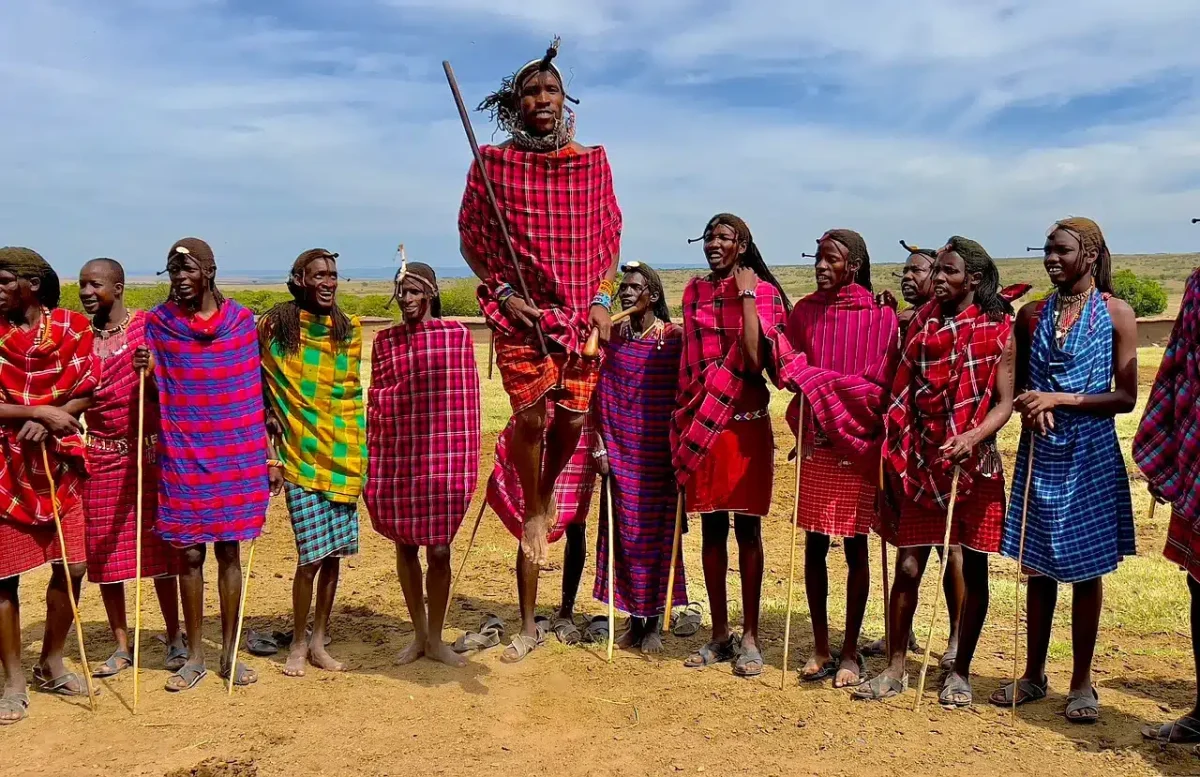
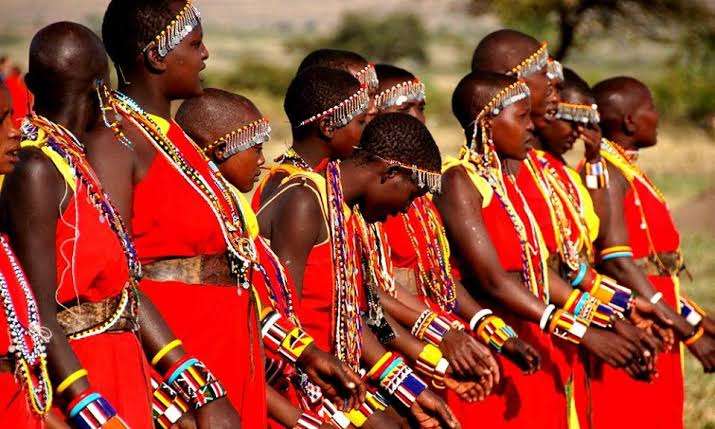
The Maasai are pastoralists whose territory spreads across the Serengeti plains and the Rift Valley in both Kenya and Tanzania. They are recognizable by their bright shukas (robes), beadwork, and warrior culture. Cattle are the core of life: wealth, diet, marriage, and identity all revolve around livestock. Their diet traditionally includes milk, meat, and occasionally cow’s blood—ritualistically drawn without harming the animal. Like the Sukuma, polygyny is practiced, and lineage is deeply tied to cattle ownership.
4. Hadzabe (Hadza)
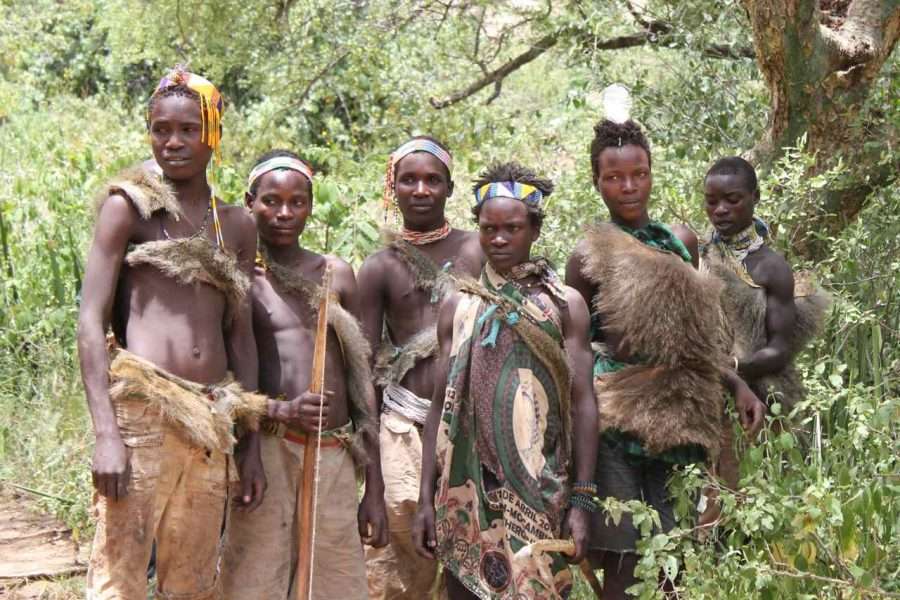
The Hadzabe are one of the last hunter-gatherer communities in Africa. They live near Lake Eyasi, moving seasonally and sleeping in caves or temporary shelters. Men hunt with hand-carved bows; women forage for fruits, roots, and honey. Their language features clicking sounds, similar to the Khoisan tongues of Southern Africa. Visiting them often requires a specialist interpreter who has lived with the Hadzabe to bridge the cultural gap.
5. Iraqw
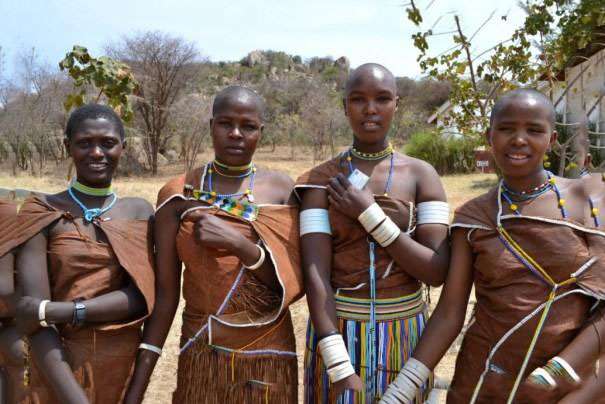
The Iraqw migrated south from Ethiopia generations ago and settled between Lake Eyasi and Lake Manyara. Houses were traditionally dug partially underground to protect livestock from raids long before modern conservation. Men specialize in metalwork and blacksmithing, while women create pottery and manage homesteads. Many Iraqw families grow sorghum and maize and raise smaller herds of livestock; polygyny exists but is less common compared to Maasai and Sukuma traditions.
6. Datoga
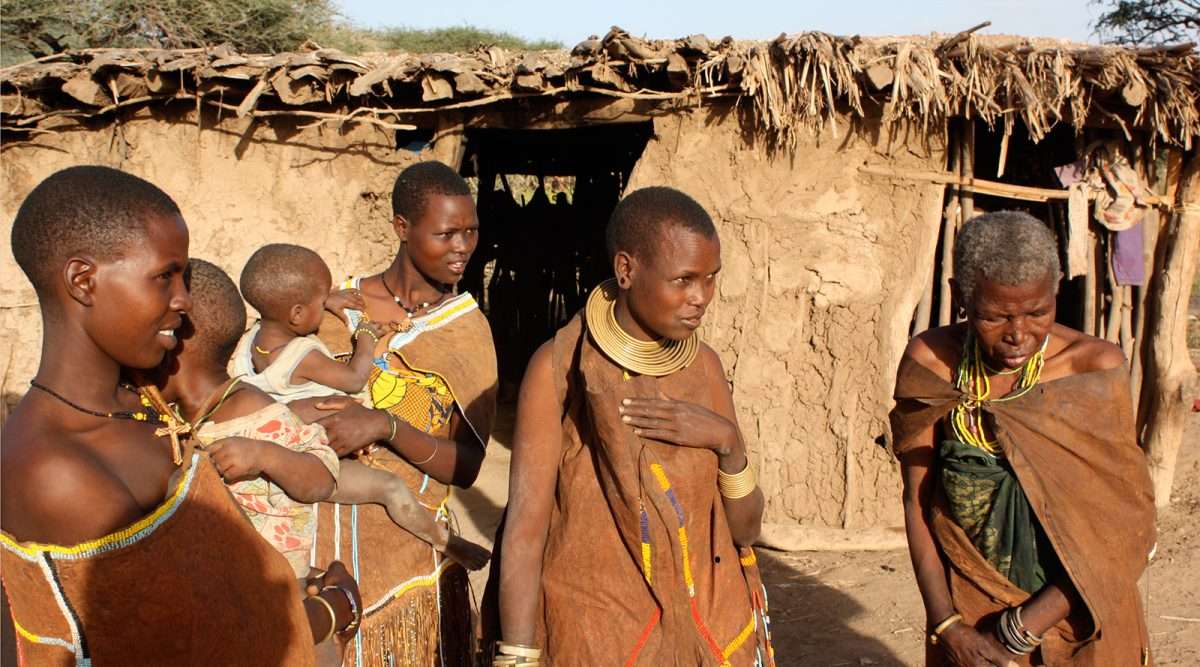
The Datoga are semi-nomadic pastoralists who live around the Manyara and Lake Eyasi region. Like the Maasai, bravery is a valued virtue, and young men historically proved themselves through skill and protection of the herd. Datoga are exceptional blacksmiths, known for forging arrows, jewelry, tools, and beads traded with neighboring tribes, including the Hadzabe. Their culture is private and proud, and respectful behavior is essential when visiting.
7. Makonde
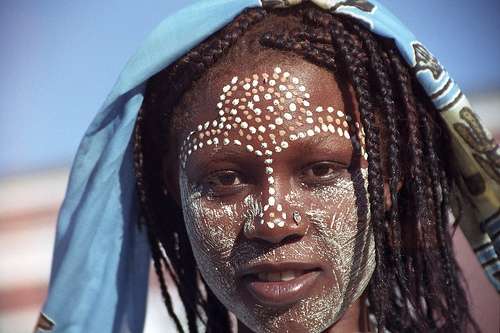
The Makonde migrated from northern Mozambique to southern Tanzania and became famous for their detailed ebony wood carvings, masks, and sculptures seen in markets across Arusha, Moshi, and Mto wa Mbu. Their storytelling art depicts ancestry, spirits, and generational histories. Pieces are typically hand-carved from mpingo (African blackwood), a slow-growing and highly valuable hardwood.
Activities with Tanzania’s Tribes
Many Tanzania safari itinerary routes include cultural visits alongside wildlife viewing. These experiences vary depending on the tribe and region:
Hadzabe Experiences
Bow-and-arrow target practice
Traditional fire-making demonstrations
Foraging or short hunting walks (with permission)
Cooking and shared meal preparation
Datoga (Blacksmith) Experiences
Metalwork demonstrations using charcoal furnaces
Tool and jewelry forging from melted scrap metals
Visit into homesteads and storage rooms
Cultural stories about migration and craftsmanship
Maasai Experiences
Traditional dance and chanting
Visits to bomas (homesteads)
Warrior training demonstrations
School visits and beadwork storytelling
Learning about cattle rituals and seasonal life
Visiting Ethnic Communities: Tips and Cultural Etiquette
Hire a guide who has worked closely with the tribe (especially for Hadzabe visits).
Always ask before taking photographs; a nod or smile is usually enough confirmation.
Expect craft displays after visits—souvenirs typically cost $20–$40 USD, and polite negotiation is normal.
USD and Tanzanian Shillings are both accepted; keep small bills on hand.
Tipping your local cultural guide is appreciated; $20–$30 per group is a fair range.
Dress modestly, especially in Maasai and Iraqw settlements.
About Ngorongoro Crater
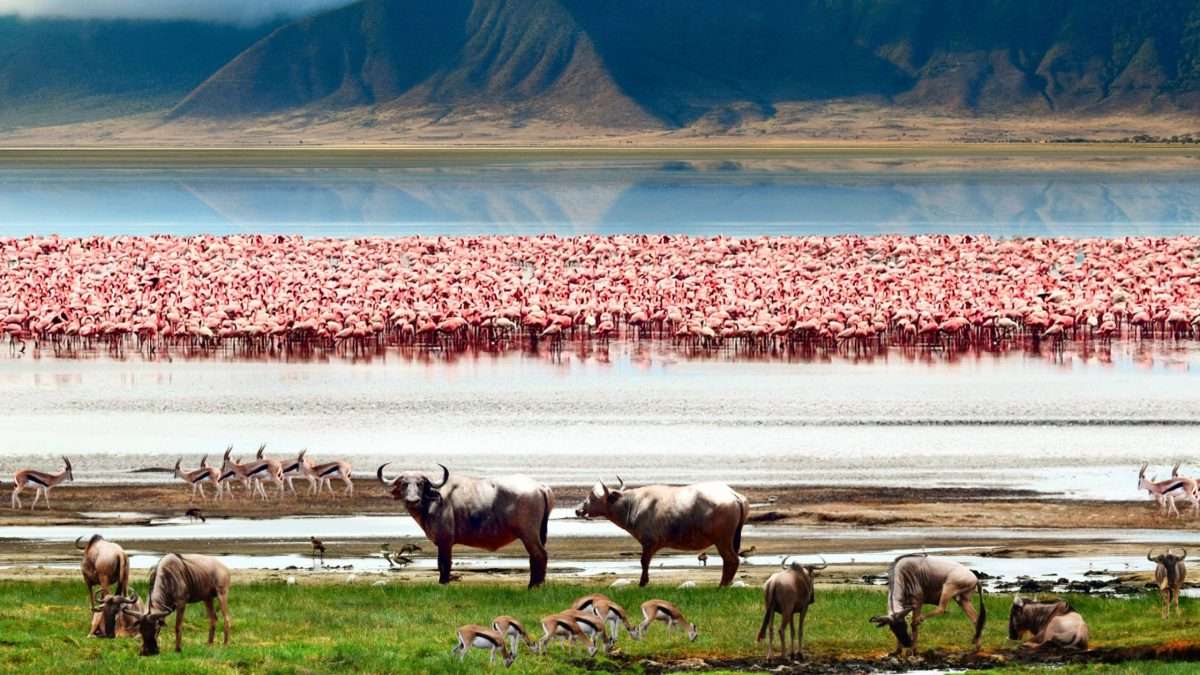
Ngorongoro Crater is one of the most remarkable places on earth, and it leaves a lasting impression because there is nowhere else quite like it. Located within the wider Ngorongoro Conservation Area in northern Tanzania, this natural amphitheater sits at approximately 2,200 meters (7,200 ft) above sea level. The basin below is reached by a steep 610-meter descent, dropping you into a world that feels untouched, ancient, and almost mythical—often referred to as Africa’s Eden or a lost world.
Formed more than two million years ago when a massive volcano collapsed inward, the crater is the world’s largest intact, unfilled volcanic caldera. Today, its unique ecosystem supports dense wildlife populations year-round, making it one of the most reliable safari destinations in Africa. Because of this, Ngorongoro is a core highlight on any Tanzania safari itinerary and often the section travelers remember most vividly.
A Landscape Where Daily Life and Nature Meet
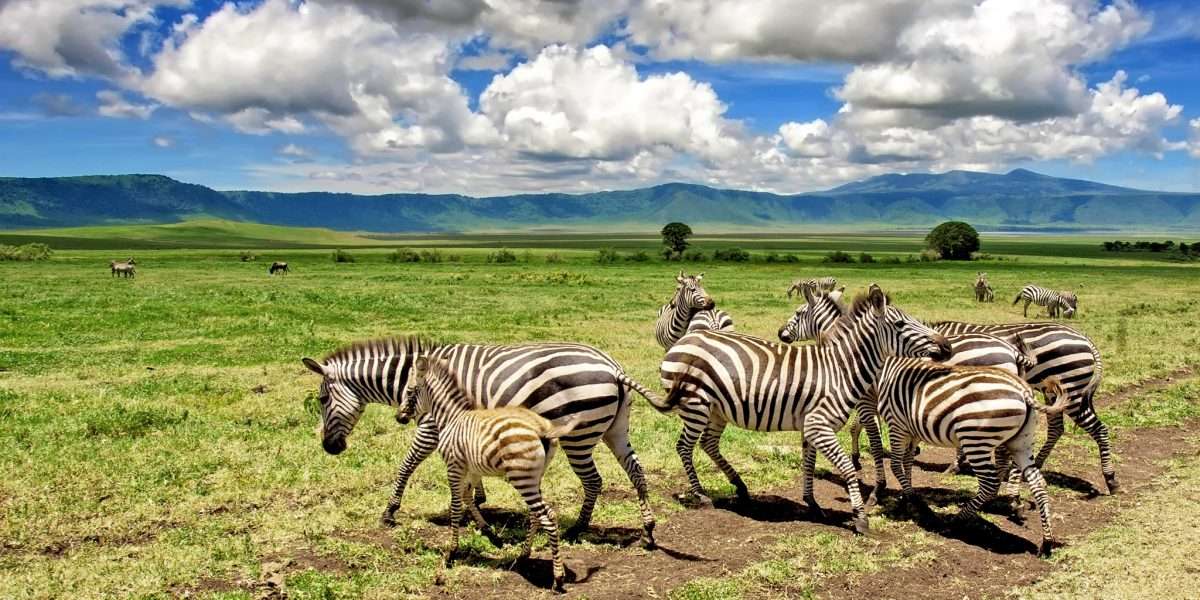
The crater floor stretches roughly 260 square kilometres, with grasslands, acacia woodland, freshwater ponds, and alkaline lakes. During the day, wildlife spreads across the plains, while at night elephants, wildebeest, and zebra climb the rim to rest. Maasai pastoralists still graze cattle inside the crater under special conservation regulations—one of the few places in Africa where traditional herding coexists with high-level wildlife protection.
The name Ngorongoro comes from the Maasai word “Ngoronkoro”, believed to echo the sound of cowbells—ngoro ngoro—symbolizing life, movement, and the relationship between land, livestock, and people.
Wildlife in Ngorongoro Crater
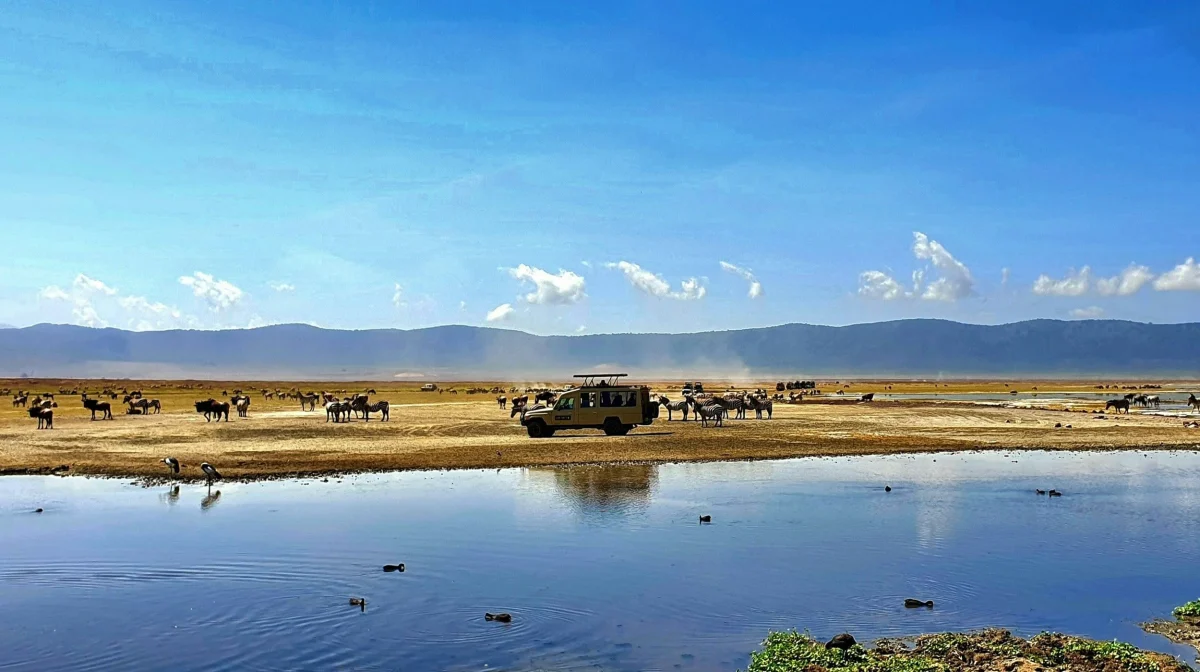
More than 115 mammal species live within the Ngorongoro Conservation Area, and the crater itself provides some of the highest wildlife densities in the world. Unlike the Serengeti, where animals migrate across vast distances, many species here remain permanently because of the constant water and grazing.
You can expect to encounter:
Big Five & Large Mammals
Black rhinos (Ngorongoro is the best place in Tanzania to look for them in the wild)
Lions, often seen hunting in the open grasslands or resting around fever trees
Elephants, especially older bulls with huge tusks
Cape buffalo, often near the marshy areas
Hippos in the permanent freshwater pools and swamps
Other Predators
Cheetahs patrolling the open plains
Spotted hyenas in large clans
Golden and side-striped jackals
Leopards in forested edges
Serval cats hunting in the grass (a rare but magical sight)
Occasional sightings of African wild dogs, though unpredictable
Resident Herbivores
Zebras and wildebeest herds that do not migrate with the larger Serengeti movement
Gazelles, waterbuck, eland, warthogs, and hartebeest feeding across the plains
Birdlife
Ngorongoro is home to 550+ recorded bird species, making it outstanding for birdwatching:
Thousands of lesser flamingos feed on Lake Magadi’s alkaline waters
Cranes, secretary birds, crowned plovers, and storks wander the open flats
Raptors like bateleurs and augur buzzards soar the crater rim
Nearby areas like Lake Ndutu and Empakaai Crater expand birding opportunities even further.
Ngorongoro Crater Safari Tips & Practical Advice
Visit the rim viewpoint before descending; some of the best panoramas are here, plus restrooms and photo stops.
Year-round game viewing is possible; animals remain in the crater permanently.
Dry season (June to September) is busiest due to excellent visibility and easier sightings.
Rainy season (March to May) is quieter, greener, and offers fewer crowds with lower lodge rates.
For those exploring further into the Conservation Area, the region near Ndutu (Dec–May) becomes a calving ground for over a million wildebeest and thousands of zebras and gazelles.
Why Ngorongoro Belongs in Every Tanzania Safari Itinerary
Whether you are planning a short safari or a longer journey across the Northern Circuit, Ngorongoro blends:
reliable Big Five sightings
dramatic scenery
cultural heritage with Maasai communities
geological history and archaeological significance (with Olduvai Gorge nearby)
For many travellers, it becomes the emotional center of their safari—a moment that stays with them long after they leave Tanzania.
Central Serengeti Overview
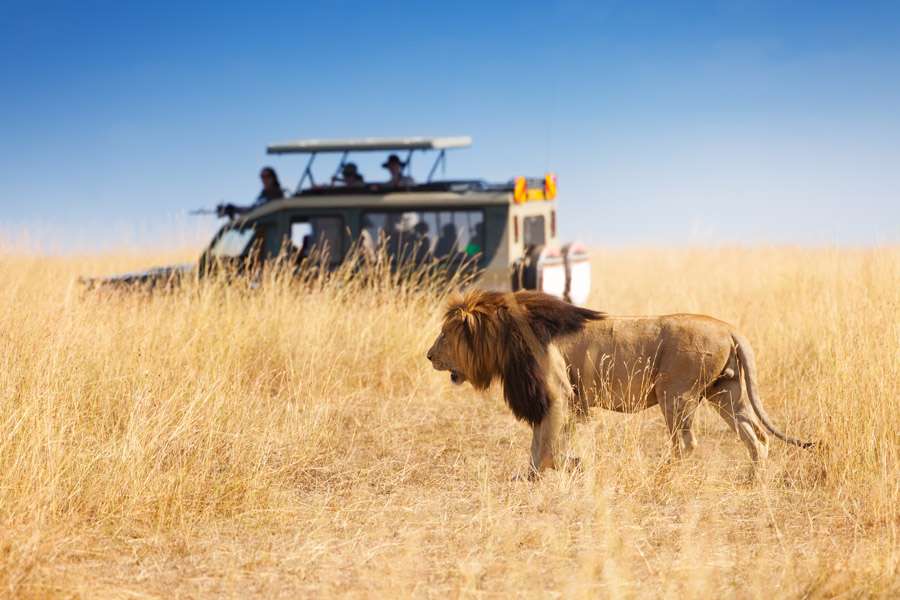
The Central Serengeti is the heart of Tanzania’s safari circuit and a cornerstone of any Tanzania safari itinerary. Before seeing it, I wondered if it would live up to everything I had imagined after years of dreaming about it. Standing among its endless plains proved the hype is real. The Serengeti doesn’t just meet expectations — it surpasses them in ways that stay with you long after you leave.
A UNESCO World Heritage Site, Serengeti National Park spans roughly 30,000 square kilometres, forming one of the most important protected ecosystems on the planet. To understand the scale, it’s about 20 times larger than the Maasai Mara and connects with it in the north, creating a shared wildlife corridor that supports the Great Migration. The Central sector, known as Seronera, is where rich wildlife density, reliable water sources, and iconic scenery converge — making it the ideal base for game drives.
Wildlife in Central Serengeti
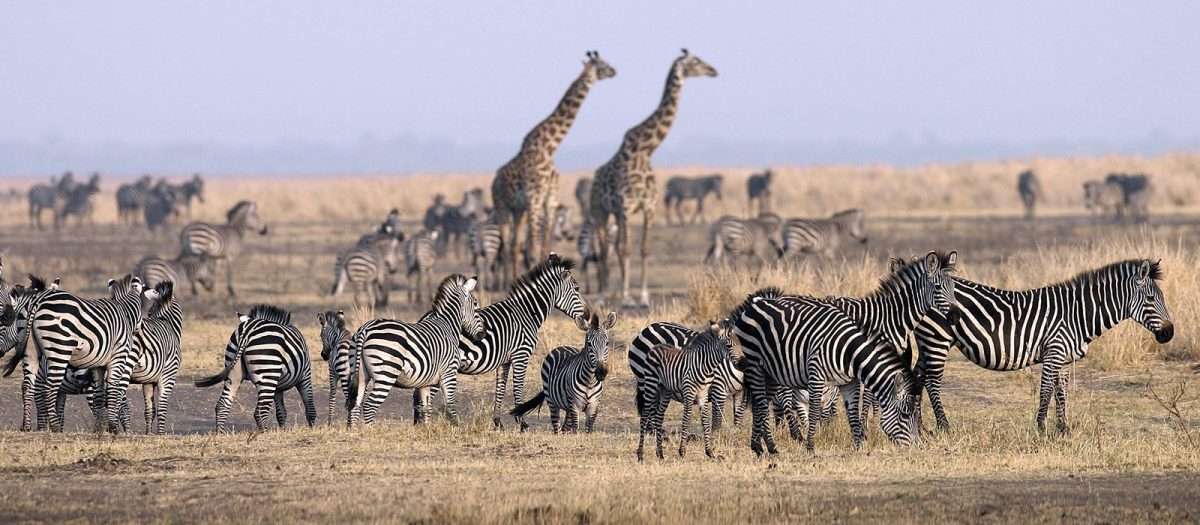
Central Serengeti is known for having some of the highest predator densities in Africa. This region thrives because the Seronera River provides water year-round, drawing wildlife even outside migration months. That constant movement of prey supports extraordinary numbers of big cats and other carnivores.
You can expect to find:
~3,000 lions throughout the park, many based around Seronera
1,000+ leopards, often resting in sausage trees near riverbanks
Cheetahs patrolling the open plains and termite mounds
Spotted hyenas, commonly seen in clans with cubs
African wild dogs, rarely seen but present in roaming packs
The abundance doesn’t stop with predators. Elephants, buffalo, giraffes, hippos, zebra, wildebeest, eland, gazelle, warthog, and hartebeest all move through this central region. During the Great Migration, the plains transform again — millions of wildebeest and zebra create a moving river of hooves across the savannah, followed closely by predators. Even outside peak migration months, Central Serengeti remains active and rewarding.
For birdwatchers, the Serengeti hosts 500+ bird species, from martial eagles and vultures to lilac-breasted rollers and kori bustards, making this region a paradise for photographers and first-time visitors alike.
Tree-Climbing Lions in the Serengeti
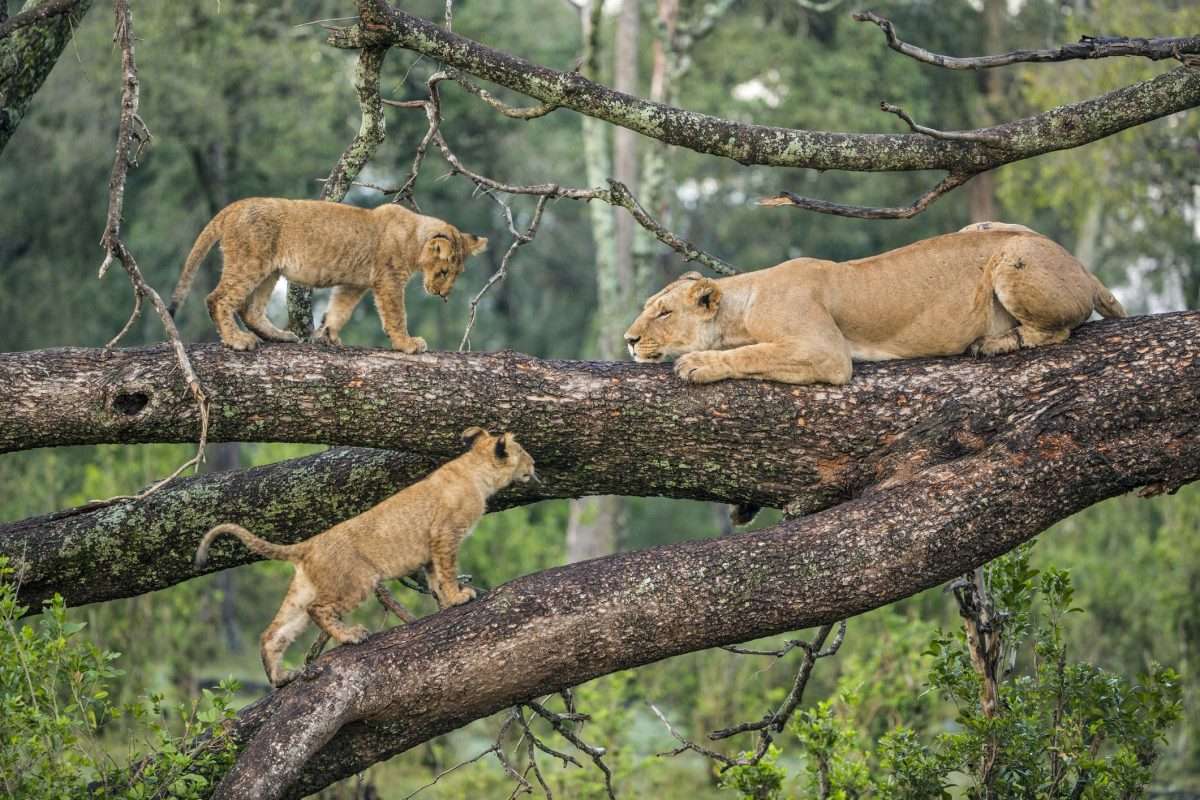
One of the most surprising wildlife encounters here is the tree-climbing lions. Although more famously associated with Lake Manyara, sightings in Central Serengeti are consistent enough that guides actively search for them. Seeing a full-grown lion sprawled over a branch — tail hanging like a flag — feels unreal, but it is a known behaviour here.
Common theories include:
Avoiding insects and tall wet grass
Cooling off during warmer hours by catching breezes higher up
Escaping buffalo herds or gaining better vantage points
Young cubs climbing out of curiosity and play, then learning from experience
Whether it’s instinct, adaptation, or comfort, the sight is unforgettable.
Central Serengeti Safari Tips & Practical Advice
To get the best experience from this region:
• Scan trees for hanging tails — a reliable sign of lions or leopards
• Best time for wildlife:
June–October: dry season, high visibility, easier predator sightings
November–May: migration herds and calving cycles in parts of the park
• Balloon safaris offer sunrise views over the plains; expect around $550–$600 per person
• Stay in or near Seronera to reduce transfer times and maximize game drive hours
For travellers planning a safari itinerary Tanzania, the Central Serengeti is the anchor. It is where sightings feel immediate, landscapes are cinematic, and the scale of the ecosystem becomes real.
Northern Serengeti Overview
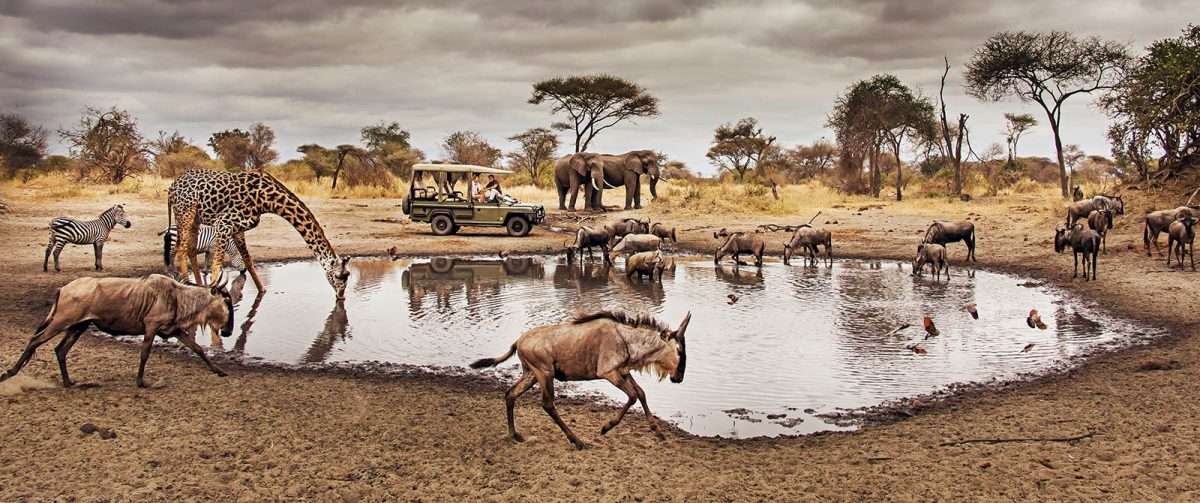
The Northern Serengeti is where the scale of Tanzania truly hits you. This is the region where the Great Migration reaches its most dramatic moment each year, as millions of wildebeest and zebras push north toward the Mara River, following instinct, grass, and survival. On the opposite bank lies the Masai Mara in Kenya, creating a shared ecosystem where wildlife moves freely between both countries. For anyone designing a Tanzania safari itinerary, this is the section that often becomes the centerpiece.
During peak season (July to October), herds gather along the riverbanks. Sometimes they wait for hours, building tension until one makes the first move. Then, everything changes in seconds — hooves hit water, zebra calls echo across the valley, and crocodiles rise from below. Nature documentaries often portray this moment as continuous chaos, but in reality, it is unpredictable and much quieter at times. Large crocodiles can go months without feeding, choosing their moment carefully. Most crossings end with animals making it safely across, while a few encounters remind you how fragile the balance here is.
I once watched a crossing where every wildebeest made it to the other side untouched. Then, minutes later, a weaker animal lost its footing and turned back. A crocodile moved slowly at first, almost uninterested, before taking its chance. It was over quickly — harsh to witness, but part of the ecosystem that keeps the migration moving and the herds strong. Moments like this define the northern Serengeti: beautiful, raw, and honest.
Wildlife in the Northern Serengeti
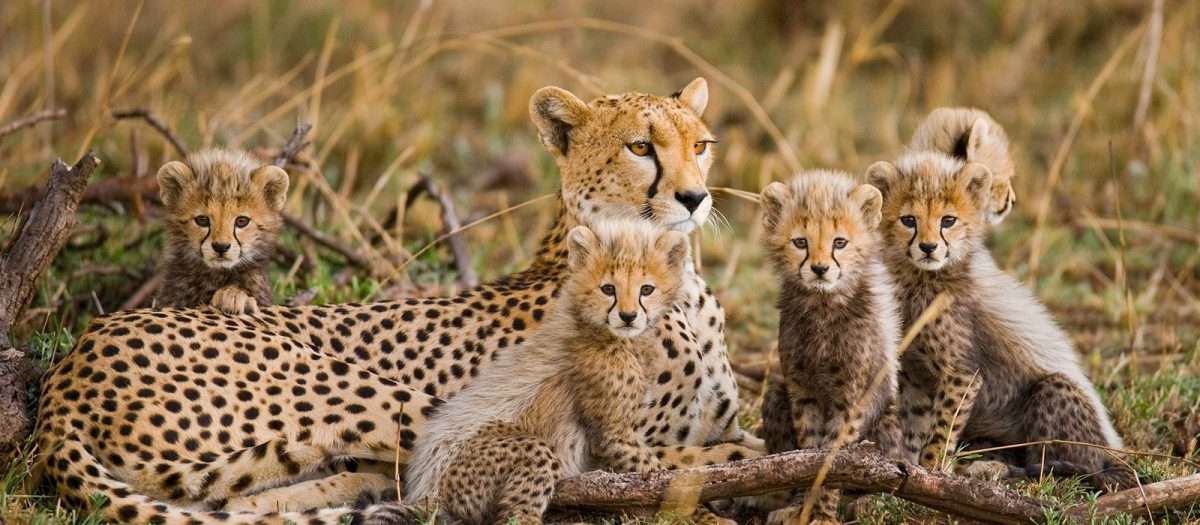
While wildlife moves depending on rains and grass, the north is known for:
High predator density: lions on rocky kopjes, leopards draped in trees, cheetahs watching from termite mounds
Resident herbivores: topi, gazelle, impala, eland, and wildebeest that stay even outside migration season
Mara River corridors: hippos, crocodiles, storks, and scenes that shift constantly throughout the day
Because water remains available year-round, wildlife stays here even when the migration moves south. It is a rewarding region for travelers seeking quieter landscapes with fewer vehicles than central Serengeti.
Northern Serengeti Safari Tips & Practical Notes
If you include the north in your safari itinerary Tanzania, plan with patience. The river crossings are never guaranteed, and nature does not work on a schedule — but when it happens, it leaves an imprint that lasts.
Helpful planning notes:
Allow 2–4 days in the north during migration months for the best chance to witness a crossing
Expect long waiting periods at the river — sometimes minutes, sometimes hours
Binoculars, patience, and a knowledgeable guide make a huge difference
Vehicle movement is regulated to protect wildlife, so crossings are observed from designated areas
Keep an eye on the ground too — tortoises, chameleons, and foxes are common sightings between the big moments
One of the most memorable sightings here wasn’t a lion or a leopard, but a slow-moving leopard tortoise crossing the road with absolute confidence, reminding us that the Serengeti’s stories aren’t only found in the dramatic moments — they are everywhere.
Zanzibar Overview
Zanzibar is one of the most popular post-safari destinations in East Africa, and for good reason. This exotic archipelago lies just off Tanzania’s east coast in the warm Indian Ocean, making it a perfect safari-and-beach combo after a Northern Circuit or Serengeti trip. Because Zanzibar is part of Tanzania, there’s no need for new passport control or visas when flying from Arusha, Serengeti, or Dar es Salaam — you simply continue your journey with ease.
Zanzibar consists of two main islands, Unguja (the main island that most visitors stay on) and Pemba, plus several smaller islands like Mnemba and Changuu. The islands blend African, Arab, Persian, and Indian cultural influences — a legacy of centuries of spice trade and Swahili coastal heritage. This mix is reflected in the architecture of Stone Town, the food, the music, and even in everyday life.
With turquoise waters, palm-fringed beaches, dhows sailing past the horizon, and seafood grilled right on the sand, Zanzibar offers a very different side of Tanzania. It’s common to end a wildlife-packed Tanzania safari itinerary with 4–7 days of beach relaxation here, creating a well-rounded final chapter to the trip.
Things to Do in Zanzibar
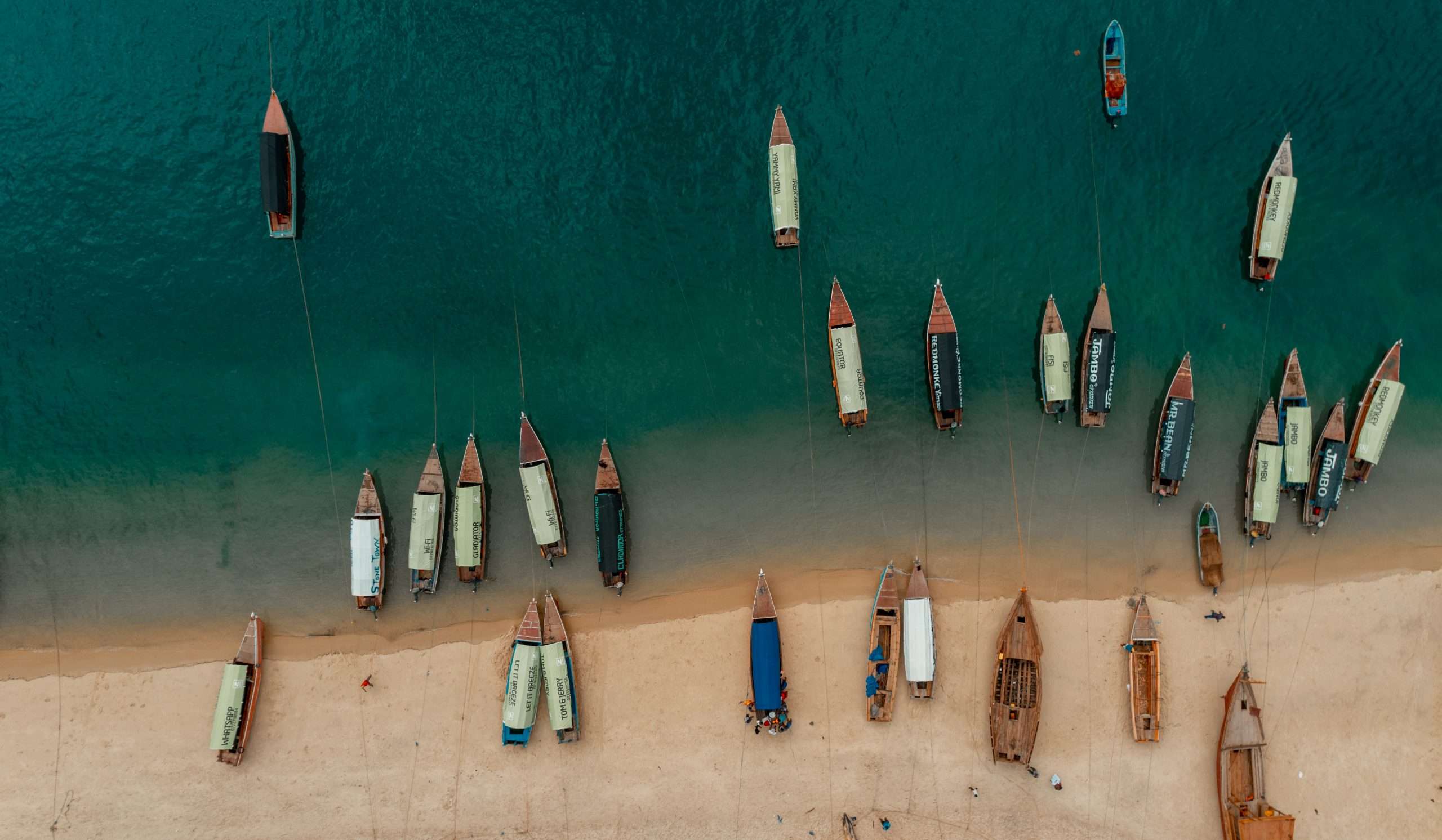
Whether you’re here for two days or two weeks, you’ll find a balance of culture, adventure, and relaxation. Here are the top experiences worth adding to your Zanzibar itinerary:
Stone Town – UNESCO World Heritage Site
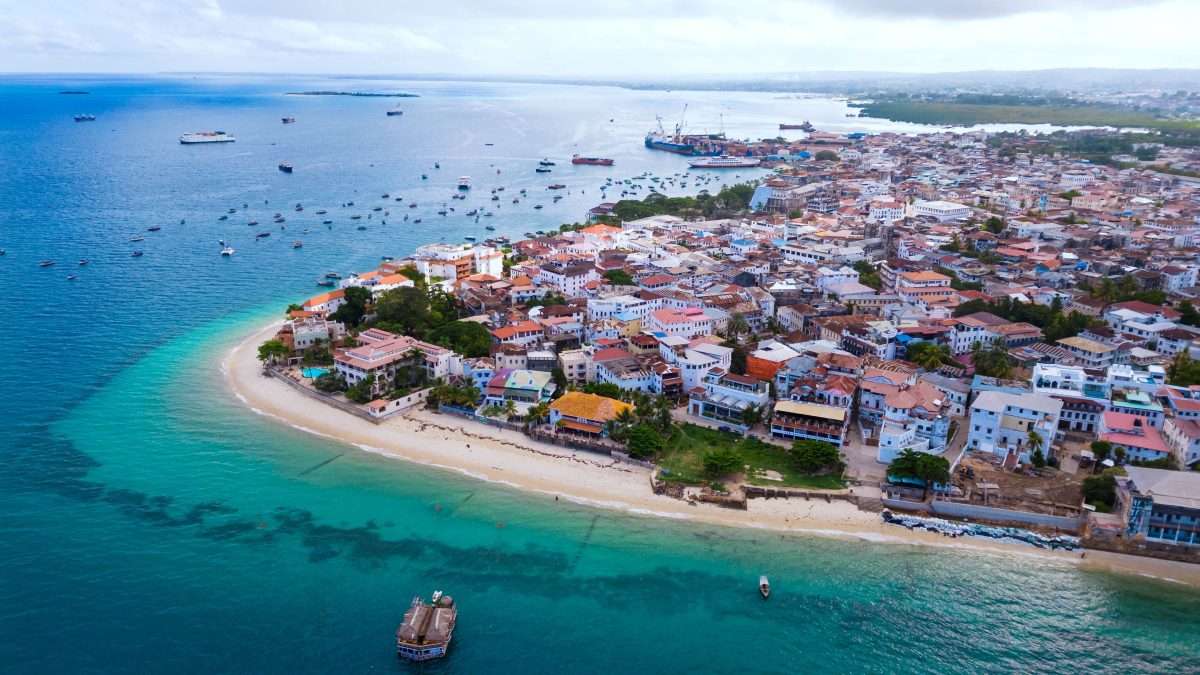
Explore winding alleys, carved wooden doors, rooftop tea houses, and waterfront promenades. A guided tour helps uncover its layered history, including the Arab trade era, Omani sultans, and the British abolition period. Don’t miss:
Darajani Market for spices and local snacks
The Old Slave Market & Memorial Museum
House of Wonders, one of East Africa’s first electrified buildings
The Old Fort overlooking the waterfront
David Livingstone’s House for explorers’ history
Spice Plantations & Food Culture
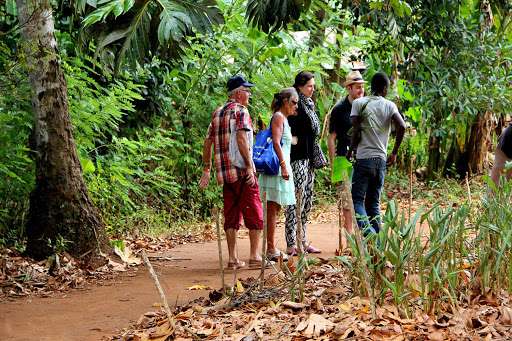
Zanzibar is nicknamed The Spice Island, known for cloves, nutmeg, cinnamon, cardamom, pepper, and vanilla. You can tour spice farms, taste seasonal harvests, and buy fresh spices to take home. Cooking classes are available for anyone wanting to learn Swahili and Zanzibari cuisine.
Beaches & Ocean Activities
Unguja offers beaches like Nungwi, Kendwa, Paje, Matemwe, and Jambiani — each with its own travel personality:
Nungwi & Kendwa: clear swimming water, best sunsets, luxury resorts
Paje & Jambiani: kitesurfing, yoga retreats, laid-back cafés
Matemwe: peaceful luxury, good for snorkeling and Mnemba Island access
Other popular experiences:
Snorkeling & diving vibrant coral reefs
Visiting The Rock Restaurant, accessible by foot during low tide and boat during high tide
Prison Island boat trip to see giant tortoises
Sunset dhow cruise with Swahili dinner onboard
Kitesurfing, surfing, and SUP on the eastern beaches
For something truly unique, Pemba Island offers more seclusion, deep diving, and the famous underwater room at Manta Resort — where guests sleep below sea level with reef fish outside their window.
Cultural Etiquette, Safety & Travel Tips for Zanzibar
Ask before taking photos of people, especially elders — a simple gesture of respect goes a long way
Dress modestly in Stone Town and villages, as the island is majority Muslim; beachwear is fine on the coast and resorts
Bargain kindly in markets — start low, smile, and meet in the middle
Eat freshly cooked food (avoid long-standing buffet plates) to avoid stomach issues
Carry small notes in Tanzanian Shillings for taxis, tipping, markets, and street food
If staying longer than a week, consider adding Mafia Island — quieter, untouched reefs, and seasonal whale shark sightings
Why Book Your Next Tanzania Safari Itinerary with TourwithPipi
Booking a Tanzania safari itinerary is more than choosing dates and destinations — it is choosing who you trust with your money, your safety, and one of the most meaningful travel experiences of your life. TourwithPipi focuses on creating safaris that feel personal, carefully planned, and supported from the moment you land in Tanzania to the moment you leave.
1. Local Expertise, Real Connections
TourwithPipi partners with experienced local guides who grew up around the national parks and understand the land, wildlife patterns, and culture in a way that guidebooks cannot. This means better sightings, smoother logistics, and a safari experience that feels grounded rather than generic.
2. Tailored Itineraries, Not One-Size-Fits-All
Every traveler is different. Some want a photography-focused trip. Some want a calm, comfortable pace. Some want to witness the Great Migration. TourwithPipi plans itineraries based on how you actually like to travel — pace, budget, group size, mobility, preferred hotels, dietary needs, and personal interests.
3. Transparent Pricing with No Hidden Surprises
Safari costs can be confusing. We make it clear. You know what is included, what is optional, and what can change the price — before you book. Transport, park fees, vehicles, accommodation levels, and internal flights are explained in plain language so you always stay in control of your budget.
4. Reliable Wildlife Sightings with Pro-Level Guides
Seeing wildlife is never guaranteed, but going out with trained eyes changes everything. Guides know where big cats rest during the heat, where elephants move at sunrise, and where migration herds are likely to gather based on the month and weather. This isn’t luck — it’s experience.
5. Comfortable Vehicles Built for the Parks
TourwithPipi uses properly maintained extended 4×4 safari Land Cruisers — pop-up roofs, charging ports for cameras and phones, wide windows for photography, and seating spaced to avoid crowding. These are built for the terrain, not repurposed taxis or minibuses.
6. Stays Chosen for Atmosphere and Location
Safari hotels are selected not only for comfort but for where they sit in the landscape. That may mean sunrise over the Serengeti plains, crater-view balconies in Ngorongoro, or lantern-lit camps near wildlife corridors. The aim is to feel the place, not just pass through it.
7. Safety, Support, and Communication
From airport pickup to drop-off, there is always someone to reach if plans shift or you need help — flight changes, dietary needs, medical support, lost luggage, last-minute add-ons. We stay reachable, not distant.
8. Cultural Respect and Responsible Travel
Experiences with tribes are arranged with people who genuinely want to host visitors, not staged or exploitative encounters. Visits are meant to support the communities involved, not disrupt them.
Ready to Plan Your Tanzania Safari Itinerary ?
Your Luxury Tanzania Safari itinerary, your pace, your adventure, we handle the details so you can focus on the experience. Whether you want a 7-day classic safari, an 8-day calving season journey, 10 days safari or a 11 day Great Migration safari itinerary, we help you choose the right route, timing, and budget.
Start Planning Now
📩 Share your travel dates and group size
🗺️ Tell us what type of experience you want
📍 We build a personalized Tanzania safari Itinerary with clear pricing
→ Contact TourwithPipi to Get a Custom Itinerary & Quote
People Also Ask
How many days is enough for a Tanzania safari?
For most travelers, 7 to 10 days is the ideal amount of time for a Tanzania safari. This gives you enough days to explore the Northern Circuit highlights like Serengeti National Park, Ngorongoro Crater, and Tarangire without rushing. Seven days usually allows time for the most famous parks and a steady pace. Ten days lets you add seasonal locations like Ndutu during the calving season or the Northern Serengeti for the Mara River crossings. While 3-5 days can work for quick trips, you’ll spend more time moving than experiencing. The best rule is: more time = deeper wildlife encounters, less travel pressure, and better photography opportunities.
What is the best month to do a safari in Tanzania?
The best months for a Tanzania safari are June to October, which is the dry season. Wildlife gathers around rivers and waterholes, making sightings easier and landscapes more open. If you want to see the Great Migration river crossings, aim for July to September in the Northern Serengeti. For the Calving Season in Ndutu, choose January and February, when thousands of wildebeest give birth and predators gather. March to May is the rainy season; the parks are lush and quiet, but rain can affect road conditions. Each season has advantages, but most travelers find June–October the “sweet spot” for classic safari conditions.
Is Masai Mara or Serengeti better?
Both are incredible, but they feel different. The Serengeti is bigger, wilder, and more diverse, covering 30,000 km² with space that feels endless, while the Masai Mara is smaller but more concentrated, making sightings feel immediate and often closer. If you want a sense of vast wilderness and migration routes across plains, the Serengeti stands out. If you want more predictable big-cat sightings in a smaller area, the Mara can feel easier. Many travelers visit both because the Migration moves back and forth across the border. There isn’t a wrong choice—just different travel styles.
How much does a safari trip cost in Tanzania?
Tanzania safari costs vary depending on travel style, season, and itinerary:
Budget camping: $200 – $350 per person per day
Mid-range lodges: $350 – $600 per person per day
Luxury tented camps/lodges: $1,000 – $2,500+ per person per day
A 7-day mid-range Tanzania safari usually ranges from $3,000 – $6,000 per person, excluding international flights. Internal flights, park fees, private vehicles, and seasonal demand all increase the total cost. Tanzania isn’t cheap, but the wildlife density, landscapes, and migration moments justify the price for most travelers.
What I wish I knew before going on safari?
Most travelers say they wish they had understood how early mornings shape the best safari days. Dawn drives are when predators hunt, temperatures are low, and the plains feel untouched. It’s also helpful to know that weather, wildlife behavior, and timing are unpredictable; some days are quiet, others unforgettable. Many visitors expected luxury nonstop—safaris include dust, long drives, bumpy roads, and basic washroom stops in parks. The key is pacing, patience, and realizing you aren’t on a zoo tour; this is real wilderness. The less you expect control, the more magical the experience becomes.
Is Kruger or Serengeti better?
Kruger (South Africa) is easier to access, more developed, and has more paved roads, making travel smoother. It’s great for first-timers who want infrastructure, fenced reserves, and comfortable lodges.
Serengeti (Tanzania) feels more raw, wild, and cinematic. It’s where the Great Migration and true open-plains wilderness happen. Kruger is convenient; Serengeti is emotional and vast. If you want the classic African “movie scene,” Serengeti is hard to beat. If you want easier logistics and self-drive options, Kruger might fit better.
When to avoid Tanzania?
The period most travelers avoid is late March to May, which is the long-rainy season. Roads can become muddy, some smaller lodges close, and photography conditions get challenging. However, prices are often 30-50% lower during this period, and birders love it. If your priority is comfort, clarity, and dry roads, avoid these months. If your priority is lower costs and quiet parks, this season can still work.
Is safari better in Tanzania or Kenya?
Tanzania is better for travelers who want vast wilderness, fewer fences, and multi-park circuits that feel like journeys across ecosystems. It is home to Serengeti and Ngorongoro Crater, two of the most iconic safari locations on Earth.
Kenya is better for travelers who want shorter driving distances, more lodge options, and structured tourism. The Masai Mara is one of the easiest places to see big cats. Many travelers agree: Tanzania for scale and drama, Kenya for accessibility and convenience.
When to avoid Masai Mara?
Many travelers avoid April and May, the rainy season, when roads become muddy and some camps close. Wildlife is still present, but access can be difficult. Crowds are highest in July to October during the Migration, so peak months can feel busy around river-crossing points. If you want fewer tourists and good weather, late January, February, and early June are quieter alternatives.
What is the 12-hour rule for Masai Mara?
The 12-hour rule generally refers to park entry timing—park permits allow one continuous 12-hour window of access, usually from 6:30 AM to 6:30 PM. You cannot stay inside the park after closing hours unless booked in a lodge located inside the reserve. Lodges outside the gate require exit before closing. This helps manage safety, nighttime wildlife movement, and conservation policies.
Why can’t you wear black on a safari?
Black and dark blue attract tsetse flies, which have painful bites and are common near woodland and river areas. These colors absorb heat quickly, making drives uncomfortable. Safari experts recommend neutral earth tones like tan, brown, green, and khaki, which blend into the environment and reflect heat. Avoid wearing black, navy, and bright white.
Which is cheaper, Serengeti or Masai Mara?
Masai Mara is generally cheaper. It has lower park fees, more lodge competition, and shorter travel distances from Nairobi. Serengeti has higher conservation fees, longer drives, remote lodging, and internal flights, which raise costs. Families and budget travelers often begin in Kenya, while those seeking Migration diversity and huge wilderness spaces choose Tanzania.
Do I need vaccinations for Tanzania?
Most travelers are advised to consider vaccines like Hepatitis A, Typhoid, and Tetanus. Yellow Fever is sometimes required if arriving from a high-risk country. Some travelers also prepare for malaria prevention depending on itinerary. Always check with a travel medical professional before traveling, as requirements change by season and region.
How far in advance should I book a Tanzania safari?
Peak-season trips (June–October and January–February) should be booked 6 to 12 months in advance to secure space in lodges near the Migration routes. Shoulder season can be booked 3 to 6 months ahead. Last-minute safaris are possible but often cost more, and availability near key wildlife events is limited.
Why is Tanzania safari so expensive?
Tanzania protects huge conservation areas that require costly infrastructure, anti-poaching units, land management, and maintenance. Park fees, professional guiding, private vehicles, fuel, and logistics all add to the cost. Lodges are remote, so supplies travel long distances. You aren’t paying for convenience—you’re paying for conservation, low tourism density, and protected wilderness.
Why not wear white on safari?
White clothing gets dusty instantly and stands out in the bush. Animals see contrast better than color, and bright shades make you more visible. Earthy neutrals reduce attention and help blend into the environment, especially when photographing wildlife at close range.
How do you go to the bathroom on a safari?
In major parks, there are designated picnic sites and ranger stations with basic washrooms. On full-day drives, your guide will stop in open areas at safe distances. It’s normal in remote regions to take a quick “bush stop” behind a vehicle door. Guides always check surroundings before stopping.
What is the secret 7 of Africa?
The Secret 7 refers to animals that are harder to see than the Big Five: aardvark, African wild dog, pangolin, serval, porcupine, aardwolf, and caracal. They’re less predictable and more elusive but unforgettable when sighted.
What not to bring on a safari?
Avoid hard suitcases (soft duffels are better for vehicles and bush flights), drones without permits, bright clothing, perfume (attracts insects), and excess electronics. Space in safari vehicles and camps is limited, so pack light and practical.
How much should I tip a safari driver per day?
A common guideline is $10–$20 per person per day, more if service exceeds expectation. Lodges often have communal tip boxes for cooks, housekeeping, and staff. Tipping is optional but part of supporting the people who protect wildlife and run the experience.
What are the Big Five in safari?
Lion, leopard, elephant, buffalo, and rhino. The list originally came from dangerous-to-hunt species, not size. Today it represents iconic safari wildlife.
Is Ngorongoro worth visiting?
Yes. It feels like stepping into a natural amphitheater where wildlife lives in a bowl-shaped Eden. You can see lions, rhinos, elephants, and flamingos within a day. The scenery alone justifies the visit.
Why is Masai Mara better than Serengeti?
Some travelers prefer the Mara because it is smaller, easier to navigate, and often has quicker sightings. Game is concentrated in a smaller area, making “big cat days” more common. Serengeti wins on scale; Mara wins on convenience.
What are the Big 5 in Serengeti?
Lion, leopard, elephant, buffalo, and rhino. You can see 4 easily; rhinos are rare and mostly near the crater boundary.
What colors to avoid in Tanzania?
Avoid black, dark blue, bright white, neon colors, and camouflage print since it’s reserved for military use.
What is the biggest problem in Tanzania?
Rural poverty and conservation funding are ongoing challenges. Tourism supports anti-poaching and wildlife protection, so visiting responsibly helps sustain ecosystems.
Is $100 a lot in Tanzania?
In rural areas, yes. For local families, $100 can cover food or rent. In safari tourism zones, it stretches far less due to park fees and lodge costs.
Which is safer Kenya or Tanzania?
Both are safe in major tourist regions. Tanzania generally feels calmer and slower paced, Kenya more busy and fast moving. Guides, airport transfers, and proper lodges make both secure.
What’s the best country in Africa for a safari?
If you want dramatic landscapes, migration, and remote wilderness: Tanzania.
If you want easier logistics and classic big-cat sightings: Kenya.
If you want developed infrastructure and self-drive roads: South Africa.
How to choose a safari company in Tanzania?
Check three things:
Who owns the vehicles (not outsourced)
Guide experience (years, certifications, language, tracking skill)
Migration knowledge (seasonal routing, not generic itineraries)
Avoid companies with unclear park fee breakdowns or no sample lodges listed.
How much does a 7-day safari cost in Tanzania?
Expect around:
Budget: $2,500 – $3,500 per person
Mid-range: $3,749 – $5,500 per person
Luxury: $6,000 – $14,000+ per person
How to dress for a safari in Tanzania?
Wear breathable layers in neutral tones, a hat, lightweight scarf, and closed shoes. Mornings are cold, midday is hot, sunset is windy.
Which Tanzania safari is best?
For first-timers: Serengeti + Ngorongoro + Tarangire (7–10 days)
For migration drama: Northern Serengeti (July–Sept)
For calving season: Ndutu (Jan–Feb)
Which is the safest country in Africa?
Botswana, Namibia, and Tanzania rank among the safest safari destinations due to stable tourism sectors and conservation zones.
Why is Hippo not in Big Five?
The Big Five refers to dangerous-to-hunt animals, not size. Hippos are lethal but weren’t hunted on foot the same way lions and buffalo were.
Who is the pearl of Africa?
Uganda is known as the “Pearl of Africa” for its landscapes, gorillas, and forests.
What is the little 5 in Africa?
Elephant shrew, buffalo weaver, leopard tortoise, ant lion, and rhino beetle.
What is the rarest animal to see in Africa?
The pangolin is the hardest to spot due to poaching and secretive nocturnal behavior.
Do I need vaccinations for a Big Five safari?
Check regional guidance, but Hepatitis A, Typhoid, and Tetanus boosters are common. Some travelers prepare malaria medication depending on itinerary.
Is it safe to drink the water on safari?
Drink filtered or bottled water only. Lodges provide safe drinking water; avoid tap water in rural towns.
What is the top predator in the Serengeti?
The lion holds the apex role, but spotted hyenas dominate in numbers and hunting success, often out-strategizing big cats.
What is the Big 5 in Ngorongoro?
Lion, elephant, rhino, leopard, and buffalo — all possible in a single day if luck is on your side.
Are there bears in the Serengeti?
No. Africa has no native bear species. Large carnivores here are lions, leopards, hyenas, cheetahs, and wild dogs.
Final Thoughts
Tanzania leaves a mark that stays with you long after the journey ends. It is a country where landscapes feel ancient, wildlife moves freely across entire ecosystems, and cultures carry traditions that have survived for generations. Few places combine this level of authenticity, depth, and natural drama in one trip. The Great Migration in the Serengeti, sunrise inside Ngorongoro Crater, the quiet rhythms of Tarangire’s baobab valleys, and time spent with communities like the Hadzabe and Maasai all remind you that travel can still feel real and connected.
It is also a destination that requires a realistic budget. Tanzania is not priced like Southeast Asia, and the safari experience here reflects that. Park fees are higher because the reserves are vast, protected, and carefully managed, which is exactly why wildlife sightings are better and the parks feel less crowded. Costs can be managed by choosing the right season, travel style, and routing, but value in Tanzania comes from conservation, not shortcuts.
If you are planning a Tanzania safari itinerary, go in with patience, curiosity, and the willingness to slow down. The moment when a leopard steps out of the grass, when a wildebeest makes its first leap into the Mara River, or when a Hadzabe hunter shows how to light a fire without words—those are the moments that justify every mile and every dollar. Tanzania is not just a destination. It is an experience that earns its cost and rewards you with memories that will stay with you for life.


