
Africa doesn’t have one rainy season. It has several, and they fall at different times depending on where you are. Southern Africa is wet from November to March and dry the rest of the year. East Africa gets two separate rainy periods, the long rains and the short rains, split by a long dry stretch in between. West Africa’s coast can see rain twice a year, while its northern edge gets one long wet season instead.
So is Africa dry? Not as a whole. The continent holds both the Sahara, the largest hot desert on Earth, and the Congo Basin, the second-largest rainforest on Earth. Roughly 60 percent of Africa’s land is classified as arid or semi-arid, but that figure hides huge regional swings. Some parts barely see rain in a decade. Others get soaked twice a year, every year.
Southern Africa’s Wet and Dry Seasons
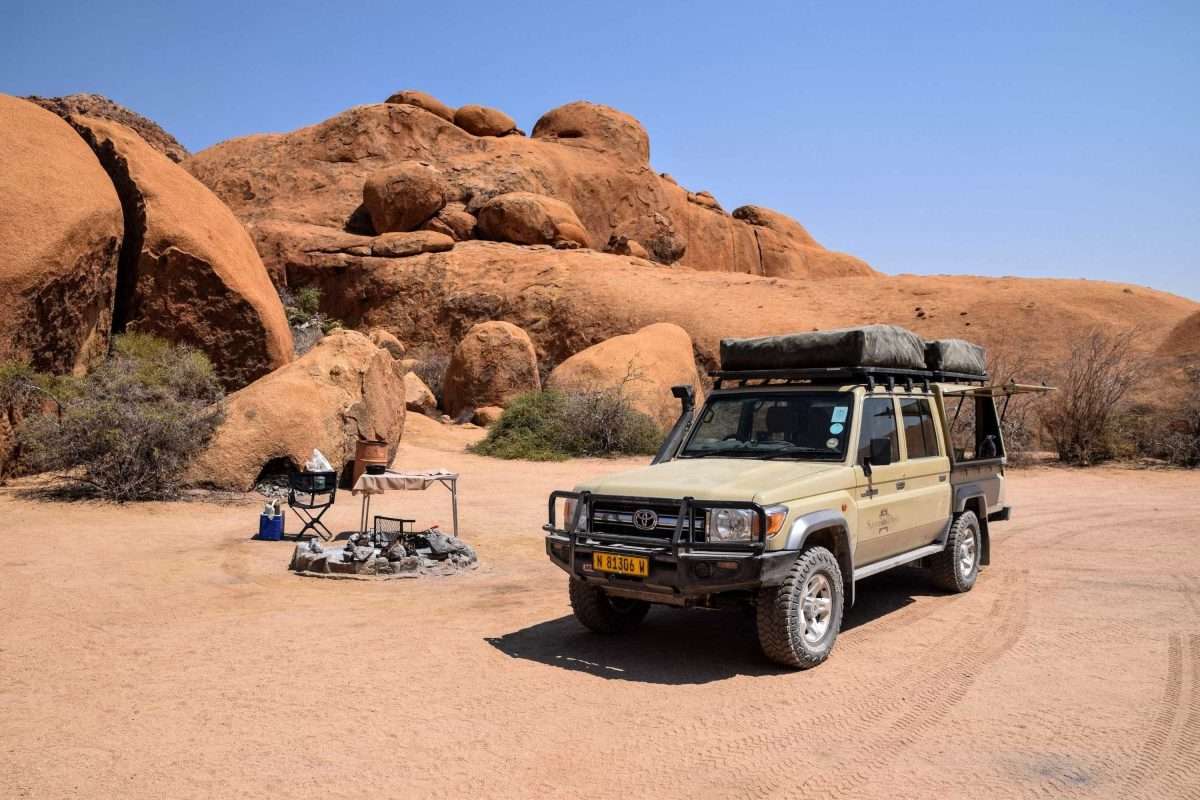
South Africa, Namibia, Botswana, Zambia, Zimbabwe, and Madagascar share the same broad pattern: a summer wet season and a winter dry season, reversed from what the word “summer” means in the northern hemisphere.
| Season | Months | What to Expect |
|---|---|---|
| Wet season | November to March, peaking December to March | Hot, humid, afternoon thunderstorms, green landscapes |
| Dry season | April to October | Cooler and sunny early on, warming toward September and October |
The dry season lines up with game viewing at its best. Vegetation thins out, water sources shrink, and animals gather around the rivers and waterholes that remain, which makes them far easier to find and photograph.
South Africa’s Rainy Season Isn’t the Same Everywhere
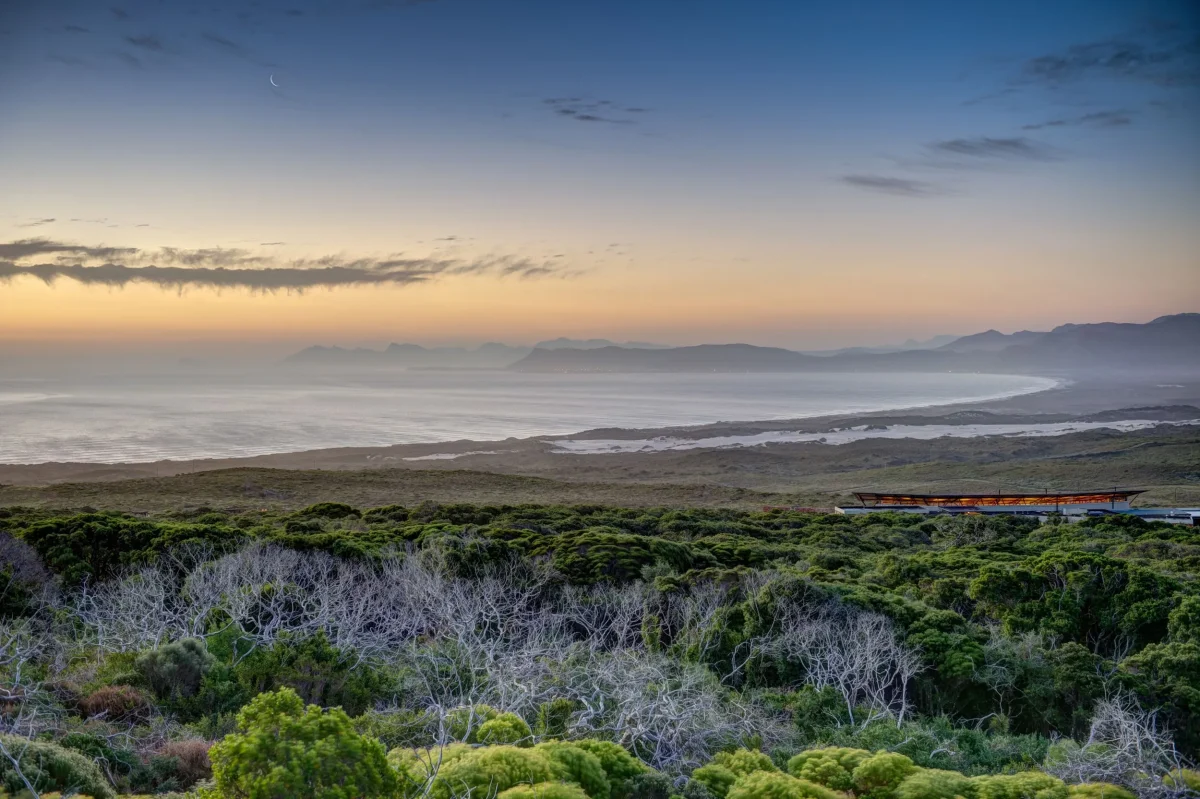
Most of South Africa, including Kruger National Park, Johannesburg, and KwaZulu-Natal, follows the summer rainfall pattern above: wet November to March, dry April to October.
The Western Cape, including Cape Town, runs the opposite way. It has a Mediterranean climate, which means its rain falls in winter, May to August, and its summers are dry and sunny. The Eastern Cape sits in between the two systems and gets rain spread more evenly across the year rather than concentrated in one clear season.
So the honest answer to “what are the seasons in South Africa” depends entirely on which part of the country you mean. A December trip to Kruger means afternoon storms. A December trip to Cape Town means dry, sunny days.
East Africa’s Wet and Dry Seasons
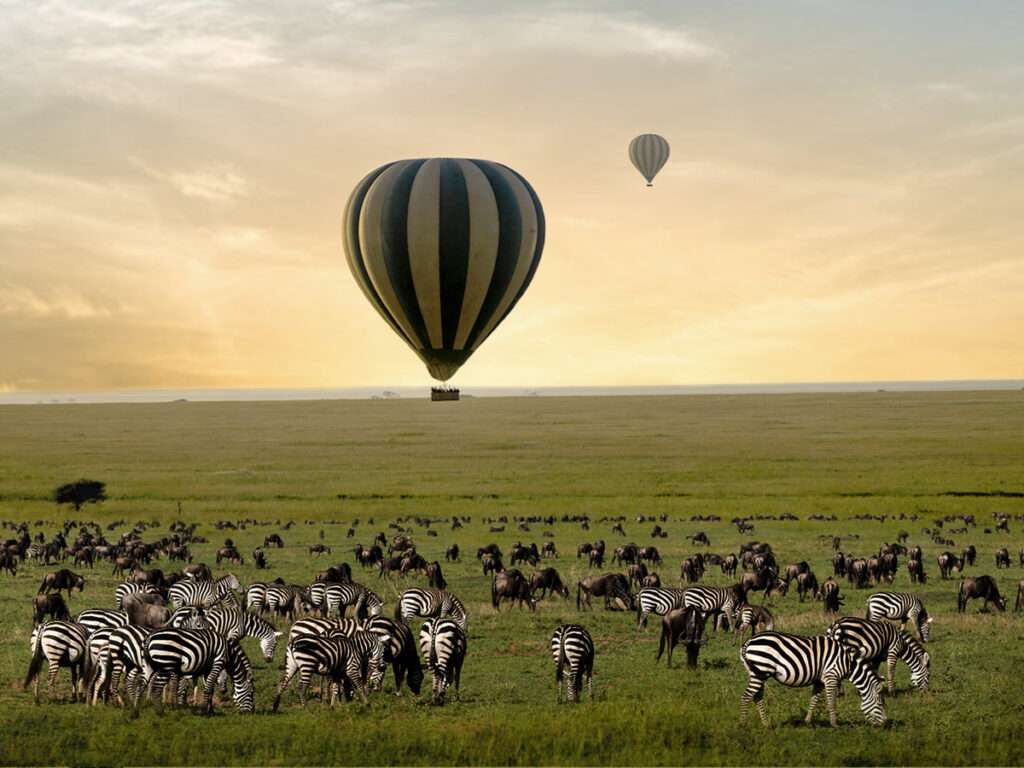
Kenya, Tanzania, Uganda, and Rwanda run on a different system entirely: two wet seasons and two dry seasons each year, driven by monsoon winds that shift direction twice annually.
| Season | Months | What to Expect |
|---|---|---|
| Long rains | March/April to May/June | The heaviest rainfall of the year, driven by the southeast kusi monsoon |
| Long dry season | June/July to October | Minimal rain, golden grasslands, peak safari conditions |
| Short rains | October/November to December | Lighter, more intermittent rain than the long rains |
| Short dry season | January to February | A brief dry spell between the two wet periods |
Two details matter most for planning a trip around these seasons:
- The long dry season, June through October, carries the bulk of East Africa’s safari traffic, since it also lines up with the Great Wildebeest Migration crossing the Mara River in Kenya, typically arriving from Tanzania in July or August.
- The short dry season, January and February, is a quieter but still reliable alternative for travelers who want strong wildlife viewing without peak-season prices or crowds.
Uganda’s Kidepo Valley in the far north breaks from this pattern entirely, with a single rainy season that peaks in July and August, exactly when the rest of East Africa is at its driest.
East Africa’s Rains Are Getting Less Predictable
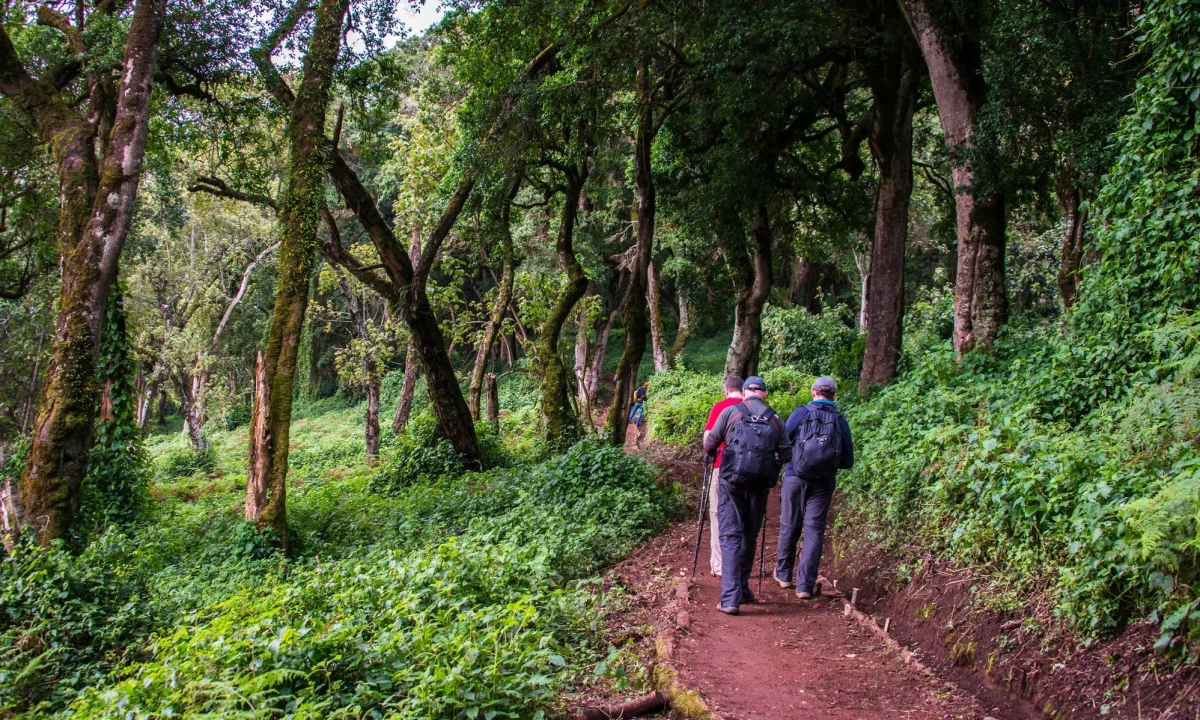
Research into the Indian Ocean Dipole, a climate pattern that affects rainfall across the Indian Ocean basin, has linked recent extreme short-rains seasons to flooding across Kenya, Somalia, and Tanzania, including major flooding at the end of 2023. Both the long and short rains have been arriving earlier or later than their historical averages in recent years, which means the old “long rains start in March” rule of thumb is now closer to a guideline than a guarantee.
West Africa’s Wet and Dry Seasons
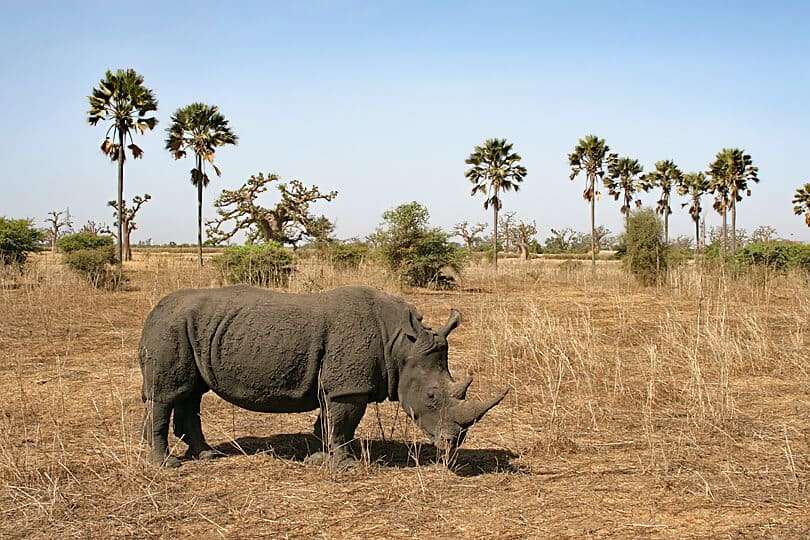
West Africa splits along a north-south line, not an east-west one. The closer you are to the coast, the more rainy seasons you get.
| Zone | Countries (examples) | Rainy Season(s) |
|---|---|---|
| Southern coastal zone | Ghana, Nigeria, southern Senegal | Two seasons: April to July, and September to October |
| Northern Sahel zone | Northern Senegal, Niger, northern Nigeria | One season: July to September |
The coastal south sees a short dry break, sometimes called the “small dry season,” in August, sitting between its two wet spells. Further north and closer to the Sahara, that second rainy period disappears entirely, leaving one shorter, more intense wet season in the middle of the year. Humidity and thunderstorm activity are heaviest along the coast, where the rain also plays a direct role in local farming cycles.
North Africa’s Wet and Dry Seasons
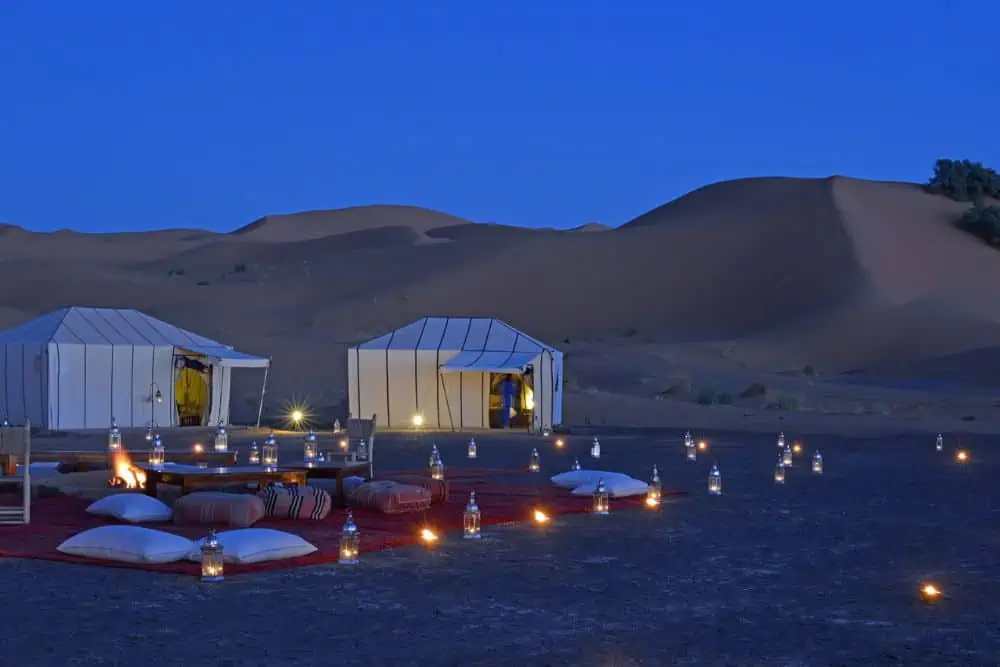
Morocco, Algeria, and Tunisia follow a Mediterranean pattern that looks nothing like the rest of the continent: wet winters and dry summers. Rain falls mainly from October to April, with summers, June through August, staying hot and largely rainless. Inland and toward the Sahara, rainfall drops off sharply in every season, since much of this zone is true desert with only sporadic rain in any given year.
Africa’s Wet and Dry Seasons at a Glance
| Region | Wet Season | Dry Season |
|---|---|---|
| Southern Africa | November to March | April to October |
| South Africa (Western Cape only) | May to August | September to April |
| East Africa | March to May, and October to December | June to October, and January to February |
| West Africa (coastal south) | April to July, and September to October | August, and November to March |
| West Africa (Sahel north) | July to September | October to June |
| North Africa | October to April | May to September |
Planning a Safari Around Africa’s Wet and Dry Seasons
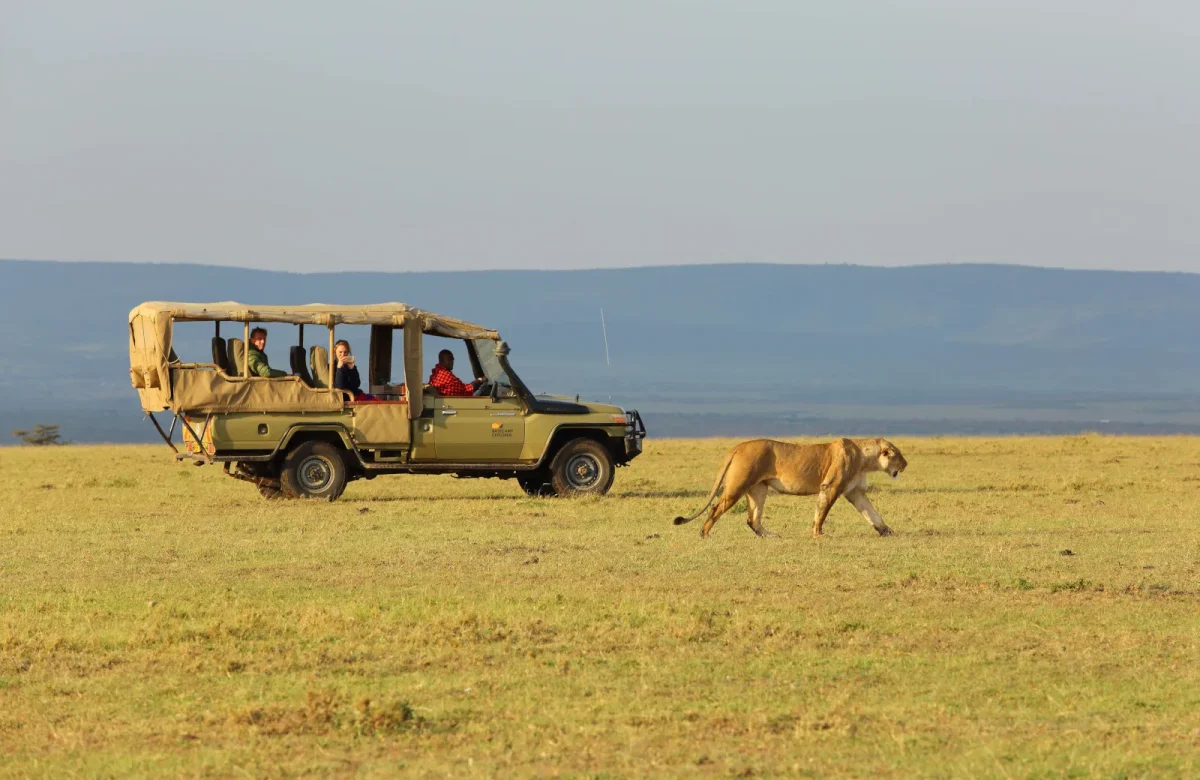
Since Africa’s wet and dry seasons fall at different times depending on the region, your safari dates should follow the region you’re visiting, not a single “best time for Africa” rule.
Dry Season Safaris: Best for Wildlife Viewing
- Animals gather around shrinking water sources, so sightings are more predictable.
- Vegetation thins out, which improves visibility on game drives.
- Roads are firmer and easier to drive, even off the main tracks.
- In East Africa, the dry season runs June to October, and this window also covers the Great Wildebeest Migration crossing the Mara River.
- In Southern Africa, the dry season runs April to October, with peak game viewing from July to October as water sources shrink further.
- This is peak season, so prices are highest and popular camps book out months in advance.
Wet Season Safaris: Best for Birding, Calving, and Value
- Landscapes turn green and lush, which makes for striking photography.
- Birdlife is at its best, with migratory species present in large numbers.
- Many antelope and wildebeest give birth during the wet season, so calving action and predator activity around calving grounds pick up.
- Rates drop and camps are far less crowded.
- Rain usually falls in short afternoon thunderstorms, not all-day downpours, so game drives aren’t ruined, just occasionally interrupted.
- Some roads, especially in remote conservancies, can get muddy or harder to access.
East Africa’s Two Rainy Seasons Need Their Own Plan
- The long rains fall March to May, the heaviest rainfall of the year.
- The short rains fall October to December, lighter and more intermittent.
- The short dry season, January and February, is a strong middle-ground option: good wildlife viewing, fewer crowds than peak season.
- Avoid the long rains, April and May especially, if predictable weather matters more to you than lower prices.
Southern Africa Safaris: Plan Around One Wet, One Dry Season
- Wet season: November to March, hot and humid with afternoon storms.
- Dry season: April to October, cooler early on, warming up by September and October.
- If Cape Town is part of the trip, remember its season runs backward: dry in summer (November to March), wet in winter (May to August).
Quick Decision Guide
- Want the best odds of big game sightings: go in the dry season for your region.
- Want lower prices and fewer people: go in the wet season, or East Africa’s short dry season in January or February.
- Want birding, baby animals, and green scenery: go in the wet season.
- Combining East and Southern Africa in one trip: aim for June to October, since it’s dry season in both regions at once.
Contact the team on WhatsApp to plan a Kenya, South Africa, Victoria falls or Tanzania safari timed around the season that suits you best.
Frequently Asked Questions
When is the rainy season in Africa?
It depends on the region. Southern Africa is wet from November to March. East Africa has two rainy periods: the long rains from March to May, and the short rains from October to December. West Africa’s coast sees rain twice a year, while its northern Sahel zone gets one wet season, July to September. North Africa is wet in winter, October to April.
When is the dry season in Africa?
Southern Africa’s dry season runs April to October. East Africa has two dry periods, June to October and January to February. North Africa is dry in summer, roughly May to September.
What is South Africa’s rainy season?
Most of South Africa, including Kruger National Park, is wet from November to March. The Western Cape, including Cape Town, is the exception, with its rainy season running May to August instead.
Is Africa a dry continent?
No, not entirely. Africa holds both the Sahara, the world’s largest hot desert at over 3.6 million square miles, and the Congo Basin, one of the world’s largest rainforests. The Namib and Kalahari deserts add further arid land in the south. About 60 percent of the continent is classified as arid or semi-arid, but large regions, especially in East and Central Africa, get substantial rainfall every year.
What is the best time to visit Africa for wildlife viewing?
The dry season is generally best for game viewing, since animals concentrate around shrinking water sources and vegetation thins out, improving visibility. In East Africa, that means June to October or January to February. In Southern Africa, it means April to October.
Why does East Africa have two rainy seasons?
East Africa sits near the equator, where seasonal monsoon winds shift direction twice a year rather than once. Each shift brings a distinct rainy period, the long rains and the short rains, separated by two dry stretches.


