
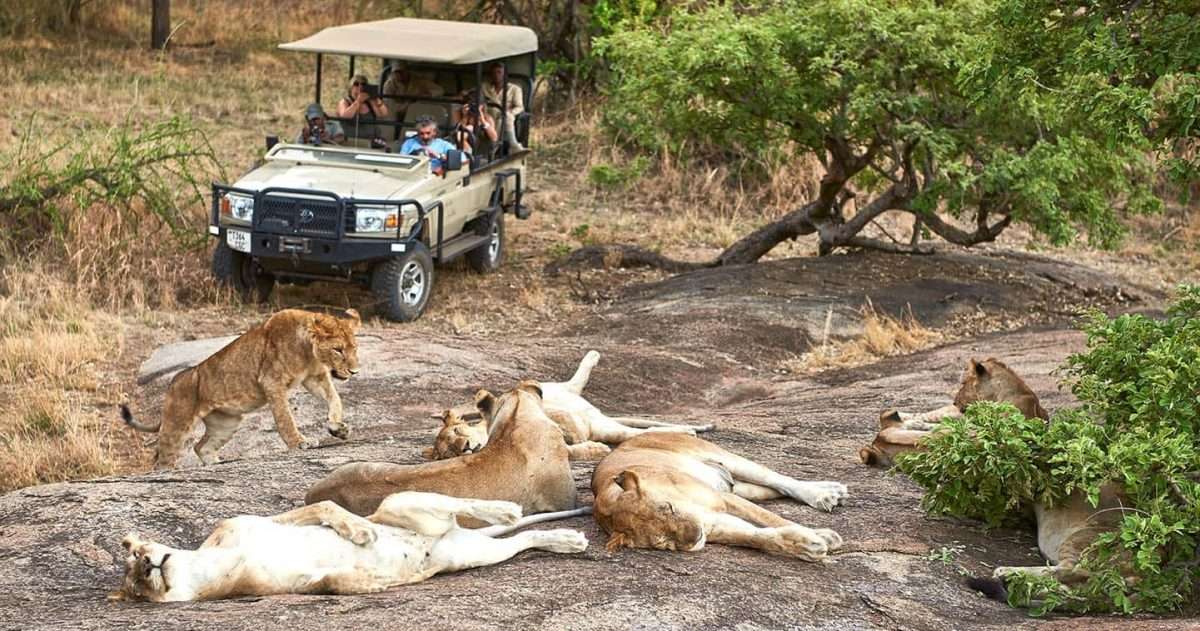
Safari game drives are the heart of every African safari. They are the moments travelers remember long after they return home. Early morning light, cool air, and the quiet tension of searching the wild all come together in a way that feels raw and unforgettable. One moment you are driving across open plains, and the next your guide slows the vehicle, points ahead, and whispers the name of an animal you have only seen in books. This is what makes game drive safaris so powerful.
An African game drive places you inside protected wild areas where animals live freely. There are no fences between you and nature. You observe wildlife on their terms, in their habitat, guided by professionals who understand the land, the seasons, and animal behavior.
This guide explains exactly what a game drive in Africa is, how it works, and what you can realistically expect when joining game drive safaris with TourwithPipi.
What Is a Game Drive in Africa?
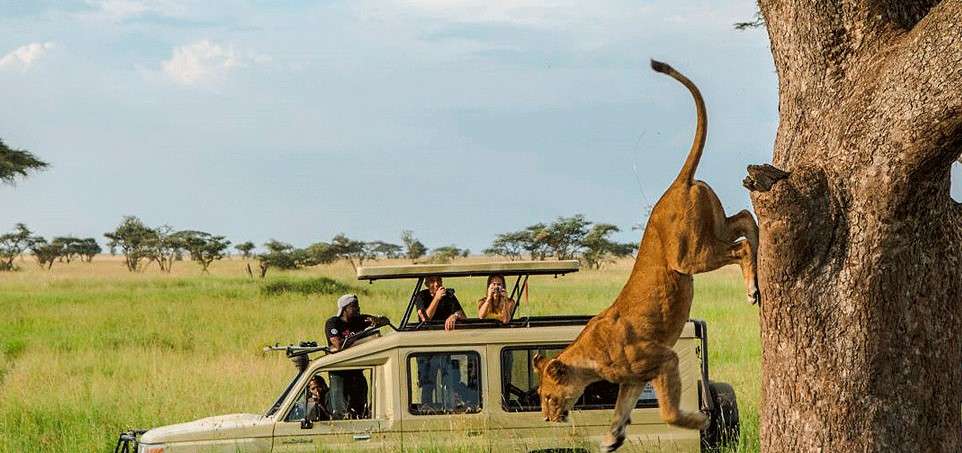
A game drive in Africa is a guided wildlife viewing drive conducted inside a national park, reserve, or private conservancy, using a specially designed safari vehicle. The purpose is to find, observe, and understand wild animals in their natural environment.
Safari game drives are led by trained guides who know how to read the wild area. In some regions, a tracker may also be present to help locate animals by interpreting footprints, broken branches, calls, and other natural signs.
Breaking Down the Meaning of a Game Drive
- Game refers to wild animals living freely in protected areas
- Drive refers to traveling through these wild areas in a safari vehicle designed for rough terrain and open viewing
- Safari game drives focus on observation, photography, and education, not hunting
An African game drive is not rushed. The goal is not distance but discovery.
What Happens on Safari Game Drives?
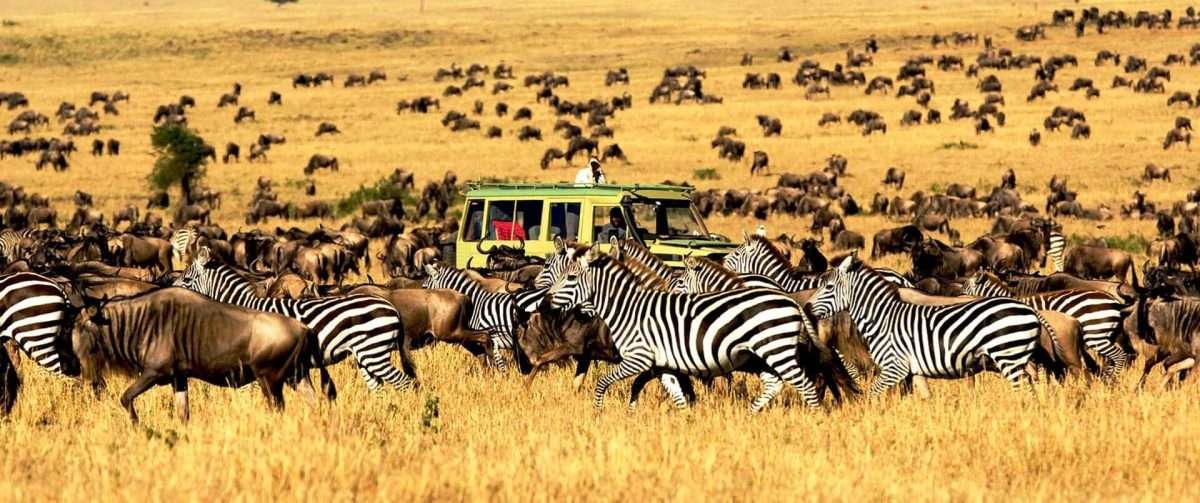
Every safari game drive follows a predictable structure but delivers unpredictable outcomes. The rhythm of a game drive is controlled by animal behavior, light conditions, temperature, and the specific ecosystem of the national park or reserve you are visiting. Guides do not drive randomly. Each movement is intentional and based on experience, radio communication, and fresh signs from the bush.
Wildlife is most active during cooler hours, which is why game drives are timed around natural animal movement rather than guest convenience. The goal is not distance covered but quality of sightings.
Typical Safari Game Drive Flow
- Early morning or late afternoon departures. Morning drives usually start between 5:30 and 6:30 am; afternoon drives typically begin around 3:30 pm and run until sunset. See the Types of Game Drives section below for what each actually delivers.
- Slow controlled driving with frequent stops. Safari vehicles move slowly, often below 25 km per hour. Guides stop frequently to scan grass, trees, riverbanks, and open plains. Long pauses are common when tracking predators or waiting for animal behavior to unfold.
- Active wildlife tracking, not passive sightseeing. Guides read footprints, dung freshness, alarm calls from birds, and wind direction. Communication between guides helps locate recent sightings while still respecting park rules and animal space.
- On-the-spot education from professional guides. Guides explain animal behavior, hunting strategies, social structures, mating habits, and survival tactics. This turns sightings into understanding rather than just photographs.
- Breaks based on park regulations and safety. Depending on the park, stops may be allowed at designated picnic sites or viewpoints. These breaks are short and structured, ensuring minimal disturbance to wildlife.
Game drives usually last two to four hours. In large parks such as the Serengeti or Nyerere, full day game drives are common and include picnic lunches inside the park to maximize wildlife exposure.
What You Might See on Game Drive Safaris
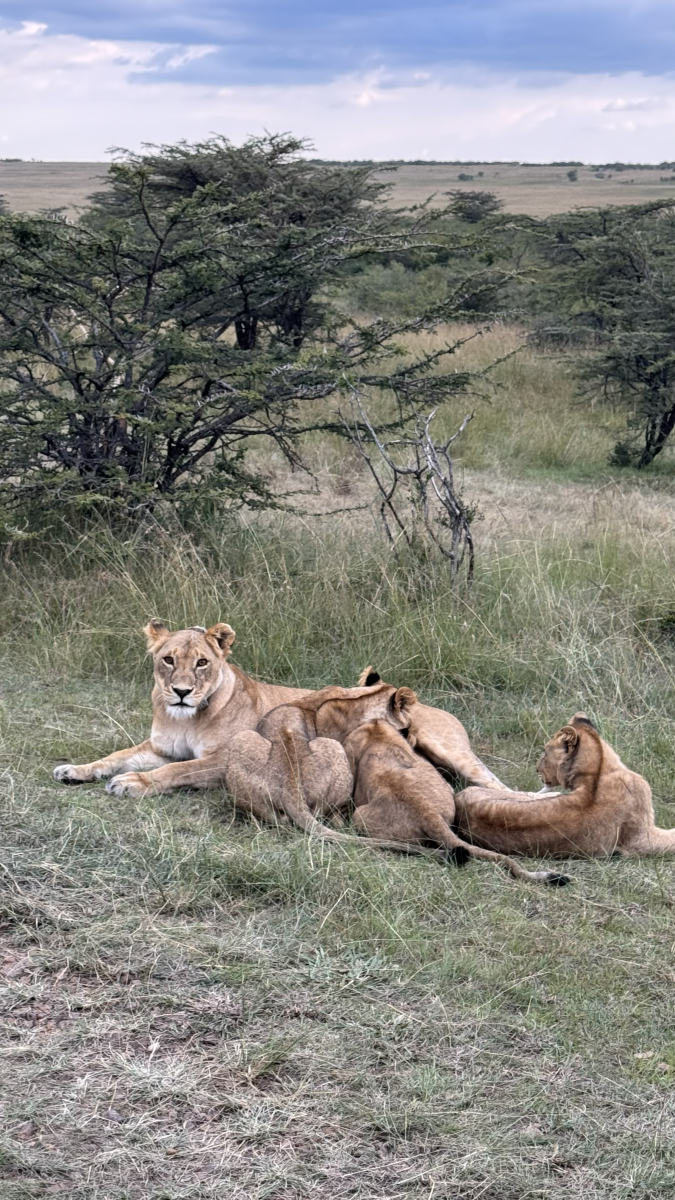
Game drives are unpredictable by design. Wildlife is not staged or guaranteed, which is exactly what makes the experience authentic. While guides can significantly increase your chances of sightings, nature always decides the outcome.
Common Wildlife Sightings
- The Big Five. Lions, leopards, elephants, rhinoceros, and Cape buffalo are the most sought after sightings. Some parks like Ngorongoro Crater offer unusually high chances of seeing all five in a single day.
- Predators and scavengers. Cheetahs scanning open plains, hyenas patrolling territories, African wild dogs on coordinated hunts, and jackals following larger predators.
- Plains and browsing animals. Giraffes, zebras, wildebeest, gazelles, impalas, elands, and waterbucks form the foundation of most ecosystems and are seen daily.
- Water dependent species. Hippos in rivers and pools, crocodiles basking on banks, elephants digging for water in dry riverbeds.
- Birdlife across ecosystems. Eagles, vultures, storks, hornbills, kingfishers, and seasonal migratory birds often exceed 300 to 500 species depending on location.
Beyond the Big Animals
Some of the most educational moments on safari come from smaller observations that explain how ecosystems function.
- Dung beetles recycling waste and improving soil fertility
- Birds acting as alarm systems by reacting to predators
- Reptiles using roads for warmth during cooler mornings
- Social behaviors like grooming, play, dominance displays, and parenting
These moments explain how survival works in the wild and often stay with travelers longer than headline sightings.
What Makes African Game Drives Special
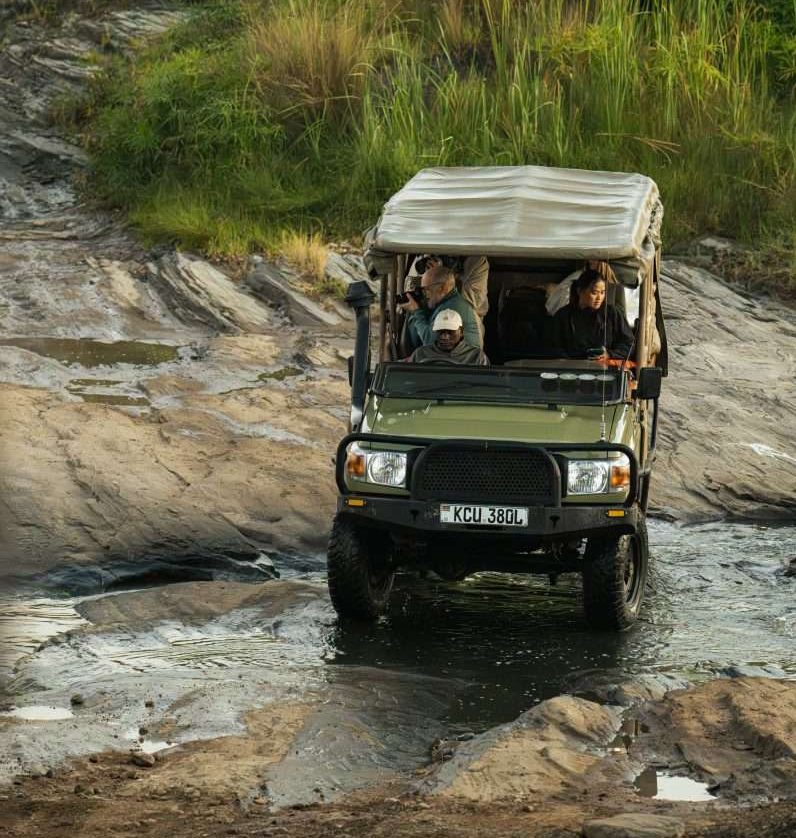
-
Unfiltered access to protected wild areas
You are inside functioning ecosystems, not controlled environments or enclosures. -
Learning through observation rather than explanation alone
Seeing behavior in real time reinforces understanding far better than documentaries. -
Support for conservation through tourism
Park fees and safari operations directly fund wildlife protection, habitat preservation, and local employment. -
Rare opportunities to witness natural events
Hunts, migrations, births, territorial disputes, and predator interactions happen without warning and cannot be recreated.
Game Drives with TourwithPipi
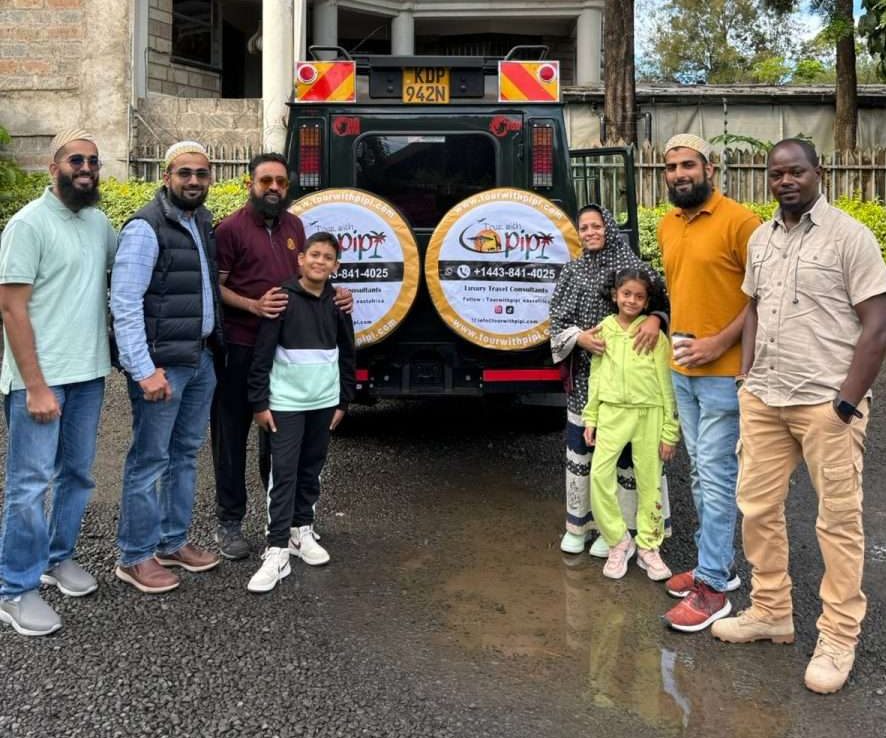
TourwithPipi offers carefully planned safari game drives designed for comfort, safety, and meaningful wildlife encounters. Options include morning game drives, full-day explorations, sunset drives, and private vehicle safaris tailored to your pace. Each african game drive is led by experienced guides who prioritize ethical wildlife viewing and personalized experiences.
Ready to experience unforgettable safari game drives in Africa?
Types of Safari Game Drives
Morning Game Drives
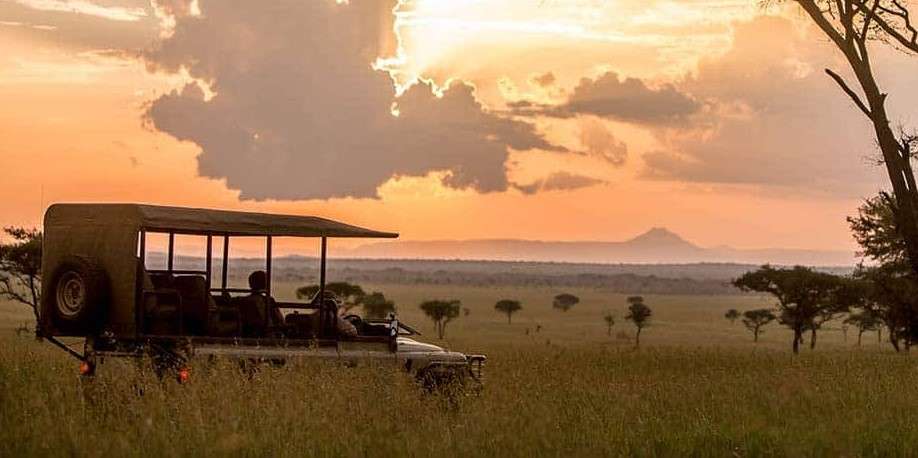
Morning game drives are considered the most productive and are a core part of almost every safari itinerary. You’ll usually get a wake-up call (often with coffee/tea) around 5-6 AM to head out as the sun rises.
-
Best time to spot predators
Lions, leopards, cheetahs, and African wild dogs are most active in the early morning hours. Many hunts take place just before sunrise, and you may see predators finishing a kill, feeding, or moving back to shaded resting spots. -
Cooler temperatures and soft light
Early mornings bring cooler air and golden light, which improves visibility and makes animals more comfortable and active. This is also the best time for wildlife photography, especially for big cats and birds.
Morning game drives usually start at first light and last two to four hours, depending on park rules and wildlife activity.
Afternoon Game Drives
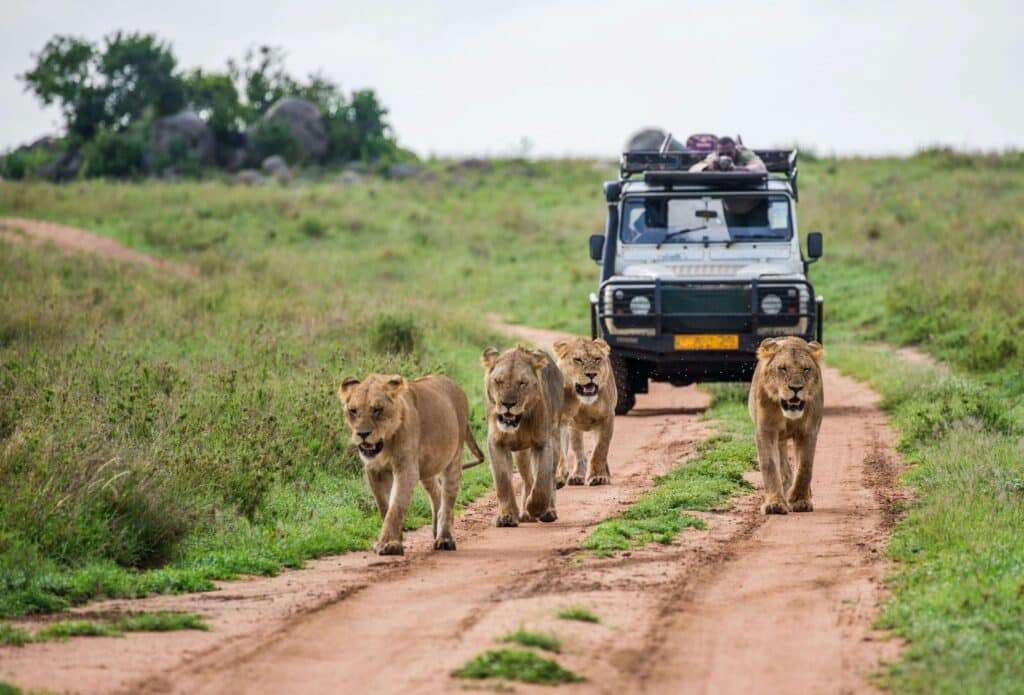
Afternoon game drives focus on slower-paced exploration and classic wildlife scenes, you usually departs around 3-4 PM, until sunset
-
Ideal for relaxed wildlife viewing
Many animals rest during the heat of the day, making afternoon drives calmer and more observational. Guides focus on areas where animals shelter, such as wooded areas and riverbanks. -
Increased movement near water sources
Elephants, buffalo, giraffes, and antelope often gather near rivers and watering holes as temperatures rise. This creates excellent opportunities for viewing large herds and social behavior.
Afternoon drives usually begin mid-afternoon and continue until sunset.
Evening and Sunset Game Drives
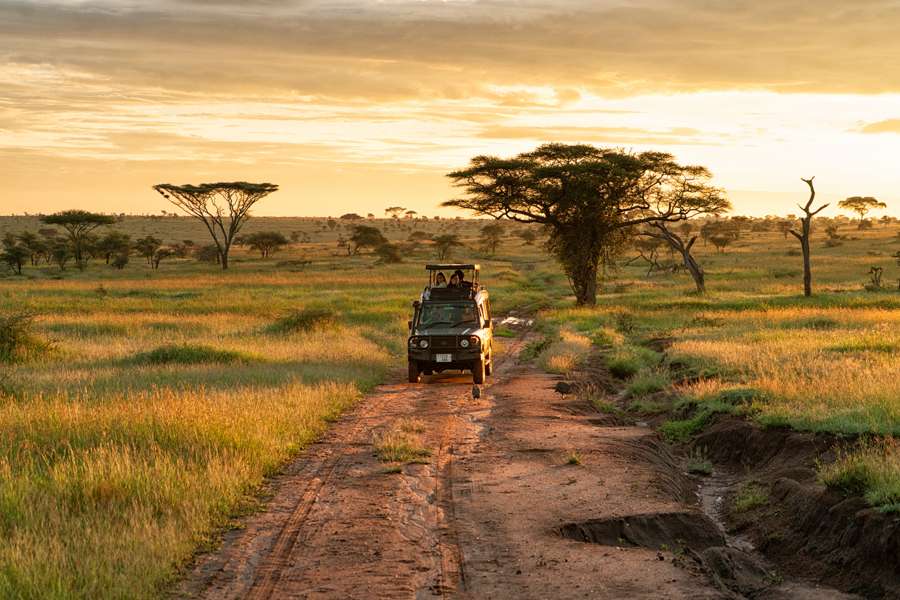
Sunset game drives bridge the gap between day and night and are visually stunning.
-
Golden-hour photography
Low-angle sunlight creates dramatic colors, long shadows, and silhouettes that are ideal for photography. Landscapes often look their best during this time. -
Predators begin to stir
As temperatures drop, lions, leopards, and hyenas become more active, preparing for night hunts. -
Return before dark in most national parks
In public national parks, vehicles must exit before nightfall due to regulations. This keeps wildlife disturbance low and ensures safety.
Night Game Drives (Where Allowed)
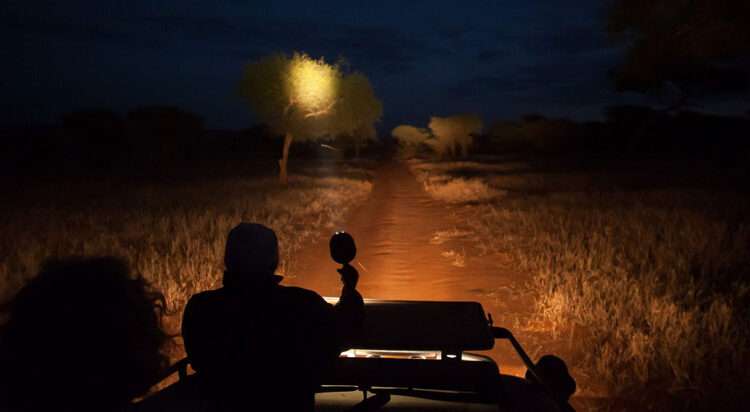
Night game drives are only permitted in private reserves and select conservancies, Common in areas of Kenya (Masai Mara, Ol Pejeta) and Tanzania (Lake Manyara, Tarangire) and not in most national parks. Night game drives usually starts around sunset (6:30-7:00 PM) and lasts until 9:00 PM, sometimes later. It focus on nocturnal species like genets, civets, aardvarks, bush babies, honey badgers, porcupines, and nocturnal predators like leopards and lions.
Guides use red or filtered spotlights that do not harm animal night vision. Drives are carefully controlled to avoid stress to wildlife.
Night drives typically last one to two hours and offer a completely different safari perspective.
Walking Safaris (Where Available)
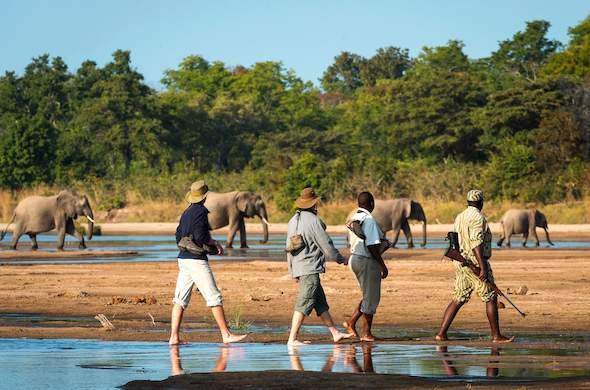
Although not vehicle-based, walking safaris complement game drives in certain areas.
-
Explore animal tracks, plants, insects, and smaller wildlife on foot
-
Led by armed ranger guides with deep ecological knowledge
-
Available in select parks and private reserves only
Walking safaris focus on understanding ecosystems rather than large animal encounters.
How Long Does a Game Drive Last?
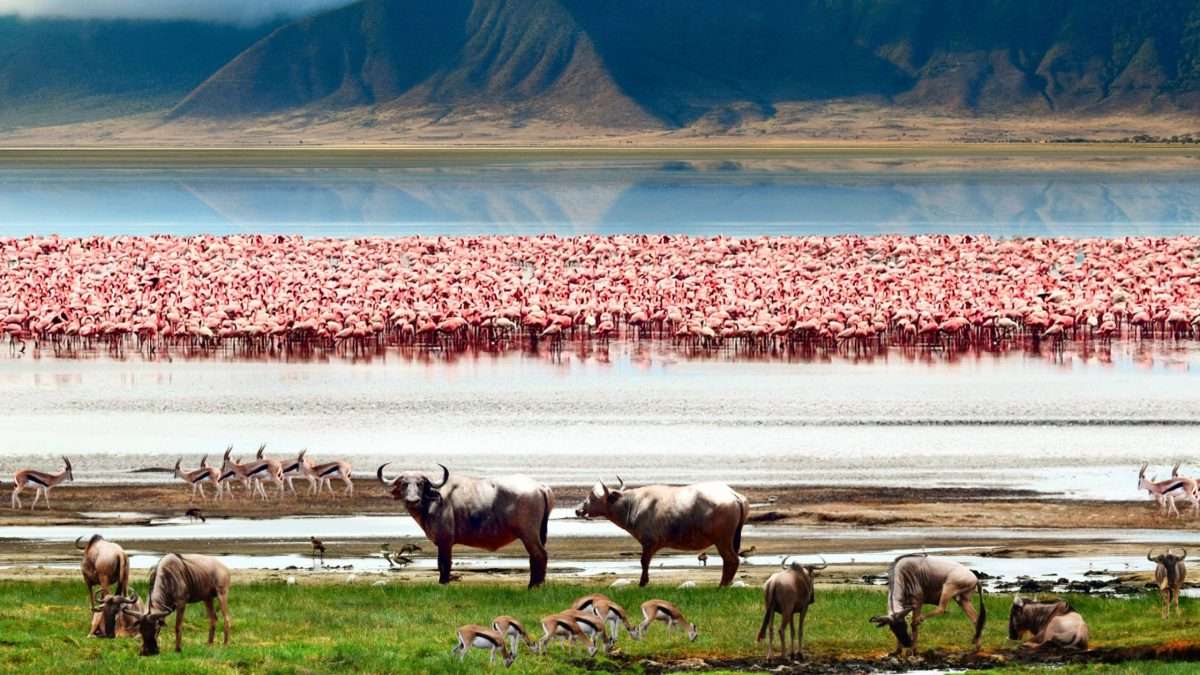
The length of a safari game drive depends on the park rules, time of day, wildlife activity, and the type of safari you choose. Most game drives are carefully timed around animal behavior rather than convenience, which is why patience plays such an important role.
Typical Game Drive Duration
-
Standard duration: 2 to 4 hours
-
Morning game drives: Usually start at dawn, around 6:00 to 6:30 AM, and last 3 to 4 hours
-
Afternoon game drives: Typically run from 3:30 to 6:30 PM, ending before sunset in most national parks
Full-Day vs Half-Day Game Drives
-
Half-day game drives: These are the most common option and ideal for travelers who want consistent wildlife sightings without fatigue. They allow guides to focus on high-probability areas and animal movement patterns.
-
Full-day game drives: Full-day drives last 8 to 10 hours, with breaks for picnic lunches and rest stops. These are popular in large parks like the Serengeti and Ruaha, where distances are vast and wildlife zones change throughout the day. Full-day drives offer deeper exploration and increase the chance of rare sightings, but they require stamina and patience.
What Types of Vehicles Are Used in Game Drives?
The type of vehicle used in a game drive depends on the region, park regulations, terrain, and budget.
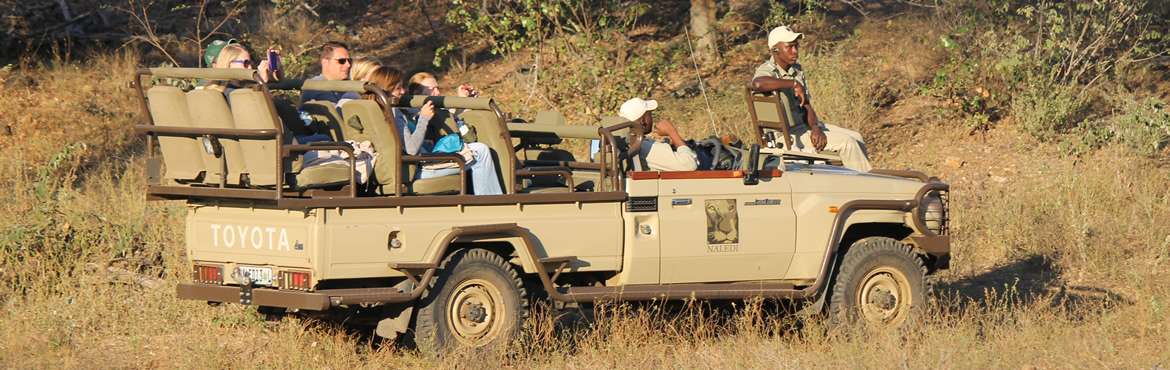
Southern Africa (South Africa, Botswana, Namibia)
-
Open-sided 4×4 vehicles
These are the classic safari vehicles, often Land Cruisers or Land Rovers, with open sides and tiered seating. They provide excellent visibility and immersive wildlife experiences. Canvas roofs are usually included for shade. -
Closed 4×4 vehicles
Used mainly for transfers or in reserves with stricter regulations. Many still include pop-up roofs for wildlife viewing.
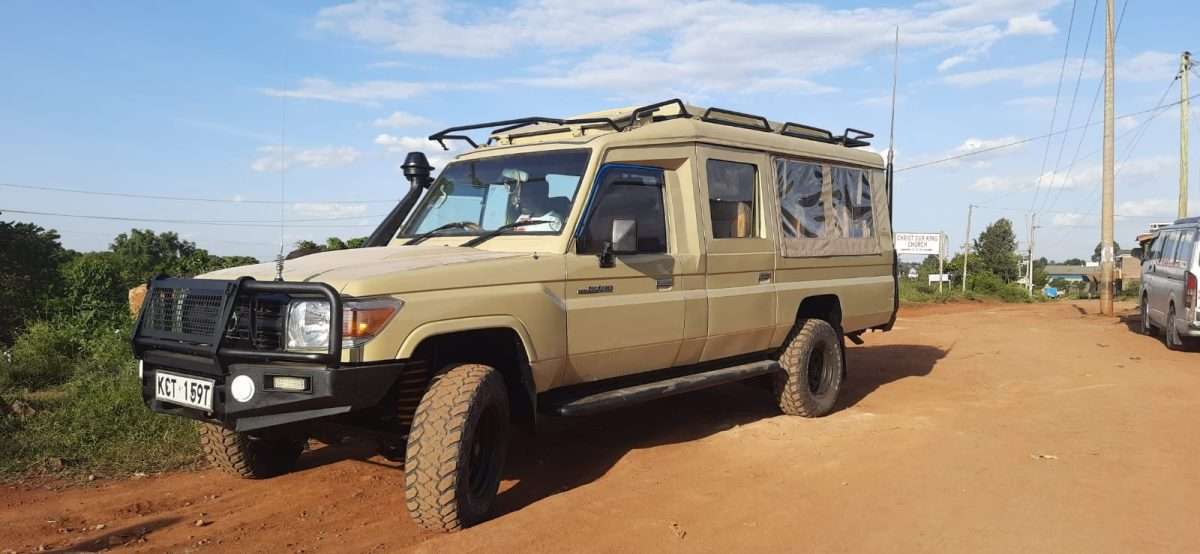
Open vehicles are common in private reserves and are preferred for photography and close encounters.
East Africa (Tanzania, Kenya)
-
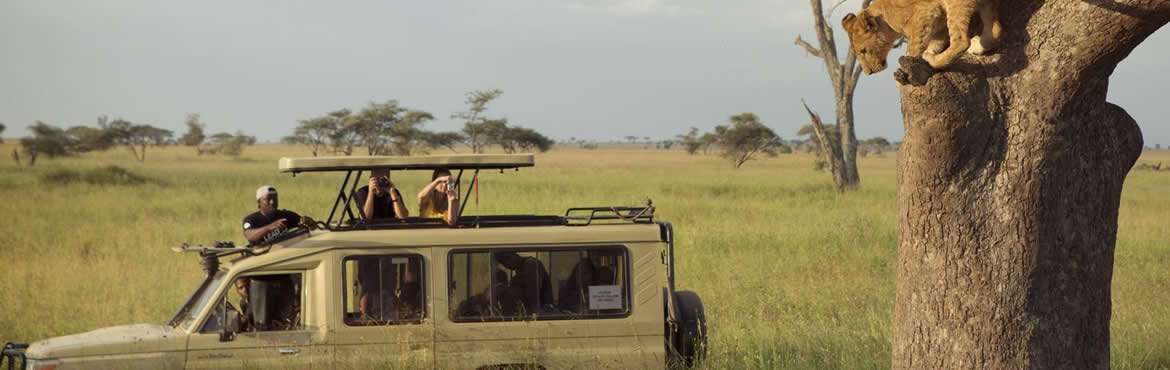
Closed 4×4 vehicles with pop-up roofs
These are standard in national parks due to safety regulations. The pop-up roof allows guests to stand and observe wildlife while keeping everyone enclosed. Many vehicles include features such as charging ports, refrigerators, and air conditioning. -
Safari minibuses or vans
Often used on budget or road-based safaris, especially in Kenya. These usually include window seating and a pop-up roof, offering good visibility at a lower cost.
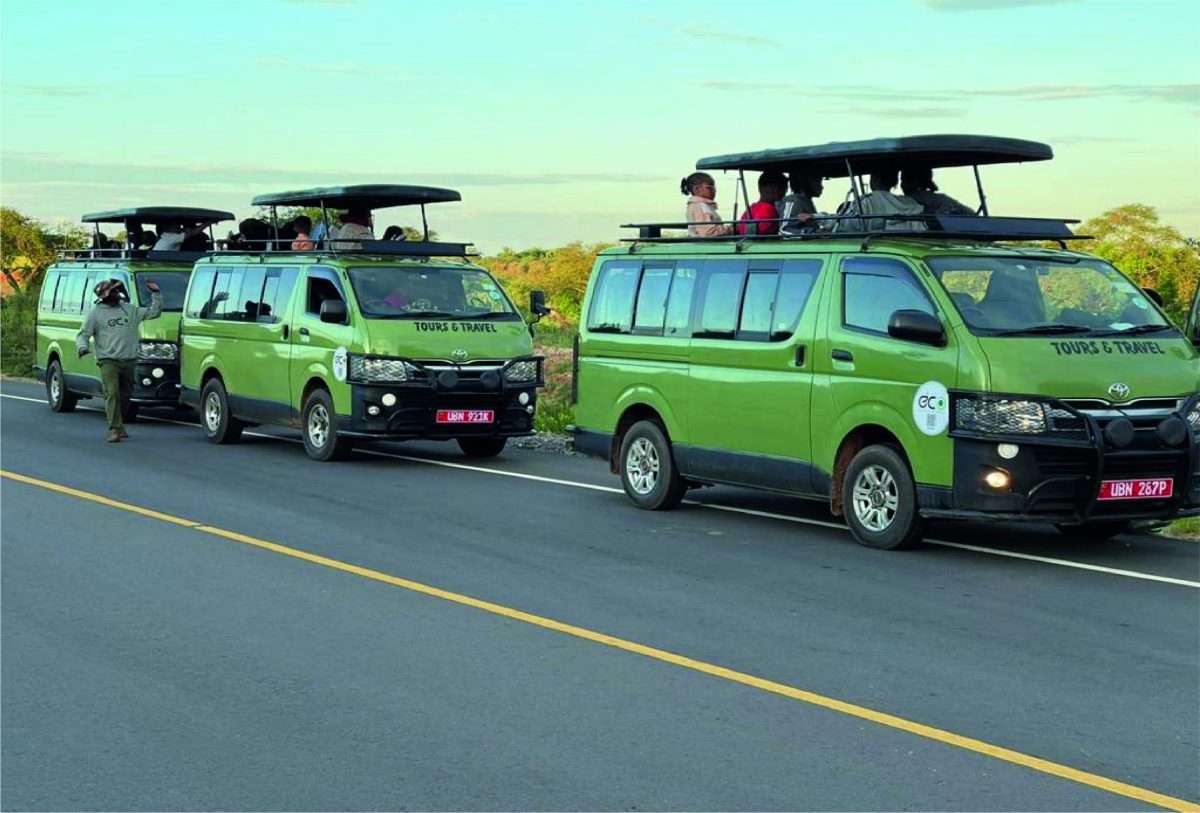
In East Africa, enclosed vehicles are required in most national parks, while open vehicles may be used in private conservancies.
Factors Influencing Vehicle Choice
-
Terrain
Rough, muddy, or remote areas require rugged 4×4 vehicles with high clearance. -
Location
National parks enforce stricter vehicle rules than private reserves. -
Safety regulations
Enclosed vehicles are often mandatory in public parks. -
Comfort features
Air conditioning, refrigerators, and padded seating matter during long drives in hot climates. -
Budget
Open-sided safari vehicles and private-use vehicles typically cost more than shared or minibus options.
Best Places for Safari Game Drives in Africa
Africa offers some of the world’s most rewarding safari game drives, but not all destinations deliver the same experience. The best place for safari game drives depends on wildlife density, landscape, guiding quality, seasonality, and how the parks are managed. Below are the most proven destinations for consistently high quality african game drive safaris.Serengeti National Park (Tanzania)
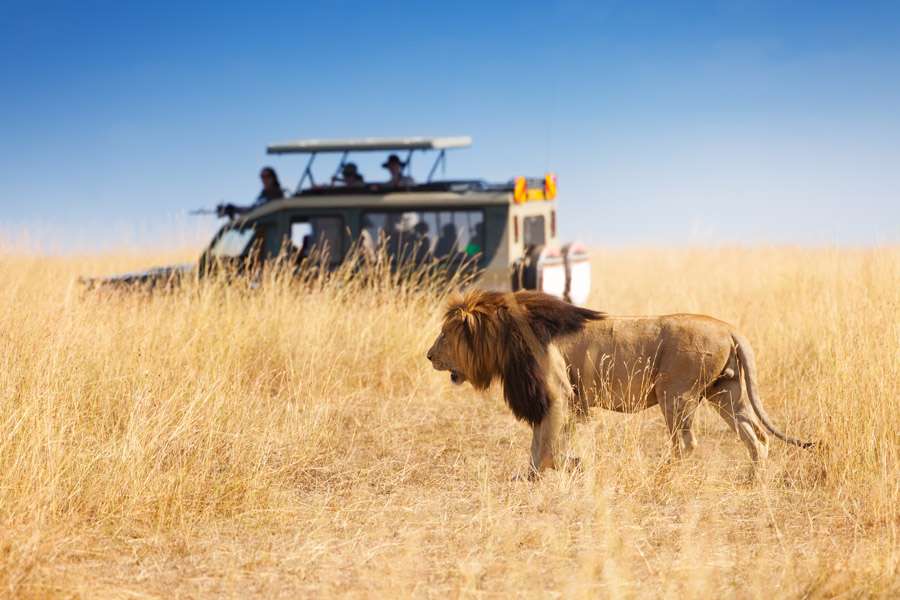
The Serengeti is the benchmark for safari game drives in Africa. Its vast open plains support one of the highest predator densities on the continent and host the Great Migration of over 1.5 million wildebeest and 300,000 zebras. Game drives here offer frequent lion sightings, reliable leopard encounters in riverine areas, and year round wildlife viewing. The scale of the park allows for full day game drives without repetition, making it ideal for longer itineraries.
Masai Mara National Reserve (Kenya)
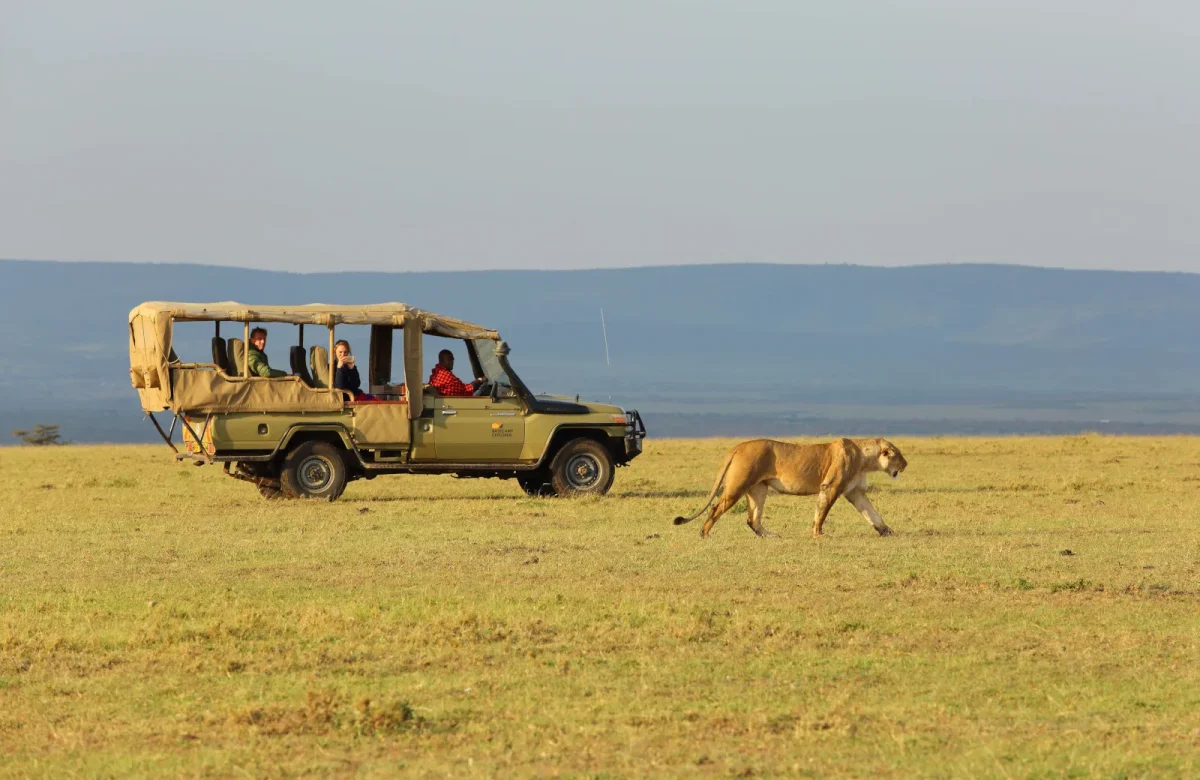
The Masai Mara is famous for intense wildlife action within a compact area. Game drives here deliver excellent lion sightings, strong leopard populations, and dramatic river crossings during the migration season from July to October. Private conservancies surrounding the reserve allow off road driving and night game drives, which adds flexibility and depth to african game drive safaris.
Kruger National Park (South Africa)
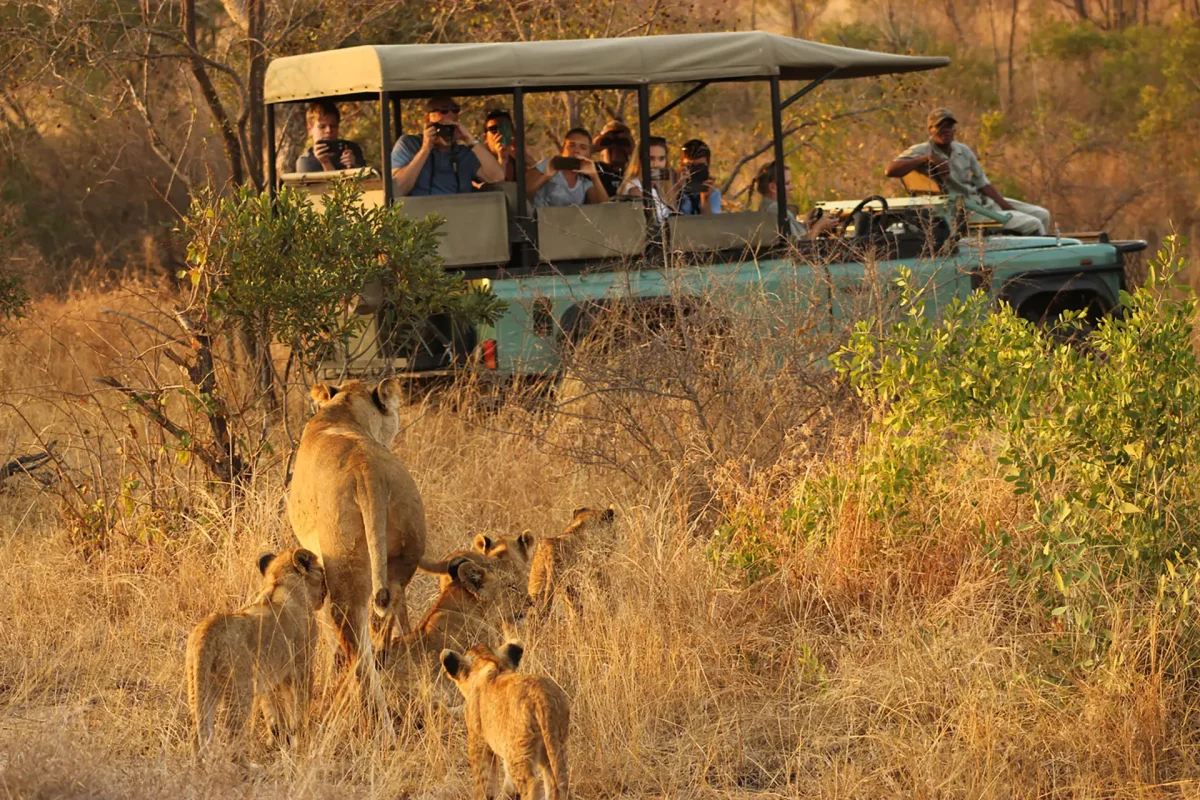
Kruger is one of the most accessible and wildlife dense parks in Africa. It offers some of the highest success rates for seeing the Big Five on game drives. The park supports both guided safaris and self drive options, making it suitable for different budgets. Adjacent private reserves like Sabi Sands are globally known for consistent leopard sightings during game drive safaris.
Okavango Delta (Botswana)
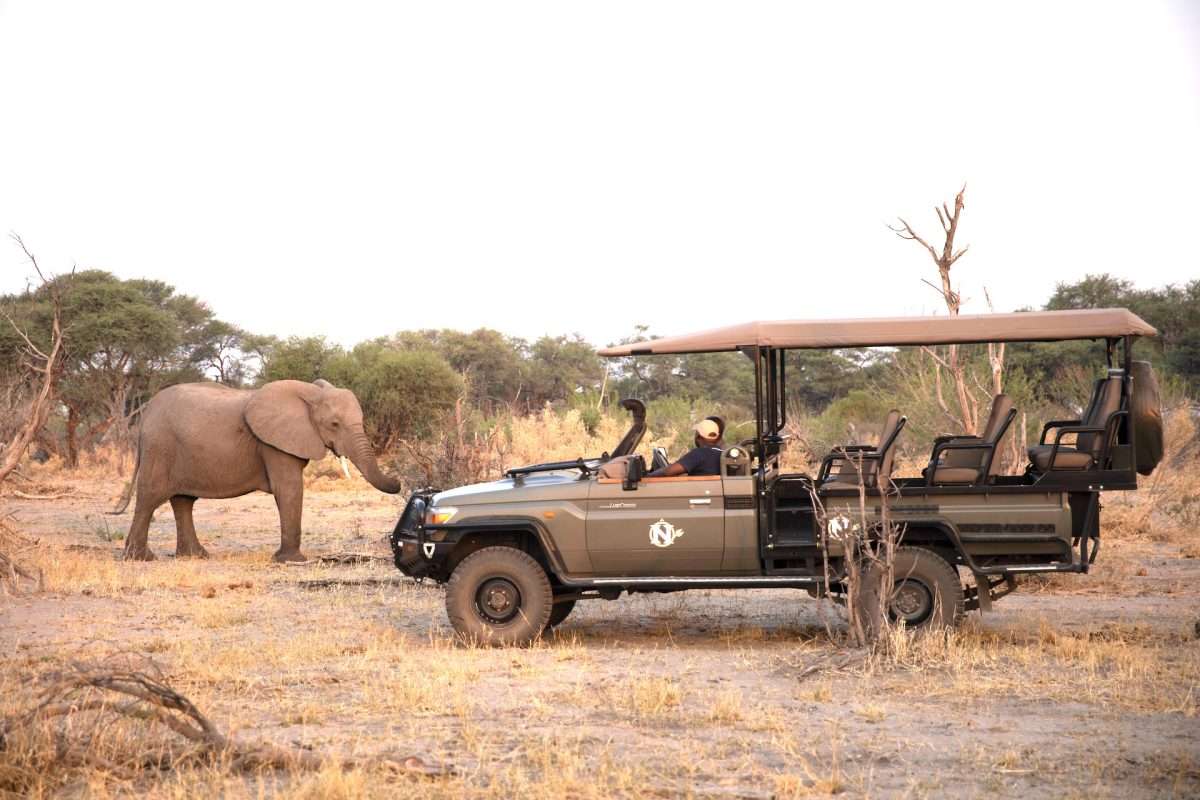
The Okavango Delta offers a unique safari game drive experience shaped by water. Seasonal flooding creates wildlife rich islands where elephants, lions, leopards, and rare antelope thrive. Game drives are often combined with mokoro canoe safaris. This region is known for low vehicle density, strict conservation rules, and high end guiding standards.
South Luangwa National Park (Zambia)
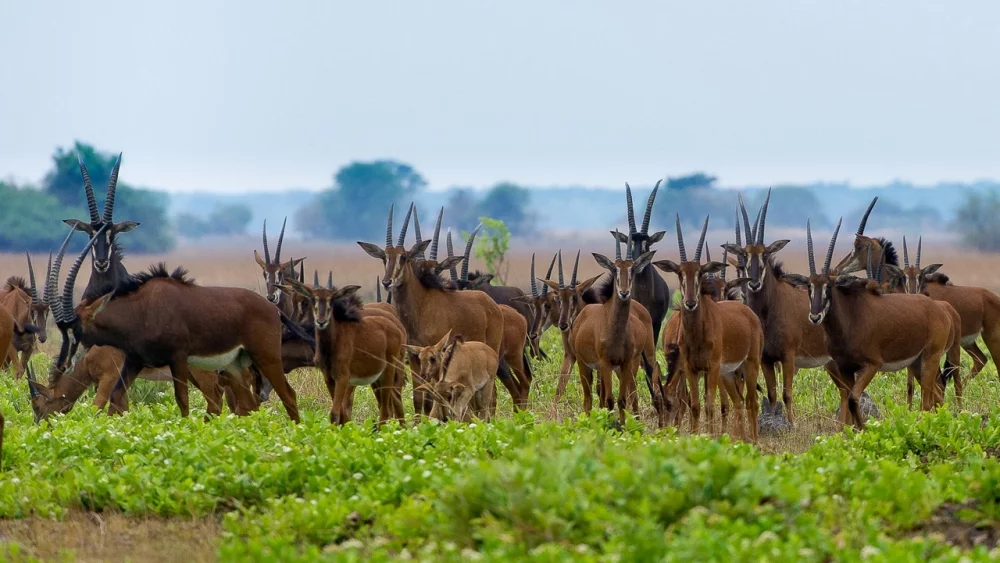
South Luangwa is regarded as the birthplace of walking safaris and offers some of Africa’s most authentic game drive safaris. The Luangwa River attracts large concentrations of wildlife, including hippos, elephants, and one of the strongest leopard populations in Africa. Fewer vehicles and limited development create a quieter, more immersive safari experience.
Queen Elizabeth National Park ( Uganda)
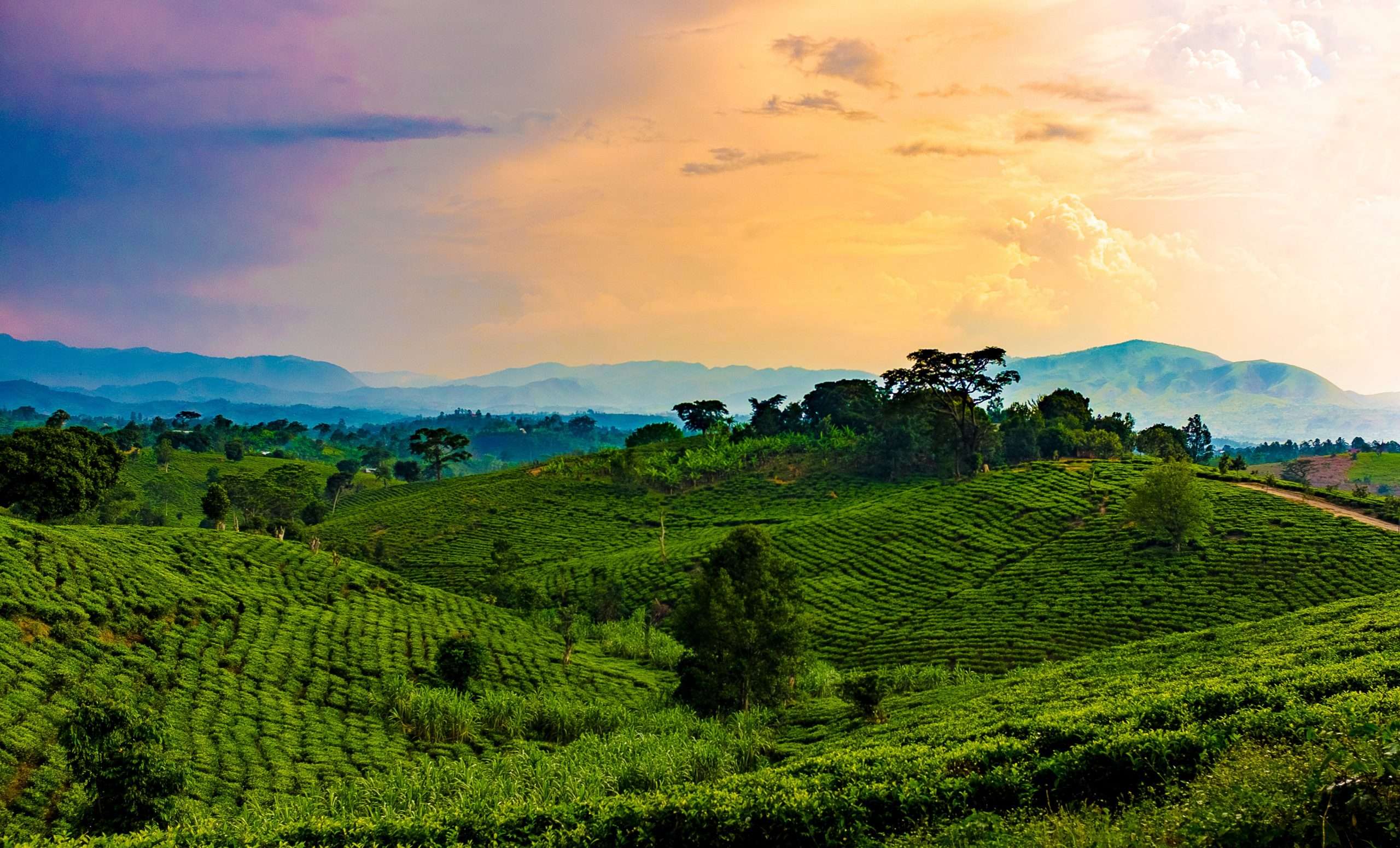
This park delivers varied safari game drives across savanna, wetlands, and forested areas. It is famous for tree climbing lions in the Ishasha sector and large hippo populations along the Kazinga Channel. While predator density is lower than Serengeti or Mara, the diversity of landscapes and birdlife makes game drives here highly rewarding.
Cost of Game Drives in Africa
The cost of safari game drives varies widely based on country, park fees, vehicle type, guide expertise, accommodation level, and whether the drive is shared or private. Below is a realistic breakdown to help set expectations.
South Africa
-
Budget self drive in Kruger: USD 100–250 per day including park fees and vehicle rental
-
Mid range guided game drives: USD 300–600 per person per day with lodge accommodation
-
Luxury private reserves: USD 700–1,500+ per person per day, fully inclusive
South Africa offers some of the best value african game drive safaris due to excellent infrastructure and flexible options.
East Africa (Kenya and Tanzania)
-
Half day game drives: USD 50–200 per person
-
Full or exclusive game drives: USD 250–500+ per person
-
Luxury safari packages: USD 1,200–2,500+ per person per night, including accommodation, park fees, meals, and guides
Costs are higher due to park fees, fuel distances, and professional guiding, but wildlife density and landscapes justify the price.
Zambia, Botswana, Zimbabwe
-
Mid range safari lodges: USD 500–1,000+ per person per night, often including game drives, park fees, meals, and activities
-
These destinations focus on low impact tourism, which increases cost but delivers uncrowded, premium game drive safaris.
What Influences Game Drive Costs Most
-
Park conservation fees and vehicle permits
-
Shared versus private safari vehicles
-
Length of the game drive and number of drives per day
-
Seasonality, with peak wildlife months costing more
-
Level of guiding and lodge exclusivity
Safari game drives are not priced by minutes or kilometers. You are paying for access to protected wild areas, expert wildlife tracking, conservation funding, and one of the most immersive wildlife experiences on earth.
What to Wear on a Game Drive
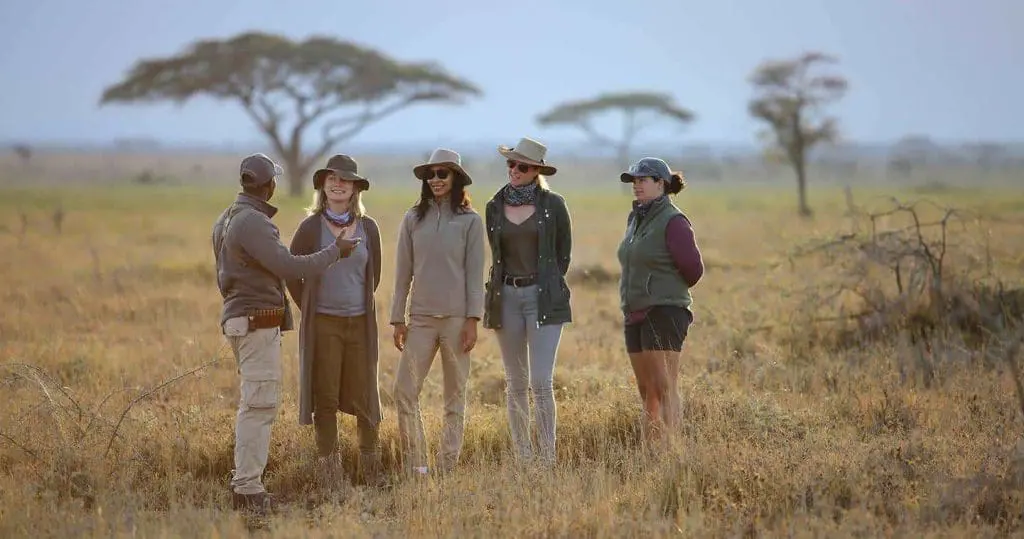
Neutral, earthy colors like khaki, beige, olive, and soft browns work best on safari game drives because they blend into the environment and do not disturb wildlife. Avoid bright colors, white, and black, as these can attract insects or startle animals. Layering is essential since early morning African game drives can be cool while midday temperatures rise quickly, so a light jacket over a breathable shirt works well. Closed toe shoes or lightweight hiking shoes are ideal for comfort and safety inside the vehicle. Skip strong perfumes, noisy accessories, and anything that reflects light.
What to Bring With You
A camera or smartphone with good zoom and a pair of binoculars greatly enhance safari game drives by helping you spot distant wildlife. Sun protection is essential, so bring sunscreen, sunglasses, and a wide brim hat, especially for midday game drive safaris. Always carry a reusable water bottle, as drives can last several hours and dehydration happens quickly in warm climates. Power banks and extra memory cards are important since charging opportunities inside national parks are limited. A small daypack helps keep everything organized without cluttering the vehicle.
Game Drive Rules You Must Follow
Game drives operate under strict wildlife and park regulations to protect both animals and guests. Staying quiet and moving slowly allows animals to behave naturally and increases your chances of meaningful sightings. Feeding or calling animals is never allowed, as it disrupts natural behavior and can create danger for future visitors. Guests must remain inside the safari vehicle at all times unless in designated areas. Your guide’s instructions should always be followed because they understand animal behavior and park safety rules.
Safety Tips During Game Drives
Wild animals are unpredictable, even when they appear calm or relaxed, which is why safari game drives are carefully managed. Experienced guides read animal body language and maintain safe distances at all times. If an unexpected situation arises, staying calm and silent helps prevent escalation. Never stand up suddenly or lean outside the vehicle during an african game drive. Trust your guide’s judgment, as their training and local knowledge are what keep game drive safaris safe.
Photography Tips for Game Drives

For beginners, using fast shutter speeds helps capture sharp images during moving safari game drives, especially when animals are walking or running. Mobile phones can work well for close sightings, but cameras with optical zoom perform much better for distant wildlife. To reduce camera shake, rest your hands or camera on the vehicle frame or use a bean bag if available. Avoid flash photography, as it can stress animals and is often prohibited in parks. Respectful wildlife photography means capturing moments without interfering with animal behavior.
How Much to Tip Game Drive Guides and Drivers
Tipping is an important part of safari culture and supports the professionals who make game drive safaris possible. A common guideline is USD 10 to 20 per person per day for a primary safari guide or driver guide, depending on service quality and trip length. For shared vehicles, tips are usually pooled at the end of the safari. If trackers or spotters are involved, an additional USD 5 to 10 per person per day is appropriate. Always tip at the end of your safari in cash unless your lodge advises otherwise.
Common First-Time Safari Mistakes
Expecting guaranteed sightings
Many first-time travelers assume safari game drives work like a zoo experience. Wildlife is free roaming, and while guides maximize your chances, no ethical safari can promise specific animals. The beauty of game drives lies in the unpredictability and natural behavior you witness along the way.
Overpacking gear
Bringing too much equipment can become a distraction during african game drives. Large camera kits, multiple lenses, and bulky bags often stay unused. One good camera or phone, binoculars, and essentials are more than enough to enjoy the experience fully.
Ignoring guide advice
Safari guides are trained professionals who read animal behavior for safety and sightings. Ignoring instructions such as staying quiet or seated can reduce wildlife encounters and put everyone at risk. Listening closely improves both safety and game viewing.
Choosing the wrong safari season
Timing matters. Green season offers fewer crowds and dramatic landscapes, while dry season improves visibility and predator sightings. Choosing the right season based on your goals is critical for a rewarding game drive safari.
Is a Game Drive Worth It?
Why game drives are unforgettable
Safari game drives place you inside wild landscapes where animals live freely. Seeing a lion pride at sunrise or elephants crossing a river creates moments that stay with you long after the trip ends.
Emotional and educational value
Game drives are not just about sightings. Guides explain ecosystems, animal behavior, conservation challenges, and cultural context. You leave with deeper understanding, not just photos.
Why no two game drives are ever the same
Even driving the same route twice delivers different experiences. Weather, light, animal movement, and seasons change constantly, making every african game drive unique.
.
FAQs
What are safari game drives?
Safari game drives are guided wildlife viewing excursions conducted in protected areas such as national parks, game reserves, or private conservancies. They take place in specially designed safari vehicles that allow clear visibility and safe access to wild areas. The main purpose of safari game drives is to observe animals in their natural habitat without disturbing them. A trained guide leads the drive, tracking animal movement, explaining behavior, and sharing insights about ecosystems, conservation, and local landscapes. Game drives are the core activity of most African safaris because they offer the best chance to see wildlife up close in an ethical and responsible way.
Are safari game drives safe?
Yes, safari game drives are generally very safe when conducted by licensed operators and experienced guides. Safari vehicles are designed for wildlife areas, and guides are trained to read animal behavior, keep safe distances, and respond calmly to unexpected situations. Safety rules are strictly followed, such as staying inside the vehicle, remaining quiet near animals, and avoiding sudden movements. While the animals are wild and unpredictable, incidents are extremely rare when guidelines are respected. Most risks are minimized through proper planning, communication, and professional guiding.
Is a game drive the same as safari?
A game drive is part of a safari, but it is not the same thing. A safari refers to the overall travel experience, which may include accommodation, transfers, cultural visits, walking safaris, boat safaris, and relaxation time. A game drive is the specific activity where you go out in a vehicle to look for wildlife. In simple terms, the safari is the full journey, and the game drive is the main wildlife viewing experience within that journey.
How long are game drives on safari?
Most safari game drives last between two and four hours. Morning game drives usually start shortly after sunrise, while afternoon drives begin later in the day and may end around sunset. Some safaris also offer full-day game drives that last eight to ten hours, with picnic breaks inside the park. The duration depends on the park rules, weather, animal activity, and whether the drive is private or shared. Shorter drives are more common and often more rewarding, as animals are most active during cooler hours.
What is the purpose of a game drive?
The purpose of a game drive is to observe wildlife in a natural and respectful way while learning about animal behavior, habitats, and conservation. Game drives are not about chasing animals or guaranteed sightings. Instead, they focus on understanding how ecosystems work and how animals interact with their environment. Guides also use game drives to educate guests about conservation challenges and the importance of protecting wildlife areas. For travelers, the purpose is both discovery and connection with nature.
What I wish I knew before going on safari?
Many travelers wish they knew that patience is more important than speed on safari. Wildlife sightings cannot be rushed, and some of the best moments happen after long periods of quiet observation. Another common realization is that fewer items are needed than expected. Overpacking cameras or clothing can become unnecessary. Many also wish they understood earlier that guides play a huge role in the experience. Trusting the guide and staying present often leads to better sightings and a more meaningful safari.
Why can’t you wear black on a safari?
Black clothing absorbs heat, which can make game drives uncomfortable, especially in warm climates. It also attracts insects such as tsetse flies, which are drawn to dark colors. Additionally, black can stand out against natural landscapes, making you more visible to wildlife. Neutral colors like beige, khaki, olive, and light brown blend better with the environment, help regulate body temperature, and are more practical for long game drives.
How much do game drives cost?
The cost of game drives varies widely depending on the country, park, and style of safari. Budget game drives in some regions may cost around 50 to 150 USD per person for a half-day experience. Mid-range guided game drives often range between 200 and 500 USD per person per day, usually including park fees and a professional guide. Luxury safari game drives, especially in private reserves or fly-in safaris, can cost over 1,000 USD per person per day as part of an all-inclusive safari package. The price reflects vehicle quality, guide expertise, exclusivity, and overall comfort.
Final Thought
Game drives are the heart of every African safari. They are not rushed moments or guaranteed performances but real encounters with nature on its own terms. When approached with patience and curiosity, safari game drives offer connection, perspective, and memories that no photograph can fully capture.


