
Baobab trees in Tanzania are some of the oldest living things on the planet, and once you see one in person, you understand why people call them the Tree of Life. Their swollen trunks, bare branches, and sheer size make them impossible to miss on safari. So let’s answer the real questions people ask before they see one for themselves.
What Is a Baobab Tree?
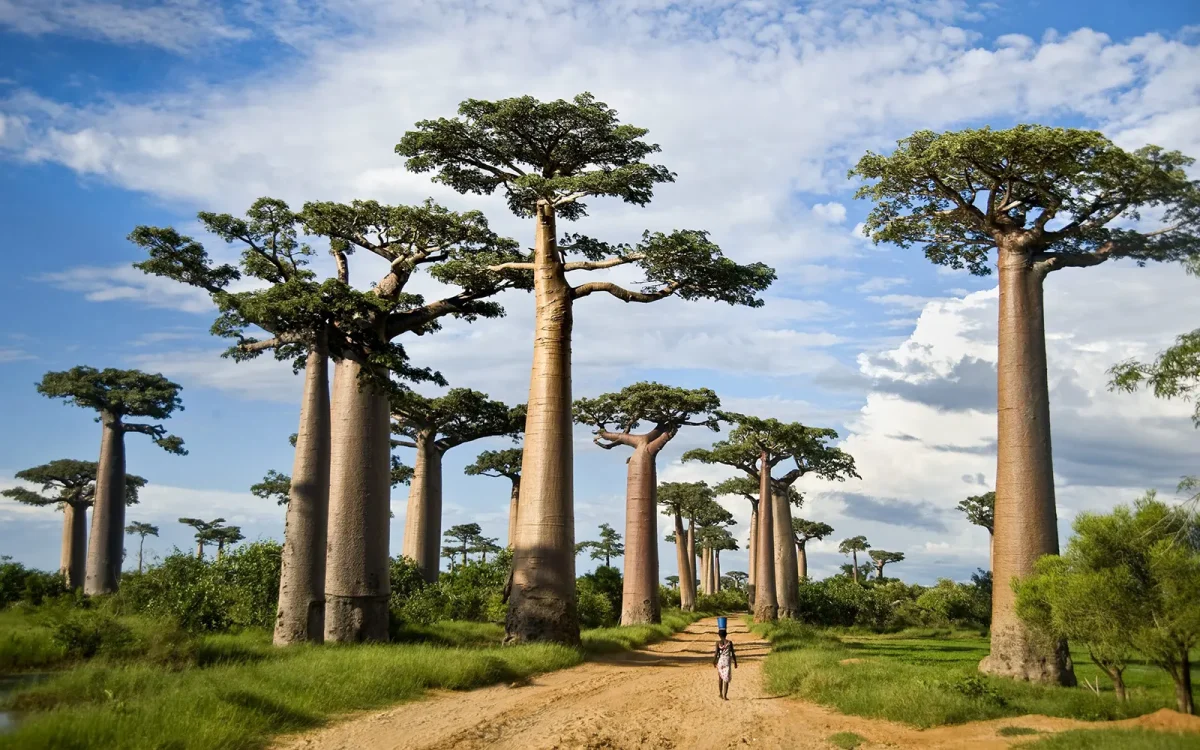
The baobab, or Adansonia digitata, is native to Tanzania’s hot, dry savannas. It has a thick, swollen trunk and sparse, finger-like branches that look more like roots than limbs, which is exactly why people also call it the upside-down tree. There are eight baobab species in the world. One grows on mainland Africa, including Tanzania, one is native to Australia, and the remaining six are found only in Madagascar.
Local legend explains the strange shape with a story passed down for generations. According to the myth, the baobab once tried to walk around like a human, so an angry god flung it from the heavens. It landed upside down, roots pointing skyward, and has looked that way ever since. When the tree is bare of leaves, the stout trunk and stubby branches really do resemble an inverted root system, which is likely how the myth took hold in the first place.
Baobab Tanzania Quick Facts
| Feature | Detail |
|---|---|
| Scientific name | Adansonia digitata |
| Nickname | Tree of Life, upside-down tree |
| Height | 16 to 82 feet |
| Trunk girth | Large specimens exceed 30 meters, the largest ever recorded measured 47 meters |
| Lifespan | Commonly over 1,000 years, some estimated near 2,500 years |
| Water storage | Tens of thousands of liters in large trees, up to 80 percent of the trunk can be water |
| Number of species worldwide | 8, with 1 native to mainland Africa |
| Best place to see them in Tanzania | Tarangire National Park |
Why Is the Baobab Called the Tree of Life?
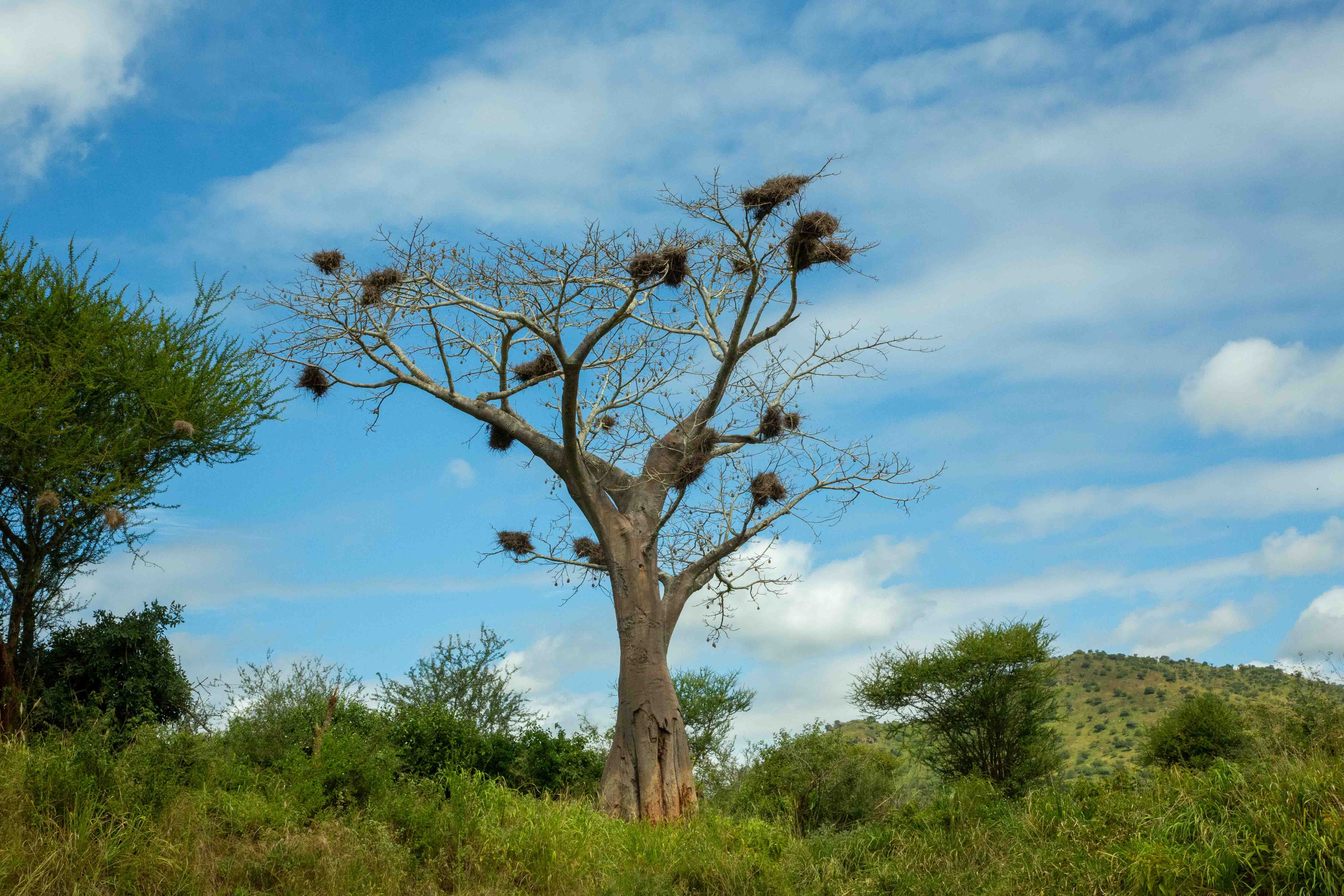
The name is not just poetic. Every part of the baobab supports life around it, which is why it earned this title long before tourism gave it a catchy tagline.
Water Storage
Because baobabs grow in seasonally dry regions, they function as natural water tanks. Large trees store an enormous amount of water in their soft, fibrous trunk wood, and this reserve is exactly what allows the tree, and the animals around it, to survive the dry season.
Food for Wildlife and People
The tree’s fruit, leaves, and seeds all provide real nutrition. The seeds are especially rich, made up of roughly 50 percent dietary fiber and 12 percent water, along with high levels of vitamin C and thiamin. Local communities eat the leaves as a cooked green and use the tart seed pulp much the way children elsewhere use sherbet.
Shelter and Ecosystem

Beyond food and water, the baobab shelters everything from nesting birds to swarms of bees, and its bark contains a mild natural antibiotic, which is part of why animals like elephants and giraffes are drawn to chewing it in the first place.
How Big and Old Are Baobab Trees in Tanzania?
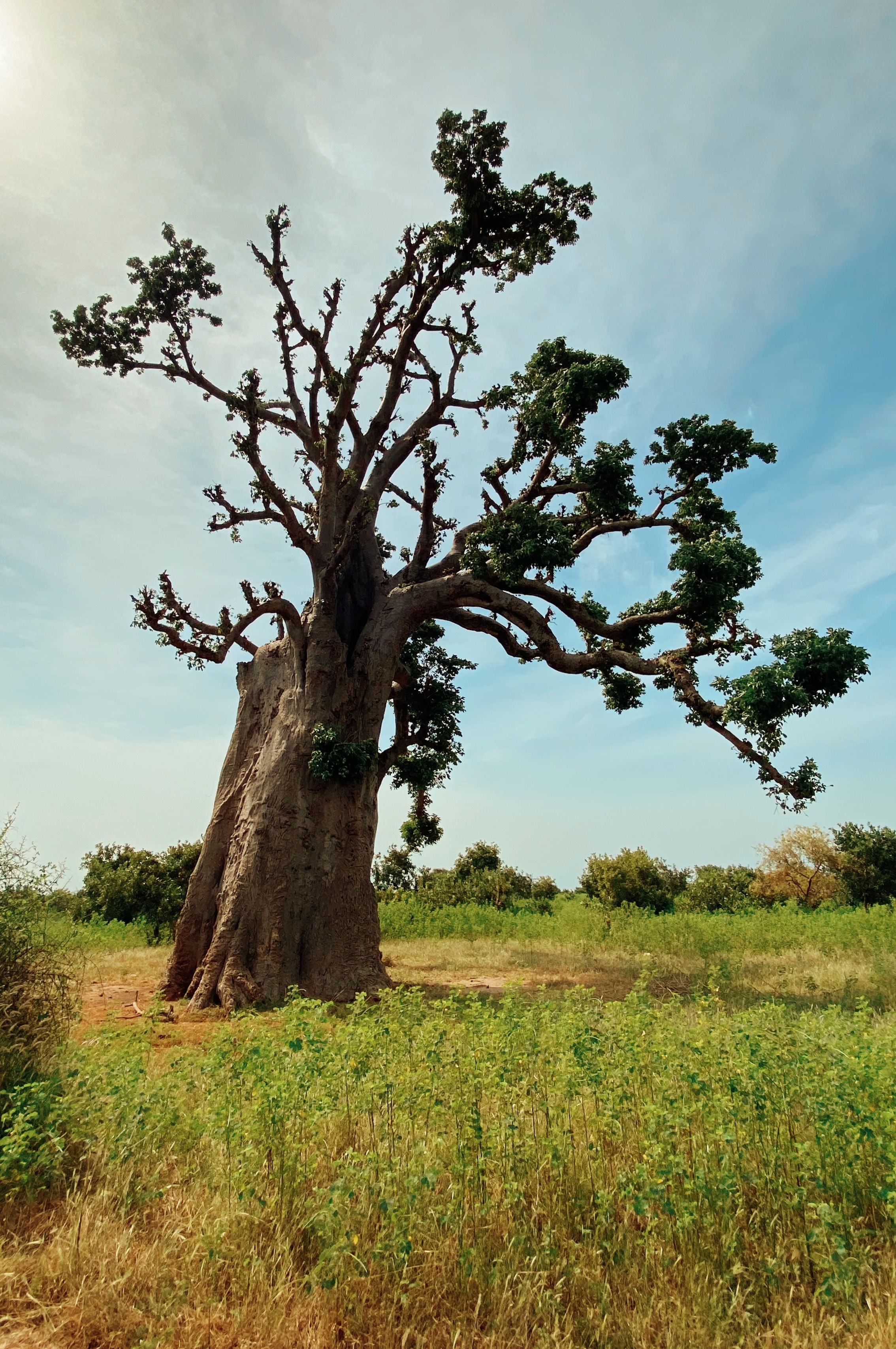
Baobabs are the largest trees in Africa, and size alone sets them apart from anything else on the savanna. A large trunk can exceed 30 meters in girth, and the biggest one ever recorded measured a remarkable 47 meters around. Height ranges from about 16 feet for younger trees up to 82 feet for the largest specimens, though this varies by region and by how much water the trunk is currently holding.
Age is where things get tricky. Baobabs are essentially giant succulents rather than true hardwood trees, so they lack the growth rings scientists normally use to calculate a tree’s age. As a result, estimates vary, but many baobabs are thought to live well over 1,000 years, and some of the oldest may approach 2,500 years, making them some of the oldest living organisms on Earth.
Human Uses of the Baobab Tree
People have relied on the baobab for centuries, and the list of uses is genuinely long once you start counting.
- Bark fiber is woven into rope and fire-resistant cloth
- Bark pulp is processed into paper, grain sacks, and fishing line
- Leaves are cooked and eaten as a leafy green vegetable
- Seeds are eaten raw for their tangy, sherbet-like flavor and pressed for a nutrient-rich oil used as a skin moisturizer
- Fruit pulp, sometimes called ubuyu locally, is packed with vitamin C and used in food and traditional remedies
- Sap is used to make glue, rubber, and soap
- Young sprouts can be cooked and eaten much like asparagus
Baobab Flowers and Fruit
A baobab does not begin flowering until it is roughly 20 years old. When it finally blooms, the tree produces large white flowers that hang from the branches like lanterns. Each flower opens in the late afternoon, releases a strong scent, and closes again after a single night, having attracted sunbirds during the day and fruit bats after dark for pollination.
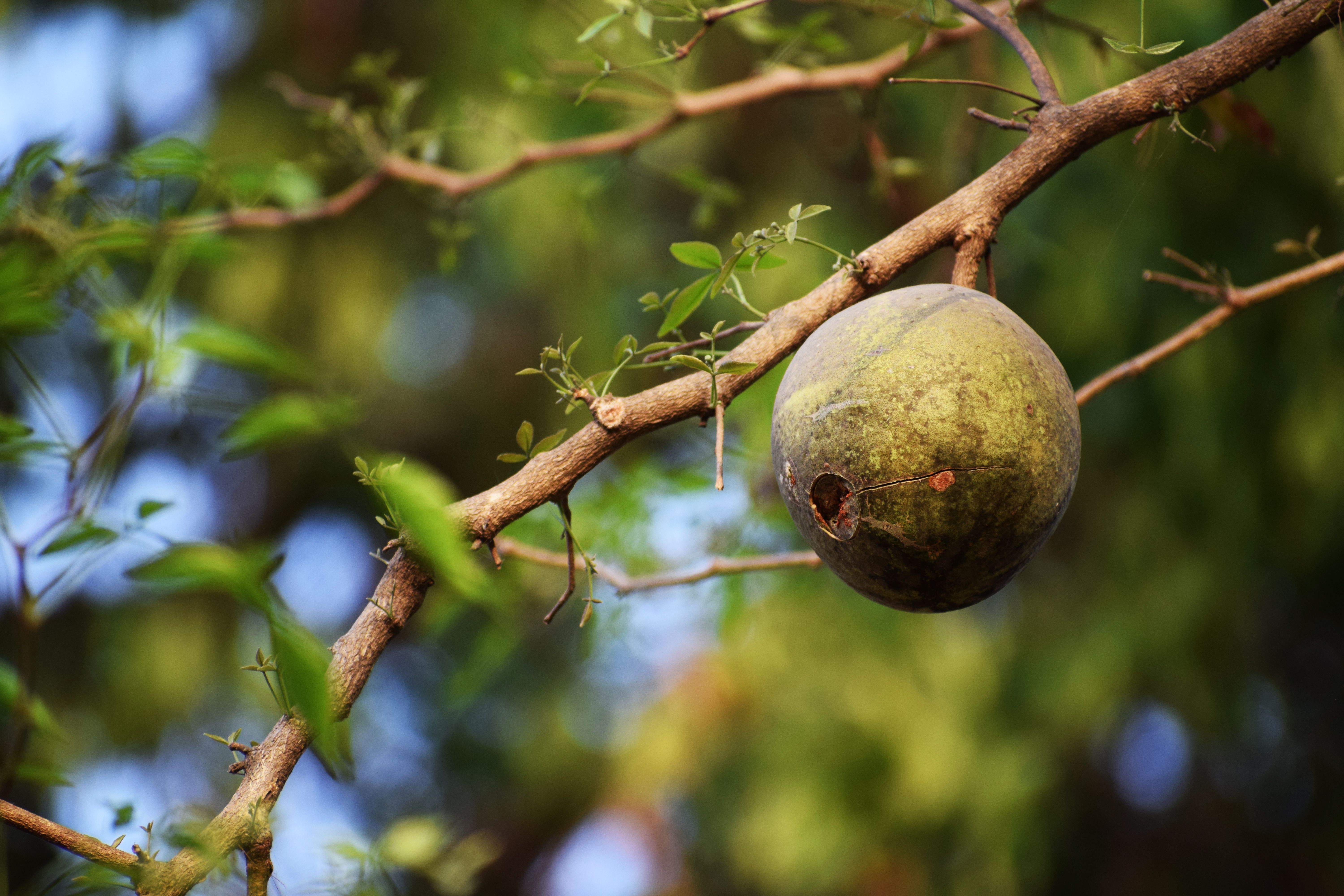
The fruit that follows is genuinely unusual. Baobab is the only tree in the world whose fruit dries naturally while still hanging on the branch, sometimes for up to six months, until the fuzzy, coconut-like shell hardens in the sun. People often call it monkey bread because monkeys eat it so readily. Inside, the pulp is loaded with vitamin C, fiber, and antioxidants, which is why it has picked up the nickname superfruit in recent years.
Elephants and Baobabs: A Two-Way Relationship
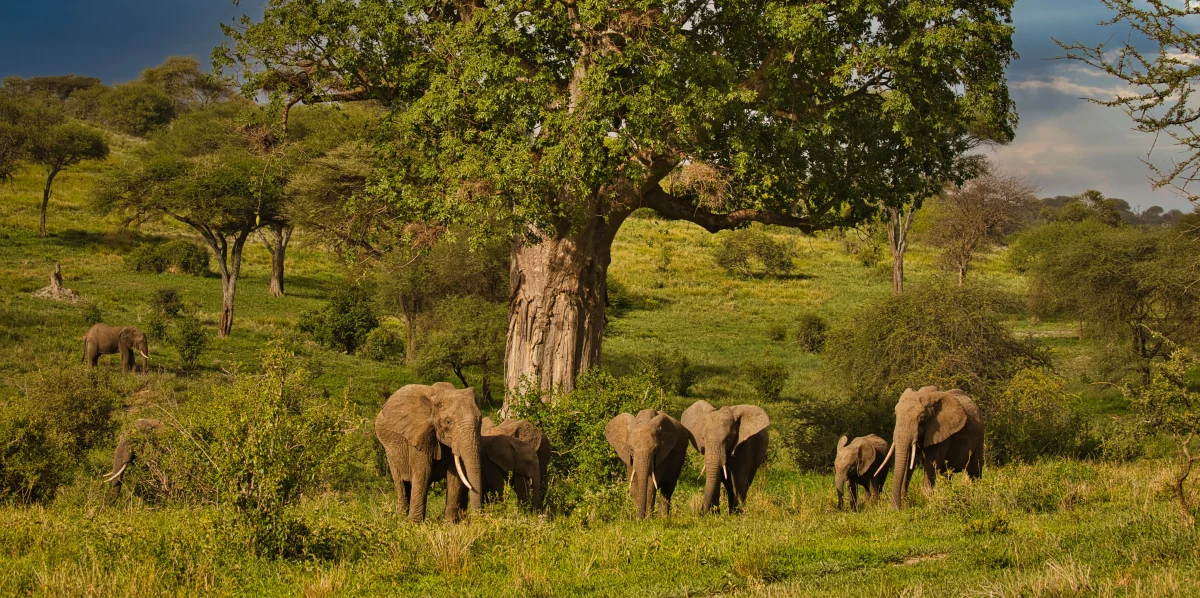
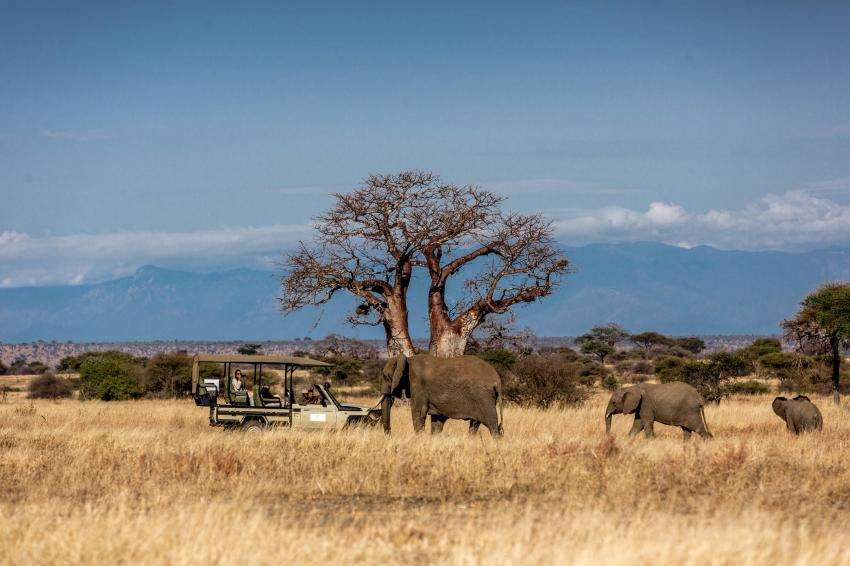
Elephants and baobabs share one of the more fascinating relationships on the savanna. During the dry season, elephants gouge out the moist, fibrous pulp of the trunk for both water and nutrition, and they also scratch and sharpen their tusks against the bark. In extreme drought, an elephant can strip so much of a tree’s trunk that the baobab eventually collapses, at which point the herd consumes what remains entirely.
This might look destructive, but the tree has evolved to handle it. Baobabs regrow bark and heal from this damage over time, which is part of why they can survive for centuries despite generations of elephants relying on them for food and water.
Ancient Hollow Baobabs: Homes for Wildlife and People
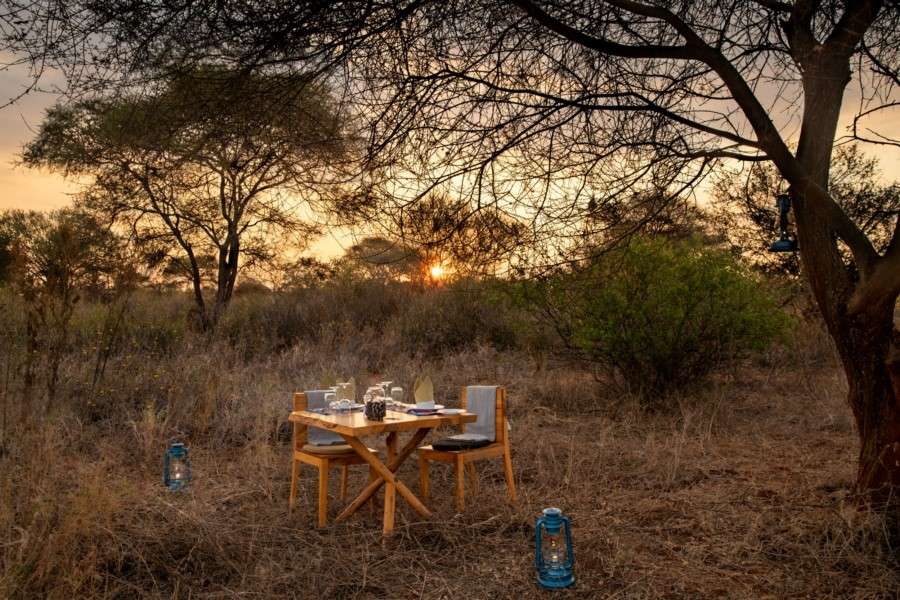
Once a baobab reaches roughly 1,000 years old, its trunk often begins to hollow out naturally, forming a cavity that becomes a shelter for an entire community of creatures. Bees, tree agamas, snakes, birds, squirrels, bush babies, and bats all use these hollow spaces, and in some cases leopards and pythons take shelter inside the largest cavities too.
Humans have used these same hollow trunks for centuries. Depending on the region, old baobabs have served as homes, jails, and even makeshift pubs and post offices. If you look closely at some of the older trees on safari, you may notice small wooden pegs driven into the bark in a line up the trunk. These are the remains of ladders once used by wild honey collectors, long before the surrounding land became a protected national park.
Where to Find Baobab Trees in Tanzania
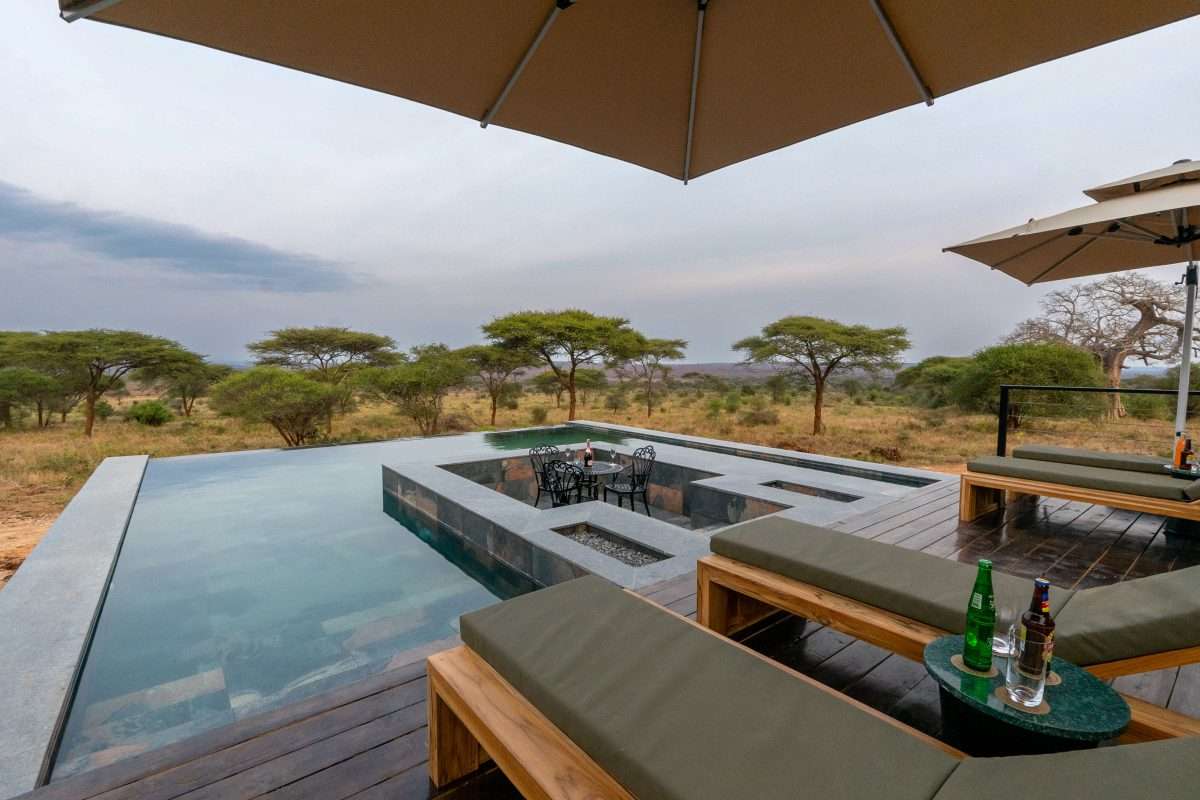
Baobabs grow across most of Tanzania’s national parks, but they are not evenly spread.
- Tarangire National Park has the highest concentration of baobabs in the country and is widely known as the Baobab Capital of the World
- Ruaha National Park comes in as a close second, with dense stands of ancient trees and far fewer visitors
- Lake Manyara National Park has scattered but impressive specimens
- Mikumi National Park also holds notable baobab populations
- Serengeti National Park and Nyerere National Park both have baobabs as well, though in smaller concentrations than Tarangire or Ruaha
Best Time to See Baobab Trees in Tanzania
Tarangire and Tanzania’s other parks are open to visitors throughout the year, and baobabs themselves are a year-round sight since they do not lose their dramatic shape with the seasons. That said, the dry season, roughly June through October, is the most popular time to visit, since drier roads make the park easier to explore. Keep in mind this is also peak season, so expect more visitors during those months.
Baobab Trees and Maasai Culture
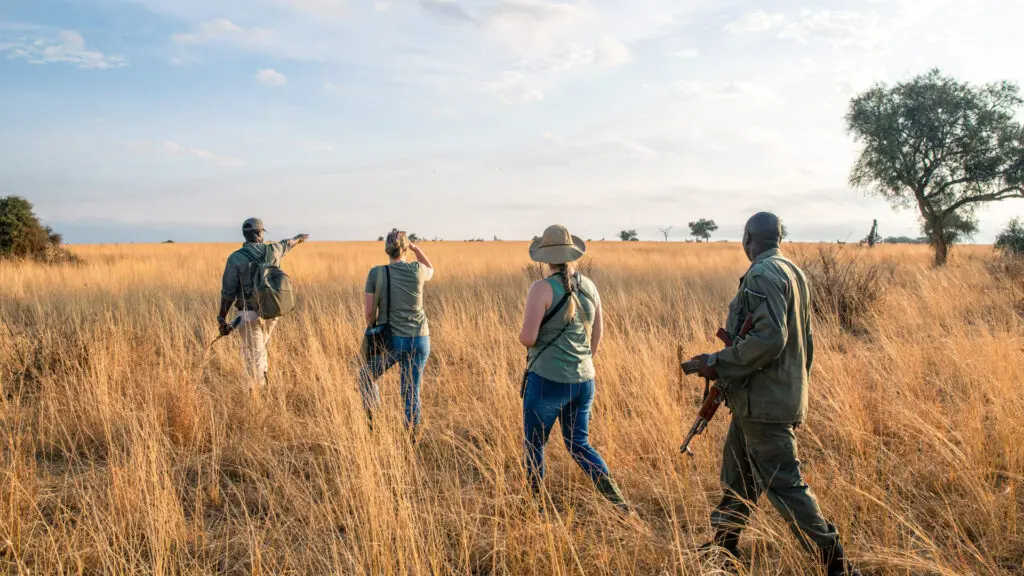
Beyond their ecological role, baobabs hold real cultural weight for the Maasai and other communities living near Tanzania’s parks. Many trees serve as traditional gathering points for storytelling, rituals, and community meetings, a role that has continued for generations. Guests who join a guided Maasai village visit near Tarangire often get the chance to hear these stories directly from someone who grew up with the tree as part of daily life, which adds a layer of meaning that a game drive alone cannot offer.
Ready to See the Baobabs in Tanzania for Yourself?
If you want a Tanzania itinerary built around Tarangire’s baobabs and strong wildlife sightings, message me directly on WhatsApp.
A trip built around Tanzania’s iconic landscapes:
Frequently Asked Questions
What is special about baobab trees in Tanzania?
Baobab trees in Tanzania can live over 1,000 years, grow up to 82 feet tall, and store tens of thousands of liters of water in their trunk. They provide food, water, and shelter to both wildlife and people, which is why they are called the Tree of Life.
Where can I see baobab trees in Tanzania?
Tarangire National Park has the highest concentration of baobabs in Tanzania and is often called the Baobab Capital of the World. Ruaha National Park is a close second, and baobabs also appear in Lake Manyara, Mikumi, Serengeti, and Nyerere National Parks.
Why is the baobab called the Tree of Life?
The baobab stores massive amounts of water, produces nutrient-rich fruit and leaves, shelters wildlife from bees to leopards, and has been used by humans for food, medicine, rope, and shelter for centuries.
How old are baobab trees in Tanzania?
Many baobabs are estimated to be well over 1,000 years old, and some of the oldest may approach 2,500 years. Exact ages are hard to confirm since baobabs lack the growth rings used to age most trees.
How much water can a baobab tree store?
Large baobab trees can store tens of thousands of liters of water in their soft, fibrous trunk, with up to 80 percent of the trunk made up of water during wet periods.
What is the fruit of the baobab tree called?
The fruit is called baobab fruit, though it is also nicknamed monkey bread. It dries naturally while still on the branch, sometimes for up to six months, and the pulp inside is rich in vitamin C, fiber, and antioxidants.
Can I touch the baobab trees on safari?
There is no official rule against it, but guides generally discourage touching the trees out of respect for their ecological and cultural importance. Your guide can get you close enough for photos without disturbing the tree.
Blog Summary About Baobab Trees in Tanzania
- The scientific name is Adansonia digitata, and the nickname Tree of Life comes from how much life it supports.
- Baobabs can grow up to 82 feet tall and live well over 1,000 years.
- The largest recorded baobab trunk measured 47 meters in circumference.
- Large baobabs can store tens of thousands of liters of water in their trunk.
- There are eight baobab species worldwide, with only one found on mainland Africa.
- Tarangire National Park has the highest concentration of baobabs and is called the Baobab Capital of the World.
- Baobab flowers open for one night only and are pollinated by sunbirds and fruit bats.
- Baobab fruit is the only fruit in the world that dries naturally while still on the tree.
- Elephants rely on baobab trunks for water and nutrition, and the tree can heal from the damage.
- Hollow trunks in trees around 1,000 years old shelter everything from bees and bats to leopards and pythons.
Conclusion
The baobab tree in Tanzania, scientific name Adansonia digitata, is a massive, long-lived tree that can grow up to 82 feet tall, live well over 1,000 years, and store tens of thousands of liters of water in its trunk. It earns the nickname Tree of Life because it provides water, food, shelter, and medicine to both wildlife and people. Tarangire National Park has the highest concentration of baobabs in Tanzania, which is why it is often called the Baobab Capital of the World.


