
A safari in Tarangire National Park puts you inside one of Tanzania’s most underrated wildlife destinations. Covering 2,850 km² of ancient baobab woodland, riverine forest, open savannah, and seasonal swamp, Tarangire is home to Tanzania’s largest elephant herds, over 500 recorded bird species, and a mini-migration that draws around 250,000 animals into the park every dry season. Despite sitting less than 120 km from Arusha, it attracts far fewer visitors than the Serengeti or Ngorongoro, which means quieter game drives, wider skies, and a more intimate safari experience.
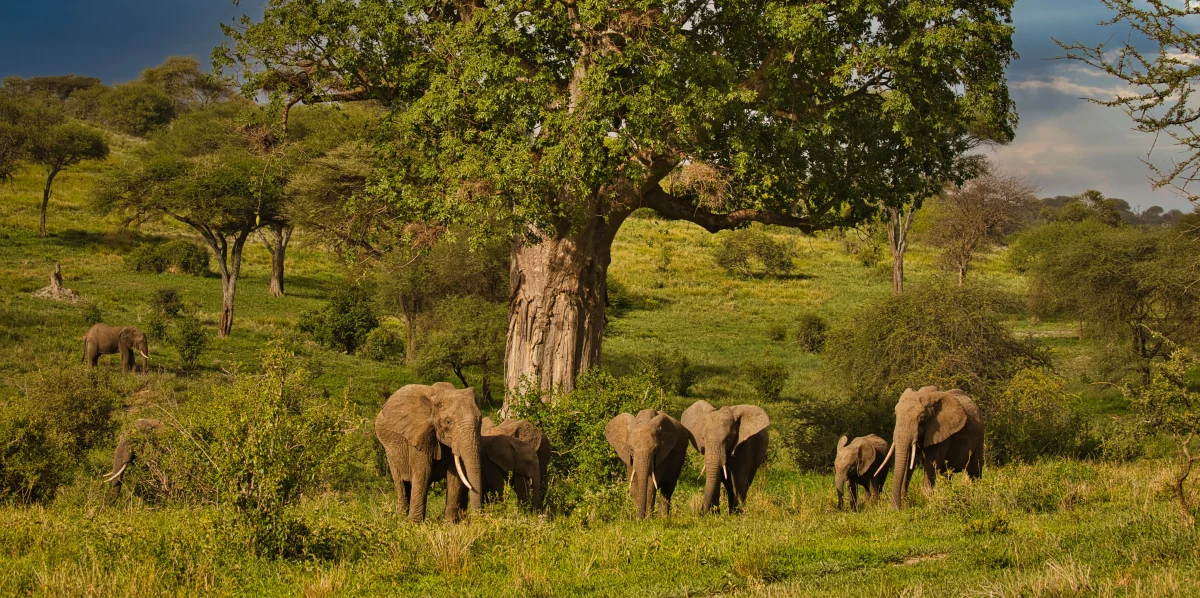
Tarangire is Tanzania’s elephant capital. The park supports over 5,000 elephants across its 2,850 km², with individual dry-season herds regularly exceeding 200 individuals. These are not isolated sightings of small family groups. These are massed congregations of multiple family units moving together under the guidance of matriarchs that know every waterhole in the park.
This guide covers everything you need to plan a Tarangire National Park safari in 2026. You will find where the park is, what wildlife to expect, the best time to visit for each experience, activities available, what it costs, and the exact Tanzania itineraries TourwithPipi offers that include Tarangire.
Written by Khadija Tayabali, Kenya-born physician and Virtuoso-certified safari advisor experienced in designing private safaris across East Africa.
Quick Tarangire National Park Facts
- Location: Northern Tanzania, 120 km south-west of Arusha and 50 km south of Lake Manyara
- Size: 2,850 km², the 6th largest national park in Tanzania
- Altitude: 1,000 to 1,500 metres above sea level
- Named after: The Tarangire River, the permanent water source that runs through the park
- Best known for: Tarangire is Tanzania’s largest elephant herds, some reaching over 300 individuals
- Mini-migration: Up to 250,000 animals enter the park during the dry season
- Birds: Over 545 recorded species, including 6 endemic and near-endemic species
- Baobab trees: Some over 600 years old, capable of storing 300 to 900 litres of water
- Park fees: Approximately $72 per adult per day for international visitors
- Best time to visit: July to October for wildlife; November to May for birdwatching
- Nearest airport: Kilimanjaro International Airport (JRO), approximately 2 hours by road
Where Is Tarangire National Park?
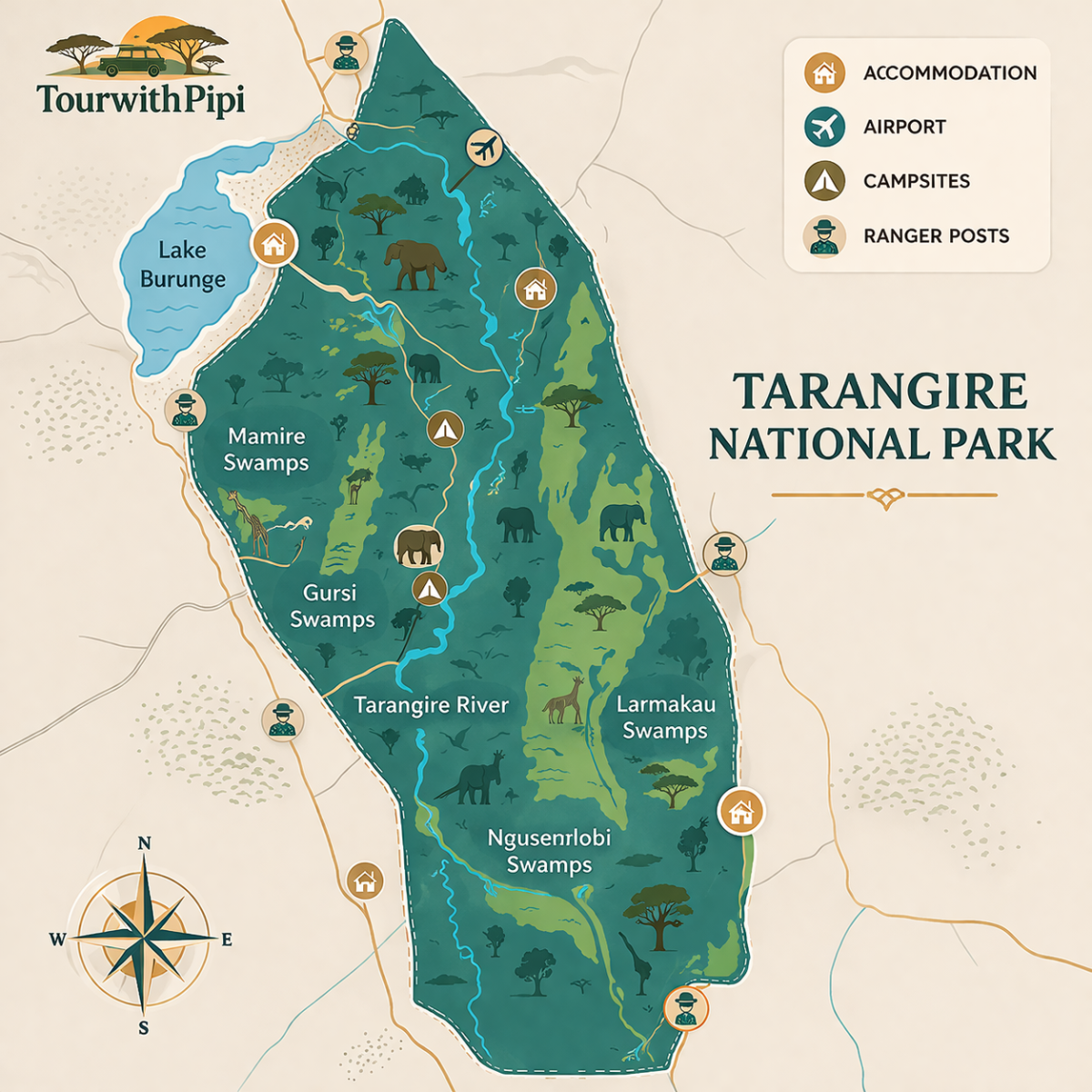
Tarangire national park is in northern Tanzania’s Arusha Region, approximately 120 km south-west of Arusha city and 50 km south of Lake Manyara National Park. It lies between the Masai Steppe meadows to the south-east and the Great Rift Valley lakes to the north and west.
The Tarangire River runs northward through the heart of the park before exiting in the north-western corner and emptying into Lake Burungi. This river is the defining geographical feature of the park and the reason Tarangire exists as a wildlife destination at all. During the dry season, when the surrounding Masai Steppe becomes parched, the Tarangire River and the Silale Swamp in the south of the park remain the only permanent water sources for hundreds of kilometres. Wildlife follows the water.
Getting there is straightforward. From Arusha, the drive to Tarangire’s main gate takes approximately 2 hours on paved road. The park is also accessible via domestic charter flight into Lake Manyara Airstrip, followed by a short road transfer. TourwithPipi arranges all transfers as part of every Tanzania itinerary.
TIP: The southern section of Tarangire national park is significantly less visited than the north. If you have two or more nights in the park, ask your guide to include game drives in the south, where the open plains and seasonal swamps offer a genuinely uncrowded safari experience with excellent predator sightings.
Why Go on a Tarangire Safari?
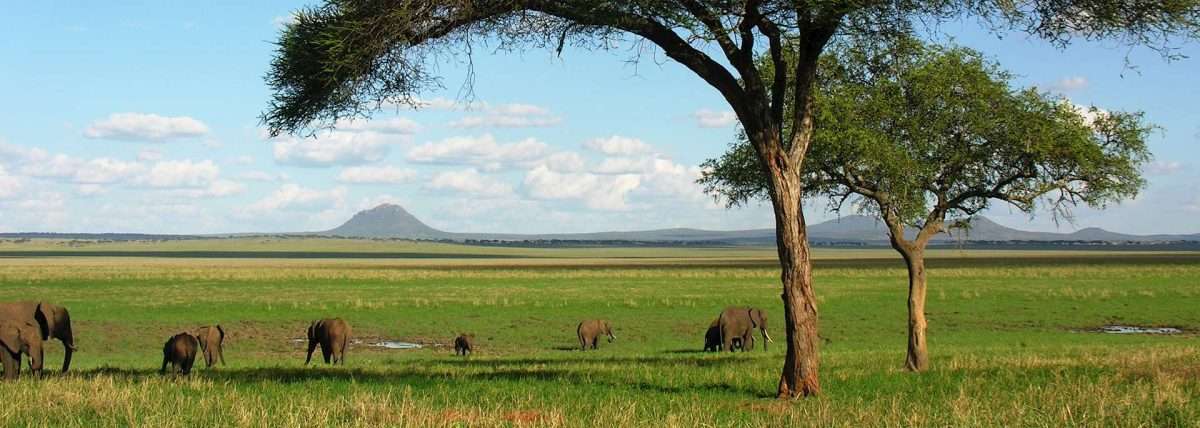
Tarangire is Tanzania’s most underrated park. While the Serengeti gets the headlines and Ngorongoro gets the reputation, Tarangire quietly delivers some of the finest wildlife experiences on the Northern Circuit at a lower crowd density than both.
Here is why experienced safari travelers return to Tarangire:
- Elephant herds unlike anywhere else: Single herds of 200 to 300 individuals move through the park during the dry season. The sound, the dust, and the sheer weight of a herd this size crossing the Tarangire River is something that stays with you.
- Fewer vehicles: Even at peak season, Tarangire draws a fraction of the vehicle traffic seen in the Serengeti. You can sit at a sighting with no other vehicles for 20 or 30 minutes. That patience and quiet is a fundamentally different quality of experience.
- Unique species: Tarangire is one of the few places in Tanzania where you have a realistic chance of seeing the gerenuk, a distinctive long-necked antelope that stands on its hind legs to browse. Lesser kudu, fringe-eared oryx, and painted wild dog are all present. These species are largely absent from the Serengeti.
- Night drives and walking safaris: Both are available in Tarangire through properly licensed camps, including the areas TourwithPipi uses. Night drives reveal aardvark, porcupine, genet, and hunting lions in the dark. Walking safaris at ground level change your entire perception of the bush.
- Iconic landscape: The ancient baobab trees are the visual signature of Tarangire. Some of these trees are over 600 years old, wide enough for four adults to link hands around, and capable of storing hundreds of litres of water inside their trunks. Seeing an elephant herd move through a grove of baobabs at golden hour is one of the most memorable scenes in African wildlife photography.
Tarangire National Park Wildlife
| Species | Presence | Best Area |
|---|---|---|
| Elephant | Year-round, thousands | Tarangire River, Silale Swamp |
| Lion | Year-round | Southern plains, riverine areas |
| Leopard | Year-round, less visible | Riverine woodland, acacia scrub |
| Cheetah | Year-round, southern areas | Open southern plains |
| Wild Dog | Occasional | Varied, rare sighting |
| Buffalo | Dry season concentrations | Silale Swamp, river |
| Giraffe | Year-round | Park-wide, excellent viewing |
| Zebra | Dry season influx | Park-wide |
| Gerenuk | Year-round | Dry acacia scrub areas |
| Lesser Kudu | Year-round | Dense scrub and thicket |
| Birds | 545+ species | Park-wide, wet season richest |
Tarangire’s Iconic Baobab Trees
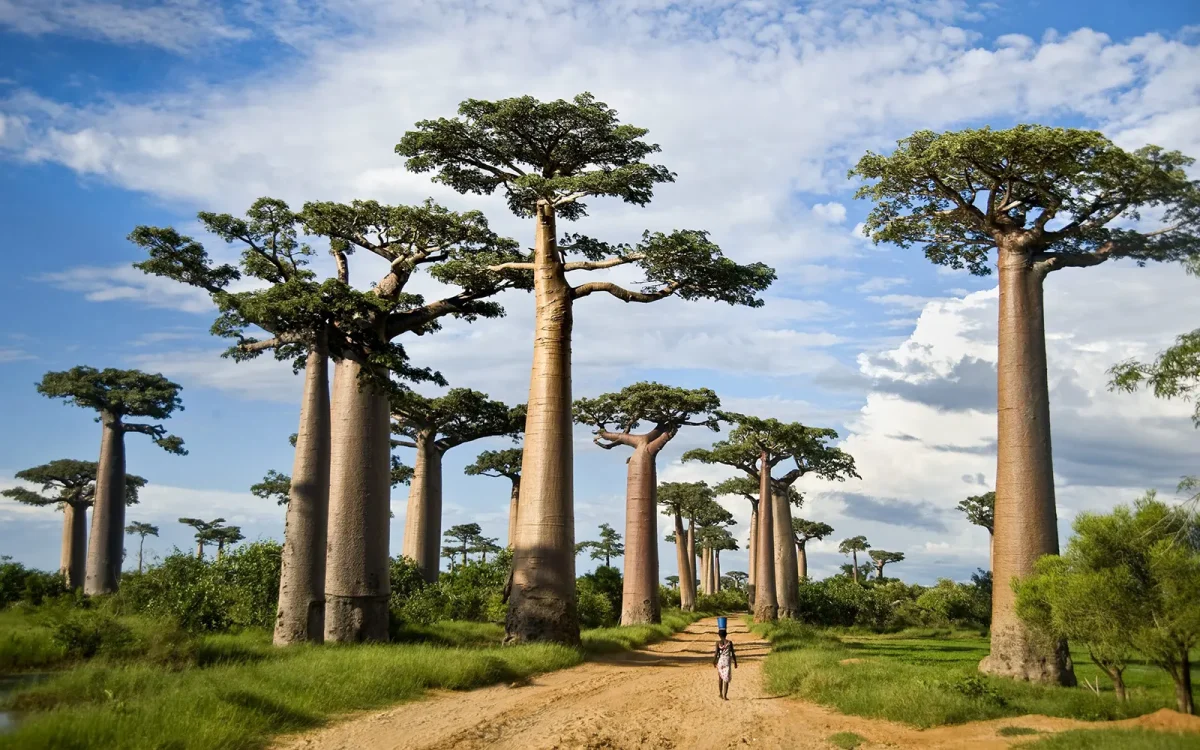
No guide to Tarangire is complete without giving the baobab trees the attention they deserve. These ancient trees define the visual character of the park in a way that no other species defines any other park in the Northern Circuit.
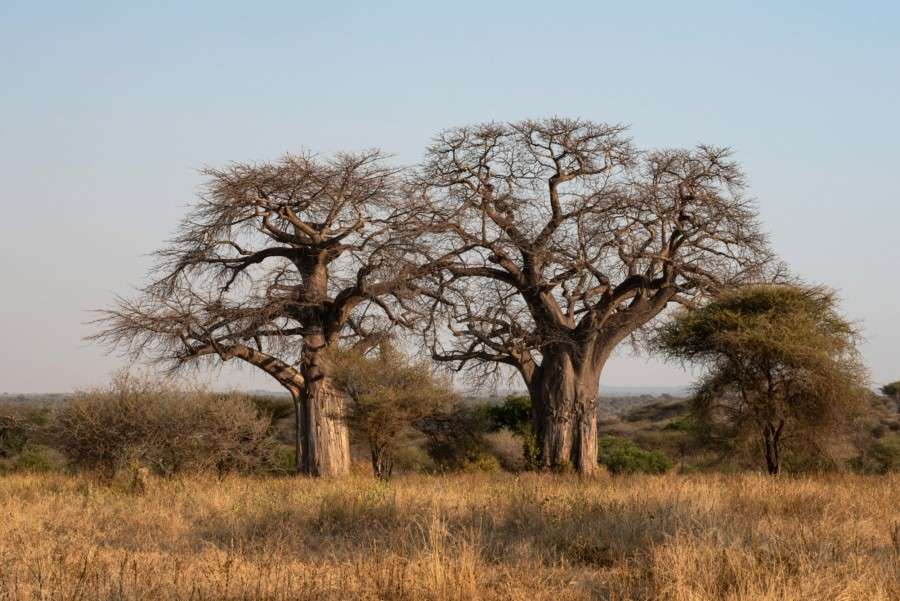
Baobabs in Tarangire can live for 600 years or more. Some individual trees in the park have trunks wide enough that a group of four adults cannot fully encircle them by linking hands. Their bark is soft and fibrous, not woody like most large trees, and they store between 300 and 900 litres of water in their swollen trunks, which is why elephants dig into them with their tusks during the driest months of the year.
The baobab only has leaves for a few months of the year. For most of the dry season, the trees stand bare against the sky with their massive branches reaching upward, giving rise to the African legend that the baobab was planted upside down by the gods. When you see a herd of 300 elephants moving through a grove of these trees at golden hour, with dust catching the light, you understand why Tarangire has a loyal group of safari travelers who rate it above any other park in Tanzania.
The Tarangire Mini-Migration: What It Is and When It Happens
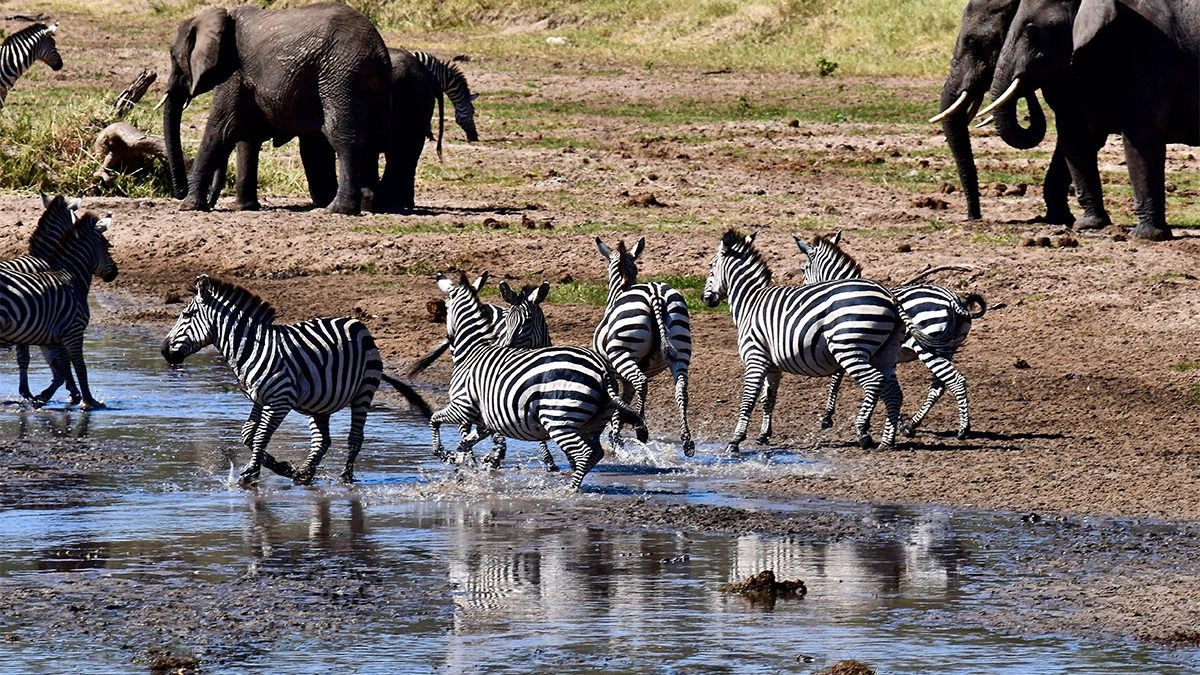
Unlike the famous Great Wildebeest Migration in the Serengeti, the Tarangire migration is not widely publicized. But it is genuinely dramatic. Every year from July through October, as the surrounding Masai Steppe dries out and surface water disappears across a vast area, wildlife moves toward the Tarangire River from deep inside the steppe and beyond the park’s boundaries.
Wildebeest, zebra, eland, gazelle, buffalo, and elephant all converge on the river and the Silale Swamp. At the peak in September and October, up to 250,000 animals are present within the park. Predators follow and concentrate near the water sources where prey has nowhere else to go. The result is one of the best predator-prey interaction windows in Tanzania, with lions, cheetahs, leopards, and hyenas all hunting in a relatively compact area.
When the short rains arrive in November, water returns to the steppe and the animals disperse. By January the park is quieter but by no means empty.
Activities in Tarangire National Park
Game Drives
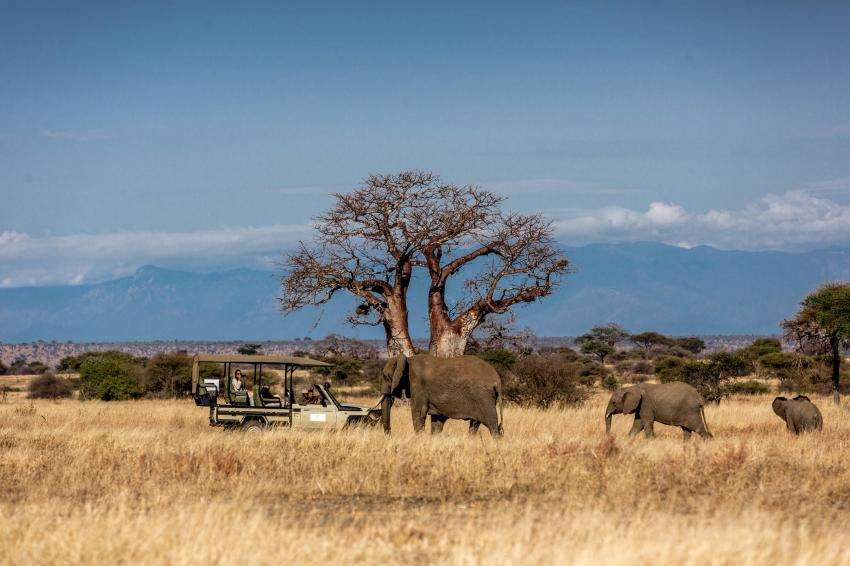
Morning and afternoon game drives in a private 4×4 Land Cruiser are the foundation of every Tarangire safari. Your guide follows wildlife movement rather than a fixed circuit, which in Tarangire means following elephant herds to the river, positioning at the Silale Swamp for predator sightings, and working the riverine woodland for leopard and smaller carnivores.
Private game drives give your family or group full control over pace and time. You stay with each sighting as long as it warrants. In Tarangire this matters especially during elephant herd crossings, which can last 30 to 40 minutes of continuous movement and cannot be properly experienced on a shared vehicle schedule.
Night Game Drives
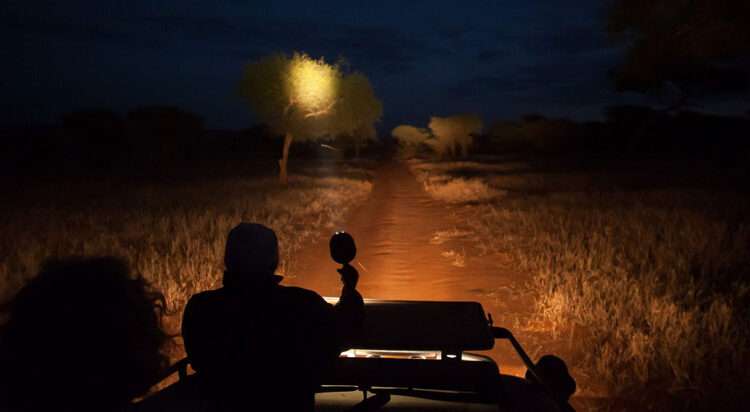
Night drives are available in Tarangire through properly licensed camps and operators. Not all accommodation in the park holds the authorizations required. TourwithPipi books accommodation with night drive permits on all relevant Tanzania itineraries. Night drives reveal a completely different cast of characters: aardvark digging in termite mounds, porcupine and crested francolin on the roads, genet and civets in the trees, and the powerful yellow eyes of bush babies in the torchlight. Lions on a night hunt are one of the most electric wildlife experiences available anywhere in Africa.
Walking Safaris
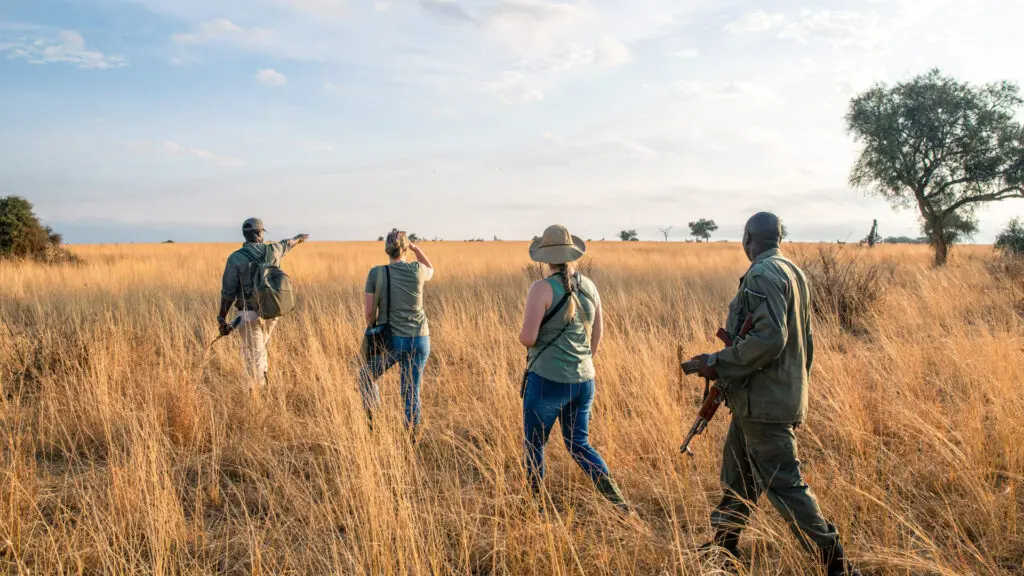
Guided walking safaris are available in and around Tarangire through select licensed operators. Walking at ground level in Tarangire is a genuinely different experience from a vehicle-based game drive. Your guide reads the landscape for tracks, dung, and signs of recent animal passage. You learn to identify individual species by footprint. Insects, birds, and plants that are invisible from a Land Cruiser become the centre of attention. The sensory experience of walking in baobab woodland with an elephant herd 200 metres away is one that changes how you understand the African bush.
Hot Air Balloon Safari
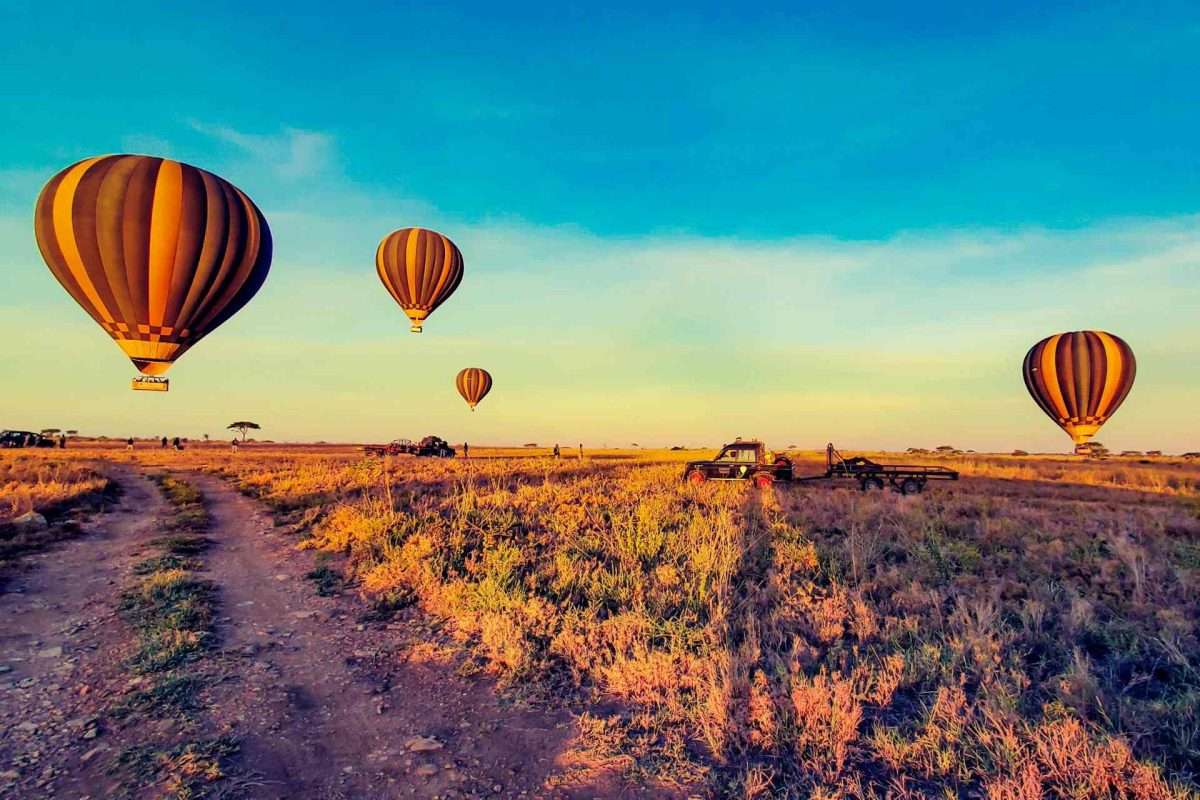
Hot air balloon rides over Tarangire National Park offer a spectacular aerial perspective on a landscape that is defined by its ancient trees and wide river valley. At dawn, the balloon lifts from the park floor and floats silently over baobab groves, elephant herds, and the winding silver thread of the Tarangire River. Most flights last approximately one hour and land on the plains for a champagne bush breakfast. The cost is approximately $450 to $550 per person.
Birdwatching
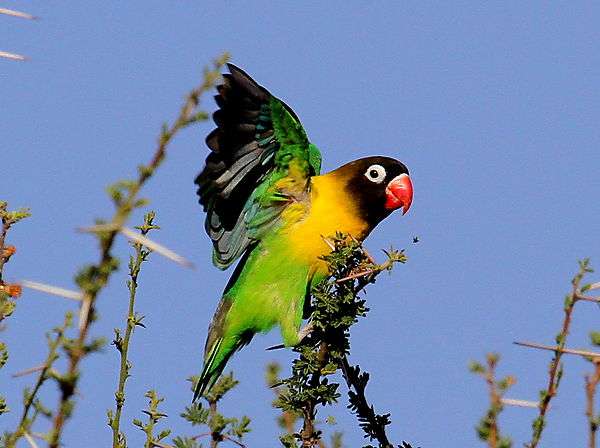
Tarangire is outstanding for birdwatching. Over 545 species have been recorded in the park, including 6 endemic and near-endemic species found in very few other places in Tanzania. The wet season from November through May is the peak birdwatching window, when European and Asian migrants arrive in addition to the resident species.
Notable species include the yellow-collared lovebird (endemic), ashy starling (near-endemic), northern pied babbler, rufous-tailed weaver, lilac-breasted roller, secretary bird, kori bustard, and large concentrations of waterbirds along the Tarangire River and Silale Swamp. For serious birders, Tarangire alone justifies a 3 to 4 day stay.
When to Visit Tarangire National Park for Safari
- For elephant herds: September and October are the best months. The park is at its driest and the Silale Swamp draws herds from a vast surrounding area. The concentration of elephants near the water is extraordinary.
- For birdwatching: November through April gives you both resident species and migratory visitors simultaneously. Tarangire’s year-round endemics like the yellow-collared lovebird are always present, but the arrival of European and Asian migrants creates genuine diversity.
- For avoiding crowds: April through early June and November offer excellent wildlife at significantly lower rates and with fewer vehicles. Late June sits in a sweet spot of improving conditions and pre-peak pricing.
- For families: July through October gives reliable game viewing in predictable dry conditions, which suits families working around school schedules. Night drives and walking safaris are available year-round for those staying at the right camps.
TIP: The best early morning safari in Tarangire starts at the Tarangire River at first light. Elephant families spend the nights dispersed across the park and begin moving toward the river as the sun rises. Positioning at a river bend with a guide who knows elephant movement patterns before 7 am gives you sightings of dozens to hundreds of animals approaching the water simultaneously.
Tarangire Safari Cost: What to Budget in 2026
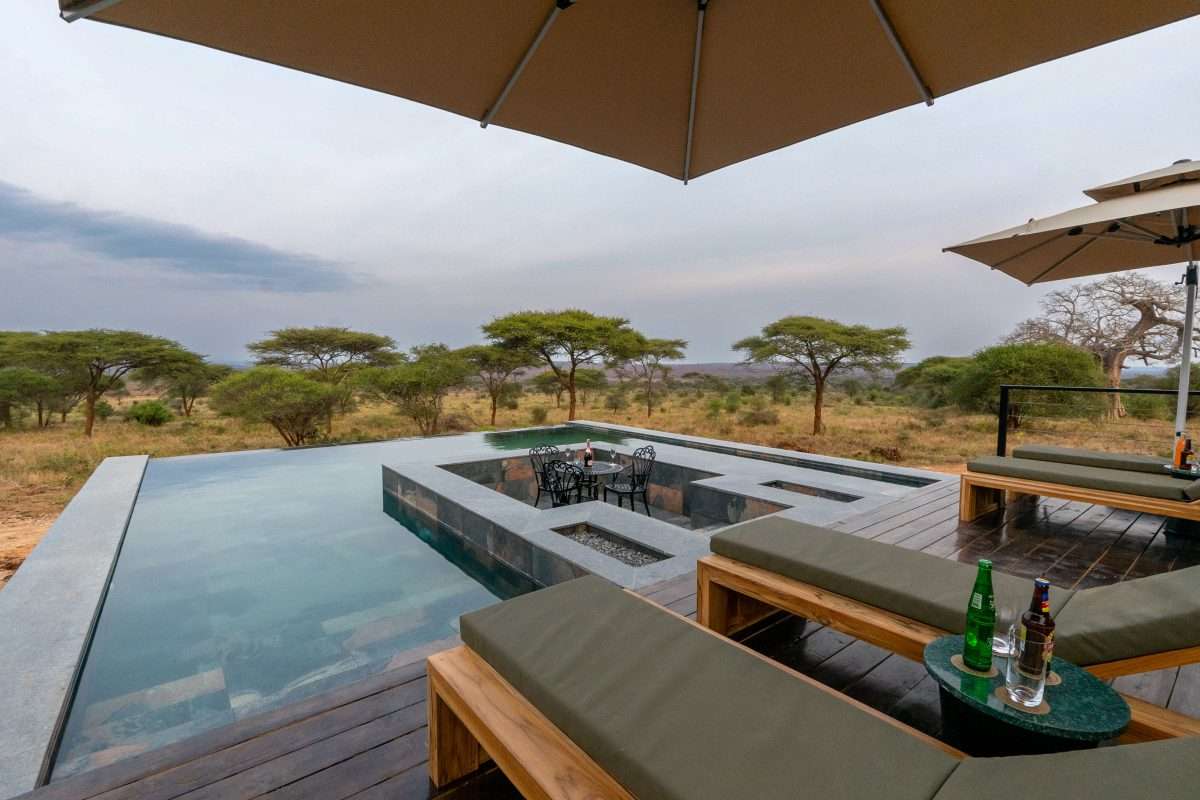
Tarangire is generally priced at a slightly lower level than the Serengeti for comparable accommodation quality because it attracts fewer visitors and lodge competition is stronger. However the range is wide, from basic camps outside the park to ultra-luxury properties with private concession access inside it.
| Accommodation Level | Per Person Per Night | Notes |
|---|---|---|
| Budget tented camp | $150 to $300 | Outside park boundary, shared vehicles common |
| Mid-range private lodge | $300 to $600 | Inside or adjacent to park, private vehicle |
| Luxury tented camp | $600 to $1,200 | Prime park position, expert guiding, full board |
| Ultra-luxury concession camp | $1,000 to $2,000+ | Private land, night drives, walking safaris included |
Park entry fees for Tarangire are approximately $72 per adult per day. For a 2-night Tarangire stay, budget approximately $144 per adult in park fees on top of accommodation.
TourwithPipi Tanzania Packages That Include Tarangire National Park
All TourwithPipi Tanzania safaris are 100% private. Your group travels in a dedicated 4×4 Land Cruiser with your own expert guide throughout. All four Tanzania packages below include Tarangire National Park.
7 Days Northern Tanzania Luxury Safari
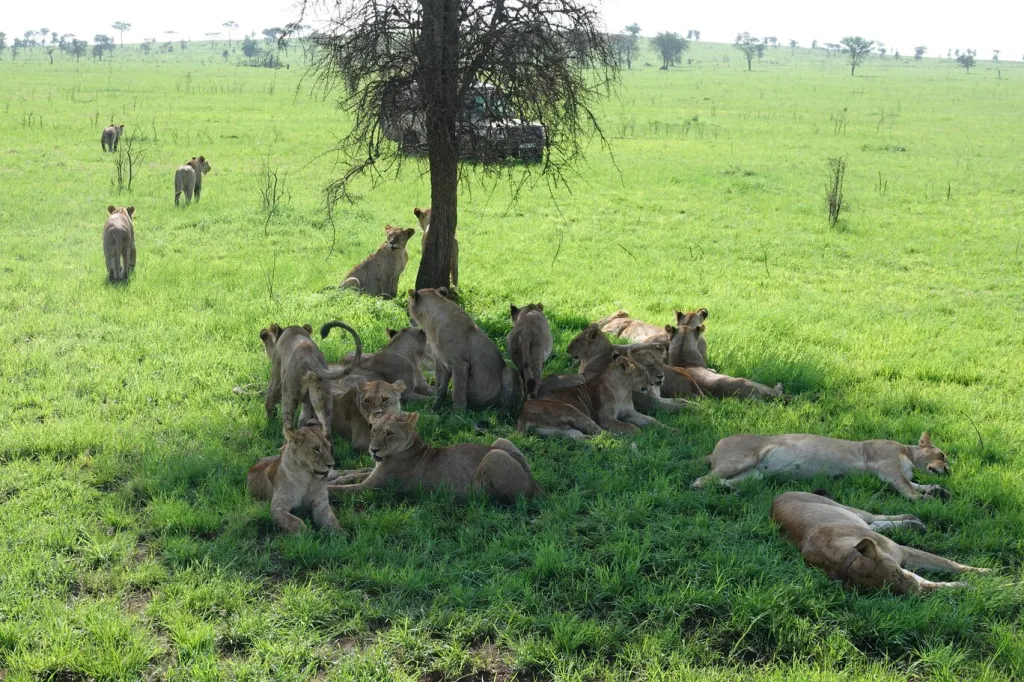
Complete Northern Circuit covering Lake Manyara, Ngorongoro Crater, Serengeti, and Tarangire National Park. Two nights in Tarangire as the final destination, with full board accommodation and morning and afternoon game drives along the Tarangire River.
Tarangire lodge: Conserve Safari Lodge (Tarangire)
| Group Size | Per Person | Total |
|---|---|---|
| 2 People | $3,749 | $7,498 |
| 4 People | $3,299 | $13,196 |
| 6 People | $2,979 | $17,874 |
8-Day Tanzania Calving Season Safari
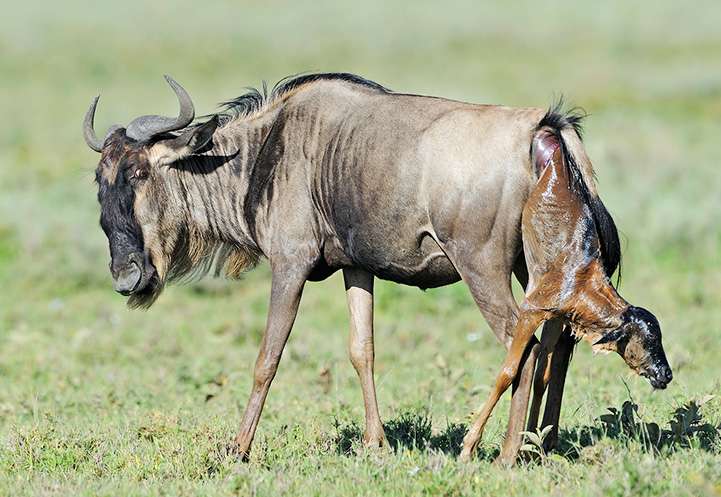
Ngorongoro Crater, Central Serengeti, Ndutu calving plains, and Tarangire. The safari ends with two full days in Tarangire, experiencing the park at its most characterful with morning elephant herd sightings along the river before departure.
Tarangire lodge: Elephant Springs Luxury Lodge
| Group Size | Per Person | Total |
|---|---|---|
| 2 People | $5,429 | $10,858 |
| 4 People | $4,679 | $18,716 |
| 6 People | $4,449 | $26,694 |
10 Days Great Migration Safari in Tanzania
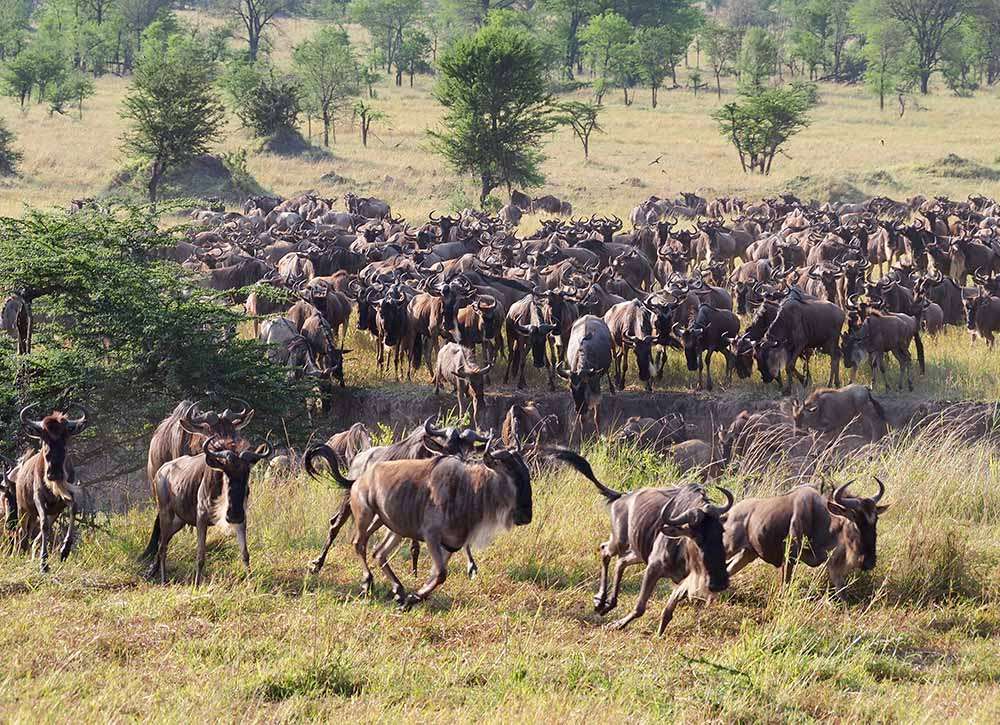
Tarangire is the opening destination on this 10-day itinerary, giving your group two nights in the park before moving west through the Ngorongoro Crater to the Serengeti and north to the Mara River. Starting at Tarangire sets the tone for the entire journey.
Tarangire lodge: Nyikani Camp Tarangire
| Group Size | Per Person | Total |
|---|---|---|
| 2 People | $6,549 | $13,098 |
| 4 People | $5,749 | $22,996 |
| 6 People | $5,479 | $32,874 |
Tarangire Lodges Used on TourwithPipi Safaris
Nyikani Camp Tarangire
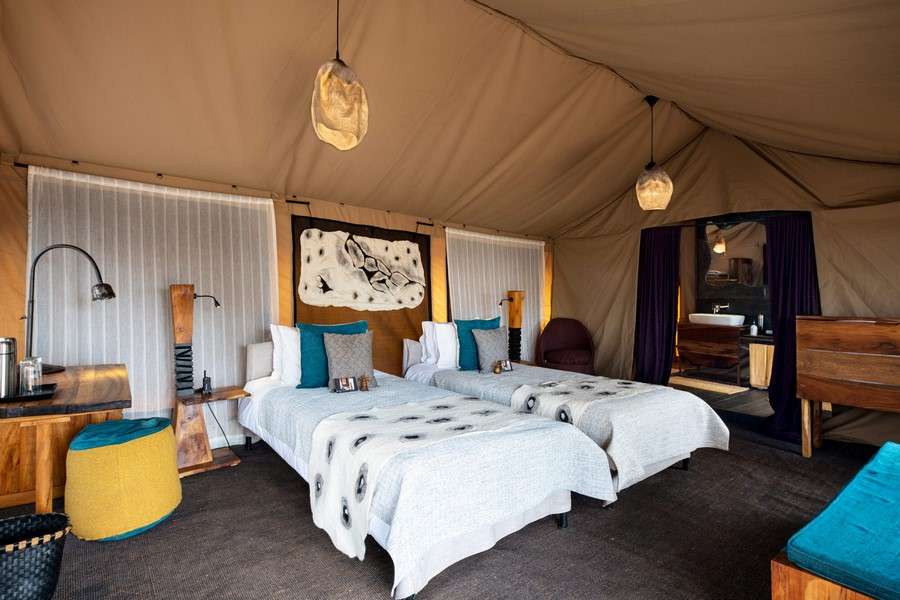
Located inside Tarangire National Park, 45 minutes from the main gate in a quiet section of the park with direct access to the Tarangire River and Silale Swamp. The camp’s design is inspired by the park’s termite mounds, with organic shapes and earthy tones throughout. Twelve tents on raised platforms with private verandas, ensuite bathrooms, and solar power. A central campfire area where evenings are spent reviewing the day’s sightings with your guide. Used on TourwithPipi’s 10 Days Great Migration Safari as the opening destination. Guides here specialise in elephant behaviour and know the river crossing points used by the park’s largest herds.
Elephant Springs Luxury Lodge
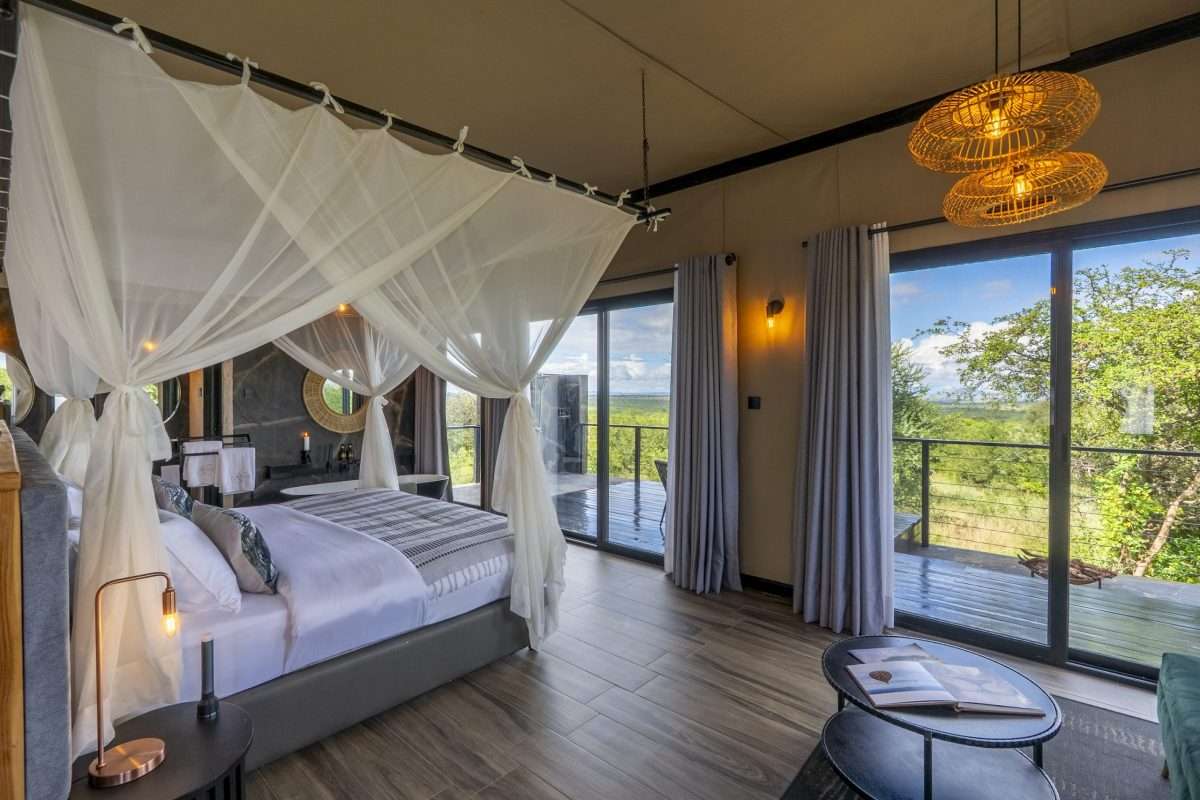
Located inside Tarangire National Park with direct access to the Tarangire River valley and the elephant-rich savannah surrounding the springs that give the lodge its name. Spacious rooms and suites with private outdoor areas overlooking baobab savannah. The lodge’s position near the springs means elephant sightings are regular from the property itself, not just on game drives. Used as the final night on TourwithPipi’s 8-Day Calving Season Safari.
Combining Tarangire with Other Tanzania Destinations
Tarangire sits naturally at both ends of the Tanzania Northern Circuit. Most well-designed itineraries either open in Tarangire on the drive west from Arusha or close in Tarangire on the return east from the Serengeti. Both approaches work well and the park feels different depending on which direction you are coming from.
- Tarangire and Lake Manyara: A natural two-park combination for shorter trips or those wanting an intimate Tanzania experience without the full Serengeti circuit. Lake Manyara is 50 km north of Tarangire and famous for tree-climbing lions, hippos, flamingos, and dense bird life.
- Tarangire and Ngorongoro: Adding the Ngorongoro Crater to a Tarangire visit creates a genuinely diverse two-destination itinerary that covers the crater’s enclosed Big Five viewing and Tarangire’s open elephant and baobab experience.
- Tarangire, Ngorongoro, and Serengeti: The full Northern Circuit and the approach used on all three primary TourwithPipi Tanzania itineraries.
Practical Tips for Your Tarangire National Park Safari
- Give the southern section time: Most visitors on short itineraries stay in the northern areas near the main gate. The southern Tarangire is significantly quieter, more characterful, and delivers better predator sightings in the dry season. If you have two nights in the park, ask your guide to cover the south on one of the drives.
- Pack binoculars: Tarangire’s open landscapes make binoculars valuable for spotting wildlife at distance before the vehicle gets close. They also make birdwatching significantly more rewarding.
- Dress in layers for early morning drives: Tarangire sits at 1,000 to 1,500 metres altitude and early morning starts from June through September can be genuinely cold. Bring a fleece regardless of your travel season.
- Ask about night drives before booking your camp: Not all Tarangire camps hold the TANAPA authorization required for night drives. TourwithPipi confirms night drive availability on all relevant camps before recommending them.
- Plan for a full day in the park: Half-day game drives in Tarangire do not do the park justice. The distances between the northern riverine areas, the Silale Swamp in the south, and the central woodland are significant. A full day with both a morning and an afternoon drive is the right format.
Frequently Asked Questions About Tarangire National Park
What makes Tarangire National Park so special?
Tarangire is Tanzania’s largest elephant sanctuary and one of the few places in Africa where single herds exceed 200 individuals. Combined with ancient baobab trees, a dry-season mini-migration of up to 250,000 animals, rare antelope species, and over 545 bird species, it offers an experience that is genuinely different from every other Northern Circuit park. The lower visitor numbers compared to the Serengeti add to the feeling of genuine wilderness.
When is the best time to visit Tarangire National Park?
The best time to visit Tarangire for maximum wildlife is July through October. The dry season concentrates animals near the Tarangire River and Silale Swamp and the mini-migration peaks in September and October. For birdwatching, November through April is the best period. For fewer crowds and lower prices, April through June and November are excellent value.
How many days do you need for a Tarangire safari?
A minimum of two full days is needed to experience the park properly. Two nights gives you morning and afternoon drives on two full days, enough time to cover both the northern riverine areas and the southern open plains. TourwithPipi allocates two nights to Tarangire on all Tanzania itineraries.
What are the entrance fees for Tarangire National Park?
International visitors pay approximately $72 per adult per day in Tarangire. Children between 5 and 15 years typically pay a reduced rate. Park fees are included in all TourwithPipi Tanzania package prices.
What wildlife is there besides elephants in Tarangire National Park?
Beyond elephants, Tarangire holds lion, leopard, cheetah, spotted hyena, occasional wild dog, large herds of buffalo, wildebeest, zebra, giraffe, impala, eland, and a range of rare antelope including gerenuk, lesser kudu, greater kudu, and fringe-eared oryx. Over 545 bird species are recorded in the park.
What are the top highlights in Tarangire National Park?
The top highlights are the elephant herds at the Tarangire River during the dry season, the Silale Swamp predator viewing in September and October, the ancient baobab tree groves, the Tarangire mini-migration, night game drives revealing nocturnal species, guided walking safaris in the bush, and the endemic bird species found nowhere else in Tanzania.
What is the typical budget for a Tarangire safari?
Mid-range private safari accommodation in Tarangire costs approximately $300 to $600 per person per night. Luxury camp stays run $600 to $1,200. Park fees add $72 per adult per day. As part of a Tanzania Northern Circuit with TourwithPipi, the all-inclusive 4-person package price ranges from $13,196 for a 7-day circuit to $22,996 for a 10-day Great Migration safari.
Are night drives allowed in Tarangire National Park?
Yes, but only through camps and operators that hold the TANAPA authorization to conduct night drives. Not all accommodation in Tarangire has this permit. TourwithPipi confirms night drive availability before recommending any camp and includes it on relevant itineraries where clients want the experience.
What should I pack for a Tarangire safari?
Pack neutral-colored clothing in khaki or olive tones. Bring a warm fleece for early morning drives, a light waterproof layer, good binoculars, sunscreen, insect repellent, and a wide-brimmed hat. A camera with a telephoto lens is worthwhile given the open terrain and frequent close elephant encounters. Most camps provide a welcome kit with basic essentials.
How do I get to Tarangire National Park?
Fly into Kilimanjaro International Airport (JRO) or Arusha Airport (ARK). From Arusha, the drive to Tarangire’s main gate takes approximately 2 hours on paved road. Alternatively, a domestic charter flight to Lake Manyara Airstrip followed by a vehicle transfer reaches Tarangire in slightly less time. TourwithPipi arranges all airport transfers and inter-park transfers on every Tanzania itinerary.


