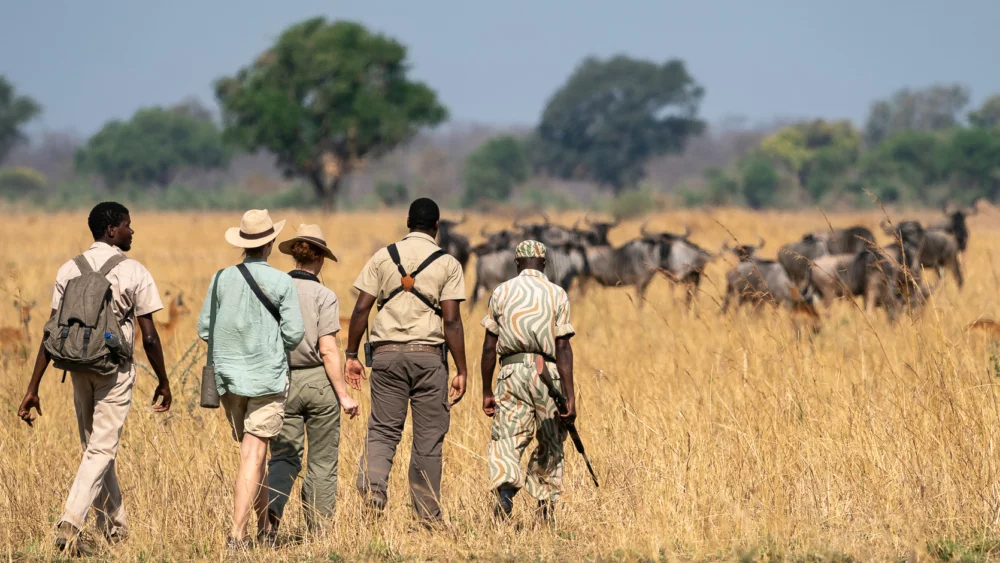
A walking safari in Africa offers a close, ground-level experience of the wild. It is led by trained guides who help you track animals, identify plants, and notice small details of the bush that are often missed from a vehicle.
Popular walking safari destinations include Zambia’s South Luangwa, Botswana’s Okavango Delta, South Africa’s Kruger National Park, Kenya, Tanzania, and Zimbabwe’s Mana Pools.
These safaris allow deeper and more meaningful wildlife encounters beyond vehicle-based viewing.
Today, many travelers prefer game drive safaris in a 4×4 vehicle instead of exploring wildlife on foot. Most people believe walking safaris are dangerous and think they will not see many animals. It is also common to wonder how walking three to four kilometers in the wild could be exhausting or unsafe. Many fear being close to animals like lions or rhinos on foot and feel it puts their life at risk.
However, these fears are mostly misconceptions and limiting beliefs. Adventure lovers often choose walking safaris in Africa because they offer a richer and more exciting experience than sitting in a vehicle.
Walking safaris are always led by highly trained guides and skilled trackers who know animal behavior and the land very well. They help guests observe wildlife safely without disturbing animals while they rest, eat, or hunt.
In this complete guide, we will explore walking safaris in detail, clear common myths, share the best destinations in Africa for walking safaris, and discuss what they cost.
What Exactly Is a Guided Walking Safari?
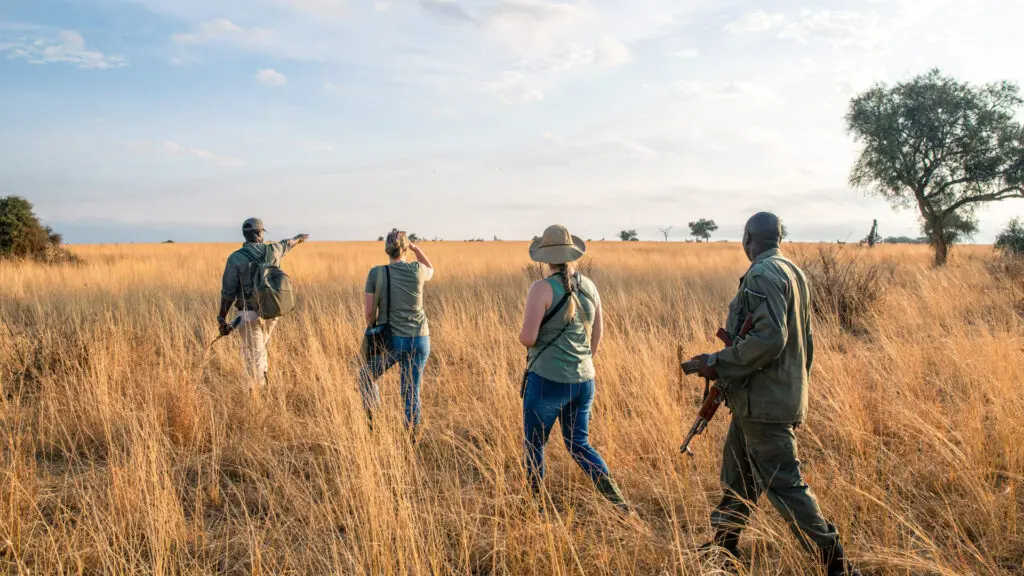
A walking safari is an experience where your safari guide takes you on foot, away from the vehicle, and leads you through the wilderness area you are visiting for an extended time. These safaris are led by professionally trained guides who move at a gentle pace, usually around 2-3 kilometers per hour.
The modern walking safari tradition began in Zambia’s South Luangwa Valley in the 1960s. It was pioneered by conservationist Norman Carr, who believed visitors should experience the wilderness with respect and on its own terms.

Your guide acts as both a protector and a teacher. They explain animal behavior, plant life, bird calls, and even changes in weather. You may learn to identify birds by their calls or smell plants that local communities have used for medicine for hundreds of years. With each step, you notice something new and meaningful.
Walking safaris and nature walks are perfect for exploring the small details of the environment. You can ask your guide to point out the Little Five safari animals, insects, tracks, and plant signs that are often missed during game drives. At the same time, larger animals such as rhinos, elephants, lions, and zebras are also part of the experience.
Safety on A Walking Safari: Your Most Important Question Answered
“Is it safe to walk among lions and elephants?” This thoughtful concern is why walking safaris have strict protocols:
Your Guide Is Your Safety System
Walking guides undergo years of specialized training beyond regular safari guiding. In Tanzania and Zambia, they complete rigorous 2-3 year apprenticeship programs. They must pass exams on animal behavior, first aid, navigation, and firearm safety. Many carry rifles not for hunting, but as an absolute last-resort safety measure—like having a fire extinguisher you hope never to use.
How Guides Manage Wildlife Encounters
Guides use knowledge, not confrontation:
They constantly monitor wind direction to keep you downwind of animals
They read animal body language—a twitching tail or raised ears signals it’s time to retreat
They use the landscape for cover and choose routes that avoid surprise encounters
They know each species’ “comfort zone” and never push beyond it
Walking safaris work best for:
Those who can walk 2-3 hours at a gentle pace
People comfortable in wild settings
Travelers who listen carefully and follow instructions
Anyone aged 16+ (some camps allow 12+)
They’re less suitable for:
Very young children
Those with mobility limitations
People who startle easily
Travelers unwilling to remain quiet when needed
Africa’s Premier Walking Safari Destinations
Tanzania’s Southern Circuit: Africa’s Last Great Wildernesses
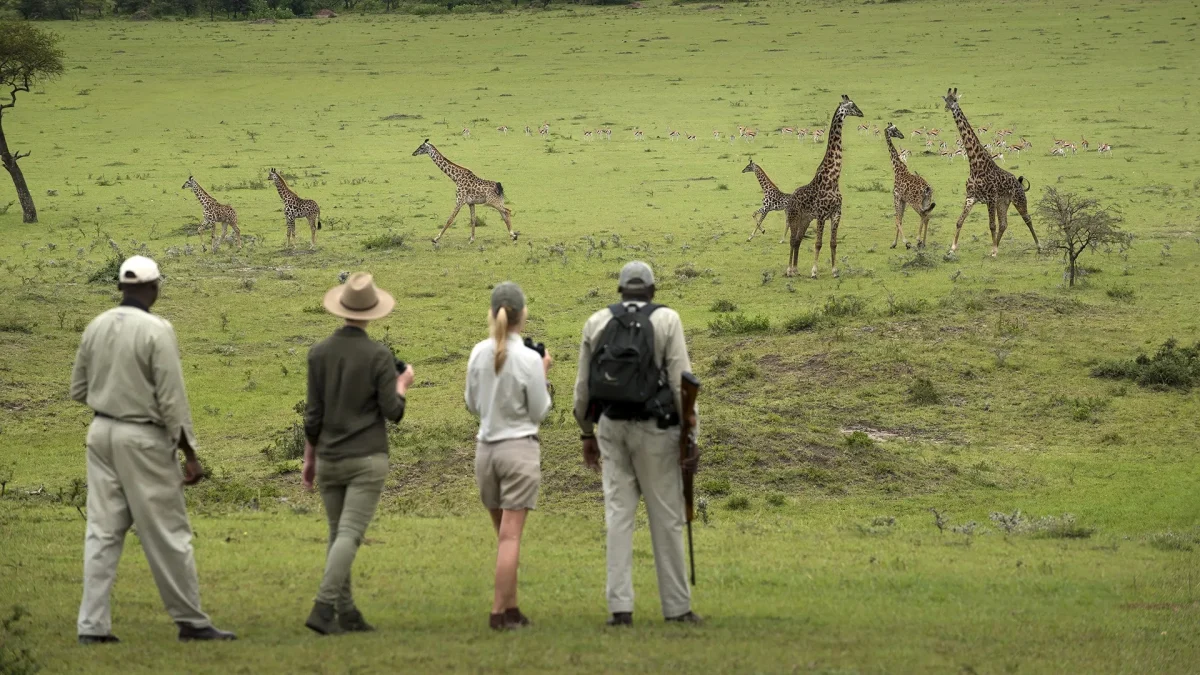
Tanzania’s southern parks deliver a profound sense of scale and solitude. With tourism focused on the famous northern circuit, these vast ecosystems offer an untamed African adventure with remarkably few visitors.
Nyerere National Park (formerly Selous Game Reserve): As Africa’s largest protected wildlife area—over 30,000 square kilometers—Nyerere provides an unparalleled wilderness experience. The landscape is a network of sandy rivers, palm groves, and open miombo woodlands. Walking here, you’ll follow the Rufiji River system, where lions often rest on sandy banks and hippos populate the waterways. This park is also a premier birdwatching destination in Africa, with over 440 recorded species, including the rare Pel’s fishing owl.
Ruaha National Park: Tanzania’s largest national park is defined by the Great Ruaha River, a lifeline during the dry season that draws incredible concentrations of wildlife. The landscape is iconic, studded with ancient baobab trees and rugged rock formations. Ruaha has one of East Africa’s largest elephant populations and supports healthy populations of predators like lions, cheetahs, and African wild dogs. Walking here often means traversing this dramatic, baobab-dotted terrain while observing huge herds of buffalo and plains game from ground level.
Why it’s special for walking: These parks have deliberately limited road networks, making guided walking safaris not merely an add-on activity, but often the primary and most authentic way to explore. You’ll experience the Africa of legend—vast, silent, and truly wild, with the constant sense of genuine discovery that comes from exploring on foot.
Zambia’s Luangwa Valley: The Heartbeat of Walking Safaris
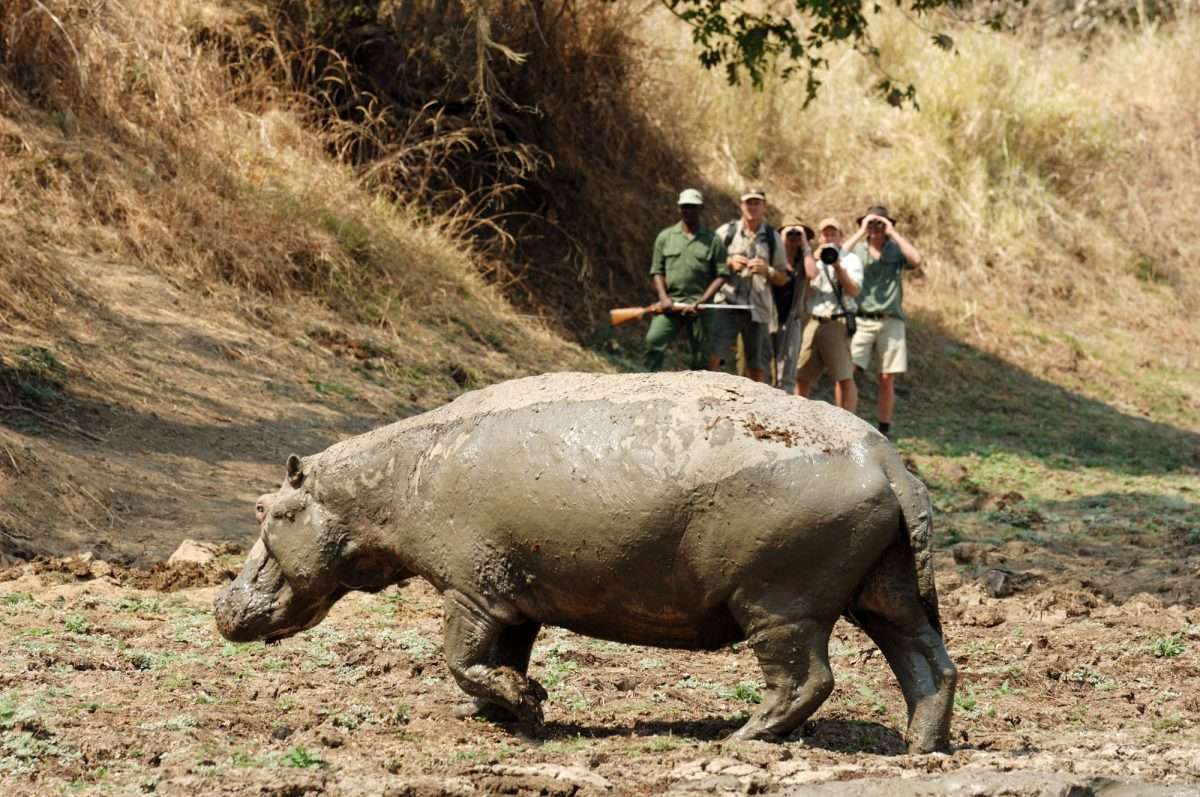
Zambia is revered as the birthplace of the walking safari, and its guiding culture is second to none. The Luangwa Valley offers some of the most immersive and expertly-led walking expeditions on the continent.
South Luangwa National Park: This park is synonymous with quality walking safaris. The guiding standards are exceptional, with many professional guides coming from multi-generational guiding families. The diverse habitats—from dense mopane woodlands to open savannah plains and oxbow lagoons—create a perfect classroom for bushcraft. The Luangwa River is the park’s lifeblood, attracting massive herds of buffalo, hundreds of hippos, and frequent leopard sightings.
North Luangwa National Park: For true seclusion, North Luangwa is unparalleled. Access is highly restricted to a handful of small camps, ensuring absolute privacy. Walking is the principal activity, as vehicle tracks are minimal. This park is a key sanctuary for the endangered black rhino, and tracking these prehistoric creatures on foot with an expert guide is a rare and privileged wildlife encounter.
Why it’s special for walking: In Zambia, walking isn’t just an activity; it’s the traditional safari experience. Camps are often designed as seasonal, mobile operations that relocate to follow the best wildlife. The philosophy emphasizes quiet observation, tracking skills, and deep ecological knowledge, offering a bush education that stays with you forever.
Botswana’s Okavango Delta & More: A Water-Based Walking Wonderland
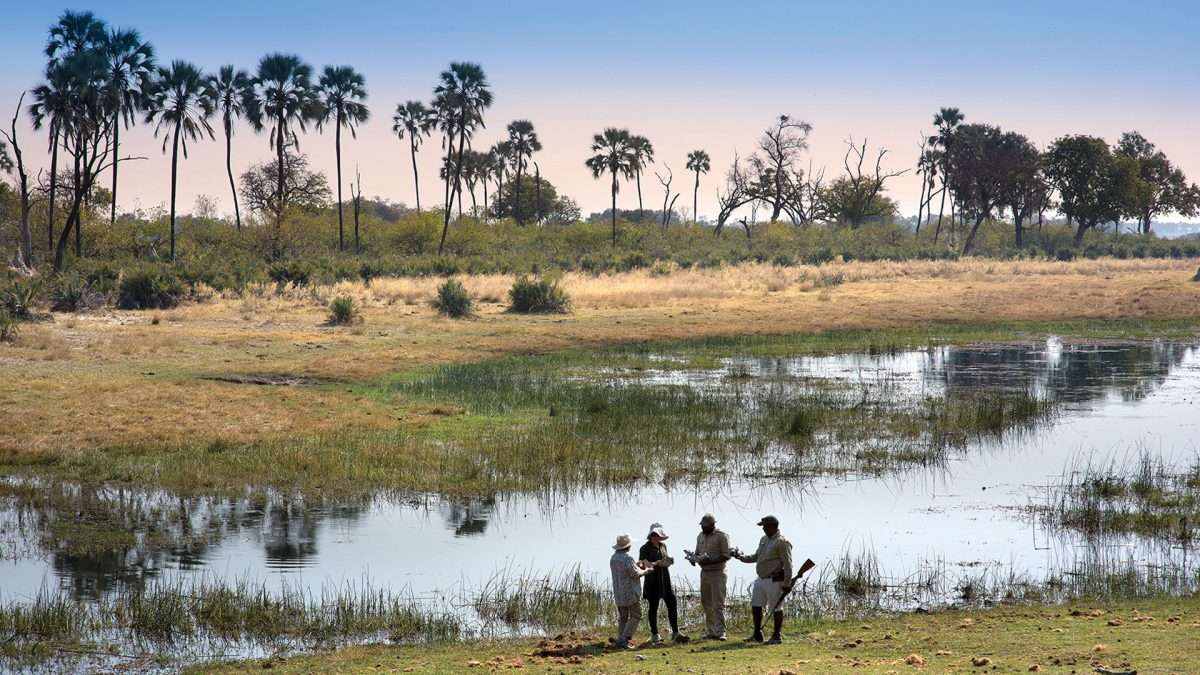
Botswana offers a unique twist on the walking safari, combining classic dry-land trails with the extraordinary wetland wilderness of the Okavango Delta.
Okavango Delta: A UNESCO World Heritage Site and one of the planet’s most unique ecosystems. Walking here involves traversing seasonally flooded plains, islands of palm and fig trees, and dry savannah. The experience is often a hybrid: a mokoro (dugout canoe) transfer to a remote island, followed by a walking exploration. You might track lions that swim between islands, observe red lechwe antelope grazing in shallow waters, and learn about the delicate balance of this inland delta ecosystem.
Private Concessions (Linyanti, Kwai, Selinda): Botswana’s model of tourism in private concessions allows for incredible freedom. Walking here can venture off-trail into areas completely inaccessible to day visitors. The Linyanti wetlands are particularly spectacular, offering a contrast of dry mopane forests with rich, water-fed riverine habitats that attract enormous elephant herds and diverse birdlife.
Why it’s special for walking: Botswana’s high-value, low-volume tourism model guarantees exclusivity and pristine wilderness. The ability to combine water-based exploration with on-foot wildlife tracking in a single destination is unmatched. Guides in these private areas are exceptionally knowledgeable about the local, intricate ecosystems.
Zimbabwe’s Mana Pools: Walking Alongside Giants
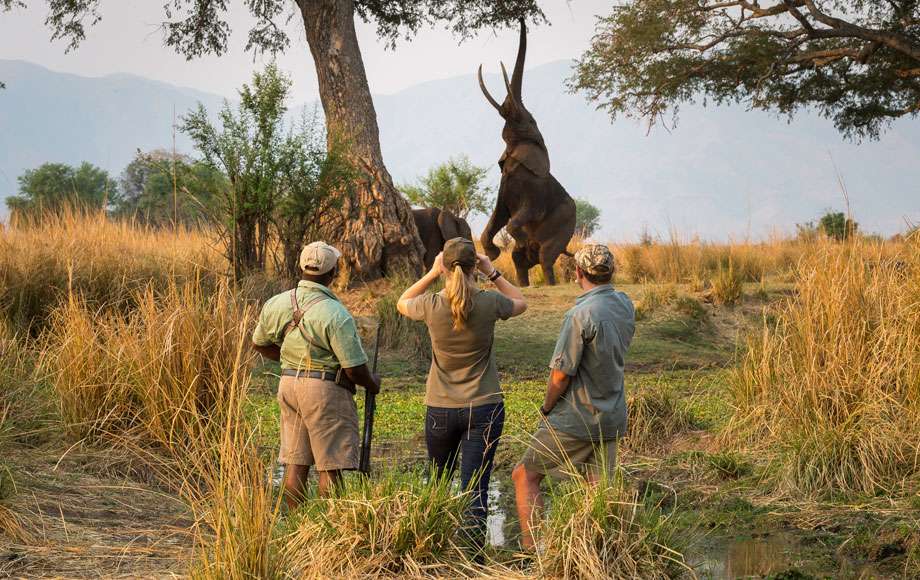
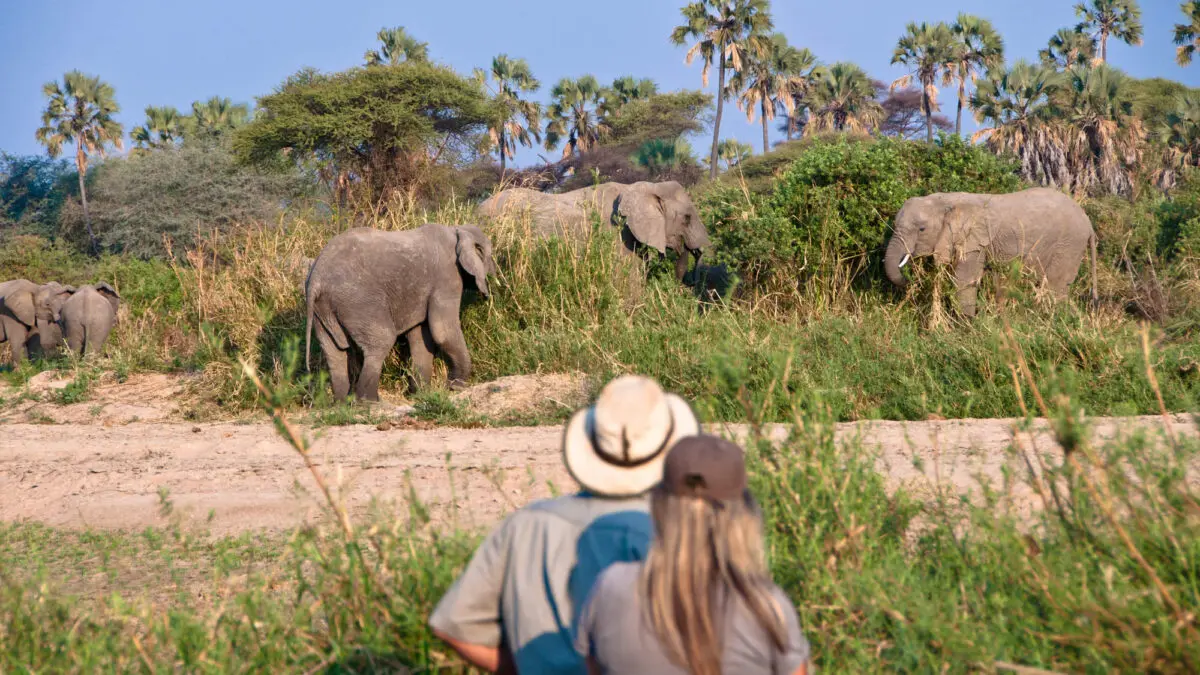
Mana Pools National Park, a UNESCO World Heritage Site, offers what many consider the most exhilarating walking safari experience in Africa: the chance to walk in the presence of massive, yet remarkably relaxed, elephant herds.
The Experience: The park comprises a stunning floodplain along the Zambezi River, dotted with four main permanent pools (“mana” means four). During the dry season (July-October), wildlife concentrates dramatically here. The absence of vehicles in much of the park and the calm nature of the elephants—who have grown accustomed to respectful human presence—allow for breathtakingly close yet safe encounters. Walking through the “vana,” forests of acacia and mahogany, with these gentle giants feeding nearby is unforgettable.
Wildlife & Landscape: Beyond elephants, the park is home to lions, wild dogs, buffalo, and abundant plains game. The backdrop of the Zambezi River and the Escarpment in the distance provides one of Africa’s most scenic settings for a wilderness walk.
Why it’s special for walking: Nowhere else in Africa offers such reliable, close-proximity encounters with huge bull elephants on foot in a completely natural setting. It requires expert guiding and strict adherence to safety, but the reward is a profound, almost spiritual connection with Africa’s largest land mammal.
Kenya’s Private Conservancies: Community, Conservation & Culture
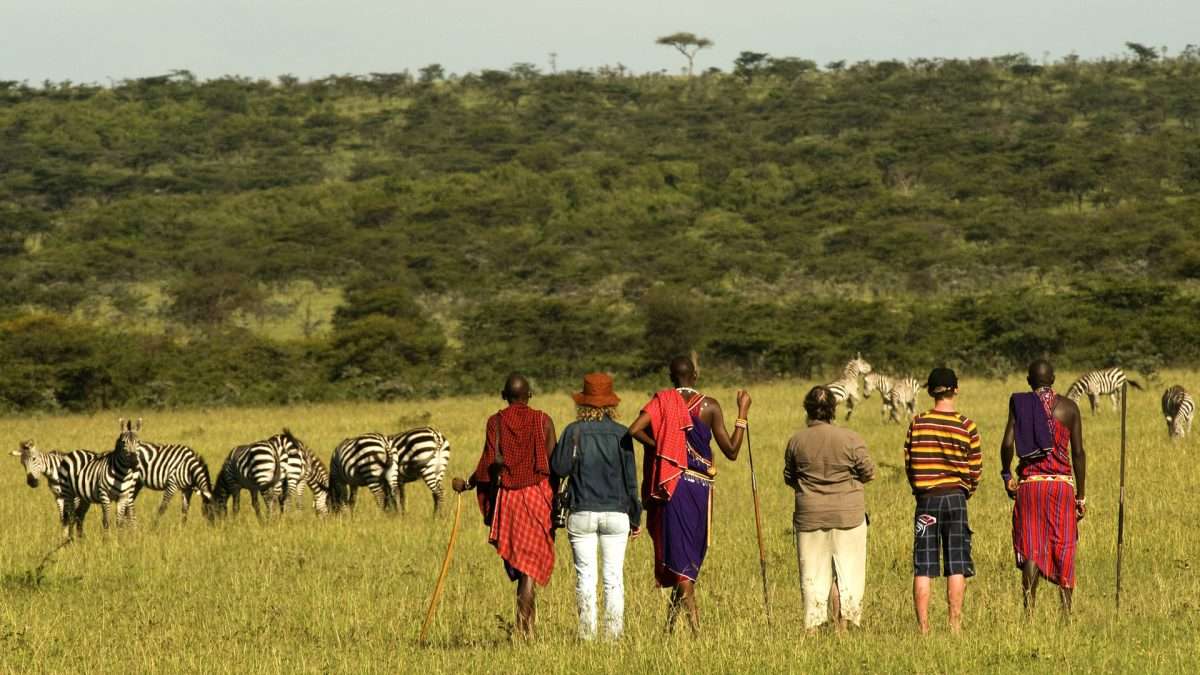
Adjacent to the world-famous Maasai Mara National Reserve, Kenya’s network of private conservancies offers a walking safari experience enriched by deep cultural connection and direct community benefit.
The Maasai Conservancies (Naboisho, Olare Motorogi, Mara North): These are not national parks but community-owned and managed lands. This allows for activities prohibited in the reserve itself, including off-road driving, night game drives, and of course, walking safaris. Your guides are often Maasai warriors whose ancestral knowledge of the land, wildlife behavior, and tracking is unparalleled.
The Dual Experience: A walk here is as much a cultural immersion as a wildlife one. Your Maasai guide will share insights into traditional uses of plants, interpret animal signs through a millennia-old lens, and explain the community-based conservation model that protects this wildlife corridor. You might track lions in the morning and visit a Maasai manyatta (homestead) in the afternoon.
Why it’s special for walking: This model directly links tourism to conservation and community wellbeing. Your visit supports local schools, health clinics, and sustainable grazing programs. The experience blends incredible Big Five wildlife viewing with authentic cultural interaction, offering a holistic understanding of how people and wildlife can coexist.
South Africa’s Private Reserves: Luxury & The Big Five on Foot
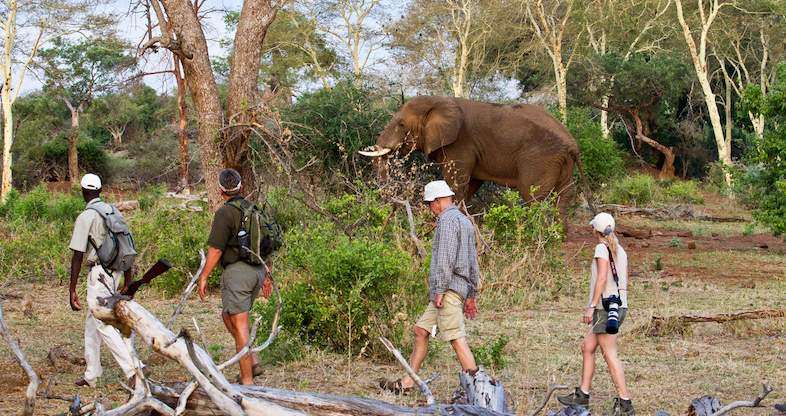
For those seeking a luxury walking safari with a high probability of encountering the Big Five (lion, leopard, elephant, buffalo, rhino), South Africa’s private game reserves bordering Kruger National Park are ideal.
Sabi Sand Game Reserve & Timbavati: These premier, fenceless private reserves share a boundary with Kruger, allowing wildlife to roam freely. They are renowned for some of the best leopard viewing in Africa. Walking safaris here are typically shorter (2-3 hours), focusing on tracking skills, interpreting the bush, and potentially encountering big game from a safe, guided distance. The luxury lodge infrastructure is exceptional, offering gourmet meals and exquisite comfort after your wilderness immersion.
The Walking Focus: While you may see the “Big Five,” the emphasis is on the educational aspect. Guides focus on the smaller details—insects, birds, plants, and tracks—that create the complete ecosystem picture. The thrill comes from possibly tracking a rhino on foot or approaching a herd of buffalo with your heart pounding, all under the watchful eye of a highly trained, usually armed, guide.
Why it’s special for walking: It offers a highly accessible, safe, and comfortable introduction to walking safaris without sacrificing the potential for dramatic wildlife encounters. It’s perfect for first-timers or those who want to combine the thrill of walking with the consistent game viewing and luxury for which South Africa is famous.
When to Go: Timing Your Walking Adventure
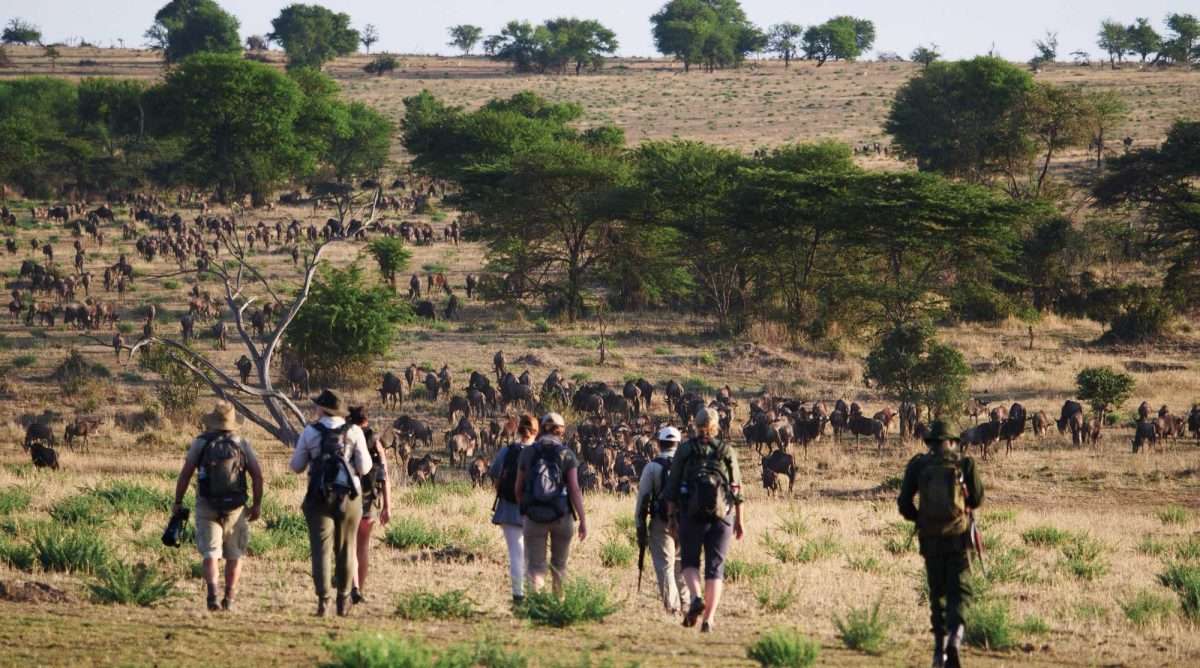
The Dry Season (June-October)
This is prime walking time across Eastern and Southern Africa:
Vegetation is sparse, improving visibility
Animals gather predictably around water sources
No mosquitoes or rain disruptions
Cooler temperatures make walking comfortable
In Tanzania and Kenya, this coincides with the Great Migration
The Green Season (November-May)
Don’t overlook this beautiful time:
Landscapes transform into lush, green paradises
Birding is exceptional with migratory species present
Fewer tourists mean more private experiences
Lower rates at many camps
Newborn animals everywhere (peak in January-February)
Considerations:
December-March can be very hot in low-lying areas
April-May (“long rains”) may limit walking in some regions
Some remote camps close during peak rains
A Typical Day on Foot: What to Really Expect
5:30 AM: Wake to gentle knocking and “jambo” (hello) from your guide. Dress in your neutral-colored clothing.
6:00 AM: Gather around the campfire for tea, coffee, and rusks (hard biscuits). Your guide gives the morning’s safety briefing and plan: “We’ll head toward the river today—the elephants have been feeding on the acacia pods there.”
6:30 AM: Begin walking. The morning coolness makes walking pleasant. Within minutes, your guide stops to examine fresh porcupine quills. “He passed recently—see how the color is still bright?”
7:15 AM: You approach a waterhole silently. Your guide signals to stop. Through your binoculars, you watch a family of warthogs drinking, their tails straight up like antennas. A fish eagle calls from a dead tree above them.
8:00 AM: The trackers (often two guides work together) find lion tracks. You follow cautiously for twenty minutes before your lead guide raises a closed fist—the universal “stop” signal. He whispers, “They’re just ahead, sleeping in the thicket. We’ll watch from here.”
9:00 AM: Time for a “bush breakfast.” Your guide selects a safe clearing. Staff who left camp earlier have set up a surprise spread: fresh fruit, muffins, boiled eggs, and coffee. You sit on folding stools, sharing stories of the morning’s discoveries.
10:30 AM: Return to camp, your mind full of morning impressions. The rest of the day is for relaxing, maybe a game drive in the afternoon, or perhaps another shorter walk before sunset.
Walking vs. Driving: Why You Need Both
Smart safari travelers combine walking and driving for a complete experience:
Walking Safaris Give You:
Intimate connection with the environment
Education about ecosystems
The thrill of tracking
Attention to small details
Physical engagement with the landscape
Game Drives Give You:
Coverage of more territory
Better photography opportunities
Comfort during hot hours
Higher likelihood of seeing predators
Accessibility for all ages and abilities
The Perfect Combination:
Most luxury camps offer both. A typical day might include a morning walk (when it’s cool and animals are active), afternoon rest at camp, and an evening game drive (when predators become active). This rhythm lets you experience Africa’s different moods and maximizes what you see and learn.
Essential Packing: What You Really Need
Packing correctly enhances comfort and safety:
Clothing (Neutral Colors Only)
2-3 lightweight, long-sleeved shirts (quick-dry fabric)
2 pairs of convertible hiking pants
A wide-brimmed hat with chin strap
A warm layer for cool mornings (fleece works well)
Avoid: Blue/black (attracts tsetse flies), white/camouflage
Footwear
Well-broken-in hiking boots or trail shoes
Comfortable camp shoes for evenings
Quality moisture-wicking socks (bring extras)
Essential Gear
High-quality binoculars (8×42 magnification is ideal)
Camera with zoom lens (70-300mm works well)
Small daypack for water and layers
Reusable water bottle (most camps provide water)
Headlamp for pre-dawn camp navigation
Protection
High-SPF sunscreen and lip balm
Insect repellent (DEET-based for mosquitoes)
Personal medications (malaria prophylaxis if recommended)
Small personal first-aid kit (blister pads, antiseptic)
Fitness, Age, and Health Considerations
Fitness Level Required
You need moderate fitness—able to walk 5-8 kilometers (3-5 miles) over 3-4 hours with breaks. The pace is slow, and terrain is generally flat, but you might navigate around obstacles or through soft sand. If you can walk comfortably for 90 minutes in your local park, you’ll manage a walking safari.
Age Guidelines
Most camps: Minimum age 16
Some family-friendly camps: Minimum age 12
Private walks: Sometimes possible for ages 8+ with assessment
No upper age limit if you’re reasonably fit and mobile
Health Considerations
Discuss these with your doctor:
Recent surgeries or joint problems
Heart or respiratory conditions
Severe allergies (especially bee stings)
Mobility limitations
Camps can often customize walks—shorter distances, more frequent breaks, or vehicle support for part of the way. Always disclose health concerns when booking.
Why Walking Safaris Reach Places Vehicles Cannot
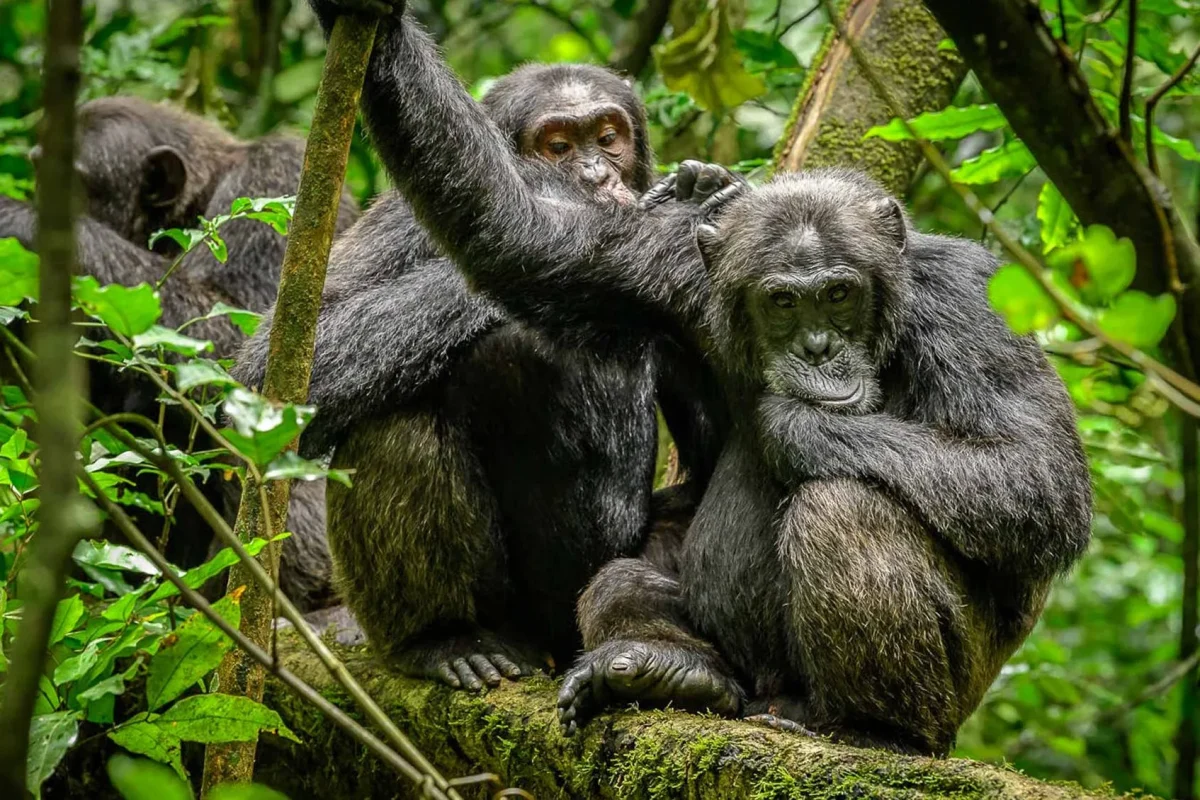
Walking safaris give access to remote and sensitive areas where safari vehicles are not allowed. Exploring on foot allows closer wildlife encounters, deeper nature connection, and access to landscapes shaped by conservation rules.
Key places only accessible on foot include
Mountain forests and jungles such as Rwanda’s Volcanoes National Park, where gorilla trekking is done entirely by hiking
Primate habitats in Rwanda, Uganda, and Tanzania, where chimpanzee trekking happens deep inside forests
Madagascar national parks, where lemurs are found along walking trails with little to no vehicle access
Southern Africa walking safari highlights
Hwange National Park, Zimbabwe for tracking elephants and rhinos with expert guides
Gorongosa National Park, Mozambique for bush walks focused on animal tracks, plants, and predator signs
Kruger region, South Africa and Twyfelfontein, Namibia for ancient rock art and cultural sites reached only on foot
Walking safaris protect fragile ecosystems while offering immersive wildlife experiences, making them an essential part of sustainable safari travel in Africa.