
You may already know Africa’s Big Five game, the leopards, elephants, Cape buffalos, rhinos, and lions that dominate safari dreams. These powerful animals steal the spotlight with their size and strength, and almost everyone planning an African safari can name them with ease. But have you ever heard of Africa’s Little Five, and do you know why they share those famous names?
Many travelers are surprised to learn that some of the most fascinating safari moments come from much smaller creatures. These small animals do not roar or charge across the plains, yet they play a vital role in safari ecosystems. You simply need to slow down, look closer, and let your guide point them out.
Africa’s Little Five is a playful and memorable way to celebrate small animals on African safari that mirror the names of the Big Five. They may be tiny, but they leave a lasting impression once you notice them. Spotting them often feels like uncovering a secret side of East Africa wildlife that many travelers miss.
Africa’s Little Five Safari Animals Explained
What exactly are Africa’s Little Five wildlife species? They are not the smallest animals in Africa, and they are not the opposite of the Big Five in terms of danger. Instead, the Little Five are named because each one shares its name with a much larger and more famous safari animal. Think elephant, buffalo, leopard, lion, and rhino, just in miniature form.
Africa’s Little Five animals include:
- Elephant shrew
- Antlion
- Rhinoceros beetle
- Buffalo weaver
- Leopard tortoise
These lesser known safari animals may not roar, charge, or weigh several tons, but they are remarkable in their own way. Spotting them often takes patience, curiosity, and a slower pace, which is why guided game drives and nature walks make all the difference.
Ask your safari guide, keep your eyes open, and you may be surprised at how rewarding it feels to discover these small but significant safari species during your East Africa safari with TourwithPipi.
Elephant Shrew
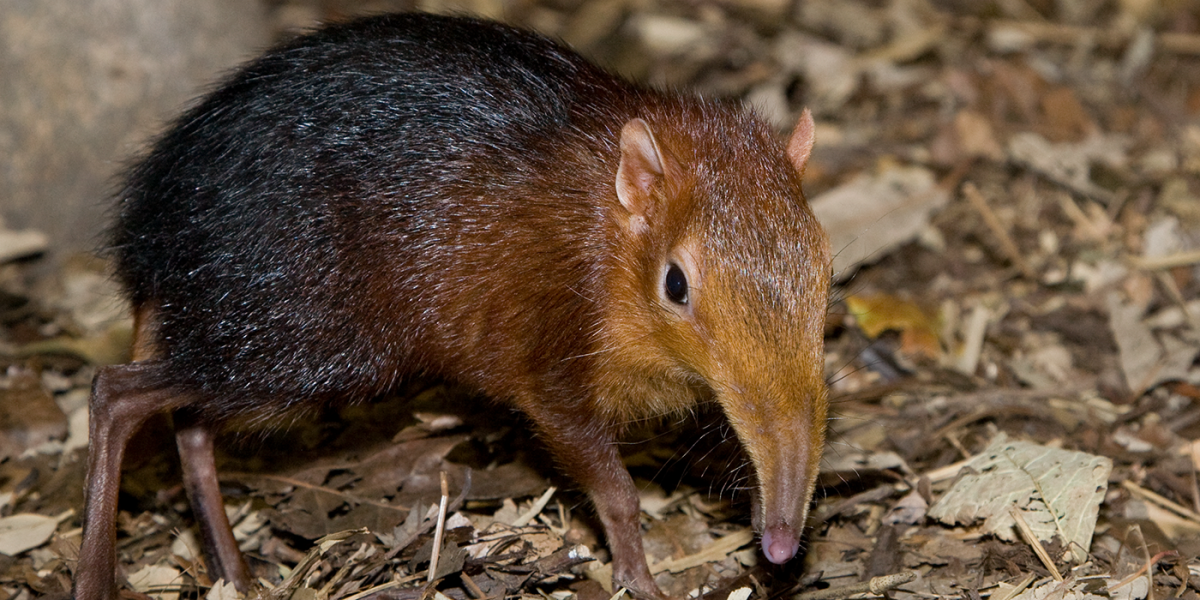
The elephant shrew is one of those safari animals most people walk past without noticing. It is small, quick, and always busy. At first glance, it looks like a mouse with a long nose, but that nose is exactly how it got its name. The snout bends and moves like a tiny trunk, which helps it sniff out insects hiding in leaves and soil.
This little mammal measures about 23 to 31 centimeters long and weighs less than a kilogram. It may look delicate, but it is built for speed. Elephant shrews can sprint faster than most people expect, reaching speeds close to 18 miles an hour, and they can leap almost a full meter in one jump. Because they are shy and alert, spotting one on safari feels like a small win.
You can find elephant shrews across many parts of Africa, living in deserts, scrublands, and woodlands. They are not rare, but they are hard to see because they move fast and avoid attention. Unlike elephants, they prefer quiet lives and usually stay in monogamous pairs rather than large groups.
Here is the surprising part. Despite their name, elephant shrews are not closely related to shrews at all. Genetic research shows they are more closely related to elephants than to rodents. No one knew this when they were named. Back then, the name simply matched their size and nose shape.
There are about 20 different species, ranging from mouse sized to squirrel sized. Some people also call them sengis or jumping shrews because of how they hop through the undergrowth. If you spot one during a guided safari walk, pause for a moment. You are looking at one of Africa’s smallest animals with one of the most unexpected stories.
Antlion
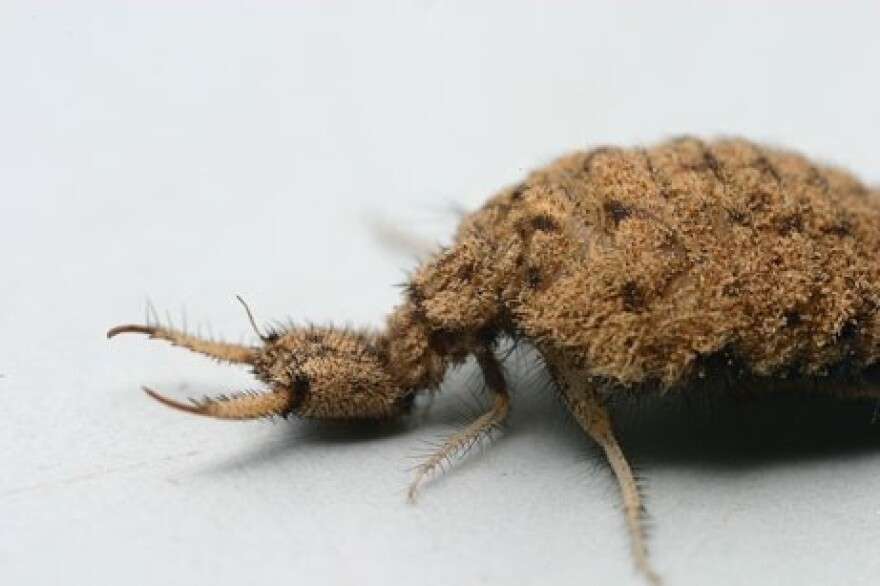
The antlion may be the smallest member of Africa’s Little Five, but it plays a big role in safari ecosystems. You can find antlions in dry, sandy areas across East Africa and many other parts of the world. There are more than 2,000 antlion species, and while adults look like delicate dragonflies, it is their young stage that makes them famous on safari walks.
Antlions are best known for their larvae, often called doodlebugs. At this stage, they live on the ground and do not have wings. Their bodies look small and fuzzy, with oversized heads and curved jaws that work like traps. These jaws are hollow, which allows the antlion to pierce its prey and draw out fluids. Ants and other small insects make up most of their diet.
What makes antlions special is how they hunt. The larvae dig cone shaped pits in loose sand, then bury themselves at the bottom with only their jaws showing. When an ant or insect slips down the sandy wall, escape becomes almost impossible. The antlion waits, grabs its prey, and feeds. This patient ambush style is the reason they earned the name antlion, as their hunting method mirrors the power and control of much larger predators.
On an African safari, spotting an antlion often means slowing down and looking closely at the ground rather than the horizon. Guides sometimes show these tiny pits during guided nature safaris, which helps travelers understand how even the smallest animals contribute to African safari biodiversity. Seeing an antlion at work reminds you that safari wildlife is not only about size, but also about skill and survival.
Rhinoceros Beetle
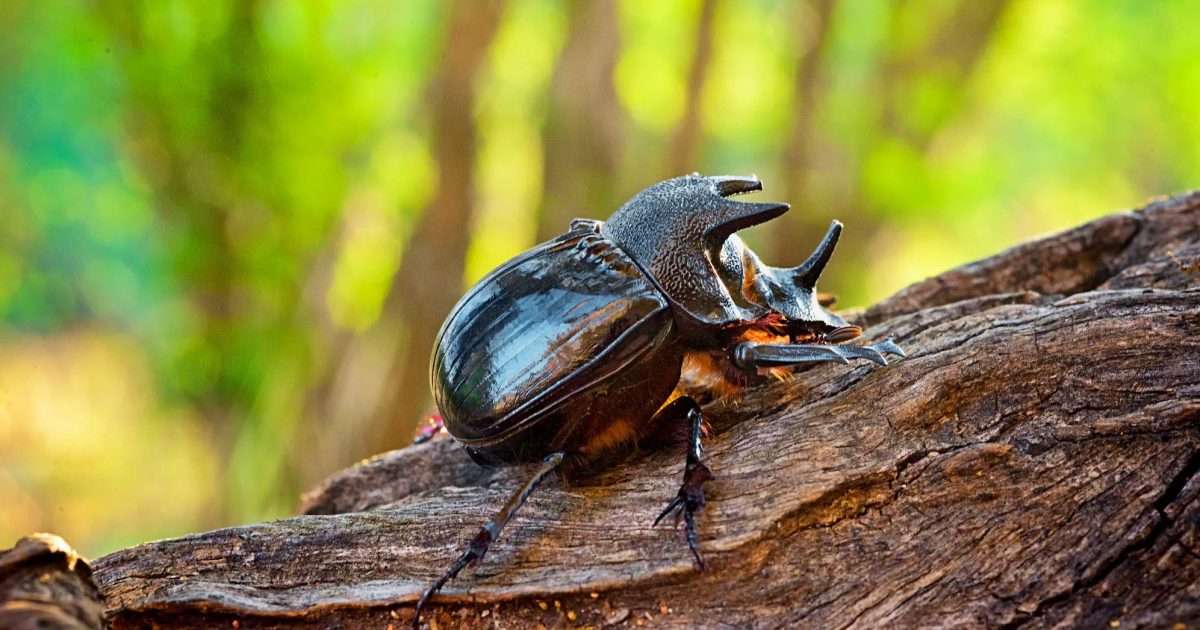
The rhinoceros beetle is the next insect on the Africa’s Little Five list, and its name explains its look right away. Males grow curved horns on their heads, which they use to dig into rotting wood and push rivals away when competing for mates. Most rhinoceros beetles measure between one and two and a half inches, yet they rank among the largest beetles in the world.
These beetles belong to the scarab family and may look tough, but they pose no danger to people. You can find over 300 species worldwide, with around 60 species living in parts of Africa. Some species grow up to six inches long in other regions, though African species usually reach about two inches. What they lack in size, they make up for in power. Pound for pound, rhinoceros beetles count as some of the strongest animals on the planet.
During an African safari, spotting a rhinoceros beetle is unlikely. They stay active at night, rarely take flight, and spend most of their time feeding on fruit, sap, bark, and plant matter. Still, knowing they live quietly beneath the surface adds another layer to understanding small safari wildlife Africa and the hidden life that supports healthy safari ecosystems.
Buffalo Weaver
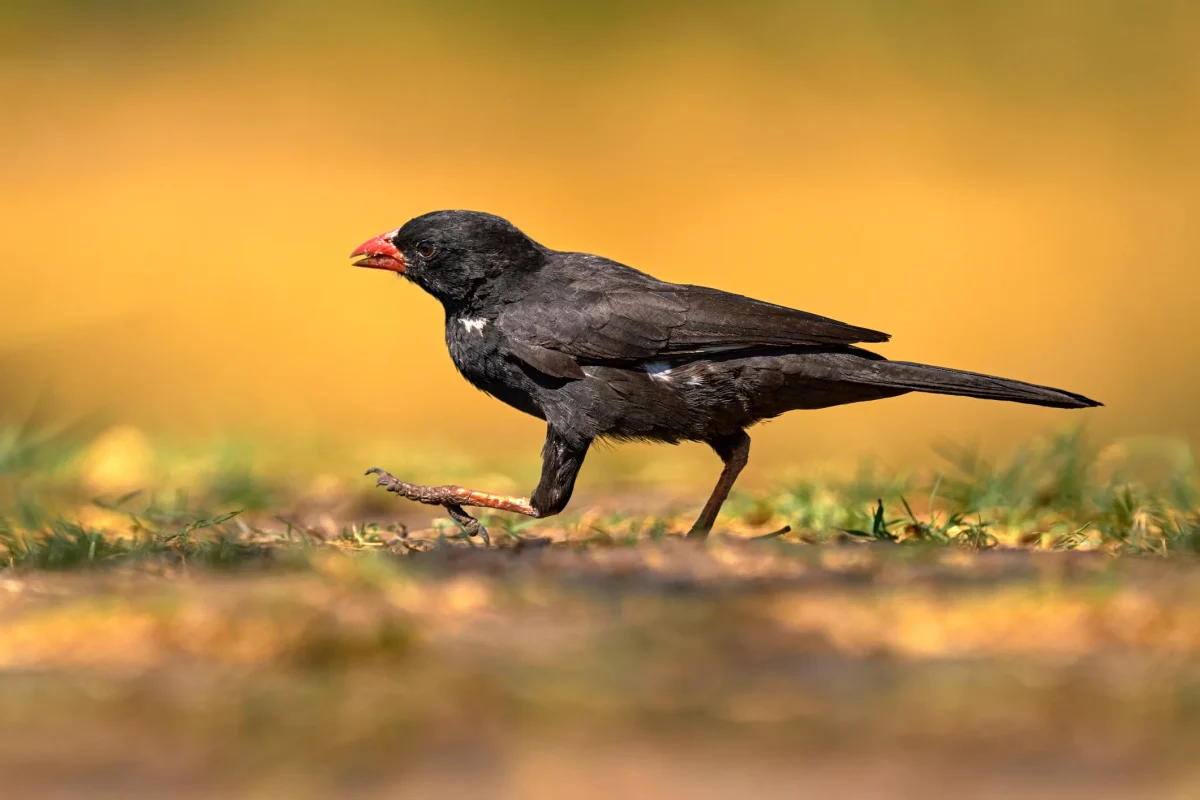
Among Africa’s Little Five animals, the buffalo weaver is usually the easiest to notice. These birds are not shy, and they seem comfortable living close to people and livestock. Buffalo weavers earned their name because they often gather near Cape buffalo herds, where insects are easy to find. They live in busy groups and build large shared nests in trees or even on manmade structures like poles and windmills. You often hear their constant calls before you ever see them.
On safari, you are most likely to spot two types. The red billed buffalo weaver lives across East Africa and much of southern Africa. The white headed buffalo weaver has a smaller range and appears mainly in Kenya, Tanzania, and Uganda. There is also a white billed species, though sightings depend on location.
Buffalo weavers are the only birds on Africa’s Little Five list. They grow up to about 24 centimeters long and live in noisy colonies that feel full of energy. Their name also comes from the large woven nests they build using sticks and dry grass.
You usually find buffalo weavers in dry savannah and scrubland. They feed on seeds, fruit, and small insects, including scorpions. Watching them at work gives a clear look at how small safari wildlife Africa stays active and connected in everyday safari landscapes.
Leopard Tortoise
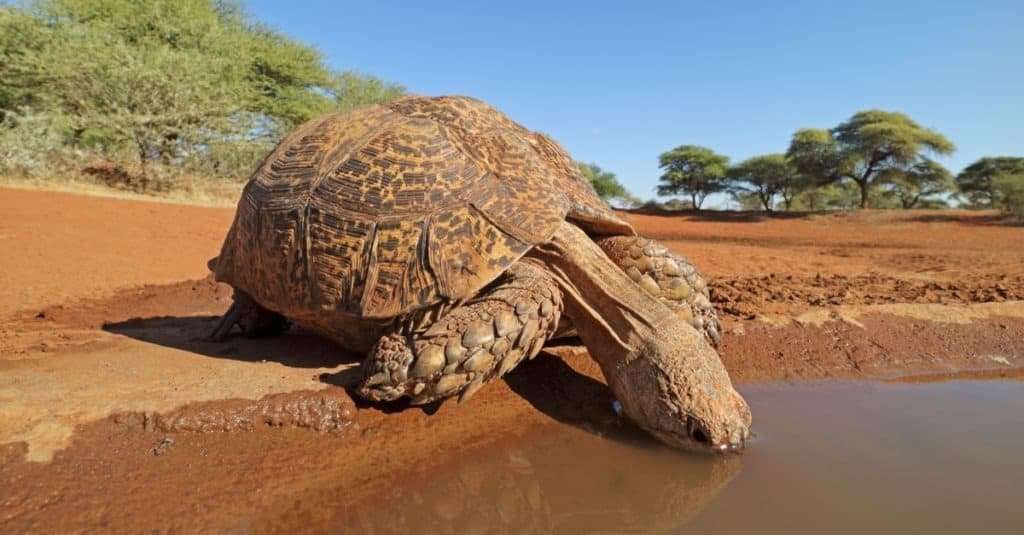
The leopard tortoise is the largest member of Africa’s Little Five and one of the most impressive once you notice it. Adults can weigh up to 40 pounds and live for nearly 100 years. It also ranks as the fourth largest tortoise in the world, with most growing around 16 inches long, while some reach close to 28 inches.
You will find leopard tortoises across sub Saharan Africa, especially in savannas and semi arid scrublands. Countries like Kenya, Tanzania, Botswana, Zambia, Zimbabwe, Namibia, and South Africa provide the dry grasslands they prefer. Their diet stays simple and includes grass, thistles, and low plants.
Young leopard tortoises face danger from predators, but adults rely on their strong shells for protection. When threatened, they pull their head and legs inside and wait until the risk passes. Their shells show bold gold and black patterns that resemble leopard spots, and no two shells look the same.
On safari, leopard tortoises often appear crossing roads or resting near open grass. They live alone, move at their own pace, and quietly remind travelers that small safari wildlife Africa can be just as memorable as the big animals everyone expects to see.
How TourwithPipi Safari Experiences Bring the Little Five to Life

An African safari is not only about the Big Five. When you slow down, the land reveals smaller stories that matter just as much. TourwithPipi safari experiences focus on these details, guided by local experts who know where to look and when to pause.
Leopard tortoises and buffalo weavers often appear during regular game drives, but spotting the full Little Five takes patience and curiosity. Walking safaris, nature hikes, and slow paced treks create the best chances to see elephant shrews, antlions, and rhinoceros beetles. Letting your guide know this is a priority makes all the difference.
Make it your goal to spot Africa’s Little Five on safari. Contact TourwithPipi today to plan a thoughtful, slow paced safari built around discovery, learning, and unforgettable moments.
Where to See Africa’s Little Five on Safari
Spotting Africa’s Little Five safari animals often happens when you slow down and look closer, which is why guided walks and relaxed game drives matter so much.
The elephant shrew, also called a sengi, appears in dry woodlands and scrub areas. Guides often point them out in Serengeti National Park in Tanzania, Tsavo National Park in Kenya, and parts of Ruaha National Park. They move fast, so sightings usually happen during quiet moments rather than busy drives.
The antlion shows up in sandy soils across East Africa. Guides often reveal their cone shaped traps during nature walks in Ngorongoro Conservation Area, Maasai Mara National Reserve, and dry sections of Queen Elizabeth National Park. You usually see the pit before you see the insect.
The rhinoceros beetle lives a hidden life inside rotting wood and forest edges. Sightings are rare because they are active at night, but guides may point them out near lodges in forested zones of Bwindi Impenetrable Forest National Park or woodland areas of southern Tanzania.
The buffalo weaver bird is much easier to find. You often see and hear them in open savanna across Kenya, Tanzania, and Uganda, especially in Amboseli National Park and the Maasai Mara. Their noisy colonies and large woven nests give them away.
The leopard tortoise appears across grasslands and scrub regions of East Africa. You often spot them crossing safari roads in the Serengeti, Tarangire, and southern Kenya. Guides usually slow the vehicle so guests can observe without stress.
Seeing the Little Five requires patience, curiosity, and good timing. Experienced guides know when to pause, where to look, and how to read small signs in the landscape that most travelers miss.
Why the Little Five Matter on a Luxury Safari
A luxury safari is not only about ticking off the Big Five. The Little Five add depth to the safari story and help travelers understand how ecosystems truly work. These small animals show how every creature, no matter its size, plays a role in balance and survival.
Expert guides make all the difference. They turn a patch of sand, a quiet tree, or a roadside crossing into a moment of discovery. Instead of rushing from one big sighting to the next, guests learn to notice details, patterns, and behavior, which makes the experience richer and more personal.
For families and first time safari travelers, the Little Five offer strong educational value. Children stay engaged, questions come naturally, and learning feels fun rather than forced. By the end of the journey, guests leave with more than photos of large animals. They leave with a deeper understanding of African safari biodiversity and why ethical, guided, and slow safari travel matters.
Tips for Spotting Small Animals on Safari
The best time to spot small safari animals is early morning or late afternoon, when temperatures are cooler and animals stay active. Midday heat often sends smaller creatures into hiding.
Look carefully at the ground, sandy patches, tree trunks, and low branches. Antlion pits appear in loose sand, buffalo weaver nests hang from trees, and leopard tortoises often cross roads or rest near grass.
Most importantly, listen to your guide. Guides notice movement, sounds, and patterns that visitors often overlook. Their experience helps you slow down, focus, and see the safari world in full detail. When you trust your guide and stay curious, the smallest sightings often become the most memorable moments of your journey.
FAQs About Africa’s Little Five
What are Africa’s Small Five animals?
Africa’s Little Five include the elephant shrew, antlion, rhinoceros beetle, buffalo weaver, and leopard tortoise. They are named because they share names with the Big Five animals.
Why are they called the Little Five
They are called the Little Five because each small animal matches the name of a larger Big Five animal, not because of size or danger.
Where can you see the Little Five on safari?
You can see them in East Africa across Kenya, Tanzania, Uganda, and Rwanda, mainly in savannas, sandy areas, forests, and near safari roads.
Are Little Five sightings common?
Some, like the buffalo weaver and leopard tortoise, are easy to spot, while others like the antlion and elephant shrew need patience and guidance.
Are the Little Five endangered?
Most Little Five animals are not endangered, but they still depend on healthy ecosystems and conservation efforts to survive.
Do you see the Little Five on regular game drives?
Yes, some appear during normal game drives, while others are more likely seen on walking safaris or slow nature walks.
Are the Little Five safe to observe?
Yes, they are safe to observe when viewed respectfully and without disturbing their natural behavior.
Are the Little Five good for family safaris?
Yes, they are great for families because they keep children curious, engaged, and learning throughout the safari.
Do safari guides help spot the Little Five?
Yes, experienced guides know where to look and often point them out when guests show interest.
Is spotting all five possible on one safari?
It is possible with time, patience, and flexible planning, especially on longer safaris with walking activities.
Conclusion: Seeing Africa Through a Different Lens
Africa reveals its true richness when you look beyond the biggest animals. The Little Five remind travelers that even the smallest creatures shape the land and keep ecosystems alive. Watching them slows you down and helps you see the safari in a more meaningful way.
By observing wildlife with patience and respect, every sighting becomes more than a photo. It becomes a moment of understanding. When you travel with deeper awareness, Africa feels more personal and more alive.
Explore Africa with open eyes and curiosity, and let TourwithPipi guide you toward a safari experience that values learning, care, and connection as much as adventure.


