
Kenya: A Must-Visit Country in East Africa
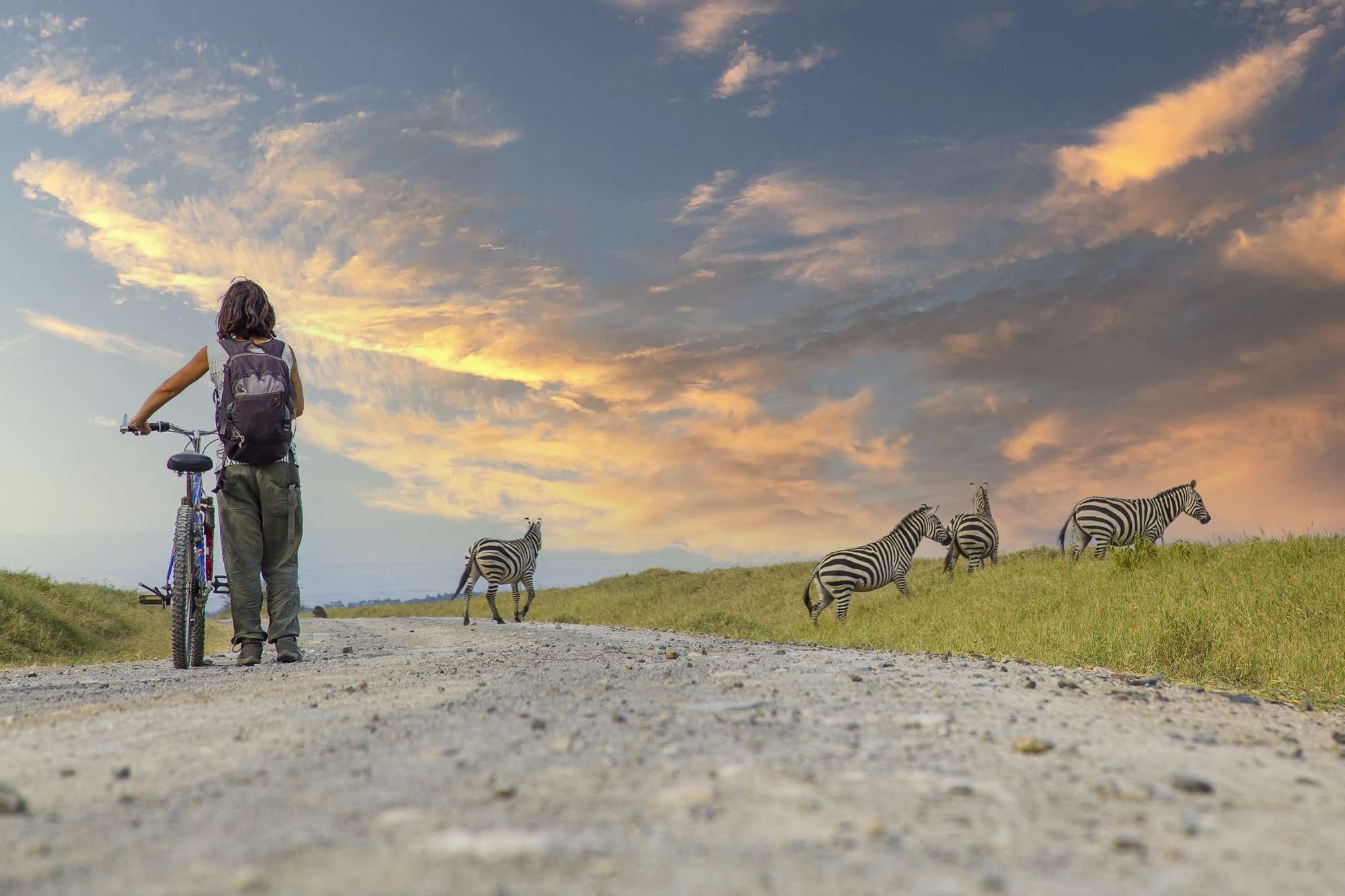
Kenya stands at the center of East Africa travel because it offers one of the richest and most balanced safari experiences on the continent. The country protects its natural heritage through 49 national parks and reserves, which cover deserts, open savannas, mountain ranges, freshwater lakes, forests, and coral reefs.
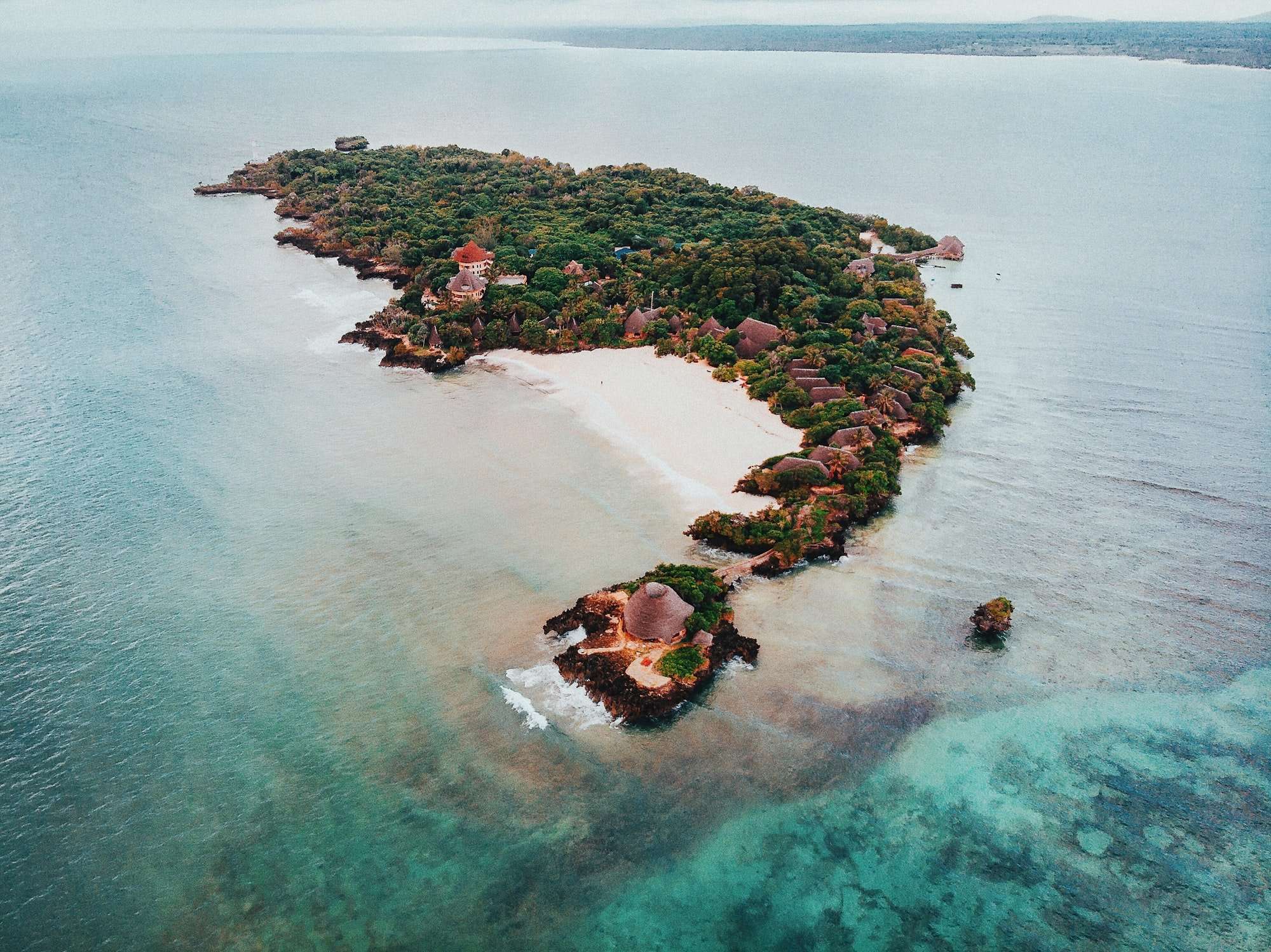
More than 8 percent of Kenya’s total land area remains under conservation, which shows a long term commitment to wildlife protection and sustainable tourism.
The Great Migration Experience in Kenya

The Maasai Mara National Reserve delivers one of the most powerful wildlife events on Earth. Every year, over 1.2 million wildebeest, along with 300,000 zebras and thousands of gazelles, move between Tanzania and Kenya in search of fresh grass. From July to October, the migration reaches its most dramatic moments as herds cross the Mara River, where strong currents and waiting crocodiles test survival instincts.
This journey is not only about danger. Visitors also witness quiet scenes of newborn calves, protective mothers, and young animals learning herd behavior. These contrasts make Kenya one of the best destinations for Great Migration safari experiences guided by local experts.
Wildlife Density That Stays All Year
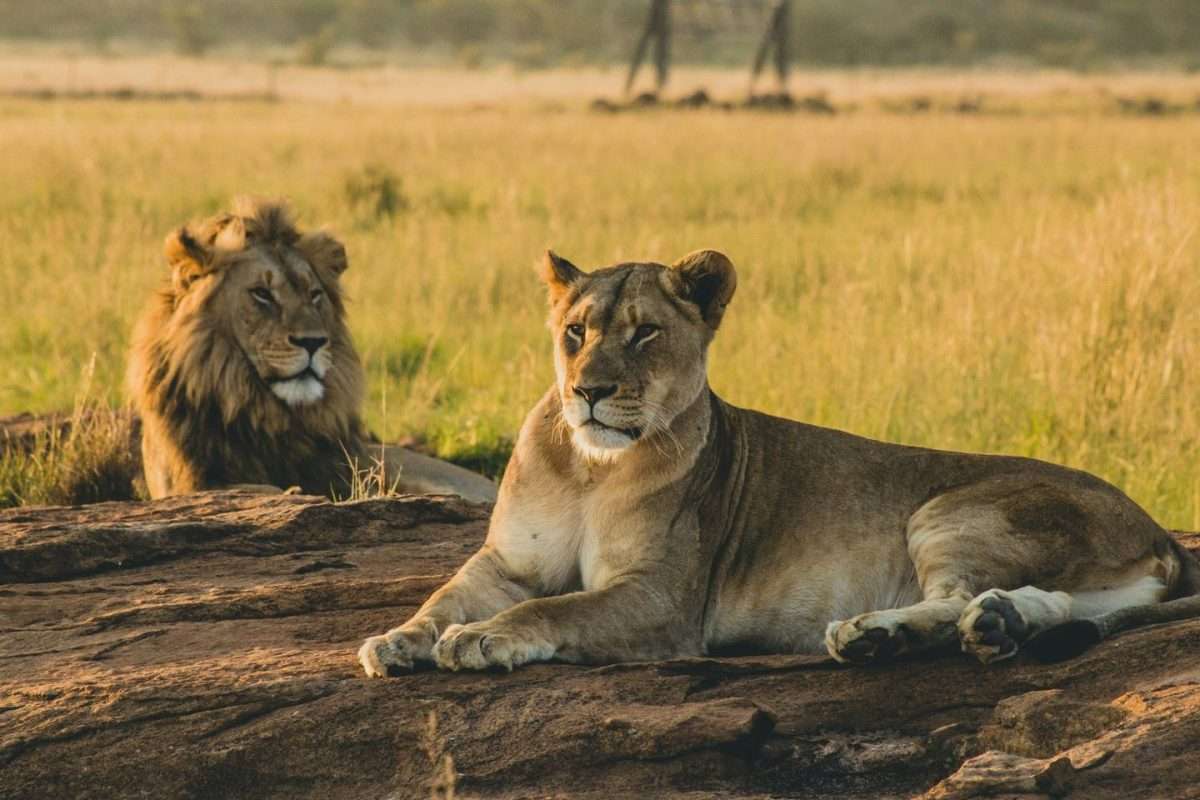
Kenya offers exceptional wildlife viewing beyond the migration season. The country is home to all members of the Big Five wildlife, including lions, leopards, elephants, buffalo, and rhinos. Cheetahs roam open plains, giraffes browse acacia trees, and hippos crowd riverbanks. Unique species such as Grevy’s zebra, reticulated giraffe, hirola antelope, and Tana River red colobus monkeys highlight Kenya’s biodiversity.
Birdlife remains just as impressive. Kenya records over 1,100 bird species, including nearly 100 raptor species. Flamingos gather at Lake Bogoria, African fish eagles patrol waterways, and lilac breasted rollers add color to game drives. Reptiles such as Nile crocodiles, monitors, and chameleons thrive in protected habitats.
Living Traditions and Human History
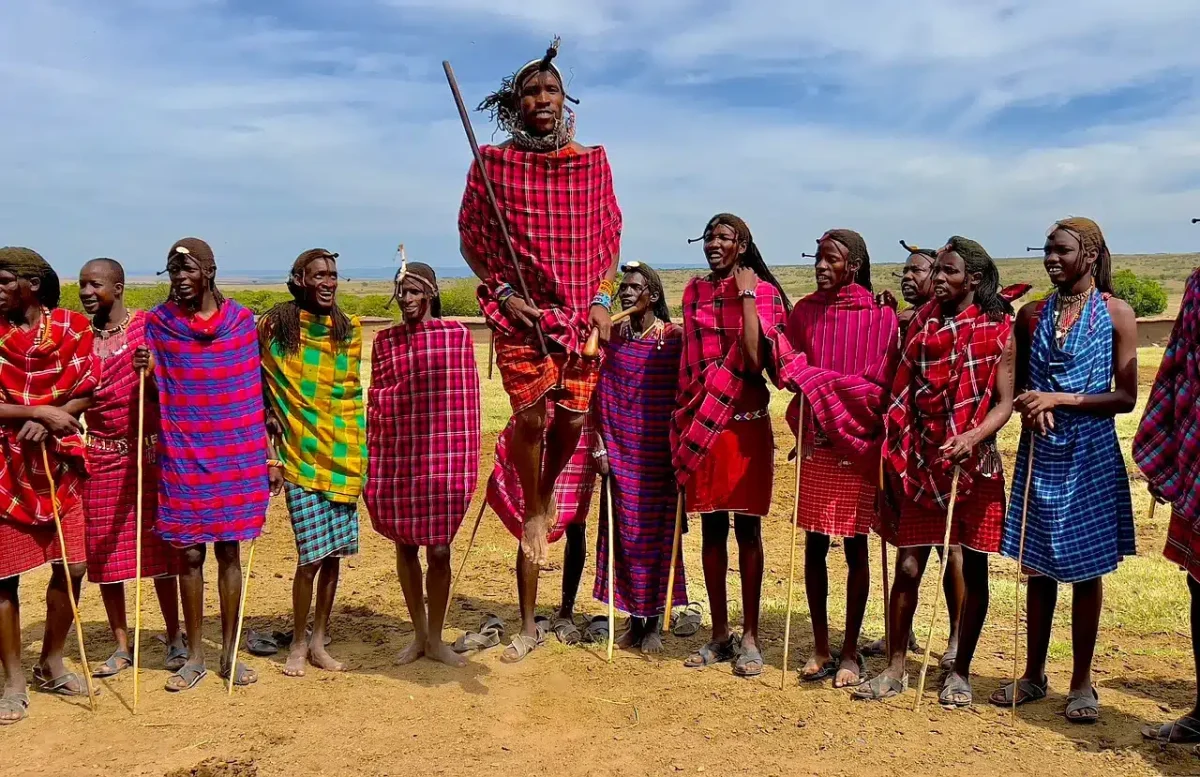
Kenya’s culture adds depth to every journey. More than 40 ethnic communities shape daily life, with Swahili and English serving as national languages. The Maasai people, known for their red and blue shúkà clothing and pastoral traditions, remain one of Africa’s most recognized cultural groups. Hospitality, respect for elders, and strong community bonds define Kenyan social life.
Northern Kenya also plays a key role in human history. Archaeological discoveries around Lake Turkana continue to reveal early evidence of human evolution, which gives travelers a rare connection to the origins of humankind.
Safari and Beach in One Journey
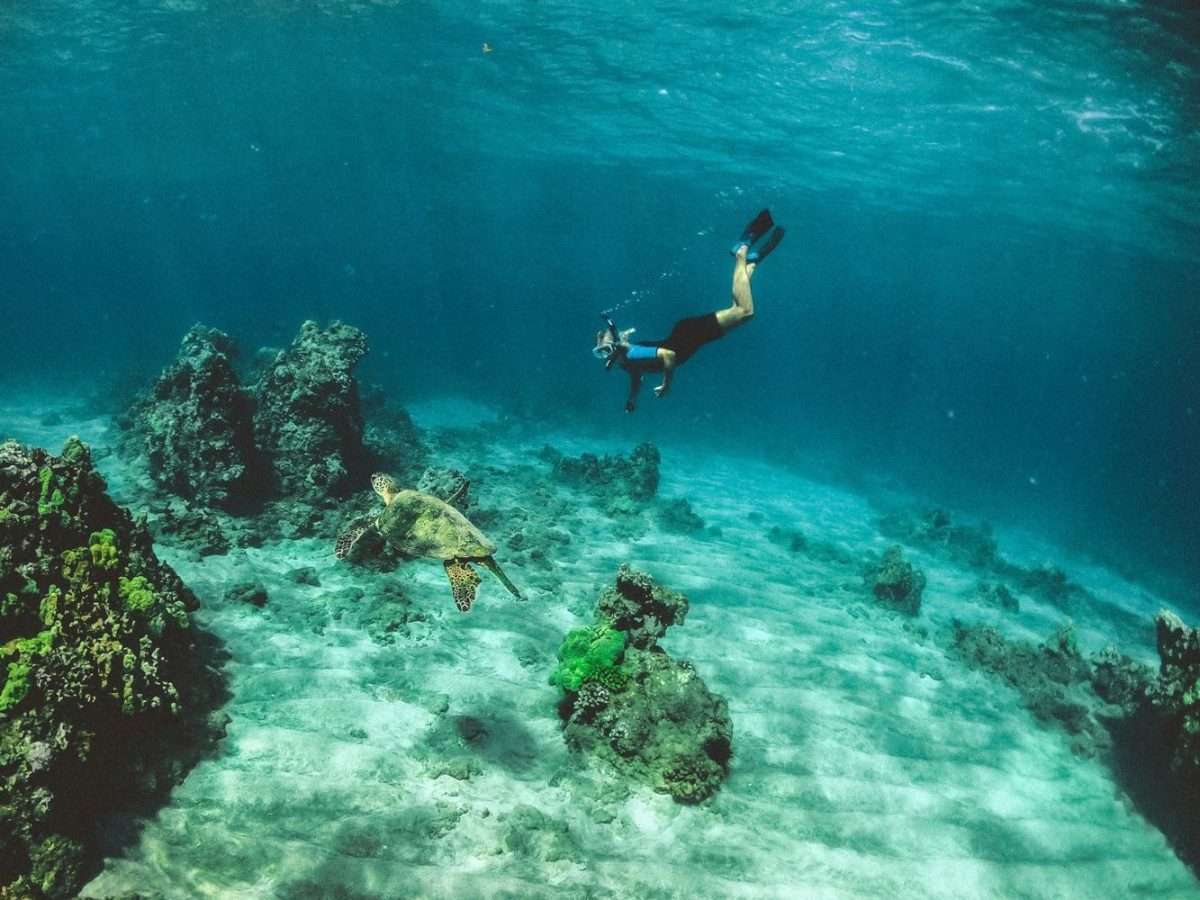 Kenya stands out because it blends classic safaris with tropical relaxation. After game drives, travelers unwind along the Indian Ocean coast in places like Mombasa, Diani Beach, Watamu, and Lamu. White sand beaches, coral reefs, and warm waters create the perfect end to a safari itinerary.
For travelers seeking East Africa safari packages that combine wildlife, culture, and comfort, Kenya delivers consistent value and unforgettable moments. With guidance from TourwithPipi East Africa safari experts, each journey is planned around the best seasons, locations, and personal interests, ensuring a safe and deeply rewarding experience. Check out our Kenya Trips!
Tanzania, One Journey That Feels Like Two East African Countries
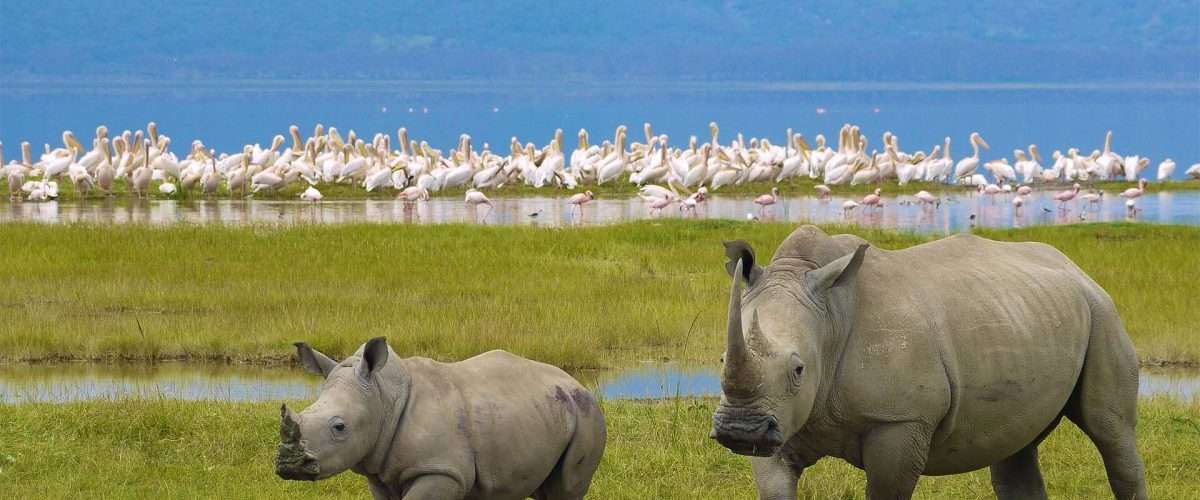
Tanzania offers one of the most complete East Africa travel experiences because it blends vast wildlife regions with tropical island life. Formed in 1964 through the union of mainland Tanganyika and the islands of Zanzibar, Tanzania brings together contrasting landscapes, cultures, and travel styles in one destination. This balance makes it a top choice for travelers seeking both adventure and relaxation.
Northern Safari Circuit, The Heart of Tanzania Safari Tours
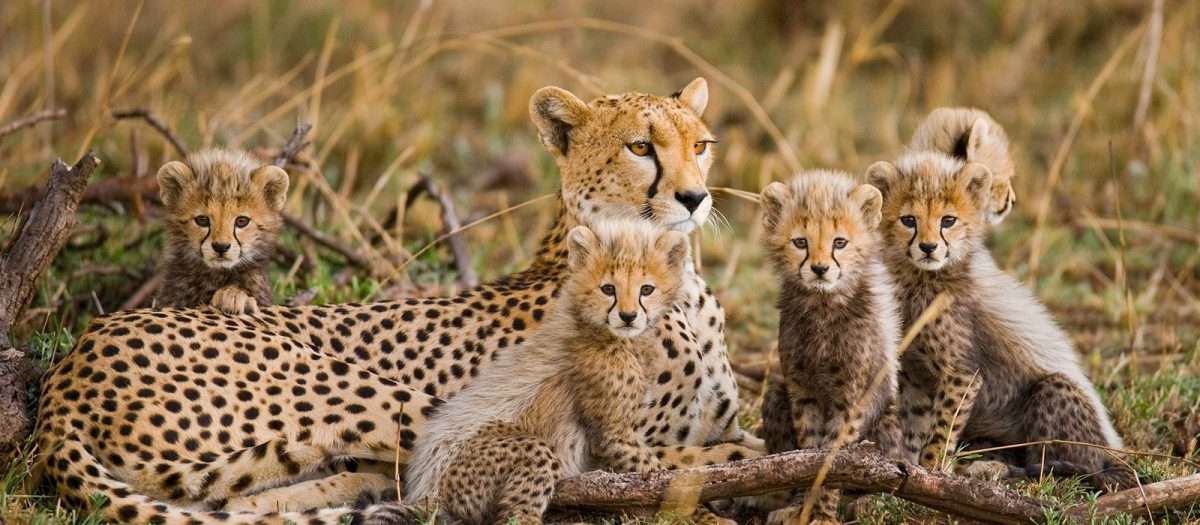
Tanzania’s famous Northern Safari Circuit draws travelers from across the world. It includes Serengeti National Park, Ngorongoro Crater, and Lake Manyara. The Serengeti alone covers nearly 14,750 square kilometers, making it one of Africa’s largest protected ecosystems.
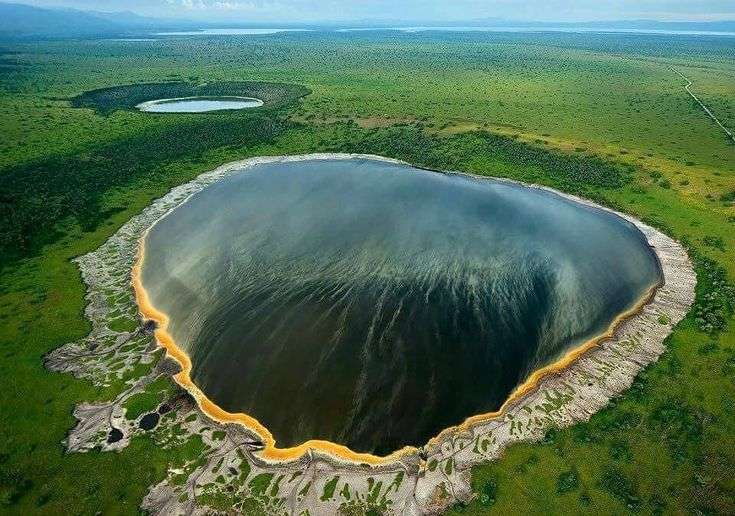
More than one million wildebeest and zebras move across these plains each year as part of the Great Migration, which many conservationists describe as one of the Seven Natural Wonders of the World. For most of the year, these herds remain inside Tanzania, which means travelers often enjoy migration viewing without border crossings.
Wildlife Density and Protected Landscapes
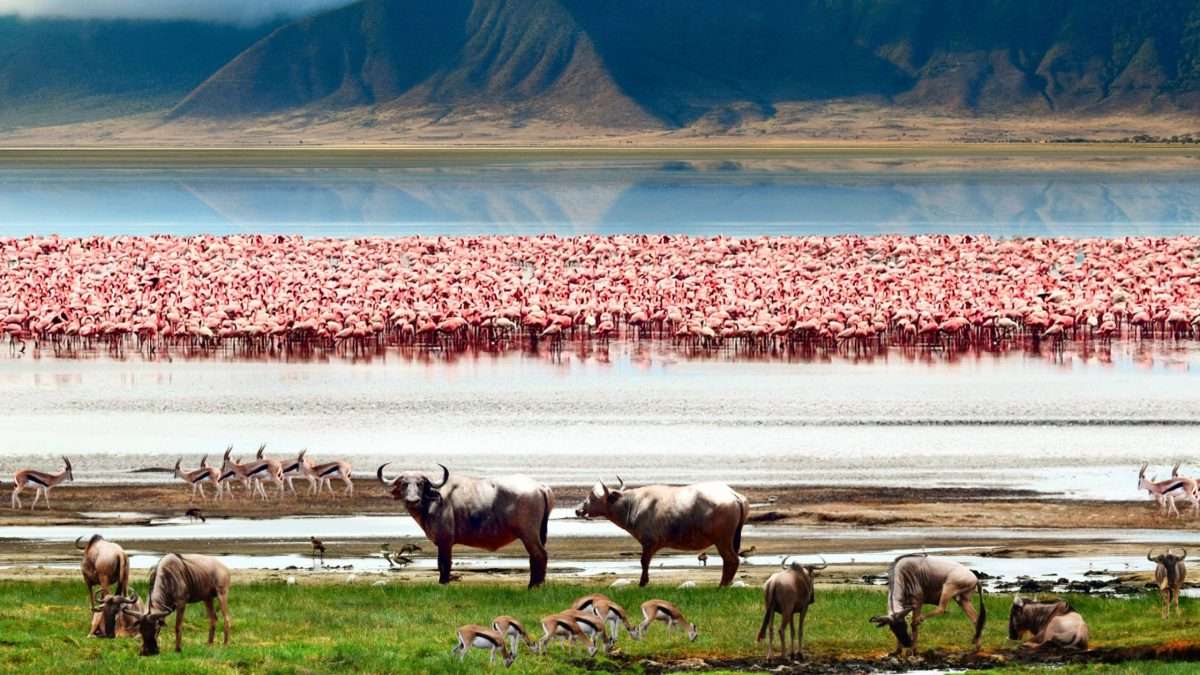
The Ngorongoro Crater holds one of the highest concentrations of wildlife in Africa within its collapsed volcanic walls. Visitors regularly spot lions, elephants, black rhinos, giraffes, hippos, and large herds of antelope in a single game drive. Because of its ecological value and human history, the area holds UNESCO World Heritage status.
Southern Tanzania adds another layer to the safari experience. Katavi National Park hosts thousands of elephants and Cape buffalo during the dry season, while the Rufiji River supports dense populations of hippos and crocodiles. Overall, Tanzania protects nearly 30 percent of its land through national parks and conservation areas, which supports around 20 percent of Africa’s large mammal population.
Kilimanjaro and the Birthplace of Humanity
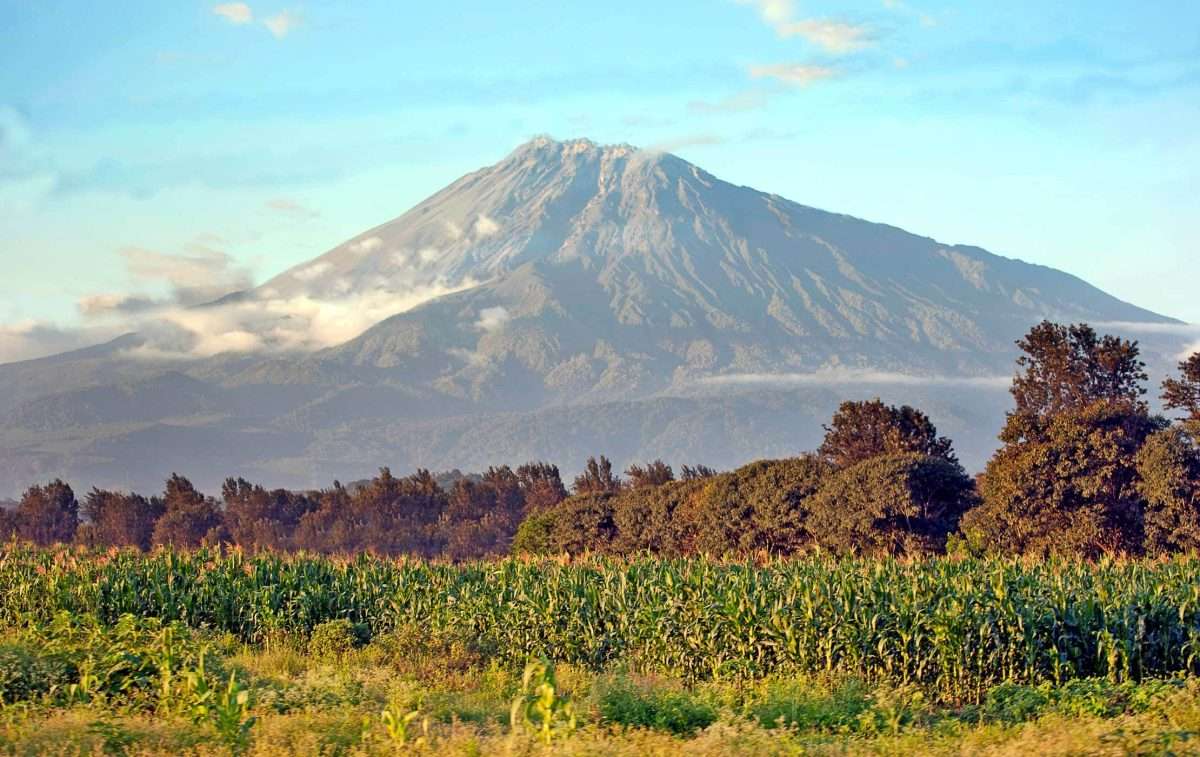
Rising above the plains, Mount Kilimanjaro stands as Africa’s highest peak at 5,895 meters. Snow often crowns its summit despite its equatorial location, drawing trekkers from around the world. Tanzania also holds deep human history at Olduvai Gorge, where early human fossils and stone tools were discovered, reshaping our understanding of human origins.
People, Language, and Living Traditions
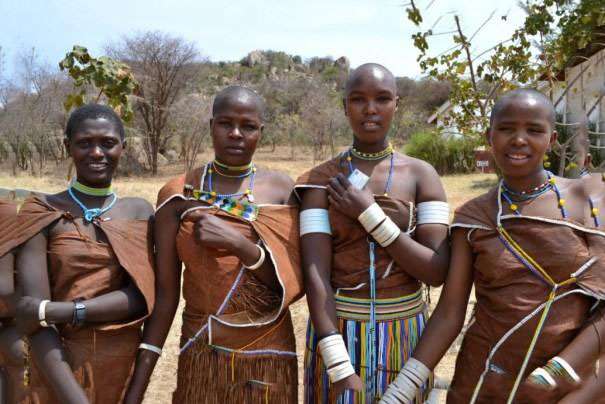
Tanzania ranks as one of the most culturally diverse countries in East Africa, with over 120 ethnic groups and more than 120 living languages. Swahili unites the nation and allows easy communication across regions, while English supports tourism and education. Communities such as the Sukuma, Chaga, Maasai, and Hadzabe reflect a wide range of farming, pastoral, and hunter gatherer traditions that travelers still encounter today.
Food and Spices That Define Tanzania’s Flavor
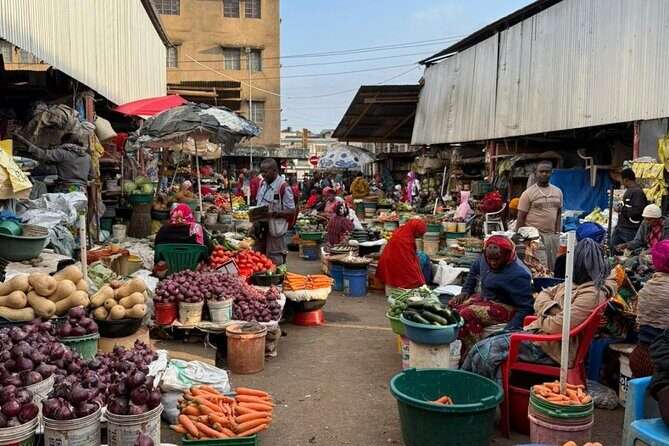
Tanzanian food reflects the country’s cultural mix and natural abundance, with simple ingredients prepared in comforting and flavorful ways. Meals often include ugali made from maize, rice dishes cooked with coconut milk, grilled meats known as nyama choma, and fresh fish from lakes and the Indian Ocean. In farming regions, bananas, beans, cassava, and vegetables form daily staples, while coastal areas lean toward seafood and lightly spiced curries. This balance makes Tanzanian cuisine filling, easy to enjoy, and welcoming for first time visitors.
Spices play a special role in Tanzanian food, especially on the islands of Zanzibar, often called the Spice Islands. Cloves, cinnamon, cardamom, nutmeg, and black pepper shape both local dishes and the island’s history as a trading hub. These spices flavor rice dishes, seafood stews, and even tea, creating aromas that stay with travelers long after the journey ends. For many visitors, tasting these flavors becomes a highlight of their Tanzania safari tour, adding a sensory connection to the land and its people.
Zanzibar, A Perfect Ending to a Safari
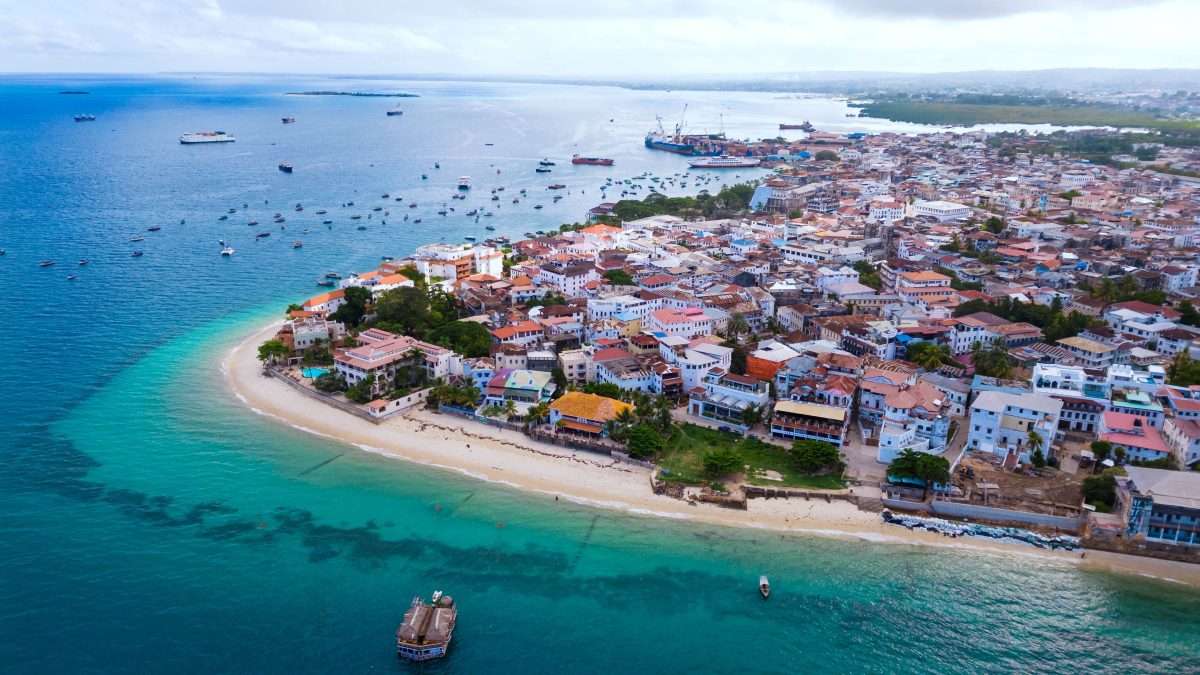
A Tanzania safari itinerary often ends along the Indian Ocean in Zanzibar, where white sand beaches and turquoise waters offer a calm contrast to the savanna. Traditional dhow sailboats glide past Stone Town, whose coral stone buildings reflect centuries of Arab, African, and Indian influence.
Nature lovers explore Jozani Forest, home to endemic red colobus monkeys and rare forest species. Islands such as Changuu, Unguja, Pemba, and Chumbe deliver some of the best snorkeling and diving in the Indian Ocean.
For travelers seeking luxury safaris in Tanzania paired with island relaxation, Tanzania delivers unmatched variety. With guidance from TourwithPipi East Africa safari experts, each journey flows smoothly from wildlife rich plains to peaceful coastal escapes, creating one seamless and unforgettable East Africa travel experience.
Uganda, East Africa’s Wild Heart of Jungle, Savannah, and River Adventures
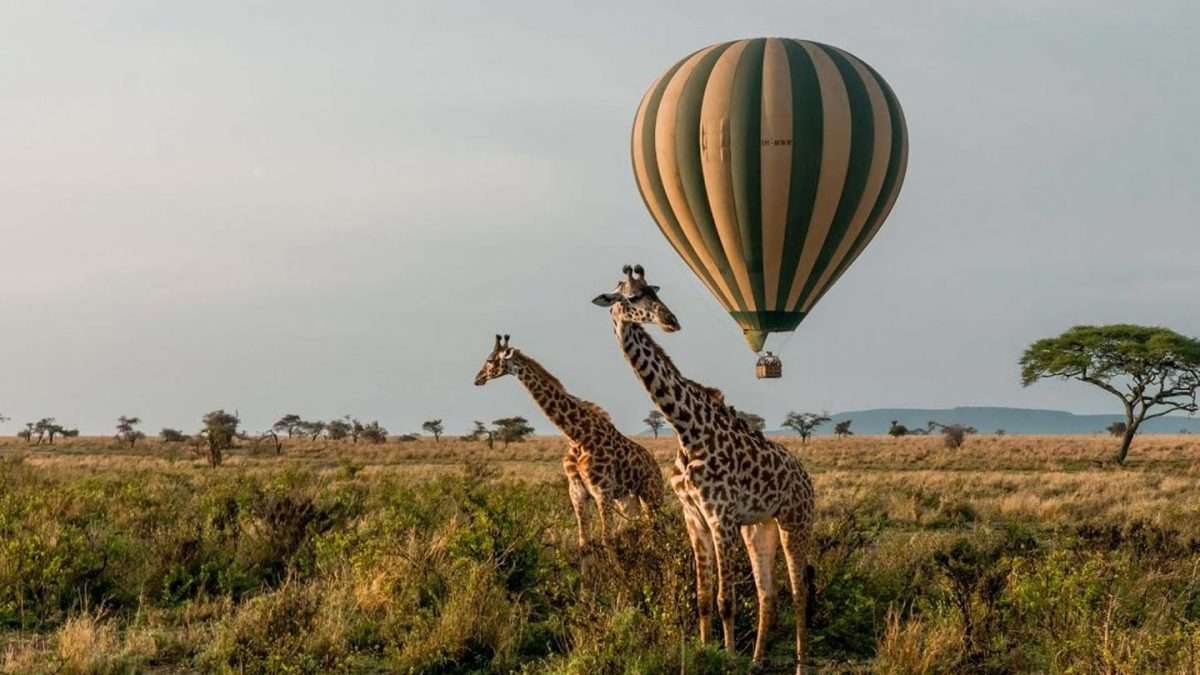
Often called the Pearl of East Africa, Uganda offers a rare blend of landscapes that few destinations can match. Here, open savannas flow into dense rainforests, and powerful rivers cut through wildlife rich plains. In a single journey, travelers can spot lions resting under acacia trees, cruise along the Nile among hippos, and trek deep into misty forests in search of great apes. This diversity makes Uganda one of the most rewarding East Africa travel experiences.
Gorilla Trekking, Uganda’s Most Powerful Encounter
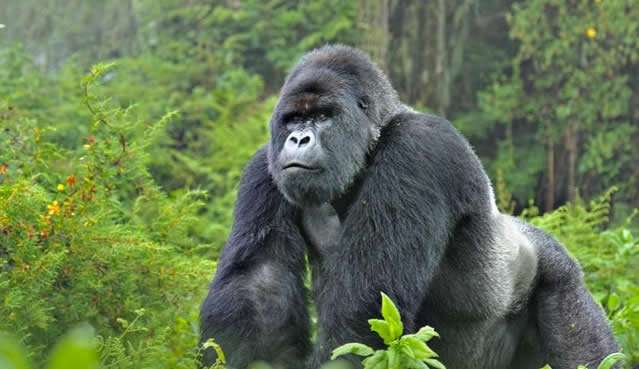
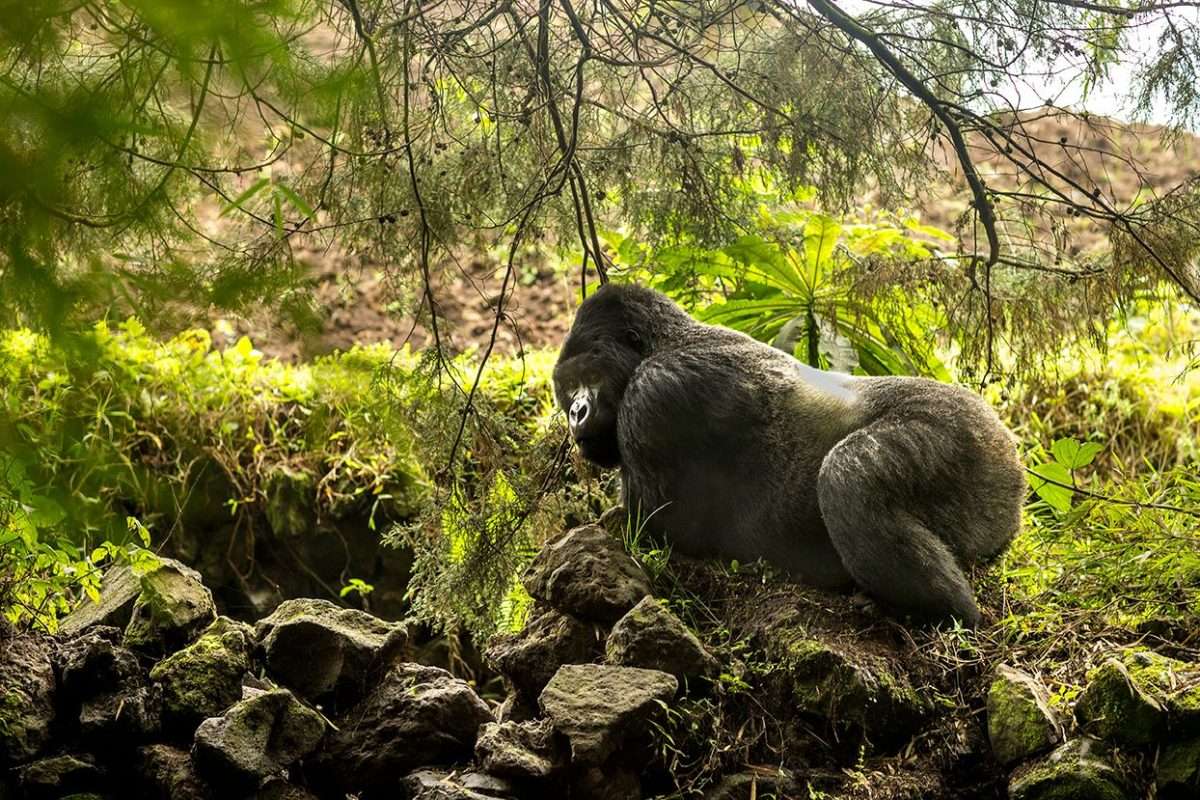
Uganda holds over half of the world’s remaining mountain gorillas, making it one of the best places on Earth for gorilla trekking Africa. In Bwindi Impenetrable Forest National Park, around 459 mountain gorillas live within thick rainforest, protected as a UNESCO World Heritage Site. A smaller population also thrives in Mgahinga Gorilla National Park.
Treks are limited each day to protect these endangered animals, and expert guides lead small groups through the forest. Permits cost around 700 USD, and this fee directly supports conservation, anti poaching patrols, and local communities. Meeting a silverback and its family at close range often becomes the most emotional moment of an Uganda wildlife tour.
Chimpanzees and Forest Wildlife
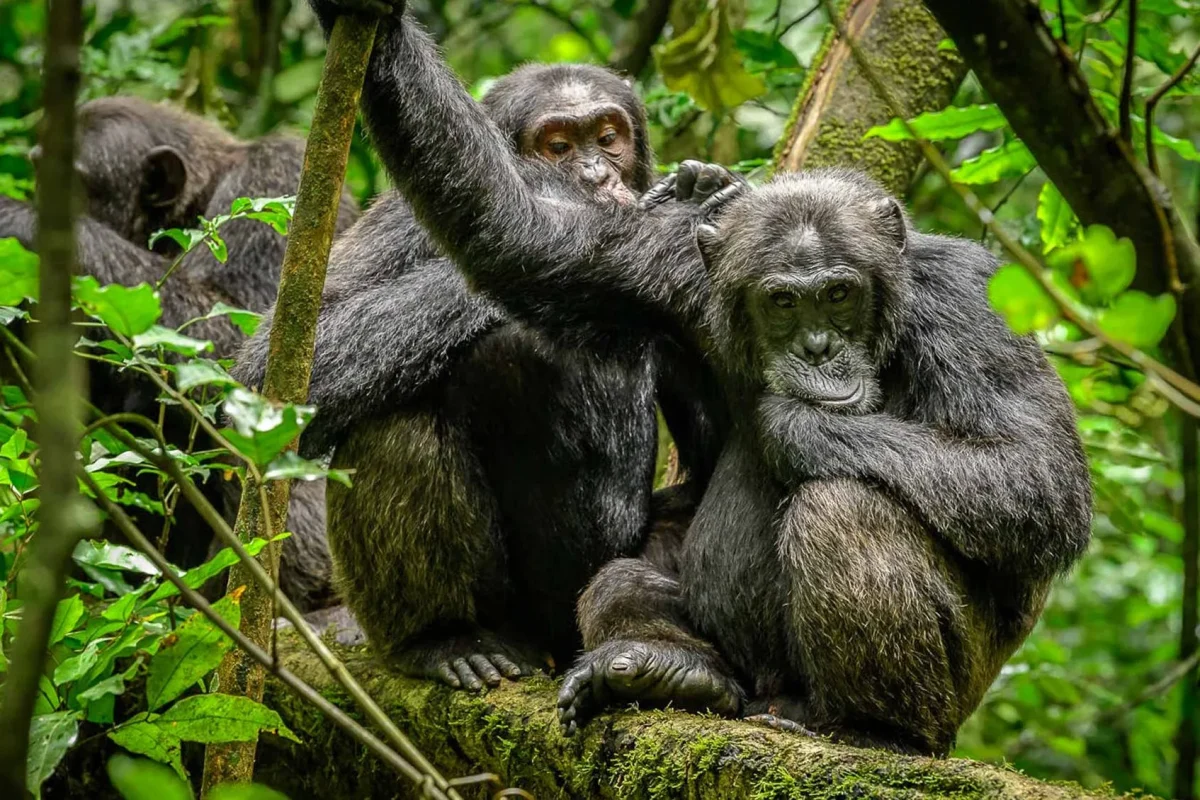
Chimpanzee tracking adds another highlight to Uganda’s jungle experiences. Kibale Forest National Park hosts one of the highest densities of chimpanzees in Africa, while forests such as Budongo, Kalinzu, and Kyambura Gorge also offer excellent sightings. Compared to gorillas, chimpanzees are easier to locate and more vocal, creating energetic and memorable encounters.
The Nile River, Source of Adventure
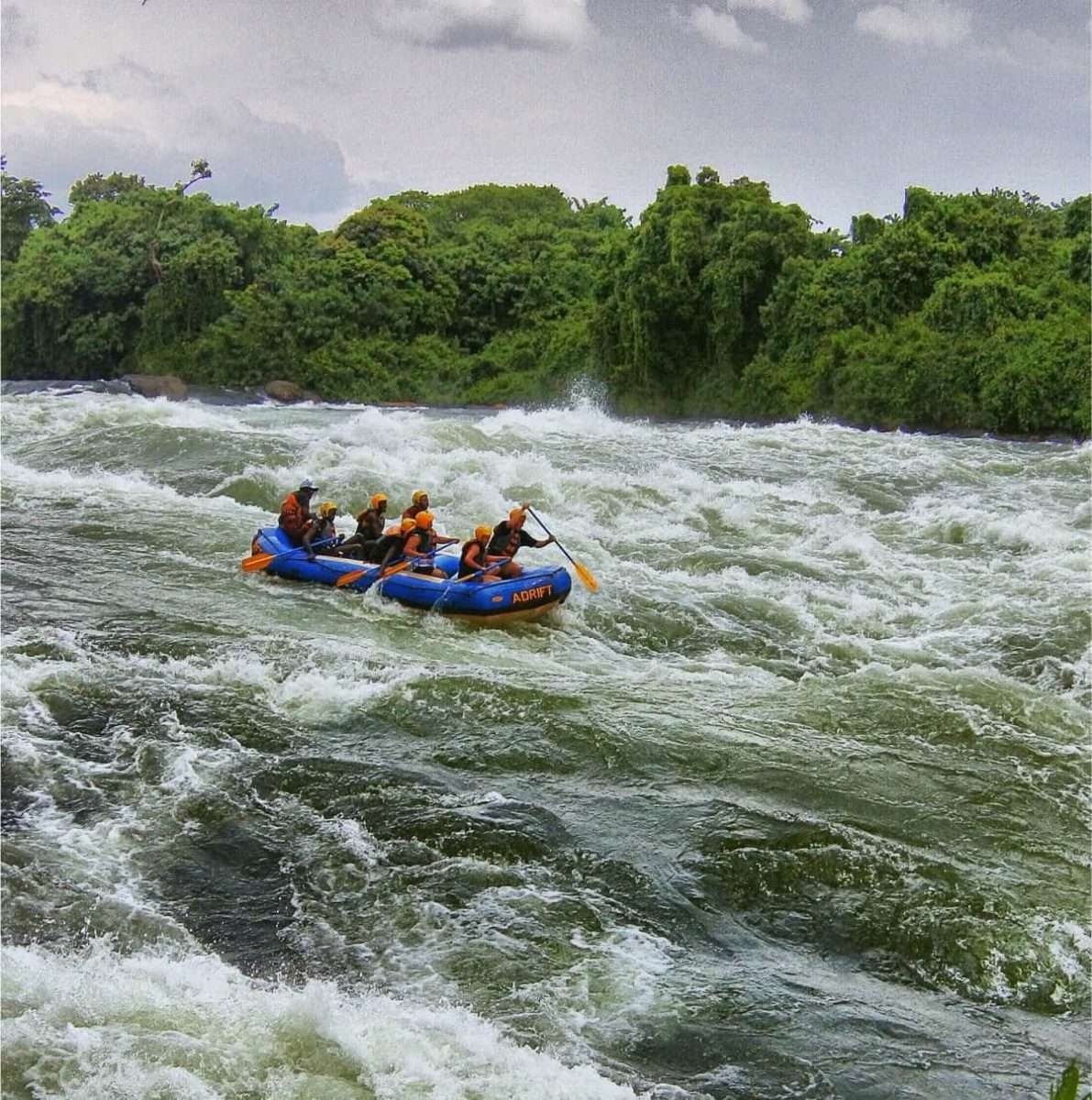
The world’s longest river begins its journey in Uganda. Flowing from Lake Victoria, the Nile travels north through the country, shaping landscapes and livelihoods along the way. In Jinja, known as the Adventure Capital of East Africa, travelers visit the Source of the Nile and enjoy white water rafting, kayaking, and bungee jumping.
Further north, the river narrows dramatically at Murchison Falls National Park, where the Nile crashes through a narrow gorge before plunging into the Rift Valley. Boat cruises here reveal dense populations of hippos and crocodiles, along with rare birds such as the shoebill, while offering unforgettable views of the falls.
Wildlife, Birds, and Local Life
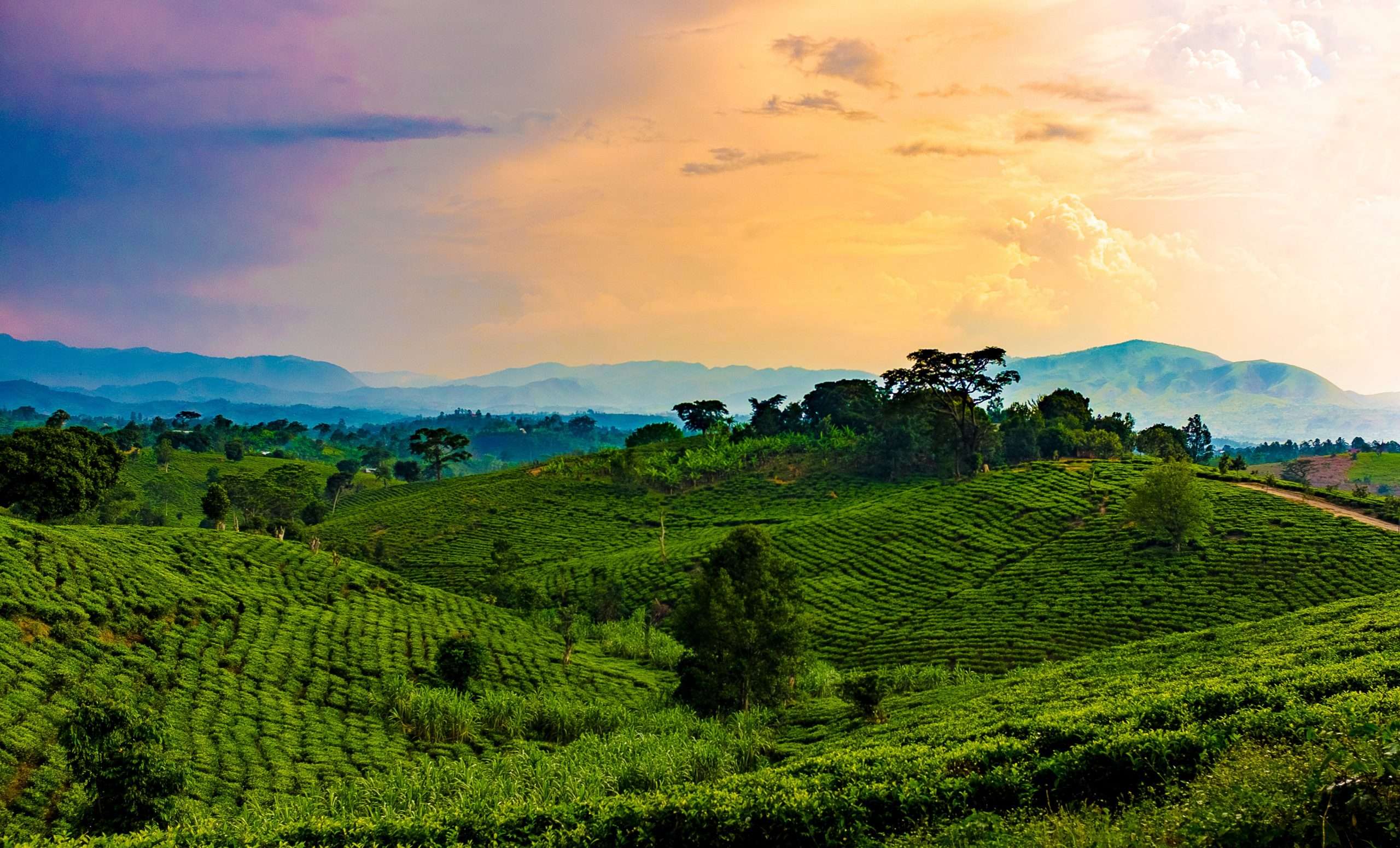
Uganda protects its natural heritage through more than 28 national parks and wildlife sanctuaries. The Albertine Rift stands out as a global biodiversity hotspot, and the country records over 1,000 bird species, making it a dream destination for bird lovers. In the lowlands of Queen Elizabeth National Park, hippos and elephants cool off in river channels while leopards are often spotted resting in acacia trees. Further north, Murchison Falls National Park offers boat safaris along the Lake Albert delta, a pristine wetland where giraffes, lions, antelope, Cape buffalo, and an extraordinary variety of birdlife gather along the water’s edge.
Beyond wildlife, Uganda’s people leave a lasting impression. Cultural visits allow travelers to explore coffee farms, learn traditional cooking, hear ancestral stories, and understand forest survival skills passed down through generations. Whether it is your first safari or your fifth, Uganda consistently delivers meaningful and unforgettable journeys.
With guidance from TourwithPipi East Africa safari experts, Uganda safari tours are planned to balance wildlife encounters, cultural depth, and comfort, creating experiences that feel personal, responsible, and truly rewarding.
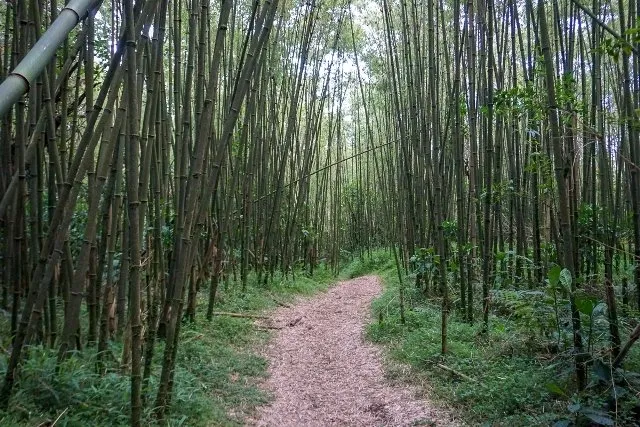
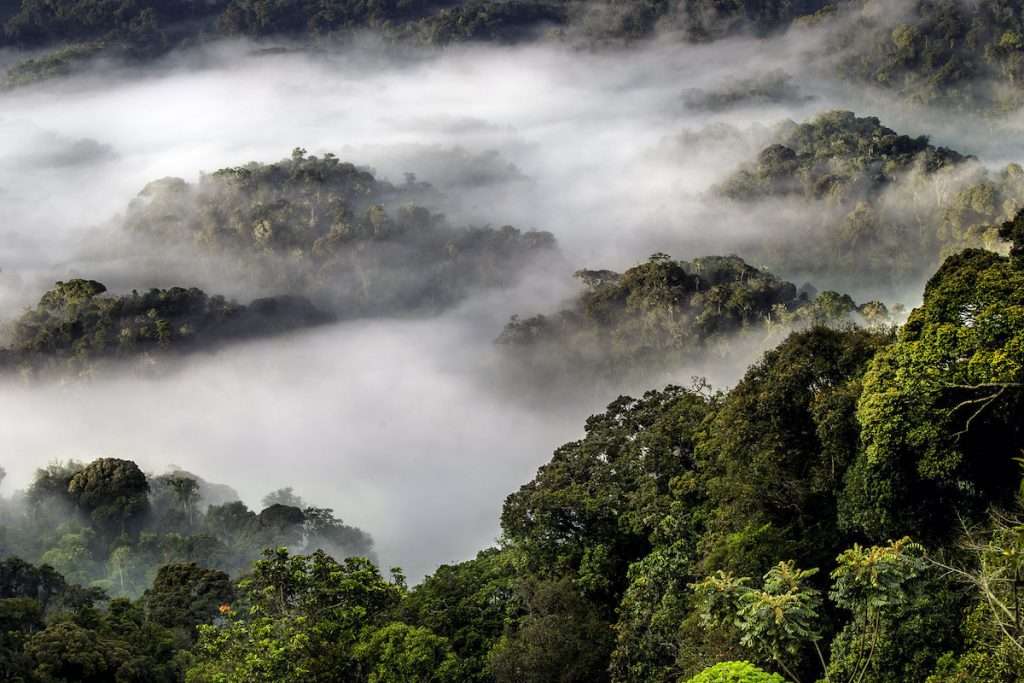
Rwanda in East Africa, Where the Land of a Thousand Hills Comes Alive

Ethiopia, Where East Africa’s History and Landscapes Begin
Ethiopia stands apart from every other East Africa destination because it offers a journey through deep history, dramatic geography, and living traditions that stretch back thousands of years. Often called the cradle of humanity, Ethiopia holds some of the oldest archaeological evidence of early humans, which makes it a cornerstone of East Africa travel experiences focused on culture and heritage.
Ancient Civilizations and Sacred Sites
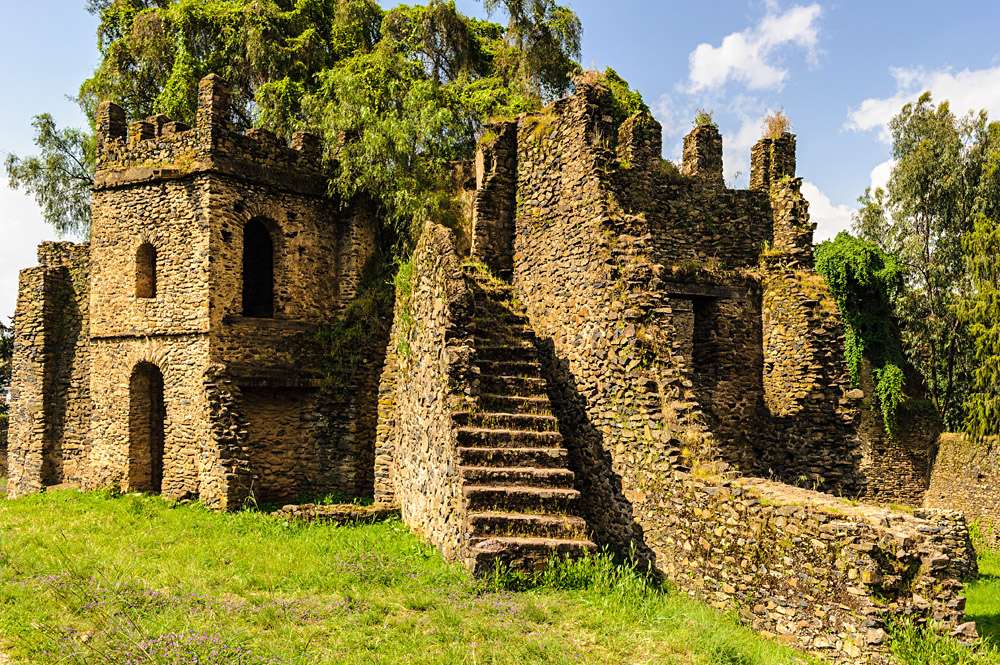
Ethiopia is home to some of Africa’s most important historical landmarks. The rock hewn churches of Lalibela, carved directly into volcanic rock in the 12th century, remain active places of worship and are recognized as a UNESCO World Heritage Site. These churches reflect Ethiopia’s long standing Christian heritage, which dates back more than 1,600 years.
Further north, the ruins of Aksum reveal towering stone obelisks and royal tombs that point to Ethiopia’s role as an ancient trading empire connected to the Mediterranean and Middle East. History here feels alive, not preserved behind glass, which gives travelers a rare sense of continuity.
Landscapes Found Nowhere Else on Earth
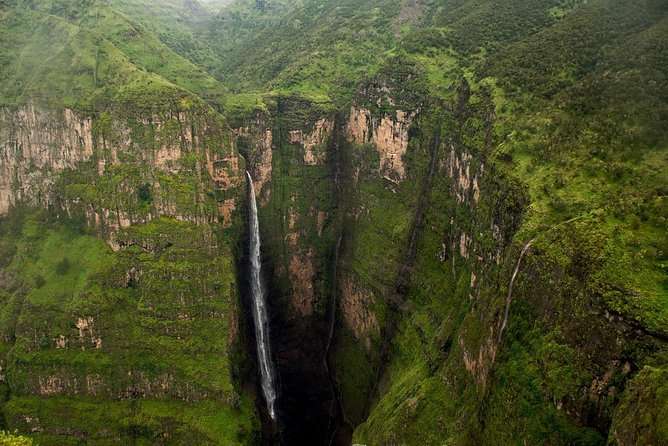
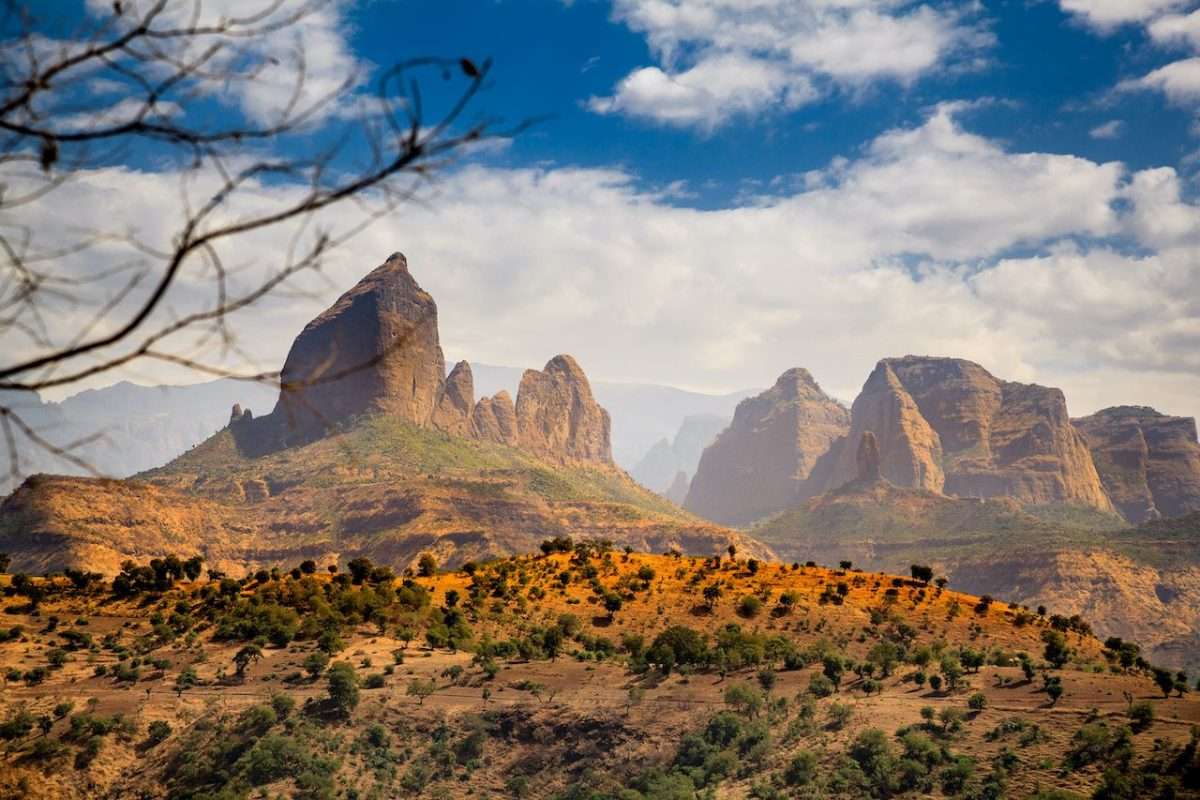
Ethiopia’s geography is among the most diverse in Africa. The Simien Mountains rise sharply into the sky, offering some of the best trekking in East Africa. These highlands shelter endemic wildlife such as the Ethiopian wolf, gelada baboon, and Walia ibex, species found nowhere else in the world.
In complete contrast lies the Danakil Depression, one of the hottest and lowest places on Earth. Here, colorful sulfur pools, salt flats, and active volcanoes create an otherworldly landscape that attracts adventure travelers seeking rare and extreme environments. Ethiopia also gives rise to the Blue Nile, whose waterfalls and highland origins shape life far beyond its borders.
Culture, Languages, and Living Traditions
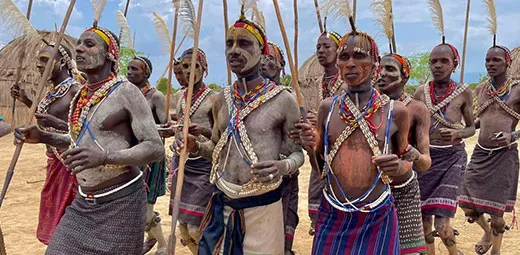
Ethiopia is one of the most culturally rich countries in East Africa, with more than 80 ethnic groups and languages. Unlike many African nations, Ethiopia was never colonized, which allowed its traditions, calendar, and cuisine to develop independently. Music, dress, and religious festivals remain central to daily life, and visitors often experience ceremonies that have remained unchanged for centuries.
Ethiopian Food, A Cultural Experience
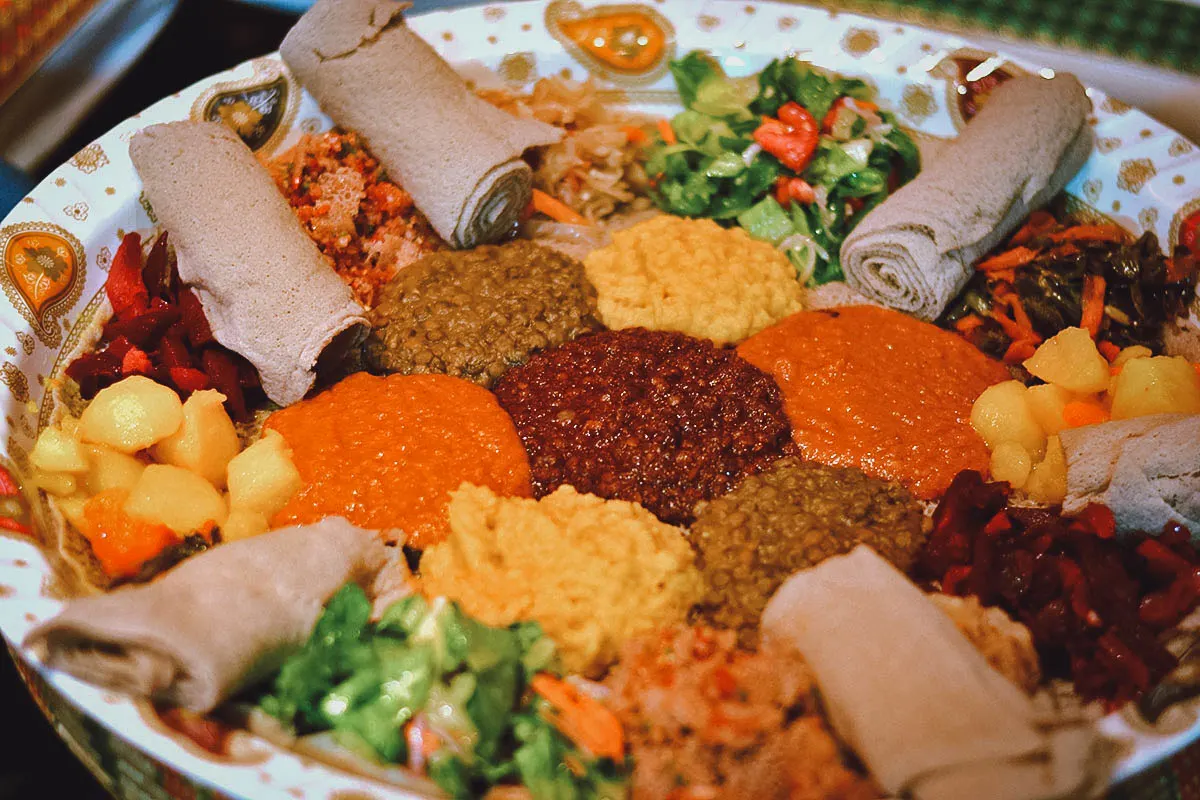
Ethiopian cuisine adds another layer to the journey. Meals center around injera, a spongy flatbread made from teff grain, served with richly spiced lentil, vegetable, and meat stews. Dishes are shared from a single platter, which reflects the country’s strong sense of community and hospitality. Spices such as berbere and mitmita give Ethiopian food its bold and memorable flavor.
For travelers interested in Ethiopia cultural tourism, the country offers something rare in East Africa, a deep connection to human history, faith, and landscapes that feel untouched by time. With itineraries curated by TourwithPipi East Africa travel specialists, Ethiopia becomes an essential stop for those who want to understand where Africa’s story truly begins.
Which East African Country Will You Explore Next
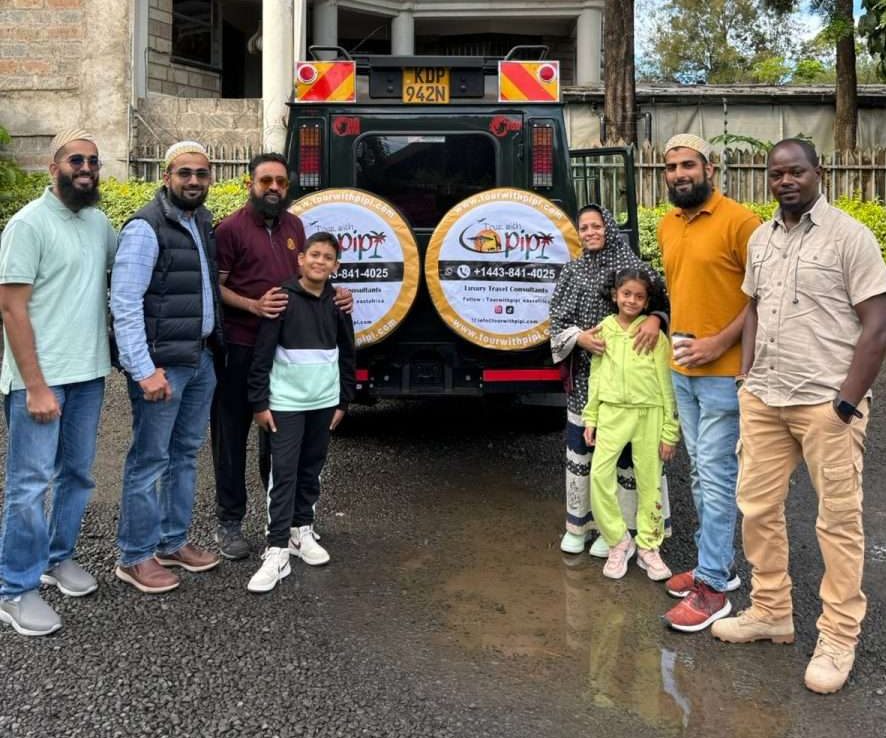
Do you dream of watching over one million wildebeest thunder across the plains during the Great Migration safari, or sitting just meters away from a mountain gorilla deep in the rainforest? Maybe rafting the Nile excites you, or diving into coral rich waters along the Indian Ocean coast feels right. You may even picture yourself standing on the summit of Mount Kilimanjaro after days of trekking. East Africa offers all of this, and each country delivers a different kind of magic.
With TourwithPipi East Africa safari experts, your journey is shaped around what matters most to you. We design personalized East Africa safari itineraries that combine one country or several, based on your time, comfort, and travel goals. From luxury lodges to authentic experiences guided by local experts, every detail is planned with care. Contact TourwithPipi today and let us help you create an East Africa travel experience that stays with you long after the journey ends.
FAQs About East Africa Travel
Which countries are in East Africa
East Africa commonly includes Kenya, Tanzania, Uganda, Rwanda, Ethiopia, Burundi, South Sudan, Eritrea, Djibouti, Somalia, and parts of Mozambique, with Kenya and Tanzania being the most visited by travelers.
What is the best country to visit in East Africa
The best country in East Africa depends on your interest. Kenya and Tanzania are ideal for classic safaris, Uganda and Rwanda are best for gorilla trekking, and Ethiopia suits travelers interested in culture and history.
When is the best time to visit East Africa
The best time to visit East Africa is during the dry seasons, from June to October and from January to February, because wildlife viewing is easier and weather conditions are more stable.
Is East Africa safe for tourists
Yes, East Africa is safe for tourists when trips are planned properly, guided by local experts, and focused on well known parks, lodges, and travel routes.
How many days are enough for East Africa
A minimum of 7 to 10 days works well for one country, while 14 to 21 days allows you to explore multiple East African countries in one itinerary.
Which East African country is best for safari
Tanzania and Kenya are considered the best safari countries in East Africa because of the Serengeti, Maasai Mara, and the Great Migration.
Is East Africa good for first time travelers to Africa
Yes, East Africa is excellent for first time visitors because it offers strong tourism infrastructure, experienced guides, and diverse experiences in one region.
Can I visit more than one East African country in one trip
Yes, many travelers combine Kenya and Tanzania, or Uganda and Rwanda, in one trip with cross border safari itineraries.
What animals can I see in East Africa
You can see the Big Five wildlife, mountain gorillas, chimpanzees, wildebeest, zebras, giraffes, hippos, crocodiles, and over a thousand bird species.
Is East Africa suitable for luxury travel
Yes, East Africa offers world class luxury lodges, private safaris, personalized guides, and exclusive experiences designed for comfort and privacy.
Final Thought
East Africa is not just a destination, it is a collection of life changing experiences that stay with you long after you return home. From the thunder of the Great Migration and quiet moments with mountain gorillas to ancient cultures, dramatic landscapes, and warm local hospitality, every journey feels deeply personal and meaningful.
When your trip is planned with care, guided by local knowledge, and shaped around what you truly want to experience, East Africa reveals its best side. With TourwithPipi East Africa safari experts, your journey becomes more than a holiday. It becomes a story you will tell for the rest of your life.

