
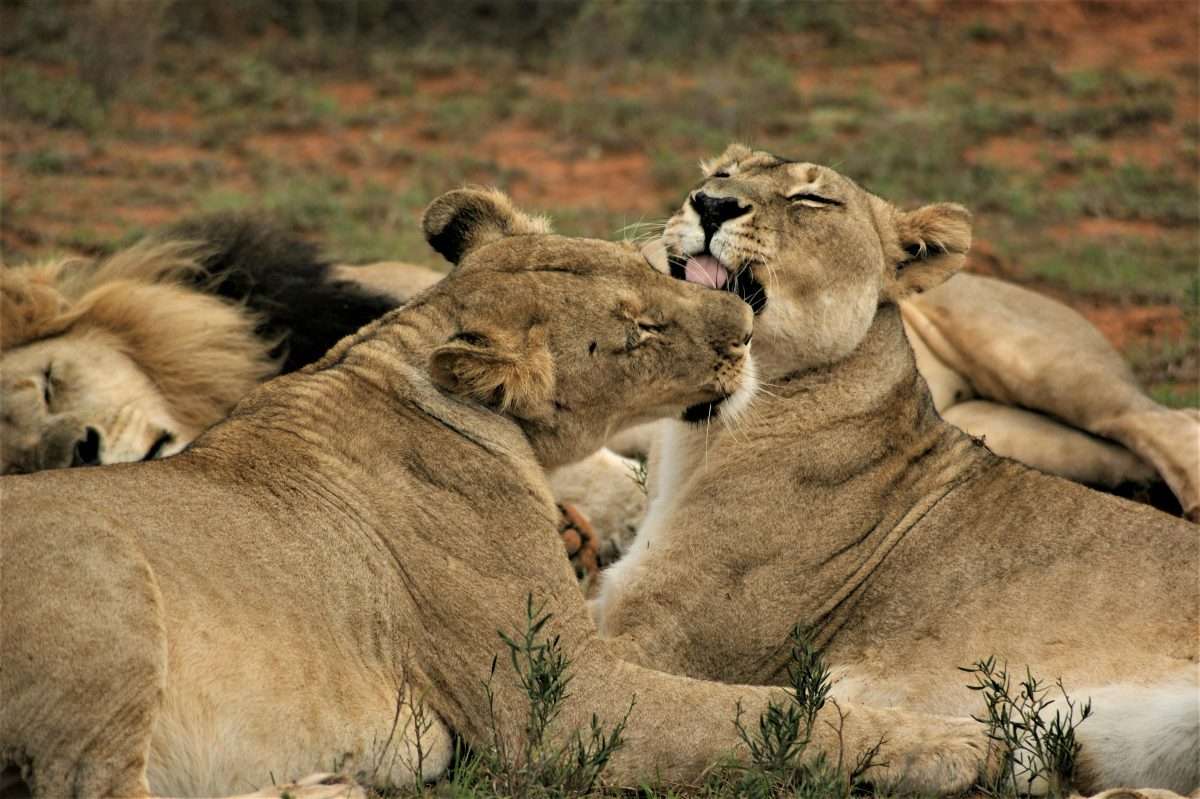
The best safari in Tanzania takes you through vast savannas filled with rich wildlife and warm local culture. Tanzania is one of Africa’s most exciting tourist destinations, home to world-famous safari parks in Tanzania like Serengeti, Ngorongoro, Tarangire, and Ruaha. With over 44 percent of its land protected, Tanzania offers one of the most diverse and well-preserved safari regions in the world.
Tanzania’s landscapes stretch from volcanic highlands to tropical coasts. It shelters Africa’s Big Five, more than 500 bird species, and the world-famous Great Migration, where over two million wildebeest and zebras move across the Serengeti each year. These remarkable features make it a top choice for both first-time visitors and seasoned explorers seeking a luxury safari holiday guided by local experts.
Top Safari Circuits in Tanzania
Northern Circuit: Includes Serengeti National Park, Ngorongoro Crater, Tarangire, Lake Manyara, and Mount Kilimanjaro. It offers classic game drives, luxury lodges, and the Great Migration experience.
Southern Circuit: Features Ruaha and Nyerere National Parks. This region provides remote wilderness, river safaris, and exceptional privacy for those seeking authentic adventure.
Coastal and Island Circuit: Includes Zanzibar, Mafia, and Pemba Islands. These offer pristine beaches, coral reefs, and Swahili heritage are perfect for post-safari relaxation.
Each circuit offers something special, from the roar of lions on the Serengeti plains to the calm waves of the Indian Ocean. At TourwithPipi, every safari is created by local professionals who understand Tanzania’s geography, wildlife patterns, and cultural traditions. Travelers can expect safe journeys, sustainable experiences, and moments that connect deeply with the land.
1. Serengeti National Park: The Heart of the Best Safari in Tanzania
About the Destination
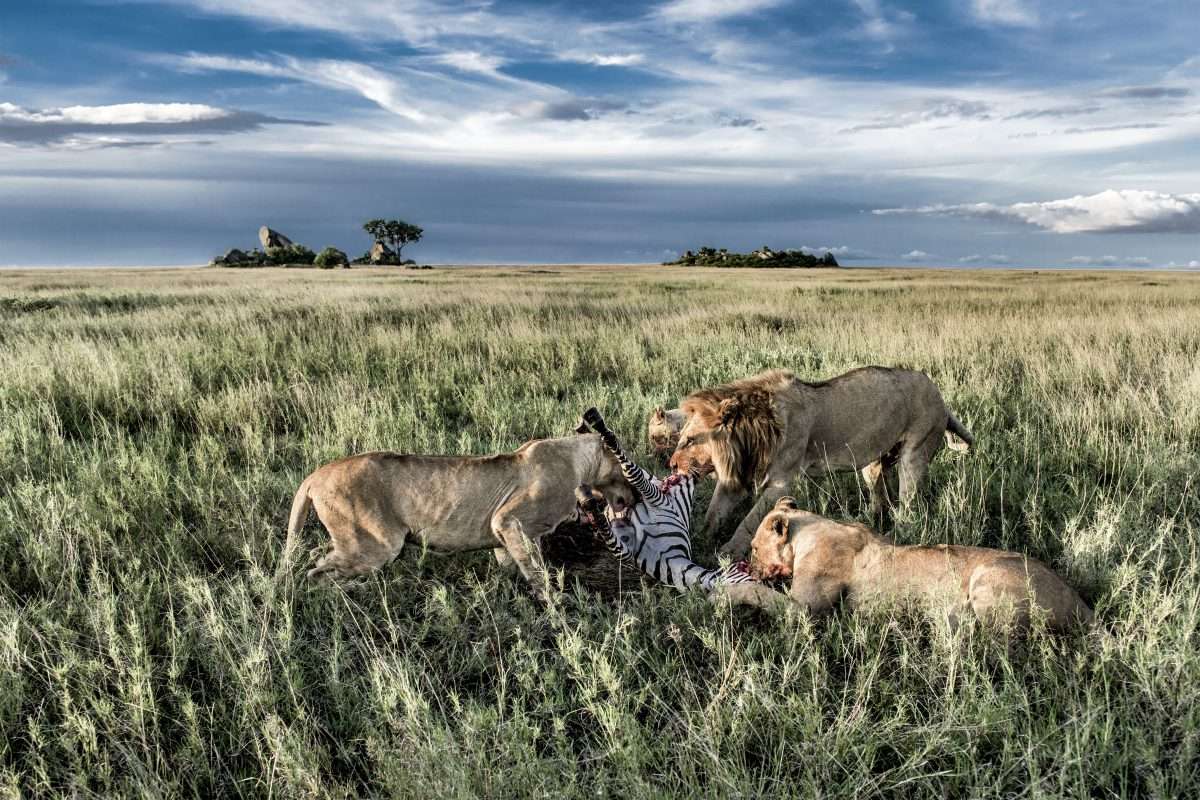
The Serengeti National Park represents the heart of the best safari Tanzania offers, where nature unfolds in its most powerful form. It is a UNESCO World Heritage Site and one of the Seven Natural Wonders of Africa, famous for its endless golden plains, acacia-dotted horizons, and the spectacular Great Migration. The Serengeti spans more than 14,750 square kilometers (5,700 square miles) across northern Tanzania, linking with Kenya’s Masai Mara to form the greater Serengeti-Mara ecosystem, one of the oldest and most intact ecological systems on Earth.
Scientists often describe the Serengeti as a living time capsule, because its climate, vegetation, and wildlife have remained unchanged for more than a million years. Every year, over two million wildebeest, zebras, and gazelles travel across its plains in search of fresh grazing lands, creating the most extraordinary natural movement of wildlife on the planet.
Why Go
A safari in the Serengeti is more than just a trip; it is a journey into Africa’s soul. The park offers year-round wildlife encounters, pristine landscapes, and one of the highest concentrations of predators anywhere in the world. Visitors can witness lions hunting on open grasslands, elephants walking in herds along the rivers, and cheetahs sprinting across the plains.
Experience the Great Migration, one of nature’s most dramatic spectacles.
See the Big Five like lions, elephants, leopards, rhinos, and buffalo in their natural habitat.
Enjoy luxury lodges and authentic tented camps offering close-to-nature comfort.
Watch sunrises that turn the savanna gold and sunsets that paint the horizon crimson.
Things to Do in Serengeti National Park
The Serengeti offers experiences that feel both thrilling and deeply peaceful.
Join guided game drives at dawn or dusk to see wildlife at its most active.
Take a hot air balloon ride and float above the migrating herds for breathtaking views.
Visit Maasai villages and learn about their culture, traditions, and deep connection with the land.
Explore hidden regions such as the Moru Kopjes and Grumeti River, known for rare wildlife sightings.
How to Reach to Serengeti National Park
Travelers can reach the Serengeti by air or road. Regular flights operate from Arusha Airport or Kilimanjaro International Airport to several airstrips inside the park, such as Seronera and Kogatende. Overland safaris from Arusha take about eight hours and often include stops at Ngorongoro Crater or Lake Manyara, adding variety to the journey.
National Park Entrance Fees (2025–2026)
For non-resident visitors, entry fees vary by season:
Peak Season (May 16 – March 14): 70 USD per adult per day
Low Season (March 15 – May 15): 60 USD per adult per day
Children (5–15 years): 20 USD per day
Children under 5: Free
Additional costs apply for concession stays, camping, and vehicle entry. A concession fee of around 70 USD per adult per night is required for lodges inside the park, and an 18 percent VAT applies to all rates.
Important Considerations
Camping fees range between 35 and 50 USD per person per night.
Vehicle fees are separate and depend on vehicle size and duration.
Entry fees are valid for 24 hours and paid at official park gates or through authorized tour operators.
Accommodation in Serengeti National Park
Whether you seek a luxury stay or a comfortable camp in the wilderness, Serengeti offers a wide range of accommodations.
Luxury Stays
Four Seasons Safari Lodge Serengeti: A world-class retreat featuring private plunge pools, spa treatments, and uninterrupted views of elephants wandering below. Guests can enjoy gourmet dining and guided walks with resident naturalists.
Serengeti Pioneer Camp: Nestled in the Moru Kopjes area, this camp offers panoramic views and vintage-style safari luxury with personalized service and easy access to the Great Migration routes.
Mid-Range Options
Kati Kati Tented Camp: A charming mobile camp that moves seasonally to follow the migration. Guests enjoy cozy tents with en-suite facilities, campfire dinners, and a true bush atmosphere.
Serengeti Serena Safari Lodge: Built on a ridge overlooking the plains, this lodge blends traditional African architecture with modern amenities. Its infinity pool and open-air restaurant offer sweeping views of the savanna.
Each lodge and camp is designed to immerse guests in nature without compromising comfort. Staying inside the park allows travelers to hear lions roaring at night and witness the savanna awakening at dawn.
2. Ngorongoro Crater: Tanzania’s Wildlife Paradise

About the Destination
The Ngorongoro Crater is one of Africa’s most remarkable natural wonders and a highlight of the best safari Tanzania experiences. It is a UNESCO World Heritage Site and one of the Seven Natural Wonders of Africa. The crater was formed millions of years ago when a massive volcano collapsed, leaving behind the world’s largest intact volcanic caldera. It covers about 260 square kilometers (100 square miles) and is surrounded by steep crater walls rising over 600 meters (1,970 feet).
Inside this vast natural bowl live more than 25,000 wild animals, including lions, elephants, zebras, wildebeest, and black rhinos. The crater floor features lakes, grasslands, and forests that provide habitats for diverse wildlife all year round. Beyond its natural beauty, the Ngorongoro Conservation Area also protects the Maasai people, who continue to live and herd their cattle in harmony with the land.
Why Visit Ngorongoro Crater
Ngorongoro offers one of the easiest and most rewarding wildlife-viewing experiences in Africa. Its enclosed ecosystem means that wildlife stays within reach, giving visitors an excellent chance to see the Big Five in a single day. The area also blends scenic landscapes, rich culture, and a sense of timeless Africa that few places can match.
Spot rare black rhinos grazing near the lake.
Visit Maasai villages and experience their traditional lifestyle.
See lions resting in the grasslands and elephants walking along forest edges.
Enjoy panoramic crater views from lodges perched along the rim.
Explore the nearby Olduvai Gorge, known as the “Cradle of Mankind.”
Things to Do in Ngorongoro Conservation Area
A visit to Ngorongoro offers more than game drives. Every activity connects visitors with the history, culture, and natural rhythm of this unique landscape.
Take guided safaris across the crater floor to watch herds of wildebeest and zebras.
Visit Maasai communities to learn about their songs, beadwork, and traditions.
Explore Olduvai Gorge, where early human fossils reveal stories of ancient life.
Enjoy picnics beside Lake Magadi, a shimmering soda lake where flamingos gather.
Best Time to Visit Ngorongoro Conservation Area
Ngorongoro is a year-round destination. The dry season from June to August is best for spotting wildlife as animals gather near water sources and the roads are easy to travel. The green season from November to April brings lush scenery and migratory birds, making it perfect for photography and birdwatching.
Travel between December and March to see herds moving through the area during the Great Migration before they head to the Serengeti plains.
How to Get to Ngorongoro Conservation Area
Ngorongoro is easy to access from major safari routes. It is about a 2.5-hour drive from Serengeti National Park and three hours from Arusha, Tanzania’s main safari town. Visitors can arrive via Kilimanjaro International Airport or Arusha Airport, then continue by private safari vehicle. For those short on time, charter flights from Arusha connect to airstrips near the conservation area.
Ngorongoro Crater Entry Fees (2025–2026)
Entry Permit (Per Person, Per Day)
Foreign Non-Residents (16+): approximately 70.80 USD
Foreign Residents (16+): approximately 35.40 USD
East African Citizens (16+): 11,800 TZS
Children (5–15 years): around 23.60 USD for non-residents or 2,360 TZS for citizens
Children (under 5 years): Free
Crater Service Fee (Per Vehicle)
A mandatory 295 USD per vehicle per trip applies for descending into the crater.
Other charges include concession fees for overnight stays in lodges, transit fees, and permits for cultural activities or filming. All rates are subject to 18 percent VAT and valid for 24 hours.
Accommodation in Ngorongoro Conservation Area
Luxury Lodges
Ngorongoro Crater Lodge: This world-famous lodge sits right on the rim of the crater and offers breathtaking views of the plains below. Guests enjoy elegant suites with fireplaces, personal butler service, and romantic dining overlooking the crater.
The Highlands Lodge: Located on the slopes of the Olmoti Volcano, this eco-luxury retreat offers private dome-shaped suites, guided nature walks, and spectacular views of both the highlands and the crater.
Mid-Range Stays
Ngorongoro Serena Safari Lodge: Built from natural stone, this lodge blends into the crater wall and provides panoramic views. Guests enjoy spacious rooms, local entertainment, and guided nature walks.
Rhino Lodge: A welcoming, eco-friendly lodge just minutes from the crater rim. It offers comfortable rooms, cozy fireplaces, and great value for travelers who want easy access to early morning safaris.
Waking up on the crater rim feels magical. You can watch the sunrise over misty grasslands and hear the distant call of birds while enjoying a warm breakfast before your safari begins.
3. Tarangire National Park: The Land of Giants
About the Destination
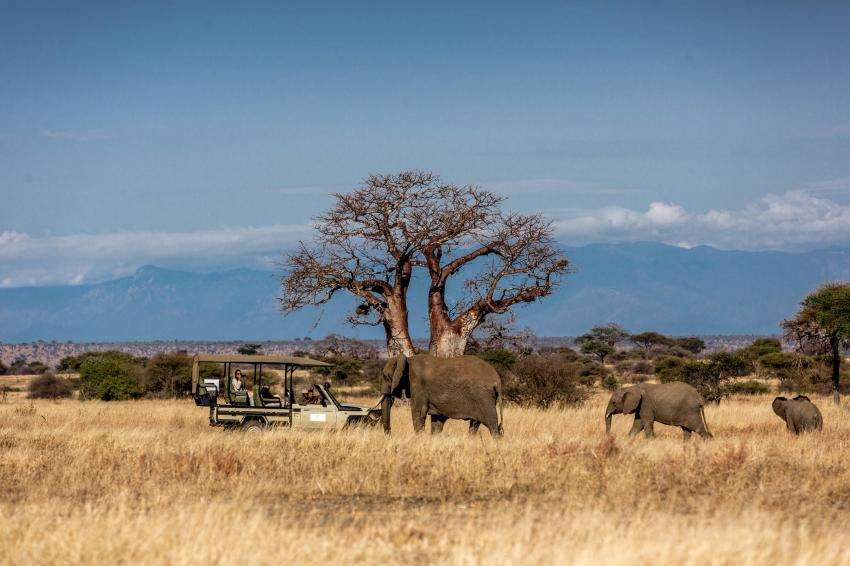
The Tarangire National Park is often called the Land of Giants because of its towering baobab trees and its famous herds of elephants. Located in northern Tanzania, just a three-hour drive from Arusha, this park is one of the most underrated yet rewarding parts of the best safari Tanzania experience. It covers about 2,850 square kilometers (1,100 square miles), roughly the size of Yosemite National Park, and offers a peaceful alternative to the more crowded northern parks.
During the dry season, the Tarangire River becomes the park’s lifeline and attracts thousands of animals from the surrounding plains. Visitors can often see herds of up to 300 elephants gathering along the riverbanks, along with zebras, giraffes, wildebeest, and buffaloes. The park’s landscapes, dotted with giant baobabs and acacia trees, create some of the most dramatic scenery in northern Tanzania.
Why Visit Tarangire National Park
Tarangire is one of those hidden gems that surprises travelers with its beauty and abundance of wildlife. It is less crowded than Serengeti or Ngorongoro, making it ideal for travelers who prefer a quieter, more intimate safari experience.
See one of the largest elephant populations in northern Tanzania.
Enjoy classic game drives in a peaceful and scenic environment.
Spot lions, leopards, and cheetahs resting under shady acacia trees.
Discover ancient baobab trees that have stood for hundreds of years.
Experience night safaris and walking safaris in selected areas.
Things to Do in Tarangire National Park
Every day in Tarangire offers something new and exciting.
Go on guided game drives to see elephants, lions, and giraffes near the Tarangire River.
Take a walking safari with local guides to learn about animal tracks and plants.
Join birdwatching tours, as the park is home to more than 550 bird species, including lovebirds, hornbills, and starlings.
Visit Maasai villages near the park to experience local culture and traditional crafts.
Capture incredible sunset views where the sky glows behind the silhouette of a baobab tree.
Best Time to Visit Tarangire National Park
The best time to visit Tarangire is during the dry season from June to October when animals gather along the Tarangire River. The dry landscape makes wildlife easier to spot, and visitors can see large herds and predators in action.
The green season from November to May transforms the park into a lush paradise filled with migratory birds and vibrant scenery. While heavy rains can make some areas harder to reach, this is the best season for birdwatching and photography.
How to Get to Tarangire National Park
Tarangire is easily accessible by road or air. It is about a three-hour drive from Arusha, four hours from Kilimanjaro International Airport, and around 2.5 hours from Lake Manyara. For faster travel, visitors can take a short flight to the Kuro Airstrip inside the park. Private vehicles and guided safari transfers are available for those traveling between Tarangire, Ngorongoro, and Serengeti.
Tarangire National Park Entry Fees (2025–2026)
Entry Permit (Per Person, Per Day)
Foreign Non-Residents (16+): 50 USD
Children (5–15 years): 15 USD
Children (under 5 years): Free
Residents and Expatriates
Adults (16+): 25 USD
Children (5–15 years): 7.5 USD
Children (under 5 years): Free
East African Citizens
Adults: 10,000 TZS
Children (5–15 years): 2,000 TZS
Children (under 5 years): Free
Other charges include vehicle fees (around 40 to 60 USD per day) and camping fees for public or private campsites. All fees are valid for 24 hours and are subject to 18 percent VAT.
Accommodation in Tarangire National Park
Luxury Lodges
Tarangire Treetops: Built around a centuries-old baobab tree, this lodge offers one of the most unique stays in Tanzania. Elevated rooms provide wide views of the surrounding savanna, while guests enjoy luxurious suites, private balconies, and romantic bush dinners.
Tarangire River Camp: Overlooking the Tarangire River, this lodge combines comfort and adventure. Guests can relax on open decks while watching herds of elephants below or enjoy guided night drives under the African sky.
Mid-Range Stays
Tarangire Safari Lodge: Known for its open-air design and panoramic views, this lodge offers comfortable tents and stone bungalows surrounded by wildlife.
Maramboi Tented Camp: Located between Tarangire and Lake Manyara, it offers spacious tents, swimming pools, and sunset walks across golden plains.
Each stay offers a front-row view of the park’s wildlife and the feeling of being close to nature without giving up comfort. Waking up to the sound of elephants trumpeting nearby is a moment visitors never forget.
4. Lake Manyara National Park: The Home of Tree-Climbing Lions
About the Destination
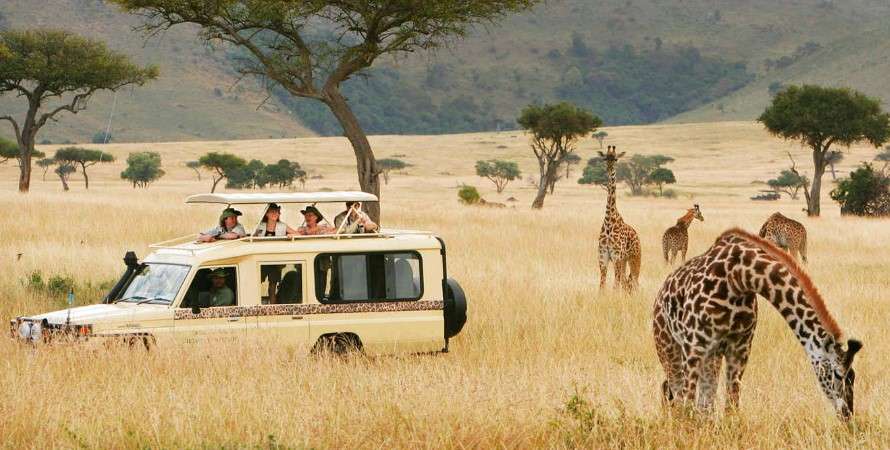
The Lake Manyara National Park is one of Tanzania’s most scenic and diverse wildlife areas, often described as a hidden gem of the best safari Tanzania experience. Located between Tarangire National Park and Ngorongoro Crater, it covers about 325 square kilometers (125 square miles) and forms part of the famous Northern Safari Circuit. Though small in size, it is home to 11 different ecosystems, including groundwater forests, acacia woodlands, hot springs, and grassy floodplains.
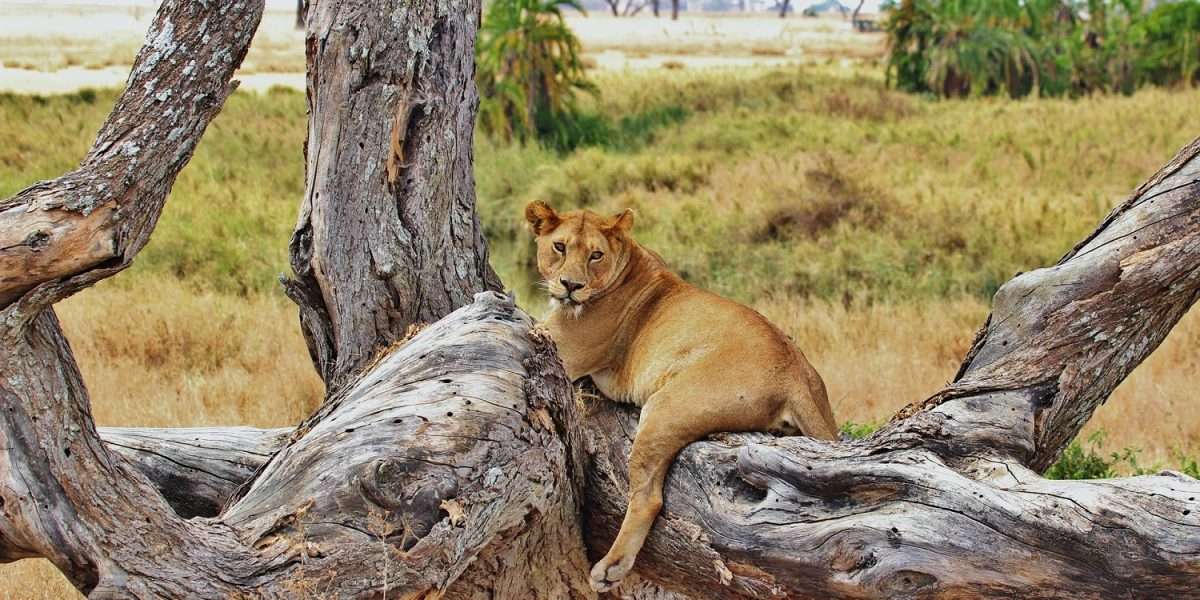
At the heart of the park lies Lake Manyara, a shimmering soda lake that attracts flamingos, hippos, and more than 300 migratory bird species. The park’s biggest fame, however, comes from its tree-climbing lions are a rare and fascinating behavior seen in few places in Africa. These lions can often be spotted resting on the branches of acacia trees, surveying the plains below.
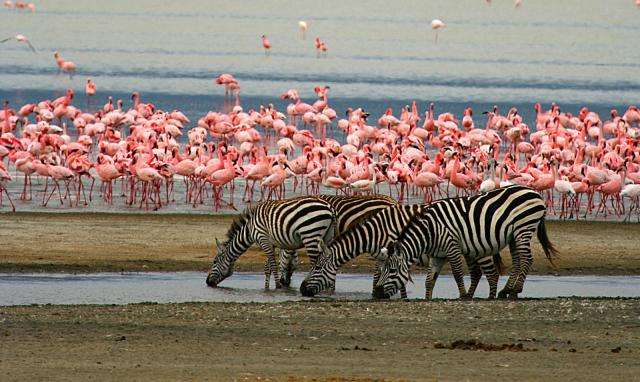
Lake Manyara is also known for its high density of large mammals. Visitors can see elephants, giraffes, zebras, buffaloes, wildebeest, and baboons in close proximity. The park’s location at the base of the Great Rift Valley escarpment adds to its charm, creating a dramatic backdrop for photography and adventure.
Why Visit Lake Manyara National Park
Lake Manyara offers a perfect balance of scenery, wildlife, and peacefulness. It is less crowded than other northern parks but just as rewarding.
See the famous tree-climbing lions unique to Lake Manyara.
Explore a variety of landscapes, from lush forests to open plains and the vast lake itself.
Watch large elephant herds, buffaloes, and giraffes roaming freely.
Enjoy birdwatching, with over 400 recorded bird species, including pelicans, storks, and flamingos.
Experience walking safaris, night drives, and canoeing along the lake when water levels allow.
Things to Do in Lake Manyara National Park
Every visit to Lake Manyara offers a new experience, whether you’re here for adventure, photography, or relaxation.
Join guided day or night game drives to spot wildlife in different settings.
Visit the Maji Moto Hot Springs, a natural geothermal wonder within the park.
Take part in walking safaris led by professional guides who share insights about the ecosystem.
Explore nearby Mto wa Mbu Village to experience local life, markets, and traditional food.
Enjoy birdwatching and photography along the lake’s edge where flamingos and pelicans gather in colorful flocks.
Best Time to Visit Lake Manyara National Park
Lake Manyara is a year-round destination, but each season offers something special. The dry season from June to October is best for spotting big game as animals gather near water sources and the roads are easier to navigate.
The green season from November to April transforms the park into a lush paradise. Migratory birds arrive, and the lake fills with flamingos, making it perfect for birdwatching and photography. This season also brings cooler weather and fewer visitors, offering a more peaceful safari experience.
How to Get to Lake Manyara National Park
Lake Manyara is easily accessible and fits perfectly into a Northern Circuit itinerary. It is about a two-hour drive from Arusha, three hours from Tarangire or Ngorongoro, and five hours from Serengeti.
For travelers who prefer flying, regular flights operate between Arusha Airport and Lake Manyara Airport (LKY), which takes about 30 minutes. Upon arrival, your TourwithPipi guide will meet you and transfer you directly to your lodge or safari vehicle for your first game drive.
Lake Manyara National Park Entry Fees (2025–2026)
Entry Permit (Per Person, Per Day)
Foreign Non-Residents (Adults 16+): 59 USD
Children (5–15 years): 18 USD
Foreign Residents (Adults 16+): 30 USD
Children (5–15 years): 9 USD
Children under 5 years: Free
Other Fees
Vehicle Entry: 10 to 20 USD per vehicle per day for non-residents.
Camping Fees: 10 to 30 USD per person per night depending on campsite type.
Guided Walking Safaris: 20 to 60 USD per person depending on duration.
Hot Air Balloon Safaris: 500 to 600 USD per person.
Private Vehicle Concession Fees: 100 to 200 USD per vehicle per day.
All fees are valid for 24 hours and subject to 18 percent VAT.
Accommodation in Lake Manyara National Park
Luxury Lodges
Lake Manyara Serena Safari Lodge: Overlooking the Great Rift Valley and Lake Manyara, this lodge offers spacious rooms, manicured gardens, and an infinity pool with breathtaking views. Guests enjoy night drives, cycling tours, and visits to local villages for cultural immersion.
Manyara Ranch Conservancy: Set on a private 35,000-acre conservancy, this eco-friendly camp combines exclusivity with sustainability. Guests can enjoy day and night game drives, hide-based wildlife viewing, and guided walks. Staying here directly supports local communities and wildlife protection.
Mid-Range Stays
Escarpment Luxury Lodge: Located on the edge of the Rift Valley, this lodge offers warm hospitality, modern comforts, and open decks overlooking the lake.
Migunga Tented Camp: A peaceful camp set among acacia trees, providing comfortable en-suite tents and easy access to the park’s entrance. Guests enjoy personalized service and cozy campfire evenings.
Each lodge offers something unique, from stunning lake views to quiet nights surrounded by nature. Staying near the park gives you the chance to see wildlife at dawn, when the light and atmosphere are at their most magical.
5. Arusha National Park: Gateway to Tanzania’s Northern Safari Circuit
About the Destination
Located just 40 kilometers northeast of Arusha city, Arusha National Park is a scenic gem and one of the most accessible parks in northern Tanzania. It lies between Mount Kilimanjaro and Mount Meru, covering around 550 square kilometers (213 square miles). The park welcomes about 67,000 visitors every year who come to experience its rich mix of landscapes and wildlife.
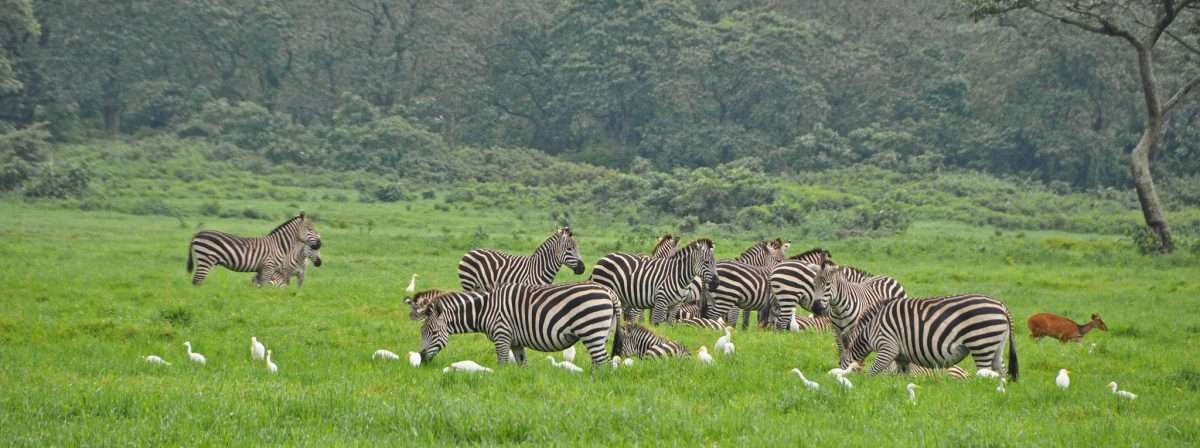
Although smaller than Serengeti or Ngorongoro, Arusha National Park offers incredible variety. The park features the Ngurdoto Crater, lush rainforests, the shimmering Momella Lakes, and open grasslands dotted with wildlife. It is one of the few parks in Tanzania where you can enjoy walking safaris, canoe rides, and mountain hikes in the same day.
The park is home to a thriving population of giraffes, buffaloes, zebras, waterbucks, warthogs, and bushbucks. You can also find blue monkeys, black-and-white colobus monkeys, and red forest duikers in the Ngurdoto Forest. Although lions are absent, occasional sightings of leopards, cheetahs, and elephants add to the excitement. The Momella Lakes attract flocks of flamingos and more than 400 species of birds, making this park a paradise for birdwatchers and photographers.
Why Visit Arusha National Park
Arusha National Park is the perfect start to your best safari Tanzania adventure. Its close proximity to the city allows travelers to experience a real safari without long transfers, and its diverse terrain provides something for everyone.
Enjoy walking and canoe safaris not available in most national parks.
Spot Tanzania’s largest giraffe population and herds of buffaloes and zebras.
Visit the Ngurdoto Crater, known as “Little Ngorongoro,” for its scenic views.
See flamingos, pelicans, and storks across the Momella Lakes.
Hike the lower slopes of Mount Meru for panoramic views of Kilimanjaro.
Things to Do in Arusha National Park
Take guided game drives to see giraffes, zebras, and buffalo grazing in open plains.
Go on a walking safari with an armed ranger to get close to nature safely.
Join a canoe safari on the Momella Lakes for birdwatching and peaceful scenery.
Visit the Ngurdoto Crater to explore its lush forests and viewpoints.
Enjoy birdwatching tours to spot flamingos, hornbills, and fish eagles.
Add a Mount Meru climb to your itinerary for a short but scenic adventure.
Best Time to Visit Arusha National Park
Arusha National Park can be visited throughout the year, but each season offers different experiences.
The dry season (July to October) is ideal for game drives and mountain hikes, as wildlife gathers near water and the roads are clear. The green season (December to June) brings lush vegetation, baby animals, and hundreds of migratory birds — perfect for photography and birdwatching.
How to Get to Arusha National Park
The park is located just a 90-minute drive from Arusha city, which is Tanzania’s main safari hub. You can reach Arusha via Kilimanjaro International Airport (JRO) or Arusha Airport (ARK). Many travelers start their Northern Circuit itinerary here before continuing to Tarangire, Lake Manyara, Ngorongoro, or the Serengeti.
Arusha National Park Entry Fees (2025–2026)
Daily Conservation Fees
Foreign Non-Residents: Adults 40 USD, Children 10 USD
Residents/Expatriates: Adults about 30,000 Tanzanian Shillings (13 USD), in addition to the conservation fee
Children under 5 years: Free
Additional fees apply for vehicles, camping, and guided activities such as walking or canoe safaris. All rates are valid for 24 hours and are subject to 18 percent VAT.
Accommodation in Arusha National Park
Luxury Lodges
Arusha Serena Hotel: Located beside Lake Duluti, this peaceful lodge offers cottage-style rooms, garden views, and activities such as canoeing, nature walks, and local market visits.
Arusha Coffee Lodge: Set on a historic coffee plantation near Mount Meru, this elegant retreat blends comfort with heritage. Guests enjoy guided coffee tours, spa treatments, and gourmet dining.
Mid-Range Stays
Mount Meru Game Lodge: A charming lodge surrounded by gardens and wildlife sanctuaries, perfect for a relaxing stay before or after your safari.
Lake Duluti Lodge: Offers private cottages, tranquil views, and easy access to both the park and the city.
Each property provides warm hospitality, delicious local cuisine, and the perfect blend of comfort and adventure.
Contact TourwithPipi today to plan your Arusha National Park safari and discover Tanzania’s most scenic and accessible wildlife destination.
6. Ruaha National Park: The Tanzania’s Hidden Safari Gem
About the Destination
Deep in the heart of southern Tanzania lies Ruaha National Park, a true wilderness that remains one of Africa’s best-kept safari secrets. After merging with the Usangu Game Reserve in 2008, Ruaha became Tanzania’s largest national park, covering more than 20,200 square kilometers (7,800 square miles) — roughly the size of Massachusetts. Despite its massive size and incredible wildlife, only around 21,000 visitors explore Ruaha each year, making it one of the most exclusive and uncrowded destinations for the best safari Tanzania has to offer.
Ruaha’s landscape is breathtaking, with wide open plains, rolling hills, towering baobab trees, and the winding Great Ruaha River, which sustains the park’s thriving ecosystem. The river attracts herds of elephants, lions, leopards, and antelopes that gather to drink and hunt, creating unforgettable game-viewing moments.
Wildlife here is rich and diverse. The park shelters over 12,000 elephants, one of the largest populations in East Africa. Visitors can see large prides of lions, leopards, cheetahs, hyenas, zebras, buffalo, giraffes, kudu, eland, roan, and sable antelopes. Ruaha is also one of the last strongholds for the African wild dog, with roughly 100 individuals roaming the park. For bird lovers, more than 570 species have been recorded, including colorful bee-eaters, kingfishers, and hornbills.
Why Visit Ruaha National Park
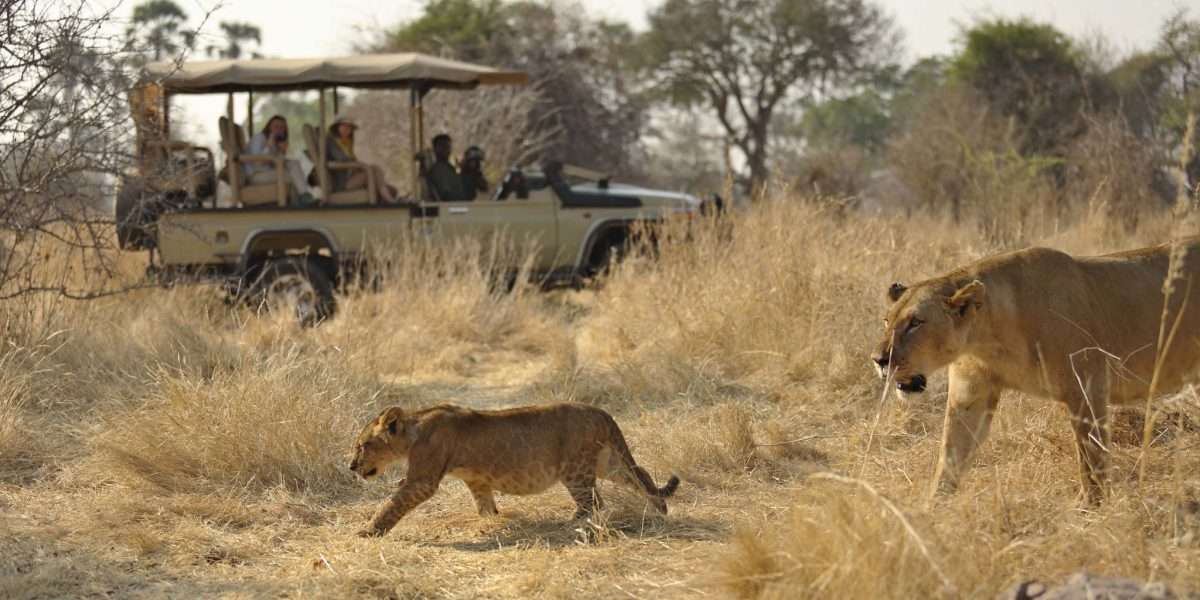
Ruaha offers the kind of safari experience that feels wild, raw, and deeply personal. The park’s isolation means that game drives are often private, and the landscapes remain untouched. It’s a destination for travelers seeking authenticity and solitude.
Experience Tanzania’s largest and most remote national park.
Watch elephants in herds of hundreds along the Great Ruaha River.
Spot rare species like African wild dogs, roan, and sable antelopes.
Explore rugged landscapes dotted with ancient baobabs and golden plains.
Enjoy fly-camping and night drives in one of Africa’s quietest wilderness areas.
Things to Do in Ruaha National Park
There is no shortage of ways to explore Ruaha’s raw beauty and wildlife.
Take guided game drives along the Ruaha River to watch elephants, lions, and crocodiles.
Enjoy walking safaris with expert rangers to learn about the smaller details of the bush.
Try fly-camping, sleeping under a canopy of stars for a truly wild experience.
Visit local communities near the park to learn about traditional Hehe culture.
Capture panoramic photographs of baobab-studded plains and sunset skies.
Best Time to Visit Ruaha National Park
The dry season from June to October is the best time to visit Ruaha. As water sources dry up, animals gather around the Great Ruaha River, offering some of the best wildlife viewing in Tanzania. Clear skies and golden light make this the ideal season for photography and game drives.
The wet season from November to April transforms the park into a lush green haven filled with migratory birds. This is the best time for birdwatching and enjoying vibrant scenery, though some lodges close between April and May due to heavy rains.
How to Get to Ruaha National Park
Ruaha’s remoteness is part of its charm. The park is located in southern Tanzania and is accessible only by air. Direct charter flights operate from Dar es Salaam, Arusha, Serengeti, and Nyerere (Selous) National Park to Msembe Airstrip, the main entry point. On arrival, travelers are met by their lodge representatives for transfers into the park.
For adventurous travelers, it is possible to reach Ruaha by road from Iringa town, though the drive can take several hours and is recommended only for experienced overland safari routes.
Ruaha National Park Entry Fees
Foreign Non-Residents: Adults 30 USD, Children (5–14) 10 USD
Foreign Residents: Adults 15 USD, Children (5–14) 5 USD
Tanzanian Citizens: Adults 5,000 TZS, Children 2,000 TZS
Children under 5: Free
Accommodation in Ruaha National Park
Luxury Lodges
Jongomero Camp: Set beside the Jongomero River, this secluded camp offers luxury under canvas with private decks, a swimming pool, and open-air lounges overlooking the wilderness. Guests can enjoy guided bush walks, fly-camping, and riverbank sundowners.
Mwagusi Safari Camp: One of Ruaha’s most iconic lodges, Mwagusi combines rustic charm with comfort. Its stone and thatch bandas are built along a dry riverbed often visited by elephants and lions. The lodge focuses on conservation and offers exceptional guiding.
Mid-Range Stays
Mdonya Old River Camp: Nestled deep within the park, this eco-friendly camp offers 12 tents surrounded by wildlife. Guests can watch elephants and antelopes pass by their veranda and enjoy bush dinners under the stars.
Ruaha River Lodge: Located near the Great Ruaha River, it offers spacious chalets, panoramic views, and easy access to prime game-viewing areas.
Each stay in Ruaha feels intimate and close to nature, where evenings end with campfire stories and the distant calls of lions echoing through the night.
Contact TourwithPipi today to plan your Ruaha safari and discover Tanzania’s hidden gem are a wilderness where nature still rules and every moment feels truly wild.
7. Nyerere National Park (Selous): The Africa’s Wild Frontier
About the Destination
If you dream of exploring a true African wilderness far from the crowds, Nyerere National Park, formerly known as the Selous Game Reserve, is where adventure still feels wild and real. Located in southern Tanzania, this park covers an incredible 50,000 square kilometers (19,300 square miles) — making it Africa’s largest protected wildlife area, even bigger than Switzerland.
Once part of the historic Selous Reserve, Nyerere became a national park to help protect its extraordinary wildlife and fragile ecosystems. Despite its vast size, fewer than 1% of Tanzania’s tourists ever visit, so you’ll often have the landscapes entirely to yourself. The park’s lifeline is the Rufiji River, a wide and winding waterway that feeds a network of lakes, channels, and swamps where wildlife thrives in spectacular abundance.
Here, you can witness herds of elephants, buffalo, wildebeest, and zebra, along with large populations of lions, leopards, giraffes, hippos, crocodiles, and antelope species such as eland, hartebeest, and puku. The park also shelters about 50% of Africa’s remaining wild dog population, making it one of the best places on the continent to see these rare and intelligent predators. The Rufiji River alone is home to nearly 40,000 hippos and countless crocodiles.
Why Visit Nyerere National Park
Nyerere feels like stepping into an Africa that time forgot — vast, untouched, and beautifully raw. It’s one of our favorite destinations for travelers who crave solitude, photography, and authentic encounters with nature.
Explore the largest game park in Africa, far from tourist crowds.
See elephants, lions, and African wild dogs in their natural environment.
Take a boat safari along the Rufiji River for up-close views of hippos and crocodiles.
Enjoy walking safaris and fly-camping adventures under a sky full of stars.
Experience the diversity of landscapes, from open plains to lush swamps and woodlands.
Things to Do in Nyerere National Park
There are few parks in Africa that offer as many ways to explore as Nyerere. Every experience feels personal and wild.
Go on boat safaris along the Rufiji River and its lakes to see wildlife from a new perspective.
Take a guided walking safari to follow animal tracks and learn about the park’s ecosystems.
Join game drives in open vehicles to spot lions, giraffes, and herds of elephants.
Try tiger fishing or visit the nearby hot springs for a relaxing break between safaris.
Enjoy birdwatching, with over 440 bird species found across the park’s wetlands and forests.
Best Time to Visit Nyerere National Park
The dry season (July to October) is the best time to visit Nyerere. During these months, wildlife gathers around the shrinking water sources of the Rufiji River, offering excellent game-viewing opportunities. Even though it’s peak season, the park remains peaceful and quiet compared to the busy northern parks.
The wet season (November to May) brings lush green scenery and is ideal for birdwatching and photographing the park’s rich colors. The heaviest rains occur between March and May, when some lodges close and roads can become difficult to access.
How to Get to Nyerere National Park
You can reach Nyerere easily from Dar es Salaam, Tanzania’s coastal capital. Many visitors take a short 1-hour flight from Dar es Salaam to one of the park’s airstrips, such as Mtemere or Siwandu, where your safari guide will meet you.
For those who enjoy overland travel, the park can also be reached by road in about 5 hours, though you’ll need a 4WD vehicle for the final stretch. The drive is scenic, passing through small villages and changing landscapes — a journey that adds to the sense of adventure.
Nyerere National Park Entry Fees
Foreign Non-Residents: Adults 50 USD, Children (5–15) 15 USD
East African Citizens/Residents: Adults 10,000 TZS, Children 2,000 TZS
Children under 5: Free
Accommodation in Nyerere National Park
Luxury Lodges
Selous Serena Camp: Located near the Simbazi River, this camp blends comfort with adventure. You can relax in luxury tents, swim in the infinity pool, enjoy massage treatments, or watch elephants pass through the camp at sunset. Activities include boat safaris, birding, and romantic sundowners by the water.
Siwandu Camp: Nestled beside Lake Nzerakera, Siwandu Camp offers breathtaking views and a true off-grid safari experience. Guests can explore the park by vehicle, boat, or on foot, then return to spacious tents with private decks and serene lake views.
Mid-Range Options
Sand Rivers Selous: A refined lodge on the banks of the Rufiji River with open-fronted suites overlooking the water. You can go fishing, take nature walks, and enjoy candlelit dinners as hippos bellow in the distance.
Lake Manze Camp: A simple, eco-friendly camp that offers close wildlife encounters and daily boat trips on the lake. It’s one of the best-value options for a true wilderness stay.
Every lodge in Nyerere gives you the same feeling — peace, space, and closeness to nature. Waking up to the sound of hippos grunting or seeing giraffes walk past your tent is something you’ll remember forever.
Plan your safari to Nyerere National Park with TourwithPipi today and experience Africa’s wild frontier are vast, untouched, and unforgettable.
8. Zanzibar: Where Safari Meets the Sea
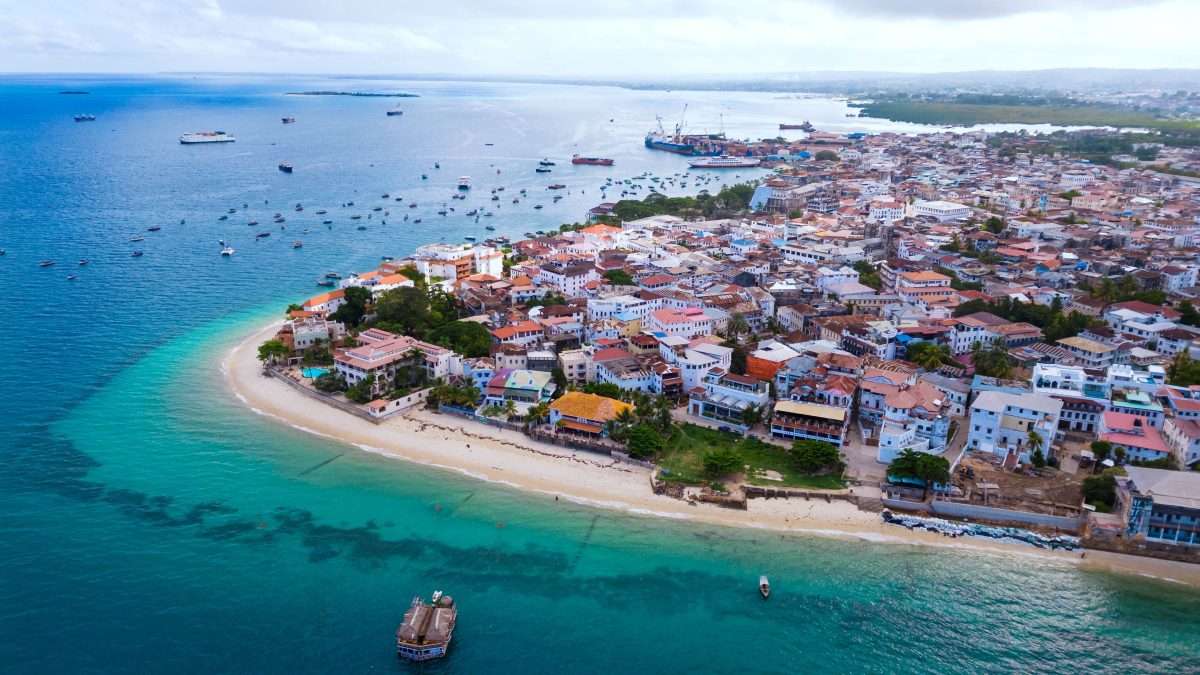
About the Destination
After the excitement of Tanzania’s national parks, Zanzibar is the perfect place to unwind. Known as the Spice Island, it lies just off the Tanzanian coast in the Indian Ocean and is famous for its white-sand beaches, turquoise waters, and rich Swahili culture. The main island, Unguja, and its sister islands Pemba and Mafia, offer a peaceful ending to your best safari Tanzania adventure.
You’ll find some of the most beautiful beaches in the world here — Nungwi for lively sunsets, Paje for swimming and kite surfing, and Matemwe for diving and snorkeling among colorful coral reefs. Every corner of the island blends nature, history, and relaxation.
Why Visit Zanzibar
Zanzibar is where Africa’s wild heart meets the calm of the ocean. It’s perfect for travelers who want a mix of beach escape, cultural experiences, and underwater adventures.
Relax on powdery beaches and swim in crystal-clear waters.
Discover the coral reefs while snorkeling or diving.
Explore Stone Town, a UNESCO World Heritage Site filled with spice markets and historic charm.
Sail on a traditional dhow boat at sunset for unforgettable views.
Visit spice plantations and learn how the island earned its name.
Things to Do in Zanzibar
Spend your days snorkeling or scuba diving near Mnemba Atoll or Pemba Island.
Wander through Stone Town’s winding alleys filled with history and aroma of cloves.
Take a spice tour and learn about cloves, nutmeg, and cinnamon grown locally.
Try kite surfing in Jambiani or dolphin spotting in Muyuni.
Enjoy fresh seafood dinners by the beach as the sun dips into the ocean.
Best Time to Visit Zanzibar
Zanzibar is a year-round destination. The dry seasons (June to October and December to February) offer sunny skies and calm seas — perfect for beach holidays and diving. The green season (March to May) brings rain but also fewer tourists, lower prices, and lush island scenery.
How to Get to Zanzibar
Zanzibar is easily reached by a short flight (about 1 hour) from Dar es Salaam, or by ferry from the mainland. International travelers can also fly directly into Abeid Amani Karume International Airport (ZNZ). Transfers from the airport to popular beach destinations like Nungwi, Paje, or Matemwe take 1 to 2 hours by road.
Accommodation in Zanzibar
Luxury Resorts
The Residence Zanzibar: A private beachfront paradise with villas, private pools, and spa experiences.
Manta Resort (Pemba Island): Famous for its floating underwater room and untouched surroundings.
Mid-Range Stays
Zuri Zanzibar: Stylish eco-luxury resort with easy beach access and ocean-view bungalows.
Villa Kiva Boutique Hotel (Matemwe): Cozy and elegant with direct beach access and great diving spots nearby.
Each resort offers its own rhythm, whether you want oceanfront relaxation, romantic dinners, or adventures in the sea.
Contact TourwithPipi today and let us take you from Tanzania’s wild savannas to Zanzibar’s serene shores, where your safari truly meets the sea.
8. Lake Tanganyika: Rainforests and Chimpanzees
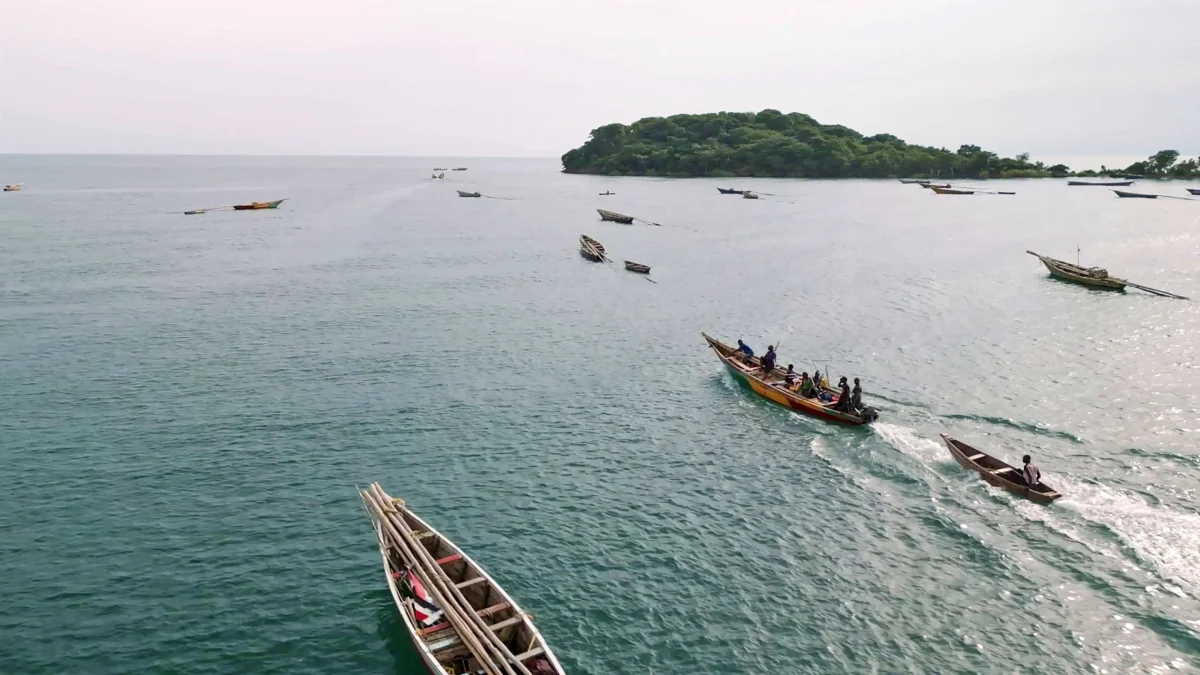
About the Destination
Stretching along the western edge of Tanzania, Lake Tanganyika is the world’s longest freshwater lake and the second deepest on Earth. Surrounded by the rugged peaks of the Great Rift Valley, it feels like a hidden paradise where nature has remained untouched for centuries. The lake’s crystal-clear waters and lush green slopes create one of Africa’s most breathtaking landscapes — and it’s also one of the most biodiverse places on the planet.
This region is home to two of Tanzania’s most remote and remarkable national parks: Mahale Mountains National Park and Gombe Stream National Park. These rainforested havens are famous for chimpanzee trekking, offering you a rare chance to walk through misty forests and observe our closest relatives in the wild.
Why Visit Lake Tanganyika
Visiting Lake Tanganyika feels like stepping into another world. It’s peaceful, isolated, and full of life, both above and below the water. The combination of forested mountains, wildlife, and the vast shimmering lake makes it one of our favorite off-the-beaten-path adventures in Tanzania.
Track wild chimpanzees in Mahale Mountains and Gombe Stream National Parks.
Swim or snorkel in the pristine, clear waters of Lake Tanganyika.
Discover tropical rainforests alive with birds, butterflies, and colobus monkeys.
Relax on secluded beaches backed by emerald-green hills.
Enjoy fishing, kayaking, or sunset cruises along the tranquil shoreline.
Things to Do Around Lake Tanganyika
Take a guided chimpanzee trek in Mahale or Gombe to watch these intelligent primates up close.
Explore the lake by boat safari, gliding past fishing villages and forested coves.
Go snorkeling or diving in the lake’s crystal waters filled with colorful cichlid fish.
Enjoy forest walks to spot other wildlife like bush pigs, baboons, and red-tailed monkeys.
Relax on the beach with the dramatic backdrop of the Rift Valley mountains.
Best Time to Visit Lake Tanganyika
The best time to visit Lake Tanganyika and its parks is during the dry season from June to October. Trails are easier to hike, and chimpanzees are easier to find as they move closer to the lower slopes.
The green season from November to April is perfect for photography, birdwatching, and enjoying lush scenery, though it brings heavier rain and higher humidity.
How to Get to Lake Tanganyika
Lake Tanganyika is remote but worth every moment of travel. You can reach it by charter flight from Dar es Salaam or Arusha to Mahale Airstrip or Kigoma Airport, followed by a boat transfer to your lodge. The journey itself — flying over forests and landing near the vast lake — is an adventure you’ll never forget.
Accommodation Near Lake Tanganyika
Luxury Lodges
Greystoke Mahale: Set at the foot of the Mahale Mountains, this eco-lodge offers barefoot luxury with thatched bandas opening directly onto the beach. It’s one of Tanzania’s most magical lodges, known for its intimate chimpanzee trekking experiences.
Mbali Mbali Gombe Lodge: Located near Gombe Stream National Park, this lakeside lodge offers beautiful views, comfortable cottages, and guided chimp treks just minutes away.
Mid-Range Stays
Lake Tanganyika Hotel (Kigoma): A charming colonial-style hotel overlooking the lake, perfect for travelers starting or ending their western Tanzania adventure.
Each stay along Lake Tanganyika promises tranquility, adventure, and a front-row seat to some of Africa’s rarest wildlife encounters.
Contact TourwithPipi today to plan your journey to Lake Tanganyika, where tropical forests meet blue waters, and every step brings you closer to nature’s wild heart.
9. Mount Kilimanjaro: The Roof of Africa
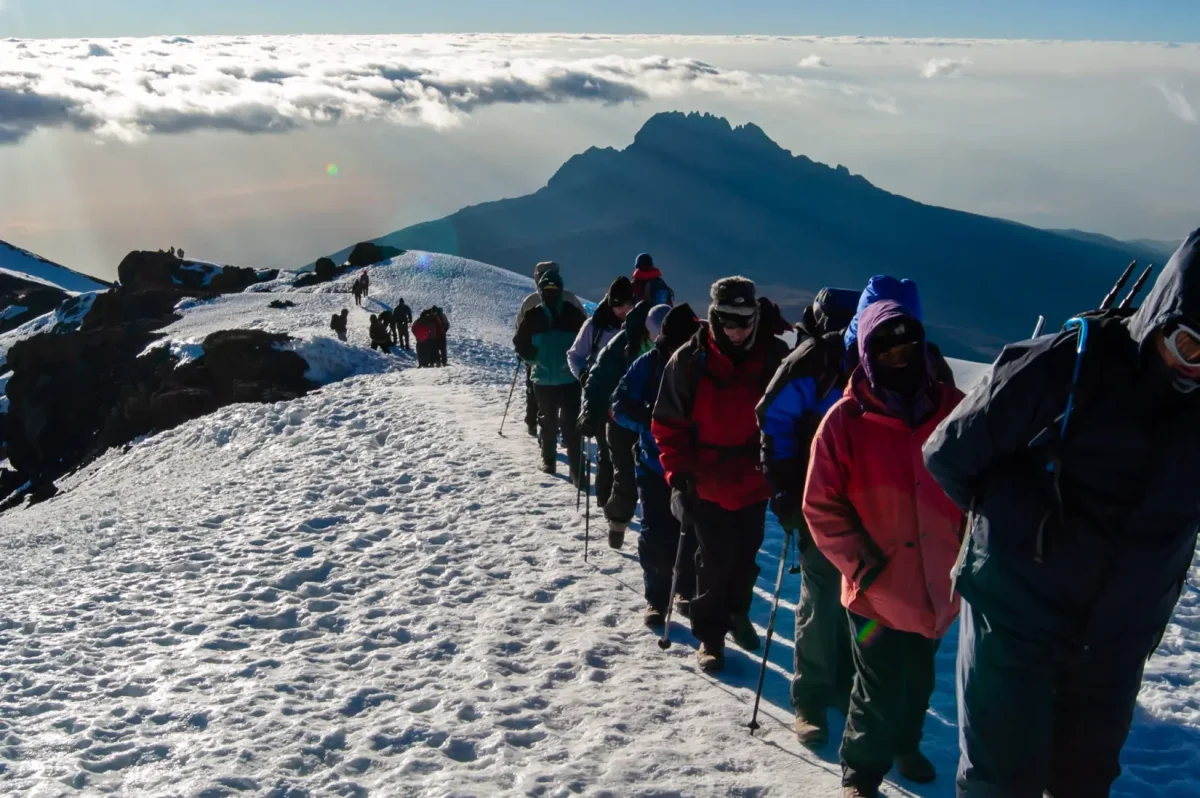
About the Destination
Standing proudly at 5,895 meters (19,340 feet), Mount Kilimanjaro is not only Africa’s tallest peak but also the highest free-standing mountain in the world. Rising from the plains of northern Tanzania near the town of Moshi, this majestic giant is one of the most iconic landmarks on the continent. Its snow-capped summit and diverse ecosystems — from tropical forests to alpine deserts — make it a symbol of both challenge and beauty.
You don’t have to be a mountaineer to experience Kilimanjaro’s magic. Whether you simply admire its towering presence from afar or choose to take on the climb, the mountain has a way of touching every traveler’s spirit.
Why Visit Mount Kilimanjaro
Kilimanjaro is more than a mountain — it’s an adventure that stays with you forever. Every step up its slopes feels like walking through different worlds, from green rainforests to the icy summit.
Witness Africa’s most breathtaking sunrise from Uhuru Peak.
Experience five distinct climate zones in one journey.
Trek through forests filled with colobus monkeys and exotic birds.
Feel the pride of reaching the “Roof of Africa.”
Combine your climb with safaris in nearby Serengeti, Ngorongoro, or Tarangire.
Things to Do Around Mount Kilimanjaro
Climb the mountain: Choose from popular routes such as Marangu, Machame, or Lemosho, each offering unique scenery and difficulty levels.
Take a day hike: Short treks to Mandara Hut or Shira Plateau offer stunning views without reaching the summit.
Explore Moshi town: Visit coffee farms, waterfalls, and local markets for a taste of Tanzanian culture.
Visit Chagga villages: Learn about traditional farming and enjoy fresh local coffee from the mountain slopes.
Best Time to Visit Mount Kilimanjaro
The best time to climb Kilimanjaro is during the dry seasons — from July to October and January to March. These months offer clear skies, stable weather, and the best visibility for climbers and photographers.
During the green season (April to June and November), the mountain is quieter and more affordable, though rain can make trails slippery. Regardless of when you visit, the experience is unforgettable.
How to Get to Mount Kilimanjaro
You can reach Mount Kilimanjaro easily by flying into Kilimanjaro International Airport (JRO), located about 45 minutes from Moshi and Arusha. From there, TourwithPipi arranges transfers, guides, and full climbing logistics. Travelers can also combine Kilimanjaro adventures with safaris across northern Tanzania’s famous parks.
Accommodation Near Mount Kilimanjaro
Luxury Stays
Kaliwa Lodge: Nestled in lush greenery near Machame Gate, this lodge offers mountain-view rooms and local gourmet cuisine.
Gran Meliá Arusha: A modern luxury option with panoramic views, spa treatments, and easy access to nearby parks.
Mid-Range Options
Ameg Lodge: A cozy base in Moshi offering spacious rooms, gardens, and a swimming pool.
Chanya Lodge: Located near Marangu, this charming lodge provides comfortable rooms and guided pre-climb briefings.
Start your adventure with TourwithPipi today and take your place on the Roof of Africa, where the journey is just as beautiful as the summit.
10. Dar es Salaam: The Gateway to the Islands
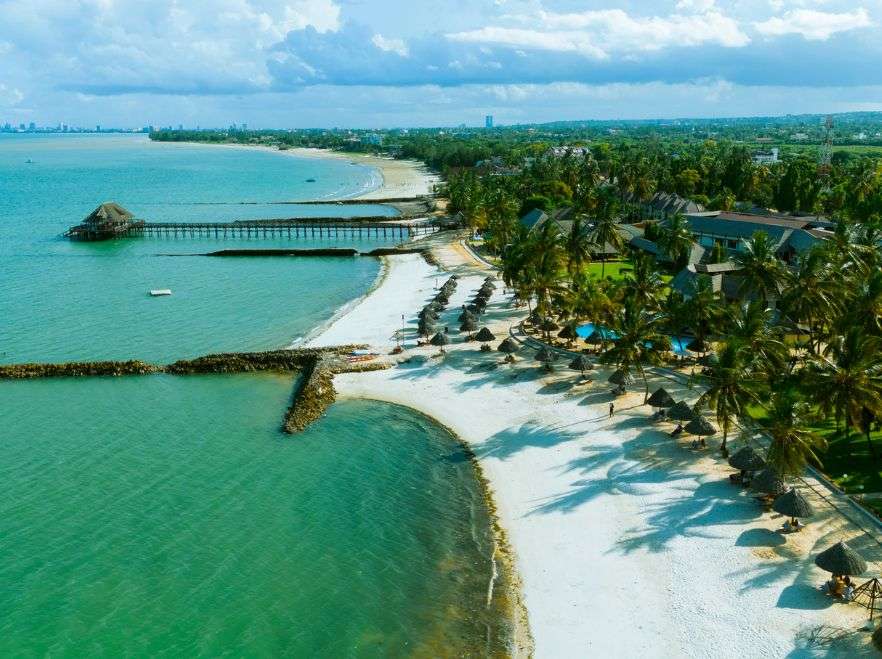
About the Destination
Dar es Salaam, Tanzania’s lively coastal capital and the starting point for most journeys to the islands of Zanzibar, Pemba, and Mafia. Known locally as “Dar,” this energetic port city is the beating heart of the country’s economy and culture. Many travelers stop here before or after their safaris, using it as the gateway to Tanzania’s beaches, islands, and southern national parks such as Nyerere (Selous).
Dar es Salaam offers a perfect blend of city life and coastal charm. You’ll find bustling markets, delicious seafood restaurants, and easy ferry and flight connections to the Indian Ocean islands. It’s not just a stopover; it’s a destination full of rhythm, flavor, and friendly faces.
Why Visit Dar es Salaam
Dar es Salaam gives you a taste of modern Tanzania mixed with coastal tradition. It’s a city full of color, sound, and life where every street tells a story.
Enjoy authentic local food and lively nightlife.
Visit the Kariakoo Market, one of East Africa’s largest open-air markets.
Watch fishermen sell their daily catch at the Kivukoni Fish Market at sunrise.
Relax at nearby beaches or take a boat ride to Mbudya and Bongoyo Islands.
Experience the city’s growing art, fashion, and music scene.
Things to Do in Dar es Salaam
Dar has something for every traveler, whether you love culture, food, or the ocean.
Take a morning stroll through the Kariakoo Market and shop for handmade crafts.
Head to Kivukoni Waterfront to see the energy of the fishing community.
Escape the city with a short boat trip to Mbudya or Bongoyo, two small islands with clear water and coral reefs.
Visit the National Museum to learn about Tanzania’s rich history and heritage.
Try local dishes like grilled fish, coconut rice, or mishkaki at seaside restaurants.
Best Time to Visit Dar es Salaam
You can visit Dar es Salaam all year round. The dry season (June to October) is ideal for exploring the city and nearby beaches, while the green season (November to April) brings warmer weather and vibrant local festivals.
How to Get to Dar es Salaam
Dar es Salaam is the country’s main international gateway. Most visitors arrive through Julius Nyerere International Airport (DAR), located about 30 minutes from the city center. From here, you can catch ferries or short flights to Zanzibar and other islands. The port also connects to southern safari destinations like Nyerere National Park.
Accommodation in Dar es Salaam
Luxury Stays
Hyatt Regency Dar es Salaam – The Kilimanjaro: A five-star hotel overlooking the harbor with fine dining, a rooftop bar, and an infinity pool.
Sea Cliff Hotel: Located on the waterfront, this hotel offers ocean views, elegant rooms, and direct access to nearby beaches.
Mid-Range Options
Protea Hotel by Marriott: Comfortable, modern, and centrally located near the city’s key attractions.
Coral Beach Hotel: A cozy option right by the ocean, perfect for travelers heading to or returning from island adventures.
FAQs About Tanzania Safaris
1. What makes Tanzania the best safari destination in Africa?
Tanzania is home to the Great Migration, the Big Five, and more than 25% of Africa’s wildlife population. With over 20 national parks, including Serengeti, Ngorongoro, and Ruaha, the country offers unmatched diversity of landscapes and wildlife viewing all year round.
2. How many days should I plan for a Tanzania safari?
A typical Tanzania safari lasts between 7 and 10 days. This allows enough time to explore the northern circuit — Serengeti, Ngorongoro Crater, Tarangire, and Lake Manyara — without feeling rushed. If you include southern parks like Ruaha or Nyerere, plan for at least 12 to 14 days.
3. Is Tanzania safe for safari travel?
Yes. Tanzania is one of the safest safari destinations in Africa. All major parks and reserves are well-managed, and guided tours with licensed operators like TourwithPipi ensure your comfort, security, and seamless logistics throughout your trip.
4. When is the best time to see the Great Migration?
The Great Migration moves in a circular pattern throughout the year. You can see it in the Serengeti between December and July and in the Masai Mara (Kenya) from August to October. River crossings at the Grumeti and Mara Rivers are the most dramatic events to witness.
5. Do I need a visa to visit Tanzania?
Most travelers require a tourist visa, which can be obtained online through Tanzania’s official e-visa portal or upon arrival. The visa is typically valid for 90 days and costs around 50 USD for most nationalities.
6. What type of safari vehicles are used in Tanzania?
Tanzania safaris use customized 4×4 Land Cruisers or Land Rovers with pop-up roofs, large windows, and comfortable seating. These vehicles are designed for long drives and excellent wildlife viewing.
7. What should I pack for a safari in Tanzania?
Bring light, neutral-colored clothing, a wide-brim hat, sunscreen, binoculars, insect repellent, and a good camera. Layers are essential because mornings can be cool while afternoons are warm. Don’t forget your travel documents and reusable water bottle.
8. Are there malaria risks in Tanzania?
Yes, malaria is present in Tanzania, especially in lowland areas. Travelers are advised to take malaria prophylaxis, use mosquito repellent, and sleep under insect-proof nets provided at lodges and camps.
9. Can I combine my safari with a beach holiday?
Absolutely. Tanzania offers the perfect safari and beach combination. After exploring the savannas, you can relax on the pristine beaches of Zanzibar, Pemba, or Mafia Island, all easily accessible from Arusha or Dar es Salaam by short flight.
10. Why should I book my safari with TourwithPipi?
At TourwithPipi, we design personalized, locally guided safaris tailored to your travel style. Our team ensures ethical, safe, and sustainable travel — combining expert planning, local insight, and authentic African experiences that go beyond the ordinary.
Ready to Experience the Best Safari in Tanzania?
Your dream safari is just a step away. Whether you want to follow the Great Migration in Serengeti, meet the Maasai in Ngorongoro, or relax on Zanzibar’s beaches, TourwithPipi will make it unforgettable.
Plan your journey with confidence, we are your trusted local experts for authentic, safe, and guided safaris across Africa.


