
A safari hat is not something to buy last minute at the airport, and I say this because I have watched guests regret it on day one, red-faced and squinting by 9am because the cap they packed does nothing for their neck or ears. The African sun sits high and direct for most of the day, and after years of watching what actually works in the vehicle and what gets left in a suitcase drawer, I have strong opinions on what makes a good safari hat.
What Actually Makes a Hat a Safari Hat

A baseball cap is not a safari hat, no matter how much sun protection the brand claims. A real safari hat needs a few specific things to do its job in an open vehicle under direct equatorial sun.
Wide Brim Coverage
Look for a brim that goes all the way around the head, not just over the forehead like a cap. A brim of at least three to four inches gives your face, ears, and the back of your neck real coverage, which matters far more than people expect once you are out for a four hour morning game drive.
UPF Sun Protection Rating
UPF 50+ is the standard to look for, since it blocks about 98 percent of UV rays. This matters as much as the shape of the brim, since a wide brim made from thin, loosely woven fabric can still let UV through onto your scalp.
Chin Strap for Wind
An adjustable chin strap is not optional. Safari vehicles move at real speed on open roads, and a gust of wind on the way to a sighting will take an unsecured hat straight off your head, sometimes over the side of the vehicle where you cannot easily retrieve it.
Breathable Mesh Panels
Look for a hat with mesh venting built into the crown. Days on safari get hot, and a hat that traps heat against your scalp is worse than no hat at all by mid-afternoon.
Packable, Non-Rigid Material
The best safari hats can be rolled, crushed, or folded into a duffel without losing their shape. This matters more than most people think, especially if your trip includes a light aircraft transfer with strict luggage limits.
Best Safari Hats for Men
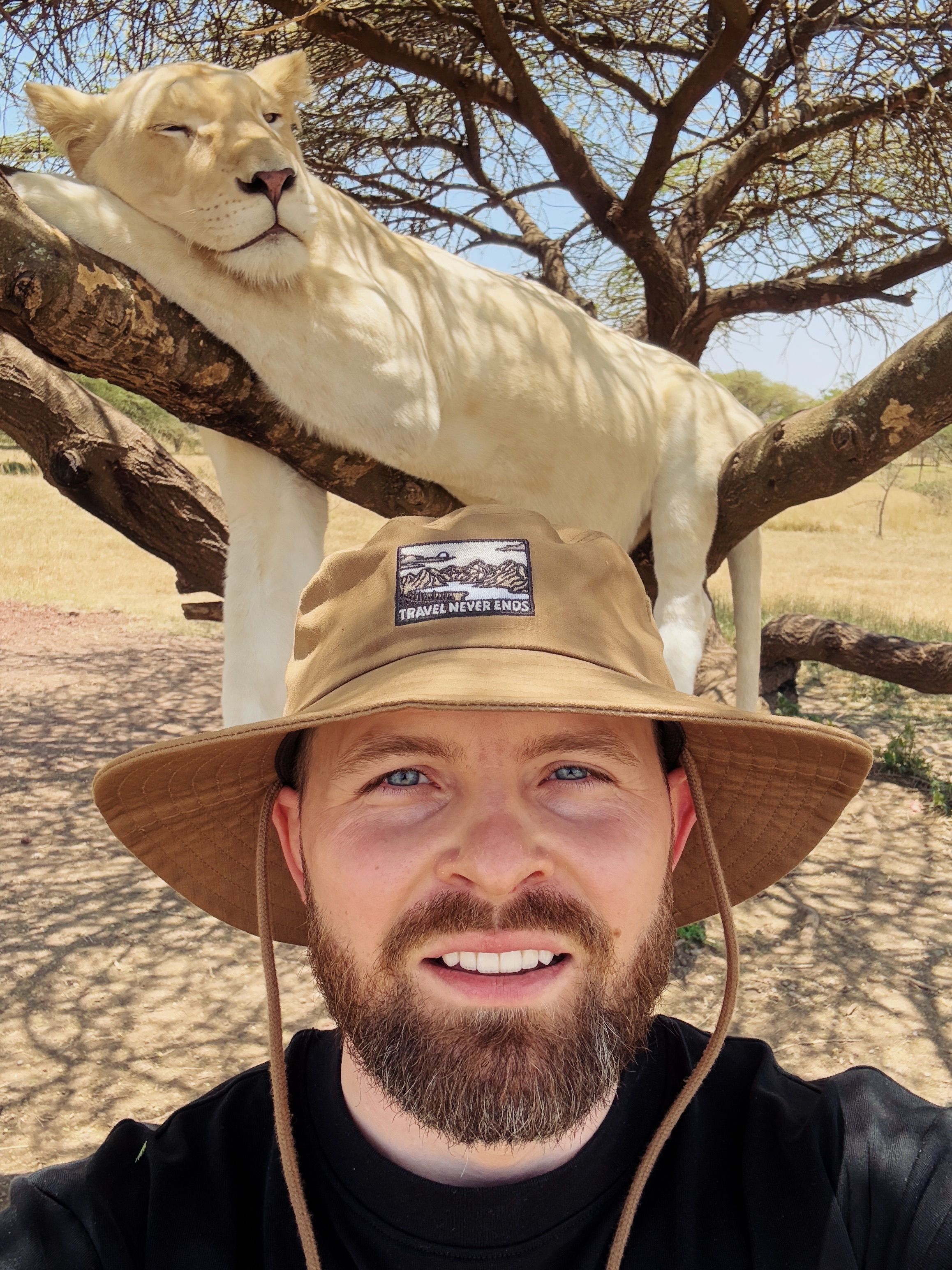
For men, a soft, structured boonie-style hat in canvas or nylon, similar to what brands like Tilley and Panama Jack make, tends to hold up best across a full trip. Look for one with a stiffer, slightly downturned brim, which gives better coverage at low sun angles during early morning and late afternoon drives, exactly when the light and heat are both at their most intense. A built-in sweatband inside the crown is a small detail that makes a real difference on a hot, dusty day.
Best Safari Hat for Women

For women, a wider, softer brim with a drawstring or toggle for adjusting fit tends to work best, since it gives more flexibility for different hairstyles and ponytails. Look for a hat that packs completely flat, since many women’s safari hats have decorative elements that do not compress well into a duffel. A hat with a longer rear brim or an optional neck flap adds real protection on longer walking safaris or gorilla treks where you are exposed for hours at a time.
South Africa Hats: The Classic Leather Bush Hat
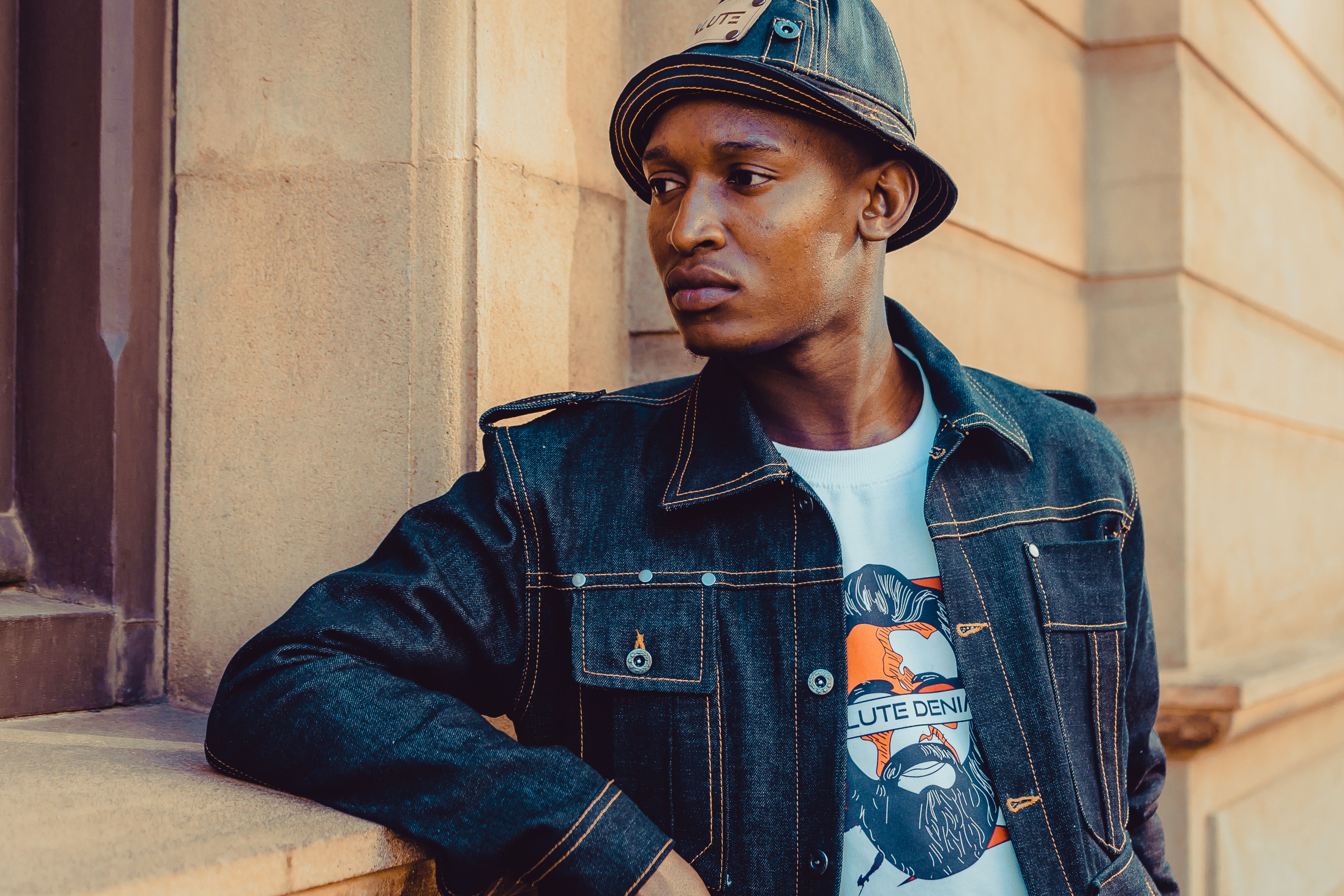
If you picture a stereotypical safari hat, you are probably picturing the South Africa style leather bush hat, often made from suede or kudu leather with a wide, structured brim and a leather band. These hats look fantastic and hold their shape beautifully, and they are genuinely popular souvenirs to buy once you are actually in South Africa or Namibia. The tradeoff is practical rather than aesthetic: leather bush hats are heavier, do not pack down, and can feel warm on the hottest days compared to a lightweight, ventilated fabric hat. My honest advice is to bring a lightweight UPF hat for daily wear during game drives, and treat a leather bush hat as something to pick up in a local shop as a keepsake rather than your primary piece of gear.
Safari Sun Hats vs Bush Hats: What Is the Difference
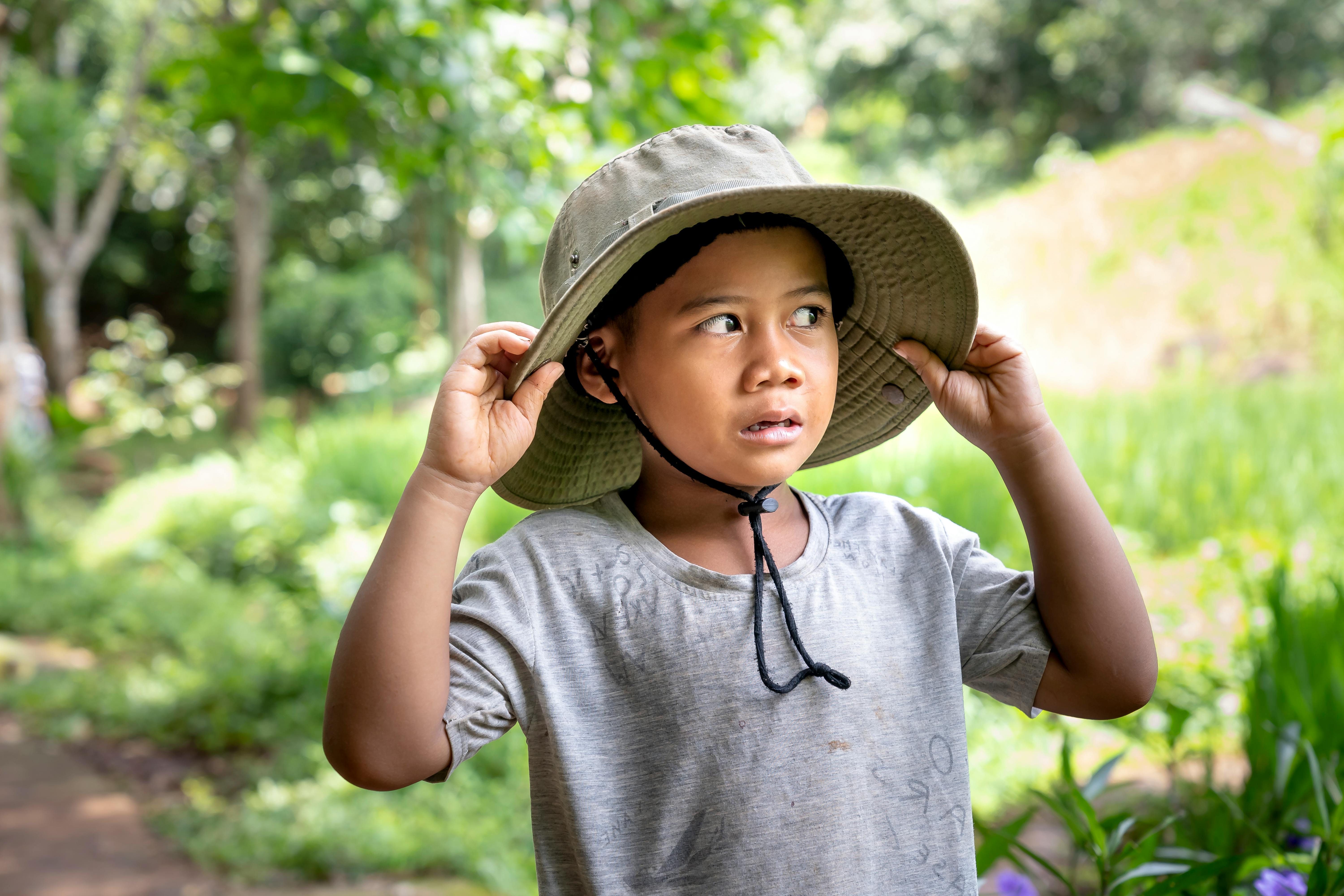
A safari sun hat is built primarily for function, lightweight fabric, UPF rating, mesh venting, and a chin strap, designed to be worn constantly through a hot day and packed away easily afterward. A bush hat leans more toward the classic look, often heavier canvas, felt, or leather, with a more rigid structure that holds its shape but takes up real space in your luggage. Both work, but if you are choosing just one hat for the actual safari days, a proper sun hat wins on comfort and practicality every time.
What Color Should Your Safari Hat Be
Stick to neutral tones, khaki, tan, olive, or stone. These colors reflect heat better than dark shades and blend into the bush rather than standing out, which matters slightly for photography and a great deal for comfort. Avoid black or very dark colors, since darker fabric absorbs more heat under direct sun and can also attract tsetse flies, which are drawn to dark and bright blue tones specifically.
Packing and Care Tips for Your Safari Hat
Roll or fold a soft safari hat and pack it near the top of your duffel rather than at the bottom, so it is not crushed flat under heavier items for days at a time. Keep the chin strap fastened, even loosely, whenever the hat is on your head in the vehicle, since it takes only one strong gust to lose a hat over the side. If your hat does get dusty, a light brushing or a quick hand wash for fabric hats keeps it looking good for the rest of the trip, though leather bush hats should only be wiped down, never soaked.
Where to Buy a Safari Hat
You do not need a specialty outdoor store to find a good safari hat, though it can help if you want expert fitting advice. Amazon carries the widest selection of UPF-rated safari and boonie hats, with genuine customer reviews that are worth reading before you buy, since fit and brim stiffness vary a lot between listings. Walmart stocks a smaller but reliable range, especially in the outdoor and fishing sections, often at a lower price point than specialty retailers. Outdoor specific stores like REI, Bass Pro Shops, and Cabela’s carry higher-end options from brands like Tilley, Sunday Afternoons, and Outdoor Research, with better in-person fit testing if you have a store nearby. If you want the classic South Africa leather bush hat look, that is genuinely best bought once you land in Nairobi, Cape Town, or another safari hub, where local shops sell authentic versions at fair prices, often better quality than what ships internationally.
How Much Does a Safari Hat Cost
A solid, UPF-rated fabric safari hat typically runs between 20 and 45 dollars, which covers most of the reliable options from brands like Tilley, Sunday Afternoons, and GearTop. Budget options under 20 dollars exist and can work fine for a single trip, though brim stiffness and stitching quality tend to drop off at that price. On the higher end, premium technical sun hats with reinforced neck flaps and heavier fabric can run 50 to 70 dollars. South Africa style leather bush hats cost more, generally 60 to 150 dollars depending on the leather quality and where you buy it, and locally sourced ones in Africa are often better value than the same style shipped from home.
Kids Safari Hats
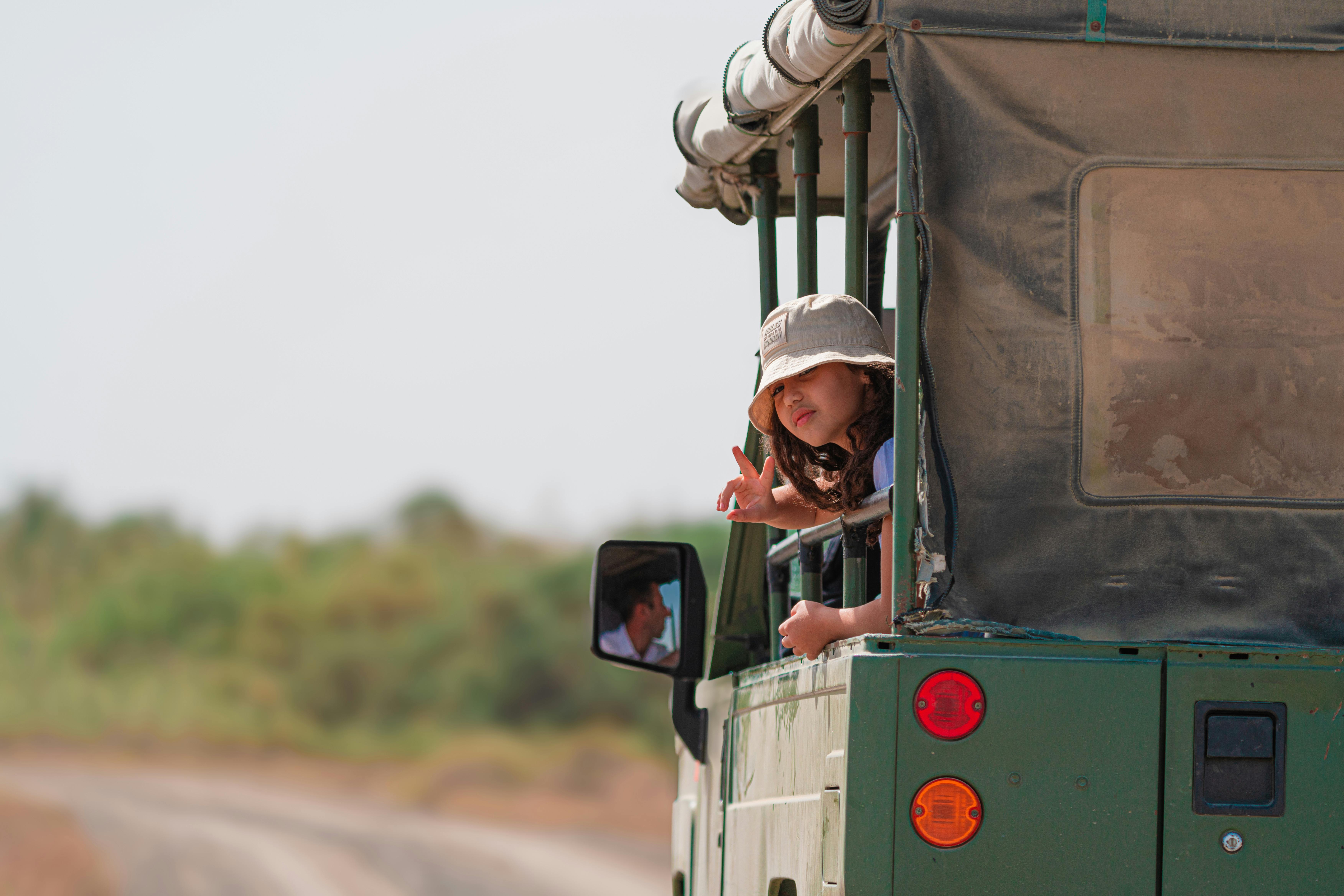
Children need the same wide-brim, UPF-rated protection as adults, if not more, since young skin burns faster. Look for a kids safari hat with an adjustable inner band or drawstring, since kids’ head sizes vary more than adults’ and a hat that is too loose will not stay on during a bumpy game drive. A hat with a chin strap is especially important for children, both to keep it on in the wind and to stop a small one from tossing it out of the vehicle out of boredom. Kids safari hats with a neck flap add extra coverage for the back of the neck, which matters since children are often shorter than the shade line of the vehicle roof. Prices for a genuine UPF 50+ kids safari hat generally run between 10 and 20 dollars on Amazon and Walmart, and sizing usually spans toddler through about age 12.
How to Keep a Safari Hat Clean, and Can You Wash It
Yes, most fabric safari hats can be washed, but the method depends on the material. For a standard nylon or canvas UPF hat, hand washing in cool water with a mild soap works best, gently scrubbing any dusty or sweat-stained areas with a soft brush, then reshaping the brim and letting it air dry away from direct heat, which can warp the shape. Avoid machine washing and drying unless the manufacturer’s tag specifically says it is safe, since the spinning motion can bend or crease a structured brim permanently. For a straw hat, a slightly damp cloth wipe is safer than a full wash, since straw can weaken or lose shape when soaked. Leather bush hats should never be soaked or machine washed. Wipe them down with a dry or barely damp cloth, and treat the leather occasionally with a proper leather conditioner to keep it from drying out and cracking, especially after exposure to dust and sun on a long trip.
Safari Hat vs Cap: Which Is Better?
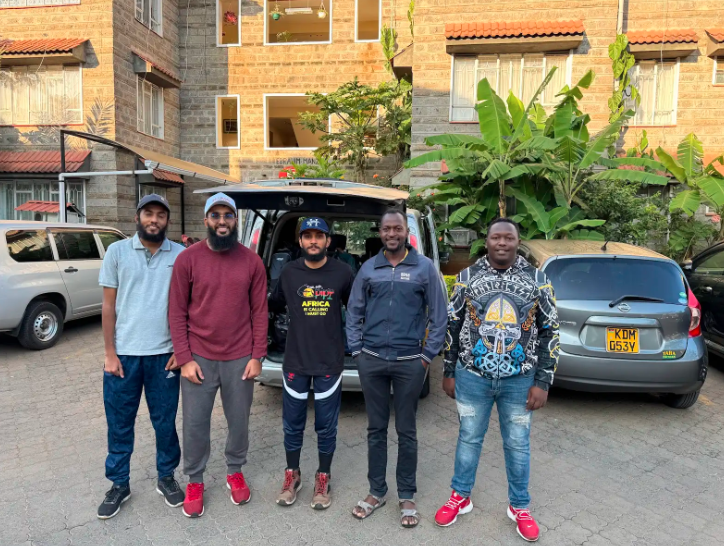
A baseball cap is better than nothing, but it is not built for a real day on safari, and the difference shows up fast once you are out in the open vehicle past mid-morning.
A cap only shades your forehead and eyes. It leaves your ears, the back of your neck, and your cheeks fully exposed, which are exactly the spots that burn hardest under direct equatorial sun. A safari hat, with its wide, all-round brim, protects all of that in one piece, which matters far more once you are four hours into a game drive with no shade in sight.
Caps also trap heat right against the crown of your head, since most have little to no ventilation. A proper safari hat with mesh panels lets air move through, which keeps you noticeably cooler by early afternoon, when the sun sits highest and the heat builds fastest.
There is one place a cap genuinely wins: wind. A snug-fitting cap stays on more easily in a light breeze than a wide-brim hat without a chin strap. But this advantage disappears the moment your safari hat has a proper strap, which solves the wind problem completely while still giving you full coverage.
If you already own a good cap and do not want to buy anything new, wearing it with sunscreen on your ears and neck is better than nothing. But for a genuine day on safari, especially multiple days in a row, a real wide-brim safari hat outperforms a cap in every category that actually matters out in the bush.
Advantages of a Safari Hat in Africa:
- Blocks direct equatorial sun, stronger than most guests expect, even when it’s cloudy.
- Protects your neck and ears, not just your face, where people forget sunscreen most.
- Reduces heat exhaustion on long, open-vehicle game drives.
- Cuts glare, making it easier to spot wildlife and use binoculars.
- Guards against dust kicked up on game drive roads.
- Prevents sunburn on cool mornings that turn hot by midday.
- Useful beyond the vehicle, for walking safaris, bush breakfasts, treks, and the lodge pool.
- Lowers your risk of heatstroke and dehydration symptoms.
- Cuts down on constant sunscreen reapplication to your scalp and ears.
Ready to Plan Your Trip?
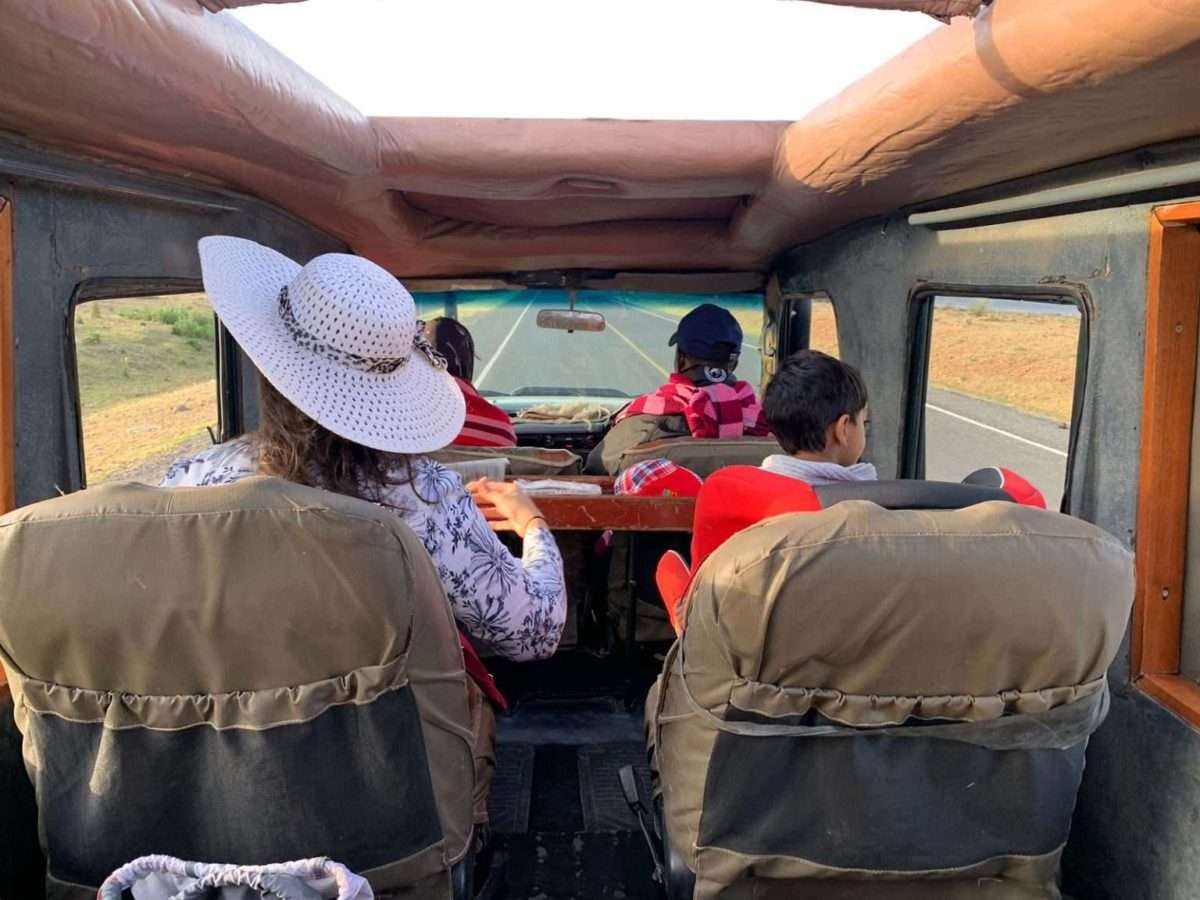
If you want the full packing list for your specific safari, including exactly what hat and gear I would bring for your dates and destinations, message me directly on WhatsApp.
A few trips where this packing advice comes up most:
- 5-Day Masai Mara Safari
- 6-Day Mara Discovery: Big Five Safari
- 8-Day Kenya Explorer Safari
- 8-Day Extraordinary Kenya Safari
Frequently Asked Questions
What is the best safari hat?
The best safari hat has a wide, all-round brim of at least three to four inches, a UPF 50+ rating, breathable mesh panels, and an adjustable chin strap. Soft, packable fabric hats work better for daily wear than rigid leather bush hats.
What is the best hat for safari for men?
A structured boonie-style hat in canvas or nylon with a slightly downturned brim and a built-in sweatband tends to work best for men, giving strong coverage without trapping heat.
Do I need a chin strap on my safari hat?
Yes. Safari vehicles move at real speed on open roads, and wind can take an unsecured hat off your head easily, sometimes over the side of the vehicle where it cannot be recovered.
What is a bush hat?
A bush hat is the classic, structured safari hat style, often made from leather, suede, felt, or heavy canvas, popular in South Africa and Namibia. They look great but are heavier and do not pack down as easily as a lightweight fabric sun hat.
Are South Africa leather hats good for safari?
They look fantastic and make great souvenirs, but they run warmer and take up more luggage space than a lightweight UPF safari sun hat. Many guests buy one locally as a keepsake rather than wearing it as their main hat during game drives.
What color hat should I wear on safari?
Neutral tones like khaki, tan, olive, or stone work best. They reflect heat better than dark colors and avoid attracting tsetse flies, which are drawn to black and bright blue shades.
Is a safari hat better than a baseball cap?
Yes. A cap only shades your forehead and eyes, leaving your ears, cheeks, and neck exposed. A wide-brim safari hat covers all of that, and with a chin strap, it solves the wind problem that usually makes people choose a cap in the first place.
Where can I buy a good safari hat?
Amazon and Walmart both carry a wide range of UPF-rated safari hats at accessible prices, while outdoor stores like REI, Bass Pro Shops, and Cabela’s offer higher-end options with better in-person fitting. For the classic leather bush hat look, buying locally once you land in Africa is often better value than ordering one shipped from home.
How much does a safari hat cost?
A reliable UPF-rated fabric safari hat typically costs between 20 and 45 dollars. Budget options exist under 20 dollars, and premium technical versions can run 50 to 70 dollars. South Africa style leather bush hats generally cost 60 to 150 dollars.
Do kids need a special safari hat?
Yes. Kids need the same wide-brim, UPF 50+ protection as adults, ideally with an adjustable band, a chin strap, and ideally a neck flap for extra coverage. Genuine UPF-rated kids safari hats generally cost between 10 and 20 dollars.
Can you wash a safari hat?
Most fabric safari hats can be hand washed in cool water with mild soap, then air dried away from direct heat to keep the brim’s shape. Straw hats should only be wiped with a damp cloth, and leather bush hats should never be soaked, only wiped down and occasionally treated with leather conditioner.


