
The Big 5 safari animals are the true stars of any African safari, and they are the reason so many travelers plan early morning and sunset game drives. While Africa is full of beautiful wildlife, spotting lion, elephant, leopard, rhino, and buffalo in their natural environment is something that stays with you long after the trip ends. For many travelers, seeing the Big 5 in Africa is a bucket list goal and one of the most rewarding safari experiences you can have.
The phrase Big 5 safari began during the era of early hunters who ranked African elephant, Cape buffalo, African lion, leopard, and rhinoceros as the most challenging animals to track on foot. Today, the meaning has completely changed. These animals are protected across national parks and conservancies, and modern safaris focus on respectful wildlife viewing and conservation. Every Big 5 safari in Africa you take supports anti poaching efforts, habitat protection, and responsible tourism, helping ensure these iconic animals continue to thrive for future generations.
Where Are the Best Places to See the Big 5
If you are planning the best safari in Africa to see the Big 5, choosing the right region makes a huge difference. Lions, elephants, leopards, rhinos, and buffalo live across eastern and southern Africa, but only certain parks consistently give you strong odds of seeing all five in one trip. With the right timing and guide, your Big 5 safari can feel active from your first drive to your last.
Some destinations stand out because of wildlife density, protection programs, and ecosystem balance. These parks are where our travelers most often complete their Big 5 bucket list safari.
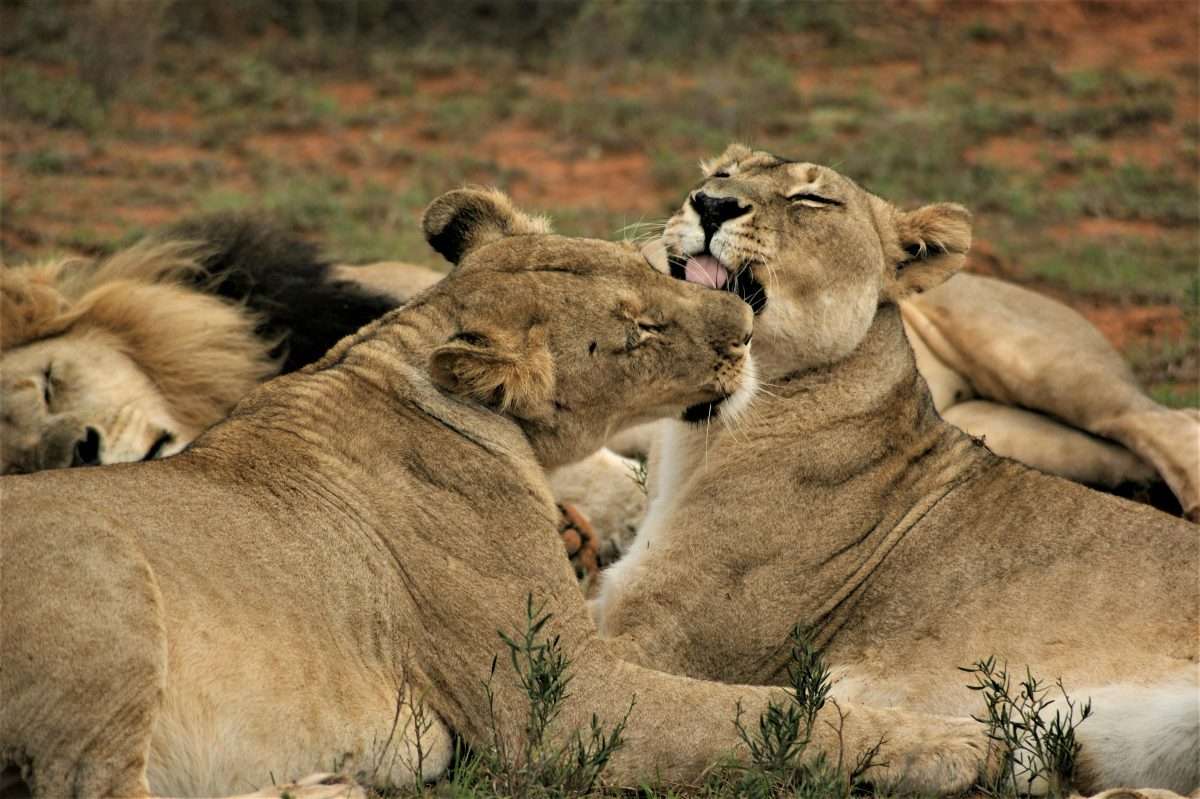
Top Parks and Reserves for Big 5 Sightings
- Ngorongoro Crater, Tanzania: Home to roughly 25,000 to 30,000 resident animals inside a volcanic caldera, this compact ecosystem offers one of Africa’s highest wildlife densities. Black rhino protection programs make rhino sightings more realistic here than in many other parks. You can easily combine Ngorongoro with Serengeti and Tarangire for a powerful northern Tanzania safari circuit.
- Serengeti National Park, Tanzania: Spanning nearly 15,000 square kilometers, the Serengeti supports one of the largest predator populations in Africa, including an estimated 3,000 lions. Buffalo herds are common, elephants are steadily recovering, and leopard sightings reward patient tracking. It remains one of the strongest Big 5 safari in Africa environments.
- Masai Mara National Reserve, Kenya: Part of the greater Serengeti ecosystem, the Mara is famous for predator density and migration activity. Lion encounters are frequent, elephant and buffalo herds move through year round, and leopard sightings occur along riverine forests. My top recommended safari drives often happen here during migration months.
- Greater Kruger Region, South Africa: Kruger and its adjoining private reserves cover nearly 20,000 square kilometers. This region holds stable populations of all five animals, supported by decades of conservation management. It is one of the most reliable locations for travelers focused purely on Big 5 wildlife viewing.
- Madikwe Game Reserve, South Africa: A restored conservation success story, Madikwe now supports thriving populations of elephants, lions, buffalo, rhinos, and leopards. Fewer vehicles and strong lodge management create a more private safari atmosphere.
- Chobe National Park, Botswana: Chobe is famous for its elephant population, estimated at over 120,000 animals in the wider ecosystem. Buffalo herds and predators follow river systems, creating dynamic safari scenes especially in the dry season.
Best Countries to Visit for a Big 5 Safari
The Big 5 safari experience is strongest in eastern and southern Africa, where conservation areas are large and wildlife corridors remain active:
- Tanzania
- Kenya
- South Africa
- Botswana
- Zimbabwe
- Namibia
- Malawi
What most travelers should know
- Not all parks offer equal chances for all five animals
- Lions elephants and buffaloes are seen most often
- Leopards are shy and sightings depend on timing and luck
- Rhinos live in protected areas and are the hardest to spot
- Seeing all five in one day is very rare
What real safari data shows
- On average safaris record about five Big Five sightings per day Lions have a 75 to 85 percent daily sighting chance
- The chance of seeing any big cat is around 80 to 90 percent
- The chance of seeing at least one Big Five animal is over 85 percent
- The chance of seeing all five in one day is below 1 percent
How to improve your chances
- Spend more nights in one wildlife rich area
- Travel during peak wildlife seasons
- Combine two regions if time and budget allow
- Focus on experience not just ticking animals
At TourwithPipi we design safaris around real wildlife movement so your sightings feel natural memorable and worth the journey.
Lion
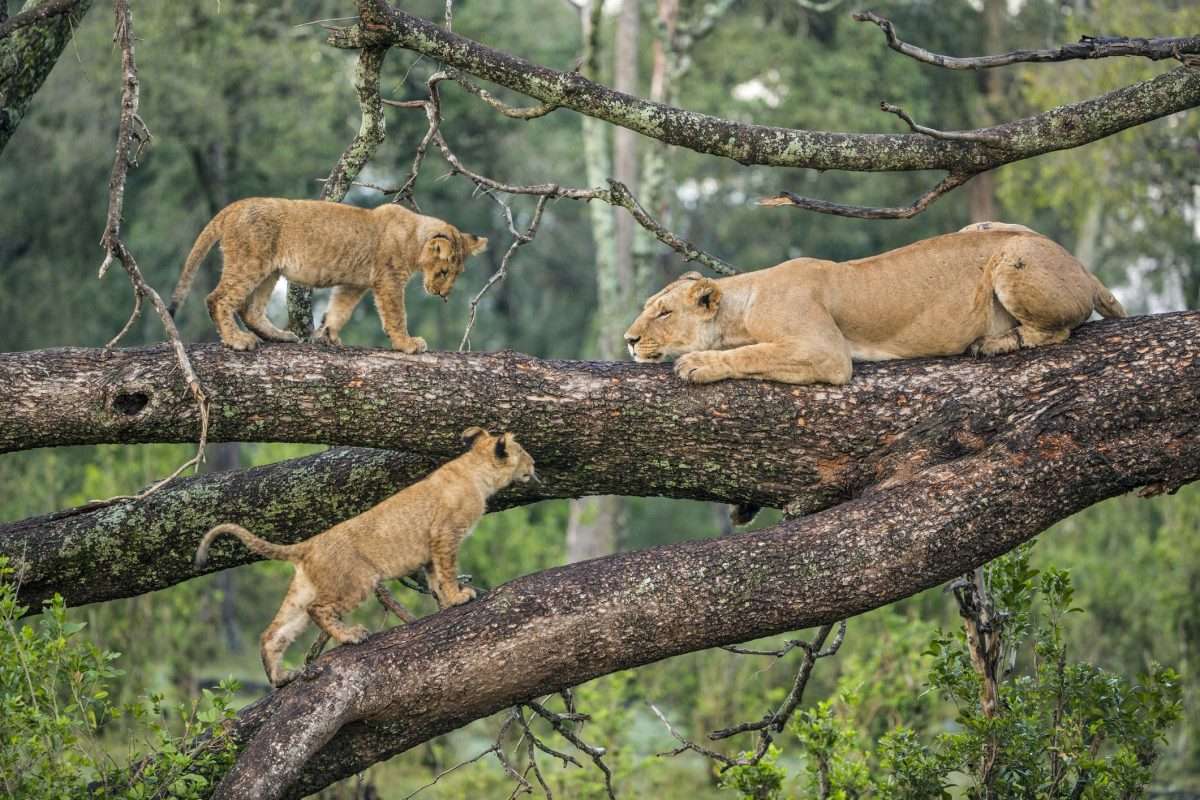
The African lion is often the animal travelers want to see first on a Big 5 safari animals in Africa. Lions are social predators that live in prides made up of related females, cubs, and a few dominant males. Unlike most cats, they spend much of the day resting and become active around dawn and dusk, which is why early and late game drives are your best opportunity to witness real behavior.
Best Countries for Lion Sightings
- Tanzania
- Kenya
These two countries hold the strongest lion populations in East Africa and provide the highest chance of seeing large, active prides in open terrain.
Best Areas to See Lions
- Western Corridor, Serengeti National Park: This region supports some of the largest lion concentrations in Africa. Serengeti prides are known for size and territorial behavior, with populations in the broader ecosystem estimated at 3,000 to 4,000 lions. Open plains make sightings and photography far easier than in wooded parks.
- Masai Mara National Reserve: Part of the same ecosystem, the Mara holds roughly 850 to 900 lions across the reserve and surrounding conservancies. Predator encounters are frequent, especially during migration months when prey density rises.
What Makes These Areas Exceptional
The Serengeti and Masai Mara form one continuous grassland system that favors lion hunting. Visibility is excellent, terrain is open, and predator prey interactions happen in clear view. These are places where you can observe real pride dynamics such as cub care, territorial disputes, and coordinated hunting.
Quantity alone is not what defines a memorable lion safari. Behavior matters. Travelers often hope to see:
- hunting coordination at dusk
- pride social interaction
- cub development and play
- mating behavior
- feeding activity after a kill
Asking guides about pride structure improves your chances of meaningful sightings. Useful questions include:
- How many adult males control the pride
- How many cubs are present
- Whether hunts occur during daylight
- Typical prey patterns
- Current pride movements
Experienced safari guides track these details daily, and lodges often share updates during arrival briefings.
Leopard
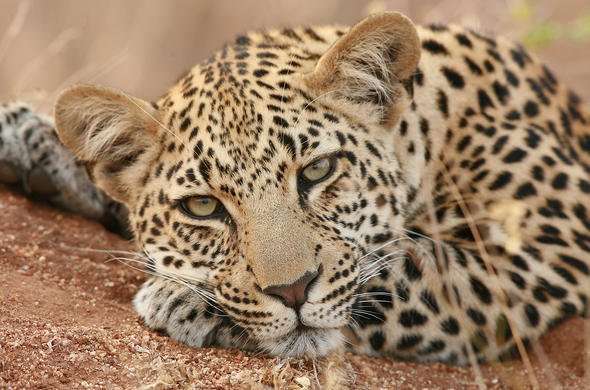
Leopard is our favorite Big 5 safari challenge because it is usually the hardest cat to spot. Even though Africa has far more leopards than lions, they stay hidden, move quietly, and blend into the bush. That is exactly why a clean leopard sighting feels like a win for your bucket list.
Best Countries
- South Africa
- Kenya
- Tanzania
- Botswana
Best Areas
- Greater Kruger with Sabi Sands, Timbavati, MalaMala, Londolozi
- Masai Mara
- Serengeti
- Moremi Game Reserve
My Top Recommended Safari Strategy for Leopards
If leopard is your main goal, South Africa is the most consistent place to build your trip around regular sightings, especially in the Greater Kruger private reserves where guides track known individuals and can go off road. In places like Sabi Sands and Timbavati, you may see the same leopard across multiple drives because their territories overlap predictable routes.
If you want leopard plus heavy wildlife density, the Masai Mara and Serengeti are stronger all round safari parks. Game is everywhere, especially in peak migration periods, so your drives stay productive even when leopard stays hidden. These areas also give you better chances to see leopard behavior such as tree resting, stalking, and dragging prey into branches.
Kenya has one rare bonus that belongs on a true best safari in Africa to see the Big 5 bucket list. A melanistic leopard known as a black panther can appear in Laikipia. Sightings are never guaranteed, but the region has produced famous individuals, and it is a strong add on if you are already combining Masai Mara with Laikipia conservancies.
Botswana can be incredible for leopard in the right week, especially around Moremi, but it is unpredictable. You can go several days without a sighting and then see leopards repeatedly once conditions line up. That is why I treat Botswana as a high reward option when you already have enough days and want something wilder.
What To Tell Your Travel Consultant Before You Arrive
If leopard is your priority, tell us early so we build your game viewing around reserves where sightings are regular and the population is healthy. The single most important factor is not luck, it is staying long enough in the right habitat and letting guides work known territories.
How To Get the Shot
Leopards love trees and low light. If your leopard is in a tree with a bright sky behind it, meter for the leopard not the sky so the face is not too dark. When light drops, raise ISO and open your aperture wider. My top recommended focus point is the eyes because that is what makes leopard photos feel alive.
Elephant
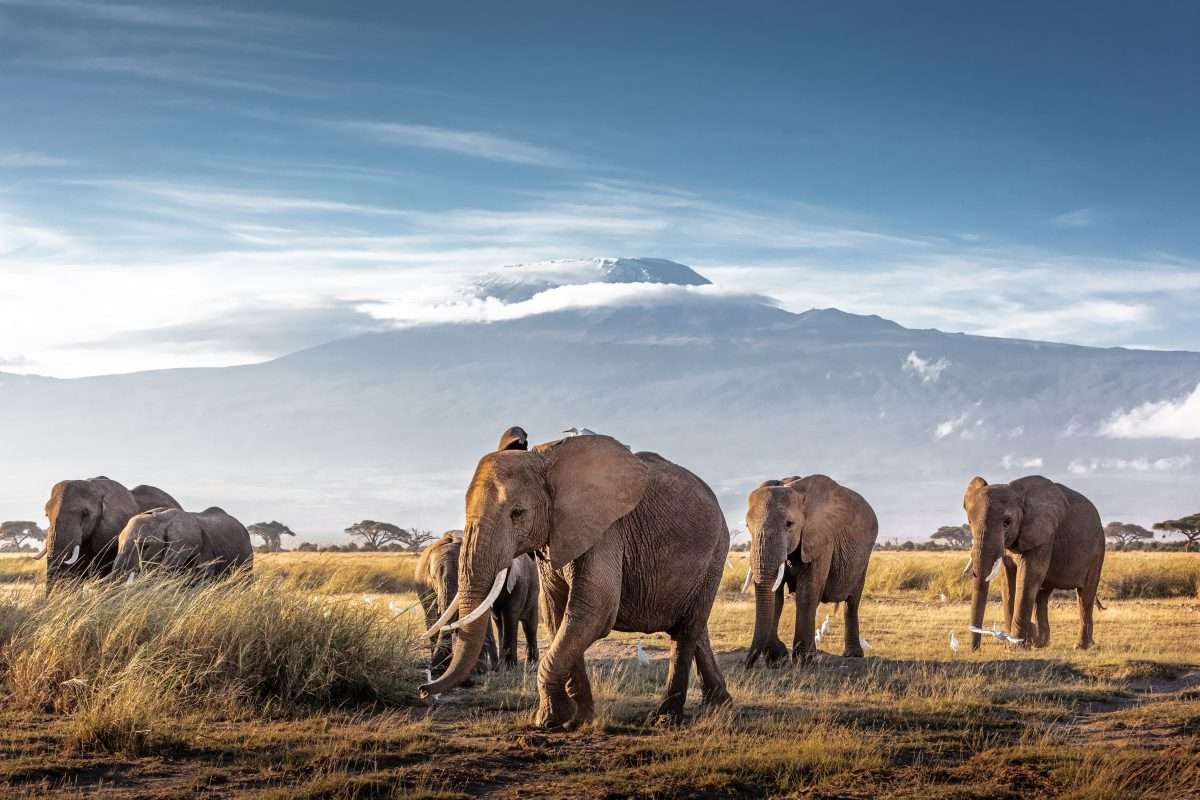
The African elephant is the animal many travelers picture first when planning the best safari in Africa to see the Big 5. They are the largest land mammals on Earth, social, expressive, and constantly interacting with their environment. Whether you are watching a herd cross a river or calves playing in mud, elephant sightings tend to feel alive rather than static.
Best Countries
- Botswana
- Kenya
- Namibia
Best Areas
- Chobe National Park
- Amboseli National Park
- Northwest Namibia river systems
Where Elephant Sightings Are Strongest
Botswana holds the largest elephant population in Africa. Of roughly 415,000 African bush elephants, about 130,000 live in Botswana, with an estimated 120,000 moving through the Chobe ecosystem. This density creates constant movement along the Chobe River, where elephants drink, swim, spray water, and gather in large family groups. Boat safaris add a unique angle, letting you watch elephants interact at water level rather than from a vehicle.
Water plays a huge role in elephant behavior. River crossings, mud wallows, dust baths, and calf play all happen near water sources. These scenes are what turn a normal sighting into a memorable elephant safari experience.
If your goal is photographing iconic tuskers, Amboseli National Park in Kenya is my top recommended safari stop. Amboseli’s elephants are famous for large ivory and open terrain, with Mount Kilimanjaro creating a dramatic backdrop. Herds move across dry lakebeds and grass plains, giving clear lines of sight for observation.
Namibia offers something completely different. Desert adapted elephants survive in arid river valleys, creating rare safari scenes where wildlife meets sand and rock landscapes. Sightings occur along seasonal rivers such as Aba Huab, Hoanib, and Palmwag regions. These elephants travel long distances for water and are among the most resilient populations in Africa.
Other Reliable Elephant Parks
Large herds are also found in:
- Hwange National Park, Zimbabwe
- Etosha National Park, Namibia
- Addo Elephant National Park, South Africa
Each of these parks supports stable populations, though herd density and terrain vary.
Understanding Elephant Behavior
Adult males can reach 4 metres in height and weigh up to 7 tonnes. Females live in tight family units led by a matriarch, while males form bachelor groups or roam independently. Elephants are highly social, communicating through touch, sound, and body language, which is why extended sightings often reveal complex interactions.
How To Get the Shot
Wide angle lenses show herd scale and landscape context, especially near rivers. Zoom lenses work best for capturing tusks, trunks, and eye detail. Low angle perspectives emphasize size, while water scenes create natural movement and reflection. Calves playing in mud or spray are some of the most expressive moments to watch.
Rhino
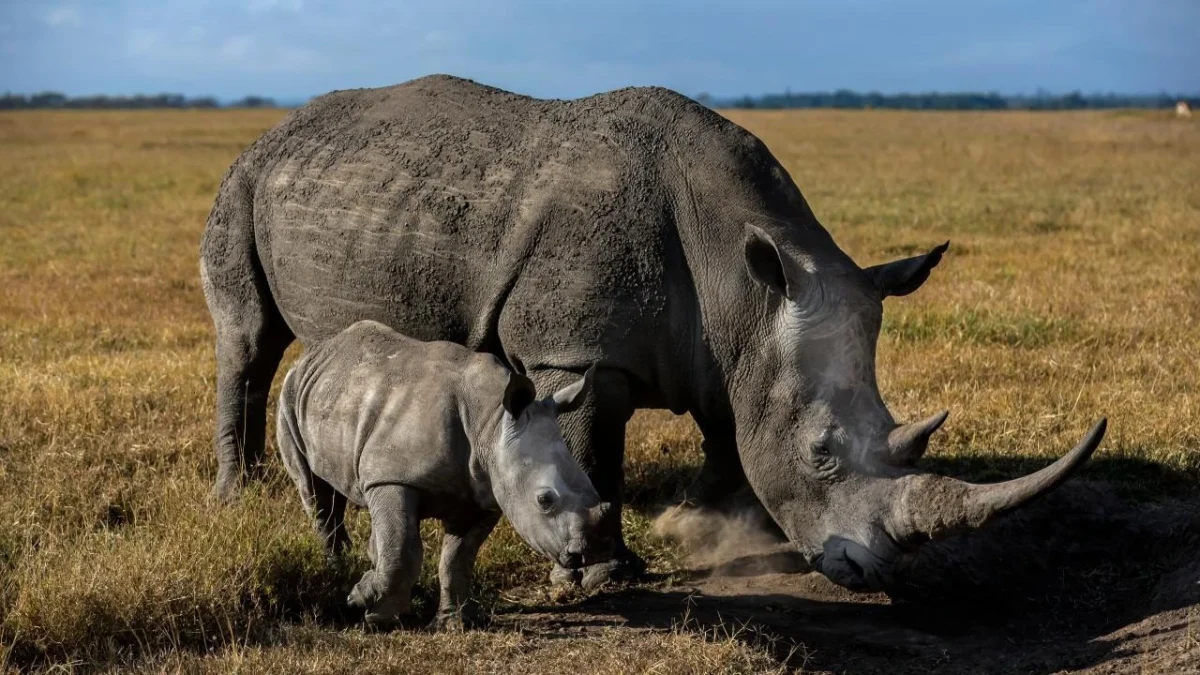
Rhinos are often the most challenging animal to complete on a Big 5 safari, not because they are small or shy, but because their populations are tightly protected. Seeing both black and white rhinos feels special because you are witnessing one of Africa’s most closely guarded conservation successes.
Best Countries
- Kenya
- Namibia
- South Africa
Best Areas
- Ol Pejeta Conservancy
- Ol Jogi Wildlife Conservancy
- Lewa Wildlife Conservancy
- Etosha National Park
- Timbavati Private Nature Reserve
Where Rhino Sightings Are Most Reliable
Kenya is my top recommended safari country if rhinos are high on your bucket list. Conservancies like Ol Pejeta, Ol Jogi, and Lewa operate intensive protection programs, which means both black and white rhinos are seen regularly. These reserves are structured for conservation first, so sightings feel controlled and respectful rather than rushed.
Namibia offers a very different rhino experience. Etosha National Park supports one of the largest free roaming black rhino populations in Africa. Waterholes become focal points, especially after dark, where rhinos appear quietly and predictably. Multiple sightings in a single visit are not unusual because individuals rotate through shared watering areas.
South Africa holds a large share of the continent’s rhino population. Private reserves such as Timbavati and Madikwe maintain protected habitats where sightings are possible alongside strong anti poaching management. Rhino encounters here tend to happen during structured game drives with experienced trackers.
For travelers on tighter budgets, rhino recovery programs in Malawi and Zambia have improved sighting opportunities in protected parks, though encounters are less consistent than in Kenya or Namibia.
Understanding Rhino Species
White rhinos are grazers with wide mouths designed for grass, while black rhinos are browsers with pointed lips suited for shrubs. Both species are classified as threatened due to illegal horn trade. Rhino horn is made of keratin, the same material as human hair and nails, but poaching pressure remains a serious conservation issue.
Because of this, rhino sightings often occur in zones with strong ranger presence and controlled tourism. That protection is what makes consistent viewing possible today.
How To Get the Shot
Rhinos photograph best when you show scale. Wide angles place them in open landscapes, while zoom lenses capture skin texture, horn shape, and expressive ears. Calves bring energy to otherwise calm scenes, and solitary rhinos in wide terrain create powerful compositions.
Buffalo
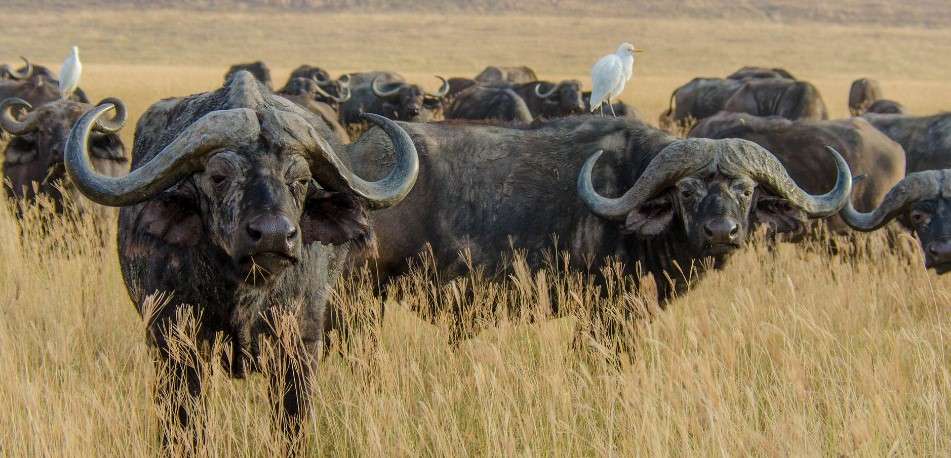
Buffalo are often the most underestimated animal on a Big 5 safari, yet they are one of the most powerful herd animals you will encounter. The African or Cape buffalo moves with confidence, travels in large defensive groups, and reacts quickly to threats. Watching a herd shift direction or stand its ground against predators is one of the most intense wildlife scenes you can witness.
Best Countries
- Tanzania
- Kenya
- Botswana
- South Africa
Best Areas
- Katavi National Park
- Serengeti National Park
- Masai Mara National Reserve
- Duba Plains and Okavango Delta
- Kruger National Park
- Chobe National Park
Where Buffalo Herds Are Most Impressive
Tanzania produces some of the largest buffalo gatherings in East Africa. In places like Katavi and the Serengeti, herds regularly number in the hundreds, especially near water and open grazing plains. These parks support strong predator pressure, which keeps herd structure tight and defensive.
Kenya’s Masai Mara offers reliable buffalo sightings year round. Herds move through grassland and river corridors, often sharing space with lion prides. These encounters highlight how buffalo rely on numbers and collective movement for protection.
Botswana adds a water driven dimension. In Chobe and parts of the Okavango Delta, buffalo graze along riverbanks and islands, sometimes appearing in loose formations rather than dense herds. River crossings and mud wallows create dynamic viewing moments.
South Africa’s Kruger ecosystem holds stable buffalo populations spread across varied terrain. Herd behavior here ranges from massive grazing groups to solitary bulls that carry heavy horn bosses and distinct character.
Understanding Buffalo Behavior
Buffalo are heavily built bovines with a fused horn shield across the skull that acts as natural armor. Both males and females carry horns, and mature bulls develop thick bases that signal age and dominance. Herds operate as defensive units, and coordinated movement can deter predators. Lions are the only predators strong enough to challenge them regularly, yet buffalo often fight back to protect calves or injured members.
Large herds are not just impressive in size. They are constantly communicating through body positioning and movement, which makes extended sightings feel active rather than static.
How To Get the Shot
Buffalo hides absorb light, so exposure control matters. Backlit herds kicking up dust create dramatic silhouettes. Lone bulls offer strong portrait opportunities, especially when mud coated horns and textured skin catch side light. Look for oxpeckers feeding on ticks around the ears and shoulders, as this interaction adds scale and detail to close images.
Plan Your Big Five Safari in Africa With Us

Ready to experience the best safari in Africa to see the Big Five? We design every TourwithPipi journey around real wildlife timing, trusted private guides, and parks known for strong lion, leopard, elephant, rhino, and buffalo sightings. You get curated lodges, seamless logistics, and safari routes built around your travel style, not a generic template.
Why choose us for your Big Five safari
- Private expert guides who know animal movement
- Handpicked parks with reliable Big Five sightings
- Personalized itineraries built around your dates and goals
- Premium lodges and camps for comfort in the wild
- Honest advice and real safari planning experience
- End to end support from arrival to departure
Your bucket list safari deserves thoughtful planning and the right ecosystem, timing, and guiding. Let us build a Big Five adventure that feels effortless and unforgettable.
Contact us now and start planning your Big Five safari.
FAQS
FAQ 1: How many days do I realistically need to see the Big Five on safari?
Most travelers should plan at least 4 to 6 safari days in a strong Big Five ecosystem. This gives your guide enough time to track animals naturally rather than rushing between sightings. Wildlife moves constantly, so extra days dramatically improve your chances of seeing all five animals without pressure.
FAQ 2: Is it possible to see all Big Five animals in one day?
It happens, but it is rare and should never be your expectation. A Big Five safari works best when you allow animals to appear naturally over multiple drives. When sightings do line up in a single day, it feels like a bonus rather than something forced.
FAQ 3: Are Big Five safaris suitable for first time travelers to Africa?
Yes, Big Five safaris are often the best introduction to African wildlife. Parks with strong animal density and experienced guides make the experience accessible, safe, and exciting even if this is your first safari.
FAQ 4: What time of day are Big Five animals most active?
Early morning and late afternoon are peak wildlife windows. Lions and leopards are more active during cooler hours, elephants move toward water, and buffalo herds begin grazing. Midday is quieter, which is why safari schedules revolve around sunrise and sunset drives.
FAQ 5: Will weather affect my chances of seeing the Big Five?
Weather influences animal movement but does not stop sightings. Dry seasons concentrate animals near water, which improves visibility. Green seasons offer dramatic scenery and newborn wildlife, though tracking can require more patience.
FAQ 6: Can children go on a Big Five safari?
Many lodges welcome families, but age policies vary. Some camps offer child friendly guides and flexible drive times. A well planned safari can be an incredible learning experience for children, especially when pacing is adjusted.
FAQ 7: Do I need special fitness levels for a Big Five safari?
Game drives require minimal physical effort. You spend most of your time seated in a safari vehicle. Optional walking safaris or cultural visits can be added, but they are not required to enjoy Big Five viewing.
FAQ 8: How close do safari vehicles get to Big Five animals?
Guides follow strict wildlife ethics. Vehicles approach close enough for clear viewing without disturbing natural behavior. The goal is observation, not chasing animals, which keeps both guests and wildlife safe.
FAQ 9: Are Big Five safaris safe?
Yes, safaris operate under strict safety protocols. Professional guides understand animal behavior and park rules. Guests remain inside vehicles during drives, and lodges are designed with wildlife safety in mind.
FAQ 10: What should I prioritize when choosing a Big Five safari location?
Focus on ecosystem quality, guide experience, and time in the field rather than lodge luxury alone. Parks known for stable predator and herbivore populations increase your chances of meaningful sightings and a balanced safari experience.
Blog Summary
- A Big Five safari in Africa focuses on lion, leopard, elephant, rhino, and buffalo in ecosystems with strong wildlife density and expert guiding.
- The best safari in Africa to see the Big Five is found in Tanzania, Kenya, Botswana, and South Africa, where protected parks support reliable sightings.
- Serengeti and Masai Mara offer some of the highest predator concentrations, making them top choices for a complete Big Five safari experience.
- Rhino sightings are most consistent in conservancies like Ol Pejeta and Lewa, where conservation programs actively protect populations.
- Elephant herds are strongest in Chobe and Amboseli, delivering close encounters and dynamic river and plains behavior.
- Leopard sightings depend on ecosystem and guide tracking, with Greater Kruger, Masai Mara, and Serengeti providing strong opportunities.
- Buffalo herds thrive in grassland and river systems, often appearing in large defensive groups that highlight real herd dynamics.
- Timing matters. Early morning and late afternoon game drives maximize your chances of seeing active Big Five behavior.
- A well planned African safari balances ecosystem quality, guide expertise, and enough days in the field to allow natural sightings.
- Choosing a personalized safari with trusted guides improves wildlife access, comfort, and conservation impact across East and Southern Africa.


