
A safari jacket can be one of the most useful layers you pack for an African safari.
Early morning game drives can be surprisingly cold, especially when you are sitting in an open vehicle before sunrise. Add dust, wind, occasional rain, walking through vegetation and long hours outdoors, and your jacket needs to do more than simply look good.
The good news is that you do not need specialist expedition clothing.
For most safari travellers, the best jacket is lightweight, comfortable, easy to layer and practical enough to handle changing conditions. A field jacket, utility jacket or lightweight windproof jacket can all work well.
This guide explains what to look for, how to choose between different styles, what men and women should consider, and our recommended safari jackets for your next trip.
Quick Answer: What Is the Best Jacket for Safari?
For most travellers, the best jacket for safari is a lightweight field or utility jacket that gives you some protection from cool mornings, wind, sun and light rain without becoming too warm during the day.
Look for:
- Lightweight construction
- Breathable fabric
- Comfortable room for layering
- Secure pockets
- A practical length
- Wind resistance
- Some water resistance if rain is possible
- Neutral or earth-toned colours
- Adjustable cuffs or sleeves
- Easy-care fabric for travel
You do not necessarily need a jacket marketed specifically as a “safari jacket.” A well-designed field jacket, cargo jacket or lightweight outdoor jacket can perform just as well.
The right choice mainly depends on where you are going, when you are travelling and what activities you have planned.
Why Do You Need a Jacket on Safari?
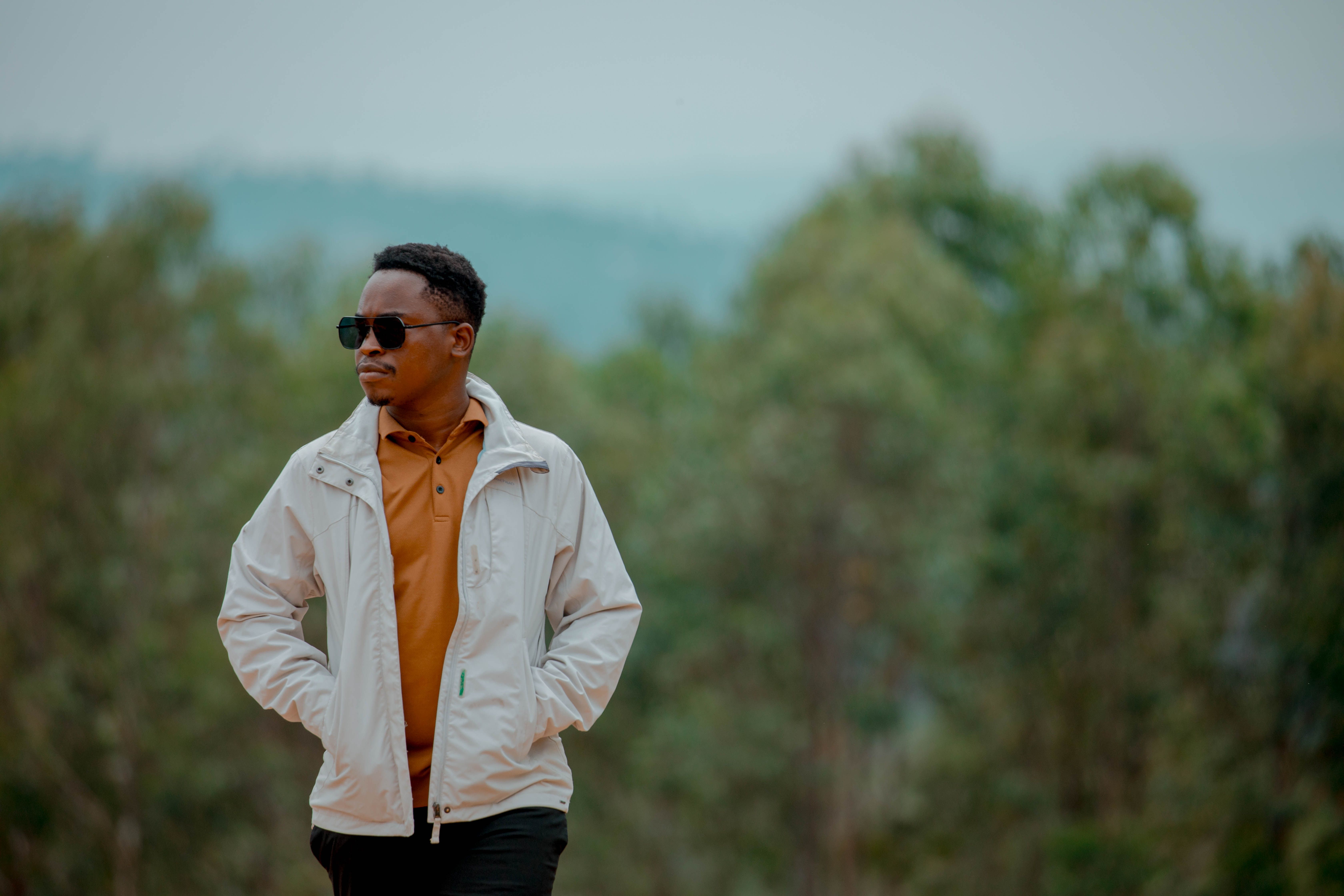
Africa is often associated with heat, but safari conditions can change significantly throughout the day.
A typical game drive may begin before sunrise when the air feels cold. The vehicle is moving, so wind makes it feel even cooler. By late morning, you may be sitting in strong sunshine and no longer need the extra layer.
This is particularly noticeable during dry-season safaris in destinations such as Kenya, Tanzania, Botswana, Namibia and South Africa.
A jacket can help with several situations at once:
- Cool early-morning game drives
- Wind while travelling in an open vehicle
- Dust on unpaved roads
- Light rain
- Sun exposure
- Scratches from vegetation during walking activities
- Cooler evenings around camp
- Travel days between safari destinations
It is also useful beyond the game drive. The same jacket can work when travelling between lodges, walking around camp or exploring a town before or after your safari.
What Makes a Good Safari Jacket?
The best safari jackets are not necessarily the heaviest or most technical.
They are the ones you can wear for several hours without thinking about them.
A good safari jacket should have a balance of:
Lightweight construction
You may spend hours sitting in a vehicle, so unnecessary weight quickly becomes uncomfortable.
Breathability
A jacket that traps heat is frustrating once the temperature rises.
Practical pockets
Useful for carrying small essentials such as your phone, lip balm, tissues, a small notebook or other items you want within reach.
Comfortable movement
You should be able to use binoculars, take photographs, climb into a safari vehicle and walk without the jacket restricting your shoulders.
Wind protection
This is especially useful on early-morning drives when the vehicle is moving.
Weather resistance
Light water resistance is useful, but a normal safari jacket should not be expected to replace a proper rain shell during heavy rain.
Easy care
Travel clothing gets dusty. Machine-washable or easy-care fabrics are a major advantage when you are moving between camps.
Safari Jacket Mens: What Should Men Look For?

If you are searching for a safari jacket mens option, start with practicality rather than the traditional safari look.
A classic men’s safari jacket usually has a relaxed fit, several pockets and a relatively short or mid-hip length. Modern versions may use cotton, cotton blends or lightweight synthetic fabrics.
For an African safari, consider:
- Enough room to wear a shirt underneath
- Sleeves that allow unrestricted movement
- Secure chest or cargo pockets
- A collar that can protect your neck from wind
- A lightweight fabric for warm destinations
- A slightly more substantial fabric for cooler-season travel
A traditional four-pocket field jacket can be useful because the pockets provide easy access to small items.
However, more pockets are not automatically better. If you fill every pocket, the jacket can become uncomfortable and pull on your shoulders.
For men travelling during a warm season, a lightweight cotton or cotton-blend field jacket is usually more practical than a heavily insulated military-style coat.
Safari Jacket Women: What Should Women Look For?
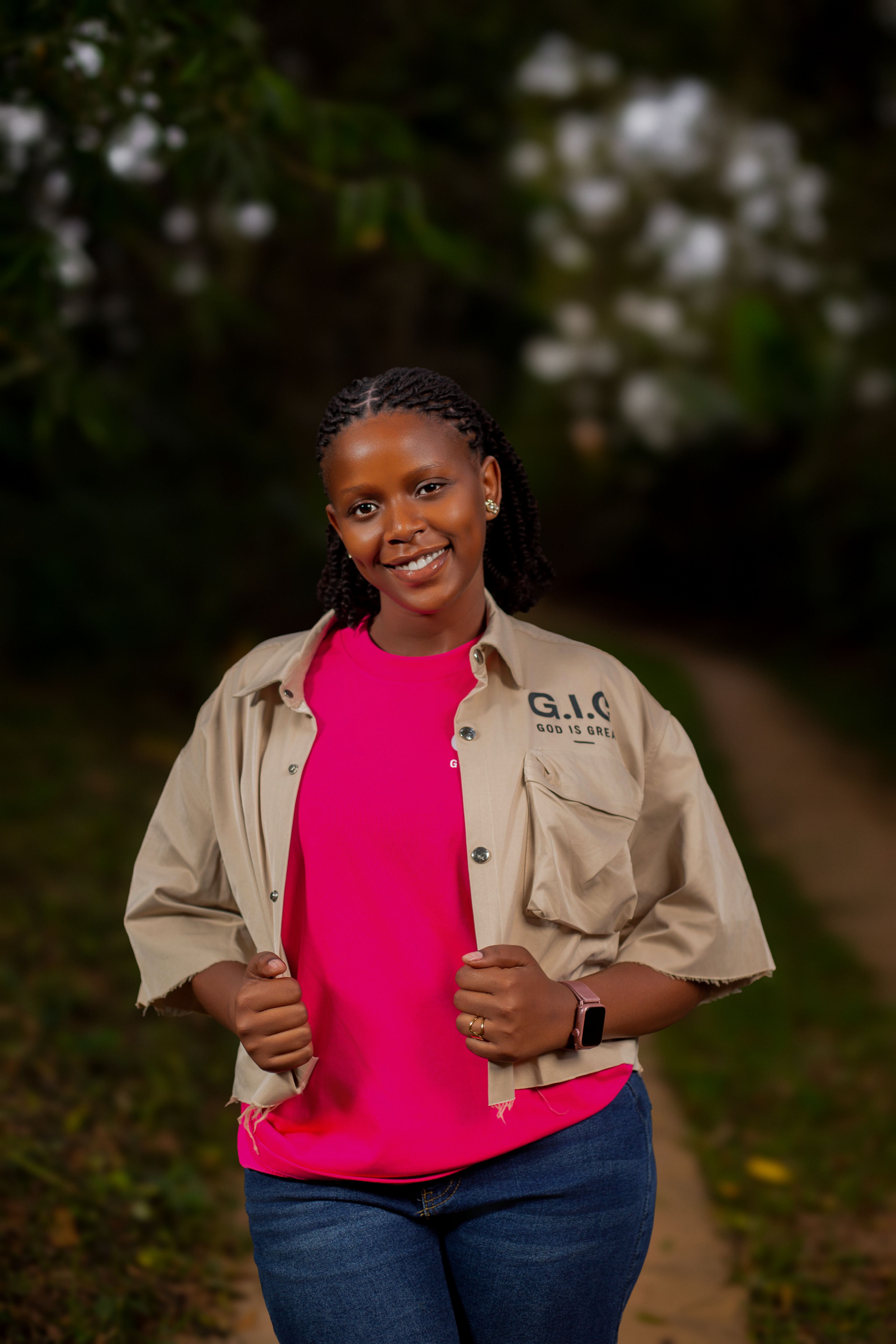
A safari jacket women option does not need to look completely different from a men’s field jacket.
The main difference is usually the cut.
Women’s safari jackets are available in relaxed, cropped, fitted and utility styles. The best choice depends on whether you want maximum movement, layering space or a more fitted everyday look.
For safari travel, look for:
- Comfortable shoulder movement
- Enough room for a base layer
- Lightweight construction
- Useful pockets
- Adjustable cuffs
- A length that works comfortably when seated
- A fit that does not restrict your arms
A cropped utility jacket can be convenient in warm weather because it provides some wind and sun protection without adding much bulk.
For colder destinations or early-morning drives, a longer field jacket with enough space for a fleece underneath may be more useful.
The important thing is not whether a jacket is technically labelled “women’s safari clothing.” It is whether the fit and fabric work for the conditions you will actually encounter.
What Fabric Is Best for a Safari Jacket?
Fabric has a major effect on comfort.
Cotton
Cotton is a classic choice because it is comfortable, breathable and relatively quiet when you move.
A lightweight cotton jacket works particularly well for dry and warm conditions.
The downside is that cotton can take longer to dry after getting wet.
Cotton blends
Cotton-blend fabrics can provide a useful balance between comfort and durability.
Depending on the blend, they may resist wrinkles better and dry faster than pure cotton.
This can be helpful when your itinerary involves several lodges, flights and road transfers.
Polyester and synthetic fabrics
Synthetic jackets can be lightweight, quick-drying and easy to wash.
They can be particularly useful if rain is likely or if you want something that packs down easily.
The trade-off is that some synthetic fabrics can feel warmer or less breathable than lightweight natural fabrics.
Heavy canvas and waxed fabrics
These can be durable and offer excellent protection in cooler conditions, but they are generally more jacket than you need for a warm-weather safari.
They make more sense for cool climates, outdoor travel or everyday wear than for a hot midday game drive.
How Warm Should a Safari Jacket Be?
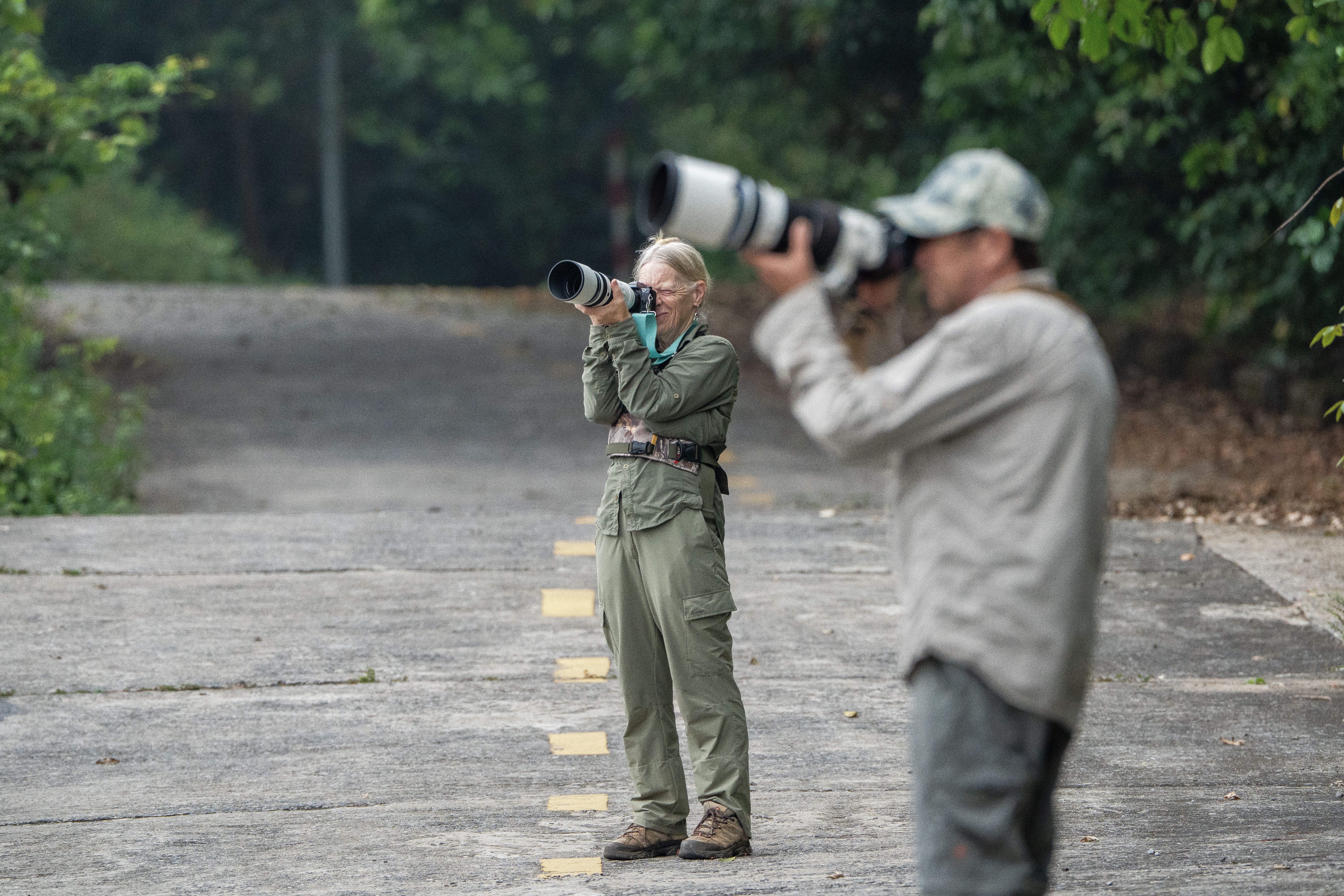
This depends heavily on your destination and travel season.
Do not automatically buy a heavily insulated jacket just because you are going to Africa.
A better approach is layering.
For example:
Warm destination: Light shirt → lightweight jacket for early morning → remove jacket as temperatures rise.
Cooler safari: Base layer → fleece or light sweater → field jacket.
Cold morning + possible rain: Base layer → insulating layer → lightweight waterproof shell.
This gives you more flexibility than relying on one thick jacket.
Safari packing guides also recommend lightweight layers because early mornings and evenings can be cold even when daytime temperatures are warm.
Windproof vs Waterproof: Which Matters More?
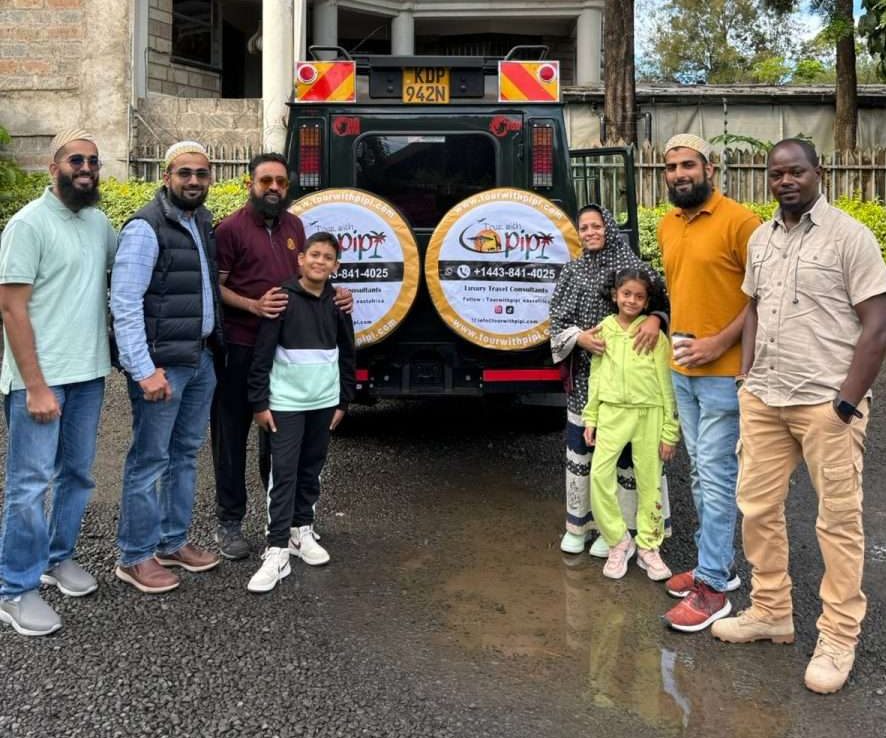
For many safari travellers, wind resistance is more useful than full waterproofing.
An open safari vehicle can create a noticeable wind chill during an early-morning drive.
A lightweight windproof jacket can therefore make a cold start much more comfortable.
Waterproofing becomes more important if you are travelling during a wet season or visiting destinations where rain is common.
However, there is an important distinction:
Water-resistant: handles light rain or brief exposure.
Waterproof: designed to keep rain out for longer periods, usually with a specific waterproof membrane or construction.
A traditional field jacket may be water-resistant without being genuinely waterproof.
If the forecast calls for substantial rain, pack a separate rain shell rather than expecting your safari jacket to handle everything.
What Colour Should a Safari Jacket Be?
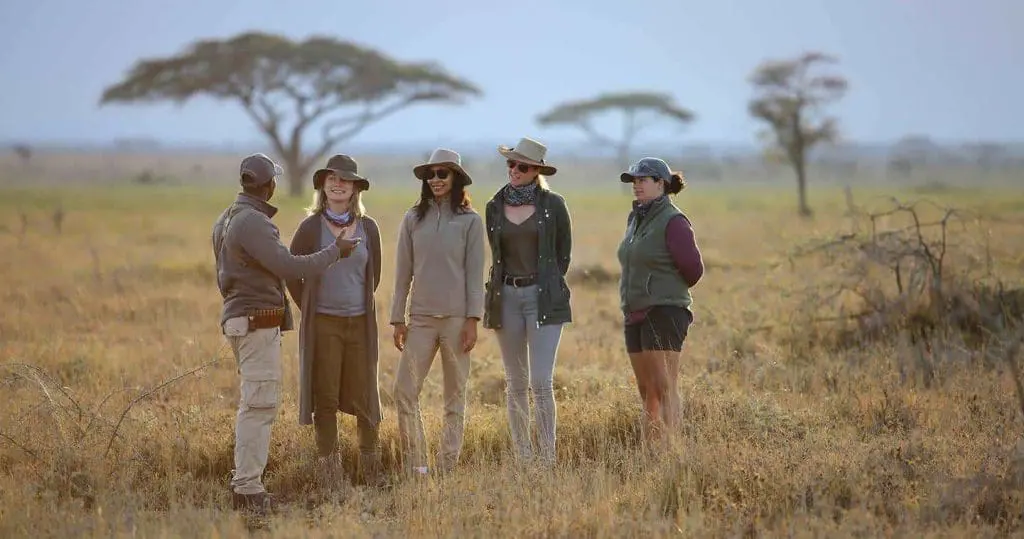
Khaki, olive, tan, beige and muted brown are popular safari colours for practical reasons.
They work well with the dusty and earthy surroundings, are easy to combine with other clothing and tend to hide dust better than very light colours.
You do not need to dress entirely in khaki.
A neutral jacket works perfectly well with:
- Black trousers
- Navy trousers
- Jeans
- Olive cargo pants
- Beige chinos
- Safari trousers
- Shorts
For walking activities, neutral and earth-toned clothing is often a sensible choice.
But do not worry excessively about choosing the “wrong” colour. Your guide’s instructions, comfort and protection from the weather are more important than following safari fashion rules.
How Many Pockets Should a Safari Jacket Have?
Four useful pockets are usually more valuable than ten poorly designed ones.
Think about what you actually need to carry.
A jacket pocket can be useful for:
- Phone
- Sunglasses case
- Lip balm
- Small notebook
- Tissues
- Hand sanitiser
- Spare batteries
- Small snacks
Your jacket should not replace your daypack.
Heavy items such as cameras, binoculars and water bottles can make the jacket uncomfortable and put unnecessary strain on your shoulders.
Look for pockets that close securely, particularly if you will be moving around in a safari vehicle or walking outdoors.
Our Men’s Safari Jacket Picks
1. Runcati Men’s Lightweight Safari Jacket

Best for: A traditional lightweight field-jacket look with multiple pockets.
This Runcati jacket combines a casual field-jacket design with long sleeves, a stand collar, button closure and multiple pockets.
The supplied version uses 95% polyester and 5% spandex, which gives it some flexibility while keeping the jacket relatively lightweight.
It is designed as a windproof casual outdoor jacket and can be used for travel, sightseeing, hiking, photography and safari.
The khaki version fits naturally into a safari wardrobe, while army green, black and dark grey give you alternatives if you want something that works more broadly as everyday clothing.
The jacket is also machine washable, which is useful when travelling.
Price: $44.99. Available in Khaki, Army Green, Black, and Dark Grey.
Best for: travellers wanting a lightweight men’s safari jacket with a classic field-jacket appearance and plenty of everyday versatility.
View / Buy the Runcati Lightweight Safari Jacket on Amazon
2. Runcati Men’s Full-Zip Safari Jacket

Best for: Cooler mornings and travellers who prefer a full-zip design.
The second Runcati option is a different take on the field jacket.
It uses a 100% cotton construction and has a full-zip front, four flap cargo pockets and adjustable hook-and-loop cuffs.
The cotton construction gives it a more substantial feel than a very thin travel jacket, which can be useful during cooler mornings.
The full-zip design also makes it easier to open the jacket as temperatures rise.
Available colours include brown, black, grey, navy, army green and khaki.
Price: $33.99 (list price $39.99).
Best for: travellers who want a practical cotton field jacket with more coverage and storage.
View / Buy the Runcati Full-Zip Safari Jacket on Amazon
Our Women’s Safari Jacket Pick
UEAL Women’s Lightweight Cropped Cargo Jacket

Best for: Women wanting a lightweight, casual safari-style utility jacket.
The UEAL jacket supplied for this guide is a 100% polyester cropped utility design with a full zip, storm flap, elastic cuffs, drawstring hem and cargo pockets.
It is designed for mild weather and can be layered over a T-shirt, sweater or other lightweight clothing.
The khaki and army-green options fit naturally into a safari wardrobe, while the wider colour range makes the jacket useful beyond an African trip.
Because the design is cropped, it is particularly suitable for travellers who prefer a shorter jacket rather than a traditional longer field coat.
It is not the choice I would make for a cold safari on its own, but it can be a useful lightweight outer layer in mild conditions.
Best for: women travelling in mild weather who want a compact utility jacket that works both on safari and for everyday travel.
Price: From $28.99, depending on colour.
View / Buy the UEAL Women’s Cropped Cargo Jacket on Amazon
What Should You Wear Under a Safari Jacket?
For warm weather:
- Lightweight T-shirt
- Breathable long-sleeve shirt
- Moisture-managing base layer
For cooler mornings:
- Long-sleeve shirt
- Lightweight fleece
- Thin sweater
Avoid one extremely thick layer underneath. A lightweight jacket comes off in seconds when the temperature climbs; an overly warm outfit underneath does not.
Do You Need a Jacket for Every Safari?
Not necessarily.
A jacket is particularly useful for:
- Early morning drives
- Cool-season safaris
- Windy open vehicles
- Walking activities
- Changeable weather
The safari jacket should be viewed as one useful layer in your packing system, not the only piece of outerwear you need.
What Else Should You Pack With Your Safari Jacket?
A jacket works best alongside a few other essentials.
Lightweight shirts
Useful when the jacket comes off.
Comfortable trousers
Choose breathable trousers that allow you to sit and move comfortably.
Hat
A good hat provides sun protection that a jacket cannot.
Sunglasses
Particularly useful in open vehicles where glare can be strong.
Rain shell
Worth packing if rain is possible.
Fleece or light insulating layer
Useful for genuinely cold mornings and evenings.
Comfortable walking shoes
Especially important if your itinerary includes walking activities.
Small daypack
Keep water, camera equipment, binoculars and other heavier items here rather than loading your jacket pockets.
Common Safari Jacket Mistakes
Buying something too warm
Africa can be hot. A heavy jacket may become uncomfortable after sunrise, and layering a lightweight piece is almost always the better call than one thick jacket.
Choosing style over movement
If you cannot comfortably use binoculars or lift your arms, the jacket is not doing its job. Sit down, reach forward, and raise your arms before buying, not after.
Filling every pocket
A pocket-heavy jacket is useful, but carrying too much weight around your torso becomes uncomfortable.
Buying without checking the fit
Try sitting down and moving your arms before deciding on the final size.
Ignoring how color affects visibility
Very light or very dark colors are the wrong instinct for different reasons: white shows dust fast, and black gets noticeably hotter in direct sun. As a side benefit, lighter earth tones also make it easier to spot ticks and other insects on your clothing before they become a problem.
Plan Your Safari With TourWithPipi

Packing right is one small part of a much bigger trip. Explore our Kenya safaris or Tanzania safaris for itineraries built around the destinations and seasons that shape what you’ll actually need to pack.
Planning an African safari? Contact TourWithPipi on WhatsApp and we’ll help you build a full packing list, jacket included, around your specific destination and season.
Frequently Asked Questions
What is the best jacket for safari?
A lightweight field or utility jacket that handles cool mornings, wind, and dust without becoming too warm by midday. Neither a heavy expedition coat nor a thin windbreaker alone covers the full range of a typical safari day.
Is cotton or polyester better for a safari jacket?
Cotton breathes better and feels more natural against the skin, but dries slowly if it gets wet. Polyester and cotton blends dry faster and resist wrinkles better, which helps on trips with multiple lodges and flights. Neither is wrong; it depends on your itinerary and climate.
Do I need a waterproof jacket for safari, or is water-resistant enough?
Water-resistant is enough for light rain and dusty conditions, which covers most safari days. If your trip falls in a genuinely wet season, pack a separate compact rain shell rather than relying on your safari jacket for sustained rain.
What color safari jacket should I buy?
Khaki, olive, tan, and muted brown are the practical choices: they hide dust, stay cooler than black, and blend into the field better than white. Lighter earth tones also make it easier to spot ticks and other insects on your clothing.
Can I wear a safari jacket for anything other than safari?
Yes. A good field or utility jacket works equally well for hiking, camping, fishing, road trips, and everyday travel, which makes it a better investment than a jacket you’ll only wear once.
Blog Summary
- The best safari jacket is lightweight, breathable, and easy to layer, not the heaviest or most technical option available.
- Cotton breathes best; cotton blends and polyester dry faster and travel easier between lodges.
- Wind resistance matters more than full waterproofing for most safaris; pack a separate rain shell if heavy rain is likely.
- Khaki, olive, and other earth tones stay cooler than black and hide dust better than white.
- Four well-placed pockets beat ten overstuffed ones; keep heavy gear in a daypack instead.
- A versatile field jacket doubles as travel and outdoor wear long after the safari ends.


