
The best time to climb Kilimanjaro is recommended during the two dry seasons, December to mid March and late June to October. These months are shown to offer the most reliable conditions for clear skies and safer hiking, and they are preferred for planning in 2026. Key trade offs between weather, crowds, and summit success are outlined below, and TourwithPipi recommended months and tips are provided to help you choose the right window.
Most climbers plan trips in January, February, July, August, September, or October because those months balance weather and summit success. However, weather can change quickly at high altitude, so flexibility is required. TourwithPipi will customize itineraries and advise on the best month to climb Kilimanjaro based on your schedule and goals.
What is the best month to climb Kilimanjaro? Month by month
Kilimanjaro can be climbed year round, although conditions change sharply between dry and rainy seasons. The best month to climb Kilimanjaro depends on your weather preference, crowd tolerance, and route choice. The breakdown below uses updated weather patterns, route conditions, and 2026 planning insights.
Climbing Kilimanjaro in January and February
January and February are often chosen as the best month to climb Kilimanjaro because conditions stay warm and mostly dry. Visibility remains strong in the early mornings, and cloud build up appears later in the day. These months support comfortable progress on routes such as Lemosho, Machame, and Rongai because trails stay stable and camps stay dry. However, these months attract more climbers, especially on Machame and Marangu, so early booking is advised. Light snow can appear near the summit, although the lower slopes remain clear.
Climbing Kilimanjaro in March to May
March begins with a short dry window, and early March sometimes offers clear days. However, by mid March, long rains begin and continue through April and early May. Trails become wet and muddy, and visibility reduces on higher sections such as the Shira Plateau and the Barranco Valley. April and early May are not recommended because constant rain increases difficulty and slows progress. Late March and late May may still be considered as shoulder options for experienced trekkers using northern routes such as Rongai, which stay drier. For most climbers, this is not the best time of year to climb Kilimanjaro.
Climbing Kilimanjaro in June to September
June to September forms the longest and most stable dry season, which is widely recognized as the best time to hike Kilimanjaro. Clear skies, steady temperatures, and predictable trail conditions support high summit success. June offers cooler weather with fewer crowds, and July and August attract the highest number of trekkers, especially on Machame and Marangu. Lemosho and Northern Circuit remain popular because they spread trekkers across wider terrain. Nights become cold at higher elevations, so proper layering becomes essential. September continues the stable pattern with warmer summit conditions and fewer crowds compared to August, making it one of the most consistent months for photography and overall comfort.
Climbing Kilimanjaro in October to December
October acts as a shoulder month and provides a mix of stable mornings and cloudier afternoons. Light showers may appear later in the month, although many climbers still consider it an acceptable time to climb. November typically brings the short rains, which create wet forest sections, slippery rock steps, and reduced visibility. During November, Rongai and Northern Circuit perform better because the northern slopes receive less rainfall. December marks the transition into the short dry season, and early December often becomes a suitable option for experienced trekkers who want quieter trails. Because conditions improve steadily, early December is sometimes chosen as the best month to climb mount Kilimanjaro for those avoiding peak crowds.
Check out – How long does it take to climb Kilimanjaro
Best Route to Climb Kilimanjaro in Different months
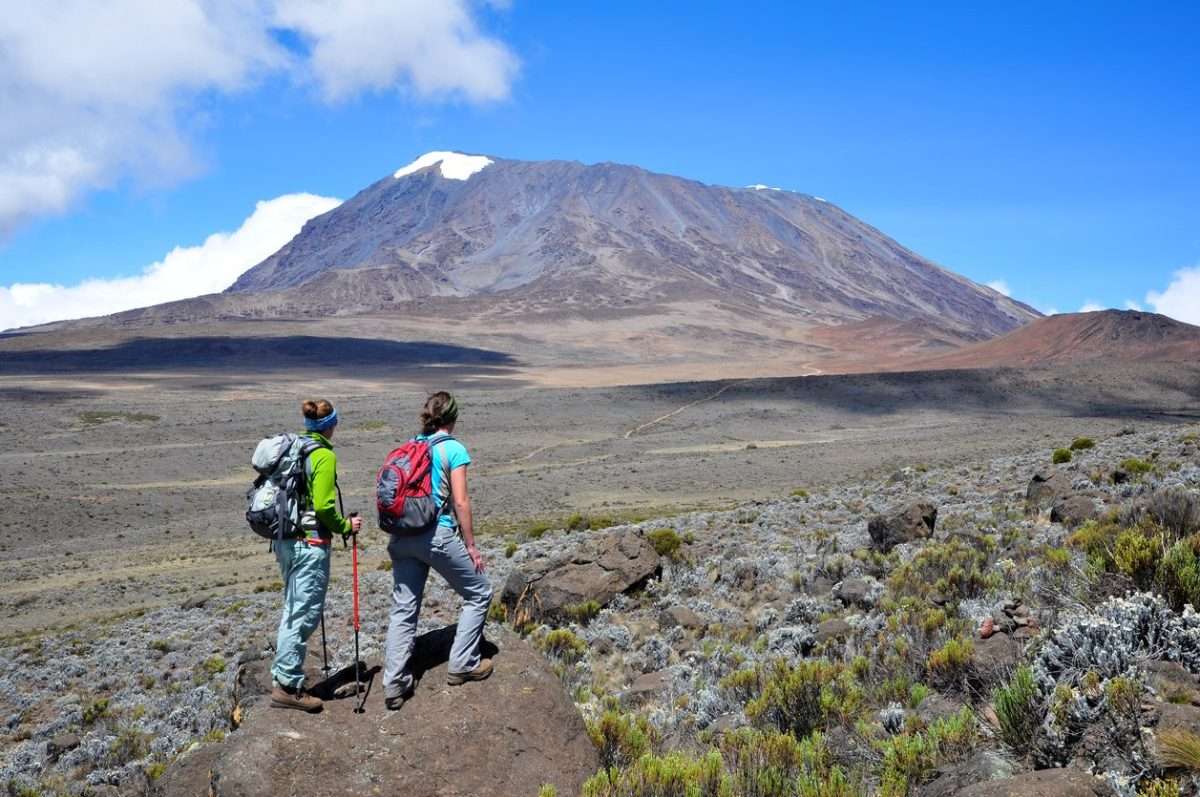
The best time to climb Kilimanjaro changes depending on the route selected. Each route responds differently to seasonal patterns, trail stability, and visibility. Choosing the right month ensures safer progress, smoother acclimatization, and fewer weather-related challenges.
Northern Circuit and Lemosho Route
Northern Circuit and Lemosho perform best during longer dry-season days from January to mid March and late June to October to climb Kilimanjaro. These routes benefit from stable weather because they cross open high-altitude terrain that requires good visibility. Their gradual elevation gain also supports reliable acclimatization during these months.
Machame and Rongai Routes
Machame works well during both dry seasons, although crowds increase sharply from July to September. Trail conditions stay predictable, and visibility remains steady across key landmarks such as the Lava Tower and Barranco Wall. Rongai benefits from a drier northern climate, so it performs well in November and early March when other routes experience heavier rainfall.
Marangu and Umbwe Route
Marangu uses hut accommodation, which becomes more comfortable during dry months because humidity reduces in the forest zone. June to October and January to February are usually preferred for this route. Umbwe is steep and direct, so it requires stable weather and firm ground, making both dry seasons the safest windows to hike Kilimanjaro.
Why time of year matters for Kilimanjaro climbing
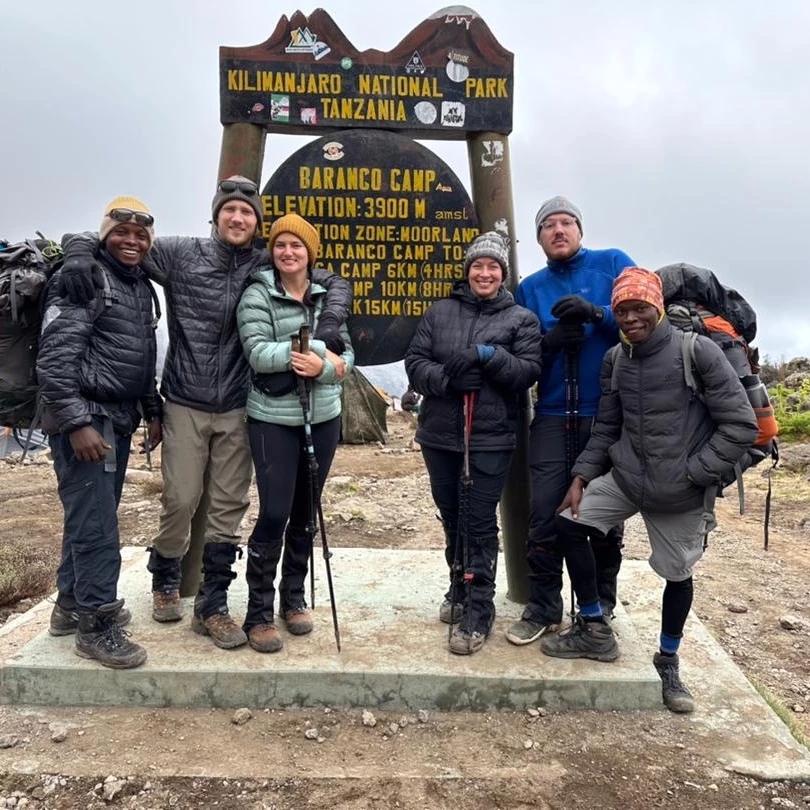
The best time of year to climb Kilimanjaro shapes your entire plan because weather, acclimatization, route choice, logistics, and safety all shift with the season. The dry months from December to mid March and late June to October are usually chosen because they offer clearer trails, stronger visibility, and better summit conditions. However, each route on Kilimanjaro responds differently to seasonal changes, so timing your climb correctly makes your experience smoother and safer.
Weather
Weather patterns on Kilimanjaro change quickly because the mountain sits near the equator and moves through clear, dry periods and rainy seasons instead of traditional four seasons.
The long rainy season usually runs from late March to May.
The short rains often arrive in November.
These months bring wet trails, mud on the lower forest zones, increased cloud cover, and reduced visibility above the moorland. Because of this, the best time to hike Kilimanjaro is the dry season from December to mid March and from late June to October. Clear skies are more consistent, summit temperatures are predictable, and views across the Shira Plateau, Barranco Valley, and the Saddle remain open for longer hours.
Different routes respond to weather differently.
The Rongai Route on the northern side receives less rainfall and stays drier during November and March.
The Machame and Lemosho Routes are affected more by wet forest sections and slippery rock steps during the rainy season.
The Marangu Route becomes less comfortable during wet months because hut humidity increases and paths collect standing water.
Therefore, matching the best month to climb mount Kilimanjaro with the right route helps reduce weather challenges and improves summit conditions.
Acclimatization
Acclimatization directly affects summit success, and it is influenced by season and by the pace your route allows. Dry season months usually support safer acclimatization because the daily elevation gain remains steady, and weather disruption is limited. This helps keep the body in a stable rhythm as it adjusts to lower oxygen levels.
Routes also vary in how they support acclimatization.
The Lemosho Route and the Northern Circuit offer the slowest elevation gain and the most consistent acclimatization profile, which is why they perform well in both dry seasons.
The Machame Route allows a strong “climb high, sleep low” pattern, which is more effective during months with clearer weather.
The Marangu Route, which is the shortest multi-day option, carries higher risk in wet or unstable months because there is less time to adapt to altitude.
Because of this, the best time to climb Kilimanjaro for most first-time trekkers aligns with both dry seasons and longer seven to nine day routes that support better physiological adaptation.
Logistics
Planning logistics changes depending on the season you choose. Airport arrivals, hotel availability, and safari extensions in northern Tanzania are always easier to manage when travel runs through dry months.
January, February, July, August, September, and October experience higher demand for transport and accommodation.
April, May, and November have lower visitor numbers and more flexible booking windows, but these months come with weather challenges.
Route logistics also shift with the month.
The Machame Route and Lemosho Route require early campsite reservations during peak dry months.
The Marangu Route huts fill faster from June to September and December to February.
The Rongai Route stays more flexible because its trail receives fewer climbers throughout the year.
When climbers target the best month to climb mount Kilimanjaro, early planning is recommended so that TourwithPipi can secure preferred campsites, qualified guides, and hotel stays before or after the climb.
Crowds
Crowd levels vary across the year and across routes.
The busiest months are July, August, and September, along with January and February.
The Machame and Marangu routes carry the highest foot traffic because of their popularity and easier access points.
The Lemosho and Northern Circuit routes spread climbers over wider terrain and reduce congestion.
The Rongai Route remains the quietest and is often chosen in November or March because of its northern exposure.
Choosing the best time of year to climb Kilimanjaro also depends on whether a quieter trail or a more social atmosphere is preferred. If low traffic is preferred, shoulder months such as early June, late October, or early December offer more personal space while maintaining safer trail conditions.
Safety
Safety on Kilimanjaro depends heavily on trail conditions, visibility, wind patterns, and temperature stability.
Dry season months reduce the risk of slipping on wet forest paths and rocky sections like Barranco Wall.
Clear mornings increase the safety of crossing exposed ridges on the Lemosho and Machame routes.
Cold and icy conditions appear more often in July and August, so proper layering becomes essential for safe summit attempts.
Additionally, rescue access and porter movement remain more efficient during stable months. Wet seasons slow movement through the rainforest, reduce visibility, and increase the effort required for emergency response.
Because of these factors, TourwithPipi provides route and month recommendations that prioritize safety while aligning with your experience level. The best time to climb Kilimanjaro for most climbers remains the two dry seasons, combined with a well-paced itinerary and the correct route for your comfort level.
Price of Climbing Kilimanjaro at TourwithPipi
The price of climbing Kilimanjaro with TourwithPipi depends on the route, the number of days, and the level of support included. All packages include high-standard guiding, full mountain logistics, and reliable safety coverage. Each route is priced to support better acclimatization and a safer summit attempt.
Marangu Route Price – 6 Days
USD 1,549 per person
This route uses mountain huts and offers a gradual trail profile. It works well for beginners who want structured accommodation.
Machame Route Price – 7 Days
USD 2,199 per person
This route provides strong acclimatization, scenic trails, and a balanced daily pace. It remains one of the most popular choices for first-time climbers.
Lemosho Route Price – 8 Days
USD 2,539 per person
This is the most balanced long route with excellent acclimatization and quieter forest sections. It also has one of the highest summit success rates.
Request a personalized route and month recommendation from TourwithPipi.
What’s Included in Every TourwithPipi Kilimanjaro Package
TourwithPipi includes a complete climbing setup so every climber receives the same safety and comfort standards across all routes:
Airport transfers and a personal meet and greet
Two nights of four-star hotel stays before and after the climb
All mountain meals and purified drinking water
National Park entry fees, camping fees, rescue fees, and staff permits
High quality sleeping tents with thick mattresses
Dedicated guides certified in Wilderness First Response
Daily health monitoring with pulse oximeter checks
Emergency oxygen and a full medical kit
A strong support ratio of four staff per climber
Professional Tanzanian mountain guides
Summit certificate at completion
Why TourwithPipi Pricing Stands Out
TourwithPipi offers fully supported climbs with reliable safety systems, medically informed guidance, premium accommodation before and after the trek, and personalized planning from the founders’ team. The pricing reflects high service standards, ethical porter treatment, and professional mountain operations.
Planning considerations
Full moon schedules influence summit night timing, so planning dates early creates better visibility on summit day. Weather forecasts guide adjustments, and adding one buffer day protects your itinerary from unexpected conditions. Travel plans and safari extensions work best when aligned with peak or shoulder months so connections remain smooth. Permits, guide availability, and camp occupancy shift with demand, especially in July, August, September, January, and February.
TourwithPipi will provide custom dates and a full itinerary on request.
Request a personalized route and month recommendation from TourwithPipi.
Conclusion
The best time to climb Kilimanjaro remains December to mid March and late June to October, with January, February, September, and early October offering the most balanced conditions. These months provide better weather, steady acclimatization, and higher summit success. TourwithPipi will support your planning, secure your preferred dates, and organize your full climb and safari itinerary.
FAQs About the Best Time to Climb Kilimanjaro
What is the best time to climb Kilimanjaro?
The best time to climb Kilimanjaro is during the dry months from December to mid March and late June to October. Weather stays stable, trails stay safer, and summit success rates remain higher during these windows.
What is the best month to climb Kilimanjaro with fewer crowds?
January, February, and September usually offer a good balance of clear weather and manageable crowds. June and early October also work well if a quieter climb is preferred.
Is June a good time to climb Kilimanjaro?
Yes. June marks the start of the long dry season, and conditions stay cool, clear, and predictable. Crowds remain lighter than July and August, which makes June one of the best time of year to climb Kilimanjaro.
Can I climb Kilimanjaro in March?
You can climb in early March, but conditions shift quickly into the long rains as the month progresses. Trails become wet and visibility drops, so March is better suited for experienced trekkers.
Is November a bad month to climb Kilimanjaro?
November brings the short rainy season. Trails become slippery and cloud cover increases, so it is less recommended for most climbers unless choosing drier northern routes such as Rongai.
Which route is best during the rainy months?
Rongai and Northern Circuit perform better during wet months because the northern slopes receive less rainfall. These routes stay safer and have more predictable conditions.
Does weather affect summit success rates?
Yes. Success rates increase during the dry seasons because elevation gains feel smoother, acclimatization works better, and summit nights stay clearer.
What is the warmest month to climb Kilimanjaro?
January and February are the warmest and driest months. They offer comfortable daytime temperatures and strong visibility on most routes.
What is the coldest month on Kilimanjaro?
July and August are colder at night, especially above 4,500 meters, but the dry conditions make them some of the best months to climb mount Kilimanjaro.
Which month has the best visibility?
June, July, August, and September provide the clearest skies and strongest visibility across all major routes, especially on Lemosho, Machame, and Northern Circuit.
Is December a good time to climb Kilimanjaro?
Early December can be a reasonable option because the short rains begin to ease. However, conditions remain variable, and trail sections may still be wet.
Can beginners climb during peak season?
Yes. Beginners often prefer peak dry months because reliable weather and stable trails support better acclimatization and higher summit success.
Does peak season affect hut or camp availability?
Yes. Camps on Machame and huts on Marangu fill quickly in July, August, September, January, and February. Advance bookings are recommended.
Which month offers the best photos on Kilimanjaro?
June to September usually delivers the best visibility and clear morning skies, making these months ideal for photography.
What is the best time to hike Kilimanjaro if I want quieter trails?
Choose early March, late May, October, or early December if moderate rain is acceptable and solitude is preferred.
Can a full moon climb improve visibility?
Yes. A full moon increases visibility during summit night. Many climbers plan their start date five days before the full moon.
Does climate change affect the best time to climb Kilimanjaro?
Yes. Weather patterns have become less predictable, and glacier retreat continues. Earlier planning and flexible dates are now advised.
Is it safe to climb in the rainy season?
You can climb safely with an experienced team, but slippery rocks, poor visibility, and colder summit conditions require more caution.
What is the best month to climb Kilimanjaro for first-time climbers?
Most first-time climbers choose January, February, June, July, August, September, or early October because these months offer the most stable conditions and better acclimatization support.


