
The biggest national park in Africa is bigger than some entire countries, and that scale is part of what makes safari travel on this continent so different from anywhere else. Africa’s first national park, Virunga in what is now the Democratic Republic of Congo, was established in 1925, and the continent has been protecting land on an enormous scale ever since. Africa is home to over 300 national parks and reserves today, and the largest of them stretch across deserts, wetlands, and open savanna big enough to hold multiple European nations inside their borders. If you’ve searched biggest national park Africa or wondered what the largest national park on the continent of Africa actually is, the answer depends on one important distinction explained below.
This guide answers the question directly, then breaks down the top 50 largest national parks in Africa by size, what sets a national park apart from a game reserve, and which of these giants are actually worth visiting for a safari.
Quick Answer: The Biggest National Park in Africa
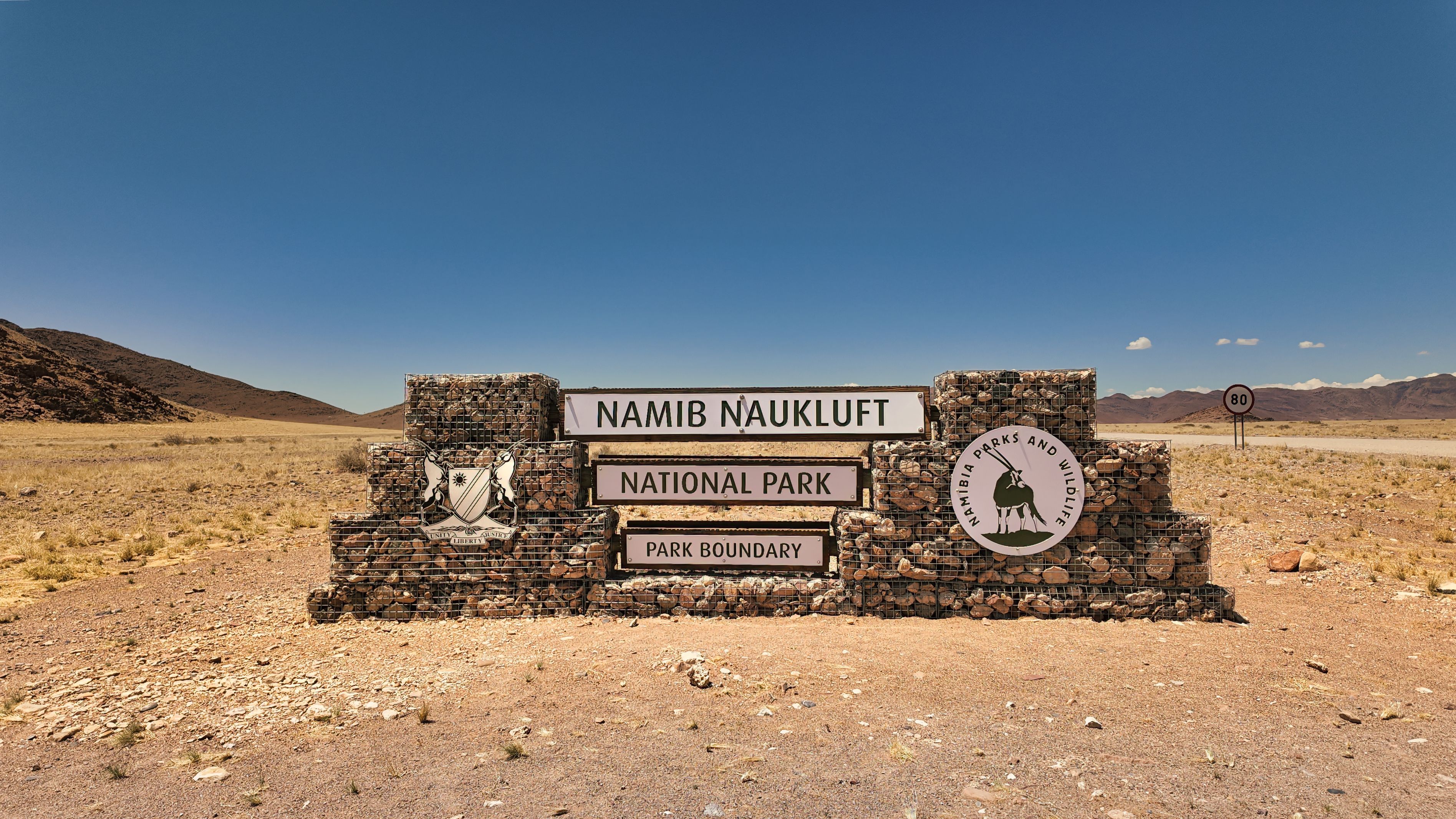
Namib-Naukluft National Park in Namibia is the biggest true national park in Africa, covering about 49,768 square kilometers. Three protected areas are technically larger, Selous Game Reserve in Tanzania (55,000 km²), Central Kalahari Game Reserve in Botswana (52,000 km²), and Niassa Reserve in Mozambique (42,000 km²), but all three are officially classified as game reserves rather than national parks. If the question is about the largest protected area on the whole continent, including North Africa, that title goes to Ahaggar National Park in Algeria at roughly 450,000 square kilometers, a Saharan cultural and geological park rather than a wildlife safari destination.
National Park vs. Game Reserve: Why the Distinction Matters
This is the detail most “biggest national park” lists get sloppy about, and it actually changes the answer.
- A national park is government-owned and managed under national park legislation, usually with stricter rules on land use and permanent human settlement.
- A game reserve is a protected area for wildlife that may allow more flexible management, sometimes including hunting concessions, community land use, or private operator involvement, depending on the country.
- Some of the largest protected areas in Africa, including Tanzania’s Selous, Botswana’s Central Kalahari, and Mozambique’s Niassa, are reserves, not national parks, even though they are consistently included on “biggest national park” lists across the internet.
For that reason, this guide keeps both categories in the ranking below but flags reserve status where it applies, so the numbers are accurate rather than just repeated from list to list.
Top 50 Largest National Parks and Reserves in Africa
Sizes below are drawn from park authority figures and cross-checked across multiple sources. Boundaries and figures can shift slightly over time as parks are remeasured or expanded, so treat these as close, reliable estimates rather than fixed numbers.
A note on rank #1: Selous Game Reserve’s historical 55,000 km² figure is still the number most “biggest national park” lists use, but it no longer reflects one single protected area. In 2019, Tanzania split Selous into two parts: the larger northern portion became Nyerere National Park (30,893 km²), and a smaller southern portion continues as Selous Game Reserve (roughly 20,000 km²). Both are shown separately below for accuracy.
The Top 5 Biggest National Parks in Africa, in Detail
1. Selous Game Reserve and Nyerere National Park, Tanzania
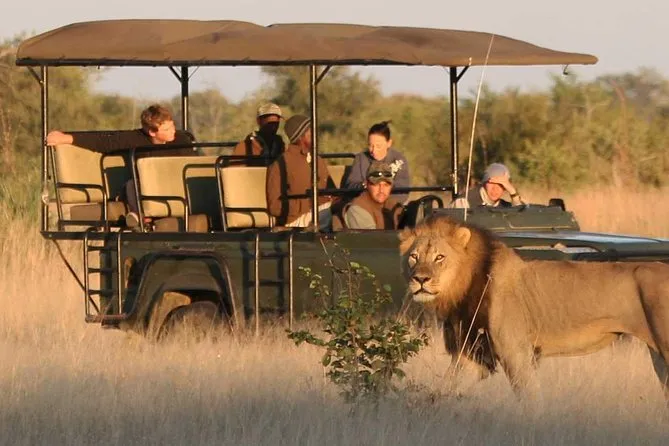
The figure of 55,000 km² most lists use for Selous reflects its historical, pre-2019 size, and it is worth explaining what actually happened since then. In 2019, Tanzania split Selous Game Reserve into two parts. The larger, northern portion, about 30,893 km², was upgraded to full national park status and renamed Nyerere National Park, after the country’s founding president. The remaining southern portion, roughly 20,000 km², continues to operate as Selous Game Reserve, largely under hunting concessions rather than photographic tourism.
So both names are correct today, just for different pieces of the same original landscape. Nyerere National Park is now the larger of the two and the one almost all safari camps and tourists actually visit, home to the Rufiji River, boat safaris, and one of Africa’s most significant remaining populations of African wild dog. Some sources describe Nyerere as the largest national park in Africa outright, but that is not accurate. At 30,893 km², it is the largest national park in East Africa specifically, well behind Namib-Naukluft on a continent-wide basis.
2. Central Kalahari Game Reserve, Botswana (52,000 km²)
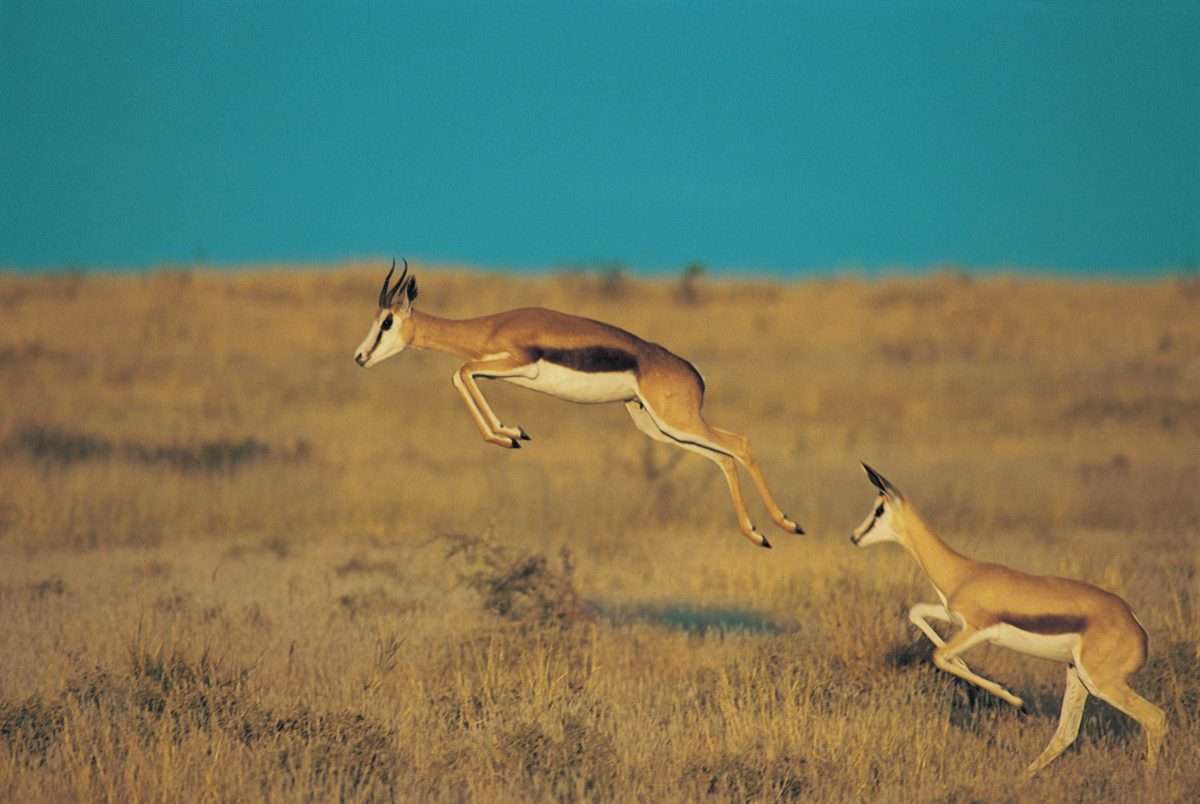
Central Kalahari is the world’s second-largest game reserve and Africa’s largest protected area after Selous. It sits deep in the Kalahari Desert and supports black-maned Kalahari lion, brown hyena, gemsbok, and springbok across a landscape of semi-arid grassland and fossil river valleys.
3. Namib-Naukluft National Park, Namibia (49,768 km²)
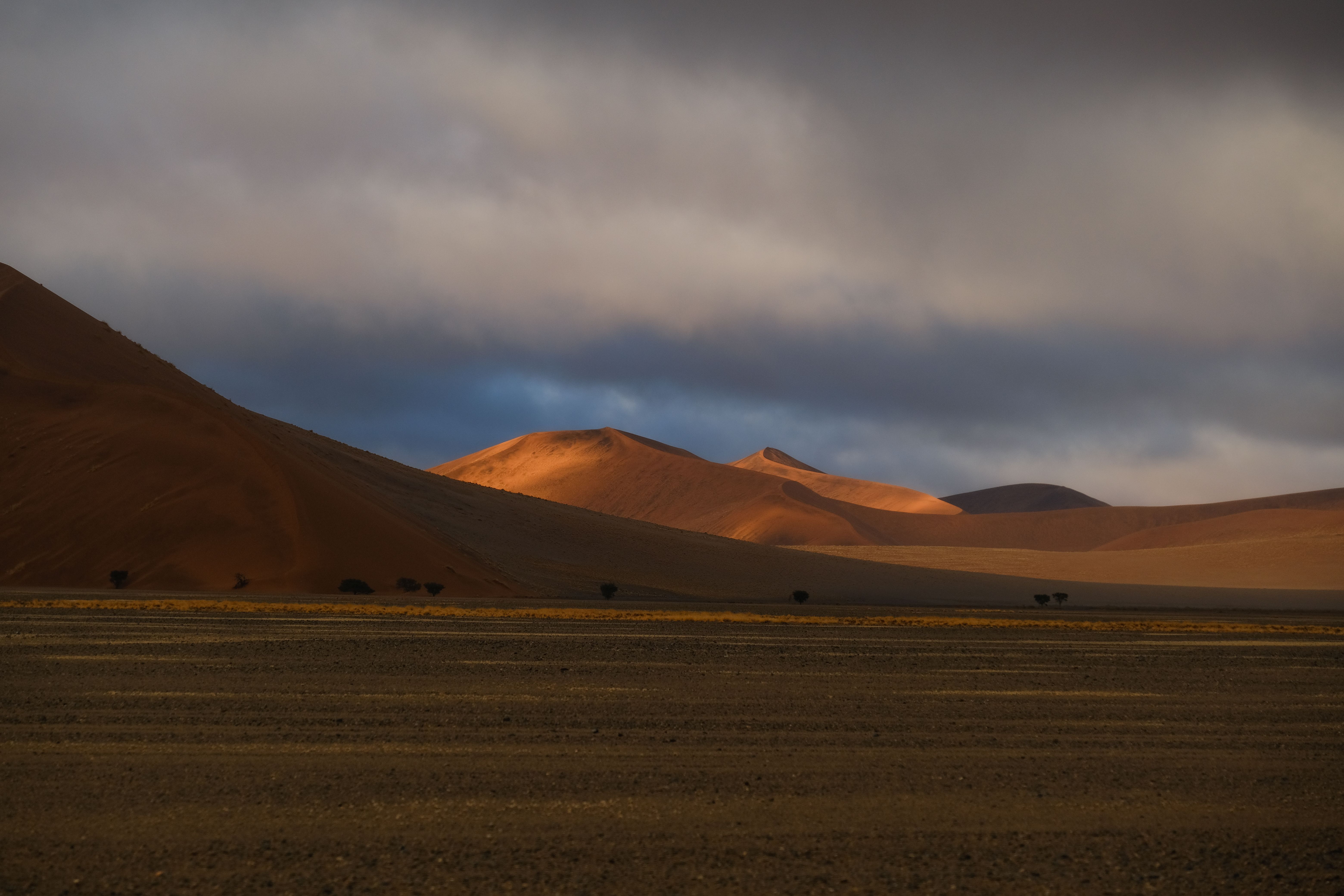
This is the largest national park in Africa by official designation, the biggest area on the continent that carries the specific title of national park. It spans the Namib Desert, the world’s oldest, and includes the towering red dunes of Sossusvlei and the rugged Naukluft mountain range. Wildlife here is desert-adapted rather than dense, oryx, springbok, and desert elephant among them, and the draw is landscape as much as game viewing.
4. Niassa Reserve, Mozambique (42,000 km²)
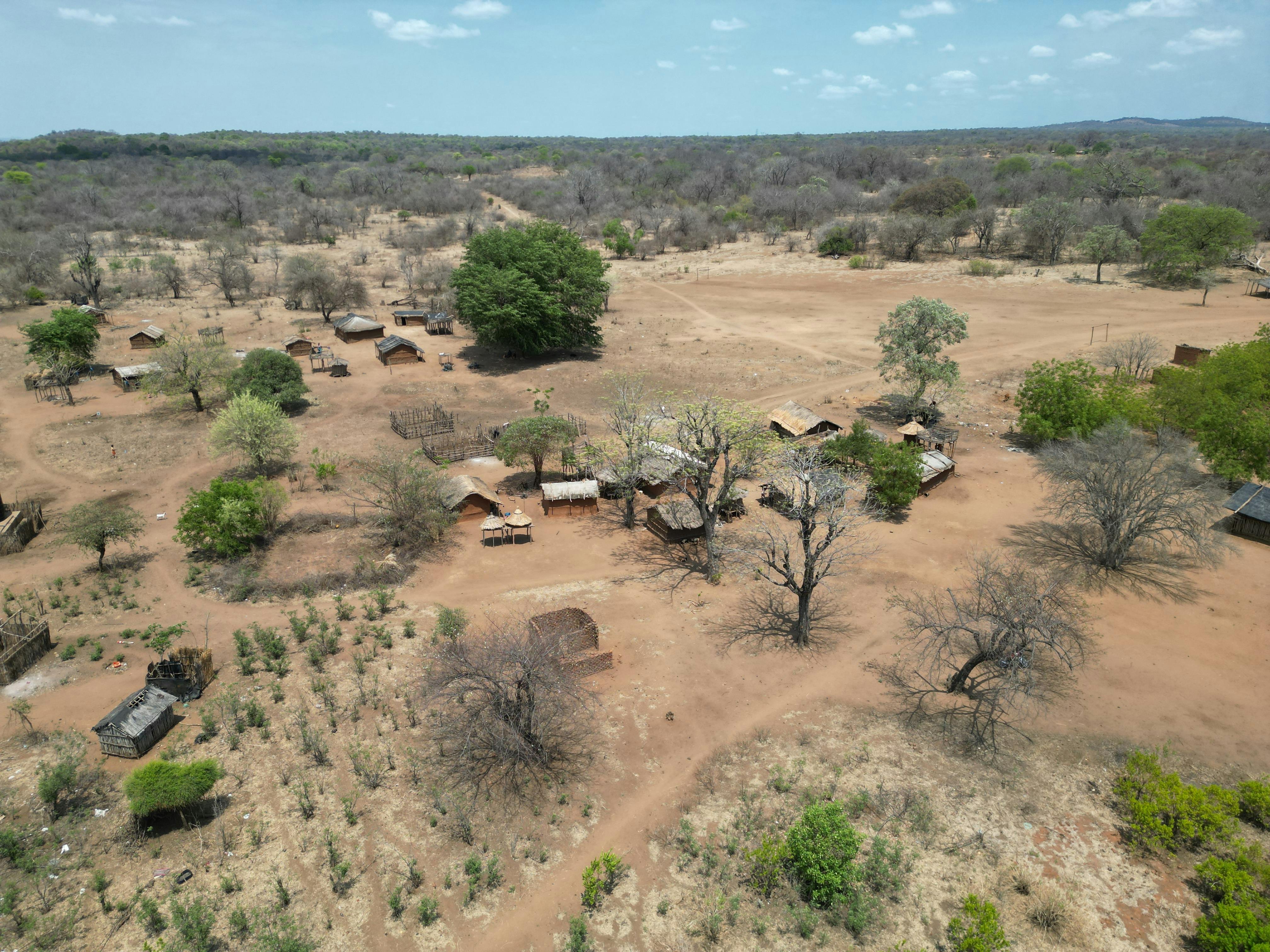
Niassa is Mozambique’s largest protected area and one of the least visited wilderness zones of its size on the continent. It holds elephant, African wild dog, and lion populations across miombo woodland, and its remoteness keeps visitor numbers extremely low compared to almost anywhere else on this list.
5. Kafue National Park, Zambia (22,400 km²)
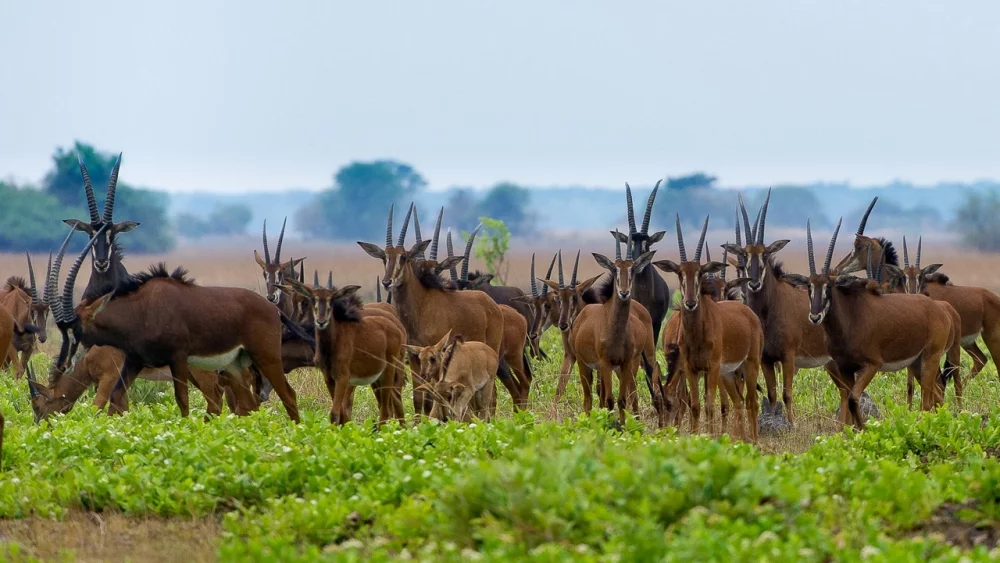
Kafue is Zambia’s largest and oldest national park, established in the 1950s. It covers wetlands, woodland, and open plains along the Kafue River, and supports large populations of lion, elephant, hippo, and a genuinely wide range of antelope species, including sable and roan.
Which of These Giant Parks Are Actually Best for a Safari?
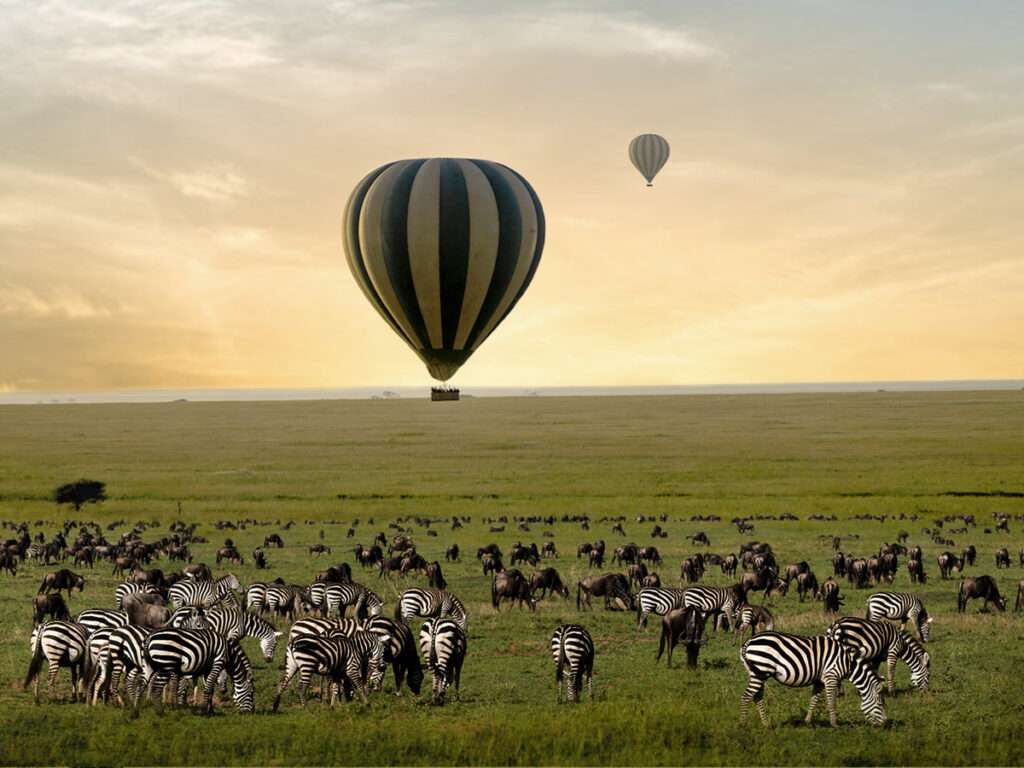
Size alone does not make a park worth visiting. Some of the biggest national parks in Africa are so vast and remote that wildlife density is low and access is difficult, while several mid-sized parks on this list deliver far better game viewing per day spent on safari.
- Best for reliable Big Five sightings: Kruger National Park (#7) and Serengeti National Park (#9), both large enough to feel wild but developed enough for consistent, high-quality game drives.
- Best for the Great Migration: Masai Mara National Reserve (#46), which is far smaller than most parks on this list but delivers some of the most concentrated wildlife viewing anywhere in Africa during the river crossings.
- Best for a true off-the-beaten-path experience: Niassa Reserve (#4) and Central Kalahari Game Reserve (#2), both enormous and lightly visited.
- Best for landscape over wildlife density: Namib-Naukluft National Park (#3), where the scenery is the main event.
- Best for water-based safari activity: Chobe National Park (#14) and Kafue National Park (#5), both built around major rivers.
Largest Safari in Africa by Region
- Southern Africa: Central Kalahari Game Reserve and Kruger National Park lead the region, both offering some of the largest safari in Africa by combined size of park and connected private reserves.
- East Africa: Serengeti National Park and Tsavo National Park are the largest, with the Serengeti forming one half of the connected Serengeti-Mara ecosystem that hosts the Great Migration.
- Central Africa: Virunga National Park in the Democratic Republic of Congo is the region’s largest and also Africa’s oldest national park, established in 1925.
Plan a Safari in One of Africa’s Biggest National Parks
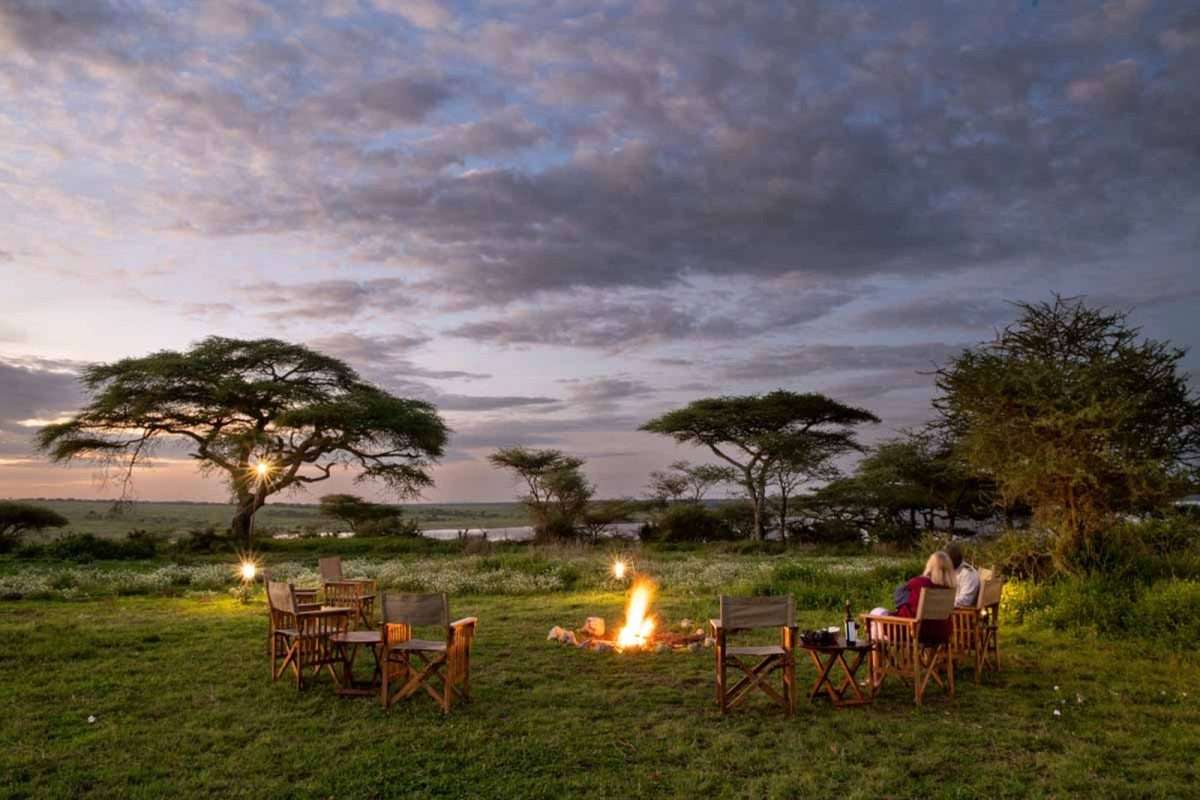
TourwithPipi builds safaris through several of the biggest safari parks in Africa on this list, including the Serengeti, Kruger and Sabi Sand, and the Masai Mara. My Luxury Kenya Safaris and Luxury Tanzania Safaris cover the parks, lodges, and pricing for both countries. Message me on WhatsApp if you want help choosing which of these giant parks actually fits the trip you’re picturing.
Frequently Asked Questions
What is the biggest national park in Africa?
Namib-Naukluft National Park in Namibia is the biggest area on the continent officially designated as a national park, covering about 49,768 square kilometers. Selous Game Reserve in Tanzania and Central Kalahari Game Reserve in Botswana are larger overall, but both carry game reserve status rather than national park status.
What is the largest national park on the continent of Africa, including North Africa?
For anyone searching largest national park continent of Africa and wondering whether North Africa changes the answer, it does. Ahaggar National Park in Algeria is the largest protected area on the continent at roughly 450,000 square kilometers. It is a Saharan cultural and geological park, not a wildlife safari destination, which is why most safari-focused rankings exclude it.
What is Africa’s largest safari destination?
Selous Game Reserve historically covered 55,000 square kilometers before Tanzania split it in 2019 into Nyerere National Park, the larger northern portion and now the main safari destination, and a smaller remaining Selous Game Reserve. Together, the two still form one of Africa’s largest protected wilderness areas. For classic Big Five safari travel, Kruger National Park and the Serengeti are generally considered the largest safari destinations with consistently strong wildlife viewing.
Is Kruger National Park the biggest national park in Africa?
No. Kruger National Park covers about 19,455 square kilometers, making it South Africa’s largest national park and one of the largest in Africa, but it ranks seventh overall behind parks like Namib-Naukluft, Kafue, and Etosha.
How big is the biggest national park in Africa compared to a country?
Namib-Naukluft National Park, at roughly 49,768 square kilometers, is larger than Switzerland, Denmark, or the Netherlands. The historical Selous Game Reserve, at 55,000 square kilometers before its 2019 split, was close to the size of Croatia.
Quick Summary
- Namib-Naukluft National Park in Namibia is the biggest true national park in Africa at about 49,768 km².
- Selous Game Reserve (Tanzania), Central Kalahari Game Reserve (Botswana), and Niassa Reserve (Mozambique) are all larger, but officially classified as game reserves, not national parks.
- Ahaggar National Park in Algeria is Africa’s largest protected area overall at roughly 450,000 km², though it is a desert park, not a safari destination.
- Kruger National Park ranks seventh on the continent by size at 19,455 km², despite being one of the most visited parks in Africa.
- The full ranked list of the top 50 largest national parks and reserves in Africa spans from the historical Selous Game Reserve at 55,000 km² down to Kidepo Valley in Uganda at 1,334 km², with Selous itself now split between Nyerere National Park and a smaller remaining Selous Game Reserve.
- Size does not equal safari quality: Kruger and the Serengeti offer better game density than several larger, more remote parks.
- Virunga National Park in the DR Congo is both Central Africa’s largest park and Africa’s oldest, founded in 1925.
- The Serengeti and Masai Mara together form one of the largest connected safari ecosystems in Africa, home to the Great Migration.
Written by Khadija Tayabali, Founder and Virtuoso-Affiliated safari advisor at TourwithPipi. Message me directly on WhatsApp to plan a safari through one of Africa’s biggest national parks.


