
Guests who have been to Yellowstone often ask me if the Cape buffalo they are about to see on safari is the same animal as the American bison back home. It is not, and once you have seen both in person, the difference is obvious.
Quick answer: Bison and Cape buffalo are both part of the Bovidae family, but they are not the same species and are not even in the same genus. American bison live in North America. Cape buffalo live in sub-Saharan Africa. They differ in size, horns, life span, diet, and behavior. Bison are heavier, but Cape buffalo are more aggressive and considered more dangerous to humans.
Bison and Cape Buffalo Are Not the Same Animal

Both belong to the Bovidae family, the same group that includes cattle and musk oxen. That is why people mix them up. But true “buffalo,” in the scientific sense, means the African Cape buffalo and the Asian water buffalo. Bison sit in a different genus altogether.
The mix-up comes from naming, not biology. French fur trappers in the 1600s came across huge shaggy animals in North America. They likely named them after the water buffalo and Cape buffalo they already knew from other parts of the world, using the French word bœuf, meaning beef. Over time, bœuf became “buffalo” in American English, and the name stuck.
Bison vs Cape Buffalo: Full Comparison Table
| American Bison | Cape Buffalo | |
|---|---|---|
| Scientific name | Bison bison | Syncerus caffer |
| Native range | North America, parts of Europe | Sub-Saharan Africa |
| Weight (bulls) | 900 to 1,270 kg (2,000 to 2,800 lbs) | 700 to 900 kg (1,500 to 2,000 lbs) |
| Shoulder height | 1.8 to 2 meters (6 to 6.5 ft) | 1.5 to 1.7 meters (5 to 5.5 ft) |
| Life expectancy | 15 to 20 years in the wild | 15 to 25 years in the wild |
| Diet | Grasses, sedges, some shrubs | Mostly grasses, also reeds and leaves near water |
| Horns | Shorter, sharper, curved | Long, fused “boss” across the forehead |
| Coat | Shaggy, sheds seasonally, dark brown | Smooth, dark gray to black, year round |
| Nature | Calm most of the time, protective of calves | Alert, wary, quick to turn aggressive |
| Top speed | About 35 mph (56 km/h) | About 35 to 37 mph (56 to 60 km/h) |
Where Does Each Animal Actually Live?

Bison are native to most of the United States, southern Canada, and northern Mexico, with a smaller population in parts of Europe. Early settlers hunted them close to extinction. Today, more than 350,000 live across North America, thanks to private farms and public and tribal conservation herds.
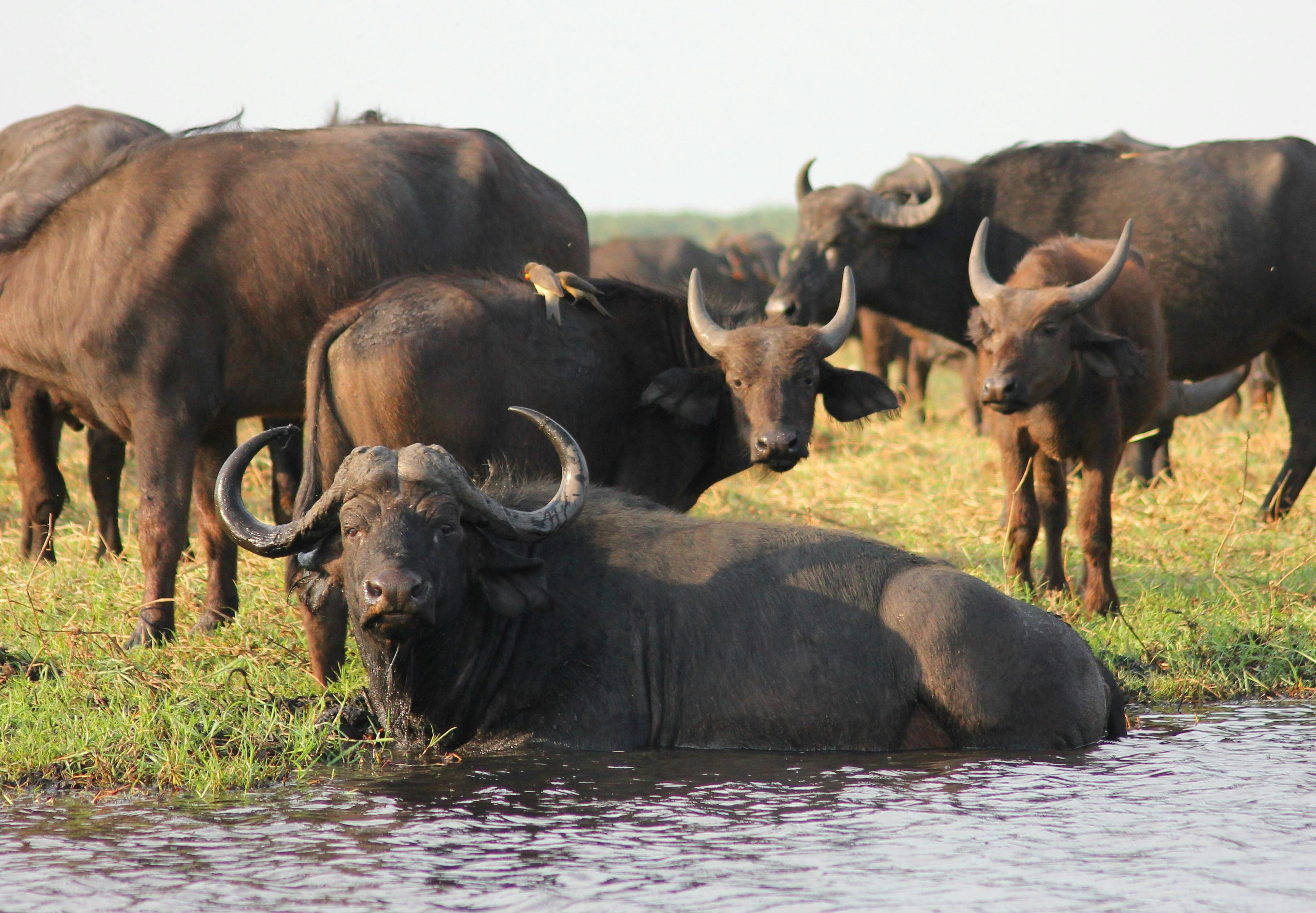
Cape buffalo live across the grasslands of sub-Saharan Africa, from West Africa through the plains of southern and eastern Africa. Some are domesticated for milk, meat, leather, and work. But most of what you see on safari are wild herds, and wild Cape buffalo are genuinely dangerous, capable of goring with their sharp, fused horns.
Physical Differences: How to Tell Them Apart
- Horns. Bison have shorter, sharper horns. Cape buffalo have a thick, fused boss across the forehead that curves down, then sweeps back up.
- Coat. Bison grow a shaggy coat and shed it each season. Cape buffalo keep a smooth, dark coat all year.
- Head and body shape. Bison have a large head for digging through snow, plus a shoulder hump and a beard. Cape buffalo have neither.
- Size. Bison are heavier and taller at the shoulder. Cape buffalo make up for the size gap with sharper horns and a shorter fuse.
Are They Friendly? Behavior Compared
This is the question I get asked the most once guests actually stand near either animal, and the honest answer is no, neither one is friendly. Both deserve real distance and real respect.
Bison:
- Mostly calm and slow to react if left alone
- Herd animals that stay close together and protect their calves
- Still responsible for more human injuries in US national parks than any other animal, usually because visitors get too close for a photo
- A bison that feels crowded will charge with almost no warning
Cape buffalo:
- Alert and wary almost all the time, even when the herd looks calm
- Old, solitary bulls, often called “dagga boys,” are the most unpredictable and short-tempered
- Known to circle back and ambush a hunter or predator that wounded them
- Herds will group together and can chase off or even kill a lion that threatens one of their own
So while a bison mostly wants to be left alone, a Cape buffalo can decide you are a threat and act on it, sometimes without much warning at all. That is part of why Cape buffalo made the original Big Five list, the five animals hunters once considered hardest and most dangerous to track on foot.
Two Types of American Bison
- Plains Bison (Bison bison bison). Once the most common, roaming the Great Plains in huge herds. Most bison meat sold today comes from this type.
- Wood Bison (Bison bison athabascae). Larger and heavier than plains bison, native to northern Canada and Alaska. Rarer, and still considered at-risk, though numbers are recovering.
Both are the same species, just different subspecies.
Two Types of “Buffalo” People Confuse With Bison
- Water Buffalo. Also called the domesticated Asian buffalo, found across Asia, North Africa, and Southern Europe.
- Cape Buffalo. Found across sub-Saharan Africa, the one you will actually meet on a Kenya or Tanzania safari.
Neither is closely related to the American bison, even though English uses the word “buffalo” for all three.
American Bison vs African Buffalo: Who Would Win in a Fight?
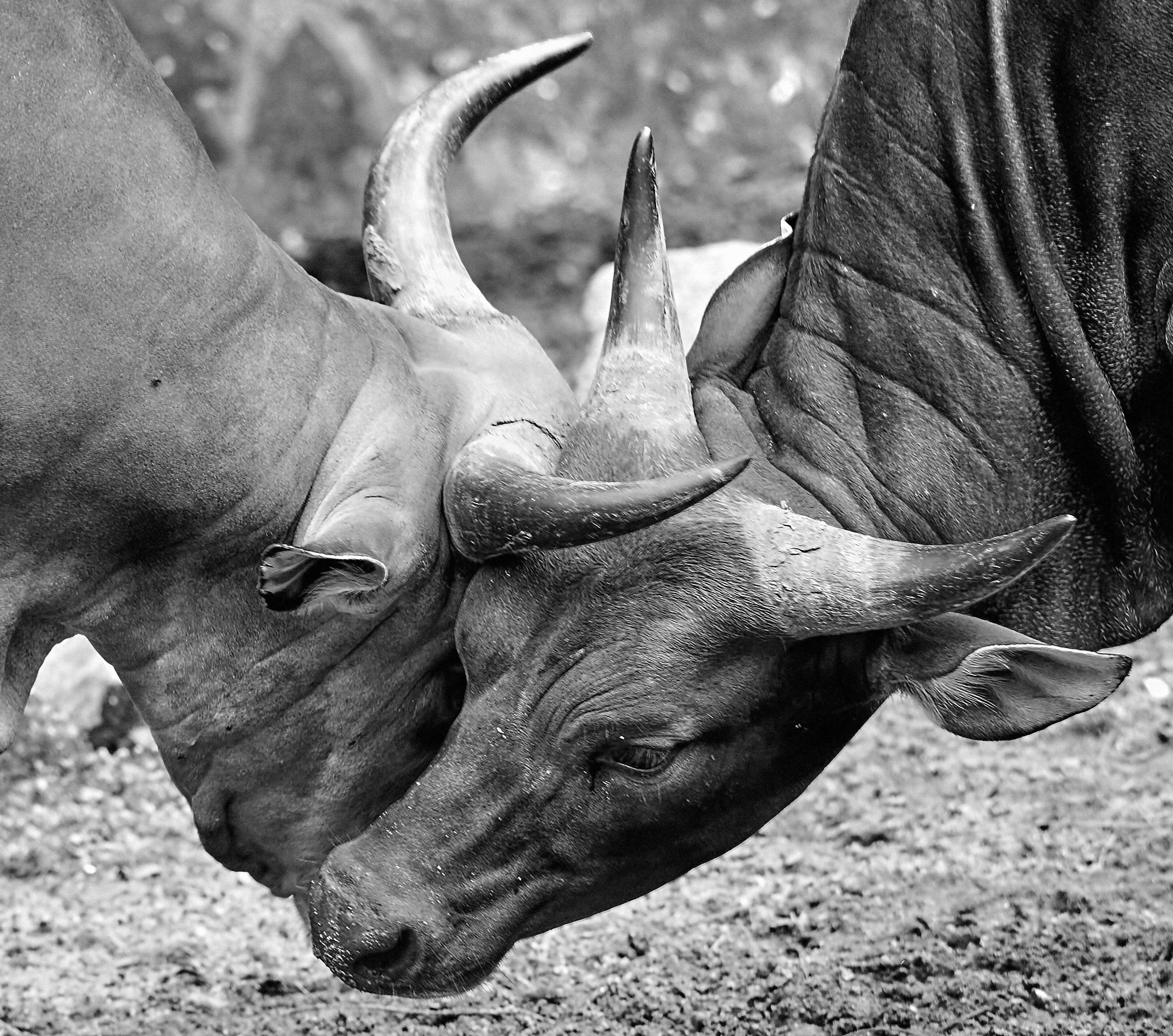
They live on different continents, so this is speculation, not something that could actually happen. Still, it is worth breaking down honestly.
- Bison’s advantage: more raw weight, plus a thick, padded shoulder hump built for absorbing head-on hits during fights with other bison.
- Cape buffalo’s advantage: sharper horns built for goring, not blunt impact, and a far more aggressive, calculated temperament.
In a straight collision, the bison’s extra size likely wins. In a fight based on horns and sheer aggression, the Cape buffalo is no easy opponent, size gap or not. Neither animal backs down easily, which is exactly why both are treated with real caution by the people who work around them, park rangers in the US and safari guides in Africa alike.
Where to See Bison and Cape Buffalo in the Wild
Bison: Yellowstone National Park has the largest wild bison population in the US. Custer State Park in South Dakota and the National Bison Range in Montana are strong alternatives.
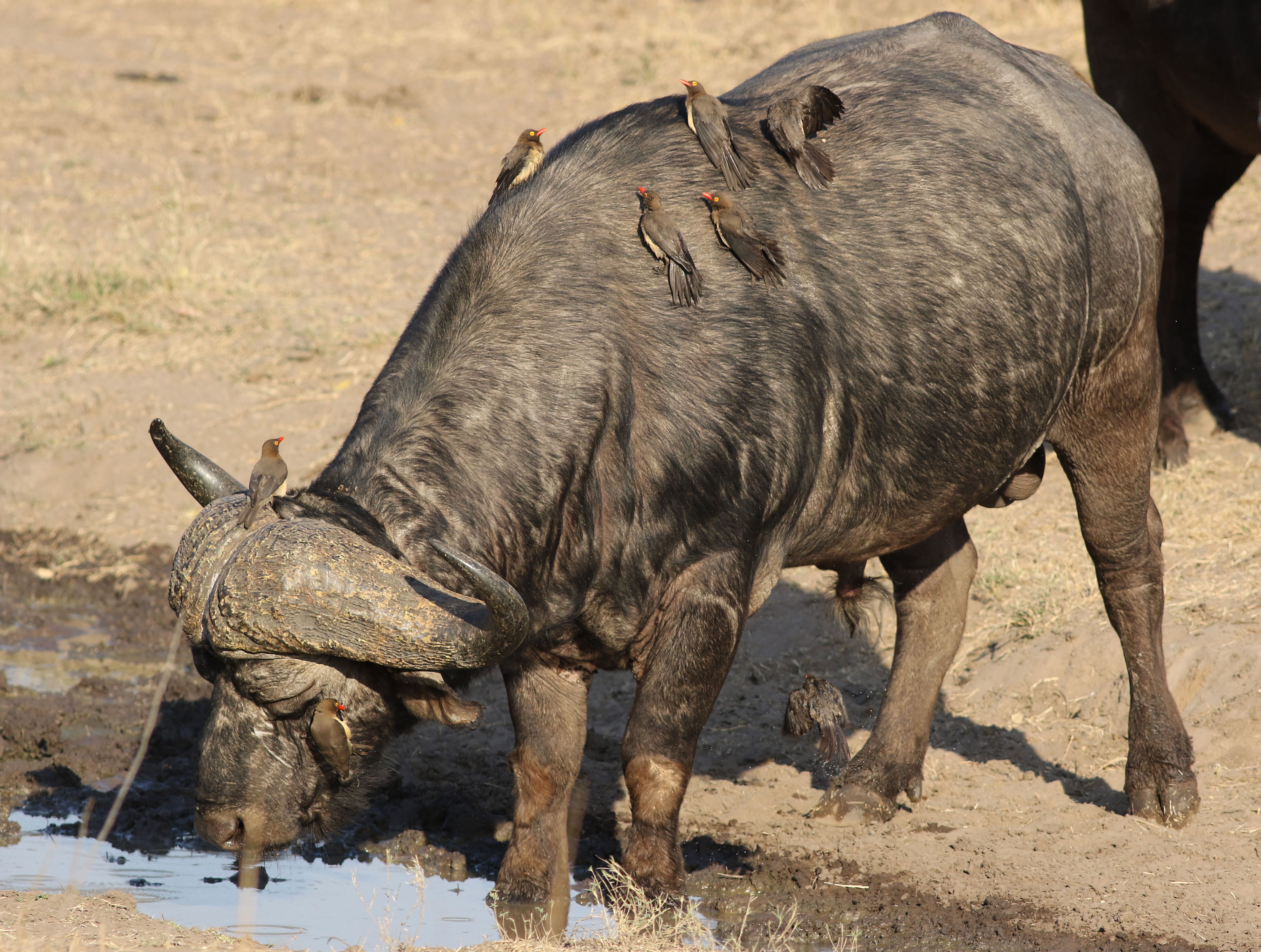
Cape buffalo: You will see them on almost every game drive across Kenya and Tanzania, especially in the Masai Mara, Amboseli, Serengeti, and Tsavo, often in herds hundreds strong, wallowing near water with oxpeckers riding on their backs.
Buffalo vs. Bison: A Story From My Own Trip
When I finally saw American bison in Yellowstone, I kept comparing them to the Cape buffalo I see almost weekly in the Mara. The bison felt slower and heavier, almost lazy from a distance, until a bull near the road turned his head toward our car and every ranger nearby went quiet and alert. That was the moment it clicked. Different animal, different continent, but the same instinct in every guide and ranger nearby: give this one space.
Ready to See Cape Buffalo for Yourself?
If you want a Kenya safari built around strong Big Five sightings, including real Cape buffalo herds, message me directly on WhatsApp.
A few trips with strong Cape buffalo sightings:
- 5-Day Big Five Safari: Maasai Mara Road Adventure
- 8-Day Must See Kenya: Luxury Safari Journey
- 9-Day Ultimate Kenya Honeymoon: Savannah to Sea
Frequently Asked Questions
Is a bison the same as a buffalo?
Not scientifically. American bison sit in a different genus from true buffalo, which includes the African Cape buffalo and Asian water buffalo. The word “buffalo” got attached to bison through naming history, not biology.
What is the difference between Cape buffalo and bison?
Bison are bigger and heavier, with shorter horns, a shaggy coat, and a shoulder hump. Cape buffalo are smaller but carry a fused horn boss, a smooth coat, and a much shorter temper.
Is a Cape buffalo bigger than a bison?
No. Bison bulls usually outweigh Cape buffalo bulls and stand taller at the shoulder.
Are bison or Cape buffalo friendly?
Neither is friendly. Bison are calmer if left alone but will charge with little warning if they feel crowded. Cape buffalo stay alert nearly all the time and are considered one of the most unpredictable, dangerous animals in Africa.
Bison vs buffalo, who would win in a fight?
It is close, and it depends on the style of fight. Bison bring more raw weight and a padded hump built for blunt impact. Cape buffalo bring sharper horns and a far more aggressive temperament.
Why do Americans call bison “buffalo”?
French fur trappers in the 1600s likely named them after the water buffalo and Cape buffalo they already knew, using the French word bœuf, meaning beef, which turned into “buffalo” in American English.
Where can I see Cape buffalo in Africa?
Cape buffalo are common across Kenya and Tanzania, especially in the Masai Mara, Amboseli, Serengeti, and Tsavo, usually in large herds near water.
Blog Summary About Bison vs Cape Buffalo
- Bison and Cape buffalo are both in the Bovidae family but are not the same species or genus.
- Bison live in North America, Cape buffalo live in sub-Saharan Africa.
- Bison bulls are generally heavier and taller than Cape buffalo bulls.
- Cape buffalo can live slightly longer in the wild than bison, up to about 25 years.
- Cape buffalo have a fused horn boss, bison have shorter, sharper horns.
- Neither animal is friendly. Bison charge if crowded, Cape buffalo stay alert almost all the time.
- The word “buffalo” comes from the French bœuf, brought over by 1600s fur trappers.
- There are two types of American bison, Plains Bison and the larger, rarer Wood Bison.
- Cape buffalo herds will group together and can kill a lion that threatens one of their own.
- Many Native Tribes capitalize “Buffalo” to honor a relationship with the animal that came before science gave it a name.


