
The Lemosho Route on Mount Kilimanjaro is known for its stunning scenery, gradual ascent, and strong acclimatization profile. It is one of the most recommended options for climbers who want a safer and more successful summit experience. The trail begins on the remote western side and crosses the Shira Plateau before joining the Machame corridor near Lava Tower. With fewer crowds at the start, diverse landscapes, and steady altitude gain, the Kilimanjaro Lemosho Route is ideal for first-time trekkers and experienced hikers planning to climb Kilimanjaro in 2026.
Why the Lemosho Route Stands Out to Climb Kilimanjaro
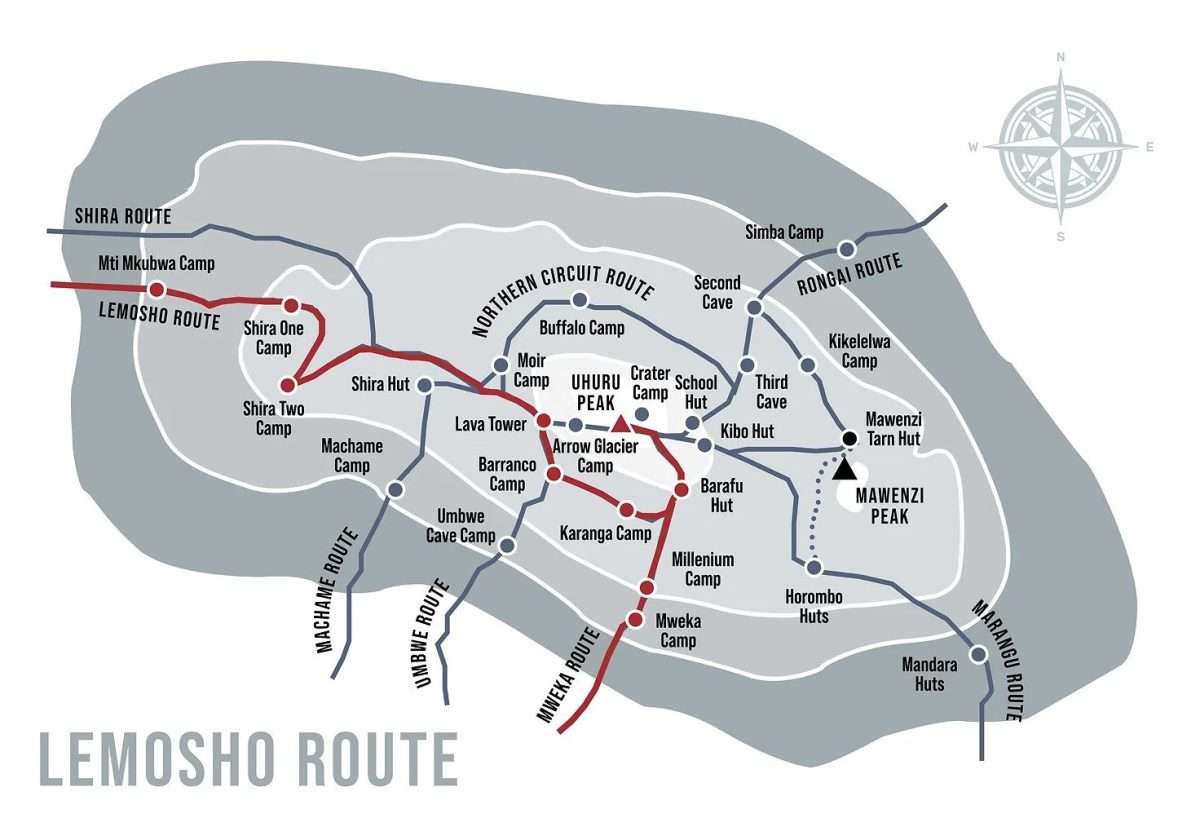
The Lemosho Route Kilimanjaro trail covers about 70 km and offers one of the best combinations of scenery, acclimatization, and success rate. Compared to other Kilimanjaro routes, the Lemosho Route sits in the middle for difficulty, which makes it suitable for both first-time trekkers and experienced hikers.
The trail was introduced as a safer and better-designed alternative to the older Shira approach, which started at a higher and more challenging elevation. Because Lemosho begins lower, climbers adjust gradually to altitude, improving comfort and safety.
The Kilimanjaro Lemosho route is known for exceptional scenery. You move through four major climate zones including dense rainforest, open moorland, a wide alpine desert, and finally the icy arctic summit zone.
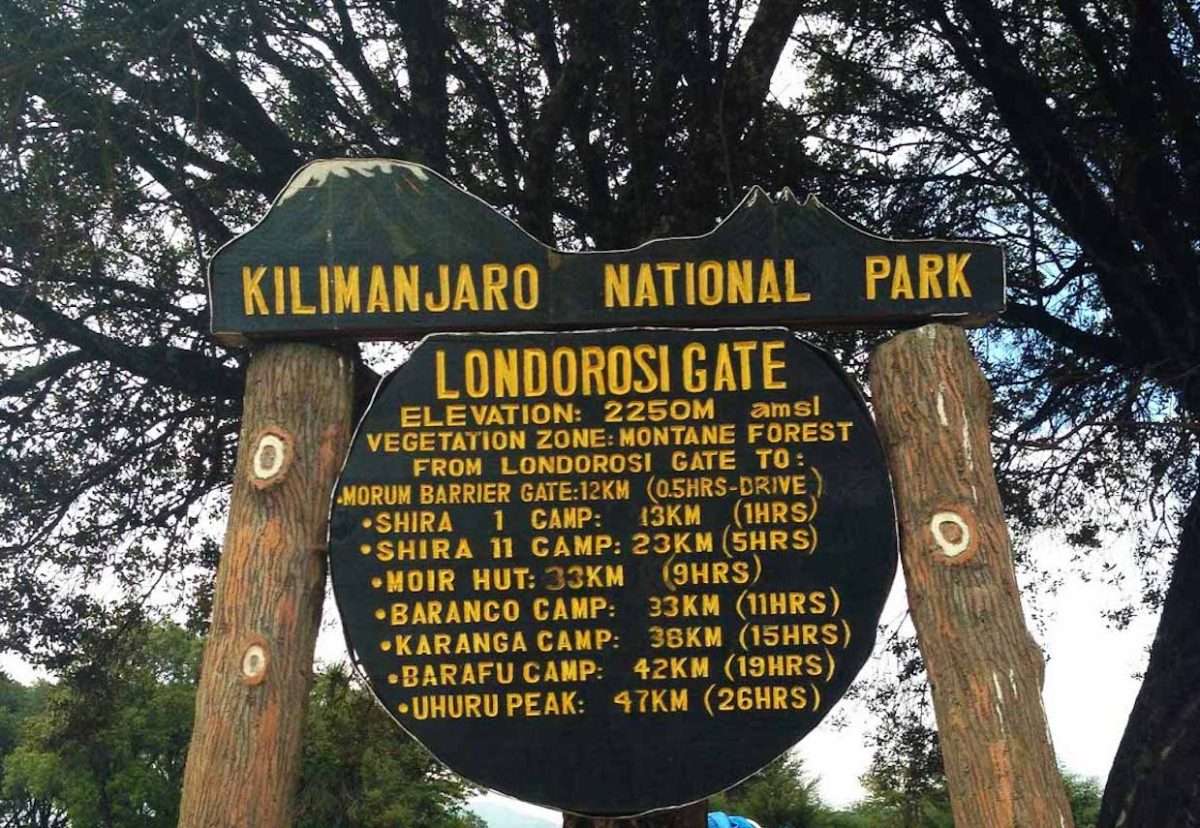
The Lemosho route approaches from the west and starts with peaceful rainforest days before crossing the Shira Plateau. Near Lava Tower, the trail joins the Machame corridor and follows the Southern Circuit beneath the glaciers of Kibo.
Summit night begins at Barafu Camp around midnight. As you climb toward Uhuru Peak, you’ll move into the high arctic zone where temperatures drop and the views become unforgettable.
Your descent follows the Mweka trail, completing the route with a gradual return to the warm forest.
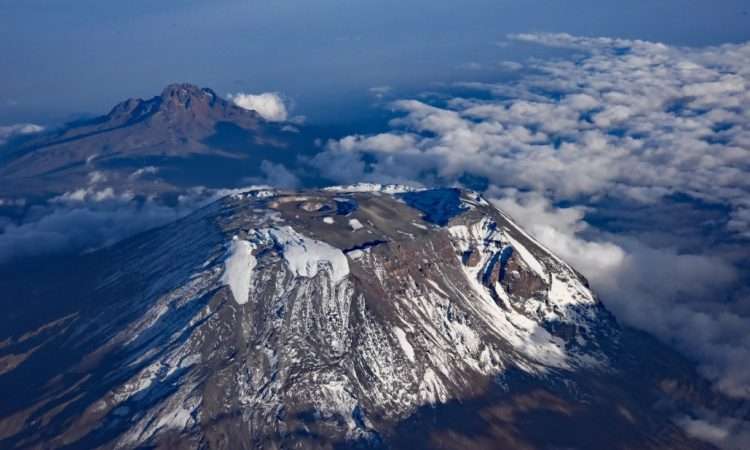
Key points for the Lemosho Route Kilimanjaro:
It is widely considered the most scenic route.
The 7- to 8-day Lemosho Route itinerary improves acclimatization, giving many climbers a summit success rate close to 90%.
The first days are quiet with low foot traffic, making the start of the trek peaceful.
It offers flexibility for pacing and acclimatization, which makes it a top choice for 2026 climbers.
Day-by-Day Lemosho Route Description
Below is a detailed day-by-day breakdown of the 8-day Lemosho Route Kilimanjaro climb. This section helps you understand the terrain, altitude profile, daily rhythm, and what to expect at each stage of the journey.
Day 1: Arrival, Registration and Trek to Forest Camp
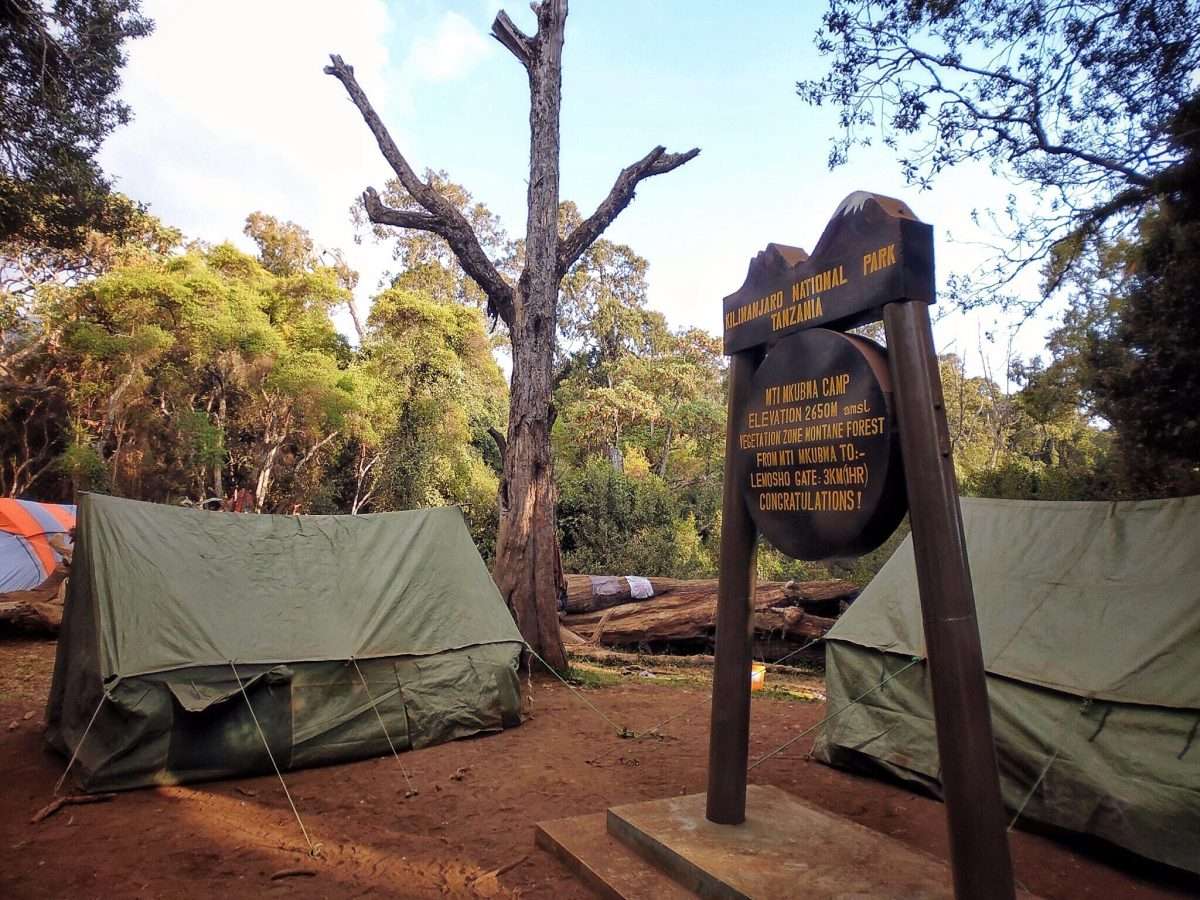
Elevation: ~2,100 m to 2,650 m
Distance: ~6–8 km
Hiking Time: 3–4 hours
Habitat: Montane Rainforest
Your climb Kilimanjaro Lemosho route journey begins when you land at Kilimanjaro International Airport and meet your TourWithPipi guide. After a briefing and equipment check, you drive to the Lemosho Gate, the official entry point into Kilimanjaro National Park.
Once registered, you start trekking through a dense and humid rainforest filled with giant ferns, moss-covered trees, and wildlife sounds. On a clear day, you may spot blue monkeys or black-and-white colobus monkeys moving through the canopy.
Your first night is at Forest Camp, where the air turns cooler and the forest becomes quiet. Dinner is served in camp, and you settle into your tent surrounded by tall trees and soft forest sounds.
Day 2: Forest Camp to Shira 1 Camp
Elevation: 2,650 m to 3,500 m
Distance: ~7 km
Hiking Time: 5–6 hours
Habitat: Heather and Moorland
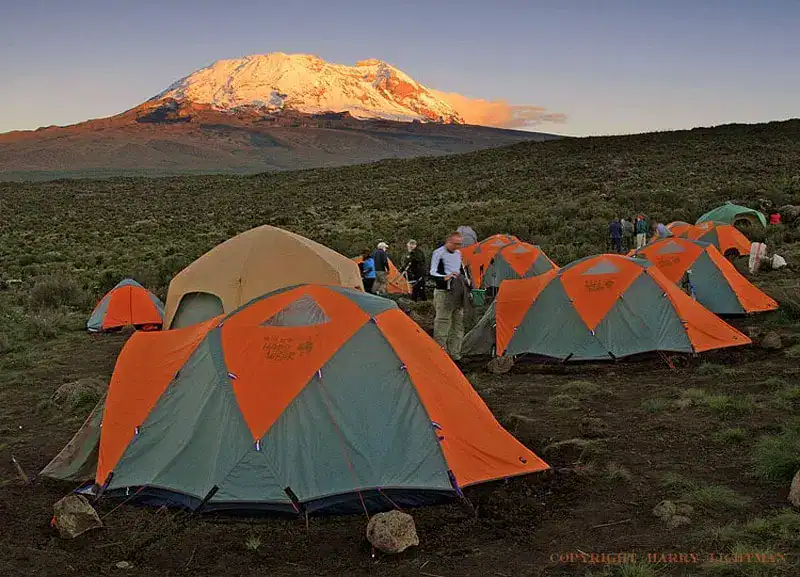
After breakfast, you continue climbing gradually out of the rainforest. The environment changes quickly as dense trees give way to heather, volcanic rock formations, and wide open slopes. The oxygen begins to thin slightly, and the temperature becomes cooler.
By afternoon, you reach the Shira Plateau, one of the most scenic landmarks on the Lemosho Route Kilimanjaro. As you walk across this ancient volcanic landscape, sweeping views stretch toward Shira Ridge and the distant summit cone of Kibo.
You end the day at Shira 1 Camp, where the sky often fills with bright stars and temperatures begin to drop sharply after sunset.
Day 3: Shira 1 to Shira 2 Camp
Elevation: 3,500 m to 3,850 m
Distance: ~7 km
Hiking Time: 4–5 hours
Habitat: Moorland and High-Altitude Desert
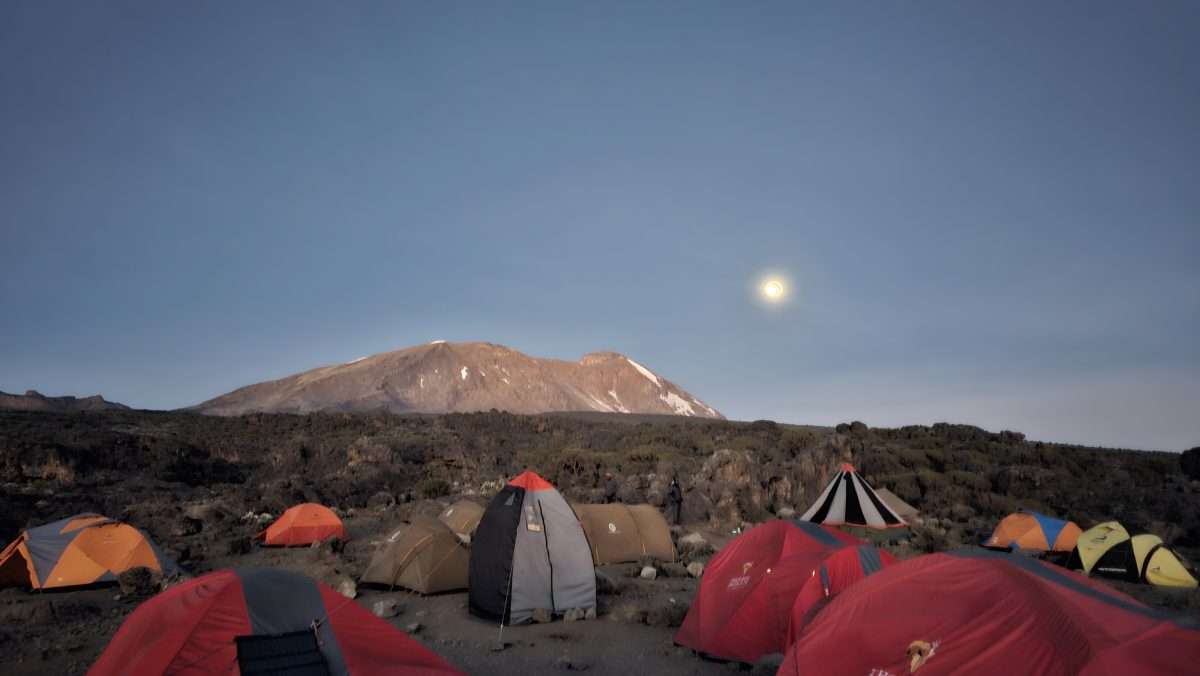
Today’s hike is shorter and designed for acclimatization. You walk across the vast Shira Highlands, an open plateau formed by ancient lava flows. The terrain becomes rocky, dry, and dotted with giant lobelia and senecio plants, species unique to high-altitude East Africa.
The views today are some of the most dramatic of the entire expedition. The peaks of Kilimanjaro appear sharper, the Shira Ridge rises beside the trail, and the Western Breach becomes visible ahead.
You arrive at Shira 2 Camp, where strong winds and cooler temperatures remind you that you are now entering true high-altitude terrain.
Day 4: Shira 2 to Barranco Camp
Elevation Gain and Loss: 3,850 m to 4,630 m (Lava Tower) then down to 3,950 m
Distance: ~10 km
Hiking Time: 6–7 hours
Habitat: Alpine Desert
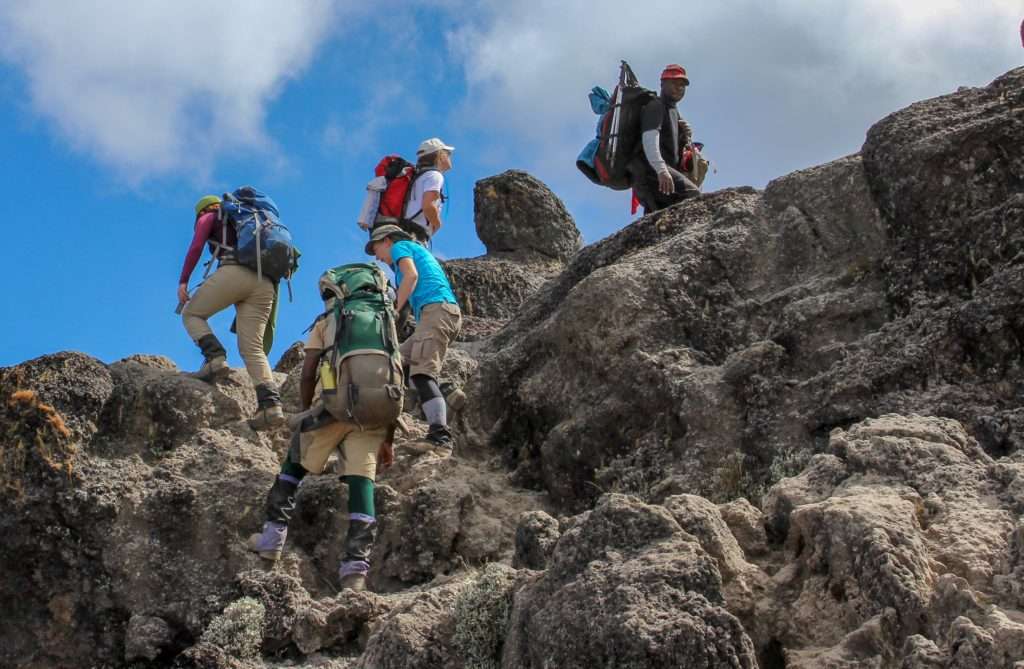
This is one of the most important acclimatization days on the Kilimanjaro climb Lemosho Route. You steadily climb toward Lava Tower, reaching over 4,600 m, high enough to experience the effects of altitude.
At Lava Tower you stop for lunch and rest before descending into the sheltered Barranco Valley. The descent reinforces the “climb high, sleep low” principle, which improves success rates on the Lemosho Route.
You finish the day at Barranco Camp, positioned directly below the impressive Barranco Wall and facing the Southern Glaciers. The campsite is peaceful, dramatic, and one of the most photographed locations on Mount Kilimanjaro.
Day 5: Traverse the Karanga Valley and Overnight at Karanga Camp
Elevation: 3,976 m to 3,995 m
Distance: ~5 km
Hiking Time: 4 to 5 hours
Habitat: Alpine Desert
Your morning begins with the climb up the Barranco Wall. It appears challenging from a distance and many climbers feel intimidated when they first see it. However, once you start, the steady pace, clear holds, and careful guidance make it much more achievable than it looks. This section is considered one of the most exciting experiences on the Lemosho Route Kilimanjaro trek.
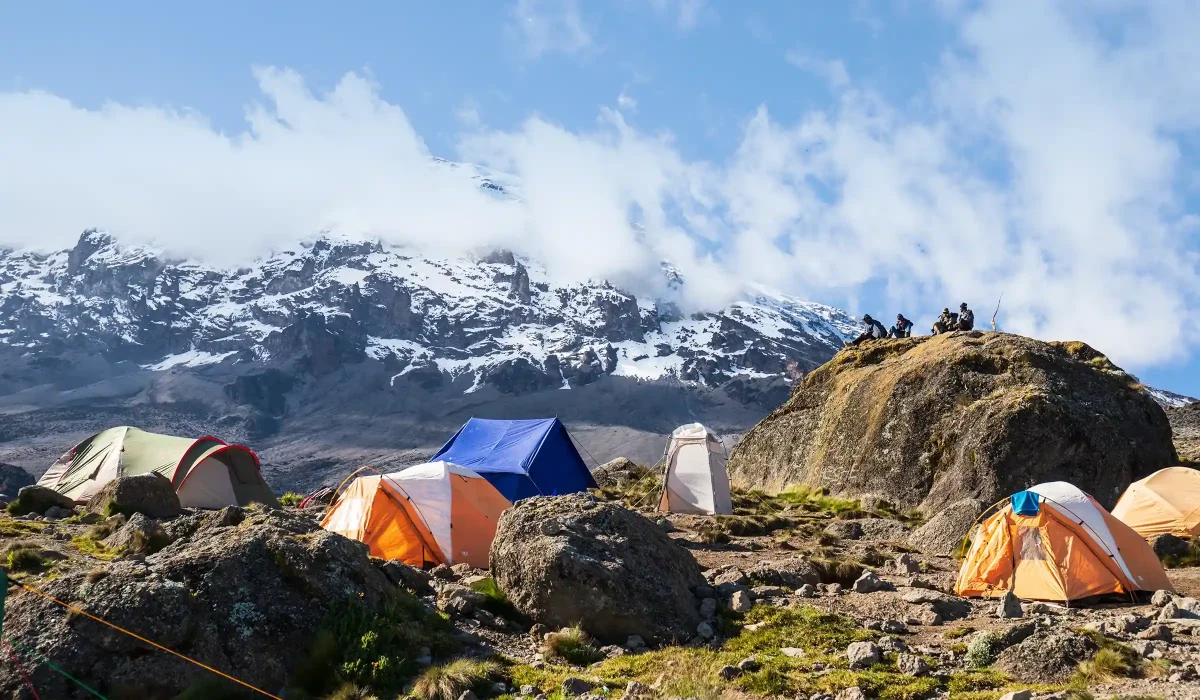
Once you reach the top of the Barranco Wall, the views open up dramatically. You stand above the clouds with a direct view of Kilimanjaro’s southern glaciers and steep ridges. The trail then continues with gentle ups and downs until you enter the Karanga Valley, a peaceful section surrounded by alpine vegetation and volcanic landscapes.
You arrive at Karanga Camp in the afternoon. This location is ideal for rest and acclimatization before the summit push. As evening arrives, the sky glows with warm orange and red tones and the glaciers reflect the sunset, making Karanga one of the most beautiful overnight stops on the climb Kilimanjaro Lemosho route.
Day 6: Barafu Camp and Final Summit Preparation
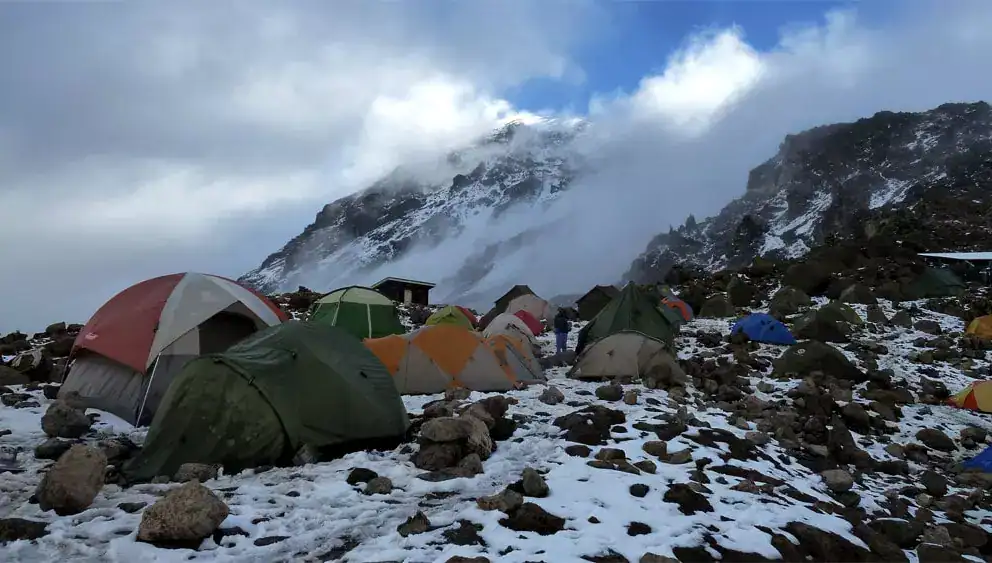
Elevation: 3,995 m to 4,673 m
Distance: ~4 km
Hiking Time: 3 to 4 hours
Habitat: Alpine Desert
After breakfast, you continue upward toward Barafu Camp, the final high camp before summit day. The landscape here becomes rugged and barren as vegetation disappears and loose volcanic gravel dominates the ground. The air thins noticeably and the pace becomes slower to support safe acclimatization.
At Barafu Camp, you settle into camp early because summit night begins just after midnight. Guides review the summit strategy, pacing, temperature expectations, and safety checkpoints. Hydration, rest, and mental preparation become the priority because the following day leads you to the highest point in Africa.
Standing here with views of Mawenzi and the upper ridges of Kibo, you feel the reality of the upcoming summit attempt.
Day 7: Summit Uhuru Peak and Overnight at Mweka Camp
Barafu Camp to Uhuru Peak
Elevation: 4,673 m to 5,895 m
Distance: ~5 km
Hiking Time: 6 to 8 hours
Habitat: Arctic Zone
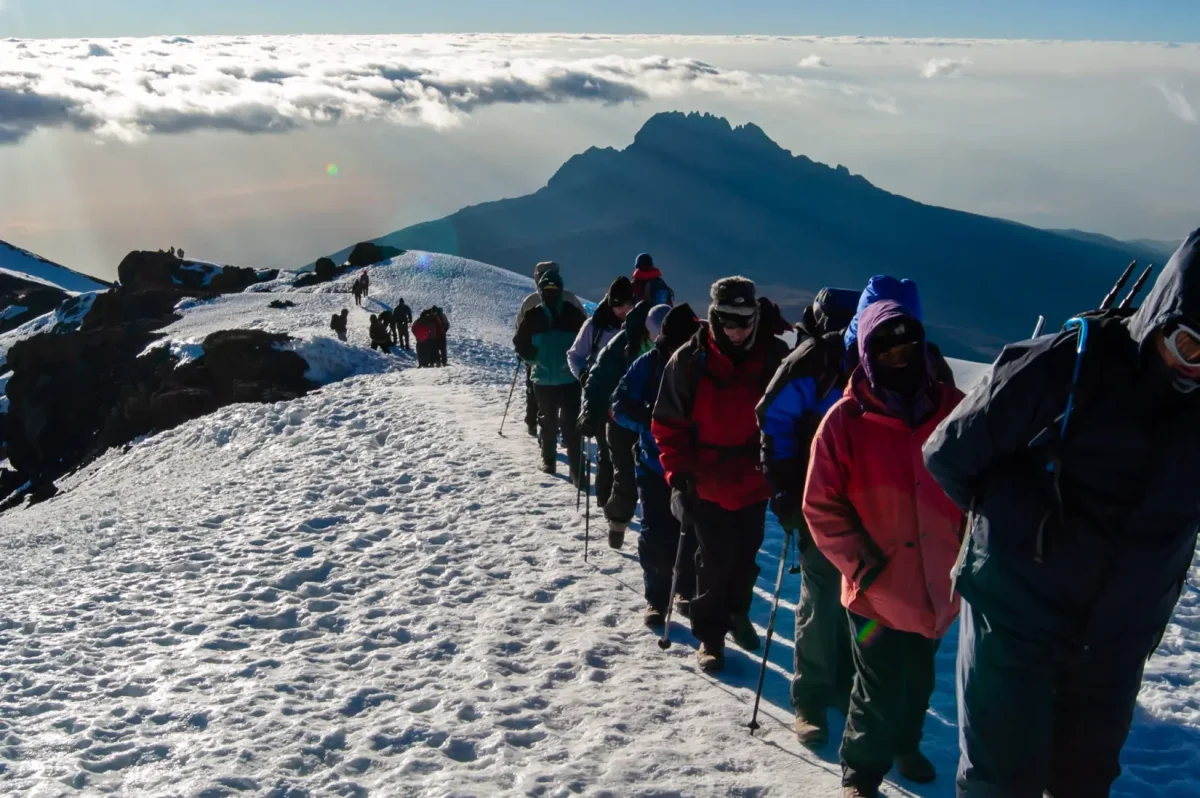
Summit morning begins in the darkness. Headlamps illuminate a thin trail as climbers make their way up slowly and steadily. The environment is cold and silent except for the sound of boots on volcanic gravel. This is where determination matters as much as fitness.
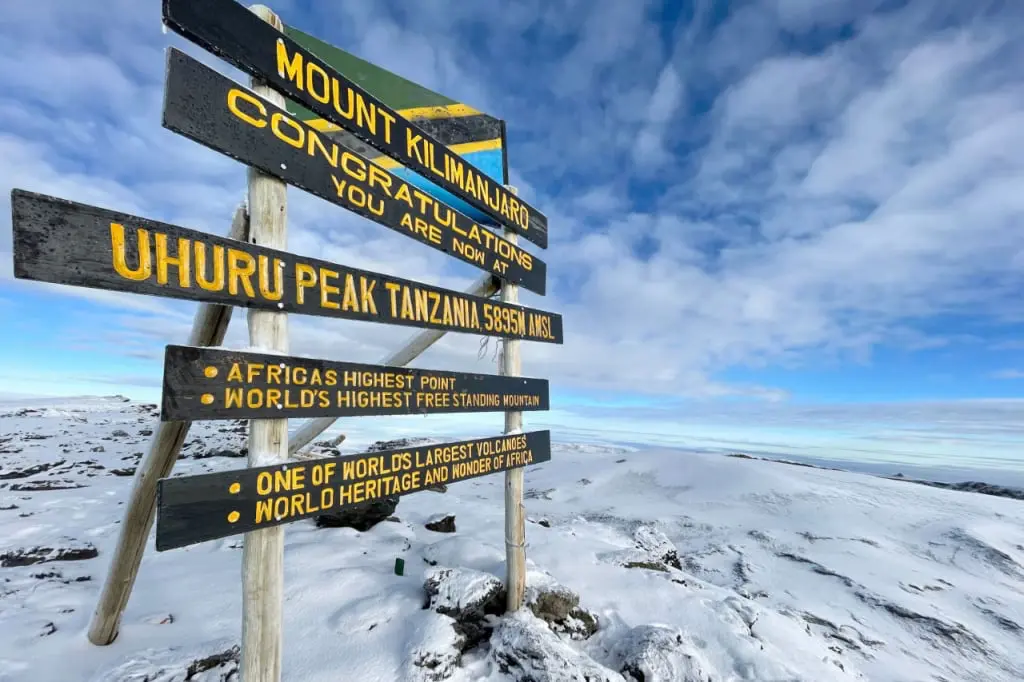
After several hours, you reach Stella Point on the crater rim. From here, the final stretch to Uhuru Peak takes about an hour. As the sun rises, the glaciers glow and the sky turns gold and pink. Reaching Uhuru Peak on the Lemosho Route Kilimanjaro climb is an unforgettable achievement. At 5,895 m, it is the highest walkable summit in the world and the official rooftop of Africa.
After celebrating and capturing photos at the summit sign, you begin the descent. The terrain feels easier, oxygen becomes richer, and energy begins returning. You stop at Barafu Camp for rest and lunch before continuing downhill to Mweka Camp, where you spend your final night on the mountain.
After a long day, the sense of pride and relief makes sleep easy.
Day 8: Final Descent to Mweka Gate and Return to Moshi
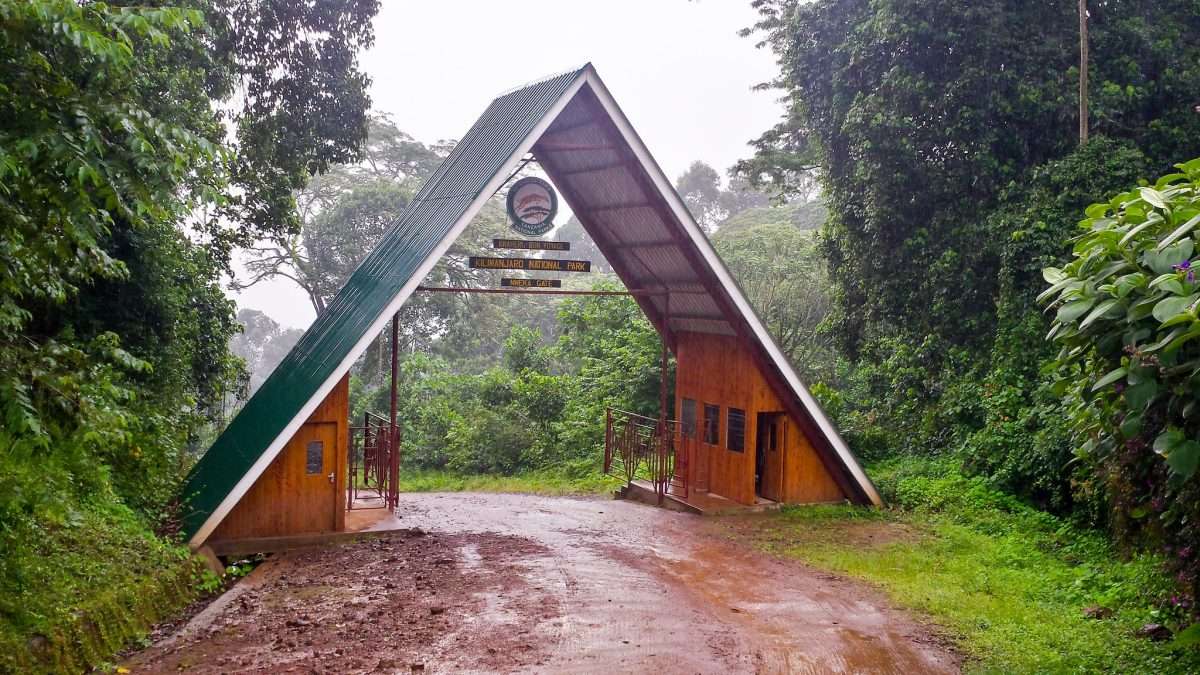
After breakfast, you walk through the moorland and back into the lush rainforest. The landscape becomes warmer, greener, and more humid as you approach Mweka Gate. Once checked out of the park, you receive your official Kilimanjaro summit certificate.
Your vehicle returns you to Moshi or Kilimanjaro Airport depending on your next plan. This marks the end of your Kilimanjaro climb Lemosho route, a journey that combines personal achievement, cultural connection, and the unforgettable landscapes of Tanzania.
Ready to Climb Kilimanjaro on the Lemosho Route with TourwithPipi?
Secure your spot on our 8-Day Kilimanjaro Lemosho Route climb for $2,539 and join expert Tanzanian mountain guides, responsible crew support, and premium comfort from start to summit.
Spaces fill quickly for peak 2026 dates, so booking early ensures availability, ideal weather, and the route that fits your goals.
👉 Check 2026 Dates and Request Your Quote
What’s Included in Your Kilimanjaro Lemosho Route Package
Your climb Kilimanjaro Lemosho route experience with TourwithPipi includes everything needed for a safe, supported, and well-organized ascent from day one to summit day.
You can expect:
Meet and Greet: Personal assistance on arrival at Kilimanjaro International Airport and all airport transfers.
Hotel Stays: Two nights in a 4-star hotel before and after your climb, including breakfast (shared twin room).
Transport: Private transfers to and from the Lemosho Gate and back after your climb.
Support Crew: A fully staffed expedition with an average 4:1 support ratio including certified guides, porters, and a mountain chef.
Meals and Hydration: Freshly prepared mountain meals three times daily and safe, filtered drinking water throughout the route.
Medical Safety: Access to a first-aid kit, pulse-oximeter monitoring, and emergency oxygen carried by your lead guide.
Permits and Fees: All Kilimanjaro National Park fees, including entry, camping, rescue, environmental, and summit permit fees.
Emergency Coverage: On-route emergency evacuation support when required.
Summit Certificate: An official Kilimanjaro summit certificate upon completion.
Sleeping Setup: High-quality sleeping tents, mess tents, and thick foam mattresses for comfort at every camp.
What’s Not Included
These items are not part of the standard Kilimanjaro Lemosho route package, so you should plan for them separately:
Personal Expenses: Tips for guides and porters, snacks, souvenirs, and additional services.
Additional Meals: Any meals or drinks not listed in the itinerary.
Travel Insurance: You must have insurance that covers trekking up to 6,000m altitude.
Flights and Visa: International airfare and visa fees.
Trekking Gear: Personal clothing, boots, and equipment. Rentals can be arranged if needed.
Why Choose TourwithPipi for Your Kilimanjaro Lemosho Route Package
Choosing the right team can define your entire Kilimanjaro Lemosho Route experience. TourwithPipi offers a guided climb that blends safety, comfort, and expertise, making your Kilimanjaro climb Lemosho route experience smooth from the moment you land to the moment you summit.
TourwithPipi is a licensed Tanzanian operator, not a reseller or agent. This means you climb with the same team you booked with. Our certified Kilimanjaro guides, experienced porters, and dedicated support crew deliver consistent care, accurate pacing, and strong safety standards throughout the Lemosho route.
Our approach prioritizes acclimatization, proper logistics, and responsible tourism. You will be supported with medical monitoring, emergency oxygen, and premium equipment, and every detail is planned so you can focus on your climb without stress.
TourwithPipi combines local expertise and global service standards. Our team includes Tanzanian guides with deep cultural knowledge and a North American-based operations hub for scheduling, planning, and support. You get local authenticity with international-level service.
Your climb also gives back. Every TourwithPipi booking contributes to healthcare access, porter welfare, and conservation programs in Tanzania. This means your Kilimanjaro Lemosho route climb directly supports communities connected to the mountain.
What you can expect with us:
Expert local mountain guides certified in high-altitude response
Premium tents, meals, and equipment for safe and comfortable nights
Transparent, all-inclusive packages with no hidden add-on fees
A high summit success rate because we use the best acclimatization strategy
Ethical tourism with fair wages, porter protection, and sustainability practices
With TourwithPipi, your Kilimanjaro experience is personal, well-planned, and supported at every step.
What Is the Scenery Like on the Lemosho Route?
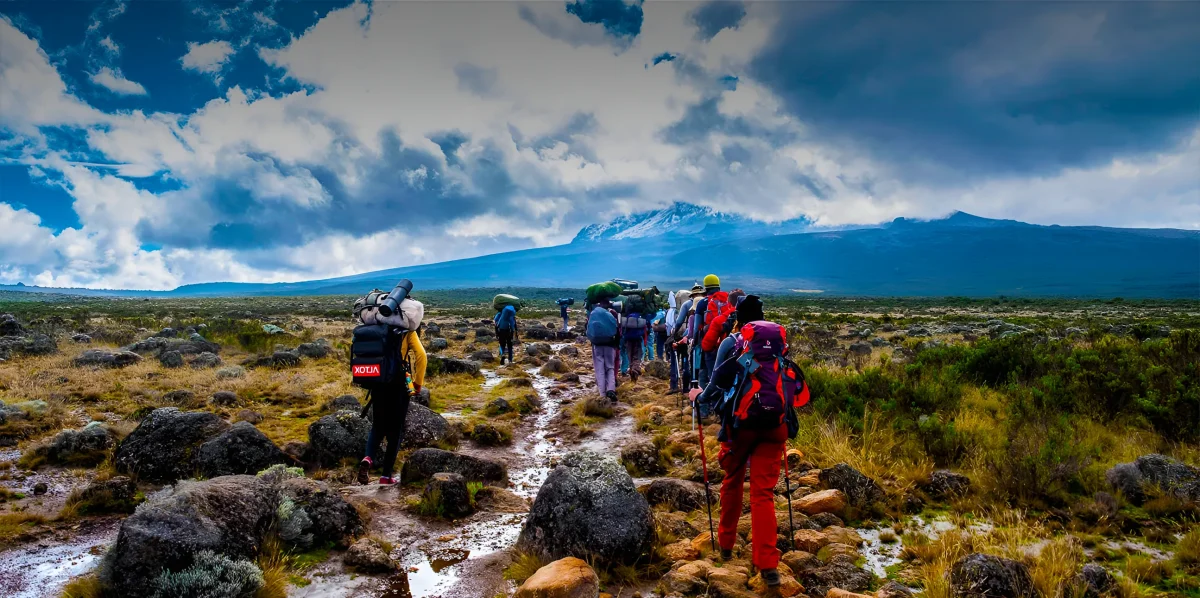
The Lemosho route is widely considered one of the most scenic ways to climb Kilimanjaro. It offers gradual terrain, varied landscapes, and sweeping views from start to finish.
You begin your climb through lush rainforest filled with moss-covered trees, tropical flowers, and wildlife such as monkeys and rare birds. It is possible, though not guaranteed, to spot antelope along this stretch.
As you gain elevation, the rainforest opens into the vast and dramatic Shira Plateau. This high-altitude plain is one of the largest plateaus of its kind in the world. Here, the scenery shifts into moorland dotted with striking plants like giant lobelia and giant groundsel, both unique to the Kilimanjaro ecosystem. From this point, views of Shira Cathedral and Kilimanjaro’s volcanic formations become clear and impressive.
Further along the trail, the landscape transitions into alpine desert and eventually the icy arctic zone near the summit. Campsites along the Lemosho route are known for spectacular sunsets and sunrise views of Kibo Peak, making the journey both dramatic and photogenic.
Because you descend via the Mweka route, you enjoy different scenery on the way down, giving you a circular visual experience rather than retracing the same path.
How Hard Is the Lemosho Route?
While there is no easy way to climb Kilimanjaro, the Lemosho route is considered one of the most balanced and beginner-friendly options because it offers a longer acclimatization schedule and manageable daily climbs.
The terrain includes rocky paths, gradual ridges, and a few steep sections, especially near the Barranco Wall and summit day. However, with steady pacing and proper preparation, most hikers find the route achievable.
Why many climbers choose the Lemosho route:
More gradual elevation gain
Ideal acclimatization profile, especially on the 8-day plan
Follows the “climb high, sleep low” principle
High summit success rate compared to shorter routes
Not as steep or intense as routes like Umbwe
The eight-day itinerary is especially effective, giving your body time to adjust before summit day. This is one of the main reasons the Lemosho route Kilimanjaro success rate is high, often around 90% with a well-paced itinerary.
To prepare, climbers should train for steady endurance, long walking days, and altitude adaptation. Most people with good fitness, determination, and expert guidance reach the summit successfully.
How Busy Is the Lemosho Route?
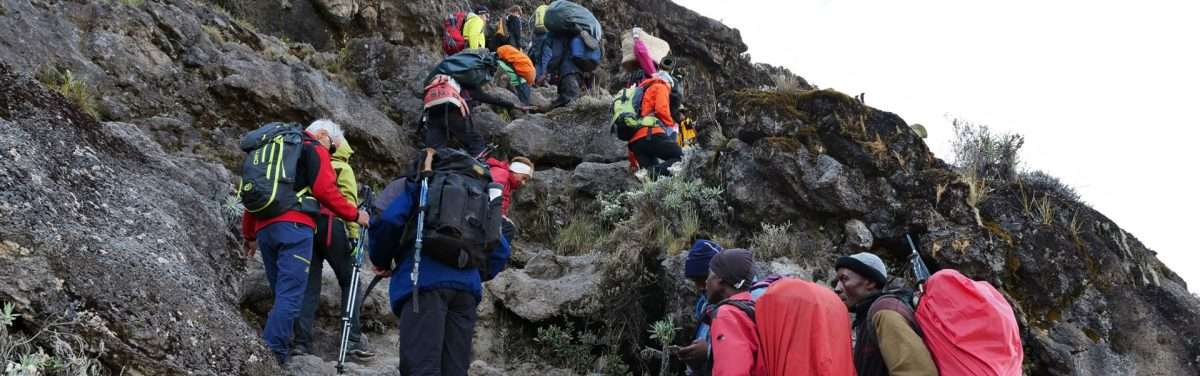
The Lemosho route Kilimanjaro is popular because it offers the perfect blend of scenery, acclimatization, and success rate. While it is considered one of the best routes, it does not feel overcrowded in the early stages.
The first two days through the rainforest are generally peaceful, and you will often feel like you have the trail to yourself. As you continue across the Shira Plateau, foot traffic remains moderate and manageable.
However, because the Lemosho route eventually merges with the Machame trail near Lava Tower around Day 4, the route can become busier during high season. These busy sections are temporary and typically only noticeable at shared camp areas or convergence points.
What to expect for trail traffic:
✔ Quiet and serene during Days 1 and 2
✔ Moderate traffic across Shira Plateau
✔ Busier once the route joins Machame near Lava Tower
✔ Increased numbers during the dry peak season (July to October and January to March)
✔ A calmer descent route via Mweka, offering a quieter finish
Even when the route gets busier, the Lemosho route Kilimanjaro remains one of the most enjoyable treks thanks to wide-open landscapes and spread-out camps.
How Much Does the Lemosho Route Cost?
Pricing varies based on operator quality, duration, group size, and inclusions. Most climbers choose a 7 or 8-day itinerary to ensure proper acclimatization and increase summit success.
For 2026, TourwithPipi offers the 8-day Lemosho routes to climb Kilimanjaro starting from USD $2,539 per person. This rate includes one night before and after the climb in Moshi, airport transfers, professional guides, high-quality equipment, meals, permits, and full mountain support.
Prices will be higher if:
You want a private climb instead of a group departure
You prefer a single tent instead of sharing
You request luxury camping upgrades or additional safari packages
What you get for the cost:
✔ Licensed Tanzanian guides with wilderness first responder training
✔ 4:1 support staff per climber
✔ All National Park and Kilimanjaro trekking fees
✔ High-quality tents, sleeping mats, and meals
✔ Summit certificates and guided health monitoring
✔ Airport pickup and hotel accommodation pre and post-climb
With TourwithPipi, there are no hidden or unexpected costs. The only additional expenses are personal gear, optional upgrades, tips, and travel insurance.
Final Thought
The Lemosho route Kilimanjaro offers one of the best combinations of scenery, acclimatization, and summit success. It starts quietly, builds gradually, and gives you time to adapt as you move through rainforests, moorlands, and high alpine zones toward Uhuru Peak. With proper preparation and the right operator, the journey is manageable, rewarding, and unforgettable.
If you want a route with high success rates, stunning views, and a balanced challenge, the Lemosho route kilimanjaro remains one of the smartest choices for 2026.


