
East Africa foods are some of the most interesting and varied on the continent. The region’s cuisine has been shaped over centuries by Arab traders, Portuguese explorers, Indian merchants, and the Swahili coastal culture that ties it all together. The result is a flavourful, colourful, and genuinely surprising food culture that most safari visitors do not expect.
Whether you are heading to Kenya, Tanzania, Uganda, or wider East Africa, this guide covers everything you need to know about food in East Africa — from street food to safari lodge dining to traditional Swahili dishes.
What to Eat in East Africa
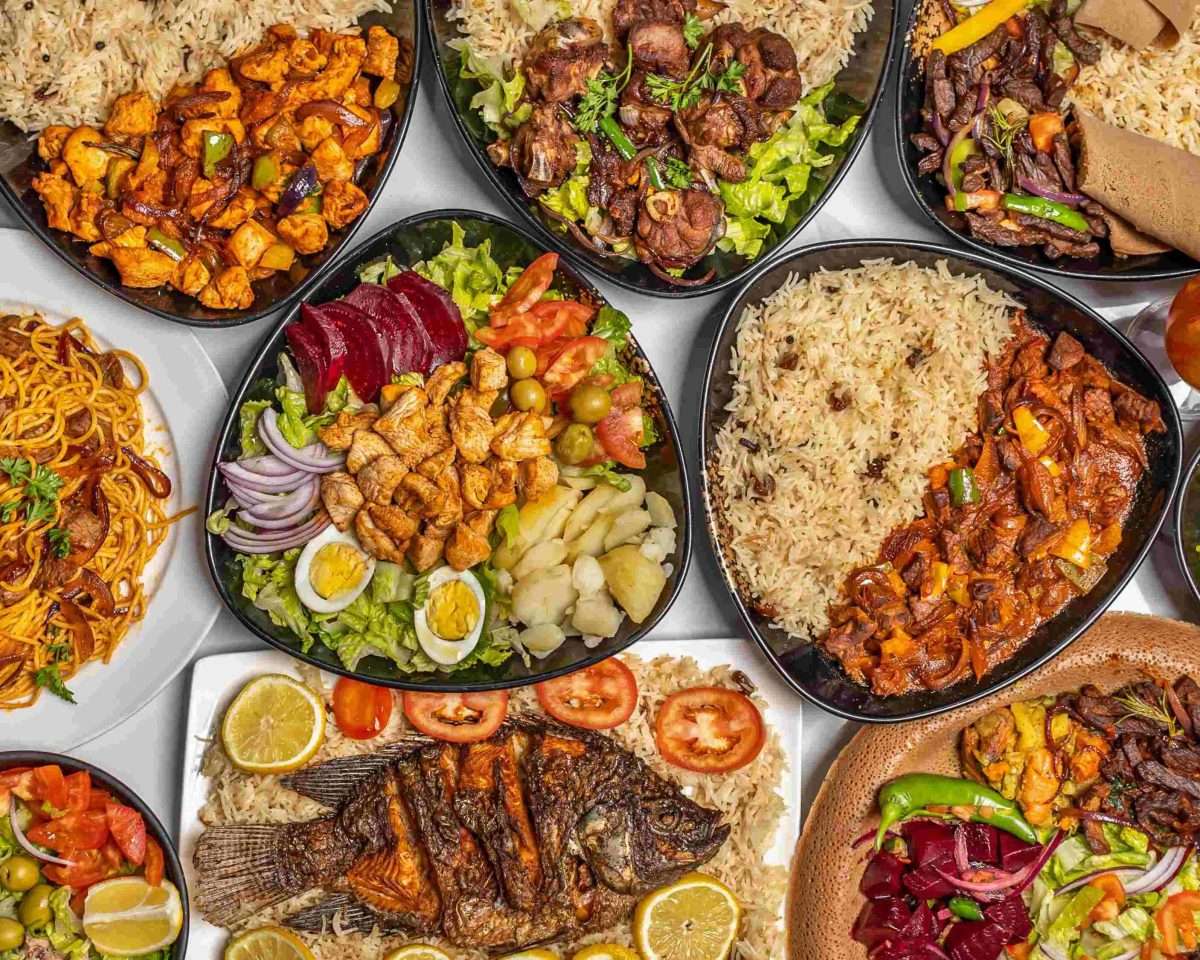
East Africa foods are heavily influenced by Swahili coastal cuisine, which features fish, coconut, spices, tropical fruits, and slow-cooked meat dishes. Staples include Ugali, ugali is one of the most well-known East Africa foods across the globe. It is a hugely filling staple made from maize meal and is easy to prepare. You will find it on almost every table across Kenya, Tanzania, and Uganda.Nyama Choma, Pilau rice, Chapati, and Mandazi. Street food is vibrant and widely available across all major cities and towns. Safari lodges serve a mix of local dishes and international cuisine prepared to a high standard.
10 Key Facts About East Africa Foods
- Swahili cuisine forms the backbone of East African food culture and combines African, Arab, Indian, and Portuguese influences.
- Ugali is the most widely eaten staple food across East Africa. It is a thick maize meal porridge eaten with stews, greens, and grilled meat.
- Nyama Choma, meaning grilled meat in Swahili, is Kenya’s most beloved dish and the closest thing the country has to a national food.
- Pilau is a spiced rice dish cooked with cardamom, cinnamon, cloves, and cumin. It is one of the most recognizable dishes in Swahili coastal cooking.
- Coconut is a dominant ingredient in coastal East African cooking, used in rice, curries, stews, and desserts.
- Chapati, a flatbread introduced through Indian influence, is eaten across Kenya, Tanzania, and Uganda as an everyday staple.
- Street food is an essential part of East African culture. Markets and roadside stalls in Nairobi, Dar es Salaam, and Kampala serve some of the best local food available.
- Safari lodges across Kenya, Tanzania, and wider East Africa serve high-quality food with a mix of local dishes and international options.
- Dietary requirements including vegetarian, vegan, and gluten-free are well accommodated across East Africa. The abundance of tropical vegetables and fruits makes plant-based eating straightforward.
- Food customs in Swahili culture emphasise hospitality. Guests are always offered food and it is considered respectful to accept.
What Is Swahili Cuisine?
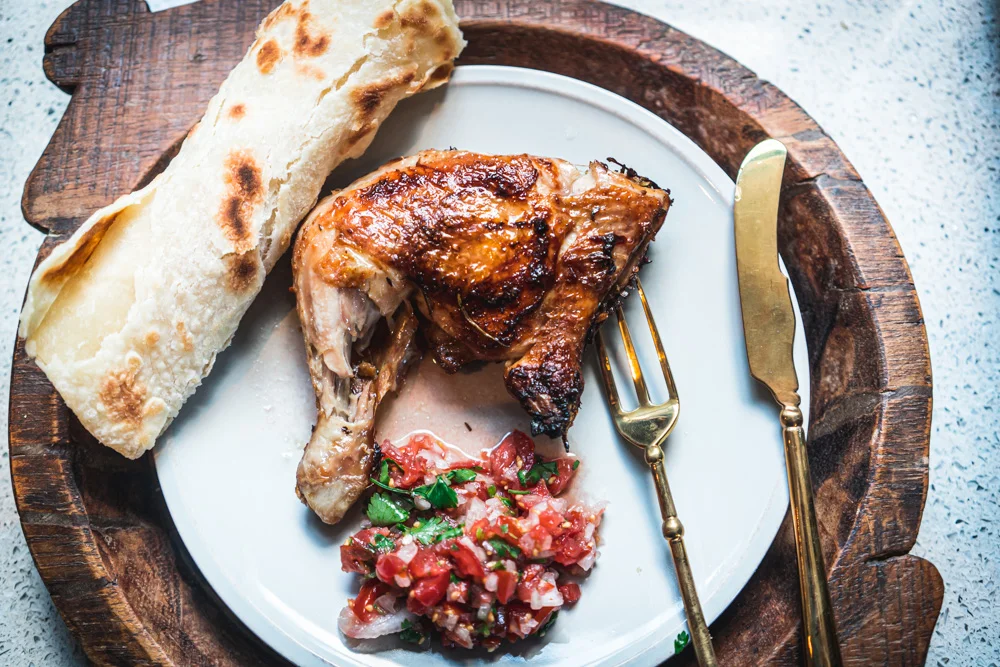
Swahili cuisine is the food culture of East Africa’s Indian Ocean coast, running from southern Somalia down through Kenya, Tanzania, and to northern Mozambique. It is the foundation of much of what you eat across East Africa, whether you are in a coastal restaurant in Mombasa, a safari camp in the Maasai Mara, or a street market in Stone Town, Zanzibar.
Swahili food reflects the region’s centuries of trade and cultural exchange. Arab traders brought spices including cardamom, cloves, cinnamon, and ginger. Indian merchants introduced chapati, pilau rice, and bhajia. Portuguese explorers brought maize, cassava, and new cooking techniques. African local traditions contributed the slow-cooked meat and vegetable stews that remain central to everyday eating.
The key ingredients in Swahili coastal cooking are coconut, fish and seafood, chicken, goat, tropical fruits, and a generous hand with spices. Most traditional dishes are vegetable-heavy, making East Africa one of the more accessible destinations for vegetarian and plant-based travelers than many visitors expect.
East Africa Foods of Kenya
Kenya has a diverse and deeply satisfying food culture. From street stalls to safari lodges, food in East Africa starts here for most international visitors arriving through Nairobi.
Nyama Choma — Kenya’s Most Iconic Dish
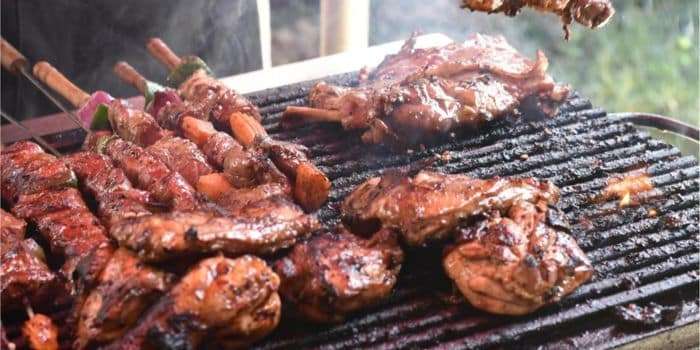
Nyama Choma means grilled meat in Swahili and it is the closest thing Kenya has to a national dish. Beef, goat, or chicken is marinated in a mixture of local spices and grilled slowly over an open fire until the outside is charred and the inside is tender and juicy. It is eaten with the hands, often accompanied by Ugali, kachumbari (a fresh tomato and onion salsa), and sukuma wiki (sautéed collard greens).
You will find Nyama Choma at roadside restaurants called nyama choma joints across the country. It is also a centrepiece of celebrations, family gatherings, and special occasions. If you are in Nairobi, the Carnivore Restaurant is famous for its version, serving multiple meats carved at the table in the traditional way.
Ugali — East Africa’s Ultimate Staple
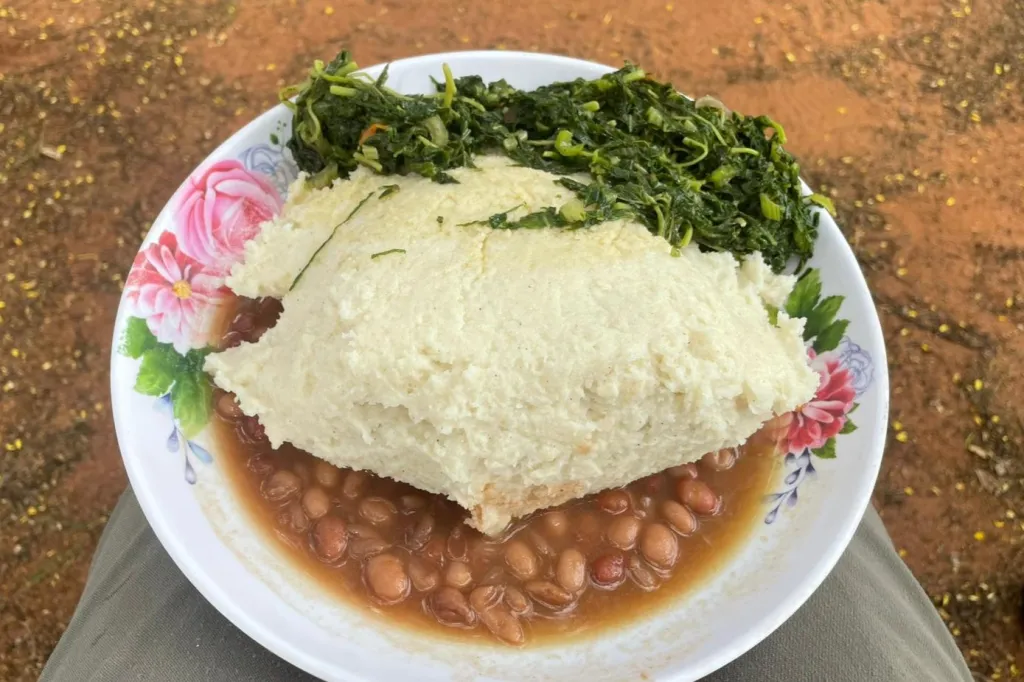
Ugali is the most important staple food across the entire East African region. It is made from maize meal, millet, or sorghum flour cooked with hot water and salt until it reaches a firm, dough-like consistency. It has a mild flavour on its own but is designed to be eaten alongside stews, beans, greens, and grilled meats.
Ugali is eaten with the hands. You break off a piece, roll it into a small ball, press your thumb into the centre to create a scoop, and use it to pick up stew or vegetables from the plate. It is deeply filling and enormously nutritious, and it forms the foundation of meals across Kenya, Tanzania, Uganda, and beyond.
Mandazi — East Africa’s Favourite Snack
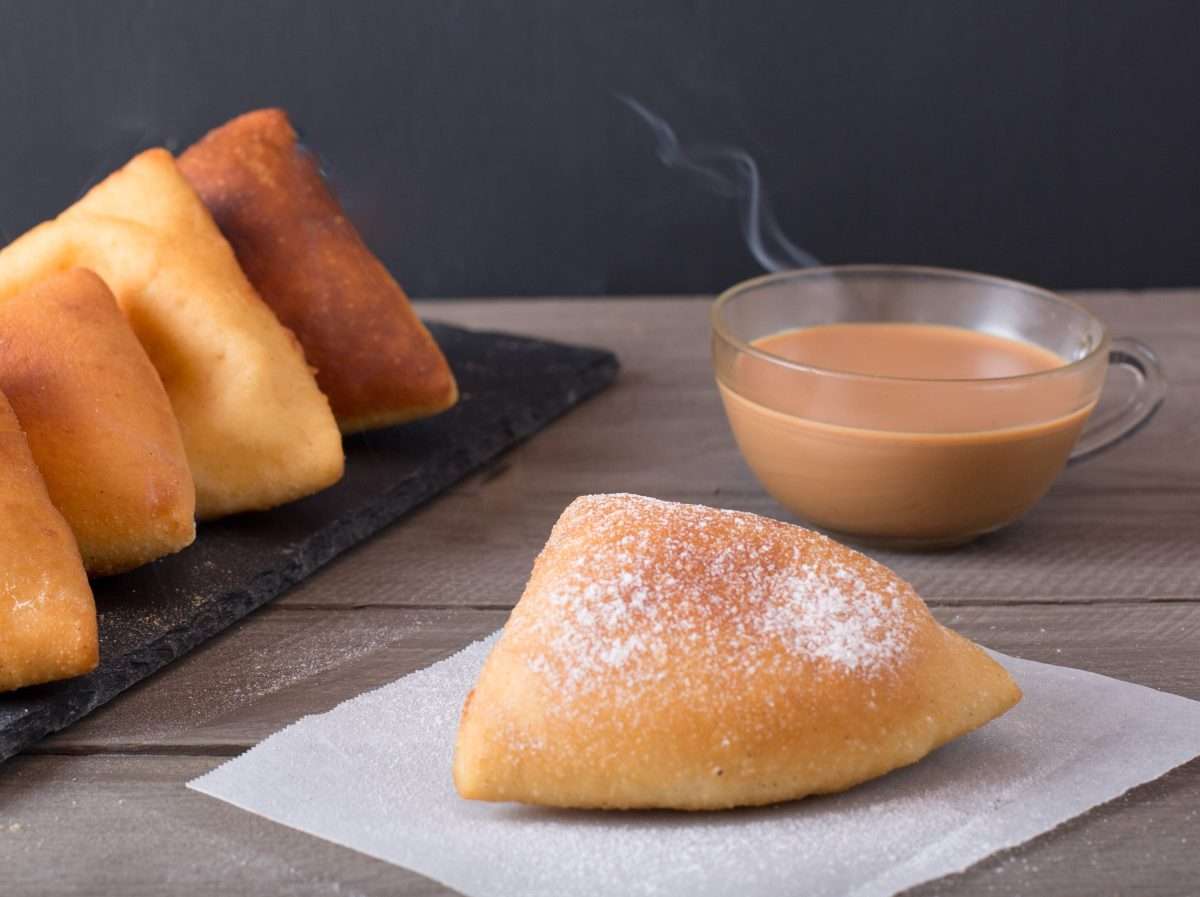
Mandazi is a lightly spiced fried dough snack made with flour, coconut milk, sugar, and spices including cardamom and cinnamon. It is cut into triangles or round shapes and deep-fried until golden. Sweet mandazi are eaten with tea for breakfast. Savoury versions accompany soups and stews.
Every corner of Kenya has mandazi vendors. They are one of the most universally loved snacks across the region and a warm mandazi with a cup of strong milky chai is one of the great simple pleasures of traveling in East Africa.
Pilau — Swahili Spiced Rice
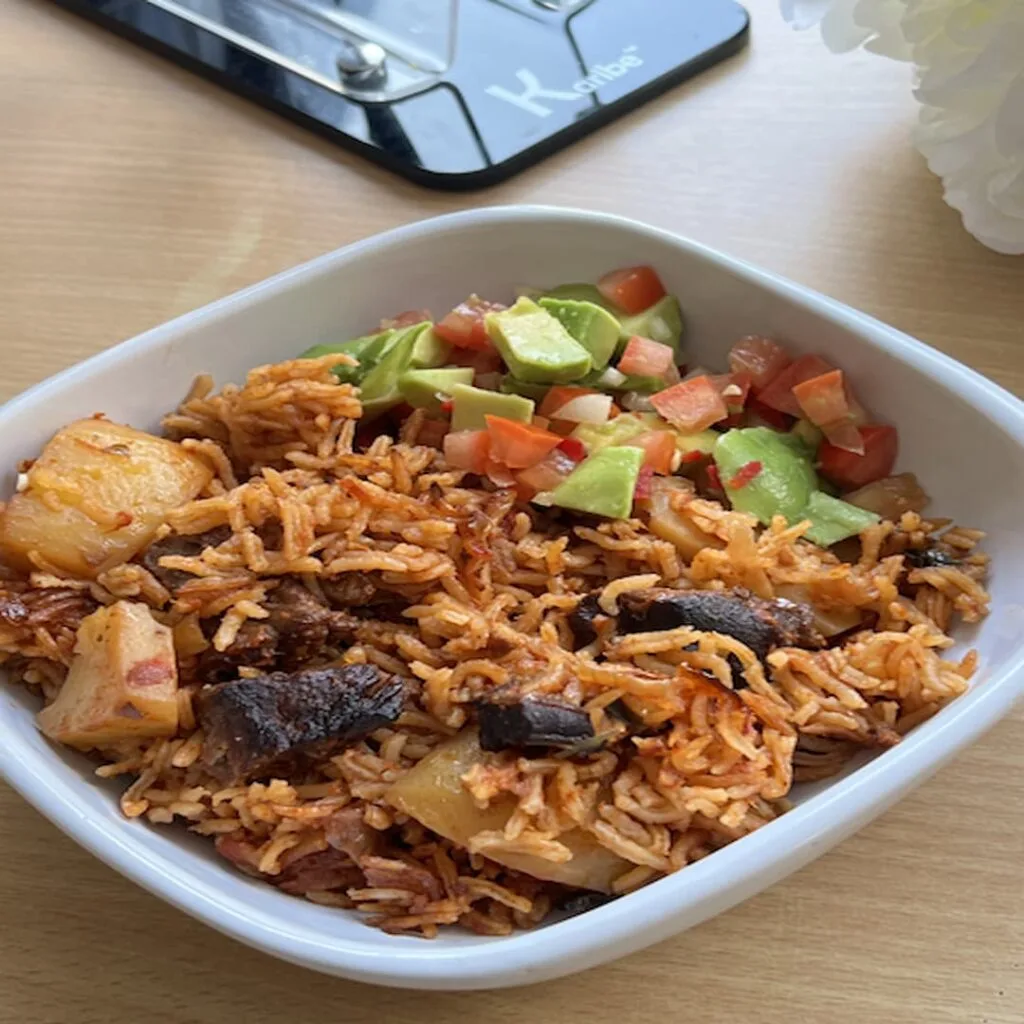
Pilau is a spiced rice dish that is one of the most recognizable dishes in Swahili cuisine. Rice is cooked with whole spices including cardamom pods, cinnamon sticks, cloves, cumin seeds, and black pepper, then combined with slow-cooked beef or chicken and caramelized onions. The result is a deeply fragrant and flavorful dish that is completely unlike standard steamed rice.
Pilau is served at celebrations, family meals, and in restaurants across Kenya and Tanzania. It is one of the dishes that showcases most clearly the Arab and Indian influences on East African cuisine.
Githeri — Bean and Corn Stew
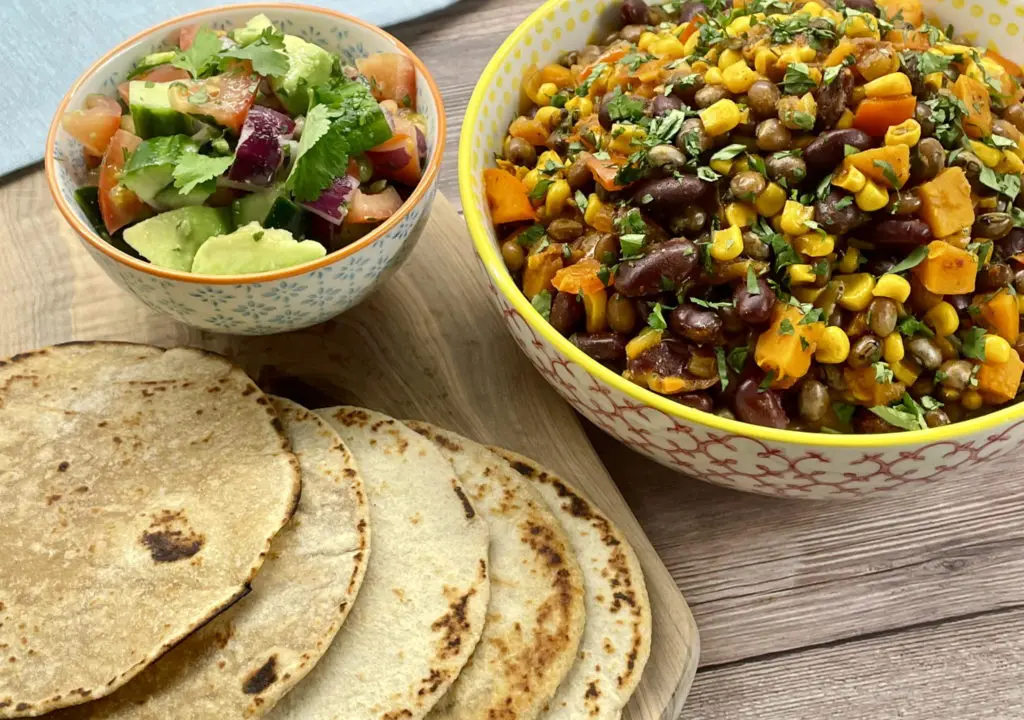
Githeri is a traditional Kenyan stew made from boiled maize and beans cooked together with onions, tomatoes, and spices including cumin and coriander. It is humble, filling, and deeply nutritious. Githeri has been eaten by Kenyan communities for generations and remains a daily staple in homes and small restaurants across the country.
Chapati — East Africa’s Favorite Flatbread
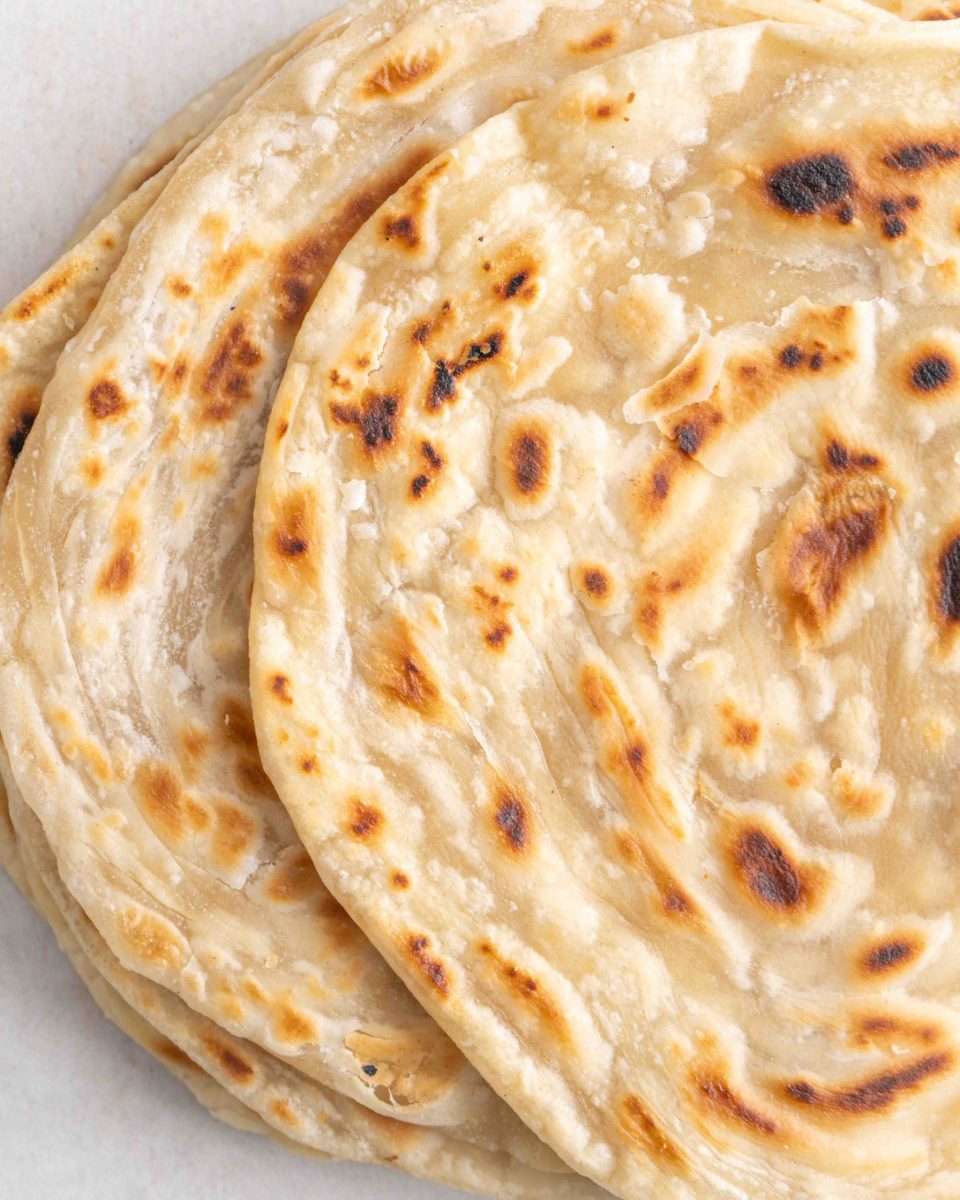
Chapati arrived in East Africa through Indian traders and has been so thoroughly adopted into local cuisine that most East Africans consider it their own. It is a soft, slightly flaky flatbread made from wheat flour, water, salt, and a little oil. It is eaten with stews, beans, and grilled meat and is one of the most universally loved foods across Kenya, Tanzania, and Uganda.
Bhajia — Spiced Potato Fritters

Bhajia are thinly sliced potato fritters coated in a spiced chickpea flour batter and deep-fried until crispy. They are a popular street food and snack across coastal Kenya, particularly in Mombasa. They are served with a green chutney or fresh lime and are genuinely addictive.
East Africa Foods in Tanzania
Tanzania’s food reflects its position as the gateway to the Swahili coast and the Spice Islands of Zanzibar. What to eat in Africa takes on a different dimension here, particularly on the coast and islands.
Chipsi Mayai — Tanzania’s Beloved Street Food
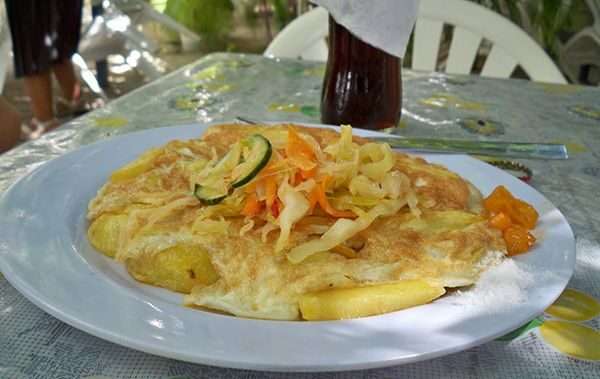
Chipsi mayai is simple, satisfying, and everywhere in Tanzania. It is an omelet made with chips (French fries) folded inside the egg as it cooks. Bell peppers and onions are often added and the finished omelets is served with kachumbari sauce. Look for the stalls with large black woks filled with bubbling oil — that is where the best chipsi mayai is made.
Mshikaki — Tanzanian Meat Skewers
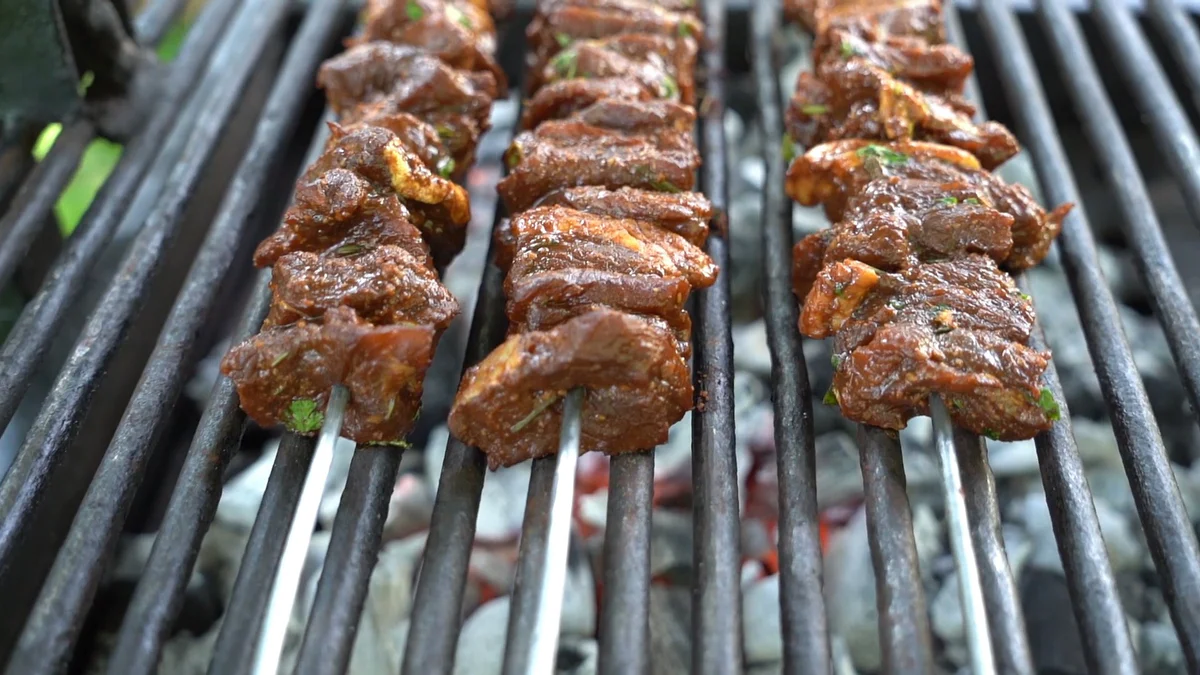
Mshikaki is Tanzania’s version of the meat skewer. Large cubes of beef, goat, or mutton are marinated in a blend of local spices and then cooked slowly over hot coals. Vendors set up stalls in the evenings and the smell of mshikaki cooking over open charcoal is one of the signature street food aromas of Tanzanian towns and cities. It is served with dipping sauces and eaten standing up at the stall.
Urojo Soup — Zanzibar’s Famous Mix
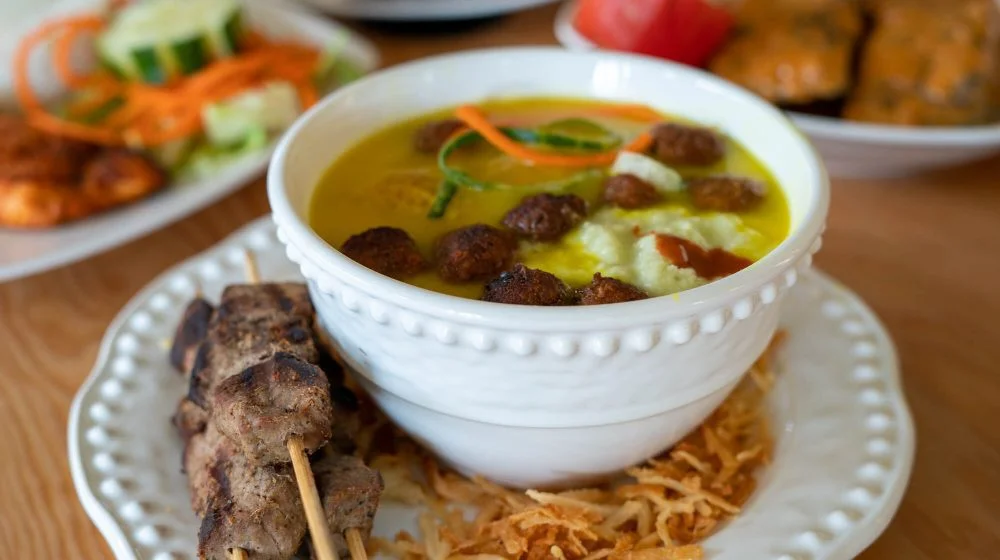
Urojo, also called Zanzibar Mix, is one of the most distinctive foods in the entire East Africa region. It is a yellow broth made with mango, ginger, tamarind, lime, and hot peppers. Into this broth go an extraordinary variety of toppings including cassava chips, bhajias, falafel, boiled eggs, chutney, and meat skewers. The result is unlike anything you will have eaten before.
The best place to experience urojo is the Forodhani Night Market in Stone Town, Zanzibar, where vendors have been serving it for generations. Eating a bowl of urojo at a wooden table by the Indian Ocean at night is one of the great food experiences of East Africa.
Coconut Rice — Zanzibar’s Staple Side Dish
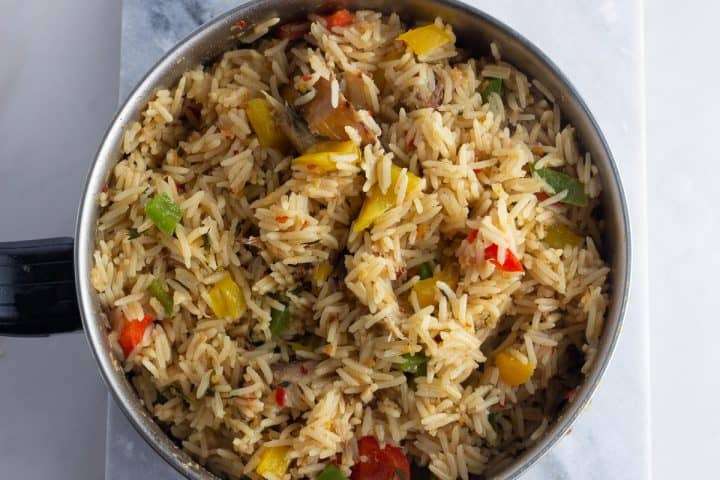
Rice cooked in coconut milk is a standard accompaniment to fish and meat dishes across Tanzania’s coast and the Zanzibar Archipelago. The coconut gives the rice a subtly sweet, creamy flavor that pairs perfectly with spiced fish curry or slow-cooked goat.
East Africa Foods in Uganda
Uganda’s street food scene is vibrant and distinctive. The country’s cuisine reflects its position at the heart of East Africa with strong influences from the Great Lakes region.
The Rolex — Uganda’s Most Famous Street Food
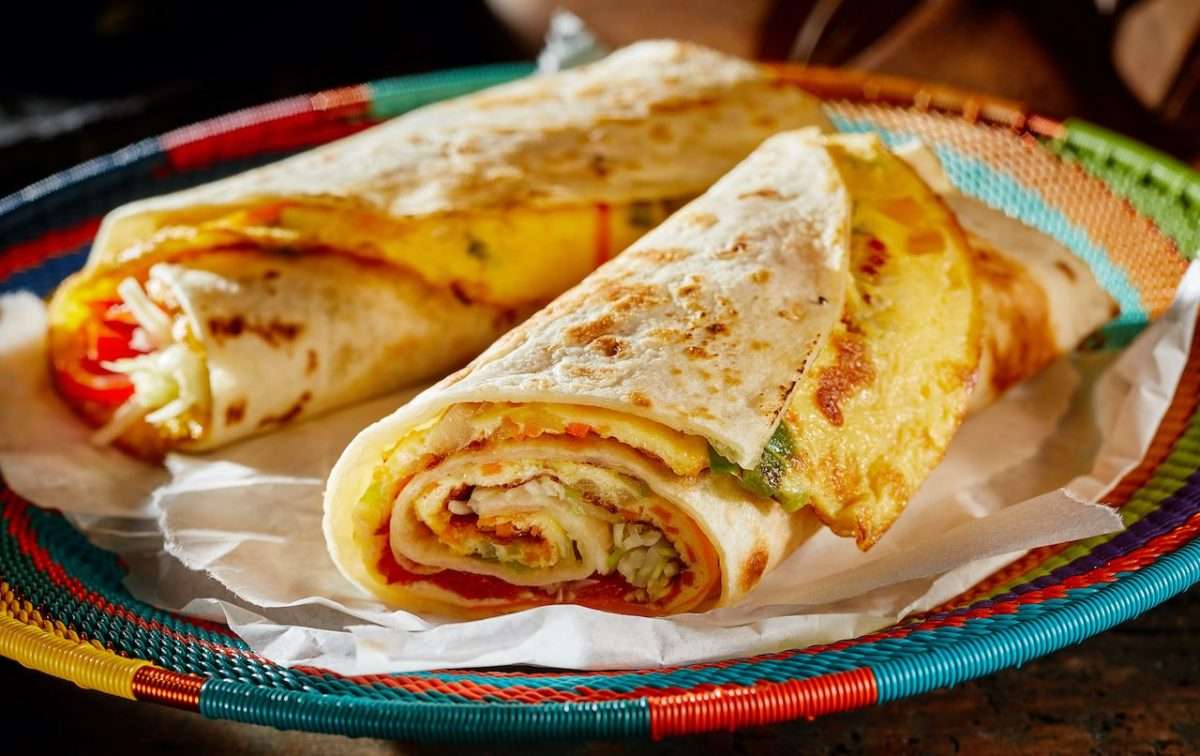
The Ugandan rolex has nothing to do with the watch. It is a chapati rolled around eggs scrambled with cabbage, onion, tomato, and peppers. The name comes from “rolled eggs” spoken quickly. It is cheap, filling, extraordinarily delicious, and widely available from street vendors across Kampala and the rest of the country. A hot rolex from a roadside vendor is one of the best quick meals anywhere in East Africa.
Matoke — Uganda’s National Dish
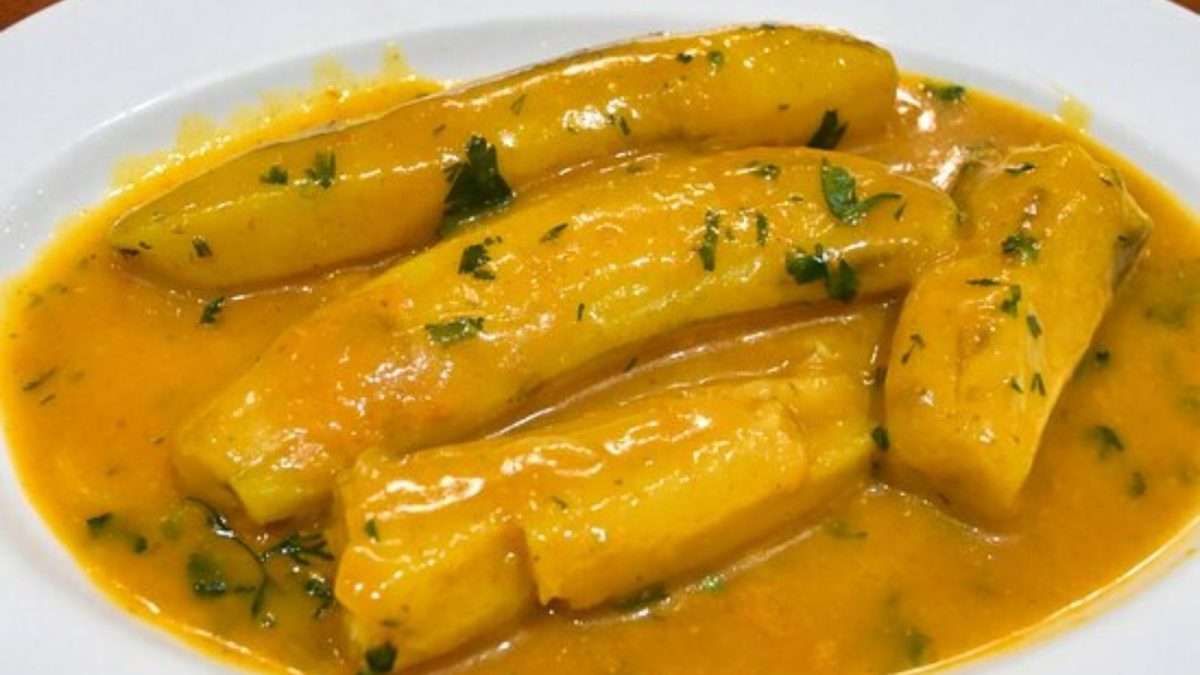
Matoke is a dish of steamed and mashed green bananas cooked in a banana leaf. It is Uganda’s equivalent of Ugali and serves the same role as a filling, starchy staple eaten alongside stews and grilled meats. The flavour is mild and slightly earthy. It is deeply embedded in Ugandan culture and found in homes and restaurants across the country.
Gonja — Roasted Plantain
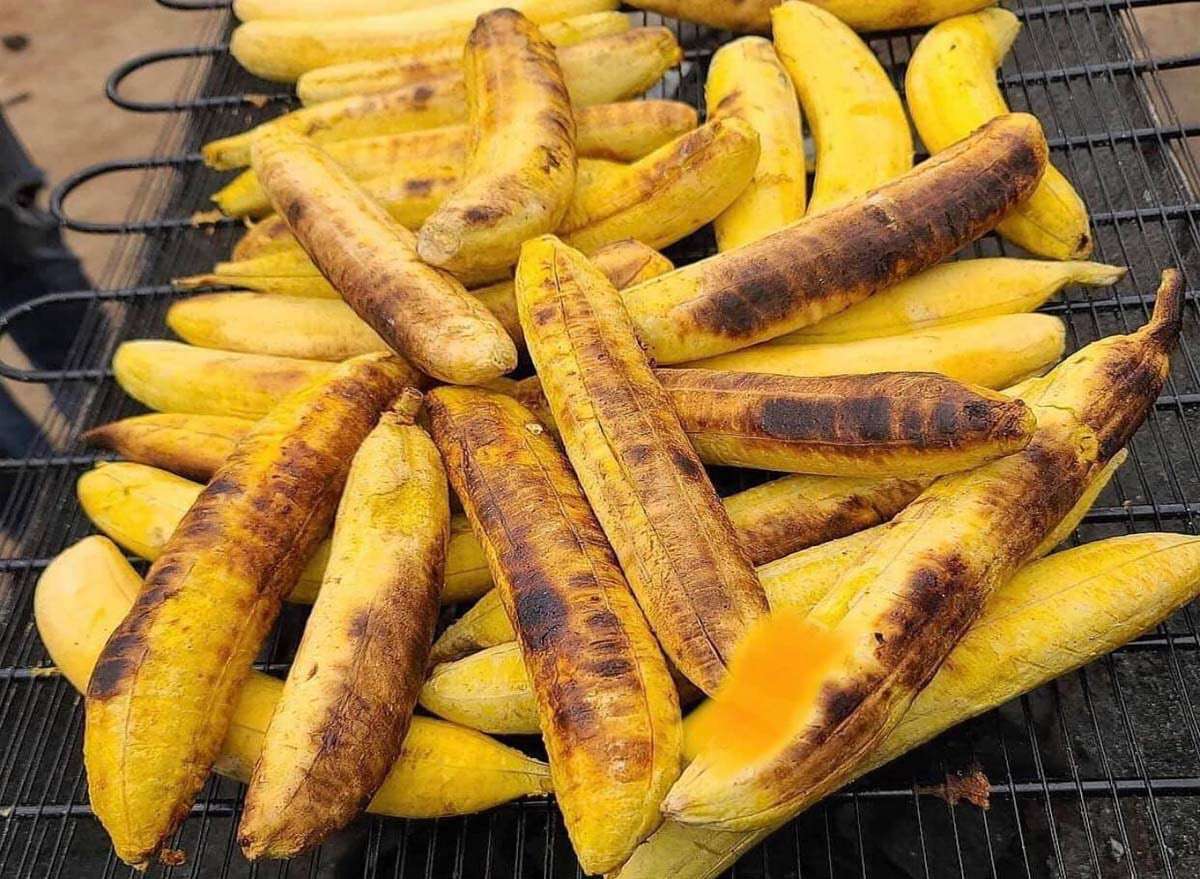
Gonja is roasted or grilled plantain cooked over charcoal until golden and caramelized. It is sweet, filling, and available from street vendors throughout Uganda. It is the perfect snack between meals and pairs well with groundnut sauce.
Eating on Safari — What to Expect at East African Safari Lodges
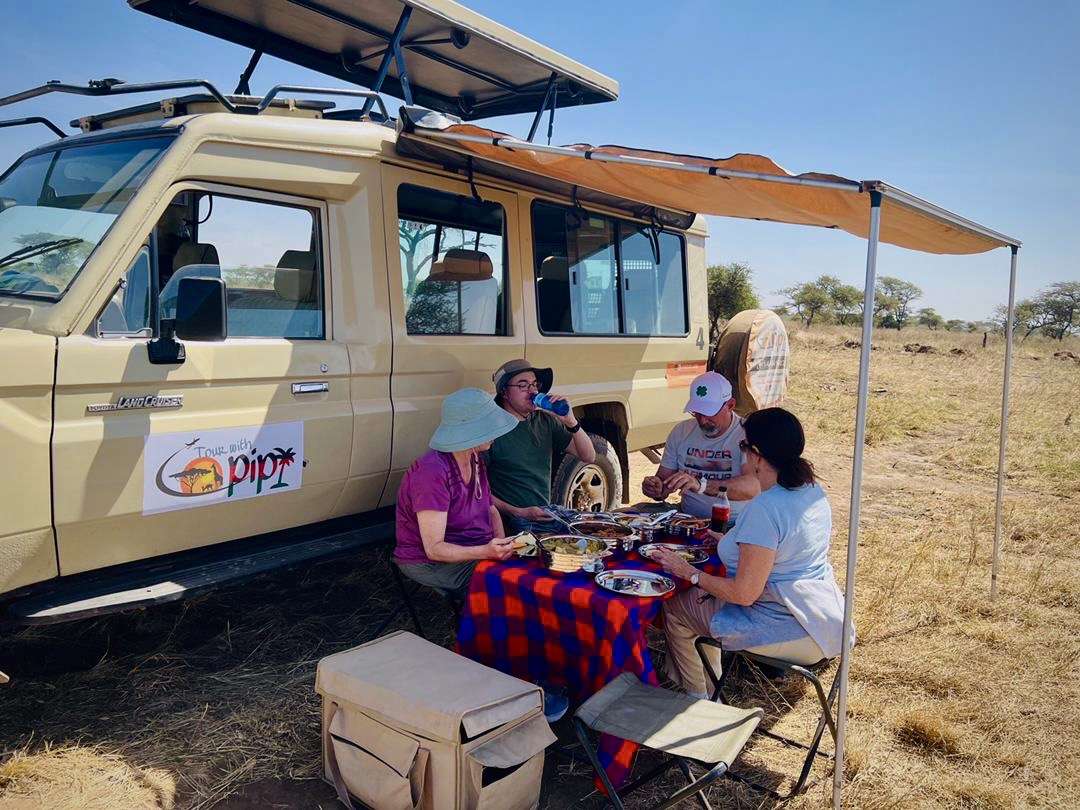
One of the things that surprises most first-time safari visitors is the quality and variety of food served at East African safari lodges. This is not camping food. Most luxury safari lodges and tented camps serve genuinely excellent meals prepared by skilled chefs with fresh local ingredients.
A typical day of eating at a East African safari lodge follows the rhythm of the game drives.
- Early morning: Coffee or tea and light snacks before the dawn game drive.
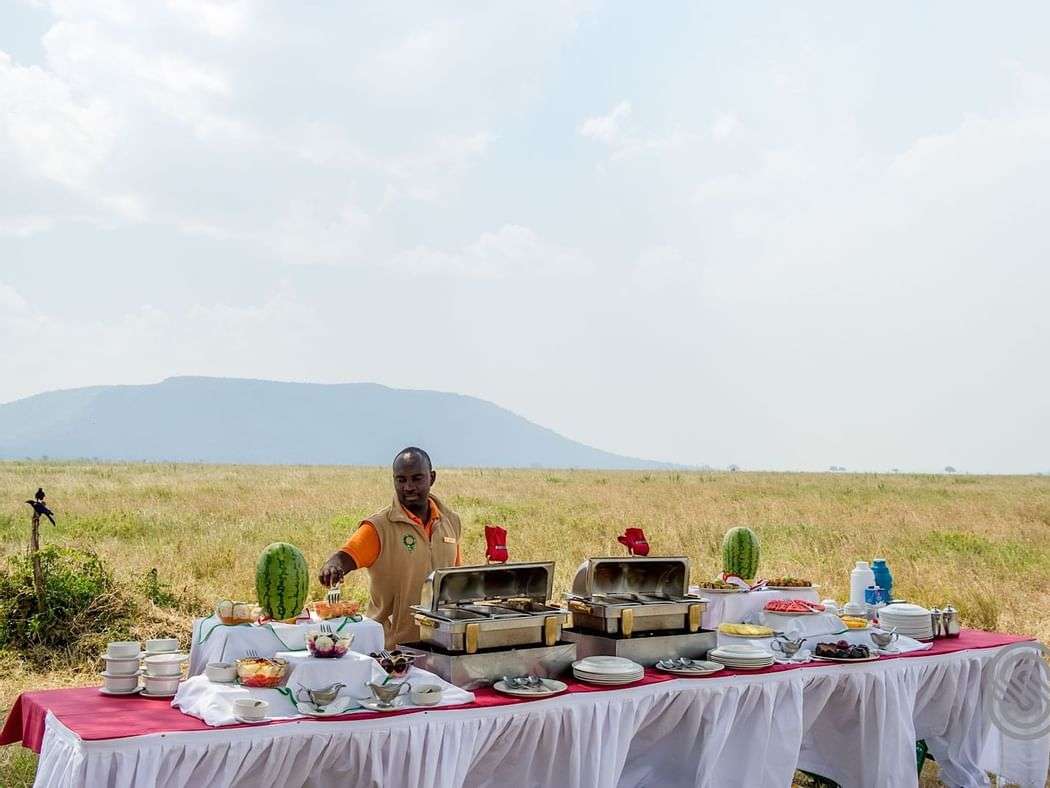
- Bush breakfast: After the morning drive, breakfast is served either back at the lodge or as a bush breakfast set up in the field. Bush breakfasts in the Maasai Mara or Serengeti, eaten at a folding table with the plains stretching out around you, are one of the most memorable meal experiences available on any safari.
- Lunch: A full lunch is served back at the lodge, typically a mix of local dishes, salads, and international options. Many lodges rest guests during the midday heat before the afternoon drive.
- Sundowners: As the afternoon game drive winds down, guides often stop at a scenic viewpoint for sundowner drinks — cold beers, gin and tonic, or non-alcoholic options with snacks as the sun sets.
- Dinner: The main meal of the day is dinner, served either in the lodge dining room, on an open-air terrace, or as a bush dinner under the stars around a campfire. Dinner at a well-run safari lodge is a genuine event. Food quality is high, the setting is extraordinary, and the combination of an incredible day of wildlife watching and a beautiful meal in the African night creates memories that last.
Most safari lodges serve a mix of local East African dishes alongside international options and are experienced at catering for vegetarian, vegan, and gluten-free guests. The key is to inform the lodge of any dietary requirements at the time of booking.
Swahili Food Customs and Eating Etiquette
Food is an important part of Swahili culture and hospitality is taken seriously. Understanding a few customs helps you engage more respectfully and enjoyably with local food culture.
- Eating with hands: Many traditional East African dishes are eaten with the hands. Ugali, Nyama Choma, and various breads are all typically hand foods. This is completely normal and expected. Wash your hands before eating and follow the lead of your host or guide.
- Accepting food: In Swahili culture refusing food when offered is considered impolite. Even a small bowl of soup or a cup of chai offered by a local host represents genuine hospitality. Accept graciously.
- Spice levels: East African coastal food can be spicy, particularly dishes influenced by Swahili and Zanzibari cuisine. If you are sensitive to heat it is worth asking before eating from a street stall or local restaurant. Most cooks are happy to adjust spice levels for visitors.
- Street food safety: Street food in East Africa is generally safe when it is freshly cooked and served hot. Stick to busy stalls with a high customer turnover. Avoid anything that looks like it has been sitting out for a long time.
Frequently Asked Questions — East Africa Foods
What is the most popular food in East Africa?
Ugali is the most widely eaten food across East Africa. It is a thick maize meal staple eaten daily across Kenya, Tanzania, Uganda, and the wider region. Nyama Choma, grilled meat in Swahili, is the most loved dish in Kenya specifically and widely popular across the region.
What is Swahili cuisine?
Swahili cuisine is the food culture of East Africa’s Indian Ocean coast. It combines African, Arab, Indian, and Portuguese influences and is characterised by the use of coconut, spices including cardamom and cinnamon, fish and seafood, tropical fruits, and slow-cooked meat and vegetable dishes. It is the foundation of much of East African food culture.
What should I eat in Kenya on safari?
In Kenya try Nyama Choma, Ugali, Pilau rice, Chapati, Mandazi, Githeri, and Bhajia. At safari lodges you will be served a mix of local dishes and international options with fresh local ingredients. Bush breakfasts and sundowner snacks are part of the standard safari dining experience at most lodges.
Is East African food spicy?
Some East African dishes are spiced but not always hot. Swahili coastal cuisine uses aromatic spices like cardamom, cinnamon, cloves, and cumin for flavour rather than heat. Dishes from Zanzibar and the coast can include chilli but this is usually adjustable. Most safari lodges moderate spice levels for international guests.
Can vegetarians eat well in East Africa?
Yes. East African food has a strong tradition of vegetable-based dishes. Githeri, matoke, coconut rice, pilau, chapati, and a wide range of vegetable stews and legume dishes are all naturally vegetarian. Tropical fruits are abundant. Safari lodges across Kenya and Tanzania are experienced at catering for vegetarian and vegan guests when notified in advance.
What is Ugali?
Ugali is a thick, firm porridge made from maize meal, millet, or sorghum flour cooked with hot water and salt. It is the most important staple food in East Africa and is eaten across Kenya, Tanzania, Uganda, and much of sub-Saharan Africa. It is usually eaten with the hands alongside stews, beans, greens, and grilled meat.
What is the famous street food of Uganda?
The rolex is Uganda’s most famous street food. It is a chapati rolled around scrambled eggs cooked with cabbage, onion, and tomato. The name comes from rolled eggs spoken quickly. It is cheap, filling, and genuinely delicious. Gonja (roasted plantain) and nsenene (fried grasshoppers) are also popular Ugandan street foods worth trying.
What is Zanzibar’s most unique food?
Urojo soup, also called Zanzibar Mix, is the most distinctive food on the island. It is a yellow broth made with mango, ginger, and tamarind, topped with cassava chips, bhajias, boiled eggs, chutney, and meat skewers. The best place to eat it is the Forodhani Night Market in Stone Town.
What do they eat for breakfast in East Africa?
A typical East African breakfast includes mandazi or chapati with a cup of strong milky chai. Eggs are commonly served at hotels and lodges. Safari lodges serve full cooked breakfasts with eggs, toast, fruit, and local dishes. Bush breakfasts served in the field after an early morning game drive are one of the most memorable dining experiences on any Kenya or Tanzania safari.
Is food included at safari lodges in East Africa?
Most luxury safari lodges in Kenya, Tanzania, and wider East Africa operate on a full board basis, meaning all meals are included. This usually covers early morning tea and snacks, bush breakfast, lunch, afternoon tea, sundowner drinks, and dinner. Some lodges include drinks and some charge separately. This is confirmed at the time of booking.


